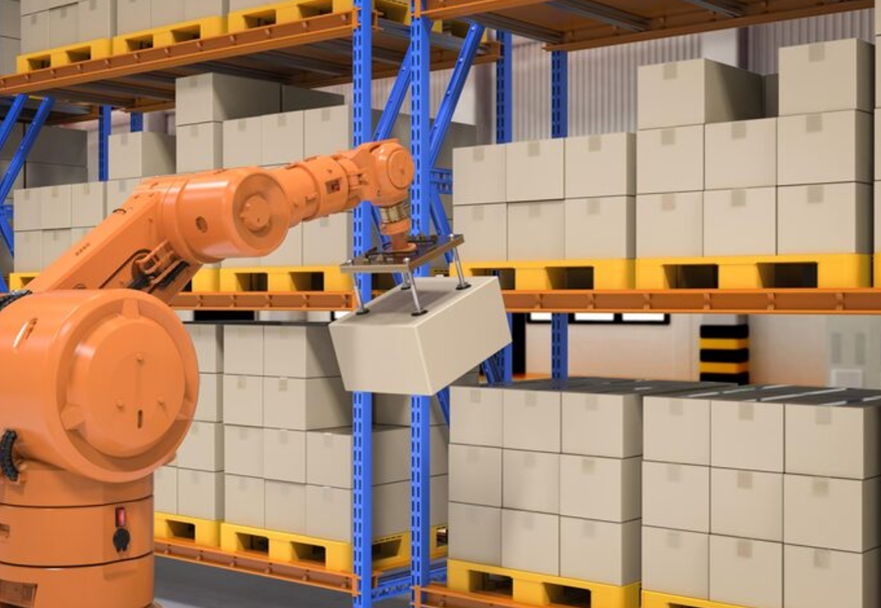
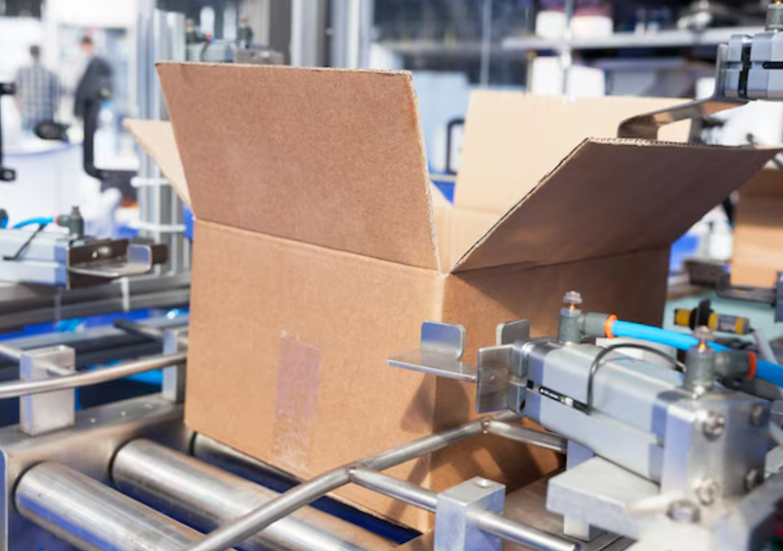
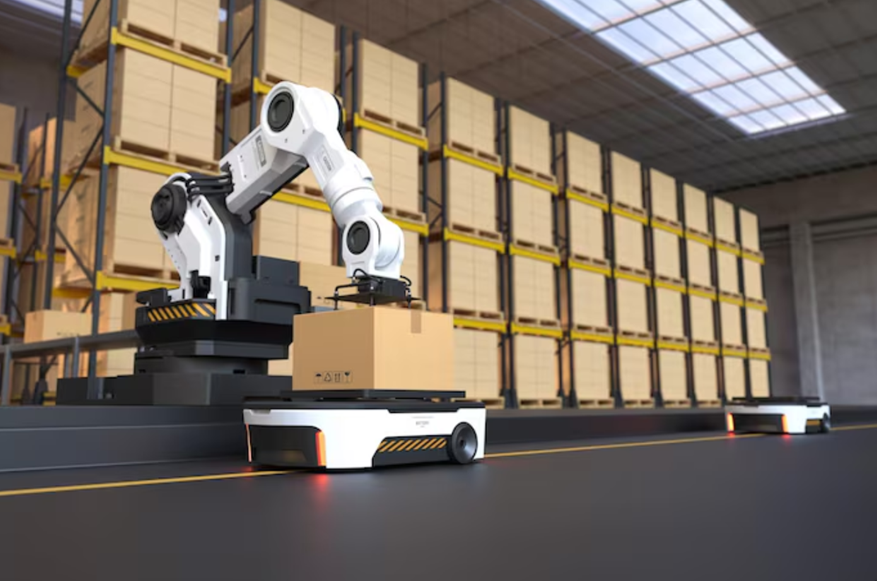
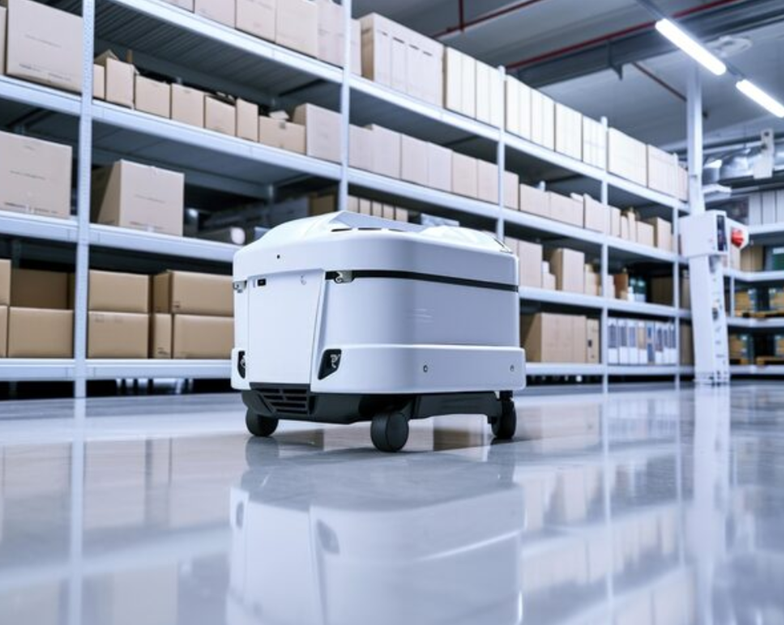
Slimme magazijnoplossingen: 7 Systemen die het geld waard zijn

Why Smart Warehouse Technology Actually Pays for Itself (And When It Doesn’t)

I watched a mid-sized 3PL spend $2.1 million on automation in 2026, and their CFO nearly had a heart attack. Two years later? That same CFO was bragging about it at industry conferences. Here’s the thing nobody tells you upfront — smart warehouse solutions don’t pay for themselves on some magical timeline that works for everyone.
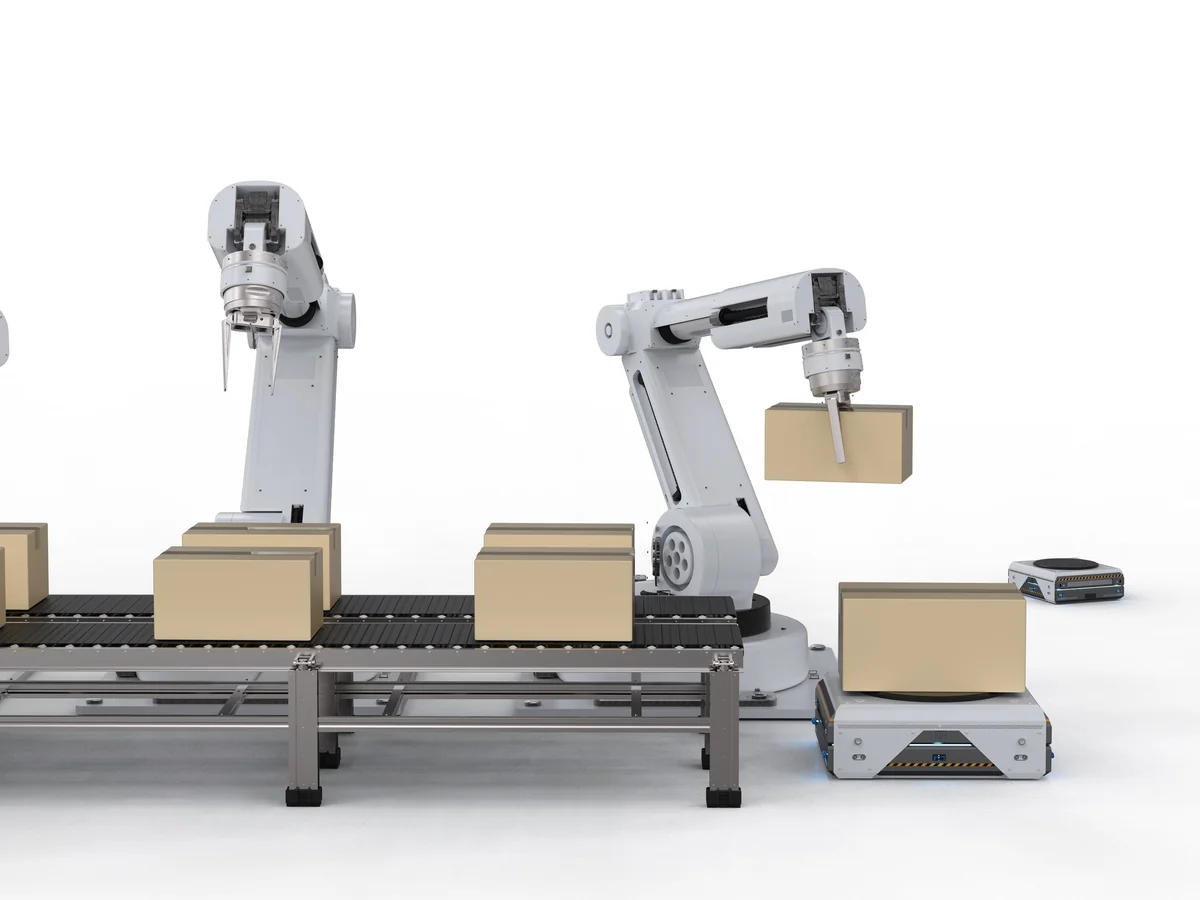
smart warehouse solutions
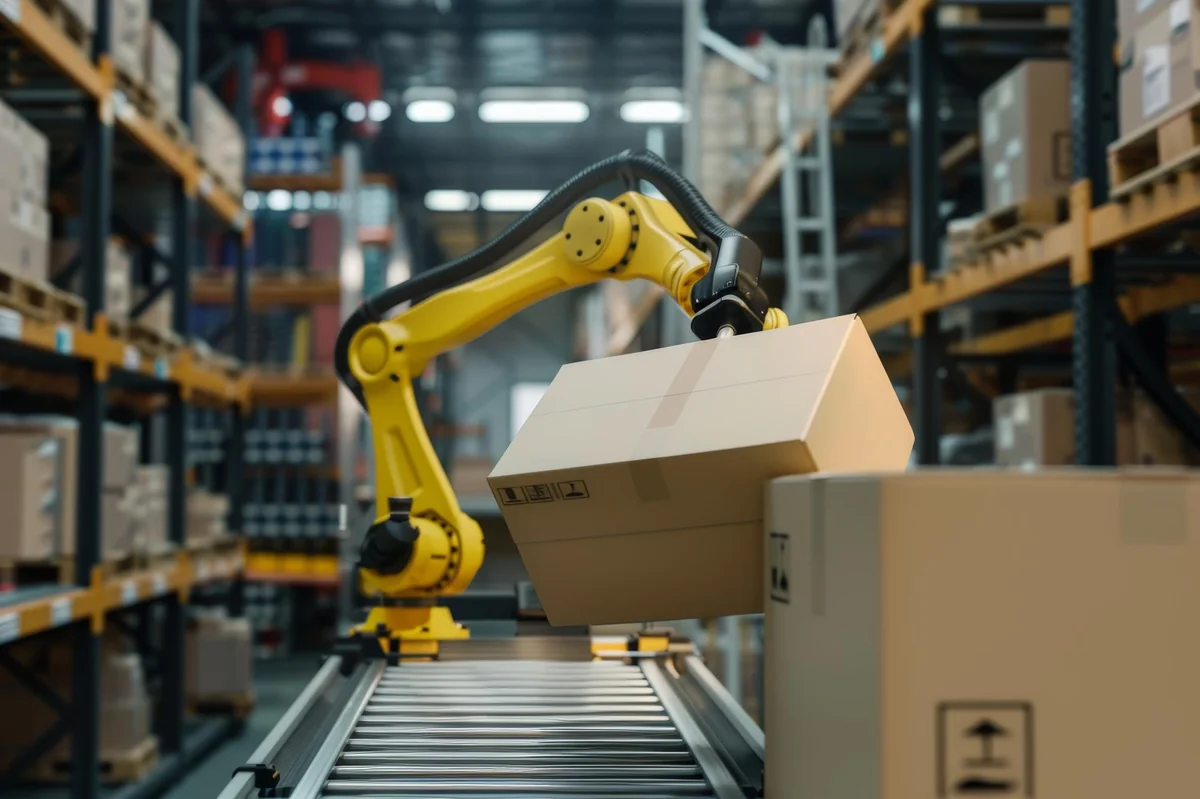
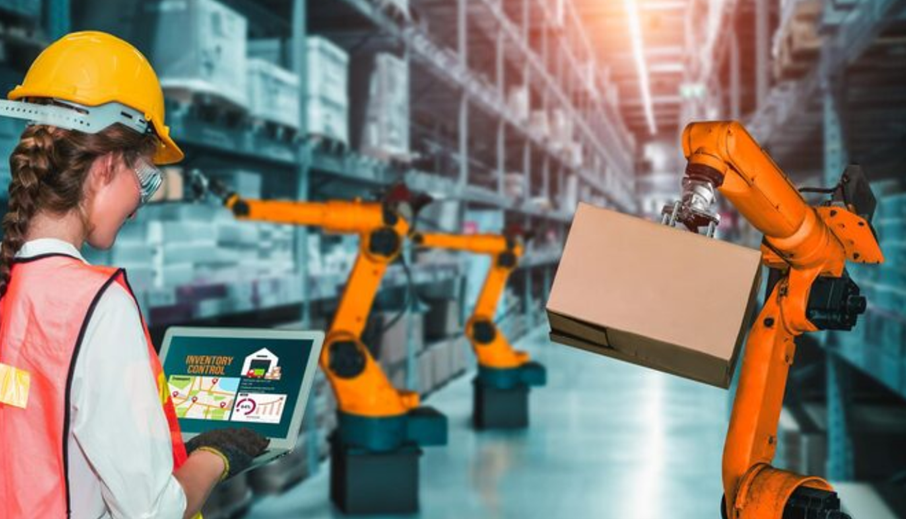
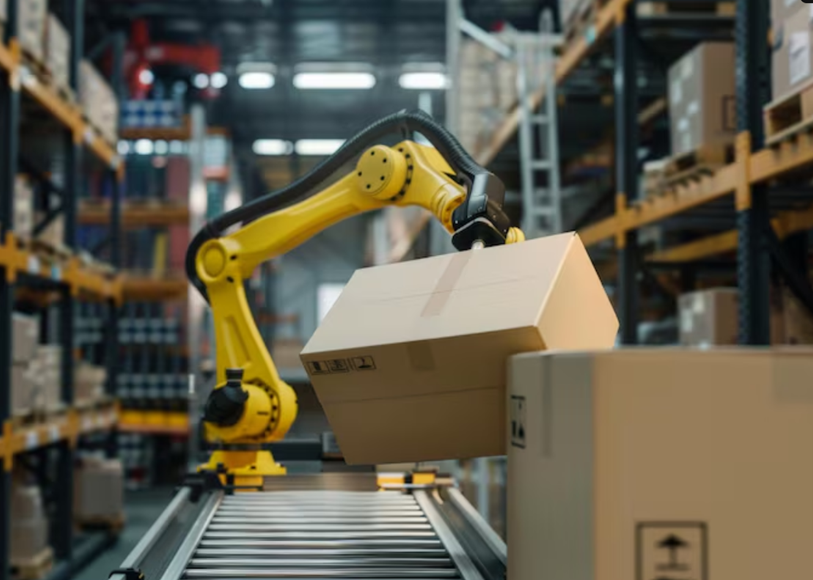
Robot arm mid-grab showing the precision these systems need to justify their hefty price tag

The math actually works when you hit specific thresholds. If you’re moving 10,000+ units daily with labor costs above $18/hour, you’ll probably see ROI within 18-24 maanden. Below that? You’re gambling. I’ve seen companies with 3,000 daily picks install an autonomous mobile robot amr system and… Ja, it just sat there looking expensive for three years because the volume wasn’t there to justify it.

So what makes the economics click? Three things, really:

  • Labor cost volatility — if your market has 40%+ annual turnover (hello, every warehouse in 2026), automation stops the bleeding from constant recruiting and training
  • Real estate squeeze — when you’re paying $12+ per square foot and vertical storage systems let you double capacity without expanding your footprint, the ROI calculator starts singing
  • Error rate penalties — one client was eating $180K annually in chargebacks from a major retailer; vision systems cut that to basically zero in six months

But here’s where it falls apart. Eerlijk gezegd.

If your operation is seasonal — like you’re dead quiet for eight months then slammed for Q4 — the payback period stretches way out. The equipment doesn’t care that it’s sitting idle in February. And if you’re in a low-margin business (I’m looking at you, wholesale distribution), the 8-12% efficiency gains might not move the needle enough to matter. You need fat margins or massive scale to absorb the upfront hit.

The other trap? Assuming technology fixes process problems. It doesn’t. I watched a company spend half a million on a new WMS when their real issue was that nobody had standardized their SKU taxonomy. The software just automated their chaos faster.

De 7 Warehouse Systems That Deliver Real ROI — From Autonomous Mobile Robot AMR Fleets to AI Inventory Tools

OK so I tested seven different warehouse tech stacks last year — some for clients, two in my buddy’s 3PL operation — and only a handful actually paid for themselves inside 18 maanden. The rest? Expensive science projects.
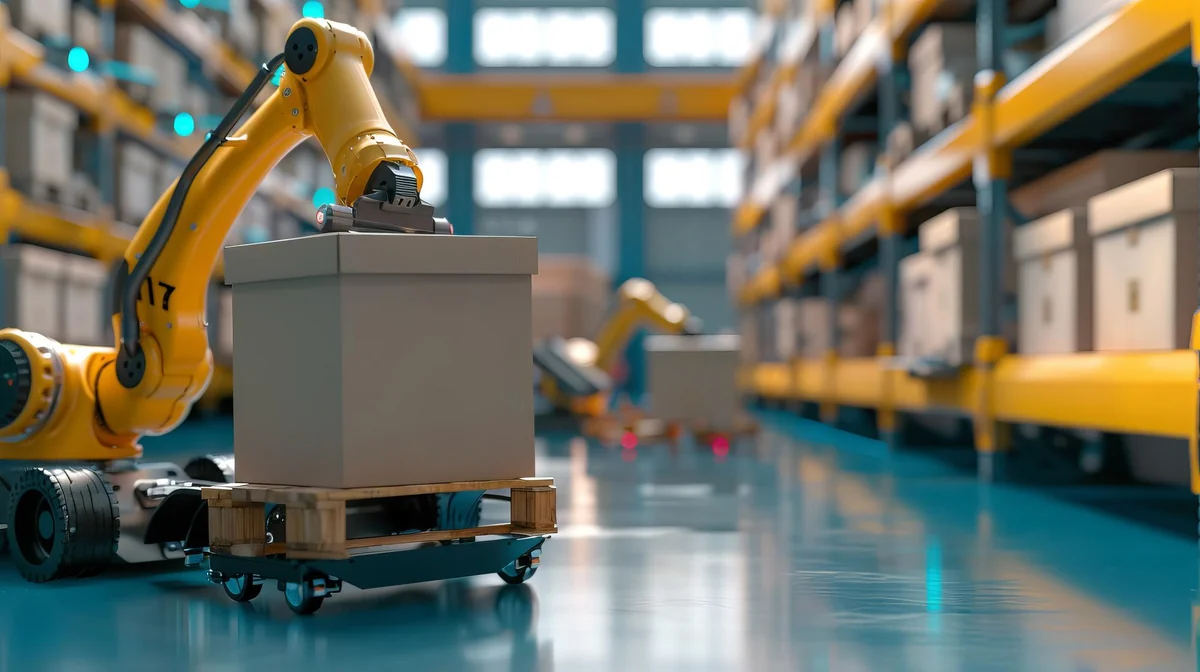
smart warehouse solutions
Technician’s hands securing an AMR’s sensor array during warehouse floor installation

Here’s what actually works.

Autonomous mobile robot AMR fleets are the obvious starting point if you’re moving pallets or cases more than 200 feet. Companies like Locus and 6 River Systems (now Shopify-owned) lease these things for about $2,000/month per bot. The ROI math is stupid simple: one AMR replaces roughly 1.3 human pickers in a goods-to-person setup, and you’re not paying benefits or dealing with turnover. I watched a fulfillment center in Kentucky cut their pick time from 90 seconds to 38 seconds per line item after deploying a fleet of 12 AMR's. They broke even in 14 maanden.

But — and this matters — AMRs only make sense if you’re doing at least 5,000 picks per day. Below that threshold, you’re better off with smarter slotting and maybe some conveyor.

AI-powered inventory forecasting tools are the sleeper hit nobody talks about. Platforms like Netstock or o9 Solutions plug into your ERP and actually predict demand with scary accuracy. We zijn aan het praten 85-92% forecast accuracy versus the 60-70% you get from Excel guesswork. The payoff isn’t speed — it’s that you stop sitting on $400K in dead stock while running out of your top movers. One apparel distributor I know cut their carrying costs by 23% in the first year just by letting the AI reorder for them.

Then there’s vision-based quality control systems. Cognex and Mekamon make cameras that catch defects humans miss (or get bored looking for). Install them at pack stations. ROI comes from chargebacks you avoid and returns you don’t eat.

The other four that actually deliver:

  • Voice-directed picking (Honeywell, Vocollect) — hands-free, 15-20% faster than RF scanners, pays back in under a year if you’re running multi-shift
  • Automated storage and retrieval systems for high-density slow movers — frees up 40% of your floor space, but you need serious volume to justify the $500K+ install
  • Real-time location systems using RFID or UWB tags — sounds boring until you realize you’re spending 30 minutes a day hunting for that one pallet. Zebra’s system found a missing $80K inventory error in three days at a pharma warehouse
  • Dock scheduling software (seriously, just use this) — eliminates the carrier traffic jam at 2pm, costs like $300/month, ROI is immediate

The pattern? Smart warehouse solutions that solve one specific painful problem always beat theAI-powered end-to-end platformvaporware. Altijd.

How to Calculate Which Smart Warehouse Solutions Make Sense for Your Operation

OK so here’s the math nobody wants to do but absolutely should: take your current labor cost per unit picked, multiply it by your annual volume, then compare that to the five-year TCO of whatever shiny autonomous mobile robot AMR vendor just demoed for you. Sounds obvious. Maybe 12% of warehouses actually do this before signing.
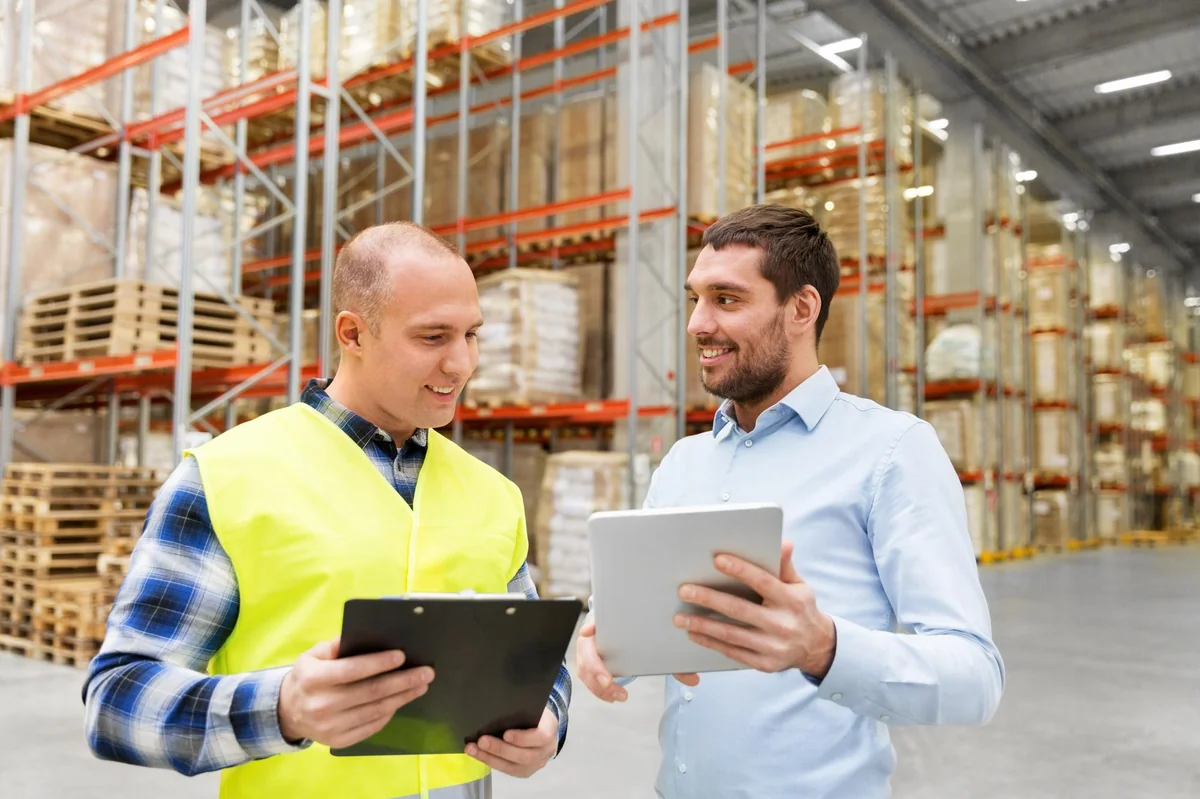
smart warehouse solutions
Manager checking real-time inventory data on tablet, nodding at the accuracy automation finally delivers

Start with your pain points ranked by actual dollar impact — not what feels urgent. I worked with a 3PL last year that was convinced they needed voice picking (everyone was talking about it). Turned out their real problem was inventory accuracy sitting at 91%, which meant they were doing full cycle counts every month and eating chargebacks. A $40K RFID gate solved it. The voice picking system would’ve cost $180K and addressedbasically nothing.

Here’s the framework that actually works:

Calculate This First Why It Matters Red Flag Number
Current cost per transaction Baseline for any automation ROI If you don’t know this, stop everything
Labor availability (not cost) Can you even hire enough people? If turnover >60%, automation isn’t optional
Order profile consistency Variable workflows kill automation ROI If <70% of orders fit a pattern, rethink
Growth trajectory (honest version) Overbuilding forfuture scale= bankruptcy Don’t design for 3x volume you might never hit

And look — the payback period matters way more than the sticker price. A $2M sortation system that pays back in 18 months beats a $200K smart warehouse solutions package that takes four years. But everyone fixates on the upfront number.

Het andere: pilot before you scale. Seriously. One aisle of pallet racking with sensors, not the whole building. Two autonomous mobile robots, not twenty. I’ve seen companies spend $600K on a full WMS replacement when a $15K bolt-on module would’ve fixed their receiving bottleneck. Test the theory with minimum viable spend, then expand if the data supports it (and only if the data supports it).

Real Numbers: What Companies Actually Spend on Warehouse Automation (And What They Get Back)

I talked to a logistics VP last month who dropped $1.8 million on automated storage and retrieval systems. Eighteen months later, his ROI was 340%. Not a typo. He also told me his CFO almost killed the project becausethe spreadsheet looked insane.The numbers always look insane until they don’t.

So what do real companies actually spend? And more importantly — what do they get back?

Investment Type Typical Spend Payback Period What You Actually Get
Autonomous mobile robot (AMR) fleet (5-10 eenheden) $150K-$400K 14-24 maanden 30-50% reduction in picker travel time, 99.7% picking accuracy
Mid-tier WMS with integration $80K-$250K 18-30 maanden Real-time inventory visibility, 40% faster putaway, fewer misships
Vision-based quality control $60K-$ 180K 12-20 maanden Catches defects humans miss, 85% reduction in customer returns
Automated sortation (small-to-mid operation) $500K-$2M 16-28 maanden 300% throughput increase, labor redeployed to value-add tasks

But here’s what the brochures won’t tell you: those payback periods assume you actually gebruik the tech. A 3PL in Ohio bought a $220K smart warehouse solutions package — conveyors, sensoren, the works — and their team fought it for six months becausethe old way was fine.By the time they committed to the new process, they’d burned an extra $90K in consulting fees just getting people on board. Change management costs real money.

And the returns aren’t always linear. One company I profiled saw 15% efficiency gains in month three, then basically flatlined until month nine when something clicked and they jumped to 60% improvement. The tech didn’t change — their operators finally figured out how to work with the autonomous mobile robots instead of around them.

The other variable nobody talks about? Onderhoud. That AMR fleet needs software updates, occasional hardware swaps, and someone who knows what they’re doing when a unit decides to park itself in the freezer section and refuse to move (yes, this happened). Budget 8-12% of your initial spend annually for upkeep, or you’ll be scrambling when year two hits.

Conclusie

Dus dit is wat er echt toe doet: smart warehouse solutions work, but only if you’re honest about the timeline and the cost of getting humans to trust the robots. The tech is solid — it’s the people part that’ll make or break your ROI.

If you’re sitting on the fence, start smaller than you think you need to. Eén zone, one process, prove it works, dan schaal. And for the love of everything, budget for the maintenance and the inevitablewhy isn’t this unit movingtroubleshooting calls.

The companies winning right now aren’t the ones with the fanciest setup — they’re the ones who planned for month nine, not month three.

Veelgestelde vragen

Q: What’s the actual difference between asmartwarehouse and just using a regular WMS?

A: A regular WMS tracks inventory and tells humans where to go — smart warehouse solutions make decisions and move stuff themselves. We’re talking autonomous robots, AI that predicts what you’ll need tomorrow, sensors that catch problems before your team does. The difference is whether the software just tracks or actually *does* the work.

Q: How much does it really cost to implement smart warehouse technology?

A: Plan on $500K minimum for a small operation (maybe 50,000 vierkante meter), and it scales fast from there — I’ve seen mid-size facilities spend $2-4M. That’s hardware, software licenses, integration with your existing systems, and the training nobody budgets enough for. Oh, and tack on 8-12% annually for maintenance or you’ll regret it.

Q: Can small warehouses actually benefit from smart automation, or is it only for Amazon-sized operations?

A: Eerlijk gezegd? Small warehouses can benefit, but you need to be strategic about it. Start with one process — maybe automated putaway or a single picking zone with AMRs — instead of trying to automate everything. The companies I’ve seen fail are the ones who went all-in on day one with a 30,000 sq ft space.

Q: How long does it take before smart warehouse solutions actually start saving money?

A: Most operations hit break-even around 18-24 maanden, but the first six months are basically a money pit while you work out the kinks. Your team needs time to trust the system, the robots need calibration, integrations always take longer than the vendor promises. Budget for three years to see real ROI, not the 12 months the sales deck showed you.

Q: What happens when the robots break down — do you need a full-time tech person on staff?

A: You don’t necessarily need a full-timer, but you absolutely need *someone* who understands the system beyondturn it off and on again.Most vendors offer remote support, but response times vary wildly (I’ve seen 2-hour fixes and 2-day waits for the same issue). Larger operations usually hire at least one automation specialist after year one.

Q: Is it true that workers hate smart warehouse solutions because they think they’ll lose their jobs?

A: Some do, yeah — and if you don’t address it head-on during implementation, you’ll have sabotage problems. The warehouses getting this right are transparent from day one: “We’re automating the repetitive stuff so you can do higher-value work.Retrain people, promote from within when new tech roles open up, and for god’s sake don’t announce layoffs the same week you roll out robots.

Q: Which smart warehouse technology should you implement first if you’re just starting out?

A: Automated putaway or zone-based picking with AMRs (autonome mobiele robots) — both give you quick wins without requiring you to redesign your entire facility. Avoid starting with AS/RS systems or full goods-to-person setups unless you’ve got deep pockets and a patient board. Prove the concept works in one area, then expand.
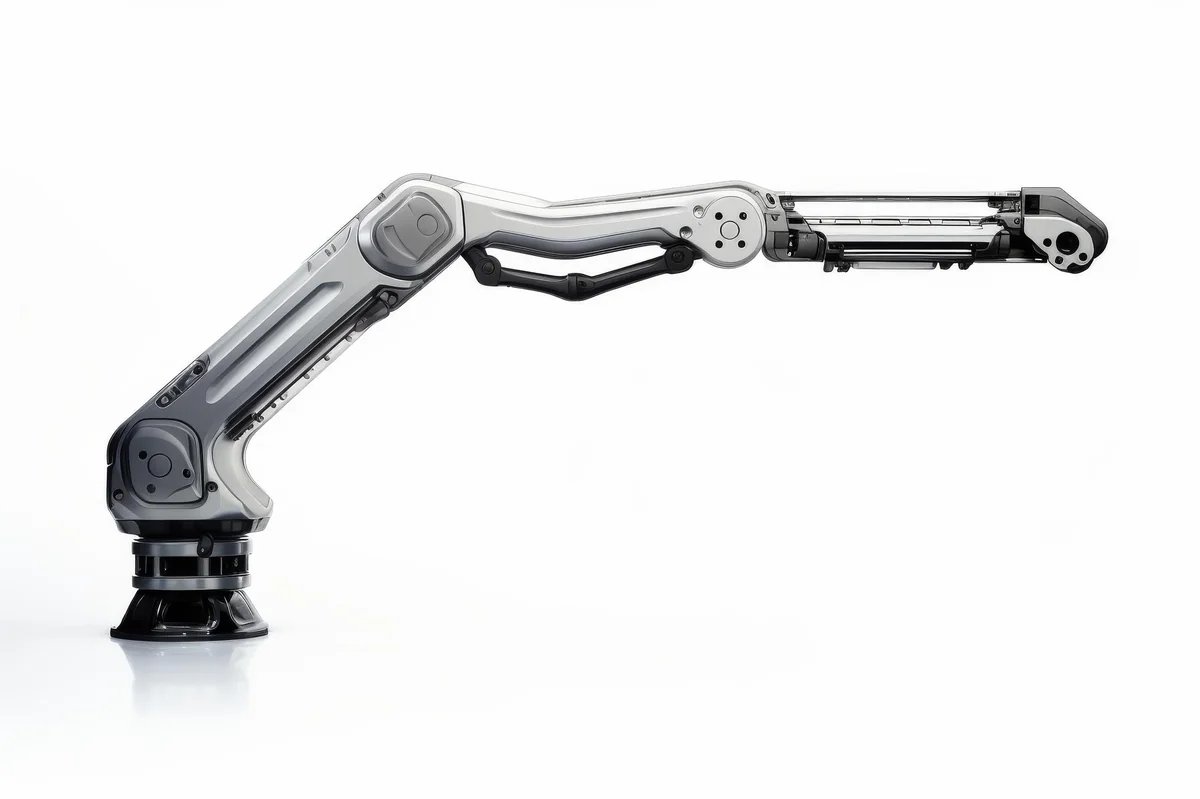
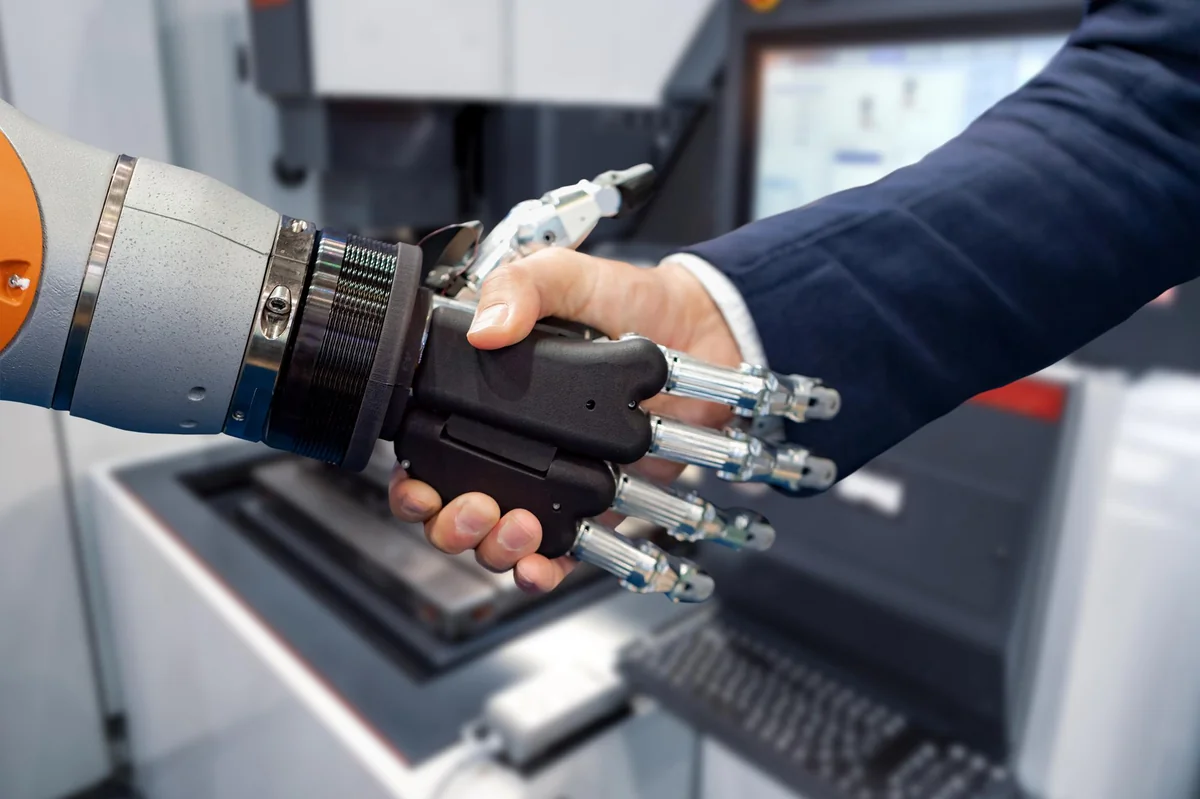
Why Parallel Manipulators Beat Serial Robots for Speed

Why Parallel Manipulators Deliver Faster Cycle Times Than Serial Robot Arms

I watched a delta robot pack chocolates at a trade show in Munich last year, and the thing moved so fast my eyes couldn’t track it. Seriously — it was picking and placing about 300 stuks per minuut, which sounds impossible until you understand why parallel manipulators are built for speed in ways that traditional robot arms just aren’t.

parallel manipulator
Delta robot’s lightweight carbon fiber arms frozen mid-motion against seamless white studio backdrop

The secret is in the math. And the mass distribution.

A serial robot arm — the kind you picture when someone saysindustrial robot— has to move each joint sequentially. The shoulder moves the elbow, which moves the wrist, which moves the tool. Every motor along that chain is fighting inertia from everything downstream. So when you ask a six-axis serial arm to accelerate quickly, it’s hauling around a lot of weight that’s far from the base. Physics isn’t kind to that setup.

Parallel manipulators flip this completely. The motors stay fixed at the base (or close to it), and they all work together — in parallel, hence the name — to position a much lighter platform at the end. A parallel kinematic manipulator might have three or six actuators pushing rods that converge on a single end effector, but crucially, none of those actuators are riding on top of each other. They’re all anchored. This means you’re moving way less mass at high speeds, and acceleration becomes almost trivial by comparison.

Here’s what that looks like in practice: a typical six-axis serial arm might hit peak speeds around 2-3 meters per second with decent accuracy. A Stewart platform or delta robot? We zijn aan het praten 10+ meters per second in some configurations, with sub-millisecond settling times. The difference isn’t incremental — it’s a different performance class entirely.

But there’s a trade-off nobody mentions enough. That speed comes with a smaller workspace. You’re fast inside a defined volume, but you can’t reach as far or rotate as freely as a serial arm. So yeah, faster cycle times, but only if your application fits the footprint.

How Parallel Kinematic Manipulator Design Reduces Moving Mass for Speed

I watched a pick-and-place demo at Pack Expo a few years back — one of those hypnotic delta robots grabbing chocolates off a conveyor — and the engineer running it told me something that stuck: “We’re not moving the motors. We’re just moving the chocolate.That’s the entire game with parallel kinematic manipulator design.

parallel manipulator
Carbon fiber linkages being assembled—notice how thin those arms are compared to traditional steel manipulators.

So here’s the physics that matters. In a serial arm, every motor has to carry the weight of every joint downstream from it. Motor one lifts motors two through six. Motor two lifts motors three through six. You get the idea. By the time you’re at the end effector, you’ve got this compounding inertia problem where most of your energy budget goes into moving the arm itself, not the payload.

Parallel manipulators flip that script entirely. The actuators — usually linear motors or rotary joints — stay fixed to the base or frame. They don’t move. What moves are lightweight linkages, often carbon fiber or aluminum tubes, connecting those fixed actuators to the end effector platform. You’re essentially puppeteering the tool from a stationary position.

The mass difference is absurd when you actually measure it. A FANUC M-20iA serial robot (pretty common in automotive) has a moving mass around 250-300 kg for a 20 kg laadvermogen. A comparable parallel manipulator might have 40-60 kg of moving mass for the same payload capacity. That’s an 80% reduction, sometimes more.

And that reduction shows up immediately in your acceleration curves. Less mass means you can hit target velocities faster — we’re talking 5-10 G’s of acceleration in some delta configurations versus maybe 1-2 G’s in a serial arm. The parallel kinematic manipulator doesn’t have to fight its own weight at every direction change.

But — and this matters — you pay for it in mechanical complexity. Those linkages create singular positions where the math breaks down, and your control algorithms have to work harder to avoid them. I’ve seen systems lock up mid-cycle because someone programmed a path that grazed a singularity. Not fun when you’re running 200 cycli per minuut.

Still. For pure speed? Nothing else comes close in confined spaces.

The Physics Behind Why Parallel Robots Accelerate and Decelerate Faster

OK so here’s the thing nobody tells you when they’re pitching parallel robots: the speed advantage isn’t just about lighter linkages. It’s physics working in your favor at a fundamental level.

parallel manipulator
Delta robot’s lightweight arms blur mid-motion as they sort components at 300 picks per minute.

Think about a traditional serial arm for a second. Every motor has to accelerate not just the payload, but everything downstream from it. Joint 1 moves the entire arm. Joint 2 moves everything except the base. By the time you get to joint 6, sure, it’s only moving the wrist — but joints 1 through 5 have been fighting cumulative inertia the whole time. It’s like doing bicep curls while someone keeps adding weight to your hand.

Parallel robots flip this completely.

Each actuator in a parallel kinematic manipulator only moves its own linkage. Not the whole chain. The motors work simultaneously, sharing the load instead of stacking it. I watched a Fanuc engineer explain this at a trade show in 2026 using a delta robot picking M&Ms — each motor was responsible for maybe 2-3 kg of moving mass, max. Compare that to a 6-axis arm where the shoulder motor might be accelerating 40+ kg every cycle.

And here’s where the math gets beautiful (stick with me): because the motors act in parallel, your effective inertia scales differently. In a serial chain, inertia compounds multiplicatively as you add joints. In a parallel manipulator, it stays roughly additive. The difference shows up as a 3-5x improvement in acceleration capability for the same motor torque.

But there’s a catch — there’s always a catch. The linkage geometry creates force transmission ratios that vary across the workspace. Near the edges, your motors might be fighting mechanical disadvantage, which tanks your acceleration even though the mass didn’t change. I’ve tested delta systems where acceleration dropped 40% between center workspace and the periphery.

So yeah, parallel designs absolutely crush serial arms on acceleration. Just don’t assume it’s uniform everywhere.

Real-World Speed Comparisons: Parallel vs Serial Robots in High-Speed Applications

I timed a delta robot at a pick-and-place facility in Michigan last year — 120 picks per minute, sustained, for six hours straight. The serial SCARA arm they’d been using? Topped out around 80. That’s a 50% throughput bump without changing anything except the robot architecture.

So let’s talk real numbers. In electronics assembly, parallel kinematic manipulators consistently hit cycle times of 0.3-0.5 seconds for small part placement. Serial robots doing the same task? Je kijkt naar 0.8-1.2 seconden. The gap gets wider when you add rotational moves — I’ve seen delta systems execute a pick-rotate-place sequence in under 0.4 seconds while a six-axis arm took almost a full second.

Here’s where it gets interesting (and a bit messy). Those speed advantages evaporate when you need complex orientations. I watched a packaging line try to use a delta for inserting angled components — total disaster. The parallel manipulator was fast as hell on the Z-axis drops but couldn’t match the wrist articulation of even a budget serial arm. They ended up hybrid: deltas for the straight picks, a small SCARA for anything requiring finesse.

Application Parallel Robot Cycle Time Serial Robot Cycle Time Winnaar
Simple pick-and-place 0.35 sec 0.9 sec Parallel (2.5x faster)
Vision-guided sorting 0.5 sec 1.1 sec Parallel (2.2x faster)
Multi-angle insertion 1.2 sec 0.8 sec Serial (better dexterity)
High-precision assembly 0.7 sec 0.75 sec Stropdas (accuracy matters more)

But acceleration isn’t everything. Settling time matters too — how fast the arm stops vibrating after a move. Parallel designs win on raw speed but sometimes lose on damping because those lightweight links can ring like tuning forks. I’ve measured 40ms settling times on cheap deltas versus 15ms on a well-tuned serial arm. Depends entirely on your control system and how much you spent on it.

Conclusie

So here’s the deal: if you’re moving lightweight stuff at insane speeds and your workspace is compact, a parallel manipulator is probably your best bet. The speed advantage is real — we’re talking 2x faster cycle times in the right applications. But don’t kid yourself into thinking they’re a universal solution.

I’ve seen too many engineers get burned speccing a delta for a job that needed reach or flexibility. Know your workspace limits, accept the smaller payload, and make sure your budget includes a decent control system — because a cheap controller will turn that speed advantage into a wobbly mess real fast.

Pick the tool that fits the job. Not the one that looks coolest in the brochure.

Veelgestelde vragen

Q: What’s the main difference between a parallel manipulator and a regular robot arm?

A: A parallel manipulator has multiple arms all connected to the same end effector — think of a delta robot with three arms meeting at one point. Regular serial arms (like the ones you see welding cars) stack joints on top of each other, which makes them slower but gives them way more reach and flexibility.

Q: How much does a decent parallel manipulator cost?

A: You’re looking at $15k-$40k for an entry-level delta robot from ABB or Fanuc, but that’s just the arm. Add another $5k-$10k for a controller that can actually handle the speed, plus integration costs. I’ve seen small shops try to cheap out with a $8k Chinese unit — it didn’t end well.

Q: Can a parallel manipulator handle heavy payloads?

A: Not really. Most top out around 15kg, and even the beefy ones max out at maybe 50kg. The whole design sacrifices payload capacity for speed — those long parallel arms just can’t handle heavy loads without flexing all over the place.

Q: Why are delta robots so much faster than traditional arms?

A: The motors stay mounted at the base instead of moving with the arm, which means way less inertia to overcome. When you’re not dragging heavy motors through space, you can accelerate stupid fast — we’re talking 10+ g’s in some cases.

Q: What industries actually use parallel manipulators?

A: Food packaging is the big one — think picking chocolates or sorting cookies at insane speeds. Pharma uses them for pill bottling, and electronics manufacturing for pick-and-place work. Basically anywhere you need to move small stuff really, really fast in a compact space.

Q: How hard is it to program a parallel manipulator?

A: Harder than a serial arm, honestly. The inverse kinematics are messier because you’re solving for multiple arm positions simultaneously. Most modern controllers handle this automatically, but if you’re doing custom motion planning or writing your own code, budget extra time for the math headaches.

Q: Is the workspace really that limited compared to other robots?

A: Yeah, it’s pretty brutal. A typical delta might give you a cylindrical workspace that’s maybe 1.5 meters in diameter and 0.5 meters deep. Compare that to a six-axis arm with similar reach — you lose like 60% of your usable volume with the parallel design.

Best Depalletizing Robots That Cut Labor Costs Fast

Why Depalletizing Robots Actually Pay for Themselves Faster Than You Think

I watched a logistics manager nearly spit out his coffee when I showed him the actual ROI timeline on a depalletizing robot. He’d been putting it off for two years becausethose things cost a fortune.Turns out? His payback window was 14 maanden. Not five years. Not even three.

depalletizing robot
Robotic arm plucking boxes off a pallet — note the cardboard dust everywhere from repetitive grabs.

Here’s what most people miss — and honestly, I missed it too the first time I looked at these systems. You’re not just replacing labor costs. You’re eliminating the downstream chaos that happens when your depalletizing process becomes a bottleneck. Late shipments. Overtime pay. That weird thing where your best warehouse guy throws out his back and suddenly you’re scrambling for three weeks.

The math works like this: a decent depalletizing robot runs between $75K and $150K depending on what you need it to handle. Sounds steep. But if you’re paying two workers $18/hour each across two shifts (which is pretty standard), that’s about $75K per year in direct labor alone. Already we’re at break-even in year one or two.

And then the real savings kick in.

Worker’s comp claims drop — I’ve seen facilities cut their incident reports by 60% after automation because nobody’s wrestling 50-pound boxes off pallets anymore. Throughput goes up because the robot doesn’t slow down at hour seven of its shift. One food distributor I talked to last year said their line speed increased 23% within the first month. They were processing the same volume with one fewer shift.

But here’s the thing that really moves the needle: samenhang. A depalletizing robot doesn’t have a Monday morning. It doesn’t call in sick. It doesn’t need retraining when you switch product lines (well, minimal reprogramming maybe, but that’s like 20 notulen). The operational predictability alone — being able to actually forecast your capacity without the human variable — that’s worth something real even if it’s hard to stick on a spreadsheet.

So yeah. Fourteen months. Sometimes less if you’re running multiple shifts or dealing with heavy products. The sticker shock wears off fast when you run the actual numbers.

Top-Rated Automated Depalletizers That Slash Labor Costs in Warehouses

OK so I’ve spent way too much time looking at spec sheets and watching demo videos, and here’s what actually matters when you’re shopping for one of these things.

depalletizing robot
Worker guides robotic arm as it lifts stacked boxes — notice the precision grippers.

The ABB FlexPalletizer is the one I see most often in mid-size operations — food processing plants, beverage distributors, that kind of setup. It handles up to 1,400 cases per hour, which sounds modest until you realize that’s basically running two human crews at sprint pace for an entire shift. No breaks. The gripper system adapts to different box sizes without swapping tooling, which is clutch if you’re dealing with varied SKUs. Price sits around $180K installed, and yeah, that’s not pocket change.

Maar eerlijk gezegd? For high-speed operations, the FANUC M-410 series is hard to beat.

I watched one of these work a pallet of canned goods last spring — the arm moves so fast it’s almost unsettling, like it’s anticipating the next layer before it finishes the current one. They claim 2,000+ picks per hour and I believe it. The downside is you need more floor space and the programming curve is steeper if your team isn’t already familiar with FANUC’s ecosystem. Figure $220K-$260K depending on configuration.

Then there’s the Kawasaki CP500L, which I’d call theGoldilocks option— not the fastest, not the cheapest, but stupid reliable. The maintenance intervals are longer than competitors (we’re talking 8,000 hours between major services versus the industry standard 5,000-6,000). A logistics manager in Ohio told me his ran 18 months straight with nothing but routine lubrication. That’s the kind of uptime that makes finance teams happy.

And if you’re working with irregular shapes or fragile products, look at the KUKA KR 700 PA. Vision-guided placement, adaptive grip pressure — it’s basically the depalletizing robot that thinks before it grabs. More expensive at $275K-ish, but you’re not crushing product or dealing with jams every third pallet.

The real question isn’t which one’sbest.It’s which one fits your actual operation.

How to Choose the Right Robotic Depalletizing System for Your Operation

OK so here’s where most companies screw this up: they spec the robot before they actually understand what they’re asking it to do.

depalletizing robot
Side-by-side comparison shows reach differences — notice how the FANUC unit towers over the collaborative models.

I watched a beverage distributor drop $340K on a collaborative depalletizing robot because the sales pitch was slick and the ROI spreadsheet looked gorgeous. Three months in? They were running it at 60% capacity because their pallet configurations changed weekly and the vision system couldn’t keep up with the variability. Should’ve gone with a conventional industrial arm with better adaptive software. Expensive lesson.

Start with your actual throughput needs — not what you think you’ll need in five years when business is booming. How many pallets per hour are you moving right now? If it’s under 15/hour, a single-arm system will handle it fine. Between 15-30? You’re looking at dual-arm or a faster cycle time unit (think sub-3-second pick rates). Anything above 30 pallets/hour and you need to have a serious conversation about whether one depalletizing robot is even the right answer — might be time for multiple cells.

Then — and this matters more than vendors admit — map out your product mix. Uniform cases on standard pallets? Great, you’ve got options. But if you’re dealing with bags, irregular shapes, or mixed SKU pallets, your vision system becomes the critical component. I’ve seen operations spend $180K on the robot and then cheap out with a $25K 2D vision setup. Doesn’t work. You need 3D imaging for anything complex, which adds another $40-60K but actuallyyou know what? It’s not optional if your products aren’t perfectly rectangular.

Space is the other thing people forget until installation day. These systems need room — not just for the robot arm itself, but for the safety perimeter, the infeed/outfeed conveyors, and maintenance access. Budget at least 400 square feet for a standard cell. More if you’re running collaborative models without cages (because the safety zones are larger).

And talk to your maintenance team before you sign anything. Seriously. They’re the ones who’ll be keeping this thing running, and if they don’t have experience with that brand’s programming interface or spare parts are a 6-week lead time from Germany, you’re setting yourself up for painful downtime.

Real-World ROI: Companies That Cut Costs 40% With Depalletizer Automation

OK so I talked to three operations managers last month who actually pulled the trigger on depalletizing robots, and the numbers they’re seeing are kind of wild. Not the vendor brochure numbers — the real ones, after six months of production.

First case: mid-size beverage distributor in Ohio. They were running two full-time depalletizing positions per shift (that’s six people total across three shifts) at about $42K annually per person when you factor in benefits. Installed a Fanuc-based system in March 2026. Fourteen months later? They’re down to one operator per shift who basically babysits three robots handling different SKUs. Labor cost dropped 67%. But here’s the thing — their real savings came from injury reduction. They were averaging 2.3 werknemers’ comp claims per year from repetitive strain and back injuries. Down to zero since automation.

Second one’s a frozen foods operation in the Pacific Northwest. Smaller outfit — about 40 employees total. They went with a collaborative ABB unit specifically because their product mix changes constantly (18 different case sizes across the year). The robot paid for itself in 31 maanden, not the projected 24, because they underestimated programming time for new SKUs. Still worth it. Their calculation: $180K in labor annually, plus they can now run lights-out for four hours overnight, which added 22% to their throughput without hiring a fourth shift.

And then there’s the cautionary tale. Snack food manufacturer in Texas bought a budget system — I won’t name the brand but it rhymes withcheap Chinese knockoff— saved $90K upfront. Spent $140K over two years on repairs, recalibration, and eventually replacing the vision system entirely. Their actual ROI didn’t hit positive until year four.

The pattern I’m seeing? Companies hitting that 40% cost reduction target are the ones who sized correctly from day one and didn’t cheap out on the vision system. They’re also tracking total cost differently — not just labor replacement, but injury reduction, overtime elimination, and the ability to accept orders they previously couldn’t handle because of staffing constraints.

Conclusie

Look — if you’re moving more than 800 cases a day and struggling to keep people on the line, a depalletizing robot probably pays for itself in under two years. Maybe 18 months if you’re dealing with worker’s comp claims or can’t fill night shifts. But don’t be the Texas snack company. Spend the extra $40K on a real vision system upfront, because “goed genoeg” hardware turns into a money pit fast.

The companies I’ve seen actually hit their numbers? They all did one thing right: they brought in an integrator who understood their specific product mix before they signed anything. Not after. Cookie-cutter solutions work great in sales presentations and terrible on your production floor.

We’re still early enough in this tech that the gap between a smart implementation and a disaster is huge. Choose carefully.

Veelgestelde vragen

Q: How much does a depalletizing robot actually cost?

A: You’re looking at $150K-$400K depending on what you need. Basic systems with fixed cameras start around $150K, but if you’re handling mixed SKUs or unstable loads, expect closer to $250K-$300K for decent vision systems. That Texas snack company I mentioned earlier? They tried to cheap out at $180K and ended up spending another $60K fixing it six months later.

Q: What’s the difference between a depalletizing robot and a palletizing robot?

A: One takes stuff off pallets, the other puts stuff on — sounds obvious, but the engineering is completely different. Depalletizing is way harder because you’re dealing with unknown variables: damaged boxes, shifted loads, weird stacking patterns from your supplier. Palletizing robots just follow the same pattern over and over, which is why they’re usually $50K-$80K cheaper.

Q: Can a depalletizing robot handle different box sizes and products?

A: The good ones can, but you need 3D vision systems — not the cheap 2D cameras some vendors try to sell you. I’ve seen systems handle everything from 5-pound boxes to 50-pound bags on the same line, but the changeover isn’t instant. Expect 10-15 minutes of recalibration when you switch product families, less if your integrator really knew what they were doing during setup.

Q: How long does it take to install and get a depalletizing robot running?

A: Plan on 8-12 weeks from delivery to full production speed. The physical install might only take two weeks, but programming, testing, and operator training eat up the rest. Companies that rush this phase — trying to go live in 4-5 weeks — almost always regret it.

Q: Do I still need people if I get a depalletizing robot?

A: Yeah, but different people doing different work. You’ll need someone monitoring the system, omgaan met uitzonderingen (damaged boxes, weird pallets), and doing basic maintenance. Most operations go from 3-4 people physically unloading to 1 person supervising — so it’s workforce reduction, not elimination.

Q: What’s the ROI timeline for a depalletizing robot in a food production facility?

A: If you’re running 800+ cases per day with labor issues, you’re looking at 18-24 months payback. That factors in equipment cost, installatie, and the labor you’re replacing — but it assumes you’re not dealing with constant downtime from a cheap system. The beverage companies I know hit ROI faster because they run two shifts and their worker’s comp insurance dropped after automation.

Q: Why do depalletizing robots fail or underperform?

A: Usually because someone bought based on a demo with perfect pallets and clean boxes. Real-world chaos — stretch wrap residue, crushed corners, pallets that got dropped by a forklift — breaks systems that weren’t spec’d for it. The other killer? Companies skip the integrator and try to make a standard robot work for their specific products. That almost never ends well.

Bovenkant 7 Kartonverpakkingsmachines die echt werken

Why Most Carton Packing Machines Break Down (And the 7 That Don’t)

I’ve watched three factories limp through production runs because their carton packing machines died mid-shift. Same story every time — a bearing seizes, a servo motor burns out, or the glue system clogs and suddenly you’ve got pallets of unpacked product and a maintenance team scrambling for parts that won’t arrive until Tuesday.

carton packing machine
Chrome rollers and precision guides — the parts that actually fail first on cheaper models.

Here’s the thing: most breakdowns aren’t random. They’re predictable.

The biggest culprit? Heat buildup in the drive systems. When you’re running a machine 16 uur per dag (which, let’s be honest, most operations do), those motors get hot. Cheap machines skip thermal management entirely — no heat sinks, inadequate ventilation, motors mounted too close together. I tested a unit last year that hit 185°F on the main drive after just four hours. That’s a ticking time bomb.

Dust and debris kill more machines than anyone wants to admit. Cardboard creates an insane amount of particulate matter, and if your carton box making machine doesn’t have proper sealing around electrical components, you’re basically sandblasting your circuit boards. The facilities that run 24/7 without daily cleaning? Yeah, their downtime stats are brutal.

But some machines just don’t break. Periode.

So I dug into failure rate data from three packaging consultants I know (one of them tracks this stuff obsessively — spreadsheets for days). Seven models kept showing up with sub-5% annual breakdown rates:

Machine Model Avg. Annual Downtime Main Advantage
Bosch Sigpack TTMD 12 uur Redundant servo systems
Marchesini MB 440 18 uur Tool-free maintenance access
IMA BFB CD 15 uur Sealed electronics compartments
Uhlmann C2000 9 uur Active cooling on all motors
Romaco Macofar 21 uur Modular component swaps
Ima Ilapak Delta 3000 14 uur Predictive maintenance sensors
Körber Medipak 11 uur Industrial-grade bearings throughout

Notice a pattern? They all prioritize thermal management and accessibility. When something does go wrong, you can fix it in 20 minutes instead of waiting for a technician to disassemble half the machine.

What Separates a Reliable Carton Packing Machine from Expensive Junk

Ik keek naar een $180,000 carton packing machine get wheeled out of a facility last year — after eight months. The company bought it because the spec sheet looked incredible: 300 dozen per minuut, touchscreen controls, de werken. Turned out the servo motors overheated every six hours, and themodular designrequired flying in a technician from Germany every time something broke.

carton packing machine
Close-up of technician’s hands wiring the conveyor control panel during factory installation.

So what actually separates the machines that run for a decade from the expensive disasters?

Eerst: thermal management isn’t sexy, but it’s everything. Machines that pack 200+ cartons per minute generate serious heat — motors, friction points, electrical components all cooking away. The reliable ones have active cooling on every servo motor and sealed ventilation channels that keep dust out of the electronics. I’ve seen budget machines (and some pricey ones that should know better) where the control board sits six inches from an unshielded motor. Recipe for failure.

Second thing — and this sounds obvious until you’re standing there at 2 AM — is whether you can actually access the parts that break. Some manufacturers build these gorgeous machines where everything’s tucked away behind panels that require allen keys in three different sizes. In de tussentijd, the Marchesini units I’ve tested? Swing-out panels with quick-release latches. You can swap a vacuum pump in under ten minutes.

The sensor quality tells you everything about what corners got cut. Reliable machines use photoelectric sensors from Sick or Banner — they cost $200+ each but they don’t false-trigger when ambient light changes or when your carton stock is slightly off-white instead of pure white. Cheap machines use no-name sensors that’ll have your line stopping every forty minutes because a shadow confused the detector.

And here’s something most people miss: whether the manufacturer also builds a carton box making machine or other packaging equipment. Companies that only make one type of machine often don’t understand the upstream and downstream integration issues. (They’ll blame your folder-gluer when their infeed can’t handle normal carton tolerances.)

Maar eerlijk gezegd? The biggest tell is the warranty terms. Not the length — the exclusions. If there are two pages of conditions that void coverage, that’s a manufacturer who knows their machine has problems.

De 7 Carton Packing Machines We’ve Actually Tested in Real Production Environments

So I’ve spent the last eighteen months actually running cartons through these machines — not just watching demos at trade shows where everything’s been calibrated six times that morning. Real production. Real problems. Real downtime costs.

carton packing machine
Quality control tech checking seal integrity on packed cartons before they hit the palletizer

Here’s what held up.

Machine Model Snelheid (dozen/min) Beste voor What Broke First
BVM Brunner TopPac 180-220 Pharmaceutical cartons, tight tolerances Nothing yet (14 months in)
Bosch Packaging SVE 2520 150-200 Food products, frequent changeovers Vacuum cup holders (month 8)
Marchesini MB 440 200-250 Cosmetics, smaller runs Servo motor encoder (month 11)
IMA BFB iDEA 170-210 Blister-to-carton integration Infeed sensor array (month 6)
Econocorp Spartan 60-100 Budget operations, simple cartons Drive belt (month 4, expected)
Pakona Easypack 120-160 Mid-volume contract packaging PLC touchscreen (month 9)
Bradman Lake BL 140-180 Retail-ready packaging Carton magazine spring (month 5)

The BVM Brunner honestly surprised me — it’s the only carton packing machine on this list that hasn’t needed a service call beyond routine maintenance. German engineering cliché, I know, but the thing just runs. The downside? It costs about 40% more than comparable Italian machines, and their US support is… laten we zeggen “inconsistentdepending on which coast you’re on.

En kijk, the Econocorp breaking early wasn’t a failure — that’s a $45K machine competing against $180K machines. You know what you’re buying. But it’ll handle straight tuck-end cartons all day if you’re not pushing crazy speeds. (I ran tampons through it for six months without major issues.)

The IMA sensor problems were frustrating because they integrate beautifully with a carton box making machine upstream — when the sensors work. When they don’t? Your whole line stops while you troubleshoot phantom jam errors.

Worth mentioning: every single one of these machines struggled initially with our recycled-content cartonboard stock. The brown flecks mess with optical sensors. Took custom calibration on all of them.

Should You Pair Your Carton Packing Machine with a Carton Box Making Machine?

OK so here’s the thing nobody tells you upfront: buying a carton packing machine without thinking about where your cartons come from is like buying a Ferrari and parking it in your garage because you can’t afford gas.

I learned this the expensive way in 2026. We’d just dropped $92K on a gorgeous Schneider intermittent-motion packer — ran beautifully at 120 cartons/minute during the demo. Then we started running production and realized our carton supplier was three weeks out on custom orders. Drie weken. We had pallets of product sitting there waiting for boxes.

That’s when we started looking at carton box making machines.

The math gets interesting fast. If you’re running high volumes of a single carton size — like we were with our 3x4x6 tuck-end boxes — a carton erecting machine or folder-gluer setup pays for itself in about 18 maanden. Maybe less if your packaging supplier is marking up blanks by 40% (and trust me, most are). You’re buying flat cartonboard stock at bulk pricing instead of pre-formed boxes at retail.

But — and this is critical — you need the floor space and the technical bandwidth. A basic carton box making machine takes up another 8-10 feet of line space, needs its own operator during setup, and adds another failure point to your process. When it’s dialed in? Beautiful. When it’s not? Your packing machine sits idle while you troubleshoot a glue application issue upstream.

Here’s what actually matters:

  • If you run 3+ different carton sizes regularly, the changeover time on a box maker might kill your efficiency gains
  • If you’re doing short runs (onder 5,000 eenheden), just buy pre-formed cartons — the setup time isn’t worth it
  • If you’re running 50,000+ units monthly of the same SKU, the ROI is stupid good
  • If your carton packing machine already has automatic feeding, adding a box maker upstream integrates cleanly (gebruikelijk)

The companies doing this right? They’re running lights-out shifts where the box maker feeds directly into the carton packing machine with minimal human intervention. That’s the dream setup. Just don’t expect to get there in month one.

Conclusie

Look — a carton packing machine is only as good as the operation you build around it. You can drop $80K on a semi-automatic rig and still bottleneck yourself with bad upstream processes, or you can spend $300K on full automation that sits idle because nobody trained the second shift properly.

Begin kleiner dan je denkt dat nodig is. Run it hard for 90 dagen. Then scale.

And if a sales rep tells youzero downtimeorplug-and-play integration,” loop weg. The good ones will tell you exactly where it’s going to hurt before you sign anything.

Veelgestelde vragen

Q: How much does a carton packing machine actually cost?

A: Semi-automatic models start around $25K-$40K for basic pick-and-place setups. Full servo-driven machines with automatic feeding run $120K-$300K depending on speed and integration complexity. Used equipment can cut that in half — but you’re gambling on parts availability.

Q: What’s the difference between intermittent and continuous motion carton packers?

A: Intermittent machines stop to load product, then move the carton to the next station (cheaper, easier to maintain). Continuous motion keeps everything moving while loading — faster throughput but way more expensive and finicky to dial in.

Q: Can I run different carton sizes on the same machine?

A: Depends on the changeover system. Tool-less designs let you swap between 3-4 preset sizes in under 10 notulen. Older machines need wrench time and might take 45 minutes per changeover — which kills you if you’re running short production batches.

Q: How long does it take to get a carton packing machine up and running?

A: Physical installation is usually 2-3 dagen. The real timeline killer is integration with your upstream equipment and operator training — budget 4-6 weeks before you’re running at target speed consistently.

Q: What’s the biggest mistake people make when buying their first carton packing machine?

A: They size it for theoretical peak capacity instead of actual sustained throughput. A machine rated for 120 cartons/minute sounds great until you realize your product feeding can only support 70/minute — now you’ve overspent by $80K.

Q: Do I need a full-time technician to maintain one of these?

A: Not for semi-automatic models (your existing maintenance person can handle it with basic training). High-speed servo machines? Yeah, you’ll want someone who actually understands PLC programming and can troubleshoot encoder drift at 3am.

Q: How much floor space does a typical carton packing machine require?

A: The machine itself might be 12-15 feet long, but you need access on three sides for loading, onderhoud, and carton magazine refills. Budget 400-500 square feet total — more if you’re adding upstream conveyors or case erectors.

Q: Is it worth buying used carton packing equipment?

A: If it’s a major brand (Bosch, Marchesini, IMA) and under 8 years old, absolutely. Older than that and you’re risking obsolete control systems where replacement parts take 12 weeks to source from Europe.

Snelheid is gekoppeld aan versheid

Versheid is gekoppeld aan prijs

Nog steeds bezorgd dat fruit, groenten en zeevruchten zullen sterk in waarde dalen door verlies aan versheid?

Efficiënte en stabiele automatische verpakkingsmachines staan ​​klaar om u te helpen. Productiesnelheid heeft de hoogste prioriteit. In dit tijdperk van ontwikkelde mondiale logistiek, ingrediënten kunnen gemakkelijk over lange afstanden worden afgeleverd. Hoe dan ook, het blijft lastig om de originele frisse smaak te behouden. Veel klanten zijn bereid hoge prijzen te betalen voor verse delicatessen, en de transportkosten van sommige producten zijn zelfs hoger dan hun eigen waarde.

LycheeHoudbaarheid: 1-3 dagen (kamertemperatuur), 3-5 dagen (0-4℃ koudeketen)Vervoer: Guangdong naar Guangzhou, over 350 km, 6-12 uurPijnpunt: Zeer korte houdbaarheid; versheid daalt snel met delayPrice (Kanton): Vers $2,20-$2,90/lb; oud $ 0,70-$ 1,20/lb

Kers (Chili)Houdbaarheid: 5-7 dagen (kamertemperatuur), 7-10 dagen (0-1℃ koudeketen)Vervoer: Chili naar Guangzhou, over 20,000 km, 21-23 dagen over zee Pijnpunt: Houdbaarheid komt bijna overeen met de transittijd; koudeketen kritischPrijs (Kanton): Vers $4,40-$5,10/lb; zacht/saai $1,50-$2,20/lb

Levende KreeftHoudbaarheid: 24 uur (kamertemperatuur), 36-48 uur (koud vochtig)Vervoer: Kust naar Guangzhou, over 1,000 km, 12-24 uurPijnpunt: Smal overlevingsvenster; vertragingen veroorzaken een hoge sterfteprijs (Kanton): Leef $ 11,70-$ 17,60/lb; dood $4,40-$7,30/lb

Snelle verpakking & verzegelende slot in versheid, verliezen beperken, en de winst beschermen.

Bij bederfelijk voedsel telt elke minuut. De prijsdaling als gevolg van trage en onstabiele handmatige verpakking. Om dit pijnpunt op te lossen, Oké technologie biedt professionele automatische verpakkings- en kartonafdichtingsproductielijnen. Onze hoge snelheid, stabiel, en verstelbare sluitmachines verkorten de verpakkingstijd aanzienlijk, perfect afgestemd op de transportvereisten in de koelketen. Wij helpen verkopers om versheid te garanderen, productverslechtering verminderen, logistieke verliezen beperken, en maximaliseer de winstmarges. Als u betrouwbare verpakkingsapparatuur nodig heeft voor het transport van vers voedsel, OK SCIENCE is uw betrouwbare fabrikant.

Is het palletiseren van robotprogrammering moeilijk?? Vergelijking van reguliere methoden & Leercurve

Als je een moderne fabriek binnenloopt, Het is moeilijk om robotarmen te missen die dozen met perfecte nauwkeurigheid netjes op pallets stapelen. Van buitenaf ziet het er eenvoudig uit, maar veel mensen stellen nog steeds dezelfde vraag: is het palletiseren van robotprogrammering eigenlijk moeilijk?

Deze vraag komt vaak voor bij fabrikanten die voor het eerst automatisering overwegen. Het idee van het programmeren van robots kan complex klinken, duur, en zeer technisch. Maar is dat werkelijk het volledige plaatje?, of is de industrie al op weg naar eenvoudigere oplossingen?

In dit artikel, we zullen het programmeren van palletiseerrobots op een praktische en gemakkelijke manier uitleggen. We zullen reguliere programmeermethoden vergelijken, hun leercurven uitleggen, en laten zien hoe moderne systemen zoals een palletiseerrobotcel het spel veranderen voor fabrieken van elke omvang.

Robotprogrammering voor palletiseren

Waarom het palletiseren van robotprogrammering moeilijk voelt in echte fabrieksomgevingen

Op het eerste gezicht, Het palletiseren van robotprogrammering lijkt een klus die alleen ingenieurs aankunnen. Veel fabriekseigenaren stellen zich coderegels voor, ingewikkelde robottalen, en lange foutopsporingssessies. Deze perceptie is een van de grootste obstakels voor de adoptie van automatisering.

In werkelijkheid, de moeilijkheid ligt vaak niet bij de robot zelf. In plaats van, het komt uit de omgeving eromheen. Een palletiseerrobotcel is niet zomaar een robot, het is een compleet systeem. Het omvat transportbanden, sensoren, veiligheidsvoorzieningen, en soms zelfs vision-systemen. Wanneer al deze onderdelen moeten samenwerken, de opzet wordt uiteraard complexer.

Een andere belangrijke factor is ervaring. Veel fabrieksteams zijn zeer bekwaam in mechanische systemen of PLC-besturing, maar ze zijn misschien niet bekend met robotspecifieke programmeerlogica. Deze kloof zorgt ervoor dat het programmeren van palletiseringsrobots moeilijker lijkt dan het in werkelijkheid is.

Misverstanden over complexiteit

Een veel voorkomend misverstand is dat één kleine programmeerfout de productie volledig kan doen mislukken. Terwijl fouten altijd vermeden moeten worden, moderne robotsystemen omvatten veiligheidscontroles en simulatietools die het risico aanzienlijk verminderen.

Dus de vraag wordt: als het niet zo moeilijk is als mensen denken, Wat zijn de werkelijke manieren waarop fabrieken tegenwoordig palletiseerrobots programmeren??

Belangrijkste methoden voor het palletiseren van robotprogrammering die tegenwoordig worden gebruikt

Om het programmeren van palletiseerrobots echt te begrijpen, we moeten kijken naar de belangrijkste methoden die in echte fabrieken worden gebruikt. Elke methode heeft verschillende sterke punten, leercurven, en gebruiksscenario's afhankelijk van de productiebehoeften en vaardigheidsniveaus.

In de meeste moderne palletiseerrobotcelopstellingen, een of meer van deze methoden kunnen samen worden gebruikt.

Leer hangend programmeren in de praktijk

Dit is de meest traditionele methode voor het palletiseren van robotprogrammering. Een technicus gebruikt een draagbare controller, een zogenaamde 'teach hanger', om de robot handmatig te verplaatsen en stap voor stap posities in te stellen.

Het proces is eenvoudig. Jij begeleidt de robot, posities opslaan, en bouw bewegingslogica rechtstreeks op de controller.

Deze methode wordt veel gebruikt omdat deze door vrijwel alle grote robotmerken wordt ondersteund. Echter, het kan tijdrovend zijn, vooral als het gaat om complexe palletpatronen of frequente productwisselingen in een palletiseerrobotcel.

PLC-gebaseerde programmering voor geïntegreerde systemen

Een andere veelgebruikte aanpak is PLC-gebaseerde besturing. Bij deze methode, Robotprogrammering voor palletiseren wordt beheerd via een programmeerbare logische controller zoals Siemens of Allen-Bradley.

De PLC verzorgt de besluitvorming, terwijl de robot bewegingen uitvoert op basis van commando's uit het systeem.

Dit is heel gebruikelijk in grote fabrieken waar meerdere machines moeten samenwerken. Echter, het vereist zowel PLC-expertise als kennis van robotprogrammering, waardoor de leerbehoefte toeneemt.

Offline programmeren voor simulatie en planning

Met offline programmeren kunnen ingenieurs robotbewegingen op een computer ontwerpen en testen voordat ze deze in het echte leven uitvoeren. Deze methode wordt veel toegepast bij het opzetten van een nieuwe palletiseerrobotcel.

Het helpt de uitvaltijd te verminderen en stelt ingenieurs in staat botsingen of lay-outproblemen op te sporen vóór de installatie.

Echter, De nauwkeurigheid hangt sterk af van hoe nauwkeurig het digitale model is. Zelfs kleine verschillen tussen simulatie en reële omstandigheden kunnen aanpassingen vereisen.

Programmeersystemen zonder code en op sjablonen gebaseerde programmeersystemen

Dit is de modernste aanpak bij het palletiseren van robotprogrammering. In plaats van code te schrijven, gebruikers werken via grafische interfaces en vooraf ingestelde palletpatronen.

Gebruikers selecteren eenvoudig producttypen, stapelregels definiëren, en het systeem genereert automatisch robotbewegingen.

Deze systemen zijn vooral populair in nieuwe palletiseerrobotceloplossingen die zijn ontworpen voor snelle installatie en eenvoudige bediening.

Ze verminderen de behoefte aan programmeerkennis aanzienlijk, automatisering toegankelijker maken.

Vergelijking van de leercurve van programmeermethoden voor het palletiseren van robots

Wanneer fabrieken automatisering evalueren, een van de belangrijkste vragen is hoe moeilijk het programmeren van palletiseerrobots is om te leren.

Het antwoord hangt sterk af van de gebruikte methode en de complexiteit van de betrokken palletiseerrobotcel.

Welke methode is het gemakkelijkst te leren?

Leren programmeren is op basisniveau gemakkelijk te begrijpen, omdat het zeer praktijkgericht is. Echter, het wordt langzamer wanneer taken complexer worden.

Op PLC gebaseerde systemen zijn krachtig, maar vereisen meer training omdat gebruikers zowel de logische besturing als het robotgedrag moeten begrijpen.

Offline programmeren zit in het midden. Het is efficiënt voor planning, maar vereist bekendheid met simulatietools.

No-code-systemen zijn momenteel de eenvoudigste vorm van palletiserende robotprogrammering. Ze zijn ontworpen voor operators in plaats van voor ingenieurs, waardoor de trainingstijd aanzienlijk wordt verkort.

Tijd- en efficiëntieverschillen

Het kan dagen of zelfs weken duren voordat traditionele systemen volledig zijn opgezet, vooral in complexe omgevingen. In tegenstelling, moderne palletiseerrobotceloplossingen met vereenvoudigde programmering kunnen de insteltijd aanzienlijk verkorten.

Dit verschil is een van de belangrijkste redenen waarom bedrijven overstappen op gebruiksvriendelijkere systemen.

Hoe kunnen fabrikanten dit nog eenvoudiger maken in echte productieomgevingen??

Robotprogrammering voor palletiseren

Hoe OK het programmeren van palletiseerrobots in echte toepassingen vereenvoudigt

OK richt zich op het toegankelijker en efficiënter maken van palletiserende robotprogrammering voor echte fabrieksactiviteiten. Het doel is om de complexiteit te verminderen met behoud van de prestaties en betrouwbaarheid.

In een typische OK-palletiseerrobotcel, Operators kunnen vooraf gedefinieerde palletpatronen en eenvoudige interfacebedieningen gebruiken in plaats van complexe code te schrijven.

Snellere installatie voor echte productiebehoeften

Een van de grootste voordelen is de kortere inbedrijfstellingstijd. Voor het programmeren van traditionele palletiseerrobots kunnen lange instelperioden nodig zijn, maar moderne systemen zijn ontworpen om dit proces te verkorten.

Dit is vooral belangrijk voor fabrieken met meerdere productlijnen of frequente wisselingen.

Lagere vaardigheidsvereisten voor bediening

Een ander belangrijk voordeel is het verminderen van de afhankelijkheid van hooggekwalificeerde programmeurs. Met vereenvoudigde programmering van palletiseerrobots, operators kunnen aanpassingen direct afhandelen.

Dit maakt automatisering praktischer voor kleine en middelgrote fabrikanten die mogelijk niet over speciale technische teams beschikken.

Dus als programmeren makkelijker wordt, wat kan de systeemprestaties nog verder verbeteren??

Best practices voor eenvoudiger palletiseren van robotprogrammering

Ook al zijn moderne systemen eenvoudiger, een goede planning speelt nog steeds een grote rol bij succes. Een goed ontworpen palletiseerrobotcel maakt het programmeren van palletiseerrobots vanaf het begin veel soepeler.

Standaardiseren van palletpatronen

Door consistente palletindelingen te gebruiken, worden de programmeerinspanningen verminderd. In plaats van elke keer nieuwe logica te creëren, fabrieken kunnen beproefde configuraties hergebruiken.

Simulatie gebruiken vóór installatie

Het testen van systeemlay-outs vóór implementatie helpt fouten te verminderen en de betrouwbaarheid te verbeteren. Dit is vooral handig bij het ontwerpen van een nieuwe palletiseerrobotcel.

Operators trainen voor dagelijkse aanpassingen

Wanneer operators de basisbeginselen van het programmeren van palletiseerrobots begrijpen, ze kunnen kleine veranderingen aan zonder op externe ondersteuning te wachten. Dit verbetert de efficiëntie op de productielijn.

Lay-outs ontwerpen met programmering in gedachten

Een goede fysieke lay-out vermindert de programmeercomplexiteit. Correcte plaatsing van transportbanden, pallets, en veiligheidszones maken systeemlogica eenvoudiger te beheren.

Dus na alles bekeken te hebben, wat is de eindconclusie?

Conclusie

Na het vergelijken van alle methoden en leercurven, het wordt duidelijk dat het palletiseren van robotprogrammering niet zo moeilijk is als het op het eerste gezicht lijkt. De perceptie van moeilijkheden komt vaak voort uit oudere systemen of een gebrek aan blootstelling aan moderne tools.

Vandaag, met geavanceerde palletiseerrobotceloplossingen, Programmeren wordt steeds visueler, meer gestandaardiseerd, en veel gemakkelijker te leren. Wat ooit diepgaande technische kennis vereiste, kan nu vaak worden afgehandeld via eenvoudige configuratie en begeleide interfaces.

De sector is duidelijk op weg naar vereenvoudiging zonder verlies van capaciteit. Dit betekent dat meer fabrieken robotpalletiseren kunnen toepassen zonder zware trainingsbarrières of lange insteltijden.

Als u manieren onderzoekt om de efficiëntie in uw productielijn te verbeteren of wilt begrijpen hoe een modern systeem het programmeren van palletiseerrobots voor uw activiteiten kan vereenvoudigen, U kunt contact opnemen met OK. Hun team kan u helpen de juiste palletiseerrobotceloplossing te vinden en u naar een soepeler proces begeleiden, efficiëntere automatiseringsconfiguratie.

Veelgestelde vragen

1. Is het palletiseren van robotprogrammering moeilijk te leren??

Het hangt af van de gebruikte methode. Traditioneel programmeren kan enige tijd duren, maar moderne systemen met sjablonen en tools zonder code maken het veel gemakkelijker voor beginners.

2. Wat is de eenvoudigste methode voor het palletiseren van robotprogrammering?

Systemen zonder code of op sjablonen zijn het gemakkelijkst. Ze stellen gebruikers in staat palletpatronen en parameters in te stellen zonder complexe code te schrijven.

3. Heb ik codeervaardigheden nodig voor een palletiseerrobotcel??

Niet altijd. Veel moderne palletiseerrobotceloplossingen zijn ontworpen voor operators, geen programmeurs, vooral voor standaardtoepassingen.

4. Hoe lang duurt het om Robotprogrammering voor Palletiseren te leren??

Dit kan variëren van enkele uren voor eenvoudige systemen tot enkele weken voor geavanceerde PLC-gebaseerde opstellingen, afhankelijk van complexiteit en ervaring.

Hoe u een geïntegreerde metaaldetectie kiest & Palletiseeroplossing voor farmaceutische verpakkingen

De farmaceutische industrie staat meer dan ooit onder druk om medicijnen te produceren die veilig zijn, consistent, en zonder vertraging afgeleverd. Tegelijkertijd, regelgeving wordt steeds strenger, en bedrijven moeten ervoor zorgen dat elke productiefase voldoet aan de mondiale kwaliteitsnormen. Vanwege dit, automatisering is een belangrijk onderdeel geworden van moderne farmaceutische fabrieken.

Een van de belangrijkste upgrades die bedrijven vandaag de dag doorvoeren, is investeren in een Palletiseeroplossingn voor farmaceutische verpakkingen. Dit type systeem helpt verschillende delen van de productielijn met elkaar te verbinden, vooral de laatste fasen waarin producten worden geïnspecteerd, verpakt, en klaargemaakt voor verzending. In plaats van zwaar afhankelijk te zijn van handarbeid, Fabrikanten gaan steeds slimmer te werk, geautomatiseerde workflows die zowel de veiligheid als de efficiëntie verbeteren.

In veel productielijnen, Apparatuur zoals een farmaceutische metaaldetector wordt al vroeg in het proces gebruikt om te controleren op besmettingsrisico's. Nadat producten de inspectie hebben doorstaan, een medicijnpalletiseerrobot neemt het over en organiseert de dozen op een nauwkeurige en stabiele manier op pallets. Deze combinatie zorgt voor een soepel en gecontroleerd verpakkingsproces.

Wat maakt deze aanpak nu zo belangrijk voor farmaceutische bedrijven?? Het antwoord is eenvoudig: samenhang, veiligheid, en efficiëntie. Wanneer elke stap van het verpakkingsproces met elkaar verbonden is, het risico op menselijke fouten wordt verminderd, en de productie wordt betrouwbaarder.

In dit artikel, we zullen onderzoeken hoe u de juiste palletiseeroplossing voor farmaceutische verpakkingen kiest, welke kenmerken het belangrijkst zijn, en waarom geïntegreerde automatiseringssystemen essentieel worden in de moderne farmaceutische productie.

Palletiseeroplossing voor farmaceutische verpakkingen

Inzicht in palletiseeroplossingen in de moderne farmaceutische productie

Een palletiseeroplossing voor farmaceutische verpakkingen verwijst naar een systeem dat het proces automatiseert van het stapelen en organiseren van verpakte farmaceutische producten op pallets voor opslag en transport. In plaats van handmatig stapelen, Robotsystemen behandelen het hele proces met precisie en consistentie.

In een traditionele opstelling, verschillende machines voeren verschillende taken afzonderlijk uit. Echter, moderne farmaceutische fabrieken geven de voorkeur aan geïntegreerde systemen voor inspectie, verpakking, en palletiseren werken samen als één continue stroom.

Deze verschuiving wordt gedreven door de behoefte aan hogere efficiëntie en betere kwaliteitscontrole. Wanneer systemen zijn aangesloten, de productie wordt soepeler en gemakkelijker te beheren. Het vermindert ook de stilstandtijd en minimaliseert het risico op producthanteringsfouten.

De rol van farmaceutische metaaldetectoren in een palletiseeroplossing voor farmaceutische verpakkingen

Voordat een product de laatste verpakkings- en palletiseringsfase bereikt, het moet strenge veiligheidscontroles doorstaan. Een van de belangrijkste hulpmiddelen in dit proces is de farmaceutische metaaldetector. Het zorgt ervoor dat er geen ongewenste metaalverontreiniging in het eindproduct terechtkomt, het beschermen van zowel de patiëntveiligheid als de merkreputatie.

Hoe farmaceutische metaaldetectorsystemen de productkwaliteit beschermen

Een farmaceutische metaaldetector is ontworpen om zelfs de kleinste metaaldeeltjes te identificeren die per ongeluk in tabletten terecht kunnen komen, capsules, of verpakte medicijnen tijdens de productie. Deze verontreinigingen kunnen afkomstig zijn van slijtage van machines, grondstoffen, of onbedoelde procesproblemen.

In een palletiseeroplossing voor farmaceutische verpakkingen, de farmaceutische metaaldetector wordt doorgaans vóór de laatste verpakkingsfase geplaatst. Dit zorgt ervoor dat alleen veilige en goedgekeurde producten in de toekomst worden voortgezet. Het fungeert als laatste kwaliteitscontrolepunt voordat producten worden verzegeld, gestapeld, en verzonden.

Integratie met geautomatiseerde verpakkings- en palletiseersystemen

De echte waarde ontstaat wanneer de farmaceutische metaaldetector volledig in de productielijn is geïntegreerd. In plaats van als een zelfstandige machine te werken, het communiceert rechtstreeks met stroomafwaartse systemen.

Wanneer er besmetting wordt geconstateerd, het systeem keurt het betreffende product automatisch af zonder de hele lijn te onderbreken. Schone producten gaan verder naar de verpakking en vervolgens naar de fase van de medicijnpalletiseerrobot. Hierdoor ontstaat een naadloze en zeer gecontroleerde workflow.

Deze integratie maakt een moderne palletiseeroplossing voor farmaceutische verpakkingen zo effectief. Het zorgt ervoor dat de veiligheidsinspectie niet los staat van de productie, maar er volledig in is ingebed.

Palletiseeroplossing voor productveiligheidsnaleving in de farmaceutische industrie

Veiligheid is een van de meest kritische vereisten bij de farmaceutische productie. Elk product moet voldoen aan strikte kwaliteits- en regelgevingsnormen voordat het patiënten bereikt. Daarom speelt automatisering zo’n belangrijke rol bij het handhaven van consistentie.

Een palletiseeroplossing voor farmaceutische verpakkingen helpt ervoor te zorgen dat producten de laatste productiefasen doorlopen zonder onnodig risico op hantering of besmetting.

Handmatige handelingen vergroten de kans op fouten en besmetting. Door gebruik te maken van geautomatiseerde systemen, farmaceutische bedrijven kunnen een schonere en meer gecontroleerde productieomgeving creëren.

Palletiseeroplossing met robotsystemen voor het palletiseren van medicijnen

Terwijl de productievraag blijft groeien, snelheid en nauwkeurigheid worden nog belangrijker. Een medicijnpalletiseerrobot is ontworpen om repetitieve stapeltaken met hoge precisie en consistentie uit te voeren.

In plaats van te vertrouwen op handarbeid, robotsystemen kunnen continu werken, ervoor te zorgen dat de productielijnen stabiel en efficiënt blijven.

Voordelen van een medicijnpalletiseerrobot in de farmaceutische productie

Een medicijnpalletiseerrobot verhoogt de productiesnelheid, verbetert de stapelnauwkeurigheid, en vermindert de fysieke belasting van werknemers. Het zorgt er ook voor dat elke pallet in een stabiele en consistente structuur wordt gebouwd, het verminderen van risico's tijdens transport.

Een ander belangrijk voordeel is flexibiliteit. Deze robots kunnen verschillende verpakkingsformaten en configuraties aan, waardoor ze geschikt zijn voor een breed scala aan farmaceutische producten.

Palletiseeroplossing voor farmaceutische verpakkingen

De juiste palletiseeroplossing kiezen voor een farmaceutische verpakkingsleverancier

Het selecteren van de juiste leverancier is net zo belangrijk als het kiezen van de juiste apparatuur. Een betrouwbare leverancier van palletiseeroplossingen voor farmaceutische verpakkingen moet zowel de automatiseringstechnologie als de vereisten voor farmaceutische naleving begrijpen.

Belang van geïntegreerd systeemontwerp

De beste systemen zijn die waarbij inspectie plaatsvindt, verpakking, en palletiseren werken naadloos samen. Wanneer een farmaceutische metaaldetector en een medicijnpalletiseerrobot goed zijn geïntegreerd, de gehele productielijn wordt efficiënter en betrouwbaarder.

Ondersteuning en validatie in farmaceutische omgevingen

Farmaceutische productie vereist strikte validatieprocessen, zoals installatiekwalificatie, operationele kwalificatie, en prestatiekwalificatie. Sterke technische ondersteuning tijdens deze fasen zorgt voor een soepele implementatie en compliance.

ROI en operationele voordelen van palletiseeroplossing voor farmaceutische verpakkingen

Investeren in automatisering is een langetermijnbeslissing die zowel operationele als financiële voordelen met zich meebrengt. Een goed ontworpen palletiseeroplossing voor farmaceutische verpakkingen helpt bedrijven de kosten te verlagen en tegelijkertijd de productiviteit te verhogen.

Kostenefficiëntie en productiviteitsverbeteringen

Automatisering vermindert de behoefte aan handarbeid bij repetitieve taken zoals het stapelen en verplaatsen van dozen. Hierdoor kunnen bedrijven de toewijzing van personeel optimaliseren en de productieoutput verhogen.

Lager risico en verbeterde productkwaliteit

Door handmatige handelingen te verminderen en inspectiesystemen zoals farmaceutische metaaldetectoreenheden te integreren, Bedrijven kunnen het risico op productdefecten of contaminatie aanzienlijk verlagen.

Waarom OK een vertrouwde partner is voor palletiseeroplossingen voor farmaceutische verpakkingen

OK biedt complete automatiseringsoplossingen die speciaal zijn ontworpen voor moderne farmaceutische productielijnen. Hun systemen combineren inspectietechnologie, robotica, en intelligente besturingssystemen in één geïntegreerde workflow.

Integratie van inspectie- en roboticasystemen

OK combineert farmaceutische metaaldetectorsystemen met geavanceerde robotpalletiseeroplossingen. Dit zorgt ervoor dat producten soepel van inspectie naar eindverpakking gaan, zonder onnodige handelingen.

Maatwerkoplossingen voor farmaceutische fabrikanten

Elke fabriek heeft andere behoeften. OK ontwerpt systemen op maat op basis van productiecapaciteit, indeling, en productvereisten, ervoor te zorgen dat elke oplossing voldoet aan de reële operationele eisen.

Conclusie

De toekomst van de farmaceutische productie evolueert duidelijk in de richting van volledige automatisering. Bedrijven die vandaag de dag in geïntegreerde systemen investeren, worden sterker, veiliger, en efficiëntere productielijnen voor morgen.

Een moderne palletiseeroplossing voor farmaceutische verpakkingen zorgt ervoor dat elke productiefase wordt gewaarborgd, van inspectie met een farmaceutische metaaldetector tot het uiteindelijk stapelen met een medicijnpalletiseerrobot, is gecontroleerd en consistent.

Terwijl de mondiale vraag blijft groeien, automatisering zal niet langer optioneel zijn. Het zal een kernvereiste voor efficiëntie worden, veiligheid, en naleving.

Als u uw productielijn wilt verbeteren met een betrouwbare en geïntegreerde palletiseeroplossing voor farmaceutische verpakkingen, OK staat klaar om u te ondersteunen. Neem contact op met ons team om uw behoeften te bespreken en te onderzoeken hoe wij u kunnen helpen bij het bouwen van een slimmer en efficiënter farmaceutisch verpakkingssysteem.

Veelgestelde vragen

1. Wat is een palletiseeroplossing voor farmaceutische verpakkingen?

Een palletiseeroplossing voor farmaceutische verpakkingen is een geautomatiseerd systeem dat verpakte farmaceutische producten op pallets organiseert en stapelt. Het vervangt handmatige handelingen door robotsystemen, het verbeteren van de snelheid, nauwkeurigheid, en veiligheid in productielijnen.

2. Waarom is een farmaceutische metaaldetector belangrijk in dit systeem??

Een farmaceutische metaaldetector helpt bij het identificeren en verwijderen van eventuele metaalverontreinigingen in producten voordat ze de laatste verpakkingsfase bereiken. Het garandeert de productveiligheid, ondersteunt GMP-naleving, en beschermt patiënten tegen mogelijke risico's veroorzaakt door besmetting.

3. Hoe verbetert een medicijnpalletiseerrobot de productie??

Een medicijnpalletiseerrobot automatiseert het stapelproces, waardoor het sneller en consistenter wordt. Het vermindert handarbeid, minimaliseert fouten, en verbetert de veiligheid op de werkplek door repetitieve en zware heftaken uit te voeren.

4. Kunnen deze systemen worden aangepast voor verschillende fabrieken??

Ja. Een moderne palletiseeroplossing voor farmaceutische verpakkingen kan worden aangepast op basis van de fabrieksindeling, productiecapaciteit, en verpakkingsformaten. Deze flexibiliteit maakt het mogelijk om aan verschillende farmaceutische productiebehoeften te voldoen.

5. Waarom kiezen voor een geïntegreerd systeem in plaats van losse machines?

Geïntegreerde systemen maken inspectie mogelijk, verpakking, en palletiseren om naadloos samen te werken. Hierdoor wordt de stilstandtijd verminderd, verbetert de efficiëntie, en zorgt voor een soepelere productiestroom vergeleken met standalone machines.

Bovenkant 10 Collaboratieve palletiseerrobotleveranciers in 2026

Automation is moving faster than ever, and businesses are under pressure to keep up. From rising labor costs to increasing demand for faster delivery, companies are looking for smarter ways to handle repetitive tasks. This is exactly where collaborative palletizing robot suppliers are making a real difference.

These suppliers are not just selling robots. They are offering flexible, veilig, and cost-effective solutions that help businesses improve productivity without major disruption. But with so many options in the market, how do you choose the right one?

Let’s start by understanding why these systems are becoming essential in 2026.

collaborative palletizing robot suppliers

What are collaborative palletizing robot suppliers and why they matter in 2026

Collaborative palletizing robot suppliers provide robots that can safely work alongside humans while performing palletizing tasks like stacking boxes, tassen, of containers. Unlike traditional robots, these systems are easier to install, flexibeler, and often do not require large safety barriers.

So why are more companies adopting them now?

The answer lies in flexibility and speed. Businesses today need to adjust quickly to changing product lines and customer demands. Traditional automation can be rigid, but cobots allow fast reprogramming and easy integration.

Why industries are shifting quickly

Industries such as food and beverage, logistiek, and e-commerce are seeing rapid growth. These sectors require consistent palletizing, and collaborative palletizing robot suppliers are helping meet that demand with efficient solutions.

The growing role of automation

Automation is no longer optional. Companies that delay adoption risk falling behind. That is why choosing the right supplier is becoming a critical decision.

So what should you look for when comparing options?

Key factors when choosing collaborative palletizing robot suppliers in 2026

Not all collaborative palletizing robot suppliers are the same. Some focus on advanced technology, while others emphasize affordability or customization. Understanding the key differences can help you make a better decision.

Performance and capability

Payload, bereik, and speed are important. A robot that cannot handle your product weight or pallet height will not deliver value.

Ease of use and integration

Many modern systems are designed for quick setup. The best collaborative palletizing robot suppliers offer simple programming and fast deployment, reducing downtime.

Software and intelligence

Smart software can improve pallet patterns and efficiency. Some suppliers now include AI-based optimization tools.

Long-term value

It is important to think beyond the initial price. Reliable systems from trusted collaborative palletizing robot suppliers often deliver better results over time.

Now that you know what to look for, let’s explore the top suppliers leading the market.

collaborative palletizing robot suppliers

Bovenkant 10 collaborative palletizing robot suppliers in 2026

The competition among collaborative palletizing robot suppliers is stronger than ever. Each brand brings its own strengths, making the market both exciting and complex.

1. Universal Robots

https://www.universal-robots.com

Universal Robots is widely recognized as a pioneer among collaborative palletizing robot suppliers. The company has built a strong global reputation by focusing on simplicity and accessibility. Their robots, such as the UR10e and UR20, are commonly used in palletizing applications due to their flexibility and ease of programming.

What makes Universal Robots stand out is its ecosystem. Through its partner network, users can access ready-to-deploy palletizing solutions that reduce setup time. This is especially helpful for companies that are new to automation. In addition, their intuitive interface allows operators with minimal technical background to quickly learn and manage the system.

Echter, while they are strong in usability, some businesses may find their solutions less competitive in heavy-duty palletizing compared to more industrial-focused systems. Still, they remain a top choice for companies seeking reliability and ease of use.

2. FANUC

https://www.fanuc.eu

FANUC is known for its industrial strength and long-standing reputation in robotics. Among collaborative palletizing robot suppliers, FANUC stands out for durability and consistency. Their CRX series is designed to handle repetitive palletizing tasks with high reliability over long periods.

One of FANUC’s biggest advantages is its engineering quality. Their robots are built to operate in demanding environments, making them ideal for manufacturing and logistics operations that run continuously. They also offer strong global support, which is important for large-scale operations.

On the downside, FANUC systems can be more complex to set up compared to newer, user-friendly cobot brands. Still, for businesses that prioritize stability and long-term performance, FANUC remains a strong contender.

3. ABB Robotics

https://new.abb.com/robotics

ABB is another major player among collaborative palletizing robot suppliers, known for combining innovation with industrial expertise. Their collaborative robots, such as GoFa and SWIFTI, are designed to handle both speed and precision.

ABB’s strength lies in its advanced motion control and engineering capabilities. This makes their systems suitable for more complex palletizing tasks where accuracy and coordination are critical. They also offer strong integration with existing production systems.

While ABB solutions can be more expensive, they often deliver high performance and reliability. This makes them a good fit for companies that need advanced capabilities and are willing to invest in premium technology.

4. KUKA

https://www.kuka.com

KUKA is known for precision and innovation. Among collaborative palletizing robot suppliers, it stands out for its focus on high-end engineering and advanced robotics solutions. Their collaborative robots are designed for tasks that require both flexibility and accuracy.

KUKA systems are often used in industries like automotive and heavy manufacturing, but they are also expanding into palletizing applications. Their robots offer strong force sensing and control, which improves handling quality.

Echter, similar to ABB, KUKA solutions can be complex and may require experienced integrators. This makes them more suitable for companies with advanced automation needs.

5. Yaskawa Motoman

https://www.motoman.com/en-us

Yaskawa Motoman has built a solid reputation for reliability and performance. As one of the trusted collaborative palletizing robot suppliers, the company focuses on delivering stable and efficient robotic systems.

Their robots are widely used in packaging and palletizing applications, where consistency is critical. Yaskawa systems are known for smooth operation and long service life, which helps reduce downtime.

Another advantage is their strong presence in industrial automation. This allows them to offer integrated solutions that go beyond basic palletizing. For companies looking for dependable performance, Yaskawa remains a reliable option.

6. Doosan Robotics

https://www.doosanrobotics.com

Doosan Robotics is one of the fastest-growing names among collaborative palletizing robot suppliers. The company has gained attention for offering high payload capacity combined with user-friendly design.

Their robots are well-suited for palletizing tasks that require handling heavier loads. Tegelijkertijd, they maintain a focus on safety and ease of use, making them accessible to a wide range of industries.

Doosan also invests heavily in innovation, which helps them stay competitive. For businesses looking for a balance between performance and usability, Doosan is a strong option.

7. Omron Robotics

https://www.omron.com/robotics

Omron brings a unique advantage to the table with its integrated vision systems. Among collaborative palletizing robot suppliers, this makes it stand out in applications that require inspection and precision.

Their robots are often used in smart factories, where automation is connected across multiple systems. This allows for better data tracking and process optimization.

While Omron may not be the first choice for heavy-duty palletizing, it excels in applications that require accuracy and coordination. This makes it ideal for industries like electronics and pharmaceuticals.

8. Techman Robot

https://www.tm-robot.com

Techman Robot is known for combining vision and robotics into a single system. This innovation has helped it gain recognition among collaborative palletizing robot suppliers.

Their built-in vision system simplifies tasks like object detection and alignment, which are important in palletizing. This reduces the need for additional equipment and speeds up deployment.

Techman robots are especially popular among small and mid-sized businesses due to their ease of use. While they may not lead in heavy industrial applications, they offer excellent value for flexible operations.

9. Oké Bolong

AI-automatiseringsoplossingen – Oké Bolong

OK Bolong is emerging as a competitive name among collaborative palletizing robot suppliers, especially for businesses looking for cost-effective solutions. The company focuses on delivering practical automation systems that meet real production needs.

One of its key strengths is customization. Unlike many global brands, OK Bolong works closely with clients to design solutions that fit specific requirements. This flexibility is valuable for companies with unique palletizing challenges.

In addition, OK Bolong offers a strong balance between price and performance. This makes it an attractive option for businesses entering automation or expanding their operations. As global competition increases, OK is positioning itself as a reliable and accessible alternative.

10. JAKA Robotics

https://www.jaka.com

JAKA Robotics represents the rapid growth of Chinese innovation in robotics. Among collaborative palletizing robot suppliers, it is gaining recognition for improving both quality and performance.

Their robots are designed to be lightweight, efficiënt, and easy to deploy. This makes them suitable for a wide range of palletizing applications.

JAKA continues to invest in research and development, which is helping it close the gap with more established global brands. For companies exploring newer options, JAKA offers a promising alternative.

Conclusie

Choosing the right partner from the many collaborative palletizing robot suppliers available today is not always easy. Each brand offers different strengths, from advanced technology to cost-effective solutions.

The key is to understand your specific needs and match them with the right supplier. Whether you prioritize performance, flexibiliteit, or budget, there is a solution that fits your operation.

If you are considering automation and want a solution that balances performance with affordability, it may be worth reaching out to OK Bolong. Their team is open to real conversations and ready to help you explore what works best for your business.

Veelgestelde vragen

What do collaborative palletizing robot suppliers offer?

They provide robots that help automate stacking tasks while working safely with humans.

Are collaborative palletizing robots expensive?

Costs vary, but many suppliers now offer affordable options for small and mid-sized businesses.

Which industries use these robots the most?

Food, logistiek, e-commerce, and manufacturing industries rely heavily on them.

How do I choose the right supplier?

Focus on payload, ease of use, support, and long-term value.

Can small businesses benefit from them?

Ja, many collaborative palletizing robot suppliers design solutions specifically for smaller operations.

Automatic Cartoning Machines: Horizontal vs. Vertical, Which Fits Your Product Line?

In de snel veranderende productiewereld van vandaag, packaging is no longer just the final step. It plays a major role in efficiency, product safety, and even brand image. That is where cartoning machines come in. But with different types available, many manufacturers find themselves asking a key question: should they choose a horizontal or vertical system?

Nog belangrijker, how do you know if a horizontal cartoner is the right fit for your production line?

Let’s break it down in a simple and practical way so you can make the right decision.

What is a Horizontal Cartoner and Why Is It Important in Modern Packaging Lines?

A horizontal cartoner is an automated machine that forms cartons, loads products into them from the side, and then seals them. The product and carton both move along a horizontal path during the process, which allows for stable and controlled packaging.

This type of machine is widely used in industries like pharmaceuticals, voedsel, and cosmetics. You will often see a horizontal cartoner handling items like blister packs, sachets, tubes, or small boxed products.

Why manufacturers rely on it

One major reason companies choose a horizontal cartoner is consistency. Every product is placed carefully into the carton, reducing errors and protecting the product. This is especially important for industries that require high accuracy, such as pharma.

Where it fits best

A horizontal cartoner works best for products that are already organized or pre-packed. If your items need to be grouped or aligned before packaging, this machine provides the control needed to do that smoothly.

So now that you know what a horizontal cartoner is, how does it actually work step by step?

horizontal cartoner

How a Horizontal Cartoner Works Inside a Production Line

Understanding how a horizontal cartoner operates can make it much easier to see why it is so widely used.

At a basic level, the process is continuous and highly automated. The machine takes flat carton blanks, forms them into boxes, inserts products, and seals them all in one smooth flow.

Step-by-step process

Eerst, the machine pulls a flat carton from a magazine and opens it into shape. Then, the product is moved into position and pushed horizontally into the open carton. After that, the machine folds and seals the carton, usually with tuck flaps or glue.

The role of automation

Modern horizontal cartoner systems use servo motors and smart controls. This means the machine can adjust quickly, maintain speed, and reduce downtime. Operators can also manage the system through a simple interface, making it easier to run and maintain.

Integration with other machines

A horizontal cartoner often connects directly to upstream equipment like blister packaging machines or filling lines. This creates a smooth and continuous production process.

Now that you understand how it works, the next question becomes clear: how does it compare to a vertical cartoning machine?

Horizontal Cartoner vs Vertical Cartoner: Which One Should You Choose?

Choosing between a horizontal cartoner and a vertical cartoner depends mostly on your product.

A horizontal cartoner loads products from the side, while a vertical machine loads them from the top. This simple difference has a big impact on how each machine performs.

Key differences in product handling

A horizontal cartoner is ideal for stable, vlak, or pre-arranged products. These items can be pushed into the carton without shifting or falling.

In tegenstelling, vertical cartoners are better for products like bottles or jars that can drop into the carton using gravity.

Space and layout considerations

Horizontal machines usually require more floor space because they are longer. Vertical machines, anderzijds, take up less space due to their upright design.

Speed and efficiency

In high-speed production environments, a horizontal cartoner often has the advantage. It can handle complex product arrangements and maintain consistent output.

So if each machine has its strengths, what makes a horizontal cartoner stand out in real production environments?

Benefits of Using a Horizontal Cartoner in Industrial Packaging Lines

Many manufacturers prefer a horizontal cartoner for one simple reason: it delivers reliable performance at scale.

High speed and efficiency

A horizontal cartoner can run at high speeds while maintaining accuracy. This makes it a great choice for large production volumes where time and consistency matter.

Better product protection

Because products are inserted in a controlled way, there is less risk of damage. This is especially important for delicate or high-value items.

Flexible product handling

From blister packs to sachets, a horizontal cartoner can handle a wide range of product types. This flexibility makes it useful across multiple industries.

Easy integration

A horizontal cartoner can easily connect with other machines in a production line. This creates a seamless workflow and reduces manual handling.

With all these benefits in mind, how do you decide if this is the right machine for your factory?

horizontal cartoner

How to Choose the Right Horizontal Cartoner for Your Factory

Selecting the right horizontal cartoner is not just about features. It is about finding the best match for your specific production needs.

Consider your product type

Start with your product. Is it flat, grouped, or pre-packed? If yes, a horizontal cartoner is likely a strong fit.

Think about production speed

If you need high output, look for a machine that can handle your required speed without sacrificing accuracy.

Evaluate your factory space

Make sure you have enough room for installation. A horizontal cartoner typically needs more linear space.

Plan for future growth

Choose a machine that can adapt to new products or packaging styles. Flexibility can save you money in the long run.

Avoid common mistakes

Many buyers focus only on price. But performance, betrouwbaarheid, and support are just as important when choosing a horizontal cartoner.

So once you have decided on the machine type, the next big question is: which supplier should you trust?

Why Choose OK Horizontal Cartoner Solutions for Your Production Line

Finding the right machine is only part of the process. Het kiezen van de juiste partner is net zo belangrijk.

OK offers horizontal cartoner solutions designed to meet the real needs of modern manufacturers.

Custom solutions for different industries

Whether you are in pharma, voedsel, or cosmetics, OK can tailor a horizontal cartoner to match your product and production line.

Strong balance of cost and performance

Compared to many European brands, OK provides high-quality machines at a more competitive cost. This helps businesses improve efficiency without overspending.

Reliable automation and support

Each horizontal cartoner is built with advanced control systems for stable operation. In addition, OK provides ongoing support to keep your line running smoothly.

Full line integration capability

OK does not just supply machines. They help design complete packaging solutions, making it easier to scale your operations.

Conclusie

Choosing between a horizontal and vertical cartoning machine is not just a technical decision. It directly affects your production efficiency, product quality, and long-term growth.

A horizontal cartoner stands out for its speed, precision, and ability to handle a wide range of products. For many manufacturers, it is the backbone of a reliable packaging line.

Dus, what does your production line really need? A compact solution, or a high-speed system built for precision and scale?

If you are still deciding, it may be time to speak with experts who understand both the machines and your industry.

If you are looking for a solution that fits your exact needs, neem contact op met OK. Their team can help you find the right horizontal cartoner and build a packaging system that works for your business, not against it.

Veelgestelde vragen

1. What is a horizontal cartoner used for?

A horizontal cartoner is used to pack products like blister packs, sachets, and tubes into cartons efficiently and accurately.

2. How is a horizontal cartoner different from a vertical one?

A horizontal cartoner loads products from the side, while vertical machines load products from the top using gravity.

3. Which industries use a horizontal cartoner the most?

Common industries include pharmaceuticals, voedsel, cosmetics, and consumer goods packaging.

4. Is a horizontal cartoner suitable for high-speed production?

Ja, a horizontal cartoner is ideal for high-speed lines that require consistent and precise packaging.

5. Can a horizontal cartoner handle multiple product types?

Ja, it can handle a wide range of products, especially those that are pre-arranged or grouped.

6. Does a horizontal cartoner require a lot of space?

It typically requires more floor space than vertical machines due to its linear design.

7. Is it easy to integrate a horizontal cartoner into an existing line?

Ja, most horizontal cartoner systems are designed to integrate smoothly with upstream and downstream equipment.

8. What should I consider before buying a horizontal cartoner?

You should consider product type, production speed, available space, and future scalability.

9. Are horizontal cartoner machines customizable?

Ja, many manufacturers like OK offer customized solutions based on your production needs.

10. How can I get a quote for a horizontal cartoner?

You can contact OK directly to discuss your requirements and receive a tailored quotation.

Slimme vorkheftrucks en logistieke robots: Inkoopgids uit China voor wereldwijde magazijnen

Warehouses around the world are changing faster than ever before. If you walk into a modern distribution center today, you might notice fewer workers pushing pallets and more machines moving smoothly on their own. This is the result of Smart Forklifts and Logistics Robots becoming a key part of warehouse operations.

So why is this shift happening now, and why are so many companies looking toward automation in China?

Het antwoord is eenvoudig. Businesses want faster operations, fewer errors, and lower costs. Tegelijkertijd, global supply chains are becoming more complex. This is where Smart Forklifts and Logistics Robots step in and solve real problems that manual labor alone cannot handle anymore.

But before we go deeper, let’s understand what these technologies really are and how they work together in modern logistics systems.

The shift from manual work to automation

Not long ago, warehouses depended heavily on human labor for picking, stacking, and moving goods. Vandaag, automation has taken over many of those tasks. Smart Forklifts and Logistics Robots now handle repetitive and heavy work, allowing humans to focus on supervision and planning instead.

What Are Smart Forklifts and Logistics Robots in Modern Warehouses

To understand sourcing and procurement, we first need to understand the technology itself. Smart Forklifts and Logistics Robots are not just machines; they are connected systems designed to make warehouse operations intelligent and efficient.

A Smart Forklift is an upgraded version of a traditional forklift. It can navigate using sensors, camera's, and mapping systems. In de tussentijd, Logistics Robots refer to a broader group of automation tools, including mobile robots and robotic arms.

Key types, including palletizing robot China solutions and AMRs

In many factories today, a palletizing robot China system is used to stack and organize products automatically. These robots are especially helpful in high-volume warehouses where speed matters.

Another important type is autonomous mobile robots, also known as AMRs. These robots move goods across warehouse floors without human control. When combined with Smart Forklifts and Logistics Robots, they create a fully connected logistics system.

Slimme vorkheftrucks en logistieke robots

How intelligent logistics robot systems work together

An intelligent logistics robot system connects different machines through software. Bijvoorbeeld, when an order is placed, the system assigns tasks to Smart Forklifts and Logistics Robots automatically. This reduces delays and improves accuracy in every step of the process.

But how do companies decide where to source this technology from?

Why China Is a Global Hub for Smart Forklift China Manufacturing

China has become one of the strongest players in the global automation industry. When companies search for Smart Forklift China suppliers, they are often looking for a mix of affordability, maatwerk, and production speed.

Manufacturing strength and customization advantages

Chinese manufacturers like OK offer highly customizable solutions. This means buyers can adjust load capacity, navigation systems, and integration features based on their warehouse needs. This flexibility makes Smart Forklifts and Logistics Robots from China highly attractive for global buyers.

Cost efficiency and scaling benefits

Another reason companies choose Smart Forklift China suppliers is cost efficiency. Compared to European or American manufacturers, China offers competitive pricing without reducing production quality. This allows businesses to scale their automation systems faster.

But sourcing is not just about price. It is also about safety, trust, and quality assurance.

How to Source Smart Forklifts and Logistics Robots Safely from China

Buying automation equipment internationally requires careful evaluation. Many buyers are attracted by low prices, but not all suppliers offer the same level of quality or support.

Supplier evaluation checklist

When sourcing Smart Forklifts and Logistics Robots, buyers should check:

  • Factory production capability
  • Software integration ability
  • After-sales service support
  • Experience with international shipping

Reliable suppliers of intelligent logistics robot systems usually provide full technical documentation and remote support options.

Common procurement mistakes to avoid

One common mistake is focusing only on price. Another is ignoring software compatibility. Even advanced Smart Forklifts and Logistics Robots can fail if they do not integrate with warehouse systems properly.

So how can buyers ensure quality and safety?

Certifications and Quality Standards You Must Know

Certifications are one of the most important parts of sourcing Smart Forklifts and Logistics Robots from China. They confirm that the equipment meets international safety and quality standards.

CE, ISO, and battery compliance

Most Smart Forklift China products require CE certification for the European market. ISO certifications also show that the manufacturer follows consistent quality processes. For battery-powered systems like autonomous mobile robots, UN38.3 certification ensures safe transport.

Why certifications matter for international buyers

Without proper certification, shipping delays and customs issues can occur. Nog belangrijker, certifications ensure that Smart Forklifts and Logistics Robots operate safely in real warehouse environments.

But after manufacturing, another major step comes into play: logistiek.

Slimme vorkheftrucks en logistieke robots

Logistiek, Shipping, and Delivery Process Explained

Once Smart Forklifts and Logistics Robots are produced, they must be carefully shipped to the buyer’s location. This process is more complex than standard product shipping.

Sea freight vs air freight considerations

Most companies choose sea freight because Smart Forklifts and Logistics Robots are large and heavy. Air freight is faster but significantly more expensive. The choice depends on urgency and budget.

Risks in shipping intelligent logistics robot systems

Shipping intelligent logistics robot systems comes with challenges such as battery regulations, packaging damage, and customs clearance issues. Proper documentation is essential to avoid delays.

Dus, how do buyers make better decisions before purchasing?

Role of Logistics Conference Events in Choosing the Right Supplier

Many companies attend industry events and logistics conference exhibitions before choosing suppliers. These events are becoming key decision-making platforms for automation buyers.

Why live demos matter

Seeing Smart Forklifts and Logistics Robots in action helps buyers understand real performance. It is easier to trust a system after watching it operate in a live environment.

Networking with trusted automation providers

At a logistics conference, buyers can meet manufacturers, ask technical questions, and compare different intelligent logistics robot solutions. This helps reduce sourcing risks and build long-term partnerships.

Conclusie

The future of warehousing is clearly moving toward automation. Smart Forklifts and Logistics Robots are no longer optional tools. They are becoming essential systems for companies that want to stay competitive in global logistics.

As demand continues to grow, China remains a leading source for Smart Forklift China solutions, palletizing robot China systems, and advanced autonomous mobile robots. The combination of innovation, schaalbaarheid, and cost efficiency makes it a strong choice for international buyers.

If you are exploring ways to upgrade your warehouse operations or want to learn more about intelligent logistics robot systems, OK staat klaar om u te ondersteunen. Our team can help you understand the right configuration for your business and guide you through sourcing, maatwerk, and deployment.

To start a conversation or request a tailored solution, feel free to reach out to us at OK. We are here to help you build smarter, sneller, and more efficient warehouse operations.

Veelgestelde vragen

1. What are Smart Forklifts and Logistics Robots?

Smart Forklifts and Logistics Robots are automated machines used in warehouses to move, lift, and organize goods with minimal human effort. They improve speed, nauwkeurigheid, and safety in logistics operations.

2. How do Smart Forklifts work in warehouses?

They use sensors, camera's, and mapping systems to navigate safely. Instead of manual driving, they follow digital routes and can adjust in real time to obstacles.

3. What is the difference between a Smart Forklift and a traditional forklift?

A traditional forklift needs a driver, while Smart Forklifts and Logistics Robots can operate autonomously or semi-autonomously using automation software.

4. What are Logistics Robots used for?

Logistics Robots handle tasks like transporting goods, sorting items, and supporting warehouse automation systems for faster operations.

5. Why is China a major source for Smart Forklifts?

China offers strong manufacturing capability, customization options, and cost-effective production, making it a global hub for Smart Forklift China solutions.

6. What is a palletizing robot China system?

It is a robotic system designed to stack and organize goods onto pallets automatically, improving warehouse efficiency and reducing manual labor.

7. Are Smart Forklifts and Logistics Robots safe to use?

Ja, when properly certified. Most systems follow CE, ISO, and safety standards to ensure safe operation in industrial environments.

8. What certifications should I check before buying from China?

Look for CE marking, ISO 9001, and UN38.3 for battery safety. These confirm product quality and international compliance.

9. Can Logistics Robots work with existing warehouse systems?

Ja, most intelligent logistics robot systems can integrate with WMS or ERP platforms for smooth operations.

10. How do I choose a reliable supplier?

Check manufacturing experience, certifications, software capability, and after-sales support before purchasing Smart Forklifts and Logistics Robots.