Why Smart Warehouse Technology Actually Pays for Itself (And When It Doesn’t)
I watched a mid-sized 3PL spend $2.1 million on automation in 2026, and their CFO nearly had a heart attack. Two years later? That same CFO was bragging about it at industry conferences. Here’s the thing nobody tells you upfront — smart warehouse solutions don’t pay for themselves on some magical timeline that works for everyone.
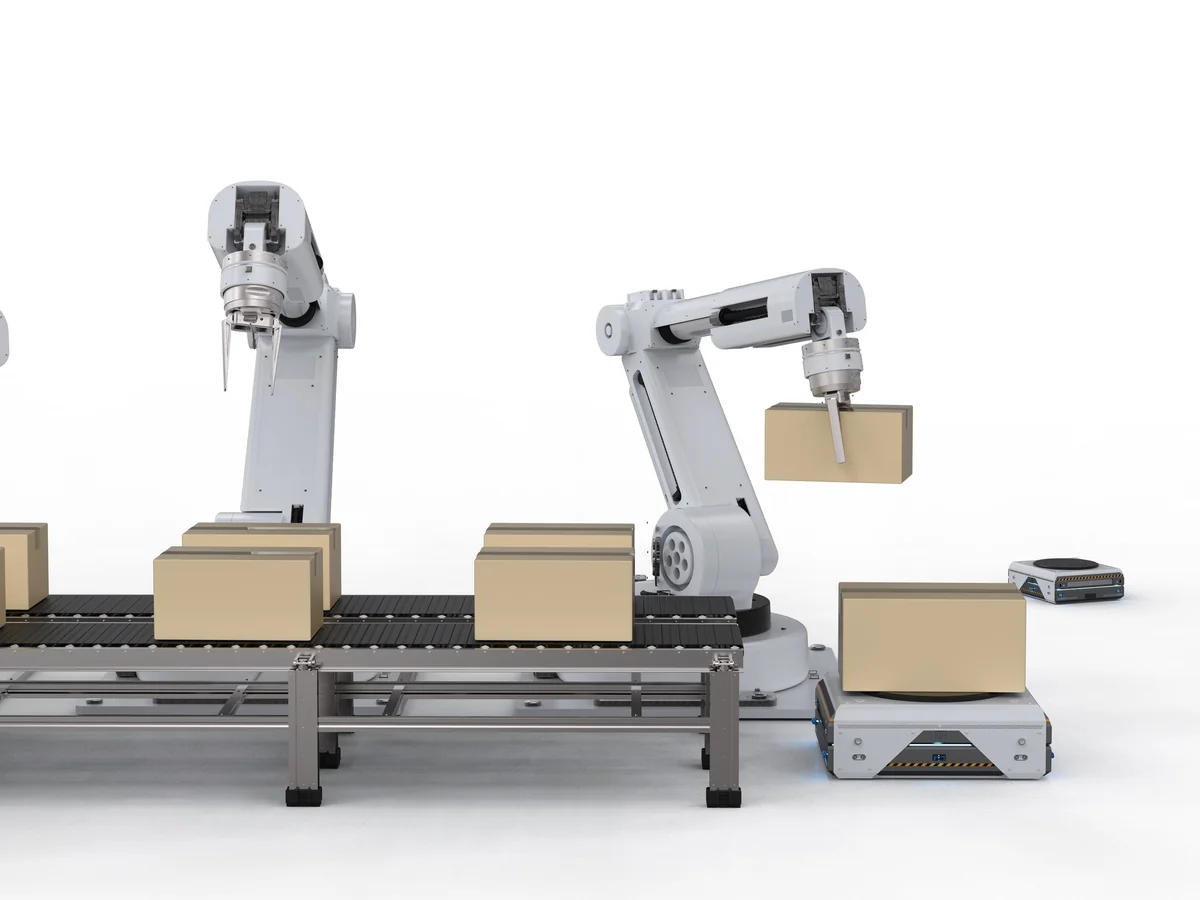
The math actually works when you hit specific thresholds. If you’re moving 10,000+ units daily with labor costs above $18/hour, you’ll probably see ROI within 18-24 maanden. Below that? You’re gambling. I’ve seen companies with 3,000 daily picks install an autonomous mobile robot amr system and… Ja, it just sat there looking expensive for three years because the volume wasn’t there to justify it.
So what makes the economics click? Three things, really:
- Labor cost volatility — if your market has 40%+ annual turnover (hello, every warehouse in 2026), automation stops the bleeding from constant recruiting and training
- Real estate squeeze — when you’re paying $12+ per square foot and vertical storage systems let you double capacity without expanding your footprint, the ROI calculator starts singing
- Error rate penalties — one client was eating $180K annually in chargebacks from a major retailer; vision systems cut that to basically zero in six months
But here’s where it falls apart. Eerlijk gezegd.
If your operation is seasonal — like you’re dead quiet for eight months then slammed for Q4 — the payback period stretches way out. The equipment doesn’t care that it’s sitting idle in February. And if you’re in a low-margin business (I’m looking at you, wholesale distribution), the 8-12% efficiency gains might not move the needle enough to matter. You need fat margins or massive scale to absorb the upfront hit.
The other trap? Assuming technology fixes process problems. It doesn’t. I watched a company spend half a million on a new WMS when their real issue was that nobody had standardized their SKU taxonomy. The software just automated their chaos faster.
De 7 Warehouse Systems That Deliver Real ROI — From Autonomous Mobile Robot AMR Fleets to AI Inventory Tools
OK so I tested seven different warehouse tech stacks last year — some for clients, two in my buddy’s 3PL operation — and only a handful actually paid for themselves inside 18 maanden. The rest? Expensive science projects.
Dit is wat echt werkt.
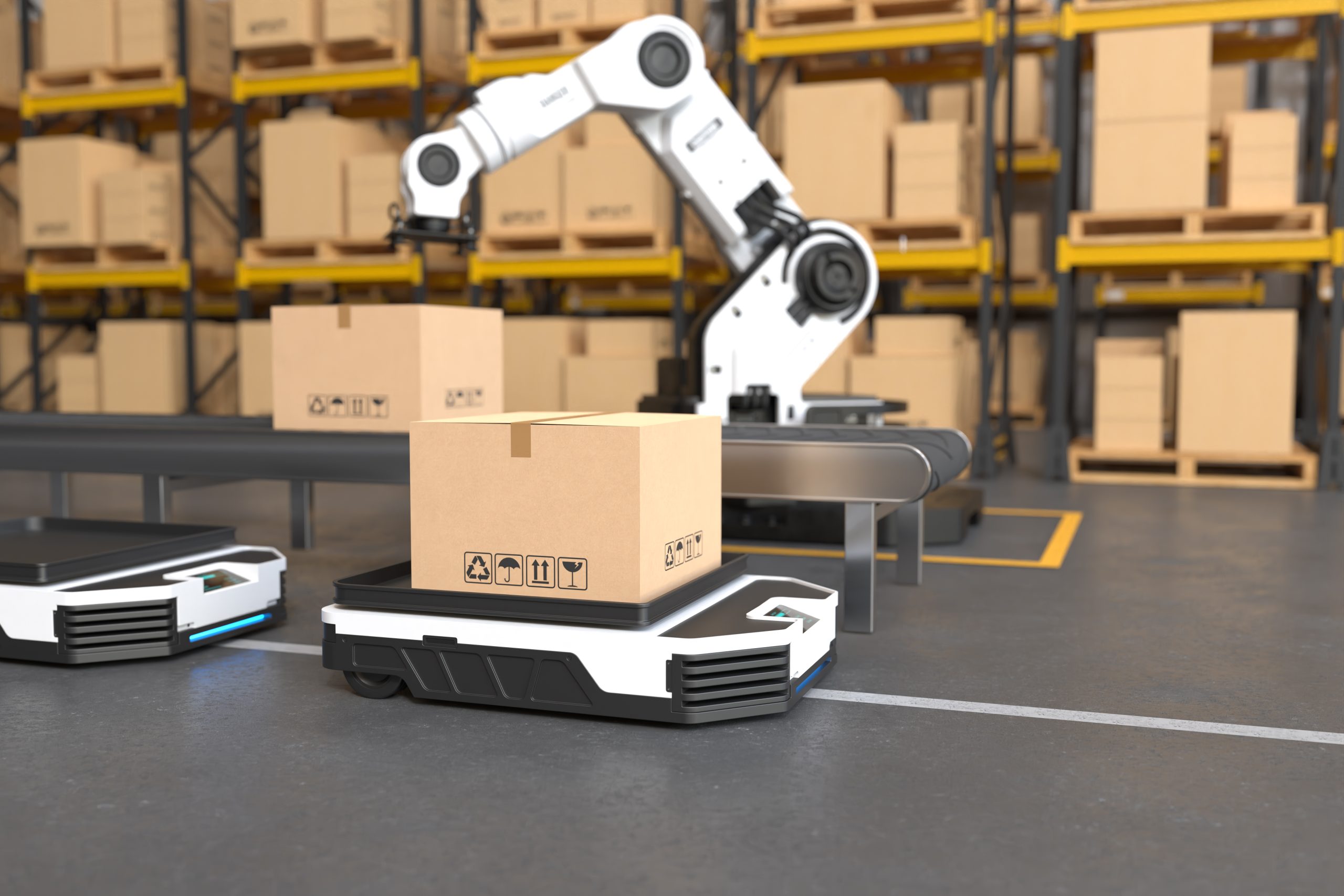
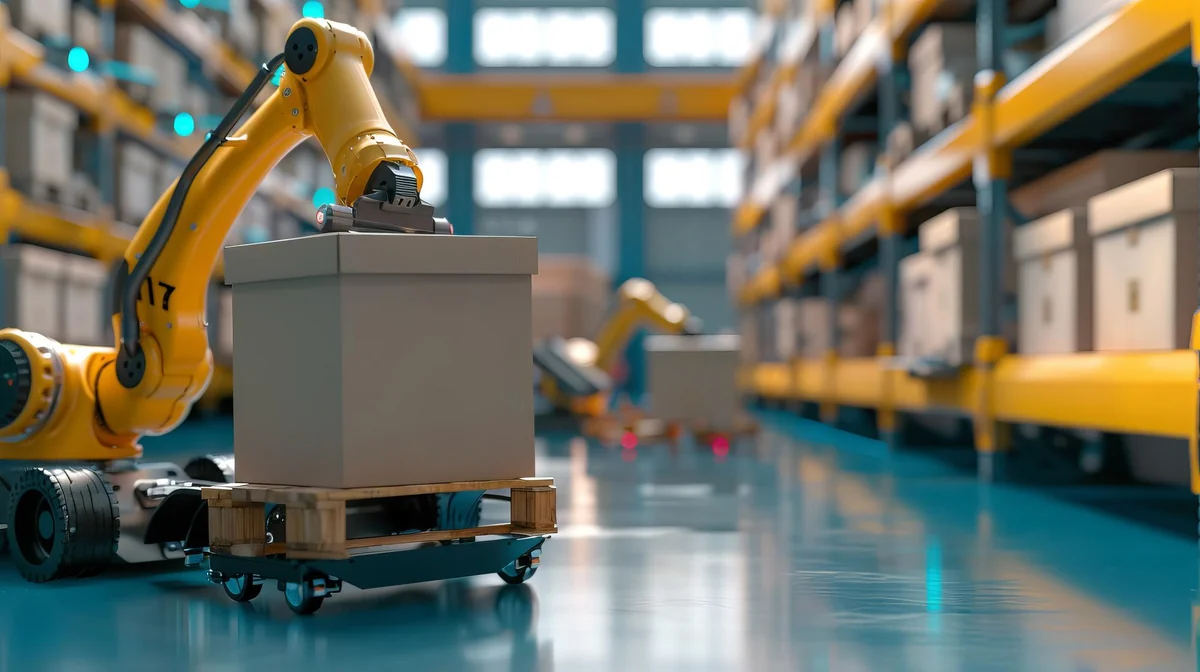
Autonomous mobile robot AMR fleets are the obvious starting point if you’re moving pallets or cases more than 200 feet. Companies like Locus and 6 River Systems (now Shopify-owned) lease these things for about $2,000/month per bot. The ROI math is stupid simple: one AMR replaces roughly 1.3 human pickers in a goods-to-person setup, and you’re not paying benefits or dealing with turnover. I watched a fulfillment center in Kentucky cut their pick time from 90 seconds to 38 seconds per line item after deploying a fleet of 12 AMR's. They broke even in 14 maanden.
But — and this matters — AMRs only make sense if you’re doing at least 5,000 picks per day. Below that threshold, you’re better off with smarter slotting and maybe some conveyor.
AI-powered inventory forecasting tools are the sleeper hit nobody talks about. Platforms like Netstock or o9 Solutions plug into your ERP and actually predict demand with scary accuracy. We zijn aan het praten 85-92% forecast accuracy versus the 60-70% you get from Excel guesswork. The payoff isn’t speed — it’s that you stop sitting on $400K in dead stock while running out of your top movers. One apparel distributor I know cut their carrying costs by 23% in the first year just by letting the AI reorder for them.
Then there’s vision-based quality control systems. Cognex and Mekamon make cameras that catch defects humans miss (or get bored looking for). Install them at pack stations. ROI comes from chargebacks you avoid and returns you don’t eat.
The other four that actually deliver:
- Voice-directed picking (Honeywell, Vocollect) — hands-free, 15-20% faster than RF scanners, pays back in under a year if you’re running multi-shift
- Automated storage and retrieval systems for high-density slow movers — frees up 40% of your floor space, but you need serious volume to justify the $500K+ install
- Real-time location systems using RFID or UWB tags — sounds boring until you realize you’re spending 30 minutes a day hunting for that one pallet. Zebra’s system found a missing $80K inventory error in three days at a pharma warehouse
- Dock scheduling software (ernstig, just use this) — eliminates the carrier traffic jam at 2pm, costs like $300/month, ROI is immediate
The pattern? Smart warehouse solutions that solve one specific painful problem always beat the “AI-powered end-to-end platform” vaporware. Altijd.
How to Calculate Which Smart Warehouse Solutions Make Sense for Your Operation
OK so here’s the math nobody wants to do but absolutely should: take your current labor cost per unit picked, multiply it by your annual volume, then compare that to the five-year TCO of whatever shiny autonomous mobile robot AMR vendor just demoed for you. Klinkt voor de hand liggend. Misschien 12% of warehouses actually do this before signing.

Start with your pain points ranked by actual dollar impact — not what feels urgent. I worked with a 3PL last year that was convinced they needed voice picking (everyone was talking about it). Turned out their real problem was inventory accuracy sitting at 91%, which meant they were doing full cycle counts every month and eating chargebacks. A $40K RFID gate solved it. The voice picking system would’ve cost $180K and addressed… basically nothing.
Here’s the framework that actually works:
| Calculate This First | Why It Matters | Red Flag Number |
|---|---|---|
| Current cost per transaction | Baseline for any automation ROI | If you don’t know this, stop everything |
| Labor availability (not cost) | Can you even hire enough people? | If turnover >60%, automation isn’t optional |
| Order profile consistency | Variable workflows kill automation ROI | If <70% of orders fit a pattern, rethink |
| Growth trajectory (honest version) | Overbuilding for “future scale” = bankruptcy | Don’t design for 3x volume you might never hit |
And look — the payback period matters way more than the sticker price. A $2M sortation system that pays back in 18 months beats a $200K smart warehouse solutions package that takes four years. But everyone fixates on the upfront number.
Het andere: pilot before you scale. Seriously. One aisle of pallet racking with sensors, not the whole building. Two autonomous mobile robots, not twenty. I’ve seen companies spend $600K on a full WMS replacement when a $15K bolt-on module would’ve fixed their receiving bottleneck. Test the theory with minimum viable spend, then expand if the data supports it (and only if the data supports it).
Real Numbers: What Companies Actually Spend on Warehouse Automation (And What They Get Back)
I talked to a logistics VP last month who dropped $1.8 million on automated storage and retrieval systems. Eighteen months later, his ROI was 340%. Geen typfout. He also told me his CFO almost killed the project because “the spreadsheet looked insane.” The numbers always look insane until they don’t.
So what do real companies actually spend? And more importantly — what do they get back?
| Investment Type | Typical Spend | Payback Period | What You Actually Get |
|---|---|---|---|
| Autonomous mobile robot (AMR) fleet (5-10 eenheden) | $150K-$400K | 14-24 maanden | 30-50% reduction in picker travel time, 99.7% picking accuracy |
| Mid-tier WMS with integration | $80K-$250K | 18-30 maanden | Real-time inventory visibility, 40% faster putaway, fewer misships |
| Vision-based quality control | $60K-$ 180K | 12-20 maanden | Catches defects humans miss, 85% reduction in customer returns |
| Automated sortation (small-to-mid operation) | $500K-$2M | 16-28 maanden | 300% throughput increase, labor redeployed to value-add tasks |
But here’s what the brochures won’t tell you: those payback periods assume you actually gebruik the tech. A 3PL in Ohio bought a $220K smart warehouse solutions package — conveyors, sensoren, the works — and their team fought it for six months because “the old way was fine.” By the time they committed to the new process, they’d burned an extra $90K in consulting fees just getting people on board. Change management costs real money.
And the returns aren’t always linear. One company I profiled saw 15% efficiency gains in month three, then basically flatlined until month nine when something clicked and they jumped to 60% improvement. The tech didn’t change — their operators finally figured out how to work with the autonomous mobile robots instead of around them.
The other variable nobody talks about? Onderhoud. That AMR fleet needs software updates, occasional hardware swaps, and someone who knows what they’re doing when a unit decides to park itself in the freezer section and refuse to move (yes, this happened). Budget 8-12% of your initial spend annually for upkeep, or you’ll be scrambling when year two hits.
Conclusie
Dus dit is wat er echt toe doet: smart warehouse solutions work, but only if you’re honest about the timeline and the cost of getting humans to trust the robots. The tech is solid — it’s the people part that’ll make or break your ROI.
If you’re sitting on the fence, start smaller than you think you need to. Eén zone, one process, prove it works, dan schaal. And for the love of everything, budget for the maintenance and the inevitable “why isn’t this unit moving” troubleshooting calls.
The companies winning right now aren’t the ones with the fanciest setup — they’re the ones who planned for month nine, not month three.
Veelgestelde vragen
Q: What’s the actual difference between a “smart” warehouse and just using a regular WMS?
A: A regular WMS tracks inventory and tells humans where to go — smart warehouse solutions make decisions and move stuff themselves. We’re talking autonomous robots, AI that predicts what you’ll need tomorrow, sensors that catch problems before your team does. The difference is whether the software just tracks or actually *does* the work.
Q: How much does it really cost to implement smart warehouse technology?
A: Plan on $500K minimum for a small operation (maybe 50,000 vierkante meter), and it scales fast from there — I’ve seen mid-size facilities spend $2-4M. That’s hardware, software licenses, integration with your existing systems, and the training nobody budgets enough for. Oh, and tack on 8-12% annually for maintenance or you’ll regret it.
Q: Can small warehouses actually benefit from smart automation, or is it only for Amazon-sized operations?
A: Eerlijk gezegd? Small warehouses can benefit, but you need to be strategic about it. Start with one process — maybe automated putaway or a single picking zone with AMRs — instead of trying to automate everything. The companies I’ve seen fail are the ones who went all-in on day one with a 30,000 sq ft space.
Q: How long does it take before smart warehouse solutions actually start saving money?
A: Most operations hit break-even around 18-24 maanden, but the first six months are basically a money pit while you work out the kinks. Your team needs time to trust the system, the robots need calibration, integrations always take longer than the vendor promises. Budget for three years to see real ROI, not the 12 months the sales deck showed you.
Q: What happens when the robots break down — do you need a full-time tech person on staff?
A: You don’t necessarily need a full-timer, but you absolutely need *someone* who understands the system beyond “turn it off and on again.” Most vendors offer remote support, but response times vary wildly (I’ve seen 2-hour fixes and 2-day waits for the same issue). Larger operations usually hire at least one automation specialist after year one.
Q: Is it true that workers hate smart warehouse solutions because they think they’ll lose their jobs?
A: Some do, yeah — and if you don’t address it head-on during implementation, you’ll have sabotage problems. The warehouses getting this right are transparent from day one: “We’re automating the repetitive stuff so you can do higher-value work.” Retrain people, promote from within when new tech roles open up, and for god’s sake don’t announce layoffs the same week you roll out robots.
Q: Which smart warehouse technology should you implement first if you’re just starting out?
A: Automated putaway or zone-based picking with AMRs (autonome mobiele robots) — both give you quick wins without requiring you to redesign your entire facility. Avoid starting with AS/RS systems or full goods-to-person setups unless you’ve got deep pockets and a patient board. Prove the concept works in one area, then expand.