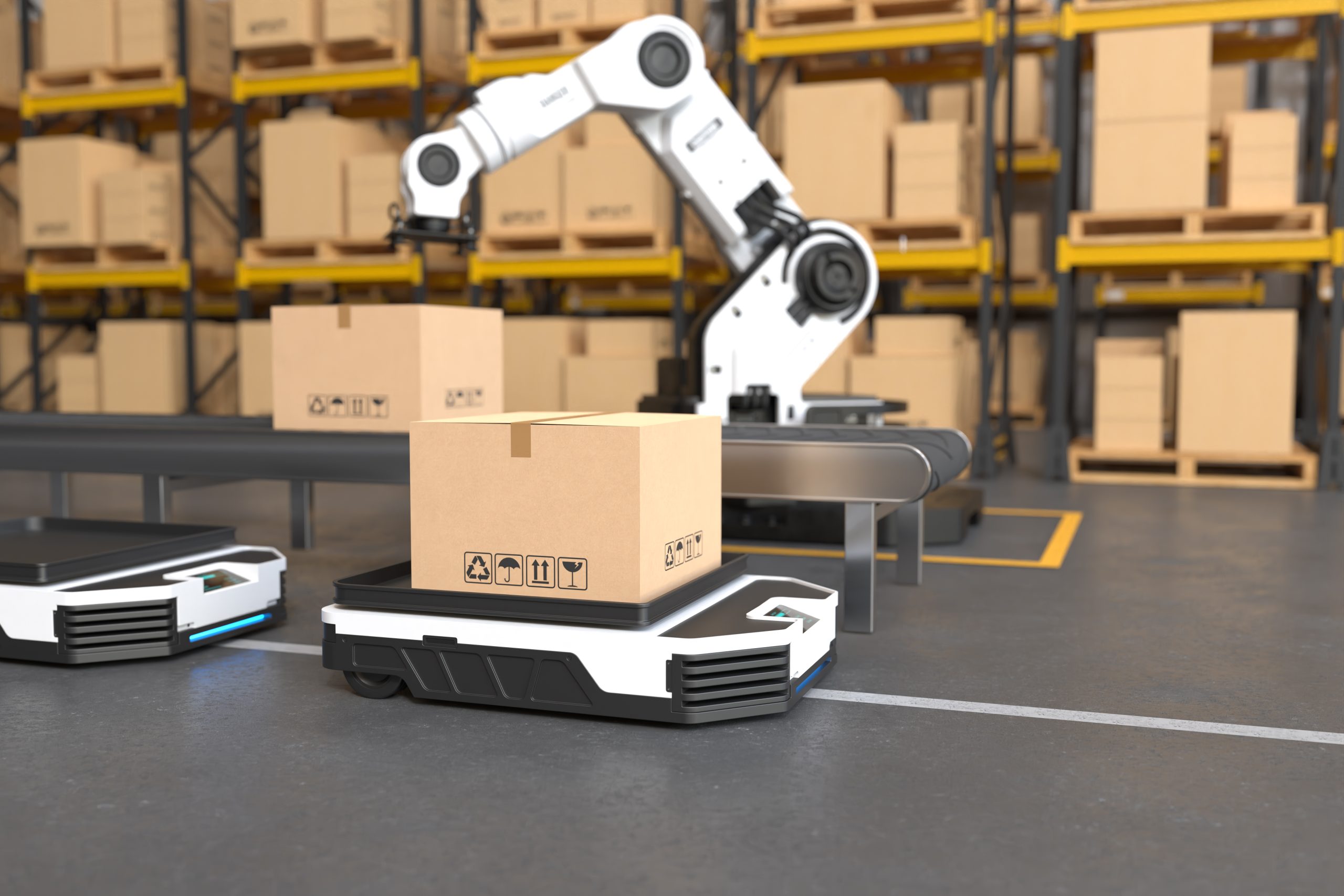
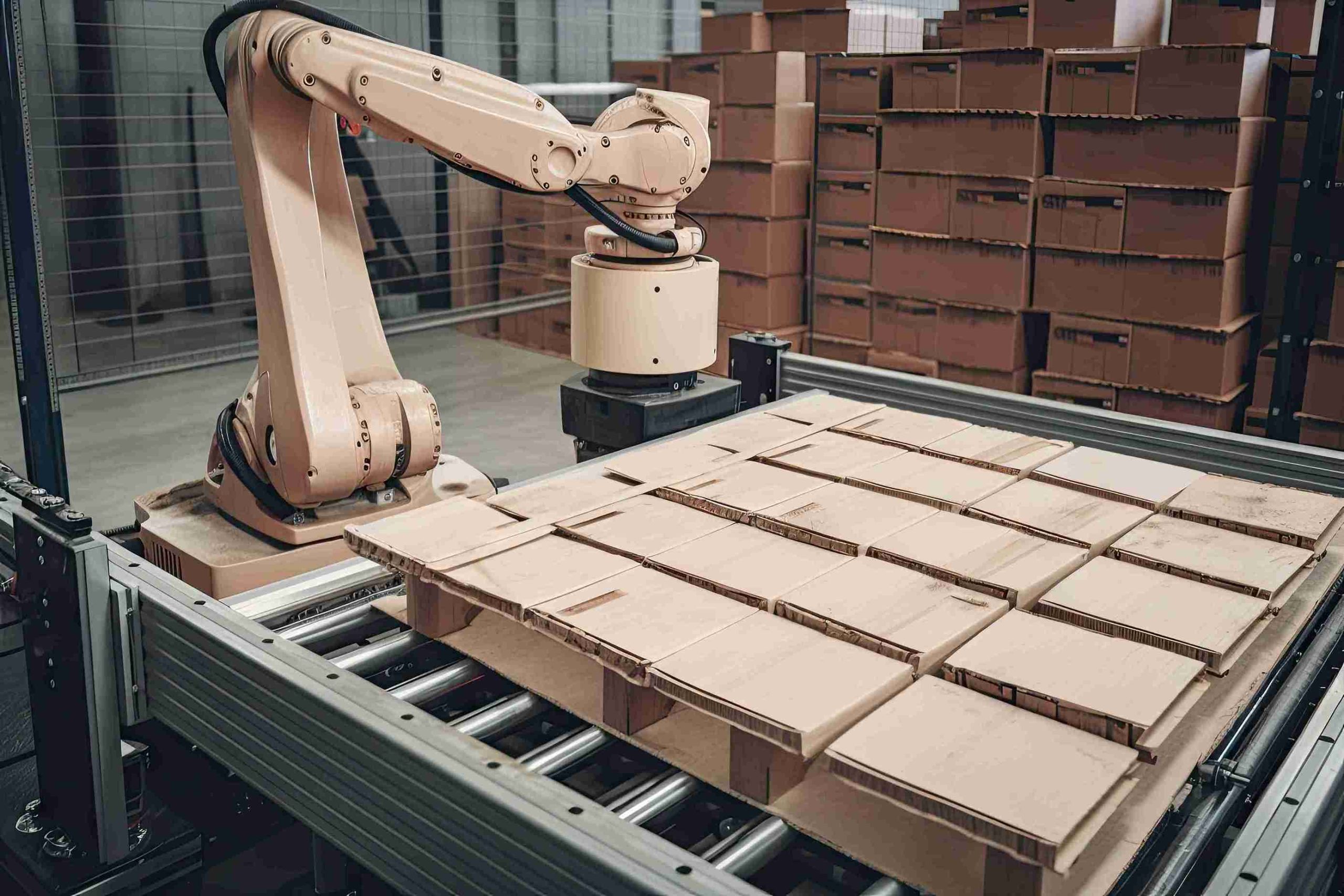
Industrial automation is no longer a nice thing to have. For many factories, it is the only way to stay competitive. But not all robots are built for real factories. Some work well in clean labs but struggle when faced with dust, vibration, heavy loads, and nonstop schedules. This is where OK robots stand out.
OK robots are designed for real-world conditions. They are built to lift heavy items, run all day and night, and keep working even when the environment is tough. So what makes them different, and why do so many companies trust them for critical operations? Let us take a closer look.
What Makes OK Robots Strong Enough for Industrial Work
Strength is the first thing buyers ask about. If a robot cannot handle weight, 速度, and constant motion, everything else does not matter. OK robots are designed with strength as a foundation, not as an afterthought.
These robots are widely used in food processing plants, chemical warehouses, e-commerce fulfillment centers, pharmaceutical production lines, and building material facilities. Each of these places puts serious pressure on machines. So how do OK robots hold up so well?
Built for Heavy Loads and Repetitive Tasks
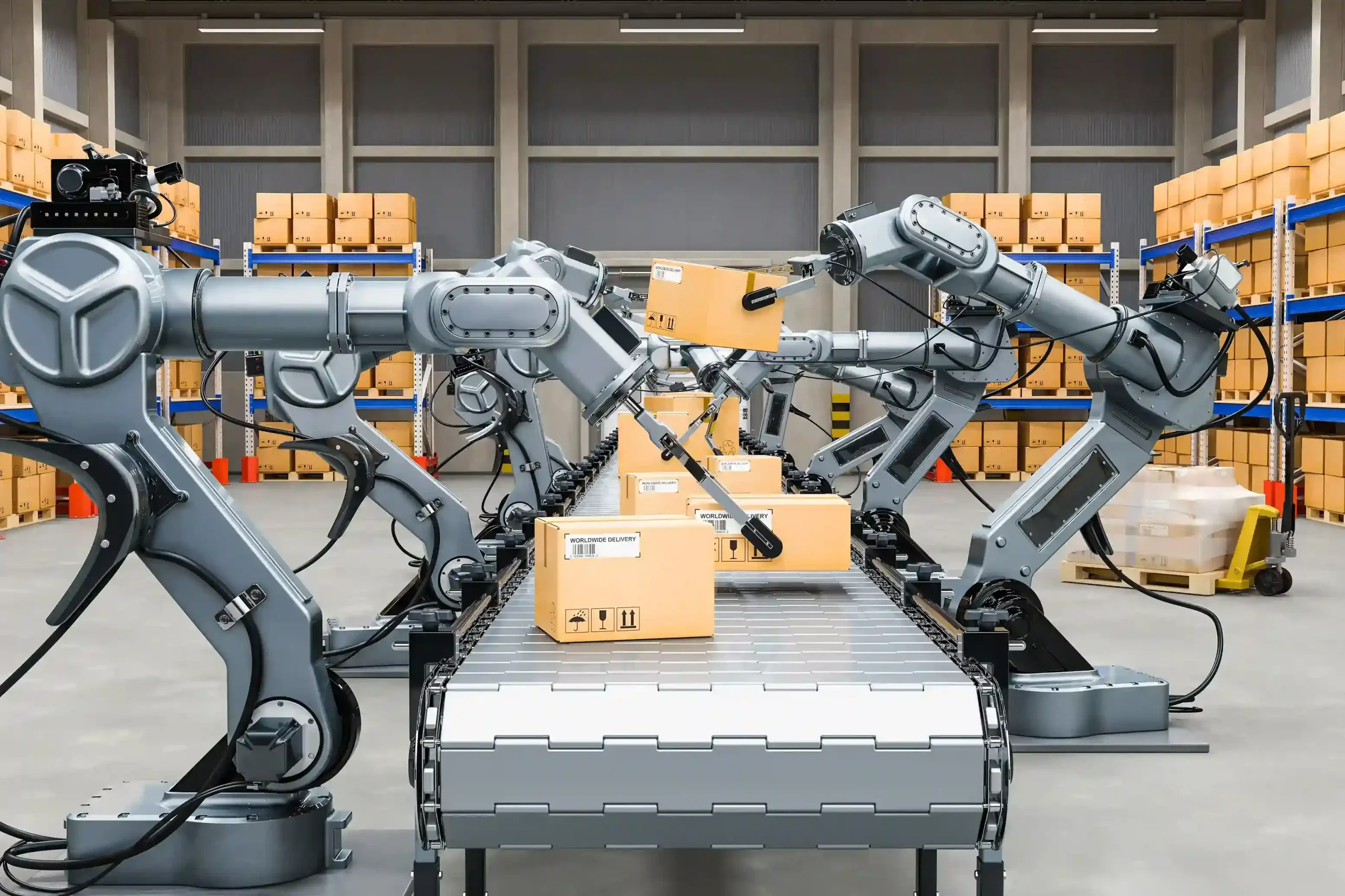
Many industrial jobs involve lifting and moving the same items thousands of times a day. Cartons, 桶, 包, and boxes all require steady and controlled movement. OK robots are built with strong mechanical structures that can handle this kind of work without wearing down quickly.
Their palletizing robots are a good example. They can stack heavy products again and again while keeping stable movement and accurate placement. 随着时间的推移, this strength helps reduce mechanical stress and keeps performance consistent.
Designed to Handle Dust, Vibration, and Long Hours
Of course, strength is not only about lifting weight. Industrial environments often include dust in the air, vibration from nearby machines, and long operating hours. OK robots are designed with hardened components that can handle these conditions.
This means they do not slow down easily, and they do not lose accuracy after long shifts. When factories rely on robots for nonstop production, this kind of strength becomes essential.
Now that we understand how strong these robots are, the next question is clear. Strength is important, but can these robots stay dependable over time?
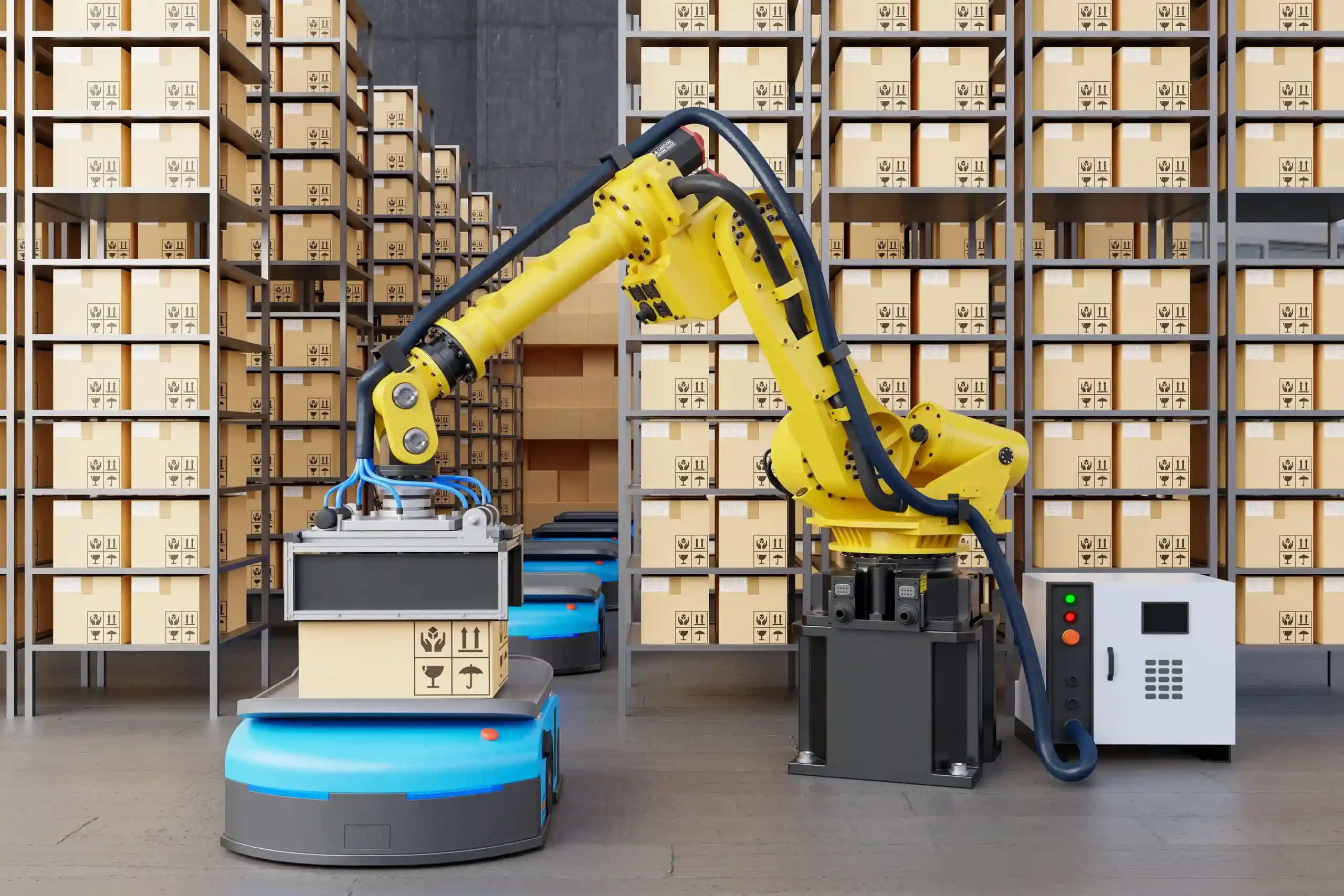
How OK Robots Deliver Reliable Performance Day After Day
Reliability is what turns a strong robot into a smart investment. A robot that breaks down often can cost more than it saves. This is why OK robots focus heavily on reliability at every stage of development.
From testing to real world use, reliability is built into the process. But how is this achieved?
Thousands of Tests Before Reaching the Factory Floor
Before any OK robot reaches a customer, it goes through thousands of tests. These tests focus on stability, 准确性, and long term performance. The goal is simple. The robot must work under pressure, not just in ideal conditions.
This testing helps catch weak points early and ensures the robot can handle real industrial stress. As a result, factories can trust that the robot will perform as expected from day one.
Low Failure Rates and Warranty Confidence
Because of this testing process, OK robots are known for low failure rates. This means less downtime and fewer unexpected stops in production. For factory managers, this reliability directly improves productivity and return on investment.
The company also offers a warranty of one year or more. This shows confidence in product quality and gives buyers extra peace of mind.
So if these robots are strong and reliable, the next logical question is this. Can they handle the toughest environments factories face today?
Why OK Robots Are Ready for Tough Environments
Not every robot can survive in harsh conditions. Heat, 湿度, dust, and strict hygiene rules can quickly damage poorly designed machines. OK robots are built with these challenges in mind.
They are already working in some of the most demanding industries in the world. Let us explore how they perform in these environments.
Proven in Food, Pharma, and Chemical Facilities
Food and pharmaceutical factories require clean operation, precise movement, and high safety standards. Chemical warehouses add another layer of difficulty with harsh materials and strict handling rules.
OK robots are successfully used in all of these settings. Their visual inspection systems can detect tiny defects with micron-level accuracy, even in fast-moving production lines. This level of precision shows that toughness does not come at the cost of control.
Continuous Operation in High-Speed Production Lines
Many factories operate around the clock. Robots must work continuously without losing performance. OK robots are designed for 24-hour operation, handling repetitive tasks without fatigue.
This makes them ideal for e-commerce logistics and packaging lines, where speed and consistency are critical. When production never stops, readiness matters just as much as strength.
With this level of environmental readiness, it is natural to wonder where else these robots are proving their value.
Real World Applications That Prove OK Robots Work
Claims are easy to make, but real-world results matter more. OK robots are already deployed in more than one thousand installations worldwide. This broad use provides strong proof of performance.
These robots are not limited to one type of factory. They are used across many industries with different demands.
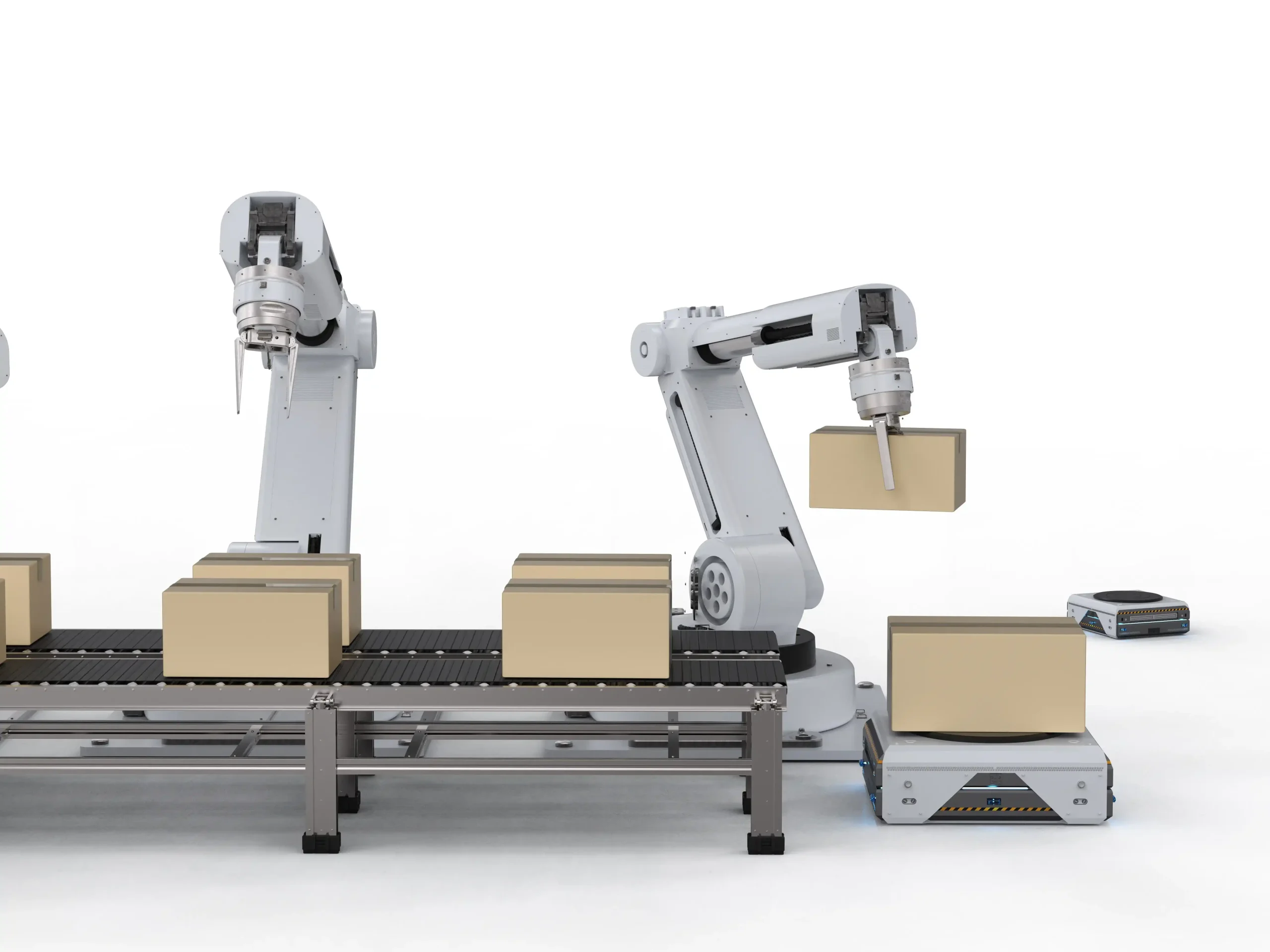
Robots are revolutionizing diverse industries: in hygiene manufacturing, they balance speed with precision; in food packaging, they uphold rigorous sanitary standards; and in 电子商务, they master the relentless demands of high-volume logistics.
Each successful installation adds to a growing body of experience. This real-world feedback helps improve designs and gives new buyers confidence that the technology is proven, not experimental.
But strong performance in the field also depends on the company behind the product. So who supports OK robots in the long run?
How Corporate Backing Strengthens OK Robots Long Term
When investing in automation, buyers are not just choosing a machine. They are choosing a partner. OK robots are backed by OK Technology, 上市公司.
This backing brings several important benefits. It provides access to advanced research and development resources. It also ensures strict quality control standards across production. 最重要的是, it offers long term financial and technical stability.
For factories planning years ahead, this support reduces risk. Buyers can feel confident that parts, service, and updates will continue to be available.
Even with strong products and solid backing, reliability does not end at delivery. What happens after installation matters just as much.
Beyond Hardware: How Support Keeps OK Robots Reliable
A robot can be well built and still fail if it is not installed or maintained correctly. OK understands this and offers full process support to customers.
This includes on-site installation and commissioning to ensure the robot starts correctly. Operators receive training so they know how to use the system safely and efficiently. Regular maintenance and inspections help catch small issues before they become big problems.
This support keeps OK robots running smoothly throughout their entire lifecycle. It also helps factories get the most value from their automation investment.
结论
When factories face harsh conditions, they need more than basic automation. They need robots that are strong, dependable, and proven in the real world. OK robots deliver on all three.
They are built for heavy work, tested for reliability, and ready for tough environments. Backed by real installations and strong corporate support, they offer a practical solution for modern industrial challenges.
If you are exploring automation for your facility and want robots that can truly handle the job, now is a great time to talk with OK. Reach out to the team through their website and start a real conversation about how OK robots can support your production goals.
Frequently Asked Question
1. What industries use OK robots the most?
OK robots are widely used in food processing, 药品, 化学品, e-commerce logistics, hygiene products, and building materials. These industries require equipment that can operate continuously in demanding conditions.
2. Are OK robots suitable for heavy-duty tasks?
是的. OK robots are designed to handle heavy cartons, 包, 桶, and boxes. Their strong mechanical structure supports stable and repeated lifting without loss of performance.
3. How reliable are OK robots in daily operation?
OK robots undergo thousands of tests before delivery. This ensures high stability, low failure rates, and consistent performance during long production cycles.
4. Can OK robots work in harsh environments?
They are built to operate in dusty, humid, and high-vibration environments, making them suitable for factories with tough working conditions.
5. Do OK robots support continuous operation?
是的. Many OK robots are designed for continuous operation in high-speed production lines and logistics centers.
6. What kind of support does OK provide after purchase?
OK provides installation, 调试, 操作员培训, and ongoing maintenance to ensure long-term reliability.
7. Why should buyers trust OK robots?
With over one thousand real-world installations and backing from a publicly listed parent company, OK robots are proven, stable, and built for long-term industrial use.