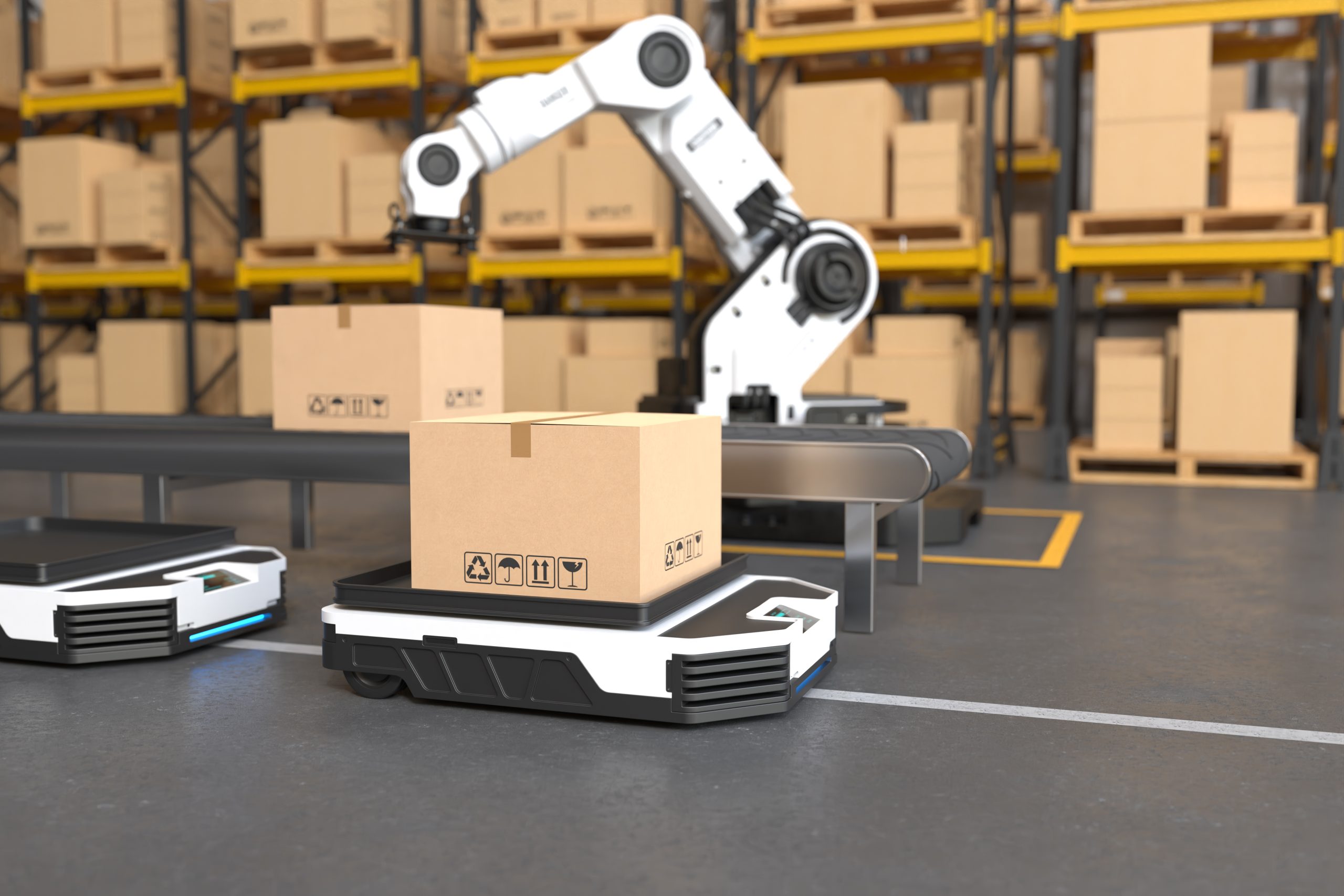
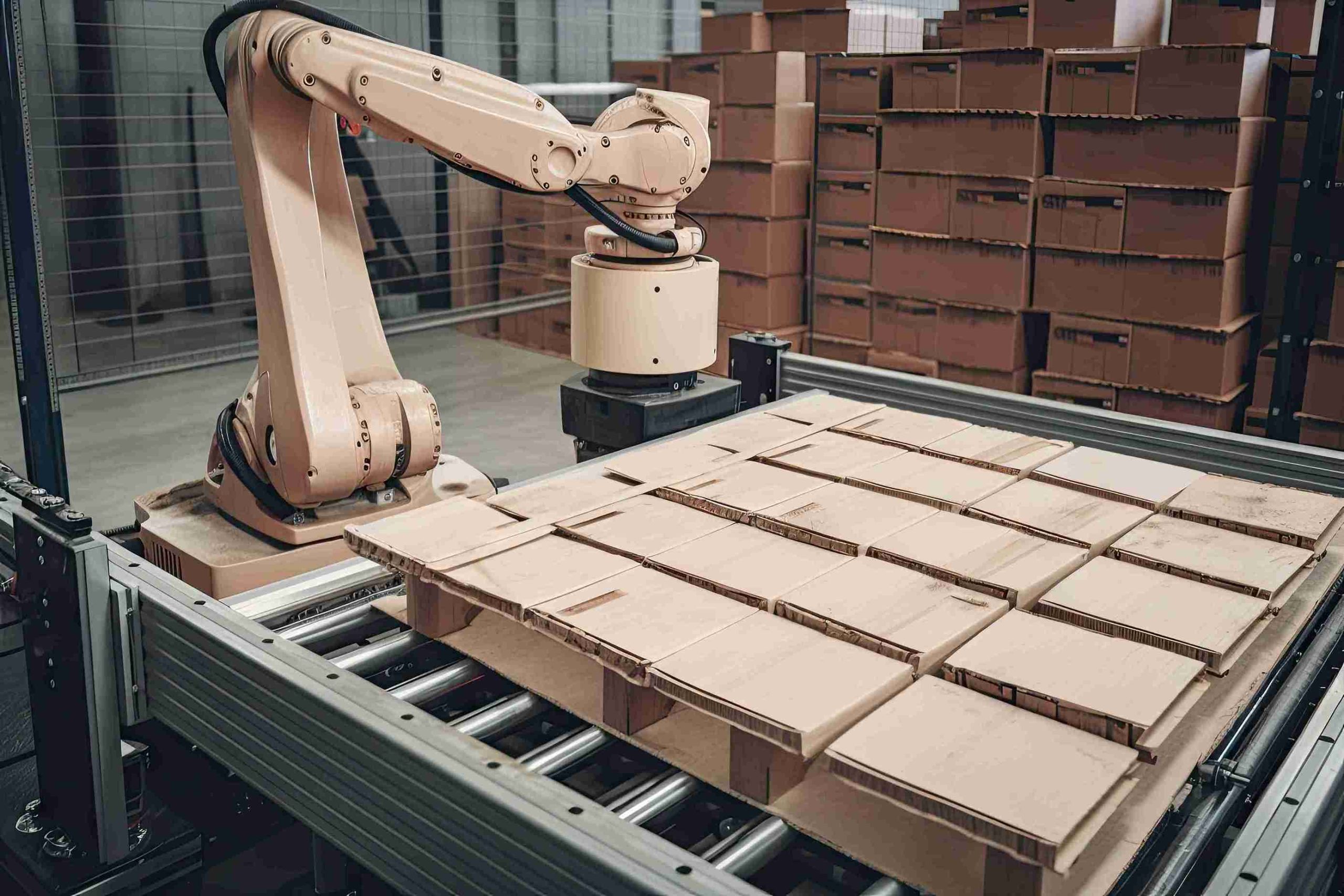
Manufacturing floors are changing fast. Factories today need to move products more quickly, keep workers safe, and stay flexible as orders change. This is where the collaborative palletizing robot starts to stand out. Instead of replacing people, this type of robot works alongside them, helping with one of the most repetitive jobs on the line. Palletizing.
So why are so many manufacturers talking about this technology right now? And why are buyers around the world paying closer attention to collaborative palletizing robots? Let us take a closer look, step by step.
What Is a Collaborative Palletizing Robot and Why Does It Matter Today?
At its core, a collaborative palletizing robot is designed to stack boxes, 包, or other products onto pallets while safely sharing space with human workers. Unlike traditional palletizing systems that need fences and safety cages, these robots are built to work in open environments.
This matters because factories today face real pressure. Labor is harder to find, safety rules are stricter, and customers expect faster delivery. A collaborative palletizing robot helps solve these problems without forcing companies to redesign their entire production line.
But how exactly is it different from older palletizing systems?
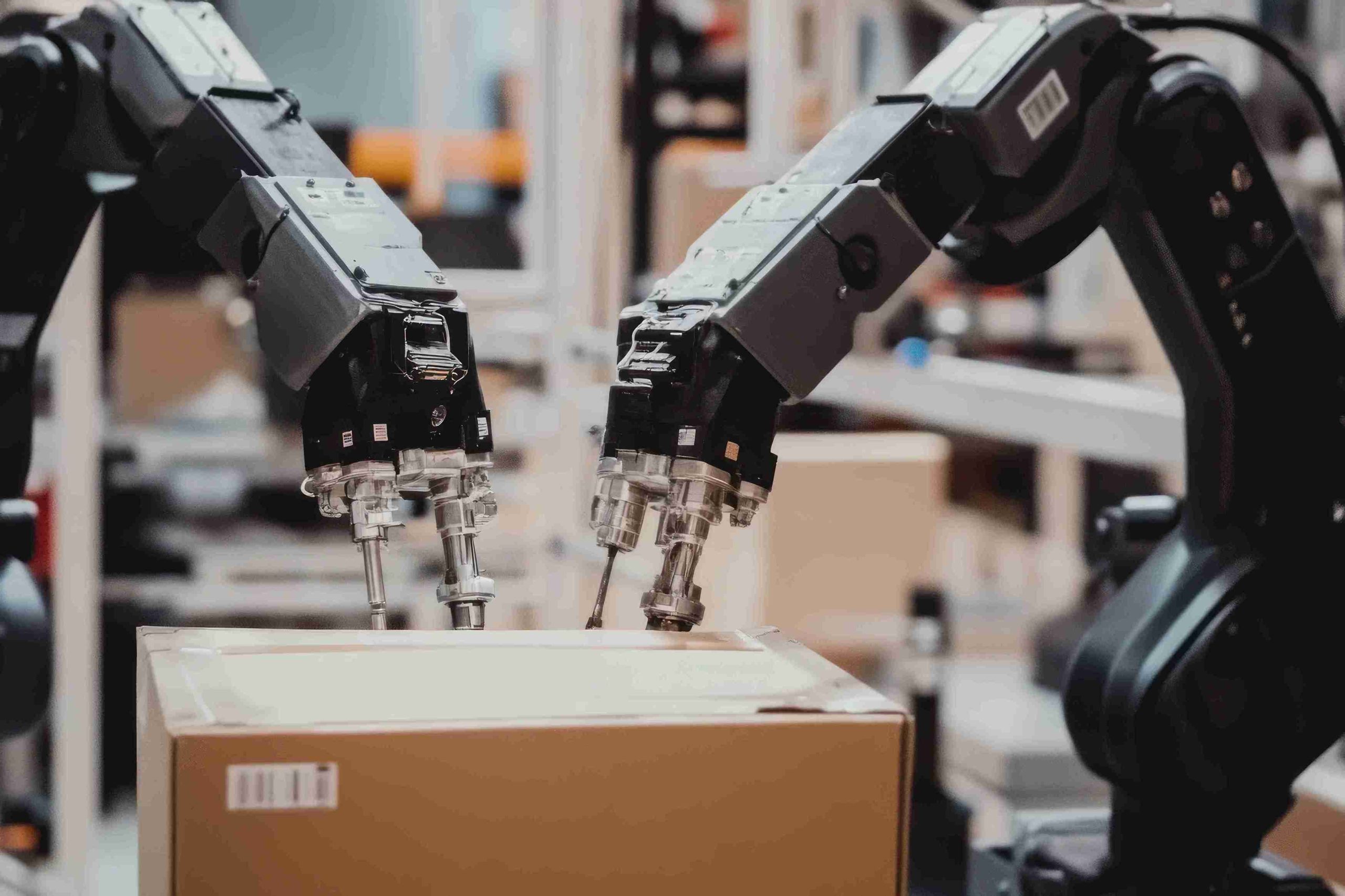
How collaborative palletizing robots differ from traditional palletizers
Traditional palletizers are powerful and fast, but they usually need to be separated from people. Safety fences, scanners, and large footprints are common. In contrast, a collaborative palletizing robot uses force and speed limits, smart sensors, and smooth movements. If it touches a person, it stops.
This difference allows humans and robots to work closer together. Workers can load products, adjust pallets, or check quality while the robot handles the heavy lifting. The result is a more balanced workflow.
Why are more factories choosing collaboration over full automation
Not every factory needs a large and complex automation system. Many small and medium manufacturers want something simple and flexible. A collaborative palletizing robot can often be installed in days, not months. Programming is easier, and changes can be made without advanced robotics skills.
This makes collaboration a practical choice, not just a technical trend. And once safety concerns are addressed, the next big question naturally follows. How safe are these robots really?
Why Collaborative Palletizing Robots Are Changing Workplace Safety
Safety is often the first concern when people hear the word robot. That concern makes sense. Palletizing involves heavy loads and repetitive motion. The good news is that safety is one of the strongest reasons companies adopt a collaborative palletizing robot.
Instead of keeping people away, these robots are designed to protect them.
Built-in safety features that protect workers
A collaborative palletizing robot uses several safety technologies. These include force limiting, speed control, emergency stops, and rounded arm designs. If the robot meets unexpected resistance, it stops immediately.
Many systems are designed to meet international safety standards, which gives buyers confidence. Workers feel more comfortable sharing space with a robot that reacts gently and predictably.
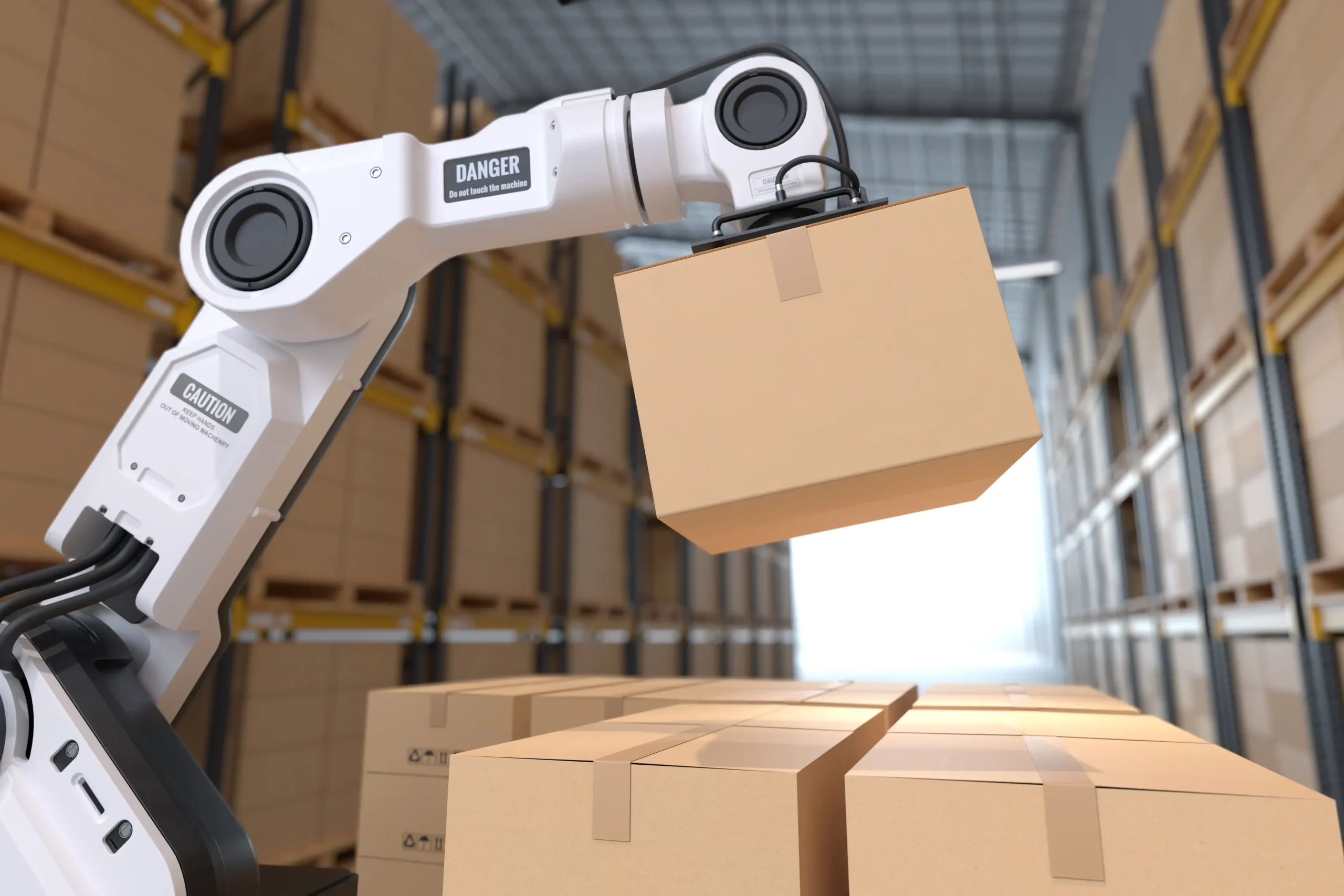
How humans and robots can safely share the same workspace
When safety barriers are removed, teamwork becomes possible. A worker can place products on a conveyor while the robot stacks them. Another worker can prepare pallets nearby. Everyone stays productive without feeling rushed or unsafe.
This kind of setup reduces injuries and improves morale. Once safety is handled, factories often ask another important question. Can this robot adapt when our needs change?
The Flexibility Advantage of a Collaborative Palletizing Robot
Flexibility is no longer optional in modern manufacturing. Product sizes change. Order volumes go up and down. Packaging styles evolve. A collaborative palletizing robot is built for this kind of reality.
Instead of being locked into one task, it can adapt as the business grows.
Easy changeovers for different products and pallets
Many collaborative palletizing robots use simple software interfaces. Operators can switch pallet patterns, box sizes, or stacking heights without complex coding. This makes short production runs easier to manage.
When factories handle mixed products on the same line, this flexibility saves time and reduces downtime.
Compact design and fast deployment
Space is valuable on the factory floor. A collaborative palletizing robot usually has a small footprint and can fit into existing lines. Some models can even be moved between stations.
Fast deployment means faster returns. Companies do not need to wait long to see benefits. And once flexibility is proven, many buyers start thinking about where else these robots can be used.
Where Collaborative Palletizing Robots Deliver the Most Value
The beauty of a collaborative palletizing robot is that it fits many industries. Wherever palletizing is repetitive and physically demanding, collaboration makes sense.
Food and beverage production
In food and beverage plants, hygiene and consistency matter. Collaborative palletizing robots can handle boxes or bags with steady, repeatable motion. Workers can focus on quality checks and packaging without heavy lifting.
Frequent product changes are common in this industry, which makes flexibility especially valuable.
Logistics and warehousing
Warehouses deal with changing order sizes and fast shipping schedules. A collaborative palletizing robot helps keep pallets neat and stable, even during peak seasons. It supports workers instead of slowing them down.
This balance is key in environments where speed and accuracy matter.
Consumer goods and light manufacturing
From household products to electronics, many manufacturers deal with lightweight items in high volume. A collaborative palletizing robot improves efficiency while keeping costs under control.
As more industries see these benefits, buyers begin to look deeper into one critical factor. Who should we buy from?
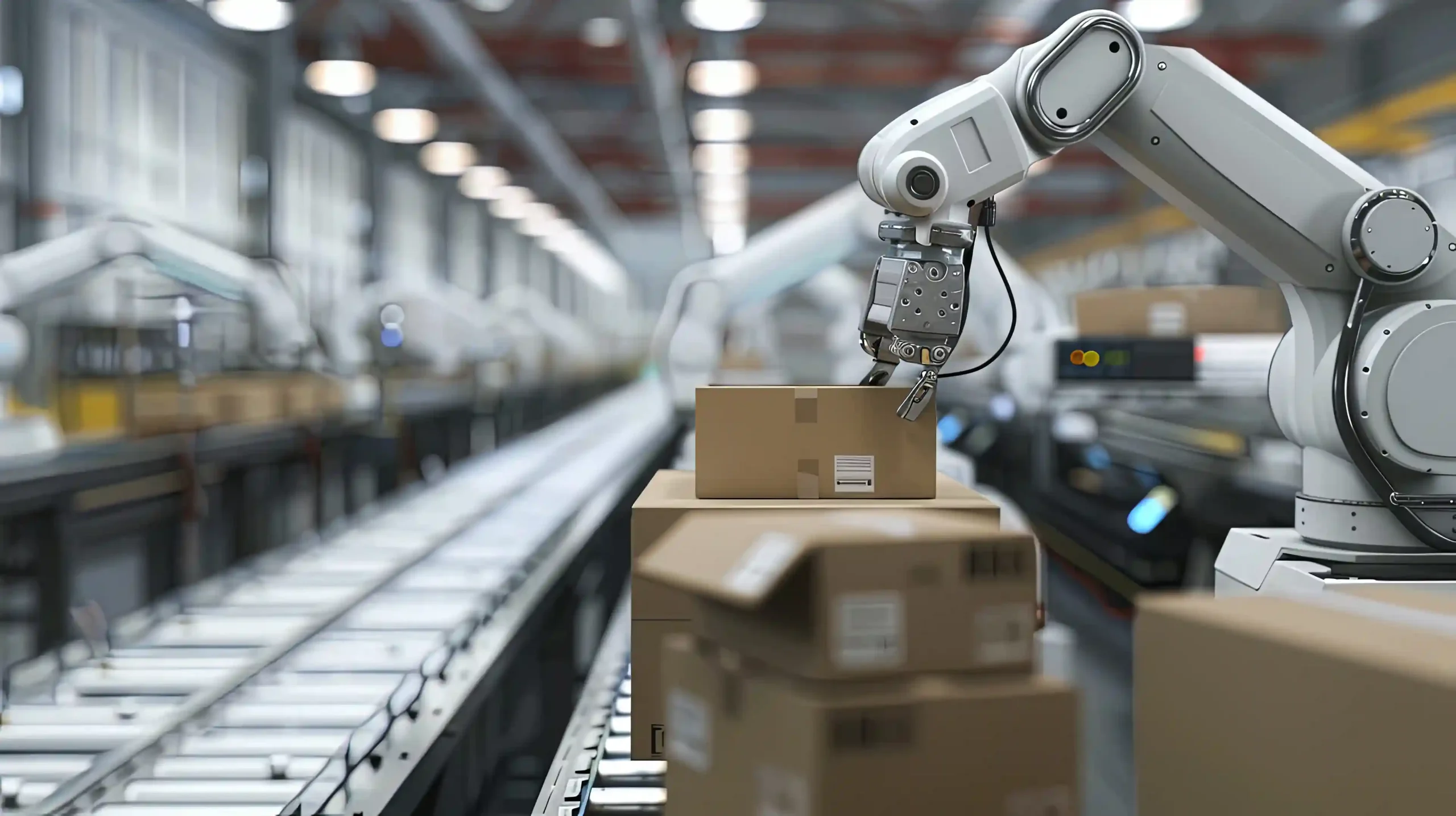
How to Choose the Right Collaborative Palletizing Robot Manufacturer
Choosing the right supplier is just as important as choosing the robot itself. A collaborative palletizing robot is an investment, and buyers want long-term value.
So what should decision makers look for?
What buyers should look for beyond price?
Price matters, but it should not be the only factor. Buyers should consider safety compliance, payload options, ease of use, and system reliability. A good collaborative palletizing robot manufacturer also provides clear documentation and responsive support.
Customization is another key point. Every factory is different, and the best solutions are often tailored to real production needs.
Why working with an experienced manufacturer matters
Experience shows in design quality and problem solving. An experienced manufacturer understands real factory challenges and builds robots that perform reliably in daily operations.
As global sourcing becomes more common, many buyers now ask another important question. Why are so many companies choosing manufacturers from China?
Why More Global Buyers Work with a Chinese Collaborative Palletizing Robot Manufacturer
The global robotics market is changing. Chinese manufacturers are gaining attention for good reasons. A collaborative palletizing robot made in China today often combines solid performance with strong value.
Cost performance balance
Chinese manufacturers focus heavily on efficient production. This allows them to offer competitive pricing without sacrificing core features. Buyers can invest in automation while maintaining a healthy return.
Customization and manufacturing capability
Many Chinese collaborative palletizing robot manufacturers offer flexible customization. From grippers to pallet sizes, solutions can be adjusted to match real applications.
This ability to customize is especially attractive for overseas buyers with unique requirements.
Global delivery and support experience
Export experience matters. Manufacturers with global customers understand shipping, documentation, and communication across time zones. This makes the buying process smoother and more reliable.
With the right partner, a collaborative palletizing robot becomes more than a machine. It becomes part of a long-term automation strategy.
结论
The rise of the collaborative palletizing robot reflects a bigger shift in manufacturing. Safety, 灵活性, and human robot collaboration are no longer separate goals. They are connected.
By reducing physical strain, improving efficiency, and adapting to change, collaborative palletizing robots help factories move forward without leaving people behind. For companies looking to automate palletizing in a practical and cost-effective way, this approach makes real sense.
If you are exploring how a collaborative palletizing robot could fit into your production line, the team at OK is ready to talk. Whether you are just starting or planning your next upgrade, feel free to reach out and have a real conversation about what works best for your factory.
常见问题解答
What is a collaborative palletizing robot?
A collaborative palletizing robot is designed to stack products onto pallets while working safely next to people. It uses smart sensors and controlled movements to reduce risk and improve teamwork on the factory floor.
Is a collaborative palletizing robot safe for workers?
是的. These robots are built with safety features like force control and automatic stopping. This allows humans and robots to share the same workspace with less risk of injury.
Which industries benefit most from collaborative palletizing robots?
Food and beverage, 后勤, 消费品, and light manufacturing benefit the most. Any industry with repetitive palletizing tasks can see improved efficiency.
How difficult is it to install and use one?
Installation is usually quick, and most systems are easy to program. Operators can learn basic use without advanced technical skills.
Why choose a collaborative palletizing robot manufacturer from China?
Many Chinese manufacturers offer strong customization, competitive pricing, and a reliable global delivery experience.