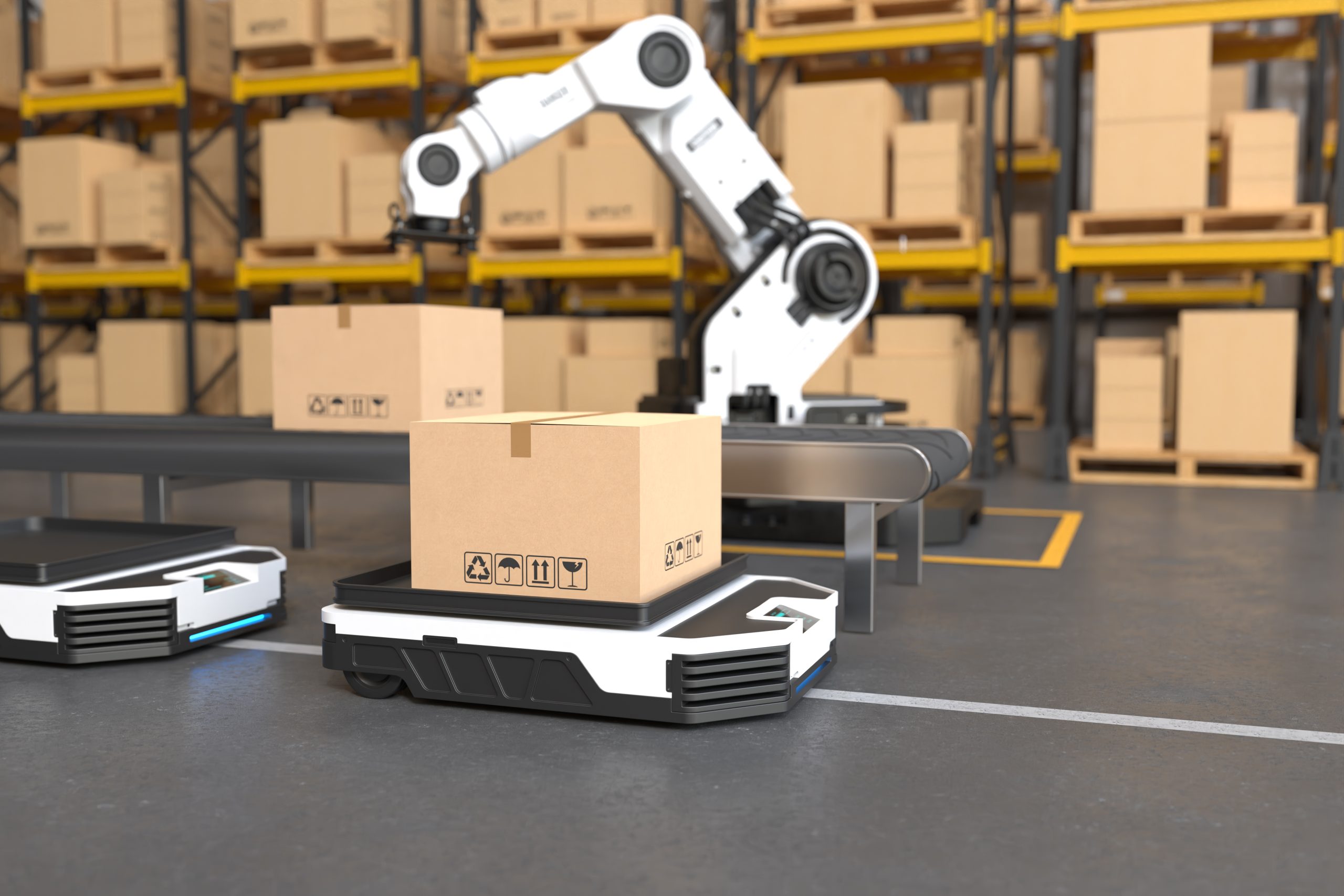
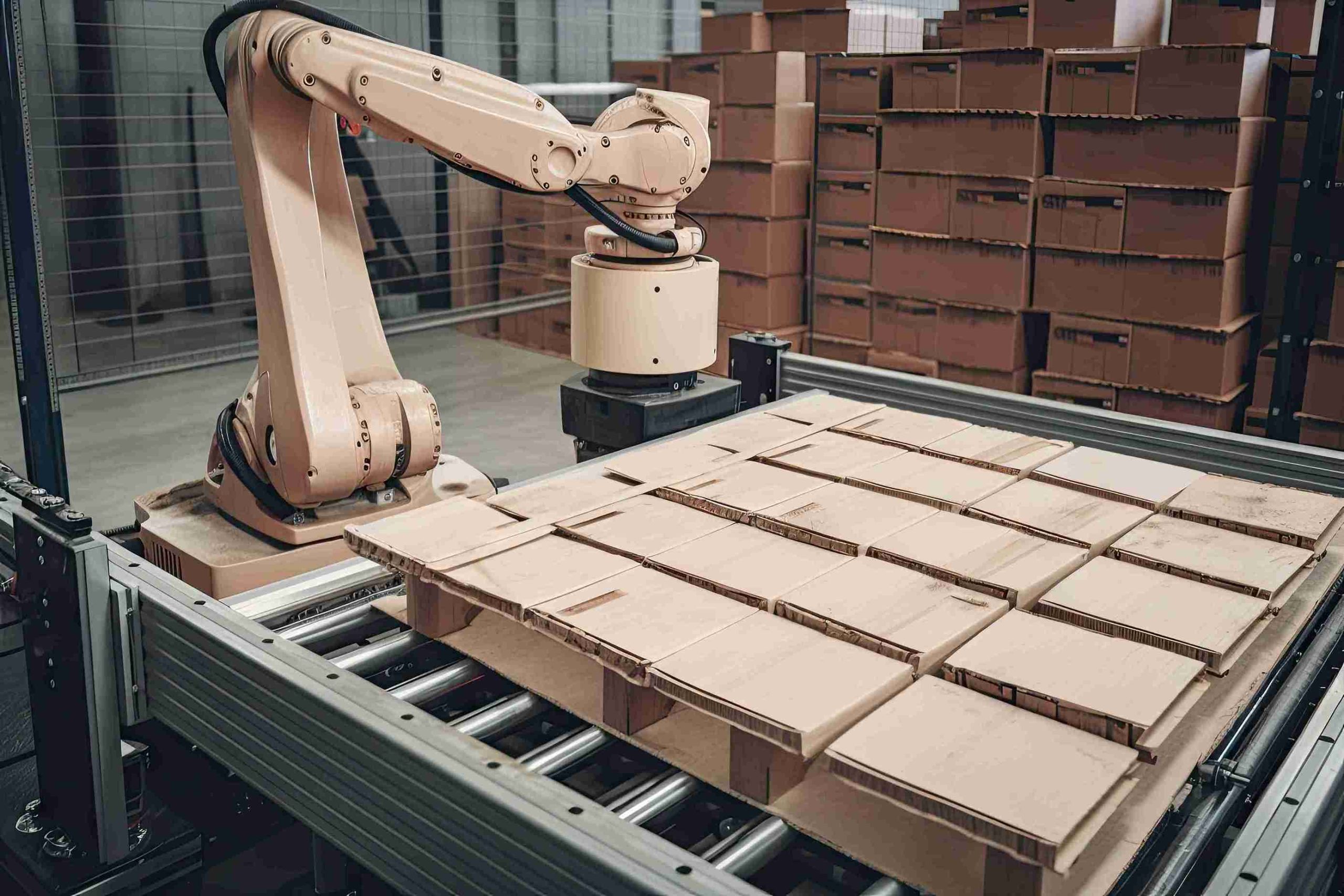
Automation is becoming an important part of modern manufacturing. Companies want faster production, lower labor costs, and consistent product quality. One area where automation has made a major difference is palletizing. Instead of workers stacking boxes by hand, many factories now use a palletizing robot to do the job.
But traditional robotic palletizing systems have limitations. They often require boxes to arrive in the exact same position every time. If a box rotates slightly or shifts on the conveyor, the robot may not pick it correctly.
This is where a vision system becomes valuable. A vision system allows the robot to see and understand where products are located. By combining a vision system with a palletizing robot, manufacturers gain a smarter and more flexible automation solution.
So how does this technology actually work on the factory floor? Let us begin with the basics.
What Is a Vision System in a Palletizing Robot Application
A vision system allows machines to analyze visual information from their environment. In palletizing automation, cameras capture images of products moving along a conveyor. Software then processes these images and sends position data to the palletizing robot.
Instead of relying only on fixed coordinates, the robot can adjust its movements based on real-time visual information. This allows the system to handle small variations in product position.
In other words, the robot does not just follow instructions. With the help of a vision system, it can react to what it sees.
But what technologies make this possible?
Key Components of a Vision System
A vision system used with a palletizing robot usually includes several important parts.
Industrial cameras capture images of products on the production line. These cameras are designed for factory environments and can operate continuously.
Lighting systems help ensure the camera captures clear images. Good lighting reduces shadows and reflections that could interfere with detection.
Image processing software then analyzes the images. It identifies the shape and position of each box and calculates the coordinates for the robot.
Finally, the system sends this information to the palletizing robot controller so the robot can perform the correct movement.
2D and 3D Vision Technologies
There are two main types of vision systems used in palletizing.
A 2D vision system detects objects on a flat surface. It identifies the location and rotation of boxes on a conveyor.
A 3D vision system also detects depth. This allows a palletizing robot to handle mixed products or items that are stacked irregularly.
Now that we understand the technology behind a vision system, la siguiente pregunta queda clara. How does this system actually guide a palletizing robot during production?
How a Vision System Guides a Palletizing Robot in Real Production Lines
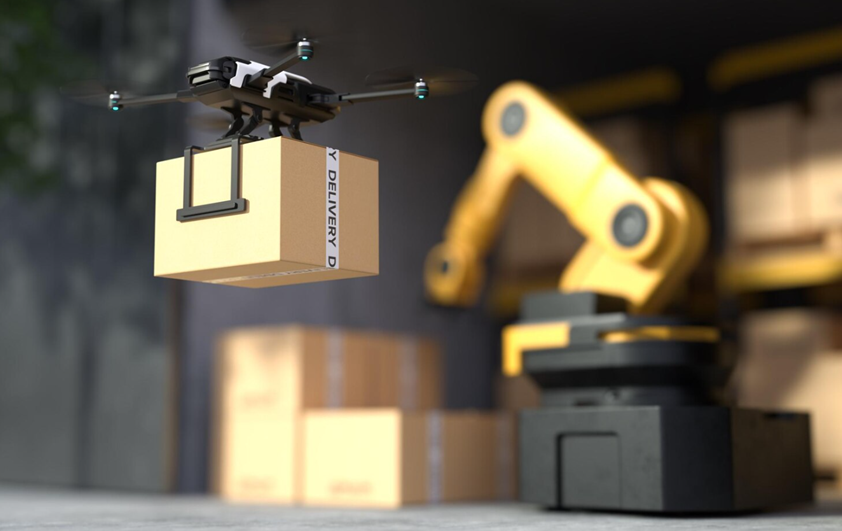
In an automated palletizing line, the vision system and palletizing robot work together as one coordinated system. The vision system observes incoming products, while the robot performs the picking and stacking tasks.
This cooperation allows the system to work efficiently even when product positions change.
Let us look at how a typical process works.
Step-by-Step Workflow of Vision-Guided Palletizing
Primero, products move along a conveyor toward the palletizing area.
As they enter the picking zone, the vision system captures images of the items. The software analyzes each image and identifies the exact location and orientation of every box.
Próximo, the system sends this information to the palletizing robot.
The robot calculates the best path to pick up the product. Using a gripper or suction tool, the robot lifts the box and places it on the pallet according to the stacking pattern.
This cycle repeats continuously as new products arrive.
Because the vision system constantly updates product positions, the palletizing robot can adjust its movements instantly.
Why Vision Improves Robot Accuracy
Production lines are rarely perfect. Boxes may rotate, slide slightly, or arrive at uneven intervals.
Without a vision system, a palletizing robot might struggle with these variations.
With visual guidance, the robot can detect the exact position of each product and adjust its motion before picking it.
This greatly improves picking accuracy and ensures stable pallet stacking.
But accuracy is only one advantage. What other benefits does this technology provide?
Benefits of Using a Vision System With a Palletizing Robot
Combining a vision system with a palletizing robot offers many benefits for manufacturers. The technology improves efficiency, flexibilidad, and safety across production lines.
Let us explore some of the key advantages.
Higher Flexibility for Different Products
Many production lines handle different box sizes or packaging types. Changing products can be difficult for traditional robotic systems.
A vision system allows the palletizing robot to detect each product automatically. The robot can adapt to different box sizes without mechanical adjustments.
This makes product changeovers faster and easier.
Improved Efficiency and Speed
Manual palletizing can be slow and physically demanding. Workers may become tired, which affects productivity.
A palletizing robot with a vision system maintains consistent performance throughout the day. The robot moves with precision and does not experience fatigue.
This leads to higher production efficiency and more predictable output.
Reduced Labor and Safer Workplaces
Palletizing tasks often involve lifting heavy boxes repeatedly. Con el tiempo, this can lead to worker injuries.
Automating the process with a palletizing robot reduces the physical strain on employees.
Workers can focus on supervision, quality checks, or other skilled tasks instead of repetitive lifting.
Better Pallet Quality and Stability
Consistent stacking is important for transportation and storage.
A vision system helps the palletizing robot place each box in the correct position on the pallet.
This improves pallet stability and reduces the risk of products shifting during shipping.
With these benefits, it is easy to see why many industries are adopting this technology. But where is it most commonly used?
Industries Using Vision System Palletizing Robot Solutions
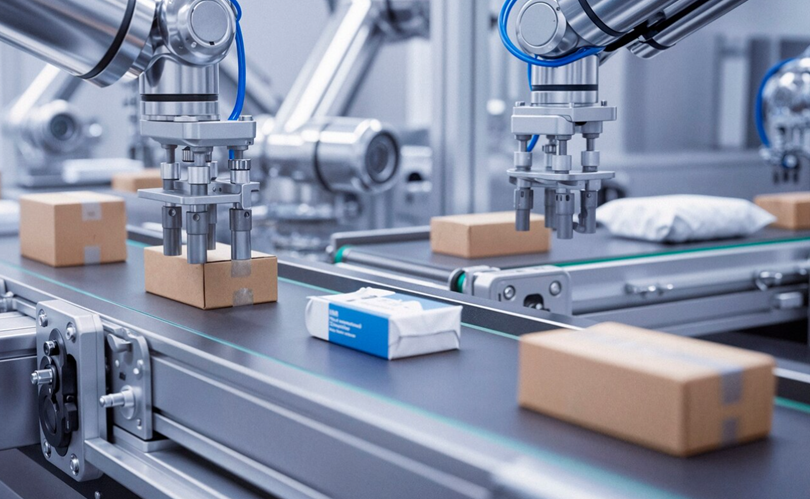
The combination of a vision system and a palletizing robot is useful in many industries that handle packaged products.
Let us explore a few examples.
Food and Beverage Production
Food and beverage factories often run high-speed packaging lines. Large numbers of cartons and containers must be stacked quickly.
A vision system allows the palletizing robot to detect products accurately and maintain smooth operation.
E-commerce and Logistics
Distribution centers handle thousands of packages every day. Boxes of different sizes must be sorted and palletized efficiently.
Vision-guided palletizing robots help logistics companies manage this complexity.
Consumer Goods and Pharmaceuticals
These industries require precise handling and consistent packaging quality.
A vision system ensures that products are positioned correctly before the palletizing robot picks them.
As more industries adopt this technology, companies must consider several factors before installing such systems.
Key Factors When Implementing a Vision System Palletizing Robot
Successful palletizing automation requires proper planning. Several technical elements must be considered before installing a vision system with a palletizing robot.
Choosing the Right Robot Payload and Reach
Every palletizing robot has limits for payload and reach.
Manufacturers must choose a robot capable of lifting their products and reaching the full height of the pallet.
Selecting the correct robot ensures reliable operation.
Vision System Setup and Lighting
The accuracy of a vision system depends heavily on lighting and camera placement.
Proper calibration ensures that the system can detect products clearly and consistently.
Gripper Design for Product Handling
The gripper attached to the palletizing robot must match the product type.
Vacuum grippers are often used for cartons, while mechanical grippers are better for heavier items.
Choosing the correct gripper improves picking stability.
Integration With Production Equipment
Finally, the palletizing robot and vision system must integrate smoothly with conveyors and packaging machines.
Good integration ensures continuous product flow and prevents production delays.
Once these factors are addressed, manufacturers can fully benefit from robotic palletizing. But selecting the right partner is equally important.
Why Choose OK for Vision System Palletizing Robot Solutions
Choosing the right robotics supplier can make a big difference in automation success.
OK offers collaborative robotic solutions designed for flexible palletizing applications.
Advanced Collaborative Robot Technology
OK robots are designed to work safely alongside human operators while maintaining high palletizing performance.
Easy Programming and Deployment
OK systems feature user-friendly interfaces that simplify programming and setup.
This allows manufacturers to deploy a palletizing robot quickly and adapt to changing production needs.
Flexible Automation Solutions
When combined with a vision system, OK robots can handle multiple product types and pallet patterns.
This flexibility helps companies respond to changing market demands.
Reliable Technical Support
Automation projects require strong technical support. OK provides assistance during installation and system integration.
This ensures stable operation and long-term reliability.
Conclusión
Modern manufacturing requires flexible and efficient automation. The combination of a vision system and palletizing robot offers a powerful solution for handling packaging and palletizing tasks.
By allowing robots to see and adapt to their environment, manufacturers can reduce manual labor, improve accuracy, and increase productivity.
As factories continue moving toward smarter automation, vision-guided palletizing will play an even greater role in modern production lines.
If you are looking to improve your palletizing process, the team at OK can help you explore the right automation solution. Contact OK today to learn how a vision system and palletizing robot can support your manufacturing goals.
Preguntas frecuentes
1. What is a vision system in palletizing?
A vision system uses cameras and software to detect product position and orientation, allowing a palletizing robot to pick items accurately.
2. Why combine a vision system with a palletizing robot?
It improves flexibility, exactitud, and efficiency by helping the robot adapt to changing product positions.
3. Which industries use this technology?
Food, logística, productos farmaceuticos, and consumer goods industries widely use vision guided palletizing.