En el acelerado mundo manufacturero actual, efficiency is no longer optional. Companies are under pressure to produce more, reducir costos, and stay competitive. That is where automation comes in. One of the most important decisions many factories face is choosing between a robotic palletizer and a traditional palletizing system.
But which one actually makes sense for your operation?
If you are trying to improve productivity while keeping costs under control, this comparison will help you understand the real differences. Más importante aún, it will help you decide whether investing in a robotic palletizer is the right move for your business.
What Is a Robotic Palletizer and How Does It Compare to Traditional Systems?
Before we compare the two, let’s make sure we are clear on what each system does.
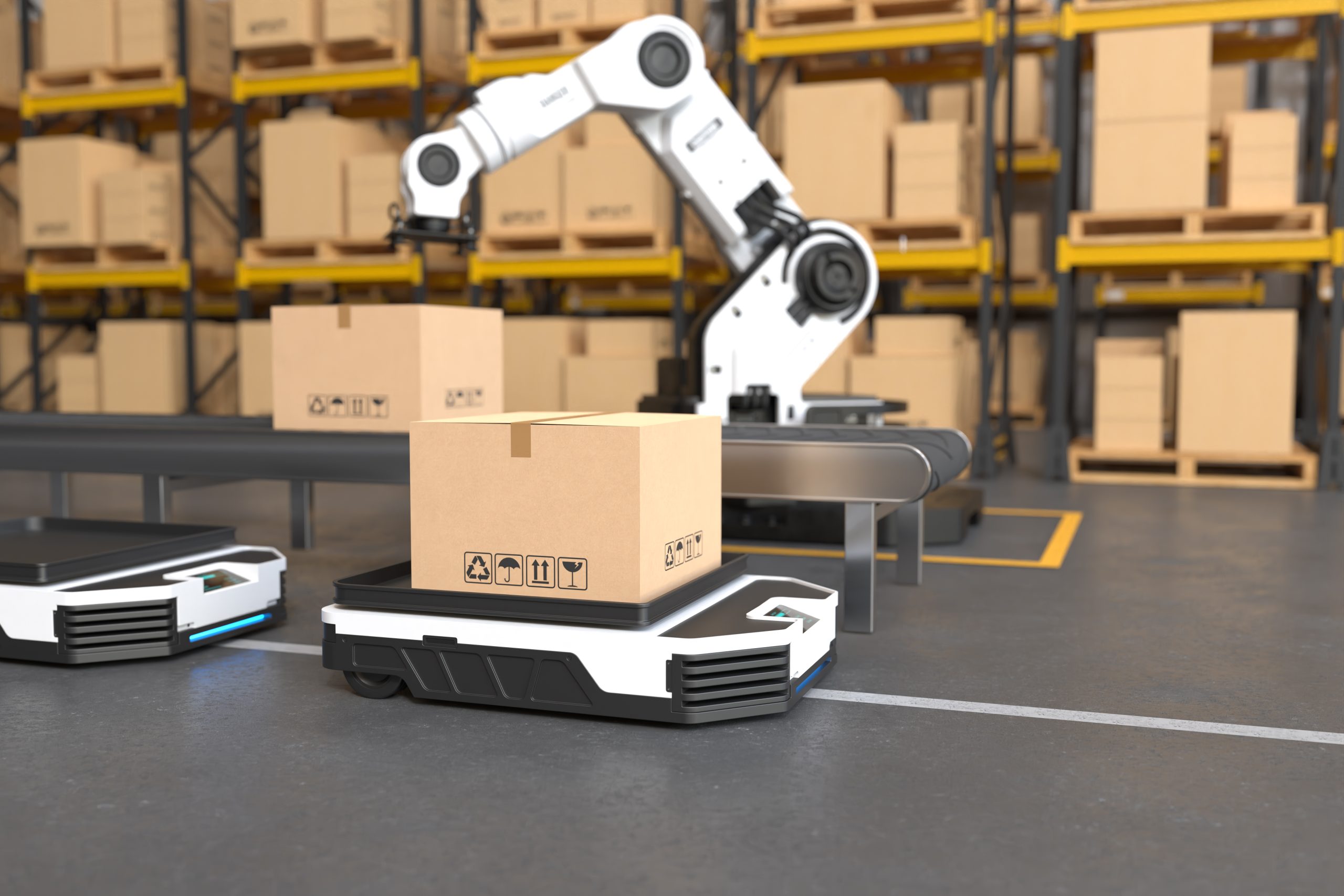
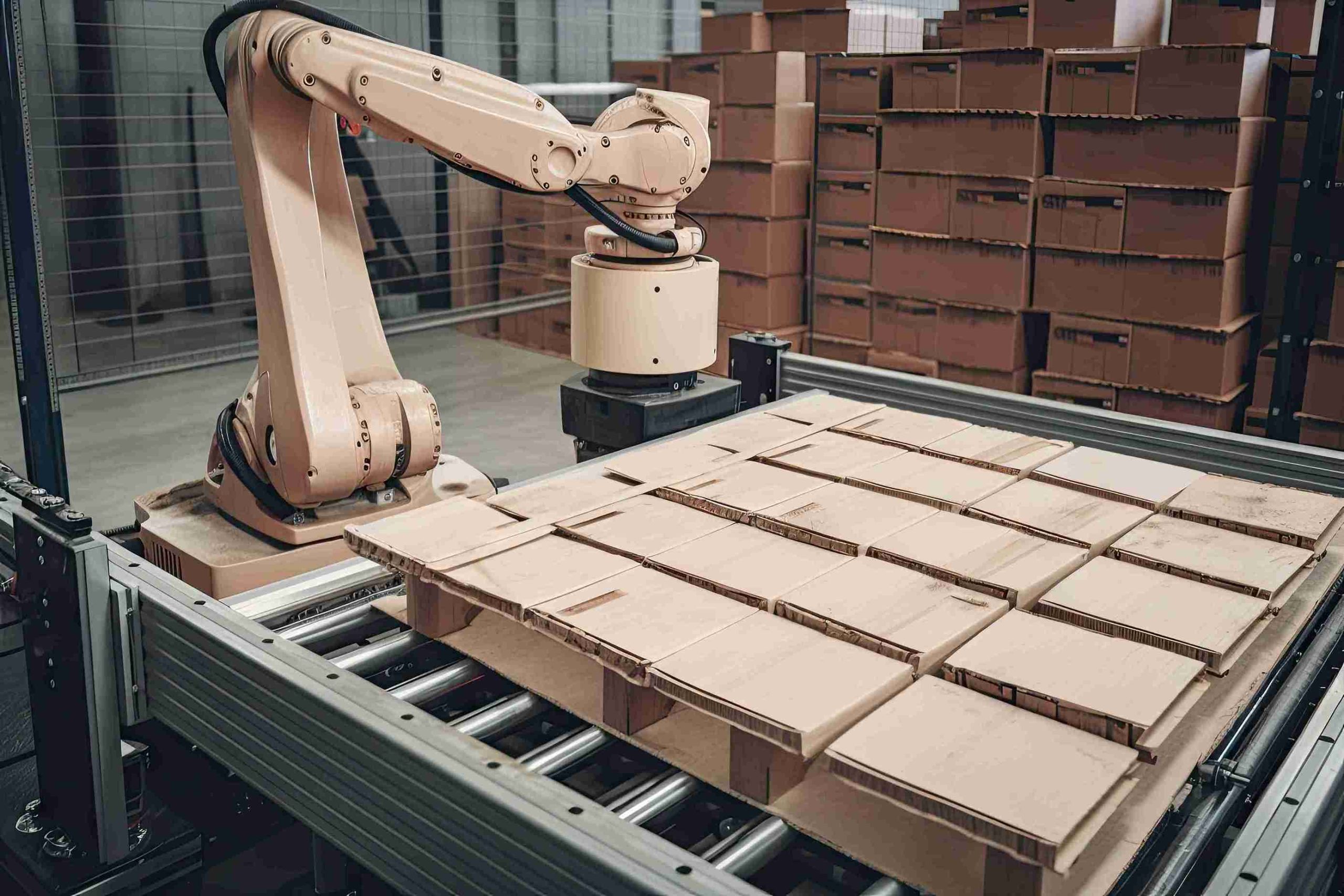
A robotic palletizer uses a robotic arm with smart programming to pick, place, and stack products onto pallets. It can handle different shapes, tamaños, and packaging types with minimal changes.
On the other hand, traditional palletizers rely on mechanical systems such as conveyors, layers, and fixed patterns. These systems are designed for repetitive tasks with little variation.
So what does this mean in real-world use?
A traditional system works best when you are dealing with one product at very high volumes. But what happens when your production line needs to handle multiple products or frequent changes? That is where a robotic palletizer starts to stand out.
And this leads to an important question: how flexible do you need your operation to be?
Robotic Palletizer vs Traditional Palletizer: Key Differences in Flexibility and Efficiency
Flexibility is one of the biggest differences between these two systems.
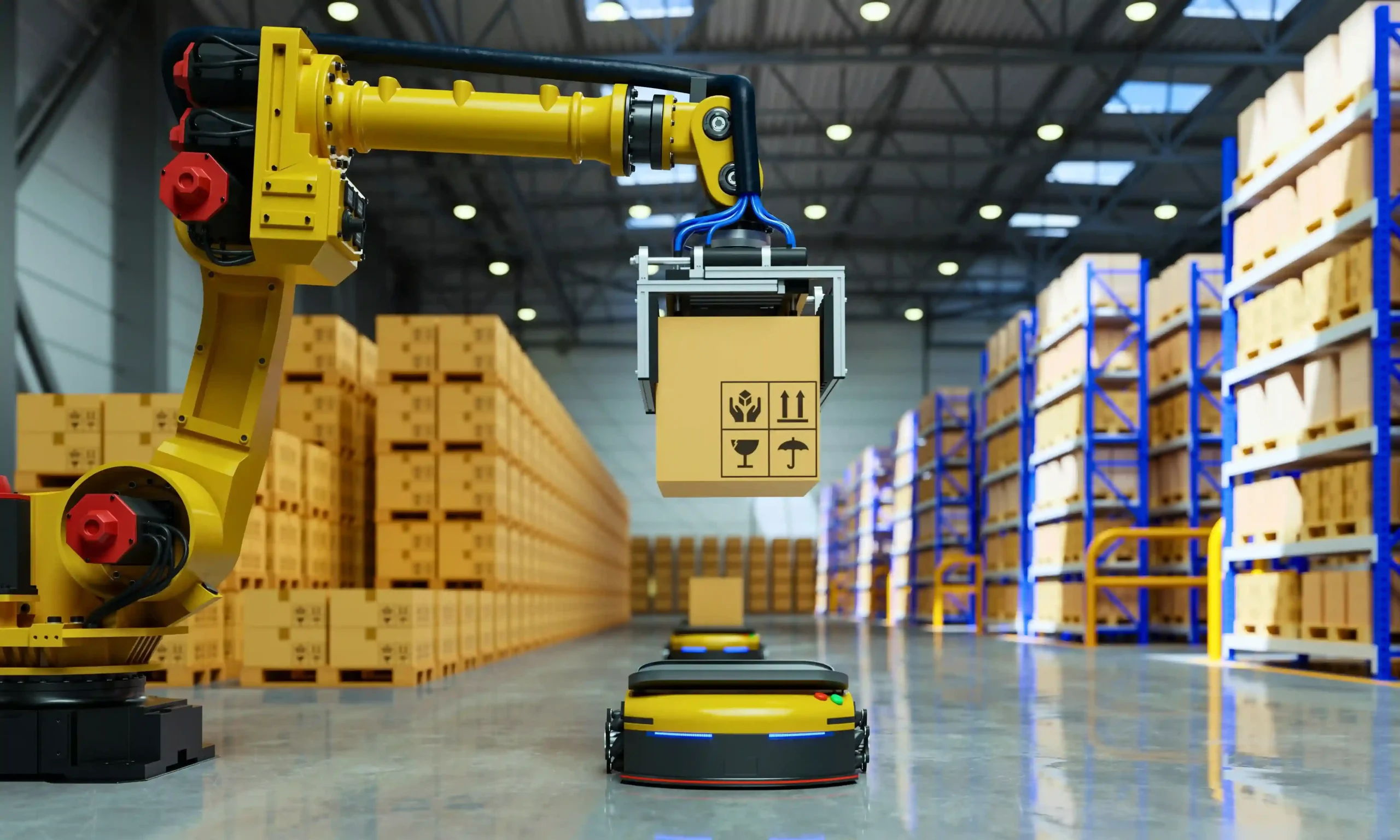
A robotic palletizer can switch between different products with simple programming changes. This makes it ideal for factories that handle multiple product lines or frequent order changes.
Traditional palletizers, sin embargo, are much more rigid. Changing product types often requires mechanical adjustments, which can lead to downtime and lost productivity.
Why Flexibility Matters More Than Ever
Today’s market is changing quickly. Customers expect more variety, faster delivery, and customized orders.
A robotic palletizer allows you to:
- Adapt to new products without major changes
- Reduce downtime during changeovers
- Handle mixed loads more efficiently
Traditional systems struggle in these areas, especially when production is not consistent.
Efficiency Beyond Speed
Some people assume traditional systems are always faster. While they can be very fast in single-product environments, they often lose efficiency when conditions change.
A robotic palletizer may have slightly lower peak speed in some cases, but it makes up for it by:
- Reducing errors
- Minimizing downtime
- Maintaining consistent performance
So the real question becomes: do you want maximum speed in one situation, or reliable efficiency across many?
How a Robotic Palletizer Improves ROI and Reduces Labor Costs
Now let’s talk about one of the biggest concerns for any business: costo.
A primera vista, a robotic palletizer may seem like a larger investment. But looking only at the upfront cost can be misleading. The real value comes from long-term savings and return on investment.
Lower Labor Dependency
Manual palletizing is physically demanding and often requires multiple workers per shift.
With a robotic palletizer, you can:
- Reduce the number of workers needed
- Reassign staff to higher-value tasks
- Minimize labor shortages
En muchos casos, one robotic palletizer can replace several workers across shifts.
Long-Term Cost Savings
Labor is not the only cost to consider. There are also hidden costs such as:
- Training new workers
- Injuries and downtime
- Product damage
A robotic palletizer helps reduce these risks by providing consistent and reliable operation.
Faster Payback Period
Many manufacturers see a return on their robotic palletizer investment within one to three years.
When you combine labor savings, increased efficiency, and reduced errors, the numbers start to make sense.
So while the initial cost may be higher, the long-term benefits often outweigh it.
But cost is not the only concern. What about safety?
Safety and Operational Benefits of Using a Robotic Palletizer
Safety is a major issue in any factory environment. Palletizing tasks often involve heavy lifting, repetitive motion, and awkward positions.
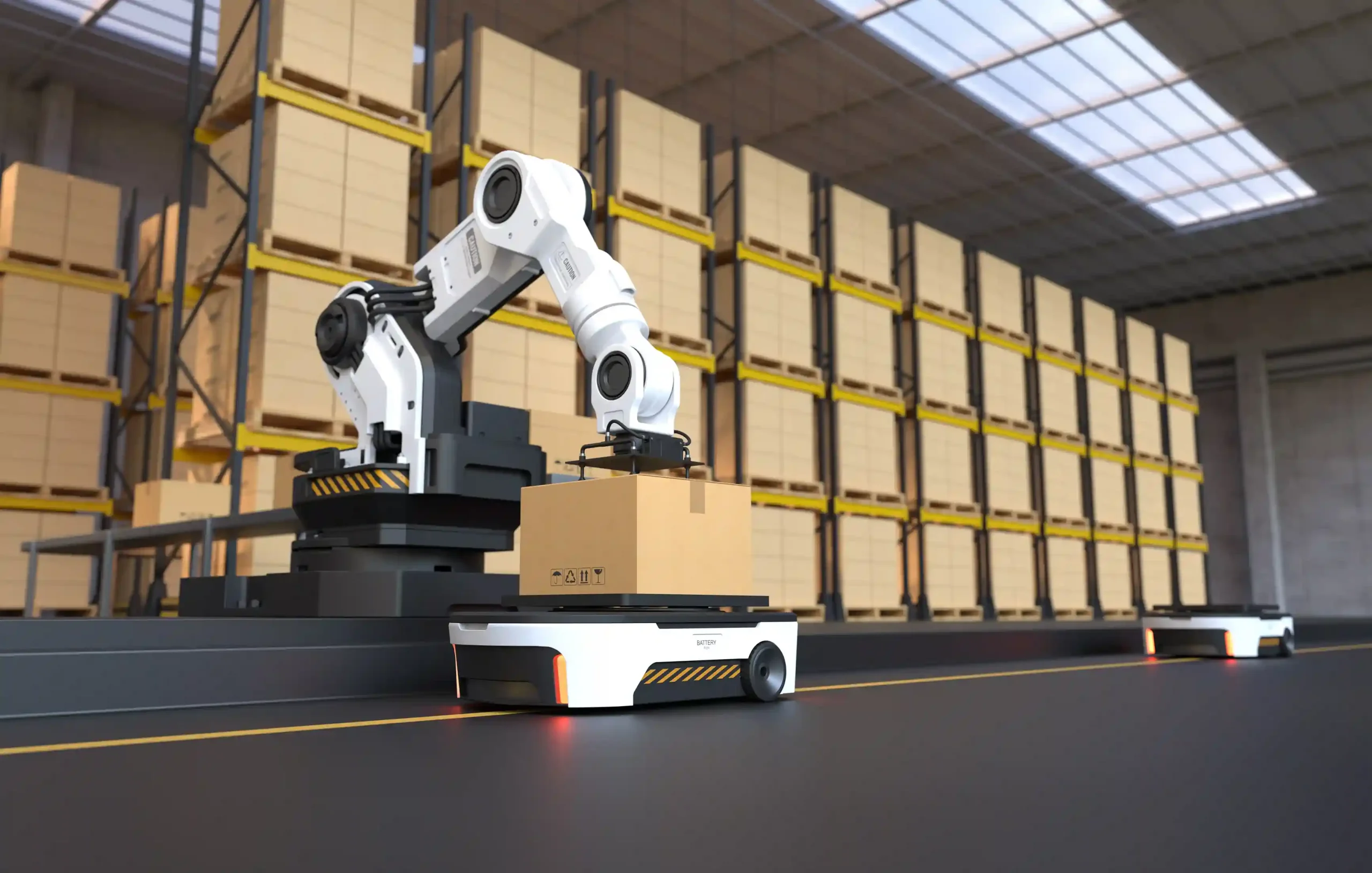
A robotic palletizer helps reduce these risks significantly.
Reduced Workplace Injuries
By automating the palletizing process, you remove workers from physically demanding tasks.
This leads to:
- Fewer injuries
- Lower compensation costs
- Better working conditions
- Consistent Performance
Humans can get tired. Machines do not.
A robotic palletizer delivers:
- Consistent stacking quality
- Accurate placement
- Reliable operation over long periods
This consistency helps improve overall production quality.
Smarter Automation Integration
Modern robotic palletizer systems can integrate with other equipment, such as conveyors and packaging lines.
This creates a more connected and efficient production process.
So now we have covered flexibility, costo, and safety. But why are so many companies making the switch today?
Why More Manufacturers Are Choosing a Robotic Palletizer Today
The shift toward automation is not just a trend. It is a response to real challenges in the manufacturing industry.
A robotic palletizer is becoming the preferred choice for several reasons.
Primero, labor shortages are making it harder to find and keep workers. Automation helps solve this problem.
Segundo, businesses need to stay competitive. A robotic palletizer allows companies to increase output while controlling costs.
Tercero, product variety is growing. Traditional systems struggle to keep up with changing demands.
Meeting Modern Production Needs
Manufacturers today need systems that can:
- Handle multiple products
- Adapt quickly to changes
- Scale with business growth
A robotic palletizer is designed for this level of flexibility.
- Staying Ahead of the Competition
- Companies that invest in automation are often able to:
- Deliver faster
- Reduce costs
- Improve quality
This creates a strong competitive advantage.
So if more manufacturers are moving in this direction, the next logical question is: which solution provider should you trust?
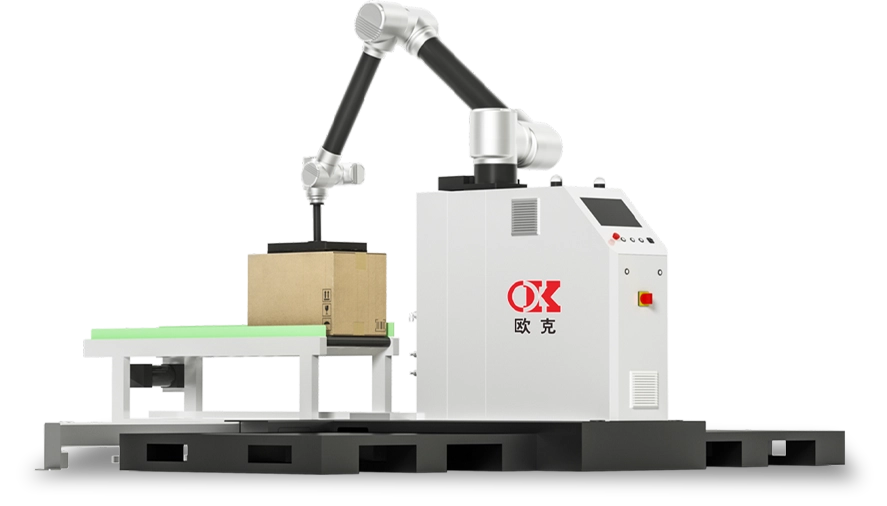
Why Choose OK for Your Robotic Palletizer Solution
Choosing the right equipment is important. Elegir el socio adecuado es igualmente importante.
OK focuses on delivering reliable and efficient robotic palletizer solutions designed for modern manufacturing needs.
Tailored Solutions for Your Business
Every production line is different. OK provides solutions that are customized to your specific requirements.
This ensures:
- Better performance
- Easier integration
- Mayor eficiencia
Advanced Technology with Practical Design
OK combines advanced robotics with user-friendly systems.
This means you get:
- Easy operation
- Flexible programming
- Reliable performance
Strong Support and Expertise
Investing in a robotic palletizer is a long-term decision. Having the right support makes a big difference.
OK offers:
- Technical guidance
- Installation support
- Ongoing service
This helps ensure your system runs smoothly over time.
Entonces, with all these benefits, is a robotic palletizer the right choice for you?
Conclusión
Choosing between a traditional system and a robotic palletizer depends on your specific needs. But for most modern manufacturers, the advantages of a robotic palletizer are hard to ignore.
It offers flexibility, mejora la eficiencia, reduces labor costs, and creates a safer working environment. It also prepares your business for future growth and changing market demands.
If your goal is to stay competitive and build a more efficient operation, investing in a robotic palletizer is a smart step forward.
If you are considering upgrading your palletizing process, it may be time to explore what a robotic solution can do for you. Comuníquese con Aceptar to learn how their robotic palletizer systems can fit into your production line and help you move toward a more efficient future.
Preguntas frecuentes
1. What is a robotic palletizer?
A robotic palletizer is an automated machine that uses a robotic arm to stack products onto pallets quickly and accurately.
2. How is a robotic palletizer different from a traditional palletizer?
A robotic palletizer is flexible and easy to program, while traditional systems are fixed and better suited to single-product lines.
3. What industries use a robotic palletizer?
Common industries include food and beverage, logística, productos farmaceuticos, and consumer goods manufacturing.
4. Can a robotic palletizer handle different product sizes?
Sí, a robotic palletizer can easily adapt to different sizes, formas, and packaging types with simple programming changes.
5. Is a robotic palletizer expensive?
While the upfront cost can be higher, a robotic palletizer often saves money over time through reduced labor and improved efficiency.
6. How long does it take to see ROI?
Most businesses see a return on investment from a robotic palletizer within one to three years.
7. Does a robotic palletizer improve workplace safety?
Sí, it reduces manual lifting and repetitive tasks, lowering the risk of injuries.
8. Is it difficult to operate a robotic palletizer?
Modern robotic palletizer systems are user-friendly and designed for easy operation and quick training.
9. Can a robotic palletizer work with existing production lines?
Sí, it can be integrated with conveyors and other equipment for smooth operation.
10. Why should I choose a robotic palletizer for my business?
A robotic palletizer helps increase efficiency, reducir costos, mejorar la seguridad, and support long-term business growth.