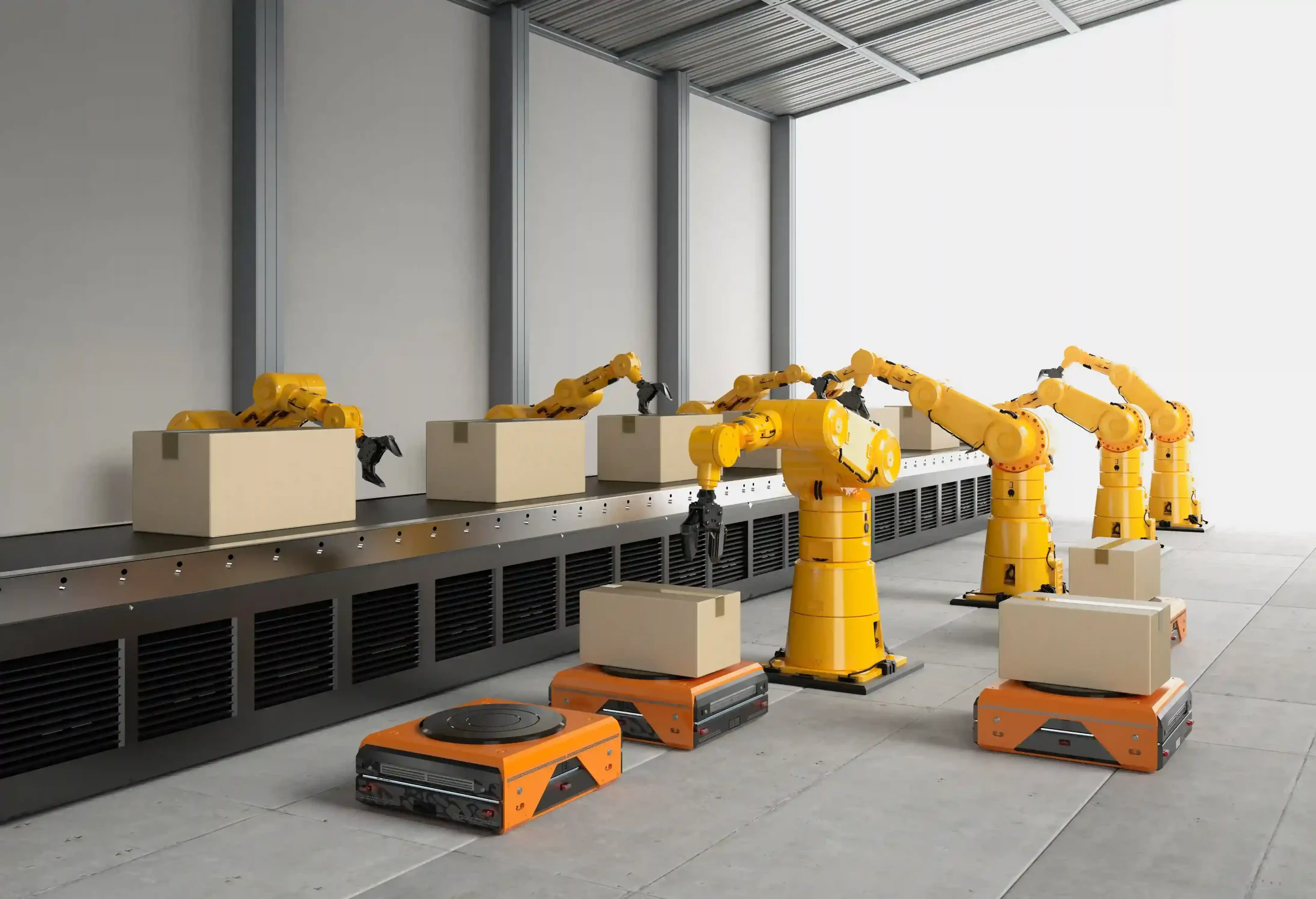
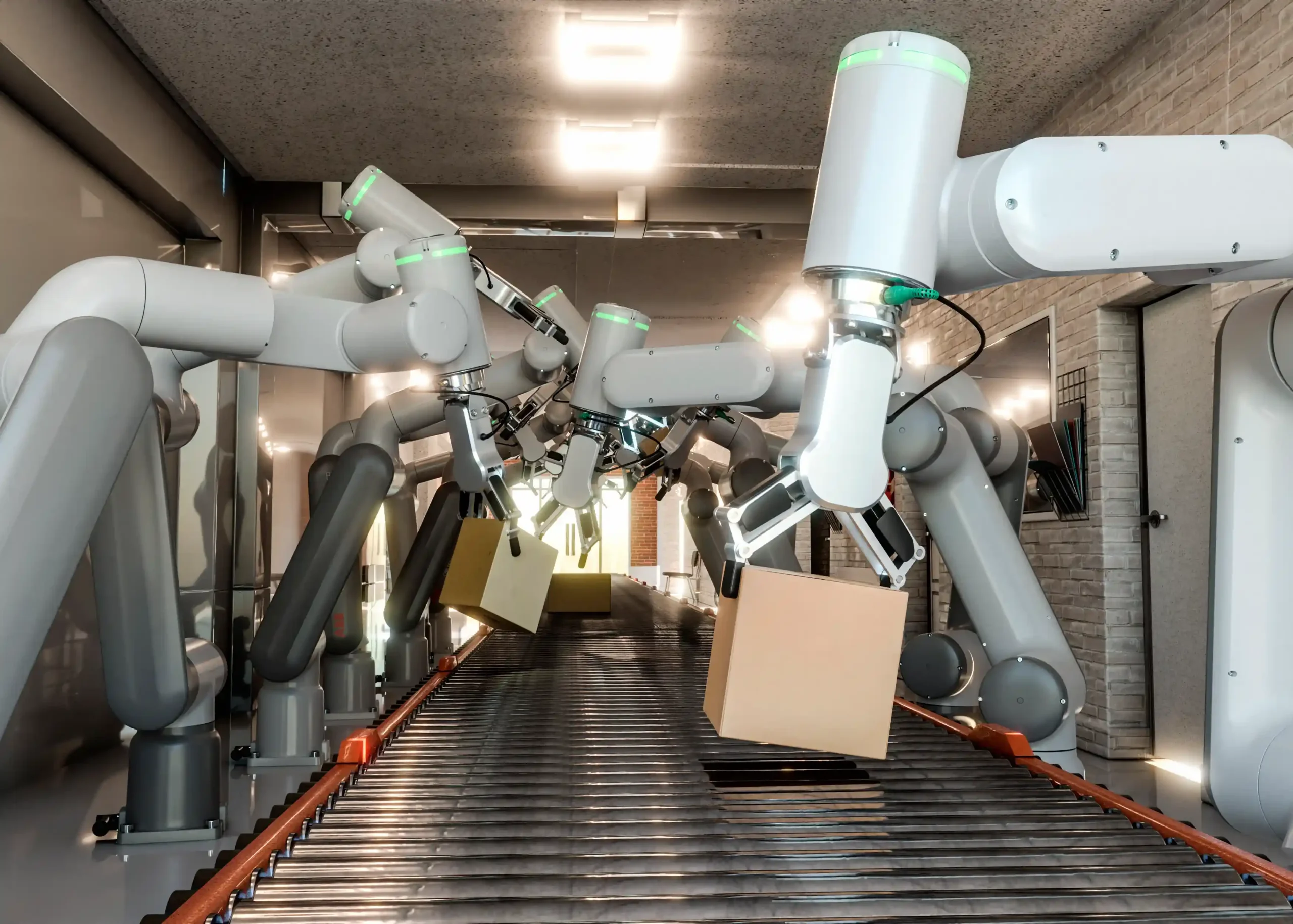
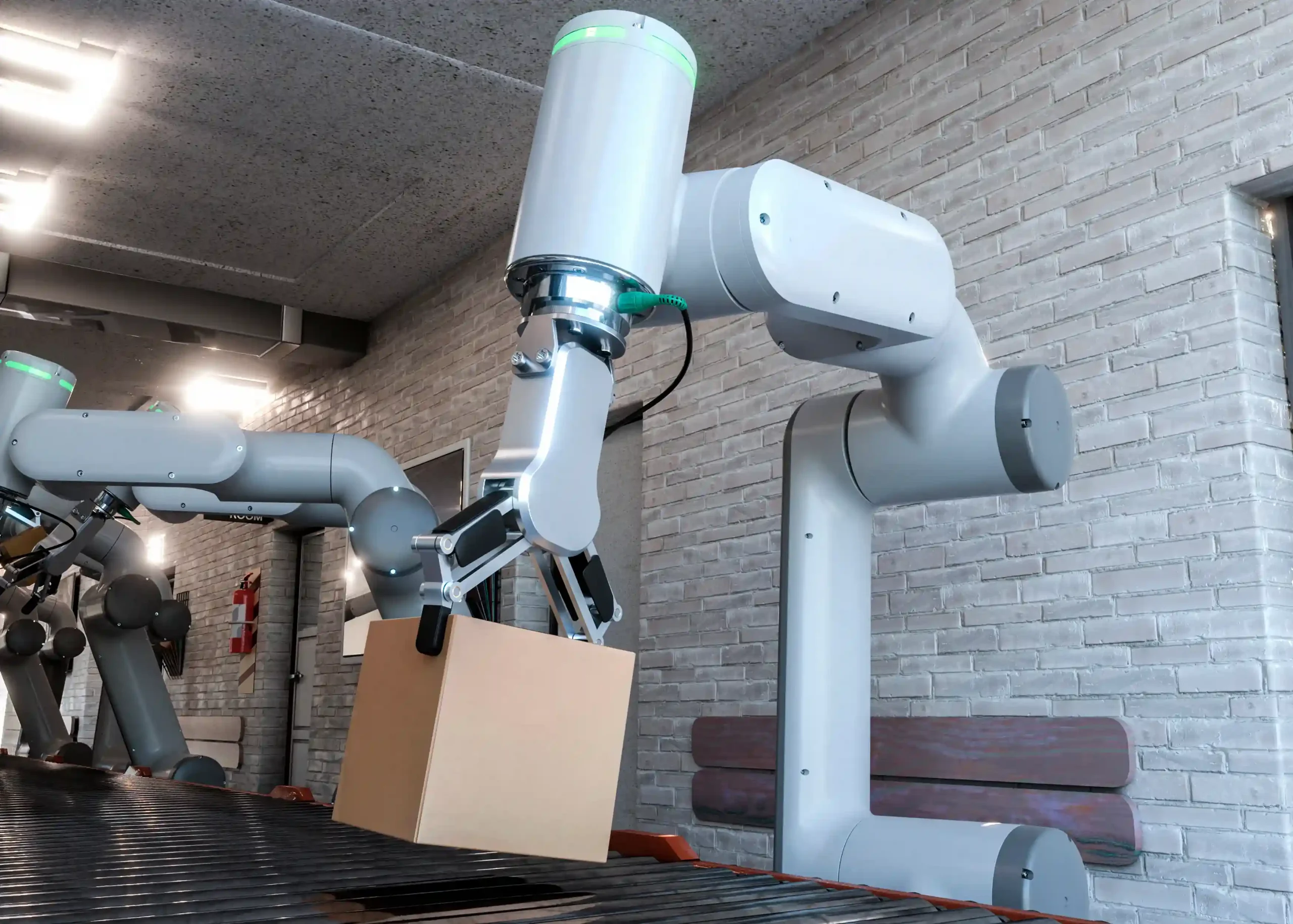
机器人码垛机与传统码垛机: 哪个更适合您的业务?

In today’s fast-moving manufacturing world, efficiency is no longer optional. Companies are under pressure to produce more, 降低成本, 并保持竞争力. That is where automation comes in. One of the most important decisions many factories face is choosing between a robotic palletizer and a traditional palletizing system.

But which one actually makes sense for your operation?

If you are trying to improve productivity while keeping costs under control, this comparison will help you understand the real differences. More importantly, it will help you decide whether investing in a robotic palletizer is the right move for your business.

What Is a Robotic Palletizer and How Does It Compare to Traditional Systems?

Before we compare the two, let’s make sure we are clear on what each system does.

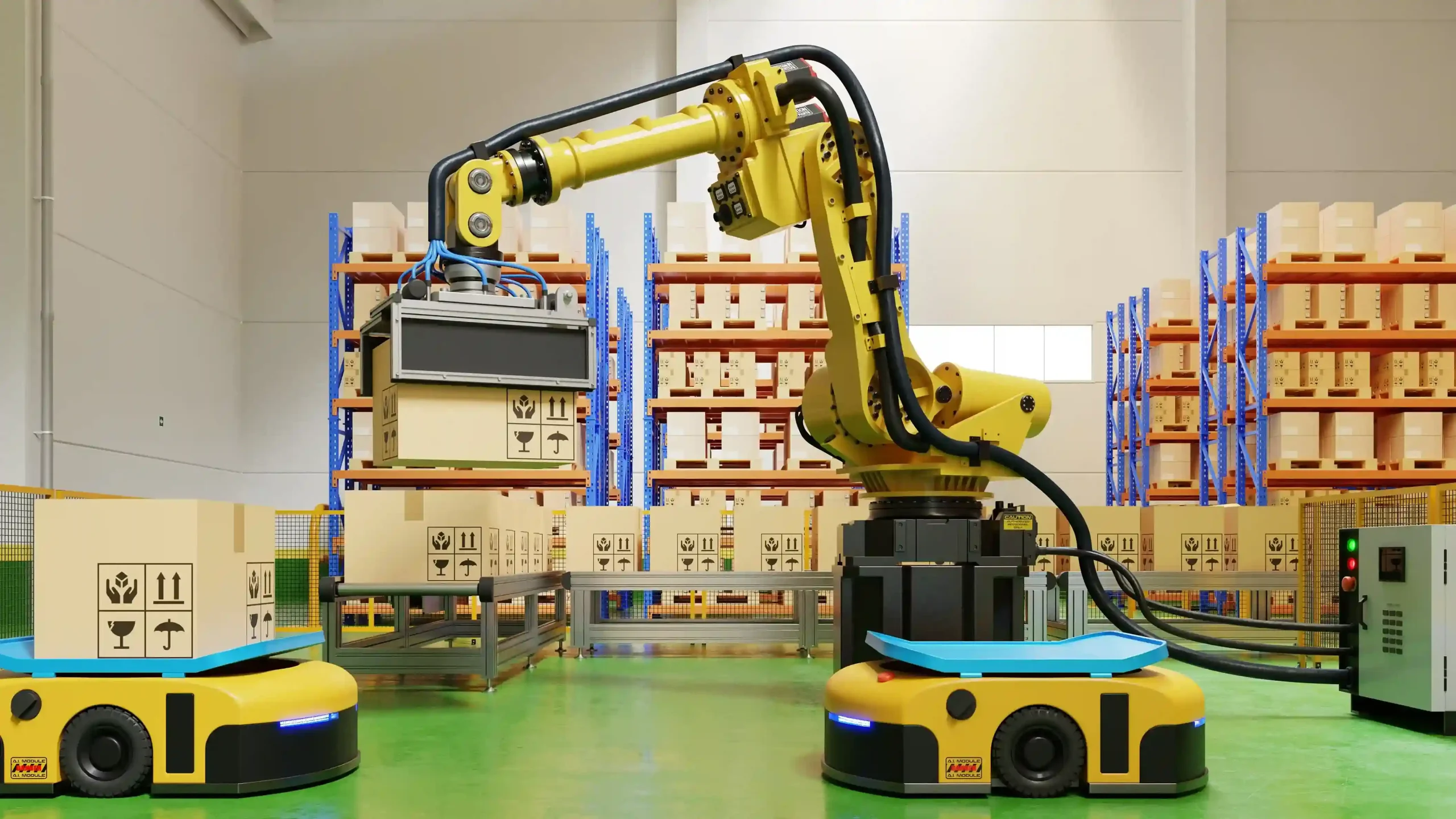
A robotic palletizer uses a robotic arm with smart programming to pick, place, and stack products onto pallets. It can handle different shapes, sizes, and packaging types with minimal changes.

另一方面, traditional palletizers rely on mechanical systems such as conveyors, layers, and fixed patterns. These systems are designed for repetitive tasks with little variation.

So what does this mean in real-world use?

A traditional system works best when you are dealing with one product at very high volumes. But what happens when your production line needs to handle multiple products or frequent changes? That is where a robotic palletizer starts to stand out.

And this leads to an important question: how flexible do you need your operation to be?
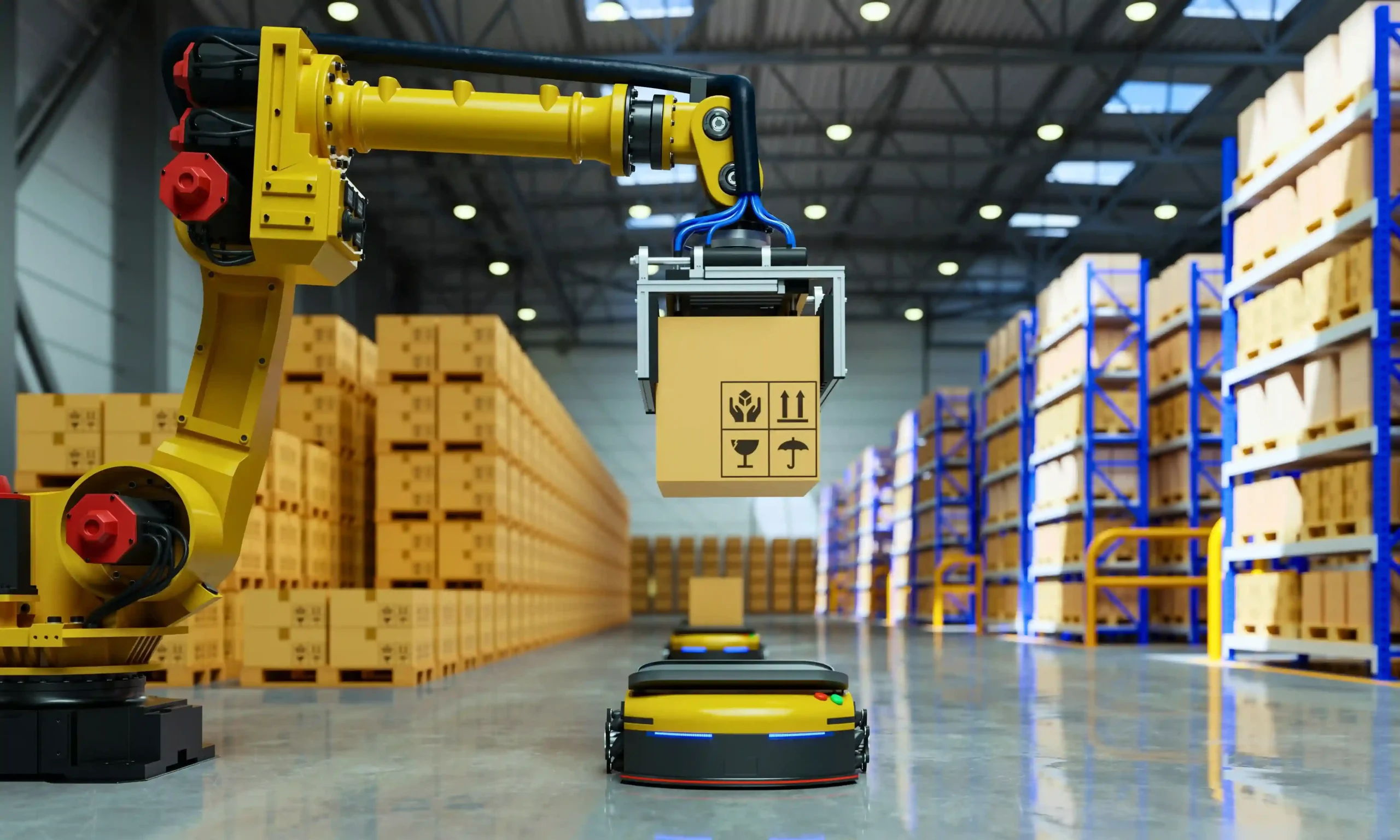
机器人码垛机与传统码垛机

Robotic Palletizer vs Traditional Palletizer: Key Differences in Flexibility and Efficiency

Flexibility is one of the biggest differences between these two systems.

A robotic palletizer can switch between different products with simple programming changes. This makes it ideal for factories that handle multiple product lines or frequent order changes.

Traditional palletizers, 然而, are much more rigid. Changing product types often requires mechanical adjustments, which can lead to downtime and lost productivity.

Why Flexibility Matters More Than Ever

Today’s market is changing quickly. Customers expect more variety, faster delivery, and customized orders.

A robotic palletizer allows you to:

  • Adapt to new products without major changes
  • Reduce downtime during changeovers
  • Handle mixed loads more efficiently

Traditional systems struggle in these areas, especially when production is not consistent.

Efficiency Beyond Speed

Some people assume traditional systems are always faster. While they can be very fast in single-product environments, they often lose efficiency when conditions change.

A robotic palletizer may have slightly lower peak speed in some cases, but it makes up for it by:

  • Reducing errors
  • Minimizing downtime
  • Maintaining consistent performance

So the real question becomes: do you want maximum speed in one situation, or reliable efficiency across many?

How a Robotic Palletizer Improves ROI and Reduces Labor Costs

Now let’s talk about one of the biggest concerns for any business: cost.

乍一看, a robotic palletizer may seem like a larger investment. But looking only at the upfront cost can be misleading. The real value comes from long-term savings and return on investment.

Lower Labor Dependency

Manual palletizing is physically demanding and often requires multiple workers per shift.

With a robotic palletizer, you can:

  • Reduce the number of workers needed
  • Reassign staff to higher-value tasks
  • Minimize labor shortages

在很多情况下, one robotic palletizer can replace several workers across shifts.

Long-Term Cost Savings

Labor is not the only cost to consider. There are also hidden costs such as:

  • Training new workers
  • Injuries and downtime
  • Product damage

A robotic palletizer helps reduce these risks by providing consistent and reliable operation.

Faster Payback Period

Many manufacturers see a return on their robotic palletizer investment within one to three years.

When you combine labor savings, increased efficiency, and reduced errors, the numbers start to make sense.

So while the initial cost may be higher, the long-term benefits often outweigh it.

But cost is not the only concern. What about safety?
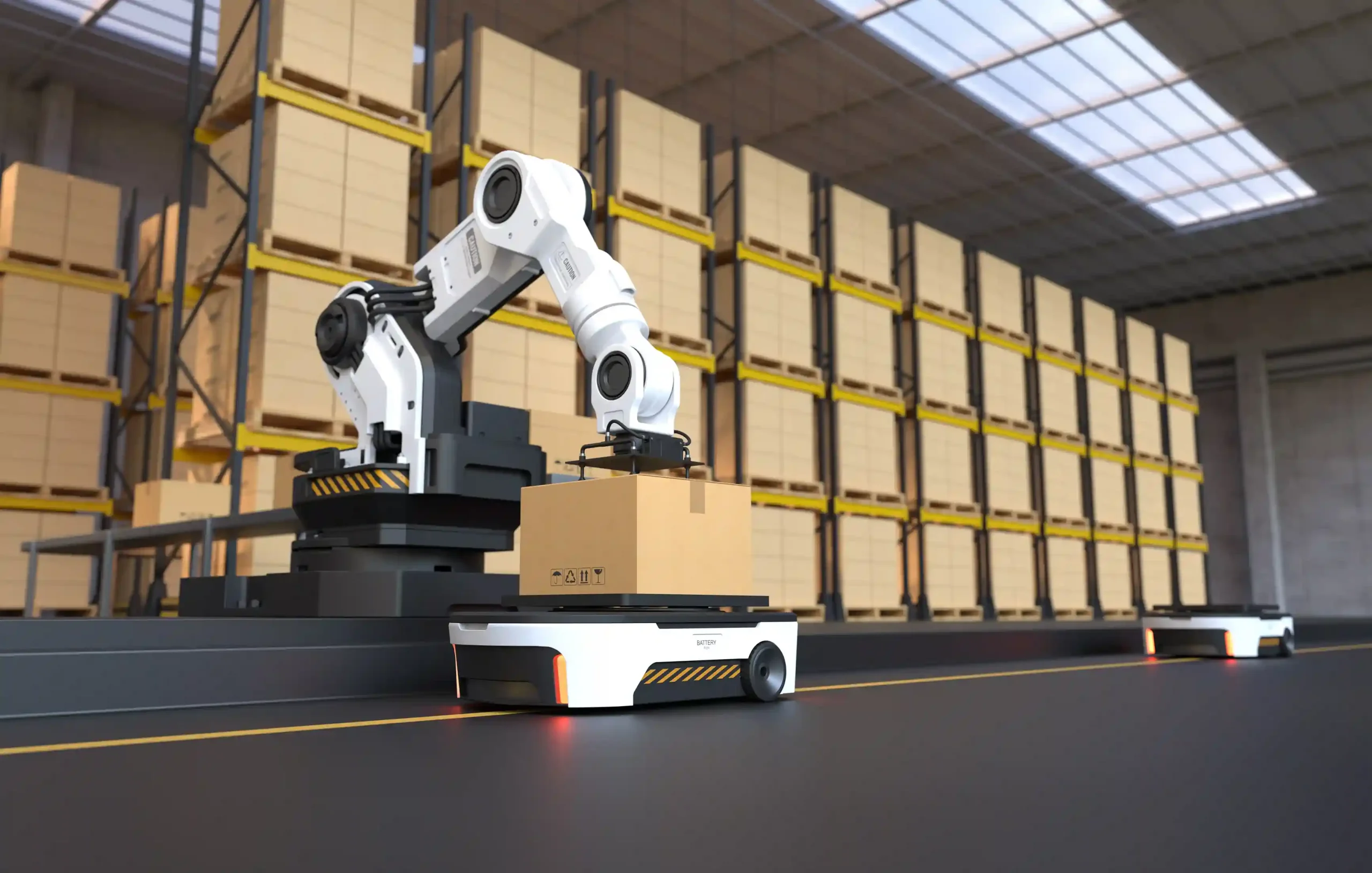
机器人码垛机与传统码垛机

Safety and Operational Benefits of Using a Robotic Palletizer

Safety is a major issue in any factory environment. Palletizing tasks often involve heavy lifting, repetitive motion, and awkward positions.

A robotic palletizer helps reduce these risks significantly.

Reduced Workplace Injuries

By automating the palletizing process, you remove workers from physically demanding tasks.

This leads to:

  • Fewer injuries
  • Lower compensation costs
  • Better working conditions
  • Consistent Performance

Humans can get tired. Machines do not.

A robotic palletizer delivers:

  • Consistent stacking quality
  • Accurate placement
  • Reliable operation over long periods

This consistency helps improve overall production quality.

Smarter Automation Integration

Modern robotic palletizer systems can integrate with other equipment, such as conveyors and packaging lines.

This creates a more connected and efficient production process.

So now we have covered flexibility, cost, and safety. But why are so many companies making the switch today?

Why More Manufacturers Are Choosing a Robotic Palletizer Today

The shift toward automation is not just a trend. It is a response to real challenges in the manufacturing industry.

A robotic palletizer is becoming the preferred choice for several reasons.

第一的, labor shortages are making it harder to find and keep workers. Automation helps solve this problem.

第二, businesses need to stay competitive. A robotic palletizer allows companies to increase output while controlling costs.

第三, product variety is growing. Traditional systems struggle to keep up with changing demands.

Meeting Modern Production Needs

Manufacturers today need systems that can:

  • Handle multiple products
  • Adapt quickly to changes
  • Scale with business growth

A robotic palletizer is designed for this level of flexibility.

  • Staying Ahead of the Competition
  • Companies that invest in automation are often able to:
  • Deliver faster
  • Reduce costs
  • Improve quality

This creates a strong competitive advantage.

So if more manufacturers are moving in this direction, the next logical question is: which solution provider should you trust?
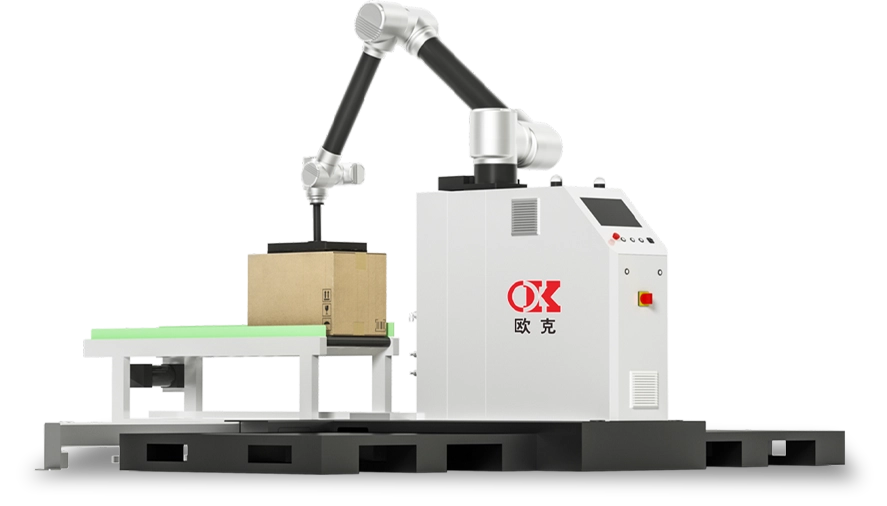
机器人码垛机与传统码垛机

Why Choose OK for Your Robotic Palletizer Solution

Choosing the right equipment is important. Choosing the right partner is just as important.

OK focuses on delivering reliable and efficient robotic palletizer solutions designed for modern manufacturing needs.

Tailored Solutions for Your Business

每条生产线都不一样. OK provides solutions that are customized to your specific requirements.

This ensures:

  • Better performance
  • Easier integration
  • Higher efficiency

Advanced Technology with Practical Design

OK combines advanced robotics with user-friendly systems.

This means you get:

  • 操作简单
  • Flexible programming
  • Reliable performance

Strong Support and Expertise

Investing in a robotic palletizer is a long-term decision. Having the right support makes a big difference.

OK offers:

  • Technical guidance
  • Installation support
  • Ongoing service

This helps ensure your system runs smoothly over time.

所以, with all these benefits, is a robotic palletizer the right choice for you?

结论

Choosing between a traditional system and a robotic palletizer depends on your specific needs. But for most modern manufacturers, the advantages of a robotic palletizer are hard to ignore.

It offers flexibility, improves efficiency, reduces labor costs, and creates a safer working environment. It also prepares your business for future growth and changing market demands.

If your goal is to stay competitive and build a more efficient operation, investing in a robotic palletizer is a smart step forward.

If you are considering upgrading your palletizing process, it may be time to explore what a robotic solution can do for you. Reach out to OK to learn how their robotic palletizer systems can fit into your production line and help you move toward a more efficient future.

常见问题解答

1. What is a robotic palletizer?

 A robotic palletizer is an automated machine that uses a robotic arm to stack products onto pallets quickly and accurately.

2. How is a robotic palletizer different from a traditional palletizer?

 A robotic palletizer is flexible and easy to program, while traditional systems are fixed and better suited to single-product lines.

3. What industries use a robotic palletizer?

 Common industries include food and beverage, 后勤, 药品, and consumer goods manufacturing.

4. Can a robotic palletizer handle different product sizes?

 是的, a robotic palletizer can easily adapt to different sizes, shapes, and packaging types with simple programming changes.

5. Is a robotic palletizer expensive?

 While the upfront cost can be higher, a robotic palletizer often saves money over time through reduced labor and improved efficiency.

6. How long does it take to see ROI?

 Most businesses see a return on investment from a robotic palletizer within one to three years.

7. Does a robotic palletizer improve workplace safety?

 是的, it reduces manual lifting and repetitive tasks, lowering the risk of injuries.

8. Is it difficult to operate a robotic palletizer?

 Modern robotic palletizer systems are user-friendly and designed for easy operation and quick training.

9. Can a robotic palletizer work with existing production lines?

 是的, it can be integrated with conveyors and other equipment for smooth operation.

10. Why should I choose a robotic palletizer for my business?

 A robotic palletizer helps increase efficiency, 降低成本, improve safety, and support long-term business growth.
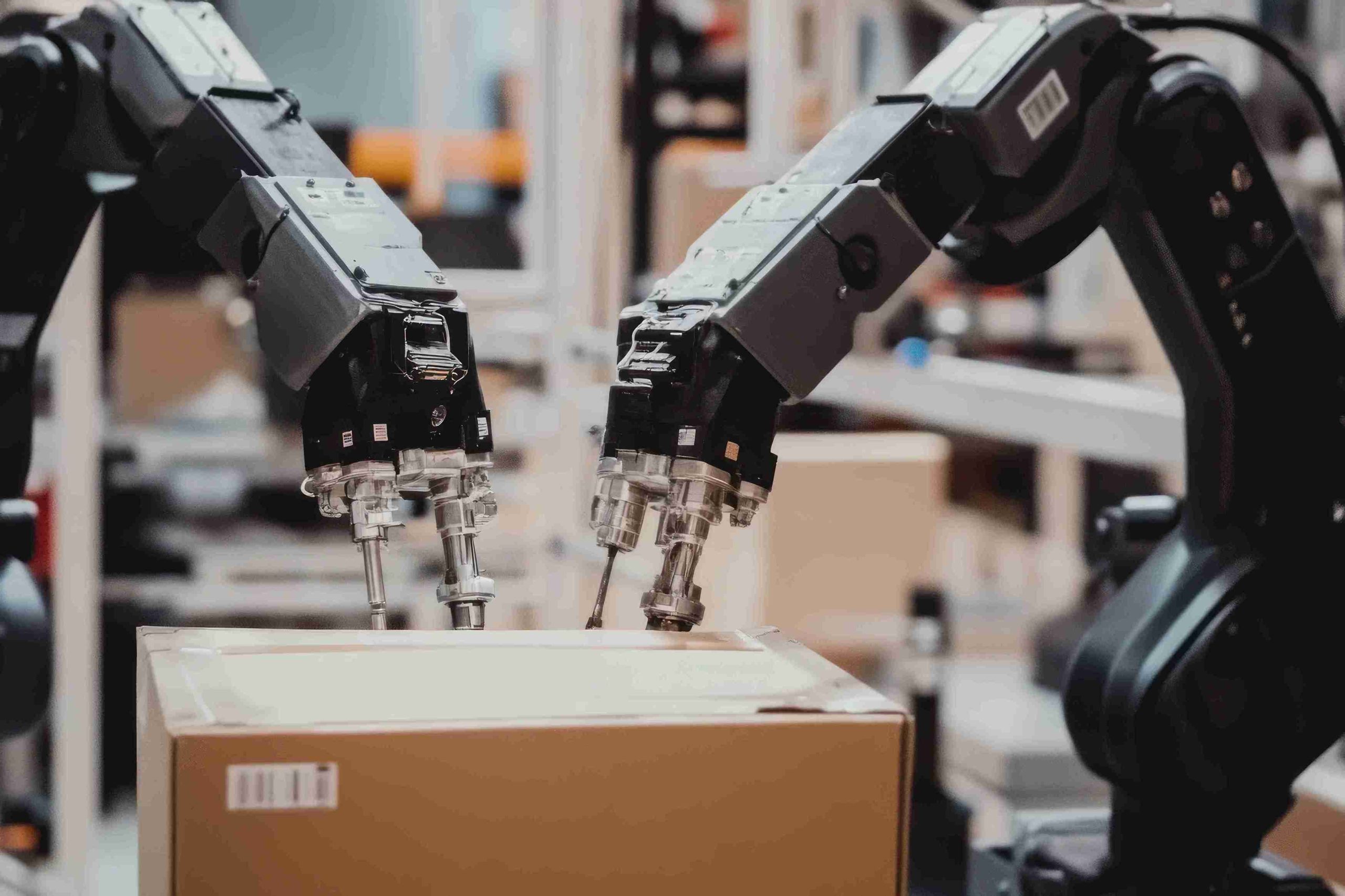
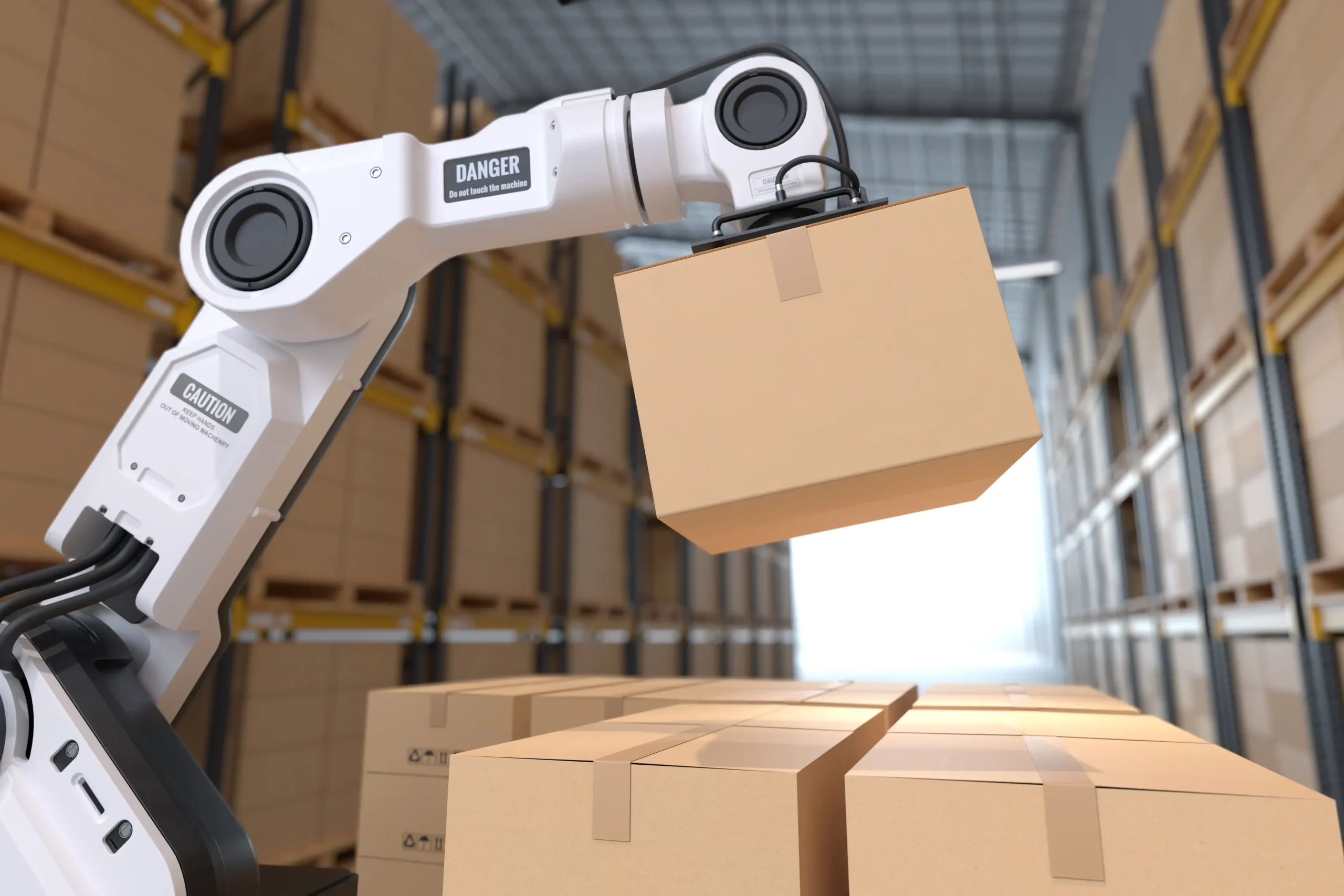
协作码垛机器人: 安全新趋势, 灵活性, 与人机协作

Manufacturing floors are changing fast. Factories today need to move products more quickly, keep workers safe, and stay flexible as orders change. This is where the collaborative palletizing robot starts to stand out. Instead of replacing people, this type of robot works alongside them, helping with one of the most repetitive jobs on the line. Palletizing.

So why are so many manufacturers talking about this technology right now? And why are buyers around the world paying closer attention to collaborative palletizing robots? Let us take a closer look, step by step.

What Is a Collaborative Palletizing Robot and Why Does It Matter Today?

At its core, a collaborative palletizing robot is designed to stack boxes, 包, or other products onto pallets while safely sharing space with human workers. Unlike traditional palletizing systems that need fences and safety cages, these robots are built to work in open environments.

This matters because factories today face real pressure. Labor is harder to find, safety rules are stricter, and customers expect faster delivery. A collaborative palletizing robot helps solve these problems without forcing companies to redesign their entire production line.

But how exactly is it different from older palletizing systems?

协作码垛机器人

How collaborative palletizing robots differ from traditional palletizers

Traditional palletizers are powerful and fast, but they usually need to be separated from people. Safety fences, scanners, and large footprints are common. In contrast, a collaborative palletizing robot uses force and speed limits, smart sensors, and smooth movements. If it touches a person, it stops.

This difference allows humans and robots to work closer together. Workers can load products, adjust pallets, or check quality while the robot handles the heavy lifting. The result is a more balanced workflow.

Why are more factories choosing collaboration over full automation

Not every factory needs a large and complex automation system. Many small and medium manufacturers want something simple and flexible. A collaborative palletizing robot can often be installed in days, not months. Programming is easier, and changes can be made without advanced robotics skills.

This makes collaboration a practical choice, not just a technical trend. And once safety concerns are addressed, the next big question naturally follows. How safe are these robots really?

Why Collaborative Palletizing Robots Are Changing Workplace Safety

Safety is often the first concern when people hear the word robot. That concern makes sense. Palletizing involves heavy loads and repetitive motion. The good news is that safety is one of the strongest reasons companies adopt a collaborative palletizing robot.

Instead of keeping people away, these robots are designed to protect them.

Built-in safety features that protect workers

A collaborative palletizing robot uses several safety technologies. These include force limiting, speed control, emergency stops, and rounded arm designs. If the robot meets unexpected resistance, it stops immediately.

Many systems are designed to meet international safety standards, which gives buyers confidence. Workers feel more comfortable sharing space with a robot that reacts gently and predictably.

协作码垛机器人

How humans and robots can safely share the same workspace

When safety barriers are removed, teamwork becomes possible. A worker can place products on a conveyor while the robot stacks them. Another worker can prepare pallets nearby. Everyone stays productive without feeling rushed or unsafe.

This kind of setup reduces injuries and improves morale. Once safety is handled, factories often ask another important question. Can this robot adapt when our needs change?

The Flexibility Advantage of a Collaborative Palletizing Robot

Flexibility is no longer optional in modern manufacturing. Product sizes change. Order volumes go up and down. Packaging styles evolve. A collaborative palletizing robot is built for this kind of reality.

Instead of being locked into one task, it can adapt as the business grows.

Easy changeovers for different products and pallets

Many collaborative palletizing robots use simple software interfaces. Operators can switch pallet patterns, box sizes, or stacking heights without complex coding. This makes short production runs easier to manage.

When factories handle mixed products on the same line, this flexibility saves time and reduces downtime.

Compact design and fast deployment

Space is valuable on the factory floor. A collaborative palletizing robot usually has a small footprint and can fit into existing lines. Some models can even be moved between stations.

Fast deployment means faster returns. Companies do not need to wait long to see benefits. And once flexibility is proven, many buyers start thinking about where else these robots can be used.

Where Collaborative Palletizing Robots Deliver the Most Value

The beauty of a collaborative palletizing robot is that it fits many industries. Wherever palletizing is repetitive and physically demanding, collaboration makes sense.

Food and beverage production

In food and beverage plants, hygiene and consistency matter. Collaborative palletizing robots can handle boxes or bags with steady, repeatable motion. Workers can focus on quality checks and packaging without heavy lifting.

Frequent product changes are common in this industry, which makes flexibility especially valuable.

Logistics and warehousing

Warehouses deal with changing order sizes and fast shipping schedules. A collaborative palletizing robot helps keep pallets neat and stable, even during peak seasons. It supports workers instead of slowing them down.

This balance is key in environments where speed and accuracy matter.

Consumer goods and light manufacturing

From household products to electronics, many manufacturers deal with lightweight items in high volume. A collaborative palletizing robot improves efficiency while keeping costs under control.

As more industries see these benefits, buyers begin to look deeper into one critical factor. Who should we buy from?

协作码垛机器人

How to Choose the Right Collaborative Palletizing Robot Manufacturer

Choosing the right supplier is just as important as choosing the robot itself. A collaborative palletizing robot is an investment, and buyers want long-term value.

So what should decision makers look for?

What buyers should look for beyond price?

Price matters, but it should not be the only factor. Buyers should consider safety compliance, payload options, ease of use, and system reliability. A good collaborative palletizing robot manufacturer also provides clear documentation and responsive support.

Customization is another key point. Every factory is different, and the best solutions are often tailored to real production needs.

Why working with an experienced manufacturer matters

Experience shows in design quality and problem solving. An experienced manufacturer understands real factory challenges and builds robots that perform reliably in daily operations.

As global sourcing becomes more common, many buyers now ask another important question. Why are so many companies choosing manufacturers from China?

Why More Global Buyers Work with a Chinese Collaborative Palletizing Robot Manufacturer

The global robotics market is changing. Chinese manufacturers are gaining attention for good reasons. A collaborative palletizing robot made in China today often combines solid performance with strong value.

Cost performance balance

Chinese manufacturers focus heavily on efficient production. This allows them to offer competitive pricing without sacrificing core features. Buyers can invest in automation while maintaining a healthy return.

Customization and manufacturing capability

Many Chinese collaborative palletizing robot manufacturers offer flexible customization. From grippers to pallet sizes, solutions can be adjusted to match real applications.

This ability to customize is especially attractive for overseas buyers with unique requirements.

Global delivery and support experience

Export experience matters. Manufacturers with global customers understand shipping, documentation, and communication across time zones. This makes the buying process smoother and more reliable.

With the right partner, a collaborative palletizing robot becomes more than a machine. It becomes part of a long-term automation strategy.

结论

The rise of the collaborative palletizing robot reflects a bigger shift in manufacturing. Safety, 灵活性, and human robot collaboration are no longer separate goals. They are connected.

By reducing physical strain, improving efficiency, and adapting to change, collaborative palletizing robots help factories move forward without leaving people behind. For companies looking to automate palletizing in a practical and cost-effective way, this approach makes real sense.

If you are exploring how a collaborative palletizing robot could fit into your production line, the team at OK is ready to talk. Whether you are just starting or planning your next upgrade, feel free to reach out and have a real conversation about what works best for your factory.

常见问题解答

What is a collaborative palletizing robot?

A collaborative palletizing robot is designed to stack products onto pallets while working safely next to people. It uses smart sensors and controlled movements to reduce risk and improve teamwork on the factory floor.

Is a collaborative palletizing robot safe for workers?

是的. These robots are built with safety features like force control and automatic stopping. This allows humans and robots to share the same workspace with less risk of injury.

Which industries benefit most from collaborative palletizing robots?

Food and beverage, 后勤, 消费品, and light manufacturing benefit the most. Any industry with repetitive palletizing tasks can see improved efficiency.

How difficult is it to install and use one?

Installation is usually quick, and most systems are easy to program. Operators can learn basic use without advanced technical skills.

Why choose a collaborative palletizing robot manufacturer from China?

Many Chinese manufacturers offer strong customization, competitive pricing, and a reliable global delivery experience.

How industrial automation with cobots improves ROI for manufacturers

Manufacturers today face a simple but serious question. How can you produce more, spend less, and still keep quality high? Rising labor costs, worker shortages, and pressure from global competition make this question harder every year. This is why many factories are turning to industrial automation with cobots to improve ROI in a practical and realistic way.

Instead of replacing people, cobots work alongside them. They handle repetitive tasks, reduce errors, and help factories grow without major risk. But how does this actually improve ROI, and why does it matter so much today? Let us break it down step by step.

Why ROI drives decisions in industrial automation with cobots

ROI is not just a finance term. For manufacturers, ROI decides whether automation is a smart move or an expensive mistake. Every investment must pay back through savings, output, or quality improvement. If it does not, it becomes a burden instead of a benefit.

This is where industrial automation with cobots stands out. Traditional robots often require large budgets, long setup times, and major factory changes. Cobots were created to lower these barriers. But before we explore how they do that, it helps to understand where ROI problems usually start.

The hidden cost of manual production

Manual work may seem flexible, but it carries many unseen costs. Workers get tired. Mistakes happen. Output changes from shift to shift. Injuries and turnover increase training and hiring costs. 随着时间的推移, these issues quietly reduce ROI.

As production demand grows, these problems grow too. This often leads manufacturers to ask a new question. Is there a way to improve consistency without increasing labor pressure?

Why traditional robots often miss ROI goals

Traditional robots can deliver high speed, but they also come with complexity. Safety fencing, long programming time, and high integration costs slow down results. For small and mid sized factories, the payback period can feel too long.

This is why many manufacturers look for a middle path. They want automation that improves ROI without turning the factory upside down. That is where cobots enter the picture.

industrial automation with cobots

How industrial automation with cobots cuts costs without cutting corners

Once manufacturers understand the limits of manual work and traditional robots, the value of cobots becomes clearer. Industrial automation with cobots focuses on total cost, not just robot price.

Cobots are designed to be easier to install, easier to program, and easier to move. This directly reduces costs across the entire automation project.

Lower setup and integration costs

Cobots do not need large safety fences in many applications. They are built with force limits and sensors that allow safe collaboration with people. This saves space and reduces installation time.

Most cobots also use simple programming methods. Operators can learn basic setup in days instead of months. Faster setup means faster results, which directly improves ROI.

Reduced downtime and faster changeovers

Downtime is one of the biggest enemies of ROI. Cobots help reduce downtime by being easy to adjust for new tasks. When product lines change, cobots can be reprogrammed instead of replaced.

This flexibility allows manufacturers to respond quickly to customer demand. And when machines spend more time running and less time waiting, ROI improves naturally.

Better quality with less waste

Cobots repeat the same movement every time. This consistency reduces defects and scrap. Fewer rejected parts mean lower material costs and less rework.

As quality improves, customer satisfaction improves too. This creates a positive cycle where savings and reputation grow together.

Now that we see how cobots reduce costs, the next question becomes obvious. Where do they deliver the fastest results?

The fastest payback use cases for industrial automation with cobots

Not every task delivers the same ROI. Some applications show results faster than others. Manufacturers who start with the right tasks often see payback in months, not years.

This is another reason why industrial automation with cobots works so well. Cobots fit perfectly into common factory operations.

Machine tending for CNC and molding

Machine tending is one of the strongest use cases. Cobots load and unload machines without breaks. This keeps machines running longer and more consistently.

By extending machine uptime, manufacturers increase output without adding extra shifts. This alone can transform ROI.

Pick and place and packaging

Pick and place tasks are repetitive and tiring for workers. Cobots handle these tasks with steady speed and accuracy. In packaging lines, they help maintain pace during peak demand.

The result is smoother flow and fewer slowdowns. This improves both efficiency and morale on the factory floor.

Assembly and screwdriving

Assembly tasks often require precision and repeatability. Cobots apply the same force and motion every time. This reduces variation and improves product consistency.

Workers can focus on inspection and problem solving while cobots handle the routine steps.

Palletizing for end of line operations

Palletizing is physically demanding and repetitive. Cobots reduce strain on workers while keeping output stable. This lowers injury risk and improves long term workforce stability.

Once these quick win applications are in place, manufacturers often notice something else. The benefits go beyond simple cost savings.

industrial automation with cobots

How industrial automation with cobots improves productivity and consistency

Saving money is important, but growth matters too. Industrial automation with cobots helps manufacturers do more with the same resources.

Cobots support people instead of replacing them. This creates a balanced system where humans and machines each do what they do best.

Higher output without constant hiring

Cobots work at a steady pace. They do not slow down or call in sick. This stability allows factories to increase output without constantly hiring new workers.

As demand grows, cobots help scale production smoothly. This keeps labor costs under control while revenue grows.

Consistent quality builds customer trust

Quality problems hurt ROI in many ways. Returns, rework, and lost customers all add up. Cobots help prevent these issues by delivering consistent results.

When quality improves, customer trust grows. And trust leads to repeat business, which strengthens long term ROI.

Safer work keeps skilled workers longer

Cobots handle tasks that cause strain or injury. This improves workplace safety and keeps experienced workers on the job longer.

Lower turnover means lower training costs and stronger teams. 随着时间的推移, this human benefit becomes a financial benefit as well.

With these gains in mind, the next logical question is how to make sure a cobot investment succeeds from the start.

A simple checklist to maximize ROI from industrial automation with cobots

Success with cobots does not happen by accident. Manufacturers who plan carefully get better results. A simple checklist can help guide decisions.

Start with the right task

Choose tasks that are repetitive, time consuming, and stable. These tasks deliver ROI faster and build confidence in automation.

Avoid starting with complex tasks that change often. Early success creates momentum for future projects.

Plan tools and safety early

End effectors and safety settings matter. Proper planning ensures smooth integration and avoids delays.

Working with experienced partners helps avoid common mistakes that slow ROI.

Measure results clearly

Set clear metrics before installation. Track output, downtime, and quality. This makes ROI visible and supports future investment decisions.

Once manufacturers see strong results, they often ask another question. Which partner can help us scale automation the right way?

Why choose OK for industrial automation with cobots

Choosing the right partner matters as much as choosing the right technology. OK focuses on practical automation that delivers real ROI.

Solutions designed for real factories

OK cobots are built for real world production needs. They focus on reliability, ease of use, and fast deployment.

This helps manufacturers move from planning to production without unnecessary delays.

Strong value with reliable performance

By leveraging efficient manufacturing and smart design, OK delivers strong performance at a reasonable cost.

This balance helps manufacturers achieve faster payback while maintaining quality and durability.

Support that grows with your business

Automation is not a one time project. OK supports customers as they expand automation across lines and facilities.

This long term partnership approach helps manufacturers continue improving ROI over time.

结论

Manufacturers today need solutions that are flexible, reliable, and cost aware. Industrial automation with cobots offers a practical way to improve ROI while supporting people and production goals.

Cobots reduce costs, improve quality, and help factories scale without excessive risk. When paired with the right strategy and partner, they become a powerful tool for long term success.

If you are exploring how cobots can improve ROI in your factory, the next step is a conversation. Reach out to OK to discuss your application, 你的目标, and how collaborative automation can work for you. We are here to help you move forward with confidence.

常见问题解答

What is industrial automation with cobots?

Industrial automation with cobots means using collaborative robots that work safely with people to automate repetitive factory tasks and improve efficiency.

How fast can cobots deliver ROI?

Many manufacturers see ROI within six to twelve months, depending on the task, labor savings, and production volume.

Are cobots safe to use with workers?

是的. Cobots are designed with sensors and force limits that allow safe operation near people.

Which industries benefit most from cobots?

汽车, 电子产品, metal processing, 塑料, and packaging industries see strong results.

Can cobots be moved to new tasks later?

是的. Flexibility is one of the biggest advantages of industrial automation with cobots.

为什么码垛机器人正在取代传统系统

有没有想过如何如此快速地包装和运输您在网上订购的盒子? 在仓库和工厂门后面, 机器人越来越多地承担起大部分繁重的工作——毫不夸张地说. 码垛机器人是产生重大影响的机器之一. 机器人出现在多个行业, 改变产品的堆叠方式, 已存储, 并发出去.

码垛是指将产品或盒子放在托盘上以便于移动的过程. 很长一段时间以来,公司一直在使用传统机械来完成这项工作, 有时甚至有人工完成的工作. 但现在, 更好的事情已经发生: 协作码垛机器人.

为什么这些新型机器人会越来越受欢迎? 他们提供什么比旧系统更好的功能? 在这篇文章中,我们将深入探讨码垛机器人的独特之处,以及为什么它成为现代工业中取代传统码垛方式的首选.

让我们首先了解这些机器人是什么以及它们的实际工作原理.

什么是码垛机器人, 以及它们是如何工作的?

码垛机是一类设计用于移动和堆垛箱子的机器人, 包, 或将集装箱放在托盘上. 与旧系统不同, 然而, 协作码垛机器人旨在在人员周围安全运行. 这意味着它们可以在没有安全围栏或笼子的情况下在人类工人旁边操作.

这些机器人使用特殊的传感器和智能技术 “看” 他们的周围环境. 如果一个人靠得太近, 机器人减速或停止. 有些人使用摄像头和人工智能来实时调整他们的动作. 这使得它们比传统系统更安全、更灵活.

您无需成为机器人专家即可与机器人合作. 许多码垛机器人都配有易于使用的触摸屏, 拖放软件, 甚至无代码编程工具. 对于寻求快速培训员工的公司, 那是巨大的.

现在我们了解了这些机器人是如何工作的, 让我们讨论一下为什么旧系统不再足够了.

码垛机器人

为什么传统码垛系统落后

虽然较旧的码垛机已使用多年, 他们带来了自己的一系列问题,使他们现在更难处理.

大多数传统系统又大又笨重; 出于安全原因, 他们必须远离人们. 这意味着它们占用大量空间,并且通常设置有防护屏障或笼子. 如果盒子尺寸发生变化,它们也很难调整, 或者如果一家公司必须在同一条生产线上处理不同的产品.

传统系统的局限性

  • 刚性设置: 传统码垛机专为一项工作而设计. 如果产品或托盘图案发生变化, 通常系统必须重新编程, 或需要重建的部分.
  • 成本高: 这些机器的安装和维护费用非常昂贵. 任何故障最终都会导致整条生产线陷入停顿.
  • 安全屏障: 大多数这些系统都需要安装笼子以确保工人的安全; 这降低了它们轻松安装到狭窄位置的灵活性.

随着行业竞争日益激烈, 这些限制使得传统系统无法满足需求. 由于这个事实, 如今许多公司正在转向更现代的解决方案.

是什么让码垛机器人成为更好的选择? 让我们探讨一下他们最大的优势.

]为什么码垛机器人越来越受欢迎

各类企业面临新挑战: 劳动力短缺, 增加成本, 以及更快交付的需求. 码垛机器人以智能的方式帮助解决这些问题, 安全的, 而且价格实惠.

与传统系统不同, 这些机器人可以很灵活: 它们可以从工厂的一个部分移动到另一个部分并重新编程以处理不同的任务或产品, 节省时间和金钱.

让我们来分析码垛机器人成为首选的主要原因.

灵活性和简单的编程

码垛机器人还可以轻松地重新编程以适应新的盒子尺寸, 托盘图案, 或不同的堆叠方法. 它们中的大多数现在都配备了拖放界面或演示教学功能,几乎任何人都可以通过几个简单的步骤来训练机器人.

对于产品种类较多或包装更换频繁的企业, 这种灵活性是一个很大的优点.

更小的占地面积和更安全的工作空间

由于协作码垛机器人可以在有人周围安全使用, 他们不需要大笼子或栅栏.

这节省了占地面积,使它们更容易安装到紧凑的生产线中.

其内置传感器有助于避免事故, 让工作场所成为所有人的安全场所.

更低的成本和更快的投资回报率

尽管码垛机器人的主要投资可能看起来很大, 通过节省劳动力成本,通常会在一两年内收回成本, 防止受伤, 并减少生产延误.

码垛机器人, 另一方面, 与传统机器相比,承诺更好的投资回报, 维护成本昂贵且难以升级.

但在哪里, 确切地, 这些机器人正在被使用吗? 让我们仔细看看.

码垛机器人

如今哪些行业正在使用码垛机器人?

您可能会对使用码垛机器人的不同行业的差异感到惊讶, 无论是食品工厂还是在线零售商; 任何需要高效安全运输货物的地方, 这些机器将会出现.

企业渴望速度和可靠性, 很少有错误, 并降低成本. 码垛机器人正在帮助实现这一目标.

以下是这些机器人正在发挥作用的一些关键行业.

物流仓储

货物不断地进出仓库. 在这样的情况下, 码垛机器人加快物品包装过程并减少人为错误. 他们一天二十四小时都在工作, 以更少的人员扩大运营范围.

食品和饮料

食品和饮料产品有各种形状和尺寸 - 从瓶装水到零食盒. 码垛机器人可以处理所有这些, 快速适应包装的变化.

此外, 它们很容易清洁, 它们的使用满足食品行业的卫生要求.

医药及电商

制药界的两大关键词是安全和精准. 码垛机器人确保药品按照正确的顺序安全包装. 电子商务公司, 也, 爱他们, 尤其是在旺季,订单突飞猛进.

现在我们知道它们被用在哪些地方, 让我们看看它们如何真正为改善地面运营做出贡献.

码垛机器人如何提高效率和运营

添加码垛机器人不仅仅是自动化; 这是对生产线的整体改进. 这些确实非常快, 准确的, 和可靠的机器人.

现在, 让我们看看它们带来的一些实际好处.

提高吞吐量和准确性

取决于设置, 码垛机器人最多可以完成 8 到 12 每分钟盒数. 这比体力劳动更快并且更一致, 也. 他们不会感到疲倦或分心; 因此, 包装错误更少.

这可以缩短交货时间并提高客户满意度.

减少工人受伤和停机时间

手动码垛涉及重物提升和重复运动, 这两个因素最终都会导致受伤. 机器人完成繁重的工作, 从而帮助确保工人更安全、更健康.

除了, 他们从来没有病假; 他们在周末和节假日工作, 晚上, 没有休息.

跑步 24/7 无疲劳

无论是大量订单还是满足需求, 码垛机器人可以提供帮助. 它们专为连续运行而设计,并且可以编程以不间断运行几个小时, 即使在下班时间.

这种可靠性水平对于当今快速发展的供应链来说是一个很大的优势.

除了所有这些好处, 仍然存在一个大问题: 这就是码垛机器人的未来吗?

结论

简短的回答是肯定的. 他们不只是留下来, 但码垛机器人正迅速成为常态. 随着组织寻求更智能的, 更安全, 以及更具成本效益的产品运输方式, 这些机器人正在引领潮流.

它们易于安装, 操作简单, 并且足够灵活,可以处理现代工厂抛出的任何问题. 无论是食物, 药品, 后勤, 或电子商务, 借助码垛机器人,您的公司将保持竞争力和生产力.

如果您正在考虑升级当前的码垛设置, 现在是考虑您的选择的绝佳时机. 好的, 我们制造协作码垛机器人,随时可以与您的团队安全地合作, 可靠地, 而且价格实惠.

有问题? 我们来谈谈. 我们很乐意了解您的需求,并向您展示我们的码垛机器人如何适合您的生产线. 今天联系我们 看看正确的自动化可以带来什么改变.

常见问题解答

1. 什么是码垛机器人?

码垛机器人是一种自动化机器,旨在将箱子或产品堆放在托盘顶部,并且可以在仓库和生产线情况下在人类周围和旁边安全地操作.

2. 码垛机器人与传统码垛机有何不同?

码垛机器人现在具有更大的灵活性, 使用更少的空间, 并且不需要安全笼. 它们更容易编程并适应产品类型的变化.

3. 哪些行业使用码垛机器人?

它们用于物流, 食品和饮料, 制药, 和电子商务行业的生产线末端自动化.

4. 码垛机器人在人附近使用是否安全?

是的, 具有传感器和智能控制的协作模型使这些机器人能够在人类周围工作而不会造成任何伤害.

Why Palletizing Robot Price Isn’t the Only Factor That Matters for Your Factory

When designing to automate your packaging or manufacturing line, it’s very possible to begin with a single grand question: How much is the Palletizing Robot price? This question is valid in itself, but it is merely part of a far larger picture.

Most entrepreneurs and bosses will start by comparing prices, looking to save a buck or two upfront. But this is the bottom line: emphasizing just the lowest cost possible will cost you in the long run.

However, you actually need to take the following into consideration when palletizing a robot. Take a look.

What Is a Palletizing Robot? Why Do I Need It?

A palletizing robot is a type of machinery that is employed to raise, drop, and stack products onto a pallet. Robotic palletizing is often implemented in manufacturing plants to improve efficiency, precision, and workplace safety. With the growth of labor costs and greater demands for efficiency, a higher number of organizations are using robotic palletizing.

Things to Think About when Purchasing a Palletizing Robot are its Price. But that’s where it all ends. The machines are not initial acquisitions. They are long-term equipment that becomes a component of your regular operations.

Let’s explore why cost oftentimes is the initial and sometimes the singular point of emphasis before discussing further.

码垛机器人

Why Pay so Much Attention to Palletizing Robot Price?

Most business owners are pushed to be frugal when it comes to expenses, particularly in business sectors with slim profit margins. Needless to say, they first consider the Palletizing Robot cost. They may shop around for quotes or browse the Internet for the lowest cost.

This all sounds fantastic in theory. But is this the ideal way to select technology that will run your factory day in and day out?

Consider this question from the standpoint of having the lowest price. You may end up buying a machine that doesn’t meet your requirements, needs frequent repairs, or will cost you a lot to maintain. Now theinexpensiveoption is costly.

Then why else are you looking?

What’s More Important Than Robot Palletizing Price?

It’s all about cost. But if you want absolute value for your money, you have to see the complete picture.

Reliability and Uptime

A Palletizing Robot that is reasonably priced is of no value if the machinery keeps failing. Downtime represents lost building time, lost shipping dates, and dissatisfied labor. A higher-priced but reliable robot keeps your lines running.

Ease of Use

Can the workers easily operate and maintain the robot? A few of the less-expensive robots require very experienced programmers even for simple operations. Others, like OKBOLONG, are intelligent and come with a very easy-to-use interface. This allows for quicker training and fewer mistakes.

Incorporation into your system

The robot will become unusable if it doesn’t align properly with your setup. There are firms that overlook the cost incurred in software customization or making machinery adjustable in order to fit the robot. A slightly higher-priced Palletizing Robot could help afford better integration.

After-Sales Support and Service

What follows the setup of the robot? Support indeed makes all the difference. If you choose a partner that will service locally, get back quickly, and offer spare parts, you’re not buying a piece of equipment. You’re investing in peace of mind.

Let’s tally the true cost of ignoring these factors.

码垛机器人

What Can Go Wrong If You Only Care About Palletizing Robot Price?

The lowest possible cost might appear to be a saving, but it is frequently the root of hidden issues that eventually come to light.

Recurrent Breakdown

Inexpensive robots are constructed from lower-grade components or are inadequately tested. They thereby break down frequently. It takes time and money for repair work, and your entire manufacturing operation will come to a halt while services are awaited.

Higher Operating Cost

You could save in the beginning on the investment for a Palletizing Robot, but have to pay for power, software upgrades, or qualified man-hours to keep it running. Incrementally, these costs chip away at your profit.

Poor Flexibility

Your business will develop and expand. What if your bot is incapable of accommodating new box arrangements or new stack patterns? Replacing or rewiring it later may end up costing you that much more than getting it right the first time.

Risk to Brand Reputation

Delays, defects, or damaged goods brought about by defective equipment will damage your image. Customers demand reliability, and a dissatisfying experience will impel them to seek elsewhere.

You may already be asking yourself how a better way is actually structured.

How to Choose the Right Robot Without Focusing Only on the Palletizing Robot Price

You need a solution that will weigh cost against long-term investment. Here’s how to do that intelligently.

Begin With Your Needs

Identify what your factory actually wants. Consider speed, type of product manufactured, space requirements, and how the robot will integrate into your day-to-day activities. Understanding this will enable you to find the robots that share your objectives.

Inquire About Total Cost of Ownership (TCO)

Rather than request the cost of the Palletizing Robot alone, inquire about the overall expense for five years or a decade. Consider energy consumption, maintenance service, service upgrades, 训练, and so forth. This will help you have a better idea of where your money goes.

Searching for Tailored Answers

All factories are not the same. A quality supplier will take you by the hand to pick or engineer a system that fits your process. This will cost money up front, but will save time and trouble in the end.

Now let’s talk about a company that understands this approach.

Why OKBOLONG Offers More Than Just a Low-Palletizing Robot Price

Here at OKBOLONG, we understand that cost counts — but performance, service, and results count most. That’s why we’re dedicated to providing you the absolute best value, not the lowest bottom-line number.

Built for Long-Term Performance

Our palletizing robots are built to move quickly, stay stable, and keep running consistently. We incorporate quality parts and intelligent technology that minimizes downtime and optimizes efficiency.

Simple Setup and User Interface

OKBOLONG robots are plug-and-play for a majority of operations. Smart controls and easy-to-use interfaces that are easy for everybody to learn. You don’t have to employ a specialist simply to begin working.

Homegrown Support That You Can Trust

We’re located in China and provide rapid, efficient support. If things don’t work out, we’re here for younot weeks or days later, but when you need it.

Flexible and Scalable Solutions

Your business will expand. OKBOLONG robots are designed to expand with your business. If you are introducing new products for manufacturing, making layout enhancements, or expanding your base of production, OKBOLONG will expand for you.

Then what are you getting out of it all?

结论

The next time someone asks, “What’s the Palletizing Robot cost?” ask them this:

Do you want it to be cheap, or do you want it to work for your business?”

A palletizing robot is not a piece of equipment. It’s a partner to your success. If you look beyond the cost and look for value, you’re making better decisions that save you money, 时间, and worry later.

We’re not simply retailing robots here at OKBOLONG. We’re helping factories move smarter, 快点, and bolder.

Let’s Discuss the Future of Your Factory. If you seek the intelligent palletizing solutions that are the right size for your objectives, but not your budget, we are happy to have your request. Contact today and discover the ideal match for your factory. No high-pressure sales but thoughtful recommendations by experts familiar with your world.

常见问题解答

1. Why is the cost of the Palletizing Robot so diversified between companies?

The cost is dependent upon the features, 速度, load capabilities, construction quality, and service assistance.

2. Is a greater Palletizing Robot investment necessarily a good idea?

Not necessarily. Higher cost may bring forth higher value, but that relies on your requirement for the factory.

3. A small factory pays around how much for a Palletizing Robot on average?

It may cost anywhere between $15,000 和 $50,000, depending on the features and complexity.

4. Is the price inclusive of installation and training?

At times, 是的; at times, no. Be sure to ask for a total quote for all services.

5. Can I use one robot for different products?

Indeed, most palletizing robots are versatile and may accommodate various box sizes or configurations.

6. How long will a robot last?

Most robots, when properly maintained, will last between 8 和 15 years. 7. Is the cost other than the Palletizing Robot cost hidden? 是的. Consider maintenance requirements, software patches, and power utilization.

8. What if the robot malfunctions?

Good suppliers such as OKBOLONG have fast assistance and in-country service.

9. How long does it take to install a robot?

Most of the systems take a few days to install when properly planned.

10. Is OKBOLONG a good value for the money?

是的. OKBOLONG balances performance, support, and affordability for long-term success.

Why Choosing the Right Palletizing Robot Supplier Determines Your ROI

In the modern world of manufacturing, automation is no longer a luxury that just large corporations have. Whether you have a small factory or a large warehouse, the robots are becoming indispensable. Of all the robots available, the palletizing robots are perhaps the most useful for optimizing the way the products are packed and transferred.

The question that really needs answering here is this, 然而: when you are ready to invest in a palletizing robot, how do you identify the appropriate palletizing robot supplier? Why is that so important to your return on investment (投资回报率)?

Let’s take it step by step and find out why your choice of a supplier is not merely important — it’s crucial.

What is a Palletizing Robot and Why Is It a Game Changer?

Let’s talk about suppliers after knowing a bit about a palletizing robot. Basically, it is a robot that places boxes, 包, or any other product in a stack on pallets for shipping or keeping stored. It does this job expeditiously, smoothly, and without a break.

This type of robot eliminates work that would otherwise employ several persons and a great deal of time. Rather than having to lift burdens all day long, laborers are able to perform higher-level tasks while the robot does the heavy work.

The True Advantages of a Palletizing Robot

Here are several self-evident benefits to the addition of a palletizing robot to your operation:

  • Rapid manufacturing
  • Fewer work accidents
  • Increased utilization of labour
  • Evenly stacked products and fewer damaged products

All these things add up to something: improved efficiency. And when your manufacturing line improves, your company makes a profit. But it’s not all about buying the machine.

palletizing robot supplier

Why Your Choice of Palletizing Robot Supplier Affects ROI

Now that we know a bit better the value of the robot itself, let’s take a step back. It’s not that you’re buying a piece of equipment. You’re signing a long-term contract for a palletizing robot supplier. This is the supplier that will define how the robot will perform, when it will pay for itself, and how much help you will have when things are not quite right.

Well, how does your supplier really impact your ROI?

It Starts With System Design and Integration

A quality supplier doesn’t simply sell a robot and drive off. They will work to design a solution that meets your needs precisely. This means selecting the appropriate robot arm for your operation, the correct gripper for your piece, and programming the robot for your conveyors, your package machines, and your pallet.

Your system operates better when it’s properly designed. Less breakdown, greater speeds through your plant, and fewer errors—all these equate to a quicker return for your investment.

5 Things to Look for in a Reliable Palletizing Robot Supplier

It’s also simple to take cost into account when making comparisons between suppliers. But a lower cost doesn’t always equate to higher performance. Below are five things that actually matter when making the appropriate palletizing robot supplier choice.

Experience Within Your Industry

Businesses are unique. For instance, it isn’t a question of stacking cartons of milk versus palletizing bags of rice. You need a supplier that has experience in your business and the issues that you have.

If your supplier has knowledge of your industry, you benefit from their having better ideas and making fewer blunders that will cost time and money.

Customization and Adaptation

Not every factory is the same. Maybe your products come in many sizes. Maybe your space is tight. A strong supplier will offer customized solutions instead of pushing a one-size-fits-all product.

Long-range flexibility also counts. If your product lineup shifts a year from now, will your robot still be useful to you? A wise supplier will point the way to the future.

palletizing robot supplier

After-Sales Support

It’s here that the good or the bad supplier differentiation actually happens. What comes after the robot ships? Does your supplier train your staff? Is emergency assistance provided in the event the system goes wrong?

A responsive help desk minimizes downtime and creates the possibility for your system’s maximum utilization day after day.

System Integration Capability

A robot by itself doesn’t work. It needs to be integrated with other equipment such as scanners, 输送机, 软件, and safeguarding devices. A skilled palletizing robot supplier also understands how to integrate all of these components so that the system is a whole.

Poor integration causes defects and bottlenecks. Good integration causes rapid, dependable manufacturing.

Case Studies and References

Any vendor can guarantee stellar results. But can they deliver? Ask for case studies or speak to companies they have served. Demand evidence that they have provided concrete value to others in their shoes.

This will also give you confidence that your supplier is indeed capable of delivering ROI, and not just hyping it.

Risks of Choosing the Wrong Palletizing Robot Supplier

We’ve gone over how to select a supplier. But when all else doesn’t work and you end up making the wrong choice? It’s costly — and perhaps it’s the wrong type of costly.

Let us consider a few dangers associated with the wrong selection of a palletizing robot supplier.

Delays in Installation and Setup

A poor supplier may not fully understand your needs. This can lead to long delays during installation, causing production to slow down or stop completely.

For every day your line is idle, you are losing money. Speedy setup is key to return on investment.

Increased Maintenance Cost

Faulty robots or poor integrations will culminate in breakdowns. This means higher repair costs and lost time due to downtime.

Even if the robot was cheaper in the initial stage, it could become expensive for you later.

Absence of Future Support

Some of these dealers disappear once they have sold. If you have a problem or need to upgrade your system, you are on your own.

If you’re not getting regular maintenance, small things get brokenthe kind that damage your return on investment and your business’s reputation.

Missed Business Targets

In extreme scenarios, the wrong selection of a palletizing robot supplier may result in the failure to achieve major objectives. You will be unable to achieve the quality or the production objectives that may impact your customer relationship or your contracts.

That’s why it’s so crucial for you to find a supplier that’s interested in your business.

How OKBOLONG Helps Maximize ROI as a Leading Palletizing Robot Supplier

At OKBOLONG, we know that the purchase of a robot is where things get started. It’s the day-after-day payoff that the system delivers inside your shop floor that truly counts.

What distinguishes OKBOLONG from the competition in palletizing robots?

Designed for Your Needs

We don’t offeroff-the-shelfsolutions. We work closely with you to understand your space, your products, and your objectives for your manufacturing. From that point onward, we develop a bespoke solution that is a perfect fit.

Expert System Integration

Our engineers are trained to work on whole system integration. If barcode reading, product sorting, or smart sensors are involved, we will see your whole system functioning in complete harmony.

That translates to fewer mistakes and simplified operations that equate to quicker ROI.

Training and Continuing Support

We don’t leave after the installation. We educate your staff, observe the system performance, and are available for assistance in case anything shifts in your manufacturing. Maintenance or upgrade, we are a phone call away.

This is the type of long-term assistance that has a tremendous impact on your overall return on investment.

Final Words

By this point, it’s evident that the selection of your palletizing robot supplier isn’t a trivial matter. It impacts your productivity all the way to your bottom line. A good supplier brings you closer to your objectives and spares you costly blunders.

So before you invest in automation yourself, ask yourself this question: Are you buying a robot all that much — or are you actually investing in a long-term business partner?

At OKBOLONG, we’re not just a robot supplier. We’re your automation partner. If you’re a new company or an existing company that wants an upgrade, we’re here to collaborate for the ideal solution that will suit your company and generate a higher return on investment.

今天联系我们 so that we may inform you how your production line may become stronger and smarter. Let’s create something great together.

常见问题解答 (常见问题解答)

1. What is a palletizing robot supplier?

A palletizing robot supplier doesn’t simply sell the robotbut rather the expertise to design for, install, and maintain automated palletizing machines. An experienced supplier will help specify the proper robot for your products, your overall space needs, and your manufacturing requirements, along with long-range technical service and training.

2. How will the selection of the appropriate palletizing robot supplier impact my ROI?

The right supplier ensures that your system will operate successfully, experience less delay, and cost less for maintenance. They will enable you to get the most return from your investment by offering professional integration, quality equipment, and instant support.

3. Any robot I can utilize for palletizing?

Not necessarily. Various robots are appropriate for various tasks. A reliable palletizing robot manufacturer will advise you to select a suitable one that suits your product weight, size, speed needs, and stack patterns.

4. Is after-sales service a key element for a supplier selection?

是的. An active support team will be able to avoid downtime and address issues quickly, protecting your ROI.

5. Why is OKBOLONG a credible palletizing robot supplier?

OKBOLONG provides bespoke solutions, total system integration, and post-deliverables services—all meant to enable you to accomplish rapid and higher automation outcomes.

Why Partnering with a Collaborative Palletizing Robot Manufacturer Improves ROI

As the world becomes faster and faster still, manufacturers face the issue of making operations less costly and more efficient. One of the biggest challenges is transferring products from production lines onto pallets for shipping. Most often, this has been done with heavy industrial-scale equipment or manual labor that takes a lot of space and costs an absolute fortune. Luckily, there’s a smarter solution. Working with a collaborative palletizing robot manufacturer can completely revolutionize business done with palletizing while boosting return on investment.

But why are more and more companies resorting to cooperative palletizing robots? What difference does it make if you get the right builder? Well, let’s break it down step-by-step.

What is a Collaborative Palletizing Robot?

Before we discuss return on investment, we should first know what robots are and why they are unique. A collaborative palletizing robot has been designed to work alongside people safely. Unlike other palletizers that require heavy fencing, cobots can coexist in the same workspace without additional barriers.

These robots use advanced sensors and intelligent controls that keep operations safe. They can pick up boxes, 包, or other items and neatly stack them onto pallets. The best part is their flexibility. Need to change the product line? A collaborative palletizing robot can be reprogrammed quickly without weeks of downtime.

Small and large business enterprises can also avail themselves of the benefits of automation with minimal initial investment because of their compact size. They also fill spaces where spacious industrial machinery could hardly fit.

So now that we know what they are, let’s talk about why there are plenty of companies reconsidering the old tradition of palletizing.

collaborative palletizing robot

The Problems with Traditional or Manual Palletizing

If palletizing were simple and could be done by hand, we wouldn’t palletize with robots. The bottom line is that manual palletizing has severe flaws.

Workers are continuously under stress from hauling heavy boxes back and forth. It results in injury, wear and tear, and increasing medical bills. And at the top of that comes an increasing difficulty of obtaining individuals willing to engage in jobs of this physically strenuous nature. Labor shortages translate into paying high wages or experiencing uneven staffing.

Classic palletizing robots seem like an ideal solution, yet they also bring issues. These are costly, colossal robots that are difficult to modify if changes are needed in production. Some of their maintenance requires special technicians, resulting in greater downtime and expenses.

It’s at this point that a joint palletizing robot builder has a chance to make a real difference. How, though, does dealing with the correct supplier make a difference in return on investment?

How a Collaborative Palletizing Robot Manufacturer Improves ROI

At the end of the day, companies want to know how quickly they can get their money back. That is where the real strength of collaborative palletizing robots shows up.

Lower Labor Cost

Lower operating costs are one of the biggest cost savings. With a cobot, a job that a few individuals could do can be done by one individual. Then individuals are not completely replaced from a personnel aspect; they are freed up from less desirable tasks.

Less Damage and Down Time

Fewer man-days of lifting boxes translate into fewer injuries at the worksite. Fewer injuries translate into fewer insurance payments and fewer sick days. A robot doesn’t tire or take breaks, translating into continuous production with no breaks.

Constant Production

Human employees become fatigued with long hours, and they make mistakes. A robot produces the same consistency and rate from the first box through the last. With this consistency comes an improved total throughput and a minimization of expensive mistakes.

Flexibility and Scalability

An interdisciplinary palletizing robot maker develops systems that can be redeployed once product dimensions or packaging are modified. Rather than purchasing an entirely new machine, an organization can merely retrain the robot. And with increasing business, it’s a matter of adding more cobots.

So the returns build up quickly. How do you make sure you actually get the best return on investment then? Everything comes back to a good collaboration.

collaborative palletizing robot

Why the Right Collaborative Palletizing Robot Manufacturer Matters

Not all robots are the same, and not all robot manufacturers are created equally. Partnering with the right collaborative palletizing robot builder ensures the system will be reliable, 高效的, and tailored to your production needs.

First of all, quality matters. Robots with durable materials last longer and break less frequently. Downtime costs dollars per hour, and reliability translates dollar for dollar into ROI.

第二, it should be simple to use. If the robot is hard to program, you will bear a greater cost of training or hiring other technicians. A good-quality maker should make the system simple and easy to learn and use.

Thirdly, you cannot live without after-sales service. Even the finest machinery requires maintenance, and prompt service translates into issues resolved before production grinds to a halt. A quality manufacturer with good support enables you to safeguard your investment.

Last of all comes the integration experience. Few palletizing robots are operated solo. Robotic systems are combined with software, vision systems, and conveyors. An integrated palletizing robot supplier makes everything go smoothly.

今天, with a plethora of suppliers available out there, why should corporations venture and hunt out China?

Why Choose a Collaborative Palletizing Robot Manufacturer in China

China has also become a world leader in robot manufacturing. A palletizing robot manufacturer from China can therefore present a competitive cost and innovation offering.

Cost Advantage

Chinese manufacturers make good-quality robots at an attractive price vis-à-vis many Western manufacturers. These put automation within the reach of more companies while making no compromise in their performance.

Innovation and Scaling

China has invested heavily in robotics technology. What this implies is that Chinese suppliers are not only cheap but also feature-competitive, 安全的, and attractive in terms of design. With high production capacity, they are also able to surge rapidly with increasing demand.

全球标准

Trusted Chinese manufacturers also export robots with global certifications these days, a factor of much interest to business companies with a global vision.

OKBOLONG

For instance, OKBOLONG offers specialty palletizing robots and ROI-based solutions. With a partnership with this type of manufacturer, companies are able to enjoy cost-effective technologies, reliable support, and systems intended to optimize efficiency.

So the question becomes clear. If improving ROI is the goal, why not consider a collaborative palletizing robot manufacturer in China that already combines cost savings with advanced technology?

Bringing It All Together

We began with the question of why companies are increasingly turning to collaborative palletizing robots. We discovered that manual or traditional palletizing has severe drawbacks. We also looked at how the robots achieve improved ROI with less labor expense, fewer injuries, steady production, and versatile designs. Most of all, we witnessed how the right manufacturer determines the success of the investment.

As increasing numbers of companies are pressed to produce faster and at a lower cost, automation is no longer a choice. It’s a requirement. And with robot expertise increasing in China, businesses like OKBOLONG are standing ready to assist businesses globally in modernizing their palletizing operations.

Want to know how a cooperative palletizing robot can efficiently improve return on investment? Contact OKBOLONG today and discover how we can create the perfect solution for your production line.

常见问题解答

1. What is a collaborative palletizing robot?

He’s a robot that can stack products onto pallets while working alongside humans.

2. How does a palletizing robot improve ROI?

It lowers the cost of labor, lessens injuries, increases consistency, and operates at all times.

3. Why partner with a collaborative palletizing robot manufacturer?

A trusted producer promises quality, customization, and good after-sales service.

4. Are collaborative palletizing robots safe to use?

Indeed, they are designed with sensors and instrumentation for safety that enable them to coexist with humans.

5. How quickly can you recover ROI with a palletizing robot?

All the companies regain their investment within one to two years.

6. Are palletizing robots able to handle varying products?

是的, since they are flexible and could be adapted to varying product sizes and packaging.

7. Which sectors are applying collaborative palletizing robots?

They are well-known in food and beverage, e-business, 后勤, 包装, and manufacturing.

8. Why choose a manufacturer from China?

Chinese manufacturers also relish combining low cost with innovation and global standards.

9. Does the robot take up much space?

不, compact and easy-to-fit palletizing robots are used for cooperative work.

10. How do I select the best collaborative palletizing robot manufacturer?

Seek quality, customization opportunities, integration assistance, and active service after-sales.