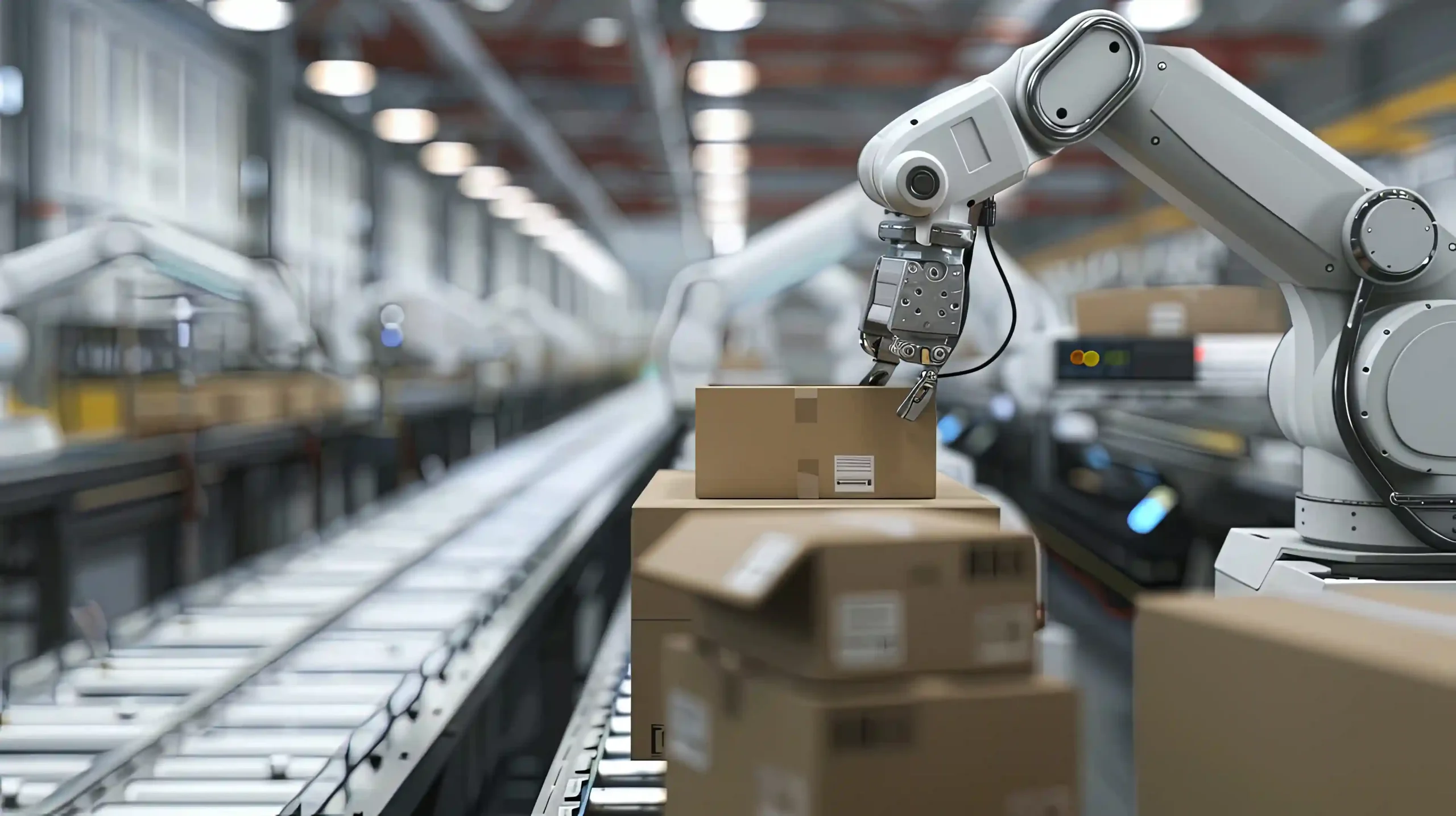
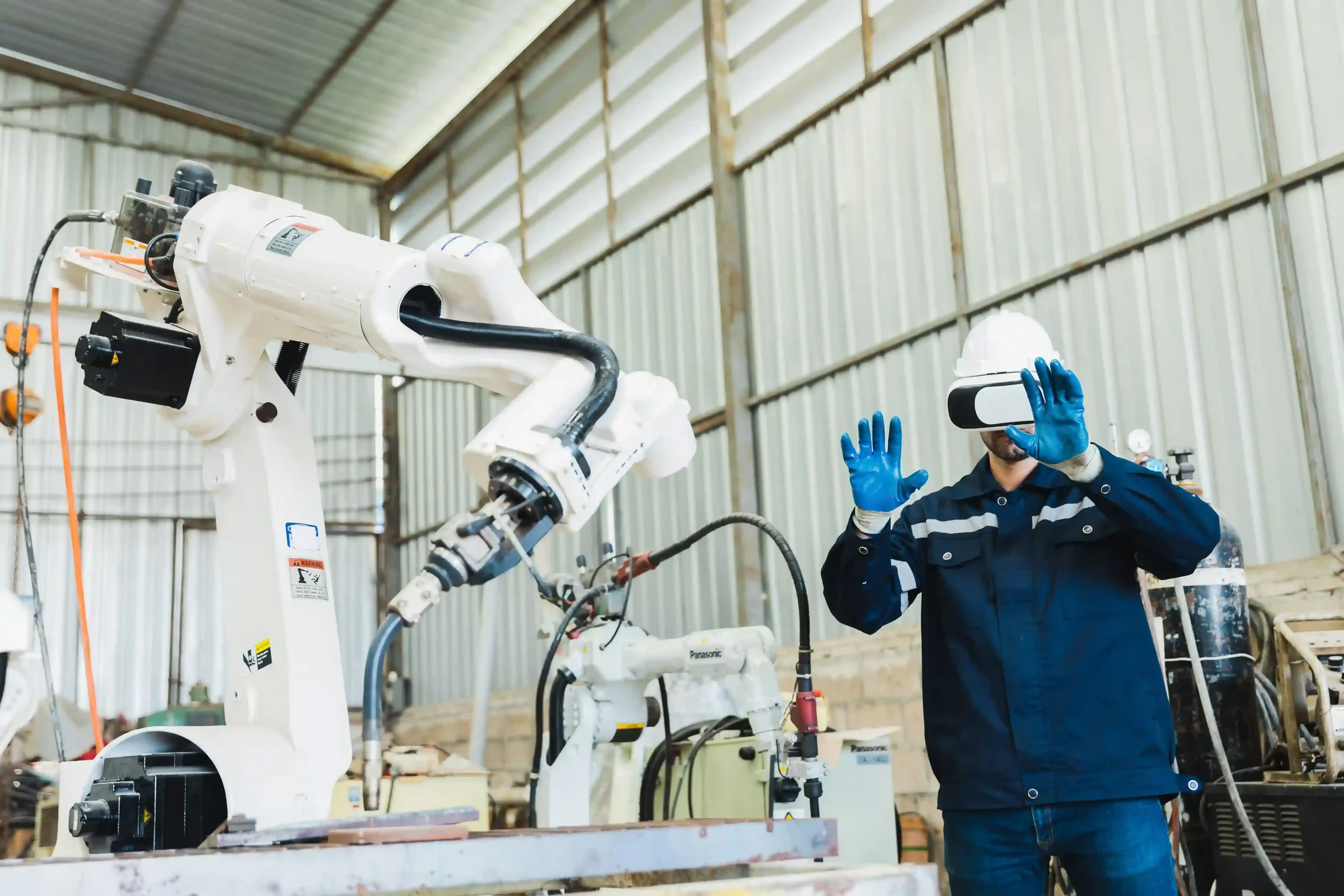
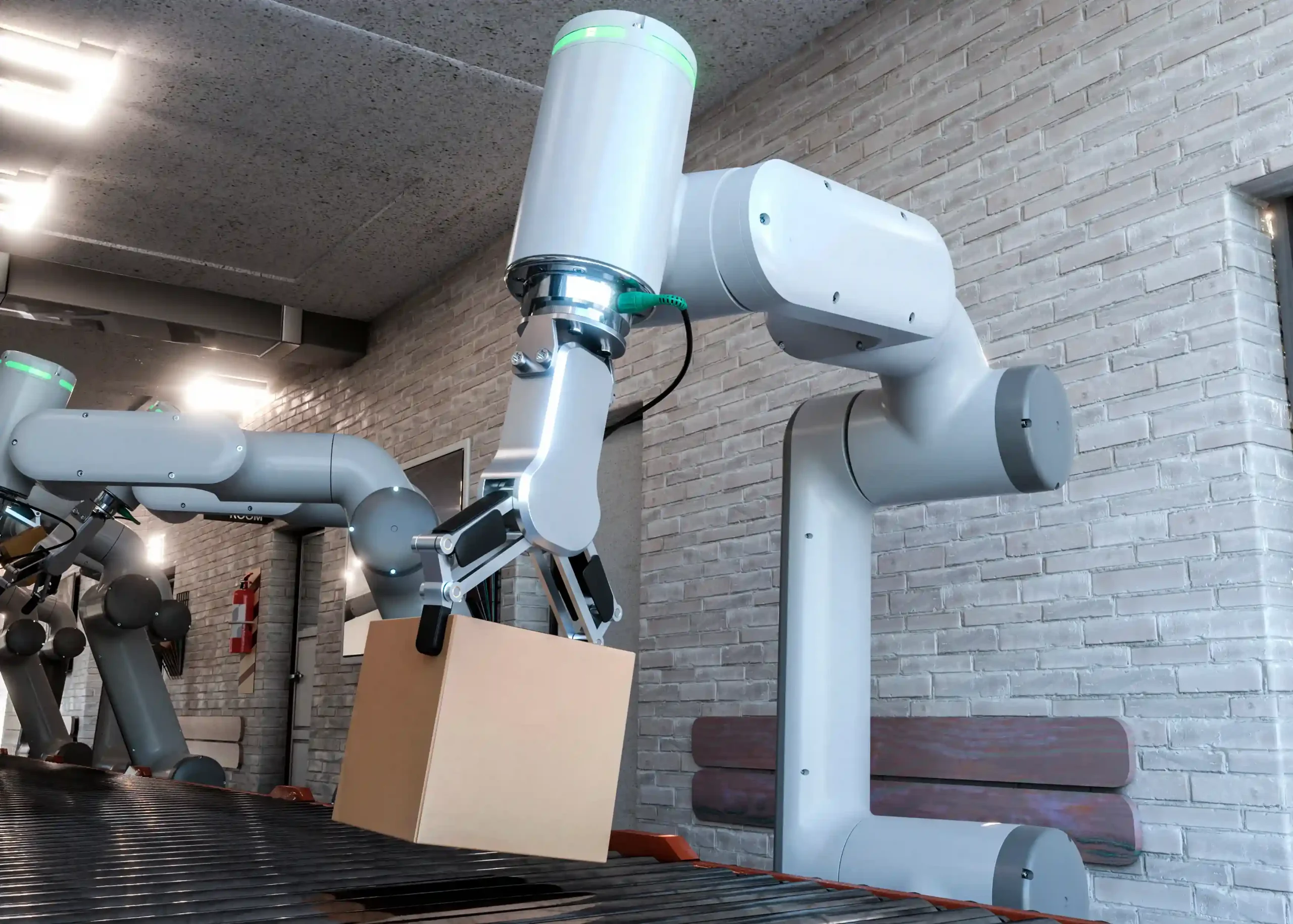
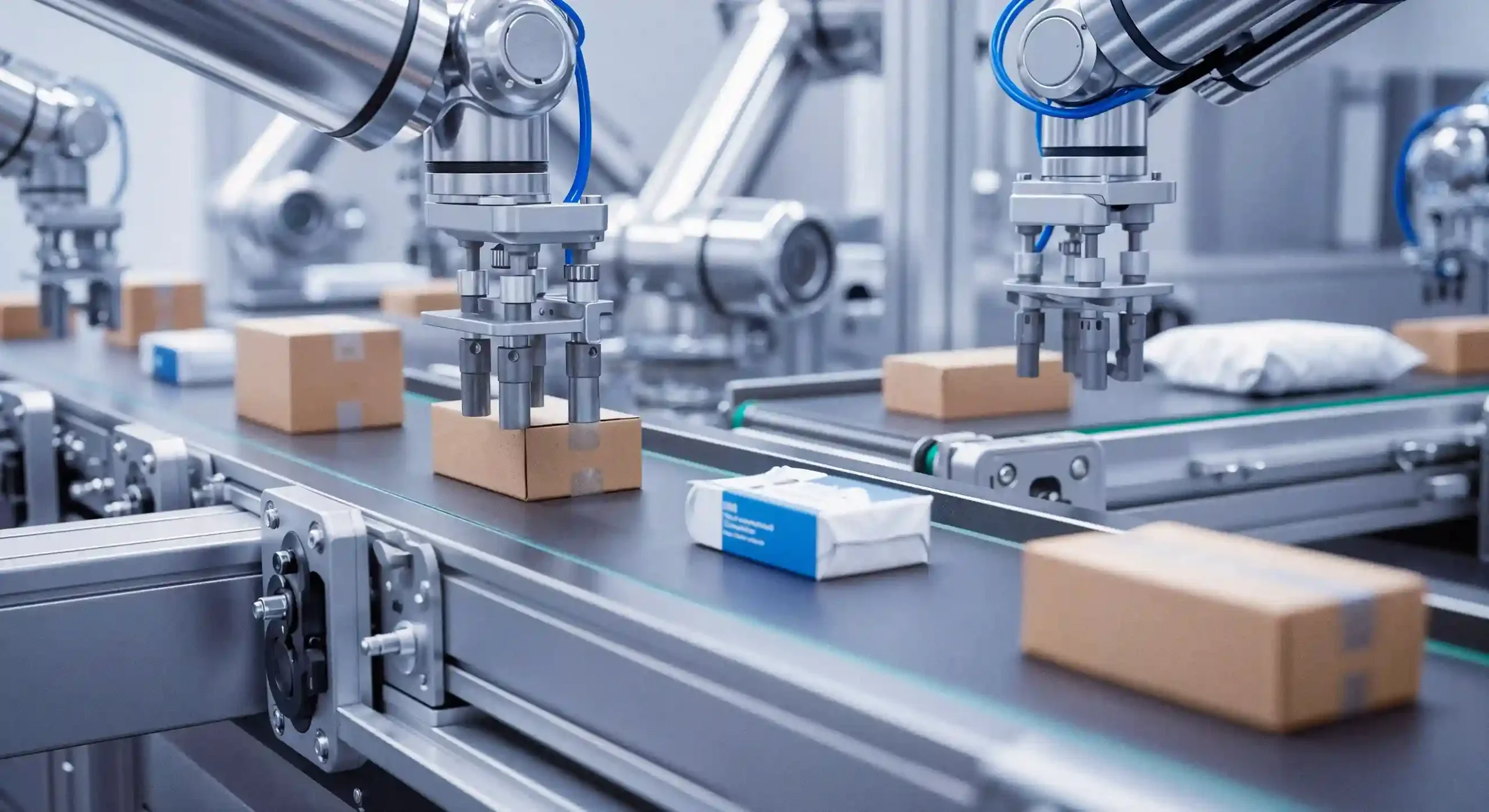
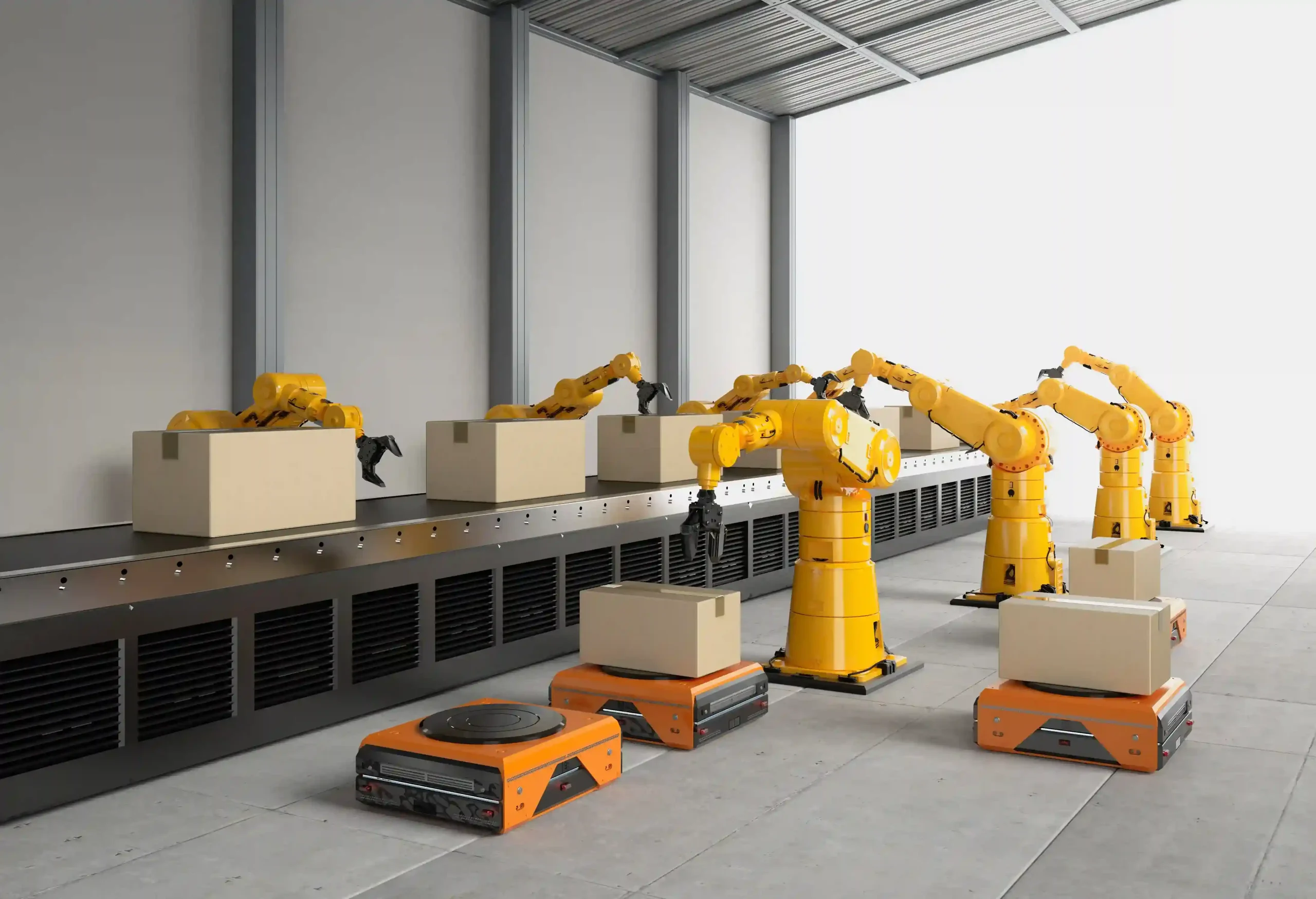
Paletizador robótico versus paletizadores tradicionales: ¿Cuál es mejor para su negocio??

En el acelerado mundo manufacturero actual, efficiency is no longer optional. Companies are under pressure to produce more, reducir costos, and stay competitive. That is where automation comes in. One of the most important decisions many factories face is choosing between a robotic palletizer and a traditional palletizing system.

But which one actually makes sense for your operation?

If you are trying to improve productivity while keeping costs under control, this comparison will help you understand the real differences. Más importante aún, it will help you decide whether investing in a robotic palletizer is the right move for your business.

What Is a Robotic Palletizer and How Does It Compare to Traditional Systems?

Before we compare the two, let’s make sure we are clear on what each system does.

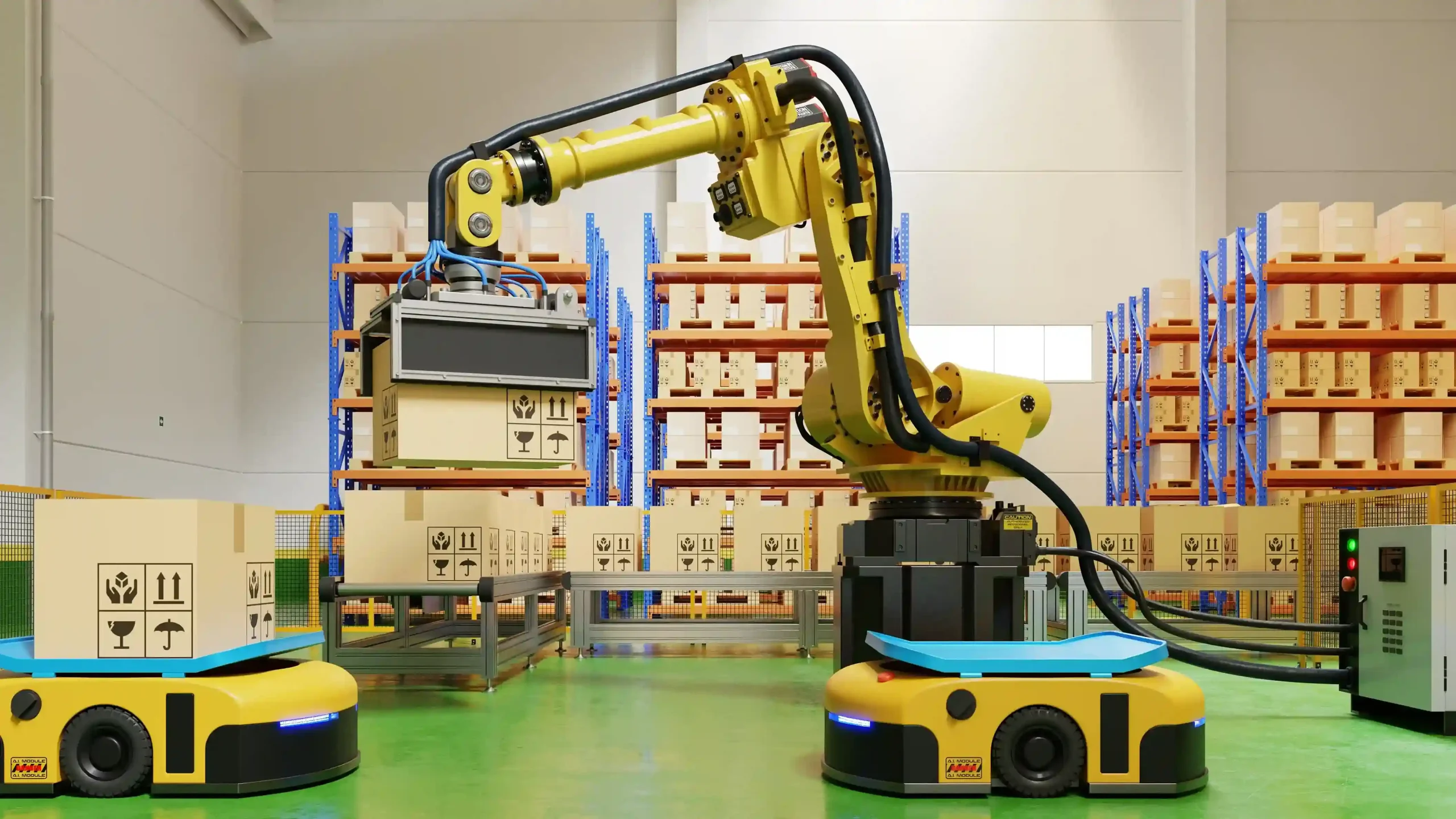
A robotic palletizer uses a robotic arm with smart programming to pick, place, and stack products onto pallets. It can handle different shapes, tamaños, and packaging types with minimal changes.

On the other hand, traditional palletizers rely on mechanical systems such as conveyors, layers, and fixed patterns. These systems are designed for repetitive tasks with little variation.

So what does this mean in real-world use?

A traditional system works best when you are dealing with one product at very high volumes. But what happens when your production line needs to handle multiple products or frequent changes? That is where a robotic palletizer starts to stand out.

And this leads to an important question: how flexible do you need your operation to be?
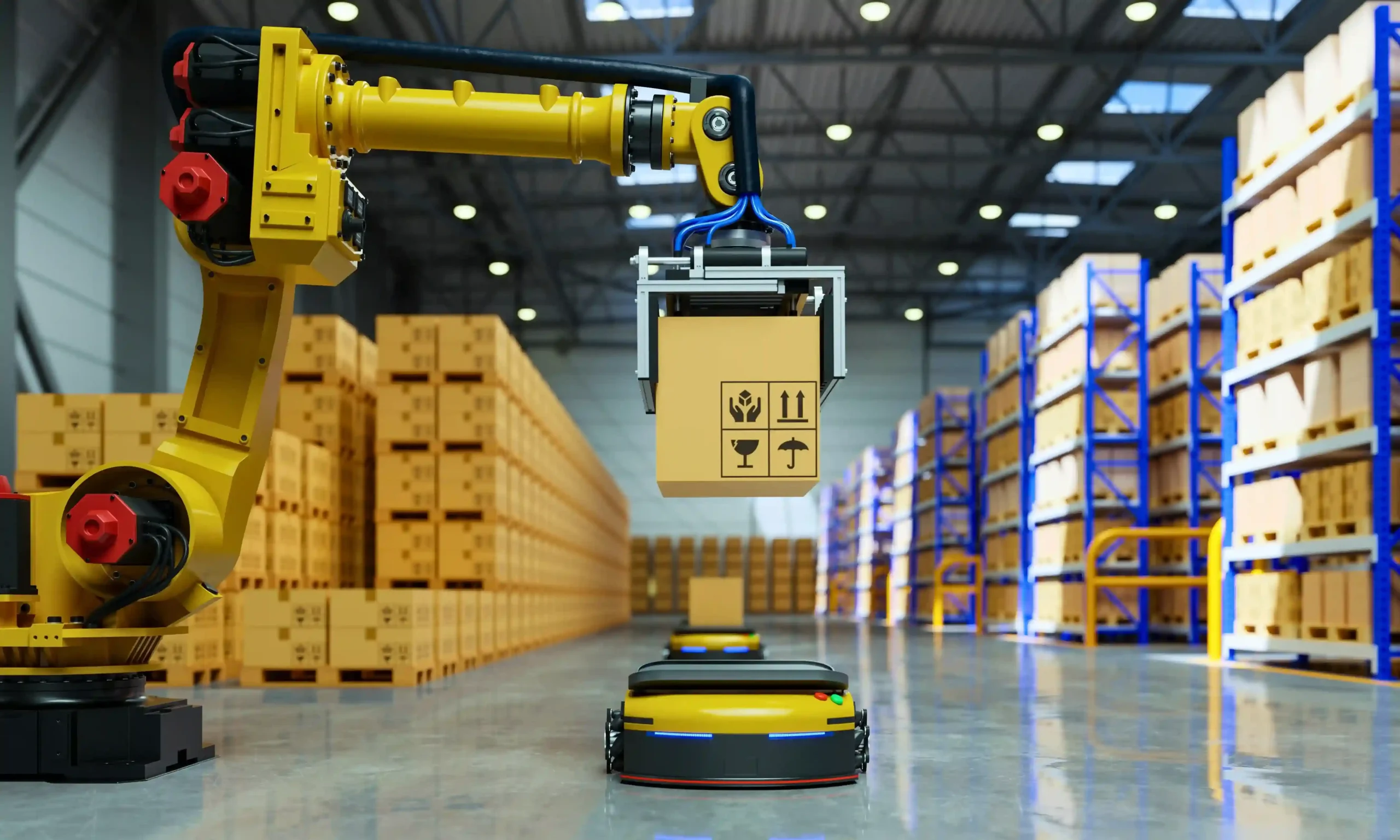
Paletizador robótico versus paletizadores tradicionales

Robotic Palletizer vs Traditional Palletizer: Key Differences in Flexibility and Efficiency

Flexibility is one of the biggest differences between these two systems.

A robotic palletizer can switch between different products with simple programming changes. This makes it ideal for factories that handle multiple product lines or frequent order changes.

Traditional palletizers, sin embargo, are much more rigid. Changing product types often requires mechanical adjustments, which can lead to downtime and lost productivity.

Why Flexibility Matters More Than Ever

Today’s market is changing quickly. Customers expect more variety, faster delivery, and customized orders.

A robotic palletizer allows you to:

  • Adapt to new products without major changes
  • Reduce downtime during changeovers
  • Handle mixed loads more efficiently

Traditional systems struggle in these areas, especially when production is not consistent.

Efficiency Beyond Speed

Some people assume traditional systems are always faster. While they can be very fast in single-product environments, they often lose efficiency when conditions change.

A robotic palletizer may have slightly lower peak speed in some cases, but it makes up for it by:

  • Reducing errors
  • Minimizing downtime
  • Maintaining consistent performance

So the real question becomes: do you want maximum speed in one situation, or reliable efficiency across many?

How a Robotic Palletizer Improves ROI and Reduces Labor Costs

Now let’s talk about one of the biggest concerns for any business: costo.

A primera vista, a robotic palletizer may seem like a larger investment. But looking only at the upfront cost can be misleading. The real value comes from long-term savings and return on investment.

Lower Labor Dependency

Manual palletizing is physically demanding and often requires multiple workers per shift.

With a robotic palletizer, you can:

  • Reduce the number of workers needed
  • Reassign staff to higher-value tasks
  • Minimize labor shortages

En muchos casos, one robotic palletizer can replace several workers across shifts.

Long-Term Cost Savings

Labor is not the only cost to consider. There are also hidden costs such as:

  • Training new workers
  • Injuries and downtime
  • Product damage

A robotic palletizer helps reduce these risks by providing consistent and reliable operation.

Faster Payback Period

Many manufacturers see a return on their robotic palletizer investment within one to three years.

When you combine labor savings, increased efficiency, and reduced errors, the numbers start to make sense.

So while the initial cost may be higher, the long-term benefits often outweigh it.

But cost is not the only concern. What about safety?
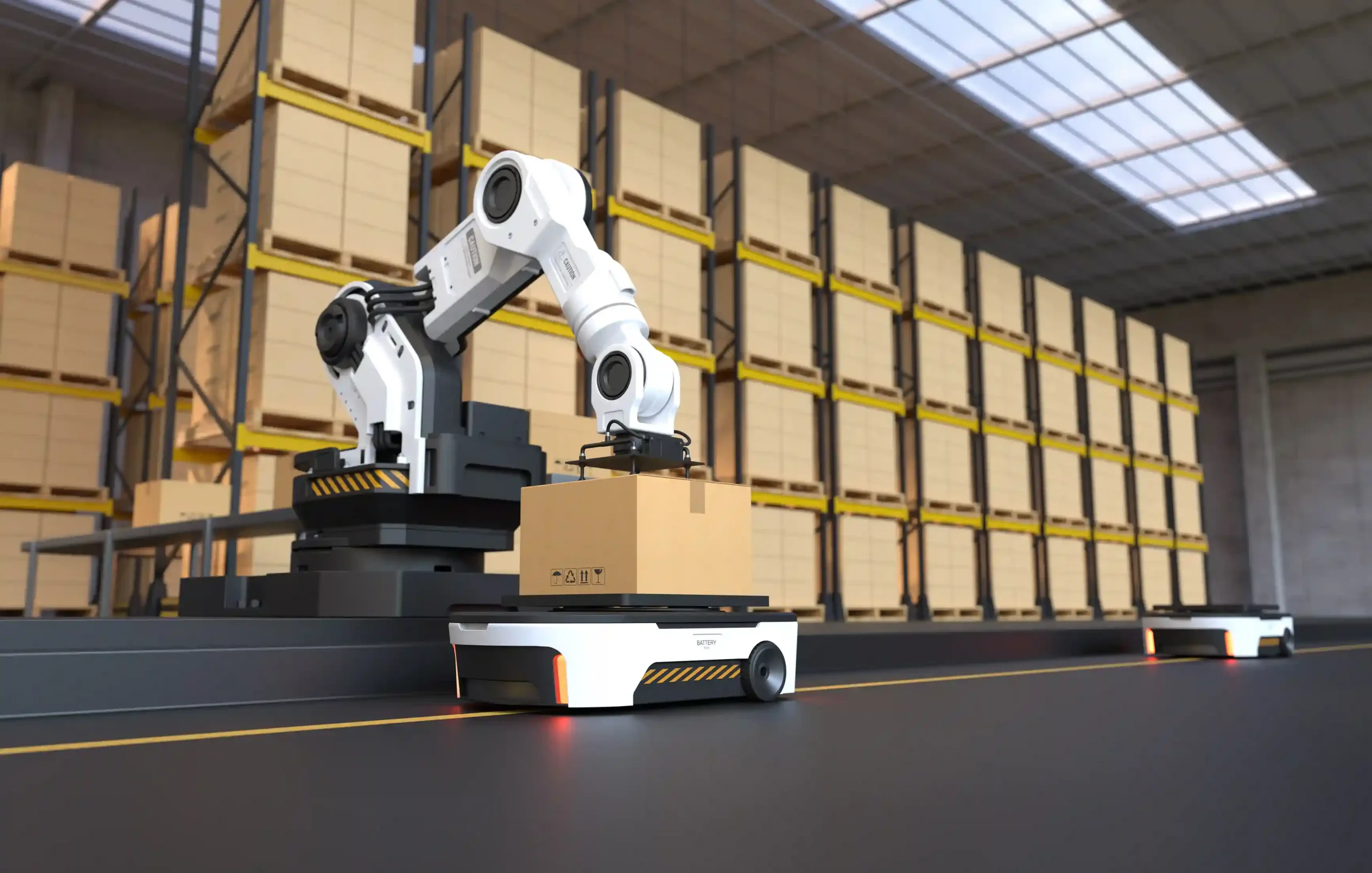
Paletizador robótico versus paletizadores tradicionales

Safety and Operational Benefits of Using a Robotic Palletizer

Safety is a major issue in any factory environment. Palletizing tasks often involve heavy lifting, repetitive motion, and awkward positions.

A robotic palletizer helps reduce these risks significantly.

Reduced Workplace Injuries

By automating the palletizing process, you remove workers from physically demanding tasks.

This leads to:

  • Fewer injuries
  • Lower compensation costs
  • Better working conditions
  • Consistent Performance

Humans can get tired. Machines do not.

A robotic palletizer delivers:

  • Consistent stacking quality
  • Accurate placement
  • Reliable operation over long periods

This consistency helps improve overall production quality.

Smarter Automation Integration

Modern robotic palletizer systems can integrate with other equipment, such as conveyors and packaging lines.

This creates a more connected and efficient production process.

So now we have covered flexibility, costo, and safety. But why are so many companies making the switch today?

Why More Manufacturers Are Choosing a Robotic Palletizer Today

The shift toward automation is not just a trend. It is a response to real challenges in the manufacturing industry.

A robotic palletizer is becoming the preferred choice for several reasons.

Primero, labor shortages are making it harder to find and keep workers. Automation helps solve this problem.

Segundo, businesses need to stay competitive. A robotic palletizer allows companies to increase output while controlling costs.

Tercero, product variety is growing. Traditional systems struggle to keep up with changing demands.

Meeting Modern Production Needs

Manufacturers today need systems that can:

  • Handle multiple products
  • Adapt quickly to changes
  • Scale with business growth

A robotic palletizer is designed for this level of flexibility.

  • Staying Ahead of the Competition
  • Companies that invest in automation are often able to:
  • Deliver faster
  • Reduce costs
  • Improve quality

This creates a strong competitive advantage.

So if more manufacturers are moving in this direction, the next logical question is: which solution provider should you trust?
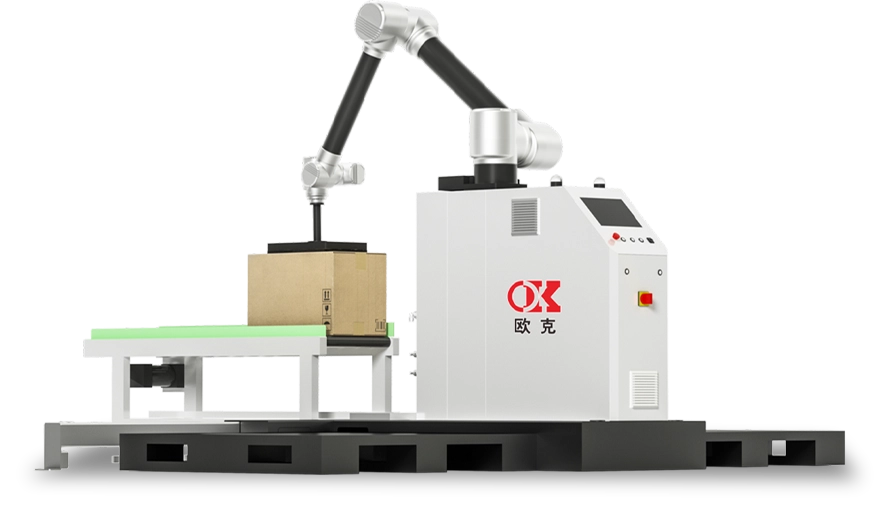
Paletizador robótico versus paletizadores tradicionales

Why Choose OK for Your Robotic Palletizer Solution

Choosing the right equipment is important. Elegir el socio adecuado es igualmente importante.

OK focuses on delivering reliable and efficient robotic palletizer solutions designed for modern manufacturing needs.

Tailored Solutions for Your Business

Every production line is different. OK provides solutions that are customized to your specific requirements.

This ensures:

  • Better performance
  • Easier integration
  • Mayor eficiencia

Advanced Technology with Practical Design

OK combines advanced robotics with user-friendly systems.

This means you get:

  • Easy operation
  • Flexible programming
  • Reliable performance

Strong Support and Expertise

Investing in a robotic palletizer is a long-term decision. Having the right support makes a big difference.

OK offers:

  • Technical guidance
  • Installation support
  • Ongoing service

This helps ensure your system runs smoothly over time.

Entonces, with all these benefits, is a robotic palletizer the right choice for you?

Conclusión

Choosing between a traditional system and a robotic palletizer depends on your specific needs. But for most modern manufacturers, the advantages of a robotic palletizer are hard to ignore.

It offers flexibility, mejora la eficiencia, reduces labor costs, and creates a safer working environment. It also prepares your business for future growth and changing market demands.

If your goal is to stay competitive and build a more efficient operation, investing in a robotic palletizer is a smart step forward.

If you are considering upgrading your palletizing process, it may be time to explore what a robotic solution can do for you. Comuníquese con Aceptar to learn how their robotic palletizer systems can fit into your production line and help you move toward a more efficient future.

Preguntas frecuentes

1. What is a robotic palletizer?

 A robotic palletizer is an automated machine that uses a robotic arm to stack products onto pallets quickly and accurately.

2. How is a robotic palletizer different from a traditional palletizer?

 A robotic palletizer is flexible and easy to program, while traditional systems are fixed and better suited to single-product lines.

3. What industries use a robotic palletizer?

 Common industries include food and beverage, logística, productos farmaceuticos, and consumer goods manufacturing.

4. Can a robotic palletizer handle different product sizes?

 Sí, a robotic palletizer can easily adapt to different sizes, formas, and packaging types with simple programming changes.

5. Is a robotic palletizer expensive?

 While the upfront cost can be higher, a robotic palletizer often saves money over time through reduced labor and improved efficiency.

6. How long does it take to see ROI?

 Most businesses see a return on investment from a robotic palletizer within one to three years.

7. Does a robotic palletizer improve workplace safety?

 Sí, it reduces manual lifting and repetitive tasks, lowering the risk of injuries.

8. Is it difficult to operate a robotic palletizer?

 Modern robotic palletizer systems are user-friendly and designed for easy operation and quick training.

9. Can a robotic palletizer work with existing production lines?

 Sí, it can be integrated with conveyors and other equipment for smooth operation.

10. Why should I choose a robotic palletizer for my business?

 A robotic palletizer helps increase efficiency, reducir costos, mejorar la seguridad, and support long-term business growth.
Robot paletizador colaborativo: Una nueva tendencia en seguridad, Flexibilidad, y colaboración de robots humanos

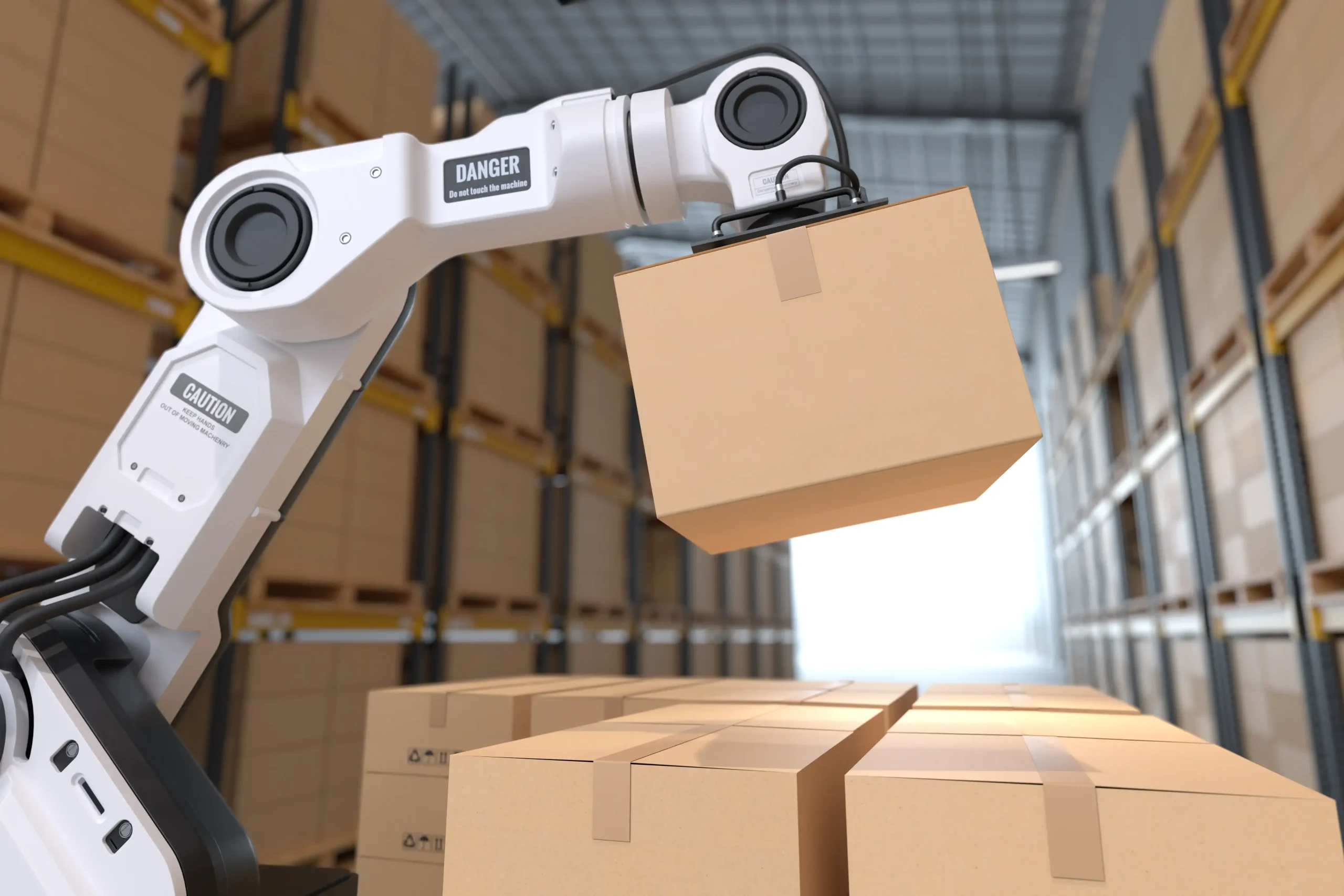
Los pisos de fabricación están cambiando rápidamente. Las fábricas de hoy necesitan mover productos más rápidamente, mantener seguros a los trabajadores, y manténgase flexible a medida que cambian los pedidos. Aquí es donde empieza a destacar el robot paletizador colaborativo. En lugar de reemplazar a las personas, este tipo de robot trabaja junto a ellos, ayudando con uno de los trabajos más repetitivos en la línea. paletizado.

Entonces, ¿por qué tantos fabricantes hablan de esta tecnología en este momento?? ¿Y por qué los compradores de todo el mundo están prestando más atención a los robots paletizadores colaborativos?? Echemos un vistazo más de cerca, paso a paso.

¿Qué es un robot paletizador colaborativo y por qué es importante hoy en día??

En su núcleo, Se diseña un robot paletizador colaborativo para apilar cajas., bolsas, u otros productos en paletas mientras comparte espacio de manera segura con trabajadores humanos. A diferencia de los sistemas de paletizado tradicionales que necesitan vallas y jaulas de seguridad., Estos robots están diseñados para trabajar en entornos abiertos..

Esto es importante porque hoy en día las fábricas enfrentan una presión real.. La mano de obra es más difícil de encontrar, las reglas de seguridad son más estrictas, y los clientes esperan una entrega más rápida. Un robot paletizador colaborativo ayuda a solucionar estos problemas sin obligar a las empresas a rediseñar toda su línea de producción.

Pero, ¿en qué se diferencia exactamente de los sistemas de paletizado más antiguos??

Robot paletizador colaborativo

En qué se diferencian los robots paletizadores colaborativos de los paletizadores tradicionales

Los paletizadores tradicionales son potentes y rápidos, pero por lo general necesitan estar separados de las personas.. Vallas de seguridad, escáneres, y las huellas grandes son comunes. En contraste, Un robot paletizador colaborativo utiliza límites de fuerza y ​​velocidad., sensores inteligentes, y movimientos suaves. Si toca a una persona, se detiene.

Esta diferencia permite que humanos y robots trabajen más juntos. Los trabajadores pueden cargar productos., ajustar paletas, o comprobar la calidad mientras el robot maneja el trabajo pesado. El resultado es un flujo de trabajo más equilibrado.

¿Por qué cada vez más fábricas eligen la colaboración en lugar de la automatización total?

No todas las fábricas necesitan un sistema de automatización grande y complejo. Muchos pequeños y medianos fabricantes quieren algo sencillo y flexible. A menudo se puede instalar un robot paletizador colaborativo en unos días, no meses. Programar es más fácil, y se pueden realizar cambios sin habilidades robóticas avanzadas.

Esto hace que la colaboración sea una opción práctica, no es sólo una tendencia técnica. Y una vez que se aborden las preocupaciones de seguridad, la siguiente gran pregunta surge naturalmente. ¿Qué tan seguros son realmente estos robots??

Por qué los robots paletizadores colaborativos están cambiando la seguridad en el lugar de trabajo

La seguridad es a menudo la primera preocupación cuando la gente escucha la palabra robot.. Esa preocupación tiene sentido. La paletización implica cargas pesadas y movimientos repetitivos.. La buena noticia es que la seguridad es una de las razones más importantes por las que las empresas adoptan un robot paletizador colaborativo..

En lugar de mantener alejada a la gente, estos robots están diseñados para protegerlos.

Funciones de seguridad integradas que protegen a los trabajadores

Un robot paletizador colaborativo utiliza varias tecnologías de seguridad. Estos incluyen la limitación de fuerza., control de velocidad, paradas de emergencia, y diseños de brazos redondeados. Si el robot encuentra una resistencia inesperada, se detiene inmediatamente.

Muchos sistemas están diseñados para cumplir con los estándares de seguridad internacionales., lo que da confianza a los compradores. Los trabajadores se sienten más cómodos compartiendo espacio con un robot que reacciona de forma suave y predecible.

Robot paletizador colaborativo

Cómo los humanos y los robots pueden compartir de forma segura el mismo espacio de trabajo

Cuando se eliminan las barreras de seguridad, el trabajo en equipo se hace posible. Un trabajador puede colocar productos en una cinta transportadora mientras el robot los apila. Otro trabajador puede preparar palets cerca.. Todos se mantienen productivos sin sentirse apresurados o inseguros.

Este tipo de configuración reduce las lesiones y mejora la moral.. Una vez manejada la seguridad, Las fábricas suelen plantear otra pregunta importante.. ¿Puede este robot adaptarse cuando nuestras necesidades cambian??

La ventaja de flexibilidad de un robot paletizador colaborativo

La flexibilidad ya no es opcional en la fabricación moderna. Los tamaños de los productos cambian. Los volúmenes de pedidos suben y bajan. Los estilos de embalaje evolucionan. Un robot paletizador colaborativo está diseñado para este tipo de realidad.

En lugar de estar encerrado en una tarea, puede adaptarse a medida que el negocio crece.

Cambios fáciles para diferentes productos y palets.

Muchos robots de paletizado colaborativos utilizan interfaces de software simples. Los operadores pueden cambiar los patrones de paletas, tamaños de caja, o alturas de apilamiento sin codificación compleja. Esto hace que las tiradas de producción cortas sean más fáciles de gestionar..

Cuando las fábricas manejan productos mixtos en la misma línea, esta flexibilidad ahorra tiempo y reduce el tiempo de inactividad.

Diseño compacto y rápida implementación

El espacio es valioso en la fábrica. Un robot paletizador colaborativo suele ocupar poco espacio y puede caber en líneas existentes. Algunos modelos incluso se pueden mover entre estaciones..

Una implementación rápida significa retornos más rápidos. Las empresas no necesitan esperar mucho para ver los beneficios. Y una vez que se demuestra la flexibilidad, Muchos compradores empiezan a pensar en dónde más se pueden utilizar estos robots..

Donde los robots de paletizado colaborativos ofrecen el mayor valor

La belleza de un robot paletizador colaborativo es que se adapta a muchas industrias. Dondequiera que el paletizado sea repetitivo y físicamente exigente, la colaboración tiene sentido.

Producción de alimentos y bebidas.

En plantas de alimentos y bebidas., La higiene y la consistencia son importantes.. Los robots paletizadores colaborativos pueden manipular cajas o bolsas con estabilidad, movimiento repetible. Los trabajadores pueden centrarse en los controles de calidad y el embalaje sin tener que levantar objetos pesados..

Los cambios frecuentes de productos son comunes en esta industria., lo que hace que la flexibilidad sea especialmente valiosa.

Logística y almacenamiento

Los almacenes se enfrentan a tamaños de pedidos cambiantes y calendarios de envío rápidos.. Un robot paletizador colaborativo ayuda a mantener los palés ordenados y estables, incluso durante las temporadas altas. Apoya a los trabajadores en lugar de frenarlos..

Este equilibrio es clave en entornos donde la velocidad y la precisión son importantes..

Bienes de consumo y manufactura ligera.

Desde productos para el hogar hasta electrónica, Muchos fabricantes se ocupan de artículos ligeros en grandes volúmenes.. Un robot paletizador colaborativo mejora la eficiencia y mantiene los costes bajo control.

A medida que más industrias vean estos beneficios, Los compradores comienzan a profundizar en un factor crítico.. ¿A quién deberíamos comprarle??

Robot paletizador colaborativo

Cómo elegir el fabricante de robots de paletizado colaborativo adecuado

Elegir el proveedor adecuado es tan importante como elegir el propio robot. Un robot paletizador colaborativo es una inversión, y los compradores quieren valor a largo plazo.

Entonces, ¿qué deberían buscar los tomadores de decisiones??

Lo que los compradores deberían buscar más allá del precio?

El precio importa, pero no debería ser el único factor. Los compradores deben considerar el cumplimiento de la seguridad., opciones de carga útil, facilidad de uso, y confiabilidad del sistema. Un buen fabricante colaborativo de robots paletizadores también proporciona documentación clara y soporte receptivo..

La personalización es otro punto clave. Cada fábrica es diferente, Y las mejores soluciones a menudo se adaptan a las necesidades reales de producción..

Por qué es importante trabajar con un fabricante experimentado

La experiencia se demuestra en la calidad del diseño y la resolución de problemas.. Un fabricante experimentado comprende los desafíos reales de la fábrica y construye robots que funcionan de manera confiable en las operaciones diarias..

A medida que el abastecimiento global se vuelve más común, Muchos compradores ahora hacen otra pregunta importante.. ¿Por qué tantas empresas eligen fabricantes de China??

Por qué más compradores globales trabajan con un fabricante chino de robots paletizadores colaborativos

El mercado mundial de la robótica está cambiando. Los fabricantes chinos están llamando la atención por buenas razones. Actualmente, un robot paletizador colaborativo fabricado en China suele combinar un rendimiento sólido con un gran valor..

Equilibrio costo-rendimiento

Los fabricantes chinos se centran en gran medida en una producción eficiente. Esto les permite ofrecer precios competitivos sin sacrificar las funciones principales.. Los compradores pueden invertir en automatización manteniendo al mismo tiempo una rentabilidad saludable.

Capacidad de personalización y fabricación.

Muchos fabricantes chinos de robots paletizadores colaborativos ofrecen una personalización flexible. Desde pinzas hasta tamaños de palés, Las soluciones se pueden ajustar para que coincidan con aplicaciones reales..

Esta capacidad de personalización es especialmente atractiva para compradores extranjeros con requisitos únicos..

Experiencia global de entrega y soporte

La experiencia exportadora importa. Los fabricantes con clientes globales entienden el envío, documentación, y comunicación entre zonas horarias. Esto hace que el proceso de compra sea más fluido y confiable..

Con el socio adecuado, Un robot paletizador colaborativo se convierte en más que una máquina.. Se convierte en parte de una estrategia de automatización a largo plazo..

Conclusión

El auge del robot paletizador colaborativo refleja un cambio mayor en la fabricación. Seguridad, flexibilidad, y la colaboración entre humanos y robots ya no son objetivos separados. estan conectados.

Al reducir el esfuerzo físico, mejorando la eficiencia, y adaptarse al cambio, Los robots de paletizado colaborativos ayudan a las fábricas a avanzar sin dejar atrás a las personas.. Para empresas que buscan automatizar el paletizado de forma práctica y rentable, este enfoque tiene mucho sentido.

Si está explorando cómo un robot paletizador colaborativo podría encajar en su línea de producción, el equipo de OK está listo para hablar. Ya sea que recién esté comenzando o planificando su próxima actualización, no dudes en comunicarte y tenga una conversación real sobre qué funciona mejor para su fábrica.

Preguntas frecuentes

¿Qué es un robot paletizador colaborativo??

Un robot paletizador colaborativo está diseñado para apilar productos en palés mientras trabaja de forma segura junto a las personas. Utiliza sensores inteligentes y movimientos controlados para reducir el riesgo y mejorar el trabajo en equipo en la fábrica..

¿Es un robot paletizador colaborativo seguro para los trabajadores??

Sí. Estos robots están construidos con características de seguridad como control de fuerza y ​​parada automática.. Esto permite que humanos y robots compartan el mismo espacio de trabajo con menos riesgo de lesiones..

¿Qué industrias se benefician más de los robots de paletizado colaborativos??

Alimentos y bebidas, logística, bienes de consumo, y la fabricación ligera son las que más se benefician. Cualquier industria con tareas repetitivas de paletizado puede ver una mayor eficiencia.

¿Qué tan difícil es instalar y usar uno??

La instalación suele ser rápida, y la mayoría de los sistemas son fáciles de programar. Los operadores pueden aprender el uso básico sin habilidades técnicas avanzadas..

¿Por qué elegir un fabricante colaborativo de robots paletizadores de China??

Muchos fabricantes chinos ofrecen una fuerte personalización., precios competitivos, y una experiencia de entrega global confiable.

Cómo la automatización industrial con cobots mejora el ROI de los fabricantes

Los fabricantes se enfrentan hoy a una cuestión sencilla pero seria. ¿Cómo puedes producir más?, gastar menos, y aún mantener la calidad alta? Aumento de los costos laborales, escasez de trabajadores, y la presión de la competencia global hacen que esta cuestión sea cada año más difícil. Es por eso que muchas fábricas están recurriendo a la automatización industrial con cobots para mejorar el retorno de la inversión de una forma práctica y realista..

En lugar de reemplazar a las personas, Los cobots trabajan junto a ellos.. Manejan tareas repetitivas., reducir errores, y ayudar a las fábricas a crecer sin mayores riesgos. Pero, ¿cómo mejora esto realmente el ROI?, ¿Y por qué importa tanto hoy?? Analicémoslo paso a paso..

Por qué el retorno de la inversión impulsa las decisiones en la automatización industrial con cobots

El retorno de la inversión no es sólo un término financiero. Para fabricantes, El retorno de la inversión decide si la automatización es una decisión inteligente o un error costoso. Toda inversión debe amortizarse mediante ahorros., producción, o mejora de la calidad. Si no es así, se convierte en una carga en lugar de un beneficio.

Aquí destaca la automatización industrial con cobots. Los robots tradicionales suelen requerir grandes presupuestos, largos tiempos de preparación, y cambios importantes en la fábrica. Los cobots fueron creados para reducir estas barreras.. Pero antes de explorar cómo lo hacen, Ayuda a comprender dónde suelen empezar los problemas de retorno de la inversión..

El coste oculto de la producción manual

El trabajo manual puede parecer flexible, pero conlleva muchos costos invisibles. Los trabajadores se cansan. Los errores suceden. La producción cambia de un turno a otro. Las lesiones y la rotación aumentan los costos de capacitación y contratación. Con el tiempo, Estos problemas reducen silenciosamente el retorno de la inversión..

A medida que crece la demanda de producción, estos problemas también crecen. Esto a menudo lleva a los fabricantes a hacer una nueva pregunta.. ¿Existe alguna manera de mejorar la coherencia sin aumentar la presión laboral??

Por qué los robots tradicionales a menudo no alcanzan los objetivos de retorno de la inversión

Los robots tradicionales pueden ofrecer alta velocidad, pero también vienen con complejidad. vallado de seguridad, largo tiempo de programación, y los altos costos de integración ralentizan los resultados. Para fábricas pequeñas y medianas, el período de recuperación puede parecer demasiado largo.

Por eso muchos fabricantes buscan un camino intermedio. Quieren una automatización que mejore el retorno de la inversión sin poner patas arriba la fábrica. Ahí es donde los cobots entran en escena.

automatización industrial con cobots

Cómo la automatización industrial con cobots reduce costos sin tomar atajos

Una vez que los fabricantes comprendan los límites del trabajo manual y los robots tradicionales, El valor de los cobots se vuelve más claro.. La automatización industrial con cobots se centra en el coste total, no solo el precio del robot.

Los cobots están diseñados para ser más fáciles de instalar, más fácil de programar, y más fácil de mover. Esto reduce directamente los costos en todo el proyecto de automatización..

Menores costos de configuración e integración

Los cobots no necesitan grandes vallas de seguridad en muchas aplicaciones. Están construidos con límites de fuerza y ​​sensores que permiten la colaboración segura con las personas.. Esto ahorra espacio y reduce el tiempo de instalación..

La mayoría de los cobots también utilizan métodos de programación sencillos.. Los operadores pueden aprender la configuración básica en días en lugar de meses.. Una configuración más rápida significa resultados más rápidos, lo que mejora directamente el ROI.

Reducción del tiempo de inactividad y cambios más rápidos

El tiempo de inactividad es uno de los mayores enemigos del ROI. Los cobots ayudan a reducir el tiempo de inactividad al ser fáciles de adaptar a nuevas tareas. Cuando las líneas de productos cambian, Los cobots pueden reprogramarse en lugar de reemplazarse..

Esta flexibilidad permite a los fabricantes responder rápidamente a la demanda de los clientes.. Y cuando las máquinas pasan más tiempo funcionando y menos esperando, El retorno de la inversión mejora de forma natural.

Mejor calidad con menos desperdicio

Los cobots repiten el mismo movimiento cada vez. Esta consistencia reduce los defectos y los desechos.. Menos piezas rechazadas significan menores costos de material y menos retrabajos.

A medida que mejora la calidad, la satisfacción del cliente también mejora. Esto crea un ciclo positivo donde el ahorro y la reputación crecen juntos..

Ahora que vemos cómo los cobots reducen costes, la siguiente pregunta se vuelve obvia. ¿Dónde ofrecen los resultados más rápidos??

Los casos de uso de amortización más rápida para la automatización industrial con cobots

No todas las tareas ofrecen el mismo retorno de la inversión. Algunas aplicaciones muestran resultados más rápido que otras. Los fabricantes que empiezan con las tareas correctas suelen recuperar la inversión en meses, no años.

Esta es otra razón por la que la automatización industrial con cobots funciona tan bien. Los cobots encajan perfectamente en las operaciones habituales de las fábricas.

Cuidado de máquinas para CNC y moldeo.

El cuidado de máquinas es uno de los casos de uso más sólidos. Los cobots cargan y descargan máquinas sin interrupciones. Esto mantiene las máquinas funcionando por más tiempo y de manera más consistente..

Ampliando el tiempo de actividad de la máquina, Los fabricantes aumentan la producción sin agregar turnos adicionales.. Sólo esto puede transformar el ROI.

Recogida y colocación y embalaje.

Las tareas de escoger y colocar son repetitivas y agotadoras para los trabajadores. Los cobots manejan estas tareas con velocidad y precisión constantes. En líneas de envasado, ayudan a mantener el ritmo durante los picos de demanda.

El resultado es un flujo más suave y menos desaceleraciones.. Esto mejora tanto la eficiencia como la moral en la fábrica..

Montaje y atornillado

Las tareas de montaje a menudo requieren precisión y repetibilidad. Los cobots aplican la misma fuerza y ​​movimiento cada vez. Esto reduce la variación y mejora la consistencia del producto..

Los trabajadores pueden centrarse en la inspección y la resolución de problemas mientras los cobots se encargan de los pasos de rutina..

Paletizado para operaciones de final de línea

El paletizado es físicamente exigente y repetitivo.. Los cobots reducen la tensión sobre los trabajadores y mantienen estable la producción. Esto reduce el riesgo de lesiones y mejora la estabilidad de la fuerza laboral a largo plazo..

Una vez que estas aplicaciones de ganancia rápida estén implementadas, Los fabricantes a menudo notan algo más.. Los beneficios van más allá del simple ahorro de costos..

automatización industrial con cobots

Cómo la automatización industrial con cobots mejora la productividad y la coherencia

Ahorrar dinero es importante, pero el crecimiento también importa. La automatización industrial con cobots ayuda a los fabricantes a hacer más con los mismos recursos.

Los cobots apoyan a las personas en lugar de reemplazarlas. Esto crea un sistema equilibrado donde los humanos y las máquinas hacen cada uno lo que mejor saben hacer..

Mayor producción sin contratación constante

Los cobots trabajan a un ritmo constante. No reducen la velocidad ni se reportan enfermos.. Esta estabilidad permite a las fábricas aumentar la producción sin contratar constantemente nuevos trabajadores..

A medida que crece la demanda, Los cobots ayudan a escalar la producción sin problemas. Esto mantiene los costos laborales bajo control mientras los ingresos crecen..

La calidad constante genera confianza en el cliente

Los problemas de calidad perjudican el retorno de la inversión de muchas maneras. Devoluciones, rehacer, y los clientes perdidos se suman. Los cobots ayudan a prevenir estos problemas al ofrecer resultados consistentes.

Cuando la calidad mejora, crece la confianza del cliente. Y la confianza lleva a repetir el negocio, lo que fortalece el retorno de la inversión a largo plazo.

Un trabajo más seguro mantiene a los trabajadores calificados por más tiempo

Los cobots se encargan de tareas que causan tensión o lesiones.. Esto mejora la seguridad en el lugar de trabajo y mantiene a los trabajadores experimentados en el trabajo por más tiempo..

Una menor rotación significa menores costos de capacitación y equipos más fuertes. Con el tiempo, Este beneficio humano se convierte también en un beneficio financiero..

Con estas ganancias en mente, La siguiente pregunta lógica es cómo garantizar que una inversión en cobot tenga éxito desde el principio..

Una lista de verificación simple para maximizar el ROI de la automatización industrial con cobots

El éxito con los cobots no ocurre por casualidad. Los fabricantes que planifican cuidadosamente obtienen mejores resultados. Una simple lista de verificación puede ayudar a guiar las decisiones.

Comience con la tarea correcta

Elija tareas que sean repetitivas, pérdida de tiempo, y estable. Estas tareas generan un retorno de la inversión más rápido y generan confianza en la automatización.

Evite comenzar con tareas complejas que cambian con frecuencia. El éxito temprano genera impulso para proyectos futuros.

Planifique las herramientas y la seguridad con anticipación

Los efectores finales y los ajustes de seguridad son importantes. Una planificación adecuada garantiza una integración fluida y evita retrasos.

Trabajar con socios experimentados ayuda a evitar errores comunes que ralentizan el retorno de la inversión..

Mida los resultados claramente

Establezca métricas claras antes de la instalación. Seguimiento de salida, falta del tiempo, y calidad. Esto hace que el retorno de la inversión sea visible y respalda futuras decisiones de inversión..

Una vez que los fabricantes vean buenos resultados, a menudo hacen otra pregunta. ¿Qué socio puede ayudarnos a escalar la automatización de la manera correcta??

Por qué elegir OK para la automatización industrial con cobots

Elegir el socio adecuado es tan importante como elegir la tecnología adecuada. OK se centra en la automatización práctica que ofrece un retorno de la inversión real.

Soluciones diseñadas para fábricas reales

Los cobots OK están diseñados para las necesidades de producción del mundo real. Se centran en la confiabilidad, facilidad de uso, y rápido despliegue.

Esto ayuda a los fabricantes a pasar de la planificación a la producción sin retrasos innecesarios..

Valor sólido con rendimiento confiable

Aprovechando la fabricación eficiente y el diseño inteligente, OK ofrece un rendimiento sólido a un coste razonable.

Este equilibrio ayuda a los fabricantes a lograr una amortización más rápida manteniendo la calidad y la durabilidad..

Soporte que crece con su negocio

La automatización no es un proyecto único. OK apoya a los clientes a medida que amplían la automatización en todas las líneas e instalaciones.

Este enfoque de asociación a largo plazo ayuda a los fabricantes a seguir mejorando el retorno de la inversión con el tiempo..

Conclusión

Los fabricantes de hoy necesitan soluciones que sean flexibles, confiable, y consciente de los costos. La automatización industrial con cobots ofrece una forma práctica de mejorar el retorno de la inversión y al mismo tiempo respaldar a las personas y los objetivos de producción..

Los cobots reducen costes, mejorar cualidades, y ayudar a las fábricas a escalar sin riesgos excesivos. Cuando se combina con la estrategia y el socio adecuados, se convierten en una poderosa herramienta para el éxito a largo plazo.

Si está explorando cómo los cobots pueden mejorar el retorno de la inversión en su fábrica, el siguiente paso es una conversación. Comuníquese con Aceptar para discutir su solicitud, tus metas, y cómo la automatización colaborativa puede funcionar para usted. Estamos aquí para ayudarle a avanzar con confianza..

Preguntas frecuentes

¿Qué es la automatización industrial con cobots??

La automatización industrial con cobots significa utilizar robots colaborativos que trabajan de forma segura con las personas para automatizar tareas repetitivas de fábrica y mejorar la eficiencia..

¿Qué tan rápido pueden los cobots generar retorno de la inversión??

Muchos fabricantes obtienen un retorno de la inversión en un plazo de seis a doce meses., dependiendo de la tarea, ahorro de mano de obra, y volumen de producción.

¿Es seguro utilizar los cobots con los trabajadores??

Sí. Los cobots están diseñados con sensores y límites de fuerza que permiten una operación segura cerca de personas.

¿Qué industrias se benefician más de los cobots??

Automotor, electrónica, procesamiento de metales, plástica, y las industrias de embalaje obtienen buenos resultados.

¿Se pueden mover los cobots a nuevas tareas más adelante??

Sí. La flexibilidad es una de las mayores ventajas de la automatización industrial con cobots.

Por qué los robots paletizadores están reemplazando a los sistemas tradicionales

Ever wondered how the boxes you ordered online can be packed and shipped so fast? Behind warehouse and factory doors, robots are increasingly doing much of the heavy lifting-literally. Among such machines making big impacts are palletizing robots. The robots turn up in several industries, changing how products are stacked, stored, and sent out.

Palletizing refers to the process of putting products or boxes onto a pallet for easy movement. Companies have used traditional machinery in doing this for quite a long period of time, and sometimes even had the work done by human labor. But now, something better has come into place: collaborative palletizing robots.

Why would these new robots gain increasing popularity? What do they offer that is better than the older systems? It is in this article that we look deeper into what makes the palletizing robot unique and why it has become preferred in the modern industry to replace the traditional ways of palletizing.

Let’s start by understanding what these robots are and how they actually work.

What are palletizing robots, y como funcionan?

Palletizers are a class of robots designed to move and stack boxes, bolsas, o contenedores sobre paletas. Unlike older systems, sin embargo, collaborative palletizing robots are designed to operate safely around people. That means they can operate right next to human workers without safety fences or cages.

These robots use special sensors and smart technology to “ver” their surroundings. If a person approaches too closely, the robot slows down or stops. Some use cameras and AI to adjust their actions in real time. This makes them even safer and more flexible than traditional systems.

You don’t need to be a robotics expert to work with one. Many palletizing robots have an easy-to-use touchscreen, drag-and-drop software, or even no-code programming tools. For companies seeking to train staff fast, that’s huge.

Now that we understand how these robots work, let’s discuss why the old systems no longer suffice.

Robots paletizadores

Why Traditional Palletizing Systems Are Falling Behind

While older palletizing machines have served for many years, they bring their own set of problems that make them more difficult to work with now.

Most of the traditional systems are big and bulky; for safety reasons, they have to be kept far away from people. This means that they take up a lot of space and are usually set up with protective barriers or cages. They are also difficult to adjust in case of a variation in the size of a box, or if a company has to handle different products on the same line.

Limitations of Traditional Systems

  • Rigid setups: Traditional palletizers are built for one job. If the product or pallet pattern changes, often the system has to be reprogrammed, or pieces need to be rebuilt.
  • High cost: these machines are very expensive to install and maintain. Any breakdown eventually brings the whole production line to a standstill.
  • Safety barriers: Most of these systems require cages to be installed to ensure worker safety; this reduces their flexibility to easily set them into tight locations.

With industries becoming increasingly competitive, these limitations make traditional systems less able to match the demand. Due to this fact, many companies today are shifting to more modern solutions.

What makes palletizing robots such a better choice? Let’s explore their biggest advantages.

]Why Palletizing Robots Are Gaining Popularity

Companies of all kinds face new challenges: labor shortages, increasing costs, and a need for faster delivery. Palletizing robots help solve these problems in a way that’s smart, seguro, and affordable.

Unlike traditional systems, these robots can be flexible: they can be moved from one part of a factory to another and reprogrammed to handle different tasks or products, saving time and money.

Let’s break down the top reasons why palletising robots are becoming the go-to choice.

Flexibility and Easy Programming

Palletizing robots can also be reprogrammed easily for new box sizes, patrones de paletas, or a different stacking method. Most of them now come with either drag-and-drop interfaces or teach-by-demonstration features that allow practically any person to train a robot in a few simple steps.

For companies that have many types of products or whose packaging changes quite frequently, this kind of flexibility is a big plus.

Smaller Footprint and Safer Workspaces

Since collaborative palletizing robots are safe to use around people, they do not need large cages or fences.

That saves floor space and makes them easier to fit into tight production lines.

Their inbuilt sensors help avoid accidents, making the workplace a safe place for all.

Lower Costs and Faster ROI

Even though the primary investment in palletizing robots might seem big, it typically pays for itself in a year or two by saving labor costs, preventing injuries, and reducing production delays.

Robots paletizadores, por otro lado, promise a better return on investment compared to conventional machines, which are expensive to maintain and hard to upgrade.

But where, exactly, are these robots being used? Echemos un vistazo más de cerca.

Robots paletizadores

Which industries are using palletizing robots today?

You might be surprised by how varied the different industries that use palletizing robots are, whether it be a food factory or an online retailer; anywhere goods need to move efficiently and safely, these machines will turn up.

Businesses desire speed and reliability, few errors, and lower costs. Palletizing robots are helping make that a reality.

The following are some of the key industries where these robots are making a difference.

Logistics and Warehousing

Goods move into and out of a warehouse constantly. In cases like this, palletizing robots speed up the process of packing items and reduce human error. They work for all twenty-four hours of the day, extending operations with fewer personnel.

Food and Beverage

Food and drink products come in a wide range of shapes and sizes-from bottled water to snack boxes. Palletizing robots can handle them all, adapting quickly to changes in packaging.

Además, they are easy to clean, and their use fulfills the hygiene requirements imposed in the food industry.

Pharmaceuticals and E-commerce

The two big key words in the pharmaceutical world are safety and precision. Palletizing robots ensure that medicines are packed securely in their rightful order. E-commerce companies, too, love them, especially during busy seasons when orders increase in leaps and bounds.

Now that we know in which places they’re used, let’s take a look at how they really contribute to improved ground operations.

How Palletizing Robots Improve Efficiency and Operations

Adding palletizing robots is not just about automation; it’s an overall betterment to a production line. These indeed are very speedy, accurate, and dependable robots.

Now, let’s look at some real benefits they bring to the table.

Improve Throughput and Accuracy

Depending on the setup, palletizing robots can do up to 8 a 12 cajas por minuto. That is way faster than manual labor and more consistent, too. No se cansan ni se distraen; hence, there are fewer packing errors.

This leads to quicker delivery times and happier customers.

Reducing Worker Injuries and Downtime

Manual palletizing involves heavy lifting and repetitive motion, both factors that can eventually bring about injury. Robots do the heavy work, thus helping to keep workers safer and healthier.

Besides, they never have sick days off; they work during weekends and holidays, at night, without breaks.

Running 24/7 without Fatigue

Whether it’s high volumes of orders or keeping up with demand, the palletizing robot is able to help. They’re designed for continuous operation and are programmable to run for uninterrupted hours, even on off-hours.

This level of dependability is a big plus in today’s fast-moving supply chain.

All these benefits aside, a big question remains: is this where the future of palletizing robots lies?

Conclusión

The short answer is yes. They’re not just here to stay, but palletizing robots are fast becoming the norm. As organizations look for smarter, más seguro, and more cost-effective ways to move products, these robots are leading the way.

They are easy to install, simple to operate, and flexible enough to handle whatever the modern factory throws at them. Be it food, medicamento, logística, o comercio electrónico, your company will remain competitive and productive with the aid of palletizing robots.

If you are thinking about upgrading your current palletizing setup, now is an excellent time to look into your options. y bien, we build collaborative palletizing robots ready to work alongside your team safely, reliably, and affordably.

Got questions? Let’s talk. We’d love to learn about your needs and show you how our palletizing robots can fit right into your production line. Contáctenos hoy and see what a difference the right automation can make.

Preguntas frecuentes

1. What is a palletizing robot?

A palletizing robot is an automated machine designed to stack boxes or products onto the top of pallets and can operate safely around and alongside humans in both warehouse and production line situations.

2. How is a palletizing robot different from traditional palletizers?

Palletizing robots now have more flexibility, use less space, and do not require safety cages. They are easier to program and accommodate changes in product types.

3. What industries use palletizing robots?

They are used in logistics, comida y bebida, farmacéutico, and e-commerce industries for end-of-line automation.

4. Are palletizing robots safe to use near people?

Sí, collaborative models with sensors and smart controls enable these robots to work around humans without any harm.

Por qué el precio del robot paletizador no es el único factor que importa para su fábrica

When designing to automate your packaging or manufacturing line, it’s very possible to begin with a single grand question: How much is the Palletizing Robot price? This question is valid in itself, but it is merely part of a far larger picture.

Most entrepreneurs and bosses will start by comparing prices, looking to save a buck or two upfront. But this is the bottom line: emphasizing just the lowest cost possible will cost you in the long run.

Sin embargo, you actually need to take the following into consideration when palletizing a robot. Take a look.

What Is a Palletizing Robot? Why Do I Need It?

A palletizing robot is a type of machinery that is employed to raise, drop, and stack products onto a pallet. Robotic palletizing is often implemented in manufacturing plants to improve efficiency, precisión, and workplace safety. With the growth of labor costs and greater demands for efficiency, a higher number of organizations are using robotic palletizing.

Things to Think About when Purchasing a Palletizing Robot are its Price. But that’s where it all ends. The machines are not initial acquisitions. They are long-term equipment that becomes a component of your regular operations.

Let’s explore why cost oftentimes is the initial and sometimes the singular point of emphasis before discussing further.

Robot paletizador

Why Pay so Much Attention to Palletizing Robot Price?

Most business owners are pushed to be frugal when it comes to expenses, particularly in business sectors with slim profit margins. Needless to say, they first consider the Palletizing Robot cost. They may shop around for quotes or browse the Internet for the lowest cost.

This all sounds fantastic in theory. But is this the ideal way to select technology that will run your factory day in and day out?

Consider this question from the standpoint of having the lowest price. You may end up buying a machine that doesn’t meet your requirements, needs frequent repairs, or will cost you a lot to maintain. Now the “inexpensive” option is costly.

Then why else are you looking?

What’s More Important Than Robot Palletizing Price?

It’s all about cost. But if you want absolute value for your money, you have to see the complete picture.

Reliability and Uptime

A Palletizing Robot that is reasonably priced is of no value if the machinery keeps failing. Downtime represents lost building time, lost shipping dates, and dissatisfied labor. A higher-priced but reliable robot keeps your lines running.

Ease of Use

Can the workers easily operate and maintain the robot? A few of the less-expensive robots require very experienced programmers even for simple operations. Otros, like OKBOLONG, are intelligent and come with a very easy-to-use interface. This allows for quicker training and fewer mistakes.

Incorporation into your system

The robot will become unusable if it doesn’t align properly with your setup. There are firms that overlook the cost incurred in software customization or making machinery adjustable in order to fit the robot. A slightly higher-priced Palletizing Robot could help afford better integration.

After-Sales Support and Service

What follows the setup of the robot? Support indeed makes all the difference. If you choose a partner that will service locally, get back quickly, and offer spare parts, you’re not buying a piece of equipment. You’re investing in peace of mind.

Let’s tally the true cost of ignoring these factors.

Robot paletizador

What Can Go Wrong If You Only Care About Palletizing Robot Price?

The lowest possible cost might appear to be a saving, but it is frequently the root of hidden issues that eventually come to light.

Recurrent Breakdown

Inexpensive robots are constructed from lower-grade components or are inadequately tested. They thereby break down frequently. It takes time and money for repair work, and your entire manufacturing operation will come to a halt while services are awaited.

Higher Operating Cost

You could save in the beginning on the investment for a Palletizing Robot, but have to pay for power, software upgrades, or qualified man-hours to keep it running. Incrementally, these costs chip away at your profit.

Poor Flexibility

Your business will develop and expand. What if your bot is incapable of accommodating new box arrangements or new stack patterns? Replacing or rewiring it later may end up costing you that much more than getting it right the first time.

Risk to Brand Reputation

Delays, defects, or damaged goods brought about by defective equipment will damage your image. Customers demand reliability, and a dissatisfying experience will impel them to seek elsewhere.

You may already be asking yourself how a better way is actually structured.

How to Choose the Right Robot Without Focusing Only on the Palletizing Robot Price

You need a solution that will weigh cost against long-term investment. Here’s how to do that intelligently.

Begin With Your Needs

Identify what your factory actually wants. Consider speed, type of product manufactured, space requirements, and how the robot will integrate into your day-to-day activities. Understanding this will enable you to find the robots that share your objectives.

Inquire About Total Cost of Ownership (TCO)

Rather than request the cost of the Palletizing Robot alone, inquire about the overall expense for five years or a decade. Consider energy consumption, maintenance service, service upgrades, capacitación, and so forth. This will help you have a better idea of where your money goes.

Searching for Tailored Answers

All factories are not the same. A quality supplier will take you by the hand to pick or engineer a system that fits your process. This will cost money up front, but will save time and trouble in the end.

Now let’s talk about a company that understands this approach.

Why OKBOLONG Offers More Than Just a Low-Palletizing Robot Price

Here at OKBOLONG, we understand that cost counts — but performance, service, and results count most. That’s why we’re dedicated to providing you the absolute best value, not the lowest bottom-line number.

Built for Long-Term Performance

Our palletizing robots are built to move quickly, stay stable, and keep running consistently. We incorporate quality parts and intelligent technology that minimizes downtime and optimizes efficiency.

Simple Setup and User Interface

OKBOLONG robots are plug-and-play for a majority of operations. Smart controls and easy-to-use interfaces that are easy for everybody to learn. You don’t have to employ a specialist simply to begin working.

Homegrown Support That You Can Trust

We’re located in China and provide rapid, efficient support. If things don’t work out, we’re here for you – not weeks or days later, but when you need it.

Flexible and Scalable Solutions

Your business will expand. OKBOLONG robots are designed to expand with your business. If you are introducing new products for manufacturing, making layout enhancements, or expanding your base of production, OKBOLONG will expand for you.

Then what are you getting out of it all?

Conclusión

The next time someone asks, “What’s the Palletizing Robot cost?” ask them this:

“Do you want it to be cheap, or do you want it to work for your business?”

A palletizing robot is not a piece of equipment. It’s a partner to your success. If you look beyond the cost and look for value, you’re making better decisions that save you money, tiempo, and worry later.

We’re not simply retailing robots here at OKBOLONG. We’re helping factories move smarter, más rápido, and bolder.

Let’s Discuss the Future of Your Factory. If you seek the intelligent palletizing solutions that are the right size for your objectives, but not your budget, we are happy to have your request. Contact today and discover the ideal match for your factory. No high-pressure sales but thoughtful recommendations by experts familiar with your world.

Preguntas frecuentes

1. Why is the cost of the Palletizing Robot so diversified between companies?

The cost is dependent upon the features, speed, load capabilities, construction quality, and service assistance.

2. Is a greater Palletizing Robot investment necessarily a good idea?

No necesariamente. Higher cost may bring forth higher value, but that relies on your requirement for the factory.

3. A small factory pays around how much for a Palletizing Robot on average?

It may cost anywhere between $15,000 y $50,000, depending on the features and complexity.

4. Is the price inclusive of installation and training?

At times, yes; at times, no. Be sure to ask for a total quote for all services.

5. Can I use one robot for different products?

Indeed, most palletizing robots are versatile and may accommodate various box sizes or configurations.

6. How long will a robot last?

Most robots, when properly maintained, will last between 8 y 15 años. 7. Is the cost other than the Palletizing Robot cost hidden? Sí. Consider maintenance requirements, software patches, and power utilization.

8. What if the robot malfunctions?

Good suppliers such as OKBOLONG have fast assistance and in-country service.

9. How long does it take to install a robot?

Most of the systems take a few days to install when properly planned.

10. Is OKBOLONG a good value for the money?

Sí. OKBOLONG balances performance, support, and affordability for long-term success.

Por qué elegir el proveedor de robots paletizadores adecuado determina su retorno de la inversión

In the modern world of manufacturing, automation is no longer a luxury that just large corporations have. Whether you have a small factory or a large warehouse, the robots are becoming indispensable. Of all the robots available, the palletizing robots are perhaps the most useful for optimizing the way the products are packed and transferred.

The question that really needs answering here is this, sin embargo: when you are ready to invest in a palletizing robot, how do you identify the appropriate palletizing robot supplier? Why is that so important to your return on investment (retorno de la inversión)?

Let’s take it step by step and find out why your choice of a supplier is not merely important — it’s crucial.

What is a Palletizing Robot and Why Is It a Game Changer?

Let’s talk about suppliers after knowing a bit about a palletizing robot. Basically, it is a robot that places boxes, bolsas, or any other product in a stack on pallets for shipping or keeping stored. It does this job expeditiously, smoothly, and without a break.

This type of robot eliminates work that would otherwise employ several persons and a great deal of time. Rather than having to lift burdens all day long, laborers are able to perform higher-level tasks while the robot does the heavy work.

The True Advantages of a Palletizing Robot

Here are several self-evident benefits to the addition of a palletizing robot to your operation:

  • Rapid manufacturing
  • Fewer work accidents
  • Increased utilization of labour
  • Evenly stacked products and fewer damaged products

All these things add up to something: improved efficiency. And when your manufacturing line improves, your company makes a profit. But it’s not all about buying the machine.

palletizing robot supplier

Why Your Choice of Palletizing Robot Supplier Affects ROI

Now that we know a bit better the value of the robot itself, let’s take a step back. It’s not that you’re buying a piece of equipment. You’re signing a long-term contract for a palletizing robot supplier. This is the supplier that will define how the robot will perform, when it will pay for itself, and how much help you will have when things are not quite right.

Bien, how does your supplier really impact your ROI?

It Starts With System Design and Integration

A quality supplier doesn’t simply sell a robot and drive off. They will work to design a solution that meets your needs precisely. This means selecting the appropriate robot arm for your operation, the correct gripper for your piece, and programming the robot for your conveyors, your package machines, and your pallet.

Your system operates better when it’s properly designed. Less breakdown, greater speeds through your plant, and fewer errors—all these equate to a quicker return for your investment.

5 Things to Look for in a Reliable Palletizing Robot Supplier

It’s also simple to take cost into account when making comparisons between suppliers. But a lower cost doesn’t always equate to higher performance. Below are five things that actually matter when making the appropriate palletizing robot supplier choice.

Experience Within Your Industry

Businesses are unique. Por ejemplo, it isn’t a question of stacking cartons of milk versus palletizing bags of rice. You need a supplier that has experience in your business and the issues that you have.

If your supplier has knowledge of your industry, you benefit from their having better ideas and making fewer blunders that will cost time and money.

Customization and Adaptation

Not every factory is the same. Maybe your products come in many sizes. Maybe your space is tight. A strong supplier will offer customized solutions instead of pushing a one-size-fits-all product.

Long-range flexibility also counts. If your product lineup shifts a year from now, will your robot still be useful to you? A wise supplier will point the way to the future.

palletizing robot supplier

After-Sales Support

It’s here that the good or the bad supplier differentiation actually happens. What comes after the robot ships? Does your supplier train your staff? Is emergency assistance provided in the event the system goes wrong?

A responsive help desk minimizes downtime and creates the possibility for your system’s maximum utilization day after day.

System Integration Capability

A robot by itself doesn’t work. It needs to be integrated with other equipment such as scanners, conveyors, software, and safeguarding devices. A skilled palletizing robot supplier also understands how to integrate all of these components so that the system is a whole.

Poor integration causes defects and bottlenecks. Good integration causes rapid, dependable manufacturing.

Case Studies and References

Any vendor can guarantee stellar results. But can they deliver? Ask for case studies or speak to companies they have served. Demand evidence that they have provided concrete value to others in their shoes.

This will also give you confidence that your supplier is indeed capable of delivering ROI, and not just hyping it.

Risks of Choosing the Wrong Palletizing Robot Supplier

We’ve gone over how to select a supplier. But when all else doesn’t work and you end up making the wrong choice? It’s costly — and perhaps it’s the wrong type of costly.

Let us consider a few dangers associated with the wrong selection of a palletizing robot supplier.

Delays in Installation and Setup

A poor supplier may not fully understand your needs. This can lead to long delays during installation, causing production to slow down or stop completely.

For every day your line is idle, you are losing money. Speedy setup is key to return on investment.

Increased Maintenance Cost

Faulty robots or poor integrations will culminate in breakdowns. This means higher repair costs and lost time due to downtime.

Even if the robot was cheaper in the initial stage, it could become expensive for you later.

Absence of Future Support

Some of these dealers disappear once they have sold. If you have a problem or need to upgrade your system, you are on your own.

If you’re not getting regular maintenance, small things get broken – the kind that damage your return on investment and your business’s reputation.

Missed Business Targets

In extreme scenarios, the wrong selection of a palletizing robot supplier may result in the failure to achieve major objectives. You will be unable to achieve the quality or the production objectives that may impact your customer relationship or your contracts.

That’s why it’s so crucial for you to find a supplier that’s interested in your business.

How OKBOLONG Helps Maximize ROI as a Leading Palletizing Robot Supplier

At OKBOLONG, we know that the purchase of a robot is where things get started. It’s the day-after-day payoff that the system delivers inside your shop floor that truly counts.

What distinguishes OKBOLONG from the competition in palletizing robots?

Designed for Your Needs

We don’t offer “off-the-shelf” solutions. We work closely with you to understand your space, your products, and your objectives for your manufacturing. From that point onward, we develop a bespoke solution that is a perfect fit.

Expert System Integration

Our engineers are trained to work on whole system integration. If barcode reading, product sorting, or smart sensors are involved, we will see your whole system functioning in complete harmony.

That translates to fewer mistakes and simplified operations that equate to quicker ROI.

Training and Continuing Support

We don’t leave after the installation. We educate your staff, observe the system performance, and are available for assistance in case anything shifts in your manufacturing. Maintenance or upgrade, we are a phone call away.

This is the type of long-term assistance that has a tremendous impact on your overall return on investment.

Palabras finales

By this point, it’s evident that the selection of your palletizing robot supplier isn’t a trivial matter. It impacts your productivity all the way to your bottom line. A good supplier brings you closer to your objectives and spares you costly blunders.

So before you invest in automation yourself, ask yourself this question: Are you buying a robot all that much — or are you actually investing in a long-term business partner?

At OKBOLONG, we’re not just a robot supplier. We’re your automation partner. If you’re a new company or an existing company that wants an upgrade, we’re here to collaborate for the ideal solution that will suit your company and generate a higher return on investment.

Contáctenos hoy so that we may inform you how your production line may become stronger and smarter. Let’s create something great together.

Preguntas frecuentes (Preguntas frecuentes)

1. What is a palletizing robot supplier?

A palletizing robot supplier doesn’t simply sell the robot–but rather the expertise to design for, install, and maintain automated palletizing machines. An experienced supplier will help specify the proper robot for your products, your overall space needs, and your manufacturing requirements, along with long-range technical service and training.

2. How will the selection of the appropriate palletizing robot supplier impact my ROI?

The right supplier ensures that your system will operate successfully, experience less delay, and cost less for maintenance. They will enable you to get the most return from your investment by offering professional integration, quality equipment, and instant support.

3. Any robot I can utilize for palletizing?

No necesariamente. Various robots are appropriate for various tasks. A reliable palletizing robot manufacturer will advise you to select a suitable one that suits your product weight, tamaño, speed needs, and stack patterns.

4. Is after-sales service a key element for a supplier selection?

Sí. An active support team will be able to avoid downtime and address issues quickly, protecting your ROI.

5. Why is OKBOLONG a credible palletizing robot supplier?

OKBOLONG provides bespoke solutions, total system integration, and post-deliverables services—all meant to enable you to accomplish rapid and higher automation outcomes.

Por qué asociarse con un fabricante colaborativo de robots paletizadores mejora el retorno de la inversión

As the world becomes faster and faster still, manufacturers face the issue of making operations less costly and more efficient. One of the biggest challenges is transferring products from production lines onto pallets for shipping. Most often, this has been done with heavy industrial-scale equipment or manual labor that takes a lot of space and costs an absolute fortune. Luckily, there’s a smarter solution. Working with a collaborative palletizing robot manufacturer can completely revolutionize business done with palletizing while boosting return on investment.

But why are more and more companies resorting to cooperative palletizing robots? What difference does it make if you get the right builder? Bien, let’s break it down step-by-step.

What is a Collaborative Palletizing Robot?

Before we discuss return on investment, we should first know what robots are and why they are unique. A collaborative palletizing robot has been designed to work alongside people safely. Unlike other palletizers that require heavy fencing, cobots can coexist in the same workspace without additional barriers.

These robots use advanced sensors and intelligent controls that keep operations safe. They can pick up boxes, bolsas, or other items and neatly stack them onto pallets. The best part is their flexibility. Need to change the product line? A collaborative palletizing robot can be reprogrammed quickly without weeks of downtime.

Small and large business enterprises can also avail themselves of the benefits of automation with minimal initial investment because of their compact size. They also fill spaces where spacious industrial machinery could hardly fit.

So now that we know what they are, let’s talk about why there are plenty of companies reconsidering the old tradition of palletizing.

collaborative palletizing robot

The Problems with Traditional or Manual Palletizing

If palletizing were simple and could be done by hand, we wouldn’t palletize with robots. The bottom line is that manual palletizing has severe flaws.

Workers are continuously under stress from hauling heavy boxes back and forth. It results in injury, wear and tear, and increasing medical bills. And at the top of that comes an increasing difficulty of obtaining individuals willing to engage in jobs of this physically strenuous nature. Labor shortages translate into paying high wages or experiencing uneven staffing.

Classic palletizing robots seem like an ideal solution, yet they also bring issues. These are costly, colossal robots that are difficult to modify if changes are needed in production. Some of their maintenance requires special technicians, resulting in greater downtime and expenses.

It’s at this point that a joint palletizing robot builder has a chance to make a real difference. How, though, does dealing with the correct supplier make a difference in return on investment?

How a Collaborative Palletizing Robot Manufacturer Improves ROI

At the end of the day, companies want to know how quickly they can get their money back. That is where the real strength of collaborative palletizing robots shows up.

Lower Labor Cost

Lower operating costs are one of the biggest cost savings. With a cobot, a job that a few individuals could do can be done by one individual. Then individuals are not completely replaced from a personnel aspect; they are freed up from less desirable tasks.

Less Damage and Down Time

Fewer man-days of lifting boxes translate into fewer injuries at the worksite. Fewer injuries translate into fewer insurance payments and fewer sick days. A robot doesn’t tire or take breaks, translating into continuous production with no breaks.

Constant Production

Human employees become fatigued with long hours, and they make mistakes. A robot produces the same consistency and rate from the first box through the last. With this consistency comes an improved total throughput and a minimization of expensive mistakes.

Flexibility and Scalability

An interdisciplinary palletizing robot maker develops systems that can be redeployed once product dimensions or packaging are modified. Rather than purchasing an entirely new machine, an organization can merely retrain the robot. And with increasing business, it’s a matter of adding more cobots.

So the returns build up quickly. How do you make sure you actually get the best return on investment then? Everything comes back to a good collaboration.

collaborative palletizing robot

Why the Right Collaborative Palletizing Robot Manufacturer Matters

Not all robots are the same, and not all robot manufacturers are created equally. Partnering with the right collaborative palletizing robot builder ensures the system will be reliable, eficiente, and tailored to your production needs.

First of all, quality matters. Robots with durable materials last longer and break less frequently. Downtime costs dollars per hour, and reliability translates dollar for dollar into ROI.

Segundo, it should be simple to use. If the robot is hard to program, you will bear a greater cost of training or hiring other technicians. A good-quality maker should make the system simple and easy to learn and use.

Thirdly, you cannot live without after-sales service. Even the finest machinery requires maintenance, and prompt service translates into issues resolved before production grinds to a halt. A quality manufacturer with good support enables you to safeguard your investment.

Last of all comes the integration experience. Few palletizing robots are operated solo. Robotic systems are combined with software, vision systems, and conveyors. An integrated palletizing robot supplier makes everything go smoothly.

Today, with a plethora of suppliers available out there, why should corporations venture and hunt out China?

Why Choose a Collaborative Palletizing Robot Manufacturer in China

China has also become a world leader in robot manufacturing. A palletizing robot manufacturer from China can therefore present a competitive cost and innovation offering.

Cost Advantage

Chinese manufacturers make good-quality robots at an attractive price vis-à-vis many Western manufacturers. These put automation within the reach of more companies while making no compromise in their performance.

Innovation and Scaling

China has invested heavily in robotics technology. What this implies is that Chinese suppliers are not only cheap but also feature-competitive, seguro, and attractive in terms of design. With high production capacity, they are also able to surge rapidly with increasing demand.

Global Standards

Trusted Chinese manufacturers also export robots with global certifications these days, a factor of much interest to business companies with a global vision.

OKBOLONG

Por ejemplo, OKBOLONG offers specialty palletizing robots and ROI-based solutions. With a partnership with this type of manufacturer, companies are able to enjoy cost-effective technologies, reliable support, and systems intended to optimize efficiency.

So the question becomes clear. If improving ROI is the goal, why not consider a collaborative palletizing robot manufacturer in China that already combines cost savings with advanced technology?

Bringing It All Together

We began with the question of why companies are increasingly turning to collaborative palletizing robots. We discovered that manual or traditional palletizing has severe drawbacks. We also looked at how the robots achieve improved ROI with less labor expense, menos lesiones, steady production, and versatile designs. Most of all, we witnessed how the right manufacturer determines the success of the investment.

As increasing numbers of companies are pressed to produce faster and at a lower cost, automation is no longer a choice. It’s a requirement. And with robot expertise increasing in China, businesses like OKBOLONG are standing ready to assist businesses globally in modernizing their palletizing operations.

Want to know how a cooperative palletizing robot can efficiently improve return on investment? Contact OKBOLONG today and discover how we can create the perfect solution for your production line.

Preguntas frecuentes

1. ¿Qué es un robot paletizador colaborativo??

He’s a robot that can stack products onto pallets while working alongside humans.

2. How does a palletizing robot improve ROI?

It lowers the cost of labor, lessens injuries, increases consistency, and operates at all times.

3. Why partner with a collaborative palletizing robot manufacturer?

A trusted producer promises quality, personalización, and good after-sales service.

4. Are collaborative palletizing robots safe to use?

Indeed, they are designed with sensors and instrumentation for safety that enable them to coexist with humans.

5. How quickly can you recover ROI with a palletizing robot?

All the companies regain their investment within one to two years.

6. Are palletizing robots able to handle varying products?

Sí, since they are flexible and could be adapted to varying product sizes and packaging.

7. Which sectors are applying collaborative palletizing robots?

They are well-known in food and beverage, e-business, logística, embalaje, and manufacturing.

8. Why choose a manufacturer from China?

Chinese manufacturers also relish combining low cost with innovation and global standards.

9. Does the robot take up much space?

No, compact and easy-to-fit palletizing robots are used for cooperative work.

10. How do I select the best collaborative palletizing robot manufacturer?

Seek quality, customization opportunities, integration assistance, and active service after-sales.