How Case Palletizing Robots Actually Work in Small Manufacturing Plants
I spent an afternoon at a contract packaging facility in Ohio last month watching a case palletizing robot do its thing, en eerlijk? It’s way less complicated than the manufacturers want you to believe.
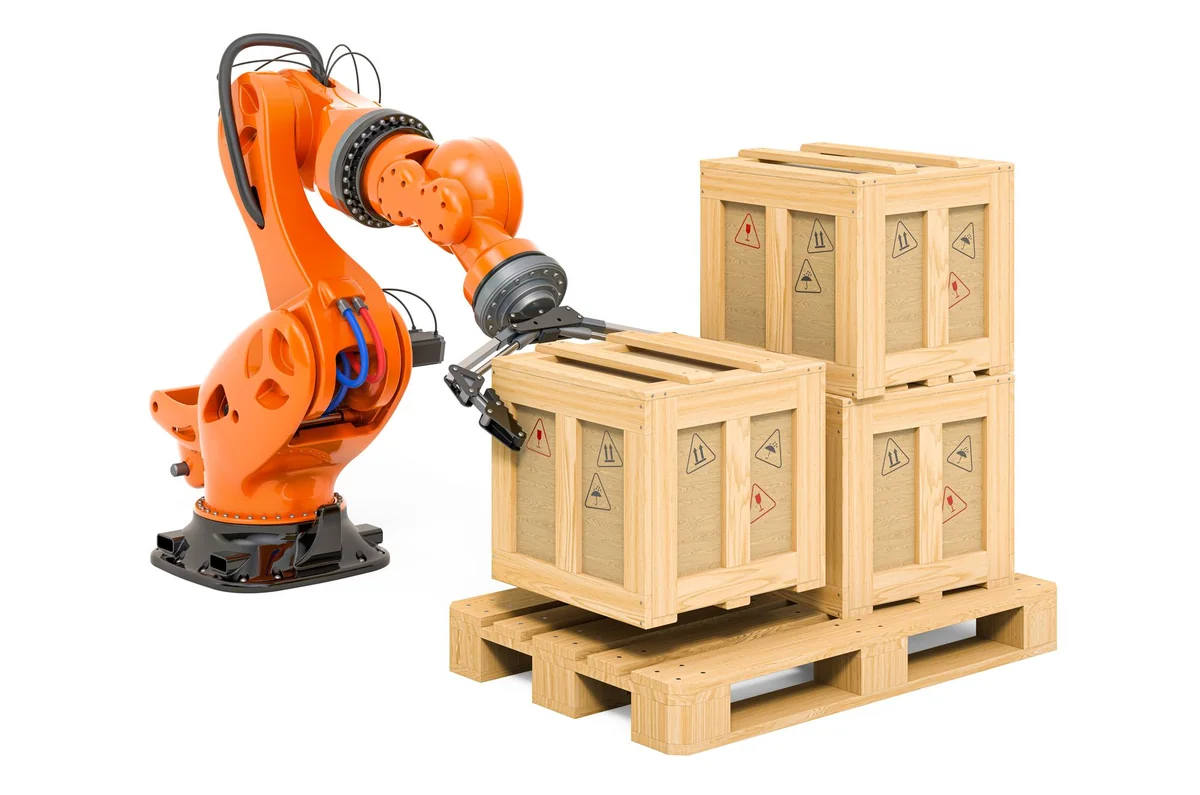
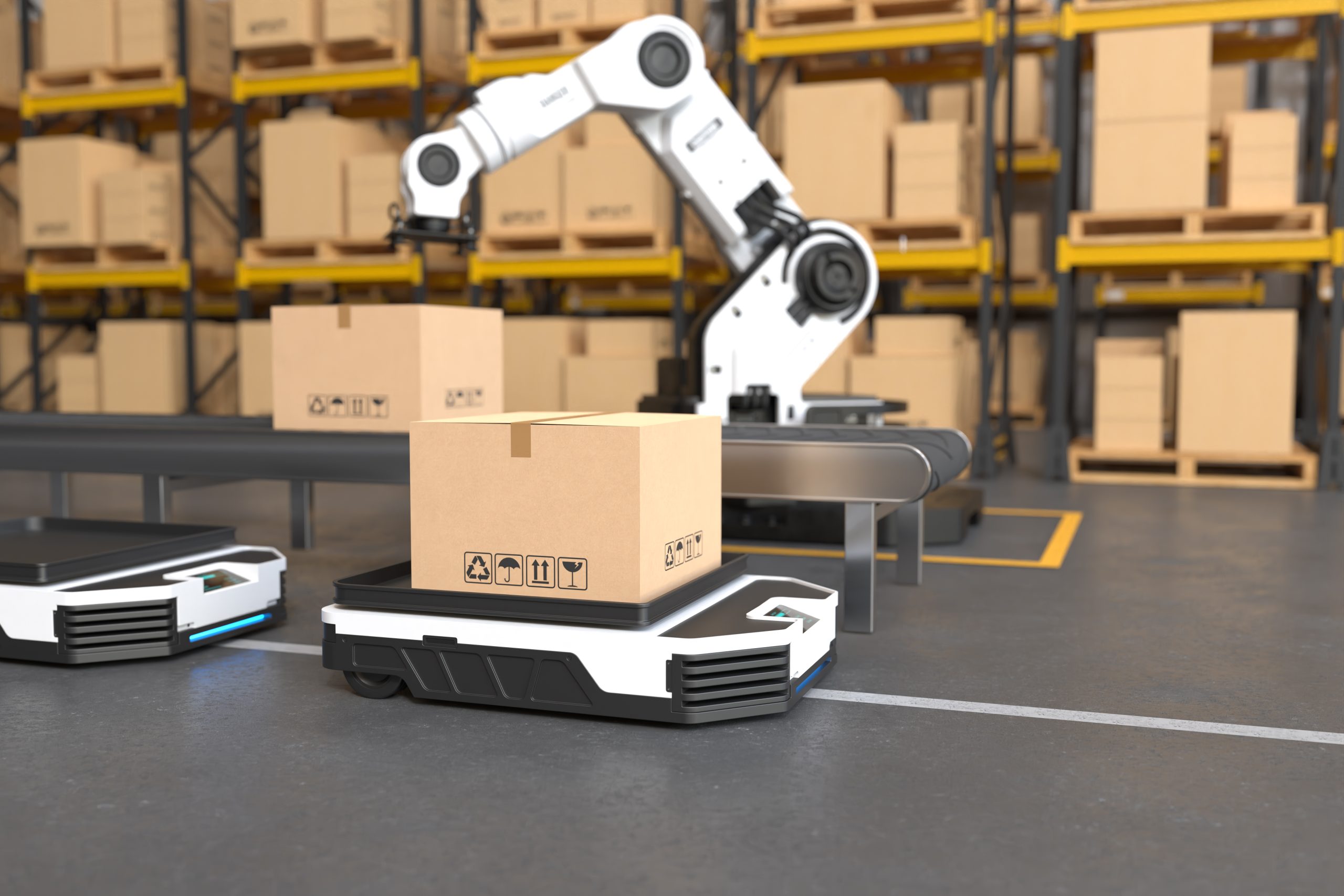
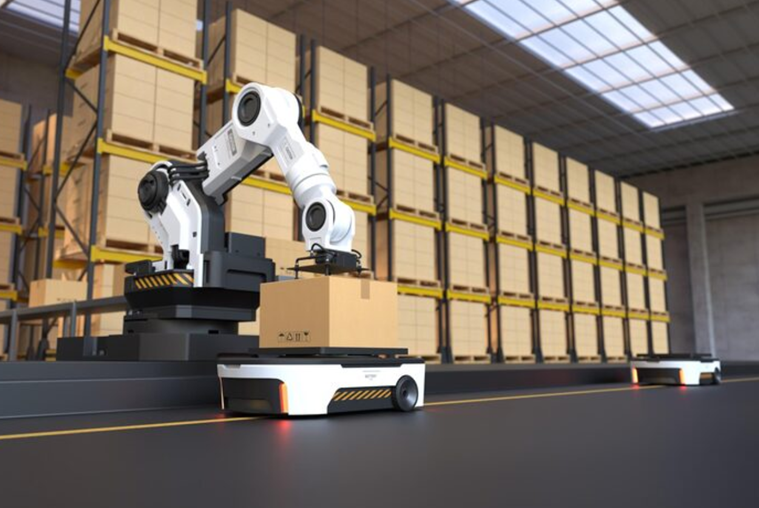
Here’s what actually happens. Products come down your existing conveyor line — let’s say boxes of cereal or bottles of shampoo — and they hit a staging area where the robot’s vision system (usually just a decent 2D camera, sometimes 3D if you’re fancy) identifies what’s coming. The robot’s got end-of-arm tooling — that’s the gripper part — that grabs cases either with vacuum suction or mechanical clamps. Depends on your product weight and surface texture.
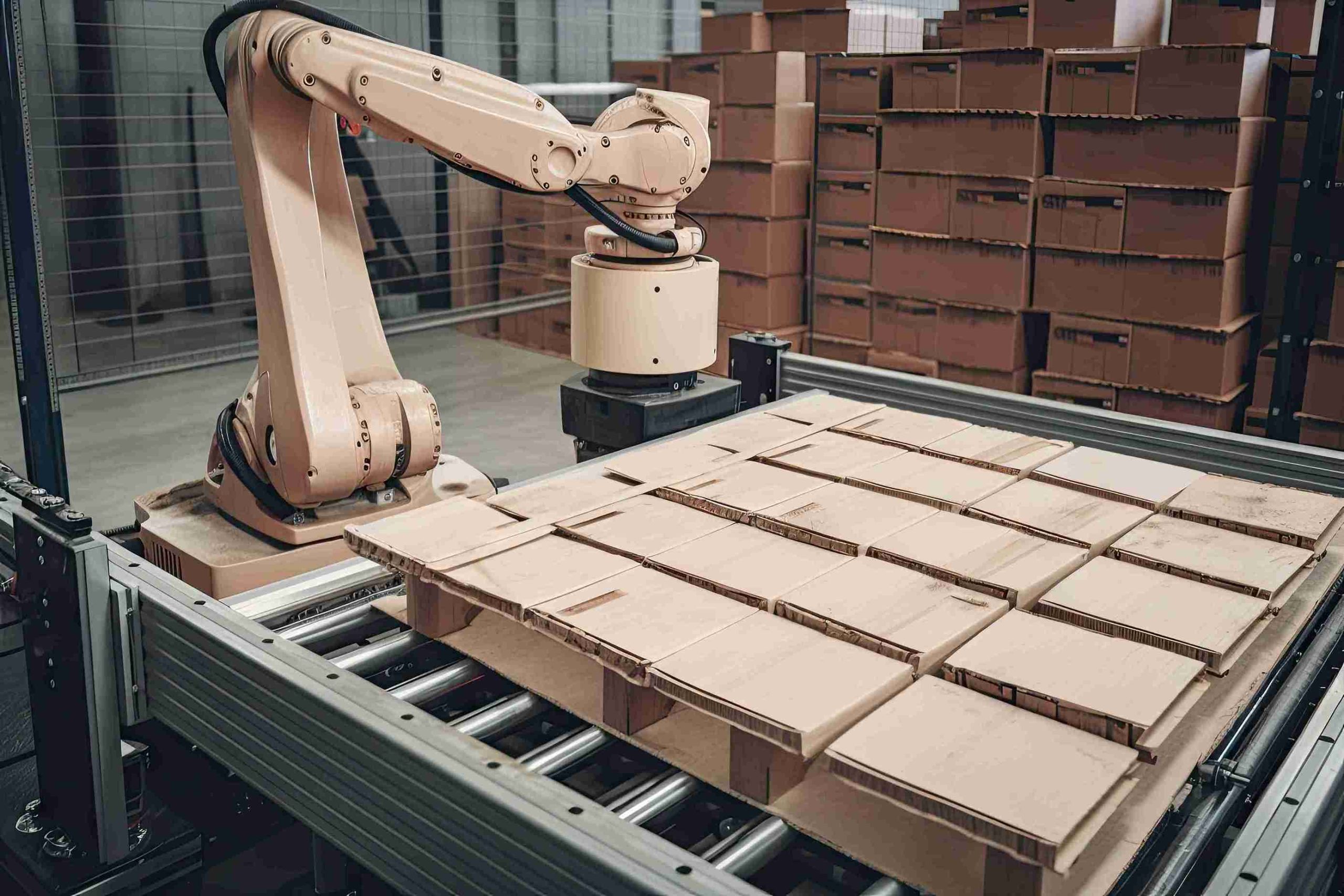
The robot then places each case onto a pallet in a pre-programmed pattern. Stacking logic matters more than you’d think here. A good system knows to put heavier cases on the bottom, rotate layers for stability, and account for pallet overhang (because shipping companies will reject pallets that stick out past the base).
Most small plants I’ve visited use collaborative robots — cobots — that don’t need safety cages. They slow down or stop when someone gets close. Not as fast as the caged industrial models, but you save maybe 15 square feet of floor space and a bunch of hassle with safety inspections.
The controller is basically a tablet interface now. Seriously. You tap patterns, adjust speeds, set case dimensions. My buddy who runs a small beverage operation taught his floor supervisor to reprogram their case palletizing robot in about two hours. No engineering degree required.
And here’s the part nobody mentions in the brochures — these things need surprisingly little infrastructure. You need power (obviously), compressed air if you’re running vacuum grippers, and enough ceiling clearance for the arm to extend fully. Dat is alles. I’ve seen them installed in facilities that are basically glorified warehouses with concrete floors and fluorescent lights.
The whole cycle time runs between 8-12 cases per minute for most small-scale systems. Not lightning fast, but consistent. Which is the whole point.
What You Need to Know Before Buying a Palletizing Robot for Your Facility
OK so here’s what nobody tells you until you’re already knee-deep in vendor meetings and your CFO is asking uncomfortable questions about ROI timelines.
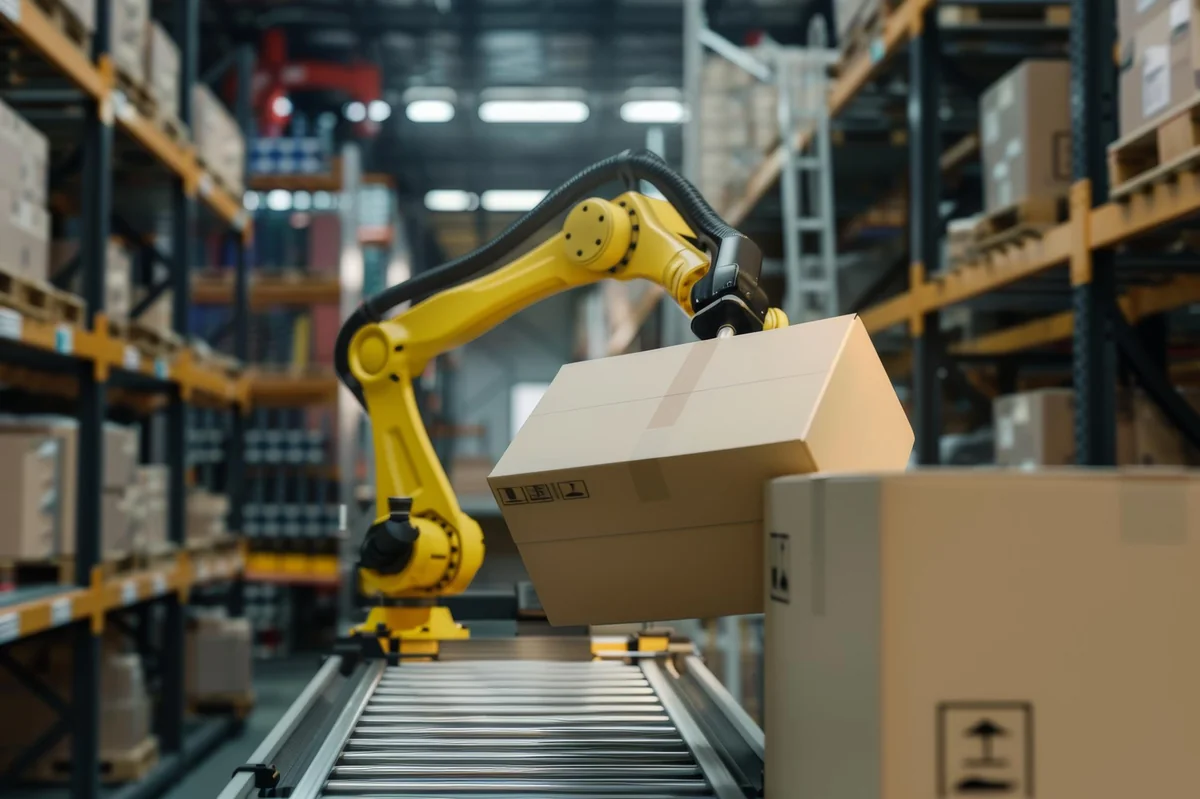
First thing: know your actual case throughput. Not what you think it is, not what it should be according to your production plan — what it actually is on your busiest shift. I watched a bakery operation almost buy a system rated for 15 cases per minute when their real peak demand was 22. Would’ve been a disaster. Measure for two weeks minimum, ideally a month, and include seasonal spikes if your industry has them.
Your floor space matters more than you’d expect. A case palletizing robot needs about 150-200 square feet minimum — and that’s just for the robot cell itself. You also need incoming conveyor space, empty pallet staging (ten minste 8-10 pallets stacked), and outbound pallet flow. I’ve seen facilities cram a system into tight corners and then wonder why their operators hate using it.
And budget for integration, not just the robot. The machine itself might run you $85K to $200K depending on specs, but integration (transportbanden, safety fencing, controls tie-in, installatie) can add another 40-60% to that number. Sometimes more if your existing line is ancient.
Here’s the thing about payload capacity — it’s not just about weight, it’s about geometry. A case palletizing robot rated for 30 pounds might struggle with an awkwardly shaped 22-pound case that has a weird center of gravity. Bring your actual cases to demos. Seriously. Vendors will use perfect square boxes in their showrooms, but your product probably comes in something shaped like a shoebox or worse.
Maintenance requirements vary wildly between brands. Some systems need daily checks, others run for weeks untouched. Ask about mean time between failures and what parts typically wear out first (usually gripper components or vacuum cups). Also ask who services it locally — a great robot with no nearby service techs is a liability, not an asset.
Real-World Costs: Budgeting for Case Palletizers When You’re Not a Fortune 500 Company
I talked to a packaging manager in Ohio last month who said his CFO nearly choked when he saw the first quote for a case palletizing robot. $85,000. For one machine.
Dus ja, let’s talk money — because this is where a lot of mid-sized companies bail out before they should. The sticker price is just the start, en eerlijk, it’s misleading. You’re not buying a forklift here. You’re buying a system that needs integration, programming, safety fencing, and probably some electrical work your facility wasn’t designed for.
Here’s what the real budget looks like for a typical mid-market installation:
| Kostencategorie | Low End | High End | Opmerkingen |
|---|---|---|---|
| Robot unit itself | $45,000 | $120,000 | Collaborative models cheaper than industrial |
| End effector/gripper | $3,000 | $15,000 | Custom grippers = higher cost |
| Safety fencing & sensoren | $5,000 | $25,000 | Cobots can skip some of this |
| Integratie & programming | $10,000 | $40,000 | Complex lines cost more |
| Installatie & electrical | $8,000 | $20,000 | Depends on your facility |
| Training | $2,000 | $8,000 | Don’t skip this |
And that’s before the ongoing stuff. Annual maintenance contracts run $4,000-$12,000 depending on runtime. Parts wear out — gripper pads every 6-18 maanden, sensors occasionally, pneumatic components if you’re running vacuum systems.
Maar wacht, there’s actually good news buried in here. Most companies see ROI in 18-24 months when they’re replacing one full-time palletizer position. Two positions? You’re looking at payback in under a year. The math works if you’re honest about your labor costs (benefits included) and downtime from injuries or callouts.
Leasing is a thing now, too — some vendors offer $1,500-$3,000/month arrangements that include maintenance. Makes the CFO happier because it’s OpEx instead of CapEx. Just read the contract carefully because some of those deals lock you into proprietary service agreements that get expensive year three.
Choosing Between Collaborative and Industrial Palletizing Robots for Limited Floor Space
So here’s the thing nobody tells you until you’re standing in your facility with a tape measure: collaboratieve robots (cobots) and industrial palletizers solve the same problem in completely different ways, and your floor space situation is gonna force your hand more than you think.
Cobots are the obvious choice when you’ve got maybe 8×8 feet to work with. Universal Robots’ UR10e with a basic gripper? You can squeeze that into a corner footprint smaller than most pallet jacks. They don’t need safety caging — that’s the whole point — so you’re not adding another 6 feet of perimeter fencing that eats up your aisle space. I watched a bakery in Wisconsin install one between their wrapper and their stretch wrapper with literally 18 inches of clearance on each side. Worked fine.
Maar (and this is a big but) cobots are slow. Like, frustratingly slow if you’re running more than 8-10 gevallen per minuut. They top out around 15 cases/min if you’re being generous, and that’s with lightweight product. The safety sensors that let them work without caging also force them to move like they’re underwater.
Industrial case palletizing robots need real estate. Periode. You’re looking at 15×15 feet minimum once you factor in the robot base, the pallet positions, infeed conveyor, and that mandatory safety fence. Some of the ABB models I’ve seen need 20×20 when you account for maintenance access. Dat is… a lot when you’re already playing Tetris with your production line.
Here’s the trade-off nobody wants to hear: industrial units will smoke a cobot on speed — 30-40 cases per minute all day long — but they’re bolted to the floor and you’re not moving them without a rigger and a forklift. Cobots you can theoretically relocate (though it’s not as plug-and-play as the sales brochures suggest).
One thing that actually helps: look up, not out. If you’ve got 14-foot ceilings, some vendors now offer vertical-stack pallet storage that feeds the robot from above. Cuts your footprint nearly in half. Costs more upfront but the space savings might be worth it if your lease is $18/sq ft.
Conclusie
Dus dit is wat er echt toe doet: a case palletizing robot will save you labor costs and probably your back, but it’s going to claim a chunk of real estate you might not have budgeted for. If you’re working with tight quarters, you need to have the footprint conversation before you fall in love with a spec sheet.
My advice? Walk your floor with a tape measure and be honest about what you can sacrifice. And if you’ve got ceiling height — seriously, use it.
The tech works. Just make sure you’ve got room for it to actually do its job.
Veelgestelde vragen
Q: How much does a case palletizing robot actually cost?
A: You’re looking at $80K–$250K depending on speed and payload. Entry-level cobots start around $75K but max out at maybe 8 cases per minute — fine for small ops, not enough for high-volume lines. If you need 20+ cases/min with full pallet handling, budget closer to $200K.
Q: Can a case palletizing robot handle different box sizes without reprogramming?
A: Most modern systems can — they use vision cameras to detect case dimensions on the fly. You’ll still need to teach it new pallet patterns if your SKU mix changes dramatically, but swapping between three or four standard box sizes? That’s usually automatic once it’s dialed in.
Q: How long does it take to install and get a case palletizing robot running?
A: Plan on 2–4 weeks from delivery to full production. The physical install might only take a few days, but commissioning, safety validation, and teaching it your pallet patterns eats up the rest. I’ve seen rushed installs go live in a week — they always regret it when something breaks at 2 ben.
Q: What kind of maintenance does a palletizing robot need?
A: Eerlijk gezegd, less than you’d think. Grease the joints every 2,000 uur, check gripper pads monthly, maybe replace a vacuum cup once a year if you’re running cardboard that sheds dust. Budget maybe 4–6 hours per quarter unless you’re beating the hell out of it with double shifts.
Q: Is a case palletizing robot worth it for a smaller operation running one shift?
A: Depends what “smaller” means to you. If you’re palletizing under 30 cases an hour, probably not — the ROI stretches past three years and you’re better off with a good hire. But if you’re doing 60+ cases/hour and struggling to keep people on the line, a cobot pays itself off in 18–24 months even on a single shift.
Q: Can I use the same robot for both case palletizing and depalletizing?
A: Ja, but it’s not plug-and-play. You need vision systems that can handle chaotic incoming stacks (boxes aren’t always perfectly aligned when they arrive), and the gripper setup might need to be more forgiving. Some vendors sell dual-mode systems specifically for this — expect to pay 15–20% more than a palletize-only unit.
Q: What happens when the case palletizing robot breaks down in the middle of a shift?
A: You either have a backup plan or you scramble. Most integrators offer 4-hour response SLAs if you pay for premium support (add $8K–$12K/year), but realistically you’re down for at least half a shift unless you’ve got someone in-house who knows the system. Keep critical spare parts on hand — a busted gripper pad shouldn’t kill your whole afternoon.