Waarom geautomatiseerde vorkheftrucks zinvol zijn voor middelgrote magazijnactiviteiten
Vorige maand heb ik drie uur besteed aan het kijken naar een ploeg in een 7000 vierkante meter groot distributiecentrum in Ohio, die handmatig pallets tussen ontvangst en opslag heen en weer verplaatste.. De verspilling was enorm – en niet alleen in de tijd, maar in de pure mentale overhead van het coördineren van wie waar naartoe gaat, wanneer, en met welke lading. En eerlijk? Dat is het verhaal bij de meeste middelgrote bedrijven.
Hier gaat het om geautomatiseerde vorkheftrucks in voorzieningen tussen 50,000 En 200,000 vierkante voet: ze lossen problemen op waarvan je niet wist dat je ze had. Tekorten aan arbeidskrachten? Zeker, iedereen kent die wel. Maar de echte overwinningen komen naar voren op plaatsen als consistente opslagsnelheden (niet meer “snelle man op maandag, langzame man op vrijdag” variantie), eliminatie daarvan 2 ben. knelpunten in de verschuiving en verandering, en – dit verraste mij – dramatische dalingen in productschade omdat de machines niet moe of afgeleid raken.
De ROI-wiskunde werkt nu echt.
Vijf jaar geleden, je moest verhuizen 200+ pallets dagelijks om de initiële kosten te rechtvaardigen. Vandaag? Systemen van bedrijven als Seegrid en Toyota beginnen zichzelf rond de maand terug te betalen 80-100 pallets per dag, Ervan uitgaande dat je twee ploegen draait. Ik heb faciliteiten zien break-even draaien 18-24 maanden, wat vreemd is, aangezien de meeste magazijnmanagers waarvan ik weet dat ze niets zullen aanraken met een terugverdientijd van meer dan drie jaar.
Maar laten we eerlijk zijn over wat “is logisch” betekent eigenlijk. Je hebt fatsoenlijke vloeromstandigheden nodig – dit zijn geen monstertrucks, ze werken het beste op glad beton. Uw stellingen moeten redelijk gestandaardiseerd zijn (als elke baai een unieke sneeuwvlok is, je gaat een fortuin uitgeven aan aangepaste programmering). En dat wil je waarschijnlijk tenminste 60% van uw bewegingen om voorspelbare patronen te volgen, want dat is waar automatisering schittert.
De goede plek? Operaties waarbij sprake is van repetitief horizontaal transport: het verplaatsen van goederen van ontvangst naar opslag, van opslag tot enscenering, dat soort dingen. Geen ingewikkelde pluk. Geen constante herconfiguratie. Gewoon het saaie, materiaal met een hoog volume dat menselijke operators uitbrandt en planningsproblemen veroorzaakt.
Hoe u het juiste geautomatiseerde vorkheftrucksysteem kiest voor de grootte van uw faciliteit
Deze fout heb ik gemaakt bij a 75,000 m² distributiecentrum in 2026 – we hebben een systeem gespecificeerd dat is gebouwd voor een faciliteit die drie keer zo groot is als wij. Overkill begint het niet eens te beschrijven. Laten we het dus hebben over het daadwerkelijk afstemmen van de technologie op uw ruimte, omdat de verkopers je zeker niet zullen vertellen wanneer je te veel koopt.
Onder 50,000 vierkante voet? Eerlijk gezegd, je kijkt waarschijnlijk naar een opstelling met één zone met misschien 2-4 geautomatiseerde heftrucks max. Nog meer dan dat en ze beginnen elkaar in de weg te lopen - stel je voor dat een stel Roomba's tegelijkertijd door je woonkamer proberen te navigeren. De wagenparkbeheersoftware is hier veel belangrijker dan het aantal eenheden. Je wilt iets dat krappe ruimtes kan choreograferen zonder constante files.
Middelgrote faciliteiten (50,000 naar 150,000 vierkante meter) zijn waar dingen interessant worden. Dit is het bereik waarin je zonegebaseerde systemen daadwerkelijk kunt rechtvaardigen; ontvangen heeft zijn eigen eenheden, opslag heeft zijn eigen, verzamelplaats krijgt speciale machines. Maar hier gaat het om: je hebt duidelijke paden tussen zones nodig, ideaal 12 voet breed minimaal. Ik heb gezien dat operaties geautomatiseerde vorkheftrucks in gangpaden van 2,5 meter probeerden te proppen… Ja. Eindigt niet goed.
De grote jongens – alles voorbij 150,000 vierkante meter – kan helemaal losgaan met volledige inzet van de vloot. We zijn aan het praten 10+ eenheden, coördinatie in meerdere zones, de hele negen meter. Maar zelfs dan, je hebt een keuze te maken:
- Gecentraliseerde controle – één brein dat alles bestuurt, beter voor gestandaardiseerde operaties
- Gedistribueerde intelligentie — elke geautomatiseerde vorkheftruck neemt binnen bepaalde parameters zijn eigen beslissingen (flexibeler, veel duurder om in eerste instantie te programmeren)
- Hybride aanpak — zones functioneren semi-onafhankelijk maar coördineren op overdrachtspunten
En kijk, plafondhoogte is belangrijker dan mensen denken. Je hebt minimaal nodig 16 meter vrije ruimte voor de meeste geautomatiseerde reachtrucks, soms 20+ afhankelijk van uw stellinghoogte. Ga er niet vanuit dat uw bestaande infrastructuur werkt; meet deze daadwerkelijk.
De echte vraag is dat niet “hoeveel kan ik passen” Maar “hoeveel repetitieve routes heb ik eigenlijk.” Begin daar. Tel je voorspelbare bewegingen. Pas dan de maat aan.
Geautomatiseerde vorkheftruckkostenanalyse: ROI-verwachtingen voor magazijnen in het middensegment
Ik heb vorige maand een CFO-presentatie bijgewoond waar de financiële man maar bleef zeggen “rechtvaardigen de capex.” Oké, laten we dat dan ook daadwerkelijk doen, want de cijfers op geautomatiseerde vorkheftrucks zijn niet zo eng als ze klinken, maar ze zijn ook niet voor elk magazijn een schot in de roos.
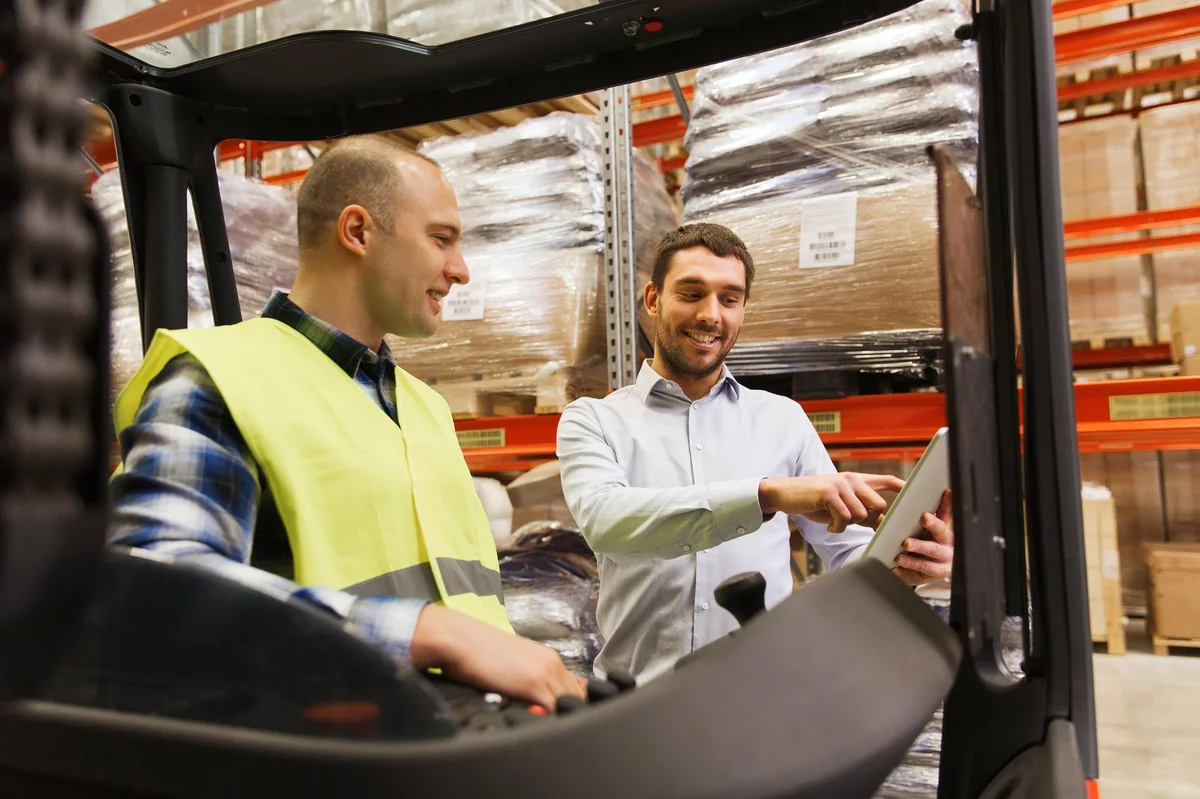
Dit is waar u naar kijkt voor een operatie in het middensegment (laten we zeggen 150,000-400,000 vierkante voet):
| Kostencomponent | Typisch bereik | Opmerkingen |
|---|---|---|
| Hardware per eenheid | $75K-$ 180K | Tegengewichteenheden zijn goedkoper; reachtrucks kosten meer |
| Infrastructuur (navigatie/opladen) | $40K-$120K | Eenmalig, afschrijven over de vloot |
| Software/integratie | $30K-$90K per jaar | Lopende licenties, niet eenmalig |
| Installatie/opleiding | $25K-$60K | Vooraf geladen kosten |
Een implementatie van drie eenheden kan u dus all-in €300.000 – €650.000,- opleveren voor het eerste jaar. Geen zakgeld.
Maar – en dit is van belang – u vervangt arbeid die jaarlijks €45.000 – €65.000 per operator kost als u de voordelen meeneemt, werknemers’ comp, omzet kosten (rekruteren is momenteel wreed). Een geautomatiseerde vorkheftruck draait minimaal twee ploegen, soms drie als je het opladen naar rechts spreidt.
De wiskunde die ik heb zien werken: als u consistent tweeploegendiensten uitvoert met routes met veel herhaling, je hebt de terugverdientijd bereikt 24-36 maanden. Soms sneller als je omzet waanzinnig is. Eén distributiecentrum dat ik bezocht in Ohio verving vier operators door twee geautomatiseerde eenheden en brak zelfs binnen 28 maanden – hun omzet was 140% jaarlijks vóór automatisering, dat is gewoon geld verspillen aan rekrutering.
Waar het lastig wordt, zijn werkzaamheden in één ploegendienst of zeer variabele workflows. Je betaalt feitelijk voor een tweede dienst die je niet gebruikt, en de ROI strekt zich uit tot 4-5 jaar. Nog steeds positief, zojuist… langzamer.
En eerlijk? Tel mee 10-15% van de jaarlijkse hardwarekosten voor onderhoud en software-updates. Deze dingen zijn niet onderhoudsvrij, ondanks wat het verkoopdek impliceert.
Integratievereisten: Wat uw magazijn nodig heeft voordat het geautomatiseerd wordt
Oké, dus dit is wat niemand je vertelt totdat je al een demogesprek voert: uw magazijn is waarschijnlijk nog niet klaar. Ik heb gezien hoe drie implementaties vertraging opliepen 4-6 maanden omdat het facilitaire team aannam dat hun beton dat wel was “goed genoeg” of dat hun WiFi het aankan. Nee.
Vloerkwaliteit is veel belangrijker dan je zou denken. Geautomatiseerde vorkheftrucks maken gebruik van lasernavigatie en traagheidssensoren – ze lezen voortdurend de grond – en als u scheuren heeft die breder zijn dan 6 mm of voegen die ongelijkmatig verzakken, je krijgt positioneringsfouten. Eén locatie die ik bezocht in Michigan moest slijpen en afdichten 40,000 vierkante meter voordat hun geautomatiseerde vorkheftruckvloot betrouwbaar kon functioneren. Het kostte hen $ 85.000 die ze niet hadden begroot.
Netwerkinfrastructuur is de andere grote. Deze units hebben constante communicatie nodig met uw magazijnbeheersysteem, en ze streamen sensorgegevens in realtime. Je hebt nodig:
- Redundante WiFi-dekking met nul dode zones – ik bedoel letterlijk nul, niet “grotendeels bedekt”
- Toegewijde bandbreedte voor automatiseringsverkeer (ten minste 10 Mbps per eenheid, sommige verkopers willen 25)
- Back-upconnectiviteit want als je netwerk wegvalt, uw gehele materiaalstroom stopt
- Lage latentie minder dan 50 ms voor realtime padaanpassingen
En eerlijk? Uw WMS moet API-vriendelijk zijn. Als u verouderde software gebruikt van 2008 die niet met externe systemen kunnen praten zonder aangepaste middleware – wat 30 tot 80.000 dollar kost om te ontwikkelen, trouwens: je kijkt naar een software-upgrade voordat je zelfs maar aan automatisering kunt denken.
Ook de fysieke ruimte heeft standaardisatie nodig. Geautomatiseerde eenheden hebben een hekel aan variabiliteit. De hoogte van uw racks moet consistent zijn 2 inch, uw gangpadbreedtes moeten constant blijven, en je kunt geen willekeurige obstakels hebben die rondbewegen (naar jou kijkend, facilitaire teams die onderhoudskarren waar dan ook parkeren). Eén distributiecentrum moest zijn laadstations verplaatsen en de vloermarkeringen opnieuw schilderen omdat de oorspronkelijke indeling te veel uitzonderingen kende.
Maar dit is wat mij verraste: verlichting is belangrijk. Sommige op visie gebaseerde systemen hebben moeite met extreem contrast of schaduwen van dakramen. Geen dealbreaker, zojuist… nog iets dat u moet controleren voordat u zich vastlegt.
Conclusie
Dus kijk: de geautomatiseerde vorkheftruck zelf is slechts de helft van het verhaal. Misschien zelfs minder dan de helft. Het echte werk gebeurt voordat de eenheid ooit verschijnt: het repareren van uw WMS, standaardiseren van uw racks, omgaan met dat rare verlichtingsprobleem waarvan je niet wist dat je het had. Ik heb bedrijven zes maanden zien besteden aan de voorbereiding van een systeem dat drie weken in beslag nam om te installeren.
Als uw instelling dat nog heeft “karakter” - ongelijke gangpaden, rekken op zeven verschillende hoogtes, software bij elkaar gehouden met ducttape en gebeden – pauze. Zorg eerst dat je huis op orde is. De robots zullen wachten.
En wanneer u er klaar voor bent? Begin kleiner dan je denkt dat nodig is. Eén zone. Eén dienst. Bewijs dat het werkt, dan schaal. Dat is hoe de succesvolle implementaties daadwerkelijk plaatsvinden.
Veelgestelde vragen
Q: Hoeveel kost een geautomatiseerde heftruck eigenlijk?
A: Je kijkt naar $75K-$250K per eenheid, afhankelijk van het hefvermogen en de navigatietechnologie - LiDAR-systemen kosten meer dan magnetische bandgeleiding. Maar dit is iets wat niemand vooraf vermeldt: Voorbereiding van de infrastructuur voegt vaak nog eens €50.000 – €100.000 per implementatiezone toe. Budget voor het hele ecosysteem, niet alleen de machine.
Q: Kunnen geautomatiseerde vorkheftrucks naast menselijke operators werken??
A: Dat kunnen ze, maar het vereist goede verkeersmanagementsystemen en duidelijke vloermarkeringen. De meeste faciliteiten draaien ze in speciale zones of in aparte ploegen om te voorkomen dat de ongemakkelijke dans van robots stopt telkens wanneer iemand in de buurt loopt. De aanpak met gemengd wagenpark werkt het beste als u beschikt over afzonderlijke rijstroken met groot volume die de geautomatiseerde vorkheftruck volledig kan gebruiken.
Q: Wat is de realistische terugverdientijd voor automatisering?
A: De meeste bedrijven behalen een ROI ergens tussenin 18-36 maanden als ze twee of drie ploegen draaien. Eenploegendiensten? Je kijkt waarschijnlijk naar 4-5 jaar, Daarom blijven veel kleinere magazijnen nog steeds bij mensen. De wiskunde werkt alleen als je het gebruik maximaliseert: een inactieve robot is slechts een dure sculptuur.
Q: Moet ik mijn magazijnindeling volledig opnieuw ontwerpen??
A: Niet helemaal, maar je zult waarschijnlijk dingen moeten standaardiseren. Geautomatiseerde vorkheftrucks hebben een hekel aan variabiliteit: verschillende stellinghoogtes, smalle bochten, willekeurige obstakels. Ik heb gezien dat faciliteiten drie maanden bezig waren met het verbreden van de gangpaden en het repareren van oneffen beton voordat de eerste unit arriveerde. Als uw huidige lay-out dat heeft “karakter,” verwacht wat renovatiewerkzaamheden.
Q: Hoe vaak gaan geautomatiseerde vorkheftrucks kapot in vergelijking met traditionele vorkheftrucks?
A: Mechanisch? Ze zijn eigenlijk behoorlijk betrouwbaar: minder storingen dan door mensen bediende eenheden, omdat ze niet worden misbruikt. De fouten zijn meestal softwareproblemen of sensorproblemen (een vuile cameralens kan een hele dienst stilleggen). Plan een driemaandelijkse sensorkalibratie en houd reserveonderdelen ter plaatse, vooral voor de navigatiecomponenten.
Q: Wat gebeurt er als de wifi uitvalt?
A: De meeste moderne systemen hebben een zekere mate van autonome werking: ze voltooien hun huidige taak en parkeren zichzelf vervolgens veilig. Maar ja, langdurige uitval stopt feitelijk alles. Dit is de reden waarom netwerkredundantie niet optioneel is, het maakt deel uit van de kerninfrastructuur. Sommige bedrijven exploiteren speciale 5G-netwerken alleen voor hun geautomatiseerde vloot.
Q: Kan een geautomatiseerde vorkheftruck niet-standaard pallets of vreemde ladingen verwerken??
A: Eerlijk gezegd? Niet goed. Ze zijn gebouwd voor consistentie – standaard 48×40 pallets, voorspelbare gewichten, uniforme verpakking. Gooi een beschadigde pallet of een niet-gecentreerde lading naar één en deze zal deze afwijzen of om menselijke hulp vragen. Indien meer dan 15-20% van uw ladingen is onregelmatig, automatisering wordt snel frustrerend.