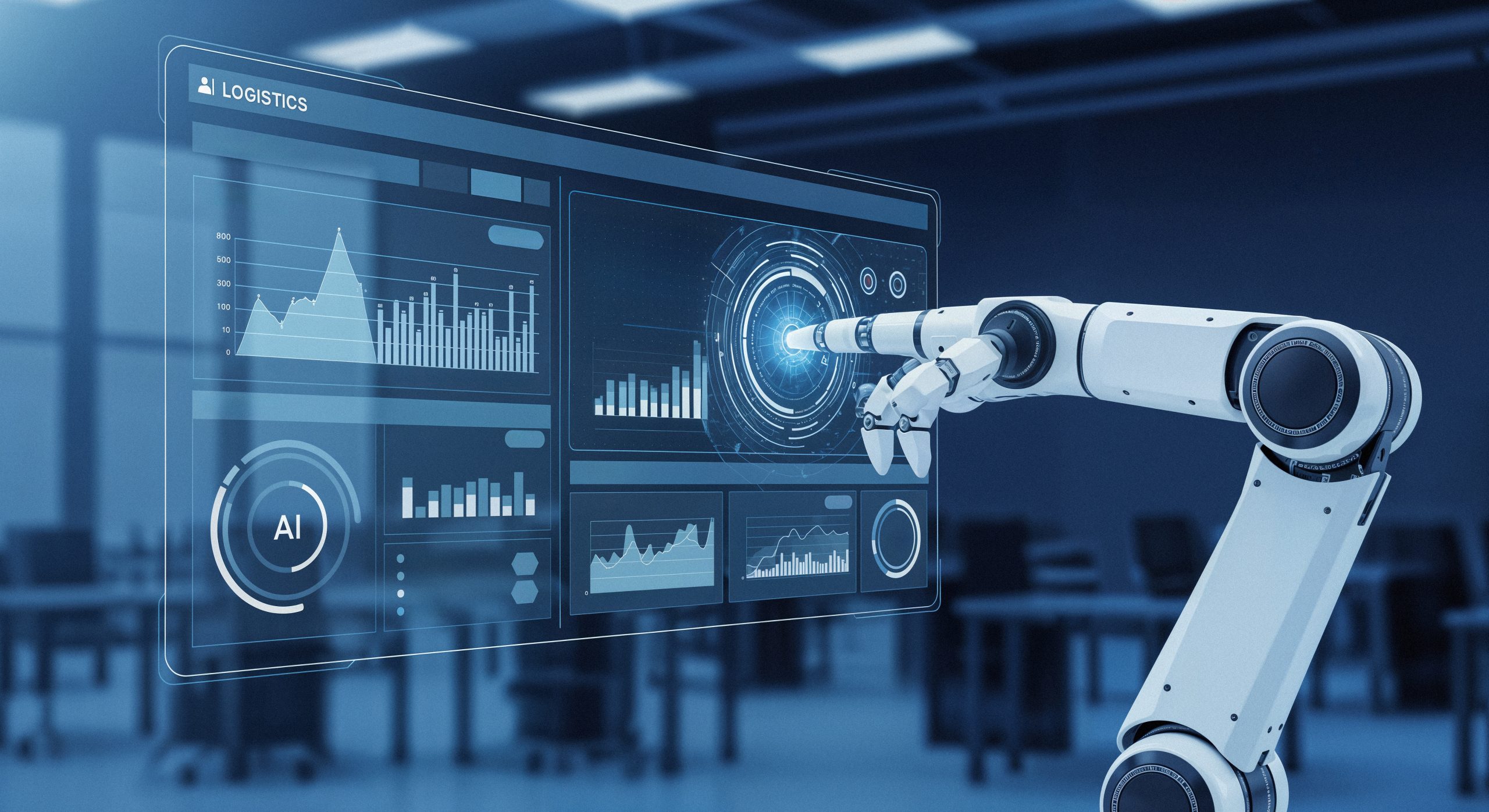
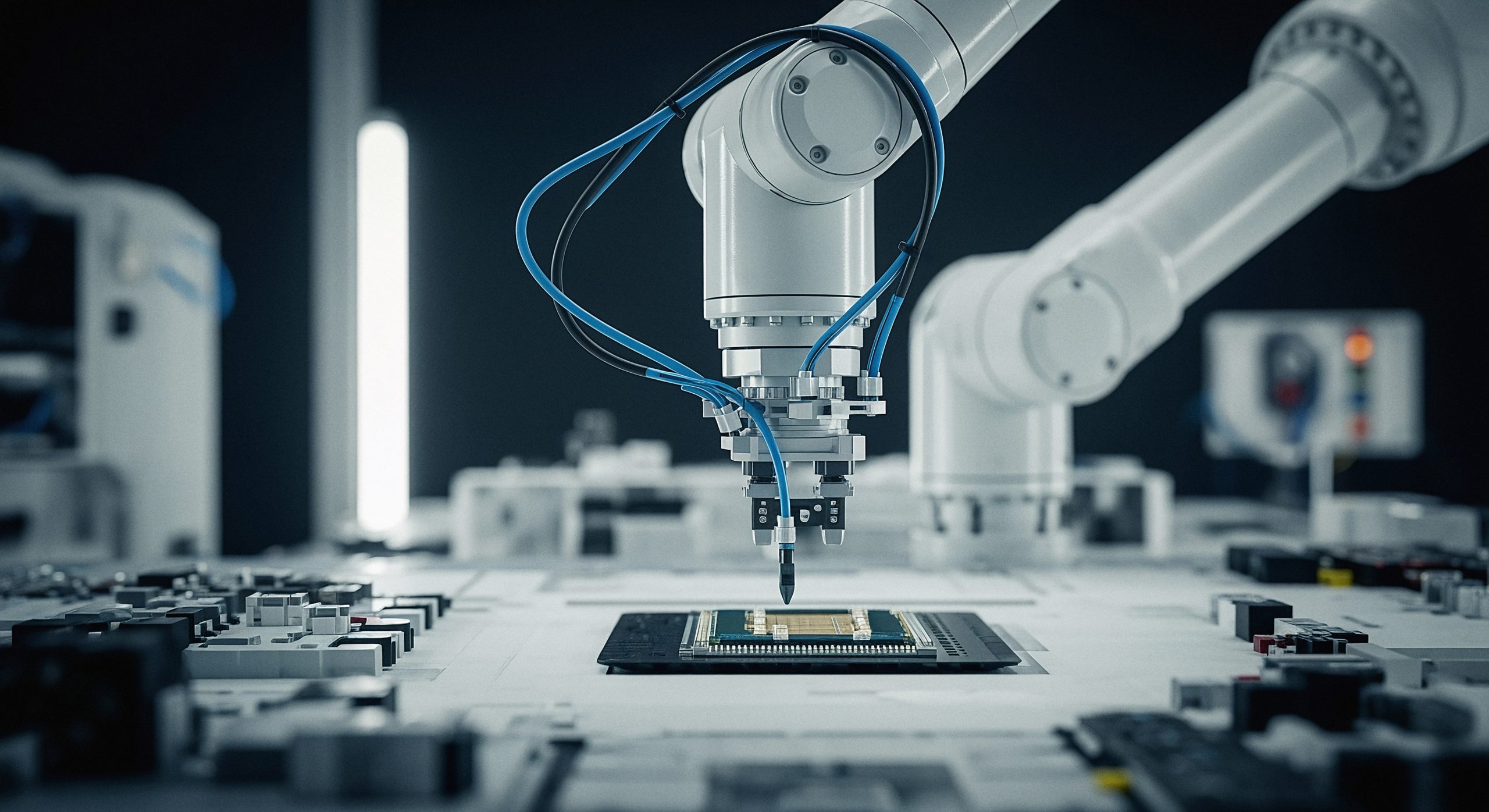
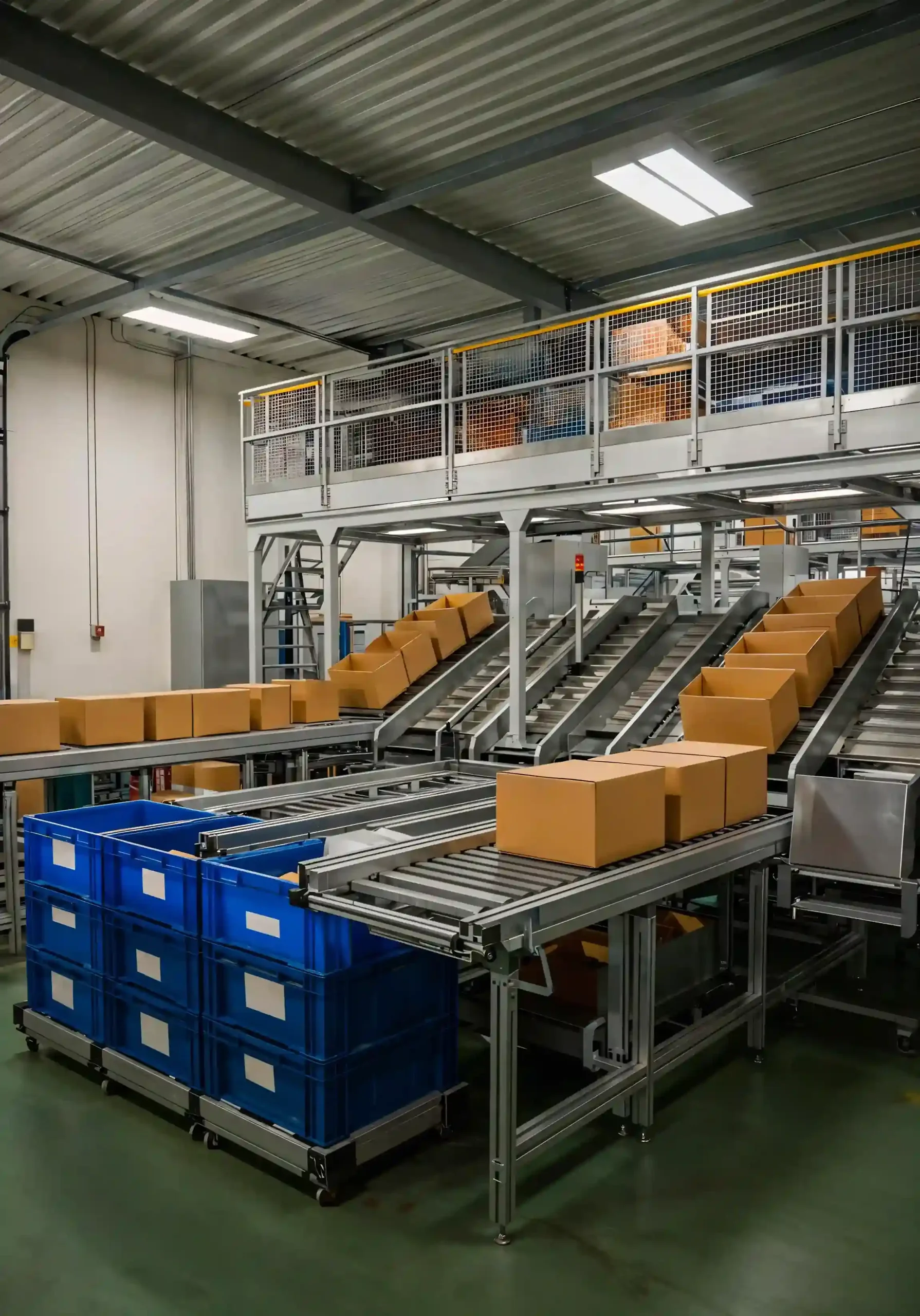
Hoe u slimme verpakkingsapparatuur kunt groothandel: Hele lijn vs. Aankoop van enkele machines

In modern manufacturing, factories are changing faster than ever before. One of the biggest reasons is the rise of Smart Packaging Equipment, which helps companies automate packaging, sorting, and palletizing with much less human effort. But here is the real question many buyers face today: should you invest in a full production line or just start with a single machine?

This decision is not always easy, especially when budgets are limited and production needs keep growing. If you are working in food production, farmaceutische producten, or hardware manufacturing, this choice can directly affect your long-term efficiency and cost. That is why understanding how Smart Packaging Equipment works as a system is so important before making any purchase decision.

So let’s break it down in a simple and practical way, starting from the basics and slowly moving toward real factory decisions. Tegen het einde, you will clearly understand which approach fits your business better and how OEM and ODM factories like OK support global buyers.

What is Smart Packaging Equipment and Why It Matters in Modern Manufacturing

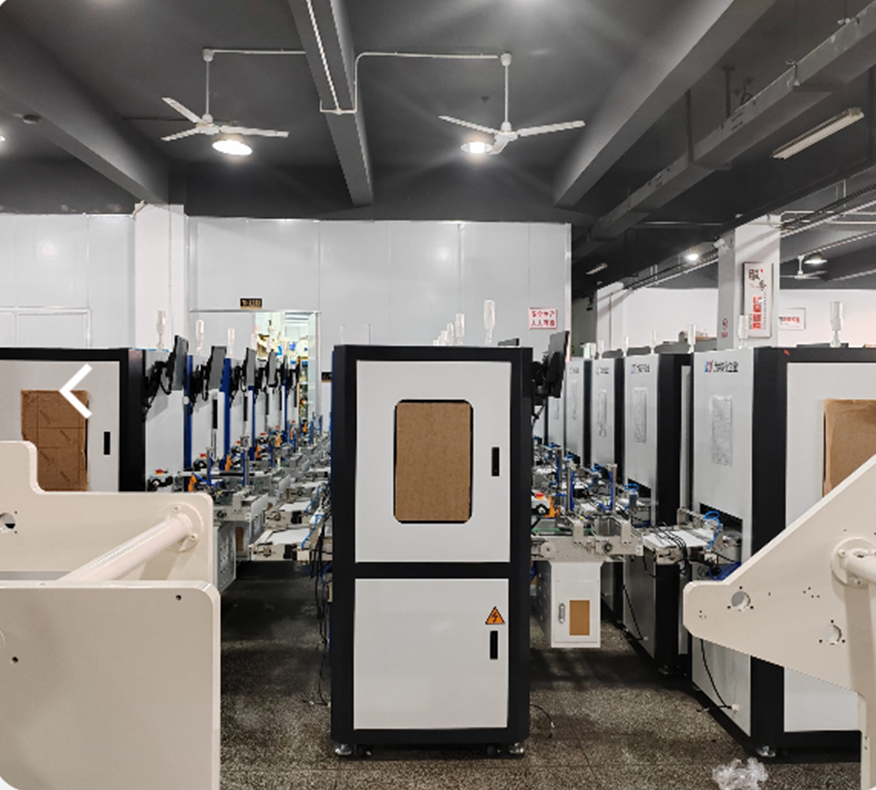
When people hear the term Smart Packaging Equipment, they often think of a single machine that packs or stacks products. In werkelijkheid, it is a complete automation concept. It includes multiple machines working together, such as conveyors, palletizing robots, inspection systems, and control software.

Factories today use Smart Packaging Equipment because manual packaging is no longer efficient enough. Labor costs are rising, and customers expect faster delivery with fewer mistakes. This is especially true in industries like food production and medicine, where precision and hygiene matter a lot.

Another reason this system is becoming popular is because of global competition. Companies that adopt Smart Packaging Equipment can produce faster and reduce waste, which gives them a strong advantage in the market. But here is where things get interesting: not all systems are built the same, and not all factories need the same setup.

So how do you know what to choose? Let’s look deeper.
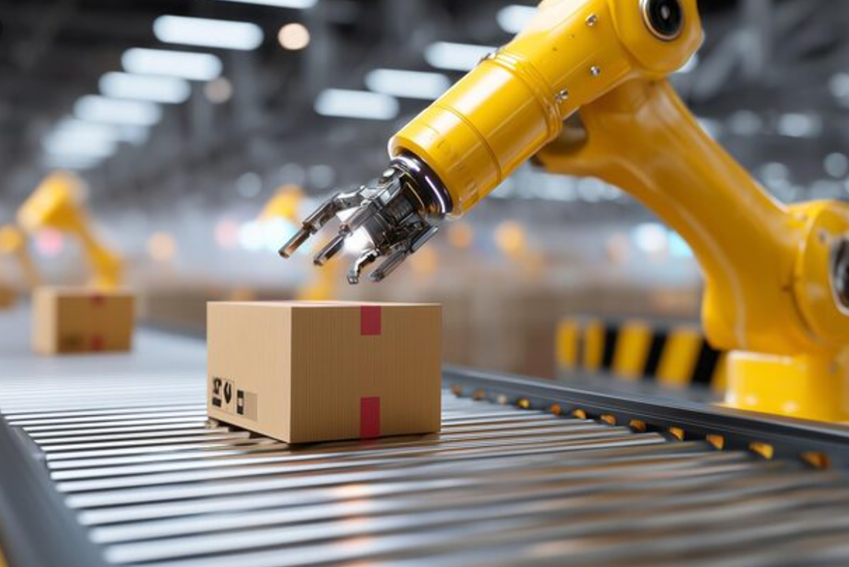
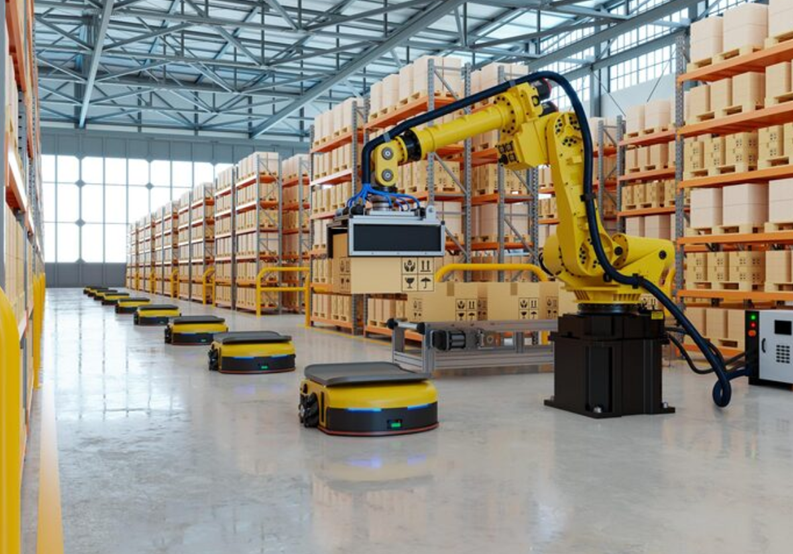
Slimme verpakkingsapparatuur

Key Components Inside Smart Packaging Equipment

A full Smart Packaging Equipment system is not just one machine. It is a combination of several key parts working together smoothly.

Eerst, you have feeding and conveyor systems that move products between stations. Then comes the packaging machine that wraps or boxes products. After that, palletizing robots stack finished goods efficiently. Finally, inspection systems make sure everything meets quality standards before shipping.

Bijvoorbeeld, in a food production line, a food palletizing robot wholesale factory solution is often used to handle large volumes quickly and safely. In tegenstelling, pharmaceutical companies rely more on precision systems, such as a medicine palletizing robot wholesale factory setup to avoid any contamination or errors.

Each part plays a role, and when they are connected properly, the entire Smart Packaging Equipment system becomes much more powerful than individual machines working alone.

Smart Packaging Equipment Whole Line vs Single Machine Procurement Explained

Now we come to one of the most important decisions in automation: should you buy a full production line or just a single machine?

A full Smart Packaging Equipment line means all machines are designed to work together from the start. A single machine approach means you buy equipment step by step and connect them later.

In eerste instantie, single machines may look cheaper and more flexible. But when you zoom out and think long term, het verhaal verandert. Many factories realize that integrating different machines later can actually become more expensive and time-consuming.

That is why understanding Smart Packaging Equipment as a complete system is critical before making investment decisions.

Advantages of Whole Line Systems

When you choose a full system of Smart Packaging Equipment, everything is designed to work together from day one. This reduces technical problems and improves production speed.

One major advantage is efficiency. Products move smoothly from one stage to another without delays. Another benefit is lower long-term cost, because you do not need to constantly adjust or upgrade separate machines.

Factories using integrated Smart Packaging Equipment also experience fewer breakdowns because the system is optimized as a whole. This is especially important in large operations where even small delays can lead to big losses.

Limitations of Single Machine Procurement

Anderzijds, buying single machines gives you flexibility at the start. You can slowly build your system over time. Echter, this often leads to hidden problems.

The biggest issue is integration. Different machines may not communicate properly, which creates inefficiencies. Na verloop van tijd, factories end up spending more money trying to fix compatibility problems between different parts of their Smart Packaging Equipment setup.

This is a common mistake many buyers make when they first enter automation.

How Palletizing Robots Fit Into Smart Packaging Equipment Systems

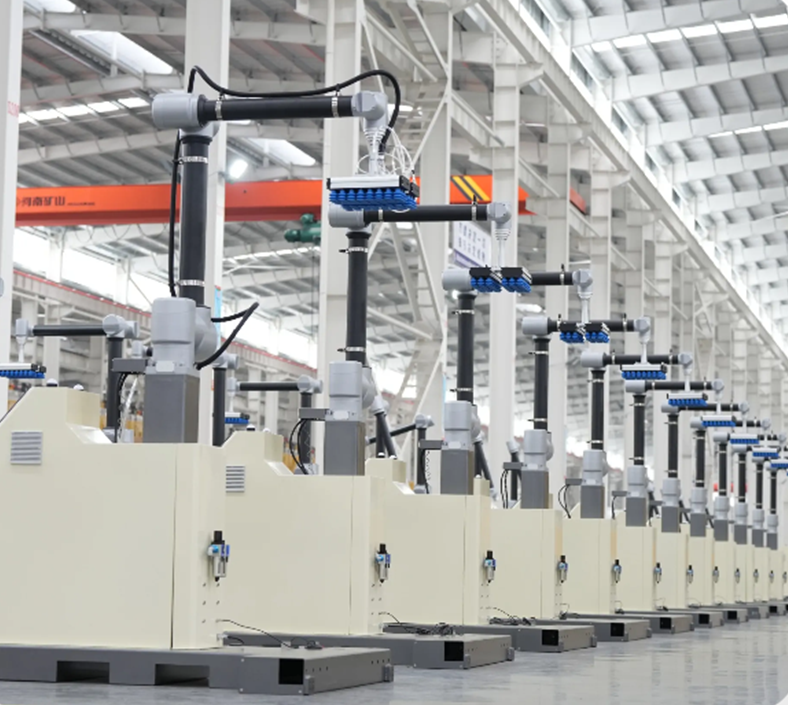
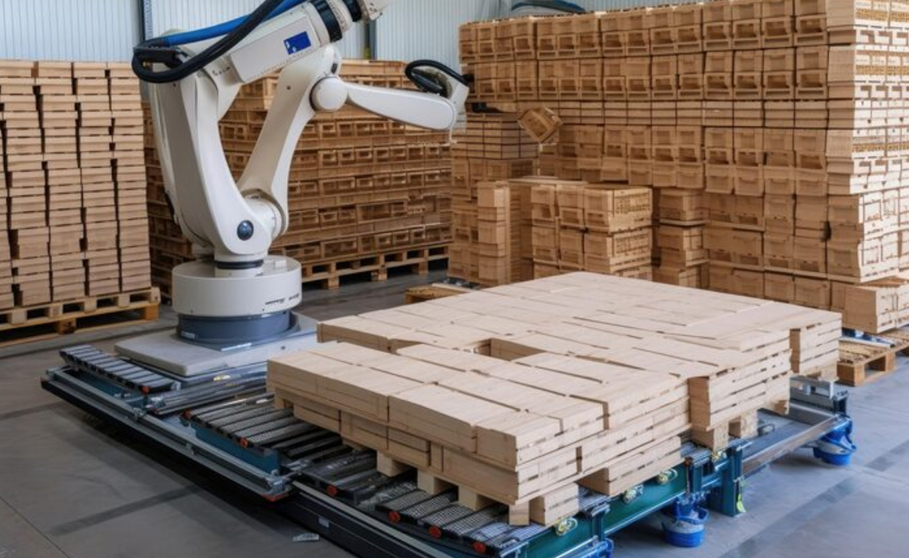
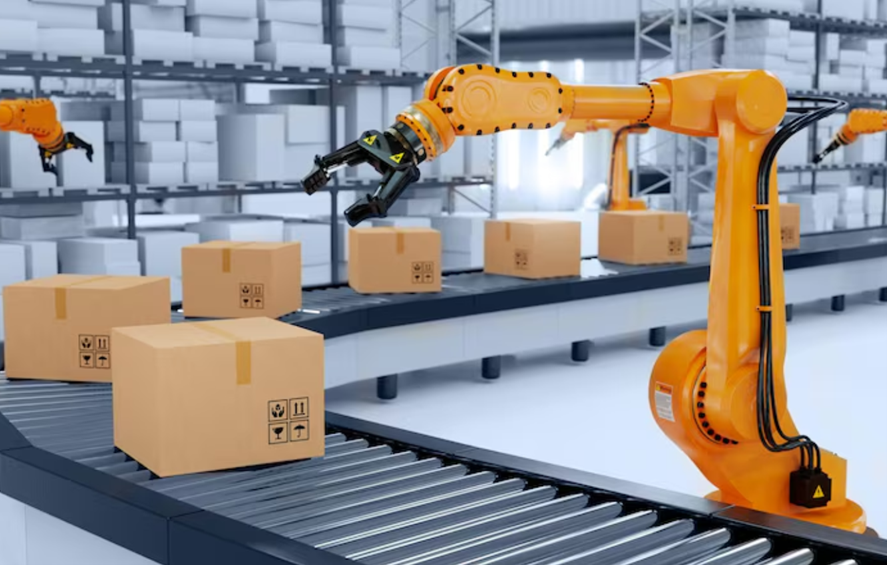
One of the most important parts of modern automation is the palletizing robot. These machines are responsible for stacking products neatly and quickly after packaging.

In a complete Smart Packaging Equipment system, palletizing robots act as the final stage before storage or shipping. Without them, factories would still rely heavily on manual labor.

Different industries use different types of robots depending on their needs. Bijvoorbeeld, a food palletizing robot wholesale factory solution is designed for speed and hygiene. A medicine palletizing robot wholesale factory system focuses more on precision and safety standards. In de tussentijd, a wholesale hardware palletizing robot is built for heavy-duty industrial loads.

When these robots are integrated into Smart Packaging Equipment, the entire production line becomes faster and more reliable.

Food Palletizing Robot Wholesale Factory Solutions

In food manufacturing, speed and cleanliness are everything. These robots ensure that packaged food is stacked quickly without human contact, reducing contamination risks.

Medicine Palletizing Robot Wholesale Factory Solutions

In pharmaceutical production, even the smallest mistake can cause serious issues. These robots focus on accuracy and controlled environments to meet strict industry standards.

Wholesale Hardware Palletizing Robot Applications

In the hardware industry, strength matters more than anything. These robots handle heavy boxes, metal parts, and industrial goods without slowing down production.
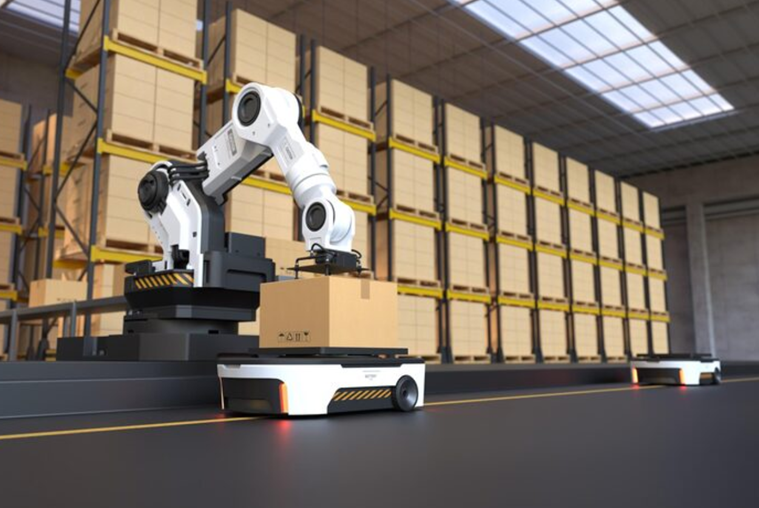
Slimme verpakkingsapparatuur

Why Automatic Metal Inspection Equipment is Essential in Smart Packaging Equipment Lines

A complete Smart Packaging Equipment system is not only about packaging and stacking. Quality control is equally important.

This is where automatic inspection systems come in. They check products for defects, missing parts, or damage before they are shipped. Without this step, factories risk sending faulty goods to customers, which can damage their reputation.

Inspection systems are especially important in industries dealing with metal products, where precision is critical. That is why automatic metal inspection equipment is becoming a standard part of modern production lines.

Inline Inspection vs Post-Production Inspection

There are two main approaches to inspection. Inline inspection checks products during production, while post-production inspection checks them at the end.

Inline systems are more efficient because they catch problems early. This makes the entire Smart

Packaging Equipment process smoother and reduces waste.

The Advantage of OEM and ODM Manufacturing in Smart Packaging Equipment from China

China has become one of the global leaders in industrial automation, especially in OEM and ODM manufacturing. Companies like OK offer customized Smart Packaging Equipment solutions for different industries around the world.

One of the biggest advantages is cost. Buying directly from a wholesale factory reduces overall investment while maintaining quality. This is why many global buyers choose Chinese suppliers for Smart Packaging Equipment systems.

Cost Benefits of Wholesale Factory Procurement

Working with a factory allows buyers to get better pricing and bulk customization options. This is especially useful for large-scale automation projects.

Customization Flexibility in Smart Packaging Equipment

Every factory is different. That is why OEM and ODM services are so important. They allow Smart Packaging Equipment systems to be adjusted based on production size, product type, and factory layout.

Common Mistakes Buyers Make When Buying Smart Packaging Equipment

Even though automation is growing fast, many buyers still make simple mistakes when investing in Smart Packaging Equipment.

One common mistake is buying machines separately without thinking about integration. Another is choosing the cheapest option instead of focusing on long-term performance. Some buyers also underestimate how important system compatibility is.

These mistakes often lead to higher costs later, especially when factories try to scale up production.

Conclusie

Choosing between a whole production line and a single machine is not just a technical decision. It is a long-term business strategy. A complete Smart Packaging Equipment system offers better efficiency and stability, while single machines provide short-term flexibility.

Echter, as production demands grow, most factories eventually move toward integrated systems. That is why planning ahead is so important.

En oké, we specialize in designing customized Smart Packaging Equipment solutions for global industries, including food, geneesmiddel, hardware, and metal inspection systems. Whether you are looking for a full production line or a single automation upgrade, our team can help you build the right solution for your factory.

If you are ready to explore a smarter way to upgrade your production line or want a tailored quotation, feel free to reach out to us. Let’s build a system that works for your business, not against it.

Veelgestelde vragen

What is Smart Packaging Equipment?

It is an automated system that combines machines like conveyors, packaging units, palletizing robots, and inspection systems to streamline production and reduce manual labor.

Should I choose a full line or single machine?

A full line offers better efficiency and long-term savings, while single machines are suitable for smaller or gradual upgrades.

Can OK customize solutions?

Ja, OK provides OEM and ODM Smart Packaging Equipment solutions tailored to food, geneesmiddel, hardware, and industrial needs.
Hoe u weet of uw fabriek een palletiseerrobot nodig heeft

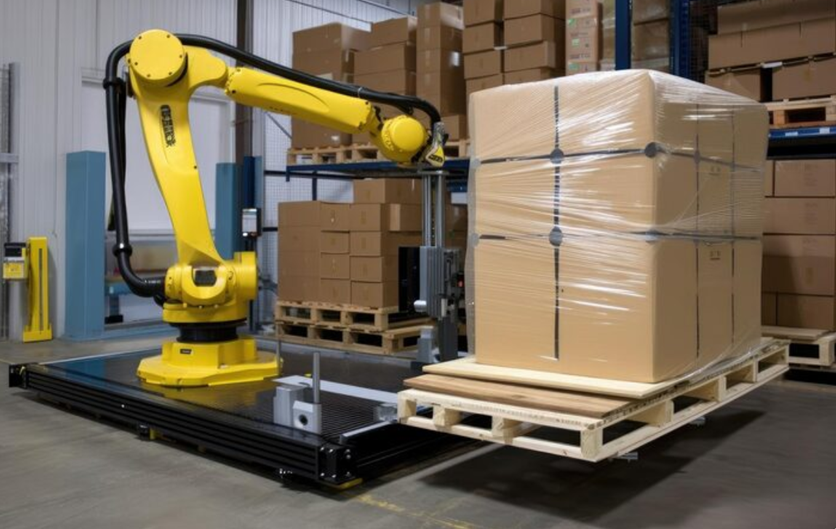
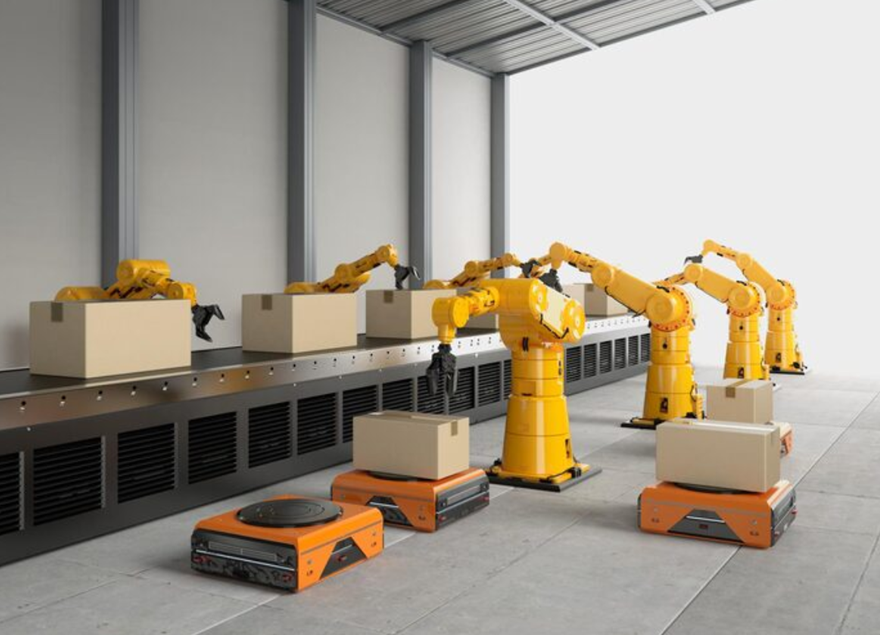
In modern manufacturing, speed and consistency are no longer optional. Factories are under constant pressure to deliver more products in less time while keeping costs under control. This is where the idea of a Palletiseerrobot becomes important. Many production managers first hear about a Palletizing Robot when they start facing issues like labor shortages, slow packing lines, or inconsistent stacking quality. But the real question is not just what it is, but when it becomes necessary.

A Palletizing Robot is part of a larger shift toward automation in factories. Instead of workers manually stacking boxes, tassen, or cartons onto pallets, machines now handle this repetitive and physically demanding task. This change is not just about replacing labor. It is about improving accuracy, reducing injuries, and increasing overall productivity through an automated palletizing system.

So how do you know if your factory is ready for this kind of upgrade? And what should you consider before making the investment? Let’s break it down step by step so you can clearly understand whether a Palletizing Robot is the right move for your operation.

Palletiseerrobot

What Is a Palletizing Robot and How Does a Palletizing Robot Work?

To understand whether your factory needs a Palletizing Robot, you first need to understand what it actually is. In simple terms, a Palletizing Robot is an industrial machine designed to automatically stack products onto pallets in a structured and efficient way. It is a key part of an automated palletizing system used in modern production lines.

In plaats van te vertrouwen op handarbeid, the robot uses programmed movement patterns to pick up products and place them in precise positions. This ensures stability, snelheid, and consistency in every pallet built.

How an Automated System Operates

An automated palletizing system usually includes conveyors, robotic arms, sensoren, and control software. Products move along a production line and are grouped before being picked up by the Palletizing Robot. The robot then places them according to a predefined stacking pattern.

This process may look simple, but it solves several problems at once. It reduces human error, improves speed, and ensures every pallet is built the same way. That consistency is especially important for storage and transportation.

Why It Matters for Modern Factories

When factories scale up production, manual stacking becomes a bottleneck. A Palletizing Robot removes that limitation by working continuously without fatigue. This is why many industries are shifting toward automation as a long-term strategy rather than a short-term fix.

But how do you know if your factory is actually ready for it? That is where real operational signs begin to matter.

When Does a Factory Actually Need a Palletizing Robot?

Not every factory needs a Palletizing Robot on day one. Echter, there are clear signs that show when manual processes are no longer efficient.

One of the first indicators is rising labor costs. When you notice that a large portion of your operating budget goes into repetitive manual stacking work, it may be time to consider automation. Another common sign is inconsistent output. If pallets are uneven or products are damaged during stacking, efficiency is already being lost.

Production Bottlenecks and Safety Concerns

A Palletizing Robot often becomes necessary when production lines start slowing down at the end stage. Even if upstream processes are fast, manual palletizing can reduce total output. This creates a bottleneck that limits overall factory performance.

Worker safety is another major factor. Repetitive lifting and stacking can lead to injuries over time. An automated solution removes this physical strain completely, allowing workers to focus on higher-value tasks.

Growth Pressure and Scaling Challenges

Factories that are expanding production often struggle to maintain speed with manual systems. If demand is increasing but your team cannot keep up, a Palletizing Robot can help bridge that gap without continuously hiring more workers.

So once these warning signs appear, the next question becomes: where exactly is this technology used most effectively?

Palletizing Robot Applications Across Different Industries

The use of a Palletizing Robot is not limited to one type of factory. In werkelijkheid, its flexibility is one of its biggest strengths. Understanding palletizing robot applications helps you see how widely this technology is already being used.

In the food and beverage industry, these robots handle boxes, bottled products, and packaged goods with precision. They ensure hygiene and reduce contamination risks. In chemical factories, they manage heavy bags, drums, and containers that are difficult and unsafe for manual handling.

Expanding Use Across Manufacturing Sectors

In building materials, a Palletizing Robot is often used for cement bags, bricks, and other heavy items. In logistics and e-commerce, it speeds up sorting and shipping processes. Even in pharmaceutical production, where accuracy is critical, automation ensures that packaging remains consistent and safe.

Why Applications Continue to Grow

The reason palletizing robot applications are expanding is simple. Every industry that relies on packaging and shipping can benefit from faster and more reliable stacking. As production demands grow, the need for an automated palletizing system becomes even more important.

But with all these benefits, many decision makers still ask the same question: how much does a Palletizing Robot actually cost?

Palletiseerrobot

Understanding Palletizing Robot Cost and ROI Before You Invest

The topic of palletizing robot cost is often the first concern for factory managers. While prices vary depending on system complexity, understanding the cost structure helps you make a better decision.

A Palletizing Robot typically includes several cost components. These include the robotic arm, end-of-arm tooling, system integration, installatie, en trainen. Each part contributes to the final price.

What Affects the Cost

Several factors influence palletizing robot cost. Higher payload capacity, faster cycle times, and more advanced automation features will increase the investment. Custom requirements also play a role, especially when integrating into existing production lines.

ROI and Long-Term Value

While the initial investment may seem significant, the return often comes from labor savings, improved speed, and reduced product damage. Many factories see payback over time as the Palletizing Robot increases efficiency and reduces operational strain.

So while cost is important, it should always be viewed alongside long-term value rather than just upfront expense.

How to Implement an Automated Palletizing System Successfully

Once a factory decides to adopt a Palletizing Robot, the next step is implementation. A successful automated palletizing system does not happen by accident. It requires planning and proper integration.

The first step is evaluating the production line. Factories need to understand product types, gewicht, and flow speed. This helps determine the right system design.

System Integration and Layout Planning

A well-designed automated palletizing system must fit into existing space without disrupting production. Conveyor alignment, robot positioning, and pallet output zones all need careful planning.

Training is also important. Even though a Palletizing Robot is automated, operators must understand how to monitor and manage the system.

Ensuring Smooth Deployment

Testing and adjustment are key steps before full operation. A properly implemented system ensures stability and prevents downtime. This is why choosing an experienced supplier matters.

That brings us to an important decision point: who should you trust for this kind of solution?

Why Choose OK for Your Palletizing Robot Solution

When investing in a Palletizing Robot, choosing the right partner is just as important as choosing the technology itself. OK focuses on delivering practical and efficient automation solutions for real factory environments.

A Palletizing Robot from OK is designed with flexibility in mind, allowing it to adapt to different product types and production requirements. This makes it suitable for a wide range of industries.

Built for Real Factory Needs

OK systems are built to handle demanding industrial conditions. Whether it is high-speed production or heavy load handling, the equipment is designed for stability and long-term performance.

Support Beyond Installation

What makes OK different is not just the machine, but the support behind it. From system design to installation and after-sales service, the goal is to ensure your automated palletizing system runs smoothly.

If you are considering upgrading your production line, this is where expert guidance can make a real difference.

Laatste gedachten

Deciding whether to invest in a Palletizing Robot comes down to understanding your factory’s current limitations and future goals. If you are facing labor shortages, slow palletizing speed, or inconsistent output, automation is no longer optional.

A Palletizing Robot is not just a machine. It is a long-term improvement to how your factory operates. From palletizing robot applications across industries to understanding palletizing robot cost, the benefits become clear when viewed in the context of efficiency and growth.

If you are ready to explore how an automated palletizing system can improve your production line, OK is here to help. Neem contact op met ons team and let’s discuss how we can build a solution that fits your factory’s needs and helps you move toward smarter, sneller, and more reliable production.

Veelgestelde vragen

What is a Palletizing Robot?

A Palletizing Robot is an automated machine that stacks products like boxes, tassen, or cartons onto pallets with speed and accuracy. It is part of an automated palletizing system used in modern factories to replace manual stacking.

What industries use palletizing robots?

Palletizing robots are widely used in food and beverage, chemicaliën, logistiek, bouwmaterialen, en farmaceutische producten. They improve efficiency and reduce manual labor in packaging and shipping operations.

Hoeveel kost een palletiseerrobot?

The palletizing robot cost depends on capacity, snelheid, and system complexity. While the initial investment varies, many factories recover costs through labor savings and higher productivity.

Slimme verpakking & Logistieke automatisering: 5 Robotica-techtrends om in de gaten te houden 2026

Mondiale toeleveringsketens veranderen sneller dan ooit. Magazijnen staan ​​onder druk om sneller te handelen, kosten verlagen, en meer bestellingen afhandelen met minder werknemers. Dit is waar robotica, AI, en verbonden systemen komen tussenbeide om de manier waarop goederen worden opgeslagen opnieuw vorm te geven, geplukt, verpakt, en verzonden.

Wat vroeger eenvoudig was magazijnautomatisering wordt nu een volledig intelligent ecosysteem. In 2026, we zien een duidelijke verschuiving waarbij machines niet alleen mensen helpen, maar actief naast hen samenwerken met realtime besluitvorming, aangedreven door data.

Dus wat drijft deze transformatie precies?, en welke technologieën voorop lopen?

Laten we eens kijken naar de belangrijkste trends die de toekomst van de logistiek vormgeven.

Slimme verpakking & Logistieke automatisering en de opkomst van intelligente magazijnen

Het moderne magazijn is niet langer alleen maar een opslagruimte. Het wordt een verbonden digitaal systeem waarin elke beweging wordt gevolgd, geanalyseerd, en in realtime geoptimaliseerd. Dit is de basis van Smart Packaging & Technische trends op het gebied van logistieke automatisering om in de gaten te houden 2026, waarbij efficiëntie afhangt van hoe goed machines en data samenwerken.

Magazijnautomatisering wordt nu mogelijk gemaakt door IoT-sensoren die de voorraadniveaus volgen, omgevingsomstandigheden, en apparatuurprestaties. Tegelijkertijd, Robotische procesautomatisering in de logistiek vermindert het handmatige werk bij de orderverwerking, facturering, en tracking-updates. Samen, deze systemen creëren een snellere en betrouwbaardere supply chain.

Slimme magazijnen worden ook steeds voorspellender. In plaats van te reageren op problemen, bedrijven beginnen ze te voorkomen voordat ze gebeuren.

Belangrijkste voordelen van intelligente logistieke systemen

Het grootste voordeel van deze verschuiving is zichtbaarheid. Managers kunnen nu in realtime precies zien wat er in het hele magazijn gebeurt. Dit leidt tot minder fouten, beter plannen, en lagere operationele kosten. Een ander groot voordeel is snelheid. Wanneer systemen automatisch communiceren, vertragingen worden aanzienlijk verminderd, het verbeteren van de klanttevredenheid.

Dus hoe passen robots in dit groeiende ecosysteem??

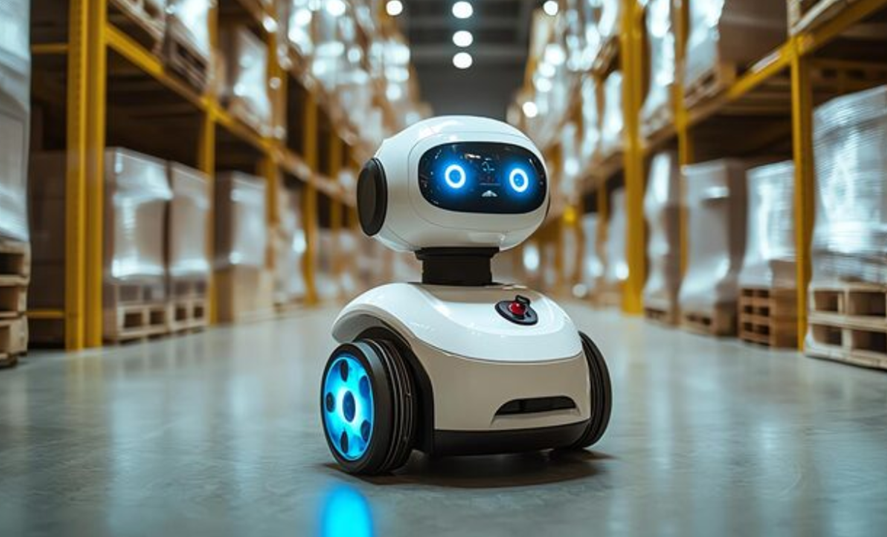
magazijnautomatisering

Autonome mobiele robots

Een van de meest zichtbare veranderingen in de moderne logistiek is de opkomst van autonome mobiele robots. Deze machines zijn ontworpen om goederen zonder vaste paden door magazijnen te verplaatsen, in tegenstelling tot oudere automatisch geleide voertuigen. Ze kunnen zich aanpassen aan dynamische omgevingen, vermijd obstakels, en optimaliseer hun routes in realtime.

In het kader van Smart Packaging & Logistieke automatisering autonome mobiele robots worden essentieel voor magazijnautomatisering omdat ze de behoefte aan handmatig transport verminderen en de orderafhandeling versnellen.

Bijvoorbeeld, in een groot e-commerce fulfilmentcentrum, autonome mobiele robots kunnen opslagrekken oppakken, overhandig ze aan menselijke werkers, en ga dan verder met de volgende taak zonder op instructies te wachten. Hierdoor ontstaat een continue stroom van handelingen die de productiviteit aanzienlijk verhoogt.

Waarom autonome mobiele robots de efficiëntie van magazijnen verbeteren

De grootste verbetering komt van flexibiliteit. In tegenstelling tot vaste transportsystemen, deze robots kunnen afhankelijk van de vraag worden opgeschaald of verkleind. Dit maakt ze ideaal voor bedrijven met seizoenspieken of onvoorspelbare ordervolumes. Ze verminderen ook de fysieke belasting van werknemers, waardoor mensen zich kunnen concentreren op taken met een hogere waarde.

Maar wat gebeurt er als honderden robots in dezelfde ruimte moeten samenwerken??

Zwermrobotica

Zwermrobotica is een van de meest opwindende ontwikkelingen in de moderne magazijnautomatisering. In plaats van elke robot afzonderlijk te besturen, Met zwermrobotica kunnen groepen robots hun acties coördineren als een verbonden systeem.

In slimme verpakkingen & Logistieke automatisering, zwermrobotica vertegenwoordigt de toekomst van schaalbare magazijnsystemen. Deze robots communiceren met elkaar en passen hun gedrag aan op basis van realtime omstandigheden in het magazijn.

Deze aanpak is vooral handig in grote distributiecentra waar elk uur duizenden artikelen worden verplaatst. Als één robot stopt met werken, anderen kunnen hun routes direct aanpassen, ervoor te zorgen dat de activiteiten zonder onderbrekingen kunnen doorgaan.

Hoe zwermrobotica de schaalbaarheid en veerkracht verbetert

Het belangrijkste voordeel is de veerkracht van het systeem. Traditionele systemen gaan vaak kapot als één onderdeel faalt. Zwermrobotica lost dit probleem op door intelligentie over veel machines te verdelen. Het maakt het ook gemakkelijker om activiteiten uit te breiden, aangezien het toevoegen van meer robots op natuurlijke wijze de systeemcapaciteit vergroot zonder de hele workflow opnieuw te ontwerpen.

Naarmate robots fysiek slimmer worden, hoe zit het met de onzichtbare systemen daarachter?

IoT-sensoren en robotprocessen

Achter elk slim magazijn schuilt een krachtige datalaag. IoT-sensoren zijn verantwoordelijk voor het verzamelen van realtime informatie over de voorraad, temperatuur, beweging, en machinegezondheid. Deze gegevens worden rechtstreeks in magazijnautomatiseringssystemen ingevoerd, waardoor managers direct weloverwogen beslissingen kunnen nemen.

Binnen Slimme Verpakkingen & Logistieke automatisering, IoT-sensoren werken nauw samen met robotprocesautomatisering in de logistiek. Terwijl sensoren de fysieke gegevensverzameling verzorgen, RPA verzorgt digitale workflows zoals orderupdates, verzendbevestigingen, en factuurgeneratie.

Bijvoorbeeld, wanneer een product een magazijnschap verlaat, IoT-sensoren kunnen voorraadniveaus onmiddellijk bijwerken, terwijl RPA-systemen de bestelstatus van klanten automatisch bijwerken. Dit vermindert vertragingen en elimineert menselijke fouten.

De rol van data in moderne magazijnautomatisering

Data vormen nu de basis van logistieke efficiëntie. Met beter zicht, Bedrijven kunnen de vraag voorspellen, afval verminderen, en de leveringsnauwkeurigheid verbeteren. IoT-sensoren helpen ook om apparatuurproblemen vroegtijdig te detecteren, vermindering van stilstand en onderhoudskosten.

Dus als data de onzichtbare kant van de logistiek bestrijkt, hoe zit het met de fysieke kwaliteit van producten en verpakkingen?

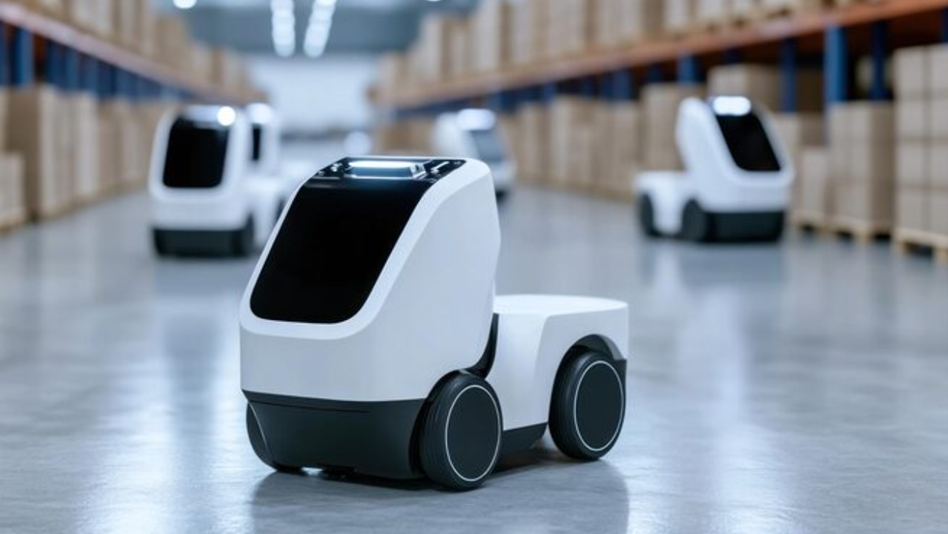
magazijnautomatisering

AI Vision-systemen

AI-visiesystemen transformeren de manier waarop magazijnen inspecteren, soort, en verpakkingsproducten. Deze systemen maken gebruik van camera's en machine learning om defecten op te sporen, verifieer etiketten, en zorg voor een correcte verpakking voordat de artikelen worden verzonden.

In slimme verpakkingen & Logistieke automatisering, AI-visie voegt een nieuwe laag intelligentie toe aan het magazijn

automatisering door menselijke fouten te verminderen en de verwerkingssnelheid te verhogen.

Bijvoorbeeld, in een verpakkingslijn, AI-systemen kunnen onmiddellijk detecteren of een doos beschadigd is of verkeerd is geëtiketteerd. Het systeem kan het item vervolgens automatisch omleiden voor correctie zonder het hele proces te vertragen.

Waarom AI-visiesystemen de nauwkeurigheid en snelheid verbeteren

Het belangrijkste voordeel is consistentie. In tegenstelling tot menselijke inspectie, AI-systemen worden niet moe of afgeleid. Ze kunnen opereren 24 uur per dag met hetzelfde nauwkeurigheidsniveau. Dit leidt tot minder rendement, hogere klanttevredenheid, en een betere merkreputatie.

Nu magazijnen slimmer en meer geautomatiseerd worden, hoe plannen en optimaliseren bedrijven deze complexe systemen voordat ze worden gebouwd??

Digitale tweelingen

Digital twins zijn virtuele modellen van echte magazijnsystemen. Ze stellen bedrijven in staat operaties te simuleren voordat ze fysiek worden geïmplementeerd. Dit helpt bij het identificeren van inefficiënties, robotroutes testen, en het algehele ontwerp verbeteren.

In slimme verpakkingen & Logistieke automatisering, digitale tweelingen worden een cruciaal hulpmiddel voor de planning van magazijnautomatisering. Ze stellen bedrijven in staat te experimenteren met verschillende lay-outs en robotconfiguraties zonder enig reëel risico.

Bijvoorbeeld, een bedrijf kan de vraag in het hoogseizoen simuleren om te zien hoe autonome mobiele robots en IoT-sensoren onder druk zullen presteren. Dit helpt kostbare fouten tijdens daadwerkelijke werkzaamheden te verminderen.

Hoe digitale tweelingen slimmere besluitvorming ondersteunen

Het grootste voordeel is vooruitziendheid. In plaats van te reageren op problemen, bedrijven kunnen deze voorspellen en vooraf aanpassen. Dit leidt tot een soepelere bedrijfsvoering en een betere efficiëntie op de lange termijn.

Conclusie

Over al deze trends heen, één ding is duidelijk. De toekomst van de logistiek is volledig verbonden, intelligent, en sterk geautomatiseerd. Van autonome mobiele robots tot zwermrobotica, van IoT-sensoren tot robotachtige procesautomatisering in de logistiek, elke technologie speelt een rol bij het bouwen van snellere en slimmere toeleveringsketens.

Magazijnautomatisering gaat niet langer alleen over het vervangen van handarbeid. Het gaat om het creëren van systemen die denken, aanpassen, en continu verbeteren. Naarmate we dieper ingaan 2026, bedrijven die deze technologieën vroegtijdig adopteren, zullen een sterk concurrentievoordeel op het gebied van snelheid behalen, kostenefficiëntie, en klanttevredenheid.

Centraal in deze transformatie staan ​​oplossingen zoals die zijn ontwikkeld door OK, fabrikanten en logistieke dienstverleners helpen slimmer te bouwen, flexibelere automatiseringssystemen aangedreven door robotica en intelligente besturing.

Als u onderzoekt hoe u uw strategie voor magazijnautomatisering kunt upgraden of autonome mobiele robots in uw activiteiten kunt integreren, OK kan u helpen bij het ontwerpen van systemen die precies aan uw behoeften voldoen. Neem contact op met hun team om vandaag nog te beginnen met het opbouwen van een efficiëntere en toekomstbestendige logistieke operatie.

Veelgestelde vragen

Wat is slimme verpakking en logistieke automatisering?

Het verwijst naar het gebruik van robotica, AI, IoT-sensoren, en softwaresystemen om magazijn- en supply chain-activiteiten sneller te laten verlopen, nauwkeuriger, en efficiënter.

Hoe helpen autonome mobiele robots magazijnautomatisering??

Ze verplaatsen goederen zelfstandig door magazijnen, het verminderen van handarbeid en het verbeteren van de snelheid, flexibiliteit, en ordernauwkeurigheid.

Welke rol spelen IoT-sensoren in de logistiek?

IoT-sensoren verzamelen realtime gegevens over de inventaris, apparatuur, en voorwaarden, helpt het volgen te verbeteren, onderhoud, en besluitvorming.

Wat is robotprocesautomatisering in de logistiek?

Het automatiseert digitale taken zoals orderupdates, facturering, en verzending volgen, fouten verminderen en tijd besparen.

Waarom is zwermrobotica belangrijk??

Het zorgt ervoor dat meerdere robots intelligent kunnen samenwerken, het verbeteren van de schaalbaarheid, efficiëntie, en systeemveerkracht.

Ontwerp en implementatie van logistieke robotsystemen

In today’s fast-moving supply chain world, warehouses are under more pressure than ever before. Customers expect faster deliveries, fewer errors, and real-time tracking. This is exactly where logistics robots are changing the game. But what makes them so important, and why are so many companies shifting toward automation instead of traditional manual work?

Let’s explore how these systems work, why they matter, and how companies like OK are helping businesses build smarter, more efficient warehouses step by step.

What Are Logistics Robots and Why Are They Becoming Essential in Modern Warehouses?

When people hear the term logistics robots, they often imagine futuristic machines moving boxes around a warehouse. That image is not wrong, but the reality is even more interesting. These robots are designed to handle tasks like moving goods, sorting packages, and supporting workers in daily warehouse operations.

So why are logistics robots becoming so important today? Het antwoord is eenvoudig: speed and accuracy. Modern supply chains cannot rely only on human labor anymore, especially when order volumes change so quickly.

As warehouses grow larger and more complex, businesses are turning to automation to stay competitive.

This shift is not just about replacing workers. In plaats van, it is about improving efficiency and reducing repetitive tasks so humans can focus on more important work.

But what exactly makes up a system like this?

logistics robots

Different Types of Logistics Robots Used in Warehouses Today

There are several types of logistics robots used in modern facilities. Some of the most common include autonomous mobile robots, automatisch geleide voertuigen, and robotic arms. Each one plays a different role in warehouse operations.

Autonomous mobile robots move freely using sensors and mapping systems. Automated guided vehicles follow fixed paths. Robotic arms handle picking and packing tasks with high precision.

Samen, these systems create a connected environment where goods move faster and more safely than ever before.

How Logistics Robots Improve Daily Warehouse Operations

The biggest advantage of logistics robots is consistency. Unlike manual labor, robots do not get tired or

lose focus. They follow instructions with high accuracy, which reduces mistakes in order fulfillment.

They also help reduce walking time for workers, improve storage efficiency, and speed up the entire process from picking to shipping.

Now that we understand what they are, the next question is: how are these systems actually designed for real-world use?

How logistics robots Are Designed for Efficiency, Safety, and Scalability

Designing modern logistics robots is not just about building machines. It is about creating an entire system that works smoothly in a busy warehouse environment. Every detail matters, from navigation to software integration.

One of the most important goals in design is efficiency. Robots must complete tasks quickly without wasting energy or space. Tegelijkertijd, safety is critical because robots often work alongside human workers.

So how do engineers balance all of this in one system?

The Role of AI and Navigation Systems in Logistics Robots

Artificial intelligence plays a major role in modern logistics robots. AI helps robots understand their environment, vermijd obstakels, and choose the best path to complete a task.

Most systems use technologies like sensors, camera's, and mapping software. These tools allow robots to move safely even in crowded warehouse spaces.

Without AI, logistics robots would not be able to adapt to real-world conditions, which change constantly.

Why Scalability Matters in Large Warehouse Networks

Scalability means the system can grow without breaking. This is very important for companies that plan to expand.

A good logistics robot system should allow new robots to be added easily without redesigning the entire operation. This flexibility helps businesses grow step by step without major disruptions.

Now that we understand how these systems are designed, let’s look at what happens when they are deployed in real warehouses.

Logistics Robots in Real-World Deployment: From Planning to Full Operation

Bringing logistics robots into a real warehouse is not something that happens overnight. It is a carefully planned process that includes several stages. Each stage ensures that the system works properly before full-scale use.

Deployment usually starts with understanding the warehouse layout and workflow. This helps engineers design a system that fits real operational needs.

But what does this process actually look like in practice?

Site Analysis and Simulation Before Deployment

Before any robots are installed, the warehouse is studied in detail. This includes measuring space, understanding product flow, and identifying high-traffic areas.

Simulation tools are then used to test how logistics robots will move inside the warehouse. This step helps predict problems before they happen in real life.

By doing this, companies can avoid costly mistakes and improve performance from day one.

System Integration with Warehouse Management Software

Once the physical setup is ready, the next step is connecting logistics robots with warehouse management systems.

This integration allows robots to receive tasks automatically, update inventory in real time, and communicate with other systems in the warehouse.

Without this step, automation would not be fully effective because robots need data to make decisions.

Now that deployment is clear, what challenges should companies expect when using these systems?

What Challenges Do Companies Face When Using Logistics Robots?

Even though logistics robots offer many benefits, they are not always easy to implement. Many companies face challenges during and after deployment.

One of the biggest issues is system integration. Older warehouses may use outdated software that does not connect easily with modern robotics systems.

Another challenge is training. Workers need to learn how to work alongside robots safely and efficiently.

So what are the most common difficulties businesses face?

Integration and Workflow Challenges

When logistics robots are introduced, warehouse workflows often need to change. This can be difficult for teams who are used to traditional methods.

If the system is not designed properly, robots and humans may interfere with each other, causing delays instead of improvements.

That is why careful planning is essential from the beginning.

Cost, Onderhoud, and ROI Considerations

Another important factor is cost. Installing logistics robots requires investment, and companies need to understand the return on that investment.

Maintenance is also important. Robots need regular updates, battery care, and system checks to perform well over time.

Echter, when implemented correctly, the long-term savings and efficiency gains often outweigh the initial costs.

So if there are challenges, why are so many companies still adopting these systems?

logistics robots

How Logistics Robots Are Shaping the Future of Global Supply Chains

The future of logistics robots looks very promising. As technology improves, these systems are becoming smarter, sneller, and more affordable.

Warehouses are no longer just storage spaces. They are becoming intelligent centers where robots and humans work together.

This shift is changing how goods move around the world.

Smarter Warehouses with AI-Driven Robotics

Artificial intelligence is making logistics robots more independent than ever. They can now learn from data, improve routes, and reduce energy use over time.

This creates warehouses that constantly improve themselves without needing major changes.

Why Businesses Are Rapidly Adopting Automation

Companies are adopting logistics robots because customers expect faster delivery and better service. Automation helps meet these expectations while reducing errors and improving efficiency.

It is no longer just a competitive advantage. In many industries, it is becoming a necessity.

With this future in mind, how do companies choose the right partner for automation?

Why Choose OK for Advanced Logistics Robot Solutions?

Choosing the right provider for logistics robots is one of the most important decisions a company can make. A strong system is not just about machines. It is about integration, support, and long-term performance.

OK focuses on building complete logistics automation solutions that combine hardware and software into one connected system.

Instead of offering isolated products, the goal is to help warehouses build smooth, scalable, and efficient operations from start to finish.

This includes supporting different industries, warehouse sizes, and operational needs, making it easier for businesses to adopt automation without unnecessary complexity.

So what does this mean for your business? It means you can focus on growth while automation handles the heavy lifting behind the scenes.

If you are exploring ways to improve warehouse efficiency or reduce operational costs, now is the right time to take the next step. You can reach out to OK to learn how logistics robots can be customized for your specific needs and start building a smarter warehouse today.

Conclusie

The rise of logistics robots is not just a trend. It is a major shift in how warehouses and supply chains operate. From design and deployment to real-world challenges and future innovation, these systems are reshaping the way goods move across the world.

As we have seen, successful automation depends on more than just machines. It requires thoughtful planning, smart integration, and the right long-term strategy.

So the real question is not whether logistics robots will become standard in warehouses, but how quickly businesses will adapt to them.

If you are ready to explore what automation can do for your operations, OK is here to help you take that next step.

Veelgestelde vragen

What are logistics robots used for?

Logistics robots are used in warehouses and factories to move goods, pick items, sort packages, and support storage and shipping operations with higher speed and accuracy.

Do logistics robots replace human workers?

Niet helemaal. They handle repetitive and heavy tasks, while humans focus on supervision, decision-making, and complex work.

Are logistics robots expensive to implement?

Initial costs can be high, but they often reduce long-term labor and operational costs, improving overall efficiency and ROI.

Can logistics robots work in any warehouse?

Most modern systems can be adapted, but proper planning and integration are needed for best performance.

Waarom voorbij 1,000 Wereldwijde klanten kiezen OK als hun OK Automation Partner

In today’s world, factories are changing faster than ever. Companies are no longer just thinking about producing more. They are thinking about producing smarter. This is where the idea of a strong OK automation partner becomes important. Over 1,000 global clients have already made their choice, and it is worth asking: what makes OK stand out so much in the automation industry?

Let’s explore this step by step and understand why so many manufacturers trust OK as their automation partner for long-term growth and success.

OK automation partner

Why Businesses Trust OK Automation Partner for Global Manufacturing

The manufacturing world is under pressure. Labor costs are rising, production demands are increasing, and competition is global. In this situation, companies are looking for a reliable OK automation partner they can trust for long-term performance. This is not just about machines. It is about building a smarter way to produce goods.

OK automation partner solutions are designed to help factories move from manual systems to automated production lines. This shift is not easy, but it is necessary. Many businesses ask the same question: how can we stay competitive while keeping costs under control? That is where OK automation partner solutions start to make sense.

Na verloop van tijd, more than 1,000 clients have realized that working with a trusted OK automation partner helps them reduce stress in production planning and improve output consistency.

The global shift toward smart factories

Smart factories are no longer the future. They are the present. Companies want systems that can run with less human error and higher precision. This is why many of them turn to an OK automation partner to guide their transformation.

Rising demand for reliable automation partners

With automation becoming essential, businesses need more than just suppliers. They need a dependable OK automation partner who understands both engineering and real production needs.

What Makes OK Automation Partner a Complete Solution Provider

One of the main reasons over 1,000 clients trust OK is that it is not just a machine supplier. It is a full OK automation partner that provides complete solutions from planning to installation.

When companies choose an OK automation partner, they are choosing a system that covers design, productie, integratie, and support. This reduces confusion and helps factories run more smoothly.

An OK automation partner also focuses on flexibility. Every factory is different, so every solution must be different too. That is why customization is a key strength here.

But why does this matter so much? Because businesses do not want one-size-fits-all systems anymore. They want solutions that match their exact production goals.

Industrial robots and cobot systems

At the core of OK automation partner solutions are industrial robots and collaborative robots. These systems are designed to improve speed, nauwkeurigheid, and safety in production environments.

Custom-built automation for different industries

Every industry has unique needs. A strong OK automation partner understands this and builds systems that match specific workflows rather than forcing factories to adjust their processes.

Waarom voorbij 1,000 Clients Rely on OK Automation Partner

Trust is not built overnight. Over 1,000 global clients now rely on OK as their preferred OK automation partner because of consistent quality and performance.

One of the biggest advantages of working with an OK automation partner is cost efficiency. Many companies find that they can reduce long-term production costs without sacrificing quality. That balance is rare in the automation industry.

Another reason is control. OK manages its own manufacturing process, which means fewer delays and better quality assurance. This makes the OK automation partner relationship more stable and predictable for global buyers.

So the real question is: what makes this level of trust possible? It comes down to experience, global delivery capability, and engineering strength.

Cost-effective but high-quality engineering

An OK automation partner is able to combine affordability with industrial-grade performance. This helps businesses scale without overspending on equipment.

Proven global delivery experience

Shipping, installatie, and support across different countries require experience. OK automation partner systems are built with global deployment in mind, making international cooperation easier.

Industries That Benefit from OK Automation Partner

Different industries face different challenges, but they all share one need: efficiëntie. This is where an OK automation partner becomes valuable across multiple sectors.

From automotive production to electronics assembly, OK automation partner solutions help companies reduce manual labor and improve production accuracy. Many businesses across the world now depend on this transformation to stay competitive.

As industries evolve, automation is no longer optional. It is essential. And that is why so many sectors are adopting OK automation partner systems.

Automotive and precision manufacturing

In automotive production, even small errors can lead to big problems. An OK automation partner helps improve precision and reduce defects in complex assembly processes.

Warehousing and logistics automation

Speed is everything in logistics. OK automation partner systems help warehouses move products faster, veiliger, and with fewer delays.

Real Results You Get With OK Automation Partner

At the end of the day, businesses care about results. Choosing an OK automation partner is not just about installing machines. It is about improving performance in measurable ways.

Many companies report better productivity after working with an OK automation partner. Production lines run faster, errors decrease, and workers can focus on more skilled tasks instead of repetitive work.

Another major benefit is safety. Automated systems reduce human exposure to dangerous environments, which creates a safer workplace overall.

So what does this all mean for a business? It means stronger output, better quality, and long-term savings.

Faster ROI and higher output

Investing in an OK automation partner often leads to faster returns because of reduced labor costs and improved production efficiency.

Better quality control and safety

Consistency is key in manufacturing. An OK automation partner helps maintain steady quality while reducing workplace risks.

OK automation partner

How to Work With OK Automation Partner

Working with a new automation provider can feel complicated, but OK makes the process simple and structured. As an OK automation partner, the company guides clients through every step.

It usually begins with an inquiry or RFQ. After that, the team evaluates requirements and designs a tailored solution. This ensures the OK automation partner approach matches the client’s exact production needs.

From there, manufacturing begins, followed by testing, shipping, installatie, and ongoing support. This full process is what makes the OK automation partner experience reliable for global clients.

But what happens after installation? That is where long-term support becomes important.

From inquiry to delivery

Every OK automation partner project is handled step by step to ensure smooth communication and clear results from start to finish.

Long-term technical support

Even after installation, OK automation partner services continue through maintenance and technical assistance, helping clients stay productive.

Conclusie

As global manufacturing continues to evolve, companies need partners they can depend on. Over 1,000 clients have already chosen OK as their OK automation partner because it delivers more than machines. It delivers complete, reliable automation solutions that support long-term growth.

From industrial robots to full smart factory systems, OK automation partner solutions are built to help businesses improve efficiency, kosten verlagen, and stay competitive in a fast-changing world.

So if your factory is looking for a smarter way to grow, it might be time to take the next step. Reach out to the OK team, share your production needs, and start a conversation about how the right automation solution can transform your operations. A better production future could be just one message away.

Veelgestelde vragen (Veelgestelde vragen)

1. What does OK do?

OK is an automation company that provides industrial robots, cobot systems, and smart factory solutions to help manufacturers improve production efficiency and reduce labor costs.

2. What industries does OK serve?

OK works with industries such as automotive, elektronica, logistiek, food processing, verpakking, and general manufacturing.

3. Why do companies choose OK?

Companies choose OK because it offers cost-effective automation solutions, strong manufacturing capability, and customized systems designed for different production needs.

4. Does OK provide customized automation solutions?

Ja, OK designs and builds automation systems based on each client’s factory layout, production goals, and industry requirements.

5. How many clients has OK worked with?

OK has served over 1,000 global clients across different industries and regions, helping them improve their production systems.

6. Does OK offer global shipping and installation?

Ja, OK supports international delivery, installation guidance, and technical assistance for global customers.

7. What types of robots does OK provide?

OK offers industrial robots and collaborative robots (cobots) that are used for tasks like assembly, afhandeling, verpakking, and welding.

8. Can OK help reduce production costs?

Ja, automation systems from OK help reduce labor dependency, improve efficiency, and lower long-term operational costs.

9. How can I request a quote from OK?

You can contact OK directly through their official website to submit your requirements and receive a customized quotation (RFQ).

10. Does OK provide after-sales support?

Ja, OK offers ongoing technical support, maintenance guidance, and assistance to ensure long-term system performance.

Waarom ‘goed genoeg automatisering’ op de lange termijn meer kost

Wanneer fabrieken nadenken over het besparen van geld, automatisering die goed genoeg is, lijkt vaak de veiligste keuze. Het belooft lagere initiële kosten, snellere installatie, en “aanvaardbare” prestaties. Op papier, het voelt als een slimme beslissing. Maar of het echt geld bespaart?, of is het alleen maar het uitstellen van hogere kosten later?

In veel productieomgevingen, Er wordt gekozen voor voldoende automatisering omdat het budget krap is of omdat teams een snelle oplossing willen. In eerste instantie, alles lijkt misschien in orde. Machines draaien, de productie begint, en de kosten lijken onder controle. Maar binnenkort, verborgen problemen beginnen te verschijnen. De stilstand neemt toe, onderhoud wordt frequent, en de efficiëntie daalt.

Dus waarom blijft automatisering die goed genoeg is, opduiken in fabrieken over de hele wereld?, zelfs als dit tot verliezen op lange termijn leidt? Het antwoord is eenvoudig: de werkelijke kosten zijn op de eerste dag niet zichtbaar. Het verschijnt langzaam, over maanden en jaren, wanneer de productiedruk toeneemt.

In dit artikel, we zullen precies uiteenzetten waarom automatisering die goed genoeg is vaak de duurste beslissing is die een fabriek kan nemen, en hoe systemen van hogere kwaliteit eruitzien Oké De “Quality OK”-aanpak is ontworpen om deze problemen vanaf het begin op te lossen.

De werkelijke kosten achter automatiseringsbeslissingen die goed genoeg zijn

Om productiebeslissingen beter te begrijpen, we moeten dieper kijken naar wat goed genoeg automatiseren in de praktijk werkelijk betekent. Meestal gaat het om systemen die alleen aan de basisvereisten voldoen, zonder sterke testen, maatwerk, of langetermijnoptimalisatie.

In eerste instantie, automatisering die goed genoeg is, lijkt aantrekkelijk omdat het de initiële investeringen vermindert. Echter, fabrieken onderschatten vaak hoe snel prestatieverschillen optreden onder reële productiedruk. Machines die ‘goed genoeg’ waren in testomgevingen hebben het vaak moeilijk 24/7 industriële activiteiten.

Dit is waar verborgen kosten zich stilletjes beginnen op te bouwen. Heeft u zich ooit afgevraagd waarom een ​​goedkopere machine na een jaar gebruik uiteindelijk meer kost?? Het antwoord ligt in eerste instantie niet voor de hand, maar het wordt duidelijk wanneer de productie onverwachts stopt.

Verborgen onderhoudsdruk

Een groot probleem met automatisering die goed genoeg is, is inconsistente duurzaamheid. Zonder strenge testnormen, onderdelen slijten sneller. Dat betekent meer reparaties, meer vervangende onderdelen, en meer technicusbezoeken.

Onstabiele productiestroom

Een ander probleem is inconsistentie. Zelfs kleine onderbrekingen kunnen het productieritme doorbreken. Wanneer fabrieken vertrouwen op automatisering die goed genoeg is, ze ervaren vaak onvoorspelbare stops die de algehele productie verminderen.

goed genoeg automatisering

Betrouwbaarheidskloof: Waarom goed genoeg automatisering faalt onder druk

Nu, laten we eens kijken wat er gebeurt als automatisering die goed genoeg is, in echte industriële omgevingen wordt doorgevoerd. Fabrieken werken niet in rustige omstandigheden. Ze rennen 24 uur per dag, vaak onder hitte, trillingen, en voortdurende werkdruk.

In deze omstandigheden, automatisering die goed genoeg is, heeft vaak moeite om de stabiliteit te behouden. Systemen die niet zijn ontworpen voor langdurig intensief gebruik, beginnen onverwacht te vertragen of falen. Dit creëert een van de duurste problemen bij de productie: stilstand.

Downtime stopt niet alleen machines. Het stopt de inkomsten, vertraagt ​​bestellingen, en verhoogt tegelijkertijd de arbeidskosten. Zelfs een paar uur productieverlies per week kunnen opwegen tegen de besparingen die je kunt behalen door überhaupt te kiezen voor automatisering die goed genoeg is.

Warmte- en slijtageproblemen bij continu gebruik

Veel goedkope systemen zijn niet gebouwd voor constant gebruik. Als de automatisering goed genoeg is, kan deze lange uren draaien, er ontstaat warmte in motoren en besturingssystemen. Na verloop van tijd, dit leidt tot storingen en verminderde nauwkeurigheid.

De kosten van ongeplande stops

Elke ongeplande stop veroorzaakt door voldoende goede automatisering veroorzaakt een kettingreactie: gemiste deadlines, overwerk, en productieachterstand. Deze verborgen kosten worden vaak genegeerd bij aankoopbeslissingen.

Kwaliteitscontroleproblemen in goed genoeg automatiseringssystemen

Een andere grote zwakte van automatisering die goed genoeg is, blijkt uit de kwaliteitscontrole. Bij de productie, zelfs kleine fouten kunnen duur worden als ze klanten bereiken.

Handmatige inspectie of systemen met lage precisie laten vaak defecte producten door. Dit is een van de grootste risico's van automatisering die goed genoeg is, vooral in industrieën die een hoge nauwkeurigheid vereisen.

Wanneer gebreken niet tijdig worden ontdekt, fabrieken worden geconfronteerd met rendementen, verspilde materialen, en merkschade. Deze kosten zijn veel hoger dan de meeste bedrijven verwachten als ze kiezen voor voldoende goede automatisering.

Menselijke vermoeidheid en foutenpercentages

Handmatige inspectie is sterk afhankelijk van menselijke aandacht. Na verloop van tijd, vermoeidheid vermindert de nauwkeurigheid. Dit is waar voldoende automatisering er niet in slaagt een consistent kwaliteitsniveau te handhaven.

AI-precisie als een beter alternatief

In tegenstelling, geavanceerde systemen zoals OK maken gebruik van op AI gebaseerde inspectie die continu en zonder vermoeidheid werkt.

Dit vermindert het aantal defecten en verbetert de algehele productiebetrouwbaarheid, iets wat automatisering goed genoeg is, kan niet consequent worden bereikt.

Efficiëntie en ROI: Waarom goed genoeg automatisering de winst vertraagt

Een van de grootste misverstanden over automatisering die goed genoeg is, is het idee van snelle besparingen. Terwijl de initiële kosten lager zijn, het rendement op de investering is vaak veel trager dan verwacht.

Waarom gebeurt dit?? Want goed genoeg automatisering levert zelden sterke efficiëntieverbeteringen op. In veel gevallen, het verbetert de productiesnelheid slechts in geringe mate of vereist nog steeds menselijke ondersteuning om goed te kunnen functioneren.

Zwakke efficiëntiewinsten

Fabrieken verwachten vaak grote productiviteitsverbeteringen. Echter, Als automatisering goed genoeg is, levert dit mogelijk slechts minimale winst op, wat de totale productiegroei beperkt.

Verlengde terugverdientijd

In plaats van de investering terug te betalen 12 naar 18 maanden, goed genoeg automatiseringssystemen duren vaak veel langer vanwege downtime, onderhoud, en inefficiëntiekosten.

China productievoordeel en de kracht van aangepaste automatisering

China is een wereldleider geworden op het gebied van industriële automatisering, en dit speelt een belangrijke rol bij het vergelijken van voldoende goede automatisering met geavanceerde oplossingen zoals OK.

Het voordeel ligt in de technische schaal, kracht van de supply chain, en snel aanpassingsvermogen. Terwijl goed genoeg automatisering vaak afhankelijk is van vast, standaard ontwerpen, Chinese fabrikanten zoals OK kunnen op maat gemaakte systemen ontwikkelen op basis van echte productiebehoeften.

Deze flexibiliteit is van belang omdat geen twee fabrieken hetzelfde zijn. Wanneer de productie verandert, automatisering die goed genoeg is, veroudert vaak snel, waardoor bedrijven gedwongen worden te herinvesteren. In tegenstelling, op maat gemaakte systemen passen zich gemakkelijker aan.

Gebouwd voor echte industriële omgevingen

OK-oplossingen zijn ontworpen voor continu industrieel gebruik, het verminderen van de risico's die vaak voorkomen bij automatiseringssystemen die goed genoeg zijn.

Aanpassingsvermogen in alle sectoren

Of het nu gaat om verpakkingen, logistiek, of palletiseren, Flexibele systemen presteren beter dan automatisering die goed genoeg is, omdat ze zich aanpassen in plaats van zich tegen verandering te verzetten.

Vergelijkingstabel: Goed genoeg automatisering versus OK-systemen

FactorGoed genoeg automatiseringOké systemen
BetrouwbaarheidInconsequentHoge stabiliteit
DowntimeFrequentMinimaal
ROI-tijd24–36 maanden12–18 maanden
OnderhoudHoogLaag
FlexibiliteitBeperktVolledig aanpasbaar
Inspectie KwaliteitBasis of handmatigAI-precisie
Kosten op lange termijnHoogGeoptimaliseerd

Service en garantie: Het verborgen vangnet

Een vaak genegeerde factor bij voldoende automatisering is after-salesondersteuning. Veel goedkope providers bieden een beperkte service, wat ernstige risico's met zich meebrengt als machines falen.

Als er iets kapot gaat, de productie kan dagenlang stilvallen in afwachting van ondersteuning. Dit maakt goede automatisering in de loop van de tijd nog duurder.

goed genoeg automatisering

Het belang van ondersteuning op lange termijn

OK biedt volledige levenscyclusservice, inclusief overleg, installatie, en onderhoud. Dit vermindert de risico's die doorgaans gepaard gaan met automatiseringssystemen die goed genoeg zijn.

Garantie als vertrouwenssignaal

Een sterke garantie toont vertrouwen in de duurzaamheid van het product. Veel automatiseringssystemen die goed genoeg zijn, bieden een minimale dekking, waardoor het risico naar de koper verschuift.

Conclusie

Op het eerste gezicht, goed genoeg automatisering lijkt een slimme manier om geld te besparen. Maar als we naar echte fabrieksprestaties kijken, het verhaal verandert. Downtime, inefficiëntie, kwaliteitsproblemen, en zwakke ondersteuning zorgen allemaal voor verborgen kosten die in de loop van de tijd toenemen.

Op het einde, automatisering die goed genoeg is, is niet echt ‘goed genoeg’ voor productiesucces op de lange termijn. Gemeten naar de totale eigendomskosten wordt dit vaak de duurste optie.

Systemen van hogere kwaliteit, zoals de ‘Quality OK’-aanpak van OK, zijn ontworpen om deze problemen vanaf het begin op te lossen. Met sterkere betrouwbaarheid, betere efficiëntie, en volledige levenscyclusondersteuning, ze helpen fabrieken de verborgen valkuilen van voldoende goede automatisering te vermijden.

Als u momenteel uw automatiseringsstrategie evalueert, Dit is het juiste moment om verder te denken dan de prijs vooraf. De echte vraag is niet wat u vandaag bespaart, maar wat je morgen verliest.

Om een ​​betrouwbaardere en schaalbare automatiseringsoplossing te verkennen die is afgestemd op uw productiebehoeften, neem contact op met OK en zie hoe een beter systeem uw kosten en prestaties op de lange termijn kan veranderen.

Veelgestelde vragen

Wat is goed genoeg automatisering?

Automatisering die goed genoeg is, verwijst naar goedkope automatiseringssystemen die voldoen aan de basisproductiebehoeften, maar vaak een sterke duurzaamheid missen, maatwerk, en prestatiestabiliteit op lange termijn.

Waarom kost automatisering die goed genoeg is in de loop van de tijd meer??

Terwijl het een lagere prijs vooraf heeft, het leidt vaak tot hogere langetermijnkosten als gevolg van downtime, frequent onderhoud, lagere efficiëntie, en kwaliteitsproblemen die verspilling en herbewerking veroorzaken.

Is goed genoeg automatisering geschikt voor 24/7 productie?

In veel gevallen, Nee. Systemen die als voldoende automatisering worden bestempeld, kunnen moeite hebben met continu gebruik, wat tot oververhitting leidt, dragen, en onverwachte productiestops.

Hoe is geavanceerde automatisering anders??

Geavanceerde oplossingen, zoals OK-systemen, focus op betrouwbaarheid, Op AI gebaseerde precisie, en efficiëntie op lange termijn, helpt de arbeidskosten te verlagen en de ROI binnenin te verbeteren 12 naar 18 maanden.

Waar moeten bedrijven rekening mee houden voordat ze voor automatisering kiezen??

Ze moeten de totale eigendomskosten evalueren, niet alleen de prijs, inclusief downtimerisico, onderhoudsbehoeften, schaalbaarheid, en langdurige serviceondersteuning.

Een vergelijking van technologieën voor het sluiten van dozen en zakken

In de snel veranderende productiewereld van vandaag, packaging is no longer just the final step. It is a key part of how products are protected, shipped, and delivered efficiently. One of the most common questions buyers and engineers ask is how Carton Sealing and Bag Sealing technologies compare and which one is better for their production line.

Op het eerste gezicht, both may seem simple. After all, they both “seal” packages. But when you look closer, you will see that they serve very different purposes, use different machines, and fit different industries. So how do you know which one your business needs? Let’s break it down step by step.

Understanding Carton Sealing and Bag Sealing in Modern Packaging Lines

To really understand Carton Sealing and Bag Sealing, we need to start with the basics. These two technologies are widely used in factories around the world, especially in industries that depend on fast and reliable packaging.

Carton sealing is used for closing boxes, usually made of corrugated cardboard. Bag sealing, anderzijds, is used for closing flexible packaging like plastic or poly bags. Both are important, but they solve different problems in the packaging process.

So what exactly makes them different in practice? Laten we het eens nader bekijken.

What is Carton Sealing?

Carton sealing refers to the process of closing and securing cardboard boxes after they have been filled with products. This is usually done using a machine known as a case sealer or automatic sealing machine.

In most modern factories, this process is automated. The machine folds the top flaps of the carton and applies sealing tape on both the top and bottom. This ensures that every box is sealed tightly and consistently.

This method is widely used in logistics, e-commerce, and manufacturing because it improves speed and reduces the need for manual labor. When you think about large warehouses shipping thousands of products daily, you can imagine how important fast carton sealing becomes.

What is Bag Sealing?

Now let’s talk about bag sealing. This process is used for flexible packaging such as plastic bags, food packaging, or lightweight industrial products.

Instead of tape and cardboard, bag sealing uses heat, pressure, or ultrasonic energy to close the opening of the bag. One of the most common methods is heat sealing, where the edges of the plastic are melted together to form a strong seal.

This type of sealing is often used in food production, farmaceutische producten, and agriculture. Why? It creates airtight packaging that helps protect products from moisture, air, and contamination.

Now that we understand both systems, you might be wondering: how do these machines actually work in real production lines?

How Carton Sealing and Bag Sealing Machines Work in Real Production Lines

When we look deeper into Carton Sealing and Bag Sealing, the real difference becomes even clearer. These systems are not just standalone machines. They are part of a larger automated packaging line.

Factories today rely on conveyors, sensoren, and automatic systems to move products smoothly from one stage to another. So how does sealing fit into this flow?

Inside a Case Sealer System

A case sealer, also known as an automatic sealing machine, works as part of an end-of-line packaging system.

Eerst, a filled carton moves along a conveyor belt into the sealing machine. The machine automatically adjusts the box if it is a random case sealer. Then it folds the top flaps down and applies sealing tape using built-in tape heads.

Everything happens in seconds. There is no need for manual folding or taping. This not only saves time but also ensures every box is sealed evenly.

If you think about a busy warehouse environment, this level of automation can make a huge difference in daily output and labor efficiency.

Inside a Bag Sealing System

Bag sealing systems work differently because they deal with flexible materials.

In a heat-sealing machine, the open end of the bag is placed between two heated bars. The heat melts the plastic slightly, and pressure seals it shut. Once cooled, the seal becomes strong and secure.

In more advanced systems like continuous band sealers or vertical form fill seal machines, the process is fully automated. Bags are filled, sealed, and sometimes even labeled in one continuous flow.

So while both systems aim to “seal,” the technology behind them is completely different. This leads us to an important question: how do they compare when we look at performance and cost?

Carton Sealing

Key Differences Between Carton Sealing and Bag Sealing You Should Know

When choosing between Carton Sealing and Bag Sealing, most buyers focus on performance, kosten, and product protection. Each system has strengths, but they are not interchangeable.

So how do they really compare in real-world use?

Packaging Material Differences

The most obvious difference is the material itself.

Carton sealing works with rigid cardboard boxes. These boxes provide strong protection and are ideal for stacking and shipping heavier items. Bag sealing works with flexible plastic materials, which are lightweight and cost-effective but offer less structural protection.

This difference alone often determines which system a factory will choose.

Cost, Snelheid, and Efficiency Comparison

From a cost perspective, bag sealing materials are usually cheaper. Echter, carton sealing systems provide better protection for shipping, which can reduce product damage.

In terms of speed, modern case sealers can handle high-speed production lines, especially in large distribution centers. Bag sealing systems can also be fast, particularly in fully automated filling and sealing lines.

The real decision often comes down to balancing packaging cost with shipping reliability.

Product Protection and Industry Fit

Carton sealing is commonly used for products that need protection during transport, such as electronics, appliances, and retail goods.

Bag sealing is better suited for products that do not require rigid protection, such as food items, powders, or small components.

So which one should you choose for your business? That depends on your production goals.

Choosing Between Carton Sealing and Bag Sealing for Your Business

Selecting the right system is not just about machinery. It is about understanding your entire production process and what you want to improve.

Factors Manufacturers Should Consider

When evaluating Carton Sealing and Bag Sealing, manufacturers usually look at several key factors.

Product type is the first. Fragile or heavy items often require carton sealing. Lightweight or perishable goods may be better suited for bag sealing.

Automation level is another important factor. Some factories need fully automatic systems, while others still use semi-automatic setups.

Budget also plays a role, but long-term return on investment is often more important than initial cost.

Common Mistakes to Avoid

One common mistake is choosing a machine based only on price. A cheaper system may not handle production demands in the long run.

Another mistake is ignoring future scaling. A factory might start small but grow quickly, so choosing flexible equipment is important.

This brings us to a bigger picture question: where is packaging automation heading in the future?

Why Carton Sealing and Bag Sealing Automation Is the Future of Packaging

Packaging is becoming faster, smarter, and more automated. This is why Carton Sealing and Bag Sealing technologies are evolving quickly.

Rise of Fully Automated Packaging Lines

More factories are moving toward fully automated production lines where products move from filling to sealing to palletizing without manual handling.

This reduces labor costs and increases consistency. It also improves safety by reducing human contact with heavy or fast-moving equipment.

Why Case Sealer Machines Are in High Demand

Case sealer machines are especially important in today’s e-commerce-driven world. With more online orders than ever before, warehouses need fast and reliable sealing systems.

Labor shortages in many regions also push companies to invest in automation. An automatic sealing machine can replace repetitive manual tasks and improve overall efficiency.

Dus, where does OK fit into all of this?

Bag Sealing

Why Choose OK for Carton Sealing and Bag Sealing Solutions

When it comes to industrial packaging automation, machine quality and reliability matter a lot. OK focuses on designing and manufacturing equipment that meets real production needs.

Engineering Strength and Manufacturing Capability

OK machines are built with a focus on stability, durability, and ease of integration. Whether it is a case sealer or a full packaging line, the goal is to ensure smooth operation in demanding environments.

Customization is also important. Different factories have different requirements, and flexible machine design helps meet those needs.

How OK Supports Global Buyers

For international buyers, support and communication are just as important as machinery. OK works with global clients to provide installation guidance, technical support, and after-sales service.

This helps ensure that customers can operate their systems efficiently from day one.

Laatste gedachten

Op het einde, both Carton Sealing and Bag Sealing play important roles in modern manufacturing. One focuses on strong, protective packaging for shipping, while the other focuses on flexible and efficient product sealing.

The right choice depends on your product type, production goals, and long-term automation plans.

If you are planning to upgrade your packaging line or explore automation solutions, the right sealing system can make a major difference in efficiency and cost savings. To learn more or discuss the best solution for your production needs, feel free to reach out to OK. A simple conversation could help you find a much better way to improve your packaging line.

Veelgestelde vragen

1. What is Carton Sealing and Bag Sealing?

Carton sealing is the process of closing cardboard boxes using tape or glue, usually with a case sealer or automatic sealing machine. Bag sealing is used to close flexible packaging like plastic bags using heat or pressure methods.

2. Which industries use these technologies?

Carton sealing is common in e-commerce, logistiek, and manufacturing. Bag sealing is widely used in food, pharmaceutical, and agricultural industries.

3. Which is better for automation?

Both are highly automated today. The best choice depends on product type and packaging needs rather than one being better overall.

Gids voor reparatie en onderhoud van palletiseerrobots

Als u in een magazijn of fabriek werkt, u weet waarschijnlijk hoe belangrijk palletiseerrobots zijn. Deze machines helpen producten snel en nauwkeurig op pallets te stapelen, bespaart tijd en verlaagt de arbeidskosten. Maar zoals elke machine, Palletiseerrobots hebben de juiste zorg nodig. Zonder regelmatig onderhoud en tijdige reparatie, deze robots kunnen kapot gaan, waardoor productievertragingen en onverwachte kosten ontstaan.

Dus, hoe kunt u ervoor zorgen dat uw palletiseerrobots soepel blijven werken?? Deze gids leidt u door de meest voorkomende problemen, routinematig onderhoud, reparatie tips, en strategieën om de levensduur van uw robots te verlengen. Tegen het einde, u zult meer zelfvertrouwen hebben bij het uitvoeren van palletiseerrobotreparaties als een professional.

Waarom regelmatig onderhoud cruciaal is voor palletiseerrobots

Je vraagt ​​je misschien af, Waarom kunnen we niet gewoon wachten tot de robot kapot gaat voordat we hem repareren?? Het antwoord is eenvoudig: reactieve reparaties zijn duur en tijdrovend. Regelmatig onderhoud voorkomt dat kleine problemen grote problemen worden.

Palletiseerrobots voeren elke dag repetitieve taken uit, wat veel druk legt op hun mechanische onderdelen en elektronica. Zelfs lichte slijtage aan gewrichten, riemen, of sensoren kunnen de prestaties beïnvloeden. Zonder onderhoud, robots kunnen items kwijtraken, de productie vertragen, of zelfs helemaal stoppen met werken.

Voordelen van regelmatig onderhoud

  • Minder storingen – Regelmatige controles sporen problemen vroegtijdig op en verminderen de stilstandtijd.
  • Langere levensduur – Machines gaan langer mee als ze goed worden onderhouden.
  • Verbeterde veiligheid – Goed onderhouden robots verkleinen de kans op ongelukken.
  • Consistente prestaties – Producten worden elke keer nauwkeurig gestapeld.

Regelmatig onderhoud is niet alleen een aanbeveling; het is essentieel. Maar wat kan er precies misgaan bij het palletiseren van robots?? Laten we het eens nader bekijken.

Palletiseren van robotreparatie

Veelvoorkomende problemen waarvoor reparatie van een palletiseerrobot nodig is

Als u de veelvoorkomende problemen begrijpt, kunt u bepalen wanneer een reparatie nodig is. Dit zijn de meest voorkomende problemen:

Mechanische problemen

Na verloop van tijd, robotgewrichten, grijpers, en riemen kunnen verslijten. Verkeerd uitgelijnde assen of losse bouten kunnen een onnauwkeurige plaatsing of langzame beweging veroorzaken. Stel je voor dat een pallet ongelijkmatig wordt gestapeld omdat een verbinding iets uit de rails beweegt. Zelfs kleine mechanische problemen zoals deze kunnen een hele productielijn ontwrichten.

Elektrische problemen

Defecte bedrading, beschadigde sensoren, of falende servomotoren kunnen ervoor zorgen dat de robot niet meer functioneert. Elektrische problemen zijn vaak lastig te herkennen, maar het negeren ervan kan tot ernstige schade leiden. Een simpele losse verbinding kan tot urenlange stilstand leiden, wat erg duur kan zijn in een druk magazijn.

Software- en programmeerfouten

Soms gedraagt ​​de robot zich vreemd vanwege softwareproblemen. Fouten in het programma, communicatieproblemen met controllers, of verouderde firmware kan leiden tot verkeerd geplaatste pallets of onverwachte stops. Regelmatige updates en controles voorkomen dat kleine softwareproblemen leiden tot volledige productiestops.

Omgevingsfactoren

Stof, vochtigheid, en temperatuurveranderingen hebben ook invloed op robots. Vuile sensoren, plakkerige gewrichten, of oververhitting kan de prestaties beïnvloeden. Veel magazijnen zien de omgevingsomstandigheden over het hoofd, maar deze kleine factoren kunnen later tot grote reparaties leiden.

Wanneer u deze problemen opmerkt, het is tijd om een ​​reparatie van een palletiseerrobot te plannen. Maar voordat je in reparaties duikt, laten we het hebben over het dagelijks onderhoud.

Dagelijkse en wekelijkse onderhoudstips voor het palletiseren van robots

U hoeft geen technicus te zijn om basisonderhoud uit te voeren. Sommige taken zijn eenvoudig, maar maken een groot verschil bij het voorkomen van storingen.

Dagelijks onderhoud

  • Reinig oppervlakken en verbindingen – Stof en vuil kunnen sensoren blokkeren en de nauwkeurigheid verminderen.
  • Controleer kabels en connectoren – Zoek naar gerafelde draden of losse stekkers die fouten kunnen veroorzaken.
  • Controleer foutcodes – Controllers geven meestal fouten weer die op vroege problemen duiden.
  • Observeer het gedrag van de robot – Let op eventuele ongebruikelijke geluiden of langzamere bewegingen. Vroegtijdige detectie helpt grotere reparaties te voorkomen.

Wekelijks onderhoud

  • Smeer bewegende delen – Een goede smering vermindert slijtage en zorgt voor een soepele beweging.
  • Inspecteer bouten en bevestigingsmiddelen – Zorg ervoor dat alles strak en uitgelijnd is. Losse bouten kunnen ernstige mechanische storingen veroorzaken.
  • Veiligheidssystemen testen – Controleer de noodstopknoppen, lichte gordijnen, en vergrendelingen om de veiligheid van de werknemers te garanderen.

Als u deze kleine stappen consequent volgt, kunt u de noodzaak voor grote reparaties drastisch verminderen. Maar als er toch problemen optreden, weten hoe u een reparatie van een palletiseerrobot moet uitvoeren, is essentieel.

Palletiseren van robotreparatie

Stapsgewijze handleiding voor het palletiseren van robotreparatie

Het repareren van een palletiseerrobot klinkt misschien intimiderend, maar veel voorkomende problemen hebben eenvoudige oplossingen. Laten we de meest voorkomende problemen doornemen en zien hoe u deze kunt oplossen.

Robot start niet

Controleer de hoofdvoeding en zekeringen.

Inspecteer de noodstopknop en de veiligheidsvergrendelingen.

Controleer de controller op foutcodes en reset deze indien nodig.

Onnauwkeurige plaatsing van pallets

Onderzoek gewrichten en assen op slijtage.

Kalibreer de robot opnieuw volgens de instructies van de fabrikant.

Controleer of de eindeffector goed is uitgelijnd.

Servomotor- of sensorfouten

Inspecteer de bedrading en aansluitingen.

Vervang defecte sensoren of servomotoren.

Voer een diagnose uit met behulp van de robotcontroller om een ​​goede werking te garanderen.

Software- of communicatieproblemen

Update de software of firmware van de robot.

Reset de controller en laad het programma opnieuw.

Controleer verbindingen met PLC's of netwerksystemen om communicatiefouten op te lossen.

Het is belangrijk om veiligheidsmaatregelen te volgen tijdens het uitvoeren van reparaties. Schakel de stroom uit en volg de richtlijnen van de fabrikant om letsel of verdere schade te voorkomen.

Hoe u de levensduur van uw palletiseerrobots kunt verlengen

Na reparatie, het doel is om uw robots zo lang mogelijk efficiënt te laten werken. Hier zijn enkele praktische tips:

Implementeer een preventief onderhoudsschema

In plaats van te wachten op storingen, regelmatige inspecties plannen, schoonmaak, smering, en softwarecontroles. Preventief onderhoud is goedkoper en minder stressvol dan wachten op een volledige storing.

Houd het milieu schoon

Stof, vochtigheid, en extreme temperaturen verkorten de levensduur van de robot. Zorg ervoor dat uw robots schoon werken, gecontroleerde omstandigheden. Gebruik indien nodig beschermhoezen en zorg voor een opgeruimde werkplek.

Treinexploitanten op de juiste manier

Een robot is slechts zo betrouwbaar als de mensen die hem gebruiken. Een goede training helpt operators vroegtijdige tekenen van problemen op te merken en veilig met robots om te gaan. Moedig uw team aan om ongebruikelijke geluiden te melden, langzamere cycli, of kleine fouten onmiddellijk.

Gebruik originele vervangingsonderdelen

Goedkope of incompatibele onderdelen kunnen tijdelijk werken, maar kan in de loop van de tijd grotere problemen veroorzaken. Blijf bij door de fabrikant goedgekeurde componenten om compatibiliteit en betrouwbaarheid te garanderen.

Prestatiegegevens monitoren

Moderne palletiseerrobots kunnen gegevens over fouten leveren, cycli, en prestaties. Door deze statistieken te monitoren, kunnen fouten worden voorspeld voordat ze zich voordoen. Sommige geavanceerde systemen maken zelfs voorspellend onderhoud mogelijk, om u te waarschuwen voordat er een probleem optreedt.

Door deze tips te volgen, u vermindert de stilstandtijd en verlengt de levensduur van uw robots terwijl de productie soepel blijft.

Voorbeelden uit de praktijk van het palletiseren van robotreparaties

Laten we dit concreter maken. Stel je een magazijn voor dat afhankelijk is van robots voor het stapelen van dozen. Op een dag, een robot begint de dozen iets van de pallet af te plaatsen. In eerste instantie, het lijkt klein, maar over een paar dagen, de verkeerde uitlijning groeit. De productie vertraagt, en werknemers moeten pallets handmatig repareren.

Na inspectie, het onderhoudsteam constateert versleten verbindingen en een niet goed uitgelijnde eindeffector. Ze voeren palletiseerrobotreparaties uit, Kalibreer de robot opnieuw, en vervang versleten onderdelen. De robot keert terug naar volledige efficiëntie, waardoor het bedrijf honderden arbeidsuren bespaart en vertragingen worden vermeden.

Dit voorbeeld laat zien waarom het vroegtijdig signaleren van problemen en het snel uitvoeren van reparaties van cruciaal belang is.

Onderhoud en reparatie verbinden: Waarom beide essentieel zijn

Je vraagt ​​je misschien af, ” Heb ik zowel onderhoud als reparatie nodig?? Het antwoord is ja. Onderhoud houdt robots gezond, terwijl reparatie problemen oplost die onvermijdelijk optreden. Zie het als het onderhouden van een auto. Je ververst de olie en roteert de banden, maar soms moet u toch een lek repareren of een onderdeel vervangen.

Door beide benaderingen te combineren, jij zorgt voor een vlotte productie, veiligere operaties, en minder onverwachte kosten.

Conclusie

Het onderhoud van palletiseerrobots hoeft niet ingewikkeld te zijn. Door dagelijks en wekelijks onderhoud uit te voeren, het begrijpen van gemeenschappelijke problemen, en weten hoe je met reparaties om moet gaan, u kunt uw robots jarenlang efficiënt laten werken.

Herinneren, Het palletiseren van robotreparatie is niet alleen een technische taak, het is een slimme investering in productiviteit, veiligheid, en kostenbesparingen. Door het onderhoud bij te houden en problemen vroegtijdig aan te pakken, blijft uw productielijn snel, nauwkeurig, en betrouwbaar.

Als u meer wilt weten of hulp nodig heeft met uw robots, Aarzel niet om contact met ons op te nemen via OK. Ons team staat klaar om begeleiding te bieden, advies, en ondersteuning zodat uw palletiseerrobots elke dag op hun best presteren.

Veelgestelde vragen

Q1: Hoe vaak moet ik onderhoud aan de palletiseerrobot uitvoeren??

Dagelijkse controles op netheid, kabels, en foutcodes worden aanbevolen, met wekelijkse smering, boutinspecties, en veiligheidssysteemtests. Routineonderhoud voorkomt dure reparaties.

Vraag 2: Wat zijn de meest voorkomende problemen bij palletiseerrobots??

Mechanische slijtage, defecte sensoren, servomotorfouten, softwareproblemen, en omgevingsfactoren zoals stof- of temperatuurveranderingen zijn de meest voorkomende oorzaken van storingen.

Q3: Kan ik zelf een palletiseerrobotreparatie uitvoeren??

Eenvoudige taken zoals schoonmaken, aansluitingen controleren, of het resetten van controllers kan in eigen beheer worden gedaan. Complexere reparaties, zoals het vervangen van motoren of sensoren, moeten de richtlijnen van de fabrikant volgen of getrainde technici inschakelen.

Q4: Hoe kan ik de levensduur van mijn palletiseerrobots verlengen??

Preventief onderhoud implementeren, prestaties monitoren, gebruik originele onderdelen, een schoon milieu behouden, en exploitanten op de juiste manier opleiden.

Vraag 5: Waarom is vroegtijdige reparatie belangrijk??

Door kleine problemen vroegtijdig aan te pakken, wordt de downtime verminderd, verbetert de veiligheid, en bespaart kosten door grote storingen te voorkomen.

Wat is de toekomst voor industriële robotica? Inzichten van OK’s R&D-team

De productiewereld verandert snel. Fabrieken zijn niet langer alleen maar rijen machines en arbeiders die repetitieve taken uitvoeren. Industriële robotica transformeert de manier waarop producten worden gemaakt, fabrieken slimmer maken, sneller, en veiliger. Maar wat brengt de toekomst?? Om dit te beantwoorden, we kijken naar industriële robotica-inzichten van Jiangxi OK Bolong Intelligent Equipment Co., Ltd., beter bekend als OK. Door hun onderzoek en ontwikkeling te onderzoeken, producten, en bedrijfsstrategieën, we kunnen begrijpen hoe bedrijven de volgende generatie fabrieksautomatisering vormgeven.

Wat OK doet opvallen zijn niet alleen hun machines, maar de manier waarop ze denken over het toegankelijk maken van automatisering voor alle soorten fabrikanten. Van kleine werkplaatsen tot grote productielijnen, hun innovaties zijn ontworpen om traditionele barrières in de robotica te slechten. Laten we dieper in de techniek duiken, strategisch, en praktische inzichten die ze bieden.

Technische innovaties die inzichten in industriële robotica stimuleren

Robots bestaan ​​al tientallen jaren in fabrieken, maar de machines van vandaag zijn slimmer en flexibeler dan ooit. De echte vraag is: Hoe kunnen we industriële robotica toegankelijker maken voor fabrikanten die geen automatiseringsexperts zijn??

Collaboratieve robots en toegankelijkheid

Een van de grootste doorbraken van OK is de ontwikkeling van collaboratieve robots, of cobots. In tegenstelling tot traditionele robots die achter veiligheidshekken opgesloten zitten, deze cobots kunnen veilig samenwerken met menselijke operators. Dit ontwerp elimineert de noodzaak voor dure veiligheidskooien en opent waardevolle vloerruimte. Voor kleine en middelgrote ondernemingen, dit is een gamechanger. Fabrieken kunnen nu automatisering introduceren zonder hun lay-out volledig opnieuw te ontwerpen of een fortuin uit te geven.

Aanvullend, De cobots van OK zijn ontworpen voor snelle inzet. Het opzetten van een robot kan minder dan twee uur duren, en het programmeren ervan kan slechts vijf minuten duren. Dit is belangrijk omdat medewerkers die geen robotica-experts zijn, hierdoor snel kunnen leren hoe ze de machines moeten bedienen. Door te focussen op bruikbaarheid, OK zorgt ervoor dat automatisering niet intimiderend maar benaderbaar is, zelfs voor kleinere fabrikanten.

DELTA, SCHAAL, en zesassige robots

Natuurlijk, niet elke taak is geschikt voor een cobot. Daarom biedt OK een breed scala aan robots, inclusief DELTA, SCHAAL, en gelede robots met zes assen. DELTA-robots zijn snel en lichtgewicht, perfect om te sorteren, verpakking, en snelle pick-and-place-taken. SCARA-robots zijn nauwkeurig in een verticaal vlak, ideaal voor montage, afgifte, of schroeven. Robots met zes assen bootsen de menselijke arm na, waardoor ze veelzijdig zijn voor palletiseren, lassen, en materiaalbehandeling.

Door dit gevarieerde aanbod aan robots aan te bieden, OK positioneert zich als een allesomvattende automatiseringspartner. Fabrikanten worden niet gedwongen hun productiebehoeften aan te passen aan een robot; in plaats van, de robots passen bij de specifieke taken van de fabriek. Deze combinatie van toegankelijkheid, flexibiliteit, en bruikbaarheid vormt de kern van hun industriële robotica-inzichten.

Industriële robotica

AI-aangedreven visiesystemen: Bevordering van inzichten in de industriële robotica

Innovatie stopt niet bij mechanisch ontwerp. Maar hoe kunnen robots nog slimmer worden?? Het antwoord is AI. OK heeft kunstmatige intelligentie geïntegreerd met hogesnelheidscamera's en sensoren om door AI aangedreven visuele inspectiesystemen te creëren.

Realtime kwaliteitscontrole

Deze systemen kunnen defecten detecteren met nauwkeurigheid op micronniveau, veel verder dan wat het menselijk oog kan zien. Van ontbrekende onderdelen tot onjuiste labels, deze AI-systemen zorgen ervoor dat producten aan hoge kwaliteitsnormen voldoen. Dankzij de 5G-cloudconnectiviteit kunnen de gegevens in realtime worden geanalyseerd, het verbeteren van de productie-efficiëntie en het verminderen van afval. Fabrikanten profiteren van hogere opbrengsten en minder defecte producten die klanten bereiken.

Slimme fabrieken en voorspellend onderhoud

Maar AI doet meer dan alleen fouten opsporen. Door patronen in de tijd te analyseren, het kan voorspellen wanneer apparatuur onderhoud nodig heeft voordat er een probleem optreedt. Dit vermindert de stilstandtijd en zorgt ervoor dat de productielijnen soepel blijven draaien. In een wereld waar zelfs kleine vertragingen kostbaar kunnen zijn, voorspellend onderhoud wordt een enorm concurrentievoordeel. De focus van OK op het integreren van AI in de productieworkflow laat zien hoe automatisering zich ontwikkelt van alleen het uitvoeren van taken naar het nemen van intelligente beslissingen.

Door mensvriendelijk ontwerp te combineren met AI-intelligentie, OK zorgt niet alleen voor snellere en veiligere robots, maar ook voor slimmere fabrieken. Deze synergie tussen mechanische en cognitieve kracht staat centraal in hun industriële robotica-inzichten.

Precisie en betrouwbaarheid in inzichten in industriële robotica

Zelfs de slimste robots zijn alleen nuttig als ze nauwkeurig en betrouwbaar zijn. Dus, hoe zorgt OK ervoor dat zijn machines consistent presteren in veeleisende industriële omgevingen?

Herhaalnauwkeurigheid en continue werking

Een belangrijke prestatiemaatstaf is de nauwkeurigheid van herhaalde posities, die wordt gerapporteerd als plus of min 0.04 millimeter. Dit nauwkeurigheidsniveau is van cruciaal belang voor het assembleren van elektronica, omgaan met delicate materialen, of het uitvoeren van zeer nauwkeurige bewerkingen. Betrouwbaarheid is net zo belangrijk. OK ontwerpt zijn robots voor continu gebruik, 24 uur per dag, met weinig onderhoud, ervoor zorgen dat fabrieken minimale downtime ervaren.

Hoge doorvoer en prestatiesynergie

Hun robots werken ook met snelheden tot 12 cycli per minuut en kan producten stapelen tot 2.6 meter hoog. Wanneer verschillende robottypes–zoals SCARA voor assemblage en zesassig voor palletiseren–samenwerken, ze creëren een naadloos, workflow met hoge doorvoer. Het resultaat is een consistente productkwaliteit, minder afval, en verbeterde productiviteit.

Door precisie te combineren, betrouwbaarheid, en snelheid, OK zorgt ervoor dat fabrikanten niet alleen innovatieve machines krijgen, maar hulpmiddelen waarop ze kunnen vertrouwen. Dit is een cruciaal aspect van de inzichten in industriële robotica, vooral voor bedrijven die wereldwijd willen concurreren.

Automatisering voor het MKB democratiseren

Innovatie en betrouwbaarheid zijn indrukwekkend, maar kunnen kleinere fabrikanten daadwerkelijk profiteren van deze robots?? Het antwoord van OK is een volmondig ja. Hun bedrijfsmodel is ontworpen om automatisering betaalbaar en toegankelijk te maken voor kleine en middelgrote ondernemingen.

Schaalbare oplossingen en ROI

Hun robots zijn modulair, wat betekent dat fabrikanten klein kunnen beginnen en in de loop van de tijd kunnen uitbreiden. Bijvoorbeeld, een fabriek zou kunnen beginnen met het automatiseren van een enkel palletiseerstation en de inzet van robots geleidelijk kunnen opvoeren naarmate het vertrouwen en het budget dit toelaten. Deze stapsgewijze aanpak vermindert het financiële risico en zorgt ervoor dat bedrijven snel tastbare rendementen kunnen zien. OK benadrukt meetbare voordelen, zoals een verlaging van de arbeidskosten met meer dan 30 procent en een efficiëntiewinst van 50 procent of meer. De typische terugverdientijd ligt tussen 12 En 18 maanden, waardoor de investering gemakkelijker te rechtvaardigen is.

Volledige procesondersteuning

OK stopt niet bij het verkopen van robots. Ze bieden een compleet ondersteunend ecosysteem, het begeleiden van klanten van advies en ontwerp tot installatie, opleiding, en langdurig onderhoud. Zelfs niet-technische medewerkers kunnen de machines snel leren bedienen dankzij intuïtieve programmering en praktijkgerichte training. Door deze ondersteuning te bieden, OK neemt angst en onzekerheid weg, wat een stressvolle technologie-upgrade zou kunnen zijn, omzetten in een soepel bedrijfsverbeteringsproces.

Via schaalbare oplossingen, sterke ROI, en uitgebreide ondersteuning, OK democratiseert echt de toegang tot automatisering, waardoor het MKB dezelfde hulpmiddelen krijgt die ooit alleen beschikbaar waren voor grote bedrijven.

Industriële robotica

Mondiale ambitie en duurzame ontwikkeling

Dus, waar gaat OK heen?? Hun strategie gaat verder dan China en streeft naar mondiale erkenning.

Internationale reikwijdte

OK hanteert een model met twee hoofdkantoren: hun R&D- en marketingkantoor in Guangzhou en een enorme productiebasis in de provincie Jiangxi. Deze opzet stelt hen in staat snel te reageren op de internationale marktvraag en tegelijkertijd hoge kwaliteit te produceren, kosteneffectieve robots. Ze hebben met succes projecten geïmplementeerd in sectoren zoals de voedselproductie, logistiek, farmaceutische producten, e-commerce, en bouwmaterialen.

Duurzaamheid in automatisering

Ook in hun bedrijfsvoering staat duurzaamheid centraal. Hun robots zijn energiezuinig en onderhoudsarm ontworpen, het verminderen van de impact op het milieu. Nauwkeurige bediening en AI-aangedreven inspectie verminderen verspilling, en automatisering verhoogt de productie-efficiëntie, besparing van zowel hulpbronnen als arbeid. De aanpak van OK laat zien dat industriële robotica de productiviteit kan stimuleren en tegelijkertijd een milieuverantwoorde productie kan ondersteunen.

Door mondiale expansie te combineren met duurzame praktijken, OK geeft een voorbeeld voor hoe moderne automatiseringsbedrijven op verantwoorde wijze kunnen groeien en tegelijkertijd een reële impact kunnen hebben op de industrie wereldwijd.

Conclusie

De innovaties van OK, van collaboratieve robots en AI-aangedreven inspectie tot nauwkeurige en betrouwbare machines, laten een duidelijke visie zien voor de toekomst van industriële robotica. Hun focus op toegankelijkheid, MKB-adoptie, mondiale expansie, en duurzaamheid maakt hen tot een unieke speler in het automatiseringslandschap.

Door een gebruiksvriendelijke aanpak, het aanbieden van modulaire oplossingen, en het bieden van volledige procesondersteuning, ze maken het voor fabrikanten van elke omvang mogelijk om automatisering met vertrouwen te omarmen. Hun strategie gaat niet alleen over het bouwen van robots, maar ook over slimmer bouwen, efficiënter, en meer verantwoordelijke fabrieken over de hele wereld.

Benieuwd hoe uw fabriek kan profiteren van industriële robotica? Neem vandaag nog contact op met OK om oplossingen te verkennen die uw activiteiten kunnen transformeren, de productiviteit verhogen, en bereid uw bedrijf voor op de toekomst.

Veelgestelde vragen

1. Wat zijn collaboratieve robots, en waarom zijn ze belangrijk?

Collaboratieve robots, of cobots, zijn ontworpen om veilig naast mensen te werken zonder veiligheidskooien. Ze maken automatisering toegankelijk voor kleine en middelgrote fabrikanten door de kosten te verlagen, insteltijd, en ruimtevereisten.

2. Hoe gebruikt OK AI in zijn robots??

OK integreert AI-aangedreven visionsystemen die defecten in realtime detecteren, zorgen voor een hoogwaardige productie, en helpen bij het voorspellen van onderhoudsbehoeften. Dit maakt fabrieken slimmer en vermindert de verspilling.

3. Welke soorten robots biedt OK aan??

Het bedrijf levert een reeks robots, waaronder DELTA (snelle sortering en verpakking), SCHAAL (nauwkeurige montagewerkzaamheden), zesassig gearticuleerd (veelzijdig palletiseren, lassen, en afhandeling), en collaboratieve robots voor teamwerk tussen mens en machine.

4. Kunnen kleine bedrijven zich OK-robots veroorloven??

Ja. Hun modulaire, Dankzij schaalbare oplossingen kunnen kleine en middelgrote bedrijven klein beginnen en geleidelijk uitbreiden. Met snelle ROI, weinig onderhoud, en makkelijk trainen, zelfs niet-technisch personeel kan de systemen effectief bedienen.

5. Hoe ondersteunt OK de mondiale en duurzame productie??

OK combineert efficiënte productie, energiebesparende ontwerpen, en AI-aangedreven afvalvermindering met internationaal bereik. Hierdoor kunnen fabrikanten wereldwijd op verantwoorde en efficiënte wijze automatisering toepassen.

Geen automatiseringservaring? Geen probleem. Hoe OK u bij elke stap begeleidt

Why So Many Manufacturers Think: Geen automatiseringservaring? No Problem… But Is It Really?

For many manufacturers, automation sounds like a big leap. It promises faster production and lower costs, but it also brings questions. Is it too expensive? Will it shut down operations? Do you need a team of engineers just to get started?

It is no surprise that many businesses hesitate, even when they know automation could help them grow.

Common fears around automation

Most concerns come down to a few key worries:

  • High upfront investment
  • Long installation times
  • Complex programming
  • Risk of downtime

These are real concerns, especially for small and mid-sized factories. If you have never worked with automation before, it can feel like stepping into the unknown.

Why traditional automation feels overwhelming

Traditional industrial robots often require safety cages, major layout changes, and specialized programming. That means time, money, and outside experts.

So the question becomes clear: if automation is this complex, how can beginners ever get started?

This is exactly where OK changes the story.

Geen automatiseringservaring? Geen probleem: How OK Starts With the Right Plan

What if you did not have to figure everything out on your own? What if the process started with someone simply understanding your needs?

That is the idea behind OK’s approach.

Free consultation and site evaluation

Instead of selling a one-size-fits-all machine, OK begins with a conversation. Their team looks at your production line, listens to your challenges, and identifies where automation can help.

Even if you are unsure what you need, that is not a problem. The process is designed for people with no background in automation.

Customized solutions that fit your factory

Every factory is different. Some handle fragile products. Others deal with heavy loads or tight spaces.

OK designs solutions that match your exact setup. From custom grippers to the right robot reach, everything is tailored so you do not have to redesign your workflow.

Clear ROI without complex calculations

Cost is often the biggest concern. That is why OK helps you understand the return on investment from the start.

Most systems deliver ROI within 12 naar 18 maanden. You do not need advanced financial knowledge to see the value. Everything is explained in simple terms.

So once the plan is clear, what happens next? Does installation bring more complexity?

Automation Experience

Geen automatiseringservaring? Geen probleem: Fast Setup Without the Headache

This is where many expect delays and disruption. But what if installation could happen in hours instead of weeks?

Plug and play deployment.

OK systems are built for speed. Many setups can be deployed in under two hours. That means minimal disruption to your production schedule.

Instead of long shutdowns, you get a fast transition into automation.

No major factory changes required

Unlike traditional robots, collaborative robots do not need safety cages in most cases. They are designed to work safely alongside people.

This reduces both cost and complexity. You do not need to rebuild your factory just to get started.

Works with your existing equipment

One of the biggest advantages is compatibility. OK systems integrate with what you already have.

Your conveyors, packaging lines, and existing machines stay in place. The robot fits into your workflow, not the other way around.

At this point, you might be wondering: even if the system is easy to install, can your team actually use it?

Geen automatiseringservaring? Geen probleem: Training Your Team Made Simple

Technology only works if people can use it. That is why training is a key part of the process.

No coding required

OK systems are designed with simple, user-friendly interfaces. Basic operations do not require programming knowledge.

This removes one of the biggest barriers for beginners.

Quick learning for existing staff

Training does not take weeks. In veel gevallen, programming can be done in as little as five minutes.

Your current employees can learn to operate the system quickly. There is no need to hire specialized engineers for daily tasks.

Building confidence on the floor

As your team becomes familiar with the system, confidence grows. What once seemed complex becomes part of everyday operations.

And when your team feels comfortable, adoption becomes much smoother.

But what happens after everything is up and running? Is that where support ends?

Automation Experience

What Happens After Installation? Support That Stays With You

For many businesses, this is the biggest concern. Buying a machine is one thing. Keeping it running is another.

OK addresses this with full process support.

Full process support

From the first call to full production, OK stays involved. Their team ensures that everything works as expected, even after installation.

This ongoing support makes a big difference, especially for first-time users.

Maintenance and reliability

The systems are designed for low maintenance. That means fewer interruptions and less need for specialized technicians.

Warranty coverage and service plans add another layer of security.

A partner you can trust long term

OK is backed by a publicly listed parent company. This gives customers confidence that support will be there in the future.

With remote and on-site assistance available, help is always within reach.

So now that support is covered, what does this mean for your long-term growth?

Geen automatiseringservaring? Geen probleem: A Smarter Way to Grow Your Business

Automation is not just about solving today’s problems. It is about preparing for the future.

Start small and scale easily.

You do not need to automate everything at once. Many businesses start with a single application, such as palletizing.

From there, they expand step by step. This reduces risk and makes the transition more manageable.

Proven results across industries

Met voorbij 1,000 successful projects, OK has experience across industries like food, farmaceutische producten, en logistiek.

This track record shows that automation is not just for large corporations. It is accessible to businesses of all sizes.

And that brings us back to the original question: is automation really out of reach for beginners?

Conclusie

The idea that automation is only for experts is quickly becoming outdated.

With the right partner, the journey becomes simple, guided, and practical. That is what “Quality OK, Prijs oké, Service OK” truly represents.

From consultation to deployment, training to long-term support, OK removes the barriers that once made automation feel impossible.

Geen automatiseringservaring? No problemis not just a phrase. It is a process that helps businesses move forward with confidence.

If you have been thinking about automation but did not know where to start, this is your opportunity to take the first step.

Neem vandaag nog contact op met OK and start a conversation about your production goals. You might be surprised at how simple the journey can be.

Veelgestelde vragen

1. What does “Geen automatiseringservaring? Geen probleem” really mean?

It means you do not need any prior knowledge of robotics or automation to get started. OK guides you through every step, from planning to installation and beyond, so you are never left figuring things out on your own.

2. Is automation too complicated for small or mid-sized factories?

Not anymore. With collaborative robots and simplified systems, automation is now designed for ease of use. OK focuses on making the process simple, even for teams with no technical background.

3. How long does it take to install an OK system?

Many OK systems can be deployed in under two hours. This fast setup helps reduce downtime and allows you to start seeing results quickly.

4. Do I need to hire engineers to operate the robots?

Nee. OK systems are designed with user-friendly interfaces. Most basic operations do not require coding, and existing staff can learn to use the system in a short time.

5. Can OK robots work with my existing equipment?

Ja. OK solutions are built to integrate with your current production line. You do not need to replace your existing machines or redesign your entire setup.

6. Is automation safe for workers?

Ja. OK uses collaborative robots, also known as cobots, which are designed to work safely alongside humans. In veel gevallen, they do not require safety cages.

7. What kind of return on investment can I expect?

Most customers see a return on investment within 12 naar 18 maanden. OK helps you understand the financial benefits clearly before you make a decision.

8. What happens if something goes wrong after installation?

OK provides full-process support, including remote and on-site assistance. Their team is available to help troubleshoot issues and keep your system running smoothly.

9. Can I start small with automation and expand later?

Ja. Many businesses begin with one application and scale over time. OK supports this approach, making it easier to grow at your own pace.

10. Why is OK a good choice for beginners?

OK focuses on simplicity, support, en betrouwbaarheid. With customized solutions, fast deployment, easy training, and long-term service, they make automation accessible even for first-time users.