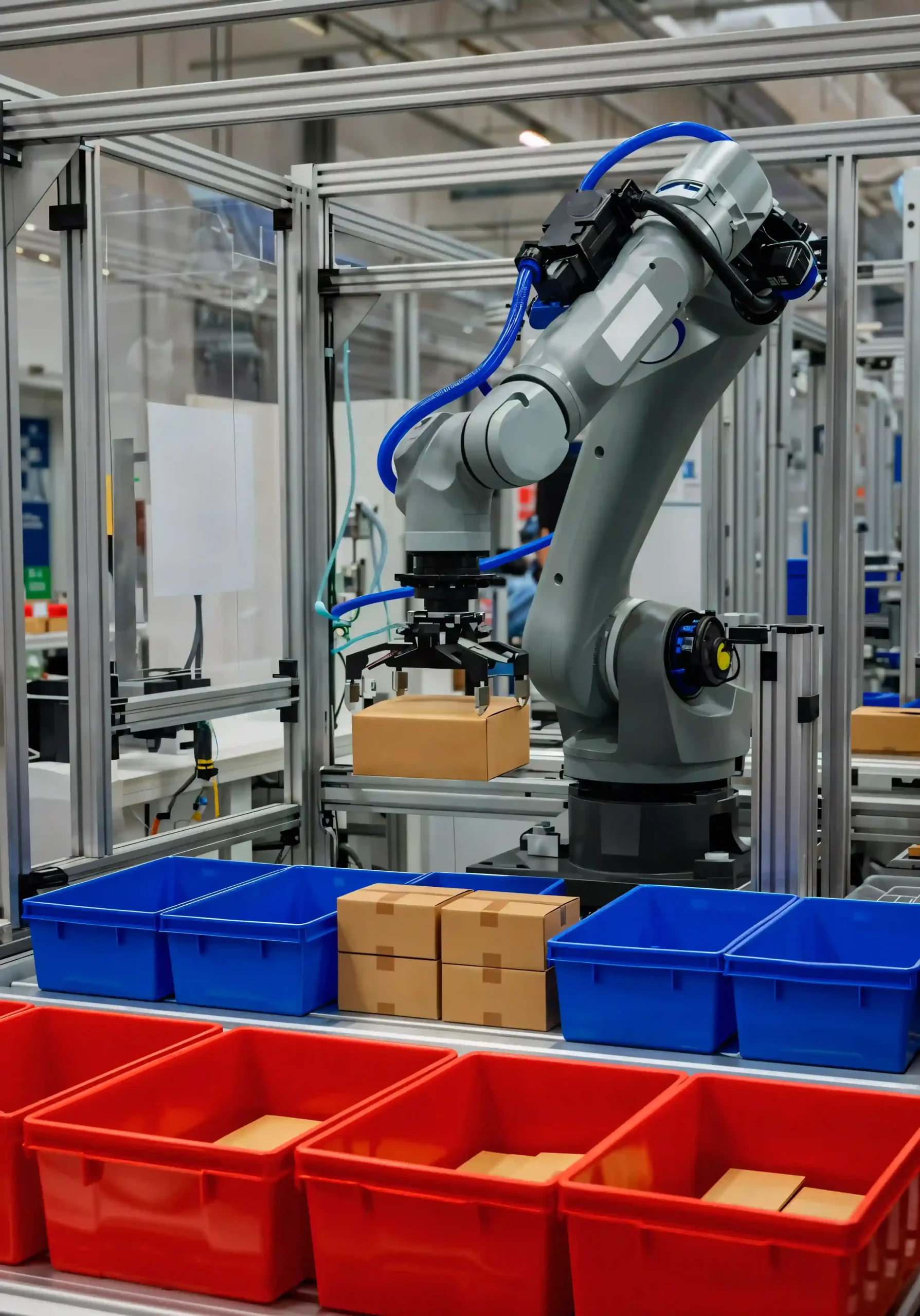
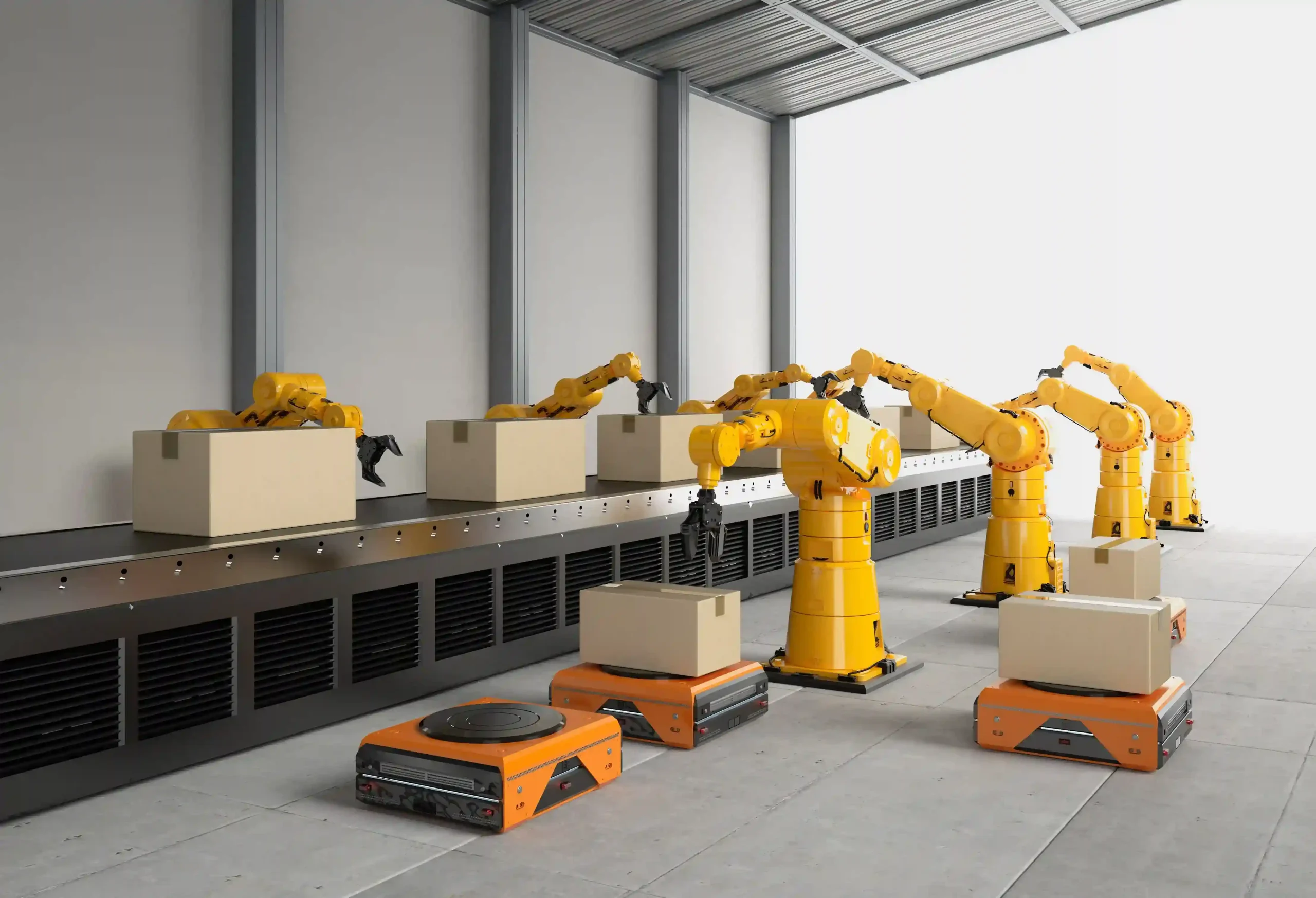
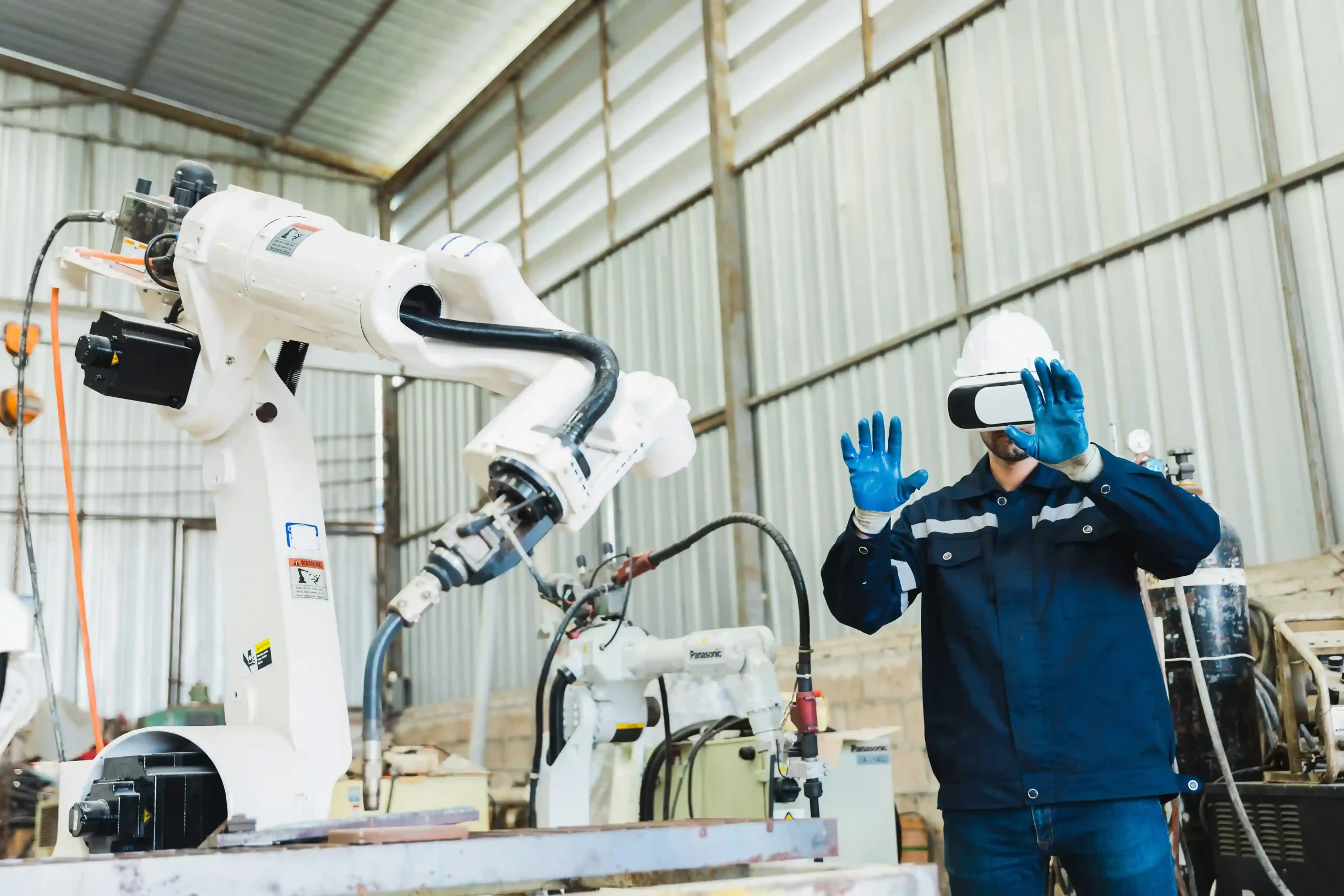
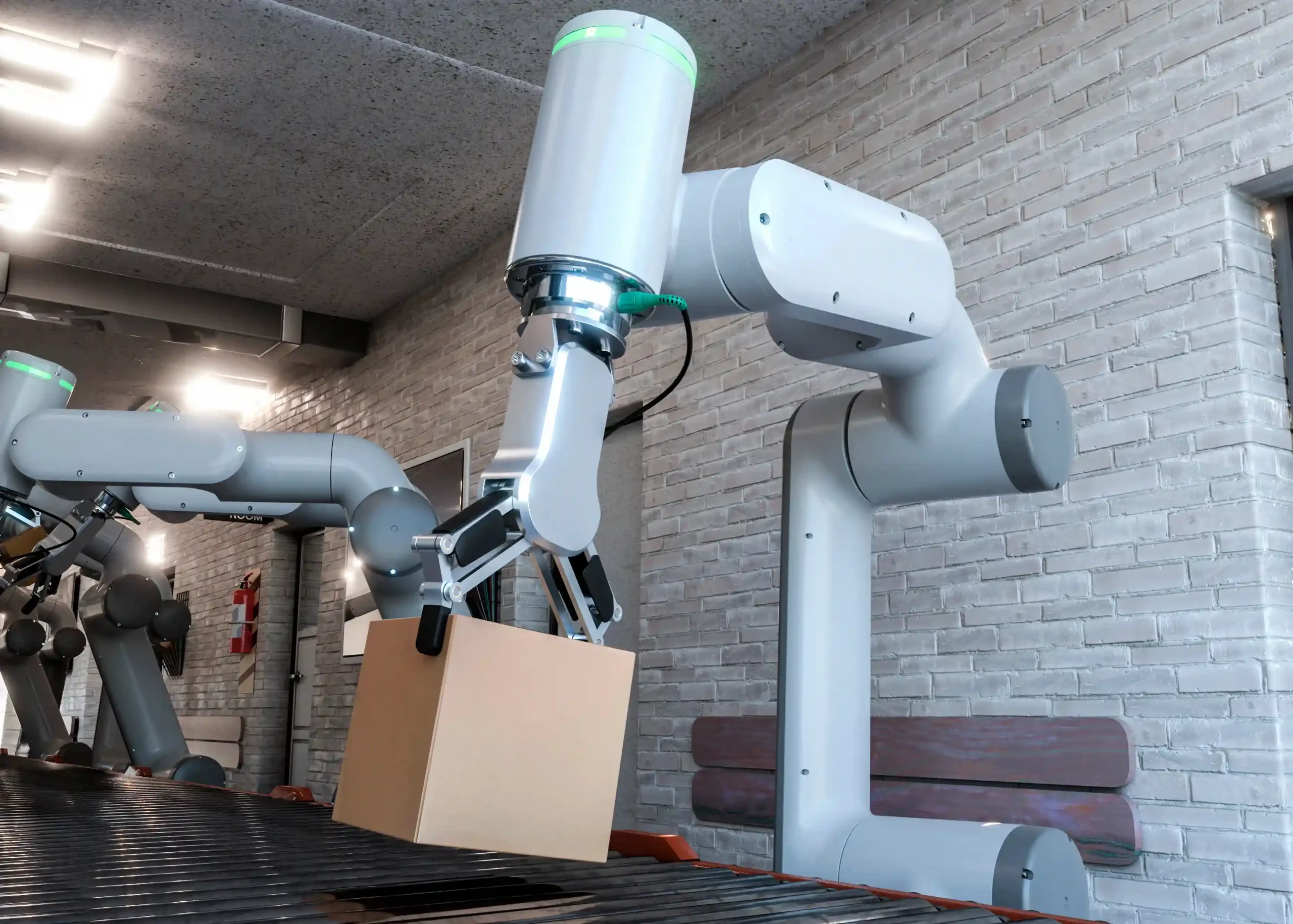
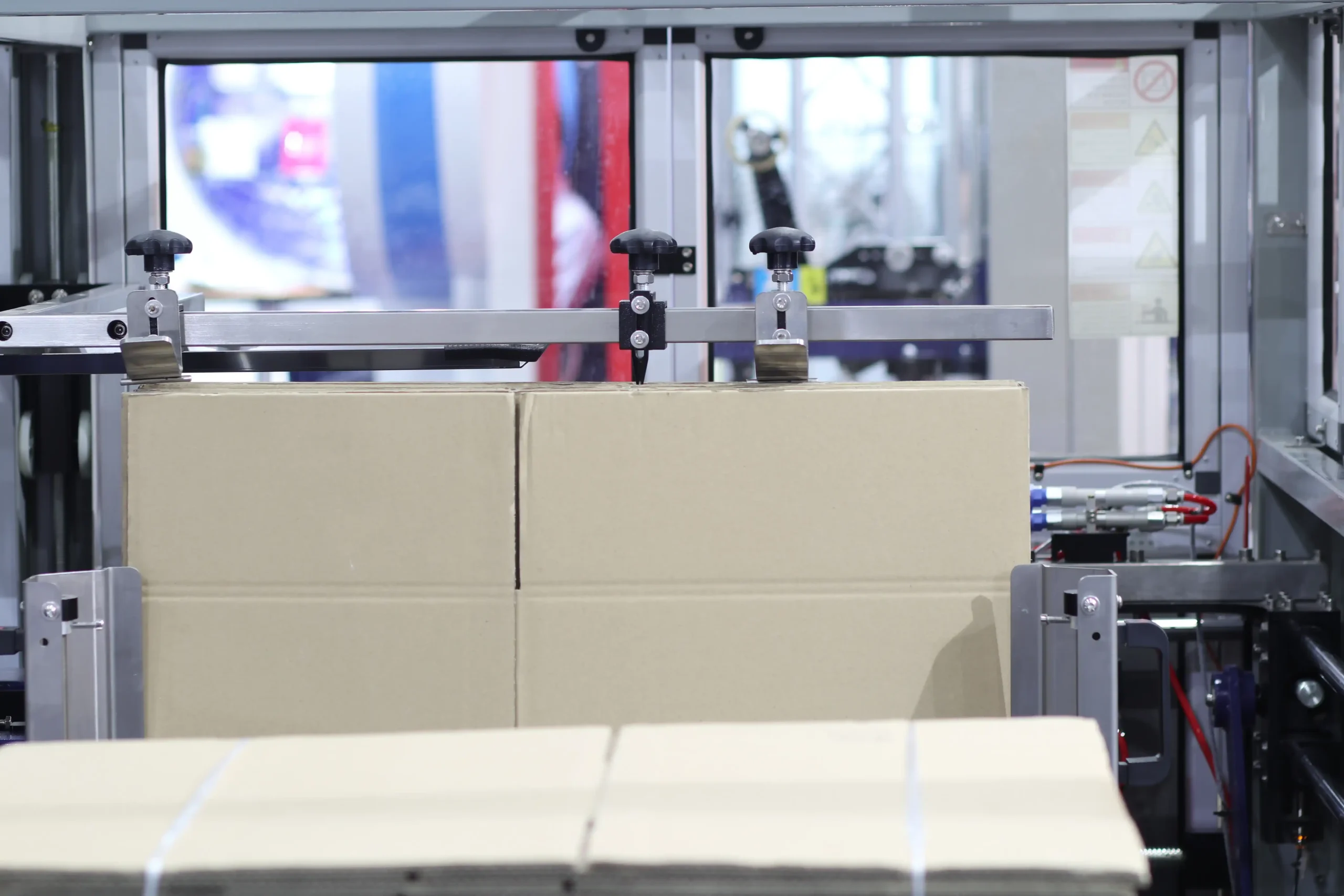
How OK Delivers Cost-Saving Cobot Solutions Without Compromising Output

In today’s fast-changing manufacturing world, cutting costs is no longer just an option. It is a must. But here’s the problem. Most cost-cutting methods end up affecting production. Output slows down, quality slips, and workers become overloaded. That’s a recipe for long-term losses.

Dus, what’s the better way forward?

This is where cost-saving cobot solutions come in. En oké, we believe manufacturers should not have to choose between saving money and maintaining output. With smart, flexibele, and reliable automation, you can do both and do it better than ever before.

Let’s explore how OK makes that possible.

Why Manufacturers Struggle to Reduce Costs Without Losing Output

Manufacturers everywhere are feeling the squeeze. They are expected to produce more, move faster, and spend less. But reducing costs in a factory is tricky. Every decision impacts quality, veiligheid, en snelheid.

So what challenges do factories actually face when they try to save money?

Rising Labor Costs and Worker Shortages

Skilled labor is getting harder to find and more expensive to keep. Many factories rely on human workers for tasks like lifting, sorting, verpakking, or moving products. But when wages rise or workers leave, operations suffer. It gets harder to meet demand without increasing costs.

Inconsistent Output from Manual Work

Even experienced workers can have off days. Fatigue, boredom, or simple human error can lead to mistakes. When you rely heavily on manual labor, you also risk uneven output. That leads to delays, verspilde materialen, and sometimes unhappy customers.

Downtime, Onderhoud, and Inefficiency

Old machines break down. Processes get delayed. Some factories spend more money fixing problems than preventing them. And in many cases, different parts of the production line are not connected, which leads to bottlenecks and time lost.

These problems make it hard to reduce costs without slowing production. So what is the smarter alternative?
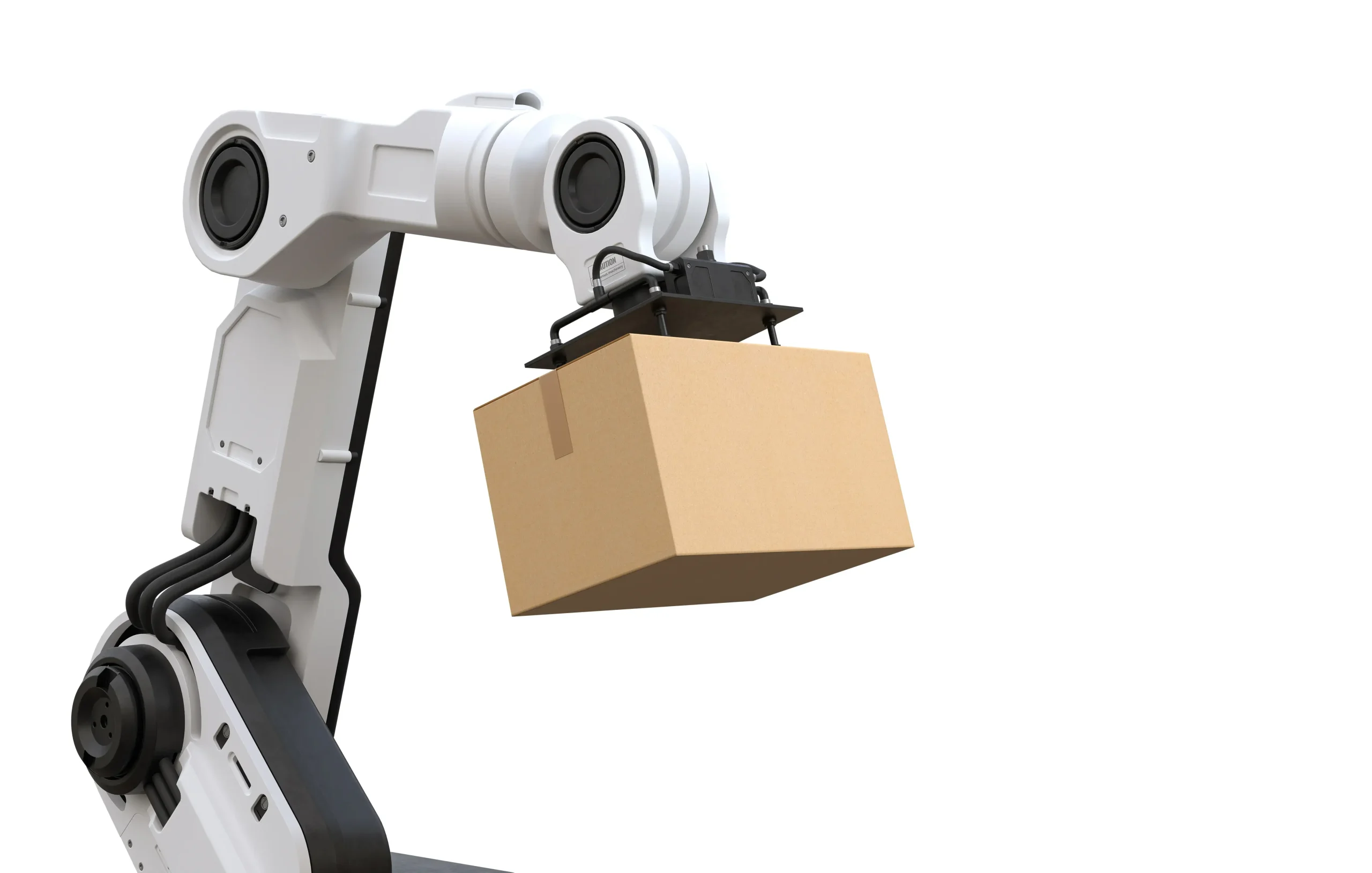
Delivers Cost-Saving Cobot

How Cost-Saving Cobot Solutions Change the Manufacturing Equation

Many manufacturers are turning to automation. But not all automation is the same. Large industrial robots can be expensive, hard to program, and dangerous to work near. That is why more companies are choosing cost-saving cobot solutions.

What makes cobots different, and why are they such a game-changer?

What Are Collaborative Robots?

Collaboratieve robots–of cobots–are machines designed to work safely side by side with human workers. They are smaller than traditional robots and much easier to set up. You don’t need a team of engineers to run them. Cobots are flexible, smart, and safe.

How Cost-Saving Cobot Solutions Fit Into Real Factories

Cobots are not made to replace humans. They are made to help them. They can take over boring, heavy, or repetitive tasks. That lets workers focus on more valuable jobs. The result? Hogere efficiëntie, fewer injuries, and better overall output.

These benefits are only possible if cobots are well-designed and easy to use. Dat is waar OK om de hoek komt kijken.

How OK Designs Cost-Saving Cobot Solutions for Real Factories

There’s a big difference between fancy robots and practical automation. En oké, we focus on what actually works for manufacturers. Our goal is to give factories tools they can use right awaywith fast results and long-term value.

Dus, what makes OK’s approach different?

Practical Automation That Works

Our cobots are not made for show. They are built to solve real factory problems. Whether you need help with lifting, sorting, bewegen, or inspecting, we offer cost-saving cobot solutions that fit your process.

Easy to Use and Quick to Deploy

Nobody wants to waste time on complex systems. That’s why our cobots are designed to be simple. Setup is fast, training is short, and programming is user-friendly. This means you can see improvements within daysnot months.

Works With Your Existing Equipment

You don’t need to rebuild your whole factory. OK’s cobots are flexible and can be added to your current systems. They work with your machines, your team, and your pace. That’s the key to saving money without disrupting production.

Let’s take a closer look at how our products reduce costs in specific parts of the manufacturing process.
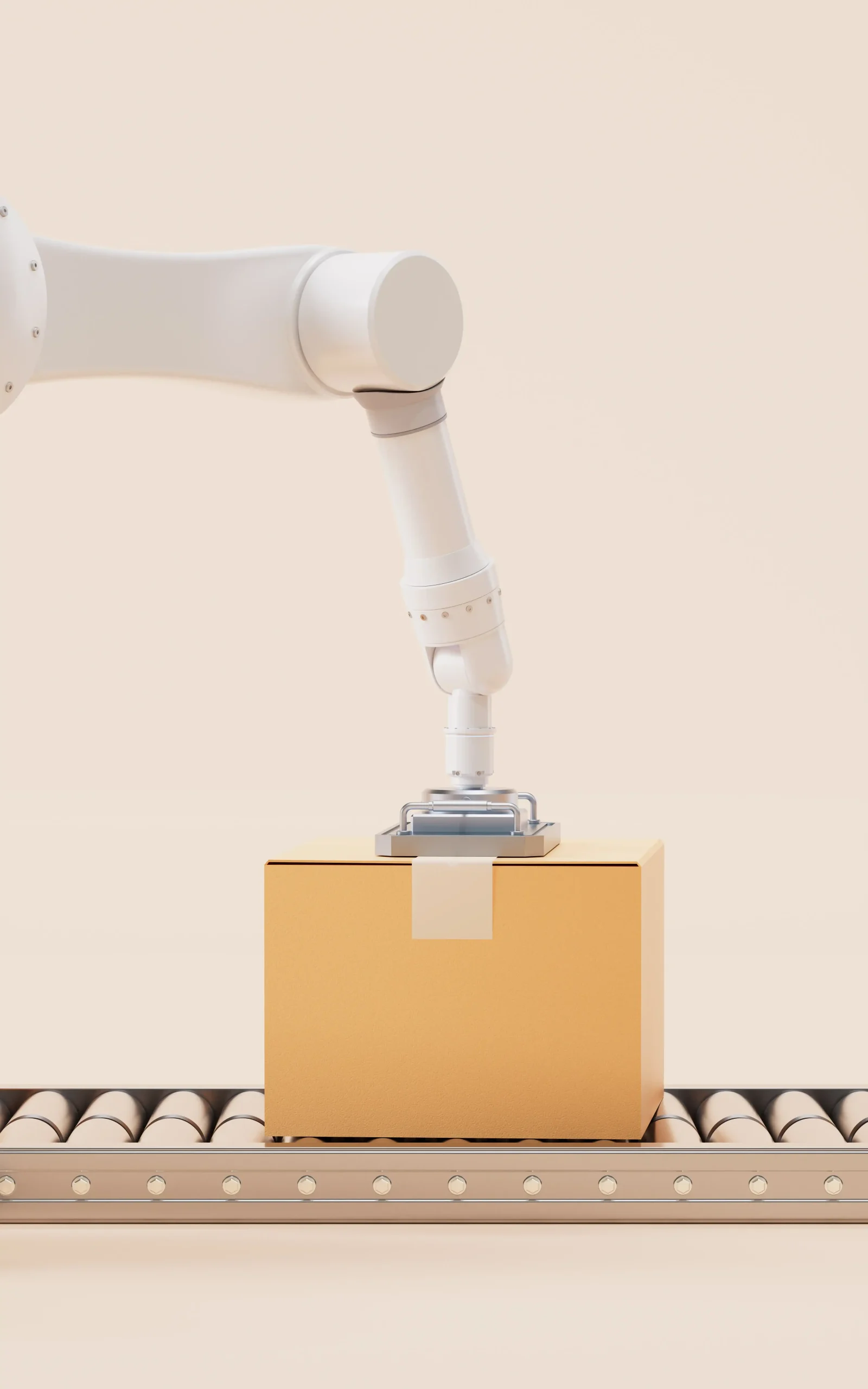
Delivers Cost-Saving Cobot

Reducing Costs with OK Palletizer and AGV Robots

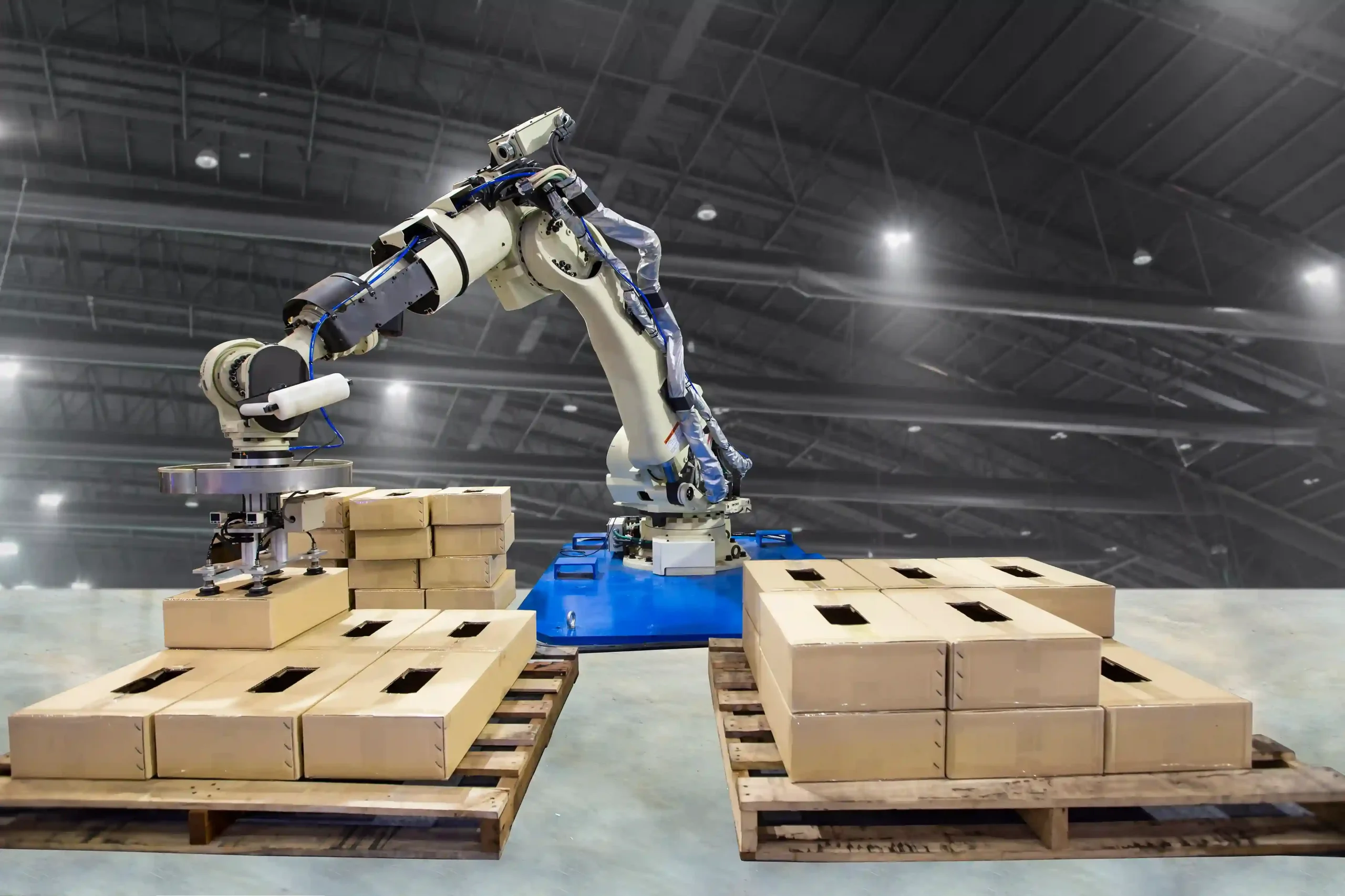
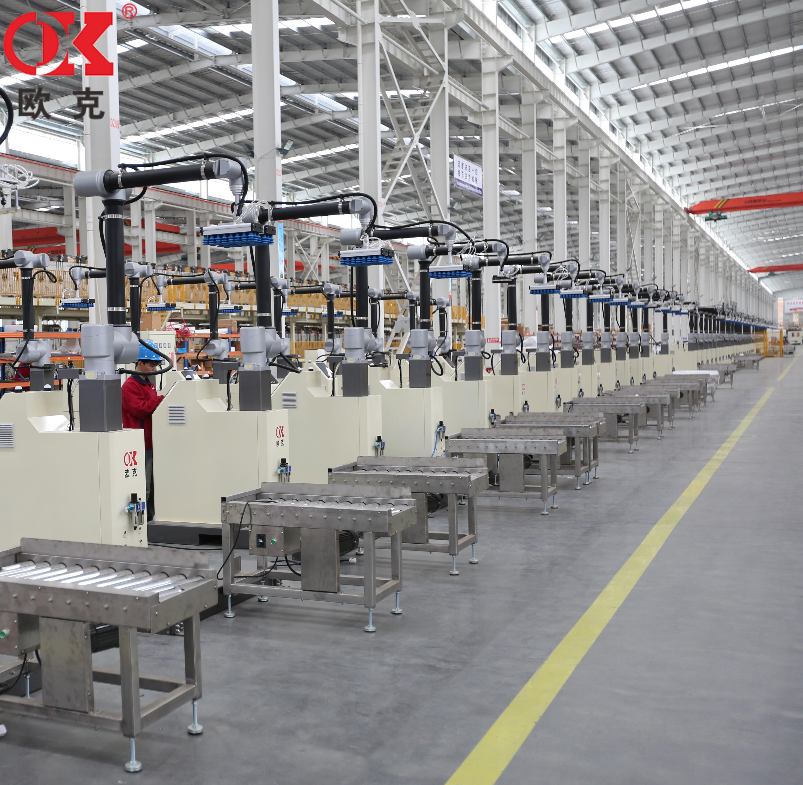
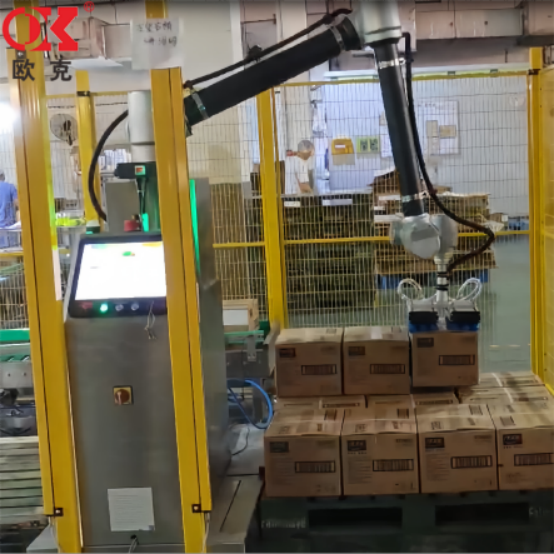
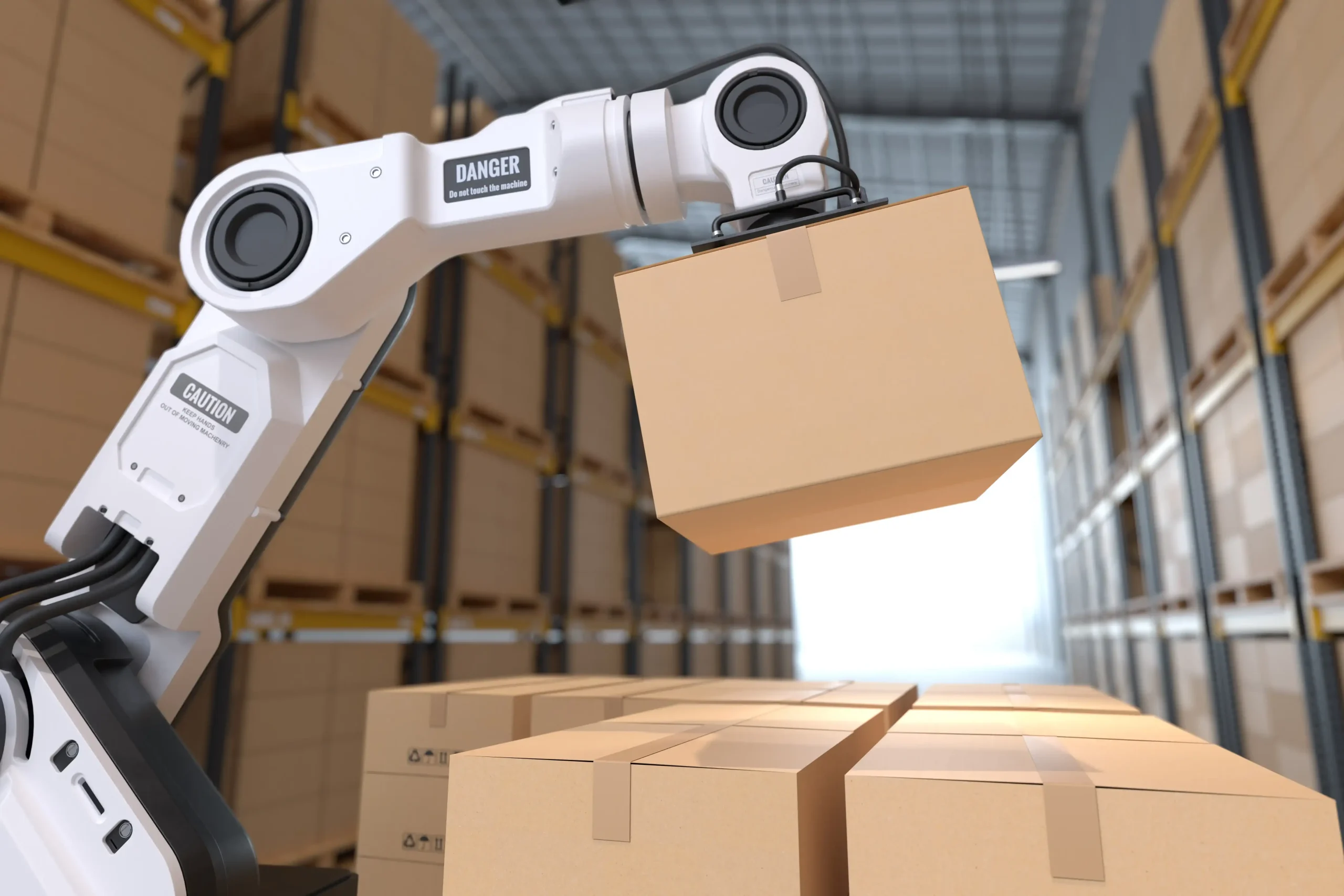
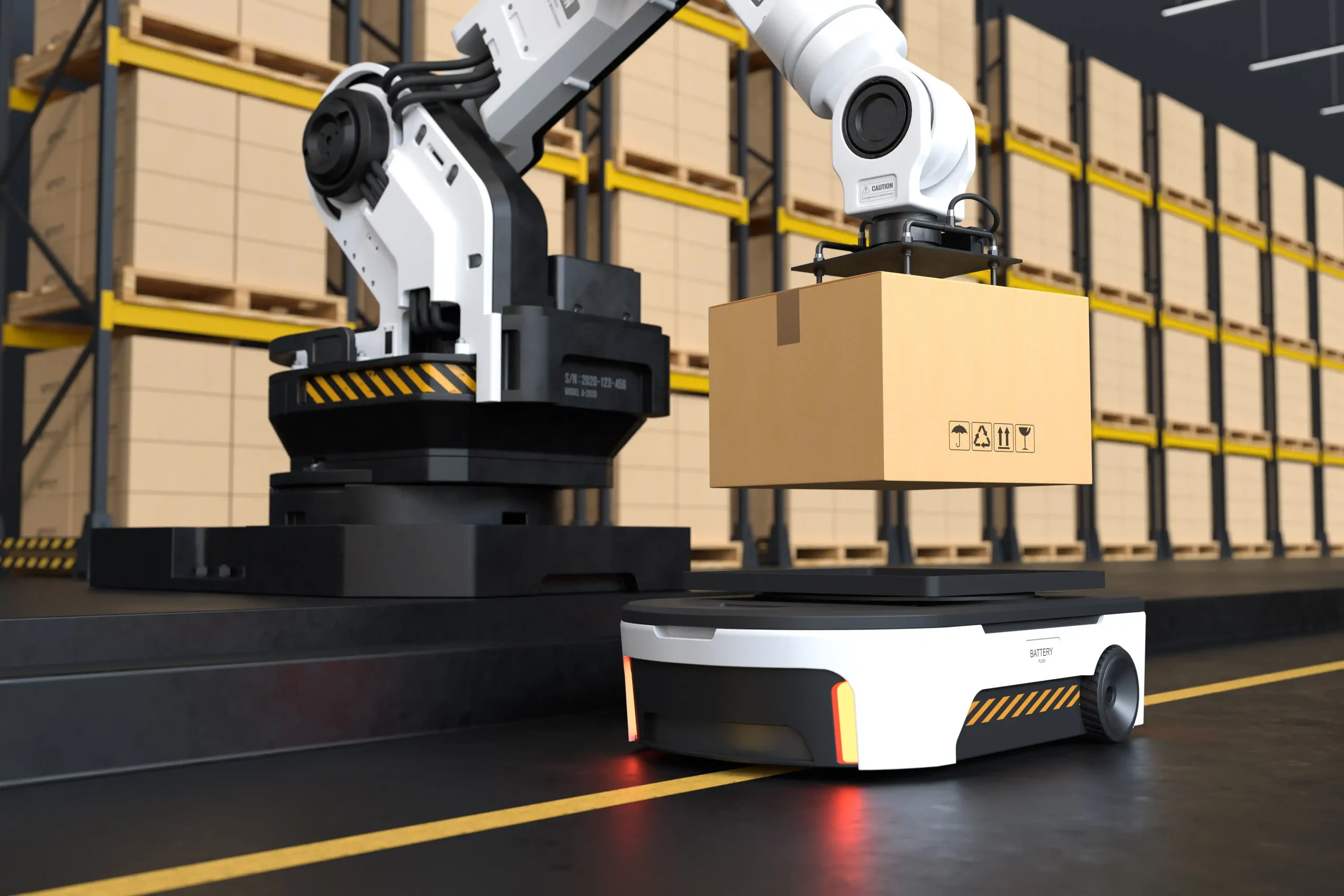
When it comes to moving and stacking products, many factories still rely on people. But tasks like palletizing and transporting materials are tiring, repetitive, and often unsafe. OK’s cost-saving cobot solutions take care of these jobs with speed and precision.

Less Labor, Lower Risk

OK palletizing robots can work around the clock without breaks. This reduces the need for multiple shifts or overtime pay. By automating heavy lifting, you also reduce the chance of injuries, which saves on insurance and lost time.

Smooth Material Movement with AGVs

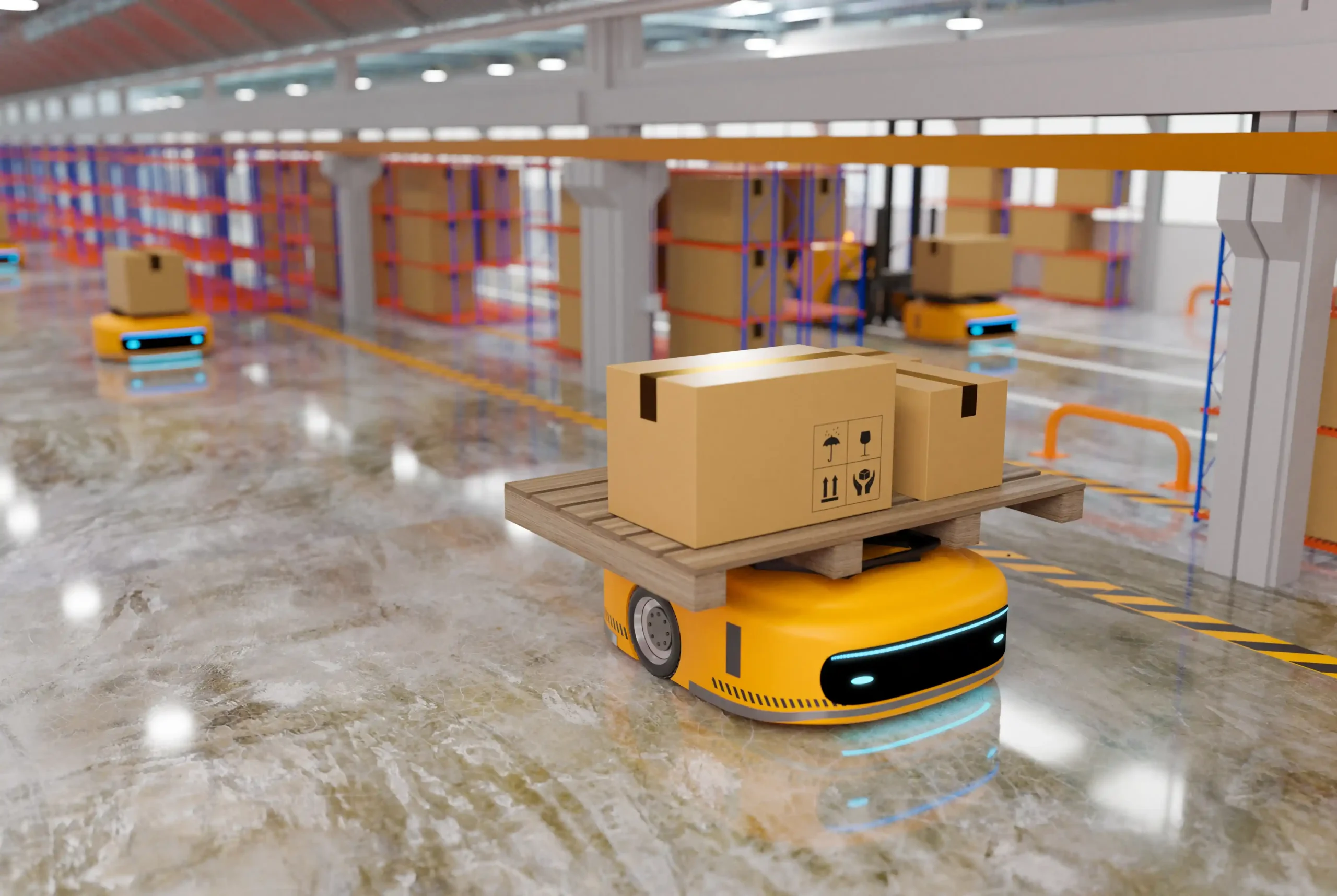
Our AGV (Automated Guided Vehicle) robots move products and materials from one area to another without needing tracks or human control. They reduce traffic jams on factory floors and keep your process flowing smoothly. This means less downtime and better use of space.

Samen, palletizers and AGVs help manufacturers cut labor costs while increasing safety and efficiency. But cost-saving cobot solutions go even further when you improve how you handle quality control.

Lowering Waste and Errors Using Intelligent Detection Equipment

Inconsistent quality can be one of the biggest hidden costs in manufacturing. Missed defects lead to customer complaints, product returns, and wasted resources. OK’s intelligent detection systems help stop these problems before they start.

Catch Problems Early

Our detection equipment uses cameras, sensoren, and smart software to inspect products in real time. Whether you’re checking size, shape, kleur, or defects, the system flags issues right away. This helps reduce waste and keeps only good products moving forward.

Consistent Quality, Less Rework

Manual inspections can miss things. People get tired. But intelligent detection equipment delivers the same result every time. That means fewer mistakes, less material loss, and fewer hours spent fixing errors. It also builds trust with your customers.

Keeping quality high while cutting costs is just another reason why manufacturers trust OK’s cost-saving cobot solutions.

Smarter Packaging Through Cost-Saving Cobot Solutions

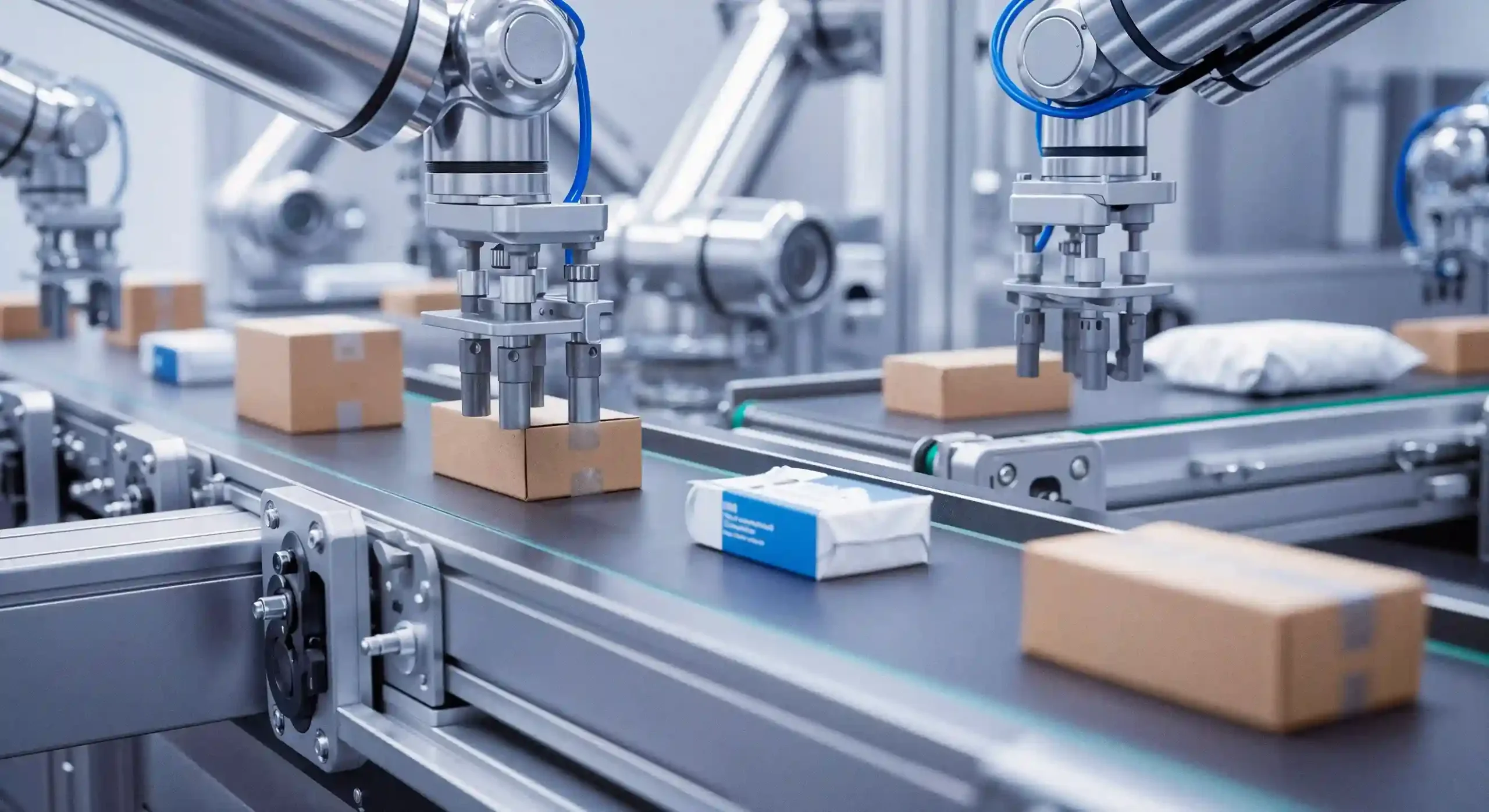
Packaging might seem simple, but it’s often where hidden costs pile up. Damaged products, slow packing lines, and rising material costs all impact your bottom line. OK’s intelligent packaging equipment helps solve these problems at their source.

Faster, Smarter, and More Precise

Our packaging cobots can handle everything from boxing and sealing to labeling and sorting. They don’t get tired or distracted, and they work at a consistent pace. This improves output without needing extra staff.

Reduce Damage, Save Materials

Because packaging cobots are precise, there’s less chance of crushed, misplaced, or poorly sealed items. Fewer damaged goods mean fewer returns and happier customers. You also use exactly the materials you need–niet meer, no less.

Op het einde, automation in packaging lets you handle higher volumes with fewer errors. That’s real savings without cutting corners.

The Long-Term ROI of Cost-Saving Cobot Solutions from OK

Investing in automation can feel like a big decision. But the long-term return is clear. With OK’s cost-saving cobot solutions, manufacturers start seeing real value from day one.

Shorter Payback Periods

Many of our clients recover their investment in under a year. That’s because cobots reduce labor costs, minimize waste, and improve efficiencyall at once. And since cobots are energy-efficient and low-maintenance, ongoing costs stay low.

Low Maintenance, Long Life

OK’s cobots are built to last. They require little upkeep, and our support team is always available to help. This means fewer repair costs and less downtime, so your factory keeps moving.

Ready for the Future

As your business grows, your automation can grow with it. Our systems are scalable, so you can start small and expand as needed. You’re not locked into one way of workingyou have the flexibility to adapt to market changes, new products, or customer demands.

When you look at the big picture, cobots aren’t just tools. They’re smart investments in the future of your factory.

Conclusie

Cutting costs used to mean cutting corners. But not anymore. With OK’s cost-saving cobot solutions, manufacturers can reduce expenses and keep output high. From palletizing and transportation to inspection and packaging, our cobots bring real results to real factories.

We don’t believe in one-size-fits-all systems. We believe in listening to what your factory needs and helping you find the right mix of automation to meet your goalson your timeline and your budget.

Ready to explore how automation can work for you? Reach out to us today. We’d love to learn more about your production challenges and help you build a smarter, more cost-effective future.

Veelgestelde vragen

What industries can use OK’s cobots?

Our cobots are used in manufacturing, logistiek, food processing, elektronica, en meer.

Are cobots safe to work around humans?

Ja. OK cobots are designed with built-in safety features for safe human collaboration.

How quickly can OK cobots be installed?

Most cobots can be set up and running in just a few days.

Do I need to change my entire factory setup?

Not at all. Our cobots integrate easily with existing equipment and processes.
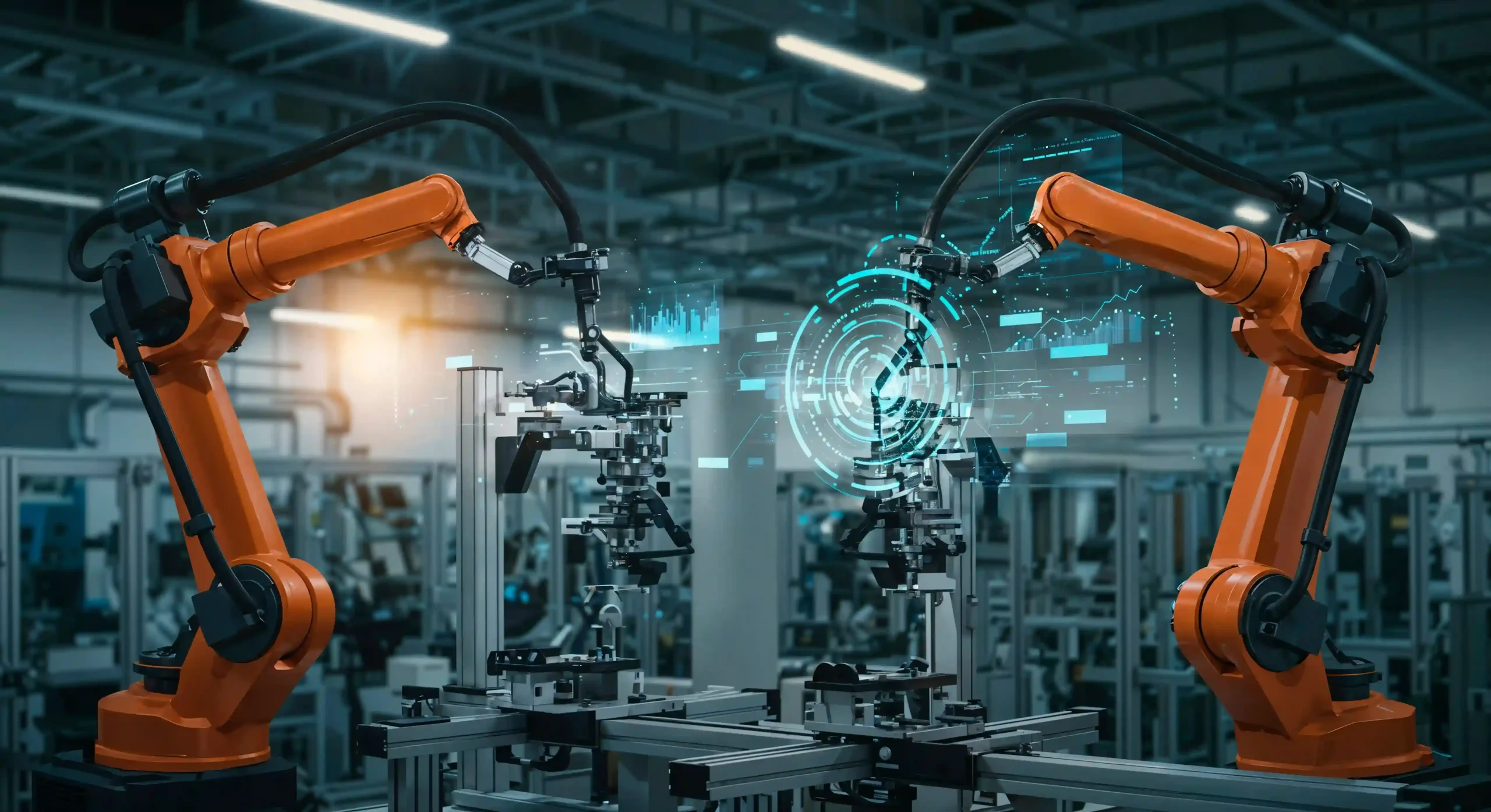
Hoe OK de groei ondersteunt met schaalbare robotica-oplossingen

In today’s fast-changing world, manufacturing companies are under more pressure than ever. They need to produce faster, smarter, en efficiënter. But how can a factory keep up with demand, control costs, and still deliver quality? That’s where scalable robotics solutions come in.

En oké, we understand that growth should never be a guessing game. That’s why our robotic systems are built not just to meet today’s goals, but to grow with your business in the future. Whether you’re starting small or already running a large operation, our technology helps you scale in a smart, cost-effective way.

Let’s take a closer look at why so many companies are turning to automation, and how OK is making it easier for manufacturers around the world to grow with confidence.

Why Scalable Robotics Solutions Are Essential for Modern Manufacturers

Running a factory today is not as simple as it used to be. Tekorten aan arbeidskrachten, increasing wages, and rising demand for custom products all make it harder to stay ahead. On top of that, businesses need to meet high-quality standards while staying competitive.

Dus, what’s the solution? Many companies are realizing that scalable robotics solutions are not just a luxury they are a must-have.

Instead of hiring more workers or overloading your current team, robotic systems can take on repetitive tasks, fouten verminderen, and work around the clock. The best part is that scalable robotics can start small and expand as your business grows. That way, you don’t need to invest in an entire system right away. You can add more equipment or features when you’re ready.

But what problems do robotics actually solve, and how does this help with growth?

Common Roadblocks in Scaling Production

  • Many factories run into the same set of problems when they try to grow. These include:
  • Manual labor limitsIt’s hard to find enough workers, and training takes time. Human labor also comes with natural limits on speed and accuracy.
  • Inconsistent qualityAs production increases, maintaining quality by hand becomes difficult.
  • High labor costsMore staff means more expenses. Salaries, voordelen, and turnover add up fast.

These challenges can slow down a business and make it harder to meet customer expectations.

How Robotics Offers a Smarter Alternative

This is where scalable robotics solutions change the game. Instead of building everything from scratch or hiring dozens of new workers, companies can use robots to handle the heavy lifting.

  • Flexibiliteit – Robotic systems can be customized for different products or tasks. As your needs change, your robots can too.
  • ROI-focusedRobots reduce waste, improve speed, and save money over time. Most companies see a return on investment within 12 naar 18 maanden.
  • Ready for tomorrowOnce the system is in place, you can easily scale up. Add more units, connect more parts of the production line, or upgrade with new features.

This means companies no longer have to choose between staying small and taking a big financial risk. They can grow step-by-step, backed by automation that moves with them.

So how does OK make this possible?

Scalable Robotics Solutions

How OK Delivers Scalable Robotics Solutions Across Industries

OK has helped over a thousand companies around the world upgrade their production lines with smart, flexible robotics. Whether it’s a food packaging plant, a car parts warehouse, or a pharmaceutical company, our solutions are designed to fit the job.

We don’t just sell machines. We work with each client to understand their needs and build systems that fit their space, budget, and goals. Our team helps with planning, setup, and support, making sure everything runs smoothly from day one.

Here are some of the ways OK brings scalable robotics solutions to life.

Palletizing Robots That Grow With You

Palletizing might seem like a simple task, but doing it manually can be slow and dangerous. Our palletizing robots take care of stacking boxes quickly and accurately. As your business grows, you can add more robot arms, increase speed, or connect them with other systems like conveyors.

They also handle different sizes and weights, which means you don’t have to switch equipment when your products change.

Vision Inspection That Improves Over Time

Catching product defects early saves money and protects your brand. Our vision inspection systems use advanced cameras and software to find errors that human eyes might miss.

Na verloop van tijd, the system collects data, gets smarter, and becomes more accurate. As your production line grows, you can expand the inspection points without replacing the whole system.

Packaging Line Automation Made Custom

From forming boxes to sealing them shut, packaging is a key part of the supply chain. OK’s packaging equipment includes case erectors, case openers, and sealers that can be tailored to different products or speeds.

This makes it easy to upgrade your line as orders increasewithout needing a full redesign.

But how does OK stand out from other automation companies?

What Makes OK Different in the World of Scalable Robotics Solutions

With so many companies offering robots today, it’s fair to askwhy choose OK?

The answer lies in how we build relationships, not just machines. We’re a part of OK Technology, a publicly listed company, which gives us strong financial and technical backing. But more importantly, we treat every client’s production line like it’s our own.

We combine high-quality equipment with personal service and deep industry experience. Here’s what sets us apart.

Tailored Systems, Not One-Size-Fits-All

Many automation providers offer fixed machines that don’t work well outside of standard environments. OK takes the time to design each system around the real needs of your factory.

Whether you’re working with cartons, tassen, or barrels, we adjust the robots to match your materials and space. You don’t need to force your workflow to fit the robotwe build the robot to fit your workflow.

End-to-End Support You Can Count On

From the first meeting to long after the system is installed, our team is there to help. We handle everything from the site visit to setup and testing. We also train your team and offer regular check-ins and maintenance.

This full-service approach gives you peace of mind, especially when scaling up.

Still wondering if scalable robotics really works? Let’s look at some real results.

Scalable Robotics Solutions

Real-World Results: How OK Helped Businesses Scale Successfully

It’s easy to talk about features and benefits, but results speak louder. En oké, we’ve seen how our solutions help real businesses grow faster and smarter.

Here are a couple of quick stories that show how scalable robotics solutions helped companies overcome their challenges and reach new goals.

Logistics Facility Boosts Output by 60 Percent

A large logistics company struggled with delays in packing and shipping. Their workers couldn’t keep up during peak seasons, and errors in labeling caused rework and returns.

With OK’s packaging and palletizing system, they sped up their process by 60 procent. Errors dropped, and the company could finally handle more orders without hiring more staff.

Manufacturer Cuts Labor Costs by 40 Percent With Smart Robotics

A manufacturer in southern China wanted to cut labor costs but didn’t want to lay off workers. With our scalable solution, they slowly shifted workers from physical tasks to monitoring and supervision.

Na verloop van tijd, the company saw a 40 percent drop in labor costs while increasing output. Workers were retrained for higher-value roles, and the system grew along with new product lines.

These stories show how automation can do more than just save timeit can change the way a company grows.

Dus, how can you get started?

Conclusie

Starting with automation doesn’t need to be overwhelming. En oké, we make it easy to take the first step. Whether you’re curious or ready to invest, our team is here to help you explore your options.

We start with a simple conversation about your goals, challenges, and current setup. From there, we design a plan that matches your pace, not someone else’s. Our systems grow with you, giving you the flexibility to expand when you’re ready.

We believe that scalable robotics solutions should work for every businessno matter the size, industry, or location.

Growth should feel exciting, not stressful. With OK, you don’t have to choose between staying small or taking big risks. Our scalable robotics solutions are designed to meet you where you areand help take you where you want to go.

If you’re ready to stop guessing and start scaling, we’d love to talk. Let’s build something smarter together. Contact us today and find out how OK can help your business grow with confidence.

Veelgestelde vragen

What are scalable robotics solutions?

These are robotic systems designed to grow with your business. You can start small and expand over time without replacing everything.

Is OK’s automation customizable?

Ja. Every solution is tailored to your products, space, en productiebehoeften.

How fast can I see ROI?

Most clients see a return within 12 naar 18 maanden.

What industries does OK serve?

We support manufacturing, logistiek, verpakking, elektronica, en meer.

Robotgrijpertypes palletiseren en hoe u de juiste kiest voor uw bedrijf

In moderne productie en logistiek, snelheid en nauwkeurigheid zijn belangrijker dan ooit. Daarom kiezen steeds meer bedrijven voor automatisering, vooral palletiseerrobots. Deze robots zijn ontworpen om producten zoals dozen te stapelen, tassen, of containers op pallets, helpt handarbeid te verminderen en de efficiëntie te vergroten. Maar terwijl de robotarm de meeste aandacht krijgt, de echte ster van de show is vaak de grijper.

De palletiseerrobotgrijper is het onderdeel van de robot dat uw product fysiek oppakt en plaatst. Het moet verschillende vormen aankunnen, gewichten, en materialen zonder iets te laten vallen of te beschadigen. Het kiezen van de verkeerde grijper kan tot vertragingen leiden, productschade, en zelfs veiligheidsrisico's.

Dus, Hoe weet u welke grijper geschikt is voor uw behoeften?? In deze gids, we laten u de verschillende soorten palletiseerrobotgrijpers zien, leg uit hoe ze werken, en helpen u erachter te komen welke het beste bij uw bedrijf past. Ook laten we u zien hoe een vertrouwde aanbieder als OK u kan ondersteunen bij het maken van de juiste keuze.

Laten we beginnen met begrijpen wat een palletiseerrobotgrijper werkelijk doet en waarom het zo belangrijk is.

Wat is een palletiseerrobotgrijper en waarom is het belangrijk??

Op het eerste gezicht, een palletiseerrobot lijkt misschien op een mechanische arm. Maar wat hem de kracht geeft om voorwerpen op te tillen en te verplaatsen, is de grijper die aan het uiteinde is bevestigd. De palletiseerrobotgrijper fungeert als de hand van de robot, artikelen pakken en in een bepaald patroon op een pallet plaatsen. Het is ontworpen om met precisie te bewegen, herhaal dezelfde taak vele malen, en zorg ervoor dat het proces soepel verloopt.

Maar hier zit het addertje onder het gras. Niet alle grijpers zijn hetzelfde. Een grijper die goed werkt voor het optillen van harde dozen, werkt mogelijk niet voor zachte dozen, flexibele zakken. Sommige grijpers gebruiken zuigkracht om dingen op te pakken. Anderen gebruiken vingers of klauwen om voorwerpen vanaf de zijkant vast te pakken. Er zijn zelfs grijpers die magneten gebruiken voor het hanteren van metalen onderdelen.

Of u nu een dozenpalletiseerrobot of een zakkenpalletiseerrobot gebruikt, de grijper die u kiest, heeft een directe invloed op de snelheid van uw robot, nauwkeurigheid, en betrouwbaarheid. Als de grijper niet geschikt is voor de taak, uw robot kan voorwerpen laten vallen, langzamer bewegen, of het niet omgaan met bepaalde producten.

Dit brengt ons bij de volgende belangrijke vraag. Welke soorten palletiseerrobotgrijpers zijn er?, en hoe werken ze?

Palletiseerrobot

Belangrijkste soorten palletiseerrobotgrijpers uitgelegd

Bij het selecteren van een palletiseerrobotgrijper, Het is belangrijk om te weten welke soorten er zijn en waar ze het beste voor gebruikt kunnen worden. Hieronder vindt u de meest voorkomende typen grijpers die tegenwoordig bij palletiseertoepassingen worden gebruikt.

Vacuümgrijpers

Vacuümgrijpers gebruiken zuigkracht om voorwerpen op te pakken, meestal vanaf het bovenoppervlak. Ze zijn ideaal voor een vlotte bediening, vlak, en lichtgewicht voorwerpen, zoals kartonnen dozen of verzegelde pakketten. Deze grijpers worden vaak geleverd met zuignappen of schuimkussentjes die een goede afdichting op het oppervlak van het product creëren.

Voordelen van vacuümgrijpers

  • Snel en efficiënt
  • Ideaal voor grote of platte voorwerpen
  • Eenvoudig ontwerp met minder bewegende delen

Nadelen

  • Niet ideaal voor poreuze of oneffen oppervlakken
  • Kan moeite hebben met zware spullen of slappe tassen

Veel dozenpalletiseerrobots maken gebruik van vacuümgrijpers omdat dozen doorgaans uniform van vorm zijn en op deze manier gemakkelijk te tillen zijn.

Mechanische grijpers

Mechanische grijpers gebruiken vingers, klauwen, of kaken om voorwerpen vanaf de zijkanten vast te pakken. Deze zijn beter geschikt voor zwaardere of onregelmatig gevormde voorwerpen. Sommige mechanische grijpers kunnen hun grip aanpassen aan verschillende itemgroottes, wat flexibiliteit toevoegt.

Voordelen van mechanische grijpers

  • Sterke grip voor zware of oneffen voorwerpen
  • Werkt goed op harde oppervlakken
  • Kan worden aangepast voor verschillende vormen

Nadelen

  • In sommige gevallen langzamer dan vacuümgrijpers
  • Complexer ontwerp met bewegende delen

Mechanische grijpers worden vaak gebruikt in robotsystemen voor het palletiseren van zakken, omdat ze beter met zacht materiaal kunnen omgaan, veranderende aard van gevulde zakken.

Magnetische grijpers

Magnetische grijpers gebruiken magneten om metalen voorwerpen op te tillen. Deze zijn meestal te vinden in industrieën die zich bezighouden met metalen onderdelen, zoals blikjes, vellen, of containers.

Voordelen van magnetische grijpers

  • Ideaal voor metalen voorwerpen
  • Snel en gemakkelijk te gebruiken
  • Geen bewegende delen

Nadelen

  • Werkt alleen met ferrometalen
  • Niet geschikt voor niet-metalen verpakkingen

Hybride grijpers

Soms, één methode is niet genoeg. Hybride grijpers combineren twee of meer grijpstijlen, zoals vacuüm en mechanisch, om de prestaties te verhogen. Bijvoorbeeld, een hybride grijper kan zuigkracht gebruiken om een ​​doos op te tillen en zijklemmen om hem stabiel te houden.

Voordelen van hybride grijpers

  • Hoge veelzijdigheid
  • Kan omgaan met moeilijke vormen of gemengde producten
  • Vermindert de noodzaak om van gereedschap te wisselen

Nadelen

  • Duurder en complexer
  • Vereist een zorgvuldige integratie met het robotsysteem

Nu je de soorten grijpers kent, hoe kom je erachter welke voor jou geschikt is? Dat is wat we hierna zullen onderzoeken.

Palletiseerrobot

Kies de juiste palletiseerrobotgrijper voor uw bedrijf

Niet alle palletiseertaken zijn hetzelfde. Sommige operaties hebben betrekking op dozen. Anderen werken met tassen, containers, of vreemd gevormde voorwerpen. Het kiezen van de juiste palletiseerrobotgrijper begint met het kennen van uw product en uw doelstellingen.

Hier zijn enkele belangrijke vragen die u kunt stellen:

  • Wat is de maat en vorm van het artikel?
  • Hoeveel weegt het?
  • Is het oppervlak glad of ruw?
  • Is het artikel stijf, zacht, of kwetsbaar?
  • Wat is de snelheid van uw productielijn?
  • Moet u wisselen tussen verschillende producten??

Bijvoorbeeld, als u verzegelde kartonnen dozen met hoge snelheid stapelt, een vacuümgrijper past vaak het beste. Maar als je met grote werkt, slappe zakken gevuld met graan of meel, je hebt waarschijnlijk een mechanische of hybride grijper nodig.

Laten we eens nader bekijken hoe de behoeften verschillen bij het omgaan met dozen en tassen.

Zakpalletiseerrobot versus dozenpalletiseerrobot: Wat is het verschil?

Robots voor het palletiseren van dozen hebben doorgaans te maken met vierkante of rechthoekige vormen. Deze producten zijn gemakkelijk vast te pakken door middel van zuigkracht vanwege hun vlakke oppervlakken en consistente structuur. Vacuümgrijpers werken hier goed omdat ze snel zijn, betrouwbare beweging met minimaal contact.

Robots voor het palletiseren van zakken, anderzijds, staan ​​voor een andere uitdaging. Zakken zijn vaak zacht, flexibele, en gevuld met schuifmateriaal. Een vacuümgrijper alleen houdt ze misschien niet stevig vast, vooral als het oppervlak van de tas poreus is of naden heeft. Mechanische grijpers, of een hybride ontwerp dat zowel zuigkracht als klemmen gebruikt, kan meer controle en betere resultaten bieden.

Als uw bedrijf zowel dozen als zakken verwerkt, misschien wilt u een veelzijdige palletiseerrobotgrijper of een gereedschapwisselsysteem waarmee de robot tussen grijpers kan wisselen.

Dus hoe ga je van weten wat je nodig hebt naar het in handen krijgen van de juiste grijper?? Dat is waar OK om de hoek komt kijken.

Hoe OK u helpt de perfecte palletiseerrobotgrijper te vinden

En oké, wij begrijpen dat het kiezen van een palletiseerrobotgrijper niet alleen gaat over het kiezen uit een catalogus. Ieder bedrijf heeft andere behoeften, en het is onze taak om u te helpen een oplossing te vinden die bij uw producten past, jouw doelen, en uw budget.

Wij bieden een assortiment grijpers aan, inclusief vacuüm, mechanisch, en op maat gemaakte oplossingen. Of u nu werkt met een dozenpalletiseerrobot of een zakkenpalletiseerrobot, wij helpen u bij het selecteren van de tool die u de beste prestaties levert.

Ons team ondersteunt u ook bij systeemintegratie, simulaties, en testen. Deze kant op, u kunt zien hoe de grijper in uw praktijk zal werken voordat u een definitieve beslissing neemt.

Plus, onze grijpers zijn gebouwd met het oog op duurzaamheid en onderhoudsgemak, zodat ze uw productielijn in beweging houden zonder voortdurende onderbrekingen.

Op zoek naar iets op maat van uw werking? Wij kunnen uw grijper aanpassen aan uw specifieke productvormen, palletpatronen, en ruimtebeperkingen.

Conclusie

Het selecteren van de juiste palletiseerrobotgrijper is een van de belangrijkste keuzes die u kunt maken bij het toevoegen van automatisering aan uw productielijn. Van vacuümgrijpers voor gladde dozen tot mechanische en hybride opties voor zachte zakken, het juiste gereedschap kan het verschil in snelheid maken, veiligheid, en succes.

Met zoveel opties beschikbaar, het kan overweldigend zijn om te kiezen. Maar je hoeft het niet alleen te doen.

En oké, we werken nauw samen met onze klanten om hun behoeften te begrijpen en grijpers te bieden die echt passen. Of u nu een eenvoudige dozenpalletiseerrobot nodig heeft of een volledig systeem voor het verwerken van meerdere productsoorten, wij zijn hier om u te helpen een slimmere oplossing te bouwen, efficiëntere toekomst.

Heeft u vragen of wilt u deskundig advies?? Neem vandaag nog contact op met het OK-team wij staan ​​klaar om u te helpen de perfecte match voor uw bedrijf te vinden.

Veelgestelde vragen

1. Wat is een palletiseerrobotgrijper?

Een palletiseerrobotgrijper is het gereedschap dat aan de robotarm is bevestigd en dat artikelen zoals dozen of zakken op pallets oppakt en plaatst. Het is essentieel voor nauwkeurigheid, veilig, en efficiënte automatisering.

2. Welke grijper is het beste voor dozen?

Vacuümgrijpers zijn vaak het beste voor dozen, omdat ze snel en soepel kunnen worden opgetild, vlakke oppervlakken met zuigkracht, waardoor ze ideaal zijn voor snelle dozenpalletiseerrobots.

3. Kan één grijper zowel dozen als tassen hanteren?

Sommige hybride grijpers kunnen beide aan, maar het hangt af van de grootte, gewicht, en materiaal. In veel gevallen, een op maat gemaakte of schakelbare oplossing is ideaal voor activiteiten waarbij meerdere producttypen worden verwerkt.

4. Hoe weet ik welke grijper ik moet kiezen??

Denk aan de vorm van uw product, gewicht, oppervlak, en hoe snel uw lijn loopt. Door samen te werken met een leverancier als OK kunt u ervoor zorgen dat de grijper aan uw behoeften voldoet.

Hoe het automatisch geleide voertuig (AGV) Verandert warehousing voor altijd

Warehouses used to be all about forklifts, paper checklists, and a lot of walking. But today, things are changing fast. Modern warehouses are turning to smarter, more reliable tools to help them move faster and work more efficiently. One of the most important of these tools is the Automated Guided Vehicle (AGV).

In this blog post, we’ll explore how Automated Guided Vehicles (AGVs) are used in warehousing, what benefits they bring, and why more companies are choosing to invest in this technology to stay ahead in the logistics game.

What Is an Automated Guided Vehicle (AGV)?

An Automated Guided Vehicle (AGV) is a type of mobile robot that can move items around a warehouse without needing a driver. It uses sensors and software to follow paths, vermijd obstakels, and carry out tasks safely and efficiently.

AGVs are often used to transport pallets, boxes, or containers between areas in a warehouse. Unlike forklifts or manual carts, AGVs can work all day and all night, keeping things moving without breaks.

They come in different shapes and sizes, depending on what they need to carry and where they need to go. Some follow fixed paths using magnetic tape or laser guidance. Others use more advanced navigation, like cameras or LiDAR, to find their way.

With that basic idea in mind, let’s look at where AGVs are used in warehouse operations and how they help in real-life situations.

Automated Guided Vehicle

Where Are Automated Guided Vehicles (AGVs) Used in Warehouses?

Warehouses are complex places with many moving parts. From the moment goods arrive to the moment they are shipped out, there is a lot of movement happening inside. That’s where the Automated Guided Vehicle (AGV) comes in.

AGVs are designed to handle this constant movement so that people can focus on tasks that require judgment or decision-making.

Receiving and Inbound Transport

When goods arrive at the loading dock, they need to be unloaded and moved into storage quickly. An Automated Guided Vehicle (AGV) can transport items from the receiving area to storage racks or staging zones without delay.

This makes the receiving process faster and keeps the loading dock from getting overcrowded.

Internal Transport Between Zones

Inside the warehouse, products often need to move between different areaslike from storage to packing, or from picking to shipping. An Automated Guided Vehicle (AGV) can handle these trips automatically.

By taking over these routine movements, AGVs reduce the amount of time workers spend walking or driving, helping them stay focused on higher-value tasks.

Order Picking Support

While many warehouses still use people to pick products, AGVs can support the process. Bijvoorbeeld, an Automated Guided Vehicle (AGV) can bring empty bins to pickers and carry full bins to packing stations.

This teamwork between people and machines helps improve picking speed and accuracy while reducing physical strain.

Outbound Logistics and Shipping

After products are packed, they need to be moved to the correct shipping lane or dock. An Automated Guided Vehicle (AGV) can deliver these orders quickly and accurately, helping keep outbound operations running smoothly.

This is especially helpful during busy times, like holiday seasons, when there is more to ship and less time to do it.

Now that we know where AGVs are used, the next question is: what kind of AGVs are available, and how do you choose the right one for your warehouse?

Different Types of Automated Guided Vehicles (AGVs) in Warehousing

Not all AGVs are the same. The right Automated Guided Vehicle (AGV) depends on the kind of work it needs to do and the layout of your warehouse.

Warehouses can choose from a few main types of AGVs, each designed for different tasks.

Unit Load AGVs

These AGVs are designed to carry pallets or large containers. They’re commonly used in warehouses that deal with bulk items or heavy loads.

A unit load Automated Guided Vehicle (AGV) is great for moving goods between storage and shipping or supporting production lines in manufacturing facilities.

Forklift AGVs

These are similar to traditional forklifts but without a driver. A forklift Automated Guided Vehicle (AGV) can lift, carry, and place loads on racks or shelving systems.

They are useful in warehouses with high storage racks where lifting is required.

Tugger AGVs

A tugger Automated Guided Vehicle (AGV) is made to pull carts filled with goods along a planned route. This is useful for moving large volumes of materials between departments or zones.

It’s often used in warehouses that need to move several items at once across long distances.

Tote and Bin-Carrying AGVs

These smaller AGVs are designed for warehouses that handle lighter items in bins or totes. They’re perfect for high-speed order picking or e-commerce fulfillment centers.

After exploring the different types, it’s easy to see how AGVs can fit into many different workflows. But what really makes them worth the investment?

Automated Guided Vehicle

Why Are Warehouses Adopting Automated Guided Vehicles (AGVs)?

Warehouses around the world are turning to automation because they need to move faster, kosten verlagen, and keep up with rising customer expectations. Here’s how the Automated Guided Vehicle (AGV) helps make that happen.

Improved Efficiency

AGVs don’t stop for lunch or take breaks. They keep working around the clock. This helps warehouses complete more tasks in less time and avoid delays caused by worker shortages or manual errors.

An Automated Guided Vehicle (AGV) keeps materials flowing so other processes, like picking and packing, can run without interruption.

Reduced Labor Costs

By handling repetitive transport tasks, AGVs reduce the need for manual labor. This helps companies lower their labor costs and focus human workers on more complex jobs.

This is especially helpful for warehouses struggling to hire or train new employees.

Increased Safety

Forklift accidents are a real concern in many warehouses. But an Automated Guided Vehicle (AGV) uses sensors, camera's, and controlled speeds to avoid collisions and operate safely.

Fewer accidents mean lower costs, less downtime, and a safer workplace.

Scalability and Flexibility

As business grows, warehouses can add more AGVs to handle higher volumes. That makes it easier to scale operations without making huge changes to the layout or hiring dozens of new workers.

An Automated Guided Vehicle (AGV) system can also be adjusted over time as workflows change.

With all these advantages, the final piece of the puzzle is choosing the right partner. And that’s where OK comes in.

Why OK Is a Leading Provider of Automated Guided Vehicle (AGV) Solutions

When it comes to automation, having the right partner makes all the difference. OK is a trusted provider of Automated Guided Vehicle (AGV) systems, with experience in designing smart, flexible solutions for warehouses of all sizes.

As a manufacturer based in China, OK offers cost-effective AGVs that are built with quality and reliability in mind. Whether your warehouse needs pallet movers, tugger AGVs, or custom bin-handling solutions, OK can help.

The company also focuses on helping clients integrate AGVs into existing systems. That means your AGVs can connect with your warehouse management software, making your operation even smarter.

If your warehouse is ready to move faster and work smarter, OK is ready to help you get started with an Automated Guided Vehicle (AGV) solution that fits your needs.

Conclusie

Warehouses are no longer just about storage. They are fast-moving, highly organized operations that depend on speed, nauwkeurigheid, and consistency. That’s why the Automated Guided Vehicle (AGV) is becoming a key part of modern warehousing.

Whether it’s helping with receiving, supporting pickers, or moving products to shipping, AGVs offer real benefits. They reduce labor costs, veiligheid verbeteren, and help warehouses scale without extra stress.

If you’re thinking about upgrading your warehouse or simply want to learn how automation can work for you, now is a great time to explore the possibilities.

Want to see how an Automated Guided Vehicle (AGV) can transform your operation? Reach out to the team at OK today. We’re here to help you understand your options, plan your next steps, and find the right AGV solution for your warehouse no pressure, just smart advice.

Veelgestelde vragen

1. What is an Automated Guided Vehicle (AGV)?

An AGV is a driverless vehicle used to move materials in a warehouse using sensors, software, and guided navigation.

2. Where are AGVs used in a warehouse?

AGVs are commonly used in receiving, storage, plukken, verpakking, and shipping areas to transport goods efficiently.

3. How do AGVs improve warehouse operations?

AGVs help reduce manual labor, veiligheid verbeteren, increase speed, and lower operating costs through automated movement.

4. Are AGVs safe to use around people?

Ja, AGVs have safety sensors and obstacle detection systems that allow them to operate safely around human workers.

5. Why choose OK for AGV solutions?

OK offers customizable, cost-effective Automated Guided Vehicle (AGV) systems backed by expert support and integration services.

What Makes OKCobot Different in a Competitive Market

In today’s fast-changing world of manufacturing, automation is no longer a luxury. It is a necessity. From packing boxes to inspecting products, companies everywhere are using robots to make their work faster, easier, en efficiënter. But with so many robot brands and automation solutions out there, how do you decide which one is truly the best fit?

This is where OKCobot stands out. It is not just another automation brand. It is a company that brings real solutions to real production problems. Whether you are in the food industry, logistiek, chemicaliën, or e-commerce, OKCobot offers something different. But what exactly makes OKCobot so special in such a crowded and competitive market?

Laten we het eens nader bekijken.

What Is OKCobot and What Does It Offer?

Before we talk about what makes OKCobot unique, it’s important to understand what the company actually does.

OKCobot is a Chinese manufacturer of intelligent automation equipment. It is a part of OK Technology, a public company with a strong background in innovation and industrial development. OKCobot focuses on building smart, reliable machines that help factories and warehouses run more efficiently.

The company offers a wide range of automation tools. These include collaborative palletizing robots, box-opening machines, case-sealing robots, visual inspection systems, and smart packaging solutions. Each product is designed to reduce manual labor, improve speed, and ensure accuracy.

But OKCobot is more than just machines and equipment. It provides complete automation solutions from start to finish. That means they help you figure out what you need, build the right system for your production line, install it, and train your team to use it properly.

So now that we know what OKCobot offers, let’s explore how it adds more value than many other automation companies out there.

OKCobot

How OKCobot Delivers Value Beyond Just Machines

Many automation companies will sell you a robot and leave the rest to you. That’s not how OKCobot works. This company believes that real success comes from solving the full problem, not just a part of it. From the first conversation to the final setup, OKCobot supports customers every step of the way.

If you are wondering what this looks like in real life, think about this. When a factory needs to improve its packaging line, it usually has unique challenges. Maybe the products are heavy or come in different sizes. Maybe the warehouse space is small. Maybe the team is not trained to handle complex machines.

This is where OKCobot steps in. The company offers full-process service, including needs analysis, site inspection, customized system design, on-site installation, and after-sales support. That means you are not just buying equipment. You are partnering with experts.

Key Benefits of Choosing OKCobot

  • Tailored Solutions: OKCobot does not believe in one-size-fits-all. Their robots are customized based on the industry, the materials being handled, and the layout of the factory.
  • End-to-End Support: From planning to training, OKCobot stays involved to make sure everything runs smoothly.
  • Built-In Efficiency: All products are designed for fast, high-volume work, while keeping energy use and space needs low.

Now that we’ve seen how OKCobot supports your entire automation journey, how does it compare to other big names in the robot industry?

Why OKCobot Stands Out in a Competitive Market

With so many companies offering collaborative robots today, it might seem hard to know who to trust. Brands like ABB, Fanuc, Universal Robots, and others have a strong presence in the global market. They offer reliable products, no doubt. But when it comes to value, flexibiliteit, and full-service support, OKCobot holds a unique position.

Other companies often focus on selling the robot itself. OKCobot offers much more by being a complete automation partner. Not only are their products reliable, but they are also affordable and flexible enough to match the fast-changing needs of modern factories.

OKCobot vs. Other Cobots

Let’s break it down.

  • Affordability: OKCobot provides high-performance machines without the high price tag. This makes it easier for small and mid-sized businesses to adopt automation.
  • Faster ROI: With lower upfront costs and faster setup, companies can start seeing returns in as little as 12 maanden.
  • Customization: Many large robot companies offer general-purpose machines. OKCobot builds its systems to match your exact production needs.
  • Service Model: While competitors often work through resellers or third-party integrators, OKCobot manages everything directly, saving time and reducing errors.

If you are wondering whether these features lead to real results, the answer is yes. Let’s take a look at how customers benefit from choosing OKCobot.

OKCobot

Real Results: The ROI That Makes OKCobot a Smart Choice

In automation, numbers matter. Businesses want to know if the money they spend today will pay off tomorrow. With OKCobot, the numbers speak for themselves.

Many of their customers have seen major improvements in efficiency. Labor costs are often reduced by over 30 procent. Production speeds can increase by more than 50 procent. And in most cases, companies recover their investment within 12 naar 18 maanden.

These gains are not just about saving money. They are also about building a stronger, more reliable operation. When machines work consistently and accurately, production becomes easier to manage. Mistakes go down. Output goes up. Workers can focus on higher-value tasks instead of repetitive labor.

How Fast Can You See a Return with OKCobot?

The return on investment depends on the size of your factory and the type of work being automated. But here are a few examples:

  • A food packaging company replaced manual stacking with OKCobot palletizers and cut packing time by 40 procent.
  • A warehouse handling mixed product sizes used OKCobot’s visual inspection system to reduce sorting errors by 70 procent.
  • A building materials supplier adopted OKCobot’s box-opening and sealing combo to speed up production without hiring more workers.

In each case, the investment paid off quickly, and the company became more competitive in its market. But there’s more to OKCobot’s success than just performance.

Why Manufacturers Around the World Trust OKCobot

Choosing an automation partner is a big decision. It affects not just your production line, but also your costs, your workflow, and your long-term growth. That is why companies around the world are turning to OKCobot for smart automation solutions.

OKCobot brings a rare combination of advanced technology, practical design, and thoughtful service. It is backed by a strong parent company, has years of experience, and continues to grow in international markets. But most of all, it focuses on what matters to customers: clear results, lower costs, and dependable support.

If you want to take your production to the next level without overcomplicating the process, OKCobot is a smart place to start. The company’s team is ready to listen, plan, and help you build the right automation system for your needs.

Conclusie

In a market full of robotic solutions, it is easy to get lost in tech specs, big promises, and high prices. But with OKCobot, what you get is simple: real value, real support, and real results. From custom-built palletizing robots to advanced inspection systems, OKCobot delivers tools that work for your business, not just in theory, but in practice.

Now that you know what makes OKCobot different, maybe it’s time to ask yourself: What could your factory do with better automation?

If you are ready to explore a smarter, more flexible way to automate, we’d love to talk. Reach out to us today and let’s find the right solution for your production goals.

Veelgestelde vragen

1. What is OKCobot?

OKCobot is a brand under OK Technology, focused on developing and producing intelligent automation equipment. The company offers palletizing robots, case sealers, box openers, visual inspection machines, and full automation solutions for factories worldwide.

2. What industries can benefit from OKCobot’s solutions?

OKCobot serves a wide range of industries including food and beverage, logistiek, farmaceutische producten, chemicaliën, en e-commerce. Their robots are designed to handle different materials like cartons, tassen, vaten, flessen, en meer.

3. How is OKCobot different from other cobot brands?

OKCobot stands out by offering full-process service. Unlike other brands that only sell hardware, OKCobot provides end-to-end support from system design to installation and training. Their solutions are also highly customizable and affordable.

4. How quickly can I see ROI with OKCobot?

Many customers see a return on investment within 12 naar 18 maanden. OKCobot’s machines help reduce labor costs and increase production efficiency, leading to faster payback.

5. Can OKCobot’s robots be customized?

Ja. OKCobot specializes in tailoring each system based on the client’s industry, production layout, and specific material handling needs. This flexibility ensures better performance and integration.

6. How can I get started with OKCobot?

You can contact OKCobot directly for a consultation. Their team will guide you through the process of choosing the right automation solution for your production goals.

How OKCOBOT’s Collaborative Robots Give Manufacturers a Competitive Edge

In de snel veranderende productiewereld van vandaag, every second and every decision matters. Companies are constantly searching for smarter, sneller, and more cost-effective ways to stay ahead. But with rising labor costs, a growing skills gap, and the pressure to produce more in less time, many manufacturers are feeling the strain.

That’s where collaborative robots come in. These flexible, easy-to-use machines are changing the way businesses run their operations. They don’t replace peoplethey work alongside them, helping to make production faster, veiliger, en efficiënter.

En oké, we believe collaborative robots are not just the futurethey’re the present. This article will walk you through the challenges manufacturers face, how collaborative robots help, and why OK’s solutions are helping businesses around the world stay ahead of the curve.

Why Manufacturers Are Turning to Collaborative Robots

With the manufacturing industry growing more competitive every day, staying efficient is no longer optional. Companies are under pressure to deliver high-quality products faster, veiliger, and more affordably. But how can manufacturers do all that while also facing workforce shortages and rising costs?

This is where collaborative robots are stepping in to fill the gap.

Key Manufacturing Challenges Today

Many manufacturers face a few big problems:

Tekorten aan arbeidskrachten

It’s getting harder to find skilled workers who want to do repetitive or physically demanding jobs. Even when companies find the right people, keeping them is a challenge.

High costs

Wages are rising. So are the costs of materials and operations. Businesses need to find ways to get more done without spending more money.

Inflexible automation

Traditional robots are big, duur, and hard to change once they’re installed. That doesn’t work well for companies that need to be flexible and move fast.

Global competition

Manufacturers now compete not just with local companies, but with businesses around the world. To survive, they need to be smarter and faster than ever.

Faced with these issues, many companies are asking the same question: “What can help us stay ahead without breaking the bank?” The answer for many is collaborative robots.

Collaboratieve robots

How Collaborative Robots Are Changing the Game in Manufacturing

Dus, what makes collaborative robots different? Why are they becoming the go-to tool for smart factories?

Unlike traditional robots that need to stay in a cage, collaborative robots are designed to work side by side with people. They’re safe, easy to set up, and can be used in a wide range of tasks. Even small companies with limited space or budget can start using them quickly.

Benefits of Using Collaborative Robots

Let’s look at some real advantages:

Verbeterde veiligheid

Collaborative robots are built with safety in mind. They can sense when a human is close and slow down or stop, making them safe to use without barriers.

Higher productivity

Cobots don’t get tired or distracted. They can work 24/7 if needed, doing boring or repetitive tasks so your human workers can focus on more important things.

Greater flexibility

One of the biggest advantages of collaborative robots is how easy they are to change. You can reprogram them for different tasks in just a few minutes.

Lower training requirements

You don’t need a robotics expert to use a cobot. Most collaborative robots have simple, user-friendly software that makes training fast and easy.

With all these benefits, it’s easy to see why collaborative robots are becoming so popular. But with more companies offering cobots, how do you choose the right one?

What Makes OK Different in the World of Collaborative Robots

There are many collaborative robot companies out there. Some are well-known, but also expensive and harder to customize. Others may offer lower prices but lack the quality or support that businesses need. OK stands out by offering the best of both worlds.

We focus on helping manufacturers improve their productivity with affordable, high-quality collaborative robots that are simple to use and fast to deploy.

Unique Features That Stand Out

Here’s what makes OK a smart choice:

Plug-and-play setup

Our cobots are designed to get to work quickly. You don’t need weeks of setup or special toolsjust plug them in and start running.

Smart software

We offer easy-to-use interfaces that support multiple languages and work well with existing systems. That means less training and faster results.

Built to last

OK’s collaborative robots are made with real-world manufacturing in mind. They’re strong, betrouwbaar, and ready to handle tough environments.

Customization options

Need a special tool or unique setup? OK works with you to build the right solution for your needs.

Trusted support

We offer localized customer service and a global supply network, so help is always within reach.

All of these features make OK a powerful choice for companies that want to get aheadand stay ahead.

Collaboratieve robots

How OK’s Collaborative Robots Help You Stay Competitive

Nu we de functies hebben besproken, let’s talk about what really matters: resultaten. OK’s collaborative robots are not just about specs and tech. They’re about helping your business become more productive, flexibele, and successful.

If you’ve ever asked yourself, “How can we produce more without hiring more?” orHow can we improve quality and cut costs at the same time?”–OK is built to answer those questions.

Real-World Advantages

Faster production

With cobots handling repetitive tasks, human workers can focus on complex work, leading to faster overall output.

Less downtime

Collaborative robots are easy to move and reprogram. That means less time waiting for changes and more time working.

Better quality

Cobots perform tasks the same way every time. That means fewer mistakes, better products, and happier customers.

Reduced costs

From training to operation to maintenance, collaborative robots save money in both the short and long term.

When you add it all up, the benefits are clear. But which industries can benefit the most?

Common Industries That Benefit from Cobots

Collaborative robots are flexible by design. That’s why OK works with manufacturers across many different industries. If your process includes tasks like assembling, testing, bewegen, or packaging, there’s a good chance a cobot can help.

Industries Using Collaborative Robots Successfully

Electronics

Cobots are perfect for delicate, high-precision tasks in electronics manufacturing, like soldering or circuit testing.

Automotive

In auto plants, collaborative robots help with welding, part assembly, and inspection, improving both speed and accuracy.

Medical devices

With strict quality rules and detailed work, the medical field uses cobots to help meet high standards.

Packaging and logistics

Collaborative robots can quickly and safely move products, stack boxes, and prepare shipments with minimal error.

No matter what industry you’re in, OK’s collaborative robots can be tailored to fit your goals and grow with your business.

Laatste gedachten

Manufacturing is changing. The businesses that adapt fastest will be the ones that succeed. Collaborative robots are helping companies all over the world do more with less, stay competitive, and deliver better products–sneller.

En oké, we don’t just sell machines. We partner with you to create smart, affordable automation that fits your needs today and grows with you tomorrow.

Ready to see how OK can help you gain a real edge in your industry? We’d love to learn more about your business and show you how our collaborative robots can make a difference.

Reach out to us todayno pressure, just a helpful conversation. Let’s build the future of manufacturing together.

Veelgestelde vragen (Veelgestelde vragen)

1. Wat zijn collaboratieve robots?

Collaboratieve robots, of cobots, are robots designed to work safely alongside humans in a shared workspace.

2. How are collaborative robots different from traditional robots?

Traditional robots usually need safety cages and are harder to reprogram. Collaborative robots are safer, easier to use, and more flexible.

3. Can small factories use collaborative robots?

Ja. Collaborative robots are perfect for small and medium-sized businesses because they are affordable and easy to set up.

4. Are collaborative robots safe to work with?

Ja. Most cobots have built-in safety features that let them sense and stop when a person is nearby.

5. What tasks can OK’s collaborative robots perform?

OK cobots can handle tasks like assembly, machine tending, verpakking, inspection, en meer.

6. How long does it take to install a collaborative robot?

Many collaborative robots can be installed and running within a day, depending on the task.

7. Do workers need special training to use collaborative robots?

Not at all. OK’s user-friendly design means most workers can learn to operate them quickly.

8. How much do collaborative robots cost?

Prices vary by model and features, but collaborative robots are much more affordable than traditional robots.

9. Can OK customize cobots for specific needs?

Ja. OK offers customization to fit different industries and applications.

10. Where can I get support for OK’s collaborative robots?

OK provides global support with fast, local assistance when needed.

How Sorting Robots Are Transforming Warehouse Efficiency

In today’s fast-moving world, warehouses are under more pressure than ever. With the rise of e-commerce and higher customer expectations, companies need to move products quickly, accurately, and without mistakes. That’s where sorting robots come into play.

These advanced machines are changing the way warehouses work. By helping businesses sort items faster and with fewer errors, sorting robots are becoming a must-have for modern supply chains. But how exactly do they work? What makes them so efficient? And why are more companies choosing them over traditional methods?

Laten we het eens nader bekijken.

What Are Sorting Robots and How Do They Work?

Sorting robots are smart machines used in warehouses and distribution centers to sort items into the right places. Instead of using human workers to pick up, read, and place products, these robots do it automatically.

Most sorting robots come with a combination of cameras, sensoren, and software. They use vision systems to scan barcodes or product features and then decide where each item should go. The robot might carry the item itself or work with a conveyor belt to move it. In beide gevallen, the robot sorts the item into the correct bin, box, or delivery area.

The Technology Behind the Robots

Many sorting robots use artificial intelligence (AI) to make decisions. AI helps them learn the best routes to take, avoid bumping into obstacles, and keep track of what has already been sorted. Some also use machine learning to improve over time, becoming faster and more accurate the more they work.

As the technology continues to grow, sorting robots are becoming even more flexible. They can now handle different item sizes, vormen, and packaging materials, making them useful in many industries.

But sorting is just part of the story. The real magic happens when these robots are used in a larger warehouse systemlike thegoods-to-person” model.

Sorting Robots

How theGoods-to-PersonModel Boosts Sorting Robot Efficiency

Have you ever wondered why warehouse workers walk so much? In traditional systems, people move around the warehouse to find and pick items. This takes time and energy. De “goods-to-personmodel flips that idea around.

In a goods-to-person system, sorting robots bring items directly to the worker, instead of the worker going to the items. This model is all about saving time and reducing effort. It makes sorting and picking much more efficient.

How Sorting Robots Fit Into This Model

Sorting robots play a key role in this system. They move around the warehouse, collecting items and delivering them to packing stations or sorting areas. Workers stay in one place, which cuts down on walking time and helps them focus on packing or checking orders.

This setup is not only faster, but it also helps reduce mistakes. When robots bring the correct items, workers are less likely to pick the wrong ones. This leads to fewer returns and happier customers.

Now that we understand how sorting robots work in modern systems, let’s talk about what makes them such a smart investment for businesses.

Why Sorting Robots Improve Warehouse Operations

Every warehouse wants to be faster, nauwkeuriger, and more cost-effective. Sorting robots can help with all of these goals. But what specific benefits do they bring to the table?

Faster Sorting Speeds

One of the biggest advantages of using sorting robots is speed. These machines can sort thousands of items per hour without getting tired. This means more orders can be processed in less time, especially during busy seasons like holidays or major sales.

Reduced Errors and Better Accuracy

Human workers can make mistakes, especially when they are tired or rushed. Sorting robots, anderzijds, follow instructions exactly. They scan barcodes and match products with their correct destinations. Als resultaat, sorting errors are greatly reduced, which leads to better customer satisfaction.

Smarter Use of Labor

Sorting robots don’t replace workersthey support them. By taking over boring and repetitive tasks, robots free up employees to handle more important jobs. This makes the whole operation run smoother. Plus, it reduces the need for extra workers during peak times.

Nonstop Operation

Another key benefit is that robots can work around the clock. They don’t need breaks, sleep, or meals. This makes them ideal for warehouses that operate 24 uur per dag. The more you use them, the more value they deliver.

Met zoveel voordelen, it’s no wonder companies around the world are turning to robotic solutions. But what’s next for sorting robot technology?

Sorting Robots

Latest Innovations in Sorting Robot Technology

Technology never stands still. Sorting robots are becoming smarter, flexibeler, en gemakkelijker te gebruiken. New features are helping warehouses get even more out of their robotic systems.

Smarter Vision and Sensing

Modern sorting robots now come with 3D cameras and better sensors. This allows them toseedifferent shapes and sizes more clearly. Even if a package is crumpled or missing a label, the robot can figure out what it is and where it belongs.

Artificial Intelligence and Machine Learning

AI is making a big difference in how robots operate. Robots now learn from their experiences and make better decisions over time. If a warehouse layout changes, the robot adapts. If an item is misplaced, the robot can figure it out without needing help.

Modular and Scalable Systems

Today’s sorting robot systems are built to grow with your business. You can start with just a few robots and add more as your needs increase. This makes robotic systems a smart long-term investment.

Real-Time Data and Monitoring

Robots are also becoming better at reporting their own performance. Managers can now see real-time data on sorting speeds, errors, and inventory levels. This helps improve planning and reduce delays.

All of these innovations are excitingbut how do they connect with OK?

What Makes OK’s Sorting Robots Stand Out?

OK is a leader in the world of sorting robots. Their machines are designed to work in many industries, from electronics and clothing to medicine and food. But what really sets them apart?

Flexible Design for Every Warehouse

OK’s sorting robots are built to be modular. This means they can be set up in different ways to match the size and shape of a warehouse. Whether you’re a small business or a large distribution center, these robots can be tailored to your needs.

Smart Software for Smarter Sorting

OK also offers powerful software that manages a whole fleet of robots. This software helps coordinate movements, avoid traffic jams, and keep everything running smoothly. It even tracks data and gives reports so you can improve over time.

Seamless Integration with Goods-to-Person Systems

If you are planning to use or already use a goods-to-person model, OK’s sorting robots fit right in. They are designed to work alongside human operators and increase overall productivity.

By choosing OK, businesses get high-quality robots, smart software, and expert support. This makes automation easier, more affordable, and more effective.

Conclusie

As warehouses face more pressure to move quickly and stay competitive, sorting robots offer a powerful solution. They speed up operations, reduce mistakes, and make better use of both time and labor. When combined with systems like goods-to-person workflows, they take warehouse efficiency to the next level.

The latest technology trends, like AI and modular design, are making sorting robots even more valuable. And companies like OK are leading the way with flexible, smart, and easy-to-use solutions.

If you’re ready to explore how sorting robots can transform your operations, we’d love to hear from you. Whether you have questions or want to see how our solutions fit your needs, our team at OK is here to help.

Reach out today and let’s build a smarter, faster warehouse together.

Frequently Asked Questions About Sorting Robots

1. What is a sorting robot?

A sorting robot is a smart machine used in warehouses to automatically identify, pick, and place items in the right locations. It helps speed up sorting tasks and reduce errors.

2. How do sorting robots improve warehouse efficiency?

Sorting robots work faster than manual labor, reduce mistakes, and operate around the clock. This helps warehouses handle more orders in less time while cutting costs.

3. What is the goods-to-person system?

The goods-to-person model uses robots to bring items directly to workers, instead of workers walking to pick them. This saves time and boosts productivity.

4. Are sorting robots hard to install?

Nee, many sorting robot systems like those from OK are modular and easy to set up. They can be customized for different warehouse sizes and layouts.

5. Can small warehouses use sorting robots?

Ja. Sorting robots are scalable, meaning businesses can start small and expand as needed. They’re a smart choice for companies of any size.

How industrial automation with cobots improves ROI for manufacturers

Manufacturers today face a simple but serious question. How can you produce more, spend less, and still keep quality high? Rising labor costs, worker shortages, and pressure from global competition make this question harder every year. This is why many factories are turning to industrial automation with cobots to improve ROI in a practical and realistic way.

Instead of replacing people, cobots work alongside them. They handle repetitive tasks, fouten verminderen, and help factories grow without major risk. But how does this actually improve ROI, and why does it matter so much today? Let us break it down step by step.

Why ROI drives decisions in industrial automation with cobots

ROI is not just a finance term. For manufacturers, ROI decides whether automation is a smart move or an expensive mistake. Every investment must pay back through savings, output, or quality improvement. If it does not, it becomes a burden instead of a benefit.

This is where industrial automation with cobots stands out. Traditional robots often require large budgets, long setup times, and major factory changes. Cobots were created to lower these barriers. But before we explore how they do that, it helps to understand where ROI problems usually start.

The hidden cost of manual production

Manual work may seem flexible, but it carries many unseen costs. Workers get tired. Mistakes happen. Output changes from shift to shift. Injuries and turnover increase training and hiring costs. Na verloop van tijd, these issues quietly reduce ROI.

As production demand grows, these problems grow too. This often leads manufacturers to ask a new question. Is there a way to improve consistency without increasing labor pressure?

Why traditional robots often miss ROI goals

Traditional robots can deliver high speed, but they also come with complexity. Safety fencing, long programming time, and high integration costs slow down results. For small and mid sized factories, the payback period can feel too long.

This is why many manufacturers look for a middle path. They want automation that improves ROI without turning the factory upside down. That is where cobots enter the picture.

industrial automation with cobots

How industrial automation with cobots cuts costs without cutting corners

Once manufacturers understand the limits of manual work and traditional robots, the value of cobots becomes clearer. Industrial automation with cobots focuses on total cost, not just robot price.

Cobots are designed to be easier to install, easier to program, and easier to move. This directly reduces costs across the entire automation project.

Lower setup and integration costs

Cobots do not need large safety fences in many applications. They are built with force limits and sensors that allow safe collaboration with people. This saves space and reduces installation time.

Most cobots also use simple programming methods. Operators can learn basic setup in days instead of months. Faster setup means faster results, which directly improves ROI.

Reduced downtime and faster changeovers

Downtime is one of the biggest enemies of ROI. Cobots help reduce downtime by being easy to adjust for new tasks. When product lines change, cobots can be reprogrammed instead of replaced.

This flexibility allows manufacturers to respond quickly to customer demand. And when machines spend more time running and less time waiting, ROI improves naturally.

Better quality with less waste

Cobots repeat the same movement every time. This consistency reduces defects and scrap. Fewer rejected parts mean lower material costs and less rework.

As quality improves, customer satisfaction improves too. This creates a positive cycle where savings and reputation grow together.

Now that we see how cobots reduce costs, the next question becomes obvious. Where do they deliver the fastest results?

The fastest payback use cases for industrial automation with cobots

Not every task delivers the same ROI. Some applications show results faster than others. Manufacturers who start with the right tasks often see payback in months, not years.

This is another reason why industrial automation with cobots works so well. Cobots fit perfectly into common factory operations.

Machine tending for CNC and molding

Machine tending is one of the strongest use cases. Cobots load and unload machines without breaks. This keeps machines running longer and more consistently.

By extending machine uptime, manufacturers increase output without adding extra shifts. This alone can transform ROI.

Pick and place and packaging

Pick and place tasks are repetitive and tiring for workers. Cobots handle these tasks with steady speed and accuracy. In packaging lines, they help maintain pace during peak demand.

The result is smoother flow and fewer slowdowns. This improves both efficiency and morale on the factory floor.

Assembly and screwdriving

Assembly tasks often require precision and repeatability. Cobots apply the same force and motion every time. This reduces variation and improves product consistency.

Workers can focus on inspection and problem solving while cobots handle the routine steps.

Palletizing for end of line operations

Palletizing is physically demanding and repetitive. Cobots reduce strain on workers while keeping output stable. This lowers injury risk and improves long term workforce stability.

Once these quick win applications are in place, manufacturers often notice something else. The benefits go beyond simple cost savings.

industrial automation with cobots

How industrial automation with cobots improves productivity and consistency

Saving money is important, but growth matters too. Industrial automation with cobots helps manufacturers do more with the same resources.

Cobots support people instead of replacing them. This creates a balanced system where humans and machines each do what they do best.

Higher output without constant hiring

Cobots work at a steady pace. They do not slow down or call in sick. This stability allows factories to increase output without constantly hiring new workers.

As demand grows, cobots help scale production smoothly. This keeps labor costs under control while revenue grows.

Consistent quality builds customer trust

Quality problems hurt ROI in many ways. Returns, rework, and lost customers all add up. Cobots help prevent these issues by delivering consistent results.

When quality improves, customer trust grows. And trust leads to repeat business, which strengthens long term ROI.

Safer work keeps skilled workers longer

Cobots handle tasks that cause strain or injury. This improves workplace safety and keeps experienced workers on the job longer.

Lower turnover means lower training costs and stronger teams. Na verloop van tijd, this human benefit becomes a financial benefit as well.

With these gains in mind, the next logical question is how to make sure a cobot investment succeeds from the start.

A simple checklist to maximize ROI from industrial automation with cobots

Success with cobots does not happen by accident. Manufacturers who plan carefully get better results. A simple checklist can help guide decisions.

Start with the right task

Choose tasks that are repetitive, time consuming, and stable. These tasks deliver ROI faster and build confidence in automation.

Avoid starting with complex tasks that change often. Early success creates momentum for future projects.

Plan tools and safety early

End effectors and safety settings matter. Proper planning ensures smooth integration and avoids delays.

Working with experienced partners helps avoid common mistakes that slow ROI.

Measure results clearly

Set clear metrics before installation. Track output, stilstand, and quality. This makes ROI visible and supports future investment decisions.

Once manufacturers see strong results, they often ask another question. Which partner can help us scale automation the right way?

Why choose OK for industrial automation with cobots

Choosing the right partner matters as much as choosing the right technology. OK focuses on practical automation that delivers real ROI.

Solutions designed for real factories

OK cobots are built for real world production needs. They focus on reliability, ease of use, and fast deployment.

This helps manufacturers move from planning to production without unnecessary delays.

Strong value with reliable performance

By leveraging efficient manufacturing and smart design, OK delivers strong performance at a reasonable cost.

This balance helps manufacturers achieve faster payback while maintaining quality and durability.

Support that grows with your business

Automation is not a one time project. OK supports customers as they expand automation across lines and facilities.

This long term partnership approach helps manufacturers continue improving ROI over time.

Conclusie

Manufacturers today need solutions that are flexible, betrouwbaar, and cost aware. Industrial automation with cobots offers a practical way to improve ROI while supporting people and production goals.

Cobots reduce costs, improve quality, and help factories scale without excessive risk. When paired with the right strategy and partner, they become a powerful tool for long term success.

If you are exploring how cobots can improve ROI in your factory, the next step is a conversation. Neem contact op met OK to discuss your application, jouw doelen, and how collaborative automation can work for you. We are here to help you move forward with confidence.

Veelgestelde vragen

What is industrial automation with cobots?

Industrial automation with cobots means using collaborative robots that work safely with people to automate repetitive factory tasks and improve efficiency.

How fast can cobots deliver ROI?

Many manufacturers see ROI within six to twelve months, depending on the task, labor savings, and production volume.

Are cobots safe to use with workers?

Ja. Cobots are designed with sensors and force limits that allow safe operation near people.

Which industries benefit most from cobots?

Automotive, elektronica, metal processing, plastics, and packaging industries see strong results.

Can cobots be moved to new tasks later?

Ja. Flexibility is one of the biggest advantages of industrial automation with cobots.

How Palletizing Robots Handle Heavy, Irregular, and Mixed Loads

Factories today face a tough question. How do you move heavier products faster when shapes, maten, and packaging keep changing? This is where palletizing robots step in. They are no longer simple machines that stack boxes in neat rows. Modern palletizing robots are smart, stabiel, and flexible enough to deal with real world production challenges.

So how do palletizing robots handle heavy loads, odd shapes, and mixed products without slowing down or making mistakes? Let us walk through it step by step.

Why Palletizing Robots Face Challenges With Heavy, Irregular, and Mixed Loads

Before we explain the solutions, it helps to understand the problem. Heavy, irregular, and mixed loads push palletizing robots to their limits. Each type of load creates a different challenge, and many production lines deal with all three at the same time.

Heavy products put stress on the robot arm and joints. Irregular products make gripping and stacking harder. Mixed loads force the robot to think and adjust instead of repeating one simple motion. So how do palletizing robots handle all of this without losing speed or accuracy?

The answer starts with smart mechanical design and continues with control systems, tooling, and software working together.

How Palletizing Robots Stay Stable When Handling Heavy Loads

Heavy products change everything. A robot that can lift fast but not smoothly will shake the load and risk dropping it. That is why palletizing robots built for heavy loads focus on control, not just strength.

These robots use strong arms, rigid frames, and powerful motors. But strength alone is not enough. What really matters is how the robot moves.

The motion of palletizing robots is planned to stay smooth at every step. Acceleration and slowing down happen gently. This keeps the product stable and protects the robot from wear over time.

Why payload ratings matter more than you think

Payload numbers look impressive on paper, but smart buyers know that palletizing robots work best below their maximum rating. Running with a safety margin improves accuracy and extends service life. It also builds trust with buyers who expect long term performance.

How smooth motion protects heavy loads

Heavy items create momentum. If the robot stops too fast, the load shifts. Palletizing robots use controlled paths and soft stops to reduce shock. This keeps stacks straight and pallets safe for transport.

Once heavy loads are under control, the next question becomes even more interesting. What happens when products are not shaped like neat boxes?

Palletizing Robots

How Palletizing Robots Grip Irregular Shapes Without Errors

Irregular products are common in real factories. Bags, wrapped bundles, uneven cartons, and flexible packaging all behave differently. Palletizing robots must adapt or fail.

The key here is the tool at the end of the robot arm. This is where gripping happens.

Before we go deeper, it is important to note that palletizing robots do not rely on one single gripping method. The choice depends on the product.

The role of end of arm tooling in palletizing robots

End of arm tools are designed around the product, not the other way around. Some products need vacuum. Others need clamps. Some need a mix of both. Palletizing robots can switch tools or use custom designs to handle difficult shapes.

Handling bags and flexible packaging

Bags change shape when lifted. Palletizing robots adjust gripping force to avoid squeezing too hard. This keeps bags intact and stacks even. Smart force control helps prevent leaks and product waste.

Keeping stacks stable with uneven products

Irregular shapes can create gaps. Palletizing robots compensate by adjusting placement based on the layer below. This keeps the pallet balanced from bottom to top.

Now that we can grip almost anything, another challenge appears. What if every pallet needs to look different?

How Palletizing Robots Manage Mixed Loads on One Pallet

Mixed loads are becoming more common. One pallet may carry different sizes, gewichten, or products for a single customer. Manual stacking struggles here, but palletizing robots handle this with logic and planning.

These robots do not just stack. They calculate.

Palletizing robots use recipes that define how each product should be placed. When a new product arrives, the robot switches recipes instead of stopping the line.

Smart stacking rules for mixed products

Heavy items go first. Lighter items go on top. Fragile products get protected layers. Palletizing robots follow these rules consistently, even during long production runs.

Fast changeovers without long downtime

In mixed production lines, speed matters. Palletizing robots can switch patterns through a simple interface. This reduces downtime and keeps output steady.

Why mixed loads demand better software

Without smart software, palletizing robots would be limited. Modern systems manage order, balance, and pattern changes smoothly. This makes them ideal for factories serving many customers.

Mixed loads bring us to another question. How do palletizing robots know exactly where each product is?

The Sensors and Vision Systems Inside Palletizing Robots

No matter how strong a robot is, it still needs eyes. Sensors and vision systems help palletizing robots deal with real world variation.

Products do not always arrive in perfect positions. Vision helps the robot adjust instead of stopping.

How two-dimensional vision helps positioning

Two-dimensional vision systems detect where a product is and how it is rotated. Palletizing robots use this data to pick accurately even when products shift on the conveyor.

How three dimensional vision handles height and shape changes

Three dimensional vision adds depth. It helps palletizing robots see height differences and uneven surfaces. This is especially useful for irregular and flexible products.

Preventing errors before they happen

Sensors also confirm successful picks. If a product slips or is missing, the robot knows right away. This prevents bad stacks and damaged pallets.

With all this technology in place, buyers still ask an important question. Can they trust palletizing robots from China?

Palletizing Robots

What International Buyers Should Look For in Palletizing Robots From China

Trust is earned through transparency and performance. Buyers want to know how palletizing robots are built, tested, and supported.

A reliable supplier explains their design choices clearly. They show how components are selected and why testing matters.

Component quality and consistency

Good palletizing robots use proven motors, drives, and controllers. Consistent parts mean easier maintenance and longer service life.

Testing with real products and real loads

Factory testing is critical. Palletizing robots should be tested using actual customer products. Long run tests show stability and reliability.

Support that does not disappear after delivery

Clear manuals, remote support, and spare parts access all matter. International buyers need confidence that help is available when needed.

Understanding these factors leads to one final step. How do you choose the right palletizing robot for your own line?

A Practical Checklist for Choosing Palletizing Robots

Choosing palletizing robots is not just about speed. It is about matching the robot to your product and future plans.

Start with product details. Gewicht, size, and packaging type define the foundation.

Measuring products correctly

Accurate data helps avoid oversizing or undersizing. Palletizing robots perform best when selected with real measurements.

Planning for growth and change

Production rarely stays the same. Smart buyers choose palletizing robots that can handle future products without major changes.

Thinking beyond the robot itself

Pallets, slip sheets, and line layout all affect performance. A complete solution works better than isolated equipment.

So where does all this leave us?

Conclusie

Heavy, irregular, and mixed loads are no longer barriers to automation. Palletizing robots are designed to handle real factory conditions with strength, control, and intelligence. They lift heavy products smoothly, grip odd shapes carefully, and manage mixed pallets with confidence.

For manufacturers and distributors around the world, the right palletizing robots can improve safety, increase output, and reduce long term costs. When engineered properly, they become a reliable partner on the production floor.

If you are exploring palletizing robots for your application and want practical guidance based on real industrial experience, neem contact op met OK. Our team is ready to help you find a solution that fits your products, your line, and your future plans.

Veelgestelde vragen

What types of products can palletizing robots handle?

Palletizing robots can handle boxes, tassen, dozen, shrink-wrapped bundles, and mixed products. With the right gripper and setup, they work well with both rigid and flexible packaging.

Can palletizing robots lift very heavy loads?

Ja. Many palletizing robots are designed for heavy industrial loads. Smooth motion control and strong mechanical design help them lift safely and consistently.

How do palletizing robots deal with irregular shapes?

They use custom end-of-arm tools and sensors to grip products securely. Vision systems help adjust for uneven shapes and positions.

Are palletizing robots suitable for mixed-load pallets?

Absolutely. Palletizing robots use software recipes to stack different products on one pallet while keeping it stable.

Are palletizing robots from China reliable?

When built with quality components, proper testing, and good support, palletizing robots from China can be reliable and cost-effective for global buyers.

Performance Analysis of an Automatic Carton Sealing Machine in High-Speed Packaging Lines

In modern packaging environments, speed and precision are everything. As demand for faster delivery and higher production rates grows, companies are turning to automation to stay competitive. One machine that plays a crucial role in this transformation is the automatic carton sealing machine.

This blog post will explore how these machines work, what performance really means in high-speed packaging, and why choosing the right solution can transform your production line. Whether you’re a plant manager, packaging engineer, or someone researching for their company, this guide will break things down in simple terms and help you understand what to look for in a high-performance automatic carton sealing machine.

Let’s start by understanding the basics.

What Is an Automatic Carton Sealing Machine and Why Is It Important?

If you’ve ever watched a busy packaging line, you know how fast things move. Boxes fly down the conveyor, get filled, and then sealed shut. The part that seals the box might seem simple, but it can make or break the entire process.

An automatic carton sealing machine does exactly what it sounds like. It automatically seals boxes using tape or glue, usually both on the top and bottom, without needing someone to guide or adjust it every time.

Understanding the Basics

Carton sealing machines come in different types. Some are manual and require workers to position the box and tape. Others are semi-automatic, needing someone to feed the box in. But in high-speed packaging lines, automatic models are essential.

These machines detect the size of the box, adjust their sealing arms, and seal the boxall by themselves. This kind of automation saves time, reduces mistakes, and boosts overall output.

The Role in High-Speed Packaging Environments

High-speed packaging lines are built to process thousands of cartons every day. Every second counts. When sealing is slow or inconsistent, it affects the entire line. An automatic carton sealing machine keeps the flow going by handling each box smoothly and quickly.

Dus, how do we know if a sealing machine is doing a good job? That’s where performance metrics come in.

Automatic Carton Sealing Machine

Key Performance Metrics of an Automatic Carton Sealing Machine

Not all machines are made the same. When evaluating an automatic carton sealing machine, it’s important to look at more than just the speed. A fast machine that jams all the time or needs constant fixing won’t help in the long run.

Speed and Throughput

Speed is often the first number people ask about. How many boxes can the machine seal per minute? A good machine in a high-speed setting can seal anywhere from 30 naar 80 dozen per minuut, depending on box size and material.

But speed alone is not everything. If the machine needs to stop often or if the tape runs off track, those extra seconds lost will add up. Throughputwhich is the number of boxes successfully sealed without problemsmatters just as much.

Sealing Accuracy and Consistency

Imagine getting a box in the mail that’s not fully sealed. Not good, right? In the same way, packaging lines need seals that are consistent and strong. A top-quality automatic carton sealing machine should apply the tape in the right spot every time, with the right tension and no wrinkles.

Consistent sealing helps prevent product damage during shipping and keeps your customers happy. Plus, accurate sealing means less tape waste and cleaner packages.

Downtime, Onderhoud, and Efficiency

Even the best machines need maintenance. But great machines are built to make it easy. Some automatic carton sealing machines include smart features like maintenance alerts or quick-release parts for faster repairs.

The less time your team spends fixing or cleaning the machine, the more time it spends sealing boxes. And that means better overall efficiency.

Now that we understand how to measure performance, let’s see how automatic machines compare to manual and semi-automatic options.

Comparing Manual, Semi-Automatic, and Automatic Carton Sealing Machines

Not every business starts with automation. Some begin with manual or semi-automatic machines to save on costs. But as production demands grow, switching to a fully automatic carton sealing machine becomes not just helpfulit becomes necessary.

Speed and Labor Needs

Manual machines rely completely on workers. This means slower speeds and higher labor costs. A trained operator might seal 10 naar 15 dozen per minuut. Semi-automatic machines can do more, but still require someone to load and guide each box.

In tegenstelling, an automatic carton sealing machine can run continuously, sealing dozens of boxes per minute without needing help. This reduces labor needs and improves safety on the line.

Integration with Packaging Lines

High-speed lines are full of machines working togethercase erectors, fillers, checkweighers, labelers. A manual sealer can’t keep up. Semi-automatic machines might slow things down or cause backups.

Automatic machines, Echter, are designed for full integration. They work smoothly with upstream and downstream equipment, helping maintain a steady flow with no delays.

Cost vs. Long-Term Value

While manual machines have a lower price tag, they cost more in the long run through labor, slower output, and higher error rates. Fully automatic machines require more upfront investment, but they often pay for themselves within a year through saved time, reduced errors, and higher output.

Dus, if your packaging line is facing delays or slowdowns, the problem might not be your peopleit could be the equipment.

Automatic Carton Sealing Machine

Overcoming Bottlenecks in High-Speed Packaging with Automation

Every packaging line faces challenges. Machines jam. Boxes pile up. Tape runs out. Operators get tired. These issues slow down production and cost money.

How can we fix them? Let’s look at where problems happen and how automation helps.

Common Issues and Downtime Risks

Some of the most common problems in sealing lines include:

* Tape misalignment or breakage

* Boxes are getting stuck in the machine.

* Time wasted changing settings between different box sizes.

* Human errors during sealing

* Frequent machine stops for cleaning or adjusting.

All of these hurt performance. Even small stops in a high-speed line can cause big delays.

How Automation Solves These Problems

An advanced automatic carton sealing machine includes features like:

* Auto-adjustment for different box sizes

* Consistent tape application with controlled pressure

* Sensors that detect jams before they happen

* Quick-change parts for faster maintenance

* Smart systems that notify operators before issues occur

By solving problems before they slow down the line, these machines keep production running smoothly and help companies meet their deadlines.

But not all machines offer the same features. That’s where OK comes in.

Automatic Carton Sealing Machine

Why Choose OK’s Automatic Carton Sealing Machine?

When you’re investing in automation, you want a solution that’s built to last, easy to use, and designed for real-world challenges. OK’s automatic carton sealing machine delivers on all fronts.

Smart Features for Smarter Packaging

OK’s machines are packed with smart tech. From auto-size detection to real-time error alerts, they’re built to think ahead. You don’t need to stop the line every time a new box comes down the conveyor. The machine adjusts itself, keeping production moving without missing a beat.

Built for Speed, Efficiency, and Flexibility

These machines are designed with high-speed packaging lines in mind. Whether you’re sealing 500 or 5,000 cartons a day, OK’s equipment can handle the load. Their sturdy frame, advanced tape systems, and minimal maintenance needs mean fewer delays and more uptime.

And if your production needs change? The modular design makes it easy to scale or upgrade.

Proven Success in Global Packaging Operations

OK machines are trusted by businesses worldwide. With a strong reputation for durability and support, they’re not just machinesthey’re part of a smarter way to work. Clients in logistics, e-commerce, food and beverage, and more have seen real improvements in output, cost savings, en klanttevredenheid.

Still wondering if automation is worth it? Let’s wrap things up.

Conclusie

If your packaging line is slowing down or your team is constantly fighting machine issues, it might be time to level up. An automatic carton sealing machine can help you save time, arbeidskosten verlagen, and increase outputall while keeping your packaging consistent and secure.

But not all machines are built the same. Performance matters, and choosing the right machine makes all the difference. Whether you’re scaling up or just starting to explore automation, OK has the technology and expertise to guide you.

Have questions or want to see how an automatic carton sealing machine could improve your line?

Reach out to our team at OK today — we’d love to help you build a faster, smarter packaging process that works for your business.

Veelgestelde vragen

Q: What is an automatic carton sealing machine?

A: It’s a machine that seals boxes automatically using tape or glue, often used in fast-paced packaging lines.

Q: How fast can these machines operate?

A: High-end models can seal 30 naar 80 dozen per minuut, depending on the box size.

Q: Can it handle different box sizes?

A: Ja, many models automatically adjust to various carton dimensions.

Q: Is it worth upgrading from manual sealing?

A: Absolutely. It boosts speed, reduces labor, and ensures consistent sealing.