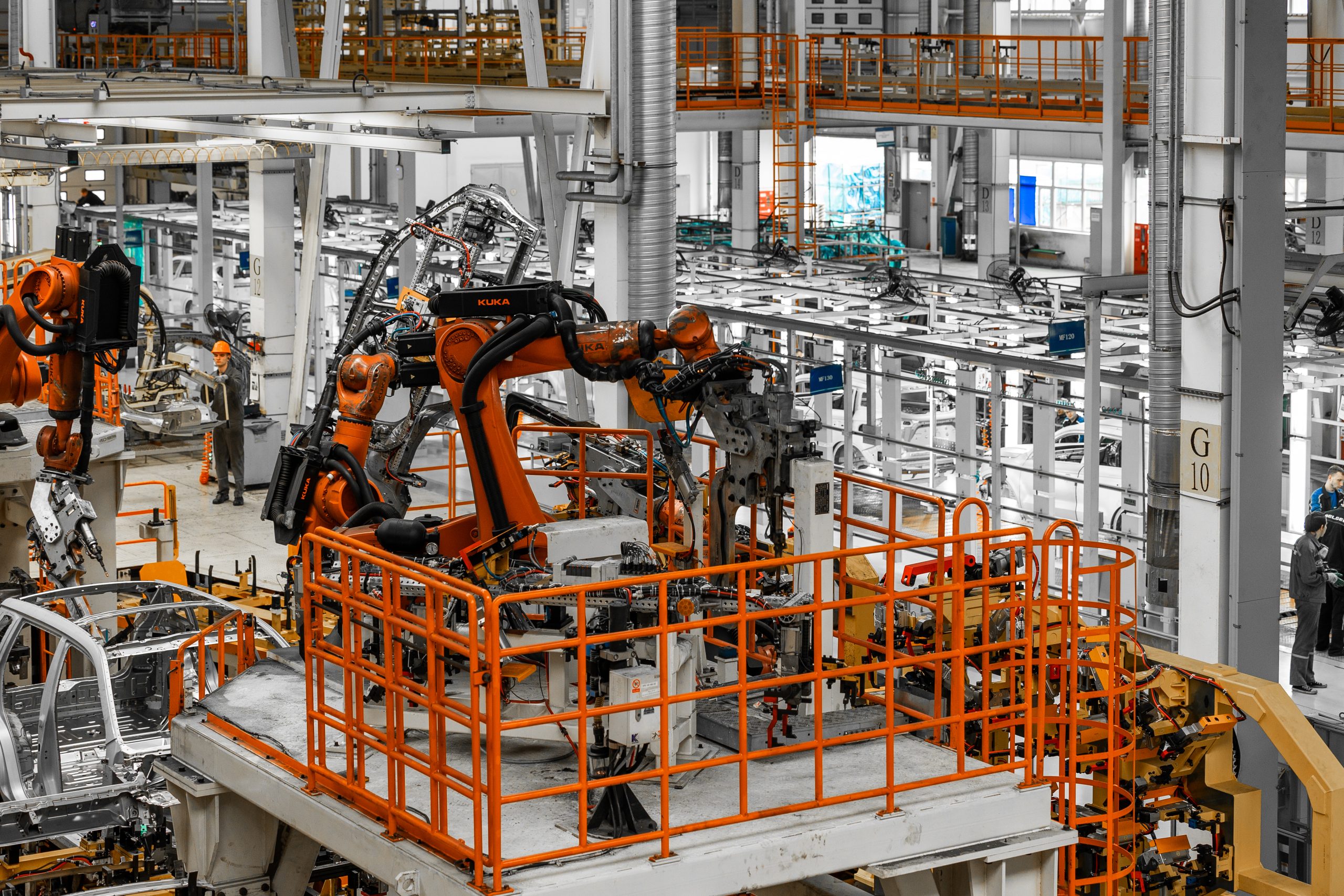
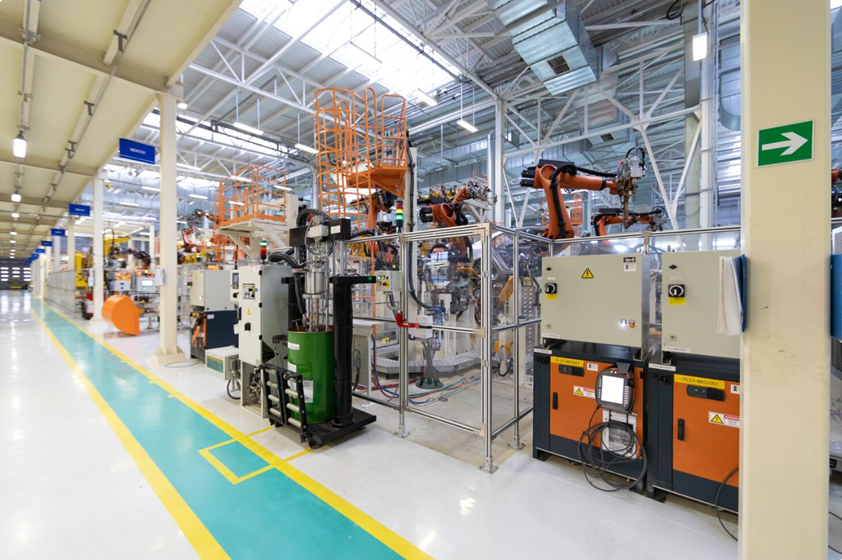
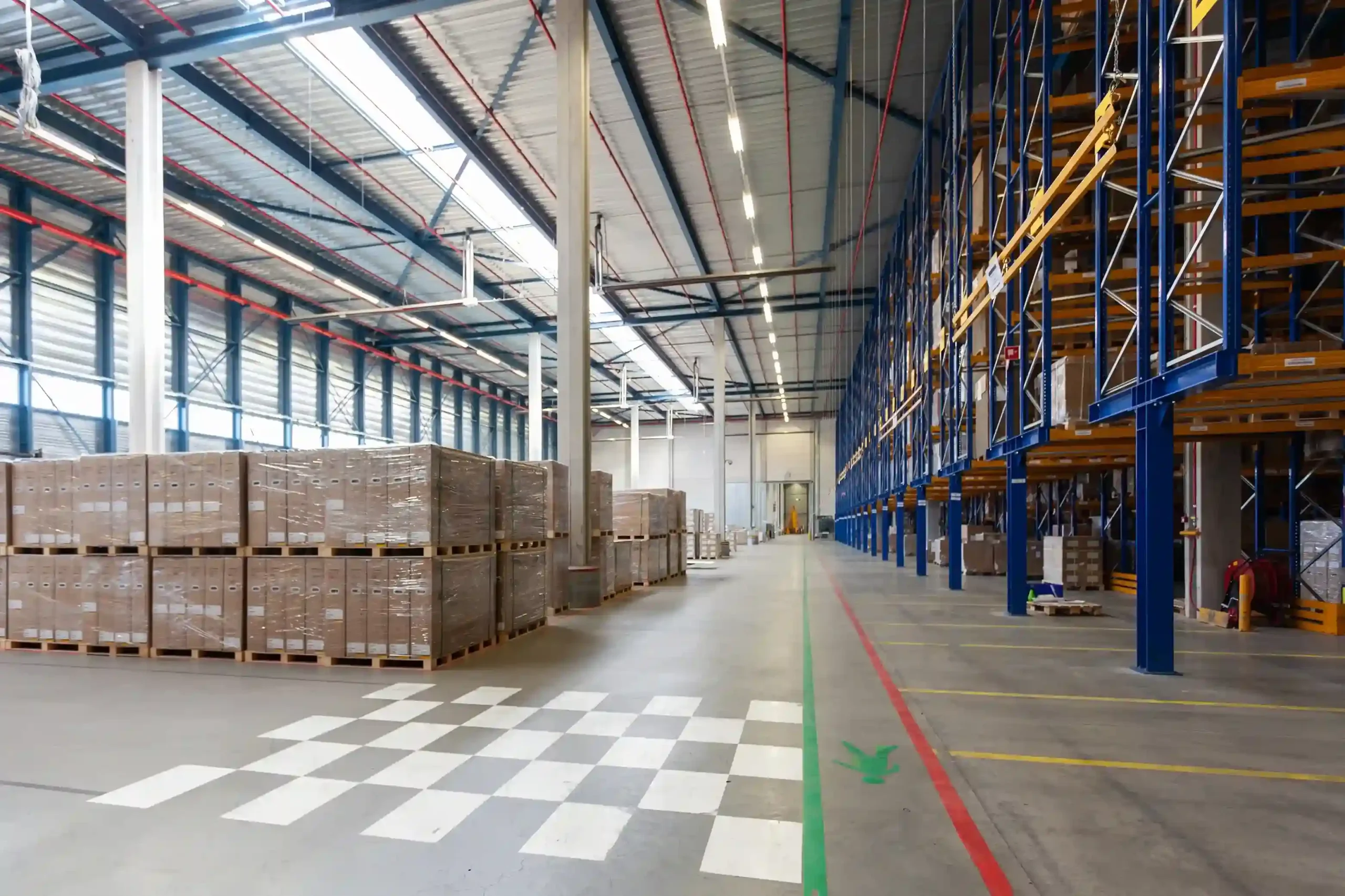
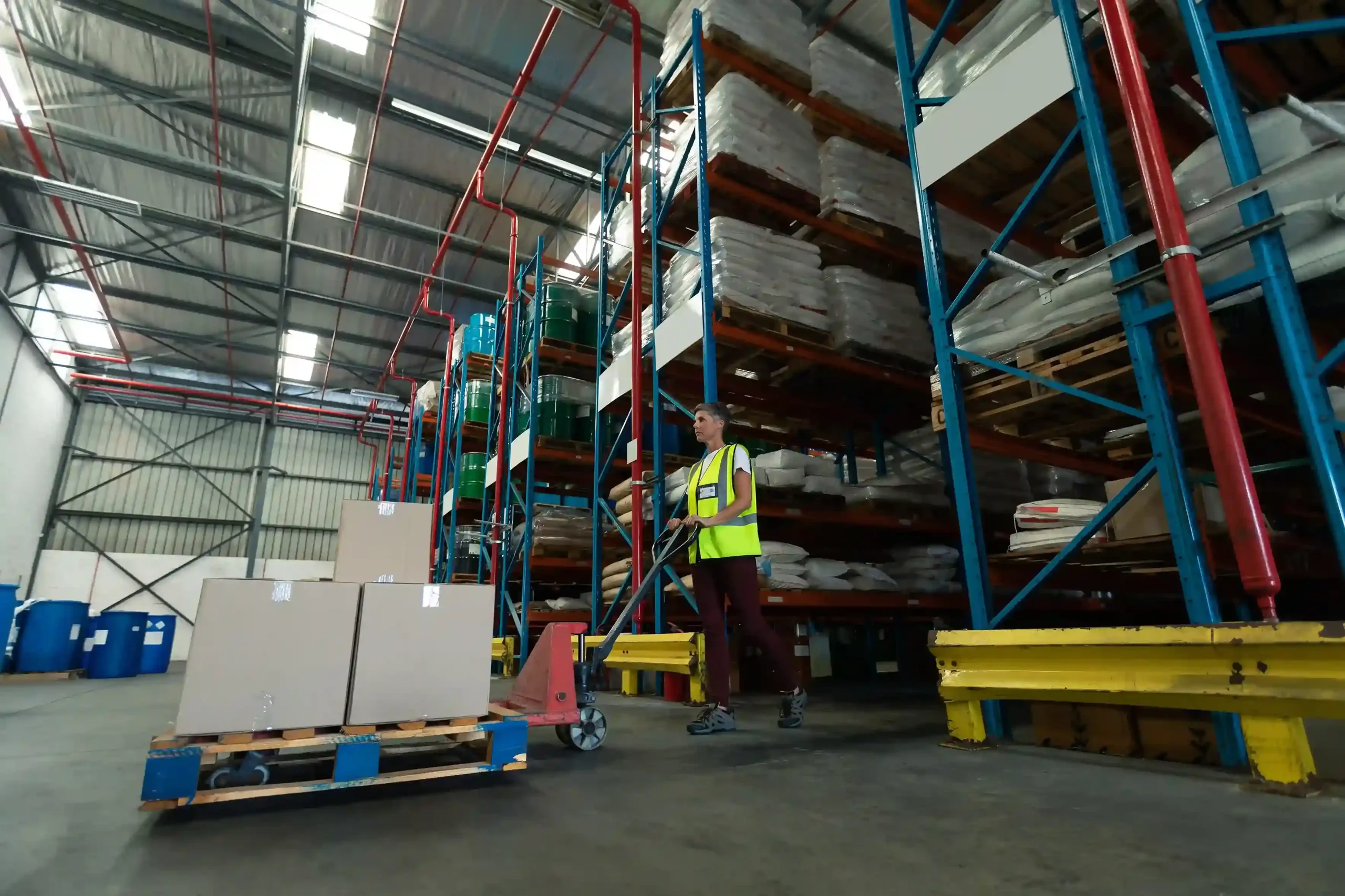
Robotische palletiseermachines versus traditionele palletiseermachines: Wat beter is voor uw bedrijf?

In de snel veranderende productiewereld van vandaag, efficiëntie is niet langer optioneel. Bedrijven staan ​​onder druk om meer te produceren, kosten verlagen, en concurrerend blijven. Dat is waar automatisering om de hoek komt kijken. Een van de belangrijkste beslissingen waarmee veel fabrieken worden geconfronteerd, is de keuze tussen een robotpalletiseermachine en een traditioneel palletiseersysteem.

Maar welke is eigenlijk zinvol voor uw operatie??

Als u de productiviteit wilt verbeteren en tegelijkertijd de kosten onder controle wilt houden, deze vergelijking zal u helpen de echte verschillen te begrijpen. Nog belangrijker, het zal u helpen beslissen of investeren in een robotpalletiseermachine de juiste zet is voor uw bedrijf.

Wat is een robotpalletiseermachine en hoe verhoudt deze zich tot traditionele systemen??

Voordat we de twee vergelijken, laten we ervoor zorgen dat het duidelijk is wat elk systeem doet.

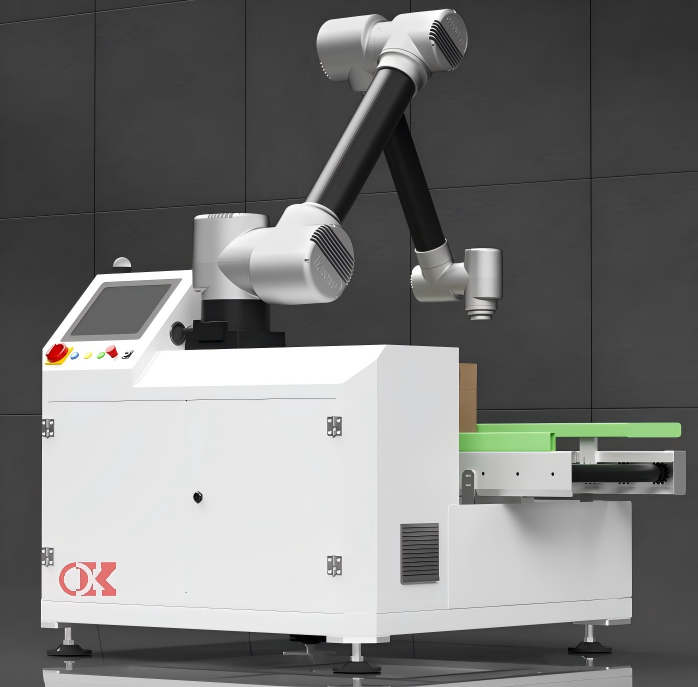
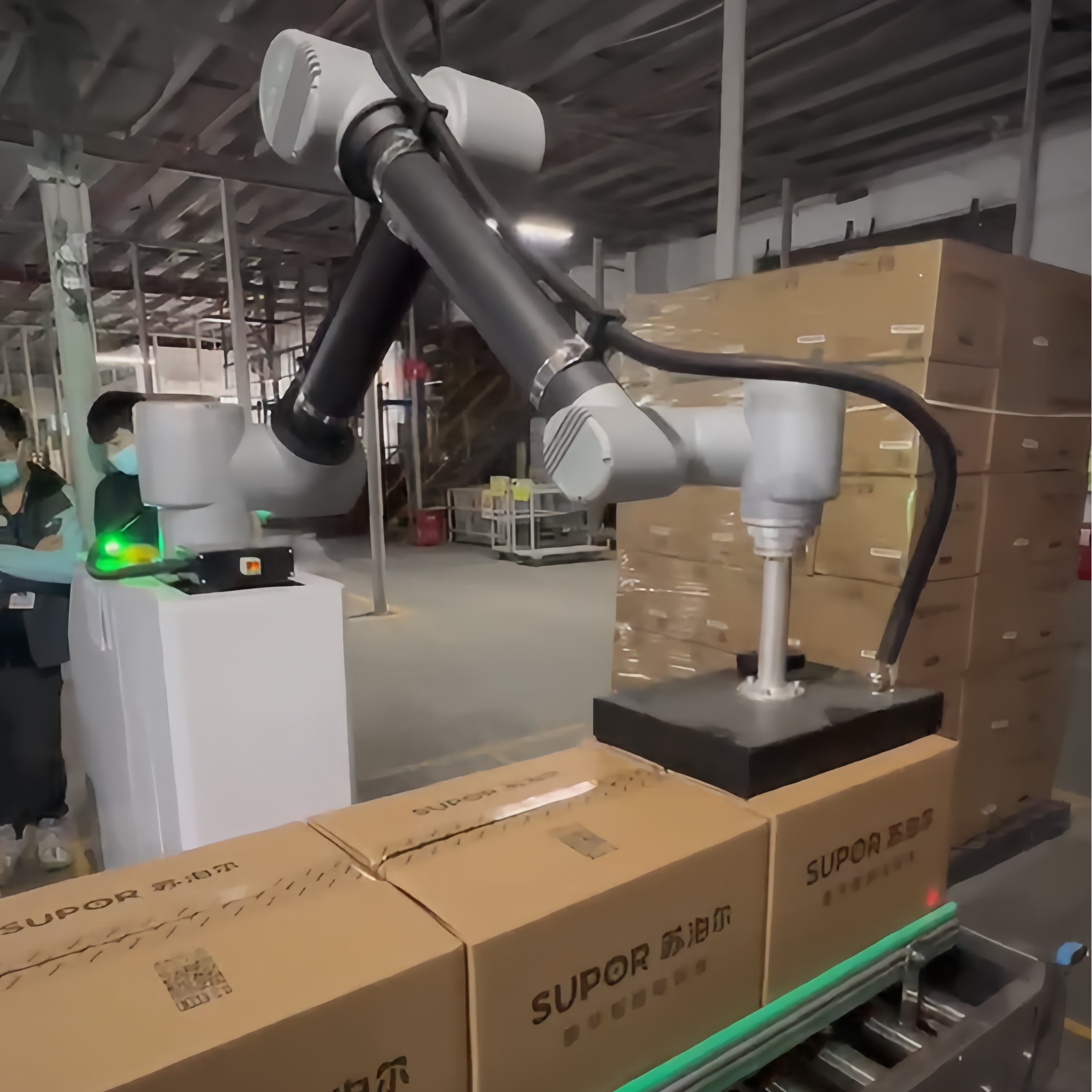
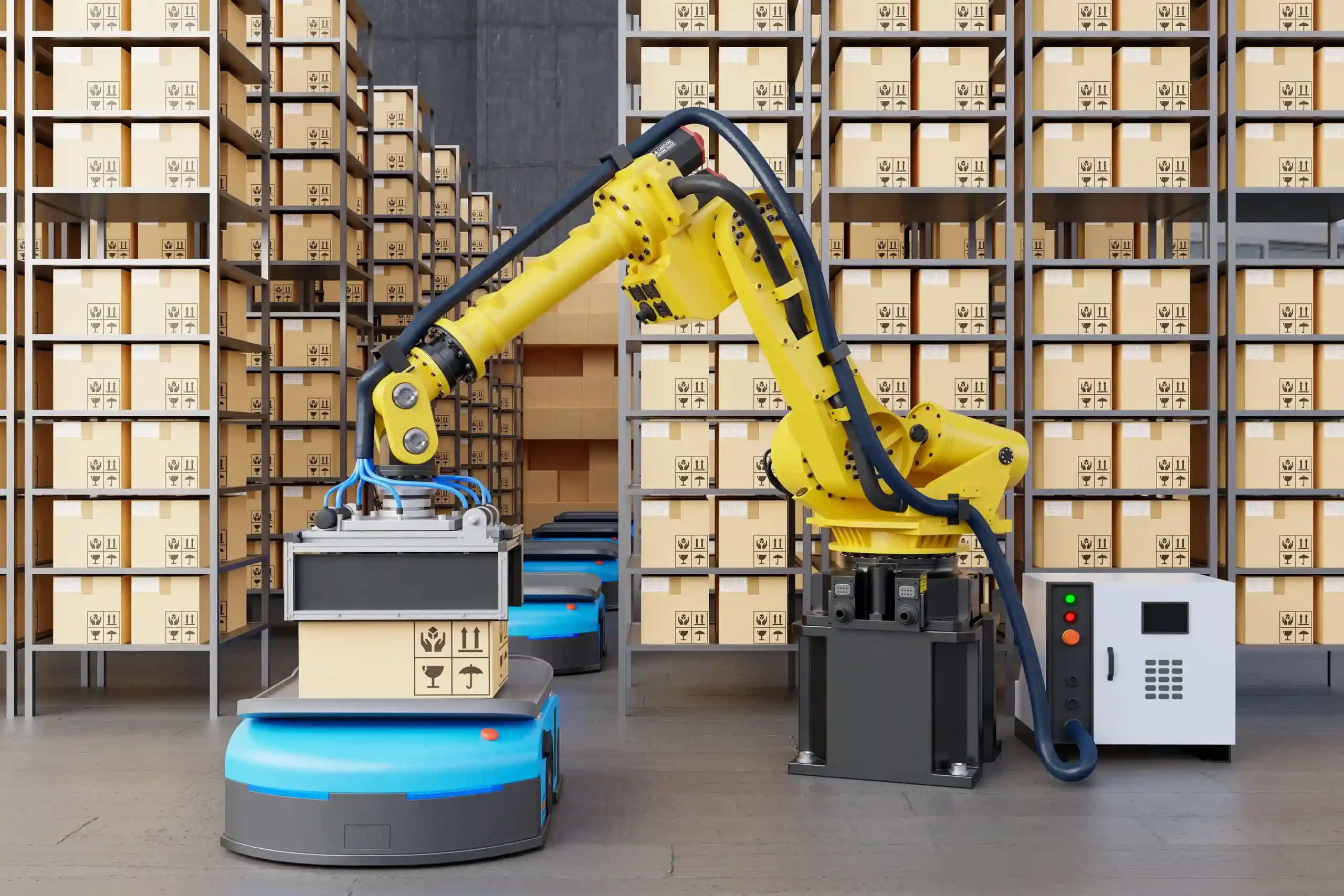
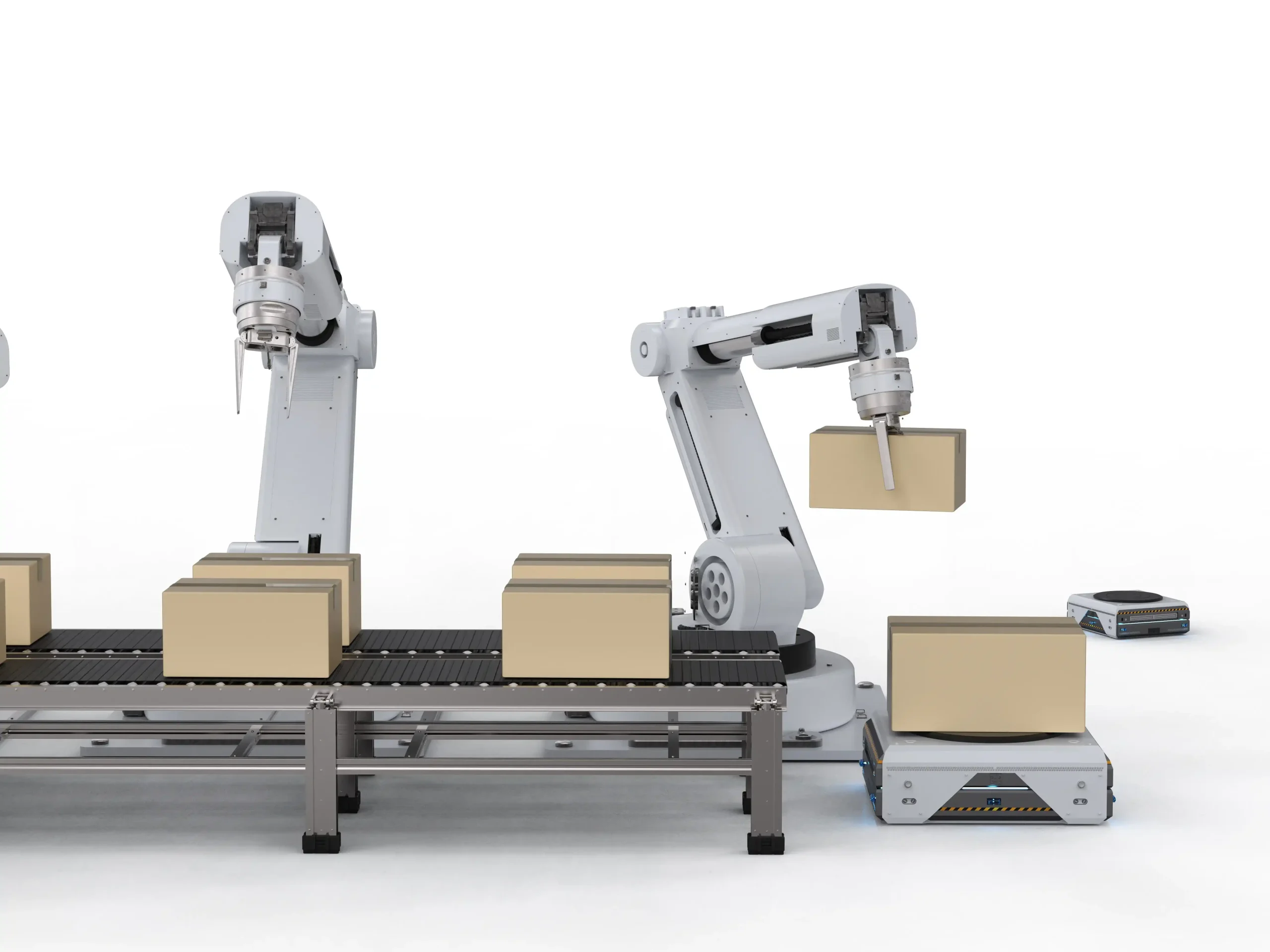
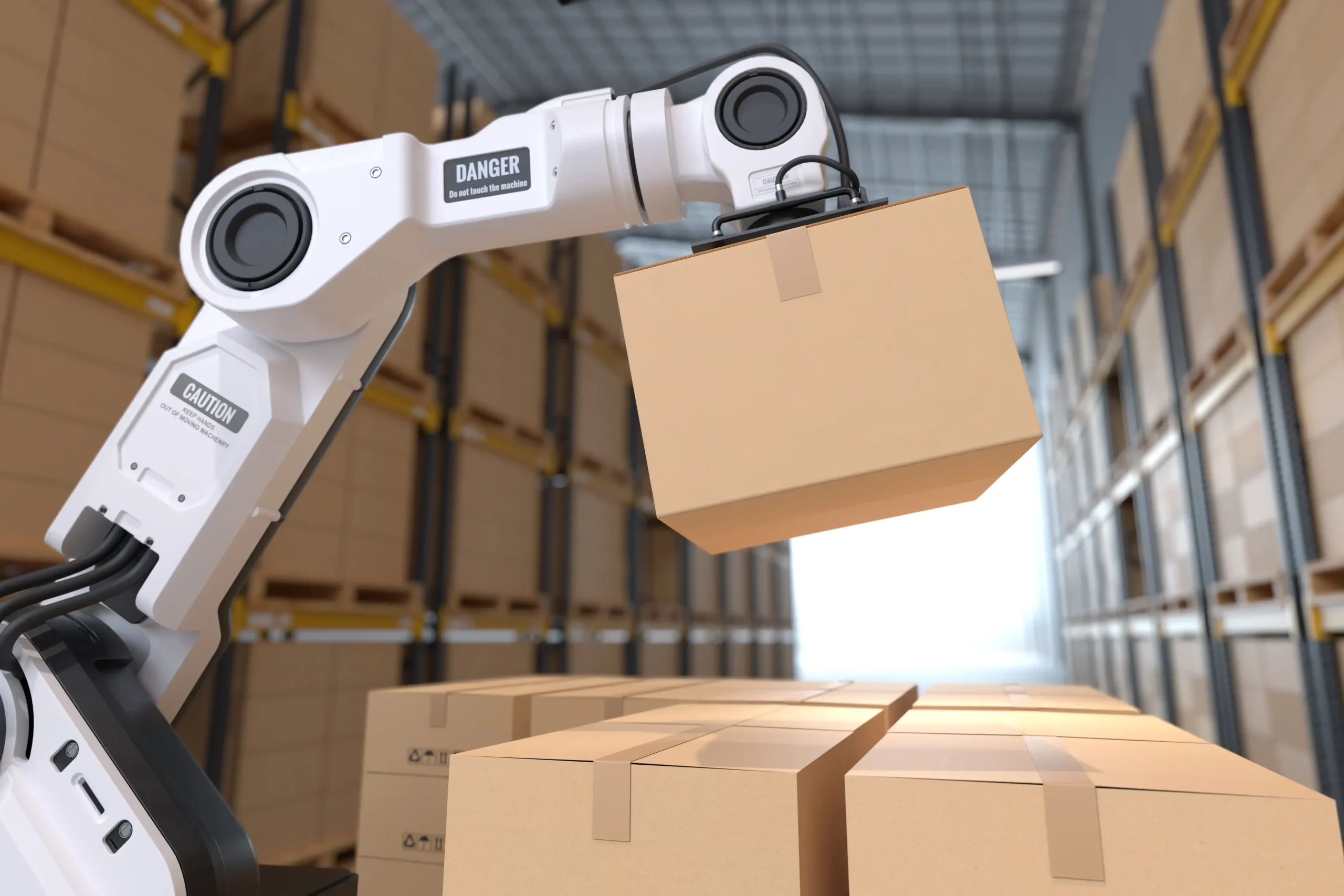
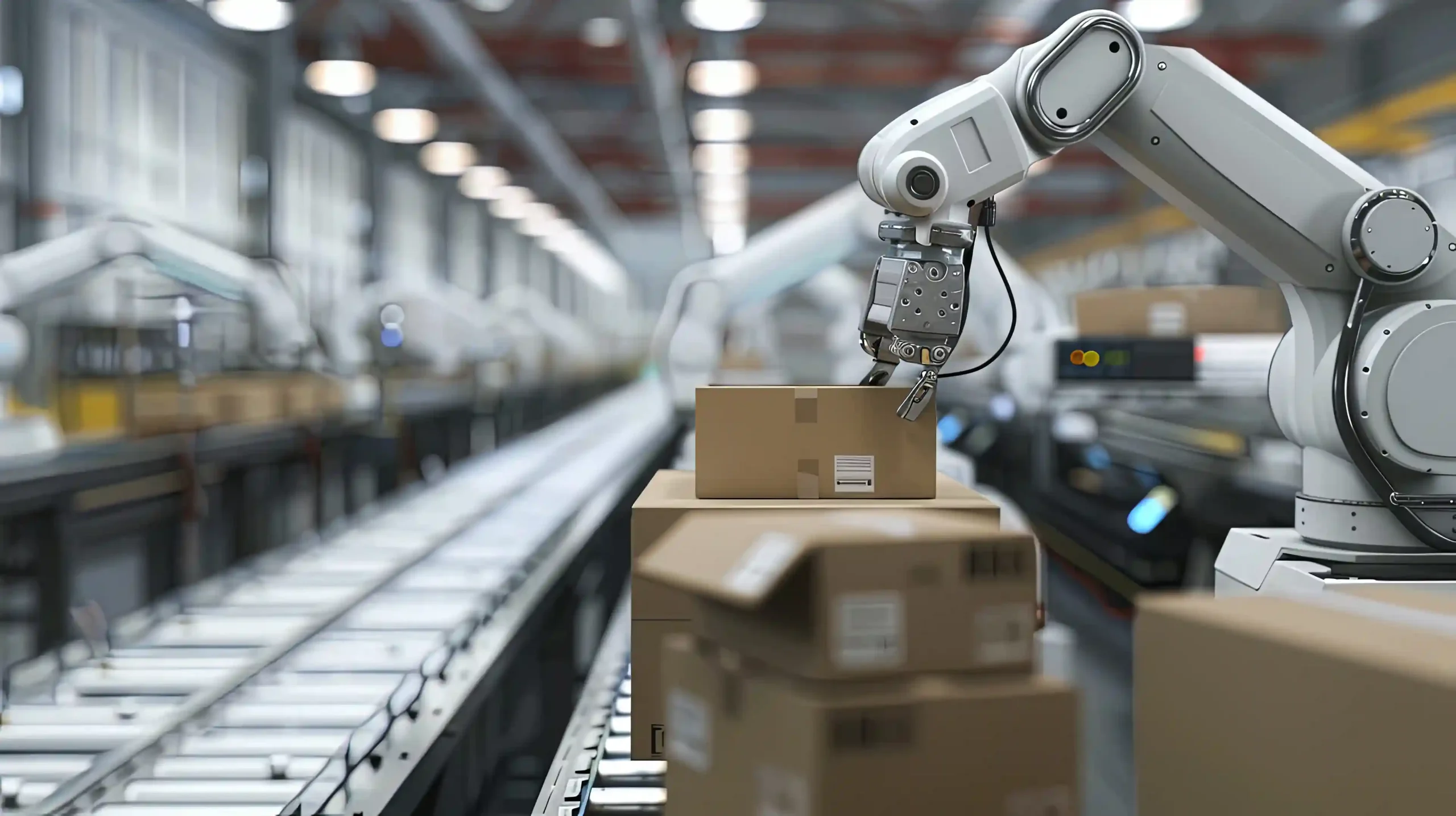
Een robotpalletiseermachine maakt gebruik van een robotarm met slimme programmering om te picken, plaats, en stapel producten op pallets. Het kan verschillende vormen aan, maten, en verpakkingssoorten met minimale wijzigingen.

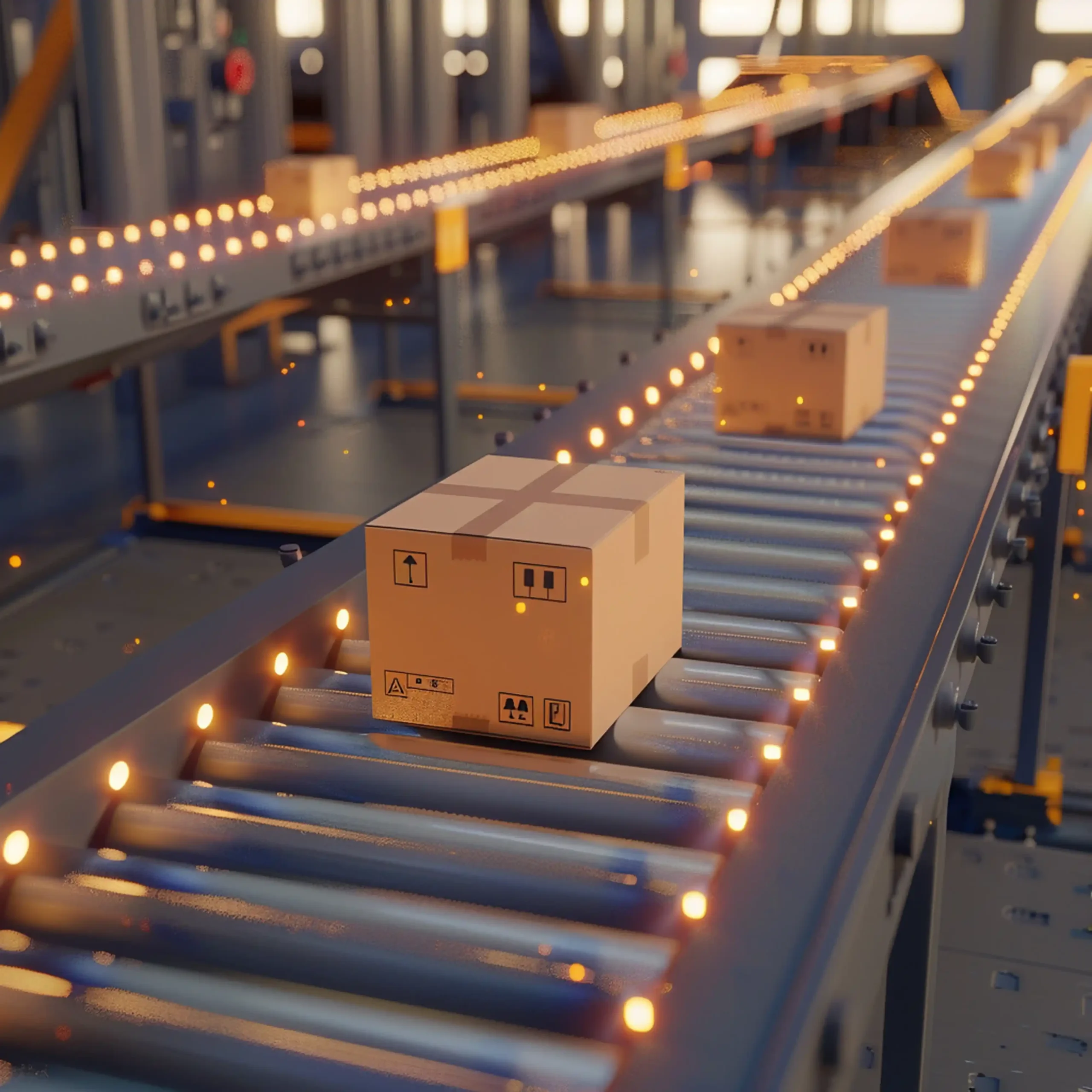
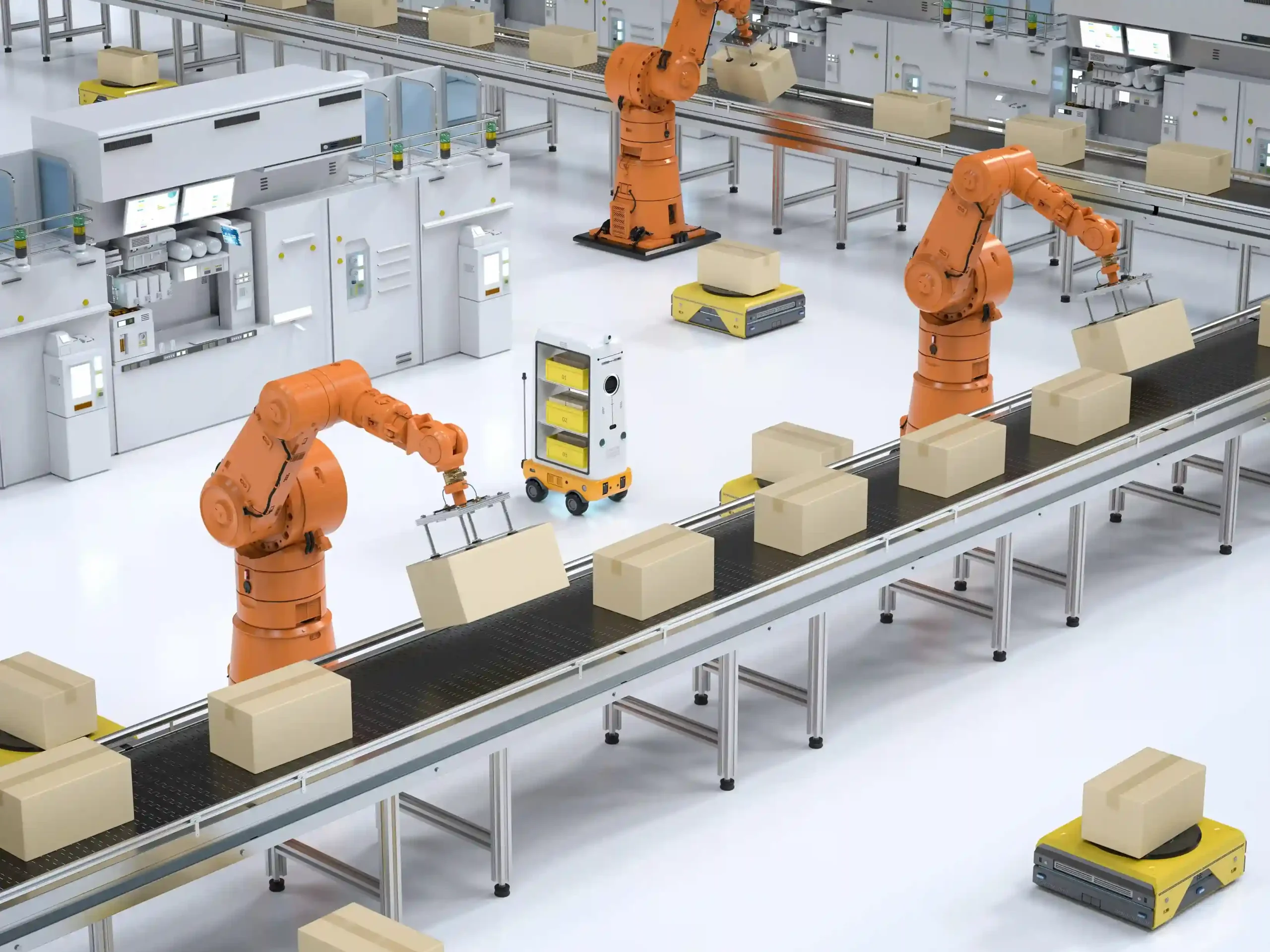
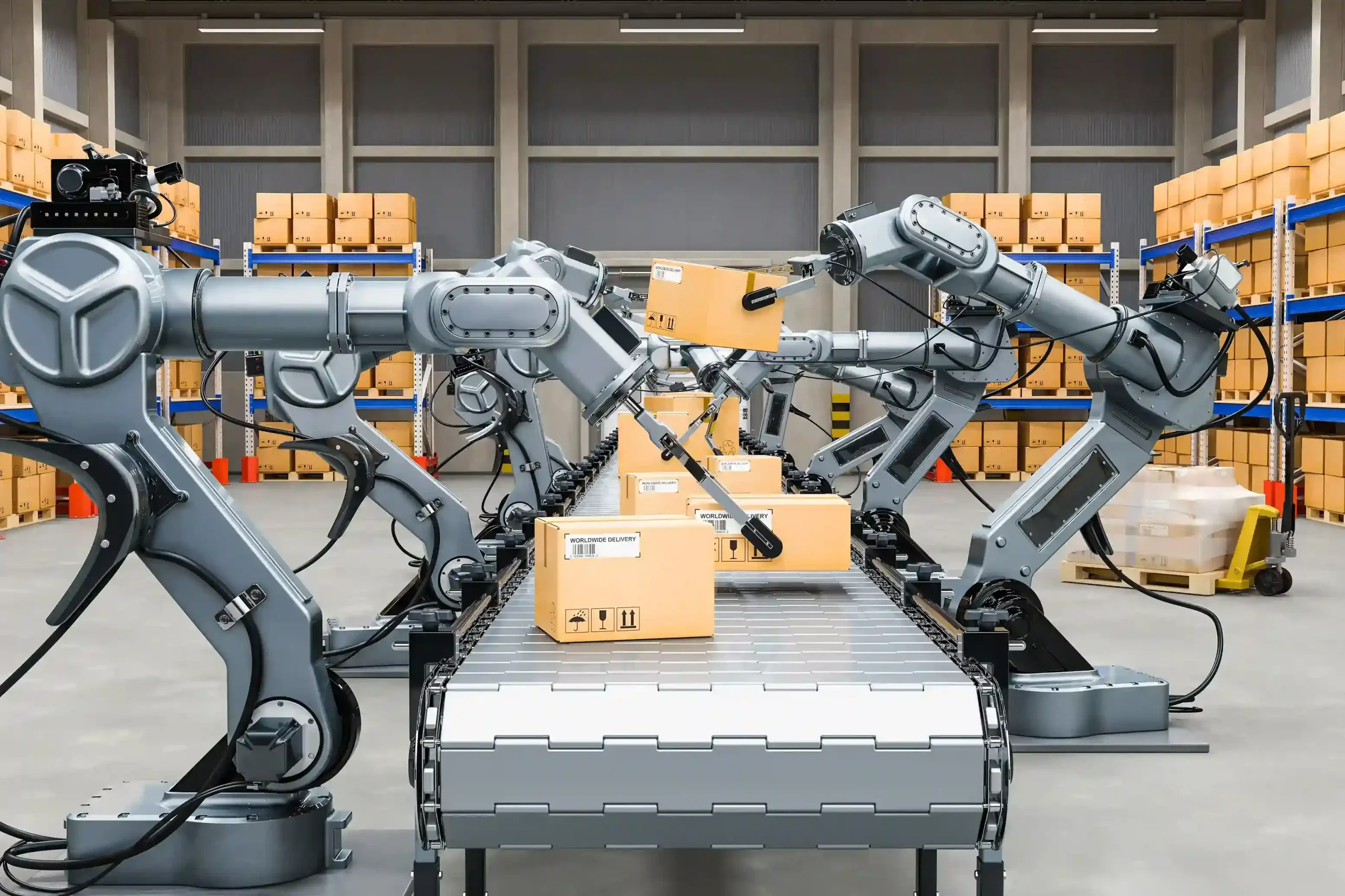
Anderzijds, Traditionele palletiseermachines vertrouwen op mechanische systemen zoals transportbanden, lagen, en vaste patronen. Deze systemen zijn ontworpen voor repetitieve taken met weinig variatie.

Dus wat betekent dit in het echte leven??

Een traditioneel systeem werkt het beste als u te maken heeft met één product in zeer hoge volumes. Maar wat gebeurt er als uw productielijn meerdere producten moet verwerken of regelmatig moet wisselen? Dat is waar een robotpalletiseerder zich begint te onderscheiden.

En dit leidt tot een belangrijke vraag: hoe flexibel moet uw operatie zijn??
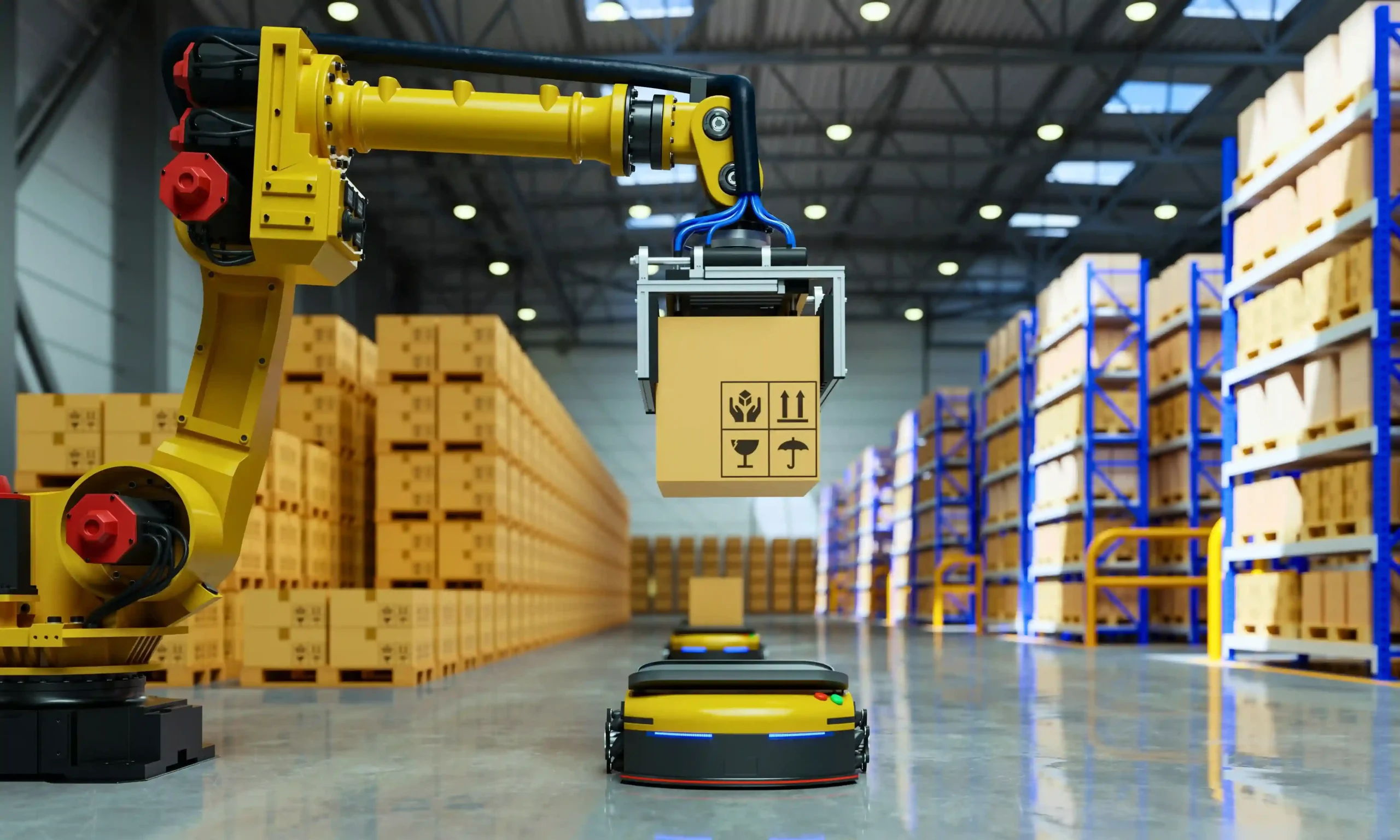
Robotische palletiseermachines versus traditionele palletiseermachines

Robotische palletiseermachine versus traditionele palletiseermachine: Belangrijkste verschillen in flexibiliteit en efficiëntie

Flexibiliteit is een van de grootste verschillen tussen deze twee systemen.

Een robotpalletiseermachine kan met eenvoudige programmeerwijzigingen tussen verschillende producten schakelen. Dit maakt het ideaal voor fabrieken die meerdere productlijnen verwerken of frequente orderwijzigingen uitvoeren.

Traditionele palletiseermachines, Echter, zijn veel strenger. Het veranderen van productsoorten vergt vaak mechanische aanpassingen, wat kan leiden tot downtime en productiviteitsverlies.

Waarom flexibiliteit belangrijker is dan ooit

De huidige markt verandert snel. Klanten verwachten meer variatie, snellere levering, en aangepaste bestellingen.

Met een robotpalletiseerder kunt u dat doen:

  • Aanpassen aan nieuwe producten zonder grote veranderingen
  • Verminder stilstandtijden tijdens omschakelingen
  • Verwerk gemengde ladingen efficiënter

Traditionele systemen hebben het op deze gebieden moeilijk, vooral als de productie niet consistent is.

Efficiëntie die verder gaat dan snelheid

Sommige mensen gaan ervan uit dat traditionele systemen altijd sneller zijn. Hoewel ze erg snel kunnen zijn in omgevingen met één product, ze verliezen vaak hun efficiëntie als de omstandigheden veranderen.

Een robotpalletiseerder kan in sommige gevallen een iets lagere pieksnelheid hebben, maar dat wordt gecompenseerd door:

  • Fouten verminderen
  • Minimaliseren van downtime
  • Het handhaven van consistente prestaties

Dus de echte vraag wordt: wil je maximale snelheid in één situatie, of betrouwbare efficiëntie voor velen?

Hoe een robotpalletiseerder de ROI verbetert en de arbeidskosten verlaagt

Laten we het nu hebben over een van de grootste zorgen voor elk bedrijf: kosten.

Op het eerste gezicht, een robotpalletiseerder lijkt misschien een grotere investering. Maar alleen kijken naar de kosten vooraf kan misleidend zijn. De echte waarde komt voort uit langetermijnbesparingen en het rendement op investeringen.

Lagere arbeidsafhankelijkheid

Handmatig palletiseren is fysiek veeleisend en vereist vaak meerdere werknemers per ploegendienst.

Met een robotpalletiseerder, jij kunt:

  • Verminder het aantal benodigde werknemers
  • Wijs personeel opnieuw toe aan taken met een hogere waarde
  • Minimaliseer het tekort aan arbeidskrachten

In veel gevallen, één robotpalletiseerder kan meerdere werknemers in ploegendiensten vervangen.

Kostenbesparingen op lange termijn

Arbeid is niet de enige kostenpost waarmee rekening moet worden gehouden. Er zijn ook verborgen kosten zoals:

  • Opleiden van nieuwe werknemers
  • Blessures en stilstand
  • Productschade

Een robotpalletiseerder helpt deze risico's te verminderen door een consistente en betrouwbare werking te bieden.

Snellere terugverdientijd

Veel fabrikanten zien hun investering in robotpalletiseermachines binnen één tot drie jaar terugverdiend.

Wanneer u arbeidsbesparing combineert, verhoogde efficiëntie, en minder fouten, de cijfers beginnen logisch te worden.

Dus terwijl de initiële kosten hoger kunnen zijn, de voordelen op de lange termijn wegen vaak zwaarder.

Maar de kosten zijn niet de enige zorg. Hoe zit het met de veiligheid?
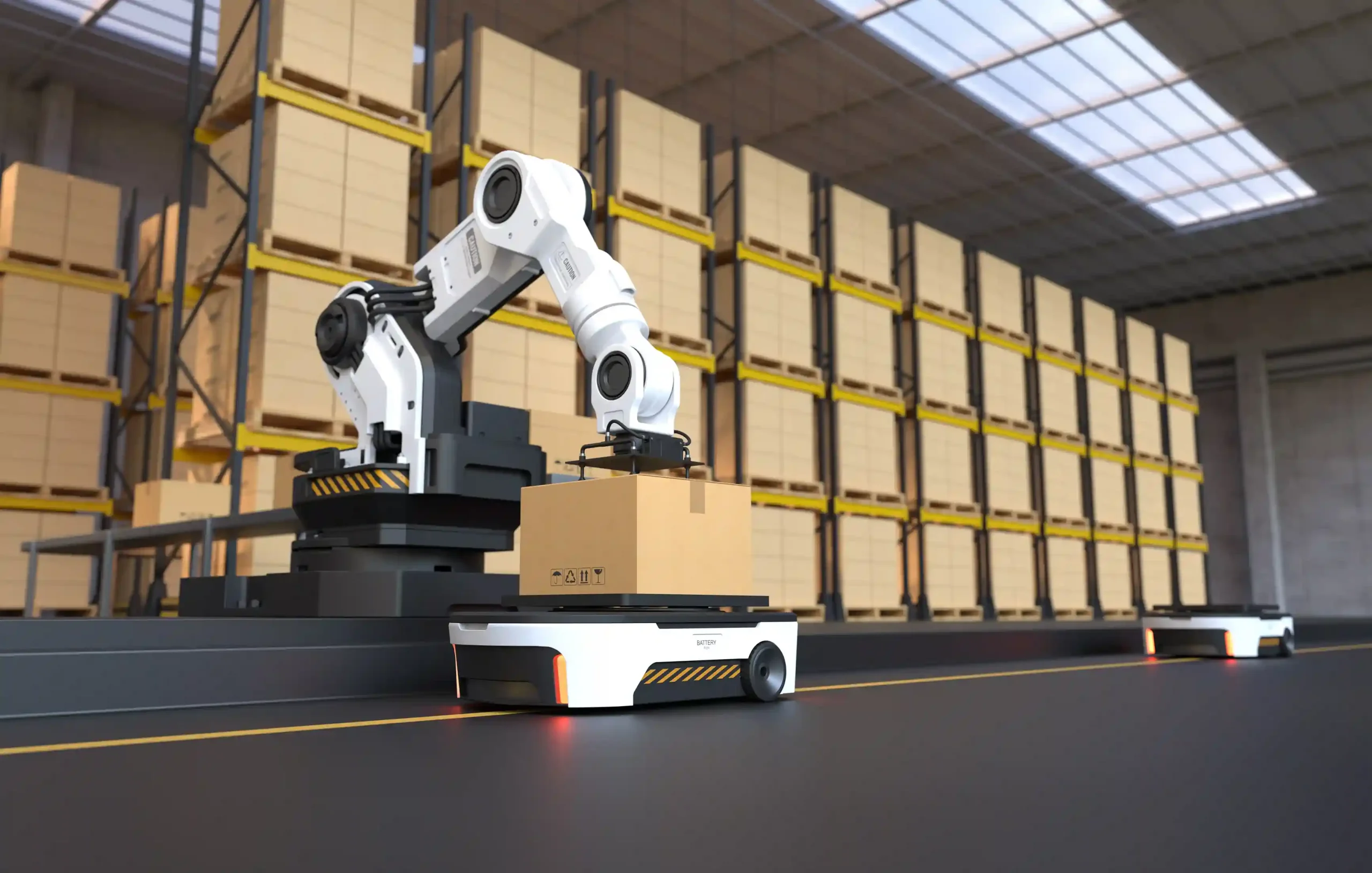
Robotische palletiseermachines versus traditionele palletiseermachines

Veiligheids- en operationele voordelen van het gebruik van een robotpalletiseermachine

Veiligheid is een groot probleem in elke fabrieksomgeving. Bij palletiseertaken gaat het vaak om zwaar tillen, repetitieve beweging, en lastige posities.

Een robotpalletiseermachine helpt deze risico's aanzienlijk te verminderen.

Minder letsel op de werkplek

Door het palletiseerproces te automatiseren, u verwijdert werknemers van fysiek veeleisende taken.

Dit leidt tot:

  • Minder blessures
  • Lagere compensatiekosten
  • Betere arbeidsomstandigheden
  • Consistente prestaties

Mensen kunnen moe worden. Machines niet.

Een robotpalletiseermachine levert:

  • Consistente stapelkwaliteit
  • Nauwkeurige plaatsing
  • Betrouwbare werking gedurende lange perioden

Deze consistentie helpt de algehele productiekwaliteit te verbeteren.

Slimmere automatiseringsintegratie

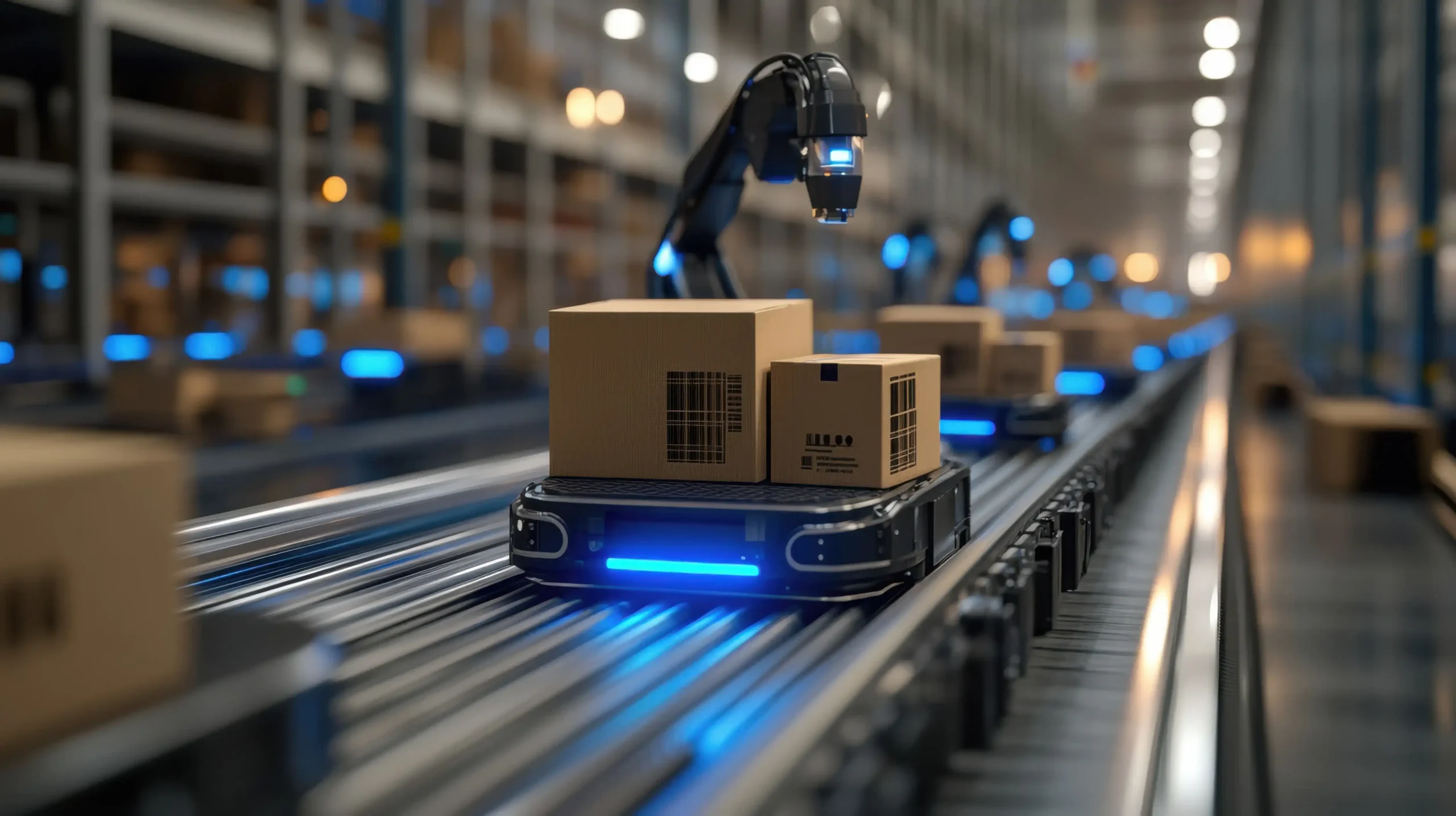
Moderne robotpalletiseersystemen kunnen worden geïntegreerd met andere apparatuur, zoals transportbanden en verpakkingslijnen.

Hierdoor ontstaat een meer verbonden en efficiënter productieproces.

Dus nu hebben we de flexibiliteit gedekt, kosten, en veiligheid. Maar waarom maken zoveel bedrijven vandaag de dag de overstap??

Waarom steeds meer fabrikanten vandaag de dag voor een robotpalletiseermachine kiezen

De verschuiving naar automatisering is niet alleen een trend. Het is een antwoord op echte uitdagingen in de maakindustrie.

Om verschillende redenen wordt een robotpalletiseermachine de voorkeurskeuze.

Eerst, Het tekort aan arbeidskrachten maakt het moeilijker om werknemers te vinden en te behouden. Automatisering helpt dit probleem op te lossen.

Seconde, Bedrijven moeten concurrerend blijven. Met een robotpalletiseerder kunnen bedrijven de productie verhogen en tegelijkertijd de kosten beheersen.

Derde, de productvariatie groeit. Traditionele systemen hebben moeite om gelijke tred te houden met de veranderende eisen.

Voldoen aan moderne productiebehoeften

Fabrikanten hebben tegenwoordig systemen nodig die dat kunnen:

  • Behandel meerdere producten
  • Pas je snel aan veranderingen aan
  • Schaal mee met de bedrijfsgroei

Een robotpalletiseerder is ontworpen voor dit niveau van flexibiliteit.

  • De concurrentie voor blijven
  • Bedrijven die investeren in automatisering kunnen dat vaak ook:
  • Lever sneller
  • Verlaag de kosten
  • Verbeter de kwaliteit

Hierdoor ontstaat een sterk concurrentievoordeel.

Dus als meer fabrikanten deze richting op gaan, de volgende logische vraag is: welke leverancier van oplossingen u moet vertrouwen?
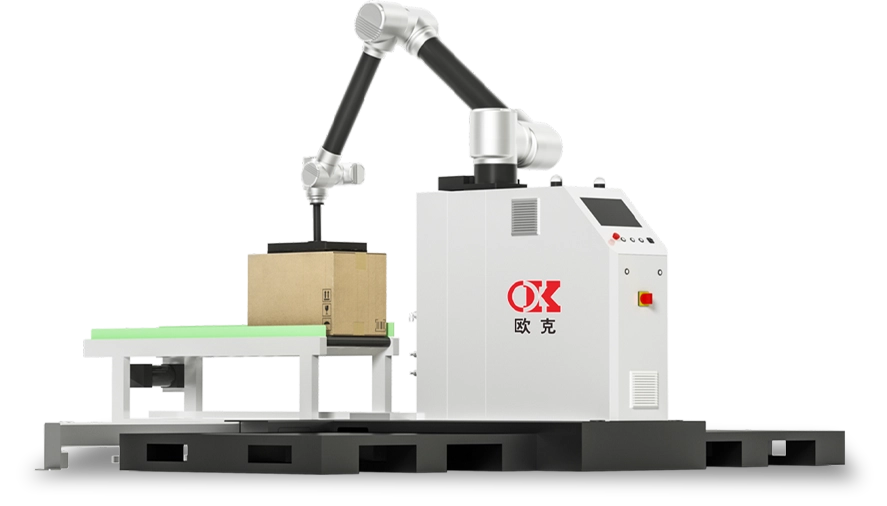
Robotische palletiseermachines versus traditionele palletiseermachines

Waarom kiezen voor OK voor uw robotpalletiseeroplossing

Het kiezen van de juiste apparatuur is belangrijk. Het kiezen van de juiste partner is net zo belangrijk.

OK richt zich op het leveren van betrouwbare en efficiënte robotpalletiseeroplossingen die zijn ontworpen voor moderne productiebehoeften.

Op maat gemaakte oplossingen voor uw bedrijf

Elke productielijn is anders. OK biedt oplossingen die zijn afgestemd op uw specifieke wensen.

Dit zorgt ervoor:

  • Betere prestaties
  • Gemakkelijkere integratie
  • Hogere efficiëntie

Geavanceerde technologie met praktisch ontwerp

OK combineert geavanceerde robotica met gebruiksvriendelijke systemen.

Dit betekent dat je krijgt:

  • Eenvoudige bediening
  • Flexibele programmering
  • Betrouwbare prestaties

Sterke ondersteuning en expertise

Investeren in een robotpalletiseerder is een beslissing voor de lange termijn. Het hebben van de juiste ondersteuning maakt een groot verschil.

Oké aanbiedingen:

  • Technische begeleiding
  • Ondersteuning bij installatie
  • Doorlopende dienst

Dit zorgt ervoor dat uw systeem in de loop van de tijd soepel blijft werken.

Dus, met al deze voordelen, is een robotpalletiseermachine de juiste keuze voor u?

Conclusie

De keuze tussen een traditioneel systeem en een robotpalletiseerder hangt af van uw specifieke behoeften. Maar voor de meeste moderne fabrikanten, de voordelen van een robotpalletiseerder zijn moeilijk te negeren.

Het biedt flexibiliteit, verbetert de efficiëntie, verlaagt de arbeidskosten, en creëert een veiligere werkomgeving. Het bereidt uw bedrijf ook voor op toekomstige groei en veranderende markteisen.

Als het uw doel is om concurrerend te blijven en een efficiëntere bedrijfsvoering op te bouwen, Investeren in een robotpalletiseermachine is een slimme stap voorwaarts.

Als u overweegt uw palletiseerproces te upgraden, Het is misschien tijd om te onderzoeken wat een robotoplossing voor u kan betekenen. Neem contact op met OK om te ontdekken hoe hun robotpalletiseersystemen in uw productielijn kunnen passen en u kunnen helpen op weg naar een efficiëntere toekomst.

Veelgestelde vragen

1. Wat is een robotpalletiseermachine?

 Een robotpalletiseerder is een geautomatiseerde machine die gebruik maakt van een robotarm om producten snel en nauwkeurig op pallets te stapelen.

2. Waarin verschilt een robotpalletiseermachine van een traditionele palletiseermachine??

 Een robotpalletiseermachine is flexibel en eenvoudig te programmeren, terwijl traditionele systemen vast zijn en beter geschikt zijn voor lijnen met één product.

3. Welke industrieën gebruiken een robotpalletiseerder??

 Gemeenschappelijke industrieën omvatten voedsel en drank, logistiek, farmaceutische producten, en productie van consumptiegoederen.

4. Kan een robotpalletiseerder verschillende productformaten verwerken??

 Ja, een robotpalletiseerder kan zich gemakkelijk aanpassen aan verschillende formaten, vormen, en verpakkingstypes met eenvoudige programmeerwijzigingen.

5. Is een robotpalletiseerder duur?

 Terwijl de kosten vooraf hoger kunnen zijn, een robotpalletiseerder bespaart na verloop van tijd vaak geld door minder arbeid en verbeterde efficiëntie.

6. Hoe lang duurt het voordat de ROI zichtbaar is?

 De meeste bedrijven zien binnen één tot drie jaar een rendement op hun investering in een robotpalletiseermachine.

7. Verbetert een robotpalletiseerder de veiligheid op de werkplek??

 Ja, het vermindert handmatig tillen en repetitieve taken, het verminderen van het risico op blessures.

8. Is het moeilijk om een ​​robotpalletiseermachine te bedienen??

 Moderne robotpalletiseersystemen zijn gebruiksvriendelijk en ontworpen voor eenvoudige bediening en snelle training.

9. Kan een robotpalletiseerder werken met bestaande productielijnen??

 Ja, het kan worden geïntegreerd met transportbanden en andere apparatuur voor een soepele werking.

10. Waarom zou ik een robotpalletiseerder kiezen voor mijn bedrijf??

 Een robotpalletiseerder helpt de efficiëntie te verhogen, kosten verlagen, veiligheid verbeteren, en de bedrijfsgroei op de lange termijn ondersteunen.
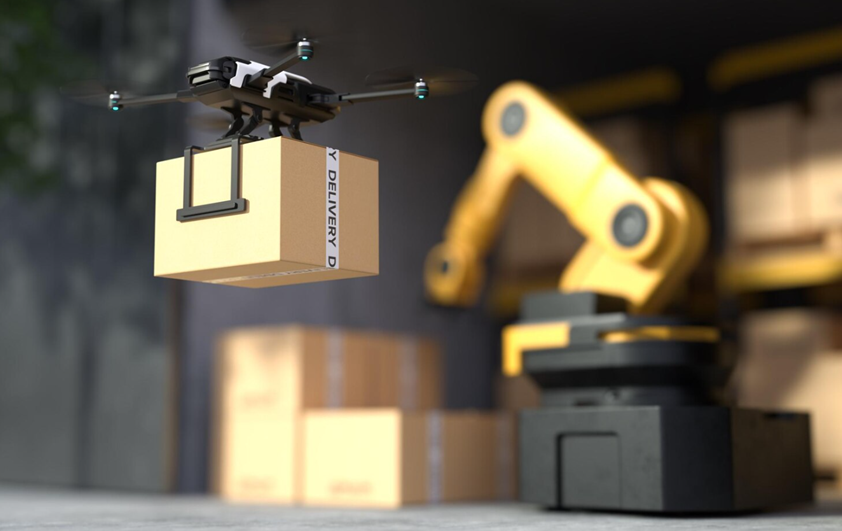
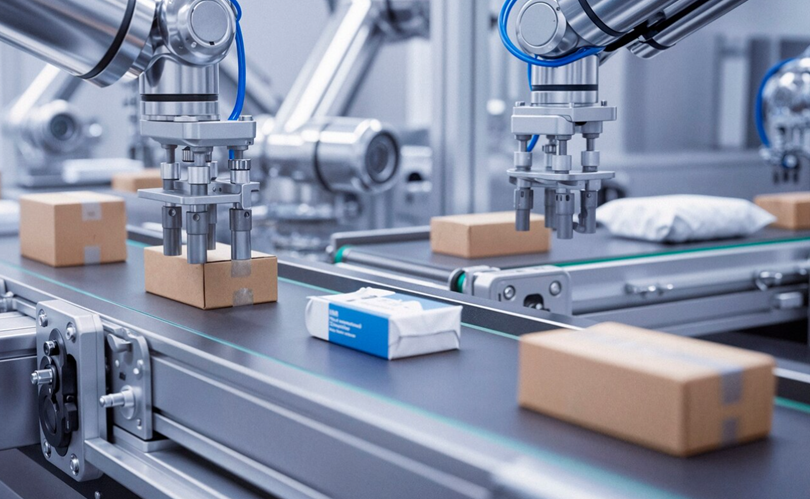
Hoe een visionsysteem en een palletiseerrobot samenwerken in de moderne productie

Automation is becoming an important part of modern manufacturing. Companies want faster production, lower labor costs, and consistent product quality. One area where automation has made a major difference is palletizing. Instead of workers stacking boxes by hand, many factories now use a palletizing robot to do the job.

But traditional robotic palletizing systems have limitations. They often require boxes to arrive in the exact same position every time. If a box rotates slightly or shifts on the conveyor, the robot may not pick it correctly.

This is where a vision system becomes valuable. A vision system allows the robot to see and understand where products are located. By combining a vision system with a palletizing robot, manufacturers gain a smarter and more flexible automation solution.

So how does this technology actually work on the factory floor? Let us begin with the basics.

What Is a Vision System in a Palletizing Robot Application

A vision system allows machines to analyze visual information from their environment. In palletizing automation, cameras capture images of products moving along a conveyor. Software then processes these images and sends position data to the palletizing robot.

Instead of relying only on fixed coordinates, the robot can adjust its movements based on real-time visual information. This allows the system to handle small variations in product position.

In other words, the robot does not just follow instructions. With the help of a vision system, it can react to what it sees.

But what technologies make this possible?

Key Components of a Vision System

A vision system used with a palletizing robot usually includes several important parts.

Industrial cameras capture images of products on the production line. These cameras are designed for factory environments and can operate continuously.

Lighting systems help ensure the camera captures clear images. Good lighting reduces shadows and reflections that could interfere with detection.

Image processing software then analyzes the images. It identifies the shape and position of each box and calculates the coordinates for the robot.

Finally, the system sends this information to the palletizing robot controller so the robot can perform the correct movement.

2D and 3D Vision Technologies

There are two main types of vision systems used in palletizing.

A 2D vision system detects objects on a flat surface. It identifies the location and rotation of boxes on a conveyor.

A 3D vision system also detects depth. This allows a palletizing robot to handle mixed products or items that are stacked irregularly.

Now that we understand the technology behind a vision system, the next question becomes clear. How does this system actually guide a palletizing robot during production?

Vision System Palletizing Robot

How a Vision System Guides a Palletizing Robot in Real Production Lines

In an automated palletizing line, the vision system and palletizing robot work together as one coordinated system. The vision system observes incoming products, while the robot performs the picking and stacking tasks.

This cooperation allows the system to work efficiently even when product positions change.

Let us look at how a typical process works.

Step-by-Step Workflow of Vision-Guided Palletizing

Eerst, products move along a conveyor toward the palletizing area.

As they enter the picking zone, the vision system captures images of the items. The software analyzes each image and identifies the exact location and orientation of every box.

Volgende, the system sends this information to the palletizing robot.

The robot calculates the best path to pick up the product. Using a gripper or suction tool, the robot lifts the box and places it on the pallet according to the stacking pattern.

This cycle repeats continuously as new products arrive.

Because the vision system constantly updates product positions, the palletizing robot can adjust its movements instantly.

Why Vision Improves Robot Accuracy

Production lines are rarely perfect. Boxes may rotate, slide slightly, or arrive at uneven intervals.

Without a vision system, a palletizing robot might struggle with these variations.

With visual guidance, the robot can detect the exact position of each product and adjust its motion before picking it.

This greatly improves picking accuracy and ensures stable pallet stacking.

But accuracy is only one advantage. What other benefits does this technology provide?

Benefits of Using a Vision System With a Palletizing Robot

Combining a vision system with a palletizing robot offers many benefits for manufacturers. The technology improves efficiency, flexibiliteit, and safety across production lines.

Let us explore some of the key advantages.

Higher Flexibility for Different Products

Many production lines handle different box sizes or packaging types. Changing products can be difficult for traditional robotic systems.

A vision system allows the palletizing robot to detect each product automatically. The robot can adapt to different box sizes without mechanical adjustments.

This makes product changeovers faster and easier.

Improved Efficiency and Speed

Manual palletizing can be slow and physically demanding. Workers may become tired, which affects productivity.

A palletizing robot with a vision system maintains consistent performance throughout the day. The robot moves with precision and does not experience fatigue.

This leads to higher production efficiency and more predictable output.

Reduced Labor and Safer Workplaces

Palletizing tasks often involve lifting heavy boxes repeatedly. Na verloop van tijd, this can lead to worker injuries.

Automating the process with a palletizing robot reduces the physical strain on employees.

Workers can focus on supervision, quality checks, or other skilled tasks instead of repetitive lifting.

Better Pallet Quality and Stability

Consistent stacking is important for transportation and storage.

A vision system helps the palletizing robot place each box in the correct position on the pallet.

This improves pallet stability and reduces the risk of products shifting during shipping.

With these benefits, it is easy to see why many industries are adopting this technology. But where is it most commonly used?

Vision System Palletizing Robot

Industries Using Vision System Palletizing Robot Solutions

The combination of a vision system and a palletizing robot is useful in many industries that handle packaged products.

Let us explore a few examples.

Food and Beverage Production

Food and beverage factories often run high-speed packaging lines. Large numbers of cartons and containers must be stacked quickly.

A vision system allows the palletizing robot to detect products accurately and maintain smooth operation.

E-commerce and Logistics

Distribution centers handle thousands of packages every day. Boxes of different sizes must be sorted and palletized efficiently.

Vision-guided palletizing robots help logistics companies manage this complexity.

Consumer Goods and Pharmaceuticals

These industries require precise handling and consistent packaging quality.

A vision system ensures that products are positioned correctly before the palletizing robot picks them.

As more industries adopt this technology, companies must consider several factors before installing such systems.

Key Factors When Implementing a Vision System Palletizing Robot

Successful palletizing automation requires proper planning. Several technical elements must be considered before installing a vision system with a palletizing robot.

Choosing the Right Robot Payload and Reach

Every palletizing robot has limits for payload and reach.

Manufacturers must choose a robot capable of lifting their products and reaching the full height of the pallet.

Selecting the correct robot ensures reliable operation.

Vision System Setup and Lighting

The accuracy of a vision system depends heavily on lighting and camera placement.

Proper calibration ensures that the system can detect products clearly and consistently.

Gripper Design for Product Handling

The gripper attached to the palletizing robot must match the product type.

Vacuum grippers are often used for cartons, while mechanical grippers are better for heavier items.

Choosing the correct gripper improves picking stability.

Integration With Production Equipment

Finally, the palletizing robot and vision system must integrate smoothly with conveyors and packaging machines.

Good integration ensures continuous product flow and prevents production delays.

Once these factors are addressed, manufacturers can fully benefit from robotic palletizing. But selecting the right partner is equally important.

Why Choose OK for Vision System Palletizing Robot Solutions

Choosing the right robotics supplier can make a big difference in automation success.

OK offers collaborative robotic solutions designed for flexible palletizing applications.

Advanced Collaborative Robot Technology

OK robots are designed to work safely alongside human operators while maintaining high palletizing performance.

Easy Programming and Deployment

OK systems feature user-friendly interfaces that simplify programming and setup.

This allows manufacturers to deploy a palletizing robot quickly and adapt to changing production needs.

Flexible Automation Solutions

When combined with a vision system, OK robots can handle multiple product types and pallet patterns.

This flexibility helps companies respond to changing market demands.

Reliable Technical Support

Automation projects require strong technical support. OK provides assistance during installation and system integration.

This ensures stable operation and long-term reliability.

Conclusie

Modern manufacturing requires flexible and efficient automation. The combination of a vision system and palletizing robot offers a powerful solution for handling packaging and palletizing tasks.

By allowing robots to see and adapt to their environment, manufacturers can reduce manual labor, improve accuracy, and increase productivity.

As factories continue moving toward smarter automation, vision-guided palletizing will play an even greater role in modern production lines.

If you are looking to improve your palletizing process, the team at OK can help you explore the right automation solution. Contact OK today to learn how a vision system and palletizing robot can support your manufacturing goals.

Veelgestelde vragen

1. What is a vision system in palletizing?

A vision system uses cameras and software to detect product position and orientation, allowing a palletizing robot to pick items accurately.

2. Why combine a vision system with a palletizing robot?

It improves flexibility, nauwkeurigheid, and efficiency by helping the robot adapt to changing product positions.

3. Which industries use this technology?

Food, logistiek, farmaceutische producten, and consumer goods industries widely use vision guided palletizing.

Hoe OK industriële automatisering betrouwbaar en betaalbaar maakt

Manufacturing is changing quickly, and industrial automation is becoming one of the most important tools for factories that want to stay competitive. Over de hele wereld, companies are using robots and smart systems to improve productivity, maintain consistent quality, and handle increasing production demands.

But while the benefits of industrial automation are clear, choosing the right robotics partner is not always easy. Some well-known brands offer advanced technology but come with very high costs. Other suppliers may offer lower prices, but raise concerns about reliability or support.

So how can manufacturers find a solution that truly balances performance, kosten, and long-term value?

This is exactly where OK stands out. With a simple philosophy built around three ideas, kwaliteit oké, price OK, and service OK, the company focuses on delivering practical industrial automation solutions that meet real manufacturing needs.

Before looking at what makes OK unique, it helps to understand why industrial automation is becoming such a critical part of modern manufacturing.

The Rising Demand for Industrial Automation in Modern Manufacturing

Industrial automation has moved from being a future concept to becoming a daily reality for factories across many industries. From electronics and automotive production to packaging and metal processing, automation systems are transforming how products are made.

But why are so many manufacturers investing in industrial automation today?

Why factories are accelerating automation adoption

One major reason is efficiency. Industrial automation allows machines to perform repetitive tasks quickly and with high precision. Robots do not get tired, and they can operate continuously for long periods. This helps factories maintain stable production while reducing human error.

Another important factor is labor availability. Many manufacturing regions are experiencing labor shortages, especially for physically demanding or repetitive tasks. Industrial automation helps fill this gap while improving workplace safety.

Automation also allows companies to respond faster to market changes. When production needs increase, robots can help factories scale output without dramatically increasing labor costs.

How industrial automation improves productivity and consistency

Consistency is another major advantage of industrial automation. Robots can repeat the same movement thousands of times with the same level of precision. This reduces defects and helps maintain stable product quality.

For industries that depend on tight tolerances and reliable production, this level of consistency is extremely valuable.

Echter, adopting industrial automation also raises an important question. If robots are so important to production, how can manufacturers be sure they are choosing reliable equipment?

This leads directly to the first principle behind OK’s approach.

industrial automation

Kwaliteit oké: How OK Delivers Reliable Industrial Automation

When companies invest in industrial automation, reliability becomes a top priority. A robot that performs well in a demonstration but struggles in real production can quickly create costly downtime.

That is why quality is such an important factor in industrial automation systems.

OK focuses on delivering industrial automation solutions that perform consistently in demanding factory environments.

Engineering and precision behind OK robots

Strong engineering is the foundation of reliable industrial automation. From mechanical structure to motion control systems, every part of a robot must work together with precision.

OK designs its robotic systems to maintain accurate movement, stable performance, and long operational life. Careful component selection and rigorous testing help ensure that each system meets the needs of modern manufacturing.

This focus on engineering helps manufacturers trust that their industrial automation systems will perform reliably during daily production.

Consistency and durability in industrial automation systems

Durability is another key part of quality. Industrial automation equipment must handle continuous operation and demanding working conditions.

OK robots are designed to maintain stable performance even during long production cycles. This reliability helps factories avoid interruptions and maintain steady output.

Ease of use also plays an important role. Industrial automation should simplify production, not complicate it. With user-friendly programming and system integration, OK helps companies adopt automation with confidence.

Reliable performance builds trust on the factory floor. But even the most advanced industrial automation system must also make financial sense.

So the next question becomes clear. Can manufacturers adopt automation without facing extremely high costs?

Prijs oké: Making Industrial Automation Affordable for More Manufacturers

Voor veel bedrijven, the biggest barrier to industrial automation has traditionally been cost. High-end robotics systems can require a significant investment, especially for smaller factories.

This challenge often forces businesses to delay automation projects or adopt only limited automation.

OK approaches this problem differently by focusing on cost-effective industrial automation solutions.

The challenge of expensive robot brands

Large global robot brands have built strong reputations, but their systems often come with premium pricing. For manufacturers that want to automate multiple production lines, the cost can become a major obstacle.

Als resultaat, some companies hesitate to move forward with industrial automation even when it could improve their operations.

How OK balances cost and performance in industrial automation

OK works to make industrial automation more accessible by combining efficient manufacturing with practical engineering.

By optimizing production processes and focusing on real industry needs, the company offers robotic systems that deliver reliable performance at competitive prices.

This balanced approach allows more companies to adopt industrial automation without stretching their budgets.

Affordable solutions also help factories expand automation more quickly. Instead of installing a single robot, manufacturers can deploy multiple industrial automation systems across their facilities.

Still, price and quality are only part of the equation. Once automation systems are installed, another factor becomes just as important.

What kind of support will manufacturers receive after installation?

industrial automation

Dienst oké: The Support That Makes Industrial Automation Successful

Even the best industrial automation systems require proper setup, integratie, en onderhoud. Without reliable support, companies may struggle to get the full value from their robotics investment.

That is why service plays such an important role in successful industrial automation projects.

OK focuses on providing strong customer support throughout the entire automation journey.

Why technical support matters in industrial automation

Industrial automation systems are often integrated with other production equipment. During installation and configuration, technical expertise is essential to ensure everything works smoothly.

Responsive support can also help resolve issues quickly if problems arise. In a factory environment where downtime can be expensive, fast assistance makes a big difference.

How OK helps customers succeed with automation

OK works closely with customers during planning, installatie, and ongoing operation of industrial automation systems.

By understanding each factory’s production needs, the company can recommend solutions that fit specific applications. During implementation, support teams help ensure the system operates correctly and efficiently.

This level of service helps manufacturers feel confident about expanding their industrial automation capabilities.

With strong quality, competitive pricing, and dependable support, OK offers a balanced approach to automation.

But how does this combination translate into real value for manufacturers?

Why OK Is a Smart Choice for Industrial Automation

Selecting the right partner for industrial automation is a major decision. The technology will influence production efficiency, product quality, and operational costs for years to come.

Manufacturers want a partner who understands the real challenges of modern production.

A practical alternative to high-cost robot brands

OK provides an attractive alternative to expensive robotics suppliers by delivering reliable industrial automation without excessive pricing.

Companies can adopt advanced robotics technology while maintaining control over their investment costs.

This makes automation achievable for more businesses, including small and medium-sized manufacturers.

The long-term value of choosing the right industrial automation partner

Beyond equipment, the right partner supports long-term success. Industrial automation is not just about installing robots. It is about improving production systems and building a more efficient factory.

With its focus on quality, price, and service, OK helps manufacturers move forward with confidence.

And as automation continues to expand across industries, choosing the right partner becomes even more important.

Conclusie

Industrial automation is transforming manufacturing by helping companies improve productivity, maintain quality, and adapt to changing market demands. For many factories, the challenge is not whether to adopt automation but how to do it in a practical and cost-effective way.

OK addresses this challenge by focusing on the three values that matter most to manufacturers: reliable quality, competitive pricing, and dependable service. This balanced approach makes industrial automation more accessible while ensuring strong performance in real production environments.

For companies looking to begin or expand their automation journey, the right partner can make all the difference.

If you are exploring industrial automation solutions and want to see how robotics can improve your production efficiency, the team at OK would be glad to help. Reach out to learn more or reach out to discuss how the right industrial automation system could support your manufacturing goals.

Veelgestelde vragen

1. What is industrial automation?

Industrial automation refers to the use of robots, control systems, and smart technology to operate machinery and production processes with minimal human intervention. It helps factories improve efficiency, nauwkeurigheid, and productivity.

2. Why should manufacturers invest in industrial automation?

Industrial automation allows companies to increase production speed, reduce human error, and maintain consistent product quality while lowering long term labor costs.

3. What industries use industrial automation the most?

Industries such as automotive, elektronica, metal fabrication, verpakking, and logistics widely use industrial automation to improve production efficiency.

4. How does OK support industrial automation projects?

OK provides reliable robots, competitive pricing, and strong technical support to help manufacturers successfully adopt industrial automation.

Duurzame logistiek en groene opslagtechnologieën die moderne toeleveringsketens transformeren

Modern supply chains are changing quickly. Companies are moving goods across the world faster than ever before, but speed and efficiency are no longer the only priorities. Businesses are now asking a new question: how can logistics operations become more environmentally responsible while still staying competitive?

This is where sustainable logistics comes in. Sustainable logistics focuses on reducing energy use, cutting waste, and improving efficiency across transportation, warehousing, and distribution. Instead of seeing sustainability as an extra cost, many companies now view it as a way to build stronger and smarter supply chains.

But what is driving this shift, and why are so many companies investing in sustainable logistics today?

Why Sustainable Logistics Is Becoming Essential for Modern Supply Chains

For years, logistics systems focused mainly on cost and speed. Echter, rising environmental concerns and stricter regulations have pushed companies to rethink their operations. Vandaag, sustainable logistics is becoming a key part of long-term business strategy.

Environmental Pressure on Logistics Operations

Logistics activities can consume large amounts of energy. Warehouses run lighting systems, apparatuur, and climate control around the clock. Transportation fleets burn fuel to move products between factories, warehouses, and customers.

Vanwege dit, logistics operations contribute to global emissions and environmental impact. Governments and international organizations are encouraging companies to reduce these impacts by improving energy efficiency and adopting cleaner technologies. Als resultaat, many businesses are looking for practical ways to introduce sustainable logistics into their supply chains.

The Growing Demand for Greener Supply Chains

Customers and business partners are also playing an important role. Many organizations now evaluate suppliers based on environmental performance. Companies that show clear progress in sustainable logistics can gain a competitive advantage in global markets.

So if sustainability is becoming essential, what technologies are helping warehouses and logistics centers operate more responsibly?

Key Technologies Supporting Sustainable Logistics in Modern Warehouses

Warehouses are the heart of most supply chains. Improving warehouse operations can significantly reduce energy use, waste, and operational inefficiencies. This is why many businesses start their sustainable logistics efforts inside the warehouse.

Several technologies are helping facilities move toward greener operations.

Energy Efficient Warehouse Infrastructure

One of the most effective ways to support sustainable logistics is by improving warehouse infrastructure. Energy-efficient lighting systems, modern insulation, and smart climate control can reduce electricity consumption without affecting productivity.

LED lighting combined with motion sensors allows warehouses to use power only when needed. Energy management systems can also track electricity usage and help operators identify opportunities for improvement.

These changes may seem simple, but they can create significant energy savings over time.

Smart Warehouse Management Systems

Digital systems also play a major role in sustainable logistics. Warehouse management systems help companies monitor inventory, plan picking routes, and reduce unnecessary movement inside facilities.

When workers and equipment travel shorter distances, energy consumption decreases, and operations become faster. Smart systems also improve inventory accuracy, which reduces the need for emergency shipments and product waste.

Technology like this helps warehouses operate more efficiently while supporting environmental goals.

Sustainable Packaging and Material Handling

Packaging is another area where sustainable logistics can make a real difference. Traditional packaging methods sometimes use more material than necessary, leading to unnecessary waste.

Modern packaging systems use precise measurements to ensure the right amount of material is used for each product. Reusable containers, recyclable materials, and optimized packaging designs also help companies reduce waste across their supply chains.

But infrastructure and systems alone are not enough. This leads to an important question: how can automation further strengthen sustainable logistics?

Sustainable Logistics and Green Warehousing Technologies

How Automation Helps Advance Sustainable Logistics

Automation is transforming warehouses around the world. From robotic picking systems to automated transport vehicles, automation technologies are making logistics operations faster and more accurate.

Tegelijkertijd, these systems also play a valuable role in sustainable logistics.

Reducing Energy Use Through Automation

Automated equipment is often designed to use energy more efficiently than traditional systems. Robots and automated vehicles follow optimized paths and avoid unnecessary movement, which helps reduce power consumption.

Many robotic systems are also designed to operate continuously with stable performance. This allows

warehouses to maintain productivity while controlling energy usage.

In the long run, efficient automation can support both operational performance and environmental responsibility.

Improving Accuracy and Reducing Waste

Mistakes in logistics can create waste. Incorrect packaging, damaged products, or inventory errors may lead to returns or discarded goods. These problems increase costs and also increase environmental impact.

Automation helps reduce these issues. Robotic systems and visual inspection technologies can detect errors quickly and maintain consistent quality. When fewer mistakes occur, companies use fewer materials and produce less waste.

This makes automation an important contributor to sustainable logistics.

Optimizing Warehouse Space and Workflow

Space efficiency is another key factor. When warehouses use space more effectively, they can store more products without expanding their physical footprint.

Automation technologies, such as automated guided vehicles and robotic systems, can operate in tighter spaces and maintain organized workflows. This allows warehouses to increase capacity while using fewer resources.

With these improvements, companies begin to see another important benefit. What advantages does sustainable logistics bring to business performance?

Sustainable Logistics and Green Warehousing Technologies

Business Benefits of Sustainable Logistics for Companies

Many organizations initially explore sustainable logistics to meet environmental goals. Echter, they often discover that sustainability also improves business performance.

Lower Operating Costs

Energy-efficient systems, optimized routes, and reduced waste all contribute to lower operating costs. Companies spend less on electricity, packaging materials, and product losses.

Na verloop van tijd, these savings can offset the cost of new technologies and infrastructure upgrades.

Stronger Brand Reputation

Businesses that invest in sustainable logistics often gain stronger trust from customers and partners. Many buyers prefer to work with suppliers that demonstrate responsible environmental practices.

A company that shows commitment to sustainability can strengthen its reputation in competitive global markets.

Greater Operational Efficiency

Sustainable logistics often improves operational efficiency as well. Better systems, improved visibility, and advanced automation allow companies to process orders faster and more accurately.

This means sustainability is not only good for the environment. It can also help companies build more resilient and efficient supply chains.

So how can businesses begin making this transition?

How Companies Can Start Building Sustainable Logistics Strategies

Adopting sustainable logistics does not require companies to transform everything overnight. Many organizations start with small improvements and gradually expand their efforts.

Measure Current Logistics Impact

The first step is understanding current operations. Companies can analyze energy use, transportation efficiency, and material consumption to identify areas that need improvement.

This information helps businesses set clear sustainability goals.

Adopt Smart Technologies Step by Step

After identifying priorities, companies can introduce technologies that support sustainable logistics. Upgrading lighting systems, implementing digital warehouse management tools, or adopting automation systems can all deliver meaningful improvements.

Starting with targeted upgrades allows organizations to improve efficiency without disrupting operations.

Partner With Automation Experts

Technology providers also play an important role in helping companies adopt sustainable logistics. Experienced partners can design automation systems that balance productivity, energy efficiency, and operational flexibility.

This is where companies such as OK are helping manufacturers modernize their logistics operations.

Sustainable Logistics and Green Warehousing Technologies

How OK Drives Sustainable Logistics Through Smart Warehouse Automation

As warehouses look for smarter ways to improve efficiency and reduce waste, automation providers are developing technologies that support sustainable logistics from multiple angles.

OK integrates sustainability into the design of its automation solutions. Its products are built to deliver high volume performance while keeping energy use and space requirements low.

Energy Efficient Robotic Solutions

OK cobots are designed to operate with strong performance while maintaining low energy consumption. These systems can run continuously for long periods while maintaining stable output.

Because the robots require minimal maintenance and operate efficiently, companies can reduce both operating costs and environmental impact.

Precision Systems That Reduce Waste

Another important contribution to sustainable logistics is precision. OK uses intelligent detection technologies that combine cameras, sensoren, and smart software to inspect products during production and packaging.

These systems detect defects with very high accuracy. Als resultaat, fewer defective products move forward in the supply chain, reducing material waste and unnecessary rework.

Precision packaging systems also ensure that the correct amount of packaging material is used for each product. This reduces excess material use and supports more responsible packaging practices.

Long Lasting Automation for Sustainable Growth

Durability is another important part of sustainable logistics. Automation systems that last longer reduce the environmental impact associated with frequent equipment replacement.

OK designs its robots to operate reliably with minimal maintenance. Their long service life helps companies build stable and sustainable automation infrastructure.

In addition, automated guided vehicles help optimize warehouse movement and reduce congestion on factory floors, allowing companies to use available space more efficiently.

The Future of Sustainable Logistics in Global Supply Chains

Sustainability is no longer a short-term trend. It is becoming a permanent part of logistics strategy. As technology continues to evolve, companies will gain new tools to reduce environmental impact while improving operational performance.

From energy-efficient warehouses to intelligent automation systems, the future of sustainable logistics will depend on innovation, collaboration, and smart decision-making.

Companies that begin this transition today will be better prepared for the supply chains of tomorrow.

Conclusie

Sustainable logistics is transforming the way modern supply chains operate. Businesses are discovering that reducing energy use, minimizing waste, and improving efficiency can benefit both the environment and long-term performance.

Technologies such as smart warehouse systems, efficient infrastructure, and automation solutions are making it easier for companies to build greener logistics networks. Tegelijkertijd, automation providers like OK are helping manufacturers adopt intelligent systems that improve productivity while supporting sustainability goals.

If your organization is exploring ways to build smarter and more sustainable warehouse operations, the team at OK would be glad to help. Reach out to learn how modern automation solutions can support your sustainable logistics strategy and help your supply chain move toward a more efficient future.

Van Jiangxi naar de wereld: Hoe een Chinese technologieleider industriële automatisering opnieuw definieert

De productie verandert sneller dan ooit. Over de hele wereld, Fabrieken staan ​​onder druk om meer goederen te produceren, fouten verminderen, en concurrerend blijven op een mondiale markt. Tegelijkertijd, Veel bedrijven kampen met een tekort aan arbeidskrachten, stijgende kosten, en groeiende verwachtingen voor de productkwaliteit. Vanwege deze uitdagingen, Veel fabrikanten wenden zich tot robotica en slimme systemen om hun productielijnen te upgraden.

Deze verschuiving heeft een enorme impuls gecreëerd voor de industriële automatisering in China, waar technologiebedrijven geavanceerde robotica-oplossingen bouwen voor wereldwijde fabrieken. Eén van deze bedrijven is in orde, een roboticafabrikant die laat zien hoe innovatie uit de provincie Jiangxi kan concurreren op het internationale toneel.

Van de moderne productiefaciliteiten tot de intelligente robotsystemen, OK helpt fabrikanten hun activiteiten te automatiseren, efficiëntie verhogen, en de productiebetrouwbaarheid verbeteren. Maar hoe werd een bedrijf uit Jiangxi onderdeel van het groeiende verhaal van industriële automatisering in China? Om dat te begrijpen, we moeten kijken naar de grotere verschuiving die vandaag de dag in de productie plaatsvindt.

De opkomst van industriële automatisering in China in de mondiale productie

Fabrieken over de hele wereld maken een grote transformatie door. In het verleden, veel productielijnen waren sterk afhankelijk van handarbeid. Werknemers voerden taken uit zoals het stapelen van dozen, producten sorteren, en het verplaatsen van materialen van het ene station naar het andere. Terwijl deze aanpak tientallen jaren heeft gewerkt, moderne productie vereist snellere en consistentere prestaties.

Vanwege deze druk, steeds meer bedrijven onderzoeken oplossingen voor industriële automatisering in China die robotica combineren, slimme systemen, en intelligente software. Door automatisering kunnen fabrieken stabiele productiesnelheden handhaven en tegelijkertijd het repetitieve fysieke werk voor werknemers verminderen.

Robots kunnen continu werken, nauwkeurige bewegingen uitvoeren, en een consistente kwaliteit behouden tijdens lange productieruns. Deze betrouwbaarheid maakt ze waardevol in industrieën zoals de voedselproductie, logistiek, verpakking, en e-commerce.

Naarmate meer bedrijven de voordelen van robotica onderkennen, de vraag naar vertrouwde automatiseringspartners blijft groeien. Dat roept een belangrijke vraag op. Welke bedrijven helpen de groei van industriële automatisering in China te stimuleren?

Industriële automatisering

Hoe goed is de industriële automatisering in China?

OK is een van de bedrijven die bijdragen aan de groei van de industriële automatisering in China. Officieel bekend als Jiangxi OK Bolong Intelligent Equipment Co., Ltd., het bedrijf richt zich op onderzoek en ontwikkeling van industriële robots en intelligente automatiseringssystemen.

Het bedrijf opereert als dochteronderneming van OK Technology, een beursgenoteerde onderneming aan de Shenzhen Stock Exchange met de aandelencode 001223. Deze verbinding biedt sterke financiële steun en ondersteunt langetermijnonderzoek op het gebied van robotica en automatisering.

OK ontwikkelt een breed scala aan robotoplossingen die zijn ontworpen om fabrieken te helpen hun productielijnen te moderniseren. In plaats van één enkel product aan te bieden, het bedrijf bouwt flexibele automatiseringssystemen die in vele soorten productieomgevingen kunnen worden geïntegreerd.

Terwijl de belangstelling voor industriële automatisering wereldwijd blijft groeien, Bedrijven als OK bewijzen dat Chinese roboticafabrikanten zowel geavanceerde technologie als betrouwbare service kunnen leveren. Echter, Achter elk succesvol roboticabedrijf schuilt een sterke productiebasis. Dus waar worden deze automatiseringssystemen eigenlijk gebouwd??

Binnen Jiangxi: De productiekracht achter industriële automatisering China

Het productiehart van OK bevindt zich in het OK Science and Technology Industrial Park in Xiushui County, Jiujiang-stad, Provincie Jiangxi. Deze faciliteit vertegenwoordigt de groeiende productiekracht achter de industriële automatisering in China.

Het industriepark beslaat ongeveer 260 hectare en omvat ongeveer 98,000 vierkante meter moderne productieateliers. Deze faciliteiten ondersteunen de grootschalige productie van intelligente apparatuur en hoogwaardige automatiseringssystemen.

Elk jaar, de fabriek heeft de capaciteit om ongeveer te produceren 1,000 sets geavanceerde postverwerkingslijnen. De hardware-investeringen in de faciliteit zijn groter dan 500 miljoen yuan, weerspiegelt de toewijding van het bedrijf aan productie van hoge kwaliteit en innovatie op de lange termijn.

Slimme fabriekstechnologie

De vestiging in Jiangxi laat ook zien hoe de industriële automatisering in China evolueert door middel van slimme fabriekstechnologie. De productielijn maakt gebruik van geavanceerde systemen zoals 5G-aangesloten apparatuur en AI visual

inspectie technologie.

Deze digitale systemen helpen de productkwaliteit in realtime te bewaken. Als resultaat, de fabriek handhaaft een rendement van ongeveer 99.7 procent, terwijl ook de leveringscycli van bestellingen met grofweg worden verkort 25 procent.

Volledige procesproductiecapaciteit

Een andere belangrijke kracht van de faciliteit is de volledige productiecapaciteit. De fabriek beschikt over apparatuur voor het snijden, buigen, lassen, warmte behandeling, vormen, frezen, en boren.

Door het gehele productieproces intern te verzorgen, het bedrijf kan een strikte kwaliteitscontrole handhaven en tegelijkertijd betrouwbare productietijdlijnen garanderen. Deze sterke productiebasis helpt de mondiale groei van de industriële automatisering in China te ondersteunen.

Echter, Geavanceerde fabrieken alleen lossen de productieproblemen niet op. De echte waarde komt van de roboticasystemen die fabrikanten helpen de efficiëntie te verbeteren.

Industriële automatisering

Slimme robots die industriële automatisering in China aandrijven

Roboticatechnologie is de drijvende kracht achter veel moderne fabrieken, en OK heeft verschillende soorten robots ontwikkeld die de groei van de industriële automatisering in China ondersteunen.

Deze robots zijn ontworpen om efficiënt te werken in echte productieomgevingen en tegelijkertijd flexibel genoeg te blijven om te integreren met bestaande productieapparatuur.

Collaboratieve palletiseerrobots

Collaboratieve robots, vaak cobots genoemd, zijn ontworpen om veilig te werken in de buurt van menselijke operators. In tegenstelling tot traditionele industriële robots waarvoor grote veiligheidskooien nodig zijn, Collaboratieve robots zorgen ervoor dat mensen en machines dezelfde werkruimte kunnen delen.

De palletiseerrobots van OK kunnen dozen verwerken, tassen, en vaten, helpt bij het automatiseren van stapeltaken die vaak fysiek veeleisend zijn voor werknemers.

Delta Robots voor snelle taken

Delta-robots zijn ontworpen voor toepassingen die extreem snelle pick-and-place-bewegingen vereisen. Dankzij hun lichtgewicht structuur kunnen ze snelle bewegingen uitvoeren met behoud van nauwkeurigheid.

Deze robots worden vaak gebruikt in industrieën zoals voedselverpakkingen en elektronica-assemblage, waar snelheid van cruciaal belang is.

SCARA-robots voor precisieassemblage

SCARA-robots staan ​​bekend om hun precisie en herhaalbaarheid. Ze worden veel gebruikt bij assemblagewerkzaamheden waarbij componenten nauwkeurig en consistent moeten worden geplaatst.

Dankzij hun compacte ontwerp kunnen fabrikanten automatisering introduceren zonder grote wijzigingen in de lay-out van bestaande productielijnen.

Robots met zes assen voor flexibele automatisering

Gelede robots met zes assen bieden een hoge mate van flexibiliteit. Dankzij hun beweging in meerdere richtingen kunnen ze complexe productietaken uitvoeren, inclusief verpakking en materiaalbehandeling.

Sommige van deze robots kunnen snelheden bereiken tot twaalf cycli per minuut en producten zo hoog stapelen 2.6 meter. Met herhaalde positioneringsnauwkeurigheid van plus of min 0.04 millimeter, ze vertegenwoordigen de precisie die de moderne industriële automatisering in China definieert.

Maar indrukwekkende technologie alleen is niet genoeg om fabrikanten te overtuigen om te investeren. Bedrijven willen vooral één ding weten. Zal automatisering de winstgevendheid daadwerkelijk verbeteren??

Waarom industriële automatisering in China een echte ROI oplevert

Voor veel bedrijven, de beslissing om robotica te adopteren komt neer op het rendement op de investering. Gelukkig, Veel fabrieken die oplossingen voor industriële automatisering in China implementeren, zien duidelijke financiële voordelen.

Een van de meest directe voordelen is de verlaging van de arbeidskosten. In veel gevallen, Fabrikanten hebben de arbeidskosten met meer dan dertig procent verlaagd na de introductie van automatisering.

Hogere productie-efficiëntie

Robotsystemen kunnen continu draaien zonder vermoeidheid, waardoor productielijnen de hele dag stabiele snelheden kunnen handhaven.

Bijvoorbeeld, een voedselverpakkingsbedrijf dat het handmatig stapelen verving door robotpalletiseerders, verminderde de verpakkingstijd met ongeveer veertig procent. Verbeteringen als deze laten zien waarom oplossingen voor industriële automatisering in China aantrekkelijker worden voor fabrikanten.

Minder fouten en hogere consistentie

Automatisering verbetert ook de consistentie. Robots volgen geprogrammeerde bewegingen met hoge precisie, waardoor fouten tijdens repetitieve taken worden verminderd.

Bij logistieke operaties, bedrijven die robotachtige sorteer- en visuele inspectiesystemen gebruiken, hebben de verwerkingsfouten met maar liefst zeventig procent verminderd.

Snellere terugverdientijd

Vanwege de gecombineerde besparing op arbeid en efficiëntie, veel automatiseringsprojecten realiseren binnen twaalf tot achttien maanden een volledig rendement op de investering.

Deze relatief snelle terugverdientijd maakt robotica niet alleen toegankelijk voor grote fabrieken, maar ook voor kleine en middelgrote fabrikanten die industriële automatisering in China onderzoeken.

Naarmate meer bedrijven deze voordelen ervaren, De belangstelling voor automatisering blijft zich wereldwijd verspreiden.

Een nieuw hoofdstuk voor industriële automatisering China

Hoewel de productiebasis in Jiangxi blijft, OK heeft zijn activiteiten uitgebreid om klanten over de hele wereld te bereiken. Het bedrijf exploiteert een hoofdkantoor en onderzoekscentrum in Guangzhou, een belangrijk internationaal handelsknooppunt.

Vanaf deze locatie, het bedrijf legt contact met wereldwijde klanten en partners die op zoek zijn naar betrouwbare oplossingen voor industriële automatisering in China.

OK ondersteunt internationale klanten met volledige processervice, rechtstreeks samenwerken met fabrikanten om automatiseringssystemen te ontwerpen die aansluiten bij hun productiebehoeften.

De robotoplossingen worden in veel industrieën gebruikt, inclusief voedselproductie, logistiek, verpakking, farmaceutische producten, e-commerce, en bouwmaterialen.

Naarmate meer fabrieken robotica adopteren om de efficiëntie te verbeteren, Bedrijven die sterke productiecapaciteiten combineren met geavanceerde technologie krijgen wereldwijde erkenning.

Kortom

De opkomst van industriële automatisering in China weerspiegelt een grotere verschuiving in de manier waarop fabrieken over de hele wereld werken. Fabrikanten zijn op zoek naar slimmere manieren om de productiviteit te verbeteren, fouten verminderen, en concurrerend blijven in een snel veranderende markt.

OK’s reis van Jiangxi naar het wereldtoneel laat zien hoe Chinese technologiebedrijven bijdragen aan deze transformatie. Met moderne productiefaciliteiten, geavanceerde roboticasystemen, en praktische automatiseringsoplossingen, het bedrijf helpt fabrikanten hun activiteiten te verbeteren en zich voor te bereiden op de toekomst.

Als uw bedrijf automatisering verkent of op zoek is naar een betrouwbare robotica-partner, het OK-team staat klaar om te helpen. Bezoek de OK-website voor meer informatie over hun robotica-oplossingen of neem contact op met het team om te bespreken hoe automatisering uw volgende fase van productiegroei kan ondersteunen.

Veelgestelde vragen

Wat is industriële automatisering in China?

Industriële automatisering in China verwijst naar robotica, slimme machines, en geautomatiseerde systemen ontwikkeld door Chinese fabrikanten om de fabrieksefficiëntie te verbeteren, snelheid, en nauwkeurigheid.

Waarom adopteren fabrikanten industriële automatiseringsoplossingen in China??

Veel fabrieken passen deze oplossingen toe om de arbeidskosten te verlagen, productiesnelheid verbeteren, en een consistente productkwaliteit handhaven.

Welke industrieën profiteren het meest van industriële automatisering in China??

Industrieën zoals voedselproductie, logistiek, verpakking, farmaceutische producten, e-commerce, en bouwmaterialen maken vaak gebruik van automatisering.

Hoe snel kan automatisering ROI opleveren?

Veel bedrijven verdienen hun investering binnen twaalf tot achttien maanden terug dankzij verbeterde efficiëntie en lagere operationele kosten.

Kwaliteit oké. Prijs oké. Dienst oké. Hoe de OK-filosofie elke machine aandrijft die we bouwen

When people first hear the name OK, they might think it means average. But for us, OK means something very different. It means stable. It means reliable. It means balanced. Bij de productie, balance is everything. If quality is high but the price is too high, customers hesitate. If the price is low but the quality is poor, problems appear later. And if service is missing, even the best machine can become a risk.

En oké, we believe real success comes from balance. That is why our guiding idea is simple: Kwaliteit oké. Prijs oké. Dienst oké. But what does that really mean in practice? Let’s start with the most important part.

Why Quality Matters at OK

Quality is not a slogan at OK. It is a daily process. Every machine that leaves our factory represents our name. If it fails, our reputation fails with it. That is why quality control is built into every step of production.

Overseas buyers often worry about inconsistency. Will the second order match the first one? Will parts last as long as promised? These are fair concerns. En oké, we understand these questions because we hear them often. And instead of avoiding them, we answer them with systems.

Quality at OK begins before production even starts. It begins with design, component selection, and supplier screening. We do not chase the cheapest parts. We choose parts that perform consistently.

Built With Standards, Not Shortcuts

Shortcuts may save money today, but they create problems tomorrow. En oké, we follow clear production standards. Each stage of assembly has inspection checkpoints. Measurements are recorded. Tolerances are controlled. If something does not meet our requirements, it does not move forward.

This discipline ensures that every machine meets the same expectations. Consistency is not luck. It is a process.

Testing Before Every Shipment

Before shipment, machines from OK go through testing procedures to confirm performance and stability. This step is critical. It gives our customers confidence that what they receive will work as expected.

So if quality is protected through systems and testing, what about price? Can a company maintain high standards while staying competitive? That is where balance becomes even more important.

How OK Balances Quality and Price

In the manufacturing world, price matters. Buyers must control costs. But there is a big difference between a low price and a smart price. En oké, we focus on smart pricing.

Some suppliers lower prices by lowering quality. They reduce inspection. They switch to cheaper components. They cut corners in packaging or service. In eerste instantie, the offer looks attractive. But later, hidden costs appear in repairs, stilstand, or replacement.

OK takes a different approach. We control costs through efficiency, not compromise.

Engineering for Efficiency

Efficiency begins with design. Our engineering team focuses on structures that are strong but not overly complex. Simpler designs reduce production time and lower material waste. That saves cost without reducing performance.

We also work closely with long-term suppliers. Stable partnerships allow better pricing and consistent quality. Instead of switching vendors frequently, OK builds cooperation that benefits both sides.

Long-Term Value Over Low Upfront Cost

A machine that runs reliably for years is more valuable than one that needs frequent repair. When customers evaluate OK, we encourage them to think long term. Total cost includes maintenance, stilstand, and service.

Because OK machines are built for stability, they protect production lines from unexpected interruptions. That reliability saves money over time. So while we may not always be the cheapest option, we aim to be the most reasonable choice.

But even strong quality and balanced pricing are not enough. What happens after delivery? This is where many manufacturers fall short. En oké, service completes the promise.

Service Is Not an Afterthought at OK

Service is often overlooked in manufacturing. Some suppliers focus only on shipment. Once the product leaves the factory, communication becomes slow. That creates anxiety for overseas buyers.

En oké, service is part of the product itself. We understand that distance can create uncertainty. That is why we prioritize clear and fast communication.

When customers contact OK, they receive timely responses. Technical questions are answered directly. We aim to reduce confusion and provide clear solutions.

Clear Communication

Language barriers and time zones can cause frustration. En oké, we prepare detailed documentation and clear instructions to make installation and operation easier. When issues arise, we work step by step with customers to solve them.

Clear communication builds trust. And trust is critical in long-term cooperation.

Technical Support That Solves Problems

Machines are technical systems. Sometimes adjustments are needed. Sometimes environments change.

OK provides technical support to guide customers through these situations.

Our goal is not just to fix problems but to prevent them. By understanding application needs early, OK helps customers select suitable configurations from the beginning.

With quality controlled and service supported, what truly makes OK different from low-cost competitors? The answer lies in our mindset.

The OK Standard Is About Stability, Not Hype

In today’s market, many companies promote big promises. High speed. Lowest price. Revolutionary technology. While innovation is important, hype does not guarantee performance.

OK believes stability wins in the long run. Factories depend on equipment that performs day after day. They need predictable results. They need partners who stand behind their products.

The OK philosophy focuses on balance instead of extremes. We do not chase the lowest cost at any price. We do not overdesign beyond practical needs. We focus on delivering machines that meet real production demands.

A Partner, Not Just a Supplier

When customers choose OK, they are not just buying equipment. They are choosing cooperation. We listen to requirements. We adjust when necessary. We aim to support growth, not just complete transactions.

Long-term relationships matter more than one-time sales. That is why the OK philosophy guides every decision we make.

Consistency Builds Trust

Trust is built slowly. It grows when products perform as promised. It grows when communication is clear. It grows when pricing remains fair and transparent.

By keeping quality OK, price OK, and service OK, we create a balanced system that supports trust. And trust leads to repeat business and referrals.

So what does OK truly stand for? It stands for reliability. It stands for responsibility. It stands for reasonable value. In a global market where buyers face many choices, balance becomes a powerful advantage.

Final Words

Op het einde, manufacturing is not about promises. It is about performance. Every machine carrying the OK name reflects our belief in steady improvement and disciplined production. We believe that balanced excellence is stronger than extreme claims.

If you are looking for a manufacturer that values stability, clear communication, and long-term partnership, we invite you to connect with OK. Tell us about your application and your goals. Let’s discuss how we can support your next project with quality OK, price OK, and service OK. We look forward to building something reliable together.

Veelgestelde vragen

1. What does OK stand for in our company name?

En oké, the name represents balance and reliability. It means quality OK, price OK, and service OK. We focus on steady performance rather than extreme promises.

2. What kind of machines does OK manufacture?

OK manufactures automation equipment and robotic solutions designed for stable industrial use. Our machines are built to improve efficiency and reduce production risk.

3. How does OK control product quality?

OK uses strict inspection standards at every stage of production. Each machine is tested before shipment to ensure stable performance and consistent results.

4. Is OK a low cost manufacturer?

OK focuses on reasonable pricing, not the lowest price. We control costs through efficiency and smart engineering without lowering quality standards.

5. Does OK export to overseas markets?

Ja, OK works with international customers and supports overseas buyers with clear communication and technical assistance.

6. What kind of after sales support does OK provide?

OK provides technical guidance, troubleshooting support, and clear documentation to help customers operate their machines smoothly.

7. Can OK customize machines for specific applications?

Ja, OK can adjust configurations based on customer needs to ensure the machine fits the production environment.

8. How does OK ensure long term reliability?

OK focuses on stable components, consistent assembly processes, and thorough testing. This helps reduce downtime and maintenance issues.

9. Why should I choose OK over a cheaper supplier?

Choosing OK means choosing balance. You receive reliable quality, fair pricing, and dependable service that protects your long term investment.

10. How can I contact OK for more information?

You can contact OK through our website to discuss your project. Our team will respond promptly and help you find the right solution.

Toepassingen van Machine Vision bij logistiek sorteren

The world of logistics is changing faster than ever. Online shopping keeps growing. Customers expect next-day delivery. Warehouses are under pressure to sort more packages in less time, with fewer errors.

So how can companies keep up?

This is where machine vision becomes a game-changer.

From reading barcodes to guiding robotic arms, machine vision is helping logistics companies sort packages faster, more accurately, en efficiënter. But how exactly does it work, and why is it becoming so important? Let’s explore.

What Is Machine Vision and Why Does It Matter in Logistics Sorting?

Before we talk about benefits, we need to understand what machine vision really means.

Machine vision is a technology that allows computers and cameras to see, inspect, and make decisions based on images. In logistics sorting, it acts like a pair of highly intelligent eyes on the production line.

In simple terms, machine vision systems use cameras, lighting, and software to capture images of parcels. Then the system analyzes those images to identify labels, measure package sizes, detect damage, and guide sorting equipment.

How Machine Vision Works on a Sorting Line

Imagine a parcel moving along a conveyor belt. As it passes under a camera, the machine vision system takes a picture in milliseconds. The software immediately checks:

  • Is there a barcode?
  • Can it read the shipping label?
  • What are the parcel’s dimensions?
  • Is the package damaged?
  • Where should it go next?

Within seconds, the system sends instructions to a diverter or a robotic arm. The parcel is sorted without human touch.

Now think about this: what happens when thousands of parcels move every hour? Human eyes get tired. Machine vision does not.

Machine Vision

Why Machine Vision Is Becoming Essential in Modern Warehouses

Warehouses today look very different from those ten years ago. E-commerce has changed everything. There are more parcel types, more packaging materials, and higher customer expectations.

So why is machine vision becoming essential?

Eerst, parcel variety is increasing. Packages come in boxes, polybags, envelopes, and irregular shapes. Manual sorting struggles with this diversity. Machine vision adapts quickly.

Seconde, speed is critical. Customers expect fast shipping. Sorting delays can lead to unhappy buyers and lost revenue. Machine vision allows continuous, high-speed inspection without slowing down the line.

Derde, accuracy matters more than ever. A single mis-sorted package can cause delivery delays, return costs, and damage to a company’s reputation. Machine vision significantly reduces sorting errors.

But speed and accuracy are not the only reasons. Let’s look deeper.

Handling Labor Challenges

Labor shortages are a real issue in many regions. Sorting work is repetitive and physically demanding. By introducing machine vision, companies reduce dependence on manual inspection and improve workplace safety.

Supporting Data-Driven Decisions

Every time a machine vision system scans a parcel, it collects data. That data can reveal bottlenecks, label problems, or packaging trends. Na verloop van tijd, this information helps managers improve operations.

With all these benefits, it becomes clear why more warehouses are investing in machine vision solutions.

But how exactly does it improve daily operations?

How Machine Vision Improves Speed, Accuracy, and Efficiency

It is easy to say that machine vision improves performance. But what does that really mean for logistics sorting?

Let’s break it down.

Faster Barcode and Label Reading

High-speed cameras can capture and decode barcodes in milliseconds. Even if a label is slightly wrinkled or placed at an angle, advanced machine vision algorithms can still read it.

This reduces no-read errors and minimizes manual rechecking.

Better Parcel Identification and Classification

Machine vision can identify different types of parcels automatically. Bijvoorbeeld, it can distinguish between cartons and soft packages. This allows the system to route parcels to the correct handling lane.

Is the parcel fragile? Oversized? Irregularly shaped? The system can decide instantly.

Accurate Dimensioning and Measurement

By combining 2D and 3D imaging, machine vision systems can measure the length, breedte, and height of each parcel. Accurate measurements help companies optimize storage space and reduce shipping cost mistakes.

Reduced Error Rates

Human operators may miss damaged packaging or misread labels after long shifts. Machine vision maintains consistent accuracy all day.

When accuracy improves, customer satisfaction improves. When efficiency improves, costs decrease. Isn’t that what every logistics manager wants?

Machine Vision

Key Components of a High-Performance Machine Vision System

Now that we understand the benefits, what makes a strong machine vision setup?

A successful system is not just about a camera. It includes several important components working together.

Eerst, high-quality cameras capture clear images at high speed. Seconde, proper lighting ensures that labels and surfaces are visible without glare or shadows.

After image capture, the software processes the data. It decodes barcodes, performs text recognition, and applies intelligent algorithms for classification and decision making.

Integration is also critical. A machine vision system must connect smoothly with warehouse control systems, conveyor controls, and robotic equipment. Without proper integration, even the best technology cannot deliver results.

So how does this connect to robotics? That is where automation reaches the next level.

How Machine Vision Works with Robotic Sorting Systems

Machine vision becomes even more powerful when combined with robotic automation.

Picture a robotic arm positioned next to a conveyor. As parcels arrive, the machine vision system identifies

their position, orientation, and category. It then sends coordinates to the robot.

Within seconds, the robot picks up the parcel and places it in the correct bin.

Improving Robotic Accuracy

Without machine vision, a robot would not know where to pick. With vision guidance, it can adjust to different parcel sizes and shapes.

This flexibility is especially important in e-commerce, where parcel variety is unpredictable.

Handling Irregular and Mixed Parcels

Traditional automation works best with uniform items. Echter, logistics sorting deals with constant variation. Machine vision allows robotic systems to adapt in real time.

This combination creates a smart sorting cell that is fast, nauwkeurig, and scalable.

En dit leidt tot een belangrijke vraag. If you are investing in automation, who should you partner with?

Why Choose OK for Machine Vision Powered Logistics Automation

Choosing the right automation partner is just as important as choosing the right technology.

En oké, we understand that machine vision is not a standalone solution. It must work seamlessly with robotic systems, conveyors, and warehouse software.

Our collaborative robots are designed for flexible integration with advanced machine vision solutions. Whether you are handling small parcels or mixed packages, our systems can adapt to your operational needs.

We focus on complete solutions, not just equipment. From system design and installation to support and optimization, our team works closely with clients to ensure long-term performance.

Scalability is another key advantage. You can start with one automated sorting cell and expand as your business grows.

In today’s competitive logistics environment, flexibility and reliability matter. With OK, you gain both.

Machine Vision

The Future of Machine Vision in Smart Logistics

Looking ahead, machine vision will play an even bigger role in smart warehouses.

Artificial intelligence is making vision systems smarter. They can learn from new parcel types and improve over time. Real-time analytics will help managers predict issues before they become problems.

As automation continues to expand, the connection between machine vision and robotics will become stronger. Warehouses will operate with greater speed, nauwkeurigheid, and transparency.

So where does your operation stand today? Are you ready to take the next step toward smarter logistics sorting?

Conclusie

Machine vision is transforming logistics sorting from a labor-intensive process into a data-driven, highly efficient operation. It improves accuracy, increases speed, reduces costs, and supports scalable growth.

When combined with robotic automation, machine vision creates intelligent sorting systems capable of handling the complexity of modern supply chains.

If you are exploring ways to improve your logistics operations, now is the time to act. Contact OK to learn how our machine vision-enabled robotic solutions can help you build a faster, smarter, and more competitive warehouse. We would be happy to discuss your goals and design a solution that fits your needs.

Veelgestelde vragen

Even after learning the basics, you may still have questions about how machine vision works in real warehouse environments. Here are some common questions we hear from logistics managers and automation teams.

What types of packages can machine vision handle?

Machine vision systems can handle cartons, polybags, envelopes, and even irregular shaped parcels. With proper lighting and camera setup, the system can identify different materials and surfaces accurately.

Can machine vision read damaged or unclear labels?

Ja, advanced machine vision software uses smart decoding and text recognition to read labels that are slightly wrinkled, tilted, or partially obscured. Echter, extremely damaged labels may still require manual review.

Is machine vision difficult to integrate into existing warehouses?

Niet noodzakelijkerwijs. A well-designed machine vision solution can connect with existing conveyors, warehouse control systems, and robotic arms. The key is proper planning and system integration.

How does machine vision improve return on investment?

Machine vision reduces sorting errors, lowers labor costs, increases throughput, and improves shipping accuracy. Na verloop van tijd, these benefits can significantly improve operational efficiency and reduce unnecessary expenses.

If you have more questions, our team at OK is ready to help you explore the right solution for your logistics operation.

Waarom OK-robots sterk zijn, Betrouwbaar, en klaar voor zware omgevingen

Industrial automation is no longer a nice thing to have. For many factories, it is the only way to stay competitive. But not all robots are built for real factories. Some work well in clean labs but struggle when faced with dust, trillingen, heavy loads, and nonstop schedules. This is where OK robots stand out.

OK robots are designed for real-world conditions. They are built to lift heavy items, run all day and night, and keep working even when the environment is tough. So what makes them different, and why do so many companies trust them for critical operations? Let us take a closer look.

What Makes OK Robots Strong Enough for Industrial Work

Strength is the first thing buyers ask about. If a robot cannot handle weight, snelheid, and constant motion, everything else does not matter. OK robots are designed with strength as a foundation, not as an afterthought.

These robots are widely used in food processing plants, chemical warehouses, e-commerce fulfillment centers, pharmaceutical production lines, and building material facilities. Each of these places puts serious pressure on machines. So how do OK robots hold up so well?

Built for Heavy Loads and Repetitive Tasks

Many industrial jobs involve lifting and moving the same items thousands of times a day. Cartons, vaten, tassen, and boxes all require steady and controlled movement. OK robots are built with strong mechanical structures that can handle this kind of work without wearing down quickly.

Their palletizing robots are a good example. They can stack heavy products again and again while keeping stable movement and accurate placement. Na verloop van tijd, this strength helps reduce mechanical stress and keeps performance consistent.

Designed to Handle Dust, Vibration, and Long Hours

Natuurlijk, strength is not only about lifting weight. Industrial environments often include dust in the air, vibration from nearby machines, and long operating hours. OK robots are designed with hardened components that can handle these conditions.

This means they do not slow down easily, and they do not lose accuracy after long shifts. When factories rely on robots for nonstop production, this kind of strength becomes essential.

Now that we understand how strong these robots are, the next question is clear. Strength is important, but can these robots stay dependable over time?

OK Robots

How OK Robots Deliver Reliable Performance Day After Day

Reliability is what turns a strong robot into a smart investment. A robot that breaks down often can cost more than it saves. This is why OK robots focus heavily on reliability at every stage of development.

From testing to real world use, reliability is built into the process. But how is this achieved?

Thousands of Tests Before Reaching the Factory Floor

Before any OK robot reaches a customer, it goes through thousands of tests. These tests focus on stability, nauwkeurigheid, and long term performance. The goal is simple. The robot must work under pressure, not just in ideal conditions.

This testing helps catch weak points early and ensures the robot can handle real industrial stress. Als resultaat, factories can trust that the robot will perform as expected from day one.

Low Failure Rates and Warranty Confidence

Because of this testing process, OK robots are known for low failure rates. This means less downtime and fewer unexpected stops in production. For factory managers, this reliability directly improves productivity and return on investment.

The company also offers a warranty of one year or more. This shows confidence in product quality and gives buyers extra peace of mind.

So if these robots are strong and reliable, the next logical question is this. Can they handle the toughest environments factories face today?

Why OK Robots Are Ready for Tough Environments

Not every robot can survive in harsh conditions. Heat, vochtigheid, dust, and strict hygiene rules can quickly damage poorly designed machines. OK robots are built with these challenges in mind.

They are already working in some of the most demanding industries in the world. Let us explore how they perform in these environments.

Proven in Food, Pharma, and Chemical Facilities

Food and pharmaceutical factories require clean operation, precise movement, and high safety standards. Chemical warehouses add another layer of difficulty with harsh materials and strict handling rules.

OK robots are successfully used in all of these settings. Their visual inspection systems can detect tiny defects with micron-level accuracy, even in fast-moving production lines. This level of precision shows that toughness does not come at the cost of control.

Continuous Operation in High-Speed Production Lines

Many factories operate around the clock. Robots must work continuously without losing performance. OK robots are designed for 24-hour operation, handling repetitive tasks without fatigue.

This makes them ideal for e-commerce logistics and packaging lines, where speed and consistency are critical. When production never stops, readiness matters just as much as strength.

With this level of environmental readiness, it is natural to wonder where else these robots are proving their value.

OK Robots

Real World Applications That Prove OK Robots Work

Claims are easy to make, but real-world results matter more. OK robots are already deployed in more than one thousand installations worldwide. This broad use provides strong proof of performance.

These robots are not limited to one type of factory. They are used across many industries with different demands.

Robots are revolutionizing diverse industries: in hygiene manufacturing, they balance speed with precision; in food packaging, they uphold rigorous sanitary standards; and in e-commerce, they master the relentless demands of high-volume logistics.

Each successful installation adds to a growing body of experience. This real-world feedback helps improve designs and gives new buyers confidence that the technology is proven, not experimental.

But strong performance in the field also depends on the company behind the product. So who supports OK robots in the long run?

OK Robots

How Corporate Backing Strengthens OK Robots Long Term

When investing in automation, buyers are not just choosing a machine. They are choosing a partner. OK robots are backed by OK Technology, a publicly listed company.

This backing brings several important benefits. It provides access to advanced research and development resources. It also ensures strict quality control standards across production. Most importantly, it offers long term financial and technical stability.

For factories planning years ahead, this support reduces risk. Buyers can feel confident that parts, service, and updates will continue to be available.

Even with strong products and solid backing, reliability does not end at delivery. What happens after installation matters just as much.

Beyond Hardware: How Support Keeps OK Robots Reliable

A robot can be well built and still fail if it is not installed or maintained correctly. OK understands this and offers full process support to customers.

This includes on-site installation and commissioning to ensure the robot starts correctly. Operators receive training so they know how to use the system safely and efficiently. Regular maintenance and inspections help catch small issues before they become big problems.

This support keeps OK robots running smoothly throughout their entire lifecycle. It also helps factories get the most value from their automation investment.

Conclusie

When factories face harsh conditions, they need more than basic automation. They need robots that are strong, dependable, and proven in the real world. OK robots deliver on all three.

They are built for heavy work, tested for reliability, and ready for tough environments. Backed by real installations and strong corporate support, they offer a practical solution for modern industrial challenges.

If you are exploring automation for your facility and want robots that can truly handle the job, now is a great time to talk with OK. Reach out to the team through their website and start a real conversation about how OK robots can support your production goals.

Frequently Asked Question

1. What industries use OK robots the most?

OK robots are widely used in food processing, farmaceutische producten, chemicaliën, e-commerce logistics, hygiene products, en bouwmaterialen. These industries require equipment that can operate continuously in demanding conditions.

2. Are OK robots suitable for heavy-duty tasks?

Ja. OK robots are designed to handle heavy cartons, tassen, vaten, and boxes. Their strong mechanical structure supports stable and repeated lifting without loss of performance.

3. How reliable are OK robots in daily operation?

OK robots undergo thousands of tests before delivery. This ensures high stability, low failure rates, and consistent performance during long production cycles.

4. Can OK robots work in harsh environments?

They are built to operate in dusty, humid, and high-vibration environments, making them suitable for factories with tough working conditions.

5. Do OK robots support continuous operation?

Ja. Many OK robots are designed for continuous operation in high-speed production lines and logistics centers.

6. What kind of support does OK provide after purchase?

OK provides installation, inbedrijfstelling, opleiding van operators, and ongoing maintenance to ensure long-term reliability.

7. Why should buyers trust OK robots?

With over one thousand real-world installations and backing from a publicly listed parent company, OK robots are proven, stabiel, and built for long-term industrial use.

Collaboratieve palletiseerrobot: Een nieuwe trend in veiligheid, Flexibiliteit, en samenwerking tussen menselijke robots

Manufacturing floors are changing fast. Factories today need to move products more quickly, keep workers safe, and stay flexible as orders change. This is where the collaborative palletizing robot starts to stand out. Instead of replacing people, this type of robot works alongside them, helping with one of the most repetitive jobs on the line. Palletizing.

So why are so many manufacturers talking about this technology right now? And why are buyers around the world paying closer attention to collaborative palletizing robots? Let us take a closer look, step by step.

What Is a Collaborative Palletizing Robot and Why Does It Matter Today?

At its core, a collaborative palletizing robot is designed to stack boxes, tassen, or other products onto pallets while safely sharing space with human workers. Unlike traditional palletizing systems that need fences and safety cages, these robots are built to work in open environments.

This matters because factories today face real pressure. Labor is harder to find, safety rules are stricter, and customers expect faster delivery. A collaborative palletizing robot helps solve these problems without forcing companies to redesign their entire production line.

But how exactly is it different from older palletizing systems?

Collaboratieve palletiseerrobot

How collaborative palletizing robots differ from traditional palletizers

Traditional palletizers are powerful and fast, but they usually need to be separated from people. Safety fences, scanners, and large footprints are common. In tegenstelling, a collaborative palletizing robot uses force and speed limits, smart sensors, and smooth movements. If it touches a person, it stops.

This difference allows humans and robots to work closer together. Workers can load products, adjust pallets, or check quality while the robot handles the heavy lifting. The result is a more balanced workflow.

Why are more factories choosing collaboration over full automation

Not every factory needs a large and complex automation system. Many small and medium manufacturers want something simple and flexible. A collaborative palletizing robot can often be installed in days, not months. Programming is easier, and changes can be made without advanced robotics skills.

This makes collaboration a practical choice, not just a technical trend. And once safety concerns are addressed, the next big question naturally follows. How safe are these robots really?

Why Collaborative Palletizing Robots Are Changing Workplace Safety

Safety is often the first concern when people hear the word robot. That concern makes sense. Palletizing involves heavy loads and repetitive motion. The good news is that safety is one of the strongest reasons companies adopt a collaborative palletizing robot.

Instead of keeping people away, these robots are designed to protect them.

Built-in safety features that protect workers

A collaborative palletizing robot uses several safety technologies. These include force limiting, speed control, emergency stops, and rounded arm designs. If the robot meets unexpected resistance, it stops immediately.

Many systems are designed to meet international safety standards, which gives buyers confidence. Workers feel more comfortable sharing space with a robot that reacts gently and predictably.

Collaboratieve palletiseerrobot

How humans and robots can safely share the same workspace

When safety barriers are removed, teamwork becomes possible. A worker can place products on a conveyor while the robot stacks them. Another worker can prepare pallets nearby. Everyone stays productive without feeling rushed or unsafe.

This kind of setup reduces injuries and improves morale. Once safety is handled, factories often ask another important question. Can this robot adapt when our needs change?

The Flexibility Advantage of a Collaborative Palletizing Robot

Flexibility is no longer optional in modern manufacturing. Product sizes change. Order volumes go up and down. Packaging styles evolve. A collaborative palletizing robot is built for this kind of reality.

Instead of being locked into one task, it can adapt as the business grows.

Easy changeovers for different products and pallets

Many collaborative palletizing robots use simple software interfaces. Operators can switch pallet patterns, box sizes, or stacking heights without complex coding. This makes short production runs easier to manage.

When factories handle mixed products on the same line, this flexibility saves time and reduces downtime.

Compact design and fast deployment

Space is valuable on the factory floor. A collaborative palletizing robot usually has a small footprint and can fit into existing lines. Some models can even be moved between stations.

Fast deployment means faster returns. Companies do not need to wait long to see benefits. And once flexibility is proven, many buyers start thinking about where else these robots can be used.

Where Collaborative Palletizing Robots Deliver the Most Value

The beauty of a collaborative palletizing robot is that it fits many industries. Wherever palletizing is repetitive and physically demanding, collaboration makes sense.

Food and beverage production

In food and beverage plants, hygiene and consistency matter. Collaborative palletizing robots can handle boxes or bags with steady, repeatable motion. Workers can focus on quality checks and packaging without heavy lifting.

Frequent product changes are common in this industry, which makes flexibility especially valuable.

Logistics and warehousing

Warehouses deal with changing order sizes and fast shipping schedules. A collaborative palletizing robot helps keep pallets neat and stable, even during peak seasons. It supports workers instead of slowing them down.

This balance is key in environments where speed and accuracy matter.

Consumer goods and light manufacturing

From household products to electronics, many manufacturers deal with lightweight items in high volume. A collaborative palletizing robot improves efficiency while keeping costs under control.

As more industries see these benefits, buyers begin to look deeper into one critical factor. Who should we buy from?

Collaboratieve palletiseerrobot

How to Choose the Right Collaborative Palletizing Robot Manufacturer

Choosing the right supplier is just as important as choosing the robot itself. A collaborative palletizing robot is an investment, and buyers want long-term value.

So what should decision makers look for?

What buyers should look for beyond price?

Price matters, but it should not be the only factor. Buyers should consider safety compliance, payload options, ease of use, and system reliability. A good collaborative palletizing robot manufacturer also provides clear documentation and responsive support.

Customization is another key point. Every factory is different, and the best solutions are often tailored to real production needs.

Why working with an experienced manufacturer matters

Experience shows in design quality and problem solving. An experienced manufacturer understands real factory challenges and builds robots that perform reliably in daily operations.

As global sourcing becomes more common, many buyers now ask another important question. Why are so many companies choosing manufacturers from China?

Why More Global Buyers Work with a Chinese Collaborative Palletizing Robot Manufacturer

The global robotics market is changing. Chinese manufacturers are gaining attention for good reasons. A collaborative palletizing robot made in China today often combines solid performance with strong value.

Cost performance balance

Chinese manufacturers focus heavily on efficient production. This allows them to offer competitive pricing without sacrificing core features. Buyers can invest in automation while maintaining a healthy return.

Customization and manufacturing capability

Many Chinese collaborative palletizing robot manufacturers offer flexible customization. From grippers to pallet sizes, solutions can be adjusted to match real applications.

This ability to customize is especially attractive for overseas buyers with unique requirements.

Global delivery and support experience

Export experience matters. Manufacturers with global customers understand shipping, documentation, and communication across time zones. This makes the buying process smoother and more reliable.

With the right partner, a collaborative palletizing robot becomes more than a machine. It becomes part of a long-term automation strategy.

Conclusie

The rise of the collaborative palletizing robot reflects a bigger shift in manufacturing. Safety, flexibiliteit, and human robot collaboration are no longer separate goals. They are connected.

By reducing physical strain, improving efficiency, and adapting to change, collaborative palletizing robots help factories move forward without leaving people behind. For companies looking to automate palletizing in a practical and cost-effective way, this approach makes real sense.

If you are exploring how a collaborative palletizing robot could fit into your production line, the team at OK is ready to talk. Whether you are just starting or planning your next upgrade, feel free to reach out and have a real conversation about what works best for your factory.

Veelgestelde vragen

What is a collaborative palletizing robot?

A collaborative palletizing robot is designed to stack products onto pallets while working safely next to people. It uses smart sensors and controlled movements to reduce risk and improve teamwork on the factory floor.

Is a collaborative palletizing robot safe for workers?

Ja. These robots are built with safety features like force control and automatic stopping. This allows humans and robots to share the same workspace with less risk of injury.

Which industries benefit most from collaborative palletizing robots?

Food and beverage, logistiek, consumptiegoederen, and light manufacturing benefit the most. Any industry with repetitive palletizing tasks can see improved efficiency.

How difficult is it to install and use one?

Installation is usually quick, and most systems are easy to program. Operators can learn basic use without advanced technical skills.

Why choose a collaborative palletizing robot manufacturer from China?

Many Chinese manufacturers offer strong customization, competitive pricing, and a reliable global delivery experience.

Horizontal Cartoning Machine vs Vertical: A Practical Selection Guide for Your Packaging Line

Choosing the right cartoning machine can make or break your packaging process. If you’re in the market for a packaging system, you have probably come across two main types: the horizontal cartoning machine and the vertical cartoning machine. Op het eerste gezicht, they may seem similar. But how they work and what products they handle can be very different.

As factories and production lines become more automated, companies are looking for smarter ways to package their goods. Whether you’re packaging food, cosmetics, farmaceutische producten, or consumer products, selecting the right cartoning system is essential for efficiency, snelheid, and product protection.

Dus, how do you know which type is right for your product? Let’s break down each machine type and walk through a practical guide that helps you make the best choice.

What Is a Horizontal Cartoning Machine and How Does It Work?

A horizontal cartoning machine is a packaging machine that fills products into cartons from the side. In simple terms, it lays the carton flat on a conveyor, opens it, and pushes the product inside horizontally. After the product is placed, the carton is sealed and sent down the line.

This type of machine is often used for items that are solid, tube-shaped, or in trays. Because of the side-loading style, the product must be placed in a way that allows it to slide into the carton easily. Horizontal cartoning machines can be either semi-automatic or fully automatic, depending on your production needs.

These machines are especially helpful for manufacturers who need fast production speeds and high output.

Common Applications

Horizontal cartoning machines are widely used in different industries. Here are a few examples:

  • Toothpaste tubes in the cosmetics industry
  • Chocolate bars in food production
  • Blister packs in pharmaceuticals
  • Soap bars or shrink-wrapped items in consumer goods

If your product is firm, vlak, or comes in a fixed shape, chances are a horizontal cartoning machine is a great fit.

Key Benefits of Horizontal Cartoning Machines

Using a horizontal cartoning machine offers several advantages:

  • High production speed: Ideal for fast-moving lines
  • Flexible product range: Handles different product shapes with ease
  • Consistente prestaties: Reduces manual errors
  • Compatible with automation: Can be integrated with robotic arms for pick-and-place

Now that we understand horizontal machines, what about vertical ones? How are they different, and when should you use them?

Horizontal Cartoning Machine

What Is a Vertical Cartoning Machine and When Should You Use It?

While horizontal cartoning machines load cartons from the side, vertical cartoning machines do the opposite. They open the carton and fill it from the top. This makes them ideal for products that are poured, dropped, or filled by gravity.

Vertical machines are often placed under filling systems that drop products like powder, capsules, vials, or sachets directly into the carton. The carton stays upright during the whole process.

Vertical cartoning machines can also be automatic or semi-automatic, depending on the setup. They are

commonly used in industries where products are small, lightweight, or free-flowing.

Best Use Cases

Some of the most common products packed using vertical cartoning machines include:

  • Tea bags or coffee sachets
  • Medical vials and ampoules
  • Powdered supplements or spices
  • Small bags or pouches of snacks

These machines work especially well when paired with vertical filling equipment.

Vertical Cartoning Machine Benefits

Here are a few reasons manufacturers choose vertical cartoning machines:

  • Space-saving design: Good for limited floor space
  • Simple mechanics: Fewer moving parts
  • Smooth integration: Works well with upstream vertical fillers
  • Efficient for bulk filling: Great for products that drop easily

With both horizontal and vertical cartoning machines offering unique advantages, how do you know which one fits your product best? Let’s compare.

Horizontal vs Vertical Cartoning Machine: Which One Fits Your Product?

Choosing between a horizontal cartoning machine and a vertical one depends on several key factors. Think about your product’s shape, how it needs to be filled, your production speed, and the available space in your factory.

Let’s make this easier by comparing the two machines side by side.

Key Factors to Consider Before You Choose

FactorHorizontal Cartoning MachineVertical Cartoning Machine
Product ShapeRigid, stabiel, vlakLoose, small, pourable
Filling StylePushed in from sideDropped in from top
Best forTubes, trays, barsSachets, powders, vials
Space NeededMore floor spaceSmaller footprint
SnelheidOften fasterModerate to fast
AutomationHigh compatibilityHigh compatibility

In addition to speed and space, another important factor is how well the machine fits into your existing production line. If you’re already using certain filling equipment, you may want to choose a cartoning machine that integrates smoothly without major adjustments.

Bijvoorbeeld, a vertical cartoning machine pairs well with vertical form-fill-seal machines or gravity-fed systems. Anderzijds, a horizontal cartoning machine is better suited for lines that use robotic pick-and-place arms or conveyor-fed trays.

Another thing to consider is how many product changeovers you expect to do. If your facility runs many different SKUs or packaging sizes, you’ll want a machine that allows for quick and easy tool-free changeovers. Some vertical machines are simpler in this regard, but many modern horizontal machines also offer smart features for flexible packaging.

Automation levels also matter. If your team is looking to reduce manual labor, fully automatic models with carton forming, product loading, and sealing all built in will save time and increase efficiency. Semi-automatic models may still require an operator to place products or cartons manually, which is fine for lower output needs.

Still unsure? Let’s talk about how your decision impacts long-term performance and cost.

Horizontal Cartoning Machine

Why the Right Cartoning Machine Matters for Production Efficiency

Cartoning machines do more than just put products into boxes. They affect your entire production process. Picking the wrong machine can lead to downtime, damaged goods, and lost revenue.

The right horizontal cartoning machine or vertical alternative can:

  • Reduce labor costs
  • Improve consistency and product safety
  • Allow for quicker changeovers between products
  • Deliver long-term cost savings through better efficiency
  • Long-Term Value of Smart Machine Selection

By investing in the right machine now, you’re saving time and money down the road. Minder storingen, less product waste, and smoother operations all add up.

But even with this knowledge, many buyers still make mistakes that cost them. Here’s how to avoid the most common ones.

Common Mistakes to Avoid When Choosing a Cartoning Machine

Selecting the wrong machine type can lead to a lot of frustration down the line. Here are some common mistakes buyers make and how to avoid them.

Mistake 1: Ignoring Product Orientation Needs

 Some products need to stay upright or cannot be tilted without damage. If you choose a horizontal cartoning machine when your product requires vertical orientation, you may end up with damaged goods or unstable cartons.

Mistake 2: Underestimating Production Volume

 Trying to use a semi-automatic machine for high-speed packaging can slow your line down. Make sure the cartoning machine you choose matches your expected daily or hourly output.

Mistake 3: Not Planning for Future Growth

 Maybe your product range is small now, but will it expand in the future? Choose a flexible machine that can handle different sizes or be upgraded later. This saves you from having to replace equipment too soon.

Mistake 4: Overlooking Integration Requirements

 Your new machine must work well with the rest of your line. Always check whether the cartoner can connect with your upstream and downstream equipment. Ask the supplier for layout drawings and compatibility checks.

Mistake 5: Choosing Based on Price Alone

 It’s tempting to go for the lowest price, but quality, support, and efficiency matter just as much. A well-built horizontal cartoning machine or vertical system will save you more in the long run by avoiding breakdowns and product loss.

Why Choose OK for Your Cartoning Machinery?

En oké, we design and manufacture high-quality packaging machines, including both horizontal cartoning machines and vertical solutions. We understand that every product and production line is different.

Here’s why customers trust us:

  • Custom solutions: We tailor machines to your specific product and layout
  • Engineering expertise: Years of experience in automation and robotics
  • Global support: Serving clients worldwide with reliable service
  • Fast lead times: Our China-based factory ensures efficient production and delivery

Whether you’re looking for a high-speed horizontal cartoning machine or a compact vertical system, we’ll help you find the right fit.

Conclusie

We’ve explored the key differences between horizontal and vertical cartoning machines, looked at their best uses, and discussed how to choose the right one. From product shape to space and speed, every detail matters when it comes to packaging.

If you’re still deciding, that’s perfectly okay. Every business has unique needs. En oké, we’re here to make that decision easier. Our team is ready to answer your questions and recommend the best solution based on your product and goals.

Let’s build the packaging line your production deserves. Reach out to us today we’d love to help.

Veelgestelde vragen

Q: What is a horizontal cartoning machine best for?

A horizontal cartoning machine is ideal for packaging solid, rigid, or tube-shaped products like bars, blister packs, or tubes.

Q: When should I use a vertical cartoning machine?

Use a vertical cartoning machine for small, pourable items such as powders, vials, or sachets that can be dropped into cartons from above.

Q: Can I use both types in one facility?

Ja. Many factories use both machine types depending on the product line and packaging requirements.

Q: Does OK offer custom solutions?

Ja. OK provides tailored horizontal and vertical cartoning machines to fit your exact needs.