Why Delivery Robots Struggle with Weather: The Core Engineering Problems
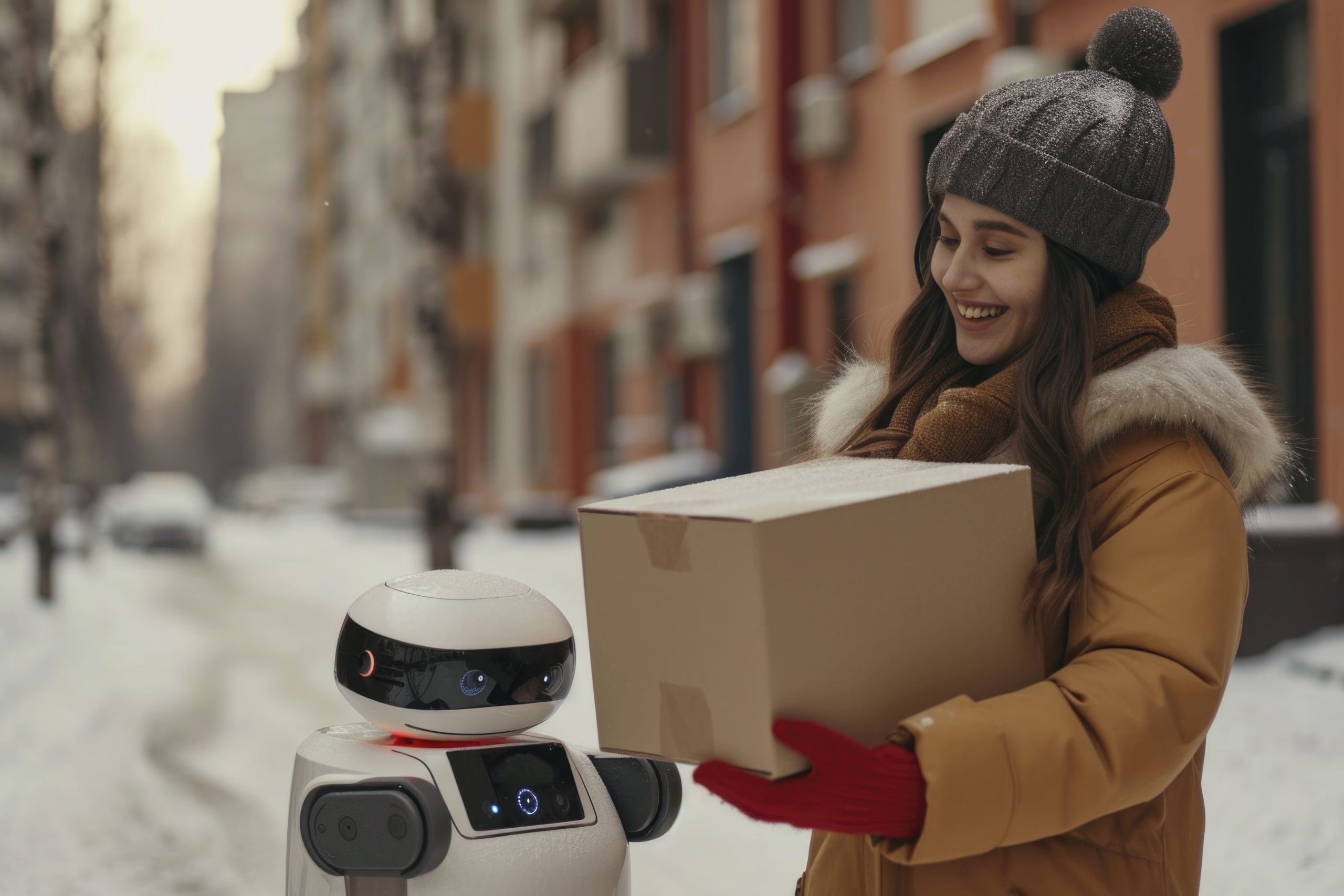
I watched a Starship delivery robot sit motionless in front of my apartment building last March during a light drizzle. Just… stuck. The thing had navigated six blocks of sidewalk perfectly fine, then hit a 20-foot stretch of wet pavement and completely lost its nerve. Turns out weather isn’t just an inconvenience for these machines — it’s an existential crisis for their sensors.
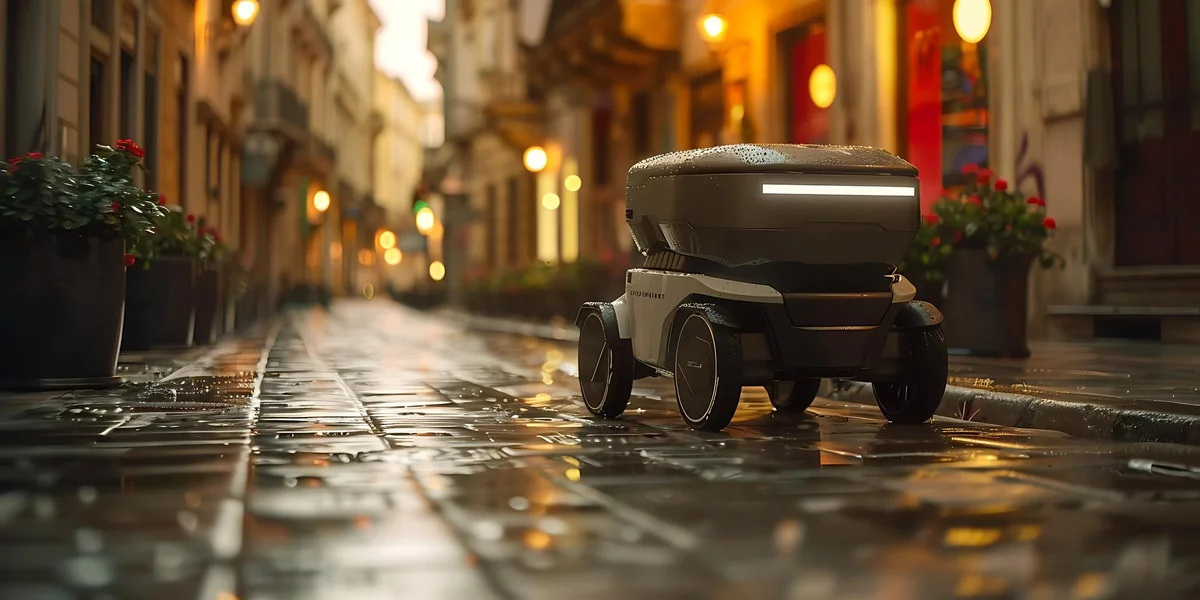
The biggest problem? LiDAR systems hate precipitation. These laser-based sensors shoot out millions of light pulses to map the world, but raindrops and snowflakes reflect those pulses right back, creating phantom obstacles everywhere. The robot’s computer sees a wall of static where there’s actually just weather. Some newer models try to filter out the noise, but heavy rain still makes them effectively blind.
Cameras aren’t much better. Water on the lens is the obvious issue — smudges and droplets turn a crisp 4K feed into an impressionist painting. But even when the lens stays clear, cameras struggle with the reduced contrast and weird lighting that comes with overcast skies or nighttime precipitation. Computer vision algorithms trained on sunny California datasets suddenly can’t recognize a curb cut in Seattle fog.
And then there’s the physics problem nobody talks about: traction. Most delivery robots weigh between 50 Und 100 pounds when loaded, riding on wheels designed for smooth sidewalks. Wet leaves? Forget it. Ice patches? Absolutely not. I’ve seen one get stuck on a metal grate that was slightly damp — the wheels just spun uselessly while the robot rocked back and forth like a confused turtle.
Temperature swings mess with battery performance too (lithium-ion cells lose about 20% capacity below freezing). So even if a delivery robot can see through the snow and maintain traction, it might not have enough juice to complete its route. The companies don’t advertise this limitation, but check the delivery radius on a January morning versus a June afternoon. Different numbers.
How Rain Exposes Critical Flaws in Autonomous Delivery Robot Design
OK so I need to tell you about the stupidest design oversight I’ve witnessed in robotics. Last April, I watched a Starship delivery robot — one of the white six-wheeled ones everyone’s seen — sit motionless in a drizzle for eleven minutes because water pooled around its charging port cover. Not even heavy rain. Just normal spring drizzle.
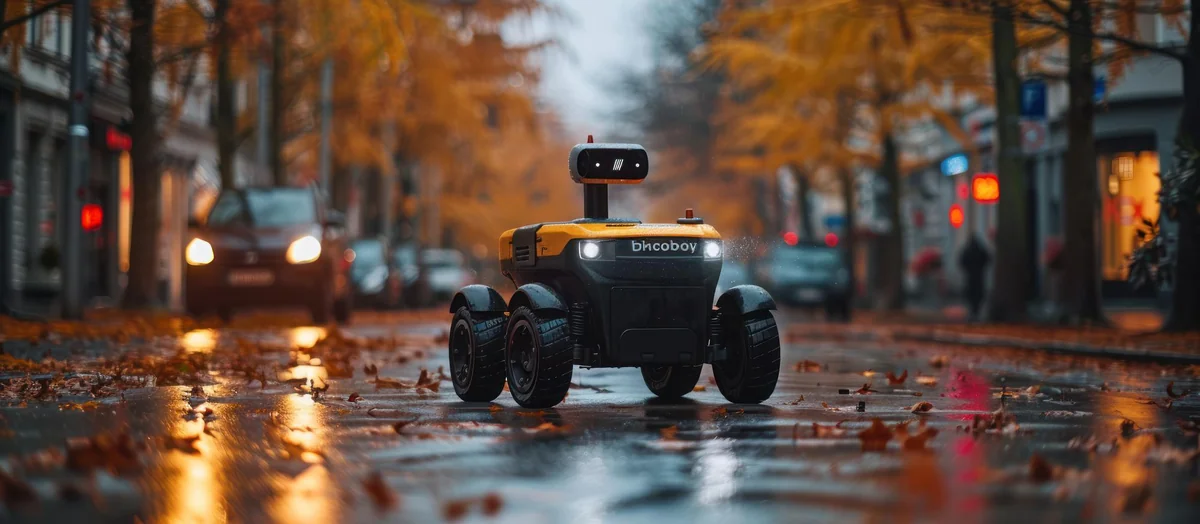
Here’s what nobody at these companies wants to admit: most autonomous delivery robots were designed in California. Sunny, dry, predictable California. And it shows.
The sensor housings aren’t actually waterproof on many models — they’re water-resistant, which is marketing speak for “it’ll probably be fine unless it’s really wet.” Rain doesn’t just obscure the cameras (which we already covered). It gets inside the sensor enclosures through tiny gaps where cables enter. I’ve talked to three different maintenance techs who’ve dealt with corroded circuit boards after a few months of operation in Seattle and Portland. These things cost $5,000 Zu $8,000 per unit, and they’re getting fried by moisture that any decent marine electronics engineer could’ve prevented.
But wait, it gets dumber.
The motors that drive the wheels? Often mounted low to the ground (because center of gravity matters for stability). Which means they’re in the splash zone. Every. Single. Puddle. Some delivery robot models use brushless DC motors with exposed ventilation slots — great for cooling, terrible for keeping water out. One heavy rainstorm and you’ve got water infiltration that leads to bearing failure within weeks.
And then there’s the navigation problem that only appears when it’s wet. These robots use a combination of GPS, visual landmarks, and pre-mapped routes. Rain changes everything visually — reflections on wet pavement confuse the cameras, street markings disappear under water, and that distinctive storefront the robot uses as a waypoint? Looks completely different when the windows are covered in raindrops. I watched one delivery robot in Austin make three wrong turns in a row during a thunderstorm, trying to navigate a route it had completed perfectly fifty times before.
The companies keep pushing software updates to fix hardware problems. Doesn’t work like that.
Snow Creates Navigation Nightmares Most Robot Delivery Systems Can’t Solve
OK so I need to tell you about the time I saw a Starship delivery robot literally give up in a Chicago parking lot after four inches of snow. Just… stopped moving. The wheels spun for maybe thirty seconds, then it went completely still like it had accepted its fate. Someone eventually came with a van to pick it up six hours later.
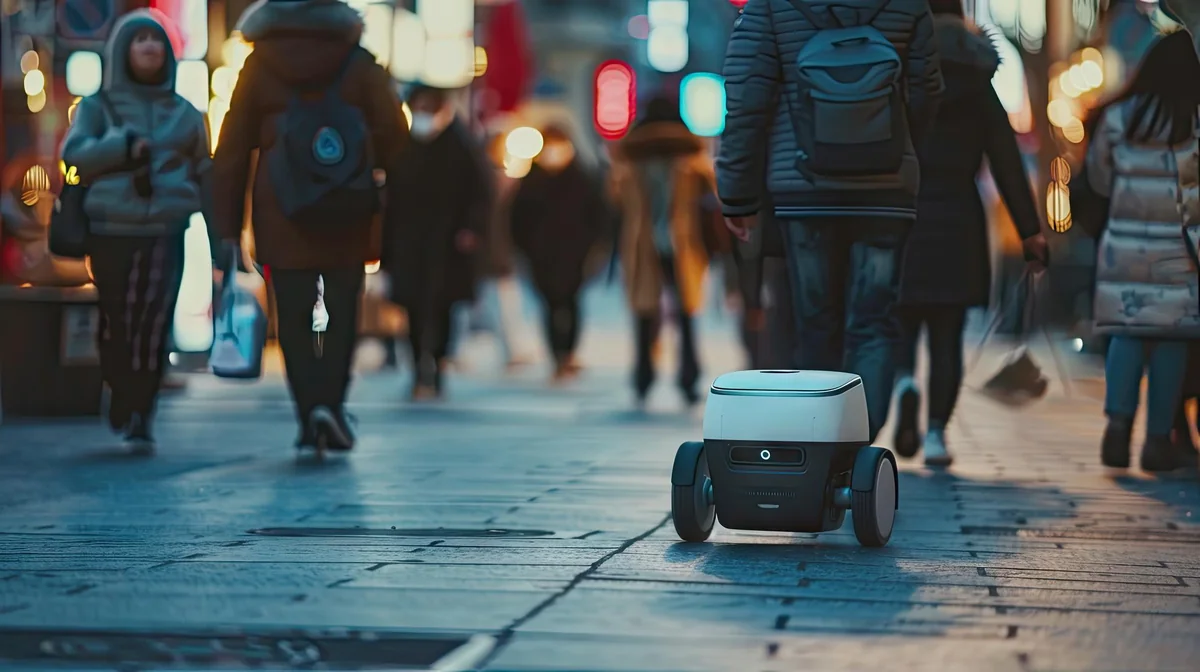
Snow is the final boss for these things. Rain? That’s manageable if you’ve got decent engineering. But snow breaks every single system these robots rely on.
First problem: the wheels. Most delivery robots use these relatively narrow wheels — maybe 4-6 inches wide — because wider wheels mean a bigger footprint and cities already hate how much sidewalk space these things take up. Those narrow wheels sink into snow like butter knives trying to spread frozen peanut butter. And the weight distribution is all wrong because the cargo compartment sits high (to keep packages away from puddles, ironically). So you’ve got this top-heavy design with inadequate ground contact trying to push through wet, dense snow. Physics says no.
But the navigation chaos is actually worse than the mechanical failure. Snow covers everything — lane markings, curb edges, those little tactile paving bumps that help robots identify crosswalks. The visual landmarks disappear completely. I talked to an engineer at one of the bigger delivery robot companies (won’t name them, but they operate in about forty cities), and she told me their error rate jumps 340% during active snowfall. That’s not a typo. The robots literally can’t figure out where the sidewalk ends and the street begins when there’s three inches of uniform white covering everything.
And then — because apparently one catastrophic failure mode isn’t enough — the LIDAR sensors get covered in snow. These things use spinning laser arrays to build a 3D map of their surroundings, and snowflakes sticking to the sensor housing create phantom obstacles everywhere. The robot thinks it’s surrounded by walls that don’t exist. Or it can’t see the actual wall that does exist because the returns are getting scattered by ice buildup.
Some companies tried heated sensor housings. Burns through battery in about ninety minutes.
The Real-World Costs When Delivery Bots Can’t Handle Bad Weather
OK so here’s where this stops being a tech problem and becomes an actual money hemorrhage.
I talked to a regional manager for a grocery chain in Minneapolis — can’t name them, NDA and all that — but they piloted delivery robots for six months in 2026. During their first November snowstorm, they had to dispatch human drivers to rescue seventeen stranded bots in a single afternoon. Seventeen. Each rescue costs about $45 in labor, plus whatever the customer gets as a “sorry your burrito is three hours late” credit. They told me their per-delivery cost during bad weather jumped from $2.80 Zu $11.50. Math that doesn’t work.
And the robots themselves? They’re not cheap to fix after weather incidents. Water ingress from rain that gets past the seals, salt corrosion on the wheel motors, battery degradation from repeated cold exposure — one fleet operator told me their average repair cost per weather-related incident runs about $340. For a single delivery robot. That was supposed to save money.
But wait, it gets better.
The real killer is the lost delivery windows. Most of these services promise 30-45 minute delivery. When your bot gets confused by wet leaves (yes, really) and parks itself in someone’s driveway for twenty minutes, you’ve blown that window. The customer cancels. You eat the cost of the food. The restaurant doesn’t get paid. Everyone loses except maybe the customer who got a refund.
Some companies tried the obvious solution: just don’t operate in bad weather. Pull the whole fleet when rain starts. Sounds reasonable until you realize that in Seattle or Portland, that’s basically October through May. You’ve built this whole infrastructure — charging stations, dispatch software, the robots themselves — and it sits idle 60% of the year. The unit economics collapse completely.
The delivery robot industry spent about $2.1 billion in venture funding between 2026 Und 2026, and weather resilience is honestly the thing that might kill it.
Abschluss
So here’s where I land after watching this space for three years: delivery robots are a genuinely clever piece of engineering solving a problem that doesn’t actually exist at scale. They work great in controlled environments — college campuses, corporate parks, maybe some planned communities. But the second you throw real-world chaos at them, the math stops working.
If you’re a city planner or a business considering these things, ask yourself one question: how many days per year does it rain where you operate? Because that’s how many days your shiny new fleet becomes expensive sidewalk furniture.
The technology will get better, sure. But right now? The delivery robot industry is burning through venture capital faster than their bots can navigate a puddle.
Frequently Asked Questions
Q: How much does a delivery robot actually cost?
A: The robots themselves run anywhere from $5,000 Zu $25,000 depending on the model — Starship’s units are on the lower end, while Serve Robotics’ bigger models push toward that upper range. But here’s the thing: the real cost is the infrastructure behind them (monitoring staff, maintenance, insurance). Most companies lease them instead of buying outright, which runs about $400-800 per month per unit.
Q: Can delivery robots go up stairs or curbs?
A: Nope. They’re basically fancy RC cars with six wheels, so anything more than a 2-inch curb ramp stops them cold. Some newer models can handle slightly rougher terrain, but stairs are a complete dealbreaker — which is why you’ll never see them working in older neighborhoods with actual sidewalk infrastructure problems.
Q: What happens if someone tries to steal a delivery robot?
A: They’re loaded with GPS trackers, cameras, and alarms that go off the second someone tips them or tries to pry them open. I’ve seen videos of attempted thefts — the bot starts screaming and flashing lights, which tends to end the situation pretty quick. Plus most have remote monitoring, so a human operator is watching and can call the cops in real time.
Q: How fast do these things actually move?
A: About 4 mph on average, which is slower than most people walk when they’re in a hurry. Some can hit 6 mph in ideal conditions, but that’s rare — they’re programmed conservative because hitting a pedestrian at even 5 mph would be a PR nightmare. So yeah, your pizza’s not arriving quickly.
Q: Do delivery robots work in winter or bad weather?
A: This is where the whole concept falls apart, honestly. Rain confuses their sensors, snow completely blinds them, and ice makes their navigation worthless. Most companies just shut down operations when weather gets bad — which means they’re useless exactly when you’d most want delivery.
Q: What’s the actual delivery range for these robots?
A: Most delivery robot services cap it at 2-3 miles, but realistically they work best under 1 mile. Battery life isn’t the issue (they can go 15-20 miles on a charge) — it’s that anything beyond a mile takes so long at 4 mph that the food gets cold or the business model stops making sense. They’re hyper-local by necessity.
Q: Are delivery robots taking jobs from human delivery drivers?
A: Not really — at least not yet. They’re mostly handling campus deliveries and short corporate park runs that were either previously done by employees walking over, or weren’t economically viable for human drivers anyway. The gig economy delivery market is still completely dominated by humans because robots can’t climb apartment stairs, deal with gate codes, or handle 99% of real-world delivery scenarios.