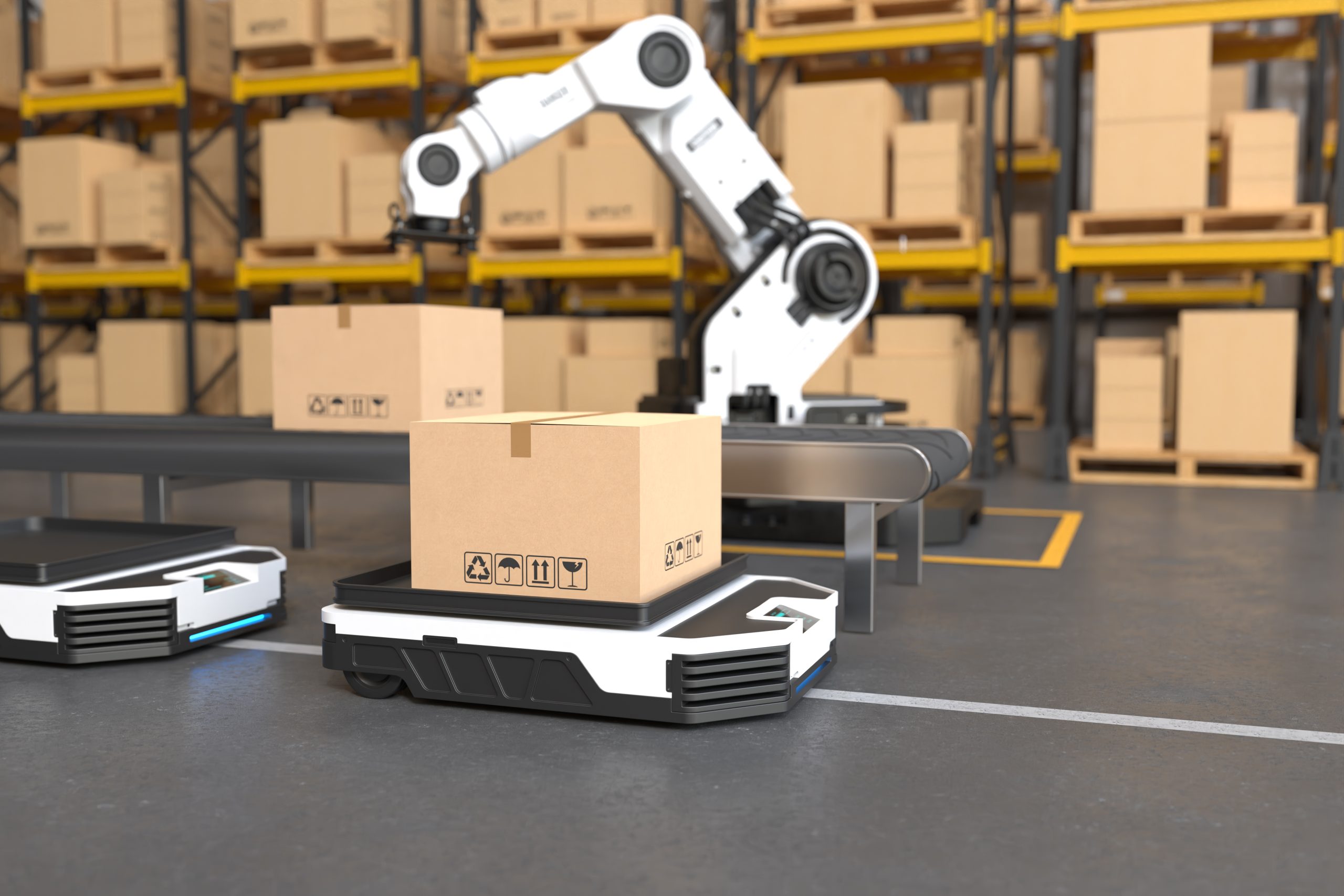
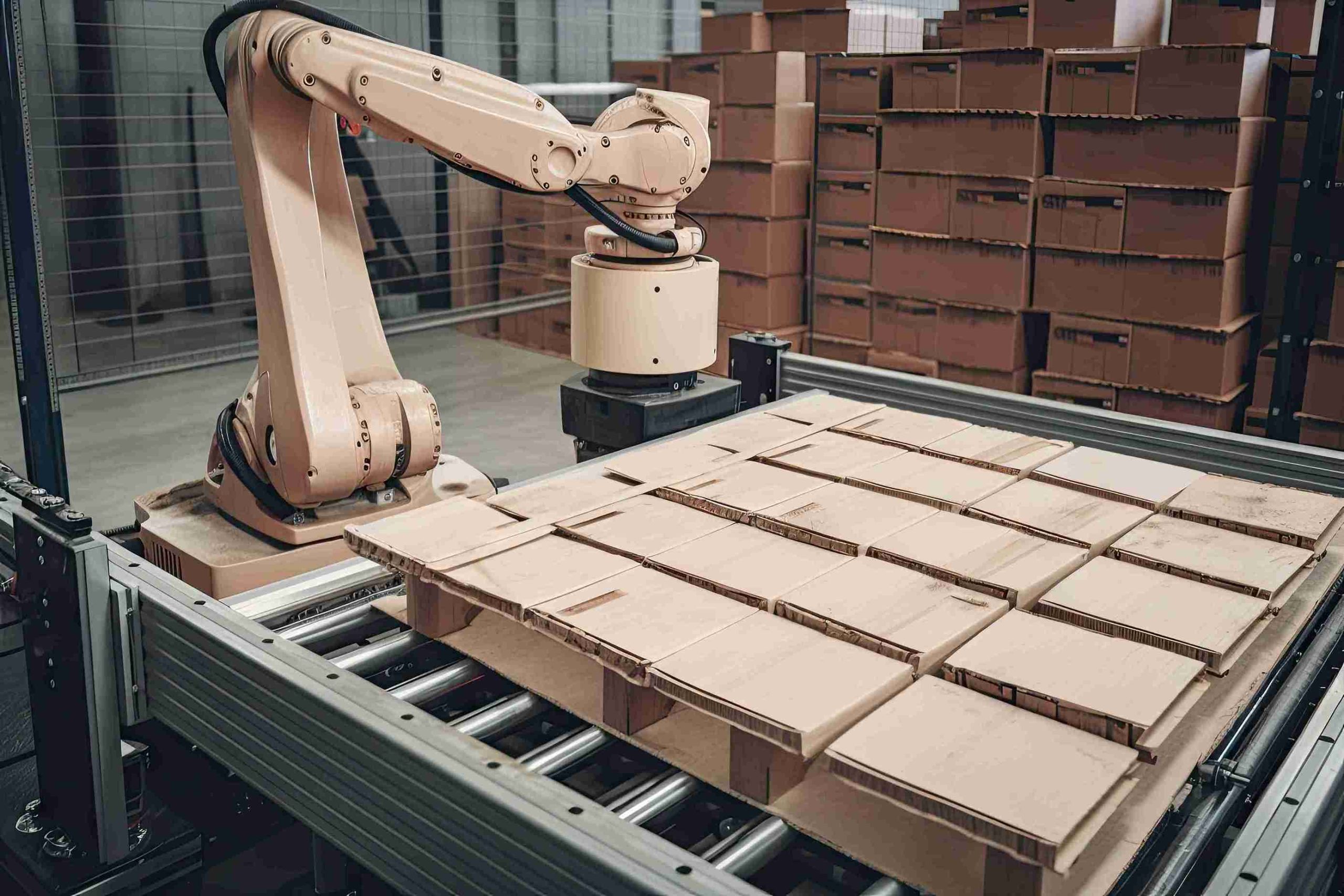
In this era of rapid manufacturing, it’s no longer desirable – it’s mandatory – to be a step ahead of demand. With factories looking to make more, more quickly, for lower prices, many are turning to a revolutionary tool: the box palletizing robot.
What is a box palletizing robot anyway? And why is it becoming even more central to next-gen manufacturing lines? Here’s why this Smarter technology is revolutionizing factory floors and why you are losing ground without it.
What Is a Box Palletizing Robot, and Why Is Everyone Talking About It?
A box palletizing robot is a machine that is used to lift boxes from a stack and pile them in a neat pattern on top of pallets. The robots are typically used at the conclusion of a manufacturing line where boxes containing finished products are placed on pallets for storage or shipment.
Newer palletizing robots are versatile. They can be easily reprogrammed and accommodate numerous box sizes and patterns. Some even are vision-equipped so that robots can “看” boxes as well as adapt to them. Light boxes? Heavy boxes? The robot lifts the heavy load — day in and day out — without fatiguing.
Now that you are educated on what a box palletizing robot is, let’s see why so many factories are automating when it’s time to stack. Is your factory losing money?
Why Manual Palletizing Is Slowing You Down
Manual palletizing, where workers manually lift boxes and stack them up, has always been standard practice. But these days, that’s getting too costly and manpower-intensive. Be honest — eight-plus-hour days of stacking boxes wear on the body. It leads to worker fatigue, injury, and even errors in stacking.
When boxes are not tightly stacked together, they may shift or even drop during transport. The result is damaged merchandise and dissatisfied customers. And since human labor can only go so quickly while workers are taking breaks anyway, your production is capped.
Most factories are already short on manpower. It’s not so difficult to come across people who are ready to do hard, routine labor. This is where a box palletizing robot can come to your literal rescue. It never needs a break and never complains.
But is it money well spent? Let’s see what these robots can actually do.
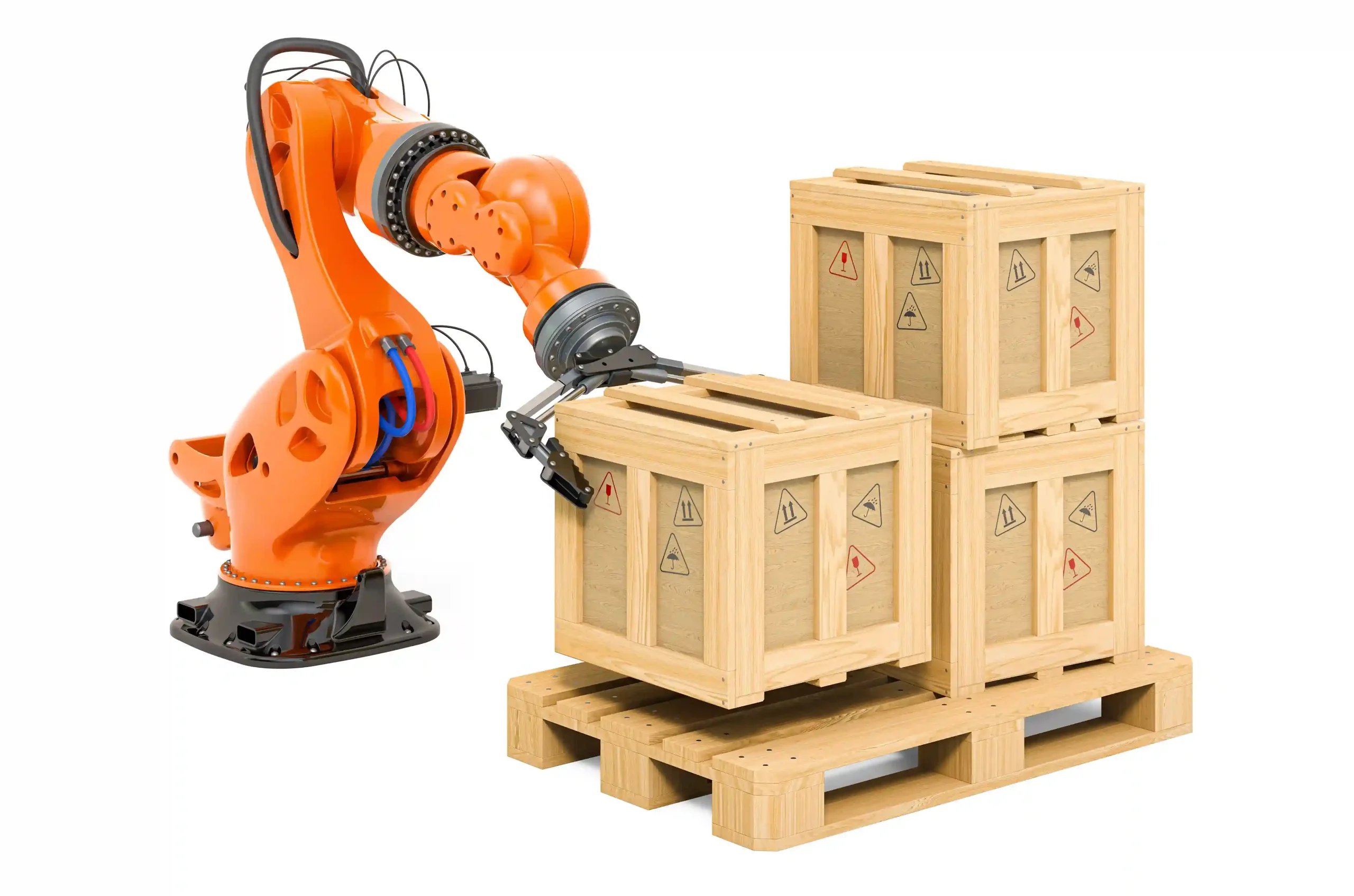
How a Box Palletizing Robot Makes Your Factory Smarter
Replacing manpower with a box palletizing robot is not just a question of greater speed — it’s a question of functioning more economically. The robots introduce an entirely new dimension of performance to your line.
Improved Speed and Uniformity
A palletizing robot can repeat the same job over and over again without error. Perfectly accurate stacking of boxes, no matter what time it is. This results in quicker packing with fewer damaged items. Human labor can become fatigued and slack off on the job, whereas a robot maintains the same pace from dawn till dusk.
Fewer Injuries and a Safe Workplace
When you leave robots with the heavy lifting, you shield your employees from back strain, muscle aches, and mishaps. Your workforce can transition to safer, more advanced jobs — such as supervision and control of the robot.
Lower Lifetime Costs
当然, the upfront cost of a robot might seem high. But consider your labor expense, your investment in training employees, and your premiums for insuring employees. And then consider that in one to two years, your box palletizing robot can pay for itself. And then it’s tax-free dollars saved.
You therefore know what it is capable of doing. But what is unique about it compared to traditional industrial robots? Let’s talk about the other big advantage — collaborative automation.
What Makes a Collaborative Box Palletizing Robot Different?
Traditional industrial robots are large, cumbersome, and often fenced off behind security fencing. They are rapid movers that are dangerous when humans are moving in close quarters. The robots are suitable for large factories with open space that can be utilized with a predictable manufacturing output plan.
But most modern factories, especially small- to medium-sized factories, require a more versatile machine. And that’s where cooperative robots — short for cobots — come in.
Smaller, Safer, and Simpler to Use
An F&P collaborative box palletizing robot is designed to be side-by-side with people. It includes features such as force sensors when a person is in close proximity, as well as when moving slowly. This eliminates having a safety cage so that you can position the robot nearly anywhere on the floor.
These robots are also lightweight and portable. Through a touch interface, even a non-programmer can program the robot to stack boxes. You can also modify the pattern of stacking or the size of boxes with a few button clicks.
If you are contemplating whether bringing such a robot as this would be disruptive to your operations, don’t fret — let’s see just how seamless it can be.
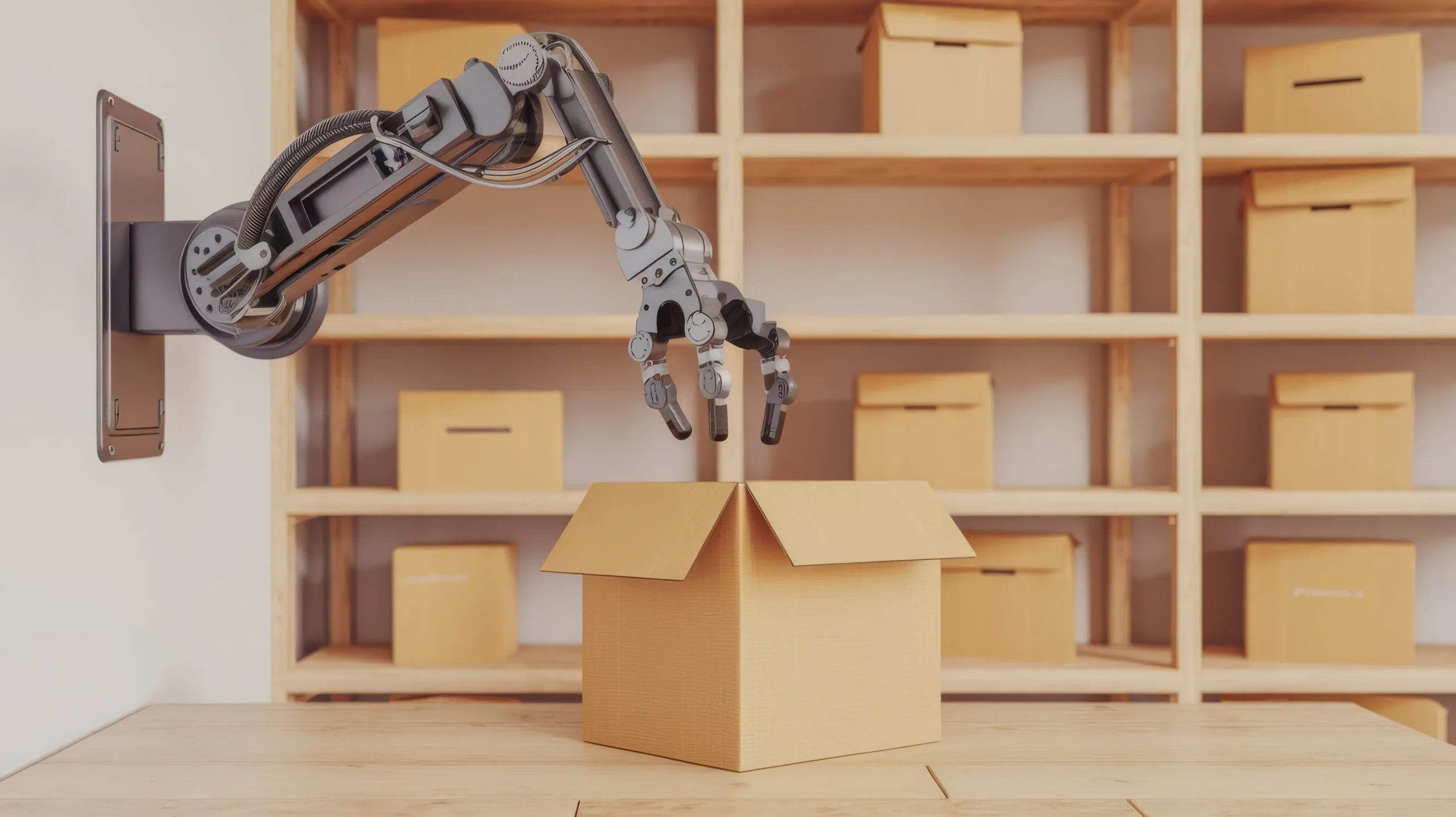
Can I Add a Box Palletizing Robot Without Shutting Down My Factory?
Managers’ worst nightmare is typically downtime within a manufacturing facility. But you may be certain of this: The majority of box palletizing robots are plug-and-play robots. And that means you can implement them without substantial changes to your existing installation.
Start Small, Scale Fast
Most installations begin with one palletizing robot serving one line. As it is experienced through its usage, and it is so convenient as well as time-saving, multiple robots are added within different regions promptly.
Works With What You Have Already
You can integrate your robots with your existing Factory equipment. I mean your conveyor lines, your package lines, your software. We can’t tear everything up, and we can’t bring manufacturing to a halt for weeks.
Now that you can view just how effortless it is to get started with them, it is high time to address that grand question: Do you really need a box palletizing robot?
The Bottom Line
Get real. You are not alone with your increased expenses, short timelines, and shortage of labor. Your competitors are in as much distress, and many are addressing those issues with box palletizing robots.
Visualize what your line would be like with increased stacking speed, reduced injuries, and reduced labor expense. What would your crew be able to concentrate on if you didn’t waste hours manually stacking boxes?
Each day that you delay is one that you are losing ground on. The factories that win tomorrow are those that are taking a bet on intelligent automation today.
现在, are you prepared to enter your future?
结论: Ready to Automate the Smart Way?
It’s not replacing your people when you automate with a box palletizing robot. It’s helping them — and your company — to do more. With improved technology, you can be safer, make more, and stay one step ahead of what’s evolving in your world.
You don’t need a big budget or a big team of engineers. All you need is someone who is sensitive to your issues who can guide you to the right solution.
Don’t know where to begin? Call us. We can help you discover the ideal box palletizing robot for your plant, your people, and your manufacturing requirements. Reach out to us now — no hard pitch, simply a nice discussion on taking your factory to the next step.
常见问题解答
1. What is a box palletizing robot?
A box palletizing robot is a machine that stacks boxes on a pallet mechanically in a neat pattern. It is deployed at the terminating point of a manufacturing line to reduce manpower as well as time consumption.
2. How does a box palletizing robot work?
It uses a robot arm with a special tool to lift boxes and stack them according to fixed patterns. It can be programmed and is capable of running without much human interference on a continuous basis.
3. Is it safe to be used with humans?
是的, especially if it’s a collaborative robot (cobot). These robots have safety sensors and slow down or stop if someone gets too close.
4. Will a box palletizing robot accept boxes of different sizes?
是的. Many robots can be set up to receive many different box sizes and patterns. Some are fitted with advanced sensors or vision to aid this.
5. Will I be required to cease production to install one?
None. Lightweight palletizing robots are sometimes so light that you can integrate them with your current line without having to stop it.
6. How much space does a box palletizing robot take up?
Very little. Some are small enough to fit within small places. Cobots do not require safeguard enclosures, so they take up even less space.
7. Is it difficult to educate someone on how to operate the robot?
None whatsoever. The majority are self-learning with intuitive touch controls. No coding is typically required.
8. How fast can I expect to see results?
Most factories experience improved work speed, reduced injuries, and improved stacking within days. Many pay off the robot within 1 到 2 years.
9. Will I be able to transfer the robot to another line later?
是的. Most box palletizing robots are portable or can be moved easily when your layout changes or your needs evolve.
10. How can I get advice on selecting a suitable robot?
Call us at OKBOLONG. We are always ready to assist you in finding a suitable box palletizing robot for your factory and goals.