Modern supply chains are changing quickly. Companies are moving goods across the world faster than ever before, but speed and efficiency are no longer the only priorities. Businesses are now asking a new question: how can logistics operations become more environmentally responsible while still staying competitive?
This is where sustainable logistics comes in. Sustainable logistics focuses on reducing energy use, cutting waste, and improving efficiency across transportation, warehousing, and distribution. Instead of seeing sustainability as an extra cost, many companies now view it as a way to build stronger and smarter supply chains.
But what is driving this shift, and why are so many companies investing in sustainable logistics today?
Why Sustainable Logistics Is Becoming Essential for Modern Supply Chains
For years, logistics systems focused mainly on cost and speed. However, rising environmental concerns and stricter regulations have pushed companies to rethink their operations. 今天, sustainable logistics is becoming a key part of long-term business strategy.
Environmental Pressure on Logistics Operations
Logistics activities can consume large amounts of energy. Warehouses run lighting systems, equipment, and climate control around the clock. Transportation fleets burn fuel to move products between factories, warehouses, and customers.
Because of this, logistics operations contribute to global emissions and environmental impact. Governments and international organizations are encouraging companies to reduce these impacts by improving energy efficiency and adopting cleaner technologies. As a result, many businesses are looking for practical ways to introduce sustainable logistics into their supply chains.
The Growing Demand for Greener Supply Chains
Customers and business partners are also playing an important role. Many organizations now evaluate suppliers based on environmental performance. Companies that show clear progress in sustainable logistics can gain a competitive advantage in global markets.
So if sustainability is becoming essential, what technologies are helping warehouses and logistics centers operate more responsibly?
Key Technologies Supporting Sustainable Logistics in Modern Warehouses
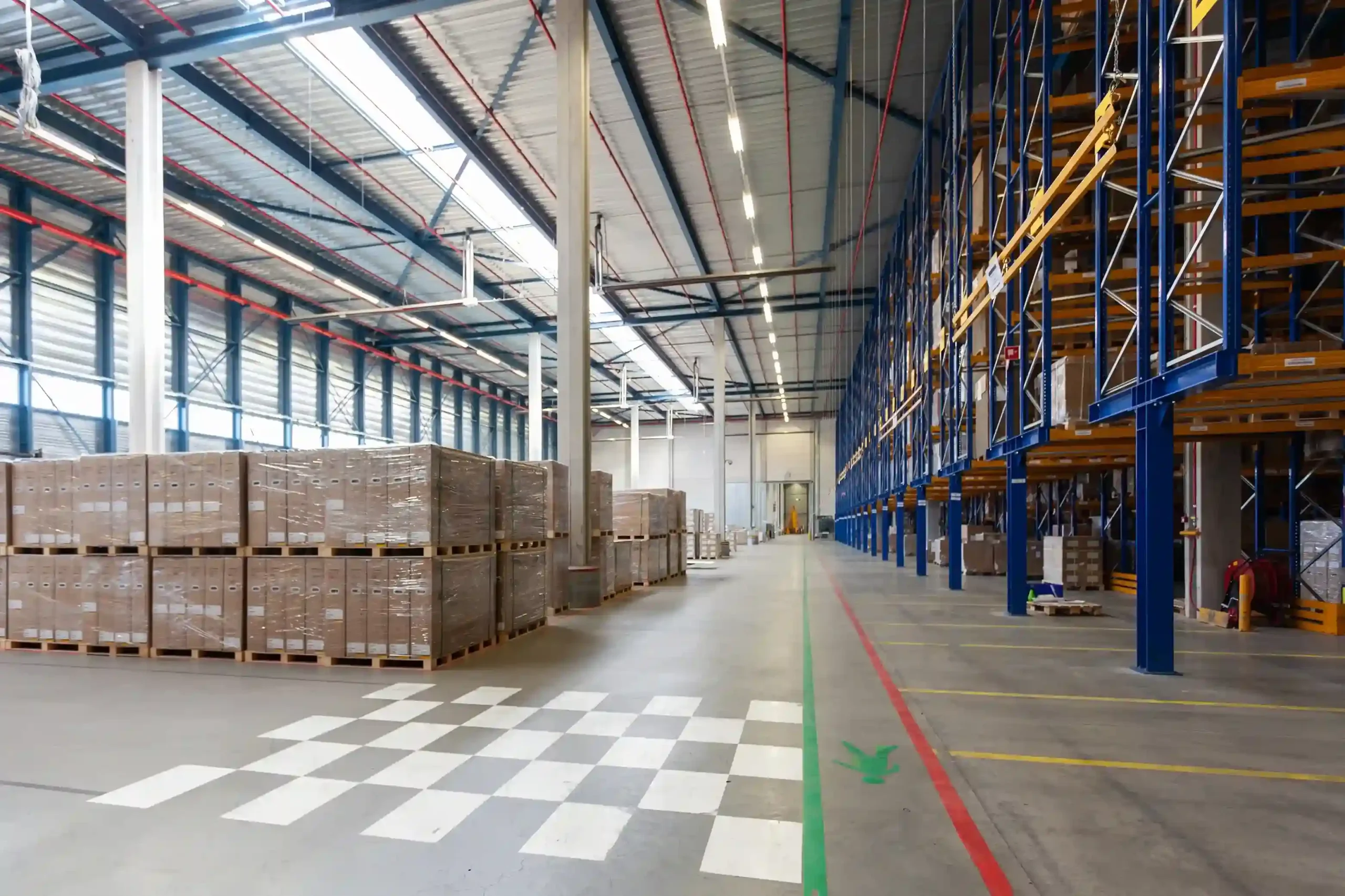
Warehouses are the heart of most supply chains. Improving warehouse operations can significantly reduce energy use, waste, and operational inefficiencies. This is why many businesses start their sustainable logistics efforts inside the warehouse.
Several technologies are helping facilities move toward greener operations.
Energy Efficient Warehouse Infrastructure
One of the most effective ways to support sustainable logistics is by improving warehouse infrastructure. Energy-efficient lighting systems, modern insulation, and smart climate control can reduce electricity consumption without affecting productivity.
LED lighting combined with motion sensors allows warehouses to use power only when needed. Energy management systems can also track electricity usage and help operators identify opportunities for improvement.
These changes may seem simple, but they can create significant energy savings over time.
Smart Warehouse Management Systems
Digital systems also play a major role in sustainable logistics. Warehouse management systems help companies monitor inventory, plan picking routes, and reduce unnecessary movement inside facilities.
When workers and equipment travel shorter distances, energy consumption decreases, and operations become faster. Smart systems also improve inventory accuracy, which reduces the need for emergency shipments and product waste.
Technology like this helps warehouses operate more efficiently while supporting environmental goals.
Sustainable Packaging and Material Handling
Packaging is another area where sustainable logistics can make a real difference. Traditional packaging methods sometimes use more material than necessary, leading to unnecessary waste.
Modern packaging systems use precise measurements to ensure the right amount of material is used for each product. Reusable containers, recyclable materials, and optimized packaging designs also help companies reduce waste across their supply chains.
But infrastructure and systems alone are not enough. This leads to an important question: how can automation further strengthen sustainable logistics?
How Automation Helps Advance Sustainable Logistics
Automation is transforming warehouses around the world. From robotic picking systems to automated transport vehicles, automation technologies are making logistics operations faster and more accurate.
At the same time, these systems also play a valuable role in sustainable logistics.
Reducing Energy Use Through Automation
Automated equipment is often designed to use energy more efficiently than traditional systems. Robots and automated vehicles follow optimized paths and avoid unnecessary movement, which helps reduce power consumption.
Many robotic systems are also designed to operate continuously with stable performance. This allows
warehouses to maintain productivity while controlling energy usage.
In the long run, efficient automation can support both operational performance and environmental responsibility.
Improving Accuracy and Reducing Waste
Mistakes in logistics can create waste. Incorrect packaging, damaged products, or inventory errors may lead to returns or discarded goods. These problems increase costs and also increase environmental impact.
Automation helps reduce these issues. Robotic systems and visual inspection technologies can detect errors quickly and maintain consistent quality. When fewer mistakes occur, companies use fewer materials and produce less waste.
This makes automation an important contributor to sustainable logistics.
Optimizing Warehouse Space and Workflow
Space efficiency is another key factor. When warehouses use space more effectively, they can store more products without expanding their physical footprint.
Automation technologies, such as automated guided vehicles and robotic systems, can operate in tighter spaces and maintain organized workflows. This allows warehouses to increase capacity while using fewer resources.
With these improvements, companies begin to see another important benefit. What advantages does sustainable logistics bring to business performance?
Business Benefits of Sustainable Logistics for Companies
Many organizations initially explore sustainable logistics to meet environmental goals. However, they often discover that sustainability also improves business performance.
Lower Operating Costs
Energy-efficient systems, optimized routes, and reduced waste all contribute to lower operating costs. Companies spend less on electricity, packaging materials, and product losses.
随着时间的推移, these savings can offset the cost of new technologies and infrastructure upgrades.
Stronger Brand Reputation
Businesses that invest in sustainable logistics often gain stronger trust from customers and partners. Many buyers prefer to work with suppliers that demonstrate responsible environmental practices.
A company that shows commitment to sustainability can strengthen its reputation in competitive global markets.
Greater Operational Efficiency
Sustainable logistics often improves operational efficiency as well. Better systems, improved visibility, and advanced automation allow companies to process orders faster and more accurately.
This means sustainability is not only good for the environment. It can also help companies build more resilient and efficient supply chains.
So how can businesses begin making this transition?
How Companies Can Start Building Sustainable Logistics Strategies
Adopting sustainable logistics does not require companies to transform everything overnight. Many organizations start with small improvements and gradually expand their efforts.
Measure Current Logistics Impact
The first step is understanding current operations. Companies can analyze energy use, transportation efficiency, and material consumption to identify areas that need improvement.
This information helps businesses set clear sustainability goals.
Adopt Smart Technologies Step by Step
After identifying priorities, companies can introduce technologies that support sustainable logistics. Upgrading lighting systems, implementing digital warehouse management tools, or adopting automation systems can all deliver meaningful improvements.
Starting with targeted upgrades allows organizations to improve efficiency without disrupting operations.
Partner With Automation Experts
Technology providers also play an important role in helping companies adopt sustainable logistics. Experienced partners can design automation systems that balance productivity, energy efficiency, and operational flexibility.
This is where companies such as OK are helping manufacturers modernize their logistics operations.
How OK Drives Sustainable Logistics Through Smart Warehouse Automation
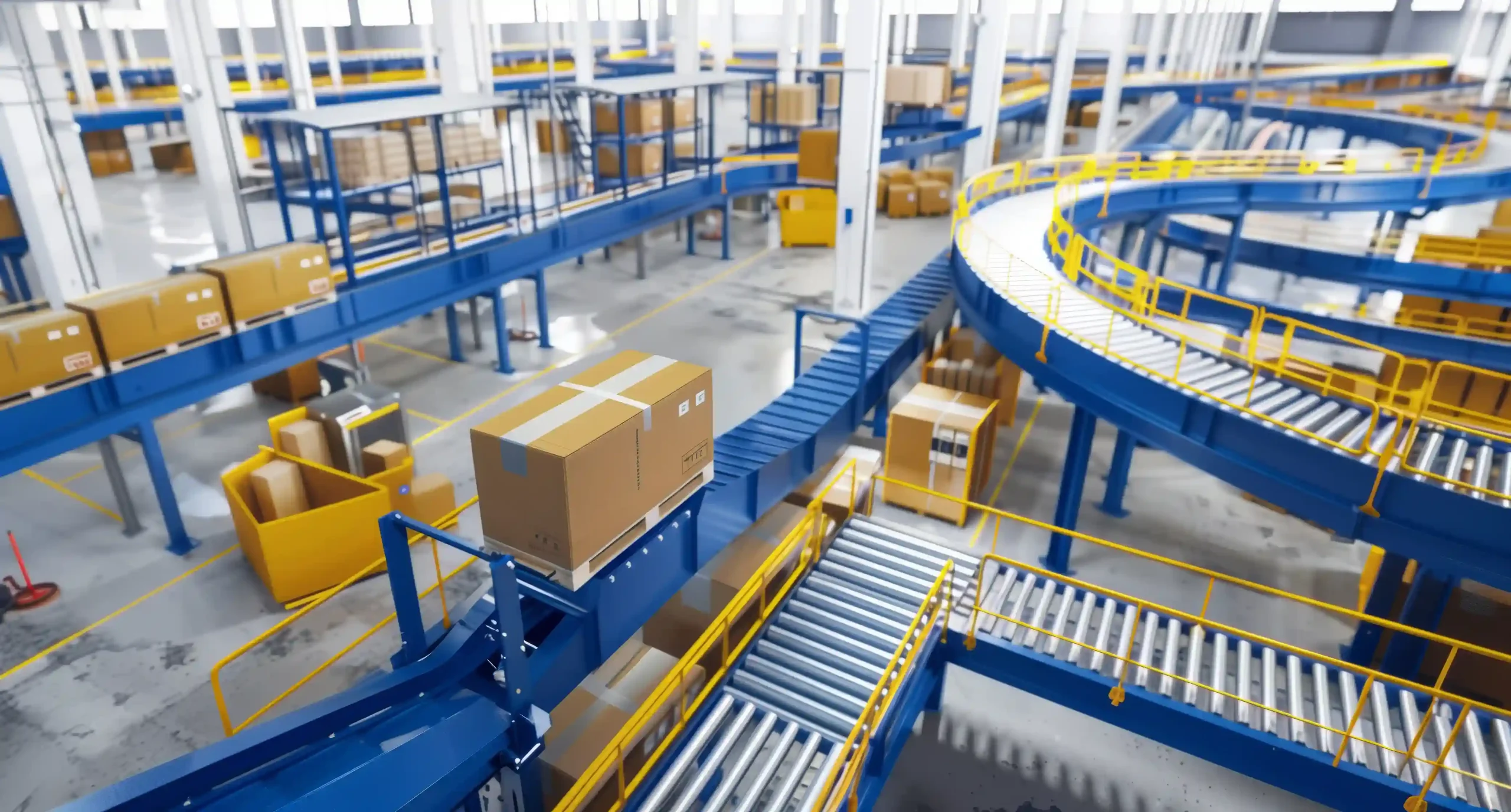
As warehouses look for smarter ways to improve efficiency and reduce waste, automation providers are developing technologies that support sustainable logistics from multiple angles.
OK integrates sustainability into the design of its automation solutions. Its products are built to deliver high volume performance while keeping energy use and space requirements low.
Energy Efficient Robotic Solutions
OK cobots are designed to operate with strong performance while maintaining low energy consumption. These systems can run continuously for long periods while maintaining stable output.
Because the robots require minimal maintenance and operate efficiently, companies can reduce both operating costs and environmental impact.
Precision Systems That Reduce Waste
Another important contribution to sustainable logistics is precision. OK uses intelligent detection technologies that combine cameras, sensors, and smart software to inspect products during production and packaging.
These systems detect defects with very high accuracy. As a result, fewer defective products move forward in the supply chain, reducing material waste and unnecessary rework.
Precision packaging systems also ensure that the correct amount of packaging material is used for each product. This reduces excess material use and supports more responsible packaging practices.
Long Lasting Automation for Sustainable Growth
Durability is another important part of sustainable logistics. Automation systems that last longer reduce the environmental impact associated with frequent equipment replacement.
OK designs its robots to operate reliably with minimal maintenance. Their long service life helps companies build stable and sustainable automation infrastructure.
此外, automated guided vehicles help optimize warehouse movement and reduce congestion on factory floors, allowing companies to use available space more efficiently.
The Future of Sustainable Logistics in Global Supply Chains
Sustainability is no longer a short-term trend. It is becoming a permanent part of logistics strategy. As technology continues to evolve, companies will gain new tools to reduce environmental impact while improving operational performance.
From energy-efficient warehouses to intelligent automation systems, the future of sustainable logistics will depend on innovation, collaboration, and smart decision-making.
Companies that begin this transition today will be better prepared for the supply chains of tomorrow.
结论
Sustainable logistics is transforming the way modern supply chains operate. Businesses are discovering that reducing energy use, minimizing waste, and improving efficiency can benefit both the environment and long-term performance.
Technologies such as smart warehouse systems, efficient infrastructure, and automation solutions are making it easier for companies to build greener logistics networks. At the same time, automation providers like OK are helping manufacturers adopt intelligent systems that improve productivity while supporting sustainability goals.
If your organization is exploring ways to build smarter and more sustainable warehouse operations, the team at OK would be glad to help. Reach out to learn how modern automation solutions can support your sustainable logistics strategy and help your supply chain move toward a more efficient future.