Forklifts have played a huge role in how warehouses, factories, and distribution centers move goods. For decades, traditional forklifts handled this job well with human operators behind the wheel. But today, a new kind of forklift is entering the scene: robotic forklifts. These machines are built to move, elevar, and work just like regular forklifts but without needing a driver.
As businesses look for ways to improve safety, reduce costs, and boost productivity, many are asking the same question: Which is better–robotic forklifts or traditional forklifts?
En este artículo, we’ll take a close look at both options. We’ll explore their differences, their advantages, their challenges, and help you figure out which forklift fits your operation best.
What Makes Robotic Forklifts Different from Traditional Forklifts?
Forklifts, in general, are used to move pallets, materials, and heavy goods in warehouses and industrial settings. But how they are operated sets robotic forklifts and traditional forklifts apart in a big way.
How Traditional Forklifts Work
Traditional forklifts are driven by people. A trained and certified operator gets behind the wheel and drives the forklift around the warehouse. They move goods, pick up pallets, and place items where needed. These forklifts come in many types and sizes, and they require careful handling and regular training to ensure safety.
These machines are flexible and can handle a wide variety of tasks. If something changes in the environment or a problem comes up, the driver can respond right away. Sin embargo, human error is always a risk, and this can lead to accidents or delays.
How Robotic Forklifts Are Changing the Game
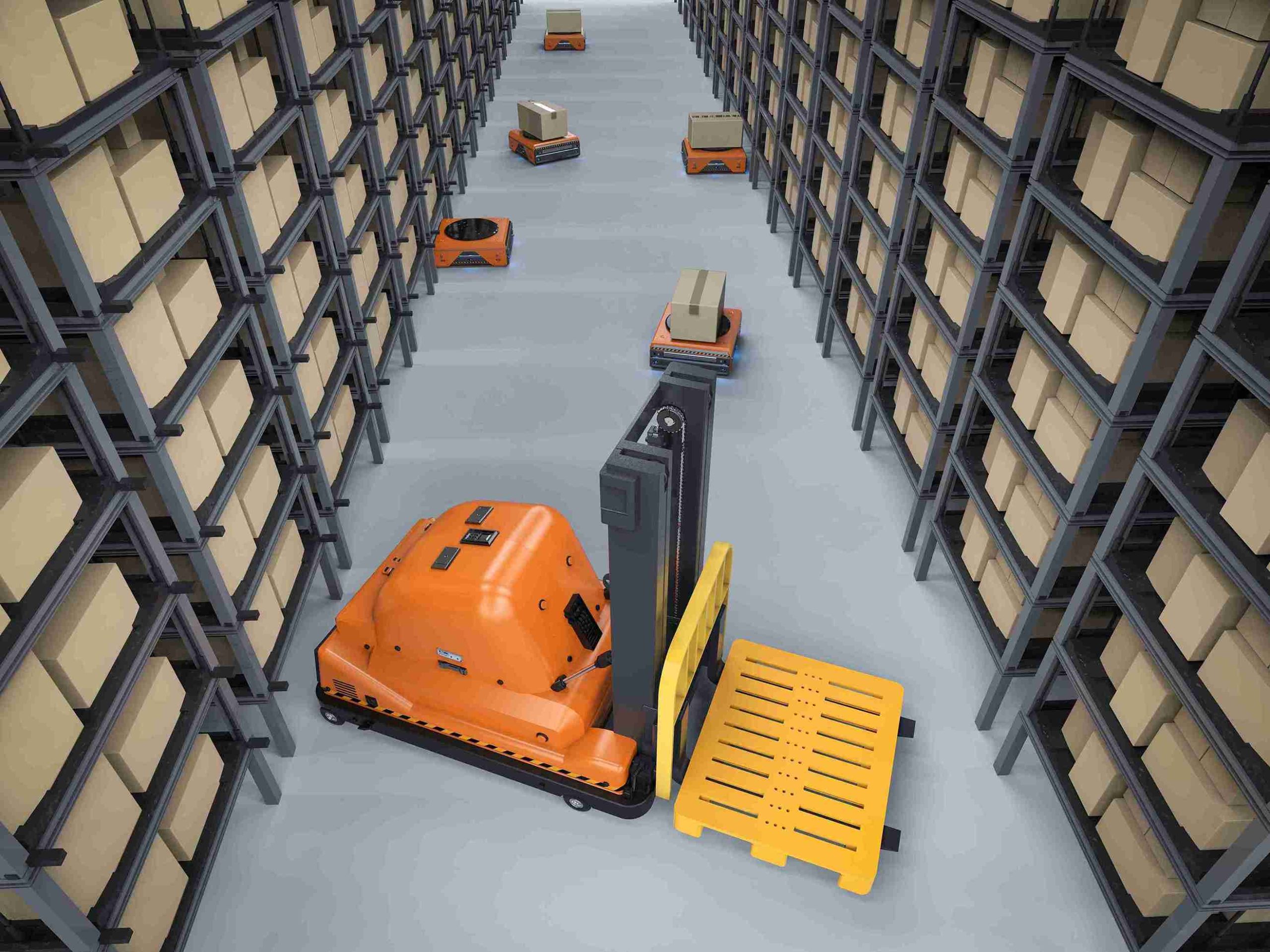
Robotic forklifts, also known as self-driving forklifts, use sensors, cameras, and mapping systems to navigate a warehouse on their own. They don’t need a person to drive them. Instead, they are programmed to follow paths, pick up loads, and deliver them safely and efficiently.
These machines are often connected to a warehouse management system (WMS), so they can receive tasks and report back their progress in real time. A robot forklift can run all day, avoid obstacles, and stick to a routine without getting tired or distracted.
Entonces, with this big difference in how they operate, the next question is obvious. Why would a business choose one over the other?
The Benefits of Robotic Forklifts in Today’s Warehouses
Robotic forklifts are quickly becoming popular in many modern warehouses. But why are more companies choosing them over traditional forklifts?
Increased Efficiency and 24/7 Operation
One major benefit of robotic forklifts is that they can work around the clock. Unlike humans, they do not need breaks, sleep, or sick days. If your business runs multiple shifts or needs to keep things moving at all hours, robotic forklifts are ready to work nonstop.
They are also faster in repeating tasks. Once programmed, a robot forklift can do the same job the same way every time, which improves consistency and reduces delays.
Improved Safety and Fewer Accidents
Human error is one of the leading causes of warehouse accidents. With robotic forklifts, the risk is much lower. They come with sensors and cameras that help them avoid obstacles, slow down near people, and stop if something gets in their way. This makes them much safer in busy work environments.
In warehouses where safety is a top concern, using a self-driving forklift can be a smart choice to reduce injuries and damage to goods.
Lower Long-Term Costs
Sí, robotic forklifts can cost more at the start. But over time, they often save money. You don’t need to pay drivers, provide training, or deal with scheduling. Maintenance is often less expensive too, as robotic forklifts are built to monitor their own health and signal when something needs attention.
These savings can add up quickly, especially in large operations with lots of repetitive lifting and moving.
But are robotic forklifts always the best choice? No necesariamente. Let’s take a look at the other side.
Are Traditional Forklifts Still Worth It?
With all the new technology available, some people might think traditional forklifts are becoming outdated. But there are still many situations where they make perfect sense.
When Traditional Forklifts Make Sense
Traditional forklifts are flexible. A human driver can respond to new instructions, changes in the layout, or unexpected problems. In smaller warehouses, or places where items are stored in tricky spots, this can be very helpful.
También, traditional forklifts often have a lower upfront cost. If your warehouse has fewer shifts or lower daily volume, paying for a robotic system may not be worth the investment right now.
Limitations You Should Consider
Sin embargo, there are downsides. Human-driven forklifts rely on trained staff, and that can be a challenge if workers are hard to find or retain. Accidents are also more likely when people are involved. And when demand increases, adding more shifts means hiring more drivers, which isn’t always easy or affordable.
Entonces, what about the costs? How do the numbers really stack up?
Carretillas elevadoras robóticas vs.. Carretillas elevadoras tradicionales: Which Is More Cost-Effective?
When thinking about robotic forklifts vs. traditional forklifts, the price is often a deciding factor. But looking at cost alone doesn’t tell the full story.
Upfront Costs vs. Long-Term Savings
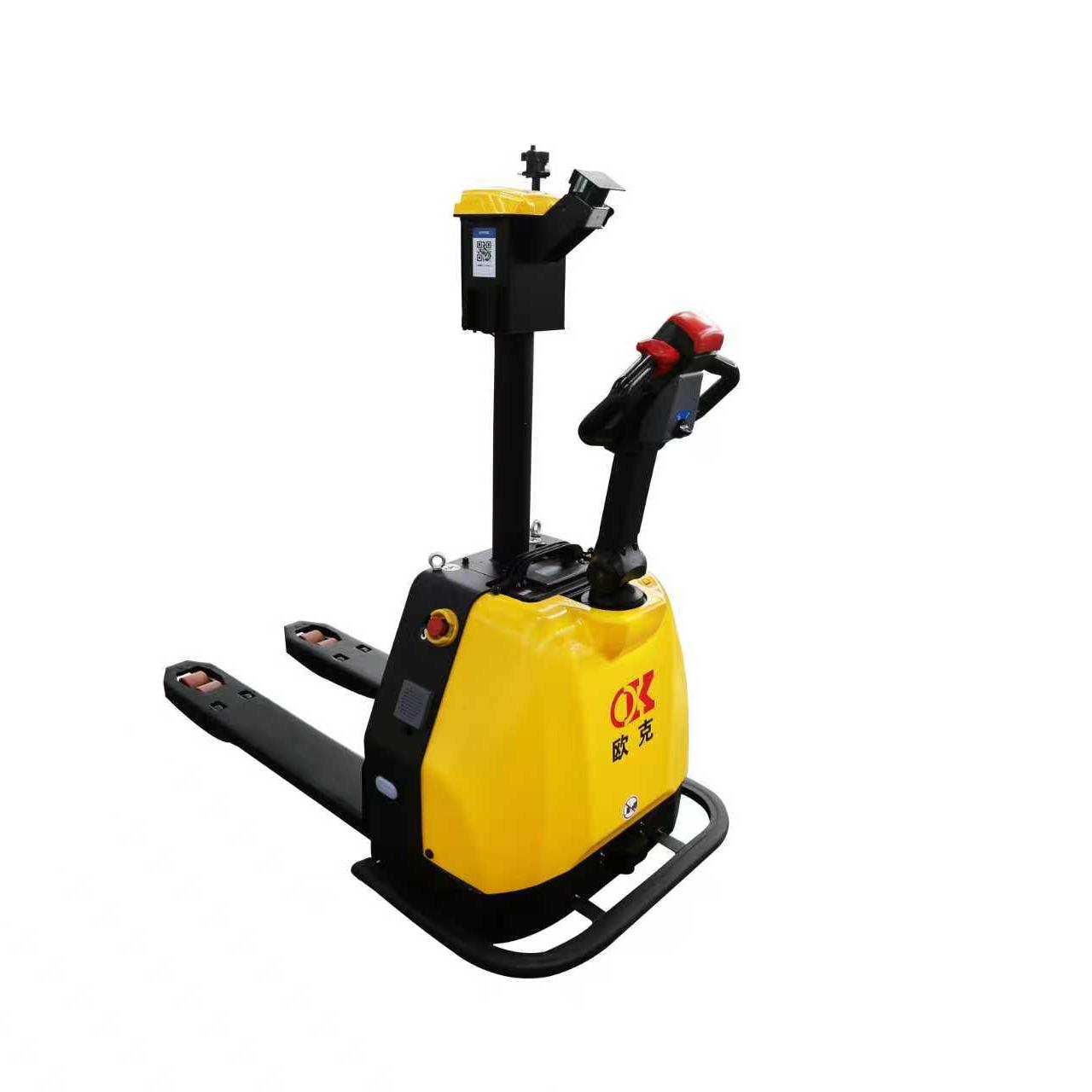
A traditional forklift might cost anywhere from $20,000 a $50,000. A robotic forklift can cost two or even three times more. That can be a big difference for companies with a tight budget.
But what happens after the purchase? A traditional forklift needs a trained operator, regular shifts, and more maintenance from wear and tear. A robot forklift, por otro lado, can operate longer hours with fewer breaks, and it requires less hands-on work once it’s set up.
Over time, robotic forklifts can pay for themselves. Many companies see a return on their investment within one to three years.
Labor, Maintenance, and Operational Costs
When comparing the two, labor is one of the biggest cost differences. A self-driving forklift removes the need for drivers, which can cut labor costs significantly. Robotic forklifts also help reduce product damage and work-related injuries, which can be expensive for a business.
Routine maintenance is also simpler in some robotic models. With built-in monitoring systems, they can tell you when something needs fixing before it causes a problem.
Now that we’ve looked at the money side, when is the right time to make the switch?
When Should You Upgrade to a Robotic Forklift Fleet?
Making the move from traditional forklifts to robotic forklifts is a big step. So how do you know if it’s the right time?
Signs It’s Time to Automate
Here are a few signs your warehouse is ready:
- You’re struggling with labor shortages or rising labor costs
- You operate multiple shifts and need 24-hour production
- Your business is growing and needs more consistent operations
- You want to improve safety and reduce workplace injuries
- You have many repetitive lifting or transport tasks
If any of these sound familiar, upgrading to robotic forklifts may be the right move.
How to Start the Transition
Start small. Many businesses begin with one or two robot forklifts to test the waters. Look at the most repetitive or time-consuming tasks and automate those first.
You’ll also need to prepare your warehouse layout, make sure your team understands the new tech, and work with a supplier who can help you get up and running.
Speaking of that, if you’re wondering who to trust with this kind of upgrade, let’s wrap things up.
Conclusión
As we’ve seen, the choice between robotic forklifts vs. traditional forklifts depends on your business needs, goals, and budget. Traditional forklifts still have value in certain settings. But robotic forklifts bring major advantages in speed, seguridad, and long-term savings.
If your warehouse is growing or struggling with labor, or if you’re simply ready to take advantage of new technology, switching to robotic forklifts could transform the way you work.
Interested in learning how robotic forklifts could help your business? Our team at OKCobot is here to help. Whether you want more information, a personalized quote, or just some honest advice, reach out to us today and let’s talk about your goals. We’ll help you find the right solution for your warehouse.
Preguntas frecuentes
q: What is the main difference between robotic forklifts and traditional forklifts?
A: Robotic forklifts operate without a driver using sensors and software, while traditional forklifts need a human operator.
q: Are robotic forklifts safe to use in busy warehouses?
A: Sí. They come with built-in safety features like sensors and obstacle detection to prevent accidents.
q: Do robotic forklifts cost more than regular ones?
A: They do cost more upfront, but they save money over time by reducing labor and operating costs.
q: Can small businesses use robotic forklifts?
A: Sí. Many start with one or two units to automate repetitive tasks and grow from there.