How Palletizing Robots Handle Heavy, Irregular, and Mixed Loads

Factories today face a tough question. How do you move heavier products faster when shapes, sizes, and packaging keep changing? This is where palletizing robots step in. They are no longer simple machines that stack boxes in neat rows. Modern palletizing robots are smart, stable, and flexible enough to deal with real world production challenges.

So how do palletizing robots handle heavy loads, odd shapes, and mixed products without slowing down or making mistakes? Let us walk through it step by step.

Why Palletizing Robots Face Challenges With Heavy, Irregular, and Mixed Loads

Before we explain the solutions, it helps to understand the problem. Heavy, irregular, and mixed loads push palletizing robots to their limits. Each type of load creates a different challenge, and many production lines deal with all three at the same time.

Heavy products put stress on the robot arm and joints. Irregular products make gripping and stacking harder. Mixed loads force the robot to think and adjust instead of repeating one simple motion. So how do palletizing robots handle all of this without losing speed or accuracy?

The answer starts with smart mechanical design and continues with control systems, tooling, and software working together.

How Palletizing Robots Stay Stable When Handling Heavy Loads

Heavy products change everything. A robot that can lift fast but not smoothly will shake the load and risk dropping it. That is why palletizing robots built for heavy loads focus on control, not just strength.

These robots use strong arms, rigid frames, and powerful motors. But strength alone is not enough. What really matters is how the robot moves.

The motion of palletizing robots is planned to stay smooth at every step. Acceleration and slowing down happen gently. This keeps the product stable and protects the robot from wear over time.

Why payload ratings matter more than you think

Payload numbers look impressive on paper, but smart buyers know that palletizing robots work best below their maximum rating. Running with a safety margin improves accuracy and extends service life. It also builds trust with buyers who expect long term performance.

How smooth motion protects heavy loads

Heavy items create momentum. If the robot stops too fast, the load shifts. Palletizing robots use controlled paths and soft stops to reduce shock. This keeps stacks straight and pallets safe for transport.

Once heavy loads are under control, the next question becomes even more interesting. What happens when products are not shaped like neat boxes?
码垛机器人

How Palletizing Robots Grip Irregular Shapes Without Errors

Irregular products are common in real factories. Bags, wrapped bundles, uneven cartons, and flexible packaging all behave differently. Palletizing robots must adapt or fail.

The key here is the tool at the end of the robot arm. This is where gripping happens.

Before we go deeper, it is important to note that palletizing robots do not rely on one single gripping method. The choice depends on the product.

The role of end of arm tooling in palletizing robots

End of arm tools are designed around the product, not the other way around. Some products need vacuum. Others need clamps. Some need a mix of both. Palletizing robots can switch tools or use custom designs to handle difficult shapes.

Handling bags and flexible packaging

Bags change shape when lifted. Palletizing robots adjust gripping force to avoid squeezing too hard. This keeps bags intact and stacks even. Smart force control helps prevent leaks and product waste.

Keeping stacks stable with uneven products

Irregular shapes can create gaps. Palletizing robots compensate by adjusting placement based on the layer below. This keeps the pallet balanced from bottom to top.

Now that we can grip almost anything, another challenge appears. What if every pallet needs to look different?

How Palletizing Robots Manage Mixed Loads on One Pallet

Mixed loads are becoming more common. One pallet may carry different sizes, 重量, or products for a single customer. Manual stacking struggles here, but palletizing robots handle this with logic and planning.

These robots do not just stack. They calculate.

Palletizing robots use recipes that define how each product should be placed. When a new product arrives, the robot switches recipes instead of stopping the line.

Smart stacking rules for mixed products

Heavy items go first. Lighter items go on top. Fragile products get protected layers. Palletizing robots follow these rules consistently, even during long production runs.

Fast changeovers without long downtime

In mixed production lines, speed matters. Palletizing robots can switch patterns through a simple interface. This reduces downtime and keeps output steady.

Why mixed loads demand better software

Without smart software, palletizing robots would be limited. Modern systems manage order, balance, and pattern changes smoothly. This makes them ideal for factories serving many customers.

Mixed loads bring us to another question. How do palletizing robots know exactly where each product is?

The Sensors and Vision Systems Inside Palletizing Robots

No matter how strong a robot is, it still needs eyes. Sensors and vision systems help palletizing robots deal with real world variation.

Products do not always arrive in perfect positions. Vision helps the robot adjust instead of stopping.

How two-dimensional vision helps positioning

Two-dimensional vision systems detect where a product is and how it is rotated. Palletizing robots use this data to pick accurately even when products shift on the conveyor.

How three dimensional vision handles height and shape changes

Three dimensional vision adds depth. It helps palletizing robots see height differences and uneven surfaces. This is especially useful for irregular and flexible products.

Preventing errors before they happen

Sensors also confirm successful picks. If a product slips or is missing, the robot knows right away. This prevents bad stacks and damaged pallets.

With all this technology in place, buyers still ask an important question. Can they trust palletizing robots from China?
码垛机器人

What International Buyers Should Look For in Palletizing Robots From China

Trust is earned through transparency and performance. Buyers want to know how palletizing robots are built, tested, and supported.

A reliable supplier explains their design choices clearly. They show how components are selected and why testing matters.

Component quality and consistency

Good palletizing robots use proven motors, drives, and controllers. Consistent parts mean easier maintenance and longer service life.

Testing with real products and real loads

Factory testing is critical. Palletizing robots should be tested using actual customer products. Long run tests show stability and reliability.

Support that does not disappear after delivery

Clear manuals, remote support, and spare parts access all matter. International buyers need confidence that help is available when needed.

Understanding these factors leads to one final step. How do you choose the right palletizing robot for your own line?

A Practical Checklist for Choosing Palletizing Robots

Choosing palletizing robots is not just about speed. It is about matching the robot to your product and future plans.

Start with product details. 重量, size, and packaging type define the foundation.

Measuring products correctly

Accurate data helps avoid oversizing or undersizing. Palletizing robots perform best when selected with real measurements.

Planning for growth and change

Production rarely stays the same. Smart buyers choose palletizing robots that can handle future products without major changes.

Thinking beyond the robot itself

Pallets, slip sheets, and line layout all affect performance. A complete solution works better than isolated equipment.

So where does all this leave us?

结论

Heavy, irregular, and mixed loads are no longer barriers to automation. Palletizing robots are designed to handle real factory conditions with strength, control, and intelligence. They lift heavy products smoothly, grip odd shapes carefully, and manage mixed pallets with confidence.

For manufacturers and distributors around the world, the right palletizing robots can improve safety, increase output, and reduce long term costs. When engineered properly, they become a reliable partner on the production floor.

If you are exploring palletizing robots for your application and want practical guidance based on real industrial experience, reach out to OK. Our team is ready to help you find a solution that fits your products, your line, and your future plans.

常见问题解答

What types of products can palletizing robots handle?

Palletizing robots can handle boxes, 包, 纸箱, shrink-wrapped bundles, and mixed products. With the right gripper and setup, they work well with both rigid and flexible packaging.

Can palletizing robots lift very heavy loads?

是的. Many palletizing robots are designed for heavy industrial loads. Smooth motion control and strong mechanical design help them lift safely and consistently.

How do palletizing robots deal with irregular shapes?

They use custom end-of-arm tools and sensors to grip products securely. Vision systems help adjust for uneven shapes and positions.

Are palletizing robots suitable for mixed-load pallets?

绝对地. Palletizing robots use software recipes to stack different products on one pallet while keeping it stable.

Are palletizing robots from China reliable?

When built with quality components, proper testing, and good support, palletizing robots from China can be reliable and cost-effective for global buyers.
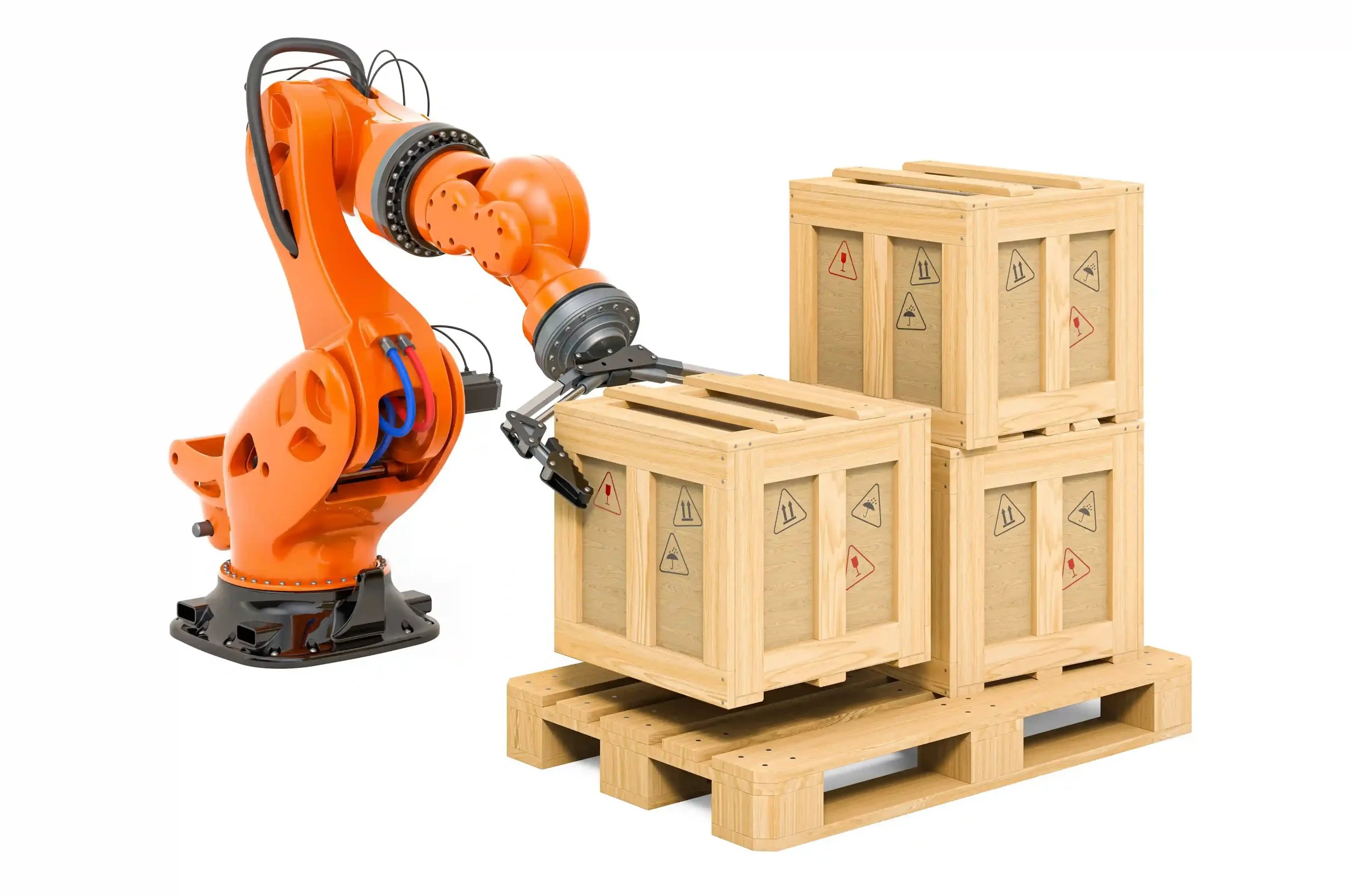
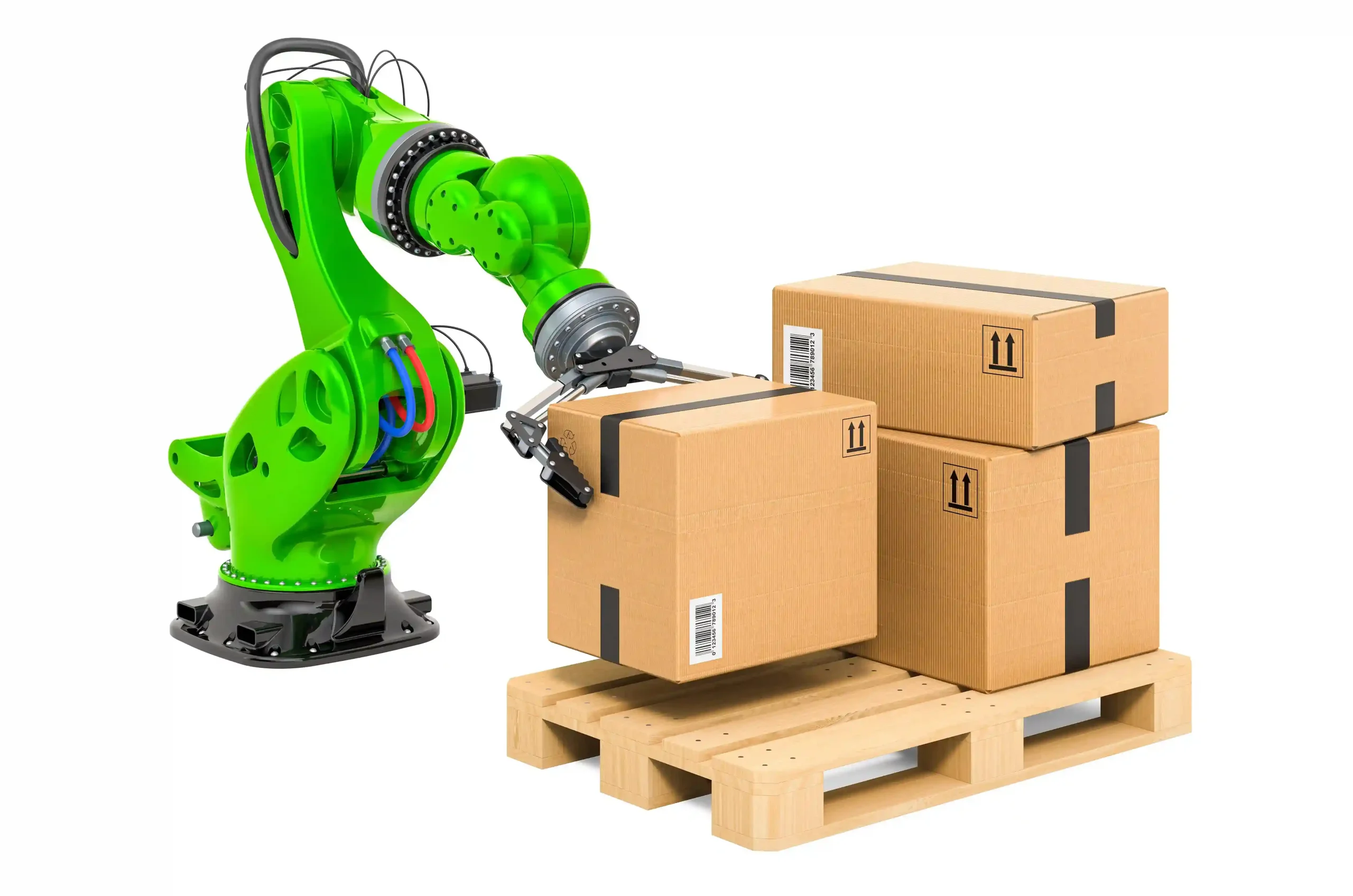
如何为您的工厂选择合适的码垛机器人? 关键参数分析

在当今快速发展的制造业世界中, 许多工厂主正在寻找聪明的方法,以更少的资源完成更多的工作. 现代生产线中最智能的工具之一是码垛机器人. 这些机器是为了接管堆垛箱子的艰苦工作而设计的, 包, 并将物品放到托盘上——这项任务过去需要工人团队花费数小时才能完成.

但有这么多不同的机器人, 您如何知道哪一种适合您的工厂? 这一切都取决于对设计的理解, 目的, 各码垛机器人的特点及特点, 并了解如何将其与您的生产需求相匹配.

让我们分解并帮助您找到最佳解决方案.

什么是码垛机器人以及为什么需要一个?

码垛机器人是一种设计用于将产品提升并堆垛到托盘上的机器. 这些机器人帮助工厂加快包装速度, 降低劳动力成本, 并改善工作场所安全. 它们在日常需要进行重物搬运或重复堆放的地方特别有用.

在过去, 人们必须手工处理所有这些工作. 速度很慢, 累, 并且有风险. 今天, 得益于新的机器人技术, 工厂可以使用机器更快地完成相同的工作, 更安全, 并且更准确地.

码垛机器人现已成为食品和饮料等行业的常见组成部分, 后勤, 电子产品, 和化学品. 无论您的工厂是大还是小, 使用这些机器人之一可以使您的工作流程更顺畅、更可靠.

现在我们知道什么是码垛机器人了, 让我们看看可用的类型及其工作原理.

码垛机器人的类型: 哪一种适合您的工作流程?

并非所有码垛机器人都是一样的. 实际上, 有几种不同的类型, 每一个都是为特定类型的任务而构建的. 选择正确的类型是为您的工厂选择最佳码垛机器人的第一步.

以下是需要考虑的主要类型:

关节式机器人

这些机器人的手臂有多个关节. 它们很灵活,可以到达多个方向, 使它们非常适合需要大量移动的任务. 多关节机器人常用于生产率较高的大型工厂.

SCARA机器人

SCARA 代表选择性顺应铰接式机械臂. 这些方法快速且准确,但当运动主要沿一个方向时效果最佳. 它们适合放置小, 快速轻放物品.

笛卡尔机器人

也称为龙门机器人, 它们沿 X 直线移动, 是, 和Z轴. 它们简单但强大. 它们在空间不受限制的系统中运行良好.

协作机器人 (协作机器人)

协作机器人旨在与人类一起安全工作. 它们更小, 慢点, 并且更容易使用. 这些非常适合小型工厂或空间和安全是首要考虑因素的地方.

现在您知道了类型, 你如何真正选择正确的一个? 这就是关键参数发挥作用的地方.

码垛机器人

选择码垛机器人时要考虑的关键参数

购买码垛机器人是一笔很大的投资. 您想确保它符合您的生产需求. 为了做到这一点, 你需要看看一些重要的功能.

让我们来看看它们.

有效载荷和到达范围

有效负载是机器人可以举起的重量. 伸展范围是指机器人手臂可以伸展的距离. 您需要选择一个可以举起您的产品并到达托盘并拾取物品的机器人.

机器人无法到达托盘的各个角落或难以举起最重的箱子,对您的生产线没有任何帮助.

速度和周期时间

速度是指机器人移动的速度, 而周期时间是指完成一项完整任务需要多长时间, 就像拿起一个盒子并将其放在托盘上.

如果您的生产线速度很快, 你的机器人需要跟上. 确保机器人的速度符合您的输出目标.

臂端工具 (夹爪)

机器人手臂需要一个工具来抓取和固定物品. 这称为臂端工具或夹具.

夹具有不同的样式: 空的, 夹钳, 磁的, 还有更多. 您的产品类型将决定哪一种最有效. 柔软的物品需要轻柔的抓握, 而实心盒子可以使用更强大的工具.

占地面积和空间要求

每个工厂都有不同的空间限制. 一些码垛机器人结构紧凑,可以安装在狭小的空间中. 其他人需要更多的活动空间.

选择之前, 测量您的空间并考虑机器人如何适应您现有的工作流程.

易于集成和编程

好的码垛机器人应该易于设置和控制. 许多现代机器人都配备了简单的触摸屏和可视化编程工具.

确保您的团队无需专家编码员或工程师即可操作机器人.

安全特性和合规性

安全问题, 尤其是当人类在机器人附近工作时. 寻找碰撞检测等功能, 力控制, 和自动停止功能.

协作机器人通常满足更高的安全标准, 使它们成为混合环境的明智选择.

总成本和投资回报

这不仅仅是价格标签的问题. 考虑一下总成本, 包括设置, 维护, 和能源使用. 然后将其与机器人将为您节省多少时间和金钱进行比较.

随着时间的推移,一个好的码垛机器人可以通过提高效率和降低劳动力成本来收回成本.

现在我们已经介绍了这些功能, 让我们探索一下您可以期待的现实好处.

码垛机器人

码垛机器人手臂如何提高效率和安全性

使用码垛机器人手臂不仅仅可以取代体力劳动. 它可以帮助您的整个运营更好地运行.

提高速度和输出

机器人不会疲劳或休息. 他们可以日夜不停地工作, 使您的输出更加一致和可靠.

提高安全性

提举重物和重复性工作通常会导致受伤. 将这些工作交给机器人, 您为您的团队创建一个更安全的工作空间.

提高产品质量

机器人精确堆叠产品. 这减少了包装和运输过程中的损坏. 整齐稳定的托盘也意味着更容易运输和储存.

减少人为错误

不再出现堆垛不均匀或托盘丢失的情况. 机器人每次都遵循相同的模式, 减少错误.

拥有这么多好处, 很容易理解为什么越来越多的工厂转向码垛机器人. 但您如何决定哪一款真正最适合您的需求?

什么是最适合您工厂的码垛机器人?

最好的机器人就是与您的产品相匹配的机器人, 您的占地面积, 和你的预算. 首先看看你的工厂生产什么, 它移动的速度有多快, 以及您需要什么样的堆叠.

如果您经营一家较小的工厂或刚刚开始自动化, 协作码垛机器人可能是理想的选择. 它们更容易安装, 占用更少的空间, 在人们身边更安全.

另一方面, 如果您经营大批量工厂并需要快速堆放重物, 具有高速和有效负载的工业机器人可能更适合.

好的, 我们专注于智能码垛机器人, 安全的, 并且使用简单. 无论您需要用于狭小空间的紧凑型协作机器人还是用于要求苛刻的生产线的重型机器人, 我们有一个适合的解决方案.

为什么选择 OKCOBOT 来满足您的码垛机器人需求?

我们的工厂, 位于欧科科技修水总部基地, Jiangxi Province, 封面 260 英亩. 和 98,000 现代平方米, 洁净车间, 我们有能力生产 1,000 年产高端纸张后处理线多套.

我们的5G+AI驱动的视觉质量检测系统已连接到云端, 交付一个 99.7% 成品率并缩短交货周期 25%. 拥有超过 500 全流程设备投资万元 — 包括切割, 焊接, 铣削, 和热处理系统,我们为每个项目带来强大的制造实力.

以下是我们如何帮助您从码垛机器人投资中获得最大收益:

定制化解决方案

我们量身定制码垛机器人, 开箱机器人, 和检测系统适合您的材料类型 (纸箱, 包, 桶) 和生产需求 — 确保与您的工厂设置精确对齐.

硬核品质保证

我们的设备经过数千次测试,确保稳定性和低故障率. 一个为期一年的 (或更长) 保修让您安装后高枕无忧.

全流程服务

我们自始至终支持您 — 从早期咨询、实地考察到设置, 训练, 和持续维护. 您的成功是我们的首要任务.

成熟的行业经验

随着超过 1,000 客户关系, 我们了解您面临的生产挑战,并知道如何通过现实世界的自动化策略来解决这些挑战.

卓越的投资回报率和快速回报

我们的客户经常将劳动力成本降低超过 30% 并提高效率超过 50%. 大多数人在年内收回全部投资 12 到 18 月.

所以, 如果您想知道谁可以信任您的下一个码垛机器人, OKCOBOT带来的性能, 可靠性, 并为您的工厂提供应有的支持.

结论

找到完美的码垛机器人就是要了解您的需求并将其与正确的功能相匹配. 从机器人类型到有效载荷, 从安全到太空, 每个细节都很重要.

现在您已经了解了其中的内容及其工作原理, 您已准备好做出自信的决定.

仍然不知道从哪里开始? 不用担心. 这就是我们来这里的目的.

请立即通过 OK 联系我们以获得专家帮助 为您的工厂寻找合适的码垛机器人. 我们是真实的人, 随时帮助您选择能让您工作更快的解决方案, 更安全, 更容易.

常见问题解答

Q1: 什么是码垛机器人?

码垛机器人是将箱子或产品堆放在托盘上的机器. 它帮助工厂更快地工作, 更安全, 并且更高效.

Q2: 如何选择合适的码垛机器人?

查看有效负载等因素, 速度, 抵达, 脚印, 和易用性. 您工厂的规模和产品类型也很重要.

第三季度: 码垛机器人很难编程吗?

不, 许多现代码垛机器人都是用户友好型的,并配备简单的软件. 有些无需任何编码即可编程.

第四季度: 码垛机器人可以和人一起工作吗?

是的, 协作码垛机器人 (协作机器人) 设计用于在人类附近安全工作,无需额外的安全笼.

Q5: 码垛机器人多少钱一台?

价格有所不同, 但您还应该考虑节省劳动力, 时间, 考虑到成本,工伤事故也会减少.

How to Identify the Best Palletizing Robot for Your Industry Needs

In this rapidly changing world of manufacturing and distribution, business offers no relief from the demand to move more goods, meet higher quality standards, and reduce costs simultaneously. Manual palletizing, with an employee physically stacking cases, 包, or boxes by hand, cannot keep up. It takes too long, gets monotonous, and results in possible injuries. 码垛机器人 fill the bill.

But with all the vendors and models out there, how do you get one that actually works with your business? It’s not about getting the biggest or most high-end model. It has everything to do with getting the ideal palletizing robot that works with your business requirements.

We will step through what the machines do, what you should look at while purchasing one, and how you can ensure your investment produces returns.

What Is the Best Palletizing Robot and Why It Matters

A palletizing robot is a robotic device that can lift and carry products and stack them neatly and firmly onto pallets. Rather than depending upon manpower and endurance, the robot has a programmed arm and a special device known as an end-of-arm tool. Your end-of-arm tool may grasp a case, bag, or pail, depending upon your product.

Why does this matter? Imagine a food company shipping out thousands of cartons per day. Without automation, workers are required to bend, lift, and twist hour after hour. Worker fatigue results in mistakes being incurred and stacks falling over. A top-of-the-line palletizing robot eliminates this problem with faster, 更安全, and more repetitive work.

As markets evolve and orders continue to increase, robots are no longer a nice-to-have. Robots are a necessity for business outfits that desire a competitive edge.

码垛机器人

Key Factors for Choosing the Best Palletizing Robot

Everyone has heard that palletizing robots are a necessity. How do you determine what system you are supposed to implement with your production line? Well, first of all, the best you can do is evaluate a couple of fundamental issues.

Product type and packaging come first. A robot with a capacity of lifting lightweight cartons cannot lift heavy 50-kilogram bags with high efficiency. And shrink-wrapped bundles cannot use the same grippers as Open boxes.

Next are payload and reach. All robots are rated with a lifting capacity and arm length. If your pallets are tall or you want one robot per pair of pallet stations, you need a higher reach and greater lifting capacity.

Another aspect is throughput and speed. If your line produces 20 units per minute, you need a robot with matching or higher throughput. Certain robots are able to grip more than one case at a time while tripling throughput.

Footprint and configuration are also relevant. Does a system demand a fair amount of floorspace to serve a high-density requirement or a slender footprint with a low-density requirement?

Last of all, look at software, 安全, and integration. User-friendly software enables your personnel to make pallet patterns rapidly. Safety features safeguard your labor. And integration works with your robot and your conveyors, wrappers, and warehouse systems.

How Software Shapes the Best Palletizing Robot

Software is often overlooked, yet it can make or break the success of your palletizing system. Your contemporary palletizing robot needs intuitive software whereby operators can specify their freshly designed pallet patterns with or without programming knowledge.

Good software also makes it easy to interchange product types. For instance, you can process cartons in the morning and bags during the afternoon. Recipe-based controls enable you to interchange jobs within a minute. Remote monitoring and support are yet another assurance that your line continues operating with minimal shutdown.

So while you evaluate what is the best palletizing robot, do not overlook whether or not its brain, the software, is as good as its muscles.

码垛机器人

The Best Palletizing Robot for Different Industries

Not all sectors are created equal. What works at a warehouse might not work at a milk factory. Let us get to the diverse needs of sectors.

Many food and drink manufacturers work with cartons or shrink packs. Hygiene is paramount, and therefore, equipment can require stainless steel components or washdown-capable configurations. Flexible changeover comes next because pack schedules are changing.

Pharma and healthcare are high-accuracy and high-trackability sectors. Boxes should be dealt with carefully, and data should be entered for traceability purposes. Robots that are cleanroom-compatible should be considered.

Agriculture and chemicals focus on heavy bags of grain, fertilizer, or powder. These are dusty environments, so robots must be rugged and reliable. Special grippers prevent bags from slipping or deforming.

Consumer goods and logistics are tested in a different manner. They are asked to handle an assortment of products and packages. Setting up speed and flexibility is of first priority.

When you are choosing the ultimate palletizing robot, remember that your needs are not one size fits all. Your choice should reflect your products, your plant, and your customer requirements.

Benefits of Investing in the Best Palletizing Robot

You now understand how the industries vary, and the next thing that comes to mind is quite simple. Why should you get a palletizing robot at all? It has both practical and financial benefits.

Labor savings are immediate. A single robot can replace two or more workers doing repetitive stacking. Those workers can then be moved to roles that add more value.

Greater safety is another benefit. By removing heavy lifting from daily operations, you are decreasing the likelihood of injuries and lessening fatigue among your employees.

Reliability equals higher productivity. Robots don’t get tired and stack with perfect consistency every single time. That means fewer stacked pallets mistakes and fewer line slowdowns.

Faster return on investment is the last reason. Although the initial cost appears expensive at first, a lot of companies get their investment back in 12-24 月. Then the savings come back every year.

So if you are thinking about whether the best palletizing robot is worth the investment, the good news is that it definitely pays off both in efficiency and safety.

Why OKBOLONG May Be the Best Palletizing Robot Partner for You

There are so many robot suppliers available; why should you rely on OKBOLONG? It’s because we’re about balance. OKBOLONG is about providing you with the proper blend of quality, customization, and value.

Unlike mass suppliers that sell at high-end premiums, OKBOLONG has cost-performance solutions suitable for burgeoning companies. Their robots are versatile and span a variety of packaging materials, ranging from bags to cartons to pails.

They also offer modular configurations, and you can integrate a system into your plant, no matter how small or big your warehouse or production room may be.

Another plus is user-friendly software that allows your employees to create new patterns with minimal training. And with global support and integration expertise, OKBOLONG makes sure your system integrates with your current lines.

All of this means that as you are out there looking for that ultimate palletizing robot, OKBOLONG can be more than a supplier. It can be a long-term automation partner.

Checklist Before Choosing the Best Palletizing Robot

As a quick reference before making a final choice, use this checklist.

  • What goods and packaging will you use?
  • What throughput are you aiming for per minute?
  • What are your pallet sizes?
  • How much room do you actually enjoy on your floor?
  • Are you defining washdown or dust-proof constructions?
  • What software and controls do you require?
  • What are your website safety guidelines?
  • How will the robot communicate with your other equipment?
  • What service and support will you need once it is installed?

This guide not only assists you with selecting the right palletizing robot. It also enables you to talk more efficiently with your suppliers and get through the process more quickly.

结论

Choosing the right palletizing robot isn’t about specifying a robot with the most horsepower or the lowest cost. It’s about specifying the best system suitable for your materials, your space requirements on the floor, your requirements as a user of safety regulations, and your growth aspirations.

We’ve described what palletizing robots are, what’s paramount during the choice of one of them, why industries demand certain combinations, and why the investment becomes profitable. We’ve also shown why OKBOLONG becomes a trusted business partner of international companies.

If you are researching automation, it’s high time to act. Your employees will repay you with gratitude, productivity will grow, and your business will stay competitive.

Keen to experience how OKBOLONG can simplify your line? 今天联系我们, and we can get the conversation underway.

常见问题解答

What is the best palletizing robot?

The perfect palletizing robot is one that fits your product description, your production rate requirement, and your floorspace availability. It will pile goods securely at a lower cost of labor and a greater efficiency.

What are the benefits of a palletizing robot system?

Start with an analysis of your weight range, packaging size, pallet width, and production volume. Then shop robots with software capabilities, safety features, and service coverage.

What are the advantages of palletizing robots?

Drinks, foods, medicines, agriculture, 后勤, and consumer goods all rely on palletizing robots as a cost-saving device and a production booster.

Why should you choose OKBOLONG?

 OKBOLONG offers affordable, adaptable, and consistent solutions created with particular sectors in consideration, and is a suitable choice among global companies.