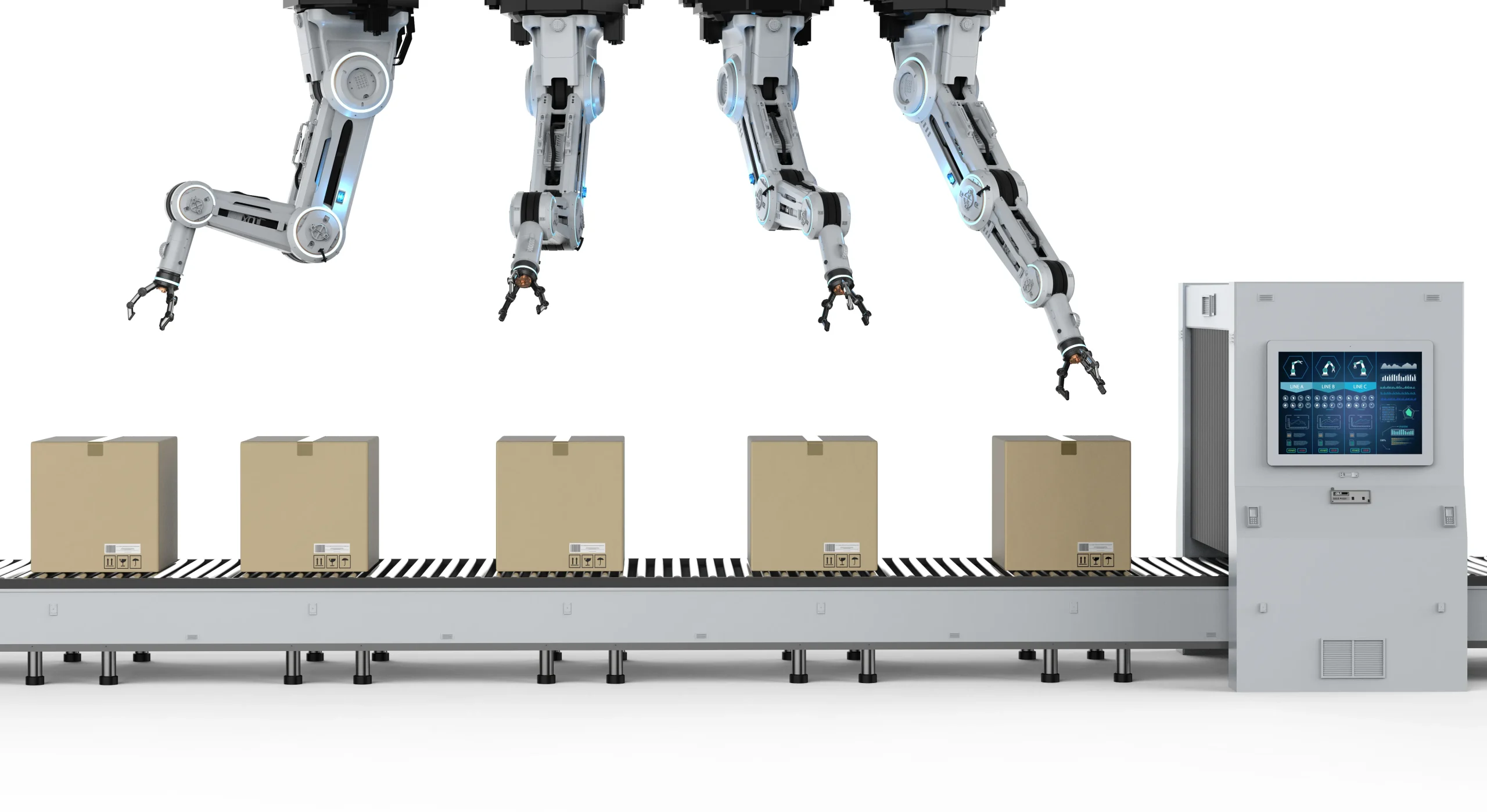
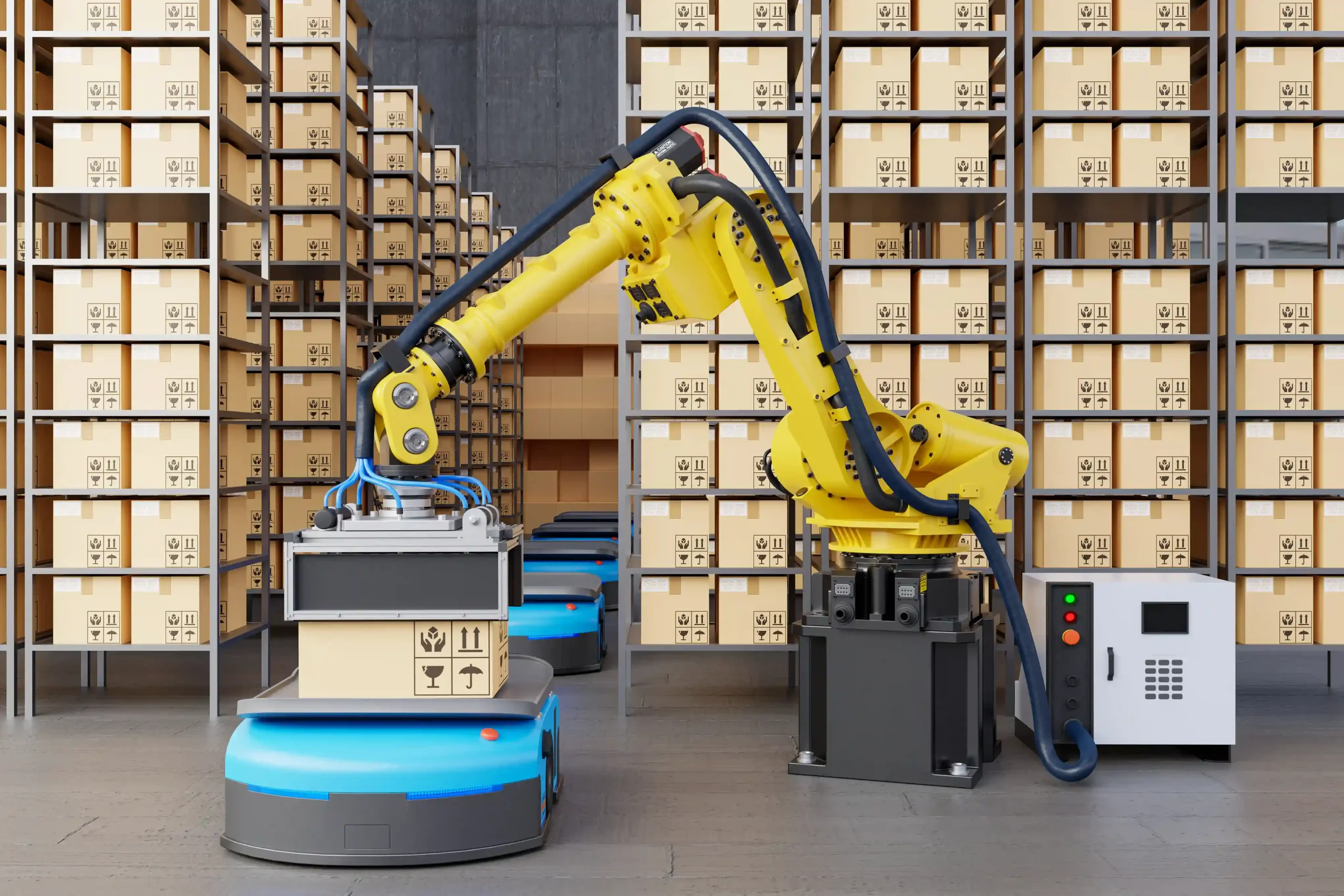
How Palletizing Robots Handle Heavy, Irregular, and Mixed Loads

Factories today face a tough question. How do you move heavier products faster when shapes, tamanhos, and packaging keep changing? This is where palletizing robots step in. They are no longer simple machines that stack boxes in neat rows. Modern palletizing robots are smart, stable, and flexible enough to deal with real world production challenges.

So how do palletizing robots handle heavy loads, odd shapes, and mixed products without slowing down or making mistakes? Let us walk through it step by step.

Why Palletizing Robots Face Challenges With Heavy, Irregular, and Mixed Loads

Before we explain the solutions, it helps to understand the problem. Heavy, irregular, and mixed loads push palletizing robots to their limits. Each type of load creates a different challenge, and many production lines deal with all three at the same time.

Heavy products put stress on the robot arm and joints. Irregular products make gripping and stacking harder. Mixed loads force the robot to think and adjust instead of repeating one simple motion. So how do palletizing robots handle all of this without losing speed or accuracy?

The answer starts with smart mechanical design and continues with control systems, tooling, and software working together.

How Palletizing Robots Stay Stable When Handling Heavy Loads

Heavy products change everything. A robot that can lift fast but not smoothly will shake the load and risk dropping it. That is why palletizing robots built for heavy loads focus on control, not just strength.

These robots use strong arms, rigid frames, and powerful motors. But strength alone is not enough. What really matters is how the robot moves.

The motion of palletizing robots is planned to stay smooth at every step. Acceleration and slowing down happen gently. This keeps the product stable and protects the robot from wear over time.

Why payload ratings matter more than you think

Payload numbers look impressive on paper, but smart buyers know that palletizing robots work best below their maximum rating. Running with a safety margin improves accuracy and extends service life. It also builds trust with buyers who expect long term performance.

How smooth motion protects heavy loads

Heavy items create momentum. If the robot stops too fast, the load shifts. Palletizing robots use controlled paths and soft stops to reduce shock. This keeps stacks straight and pallets safe for transport.

Once heavy loads are under control, the next question becomes even more interesting. What happens when products are not shaped like neat boxes?
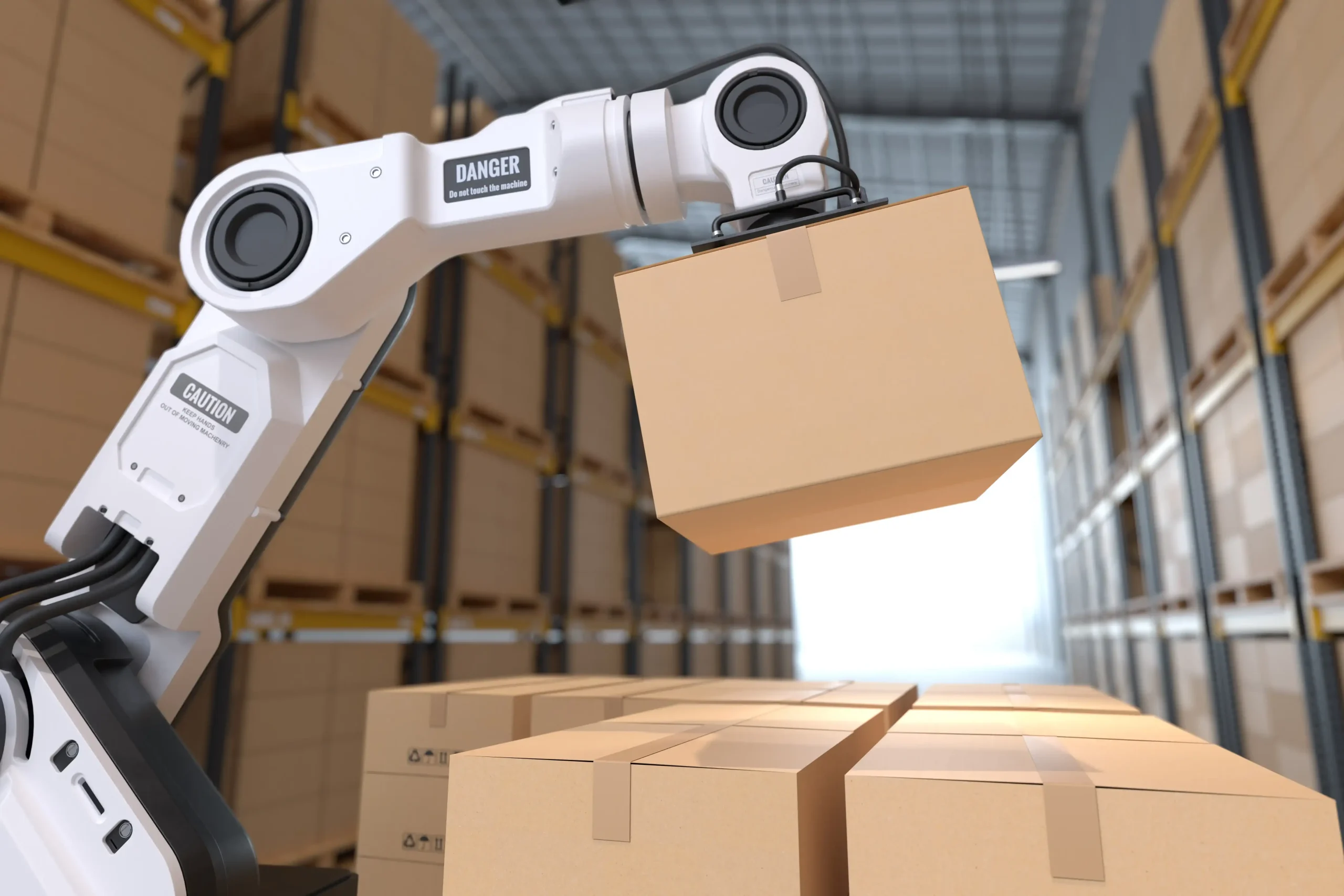
Palletizing Robots

How Palletizing Robots Grip Irregular Shapes Without Errors

Irregular products are common in real factories. Bags, wrapped bundles, uneven cartons, and flexible packaging all behave differently. Palletizing robots must adapt or fail.

The key here is the tool at the end of the robot arm. This is where gripping happens.

Before we go deeper, it is important to note that palletizing robots do not rely on one single gripping method. The choice depends on the product.

The role of end of arm tooling in palletizing robots

End of arm tools are designed around the product, not the other way around. Some products need vacuum. Others need clamps. Some need a mix of both. Palletizing robots can switch tools or use custom designs to handle difficult shapes.

Handling bags and flexible packaging

Bags change shape when lifted. Palletizing robots adjust gripping force to avoid squeezing too hard. This keeps bags intact and stacks even. Smart force control helps prevent leaks and product waste.

Keeping stacks stable with uneven products

Irregular shapes can create gaps. Palletizing robots compensate by adjusting placement based on the layer below. This keeps the pallet balanced from bottom to top.

Now that we can grip almost anything, another challenge appears. What if every pallet needs to look different?

How Palletizing Robots Manage Mixed Loads on One Pallet

Mixed loads are becoming more common. One pallet may carry different sizes, weights, or products for a single customer. Manual stacking struggles here, but palletizing robots handle this with logic and planning.

These robots do not just stack. They calculate.

Palletizing robots use recipes that define how each product should be placed. When a new product arrives, the robot switches recipes instead of stopping the line.

Smart stacking rules for mixed products

Heavy items go first. Lighter items go on top. Fragile products get protected layers. Palletizing robots follow these rules consistently, even during long production runs.

Fast changeovers without long downtime

In mixed production lines, speed matters. Palletizing robots can switch patterns through a simple interface. This reduces downtime and keeps output steady.

Why mixed loads demand better software

Without smart software, palletizing robots would be limited. Modern systems manage order, balance, and pattern changes smoothly. This makes them ideal for factories serving many customers.

Mixed loads bring us to another question. How do palletizing robots know exactly where each product is?

The Sensors and Vision Systems Inside Palletizing Robots

No matter how strong a robot is, it still needs eyes. Sensors and vision systems help palletizing robots deal with real world variation.

Products do not always arrive in perfect positions. Vision helps the robot adjust instead of stopping.

How two-dimensional vision helps positioning

Two-dimensional vision systems detect where a product is and how it is rotated. Palletizing robots use this data to pick accurately even when products shift on the conveyor.

How three dimensional vision handles height and shape changes

Three dimensional vision adds depth. It helps palletizing robots see height differences and uneven surfaces. This is especially useful for irregular and flexible products.

Preventing errors before they happen

Sensors also confirm successful picks. If a product slips or is missing, the robot knows right away. This prevents bad stacks and damaged pallets.

With all this technology in place, buyers still ask an important question. Can they trust palletizing robots from China?
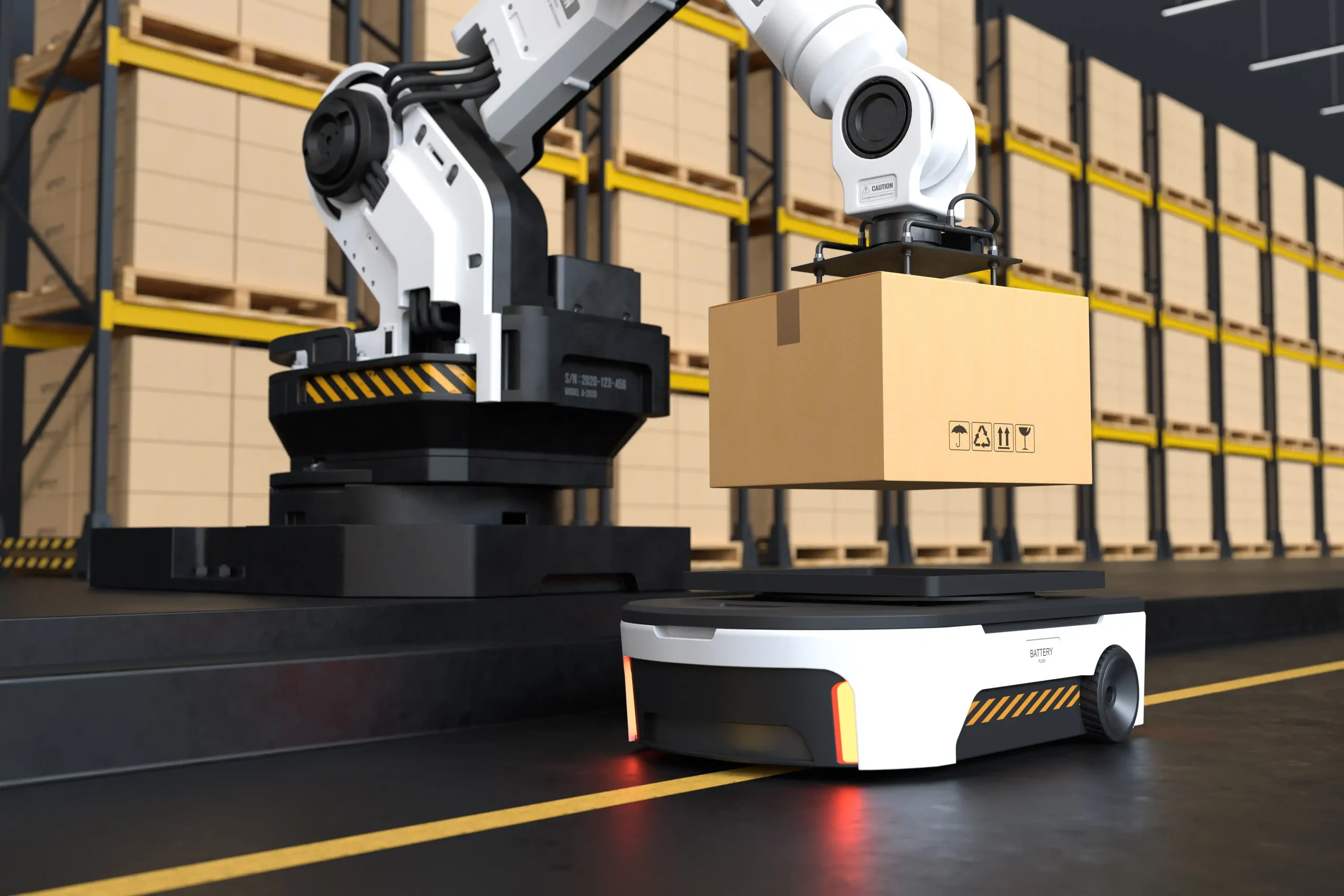
Palletizing Robots

What International Buyers Should Look For in Palletizing Robots From China

Trust is earned through transparency and performance. Buyers want to know how palletizing robots are built, tested, and supported.

A reliable supplier explains their design choices clearly. They show how components are selected and why testing matters.

Component quality and consistency

Good palletizing robots use proven motors, drives, and controllers. Consistent parts mean easier maintenance and longer service life.

Testing with real products and real loads

Factory testing is critical. Palletizing robots should be tested using actual customer products. Long run tests show stability and reliability.

Support that does not disappear after delivery

Clear manuals, remote support, and spare parts access all matter. International buyers need confidence that help is available when needed.

Understanding these factors leads to one final step. How do you choose the right palletizing robot for your own line?

A Practical Checklist for Choosing Palletizing Robots

Choosing palletizing robots is not just about speed. It is about matching the robot to your product and future plans.

Start with product details. Peso, size, and packaging type define the foundation.

Measuring products correctly

Accurate data helps avoid oversizing or undersizing. Palletizing robots perform best when selected with real measurements.

Planning for growth and change

Production rarely stays the same. Smart buyers choose palletizing robots that can handle future products without major changes.

Thinking beyond the robot itself

Pallets, slip sheets, and line layout all affect performance. A complete solution works better than isolated equipment.

So where does all this leave us?

Conclusão

Heavy, irregular, and mixed loads are no longer barriers to automation. Palletizing robots are designed to handle real factory conditions with strength, control, and intelligence. They lift heavy products smoothly, grip odd shapes carefully, and manage mixed pallets with confidence.

For manufacturers and distributors around the world, the right palletizing robots can improve safety, increase output, and reduce long term costs. When engineered properly, they become a reliable partner on the production floor.

If you are exploring palletizing robots for your application and want practical guidance based on real industrial experience, reach out to OK. Our team is ready to help you find a solution that fits your products, your line, and your future plans.

Perguntas frequentes

What types of products can palletizing robots handle?

Palletizing robots can handle boxes, bolsas, caixas, shrink-wrapped bundles, and mixed products. With the right gripper and setup, they work well with both rigid and flexible packaging.

Can palletizing robots lift very heavy loads?

Sim. Many palletizing robots are designed for heavy industrial loads. Smooth motion control and strong mechanical design help them lift safely and consistently.

How do palletizing robots deal with irregular shapes?

They use custom end-of-arm tools and sensors to grip products securely. Vision systems help adjust for uneven shapes and positions.

Are palletizing robots suitable for mixed-load pallets?

Absolutely. Palletizing robots use software recipes to stack different products on one pallet while keeping it stable.

Are palletizing robots from China reliable?

When built with quality components, proper testing, and good support, palletizing robots from China can be reliable and cost-effective for global buyers.
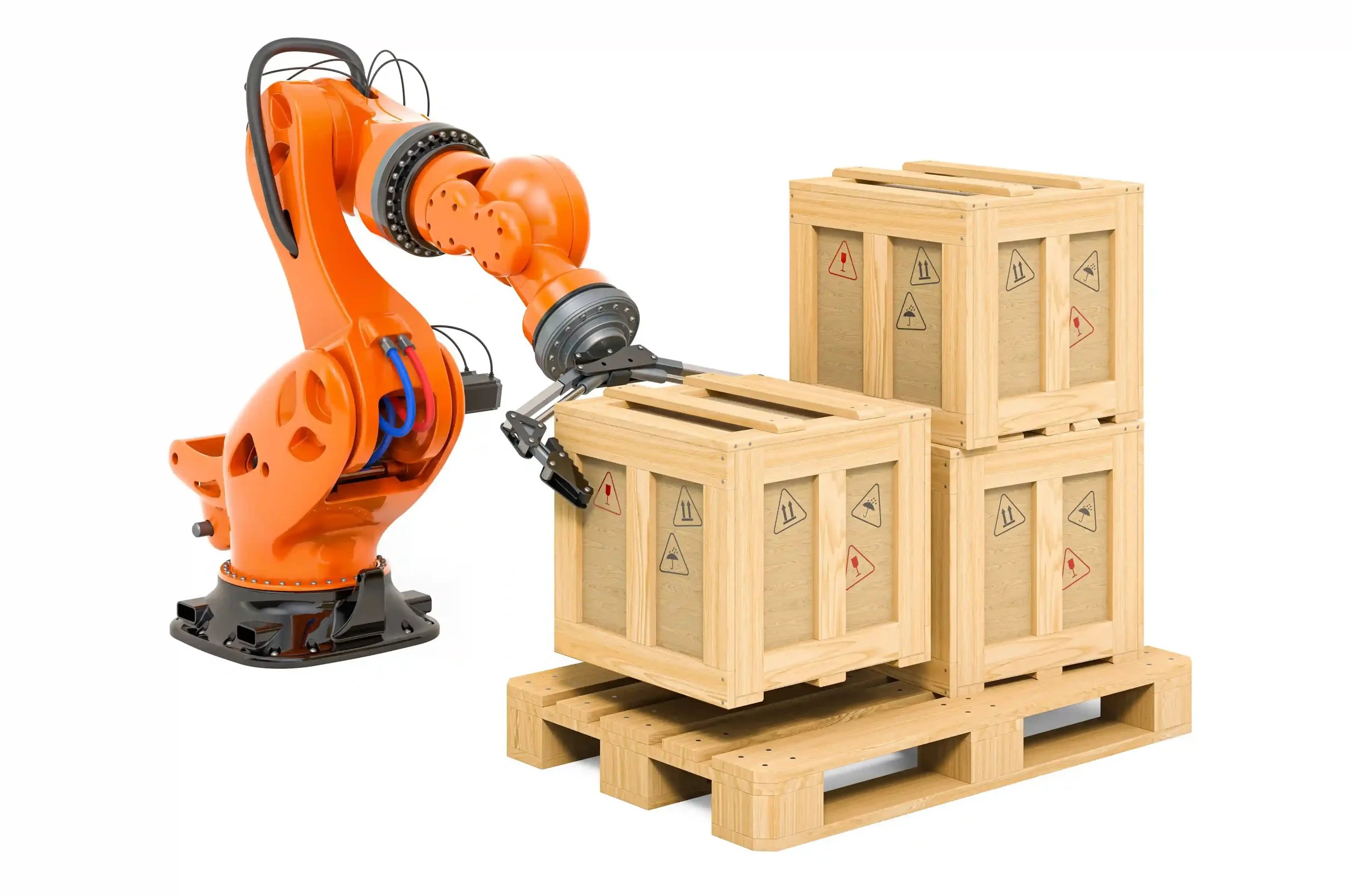
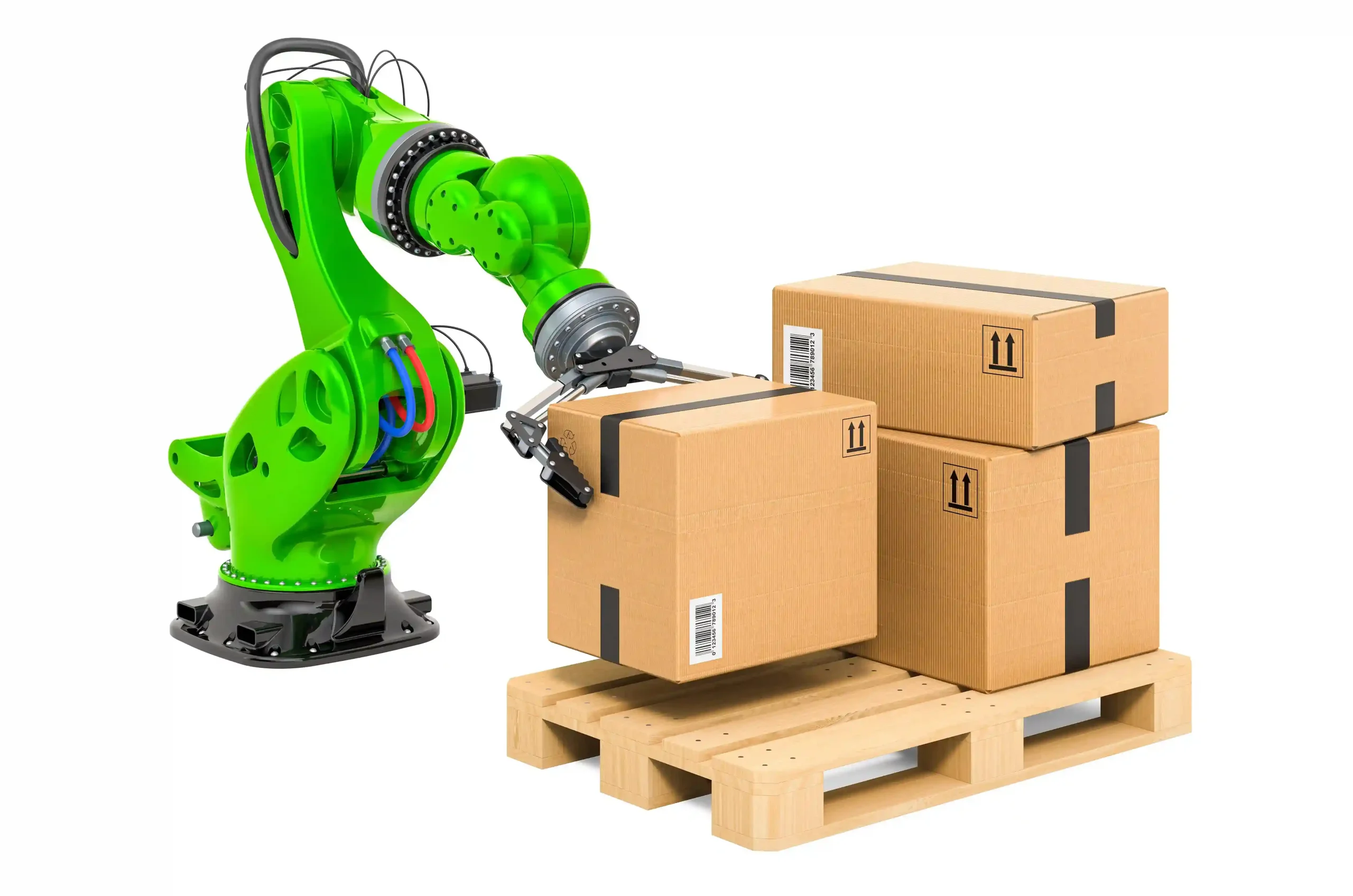
Como escolher o robô paletizador certo para sua fábrica? Análise de parâmetros-chave

No mundo atual da manufatura em rápida evolução, muitos proprietários de fábricas estão procurando maneiras inteligentes de fazer mais com menos. Uma das ferramentas mais inteligentes nas linhas de produção modernas é o robô paletizador. Essas máquinas são construídas para realizar o trabalho árduo de empilhar caixas, bolsas, e itens em paletes — uma tarefa que costumava levar horas para ser concluída por equipes de trabalhadores.

Mas com tantos robôs diferentes por aí, como você sabe qual é o certo para sua fábrica? Tudo se resume a entender o design, propósito, e características de cada robô paletizador, e saber como combinar isso com suas necessidades de produção.

Vamos decompô-lo e ajudá-lo a encontrar a melhor solução.

O que é um robô paletizador e por que você precisa de um?

Um robô paletizador é uma máquina projetada para levantar e empilhar produtos em um palete. Esses robôs ajudam as fábricas a acelerar as embalagens, reduzir custos trabalhistas, e melhorar a segurança no local de trabalho. Eles são especialmente úteis em locais onde o trabalho pesado ou o empilhamento repetitivo fazem parte da rotina diária.

No passado, as pessoas tiveram que fazer todo esse trabalho manualmente. Foi lento, cansativo, e arriscado. Hoje, graças à nova tecnologia robótica, as fábricas podem usar máquinas para fazer o mesmo trabalho mais rapidamente, mais seguro, e com mais precisão.

Os robôs de paletização são agora uma parte comum de indústrias como a de alimentos e bebidas, logística, eletrônica, e produtos químicos. Quer sua fábrica seja grande ou pequena, usar um desses robôs pode tornar seu fluxo de trabalho mais tranquilo e confiável.

Agora que sabemos o que é um robô paletizador, vamos ver os tipos disponíveis e como eles funcionam.

Tipos de robôs paletizadores: Qual se adapta ao seu fluxo de trabalho?

Nem todos os robôs de paletização são iguais. Na verdade, existem vários tipos diferentes, e cada um é construído para um tipo específico de tarefa. Escolher o tipo certo é o primeiro grande passo na escolha do melhor robô paletizador para sua fábrica.

Aqui estão os principais tipos a serem considerados:

Robôs Articulados

Esses robôs têm braços com múltiplas articulações. Eles são flexíveis e podem alcançar várias direções, tornando-os ótimos para tarefas que envolvem muito movimento. Robôs articulados são frequentemente usados ​​em grandes fábricas com altas taxas de produção.

Robôs SCARA

SCARA significa braço robótico articulado de conformidade seletiva. Eles são rápidos e precisos, mas funcionam melhor quando o movimento é principalmente em uma direção. Eles são bons para colocar pequenos, itens leves rapidamente.

Robôs Cartesianos

Também chamados de robôs de pórtico, estes se movem em linhas retas através de X, S, e eixos Z. Eles são simples, mas fortes. Eles funcionam bem em sistemas onde o espaço não é limitado.

Robôs Colaborativos (Cobôs)

Cobots são projetados para trabalhar com segurança ao lado de humanos. Eles são menores, Mais devagar, e mais fácil de usar. São perfeitos para fábricas menores ou locais onde o espaço e a segurança são as principais preocupações.

Agora que você conhece os tipos, como você realmente escolhe o caminho certo? É aí que os parâmetros-chave entram em jogo.

Robô Paletizador

Principais parâmetros a serem considerados ao escolher um robô paletizador

Comprar um robô paletizador é um grande investimento. Você quer ter certeza de que ele atende às suas necessidades de produção. Para fazer isso, você precisa observar alguns recursos importantes.

Vamos examiná-los.

Carga útil e alcance

A carga útil é quanto peso o robô pode levantar. O alcance é até onde o braço do robô pode se estender. Você precisa escolher um robô que possa levantar seus produtos e chegar ao palete de onde ele coleta o item.

Um robô que não consegue alcançar todos os cantos de um palete ou que se esforça para levantar a caixa mais pesada não será útil na sua linha.

Velocidade e tempo de ciclo

A velocidade se refere à rapidez com que o robô se move, enquanto o tempo de ciclo significa quanto tempo leva para concluir uma tarefa completa, como pegar uma caixa e colocá-la no palete.

Se sua linha de produção for rápida, seu robô precisa acompanhar. Certifique-se de que a velocidade do robô corresponda aos seus objetivos de produção.

Ferramentas de fim de braço (Pinças)

O braço do robô precisa de uma ferramenta para agarrar e segurar itens. Isso é chamado de ferramenta de fim de braço ou pinça.

As pinças vêm em estilos diferentes: vazio, braçadeira, magnético, e mais. Seu tipo de produto decidirá qual funciona melhor. Itens macios precisam de apertos suaves, enquanto caixas sólidas podem usar ferramentas mais fortes.

Requisitos de pegada e espaço

Cada fábrica tem diferentes limitações de espaço. Alguns robôs de paletização são compactos e cabem em espaços apertados. Outros precisam de mais espaço para se mover.

Antes de escolher, meça seu espaço e pense em como o robô se encaixará em seu fluxo de trabalho existente.

Facilidade de integração e programação

Um bom robô de paletização deve ser fácil de configurar e controlar. Muitos robôs modernos vêm com telas sensíveis ao toque simples e ferramentas de programação visual.

Certifique-se de que sua equipe possa lidar com o robô sem precisar de codificadores ou engenheiros especializados.

Recursos de segurança e conformidade

Questões de segurança, especialmente se humanos trabalharem perto do robô. Procure recursos como detecção de colisão, controle de força, e funções de parada automática.

Os robôs colaborativos geralmente atendem a padrões de segurança mais elevados, tornando-os uma escolha inteligente para ambientes mistos.

Custo total e retorno do investimento

Não se trata apenas do preço. Pense no custo total, incluindo configuração, manutenção, e uso de energia. Em seguida, compare isso com quanto tempo e dinheiro o robô economizará para você.

Um bom robô de paletização se paga ao longo do tempo, melhorando a eficiência e reduzindo os custos de mão de obra.

Agora que cobrimos os recursos, vamos explorar os benefícios reais que você pode esperar.

Robô Paletizador

Como um braço robótico de paletização aumenta a eficiência e a segurança

Usar um braço robótico de paletização faz mais do que apenas substituir o trabalho manual. Ajuda toda a sua operação a funcionar melhor.

Aumenta a velocidade e a produção

Os robôs não se cansam nem fazem pausas. Eles podem continuar trabalhando dia e noite, tornando sua produção mais consistente e confiável.

Melhora a segurança

Trabalho pesado e tarefas repetitivas muitas vezes levam a lesões. Ao entregar esses trabalhos a um robô, você cria um espaço de trabalho mais seguro para sua equipe.

Melhora a qualidade do produto

Robôs empilham produtos com precisão. Isso reduz os danos durante a embalagem e o transporte. Uma palete organizada e estável também significa transporte e armazenamento mais fáceis.

Reduz o erro humano

Chega de pilhas irregulares ou paletes perdidas. Um robô segue sempre o mesmo padrão, reduzindo erros.

Com tantos benefícios, é fácil ver por que mais fábricas estão recorrendo a robôs de paletização. Mas como você decide qual é realmente o melhor para suas necessidades?

Qual é o melhor robô paletizador para sua fábrica?

O melhor robô é aquele que combina com seus produtos, seu espaço, e seu orçamento. Comece observando o que sua fábrica produz, quão rápido ele se move, e que tipo de empilhamento você precisa.

Se você administra uma fábrica menor ou está apenas começando a automatizar, um robô de paletização colaborativo pode ser a escolha ideal. Eles são mais fáceis de instalar, ocupar menos espaço, e ficam mais seguros perto de pessoas.

Por outro lado, se você administra uma fábrica de alto volume e precisa de empilhamento rápido de itens pesados, um robô industrial com alta velocidade e carga útil pode ser a melhor opção.

E tudo bem, somos especializados em paletizar robôs inteligentes, seguro, e simples de usar. Se você precisa de um cobot compacto para espaços apertados ou de um robô robusto para linhas exigentes, temos uma solução que se adapta.

Por que escolher a OKCOBOT para suas necessidades de robô paletizador?

Nossa fábrica, localizado na sede da Ouke Technology em Xiushui, Província de Jiangxi, capas 260 hectares. Com 98,000 metros quadrados de moderno, oficinas limpas, temos capacidade para produzir 1,000 conjuntos de linhas de pós-processamento de papel de alta qualidade anualmente.

Nosso sistema de inspeção de qualidade visual baseado em 5G+AI está conectado à nuvem, entregando um 99.7% taxa de rendimento e reduzindo os ciclos de entrega em 25%. Com mais de 500 milhões de yuans investidos em equipamentos de processo completo — incluindo corte, soldagem, fresagem, e sistemas de tratamento térmico, trazemos grande força de fabricação para cada projeto.

Veja como ajudamos você a aproveitar ao máximo seu investimento em robôs de paletização:

Soluções Personalizadas

Personalizamos robôs paletizadores, robôs que abrem caixas, e sistemas de inspeção para seu tipo de material (caixas, bolsas, barris) e necessidades de produção — garantindo o alinhamento exato com sua configuração de fábrica.

Garantia de qualidade extrema

Nosso equipamento é testado milhares de vezes para garantir estabilidade e baixa taxa de falhas. Um ano (ou mais) a garantia oferece tranquilidade após a instalação.

Serviço de processo completo

Apoiamos você do início ao fim — desde consultas iniciais e visitas ao local até a configuração, treinamento, e manutenção contínua. Seu sucesso é nossa prioridade.

Experiência comprovada na indústria

Com mais 1,000 relacionamento com clientes, entendemos os desafios de produção que você enfrenta e sabemos como resolvê-los com estratégias de automação do mundo real.

ROI excepcional e retorno rápido

Nossos clientes geralmente reduzem os custos trabalhistas em mais de 30% e melhorar a eficiência em mais 50%. A maioria recupera todo o seu investimento dentro de 12 para 18 meses.

Então, se você está se perguntando em quem confiar para seu próximo robô de paletização, OKCOBOT traz o desempenho, confiabilidade, e suporte que sua fábrica merece.

Conclusão

Encontrar o robô de paletização perfeito envolve conhecer suas necessidades e combiná-las com os recursos certos. Do tipo de robô à carga útil, da segurança ao espaço, cada detalhe importa.

Agora que você viu o que está por aí e como funciona, você está pronto para tomar uma decisão confiante.

Ainda não tenho certeza por onde começar? Não se preocupe. É para isso que estamos aqui.

Contate-nos hoje em OK para obter ajuda especializada em encontrar o robô de paletização certo para sua fábrica. Somos pessoas reais, pronto para ajudá-lo a escolher uma solução que agilize seu trabalho, mais seguro, e mais fácil.

Perguntas frequentes

1º trimestre: O que é um robô paletizador?

Um robô paletizador é uma máquina que empilha caixas ou produtos em paletes. Ajuda as fábricas a trabalhar mais rápido, mais seguro, e com mais eficiência.

2º trimestre: Como escolho o robô paletizador certo?

Observe fatores como carga útil, velocidade, alcançar, pegada, e facilidade de uso. O tamanho e o tipo de produto da sua fábrica também são importantes.

3º trimestre: Os robôs de paletização são difíceis de programar??

Não, muitos robôs de paletização modernos são fáceis de usar e vêm com software simples. Alguns podem ser programados sem qualquer codificação.

4º trimestre: Os robôs de paletização podem trabalhar com pessoas?

Sim, robôs de paletização colaborativos (cobôs) são projetados para trabalhar com segurança perto de humanos, sem gaiolas de segurança extras.

Q5: Quanto custa um robô paletizador?

Os preços variam, mas você também deve considerar a economia no trabalho, tempo, e menos lesões no local de trabalho quando se pensa em custos.

How to Identify the Best Palletizing Robot for Your Industry Needs

In this rapidly changing world of manufacturing and distribution, business offers no relief from the demand to move more goods, meet higher quality standards, and reduce costs simultaneously. Manual palletizing, with an employee physically stacking cases, bolsas, or boxes by hand, cannot keep up. It takes too long, gets monotonous, and results in possible injuries. Robôs de paletização fill the bill.

But with all the vendors and models out there, how do you get one that actually works with your business? It’s not about getting the biggest or most high-end model. It has everything to do with getting the ideal palletizing robot that works with your business requirements.

We will step through what the machines do, what you should look at while purchasing one, and how you can ensure your investment produces returns.

What Is the Best Palletizing Robot and Why It Matters

A palletizing robot is a robotic device that can lift and carry products and stack them neatly and firmly onto pallets. Rather than depending upon manpower and endurance, the robot has a programmed arm and a special device known as an end-of-arm tool. Your end-of-arm tool may grasp a case, bag, or pail, depending upon your product.

Why does this matter? Imagine a food company shipping out thousands of cartons per day. Without automation, workers are required to bend, lift, and twist hour after hour. Worker fatigue results in mistakes being incurred and stacks falling over. A top-of-the-line palletizing robot eliminates this problem with faster, mais seguro, and more repetitive work.

As markets evolve and orders continue to increase, robots are no longer a nice-to-have. Robots are a necessity for business outfits that desire a competitive edge.

Robôs de paletização

Key Factors for Choosing the Best Palletizing Robot

Everyone has heard that palletizing robots are a necessity. How do you determine what system you are supposed to implement with your production line? Well, first of all, the best you can do is evaluate a couple of fundamental issues.

Product type and packaging come first. A robot with a capacity of lifting lightweight cartons cannot lift heavy 50-kilogram bags with high efficiency. And shrink-wrapped bundles cannot use the same grippers as Open boxes.

Next are payload and reach. All robots are rated with a lifting capacity and arm length. If your pallets are tall or you want one robot per pair of pallet stations, you need a higher reach and greater lifting capacity.

Another aspect is throughput and speed. If your line produces 20 unidades por minuto, you need a robot with matching or higher throughput. Certain robots are able to grip more than one case at a time while tripling throughput.

Footprint and configuration are also relevant. Does a system demand a fair amount of floorspace to serve a high-density requirement or a slender footprint with a low-density requirement?

Last of all, look at software, segurança, and integration. User-friendly software enables your personnel to make pallet patterns rapidly. Safety features safeguard your labor. And integration works with your robot and your conveyors, wrappers, and warehouse systems.

How Software Shapes the Best Palletizing Robot

Software is often overlooked, yet it can make or break the success of your palletizing system. Your contemporary palletizing robot needs intuitive software whereby operators can specify their freshly designed pallet patterns with or without programming knowledge.

Good software also makes it easy to interchange product types. For instance, you can process cartons in the morning and bags during the afternoon. Recipe-based controls enable you to interchange jobs within a minute. Remote monitoring and support are yet another assurance that your line continues operating with minimal shutdown.

So while you evaluate what is the best palletizing robot, do not overlook whether or not its brain, the software, is as good as its muscles.

Robôs de paletização

The Best Palletizing Robot for Different Industries

Not all sectors are created equal. What works at a warehouse might not work at a milk factory. Let us get to the diverse needs of sectors.

Many food and drink manufacturers work with cartons or shrink packs. Hygiene is paramount, and therefore, equipment can require stainless steel components or washdown-capable configurations. Flexible changeover comes next because pack schedules are changing.

Pharma and healthcare are high-accuracy and high-trackability sectors. Boxes should be dealt with carefully, and data should be entered for traceability purposes. Robots that are cleanroom-compatible should be considered.

Agriculture and chemicals focus on heavy bags of grain, fertilizer, or powder. These are dusty environments, so robots must be rugged and reliable. Special grippers prevent bags from slipping or deforming.

Consumer goods and logistics are tested in a different manner. They are asked to handle an assortment of products and packages. Setting up speed and flexibility is of first priority.

When you are choosing the ultimate palletizing robot, remember that your needs are not one size fits all. Your choice should reflect your products, your plant, and your customer requirements.

Benefits of Investing in the Best Palletizing Robot

You now understand how the industries vary, and the next thing that comes to mind is quite simple. Why should you get a palletizing robot at all? It has both practical and financial benefits.

Labor savings are immediate. A single robot can replace two or more workers doing repetitive stacking. Those workers can then be moved to roles that add more value.

Greater safety is another benefit. By removing heavy lifting from daily operations, you are decreasing the likelihood of injuries and lessening fatigue among your employees.

Reliability equals higher productivity. Robots don’t get tired and stack with perfect consistency every single time. That means fewer stacked pallets mistakes and fewer line slowdowns.

Faster return on investment is the last reason. Although the initial cost appears expensive at first, a lot of companies get their investment back in 12-24 meses. Then the savings come back every year.

So if you are thinking about whether the best palletizing robot is worth the investment, the good news is that it definitely pays off both in efficiency and safety.

Why OKBOLONG May Be the Best Palletizing Robot Partner for You

There are so many robot suppliers available; why should you rely on OKBOLONG? It’s because we’re about balance. OKBOLONG is about providing you with the proper blend of quality, customization, and value.

Unlike mass suppliers that sell at high-end premiums, OKBOLONG has cost-performance solutions suitable for burgeoning companies. Their robots are versatile and span a variety of packaging materials, ranging from bags to cartons to pails.

They also offer modular configurations, and you can integrate a system into your plant, no matter how small or big your warehouse or production room may be.

Another plus is user-friendly software that allows your employees to create new patterns with minimal training. And with global support and integration expertise, OKBOLONG makes sure your system integrates with your current lines.

All of this means that as you are out there looking for that ultimate palletizing robot, OKBOLONG can be more than a supplier. It can be a long-term automation partner.

Checklist Before Choosing the Best Palletizing Robot

As a quick reference before making a final choice, use this checklist.

  • What goods and packaging will you use?
  • What throughput are you aiming for per minute?
  • What are your pallet sizes?
  • How much room do you actually enjoy on your floor?
  • Are you defining washdown or dust-proof constructions?
  • What software and controls do you require?
  • What are your website safety guidelines?
  • How will the robot communicate with your other equipment?
  • What service and support will you need once it is installed?

This guide not only assists you with selecting the right palletizing robot. It also enables you to talk more efficiently with your suppliers and get through the process more quickly.

Conclusão

Choosing the right palletizing robot isn’t about specifying a robot with the most horsepower or the lowest cost. It’s about specifying the best system suitable for your materials, your space requirements on the floor, your requirements as a user of safety regulations, and your growth aspirations.

We’ve described what palletizing robots are, what’s paramount during the choice of one of them, why industries demand certain combinations, and why the investment becomes profitable. We’ve also shown why OKBOLONG becomes a trusted business partner of international companies.

If you are researching automation, it’s high time to act. Your employees will repay you with gratitude, productivity will grow, and your business will stay competitive.

Keen to experience how OKBOLONG can simplify your line? Contact us today, and we can get the conversation underway.

Perguntas frequentes

What is the best palletizing robot?

The perfect palletizing robot is one that fits your product description, your production rate requirement, and your floorspace availability. It will pile goods securely at a lower cost of labor and a greater efficiency.

What are the benefits of a palletizing robot system?

Start with an analysis of your weight range, packaging size, pallet width, and production volume. Then shop robots with software capabilities, safety features, and service coverage.

What are the advantages of palletizing robots?

Drinks, foods, medicines, agriculture, logística, and consumer goods all rely on palletizing robots as a cost-saving device and a production booster.

Why should you choose OKBOLONG?

 OKBOLONG offers affordable, adaptable, and consistent solutions created with particular sectors in consideration, and is a suitable choice among global companies.