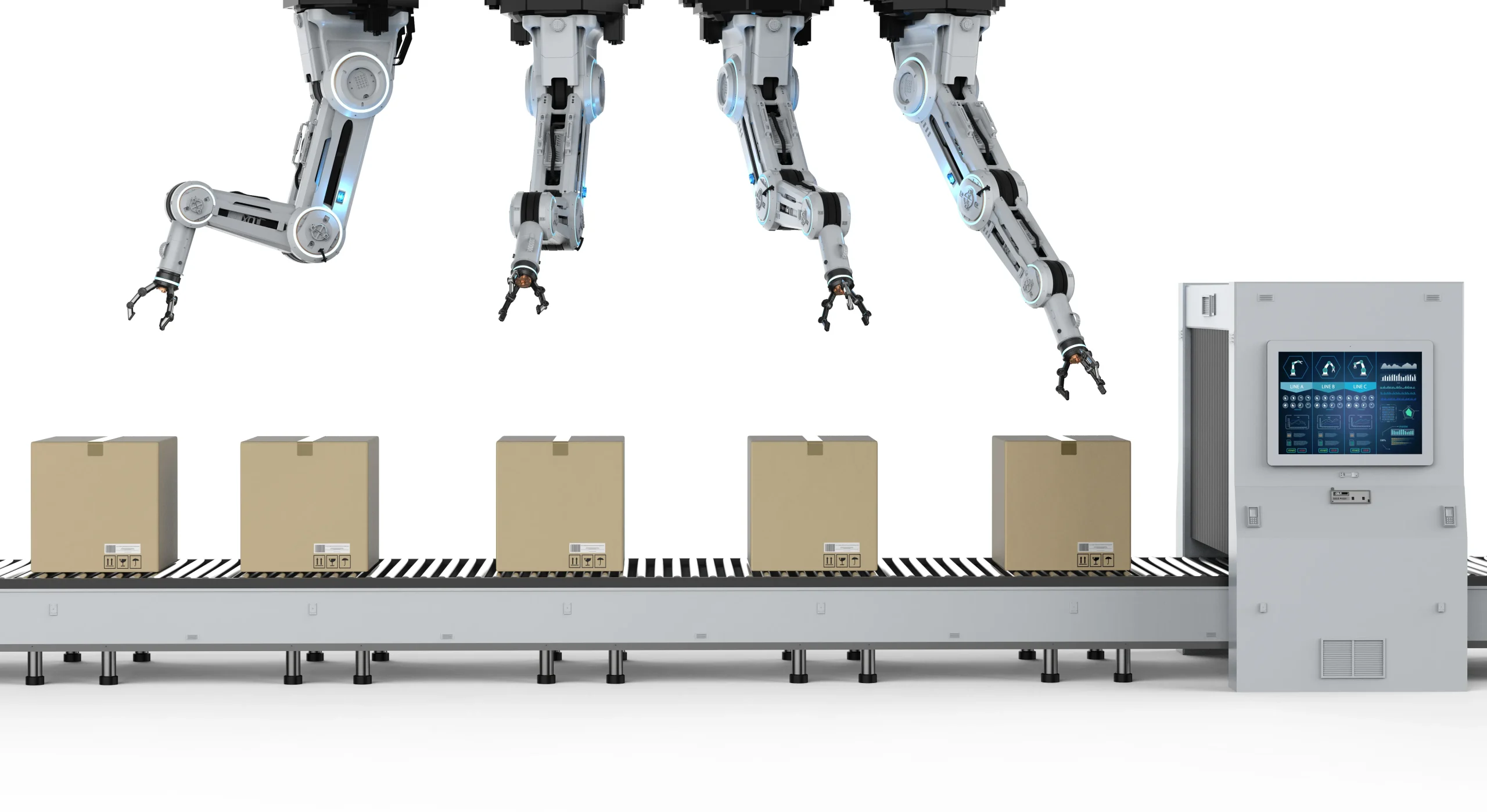
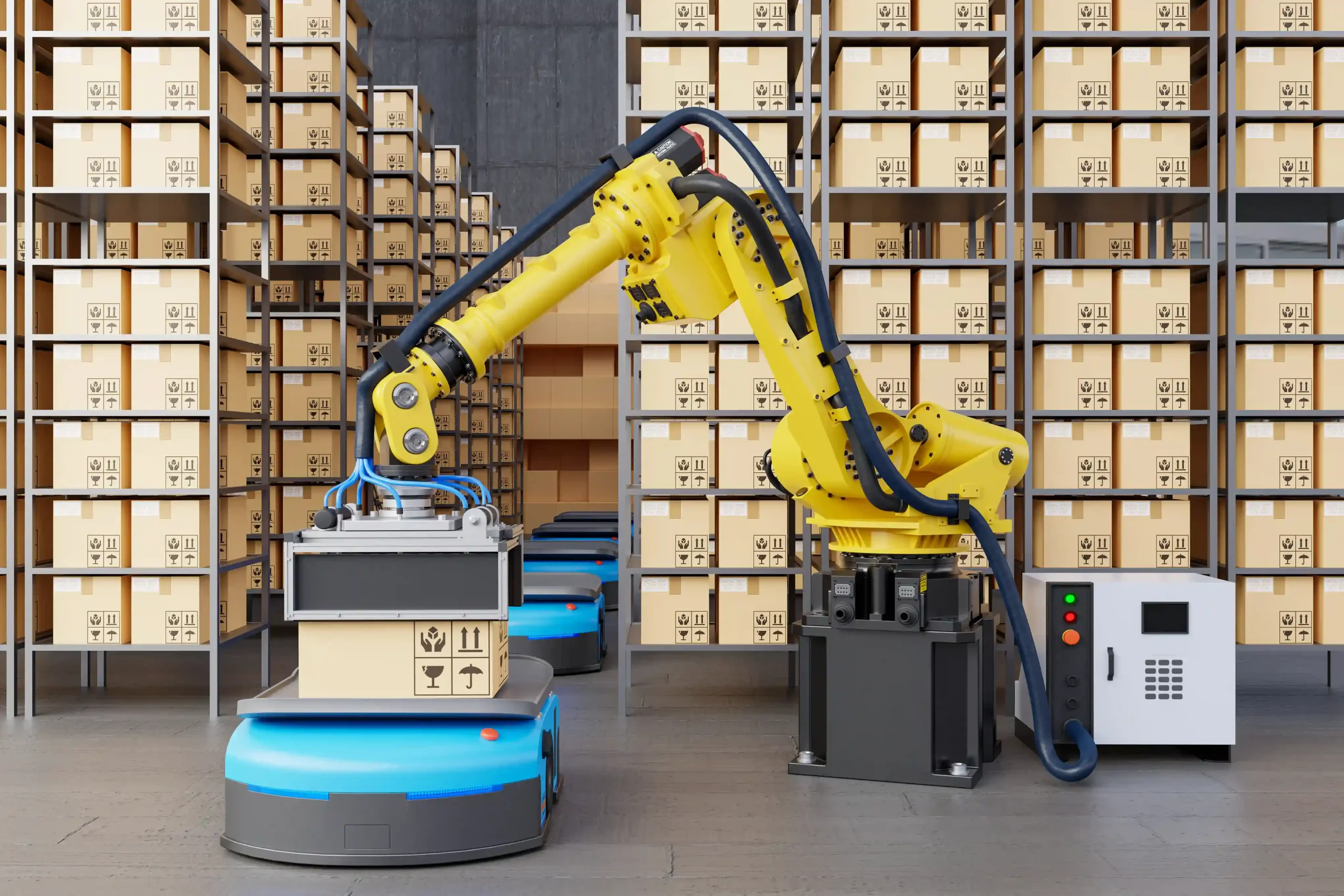
How Palletizing Robots Handle Heavy, Irregular, and Mixed Loads

Factories today face a tough question. How do you move heavier products faster when shapes, maten, and packaging keep changing? This is where palletizing robots step in. They are no longer simple machines that stack boxes in neat rows. Modern palletizing robots are smart, stabiel, and flexible enough to deal with real world production challenges.

So how do palletizing robots handle heavy loads, odd shapes, and mixed products without slowing down or making mistakes? Let us walk through it step by step.

Why Palletizing Robots Face Challenges With Heavy, Irregular, and Mixed Loads

Before we explain the solutions, it helps to understand the problem. Heavy, irregular, and mixed loads push palletizing robots to their limits. Each type of load creates a different challenge, and many production lines deal with all three at the same time.

Heavy products put stress on the robot arm and joints. Irregular products make gripping and stacking harder. Mixed loads force the robot to think and adjust instead of repeating one simple motion. So how do palletizing robots handle all of this without losing speed or accuracy?

The answer starts with smart mechanical design and continues with control systems, tooling, and software working together.

How Palletizing Robots Stay Stable When Handling Heavy Loads

Heavy products change everything. A robot that can lift fast but not smoothly will shake the load and risk dropping it. That is why palletizing robots built for heavy loads focus on control, not just strength.

These robots use strong arms, rigid frames, and powerful motors. But strength alone is not enough. What really matters is how the robot moves.

The motion of palletizing robots is planned to stay smooth at every step. Acceleration and slowing down happen gently. This keeps the product stable and protects the robot from wear over time.

Why payload ratings matter more than you think

Payload numbers look impressive on paper, but smart buyers know that palletizing robots work best below their maximum rating. Running with a safety margin improves accuracy and extends service life. It also builds trust with buyers who expect long term performance.

How smooth motion protects heavy loads

Heavy items create momentum. If the robot stops too fast, the load shifts. Palletizing robots use controlled paths and soft stops to reduce shock. This keeps stacks straight and pallets safe for transport.

Once heavy loads are under control, the next question becomes even more interesting. What happens when products are not shaped like neat boxes?
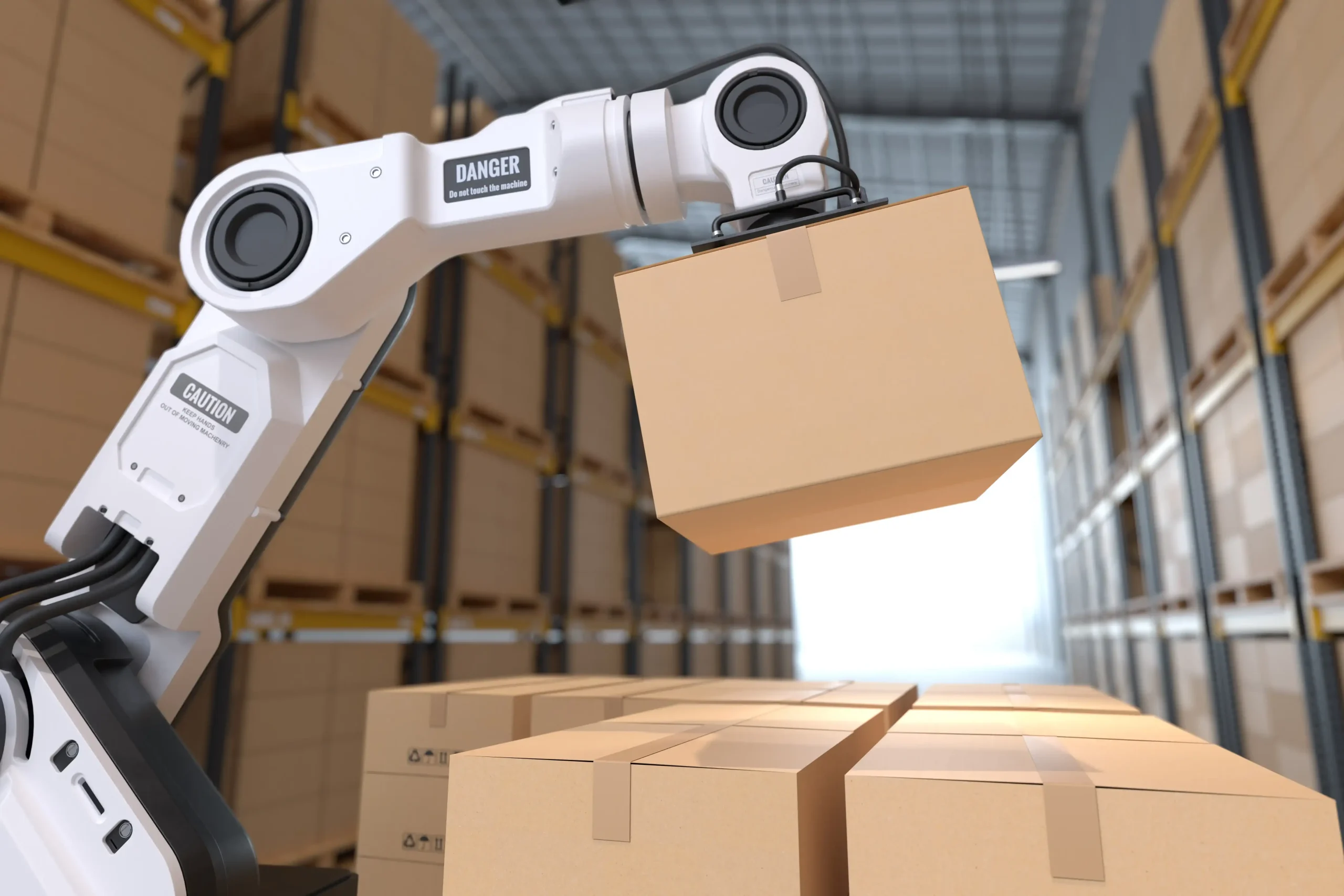
Palletizing Robots

How Palletizing Robots Grip Irregular Shapes Without Errors

Irregular products are common in real factories. Bags, wrapped bundles, uneven cartons, and flexible packaging all behave differently. Palletizing robots must adapt or fail.

The key here is the tool at the end of the robot arm. This is where gripping happens.

Before we go deeper, it is important to note that palletizing robots do not rely on one single gripping method. The choice depends on the product.

The role of end of arm tooling in palletizing robots

End of arm tools are designed around the product, not the other way around. Some products need vacuum. Others need clamps. Some need a mix of both. Palletizing robots can switch tools or use custom designs to handle difficult shapes.

Handling bags and flexible packaging

Bags change shape when lifted. Palletizing robots adjust gripping force to avoid squeezing too hard. This keeps bags intact and stacks even. Smart force control helps prevent leaks and product waste.

Keeping stacks stable with uneven products

Irregular shapes can create gaps. Palletizing robots compensate by adjusting placement based on the layer below. This keeps the pallet balanced from bottom to top.

Now that we can grip almost anything, another challenge appears. What if every pallet needs to look different?

How Palletizing Robots Manage Mixed Loads on One Pallet

Mixed loads are becoming more common. One pallet may carry different sizes, gewichten, or products for a single customer. Manual stacking struggles here, but palletizing robots handle this with logic and planning.

These robots do not just stack. They calculate.

Palletizing robots use recipes that define how each product should be placed. When a new product arrives, the robot switches recipes instead of stopping the line.

Smart stacking rules for mixed products

Heavy items go first. Lighter items go on top. Fragile products get protected layers. Palletizing robots follow these rules consistently, even during long production runs.

Fast changeovers without long downtime

In mixed production lines, speed matters. Palletizing robots can switch patterns through a simple interface. This reduces downtime and keeps output steady.

Why mixed loads demand better software

Without smart software, palletizing robots would be limited. Modern systems manage order, balance, and pattern changes smoothly. This makes them ideal for factories serving many customers.

Mixed loads bring us to another question. How do palletizing robots know exactly where each product is?

The Sensors and Vision Systems Inside Palletizing Robots

No matter how strong a robot is, it still needs eyes. Sensors and vision systems help palletizing robots deal with real world variation.

Products do not always arrive in perfect positions. Vision helps the robot adjust instead of stopping.

How two-dimensional vision helps positioning

Two-dimensional vision systems detect where a product is and how it is rotated. Palletizing robots use this data to pick accurately even when products shift on the conveyor.

How three dimensional vision handles height and shape changes

Three dimensional vision adds depth. It helps palletizing robots see height differences and uneven surfaces. This is especially useful for irregular and flexible products.

Preventing errors before they happen

Sensors also confirm successful picks. If a product slips or is missing, the robot knows right away. This prevents bad stacks and damaged pallets.

With all this technology in place, buyers still ask an important question. Can they trust palletizing robots from China?
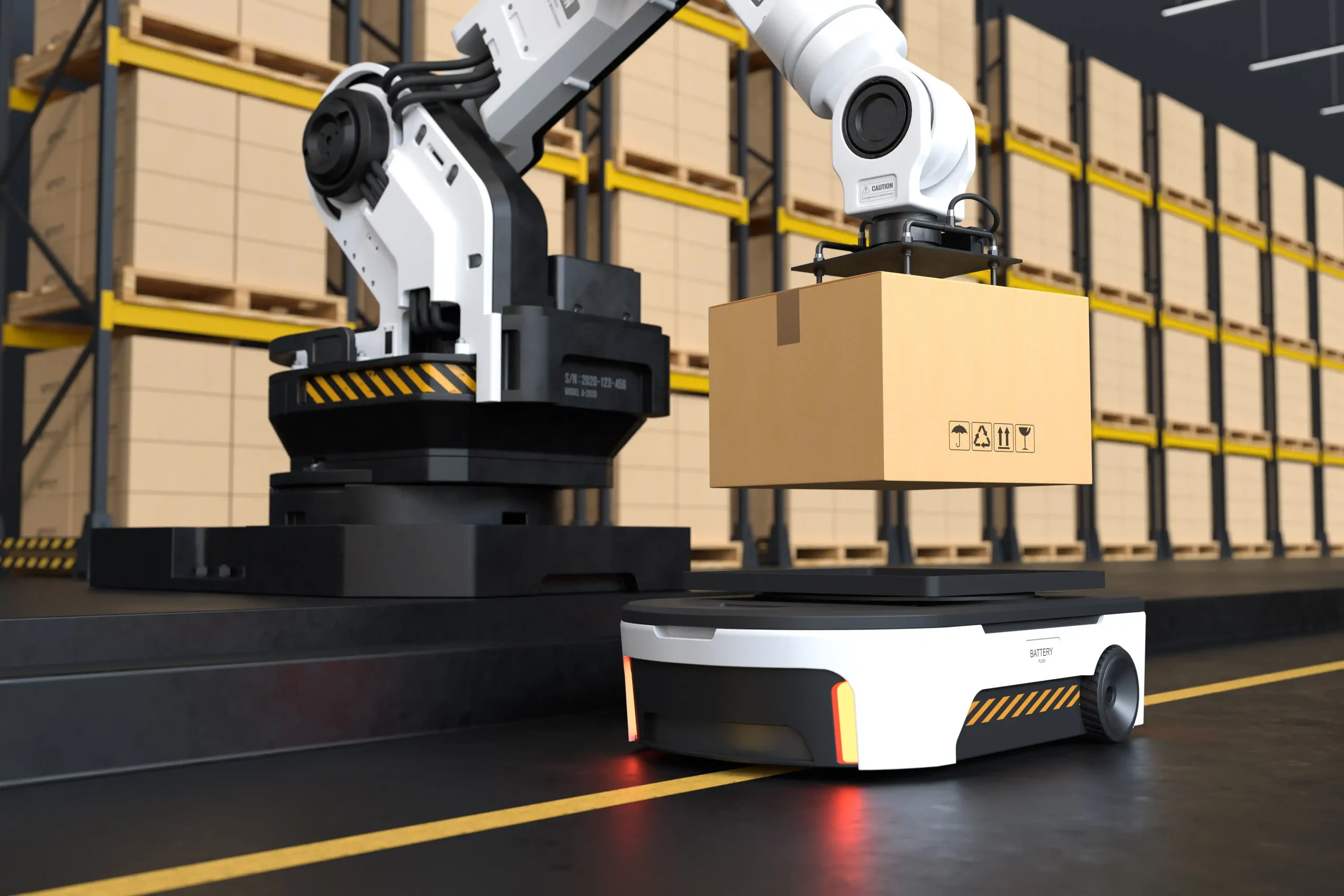
Palletizing Robots

What International Buyers Should Look For in Palletizing Robots From China

Trust is earned through transparency and performance. Buyers want to know how palletizing robots are built, tested, and supported.

A reliable supplier explains their design choices clearly. They show how components are selected and why testing matters.

Component quality and consistency

Good palletizing robots use proven motors, drives, and controllers. Consistent parts mean easier maintenance and longer service life.

Testing with real products and real loads

Factory testing is critical. Palletizing robots should be tested using actual customer products. Long run tests show stability and reliability.

Support that does not disappear after delivery

Clear manuals, remote support, and spare parts access all matter. International buyers need confidence that help is available when needed.

Understanding these factors leads to one final step. How do you choose the right palletizing robot for your own line?

A Practical Checklist for Choosing Palletizing Robots

Choosing palletizing robots is not just about speed. It is about matching the robot to your product and future plans.

Start with product details. Gewicht, size, and packaging type define the foundation.

Measuring products correctly

Accurate data helps avoid oversizing or undersizing. Palletizing robots perform best when selected with real measurements.

Planning for growth and change

Production rarely stays the same. Smart buyers choose palletizing robots that can handle future products without major changes.

Thinking beyond the robot itself

Pallets, slip sheets, and line layout all affect performance. A complete solution works better than isolated equipment.

So where does all this leave us?

Conclusie

Heavy, irregular, and mixed loads are no longer barriers to automation. Palletizing robots are designed to handle real factory conditions with strength, control, and intelligence. They lift heavy products smoothly, grip odd shapes carefully, and manage mixed pallets with confidence.

For manufacturers and distributors around the world, the right palletizing robots can improve safety, increase output, and reduce long term costs. When engineered properly, they become a reliable partner on the production floor.

If you are exploring palletizing robots for your application and want practical guidance based on real industrial experience, neem contact op met OK. Our team is ready to help you find a solution that fits your products, your line, and your future plans.

Veelgestelde vragen

What types of products can palletizing robots handle?

Palletizing robots can handle boxes, tassen, dozen, shrink-wrapped bundles, and mixed products. With the right gripper and setup, they work well with both rigid and flexible packaging.

Can palletizing robots lift very heavy loads?

Ja. Many palletizing robots are designed for heavy industrial loads. Smooth motion control and strong mechanical design help them lift safely and consistently.

How do palletizing robots deal with irregular shapes?

They use custom end-of-arm tools and sensors to grip products securely. Vision systems help adjust for uneven shapes and positions.

Are palletizing robots suitable for mixed-load pallets?

Absolutely. Palletizing robots use software recipes to stack different products on one pallet while keeping it stable.

Are palletizing robots from China reliable?

When built with quality components, proper testing, and good support, palletizing robots from China can be reliable and cost-effective for global buyers.
Hoe u de juiste palletiseerrobot voor uw fabriek kiest? Analyse van sleutelparameters

In de snel veranderende productiewereld van vandaag, Veel fabriekseigenaren zijn op zoek naar slimme manieren om meer gedaan te krijgen met minder. Een van de slimste hulpmiddelen in moderne productielijnen is de palletiseerrobot. Deze machines zijn gebouwd om het zware werk van het stapelen van dozen over te nemen, tassen, en artikelen op pallets – een taak die teams van werknemers vroeger uren kostte om te voltooien.

Maar er zijn zoveel verschillende robots, Hoe weet u welke geschikt is voor uw fabriek?? Het komt allemaal neer op het begrijpen van het ontwerp, doel, en kenmerken van elke palletiseerrobot, en weten hoe u dat kunt afstemmen op uw productiebehoeften.

Laten we het opsplitsen en u helpen de beste oplossing te vinden.

Wat is een palletiseerrobot en waarom heb je er een nodig??

Een palletiseerrobot is een machine die is ontworpen om producten op een pallet te tillen en te stapelen. Deze robots helpen fabrieken het verpakken te versnellen, arbeidskosten verlagen, en de veiligheid op de werkplek verbeteren. Ze zijn vooral handig op plaatsen waar zwaar tillen of herhaaldelijk stapelen deel uitmaakt van de dagelijkse routine.

In het verleden, mensen moesten al dit werk met de hand doen. Het was langzaam, vermoeiend, en riskant. Vandaag, dankzij nieuwe robottechnologie, fabrieken kunnen machines gebruiken om hetzelfde werk sneller te doen, veiliger, en nauwkeuriger.

Palletiseerrobots zijn nu een gebruikelijk onderdeel van industrieën zoals de voedingsmiddelen- en drankenindustrie, logistiek, elektronica, en chemicaliën. Of uw fabriek nu groot of klein is, het gebruik van een van deze robots kan uw workflow soepeler en betrouwbaarder maken.

Dus nu we weten wat een palletiseerrobot is, laten we eens kijken naar de beschikbare typen en hoe ze werken.

Soorten palletiseerrobots: Welke past bij uw workflow?

Niet alle palletiseerrobots zijn hetzelfde. In werkelijkheid, er zijn verschillende soorten, en elk is gebouwd voor een specifiek soort taak. Het kiezen van het juiste type is de eerste grote stap bij het kiezen van de beste palletiseerrobot voor uw fabriek.

Hier zijn de belangrijkste soorten waarmee u rekening moet houden:

Gelede robots

Deze robots hebben armen met meerdere gewrichten. Ze zijn flexibel en kunnen in vele richtingen reiken, waardoor ze ideaal zijn voor taken waarbij veel beweging nodig is. Gelede robots worden vaak gebruikt in grote fabrieken met hoge productiesnelheden.

SCARA-robots

SCARA staat voor Selective Compliance Articulated Robot Arm. Deze zijn snel en nauwkeurig, maar werken het beste als de beweging grotendeels in één richting plaatsvindt. Ze zijn goed om klein te plaatsen, lichte voorwerpen snel.

Cartesiaanse robots

Ook wel portaalrobots genoemd, deze bewegen zich in rechte lijnen over X, Y, en Z-assen. Ze zijn eenvoudig maar sterk. Ze werken goed in systemen waar de ruimte niet beperkt is.

Collaboratieve robots (Cobots)

Cobots zijn ontworpen om veilig naast mensen te werken. Ze zijn kleiner, langzamer, en gemakkelijker te gebruiken. Deze zijn perfect voor kleinere fabrieken of plaatsen waar ruimte en veiligheid topbelangen zijn.

Nu je de soorten kent, hoe kies je eigenlijk de juiste? Dat is waar belangrijke parameters een rol gaan spelen.

Palletiseerrobot

Belangrijke parameters waarmee u rekening moet houden bij het kiezen van een palletiseerrobot

Het kopen van een palletiseerrobot is een grote investering. U wilt er zeker van zijn dat het aansluit bij uw productiebehoeften. Om dat te doen, je moet naar een paar belangrijke kenmerken kijken.

Laten we er doorheen lopen.

Laadvermogen en bereik

Het laadvermogen is het gewicht dat de robot kan tillen. Het bereik is hoe ver de robotarm kan uitstrekken. U moet een robot kiezen die uw producten kan optillen en de pallet kan bereiken vanwaar hij het artikel oppakt.

Een robot die niet alle hoeken van een pallet kan bereiken of moeite heeft om uw zwaarste doos op te tillen, zal niet nuttig zijn op uw lijn.

Snelheid en cyclustijd

Snelheid verwijst naar hoe snel de robot beweegt, terwijl cyclustijd betekent hoe lang het duurt om één volledige taak te voltooien, zoals een doos oppakken en op de pallet plaatsen.

Als uw productielijn snel is, uw robot moet gelijke tred houden. Zorg ervoor dat de snelheid van de robot overeenkomt met uw outputdoelen.

Gereedschap aan het einde van de arm (Grijpers)

De robotarm heeft een hulpmiddel nodig om voorwerpen te kunnen grijpen en vasthouden. Dit wordt end-of-arm tooling of een grijper genoemd.

Grijpers zijn er in verschillende stijlen: leeg, klem, magnetisch, en meer. Uw producttype bepaalt welk product het beste werkt. Zachte voorwerpen hebben zachte handgrepen nodig, terwijl stevige dozen sterker gereedschap kunnen gebruiken.

Voetafdruk en ruimtevereisten

Elke fabriek heeft verschillende ruimtebeperkingen. Sommige palletiseerrobots zijn compact en passen in krappe ruimtes. Anderen hebben meer bewegingsruimte nodig.

Voordat u kiest, meet uw ruimte en bedenk hoe de robot in uw bestaande workflow zal passen.

Gemak van integratie en programmering

Een goede palletiseerrobot moet eenvoudig te installeren en te bedienen zijn. Veel moderne robots worden geleverd met eenvoudige aanraakschermen en visuele programmeertools.

Zorg ervoor dat uw team de robot aankan zonder dat daarvoor deskundige programmeurs of technici nodig zijn.

Veiligheidsfuncties en naleving

Veiligheid is belangrijk, vooral als mensen in de buurt van de robot gaan werken. Zoek naar functies zoals botsingsdetectie, kracht controle, en automatische stopfuncties.

Collaboratieve robots voldoen vaak aan hogere veiligheidsnormen, waardoor ze een slimme keuze zijn voor gemengde omgevingen.

Totale kosten en rendement op investering

Het gaat niet alleen om het prijskaartje. Denk na over de totale kosten, inclusief opstelling, onderhoud, en energieverbruik. Vergelijk dat dan met hoeveel tijd en geld de robot u gaat besparen.

Een goede palletiseerrobot betaalt zichzelf na verloop van tijd terug door de efficiëntie te verbeteren en de arbeidskosten te verlagen.

Nu we de functies hebben besproken, Laten we eens kijken naar de echte voordelen die u kunt verwachten.

Palletiseerrobot

Hoe een palletiseerrobotarm de efficiëntie en veiligheid verhoogt

Het gebruik van een palletiseerrobotarm doet meer dan alleen het vervangen van handarbeid. Het helpt uw ​​hele operatie beter te laten verlopen.

Verhoogt de snelheid en output

Robots worden niet moe en nemen geen pauzes. Ze kunnen de hele dag en nacht blijven werken, waardoor uw output consistenter en betrouwbaarder wordt.

Verbetert de veiligheid

Zwaar tillen en repetitieve taken leiden vaak tot blessures. Door deze klussen over te dragen aan een robot, u creëert een veiligere werkruimte voor uw team.

Verbetert de productkwaliteit

Robots stapelen producten met precisie. Dit vermindert schade tijdens het verpakken en verzenden. Een nette en stabiele pallet betekent ook eenvoudiger transport en opslag.

Vermindert menselijke fouten

Geen ongelijke stapels of gemiste pallets meer. Een robot volgt elke keer hetzelfde patroon, het verminderen van fouten.

Met zoveel voordelen, het is gemakkelijk te begrijpen waarom steeds meer fabrieken zich wenden tot palletiseerrobots. Maar hoe bepaalt u welke echt het beste is voor uw behoeften??

Wat is de beste palletiseerrobot voor uw fabriek?

De beste robot is degene die bij uw producten past, uw vloeroppervlak, en uw budget. Begin door te kijken naar wat uw fabriek produceert, hoe snel het beweegt, en wat voor soort stapeling je nodig hebt.

Als u een kleinere fabriek runt of net begint met automatiseren, een collaboratieve palletiseerrobot zou de ideale keuze kunnen zijn. Ze zijn eenvoudiger te installeren, nemen minder ruimte in beslag, en zijn veiliger in de buurt van mensen.

Anderzijds, als u een fabriek met grote volumes runt en zware voorwerpen snel moet stapelen, een industriële robot met een hoge snelheid en een hoog laadvermogen zou wellicht beter passen.

En oké, wij zijn gespecialiseerd in slimme palletiseerrobots, veilig, en eenvoudig te gebruiken. Of je nu een compacte cobot nodig hebt voor krappe ruimtes of een heavy duty robot voor veeleisende lijnen, wij hebben een oplossing die past.

Waarom OKCOBOT kiezen voor uw palletiseerrobotbehoeften?

Onze fabriek, gevestigd op het hoofdkantoor van Ouke Technology in Xiushui, Provincie Jiangxi, dekt 260 hectare. Met 98,000 vierkante meter modern, schone werkplaatsen, wij hebben de capaciteit om te produceren 1,000 sets van hoogwaardige papiernaverwerkingslijnen per jaar.

Ons 5G+AI-aangedreven visuele kwaliteitsinspectiesysteem is verbonden met de cloud, het leveren van een 99.7% opbrengstpercentage en het verkorten van de leveringscycli met 25%. Met meer dan 500 miljoen yuan geïnvesteerd in volledige procesapparatuur — inclusief knippen, lassen, frezen, en warmtebehandelingssystemen brengen we serieuze productiekracht in elk project.

Hier leest u hoe wij u helpen het meeste uit uw investering in een palletiseerrobot te halen:

Aangepaste oplossingen

Wij maken palletiseerrobots op maat, robots voor het openen van dozen, en inspectiesystemen afgestemd op uw materiaalsoort (dozen, tassen, vaten) en productiebehoeften — waardoor een exacte afstemming met uw fabrieksinstellingen wordt gegarandeerd.

hardcore kwaliteitsborging

Onze apparatuur wordt duizenden keren getest om stabiliteit en een laag uitvalpercentage te garanderen. Een jaar (of langer) garantie geeft u gemoedsrust na de installatie.

Volledige processervice

Wij ondersteunen u van begin tot eind — van vroege consultaties en locatiebezoeken tot de installatie, opleiding, en doorlopend onderhoud. Uw succes is onze prioriteit.

Bewezen branche-ervaring

Met voorbij 1,000 klantrelaties, wij begrijpen de productie-uitdagingen waarmee u wordt geconfronteerd en weten hoe u deze kunt oplossen met praktijkgerichte automatiseringsstrategieën.

Uitzonderlijke ROI en snelle terugverdientijd

Onze klanten verlagen de arbeidskosten vaak met meer dan 30% en de efficiëntie met meer dan verbeteren 50%. De meesten recupereren hun volledige investering binnenin 12 naar 18 maanden.

Dus, als u zich afvraagt ​​wie u kunt vertrouwen voor uw volgende palletiseerrobot, OKCOBOT brengt de voorstelling, betrouwbaarheid, en steun die uw fabriek verdient.

Conclusie

Bij het vinden van de perfecte palletiseerrobot gaat het erom dat u uw behoeften kent en deze afstemt op de juiste functies. Van robottype tot laadvermogen, van veiligheid naar ruimte, elk detail is belangrijk.

Nu je hebt gezien wat er is en hoe het werkt, u bent klaar om een ​​zelfverzekerde beslissing te nemen.

Ik weet nog steeds niet waar ik moet beginnen? Maak je geen zorgen. Dat is waarvoor we hier zijn.

Neem vandaag nog contact met ons op via OK voor deskundige hulp bij het vinden van de juiste palletiseerrobot voor uw fabriek. Wij zijn echte mensen, klaar om u te helpen bij het kiezen van een oplossing die uw werk sneller maakt, veiliger, en gemakkelijker.

Veelgestelde vragen

Q1: Wat is een palletiseerrobot?

Een palletiseerrobot is een machine die dozen of producten op pallets stapelt. Het helpt fabrieken sneller te werken, veiliger, en efficiënter.

Vraag 2: Hoe kies ik de juiste palletiseerrobot?

Kijk naar factoren zoals laadvermogen, snelheid, bereik, voetafdruk, en gebruiksgemak. De grootte en het producttype van uw fabriek zijn ook van belang.

Q3: Zijn palletiseerrobots moeilijk te programmeren??

Nee, veel moderne palletiseerrobots zijn gebruiksvriendelijk en worden geleverd met eenvoudige software. Sommige kunnen zonder enige codering worden geprogrammeerd.

Q4: Kunnen palletiseerrobots met mensen werken??

Ja, collaboratieve palletiseerrobots (cobots) zijn ontworpen om veilig in de buurt van mensen te werken zonder extra veiligheidskooien.

Vraag 5: Hoeveel kost een palletiseerrobot?

Prijzen variëren, maar u moet ook rekening houden met besparingen op arbeid, tijd, en minder verwondingen op de werkplek als je aan de kosten denkt.

How to Identify the Best Palletizing Robot for Your Industry Needs

In this rapidly changing world of manufacturing and distribution, business offers no relief from the demand to move more goods, meet higher quality standards, and reduce costs simultaneously. Manual palletizing, with an employee physically stacking cases, tassen, or boxes by hand, cannot keep up. It takes too long, gets monotonous, and results in possible injuries. Palletiseerrobots fill the bill.

But with all the vendors and models out there, how do you get one that actually works with your business? It’s not about getting the biggest or most high-end model. It has everything to do with getting the ideal palletizing robot that works with your business requirements.

We will step through what the machines do, what you should look at while purchasing one, and how you can ensure your investment produces returns.

What Is the Best Palletizing Robot and Why It Matters

A palletizing robot is a robotic device that can lift and carry products and stack them neatly and firmly onto pallets. Rather than depending upon manpower and endurance, the robot has a programmed arm and a special device known as an end-of-arm tool. Your end-of-arm tool may grasp a case, bag, or pail, depending upon your product.

Why does this matter? Imagine a food company shipping out thousands of cartons per day. Without automation, workers are required to bend, lift, and twist hour after hour. Worker fatigue results in mistakes being incurred and stacks falling over. A top-of-the-line palletizing robot eliminates this problem with faster, veiliger, and more repetitive work.

As markets evolve and orders continue to increase, robots are no longer a nice-to-have. Robots are a necessity for business outfits that desire a competitive edge.

Palletiseerrobots

Key Factors for Choosing the Best Palletizing Robot

Everyone has heard that palletizing robots are a necessity. How do you determine what system you are supposed to implement with your production line? Well, first of all, the best you can do is evaluate a couple of fundamental issues.

Product type and packaging come first. A robot with a capacity of lifting lightweight cartons cannot lift heavy 50-kilogram bags with high efficiency. And shrink-wrapped bundles cannot use the same grippers as Open boxes.

Next are payload and reach. All robots are rated with a lifting capacity and arm length. If your pallets are tall or you want one robot per pair of pallet stations, you need a higher reach and greater lifting capacity.

Another aspect is throughput and speed. If your line produces 20 units per minute, you need a robot with matching or higher throughput. Certain robots are able to grip more than one case at a time while tripling throughput.

Footprint and configuration are also relevant. Does a system demand a fair amount of floorspace to serve a high-density requirement or a slender footprint with a low-density requirement?

Last of all, look at software, veiligheid, and integration. User-friendly software enables your personnel to make pallet patterns rapidly. Safety features safeguard your labor. And integration works with your robot and your conveyors, wrappers, and warehouse systems.

How Software Shapes the Best Palletizing Robot

Software is often overlooked, yet it can make or break the success of your palletizing system. Your contemporary palletizing robot needs intuitive software whereby operators can specify their freshly designed pallet patterns with or without programming knowledge.

Good software also makes it easy to interchange product types. Bijvoorbeeld, you can process cartons in the morning and bags during the afternoon. Recipe-based controls enable you to interchange jobs within a minute. Remote monitoring and support are yet another assurance that your line continues operating with minimal shutdown.

So while you evaluate what is the best palletizing robot, do not overlook whether or not its brain, the software, is as good as its muscles.

Palletiseerrobots

The Best Palletizing Robot for Different Industries

Not all sectors are created equal. What works at a warehouse might not work at a milk factory. Let us get to the diverse needs of sectors.

Many food and drink manufacturers work with cartons or shrink packs. Hygiene is paramount, and therefore, equipment can require stainless steel components or washdown-capable configurations. Flexible changeover comes next because pack schedules are changing.

Pharma and healthcare are high-accuracy and high-trackability sectors. Boxes should be dealt with carefully, and data should be entered for traceability purposes. Robots that are cleanroom-compatible should be considered.

Agriculture and chemicals focus on heavy bags of grain, fertilizer, or powder. These are dusty environments, so robots must be rugged and reliable. Special grippers prevent bags from slipping or deforming.

Consumer goods and logistics are tested in a different manner. They are asked to handle an assortment of products and packages. Setting up speed and flexibility is of first priority.

When you are choosing the ultimate palletizing robot, remember that your needs are not one size fits all. Your choice should reflect your products, your plant, and your customer requirements.

Benefits of Investing in the Best Palletizing Robot

You now understand how the industries vary, and the next thing that comes to mind is quite simple. Why should you get a palletizing robot at all? It has both practical and financial benefits.

Labor savings are immediate. A single robot can replace two or more workers doing repetitive stacking. Those workers can then be moved to roles that add more value.

Greater safety is another benefit. By removing heavy lifting from daily operations, you are decreasing the likelihood of injuries and lessening fatigue among your employees.

Reliability equals higher productivity. Robots don’t get tired and stack with perfect consistency every single time. That means fewer stacked pallets mistakes and fewer line slowdowns.

Faster return on investment is the last reason. Although the initial cost appears expensive at first, a lot of companies get their investment back in 12-24 maanden. Then the savings come back every year.

So if you are thinking about whether the best palletizing robot is worth the investment, the good news is that it definitely pays off both in efficiency and safety.

Why OKBOLONG May Be the Best Palletizing Robot Partner for You

There are so many robot suppliers available; why should you rely on OKBOLONG? It’s because we’re about balance. OKBOLONG is about providing you with the proper blend of quality, maatwerk, and value.

Unlike mass suppliers that sell at high-end premiums, OKBOLONG has cost-performance solutions suitable for burgeoning companies. Their robots are versatile and span a variety of packaging materials, ranging from bags to cartons to pails.

They also offer modular configurations, and you can integrate a system into your plant, no matter how small or big your warehouse or production room may be.

Another plus is user-friendly software that allows your employees to create new patterns with minimal training. And with global support and integration expertise, OKBOLONG makes sure your system integrates with your current lines.

All of this means that as you are out there looking for that ultimate palletizing robot, OKBOLONG can be more than a supplier. It can be a long-term automation partner.

Checklist Before Choosing the Best Palletizing Robot

As a quick reference before making a final choice, use this checklist.

  • What goods and packaging will you use?
  • What throughput are you aiming for per minute?
  • What are your pallet sizes?
  • How much room do you actually enjoy on your floor?
  • Are you defining washdown or dust-proof constructions?
  • What software and controls do you require?
  • What are your website safety guidelines?
  • How will the robot communicate with your other equipment?
  • What service and support will you need once it is installed?

This guide not only assists you with selecting the right palletizing robot. It also enables you to talk more efficiently with your suppliers and get through the process more quickly.

Conclusie

Choosing the right palletizing robot isn’t about specifying a robot with the most horsepower or the lowest cost. It’s about specifying the best system suitable for your materials, your space requirements on the floor, your requirements as a user of safety regulations, and your growth aspirations.

We’ve described what palletizing robots are, what’s paramount during the choice of one of them, why industries demand certain combinations, and why the investment becomes profitable. We’ve also shown why OKBOLONG becomes a trusted business partner of international companies.

If you are researching automation, it’s high time to act. Your employees will repay you with gratitude, productivity will grow, and your business will stay competitive.

Keen to experience how OKBOLONG can simplify your line? Contact us today, and we can get the conversation underway.

Veelgestelde vragen

What is the best palletizing robot?

The perfect palletizing robot is one that fits your product description, your production rate requirement, and your floorspace availability. It will pile goods securely at a lower cost of labor and a greater efficiency.

What are the benefits of a palletizing robot system?

Start with an analysis of your weight range, packaging size, pallet width, and production volume. Then shop robots with software capabilities, safety features, and service coverage.

What are the advantages of palletizing robots?

Drinks, foods, medicines, agriculture, logistiek, and consumer goods all rely on palletizing robots as a cost-saving device and a production booster.

Why should you choose OKBOLONG?

 OKBOLONG offers affordable, adaptable, and consistent solutions created with particular sectors in consideration, and is a suitable choice among global companies.