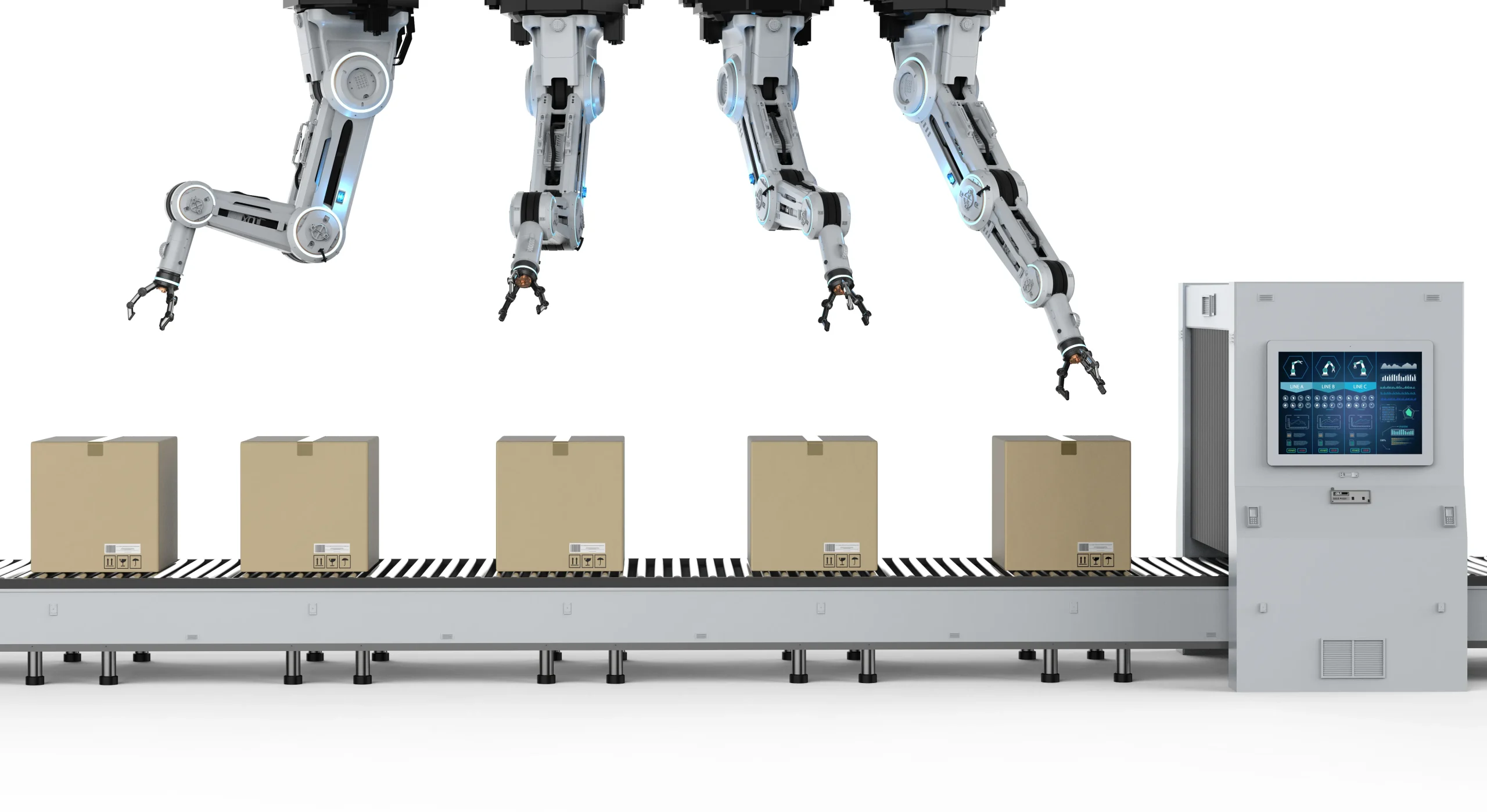
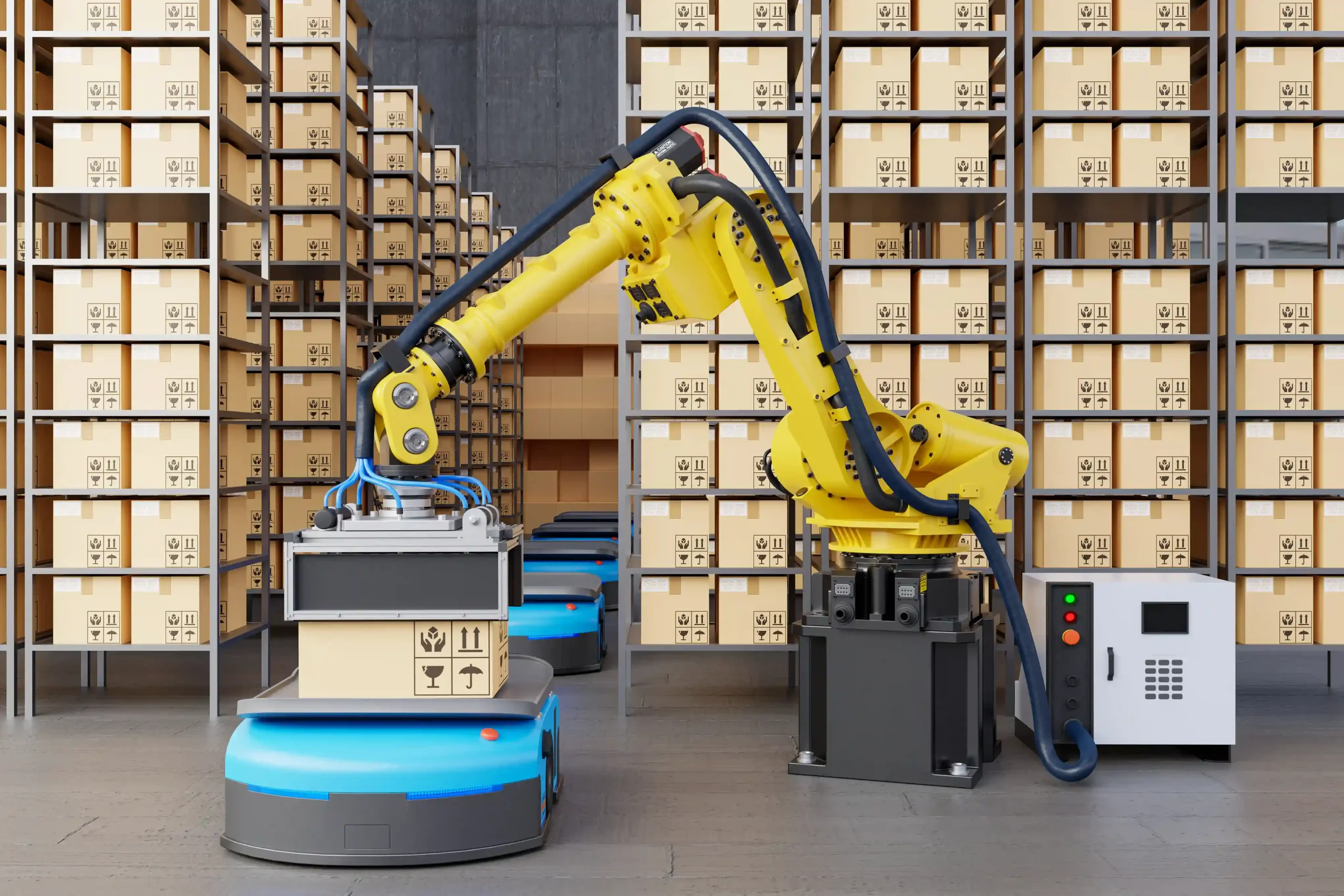
How Palletizing Robots Handle Heavy, Irregular, and Mixed Loads

Factories today face a tough question. How do you move heavier products faster when shapes, sizes, and packaging keep changing? This is where palletizing robots step in. They are no longer simple machines that stack boxes in neat rows. Modern palletizing robots are smart, stable, and flexible enough to deal with real world production challenges.

So how do palletizing robots handle heavy loads, odd shapes, and mixed products without slowing down or making mistakes? Let us walk through it step by step.

Why Palletizing Robots Face Challenges With Heavy, Irregular, and Mixed Loads

Before we explain the solutions, it helps to understand the problem. Heavy, irregular, and mixed loads push palletizing robots to their limits. Each type of load creates a different challenge, and many production lines deal with all three at the same time.

Heavy products put stress on the robot arm and joints. Irregular products make gripping and stacking harder. Mixed loads force the robot to think and adjust instead of repeating one simple motion. So how do palletizing robots handle all of this without losing speed or accuracy?

The answer starts with smart mechanical design and continues with control systems, tooling, and software working together.

How Palletizing Robots Stay Stable When Handling Heavy Loads

Heavy products change everything. A robot that can lift fast but not smoothly will shake the load and risk dropping it. That is why palletizing robots built for heavy loads focus on control, not just strength.

These robots use strong arms, rigid frames, and powerful motors. But strength alone is not enough. What really matters is how the robot moves.

The motion of palletizing robots is planned to stay smooth at every step. Acceleration and slowing down happen gently. This keeps the product stable and protects the robot from wear over time.

Why payload ratings matter more than you think

Payload numbers look impressive on paper, but smart buyers know that palletizing robots work best below their maximum rating. Running with a safety margin improves accuracy and extends service life. It also builds trust with buyers who expect long term performance.

How smooth motion protects heavy loads

Heavy items create momentum. If the robot stops too fast, the load shifts. Palletizing robots use controlled paths and soft stops to reduce shock. This keeps stacks straight and pallets safe for transport.

Once heavy loads are under control, the next question becomes even more interesting. What happens when products are not shaped like neat boxes?
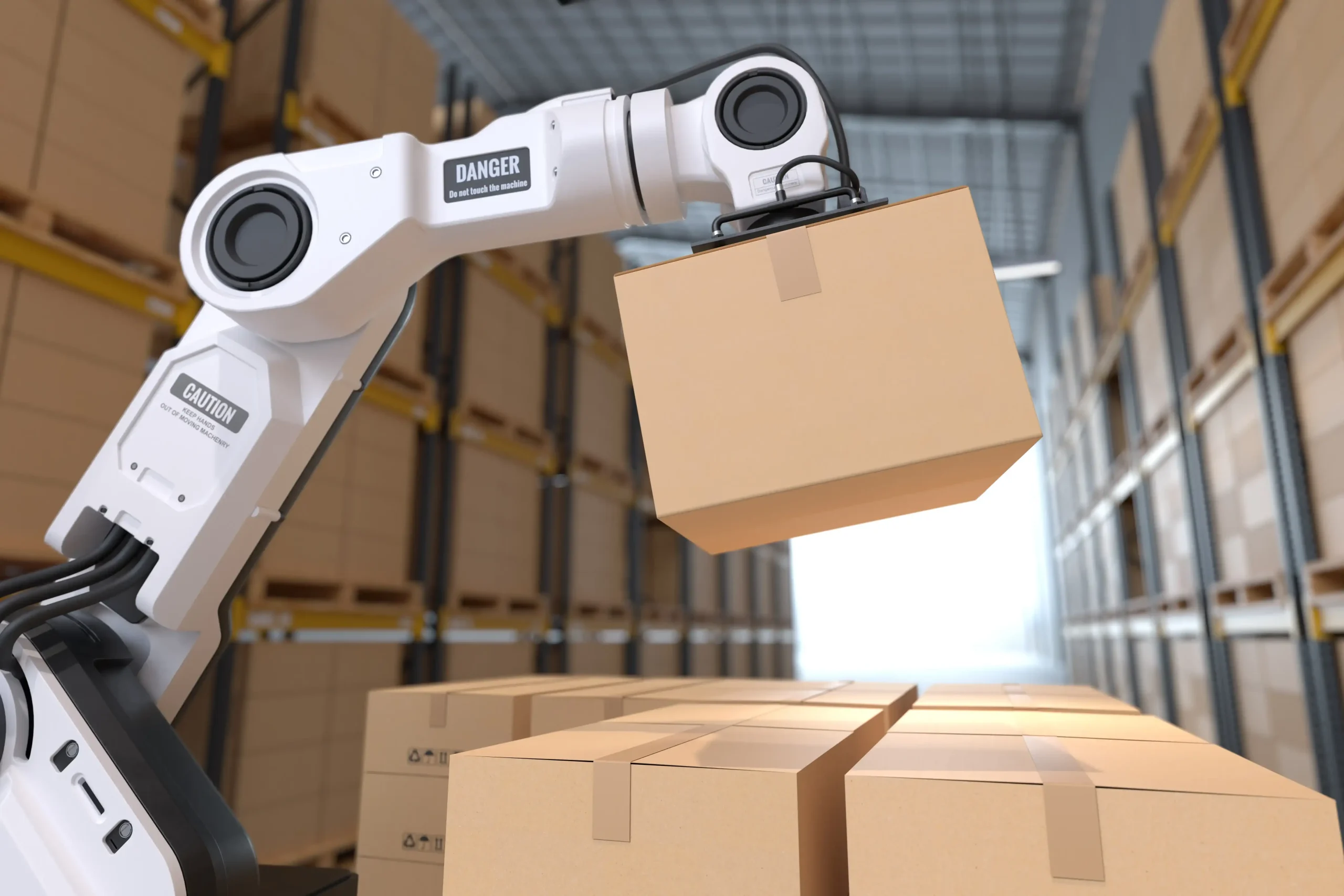
Palletizing Robots

How Palletizing Robots Grip Irregular Shapes Without Errors

Irregular products are common in real factories. Bags, wrapped bundles, uneven cartons, and flexible packaging all behave differently. Palletizing robots must adapt or fail.

The key here is the tool at the end of the robot arm. This is where gripping happens.

Before we go deeper, it is important to note that palletizing robots do not rely on one single gripping method. The choice depends on the product.

The role of end of arm tooling in palletizing robots

End of arm tools are designed around the product, not the other way around. Some products need vacuum. Others need clamps. Some need a mix of both. Palletizing robots can switch tools or use custom designs to handle difficult shapes.

Handling bags and flexible packaging

Bags change shape when lifted. Palletizing robots adjust gripping force to avoid squeezing too hard. This keeps bags intact and stacks even. Smart force control helps prevent leaks and product waste.

Keeping stacks stable with uneven products

Irregular shapes can create gaps. Palletizing robots compensate by adjusting placement based on the layer below. This keeps the pallet balanced from bottom to top.

Now that we can grip almost anything, another challenge appears. What if every pallet needs to look different?

How Palletizing Robots Manage Mixed Loads on One Pallet

Mixed loads are becoming more common. One pallet may carry different sizes, weights, or products for a single customer. Manual stacking struggles here, but palletizing robots handle this with logic and planning.

These robots do not just stack. They calculate.

Palletizing robots use recipes that define how each product should be placed. When a new product arrives, the robot switches recipes instead of stopping the line.

Smart stacking rules for mixed products

Heavy items go first. Lighter items go on top. Fragile products get protected layers. Palletizing robots follow these rules consistently, even during long production runs.

Fast changeovers without long downtime

In mixed production lines, speed matters. Palletizing robots can switch patterns through a simple interface. This reduces downtime and keeps output steady.

Why mixed loads demand better software

Without smart software, palletizing robots would be limited. Modern systems manage order, balance, and pattern changes smoothly. This makes them ideal for factories serving many customers.

Mixed loads bring us to another question. How do palletizing robots know exactly where each product is?

The Sensors and Vision Systems Inside Palletizing Robots

No matter how strong a robot is, it still needs eyes. Sensors and vision systems help palletizing robots deal with real world variation.

Products do not always arrive in perfect positions. Vision helps the robot adjust instead of stopping.

How two-dimensional vision helps positioning

Two-dimensional vision systems detect where a product is and how it is rotated. Palletizing robots use this data to pick accurately even when products shift on the conveyor.

How three dimensional vision handles height and shape changes

Three dimensional vision adds depth. It helps palletizing robots see height differences and uneven surfaces. This is especially useful for irregular and flexible products.

Preventing errors before they happen

Sensors also confirm successful picks. If a product slips or is missing, the robot knows right away. This prevents bad stacks and damaged pallets.

With all this technology in place, buyers still ask an important question. Can they trust palletizing robots from China?
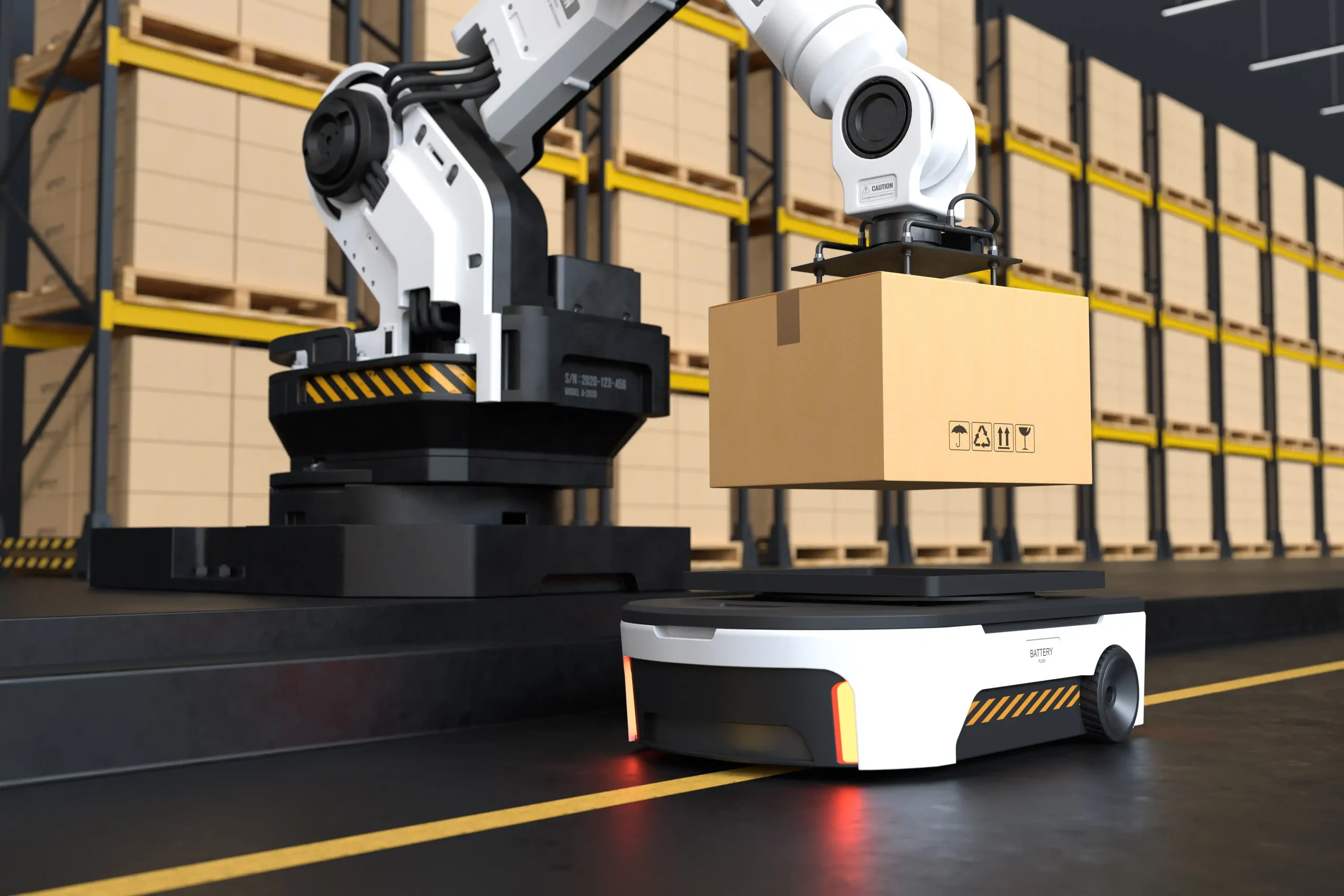
Palletizing Robots

What International Buyers Should Look For in Palletizing Robots From China

Trust is earned through transparency and performance. Buyers want to know how palletizing robots are built, tested, and supported.

A reliable supplier explains their design choices clearly. They show how components are selected and why testing matters.

Component quality and consistency

Good palletizing robots use proven motors, drives, and controllers. Consistent parts mean easier maintenance and longer service life.

Testing with real products and real loads

Factory testing is critical. Palletizing robots should be tested using actual customer products. Long run tests show stability and reliability.

Support that does not disappear after delivery

Clear manuals, remote support, and spare parts access all matter. International buyers need confidence that help is available when needed.

Understanding these factors leads to one final step. How do you choose the right palletizing robot for your own line?

A Practical Checklist for Choosing Palletizing Robots

Choosing palletizing robots is not just about speed. It is about matching the robot to your product and future plans.

Start with product details. Peso, size, and packaging type define the foundation.

Measuring products correctly

Accurate data helps avoid oversizing or undersizing. Palletizing robots perform best when selected with real measurements.

Planning for growth and change

Production rarely stays the same. Smart buyers choose palletizing robots that can handle future products without major changes.

Thinking beyond the robot itself

Pallets, slip sheets, and line layout all affect performance. A complete solution works better than isolated equipment.

So where does all this leave us?

Conclusión

Heavy, irregular, and mixed loads are no longer barriers to automation. Palletizing robots are designed to handle real factory conditions with strength, control, and intelligence. They lift heavy products smoothly, grip odd shapes carefully, and manage mixed pallets with confidence.

For manufacturers and distributors around the world, the right palletizing robots can improve safety, increase output, and reduce long term costs. When engineered properly, they become a reliable partner on the production floor.

If you are exploring palletizing robots for your application and want practical guidance based on real industrial experience, contacta con Aceptar. Our team is ready to help you find a solution that fits your products, your line, and your future plans.

Preguntas frecuentes

What types of products can palletizing robots handle?

Palletizing robots can handle boxes, bolsas, cartons, shrink-wrapped bundles, and mixed products. With the right gripper and setup, they work well with both rigid and flexible packaging.

Can palletizing robots lift very heavy loads?

Sí. Many palletizing robots are designed for heavy industrial loads. Smooth motion control and strong mechanical design help them lift safely and consistently.

How do palletizing robots deal with irregular shapes?

They use custom end-of-arm tools and sensors to grip products securely. Vision systems help adjust for uneven shapes and positions.

Are palletizing robots suitable for mixed-load pallets?

Absolutamente. Palletizing robots use software recipes to stack different products on one pallet while keeping it stable.

Are palletizing robots from China reliable?

When built with quality components, proper testing, and good support, palletizing robots from China can be reliable and cost-effective for global buyers.
Cómo elegir el robot paletizador adecuado para su fábrica? Análisis de parámetros clave

In today’s fast-moving world of manufacturing, many factory owners are searching for smart ways to get more done with less. One of the smartest tools in modern production lines is the palletizing robot. These machines are built to take over the hard work of stacking boxes, bolsas, and items onto pallets — a task that used to take teams of workers hours to finish.

But with so many different robots out there, how do you know which one is right for your factory? It all comes down to understanding the design, purpose, and features of each palletizing robot, and knowing how to match that with your production needs.

Let’s break it down and help you find the best solution.

What Is a Palletizing Robot and Why Do You Need One?

A palletizing robot is a machine designed to lift and stack products onto a pallet. These robots help factories speed up packaging, reduce labor costs, and improve workplace safety. They are especially useful in places where heavy lifting or repetitive stacking is part of the daily routine.

In the past, people had to handle all this work by hand. It was slow, tiring, and risky. Today, thanks to new robot technology, factories can use machines to do the same job faster, más seguro, and more accurately.

Palletizing robots are now a common part of industries like food and drink, logística, electrónica, and chemicals. Whether your factory is large or small, using one of these robots can make your workflow smoother and more reliable.

So now that we know what a palletizing robot is, let’s look at the types available and how they work.

Types of Palletizing Robots: Which One Fits Your Workflow?

Not all palletizing robots are the same. In fact, there are several different types, and each one is built for a specific kind of task. Picking the right type is the first big step in choosing the best palletizing robot for your factory.

Here are the main types to consider:

Articulated Robots

These robots have arms with multiple joints. They are flexible and can reach in many directions, making them great for tasks that involve a lot of movement. Articulated robots are often used in large factories with high production rates.

SCARA Robots

SCARA stands for Selective Compliance Articulated Robot Arm. These are fast and accurate but work best when the movement is mostly in one direction. They are good for placing small, light items quickly.

Cartesian Robots

Also called gantry robots, these move in straight lines across X, Y, and Z axes. They are simple but strong. They work well in systems where space is not limited.

Collaborative Robots (Cobots)

Cobots are designed to work safely alongside humans. They are smaller, slower, and easier to use. These are perfect for smaller factories or places where space and safety are top concerns.

Now that you know the types, how do you actually choose the right one? That’s where key parameters come into play.

Palletizing Robot

Key Parameters to Consider When Choosing a Palletizing Robot

Buying a palletizing robot is a big investment. You want to make sure it fits your production needs. To do that, you need to look at a few important features.

Let’s walk through them.

Payload and Reach

The payload is how much weight the robot can lift. The reach is how far the robot arm can extend. You need to pick a robot that can lift your products and reach the pallet from where it picks up the item.

A robot that can’t reach all corners of a pallet or struggles to lift your heaviest box won’t be helpful on your line.

Speed and Cycle Time

Speed refers to how fast the robot moves, while cycle time means how long it takes to complete one full task, like picking up a box and placing it on the pallet.

If your production line is fast, your robot needs to keep up. Make sure the robot’s speed matches your output goals.

End-of-Arm Tooling (Grippers)

The robot arm needs a tool to grab and hold items. This is called end-of-arm tooling or a gripper.

Grippers come in different styles: vacuum, clamp, magnetic, and more. Your product type will decide which one works best. Soft items need gentle grips, while solid boxes can use stronger tools.

Footprint and Space Requirements

Every factory has different space limitations. Some palletizing robots are compact and can fit into tight spaces. Others need more room to move.

Before choosing, measure your space and think about how the robot will fit into your existing workflow.

Ease of Integration and Programming

A good palletizing robot should be easy to set up and control. Many modern robots come with simple touch screens and visual programming tools.

Make sure your team can handle the robot without needing expert coders or engineers.

Safety Features and Compliance

Safety matters, especially if humans will work near the robot. Look for features like collision detection, force control, and automatic stop functions.

Collaborative robots often meet higher safety standards, making them a smart choice for mixed environments.

Total Cost and Return on Investment

It’s not just about the price tag. Think about the total cost, including setup, mantenimiento, and energy use. Then compare that to how much time and money the robot will save you.

A good palletizing robot pays for itself over time by improving efficiency and reducing labor costs.

Now that we’ve covered the features, let’s explore the real-world benefits you can expect.

Palletizing Robot

How a Palletizing Robot Arm Boosts Efficiency and Safety

Using a palletizing robot arm does more than just replace manual labor. It helps your entire operation run better.

Boosts Speed and Output

Robots don’t get tired or take breaks. They can keep working all day and night, making your output more consistent and reliable.

Improves Safety

Heavy lifting and repetitive tasks often lead to injuries. By handing these jobs over to a robot, you create a safer workspace for your team.

Enhances Product Quality

Robots stack products with precision. This reduces damage during packaging and shipping. A neat and stable pallet also means easier transport and storage.

Reduces Human Error

No more uneven stacks or missed pallets. A robot follows the same pattern every time, reducing mistakes.

With so many benefits, it’s easy to see why more factories are turning to palletizing robots. But how do you decide which one is truly the best for your needs?

What’s the Best Palletizing Robot for Your Factory?

The best robot is the one that matches your products, your floor space, and your budget. Start by looking at what your factory produces, how fast it moves, and what kind of stacking you need.

If you run a smaller factory or are just starting to automate, a collaborative palletizing robot might be the ideal choice. They’re easier to install, take up less space, and are safer around people.

On the other hand, if you run a high-volume plant and need fast stacking of heavy items, an industrial robot with high speed and payload might be the better fit.

y bien, we specialize in palletizing robots that are smart, seguro, and simple to use. Whether you need a compact cobot for tight spaces or a heavy-duty robot for demanding lines, we’ve got a solution that fits.

Why Choose OKCOBOT for Your Palletizing Robot Needs?

Our factory, located at the headquarters base of Ouke Technology in Xiushui, Provincia de Jiangxi, covers 260 acres. With 98,000 square meters of modern, clean workshops, we have the capacity to produce 1,000 sets of high-end paper post-processing lines annually.

Our 5G+AI-powered visual quality inspection system is cloud-connected, delivering a 99.7% yield rate and reducing delivery cycles by 25%. With more than 500 million yuan invested in full-process equipmentincluding cutting, soldadura, milling, and heat treatment systems we bring serious manufacturing strength to every project.

Here’s how we help you get the most from your palletizing robot investment:

Soluciones personalizadas

We tailor palletizing robots, case-opening robots, and inspection systems to your material type (cartons, bolsas, barrels) and production needsensuring exact alignment with your factory setup.

Garantía de calidad incondicional

Our equipment is tested thousands of times to ensure stability and a low failure rate. A one-year (or longer) warranty gives you peace of mind post-installation.

Servicio de proceso completo

We support you from start to finishfrom early consultations and site visits to setup, capacitación, and ongoing maintenance. Your success is our priority.

Proven Industry Experience

con más 1,000 client relationships, we understand the production challenges you face and know how to solve them with real-world automation strategies.

Exceptional ROI and Fast Payback

Our customers often reduce labor costs by more than 30% and improve efficiency by over 50%. Most recover their full investment within 12 a 18 meses.

Entonces, if you’re wondering who to trust for your next palletizing robot, OKCOBOT brings the performance, fiabilidad, and support your factory deserves.

Conclusión

Finding the perfect palletizing robot is all about knowing your needs and matching them to the right features. From robot type to payload, from safety to space, every detail matters.

Now that you’ve seen what’s out there and how it works, you’re ready to make a confident decision.

Still not sure where to begin? Don’t worry. That’s what we’re here for.

Contact us today at OK to get expert help in finding the right palletizing robot for your factory. We’re real people, ready to help you choose a solution that makes your work faster, más seguro, and easier.

Preguntas frecuentes

Q1: What is a palletizing robot?

A palletizing robot is a machine that stacks boxes or products onto pallets. It helps factories work faster, más seguro, and more efficiently.

Q2: How do I choose the right palletizing robot?

Look at factors like payload, speed, reach, footprint, and ease of use. Your factory’s size and product type also matter.

Q3: Are palletizing robots hard to program?

No, many modern palletizing robots are user-friendly and come with simple software. Some can be programmed without any coding.

Q4: Can palletizing robots work with people?

Sí, collaborative palletizing robots (cobots) are designed to safely work near humans without extra safety cages.

Q5: How much does a palletizing robot cost?

Prices vary, but you should also consider savings in labor, tiempo, and fewer workplace injuries when thinking about cost.

Cómo identificar el mejor robot paletizador para las necesidades de su industria

En este mundo de fabricación y distribución que cambia rápidamente, El negocio no ofrece alivio a la demanda de mover más bienes., cumplir con estándares de calidad más altos, y reducir costos simultáneamente. Paletizado manual, con un empleado físicamente apilando cajas, bolsas, o cajas a mano, no puedo seguir el ritmo. lleva demasiado tiempo, se vuelve monótono, y resulta en posibles lesiones. Robots paletizadores llenar el cheque.

Pero con todos los proveedores y modelos que existen, ¿Cómo conseguir uno que realmente funcione con su negocio?? No se trata de conseguir el modelo más grande o de mayor gama. Tiene todo que ver con conseguir el robot paletizador ideal que se adapte a los requisitos de su negocio..

Explicaremos lo que hacen las máquinas., Qué debes mirar al comprar uno, y cómo puede asegurarse de que su inversión produzca retornos.

¿Cuál es el mejor robot paletizador y por qué es importante?

Un robot paletizador es un dispositivo robótico que puede levantar y transportar productos y apilarlos de forma ordenada y firme en paletas.. En lugar de depender de la mano de obra y la resistencia, El robot tiene un brazo programado y un dispositivo especial conocido como herramienta de extremo del brazo.. Su herramienta de extremo de brazo puede agarrar un caso, bolsa, o cubo, dependiendo de su producto.

¿Por qué esto importa?? Imagine una empresa de alimentos que envía miles de cajas al día.. Sin automatización, los trabajadores deben doblarse, elevar, y girar hora tras hora. La fatiga de los trabajadores provoca que se cometan errores y que las pilas se caigan. Un robot paletizador de primera línea elimina este problema con mayor rapidez., más seguro, y trabajo más repetitivo.

A medida que los mercados evolucionan y los pedidos siguen aumentando, Los robots ya no son algo agradable de tener. Los robots son una necesidad para las empresas que desean una ventaja competitiva.

Robots paletizadores

Factores clave para elegir el mejor robot paletizador

Todo el mundo ha oído que los robots paletizadores son una necesidad. ¿Cómo se determina qué sistema se supone que debe implementar en su línea de producción?? Bien, en primer lugar, lo mejor que puedes hacer es evaluar un par de cuestiones fundamentales.

El tipo de producto y el embalaje son lo primero. Un robot con capacidad de levantar cajas de cartón ligeras no puede levantar bolsas pesadas de 50 kilogramos con alta eficiencia. Y los paquetes retractilados no pueden utilizar las mismas pinzas que las cajas abiertas..

Los siguientes son la carga útil y el alcance.. Todos los robots están clasificados con capacidad de elevación y longitud de brazo.. Si sus palés son altos o desea un robot por par de estaciones de palés, necesita un mayor alcance y una mayor capacidad de elevación.

Otro aspecto es el rendimiento y la velocidad.. Si su línea produce 20 unidades por minuto, necesita un robot con un rendimiento equivalente o superior. Ciertos robots pueden tomar más de una caja a la vez y triplicar el rendimiento..

El espacio y la configuración también son relevantes. ¿Un sistema exige una cantidad considerable de espacio para satisfacer un requisito de alta densidad o un espacio reducido con un requisito de baja densidad??

Último de todos, mirar software, seguridad, e integración. El software fácil de usar permite a su personal crear patrones de paletas rápidamente. Las características de seguridad protegen su trabajo. Y la integración funciona con su robot y sus transportadores., envoltorios, y sistemas de almacén.

Cómo el software da forma al mejor robot paletizador

El software a menudo se pasa por alto, sin embargo, puede contribuir o deshacer el éxito de su sistema de paletizado. Su robot paletizador contemporáneo necesita un software intuitivo mediante el cual los operadores puedan especificar sus patrones de paletas recién diseñados con o sin conocimientos de programación..

Un buen software también facilita el intercambio de tipos de productos.. Por ejemplo, Puedes procesar cajas por la mañana y bolsas por la tarde.. Los controles basados ​​en recetas le permiten intercambiar trabajos en un minuto. El monitoreo y soporte remotos son otra garantía de que su línea continúa operando con un apagado mínimo..

Así que mientras evalúas cuál es el mejor robot paletizador, No pases por alto si su cerebro o no, el software, es tan bueno como sus músculos.

Robots paletizadores

El mejor robot paletizador para diferentes industrias

No todos los sectores son iguales. Lo que funciona en un almacén puede no funcionar en una fábrica de leche. Lleguemos a las diversas necesidades de los sectores.

Muchos fabricantes de alimentos y bebidas trabajan con cartones o envases retráctiles.. La higiene es primordial, y por lo tanto, El equipo puede requerir componentes de acero inoxidable o configuraciones con capacidad de lavado.. El siguiente paso es el cambio flexible porque los horarios de los paquetes están cambiando.

La industria farmacéutica y la atención sanitaria son sectores de alta precisión y alta trazabilidad. Las cajas deben tratarse con cuidado., y los datos deben introducirse con fines de trazabilidad. Se deben considerar robots que sean compatibles con salas blancas.

La agricultura y los productos químicos se centran en los pesados ​​sacos de cereales, fertilizante, o polvo. Estos son ambientes polvorientos, por eso los robots deben ser resistentes y fiables. Pinzas especiales que evitan que las bolsas se deslicen o se deformen.

Los bienes de consumo y la logística se prueban de otra manera. Se les pide que manejen una variedad de productos y paquetes.. Lograr velocidad y flexibilidad es la primera prioridad.

Cuando eliges el robot paletizador definitivo, recuerda que tus necesidades no son iguales para todos. Su elección debe reflejar sus productos., tu planta, y los requisitos de sus clientes.

Beneficios de invertir en el mejor robot paletizador

Ahora comprende cómo varían las industrias., y lo siguiente que me viene a la mente es bastante simple. ¿Por qué debería adquirir un robot paletizador?? Tiene beneficios tanto prácticos como financieros..

El ahorro de mano de obra es inmediato. Un solo robot puede sustituir a dos o más trabajadores realizando apilamientos repetitivos. Luego, esos trabajadores pueden ser trasladados a roles que agreguen más valor..

Una mayor seguridad es otro beneficio. Eliminando el trabajo pesado de las operaciones diarias, Está disminuyendo la probabilidad de lesiones y disminuyendo la fatiga entre sus empleados..

Fiabilidad equivale a mayor productividad. Los robots no se cansan y apilan con perfecta consistencia cada vez. Esto significa menos errores de palés apilados y menos ralentizaciones en la línea..

Un retorno de la inversión más rápido es la última razón. Aunque el coste inicial parece caro al principio, muchas empresas recuperan su inversión 12-24 meses. Entonces los ahorros vuelven cada año..

Entonces, si está pensando si vale la pena invertir en el mejor robot paletizador, La buena noticia es que definitivamente vale la pena tanto en eficiencia como en seguridad..

Por qué OKBOLONG puede ser el mejor robot paletizador para usted

Hay tantos proveedores de robots disponibles; ¿Por qué deberías confiar en OKBOLONG?? Es porque lo que buscamos es el equilibrio.. OKBOLONG se trata de brindarle la combinación adecuada de calidad., personalización, y valor.

A diferencia de los proveedores masivos que venden con primas de alto nivel, OKBOLONG tiene soluciones de rentabilidad adecuadas para empresas florecientes. Sus robots son versátiles y abarcan una variedad de materiales de embalaje., desde bolsas hasta cartones y cubos.

También ofrecen configuraciones modulares., y usted puede integrar un sistema en su planta, no importa cuán pequeño o grande sea su almacén o sala de producción.

Otra ventaja es el software fácil de usar que permite a sus empleados crear nuevos patrones con una formación mínima.. Y con soporte global y experiencia en integración, OKBOLONG se asegura de que su sistema se integre con sus líneas actuales.

Todo esto significa que mientras busca el robot paletizador definitivo,, OKBOLONG puede ser más que un proveedor. Puede ser un socio de automatización a largo plazo.

Lista de verificación antes de elegir el mejor robot paletizador

Como referencia rápida antes de tomar una decisión final., usa esta lista de verificación.

  • ¿Qué productos y embalajes utilizarás??
  • ¿A qué rendimiento aspira por minuto??
  • ¿Cuáles son sus tamaños de paleta??
  • ¿Cuánto espacio disfrutas realmente en tu piso??
  • ¿Está usted definiendo construcciones resistentes al lavado o al polvo??
  • ¿Qué software y controles necesita??
  • ¿Cuáles son las pautas de seguridad de su sitio web??
  • ¿Cómo se comunicará el robot con sus otros equipos??
  • ¿Qué servicio y soporte necesitará una vez instalado??

Esta guía no sólo le ayudará a seleccionar el robot paletizador adecuado. También le permite hablar de manera más eficiente con sus proveedores y completar el proceso más rápidamente..

Conclusión

Elegir el robot paletizador adecuado no se trata de especificar un robot con la mayor potencia o el menor coste.. Se trata de especificar el mejor sistema adecuado para sus materiales., sus necesidades de espacio en el suelo, sus requisitos como usuario de las normas de seguridad, y tus aspiraciones de crecimiento.

Hemos descrito qué son los robots paletizadores., ¿Qué es primordial a la hora de elegir uno de ellos?, ¿Por qué las industrias exigen ciertas combinaciones?, y por qué la inversión se vuelve rentable. También hemos demostrado por qué OKBOLONG se convierte en un socio comercial confiable de empresas internacionales..

Si estás investigando la automatización, ya es hora de actuar. Tus empleados te lo pagarán con gratitud., la productividad crecerá, y su negocio seguirá siendo competitivo.

Deseoso de experimentar cómo OKBOLONG puede simplificar su línea? Contáctenos hoy, y podemos iniciar la conversación.

Preguntas frecuentes

¿Cuál es el mejor robot paletizador??

El robot paletizador perfecto es aquel que se adapta a la descripción de su producto, su requisito de tasa de producción, y su disponibilidad de espacio. Apilará mercancías de forma segura con un menor coste de mano de obra y una mayor eficiencia..

¿Cuáles son los beneficios de un sistema de robot paletizador??

Comience con un análisis de su rango de peso, tamaño del embalaje, ancho de palet, y volumen de producción. Luego compre robots con capacidades de software, características de seguridad, y cobertura del servicio.

¿Cuáles son las ventajas de los robots paletizadores??

Bebidas, alimentos, medicamentos, agricultura, logística, y los bienes de consumo confían en los robots paletizadores como dispositivo de ahorro de costes y refuerzo de la producción.

¿Por qué deberías elegir OKBOLONG??

 OKBOLONG ofrece precios asequibles, adaptable, y soluciones consistentes creadas teniendo en cuenta sectores particulares, y es una opción adecuada entre las empresas globales.