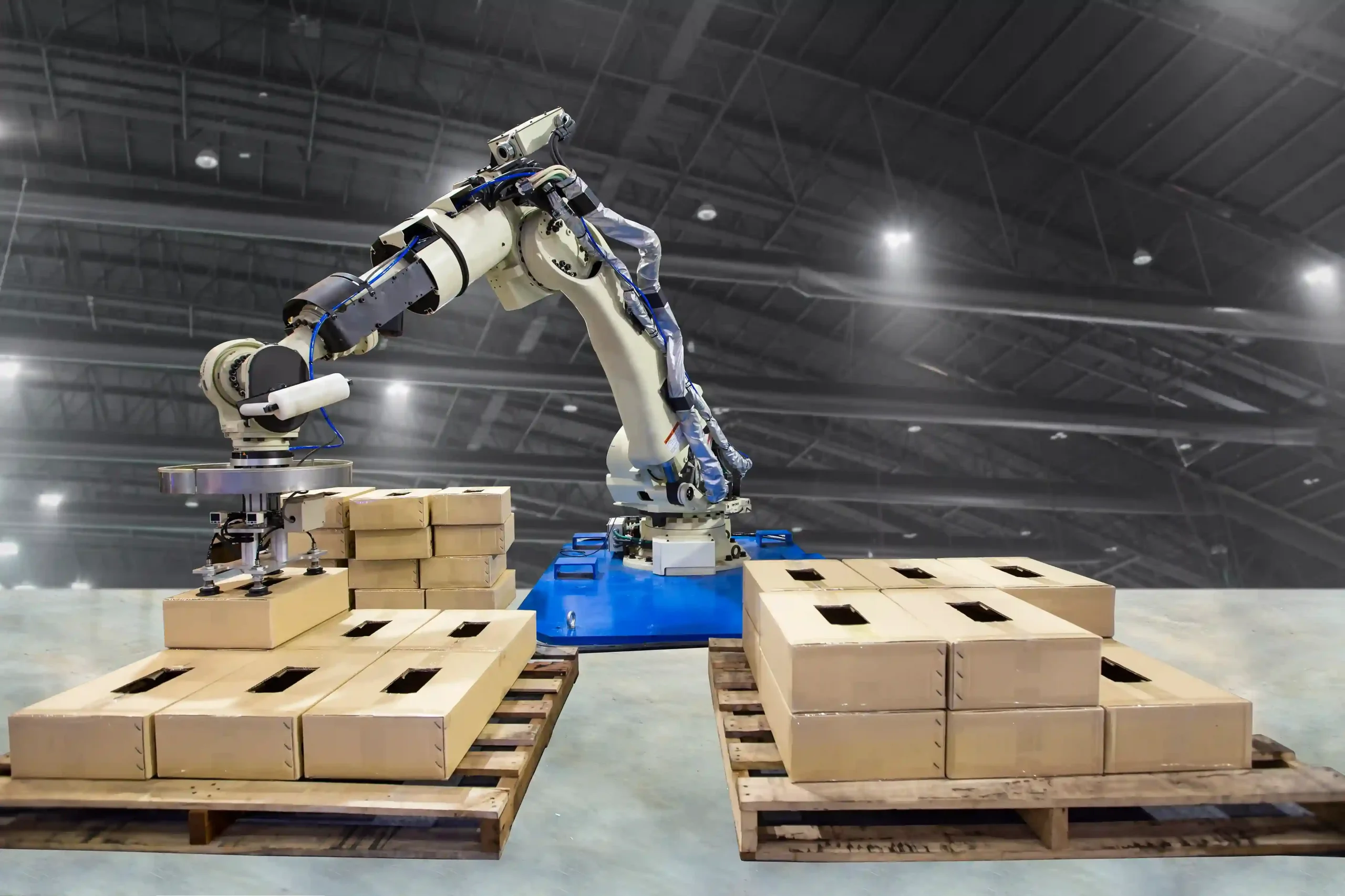
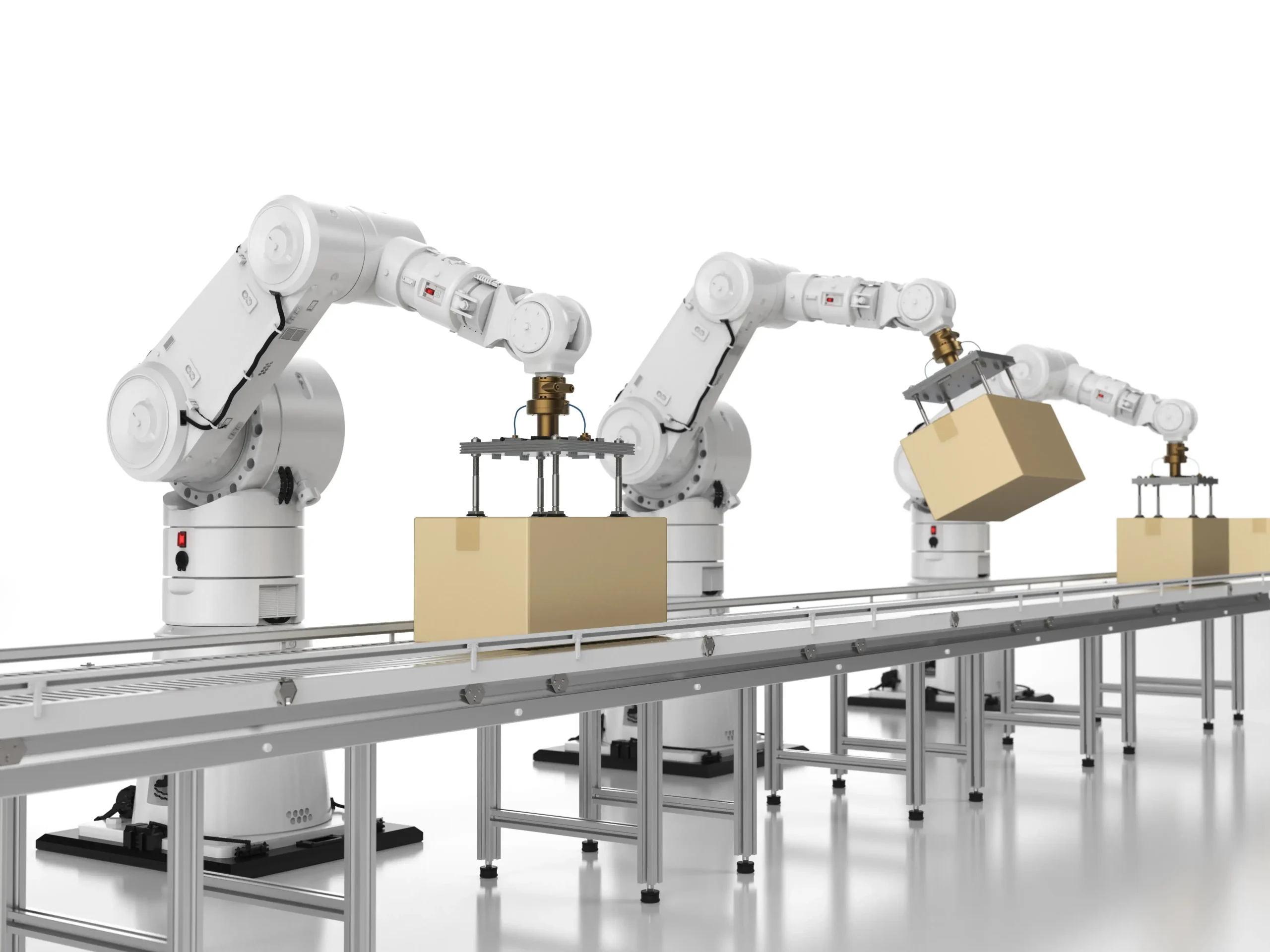
In modern manufacturing, speed and consistency are no longer optional. Factories are under constant pressure to deliver more products in less time while keeping costs under control. This is where the idea of a Palletizing Robot becomes important. Many production managers first hear about a Palletizing Robot when they start facing issues like labor shortages, slow packing lines, or inconsistent stacking quality. But the real question is not just what it is, but when it becomes necessary.
A Palletizing Robot is part of a larger shift toward automation in factories. Instead of workers manually stacking boxes, bags, or cartons onto pallets, machines now handle this repetitive and physically demanding task. This change is not just about replacing labor. It is about improving accuracy, reducing injuries, and increasing overall productivity through an automated palletizing system.
So how do you know if your factory is ready for this kind of upgrade? And what should you consider before making the investment? Let’s break it down step by step so you can clearly understand whether a Palletizing Robot is the right move for your operation.
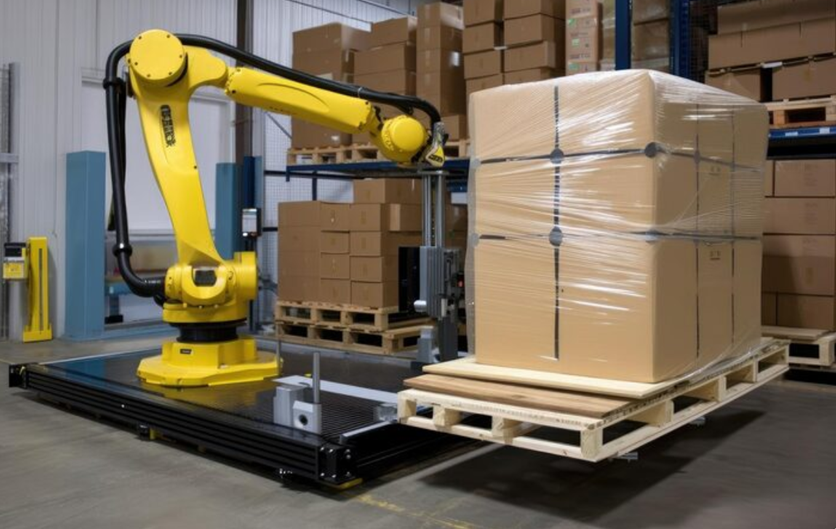
What Is a Palletizing Robot and How Does a Palletizing Robot Work?
To understand whether your factory needs a Palletizing Robot, you first need to understand what it actually is. In simple terms, a Palletizing Robot is an industrial machine designed to automatically stack products onto pallets in a structured and efficient way. It is a key part of an automated palletizing system used in modern production lines.
Instead of relying on manual labor, the robot uses programmed movement patterns to pick up products and place them in precise positions. This ensures stability, speed, and consistency in every pallet built.
How an Automated System Operates
An automated palletizing system usually includes conveyors, robotic arms, sensors, and control software. Products move along a production line and are grouped before being picked up by the Palletizing Robot. The robot then places them according to a predefined stacking pattern.
This process may look simple, but it solves several problems at once. It reduces human error, improves speed, and ensures every pallet is built the same way. That consistency is especially important for storage and transportation.
Why It Matters for Modern Factories
When factories scale up production, manual stacking becomes a bottleneck. A Palletizing Robot removes that limitation by working continuously without fatigue. This is why many industries are shifting toward automation as a long-term strategy rather than a short-term fix.
But how do you know if your factory is actually ready for it? That is where real operational signs begin to matter.
When Does a Factory Actually Need a Palletizing Robot?
Not every factory needs a Palletizing Robot on day one. However, there are clear signs that show when manual processes are no longer efficient.
One of the first indicators is rising labor costs. When you notice that a large portion of your operating budget goes into repetitive manual stacking work, it may be time to consider automation. Another common sign is inconsistent output. If pallets are uneven or products are damaged during stacking, efficiency is already being lost.
Production Bottlenecks and Safety Concerns
A Palletizing Robot often becomes necessary when production lines start slowing down at the end stage. Even if upstream processes are fast, manual palletizing can reduce total output. This creates a bottleneck that limits overall factory performance.
Worker safety is another major factor. Repetitive lifting and stacking can lead to injuries over time. An automated solution removes this physical strain completely, allowing workers to focus on higher-value tasks.
Growth Pressure and Scaling Challenges
Factories that are expanding production often struggle to maintain speed with manual systems. If demand is increasing but your team cannot keep up, a Palletizing Robot can help bridge that gap without continuously hiring more workers.
So once these warning signs appear, the next question becomes: where exactly is this technology used most effectively?
Palletizing Robot Applications Across Different Industries
The use of a Palletizing Robot is not limited to one type of factory. In fact, its flexibility is one of its biggest strengths. Understanding palletizing robot applications helps you see how widely this technology is already being used.
In the food and beverage industry, these robots handle boxes, bottled products, and packaged goods with precision. They ensure hygiene and reduce contamination risks. In chemical factories, they manage heavy bags, drums, and containers that are difficult and unsafe for manual handling.
Expanding Use Across Manufacturing Sectors
In building materials, a Palletizing Robot is often used for cement bags, bricks, and other heavy items. In logistics and e-commerce, it speeds up sorting and shipping processes. Even in pharmaceutical production, where accuracy is critical, automation ensures that packaging remains consistent and safe.
Why Applications Continue to Grow
The reason palletizing robot applications are expanding is simple. Every industry that relies on packaging and shipping can benefit from faster and more reliable stacking. As production demands grow, the need for an automated palletizing system becomes even more important.
But with all these benefits, many decision makers still ask the same question: how much does a Palletizing Robot actually cost?
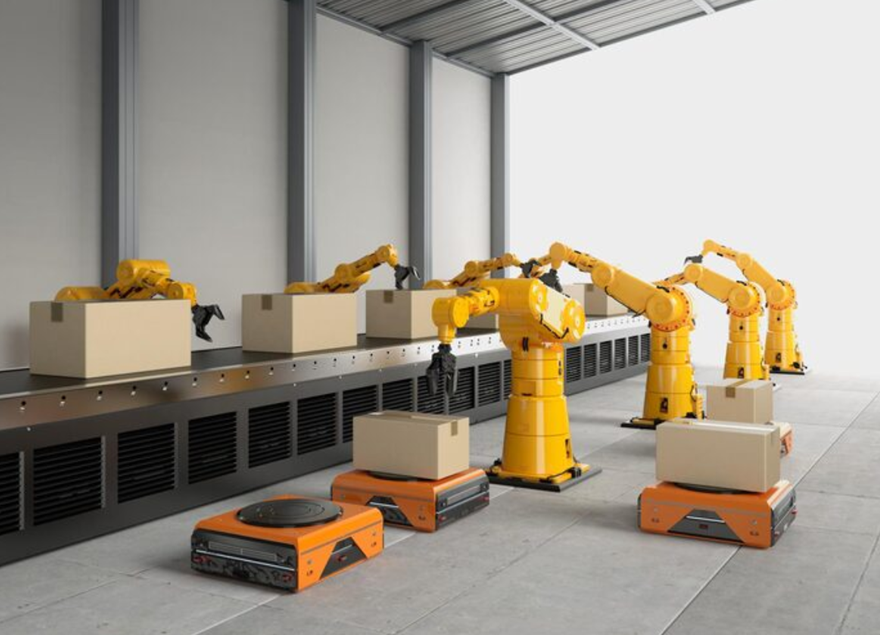
Understanding Palletizing Robot Cost and ROI Before You Invest
The topic of palletizing robot cost is often the first concern for factory managers. While prices vary depending on system complexity, understanding the cost structure helps you make a better decision.
A Palletizing Robot typically includes several cost components. These include the robotic arm, end-of-arm tooling, system integration, installation, and training. Each part contributes to the final price.
What Affects the Cost
Several factors influence palletizing robot cost. Higher payload capacity, faster cycle times, and more advanced automation features will increase the investment. Custom requirements also play a role, especially when integrating into existing production lines.
ROI and Long-Term Value
While the initial investment may seem significant, the return often comes from labor savings, improved speed, and reduced product damage. Many factories see payback over time as the Palletizing Robot increases efficiency and reduces operational strain.
So while cost is important, it should always be viewed alongside long-term value rather than just upfront expense.
How to Implement an Automated Palletizing System Successfully
Once a factory decides to adopt a Palletizing Robot, the next step is implementation. A successful automated palletizing system does not happen by accident. It requires planning and proper integration.
The first step is evaluating the production line. Factories need to understand product types, weight, and flow speed. This helps determine the right system design.
System Integration and Layout Planning
A well-designed automated palletizing system must fit into existing space without disrupting production. Conveyor alignment, robot positioning, and pallet output zones all need careful planning.
Training is also important. Even though a Palletizing Robot is automated, operators must understand how to monitor and manage the system.
Ensuring Smooth Deployment
Testing and adjustment are key steps before full operation. A properly implemented system ensures stability and prevents downtime. This is why choosing an experienced supplier matters.
That brings us to an important decision point: who should you trust for this kind of solution?
Why Choose OK for Your Palletizing Robot Solution
When investing in a Palletizing Robot, choosing the right partner is just as important as choosing the technology itself. OK focuses on delivering practical and efficient automation solutions for real factory environments.
A Palletizing Robot from OK is designed with flexibility in mind, allowing it to adapt to different product types and production requirements. This makes it suitable for a wide range of industries.
Built for Real Factory Needs
OK systems are built to handle demanding industrial conditions. Whether it is high-speed production or heavy load handling, the equipment is designed for stability and long-term performance.
Support Beyond Installation
What makes OK different is not just the machine, but the support behind it. From system design to installation and after-sales service, the goal is to ensure your automated palletizing system runs smoothly.
If you are considering upgrading your production line, this is where expert guidance can make a real difference.
Final Thoughts
Deciding whether to invest in a Palletizing Robot comes down to understanding your factory’s current limitations and future goals. If you are facing labor shortages, slow palletizing speed, or inconsistent output, automation is no longer optional.
A Palletizing Robot is not just a machine. It is a long-term improvement to how your factory operates. From palletizing robot applications across industries to understanding palletizing robot cost, the benefits become clear when viewed in the context of efficiency and growth.
If you are ready to explore how an automated palletizing system can improve your production line, OK is here to help. Reach out to our team and let’s discuss how we can build a solution that fits your factory’s needs and helps you move toward smarter, faster, and more reliable production.
FAQs
What is a Palletizing Robot?
A Palletizing Robot is an automated machine that stacks products like boxes, bags, or cartons onto pallets with speed and accuracy. It is part of an automated palletizing system used in modern factories to replace manual stacking.
What industries use palletizing robots?
Palletizing robots are widely used in food and beverage, chemicals, logistics, building materials, and pharmaceuticals. They improve efficiency and reduce manual labor in packaging and shipping operations.
How much does a palletizing robot cost?
The palletizing robot cost depends on capacity, speed, and system complexity. While the initial investment varies, many factories recover costs through labor savings and higher productivity.