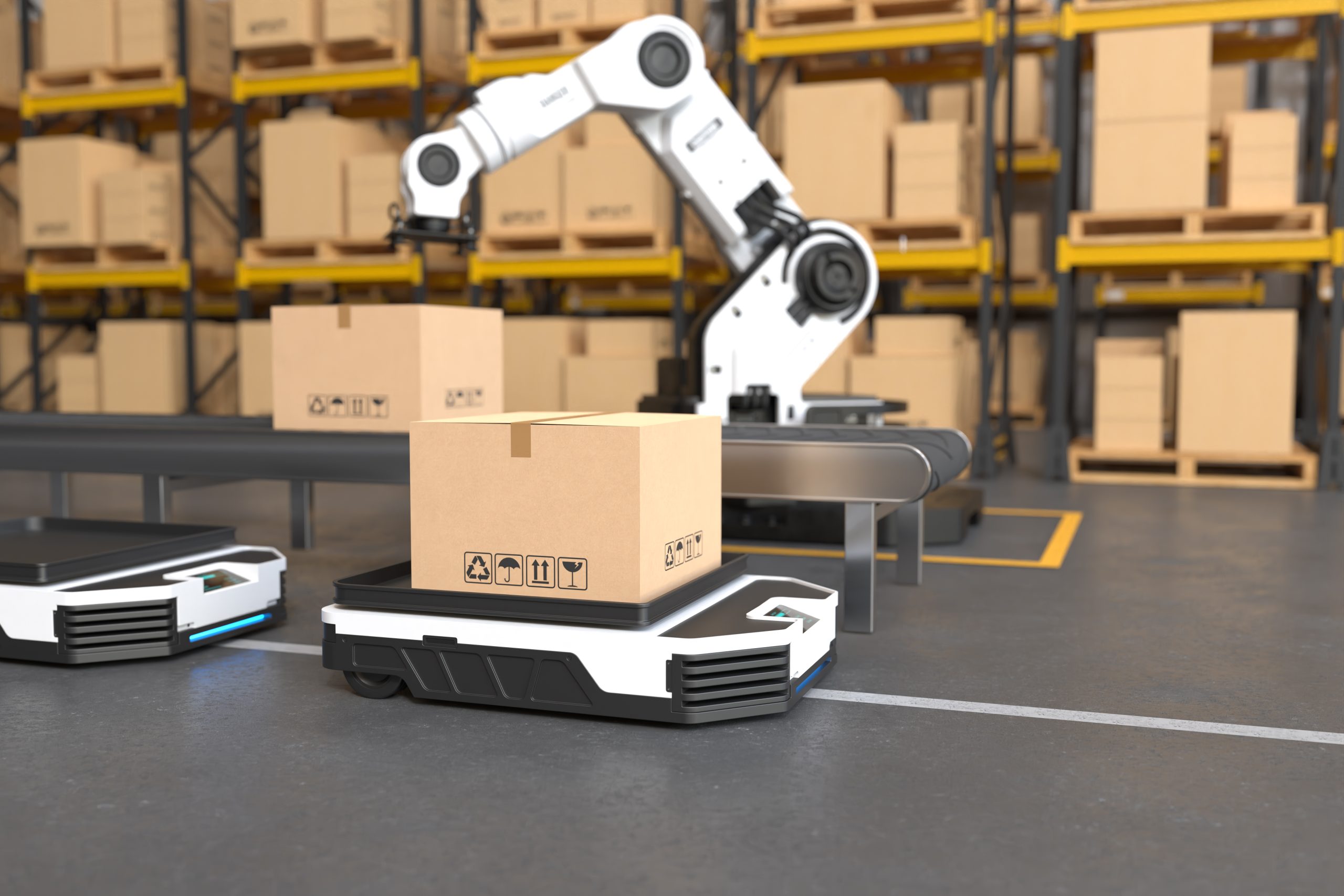
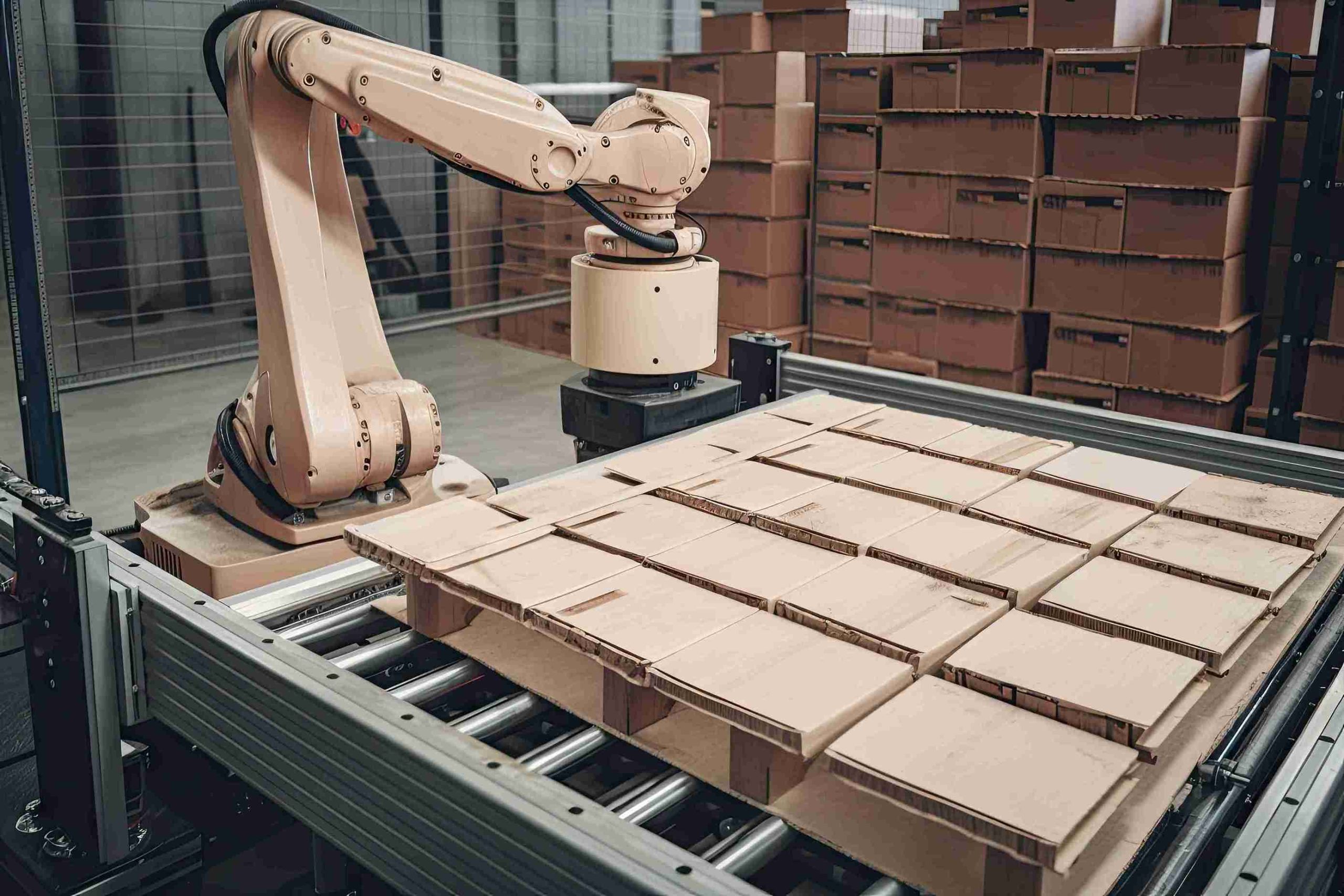
In modern manufacturing and logistics, speed and accuracy matter more than ever. That is why more businesses are turning to automation, especially palletizing robots. These robots are designed to stack products like boxes, bags, or containers onto pallets, helping reduce manual labor and boost efficiency. But while the robot arm gets most of the attention, the real star of the show is often the gripper.
The palletizing robot gripper is the part of the robot that physically picks up and places your product. It must handle different shapes, weights, and materials without dropping or damaging anything. Choosing the wrong gripper can lead to delays, product damage, and even safety risks.
So, how do you know which gripper is right for your needs? In this guide, we’ll walk you through the different types of palletizing robot grippers, explain how they work, and help you figure out which one fits your operation best. We’ll also show you how a trusted provider like OK can support you in making the right choice.
Let’s start by understanding what a palletizing robot gripper really does and why it matters so much.
What Is a Palletizing Robot Gripper and Why Does It Matter?
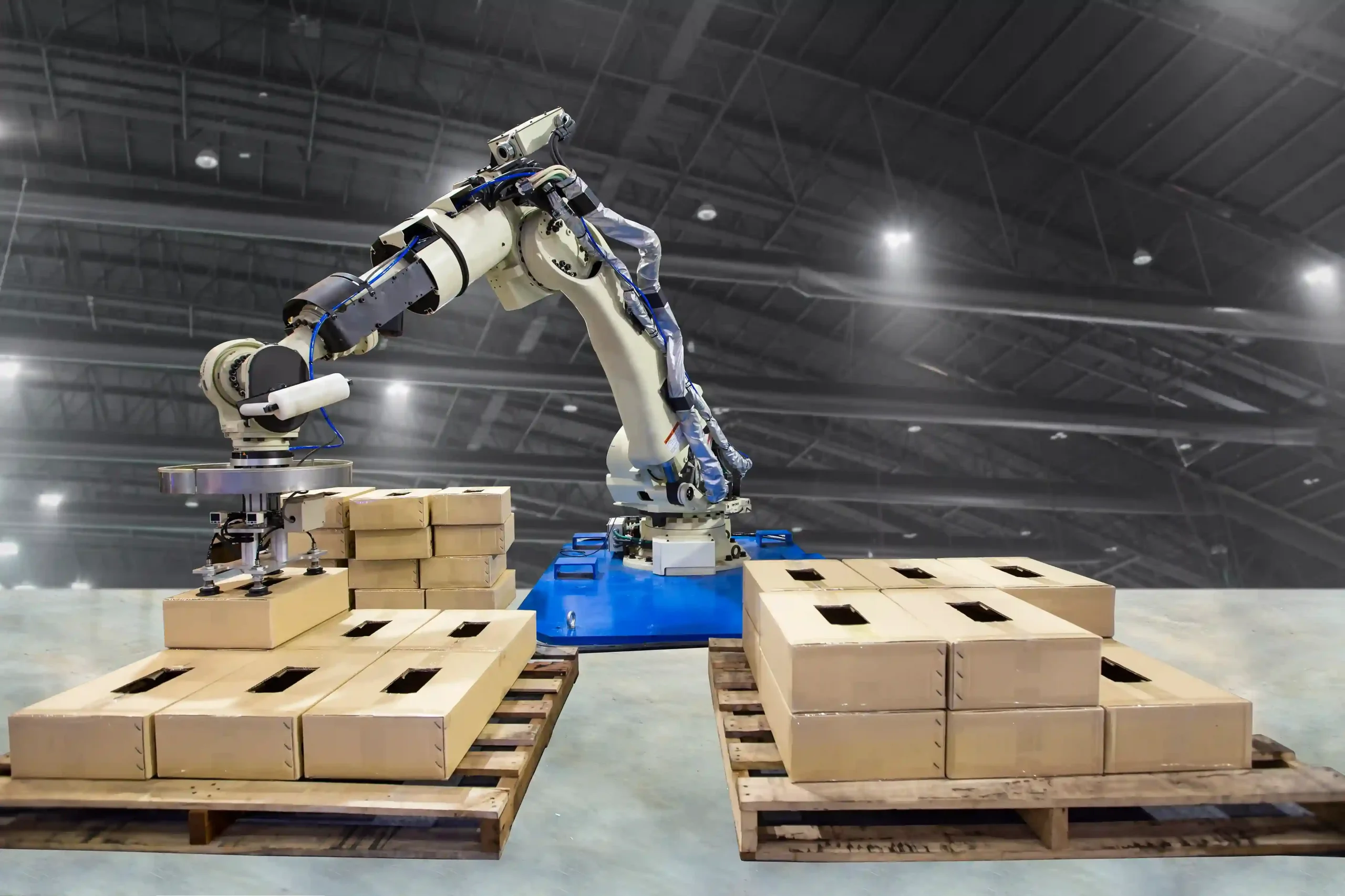
At first glance, a palletizing robot might look like a mechanical arm. But what gives it the power to lift and move objects is the gripper attached to the end. The palletizing robot gripper acts like the robot’s hand, grabbing items and placing them onto a pallet in a specific pattern. It is designed to move with precision, repeat the same task many times, and keep the process going smoothly.
But here is the catch. Not all grippers are the same. A gripper that works well for lifting rigid boxes may not work for soft, flexible bags. Some grippers use suction to pick things up. Others use fingers or claws to grip items from the sides. There are even grippers that use magnets for handling metal parts.
Whether you are running a box palletizing robot or a bag palletizing robot, the gripper you choose will directly impact your robot’s speed, accuracy, and reliability. If the gripper is not right for the job, your robot may drop items, move slower, or fail to handle certain products.
This brings us to the next important question. What types of palletizing robot grippers are out there, and how do they work?
Main Types of Palletizing Robot Grippers Explained
When selecting a palletizing robot gripper, it is important to know what types are available and what they are best used for. Below are the most common gripper types used in palletizing applications today.
Vacuum Grippers
Vacuum grippers use suction to pick up items, usually from the top surface. They are ideal for handling smooth, flat, and lightweight objects, such as cardboard boxes or sealed packages. These grippers often come with suction cups or foam pads that create a tight seal on the surface of the product.
Benefits of Vacuum Grippers
- Fast and efficient
- Great for large or flat items
- Simple design with fewer moving parts
Drawbacks
- Not ideal for porous or uneven surfaces
- Can struggle with heavy items or floppy bags
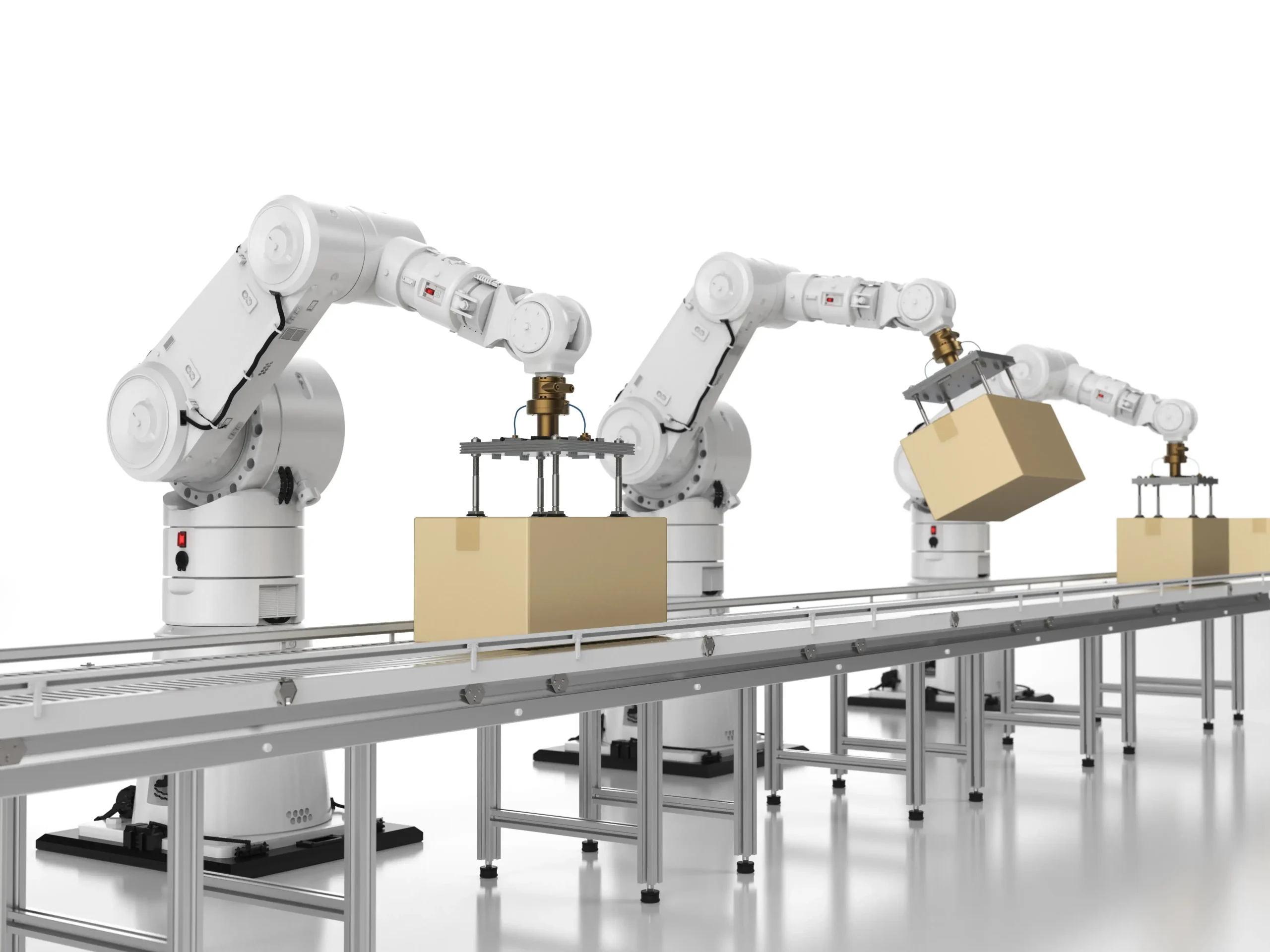
Many box palletizing robots use vacuum grippers because boxes are usually uniform in shape and easy to lift this way.
Mechanical Grippers
Mechanical grippers use fingers, claws, or jaws to grip items from the sides. These are better suited for heavier or more irregularly shaped objects. Some mechanical grippers can adjust their grip to match different item sizes, which adds flexibility.
Benefits of Mechanical Grippers
- Strong grip for heavy or uneven items
- Works well on hard surfaces
- Can be customized for different shapes
Drawbacks
- Slower than vacuum grippers in some cases
- More complex design with moving parts
Mechanical grippers are commonly used in bag palletizing robot systems because they can better handle the soft, shifting nature of filled bags.
Magnetic Grippers
Magnetic grippers use magnets to lift metal objects. These are usually found in industries dealing with metal parts, like cans, sheets, or containers.
Benefits of Magnetic Grippers
- Great for metal objects
- Fast and easy to use
- No moving parts
Drawbacks
- Only works with ferrous metals
- Not suitable for non-metallic packaging
Hybrid Grippers
Sometimes, one method is not enough. Hybrid grippers combine two or more gripping styles, such as vacuum and mechanical, to increase performance. For example, a hybrid gripper might use suction to lift a box and side clamps to keep it steady.
Benefits of Hybrid Grippers
- High versatility
- Can handle difficult shapes or mixed products
- Reduces the need to switch tools
Drawbacks
- More expensive and complex
- Requires careful integration with the robot system
Now that you know the types of grippers, how do you figure out which one is right for you? That is what we will explore next.
Choosing the Right Palletizing Robot Gripper for Your Business
Not all palletizing tasks are the same. Some operations deal with boxes. Others work with bags, containers, or oddly shaped items. Choosing the right palletizing robot gripper starts with knowing your product and your goals.
Here are some key questions to ask:
- What is the size and shape of the item?
- How much does it weigh?
- Is the surface smooth or rough?
- Is the item rigid, soft, or fragile?
- What is the speed of your production line?
- Do you need to switch between different products?
For example, if you are stacking sealed cardboard boxes at high speed, a vacuum gripper is often the best fit. But if you are working with large, floppy bags filled with grain or flour, you will likely need a mechanical or hybrid gripper.
Let’s take a closer look at how the needs differ when handling boxes versus bags.
Bag Palletizing Robot vs Box Palletizing Robot: What’s the Difference?
Box palletizing robots typically deal with square or rectangular shapes. These products are easy to grip using suction because of their flat surfaces and consistent structure. Vacuum grippers work well here because they offer fast, reliable movement with minimal contact.
Bag palletizing robots, on the other hand, face a different challenge. Bags are often soft, flexible, and filled with shifting material. A vacuum gripper alone might not hold them firmly, especially if the bag surface is porous or has seams. Mechanical grippers, or a hybrid design that uses both suction and clamps, can offer more control and better results.
If your operation handles both boxes and bags, you might want a versatile palletizing robot gripper or a tool-changing system that lets the robot switch between grippers.
So how do you go from knowing what you need to getting the right gripper in your hands? That is where OK comes in.
How OK Helps You Find the Perfect Palletizing Robot Gripper
At OK, we understand that choosing a palletizing robot gripper is not just about picking from a catalog. Every business has different needs, and our job is to help you find a solution that fits your products, your goals, and your budget.
We offer a range of grippers, including vacuum, mechanical, and custom-designed solutions. Whether you are working with a box palletizing robot or a bag palletizing robot, we help you select the tool that gives you the best performance.
Our team also supports you with system integration, simulations, and testing. This way, you can see how the gripper will work in your real-life setup before you make a final decision.
Plus, our grippers are built with durability and ease of maintenance in mind, so they keep your production line moving without constant interruptions.
Looking for something tailored to your operation? We can customize your gripper to meet your specific product shapes, pallet patterns, and space limits.
Conclusion
Selecting the right palletizing robot gripper is one of the most important choices you can make when adding automation to your production line. From vacuum grippers for smooth boxes to mechanical and hybrid options for soft bags, the right tool can make all the difference in speed, safety, and success.
With so many options available, it can feel overwhelming to choose. But you do not have to do it alone.
At OK, we work closely with our customers to understand their needs and provide grippers that truly fit. Whether you need a simple box palletizing robot or a full system for handling multiple product types, we are here to help you build a smarter, more efficient future.
Have questions or want expert advice? Reach out to the OK team today we are ready to help you find the perfect fit for your business.
FAQs
1. What is a palletizing robot gripper?
A palletizing robot gripper is the tool attached to the robot arm that picks up and places items like boxes or bags onto pallets. It’s essential for accurate, safe, and efficient automation.
2. Which gripper is best for boxes?
Vacuum grippers are often best for boxes because they can quickly lift smooth, flat surfaces with suction, making them ideal for high-speed box palletizing robots.
3. Can one gripper handle both boxes and bags?
Some hybrid grippers can handle both, but it depends on the size, weight, and material. In many cases, a custom or switchable solution is ideal for operations handling multiple product types.
4. How do I know which gripper to choose?
Consider your product’s shape, weight, surface, and how fast your line runs. Working with a provider like OK helps ensure the gripper matches your needs.