Geen automatiseringservaring? Geen probleem. Hoe OK u bij elke stap begeleidt

Why So Many Manufacturers Think: Geen automatiseringservaring? No Problem… But Is It Really?

For many manufacturers, automation sounds like a big leap. It promises faster production and lower costs, but it also brings questions. Is it too expensive? Will it shut down operations? Do you need a team of engineers just to get started?

It is no surprise that many businesses hesitate, even when they know automation could help them grow.

Common fears around automation

Most concerns come down to a few key worries:

  • High upfront investment
  • Long installation times
  • Complex programming
  • Risk of downtime

These are real concerns, especially for small and mid-sized factories. If you have never worked with automation before, it can feel like stepping into the unknown.

Why traditional automation feels overwhelming

Traditional industrial robots often require safety cages, major layout changes, and specialized programming. That means time, money, and outside experts.

So the question becomes clear: if automation is this complex, how can beginners ever get started?

This is exactly where OK changes the story.

Geen automatiseringservaring? Geen probleem: How OK Starts With the Right Plan

What if you did not have to figure everything out on your own? What if the process started with someone simply understanding your needs?

That is the idea behind OK’s approach.

Free consultation and site evaluation

Instead of selling a one-size-fits-all machine, OK begins with a conversation. Their team looks at your production line, listens to your challenges, and identifies where automation can help.

Even if you are unsure what you need, that is not a problem. The process is designed for people with no background in automation.

Customized solutions that fit your factory

Every factory is different. Some handle fragile products. Others deal with heavy loads or tight spaces.

OK designs solutions that match your exact setup. From custom grippers to the right robot reach, everything is tailored so you do not have to redesign your workflow.

Clear ROI without complex calculations

Cost is often the biggest concern. That is why OK helps you understand the return on investment from the start.

Most systems deliver ROI within 12 naar 18 maanden. You do not need advanced financial knowledge to see the value. Everything is explained in simple terms.

So once the plan is clear, what happens next? Does installation bring more complexity?

Automation Experience

Geen automatiseringservaring? Geen probleem: Fast Setup Without the Headache

This is where many expect delays and disruption. But what if installation could happen in hours instead of weeks?

Plug and play deployment.

OK systems are built for speed. Many setups can be deployed in under two hours. That means minimal disruption to your production schedule.

Instead of long shutdowns, you get a fast transition into automation.

No major factory changes required

Unlike traditional robots, collaborative robots do not need safety cages in most cases. They are designed to work safely alongside people.

This reduces both cost and complexity. You do not need to rebuild your factory just to get started.

Works with your existing equipment

One of the biggest advantages is compatibility. OK systems integrate with what you already have.

Your conveyors, packaging lines, and existing machines stay in place. The robot fits into your workflow, not the other way around.

At this point, you might be wondering: even if the system is easy to install, can your team actually use it?

Geen automatiseringservaring? Geen probleem: Training Your Team Made Simple

Technology only works if people can use it. That is why training is a key part of the process.

No coding required

OK systems are designed with simple, user-friendly interfaces. Basic operations do not require programming knowledge.

This removes one of the biggest barriers for beginners.

Quick learning for existing staff

Training does not take weeks. In veel gevallen, programming can be done in as little as five minutes.

Your current employees can learn to operate the system quickly. There is no need to hire specialized engineers for daily tasks.

Building confidence on the floor

As your team becomes familiar with the system, confidence grows. What once seemed complex becomes part of everyday operations.

And when your team feels comfortable, adoption becomes much smoother.

But what happens after everything is up and running? Is that where support ends?
Automation Experience

What Happens After Installation? Support That Stays With You

For many businesses, this is the biggest concern. Buying a machine is one thing. Keeping it running is another.

OK addresses this with full process support.

Full process support

From the first call to full production, OK stays involved. Their team ensures that everything works as expected, even after installation.

This ongoing support makes a big difference, especially for first-time users.

Maintenance and reliability

The systems are designed for low maintenance. That means fewer interruptions and less need for specialized technicians.

Warranty coverage and service plans add another layer of security.

A partner you can trust long term

OK is backed by a publicly listed parent company. This gives customers confidence that support will be there in the future.

With remote and on-site assistance available, help is always within reach.

So now that support is covered, what does this mean for your long-term growth?

Geen automatiseringservaring? Geen probleem: A Smarter Way to Grow Your Business

Automation is not just about solving today’s problems. It is about preparing for the future.

Start small and scale easily.

You do not need to automate everything at once. Many businesses start with a single application, such as palletizing.

From there, they expand step by step. This reduces risk and makes the transition more manageable.

Proven results across industries

Met voorbij 1,000 successful projects, OK has experience across industries like food, farmaceutische producten, en logistiek.

This track record shows that automation is not just for large corporations. It is accessible to businesses of all sizes.

And that brings us back to the original question: is automation really out of reach for beginners?

Conclusie

The idea that automation is only for experts is quickly becoming outdated.

With the right partner, the journey becomes simple, guided, and practical. That is what “Quality OK, Prijs oké, Service OK” truly represents.

From consultation to deployment, training to long-term support, OK removes the barriers that once made automation feel impossible.

Geen automatiseringservaring? No problemis not just a phrase. It is a process that helps businesses move forward with confidence.

If you have been thinking about automation but did not know where to start, this is your opportunity to take the first step.

Neem vandaag nog contact op met OK and start a conversation about your production goals. You might be surprised at how simple the journey can be.

Veelgestelde vragen

1. What does “Geen automatiseringservaring? Geen probleem” really mean?

It means you do not need any prior knowledge of robotics or automation to get started. OK guides you through every step, from planning to installation and beyond, so you are never left figuring things out on your own.

2. Is automation too complicated for small or mid-sized factories?

Not anymore. With collaborative robots and simplified systems, automation is now designed for ease of use. OK focuses on making the process simple, even for teams with no technical background.

3. How long does it take to install an OK system?

Many OK systems can be deployed in under two hours. This fast setup helps reduce downtime and allows you to start seeing results quickly.

4. Do I need to hire engineers to operate the robots?

Nee. OK systems are designed with user-friendly interfaces. Most basic operations do not require coding, and existing staff can learn to use the system in a short time.

5. Can OK robots work with my existing equipment?

Ja. OK solutions are built to integrate with your current production line. You do not need to replace your existing machines or redesign your entire setup.

6. Is automation safe for workers?

Ja. OK uses collaborative robots, also known as cobots, which are designed to work safely alongside humans. In veel gevallen, they do not require safety cages.

7. What kind of return on investment can I expect?

Most customers see a return on investment within 12 naar 18 maanden. OK helps you understand the financial benefits clearly before you make a decision.

8. What happens if something goes wrong after installation?

OK provides full-process support, including remote and on-site assistance. Their team is available to help troubleshoot issues and keep your system running smoothly.

9. Can I start small with automation and expand later?

Ja. Many businesses begin with one application and scale over time. OK supports this approach, making it easier to grow at your own pace.

10. Why is OK a good choice for beginners?

OK focuses on simplicity, support, en betrouwbaarheid. With customized solutions, fast deployment, easy training, and long-term service, they make automation accessible even for first-time users.
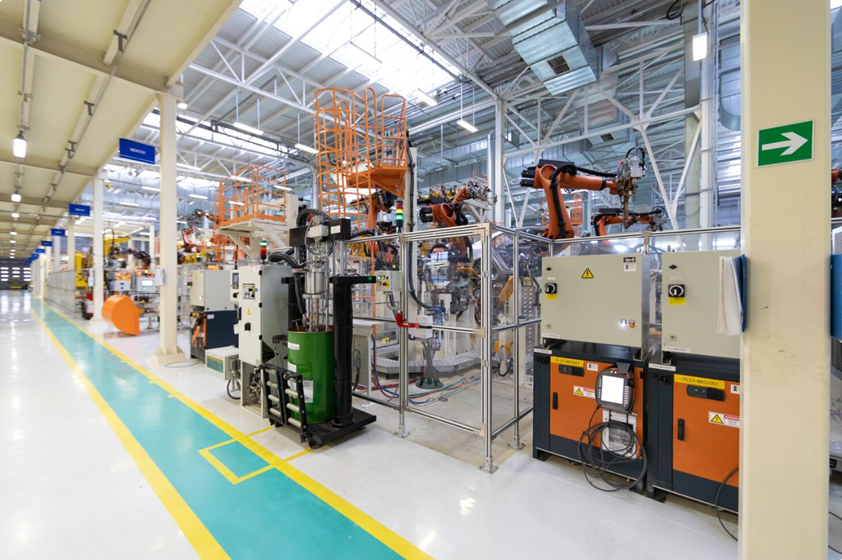
Hoe OK industriële automatisering betrouwbaar en betaalbaar maakt

Manufacturing is changing quickly, and industrial automation is becoming one of the most important tools for factories that want to stay competitive. Over de hele wereld, companies are using robots and smart systems to improve productivity, maintain consistent quality, and handle increasing production demands.

But while the benefits of industrial automation are clear, choosing the right robotics partner is not always easy. Some well-known brands offer advanced technology but come with very high costs. Other suppliers may offer lower prices, but raise concerns about reliability or support.

So how can manufacturers find a solution that truly balances performance, kosten, and long-term value?

This is exactly where OK stands out. With a simple philosophy built around three ideas, kwaliteit oké, price OK, and service OK, the company focuses on delivering practical industrial automation solutions that meet real manufacturing needs.

Before looking at what makes OK unique, it helps to understand why industrial automation is becoming such a critical part of modern manufacturing.

The Rising Demand for Industrial Automation in Modern Manufacturing

Industrial automation has moved from being a future concept to becoming a daily reality for factories across many industries. From electronics and automotive production to packaging and metal processing, automation systems are transforming how products are made.

But why are so many manufacturers investing in industrial automation today?

Why factories are accelerating automation adoption

One major reason is efficiency. Industrial automation allows machines to perform repetitive tasks quickly and with high precision. Robots do not get tired, and they can operate continuously for long periods. This helps factories maintain stable production while reducing human error.

Another important factor is labor availability. Many manufacturing regions are experiencing labor shortages, especially for physically demanding or repetitive tasks. Industrial automation helps fill this gap while improving workplace safety.

Automation also allows companies to respond faster to market changes. When production needs increase, robots can help factories scale output without dramatically increasing labor costs.

How industrial automation improves productivity and consistency

Consistency is another major advantage of industrial automation. Robots can repeat the same movement thousands of times with the same level of precision. This reduces defects and helps maintain stable product quality.

For industries that depend on tight tolerances and reliable production, this level of consistency is extremely valuable.

Echter, adopting industrial automation also raises an important question. If robots are so important to production, how can manufacturers be sure they are choosing reliable equipment?

This leads directly to the first principle behind OK’s approach.

industrial automation

Kwaliteit oké: How OK Delivers Reliable Industrial Automation

When companies invest in industrial automation, reliability becomes a top priority. A robot that performs well in a demonstration but struggles in real production can quickly create costly downtime.

That is why quality is such an important factor in industrial automation systems.

OK focuses on delivering industrial automation solutions that perform consistently in demanding factory environments.

Engineering and precision behind OK robots

Strong engineering is the foundation of reliable industrial automation. From mechanical structure to motion control systems, every part of a robot must work together with precision.

OK designs its robotic systems to maintain accurate movement, stable performance, and long operational life. Careful component selection and rigorous testing help ensure that each system meets the needs of modern manufacturing.

This focus on engineering helps manufacturers trust that their industrial automation systems will perform reliably during daily production.

Consistency and durability in industrial automation systems

Durability is another key part of quality. Industrial automation equipment must handle continuous operation and demanding working conditions.

OK robots are designed to maintain stable performance even during long production cycles. This reliability helps factories avoid interruptions and maintain steady output.

Ease of use also plays an important role. Industrial automation should simplify production, not complicate it. With user-friendly programming and system integration, OK helps companies adopt automation with confidence.

Reliable performance builds trust on the factory floor. But even the most advanced industrial automation system must also make financial sense.

So the next question becomes clear. Can manufacturers adopt automation without facing extremely high costs?

Prijs oké: Making Industrial Automation Affordable for More Manufacturers

Voor veel bedrijven, the biggest barrier to industrial automation has traditionally been cost. High-end robotics systems can require a significant investment, especially for smaller factories.

This challenge often forces businesses to delay automation projects or adopt only limited automation.

OK approaches this problem differently by focusing on cost-effective industrial automation solutions.

The challenge of expensive robot brands

Large global robot brands have built strong reputations, but their systems often come with premium pricing. For manufacturers that want to automate multiple production lines, the cost can become a major obstacle.

Als resultaat, some companies hesitate to move forward with industrial automation even when it could improve their operations.

How OK balances cost and performance in industrial automation

OK works to make industrial automation more accessible by combining efficient manufacturing with practical engineering.

By optimizing production processes and focusing on real industry needs, the company offers robotic systems that deliver reliable performance at competitive prices.

This balanced approach allows more companies to adopt industrial automation without stretching their budgets.

Affordable solutions also help factories expand automation more quickly. Instead of installing a single robot, manufacturers can deploy multiple industrial automation systems across their facilities.

Still, price and quality are only part of the equation. Once automation systems are installed, another factor becomes just as important.

What kind of support will manufacturers receive after installation?

industrial automation

Dienst oké: The Support That Makes Industrial Automation Successful

Even the best industrial automation systems require proper setup, integratie, en onderhoud. Without reliable support, companies may struggle to get the full value from their robotics investment.

That is why service plays such an important role in successful industrial automation projects.

OK focuses on providing strong customer support throughout the entire automation journey.

Why technical support matters in industrial automation

Industrial automation systems are often integrated with other production equipment. During installation and configuration, technical expertise is essential to ensure everything works smoothly.

Responsive support can also help resolve issues quickly if problems arise. In a factory environment where downtime can be expensive, fast assistance makes a big difference.

How OK helps customers succeed with automation

OK works closely with customers during planning, installatie, and ongoing operation of industrial automation systems.

By understanding each factory’s production needs, the company can recommend solutions that fit specific applications. During implementation, support teams help ensure the system operates correctly and efficiently.

This level of service helps manufacturers feel confident about expanding their industrial automation capabilities.

With strong quality, competitive pricing, and dependable support, OK offers a balanced approach to automation.

But how does this combination translate into real value for manufacturers?

Why OK Is a Smart Choice for Industrial Automation

Selecting the right partner for industrial automation is a major decision. The technology will influence production efficiency, product quality, and operational costs for years to come.

Manufacturers want a partner who understands the real challenges of modern production.

A practical alternative to high-cost robot brands

OK provides an attractive alternative to expensive robotics suppliers by delivering reliable industrial automation without excessive pricing.

Companies can adopt advanced robotics technology while maintaining control over their investment costs.

This makes automation achievable for more businesses, including small and medium-sized manufacturers.

The long-term value of choosing the right industrial automation partner

Beyond equipment, the right partner supports long-term success. Industrial automation is not just about installing robots. It is about improving production systems and building a more efficient factory.

With its focus on quality, price, and service, OK helps manufacturers move forward with confidence.

And as automation continues to expand across industries, choosing the right partner becomes even more important.

Conclusie

Industrial automation is transforming manufacturing by helping companies improve productivity, maintain quality, and adapt to changing market demands. For many factories, the challenge is not whether to adopt automation but how to do it in a practical and cost-effective way.

OK addresses this challenge by focusing on the three values that matter most to manufacturers: reliable quality, competitive pricing, and dependable service. This balanced approach makes industrial automation more accessible while ensuring strong performance in real production environments.

For companies looking to begin or expand their automation journey, the right partner can make all the difference.

If you are exploring industrial automation solutions and want to see how robotics can improve your production efficiency, the team at OK would be glad to help. Reach out to learn more or reach out to discuss how the right industrial automation system could support your manufacturing goals.

Veelgestelde vragen

1. What is industrial automation?

Industrial automation refers to the use of robots, control systems, and smart technology to operate machinery and production processes with minimal human intervention. It helps factories improve efficiency, nauwkeurigheid, and productivity.

2. Why should manufacturers invest in industrial automation?

Industrial automation allows companies to increase production speed, reduce human error, and maintain consistent product quality while lowering long term labor costs.

3. What industries use industrial automation the most?

Industries such as automotive, elektronica, metal fabrication, verpakking, and logistics widely use industrial automation to improve production efficiency.

4. How does OK support industrial automation projects?

OK provides reliable robots, competitive pricing, and strong technical support to help manufacturers successfully adopt industrial automation.

Van Jiangxi naar de wereld: Hoe een Chinese technologieleider industriële automatisering opnieuw definieert

De productie verandert sneller dan ooit. Over de hele wereld, Fabrieken staan ​​onder druk om meer goederen te produceren, fouten verminderen, en concurrerend blijven op een mondiale markt. Tegelijkertijd, Veel bedrijven kampen met een tekort aan arbeidskrachten, stijgende kosten, en groeiende verwachtingen voor de productkwaliteit. Vanwege deze uitdagingen, Veel fabrikanten wenden zich tot robotica en slimme systemen om hun productielijnen te upgraden.

Deze verschuiving heeft een enorme impuls gecreëerd voor de industriële automatisering in China, waar technologiebedrijven geavanceerde robotica-oplossingen bouwen voor wereldwijde fabrieken. Eén van deze bedrijven is in orde, een roboticafabrikant die laat zien hoe innovatie uit de provincie Jiangxi kan concurreren op het internationale toneel.

Van de moderne productiefaciliteiten tot de intelligente robotsystemen, OK helpt fabrikanten hun activiteiten te automatiseren, efficiëntie verhogen, en de productiebetrouwbaarheid verbeteren. Maar hoe werd een bedrijf uit Jiangxi onderdeel van het groeiende verhaal van industriële automatisering in China? Om dat te begrijpen, we moeten kijken naar de grotere verschuiving die vandaag de dag in de productie plaatsvindt.

De opkomst van industriële automatisering in China in de mondiale productie

Fabrieken over de hele wereld maken een grote transformatie door. In het verleden, veel productielijnen waren sterk afhankelijk van handarbeid. Werknemers voerden taken uit zoals het stapelen van dozen, producten sorteren, en het verplaatsen van materialen van het ene station naar het andere. Terwijl deze aanpak tientallen jaren heeft gewerkt, moderne productie vereist snellere en consistentere prestaties.

Vanwege deze druk, steeds meer bedrijven onderzoeken oplossingen voor industriële automatisering in China die robotica combineren, slimme systemen, en intelligente software. Door automatisering kunnen fabrieken stabiele productiesnelheden handhaven en tegelijkertijd het repetitieve fysieke werk voor werknemers verminderen.

Robots kunnen continu werken, nauwkeurige bewegingen uitvoeren, en een consistente kwaliteit behouden tijdens lange productieruns. Deze betrouwbaarheid maakt ze waardevol in industrieën zoals de voedselproductie, logistiek, verpakking, en e-commerce.

Naarmate meer bedrijven de voordelen van robotica onderkennen, de vraag naar vertrouwde automatiseringspartners blijft groeien. Dat roept een belangrijke vraag op. Welke bedrijven helpen de groei van industriële automatisering in China te stimuleren?

Industriële automatisering

Hoe goed is de industriële automatisering in China?

OK is een van de bedrijven die bijdragen aan de groei van de industriële automatisering in China. Officieel bekend als Jiangxi OK Bolong Intelligent Equipment Co., Ltd., het bedrijf richt zich op onderzoek en ontwikkeling van industriële robots en intelligente automatiseringssystemen.

Het bedrijf opereert als dochteronderneming van OK Technology, een beursgenoteerde onderneming aan de Shenzhen Stock Exchange met de aandelencode 001223. Deze verbinding biedt sterke financiële steun en ondersteunt langetermijnonderzoek op het gebied van robotica en automatisering.

OK ontwikkelt een breed scala aan robotoplossingen die zijn ontworpen om fabrieken te helpen hun productielijnen te moderniseren. In plaats van één enkel product aan te bieden, het bedrijf bouwt flexibele automatiseringssystemen die in vele soorten productieomgevingen kunnen worden geïntegreerd.

Terwijl de belangstelling voor industriële automatisering wereldwijd blijft groeien, Bedrijven als OK bewijzen dat Chinese roboticafabrikanten zowel geavanceerde technologie als betrouwbare service kunnen leveren. Echter, Achter elk succesvol roboticabedrijf schuilt een sterke productiebasis. Dus waar worden deze automatiseringssystemen eigenlijk gebouwd??

Binnen Jiangxi: De productiekracht achter industriële automatisering China

Het productiehart van OK bevindt zich in het OK Science and Technology Industrial Park in Xiushui County, Jiujiang-stad, Provincie Jiangxi. Deze faciliteit vertegenwoordigt de groeiende productiekracht achter de industriële automatisering in China.

Het industriepark beslaat ongeveer 260 hectare en omvat ongeveer 98,000 vierkante meter moderne productieateliers. Deze faciliteiten ondersteunen de grootschalige productie van intelligente apparatuur en hoogwaardige automatiseringssystemen.

Elk jaar, de fabriek heeft de capaciteit om ongeveer te produceren 1,000 sets geavanceerde postverwerkingslijnen. De hardware-investeringen in de faciliteit zijn groter dan 500 miljoen yuan, weerspiegelt de toewijding van het bedrijf aan productie van hoge kwaliteit en innovatie op de lange termijn.

Slimme fabriekstechnologie

De vestiging in Jiangxi laat ook zien hoe de industriële automatisering in China evolueert door middel van slimme fabriekstechnologie. De productielijn maakt gebruik van geavanceerde systemen zoals 5G-aangesloten apparatuur en AI visual

inspectie technologie.

Deze digitale systemen helpen de productkwaliteit in realtime te bewaken. Als resultaat, de fabriek handhaaft een rendement van ongeveer 99.7 procent, terwijl ook de leveringscycli van bestellingen met grofweg worden verkort 25 procent.

Volledige procesproductiecapaciteit

Een andere belangrijke kracht van de faciliteit is de volledige productiecapaciteit. De fabriek beschikt over apparatuur voor het snijden, buigen, lassen, warmte behandeling, vormen, frezen, en boren.

Door het gehele productieproces intern te verzorgen, het bedrijf kan een strikte kwaliteitscontrole handhaven en tegelijkertijd betrouwbare productietijdlijnen garanderen. Deze sterke productiebasis helpt de mondiale groei van de industriële automatisering in China te ondersteunen.

Echter, Geavanceerde fabrieken alleen lossen de productieproblemen niet op. De echte waarde komt van de roboticasystemen die fabrikanten helpen de efficiëntie te verbeteren.

Industriële automatisering

Slimme robots die industriële automatisering in China aandrijven

Roboticatechnologie is de drijvende kracht achter veel moderne fabrieken, en OK heeft verschillende soorten robots ontwikkeld die de groei van de industriële automatisering in China ondersteunen.

Deze robots zijn ontworpen om efficiënt te werken in echte productieomgevingen en tegelijkertijd flexibel genoeg te blijven om te integreren met bestaande productieapparatuur.

Collaboratieve palletiseerrobots

Collaboratieve robots, vaak cobots genoemd, zijn ontworpen om veilig te werken in de buurt van menselijke operators. In tegenstelling tot traditionele industriële robots waarvoor grote veiligheidskooien nodig zijn, Collaboratieve robots zorgen ervoor dat mensen en machines dezelfde werkruimte kunnen delen.

De palletiseerrobots van OK kunnen dozen verwerken, tassen, en vaten, helpt bij het automatiseren van stapeltaken die vaak fysiek veeleisend zijn voor werknemers.

Delta Robots voor snelle taken

Delta-robots zijn ontworpen voor toepassingen die extreem snelle pick-and-place-bewegingen vereisen. Dankzij hun lichtgewicht structuur kunnen ze snelle bewegingen uitvoeren met behoud van nauwkeurigheid.

Deze robots worden vaak gebruikt in industrieën zoals voedselverpakkingen en elektronica-assemblage, waar snelheid van cruciaal belang is.

SCARA-robots voor precisieassemblage

SCARA-robots staan ​​bekend om hun precisie en herhaalbaarheid. Ze worden veel gebruikt bij assemblagewerkzaamheden waarbij componenten nauwkeurig en consistent moeten worden geplaatst.

Dankzij hun compacte ontwerp kunnen fabrikanten automatisering introduceren zonder grote wijzigingen in de lay-out van bestaande productielijnen.

Robots met zes assen voor flexibele automatisering

Gelede robots met zes assen bieden een hoge mate van flexibiliteit. Dankzij hun beweging in meerdere richtingen kunnen ze complexe productietaken uitvoeren, inclusief verpakking en materiaalbehandeling.

Sommige van deze robots kunnen snelheden bereiken tot twaalf cycli per minuut en producten zo hoog stapelen 2.6 meter. Met herhaalde positioneringsnauwkeurigheid van plus of min 0.04 millimeter, ze vertegenwoordigen de precisie die de moderne industriële automatisering in China definieert.

Maar indrukwekkende technologie alleen is niet genoeg om fabrikanten te overtuigen om te investeren. Bedrijven willen vooral één ding weten. Zal automatisering de winstgevendheid daadwerkelijk verbeteren??

Waarom industriële automatisering in China een echte ROI oplevert

Voor veel bedrijven, de beslissing om robotica te adopteren komt neer op het rendement op de investering. Gelukkig, Veel fabrieken die oplossingen voor industriële automatisering in China implementeren, zien duidelijke financiële voordelen.

Een van de meest directe voordelen is de verlaging van de arbeidskosten. In veel gevallen, Fabrikanten hebben de arbeidskosten met meer dan dertig procent verlaagd na de introductie van automatisering.

Hogere productie-efficiëntie

Robotsystemen kunnen continu draaien zonder vermoeidheid, waardoor productielijnen de hele dag stabiele snelheden kunnen handhaven.

Bijvoorbeeld, een voedselverpakkingsbedrijf dat het handmatig stapelen verving door robotpalletiseerders, verminderde de verpakkingstijd met ongeveer veertig procent. Verbeteringen als deze laten zien waarom oplossingen voor industriële automatisering in China aantrekkelijker worden voor fabrikanten.

Minder fouten en hogere consistentie

Automatisering verbetert ook de consistentie. Robots volgen geprogrammeerde bewegingen met hoge precisie, waardoor fouten tijdens repetitieve taken worden verminderd.

Bij logistieke operaties, bedrijven die robotachtige sorteer- en visuele inspectiesystemen gebruiken, hebben de verwerkingsfouten met maar liefst zeventig procent verminderd.

Snellere terugverdientijd

Vanwege de gecombineerde besparing op arbeid en efficiëntie, veel automatiseringsprojecten realiseren binnen twaalf tot achttien maanden een volledig rendement op de investering.

Deze relatief snelle terugverdientijd maakt robotica niet alleen toegankelijk voor grote fabrieken, maar ook voor kleine en middelgrote fabrikanten die industriële automatisering in China onderzoeken.

Naarmate meer bedrijven deze voordelen ervaren, De belangstelling voor automatisering blijft zich wereldwijd verspreiden.

Een nieuw hoofdstuk voor industriële automatisering China

Hoewel de productiebasis in Jiangxi blijft, OK heeft zijn activiteiten uitgebreid om klanten over de hele wereld te bereiken. Het bedrijf exploiteert een hoofdkantoor en onderzoekscentrum in Guangzhou, een belangrijk internationaal handelsknooppunt.

Vanaf deze locatie, het bedrijf legt contact met wereldwijde klanten en partners die op zoek zijn naar betrouwbare oplossingen voor industriële automatisering in China.

OK ondersteunt internationale klanten met volledige processervice, rechtstreeks samenwerken met fabrikanten om automatiseringssystemen te ontwerpen die aansluiten bij hun productiebehoeften.

De robotoplossingen worden in veel industrieën gebruikt, inclusief voedselproductie, logistiek, verpakking, farmaceutische producten, e-commerce, en bouwmaterialen.

Naarmate meer fabrieken robotica adopteren om de efficiëntie te verbeteren, Bedrijven die sterke productiecapaciteiten combineren met geavanceerde technologie krijgen wereldwijde erkenning.

Kortom

De opkomst van industriële automatisering in China weerspiegelt een grotere verschuiving in de manier waarop fabrieken over de hele wereld werken. Fabrikanten zijn op zoek naar slimmere manieren om de productiviteit te verbeteren, fouten verminderen, en concurrerend blijven in een snel veranderende markt.

OK’s reis van Jiangxi naar het wereldtoneel laat zien hoe Chinese technologiebedrijven bijdragen aan deze transformatie. Met moderne productiefaciliteiten, geavanceerde roboticasystemen, en praktische automatiseringsoplossingen, het bedrijf helpt fabrikanten hun activiteiten te verbeteren en zich voor te bereiden op de toekomst.

Als uw bedrijf automatisering verkent of op zoek is naar een betrouwbare robotica-partner, het OK-team staat klaar om te helpen. Bezoek de OK-website voor meer informatie over hun robotica-oplossingen of neem contact op met het team om te bespreken hoe automatisering uw volgende fase van productiegroei kan ondersteunen.

Veelgestelde vragen

Wat is industriële automatisering in China?

Industriële automatisering in China verwijst naar robotica, slimme machines, en geautomatiseerde systemen ontwikkeld door Chinese fabrikanten om de fabrieksefficiëntie te verbeteren, snelheid, en nauwkeurigheid.

Waarom adopteren fabrikanten industriële automatiseringsoplossingen in China??

Veel fabrieken passen deze oplossingen toe om de arbeidskosten te verlagen, productiesnelheid verbeteren, en een consistente productkwaliteit handhaven.

Welke industrieën profiteren het meest van industriële automatisering in China??

Industrieën zoals voedselproductie, logistiek, verpakking, farmaceutische producten, e-commerce, en bouwmaterialen maken vaak gebruik van automatisering.

Hoe snel kan automatisering ROI opleveren?

Veel bedrijven verdienen hun investering binnen twaalf tot achttien maanden terug dankzij verbeterde efficiëntie en lagere operationele kosten.