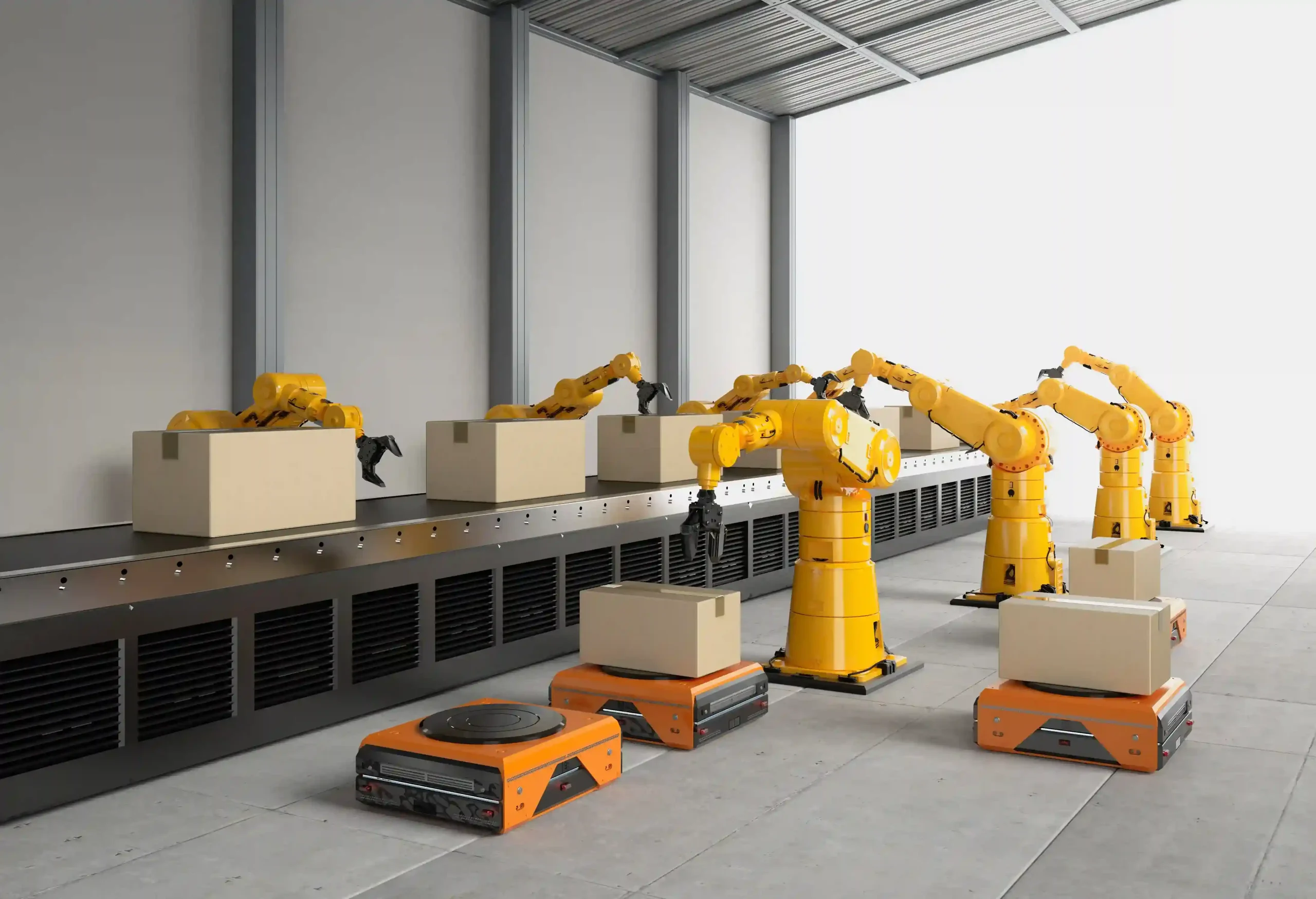
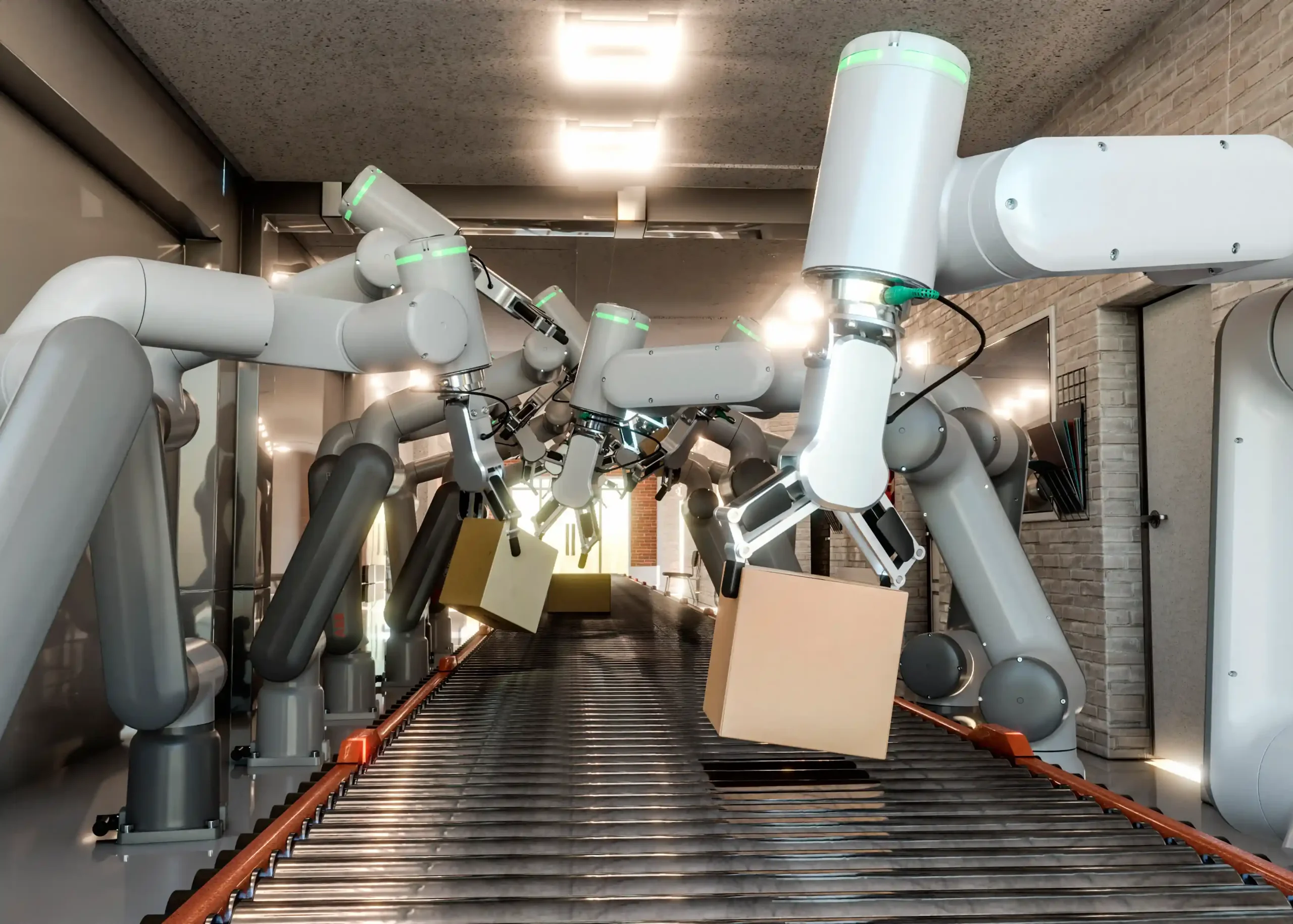
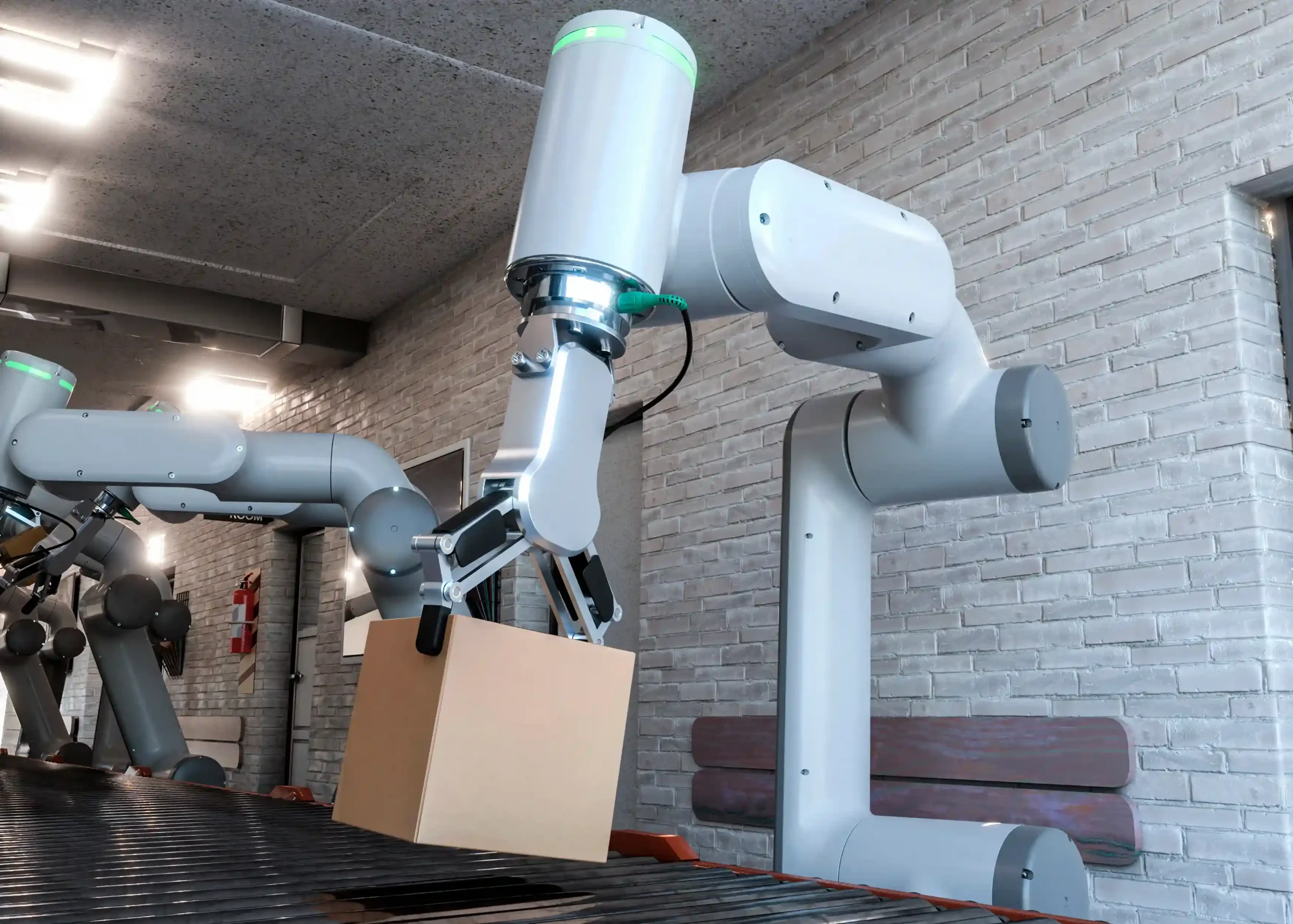
Robotische palletiseermachines versus traditionele palletiseermachines: Wat beter is voor uw bedrijf?

In de snel veranderende productiewereld van vandaag, efficiëntie is niet langer optioneel. Bedrijven staan ​​onder druk om meer te produceren, kosten verlagen, en concurrerend blijven. Dat is waar automatisering om de hoek komt kijken. Een van de belangrijkste beslissingen waarmee veel fabrieken worden geconfronteerd, is de keuze tussen een robotpalletiseermachine en een traditioneel palletiseersysteem.

Maar welke is eigenlijk zinvol voor uw operatie??

Als u de productiviteit wilt verbeteren en tegelijkertijd de kosten onder controle wilt houden, deze vergelijking zal u helpen de echte verschillen te begrijpen. Nog belangrijker, het zal u helpen beslissen of investeren in een robotpalletiseermachine de juiste zet is voor uw bedrijf.

Wat is een robotpalletiseermachine en hoe verhoudt deze zich tot traditionele systemen??

Voordat we de twee vergelijken, laten we ervoor zorgen dat het duidelijk is wat elk systeem doet.

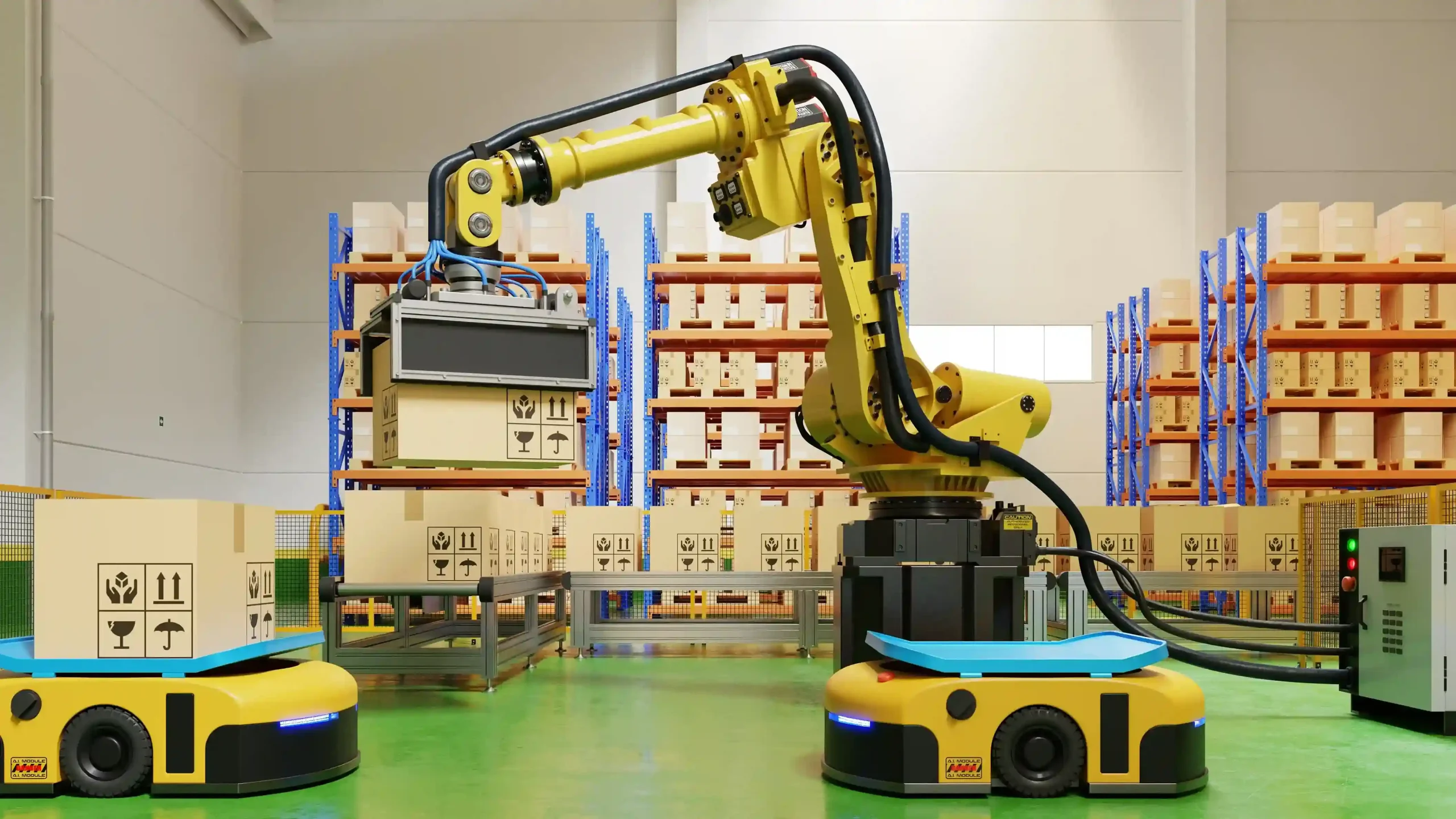
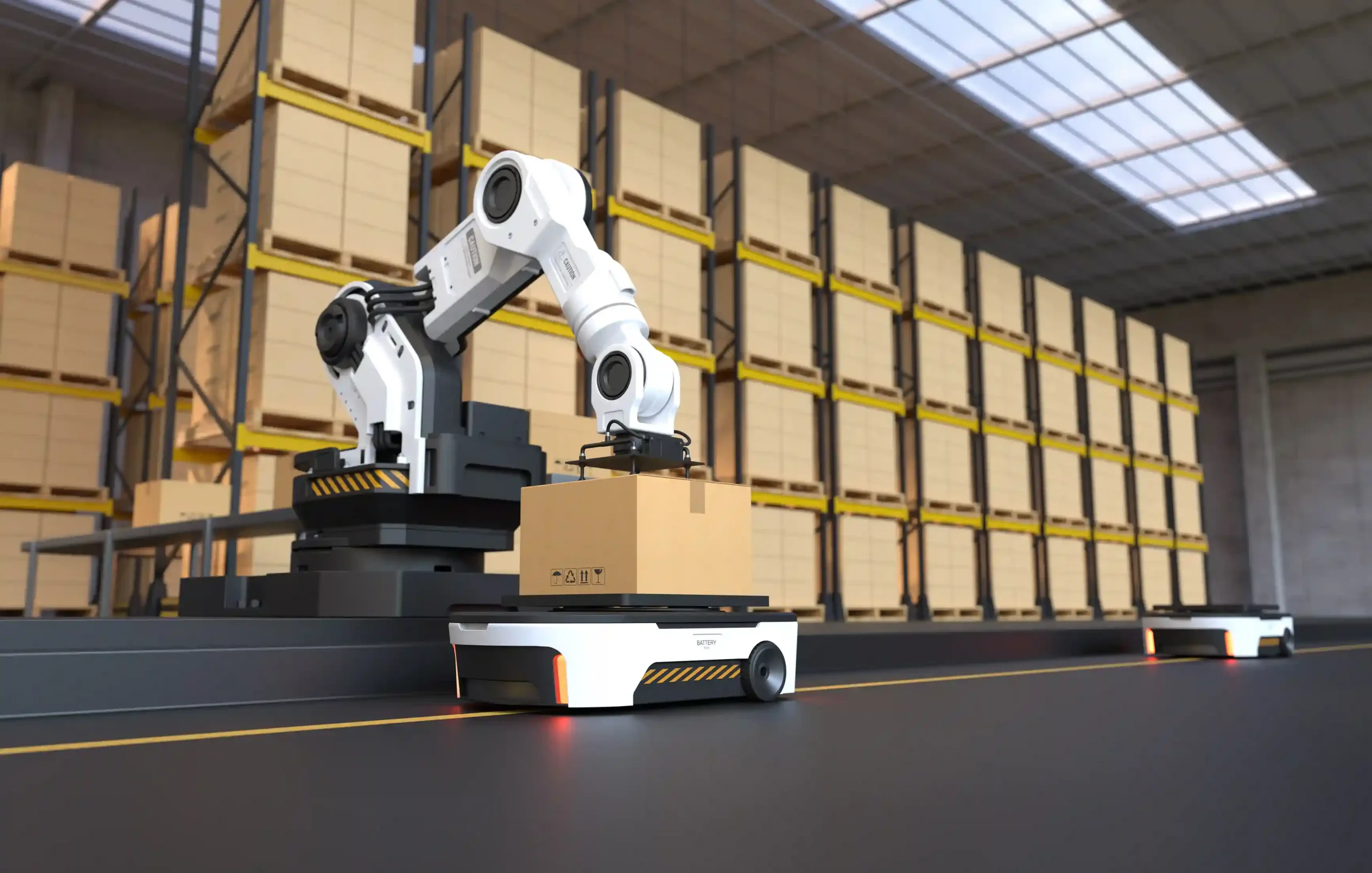
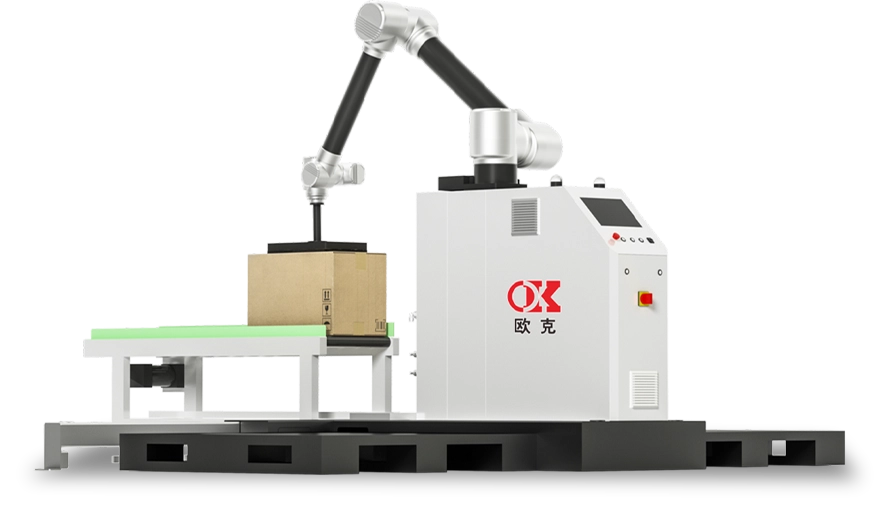
Een robotpalletiseermachine maakt gebruik van een robotarm met slimme programmering om te picken, plaats, en stapel producten op pallets. Het kan verschillende vormen aan, maten, en verpakkingssoorten met minimale wijzigingen.

Anderzijds, Traditionele palletiseermachines vertrouwen op mechanische systemen zoals transportbanden, lagen, en vaste patronen. Deze systemen zijn ontworpen voor repetitieve taken met weinig variatie.

Dus wat betekent dit in het echte leven??

Een traditioneel systeem werkt het beste als u te maken heeft met één product in zeer hoge volumes. Maar wat gebeurt er als uw productielijn meerdere producten moet verwerken of regelmatig moet wisselen? Dat is waar een robotpalletiseerder zich begint te onderscheiden.

En dit leidt tot een belangrijke vraag: hoe flexibel moet uw operatie zijn??
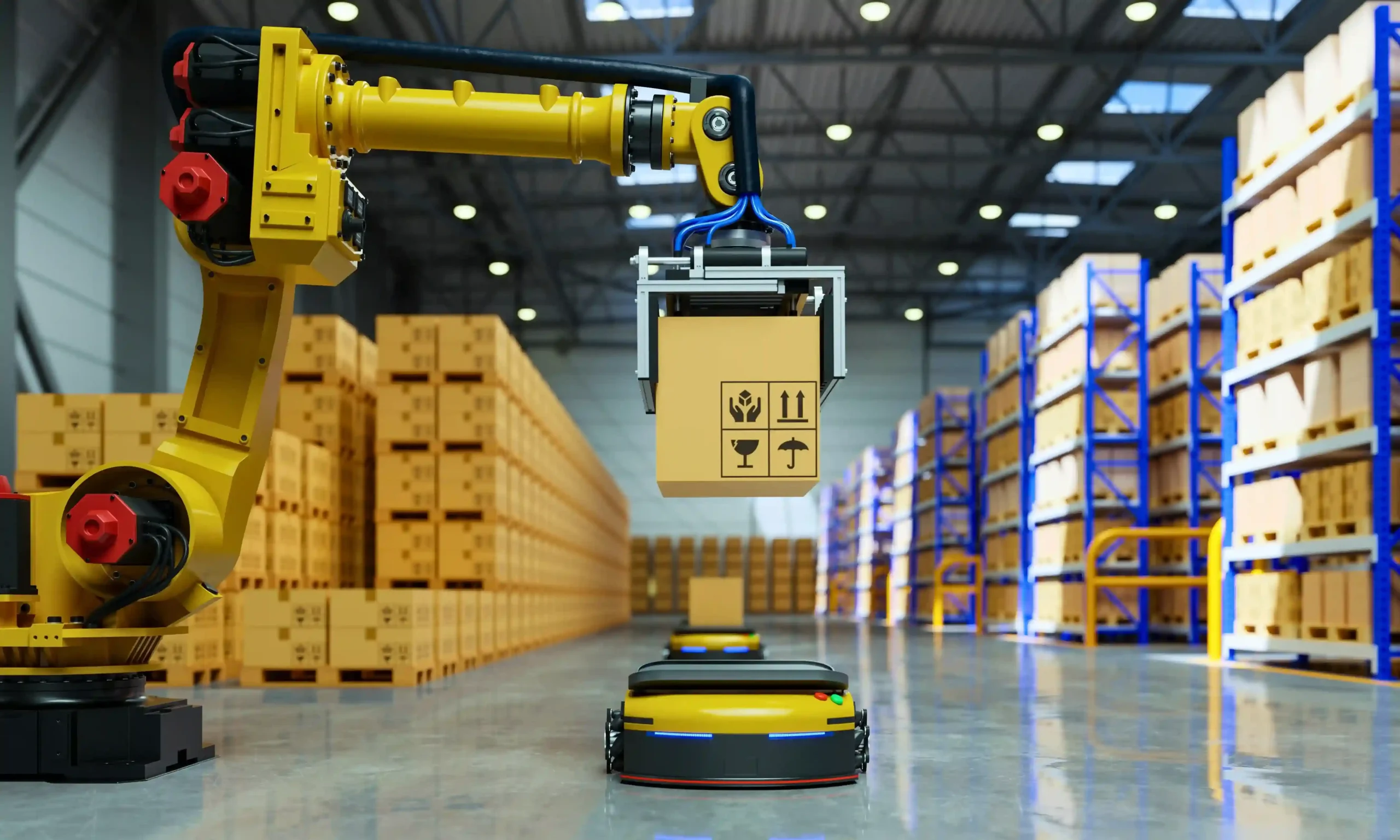
Robotische palletiseermachines versus traditionele palletiseermachines

Robotische palletiseermachine versus traditionele palletiseermachine: Belangrijkste verschillen in flexibiliteit en efficiëntie

Flexibiliteit is een van de grootste verschillen tussen deze twee systemen.

Een robotpalletiseermachine kan met eenvoudige programmeerwijzigingen tussen verschillende producten schakelen. Dit maakt het ideaal voor fabrieken die meerdere productlijnen verwerken of frequente orderwijzigingen uitvoeren.

Traditionele palletiseermachines, Echter, zijn veel strenger. Het veranderen van productsoorten vergt vaak mechanische aanpassingen, wat kan leiden tot downtime en productiviteitsverlies.

Waarom flexibiliteit belangrijker is dan ooit

De huidige markt verandert snel. Klanten verwachten meer variatie, snellere levering, en aangepaste bestellingen.

Met een robotpalletiseerder kunt u dat doen:

  • Aanpassen aan nieuwe producten zonder grote veranderingen
  • Verminder stilstandtijden tijdens omschakelingen
  • Verwerk gemengde ladingen efficiënter

Traditionele systemen hebben het op deze gebieden moeilijk, vooral als de productie niet consistent is.

Efficiëntie die verder gaat dan snelheid

Sommige mensen gaan ervan uit dat traditionele systemen altijd sneller zijn. Hoewel ze erg snel kunnen zijn in omgevingen met één product, ze verliezen vaak hun efficiëntie als de omstandigheden veranderen.

Een robotpalletiseerder kan in sommige gevallen een iets lagere pieksnelheid hebben, maar dat wordt gecompenseerd door:

  • Fouten verminderen
  • Minimaliseren van downtime
  • Het handhaven van consistente prestaties

Dus de echte vraag wordt: wil je maximale snelheid in één situatie, of betrouwbare efficiëntie voor velen?

Hoe een robotpalletiseerder de ROI verbetert en de arbeidskosten verlaagt

Laten we het nu hebben over een van de grootste zorgen voor elk bedrijf: kosten.

Op het eerste gezicht, een robotpalletiseerder lijkt misschien een grotere investering. Maar alleen kijken naar de kosten vooraf kan misleidend zijn. De echte waarde komt voort uit langetermijnbesparingen en het rendement op investeringen.

Lagere arbeidsafhankelijkheid

Handmatig palletiseren is fysiek veeleisend en vereist vaak meerdere werknemers per ploegendienst.

Met een robotpalletiseerder, jij kunt:

  • Verminder het aantal benodigde werknemers
  • Wijs personeel opnieuw toe aan taken met een hogere waarde
  • Minimaliseer het tekort aan arbeidskrachten

In veel gevallen, één robotpalletiseerder kan meerdere werknemers in ploegendiensten vervangen.

Kostenbesparingen op lange termijn

Arbeid is niet de enige kostenpost waarmee rekening moet worden gehouden. Er zijn ook verborgen kosten zoals:

  • Opleiden van nieuwe werknemers
  • Blessures en stilstand
  • Productschade

Een robotpalletiseerder helpt deze risico's te verminderen door een consistente en betrouwbare werking te bieden.

Snellere terugverdientijd

Veel fabrikanten zien hun investering in robotpalletiseermachines binnen één tot drie jaar terugverdiend.

Wanneer u arbeidsbesparing combineert, verhoogde efficiëntie, en minder fouten, de cijfers beginnen logisch te worden.

Dus terwijl de initiële kosten hoger kunnen zijn, de voordelen op de lange termijn wegen vaak zwaarder.

Maar de kosten zijn niet de enige zorg. Hoe zit het met de veiligheid?
Robotische palletiseermachines versus traditionele palletiseermachines

Veiligheids- en operationele voordelen van het gebruik van een robotpalletiseermachine

Veiligheid is een groot probleem in elke fabrieksomgeving. Bij palletiseertaken gaat het vaak om zwaar tillen, repetitieve beweging, en lastige posities.

Een robotpalletiseermachine helpt deze risico's aanzienlijk te verminderen.

Minder letsel op de werkplek

Door het palletiseerproces te automatiseren, u verwijdert werknemers van fysiek veeleisende taken.

Dit leidt tot:

  • Minder blessures
  • Lagere compensatiekosten
  • Betere arbeidsomstandigheden
  • Consistente prestaties

Mensen kunnen moe worden. Machines niet.

Een robotpalletiseermachine levert:

  • Consistente stapelkwaliteit
  • Nauwkeurige plaatsing
  • Betrouwbare werking gedurende lange perioden

Deze consistentie helpt de algehele productiekwaliteit te verbeteren.

Slimmere automatiseringsintegratie

Moderne robotpalletiseersystemen kunnen worden geïntegreerd met andere apparatuur, zoals transportbanden en verpakkingslijnen.

Hierdoor ontstaat een meer verbonden en efficiënter productieproces.

Dus nu hebben we de flexibiliteit gedekt, kosten, en veiligheid. Maar waarom maken zoveel bedrijven vandaag de dag de overstap??

Waarom steeds meer fabrikanten vandaag de dag voor een robotpalletiseermachine kiezen

De verschuiving naar automatisering is niet alleen een trend. Het is een antwoord op echte uitdagingen in de maakindustrie.

Om verschillende redenen wordt een robotpalletiseermachine de voorkeurskeuze.

Eerst, Het tekort aan arbeidskrachten maakt het moeilijker om werknemers te vinden en te behouden. Automatisering helpt dit probleem op te lossen.

Seconde, Bedrijven moeten concurrerend blijven. Met een robotpalletiseerder kunnen bedrijven de productie verhogen en tegelijkertijd de kosten beheersen.

Derde, de productvariatie groeit. Traditionele systemen hebben moeite om gelijke tred te houden met de veranderende eisen.

Voldoen aan moderne productiebehoeften

Fabrikanten hebben tegenwoordig systemen nodig die dat kunnen:

  • Behandel meerdere producten
  • Pas je snel aan veranderingen aan
  • Schaal mee met de bedrijfsgroei

Een robotpalletiseerder is ontworpen voor dit niveau van flexibiliteit.

  • De concurrentie voor blijven
  • Bedrijven die investeren in automatisering kunnen dat vaak ook:
  • Lever sneller
  • Verlaag de kosten
  • Verbeter de kwaliteit

Hierdoor ontstaat een sterk concurrentievoordeel.

Dus als meer fabrikanten deze richting op gaan, de volgende logische vraag is: welke leverancier van oplossingen u moet vertrouwen?
Robotische palletiseermachines versus traditionele palletiseermachines

Waarom kiezen voor OK voor uw robotpalletiseeroplossing

Het kiezen van de juiste apparatuur is belangrijk. Het kiezen van de juiste partner is net zo belangrijk.

OK richt zich op het leveren van betrouwbare en efficiënte robotpalletiseeroplossingen die zijn ontworpen voor moderne productiebehoeften.

Op maat gemaakte oplossingen voor uw bedrijf

Elke productielijn is anders. OK biedt oplossingen die zijn afgestemd op uw specifieke wensen.

Dit zorgt ervoor:

  • Betere prestaties
  • Gemakkelijkere integratie
  • Hogere efficiëntie

Geavanceerde technologie met praktisch ontwerp

OK combineert geavanceerde robotica met gebruiksvriendelijke systemen.

Dit betekent dat je krijgt:

  • Eenvoudige bediening
  • Flexibele programmering
  • Betrouwbare prestaties

Sterke ondersteuning en expertise

Investeren in een robotpalletiseerder is een beslissing voor de lange termijn. Het hebben van de juiste ondersteuning maakt een groot verschil.

Oké aanbiedingen:

  • Technische begeleiding
  • Ondersteuning bij installatie
  • Doorlopende dienst

Dit zorgt ervoor dat uw systeem in de loop van de tijd soepel blijft werken.

Dus, met al deze voordelen, is een robotpalletiseermachine de juiste keuze voor u?

Conclusie

De keuze tussen een traditioneel systeem en een robotpalletiseerder hangt af van uw specifieke behoeften. Maar voor de meeste moderne fabrikanten, de voordelen van een robotpalletiseerder zijn moeilijk te negeren.

Het biedt flexibiliteit, verbetert de efficiëntie, verlaagt de arbeidskosten, en creëert een veiligere werkomgeving. Het bereidt uw bedrijf ook voor op toekomstige groei en veranderende markteisen.

Als het uw doel is om concurrerend te blijven en een efficiëntere bedrijfsvoering op te bouwen, Investeren in een robotpalletiseermachine is een slimme stap voorwaarts.

Als u overweegt uw palletiseerproces te upgraden, Het is misschien tijd om te onderzoeken wat een robotoplossing voor u kan betekenen. Neem contact op met OK om te ontdekken hoe hun robotpalletiseersystemen in uw productielijn kunnen passen en u kunnen helpen op weg naar een efficiëntere toekomst.

Veelgestelde vragen

1. Wat is een robotpalletiseermachine?

 Een robotpalletiseerder is een geautomatiseerde machine die gebruik maakt van een robotarm om producten snel en nauwkeurig op pallets te stapelen.

2. Waarin verschilt een robotpalletiseermachine van een traditionele palletiseermachine??

 Een robotpalletiseermachine is flexibel en eenvoudig te programmeren, terwijl traditionele systemen vast zijn en beter geschikt zijn voor lijnen met één product.

3. Welke industrieën gebruiken een robotpalletiseerder??

 Gemeenschappelijke industrieën omvatten voedsel en drank, logistiek, farmaceutische producten, en productie van consumptiegoederen.

4. Kan een robotpalletiseerder verschillende productformaten verwerken??

 Ja, een robotpalletiseerder kan zich gemakkelijk aanpassen aan verschillende formaten, vormen, en verpakkingstypes met eenvoudige programmeerwijzigingen.

5. Is een robotpalletiseerder duur?

 Terwijl de kosten vooraf hoger kunnen zijn, een robotpalletiseerder bespaart na verloop van tijd vaak geld door minder arbeid en verbeterde efficiëntie.

6. Hoe lang duurt het voordat de ROI zichtbaar is?

 De meeste bedrijven zien binnen één tot drie jaar een rendement op hun investering in een robotpalletiseermachine.

7. Verbetert een robotpalletiseerder de veiligheid op de werkplek??

 Ja, het vermindert handmatig tillen en repetitieve taken, het verminderen van het risico op blessures.

8. Is het moeilijk om een ​​robotpalletiseermachine te bedienen??

 Moderne robotpalletiseersystemen zijn gebruiksvriendelijk en ontworpen voor eenvoudige bediening en snelle training.

9. Kan een robotpalletiseerder werken met bestaande productielijnen??

 Ja, het kan worden geïntegreerd met transportbanden en andere apparatuur voor een soepele werking.

10. Waarom zou ik een robotpalletiseerder kiezen voor mijn bedrijf??

 Een robotpalletiseerder helpt de efficiëntie te verhogen, kosten verlagen, veiligheid verbeteren, en de bedrijfsgroei op de lange termijn ondersteunen.
Collaboratieve palletiseerrobot: Een nieuwe trend in veiligheid, Flexibiliteit, en samenwerking tussen menselijke robots

Manufacturing floors are changing fast. Factories today need to move products more quickly, keep workers safe, and stay flexible as orders change. This is where the collaborative palletizing robot starts to stand out. Instead of replacing people, this type of robot works alongside them, helping with one of the most repetitive jobs on the line. Palletizing.

So why are so many manufacturers talking about this technology right now? And why are buyers around the world paying closer attention to collaborative palletizing robots? Let us take a closer look, step by step.

What Is a Collaborative Palletizing Robot and Why Does It Matter Today?

At its core, a collaborative palletizing robot is designed to stack boxes, tassen, or other products onto pallets while safely sharing space with human workers. Unlike traditional palletizing systems that need fences and safety cages, these robots are built to work in open environments.

This matters because factories today face real pressure. Labor is harder to find, safety rules are stricter, and customers expect faster delivery. A collaborative palletizing robot helps solve these problems without forcing companies to redesign their entire production line.

But how exactly is it different from older palletizing systems?

Collaboratieve palletiseerrobot

How collaborative palletizing robots differ from traditional palletizers

Traditional palletizers are powerful and fast, but they usually need to be separated from people. Safety fences, scanners, and large footprints are common. In tegenstelling, a collaborative palletizing robot uses force and speed limits, smart sensors, and smooth movements. If it touches a person, it stops.

This difference allows humans and robots to work closer together. Workers can load products, adjust pallets, or check quality while the robot handles the heavy lifting. The result is a more balanced workflow.

Why are more factories choosing collaboration over full automation

Not every factory needs a large and complex automation system. Many small and medium manufacturers want something simple and flexible. A collaborative palletizing robot can often be installed in days, not months. Programming is easier, and changes can be made without advanced robotics skills.

This makes collaboration a practical choice, not just a technical trend. And once safety concerns are addressed, the next big question naturally follows. How safe are these robots really?

Why Collaborative Palletizing Robots Are Changing Workplace Safety

Safety is often the first concern when people hear the word robot. That concern makes sense. Palletizing involves heavy loads and repetitive motion. The good news is that safety is one of the strongest reasons companies adopt a collaborative palletizing robot.

Instead of keeping people away, these robots are designed to protect them.

Built-in safety features that protect workers

A collaborative palletizing robot uses several safety technologies. These include force limiting, speed control, emergency stops, and rounded arm designs. If the robot meets unexpected resistance, it stops immediately.

Many systems are designed to meet international safety standards, which gives buyers confidence. Workers feel more comfortable sharing space with a robot that reacts gently and predictably.

Collaboratieve palletiseerrobot

How humans and robots can safely share the same workspace

When safety barriers are removed, teamwork becomes possible. A worker can place products on a conveyor while the robot stacks them. Another worker can prepare pallets nearby. Everyone stays productive without feeling rushed or unsafe.

This kind of setup reduces injuries and improves morale. Once safety is handled, factories often ask another important question. Can this robot adapt when our needs change?

The Flexibility Advantage of a Collaborative Palletizing Robot

Flexibility is no longer optional in modern manufacturing. Product sizes change. Order volumes go up and down. Packaging styles evolve. A collaborative palletizing robot is built for this kind of reality.

Instead of being locked into one task, it can adapt as the business grows.

Easy changeovers for different products and pallets

Many collaborative palletizing robots use simple software interfaces. Operators can switch pallet patterns, box sizes, or stacking heights without complex coding. This makes short production runs easier to manage.

When factories handle mixed products on the same line, this flexibility saves time and reduces downtime.

Compact design and fast deployment

Space is valuable on the factory floor. A collaborative palletizing robot usually has a small footprint and can fit into existing lines. Some models can even be moved between stations.

Fast deployment means faster returns. Companies do not need to wait long to see benefits. And once flexibility is proven, many buyers start thinking about where else these robots can be used.

Where Collaborative Palletizing Robots Deliver the Most Value

The beauty of a collaborative palletizing robot is that it fits many industries. Wherever palletizing is repetitive and physically demanding, collaboration makes sense.

Food and beverage production

In food and beverage plants, hygiene and consistency matter. Collaborative palletizing robots can handle boxes or bags with steady, repeatable motion. Workers can focus on quality checks and packaging without heavy lifting.

Frequent product changes are common in this industry, which makes flexibility especially valuable.

Logistics and warehousing

Warehouses deal with changing order sizes and fast shipping schedules. A collaborative palletizing robot helps keep pallets neat and stable, even during peak seasons. It supports workers instead of slowing them down.

This balance is key in environments where speed and accuracy matter.

Consumer goods and light manufacturing

From household products to electronics, many manufacturers deal with lightweight items in high volume. A collaborative palletizing robot improves efficiency while keeping costs under control.

As more industries see these benefits, buyers begin to look deeper into one critical factor. Who should we buy from?

Collaboratieve palletiseerrobot

How to Choose the Right Collaborative Palletizing Robot Manufacturer

Choosing the right supplier is just as important as choosing the robot itself. A collaborative palletizing robot is an investment, and buyers want long-term value.

So what should decision makers look for?

What buyers should look for beyond price?

Price matters, but it should not be the only factor. Buyers should consider safety compliance, payload options, gebruiksgemak, and system reliability. A good collaborative palletizing robot manufacturer also provides clear documentation and responsive support.

Customization is another key point. Every factory is different, and the best solutions are often tailored to real production needs.

Why working with an experienced manufacturer matters

Experience shows in design quality and problem solving. An experienced manufacturer understands real factory challenges and builds robots that perform reliably in daily operations.

As global sourcing becomes more common, many buyers now ask another important question. Why are so many companies choosing manufacturers from China?

Why More Global Buyers Work with a Chinese Collaborative Palletizing Robot Manufacturer

The global robotics market is changing. Chinese manufacturers are gaining attention for good reasons. A collaborative palletizing robot made in China today often combines solid performance with strong value.

Cost performance balance

Chinese manufacturers focus heavily on efficient production. This allows them to offer competitive pricing without sacrificing core features. Buyers can invest in automation while maintaining a healthy return.

Customization and manufacturing capability

Many Chinese collaborative palletizing robot manufacturers offer flexible customization. From grippers to pallet sizes, solutions can be adjusted to match real applications.

This ability to customize is especially attractive for overseas buyers with unique requirements.

Global delivery and support experience

Export experience matters. Manufacturers with global customers understand shipping, documentation, and communication across time zones. This makes the buying process smoother and more reliable.

With the right partner, a collaborative palletizing robot becomes more than a machine. It becomes part of a long-term automation strategy.

Conclusie

The rise of the collaborative palletizing robot reflects a bigger shift in manufacturing. Safety, flexibiliteit, and human robot collaboration are no longer separate goals. They are connected.

By reducing physical strain, improving efficiency, and adapting to change, collaborative palletizing robots help factories move forward without leaving people behind. For companies looking to automate palletizing in a practical and cost-effective way, this approach makes real sense.

If you are exploring how a collaborative palletizing robot could fit into your production line, the team at OK is ready to talk. Whether you are just starting or planning your next upgrade, feel free to reach out and have a real conversation about what works best for your factory.

Veelgestelde vragen

What is a collaborative palletizing robot?

A collaborative palletizing robot is designed to stack products onto pallets while working safely next to people. It uses smart sensors and controlled movements to reduce risk and improve teamwork on the factory floor.

Is a collaborative palletizing robot safe for workers?

Ja. These robots are built with safety features like force control and automatic stopping. This allows humans and robots to share the same workspace with less risk of injury.

Which industries benefit most from collaborative palletizing robots?

Food and beverage, logistiek, consumptiegoederen, and light manufacturing benefit the most. Any industry with repetitive palletizing tasks can see improved efficiency.

How difficult is it to install and use one?

Installation is usually quick, and most systems are easy to program. Operators can learn basic use without advanced technical skills.

Why choose a collaborative palletizing robot manufacturer from China?

Many Chinese manufacturers offer strong customization, concurrerende prijzen, and a reliable global delivery experience.

How industrial automation with cobots improves ROI for manufacturers

Manufacturers today face a simple but serious question. How can you produce more, spend less, and still keep quality high? Rising labor costs, worker shortages, and pressure from global competition make this question harder every year. This is why many factories are turning to industrial automation with cobots to improve ROI in a practical and realistic way.

Instead of replacing people, cobots work alongside them. They handle repetitive tasks, fouten verminderen, and help factories grow without major risk. But how does this actually improve ROI, and why does it matter so much today? Let us break it down step by step.

Why ROI drives decisions in industrial automation with cobots

ROI is not just a finance term. For manufacturers, ROI decides whether automation is a smart move or an expensive mistake. Every investment must pay back through savings, output, or quality improvement. If it does not, it becomes a burden instead of a benefit.

This is where industrial automation with cobots stands out. Traditional robots often require large budgets, long setup times, and major factory changes. Cobots were created to lower these barriers. But before we explore how they do that, it helps to understand where ROI problems usually start.

The hidden cost of manual production

Manual work may seem flexible, but it carries many unseen costs. Workers get tired. Mistakes happen. Output changes from shift to shift. Injuries and turnover increase training and hiring costs. Na verloop van tijd, these issues quietly reduce ROI.

As production demand grows, these problems grow too. This often leads manufacturers to ask a new question. Is there a way to improve consistency without increasing labor pressure?

Why traditional robots often miss ROI goals

Traditional robots can deliver high speed, but they also come with complexity. Safety fencing, long programming time, and high integration costs slow down results. For small and mid sized factories, the payback period can feel too long.

This is why many manufacturers look for a middle path. They want automation that improves ROI without turning the factory upside down. That is where cobots enter the picture.

industrial automation with cobots

How industrial automation with cobots cuts costs without cutting corners

Once manufacturers understand the limits of manual work and traditional robots, the value of cobots becomes clearer. Industrial automation with cobots focuses on total cost, not just robot price.

Cobots are designed to be easier to install, easier to program, and easier to move. This directly reduces costs across the entire automation project.

Lower setup and integration costs

Cobots do not need large safety fences in many applications. They are built with force limits and sensors that allow safe collaboration with people. This saves space and reduces installation time.

Most cobots also use simple programming methods. Operators can learn basic setup in days instead of months. Faster setup means faster results, which directly improves ROI.

Reduced downtime and faster changeovers

Downtime is one of the biggest enemies of ROI. Cobots help reduce downtime by being easy to adjust for new tasks. When product lines change, cobots can be reprogrammed instead of replaced.

This flexibility allows manufacturers to respond quickly to customer demand. And when machines spend more time running and less time waiting, ROI improves naturally.

Better quality with less waste

Cobots repeat the same movement every time. This consistency reduces defects and scrap. Fewer rejected parts mean lower material costs and less rework.

As quality improves, customer satisfaction improves too. This creates a positive cycle where savings and reputation grow together.

Now that we see how cobots reduce costs, the next question becomes obvious. Where do they deliver the fastest results?

The fastest payback use cases for industrial automation with cobots

Not every task delivers the same ROI. Some applications show results faster than others. Manufacturers who start with the right tasks often see payback in months, not years.

This is another reason why industrial automation with cobots works so well. Cobots fit perfectly into common factory operations.

Machine tending for CNC and molding

Machine tending is one of the strongest use cases. Cobots load and unload machines without breaks. This keeps machines running longer and more consistently.

By extending machine uptime, manufacturers increase output without adding extra shifts. This alone can transform ROI.

Pick and place and packaging

Pick and place tasks are repetitive and tiring for workers. Cobots handle these tasks with steady speed and accuracy. In packaging lines, they help maintain pace during peak demand.

The result is smoother flow and fewer slowdowns. This improves both efficiency and morale on the factory floor.

Assembly and screwdriving

Assembly tasks often require precision and repeatability. Cobots apply the same force and motion every time. This reduces variation and improves product consistency.

Workers can focus on inspection and problem solving while cobots handle the routine steps.

Palletizing for end of line operations

Palletizing is physically demanding and repetitive. Cobots reduce strain on workers while keeping output stable. This lowers injury risk and improves long term workforce stability.

Once these quick win applications are in place, manufacturers often notice something else. The benefits go beyond simple cost savings.

industrial automation with cobots

How industrial automation with cobots improves productivity and consistency

Saving money is important, but growth matters too. Industrial automation with cobots helps manufacturers do more with the same resources.

Cobots support people instead of replacing them. This creates a balanced system where humans and machines each do what they do best.

Higher output without constant hiring

Cobots work at a steady pace. They do not slow down or call in sick. This stability allows factories to increase output without constantly hiring new workers.

As demand grows, cobots help scale production smoothly. This keeps labor costs under control while revenue grows.

Consistent quality builds customer trust

Quality problems hurt ROI in many ways. Returns, rework, and lost customers all add up. Cobots help prevent these issues by delivering consistent results.

When quality improves, customer trust grows. And trust leads to repeat business, which strengthens long term ROI.

Safer work keeps skilled workers longer

Cobots handle tasks that cause strain or injury. This improves workplace safety and keeps experienced workers on the job longer.

Lower turnover means lower training costs and stronger teams. Na verloop van tijd, this human benefit becomes a financial benefit as well.

With these gains in mind, the next logical question is how to make sure a cobot investment succeeds from the start.

A simple checklist to maximize ROI from industrial automation with cobots

Success with cobots does not happen by accident. Manufacturers who plan carefully get better results. A simple checklist can help guide decisions.

Start with the right task

Choose tasks that are repetitive, time consuming, and stable. These tasks deliver ROI faster and build confidence in automation.

Avoid starting with complex tasks that change often. Early success creates momentum for future projects.

Plan tools and safety early

End effectors and safety settings matter. Proper planning ensures smooth integration and avoids delays.

Working with experienced partners helps avoid common mistakes that slow ROI.

Measure results clearly

Set clear metrics before installation. Track output, stilstand, and quality. This makes ROI visible and supports future investment decisions.

Once manufacturers see strong results, they often ask another question. Which partner can help us scale automation the right way?

Why choose OK for industrial automation with cobots

Choosing the right partner matters as much as choosing the right technology. OK focuses on practical automation that delivers real ROI.

Solutions designed for real factories

OK cobots are built for real world production needs. They focus on reliability, gebruiksgemak, and fast deployment.

This helps manufacturers move from planning to production without unnecessary delays.

Strong value with reliable performance

By leveraging efficient manufacturing and smart design, OK delivers strong performance at a reasonable cost.

This balance helps manufacturers achieve faster payback while maintaining quality and durability.

Support that grows with your business

Automation is not a one time project. OK supports customers as they expand automation across lines and facilities.

This long term partnership approach helps manufacturers continue improving ROI over time.

Conclusie

Manufacturers today need solutions that are flexible, betrouwbaar, and cost aware. Industrial automation with cobots offers a practical way to improve ROI while supporting people and production goals.

Cobots reduce costs, improve quality, and help factories scale without excessive risk. When paired with the right strategy and partner, they become a powerful tool for long term success.

If you are exploring how cobots can improve ROI in your factory, the next step is a conversation. Neem contact op met OK to discuss your application, jouw doelen, and how collaborative automation can work for you. We are here to help you move forward with confidence.

Veelgestelde vragen

What is industrial automation with cobots?

Industrial automation with cobots means using collaborative robots that work safely with people to automate repetitive factory tasks and improve efficiency.

How fast can cobots deliver ROI?

Many manufacturers see ROI within six to twelve months, afhankelijk van de taak, labor savings, and production volume.

Are cobots safe to use with workers?

Ja. Cobots are designed with sensors and force limits that allow safe operation near people.

Which industries benefit most from cobots?

Automobiel, elektronica, metal processing, plastics, and packaging industries see strong results.

Can cobots be moved to new tasks later?

Ja. Flexibility is one of the biggest advantages of industrial automation with cobots.

Waarom palletiseerrobots traditionele systemen vervangen

Heeft u zich ooit afgevraagd hoe de dozen die u online heeft besteld zo snel kunnen worden verpakt en verzonden?? Achter magazijn- en fabrieksdeuren, Robots doen steeds meer het zware werk, letterlijk. Tot de machines die een grote impact hebben, behoren palletiseerrobots. De robots duiken op in verschillende industrieën, het veranderen van de manier waarop producten worden gestapeld, opgeslagen, en uitgezonden.

Palletiseren verwijst naar het proces waarbij producten of dozen op een pallet worden geplaatst zodat ze gemakkelijk kunnen worden verplaatst. Bedrijven gebruiken hiervoor al geruime tijd traditionele machines, en soms liet men het werk zelfs door menselijke arbeid doen. Maar nu, er is iets beters op zijn plaats gekomen: collaboratieve palletiseerrobots.

Waarom zouden deze nieuwe robots steeds populairder worden?? Wat bieden ze dat beter is dan de oudere systemen? In dit artikel gaan we dieper in op wat de palletiseerrobot uniek maakt en waarom deze in de moderne industrie de voorkeur heeft gekregen om de traditionele manieren van palletiseren te vervangen..

Laten we beginnen met begrijpen wat deze robots zijn en hoe ze eigenlijk werken.

Wat zijn palletiseerrobots, en hoe werken ze?

Palletizers zijn een klasse robots die zijn ontworpen om dozen te verplaatsen en te stapelen, tassen, of containers op pallets. In tegenstelling tot oudere systemen, Echter, collaboratieve palletiseerrobots zijn ontworpen om veilig rond mensen te opereren. Dat betekent dat ze vlak naast menselijke werknemers kunnen opereren, zonder veiligheidshekken of kooien.

Deze robots maken gebruik van speciale sensoren en slimme technologie “zien” hun omgeving. Als iemand te dichtbij komt, de robot vertraagt ​​of stopt. Sommigen gebruiken camera’s en AI om hun acties in realtime aan te passen. Dit maakt ze nog veiliger en flexibeler dan traditionele systemen.

Je hoeft geen robotica-expert te zijn om ermee te werken. Veel palletiseerrobots hebben een eenvoudig te gebruiken touchscreen, drag-and-drop-software, of zelfs programmeertools zonder code. Voor bedrijven die hun personeel snel willen opleiden, dat is enorm.

Nu we begrijpen hoe deze robots werken, laten we bespreken waarom de oude systemen niet langer voldoen.

Palletiseerrobots

Waarom traditionele palletiseersystemen achterop raken

Terwijl oudere palletiseermachines al vele jaren dienst doen, ze brengen hun eigen problemen mee die het voor hen moeilijker maken om nu mee te werken.

De meeste traditionele systemen zijn groot en omvangrijk; om veiligheidsredenen, ze moeten ver van mensen verwijderd worden gehouden. Dit betekent dat ze veel ruimte in beslag nemen en meestal zijn ingericht met beschermende barrières of kooien. Ook zijn ze lastig aan te passen bij variatie in de maat van een doos, of als een bedrijf verschillende producten op dezelfde lijn moet verwerken.

Beperkingen van traditionele systemen

  • Stijve opstellingen: Traditionele palletiseermachines zijn gebouwd voor één taak. Als het product- of palletpatroon verandert, vaak moet het systeem opnieuw worden geprogrammeerd, of stukken moeten worden herbouwd.
  • Hoge kosten: deze machines zijn erg duur om te installeren en te onderhouden. Elke storing brengt uiteindelijk de hele productielijn tot stilstand.
  • Veiligheidsbarrières: Bij de meeste van deze systemen moeten kooien worden geïnstalleerd om de veiligheid van de werknemers te garanderen; dit vermindert hun flexibiliteit om ze gemakkelijk op krappe locaties te plaatsen.

Nu industrieën steeds competitiever worden, deze beperkingen zorgen ervoor dat traditionele systemen minder goed aan de vraag kunnen voldoen. Vanwege dit feit, Veel bedrijven schakelen tegenwoordig over op modernere oplossingen.

Wat maakt palletiseerrobots zo’n betere keuze?? Laten we hun grootste voordelen eens onderzoeken.

]Waarom palletiseerrobots steeds populairder worden

Bedrijven van allerlei aard worden geconfronteerd met nieuwe uitdagingen: tekorten aan arbeidskrachten, stijgende kosten, en de behoefte aan snellere levering. Palletiseerrobots helpen deze problemen op een slimme manier op te lossen, veilig, en betaalbaar.

In tegenstelling tot traditionele systemen, deze robots kunnen flexibel zijn: ze kunnen van het ene deel van een fabriek naar het andere worden verplaatst en opnieuw worden geprogrammeerd om verschillende taken of producten uit te voeren, tijd en geld besparen.

Laten we de belangrijkste redenen opsommen waarom palletiseerrobots de beste keuze worden.

Flexibiliteit en eenvoudige programmering

Palletiseerrobots kunnen ook eenvoudig worden geherprogrammeerd voor nieuwe doosformaten, palletpatronen, of een andere stapelmethode. De meeste van hen worden nu geleverd met drag-and-drop-interfaces of 'teaching-by-demonstration'-functies waarmee vrijwel iedereen in een paar eenvoudige stappen een robot kan trainen.

Voor bedrijven die veel soorten producten hebben of waarvan de verpakking regelmatig verandert, dit soort flexibiliteit is een groot pluspunt.

Kleinere footprint en veiligere werkruimtes

Omdat collaboratieve palletiseerrobots veilig in de buurt van mensen kunnen worden gebruikt, ze hebben geen grote kooien of hekken nodig.

Dat bespaart vloerruimte en zorgt ervoor dat ze gemakkelijker in krappe productielijnen passen.

Hun ingebouwde sensoren helpen ongelukken te voorkomen, de werkplek voor iedereen een veilige plek maken.

Lagere kosten en snellere ROI

Ook al lijkt de primaire investering in palletiseerrobots groot, het betaalt zichzelf doorgaans binnen een jaar of twee terug door arbeidskosten te besparen, het voorkomen van blessures, en het verminderen van productievertragingen.

Palletiseerrobots, anderzijds, beloven een beter investeringsrendement vergeleken met conventionele machines, die duur zijn in onderhoud en moeilijk te upgraden.

Maar waar, precies, worden deze robots gebruikt?? Laten we het eens nader bekijken.

Palletiseerrobots

Welke industrieën gebruiken tegenwoordig palletiseerrobots??

Het zal je misschien verbazen hoe gevarieerd de verschillende industrieën zijn die palletiseerrobots gebruiken, of het nu een voedselfabriek is of een online retailer; overal waar goederen efficiënt en veilig moeten worden vervoerd, deze machines zullen verschijnen.

Bedrijven verlangen snelheid en betrouwbaarheid, weinig fouten, en lagere kosten. Palletiseerrobots helpen dit waar te maken.

Hieronder volgen enkele van de belangrijkste industrieën waarin deze robots een verschil maken.

Logistiek en opslag

Goederen gaan voortdurend een magazijn in en uit. In gevallen als deze, Palletiseerrobots versnellen het proces van het verpakken van artikelen en verminderen menselijke fouten. Ze werken vierentwintig uur per dag, uitbreiding van de activiteiten met minder personeel.

Eten en drinken

Voedsel- en drankproducten zijn er in een breed scala aan vormen en maten: van flessenwater tot snackdozen. Palletiseerrobots kunnen ze allemaal aan, snel aanpassen aan veranderingen in de verpakking.

In aanvulling, ze zijn gemakkelijk schoon te maken, en het gebruik ervan voldoet aan de hygiëne-eisen die in de voedingsindustrie worden gesteld.

Farmaceutische producten en e-commerce

De twee grote sleutelwoorden in de farmaceutische wereld zijn veiligheid en precisie. Palletiseerrobots zorgen ervoor dat medicijnen veilig en in de juiste volgorde worden verpakt. E-commercebedrijven, te, hou van ze, vooral tijdens drukke seizoenen, wanneer de bestellingen met grote sprongen toenemen.

Nu we weten op welke plaatsen ze worden gebruikt, laten we eens kijken hoe ze werkelijk bijdragen aan verbeterde grondoperaties.

Hoe palletiseerrobots de efficiëntie en bedrijfsvoering verbeteren

Het toevoegen van palletiseerrobots gaat niet alleen over automatisering; het is een algehele verbetering van een productielijn. Deze zijn inderdaad erg snel, nauwkeurig, en betrouwbare robots.

Nu, laten we eens kijken naar enkele echte voordelen die ze met zich meebrengen.

Verbeter de doorvoer en nauwkeurigheid

Afhankelijk van de opstelling, palletiseerrobots kunnen tot wel 8 naar 12 dozen per minuut. Dat is veel sneller dan handarbeid en consistenter, te. Ze worden niet moe of afgeleid; vandaar, Er zijn minder verpakkingsfouten.

Dit leidt tot snellere levertijden en tevreden klanten.

Vermindering van letsels en stilstand van werknemers

Handmatig palletiseren omvat zwaar tillen en repetitieve bewegingen, beide factoren die uiteindelijk letsel kunnen veroorzaken. Robots doen het zware werk, waardoor werknemers veiliger en gezonder blijven.

Daarnaast, ze hebben nooit ziektevrije dagen; ze werken in het weekend en op feestdagen, 's nachts, zonder pauzes.

Rennen 24/7 zonder vermoeidheid

Of het nu gaat om hoge ordervolumes of het bijhouden van de vraag, de palletiseerrobot kan helpen. Ze zijn ontworpen voor continu gebruik en zijn programmeerbaar voor urenlang ononderbroken gebruik, zelfs buiten kantooruren.

Dit niveau van betrouwbaarheid is een groot pluspunt in de huidige, snel veranderende supply chain.

Al deze voordelen terzijde, er rest nog een grote vraag: is dit waar de toekomst van palletiseerrobots ligt?

Conclusie

Het korte antwoord is ja. Ze zijn niet alleen hier om te blijven, maar palletiseerrobots zijn hard op weg de norm te worden. Terwijl organisaties op zoek zijn naar slimmer, veiliger, en kosteneffectievere manieren om producten te verplaatsen, deze robots lopen voorop.

Ze zijn eenvoudig te installeren, eenvoudig te bedienen, en flexibel genoeg om alles aan te kunnen wat de moderne fabriek hen te bieden heeft. Of het nu eten is, geneesmiddel, logistiek, of e-commerce, met behulp van palletiseerrobots blijft uw bedrijf concurrerend en productief.

Als u overweegt uw huidige palletiseerinstallatie te upgraden, Dit is een uitstekend moment om uw opties te bekijken. En oké, wij bouwen collaboratieve palletiseerrobots die klaar zijn om veilig samen met uw team te werken, betrouwbaar, en betaalbaar.

Ik heb vragen? Laten we praten. We leren graag wat uw behoeften zijn en laten u zien hoe onze palletiseerrobots precies in uw productielijn passen. Neem vandaag nog contact met ons op en zie wat een verschil de juiste automatisering kan maken.

Veelgestelde vragen

1. Wat is een palletiseerrobot?

Een palletiseerrobot is een geautomatiseerde machine die is ontworpen om dozen of producten op pallets te stapelen en die veilig rond en naast mensen kan werken in zowel magazijn- als productielijnsituaties..

2. Waarin verschilt een palletiseerrobot van traditionele palletiseermachines?

Palletiseerrobots hebben nu meer flexibiliteit, gebruik minder ruimte, en vereisen geen veiligheidskooien. Ze zijn eenvoudiger te programmeren en bieden ruimte voor veranderingen in producttypen.

3. Welke industrieën gebruiken palletiseerrobots??

Ze worden gebruikt in de logistiek, eten en drinken, farmaceutisch, en e-commerce-industrieën voor end-of-line automatisering.

4. Zijn palletiseerrobots veilig in de buurt van mensen??

Ja, Dankzij samenwerkingsmodellen met sensoren en slimme bediening kunnen deze robots zonder schade rond mensen werken.

Waarom het palletiseren van de robotprijs niet de enige factor is die belangrijk is voor uw fabriek

When designing to automate your packaging or manufacturing line, it’s very possible to begin with a single grand question: How much is the Palletizing Robot price? This question is valid in itself, but it is merely part of a far larger picture.

Most entrepreneurs and bosses will start by comparing prices, looking to save a buck or two upfront. But this is the bottom line: emphasizing just the lowest cost possible will cost you in the long run.

Echter, you actually need to take the following into consideration when palletizing a robot. Take a look.

What Is a Palletizing Robot? Why Do I Need It?

A palletizing robot is a type of machinery that is employed to raise, drop, and stack products onto a pallet. Robotic palletizing is often implemented in manufacturing plants to improve efficiency, precision, and workplace safety. With the growth of labor costs and greater demands for efficiency, a higher number of organizations are using robotic palletizing.

Things to Think About when Purchasing a Palletizing Robot are its Price. But that’s where it all ends. The machines are not initial acquisitions. They are long-term equipment that becomes a component of your regular operations.

Let’s explore why cost oftentimes is the initial and sometimes the singular point of emphasis before discussing further.

Palletiseerrobot

Why Pay so Much Attention to Palletizing Robot Price?

Most business owners are pushed to be frugal when it comes to expenses, particularly in business sectors with slim profit margins. Needless to say, they first consider the Palletizing Robot cost. They may shop around for quotes or browse the Internet for the lowest cost.

This all sounds fantastic in theory. But is this the ideal way to select technology that will run your factory day in and day out?

Consider this question from the standpoint of having the lowest price. You may end up buying a machine that doesn’t meet your requirements, needs frequent repairs, or will cost you a lot to maintain. Now the “inexpensive” option is costly.

Then why else are you looking?

What’s More Important Than Robot Palletizing Price?

It’s all about cost. But if you want absolute value for your money, you have to see the complete picture.

Reliability and Uptime

A Palletizing Robot that is reasonably priced is of no value if the machinery keeps failing. Downtime represents lost building time, lost shipping dates, and dissatisfied labor. A higher-priced but reliable robot keeps your lines running.

Ease of Use

Can the workers easily operate and maintain the robot? A few of the less-expensive robots require very experienced programmers even for simple operations. Anderen, like OKBOLONG, are intelligent and come with a very easy-to-use interface. This allows for quicker training and fewer mistakes.

Incorporation into your system

The robot will become unusable if it doesn’t align properly with your setup. There are firms that overlook the cost incurred in software customization or making machinery adjustable in order to fit the robot. A slightly higher-priced Palletizing Robot could help afford better integration.

After-Sales Support and Service

What follows the setup of the robot? Support indeed makes all the difference. If you choose a partner that will service locally, get back quickly, and offer spare parts, you’re not buying a piece of equipment. You’re investing in peace of mind.

Let’s tally the true cost of ignoring these factors.

Palletiseerrobot

What Can Go Wrong If You Only Care About Palletizing Robot Price?

The lowest possible cost might appear to be a saving, but it is frequently the root of hidden issues that eventually come to light.

Recurrent Breakdown

Inexpensive robots are constructed from lower-grade components or are inadequately tested. They thereby break down frequently. It takes time and money for repair work, and your entire manufacturing operation will come to a halt while services are awaited.

Higher Operating Cost

You could save in the beginning on the investment for a Palletizing Robot, but have to pay for power, software upgrades, or qualified man-hours to keep it running. Incrementally, these costs chip away at your profit.

Poor Flexibility

Your business will develop and expand. What if your bot is incapable of accommodating new box arrangements or new stack patterns? Replacing or rewiring it later may end up costing you that much more than getting it right the first time.

Risk to Brand Reputation

Delays, defects, or damaged goods brought about by defective equipment will damage your image. Customers demand reliability, and a dissatisfying experience will impel them to seek elsewhere.

You may already be asking yourself how a better way is actually structured.

How to Choose the Right Robot Without Focusing Only on the Palletizing Robot Price

You need a solution that will weigh cost against long-term investment. Here’s how to do that intelligently.

Begin With Your Needs

Identify what your factory actually wants. Consider speed, type of product manufactured, space requirements, and how the robot will integrate into your day-to-day activities. Understanding this will enable you to find the robots that share your objectives.

Inquire About Total Cost of Ownership (TCO)

Rather than request the cost of the Palletizing Robot alone, inquire about the overall expense for five years or a decade. Consider energy consumption, maintenance service, service upgrades, opleiding, and so forth. This will help you have a better idea of where your money goes.

Searching for Tailored Answers

All factories are not the same. A quality supplier will take you by the hand to pick or engineer a system that fits your process. This will cost money up front, but will save time and trouble in the end.

Now let’s talk about a company that understands this approach.

Why OKBOLONG Offers More Than Just a Low-Palletizing Robot Price

Here at OKBOLONG, we understand that cost counts — but performance, service, and results count most. That’s why we’re dedicated to providing you the absolute best value, not the lowest bottom-line number.

Built for Long-Term Performance

Our palletizing robots are built to move quickly, stay stable, and keep running consistently. We incorporate quality parts and intelligent technology that minimizes downtime and optimizes efficiency.

Simple Setup and User Interface

OKBOLONG robots are plug-and-play for a majority of operations. Smart controls and easy-to-use interfaces that are easy for everybody to learn. You don’t have to employ a specialist simply to begin working.

Homegrown Support That You Can Trust

We’re located in China and provide rapid, efficient support. If things don’t work out, we’re here for you – not weeks or days later, but when you need it.

Flexible and Scalable Solutions

Your business will expand. OKBOLONG robots are designed to expand with your business. If you are introducing new products for manufacturing, making layout enhancements, or expanding your base of production, OKBOLONG will expand for you.

Then what are you getting out of it all?

Conclusie

The next time someone asks, “What’s the Palletizing Robot cost?” ask them this:

“Do you want it to be cheap, or do you want it to work for your business?”

A palletizing robot is not a piece of equipment. It’s a partner to your success. If you look beyond the cost and look for value, you’re making better decisions that save you money, tijd, and worry later.

We’re not simply retailing robots here at OKBOLONG. We’re helping factories move smarter, sneller, and bolder.

Let’s Discuss the Future of Your Factory. If you seek the intelligent palletizing solutions that are the right size for your objectives, but not your budget, we are happy to have your request. Contact today and discover the ideal match for your factory. No high-pressure sales but thoughtful recommendations by experts familiar with your world.

Veelgestelde vragen

1. Why is the cost of the Palletizing Robot so diversified between companies?

The cost is dependent upon the features, snelheid, load capabilities, construction quality, and service assistance.

2. Is a greater Palletizing Robot investment necessarily a good idea?

Niet noodzakelijkerwijs. Higher cost may bring forth higher value, but that relies on your requirement for the factory.

3. A small factory pays around how much for a Palletizing Robot on average?

It may cost anywhere between $15,000 En $50,000, depending on the features and complexity.

4. Is the price inclusive of installation and training?

At times, Ja; at times, Nee. Be sure to ask for a total quote for all services.

5. Can I use one robot for different products?

Indeed, most palletizing robots are versatile and may accommodate various box sizes or configurations.

6. How long will a robot last?

Most robots, when properly maintained, will last between 8 En 15 jaar. 7. Is the cost other than the Palletizing Robot cost hidden? Ja. Consider maintenance requirements, software patches, and power utilization.

8. What if the robot malfunctions?

Good suppliers such as OKBOLONG have fast assistance and in-country service.

9. How long does it take to install a robot?

Most of the systems take a few days to install when properly planned.

10. Is OKBOLONG a good value for the money?

Ja. OKBOLONG balances performance, steun, and affordability for long-term success.

Waarom het kiezen van de juiste leverancier van palletiseerrobots uw ROI bepaalt

In the modern world of manufacturing, automation is no longer a luxury that just large corporations have. Whether you have a small factory or a large warehouse, the robots are becoming indispensable. Of all the robots available, the palletizing robots are perhaps the most useful for optimizing the way the products are packed and transferred.

The question that really needs answering here is this, Echter: when you are ready to invest in a palletizing robot, how do you identify the appropriate palletizing robot supplier? Why is that so important to your return on investment (ROI)?

Let’s take it step by step and find out why your choice of a supplier is not merely important — it’s crucial.

What is a Palletizing Robot and Why Is It a Game Changer?

Let’s talk about suppliers after knowing a bit about a palletizing robot. Basically, it is a robot that places boxes, tassen, or any other product in a stack on pallets for shipping or keeping stored. It does this job expeditiously, smoothly, and without a break.

This type of robot eliminates work that would otherwise employ several persons and a great deal of time. Rather than having to lift burdens all day long, laborers are able to perform higher-level tasks while the robot does the heavy work.

The True Advantages of a Palletizing Robot

Here are several self-evident benefits to the addition of a palletizing robot to your operation:

  • Rapid manufacturing
  • Fewer work accidents
  • Increased utilization of labour
  • Evenly stacked products and fewer damaged products

All these things add up to something: improved efficiency. And when your manufacturing line improves, your company makes a profit. But it’s not all about buying the machine.

palletizing robot supplier

Why Your Choice of Palletizing Robot Supplier Affects ROI

Now that we know a bit better the value of the robot itself, let’s take a step back. It’s not that you’re buying a piece of equipment. You’re signing a long-term contract for a palletizing robot supplier. This is the supplier that will define how the robot will perform, when it will pay for itself, and how much help you will have when things are not quite right.

Well, how does your supplier really impact your ROI?

It Starts With System Design and Integration

A quality supplier doesn’t simply sell a robot and drive off. They will work to design a solution that meets your needs precisely. This means selecting the appropriate robot arm for your operation, the correct gripper for your piece, and programming the robot for your conveyors, your package machines, and your pallet.

Your system operates better when it’s properly designed. Less breakdown, greater speeds through your plant, and fewer errors—all these equate to a quicker return for your investment.

5 Things to Look for in a Reliable Palletizing Robot Supplier

It’s also simple to take cost into account when making comparisons between suppliers. But a lower cost doesn’t always equate to higher performance. Below are five things that actually matter when making the appropriate palletizing robot supplier choice.

Experience Within Your Industry

Businesses are unique. Bijvoorbeeld, it isn’t a question of stacking cartons of milk versus palletizing bags of rice. You need a supplier that has experience in your business and the issues that you have.

If your supplier has knowledge of your industry, you benefit from their having better ideas and making fewer blunders that will cost time and money.

Customization and Adaptation

Not every factory is the same. Maybe your products come in many sizes. Maybe your space is tight. A strong supplier will offer customized solutions instead of pushing a one-size-fits-all product.

Long-range flexibility also counts. If your product lineup shifts a year from now, will your robot still be useful to you? A wise supplier will point the way to the future.

palletizing robot supplier

After-Sales Support

It’s here that the good or the bad supplier differentiation actually happens. What comes after the robot ships? Does your supplier train your staff? Is emergency assistance provided in the event the system goes wrong?

A responsive help desk minimizes downtime and creates the possibility for your system’s maximum utilization day after day.

System Integration Capability

A robot by itself doesn’t work. It needs to be integrated with other equipment such as scanners, transportbanden, software, and safeguarding devices. A skilled palletizing robot supplier also understands how to integrate all of these components so that the system is a whole.

Poor integration causes defects and bottlenecks. Good integration causes rapid, dependable manufacturing.

Case Studies and References

Any vendor can guarantee stellar results. But can they deliver? Ask for case studies or speak to companies they have served. Demand evidence that they have provided concrete value to others in their shoes.

This will also give you confidence that your supplier is indeed capable of delivering ROI, and not just hyping it.

Risks of Choosing the Wrong Palletizing Robot Supplier

We’ve gone over how to select a supplier. But when all else doesn’t work and you end up making the wrong choice? It’s costly — and perhaps it’s the wrong type of costly.

Let us consider a few dangers associated with the wrong selection of a palletizing robot supplier.

Delays in Installation and Setup

A poor supplier may not fully understand your needs. This can lead to long delays during installation, causing production to slow down or stop completely.

For every day your line is idle, you are losing money. Speedy setup is key to return on investment.

Increased Maintenance Cost

Faulty robots or poor integrations will culminate in breakdowns. This means higher repair costs and lost time due to downtime.

Even if the robot was cheaper in the initial stage, it could become expensive for you later.

Absence of Future Support

Some of these dealers disappear once they have sold. If you have a problem or need to upgrade your system, you are on your own.

If you’re not getting regular maintenance, small things get broken – the kind that damage your return on investment and your business’s reputation.

Missed Business Targets

In extreme scenarios, the wrong selection of a palletizing robot supplier may result in the failure to achieve major objectives. You will be unable to achieve the quality or the production objectives that may impact your customer relationship or your contracts.

That’s why it’s so crucial for you to find a supplier that’s interested in your business.

How OKBOLONG Helps Maximize ROI as a Leading Palletizing Robot Supplier

At OKBOLONG, we know that the purchase of a robot is where things get started. It’s the day-after-day payoff that the system delivers inside your shop floor that truly counts.

What distinguishes OKBOLONG from the competition in palletizing robots?

Designed for Your Needs

We don’t offer “off-the-shelf” solutions. We work closely with you to understand your space, your products, and your objectives for your manufacturing. From that point onward, we develop a bespoke solution that is a perfect fit.

Expert System Integration

Our engineers are trained to work on whole system integration. If barcode reading, product sorting, or smart sensors are involved, we will see your whole system functioning in complete harmony.

That translates to fewer mistakes and simplified operations that equate to quicker ROI.

Training and Continuing Support

We don’t leave after the installation. We educate your staff, observe the system performance, and are available for assistance in case anything shifts in your manufacturing. Maintenance or upgrade, we are a phone call away.

This is the type of long-term assistance that has a tremendous impact on your overall return on investment.

Final Words

By this point, it’s evident that the selection of your palletizing robot supplier isn’t a trivial matter. It impacts your productivity all the way to your bottom line. A good supplier brings you closer to your objectives and spares you costly blunders.

So before you invest in automation yourself, ask yourself this question: Are you buying a robot all that much — or are you actually investing in a long-term business partner?

At OKBOLONG, we’re not just a robot supplier. We’re your automation partner. If you’re a new company or an existing company that wants an upgrade, we’re here to collaborate for the ideal solution that will suit your company and generate a higher return on investment.

Neem vandaag nog contact met ons op so that we may inform you how your production line may become stronger and smarter. Let’s create something great together.

Veelgestelde vragen (Veelgestelde vragen)

1. What is a palletizing robot supplier?

A palletizing robot supplier doesn’t simply sell the robot–but rather the expertise to design for, install, and maintain automated palletizing machines. An experienced supplier will help specify the proper robot for your products, your overall space needs, and your manufacturing requirements, along with long-range technical service and training.

2. How will the selection of the appropriate palletizing robot supplier impact my ROI?

The right supplier ensures that your system will operate successfully, experience less delay, and cost less for maintenance. They will enable you to get the most return from your investment by offering professional integration, quality equipment, and instant support.

3. Any robot I can utilize for palletizing?

Niet noodzakelijkerwijs. Various robots are appropriate for various tasks. A reliable palletizing robot manufacturer will advise you to select a suitable one that suits your product weight, size, speed needs, and stack patterns.

4. Is after-sales service a key element for a supplier selection?

Ja. An active support team will be able to avoid downtime and address issues quickly, protecting your ROI.

5. Why is OKBOLONG a credible palletizing robot supplier?

OKBOLONG provides bespoke solutions, total system integration, and post-deliverables services—all meant to enable you to accomplish rapid and higher automation outcomes.

Waarom samenwerken met een samenwerkende fabrikant van palletiseerrobots de ROI verbetert

As the world becomes faster and faster still, manufacturers face the issue of making operations less costly and more efficient. One of the biggest challenges is transferring products from production lines onto pallets for shipping. Most often, this has been done with heavy industrial-scale equipment or manual labor that takes a lot of space and costs an absolute fortune. Luckily, there’s a smarter solution. Working with a collaborative palletizing robot manufacturer can completely revolutionize business done with palletizing while boosting return on investment.

But why are more and more companies resorting to cooperative palletizing robots? What difference does it make if you get the right builder? Well, let’s break it down step-by-step.

What is a Collaborative Palletizing Robot?

Before we discuss return on investment, we should first know what robots are and why they are unique. A collaborative palletizing robot has been designed to work alongside people safely. Unlike other palletizers that require heavy fencing, cobots can coexist in the same workspace without additional barriers.

These robots use advanced sensors and intelligent controls that keep operations safe. They can pick up boxes, tassen, or other items and neatly stack them onto pallets. The best part is their flexibility. Need to change the product line? A collaborative palletizing robot can be reprogrammed quickly without weeks of downtime.

Small and large business enterprises can also avail themselves of the benefits of automation with minimal initial investment because of their compact size. They also fill spaces where spacious industrial machinery could hardly fit.

So now that we know what they are, let’s talk about why there are plenty of companies reconsidering the old tradition of palletizing.

collaborative palletizing robot

The Problems with Traditional or Manual Palletizing

If palletizing were simple and could be done by hand, we wouldn’t palletize with robots. The bottom line is that manual palletizing has severe flaws.

Workers are continuously under stress from hauling heavy boxes back and forth. It results in injury, wear and tear, and increasing medical bills. And at the top of that comes an increasing difficulty of obtaining individuals willing to engage in jobs of this physically strenuous nature. Labor shortages translate into paying high wages or experiencing uneven staffing.

Classic palletizing robots seem like an ideal solution, yet they also bring issues. These are costly, colossal robots that are difficult to modify if changes are needed in production. Some of their maintenance requires special technicians, resulting in greater downtime and expenses.

It’s at this point that a joint palletizing robot builder has a chance to make a real difference. How, hoewel, does dealing with the correct supplier make a difference in return on investment?

How a Collaborative Palletizing Robot Manufacturer Improves ROI

At the end of the day, companies want to know how quickly they can get their money back. That is where the real strength of collaborative palletizing robots shows up.

Lower Labor Cost

Lower operating costs are one of the biggest cost savings. With a cobot, a job that a few individuals could do can be done by one individual. Then individuals are not completely replaced from a personnel aspect; they are freed up from less desirable tasks.

Less Damage and Down Time

Fewer man-days of lifting boxes translate into fewer injuries at the worksite. Fewer injuries translate into fewer insurance payments and fewer sick days. A robot doesn’t tire or take breaks, translating into continuous production with no breaks.

Constant Production

Human employees become fatigued with long hours, and they make mistakes. A robot produces the same consistency and rate from the first box through the last. With this consistency comes an improved total throughput and a minimization of expensive mistakes.

Flexibility and Scalability

An interdisciplinary palletizing robot maker develops systems that can be redeployed once product dimensions or packaging are modified. Rather than purchasing an entirely new machine, an organization can merely retrain the robot. And with increasing business, it’s a matter of adding more cobots.

So the returns build up quickly. How do you make sure you actually get the best return on investment then? Everything comes back to a good collaboration.

collaborative palletizing robot

Why the Right Collaborative Palletizing Robot Manufacturer Matters

Not all robots are the same, and not all robot manufacturers are created equally. Partnering with the right collaborative palletizing robot builder ensures the system will be reliable, efficiënt, and tailored to your production needs.

First of all, quality matters. Robots with durable materials last longer and break less frequently. Downtime costs dollars per hour, and reliability translates dollar for dollar into ROI.

Seconde, it should be simple to use. If the robot is hard to program, you will bear a greater cost of training or hiring other technicians. A good-quality maker should make the system simple and easy to learn and use.

Thirdly, you cannot live without after-sales service. Even the finest machinery requires maintenance, and prompt service translates into issues resolved before production grinds to a halt. A quality manufacturer with good support enables you to safeguard your investment.

Last of all comes the integration experience. Few palletizing robots are operated solo. Robotic systems are combined with software, vision systems, and conveyors. An integrated palletizing robot supplier makes everything go smoothly.

Vandaag, with a plethora of suppliers available out there, why should corporations venture and hunt out China?

Why Choose a Collaborative Palletizing Robot Manufacturer in China

China has also become a world leader in robot manufacturing. A palletizing robot manufacturer from China can therefore present a competitive cost and innovation offering.

Cost Advantage

Chinese manufacturers make good-quality robots at an attractive price vis-à-vis many Western manufacturers. These put automation within the reach of more companies while making no compromise in their performance.

Innovation and Scaling

China has invested heavily in robotics technology. What this implies is that Chinese suppliers are not only cheap but also feature-competitive, veilig, and attractive in terms of design. With high production capacity, they are also able to surge rapidly with increasing demand.

Global Standards

Trusted Chinese manufacturers also export robots with global certifications these days, a factor of much interest to business companies with a global vision.

OKBOLONG

Bijvoorbeeld, OKBOLONG offers specialty palletizing robots and ROI-based solutions. With a partnership with this type of manufacturer, companies are able to enjoy cost-effective technologies, reliable support, and systems intended to optimize efficiency.

So the question becomes clear. If improving ROI is the goal, why not consider a collaborative palletizing robot manufacturer in China that already combines cost savings with advanced technology?

Bringing It All Together

We began with the question of why companies are increasingly turning to collaborative palletizing robots. We discovered that manual or traditional palletizing has severe drawbacks. We also looked at how the robots achieve improved ROI with less labor expense, fewer injuries, steady production, and versatile designs. Most of all, we witnessed how the right manufacturer determines the success of the investment.

As increasing numbers of companies are pressed to produce faster and at a lower cost, automation is no longer a choice. It’s a requirement. And with robot expertise increasing in China, businesses like OKBOLONG are standing ready to assist businesses globally in modernizing their palletizing operations.

Want to know how a cooperative palletizing robot can efficiently improve return on investment? Contact OKBOLONG today and discover how we can create the perfect solution for your production line.

Veelgestelde vragen

1. What is a collaborative palletizing robot?

He’s a robot that can stack products onto pallets while working alongside humans.

2. How does a palletizing robot improve ROI?

It lowers the cost of labor, lessens injuries, increases consistency, and operates at all times.

3. Why partner with a collaborative palletizing robot manufacturer?

A trusted producer promises quality, maatwerk, and good after-sales service.

4. Are collaborative palletizing robots safe to use?

Indeed, they are designed with sensors and instrumentation for safety that enable them to coexist with humans.

5. How quickly can you recover ROI with a palletizing robot?

All the companies regain their investment within one to two years.

6. Are palletizing robots able to handle varying products?

Ja, since they are flexible and could be adapted to varying product sizes and packaging.

7. Which sectors are applying collaborative palletizing robots?

They are well-known in food and beverage, e-business, logistiek, verpakking, en productie.

8. Why choose a manufacturer from China?

Chinese manufacturers also relish combining low cost with innovation and global standards.

9. Does the robot take up much space?

Nee, compact and easy-to-fit palletizing robots are used for cooperative work.

10. How do I select the best collaborative palletizing robot manufacturer?

Seek quality, customization opportunities, integration assistance, and active service after-sales.