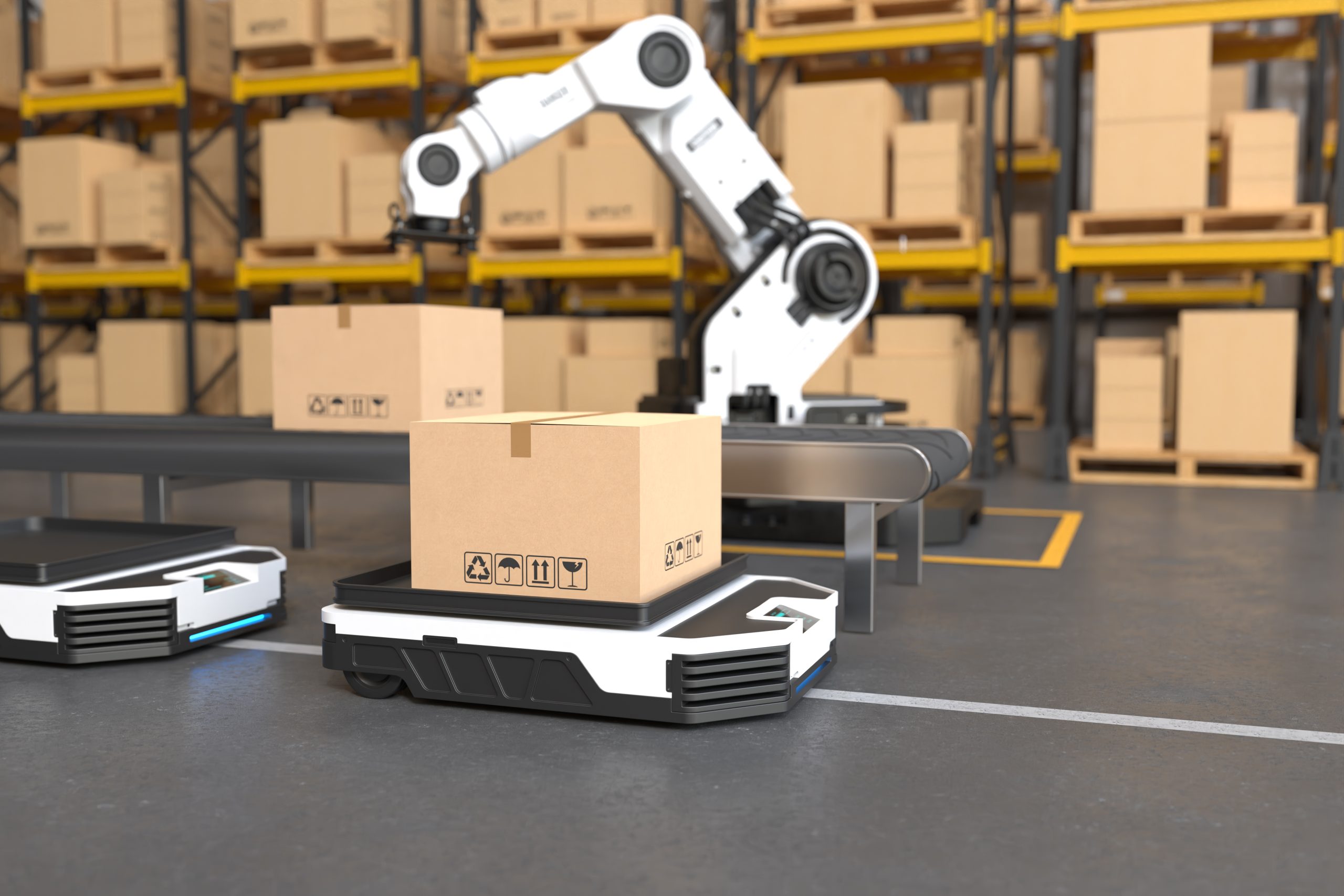
Warehouses used to be all about forklifts, paper checklists, and a lot of walking. But today, things are changing fast. Modern warehouses are turning to smarter, more reliable tools to help them move faster and work more efficiently. One of the most important of these tools is the Automated Guided Vehicle (AGV).
In this blog post, we’ll explore how Automated Guided Vehicles (AGVs) are used in warehousing, what benefits they bring, and why more companies are choosing to invest in this technology to stay ahead in the logistics game.
What Is an Automated Guided Vehicle (AGV)?
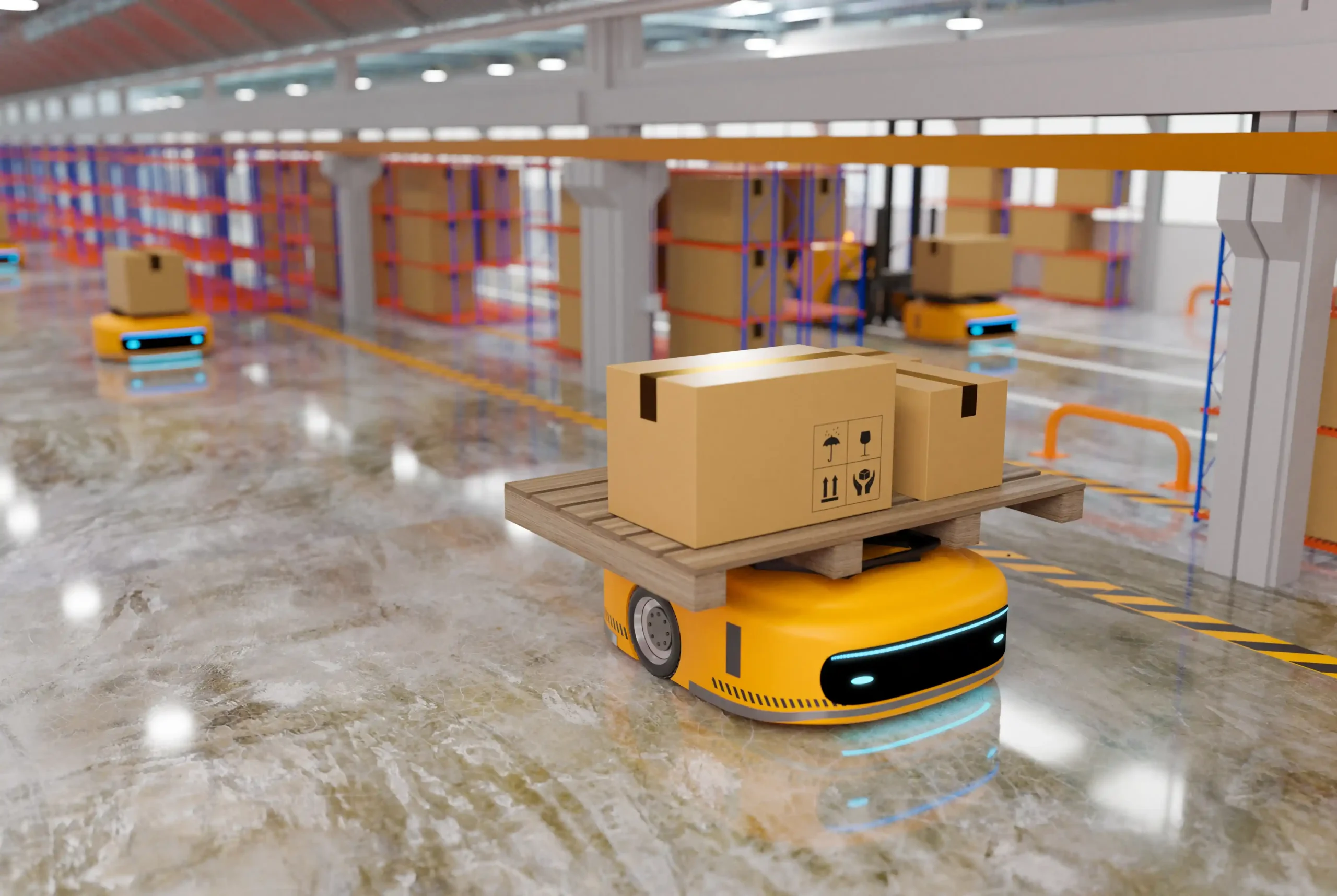
An Automated Guided Vehicle (AGV) is a type of mobile robot that can move items around a warehouse without needing a driver. It uses sensors and software to follow paths, avoid obstacles, and carry out tasks safely and efficiently.
AGVs are often used to transport pallets, boxes, or containers between areas in a warehouse. Unlike forklifts or manual carts, AGVs can work all day and all night, keeping things moving without breaks.
They come in different shapes and sizes, depending on what they need to carry and where they need to go. Some follow fixed paths using magnetic tape or laser guidance. Others use more advanced navigation, like cameras or LiDAR, to find their way.
With that basic idea in mind, let’s look at where AGVs are used in warehouse operations and how they help in real-life situations.
Where Are Automated Guided Vehicles (AGVs) Used in Warehouses?
Warehouses are complex places with many moving parts. From the moment goods arrive to the moment they are shipped out, there is a lot of movement happening inside. That’s where the Automated Guided Vehicle (AGV) comes in.
AGVs are designed to handle this constant movement so that people can focus on tasks that require judgment or decision-making.
Receiving and Inbound Transport
When goods arrive at the loading dock, they need to be unloaded and moved into storage quickly. An Automated Guided Vehicle (AGV) can transport items from the receiving area to storage racks or staging zones without delay.
This makes the receiving process faster and keeps the loading dock from getting overcrowded.
Internal Transport Between Zones
Inside the warehouse, products often need to move between different areas–like from storage to packing, or from picking to shipping. An Automated Guided Vehicle (AGV) can handle these trips automatically.
By taking over these routine movements, AGVs reduce the amount of time workers spend walking or driving, helping them stay focused on higher-value tasks.
Order Picking Support
While many warehouses still use people to pick products, AGVs can support the process. Zum Beispiel, an Automated Guided Vehicle (AGV) can bring empty bins to pickers and carry full bins to packing stations.
This teamwork between people and machines helps improve picking speed and accuracy while reducing physical strain.
Outbound Logistics and Shipping
After products are packed, they need to be moved to the correct shipping lane or dock. An Automated Guided Vehicle (AGV) can deliver these orders quickly and accurately, helping keep outbound operations running smoothly.
This is especially helpful during busy times, like holiday seasons, when there is more to ship and less time to do it.
Now that we know where AGVs are used, the next question is: what kind of AGVs are available, and how do you choose the right one for your warehouse?
Different Types of Automated Guided Vehicles (AGVs) in Warehousing
Not all AGVs are the same. The right Automated Guided Vehicle (AGV) depends on the kind of work it needs to do and the layout of your warehouse.
Warehouses can choose from a few main types of AGVs, each designed for different tasks.
Unit Load AGVs
These AGVs are designed to carry pallets or large containers. They’re commonly used in warehouses that deal with bulk items or heavy loads.
A unit load Automated Guided Vehicle (AGV) is great for moving goods between storage and shipping or supporting production lines in manufacturing facilities.
Forklift AGVs
These are similar to traditional forklifts but without a driver. A forklift Automated Guided Vehicle (AGV) can lift, carry, and place loads on racks or shelving systems.
They are useful in warehouses with high storage racks where lifting is required.
Tugger AGVs
A tugger Automated Guided Vehicle (AGV) is made to pull carts filled with goods along a planned route. This is useful for moving large volumes of materials between departments or zones.
It’s often used in warehouses that need to move several items at once across long distances.
Tote and Bin-Carrying AGVs
These smaller AGVs are designed for warehouses that handle lighter items in bins or totes. They’re perfect for high-speed order picking or e-commerce fulfillment centers.
After exploring the different types, it’s easy to see how AGVs can fit into many different workflows. But what really makes them worth the investment?

Why Are Warehouses Adopting Automated Guided Vehicles (AGVs)?
Warehouses around the world are turning to automation because they need to move faster, reduce costs, and keep up with rising customer expectations. Here’s how the Automated Guided Vehicle (AGV) helps make that happen.
Improved Efficiency
AGVs don’t stop for lunch or take breaks. They keep working around the clock. This helps warehouses complete more tasks in less time and avoid delays caused by worker shortages or manual errors.
An Automated Guided Vehicle (AGV) keeps materials flowing so other processes, like picking and packing, can run without interruption.
Reduced Labor Costs
By handling repetitive transport tasks, AGVs reduce the need for manual labor. This helps companies lower their labor costs and focus human workers on more complex jobs.
This is especially helpful for warehouses struggling to hire or train new employees.
Increased Safety
Forklift accidents are a real concern in many warehouses. But an Automated Guided Vehicle (AGV) uses sensors, cameras, and controlled speeds to avoid collisions and operate safely.
Fewer accidents mean lower costs, less downtime, and a safer workplace.
Scalability and Flexibility
As business grows, warehouses can add more AGVs to handle higher volumes. That makes it easier to scale operations without making huge changes to the layout or hiring dozens of new workers.
An Automated Guided Vehicle (AGV) system can also be adjusted over time as workflows change.
With all these advantages, the final piece of the puzzle is choosing the right partner. And that’s where OK comes in.
Why OK Is a Leading Provider of Automated Guided Vehicle (AGV) Solutions
When it comes to automation, having the right partner makes all the difference. OK is a trusted provider of Automated Guided Vehicle (AGV) systems, with experience in designing smart, flexible solutions for warehouses of all sizes.
As a manufacturer based in China, OK offers cost-effective AGVs that are built with quality and reliability in mind. Whether your warehouse needs pallet movers, tugger AGVs, or custom bin-handling solutions, OK can help.
The company also focuses on helping clients integrate AGVs into existing systems. That means your AGVs can connect with your warehouse management software, making your operation even smarter.
If your warehouse is ready to move faster and work smarter, OK is ready to help you get started with an Automated Guided Vehicle (AGV) solution that fits your needs.
Abschluss
Warehouses are no longer just about storage. They are fast-moving, highly organized operations that depend on speed, Genauigkeit, and consistency. That’s why the Automated Guided Vehicle (AGV) is becoming a key part of modern warehousing.
Whether it’s helping with receiving, supporting pickers, or moving products to shipping, AGVs offer real benefits. They reduce labor costs, improve safety, and help warehouses scale without extra stress.
If you’re thinking about upgrading your warehouse or simply want to learn how automation can work for you, now is a great time to explore the possibilities.
Want to see how an Automated Guided Vehicle (AGV) can transform your operation? Reach out to the team at OK today. We’re here to help you understand your options, plan your next steps, and find the right AGV solution for your warehouse no pressure, just smart advice.
FAQs
1. What is an Automated Guided Vehicle (AGV)?
An AGV is a driverless vehicle used to move materials in a warehouse using sensors, software, and guided navigation.
2. Where are AGVs used in a warehouse?
AGVs are commonly used in receiving, storage, picking, packing, and shipping areas to transport goods efficiently.
3. How do AGVs improve warehouse operations?
AGVs help reduce manual labor, improve safety, Geschwindigkeit erhöhen, and lower operating costs through automated movement.
4. Are AGVs safe to use around people?
Ja, AGVs have safety sensors and obstacle detection systems that allow them to operate safely around human workers.
5. Why choose OK for AGV solutions?
OK offers customizable, cost-effective Automated Guided Vehicle (AGV) systems backed by expert support and integration services.