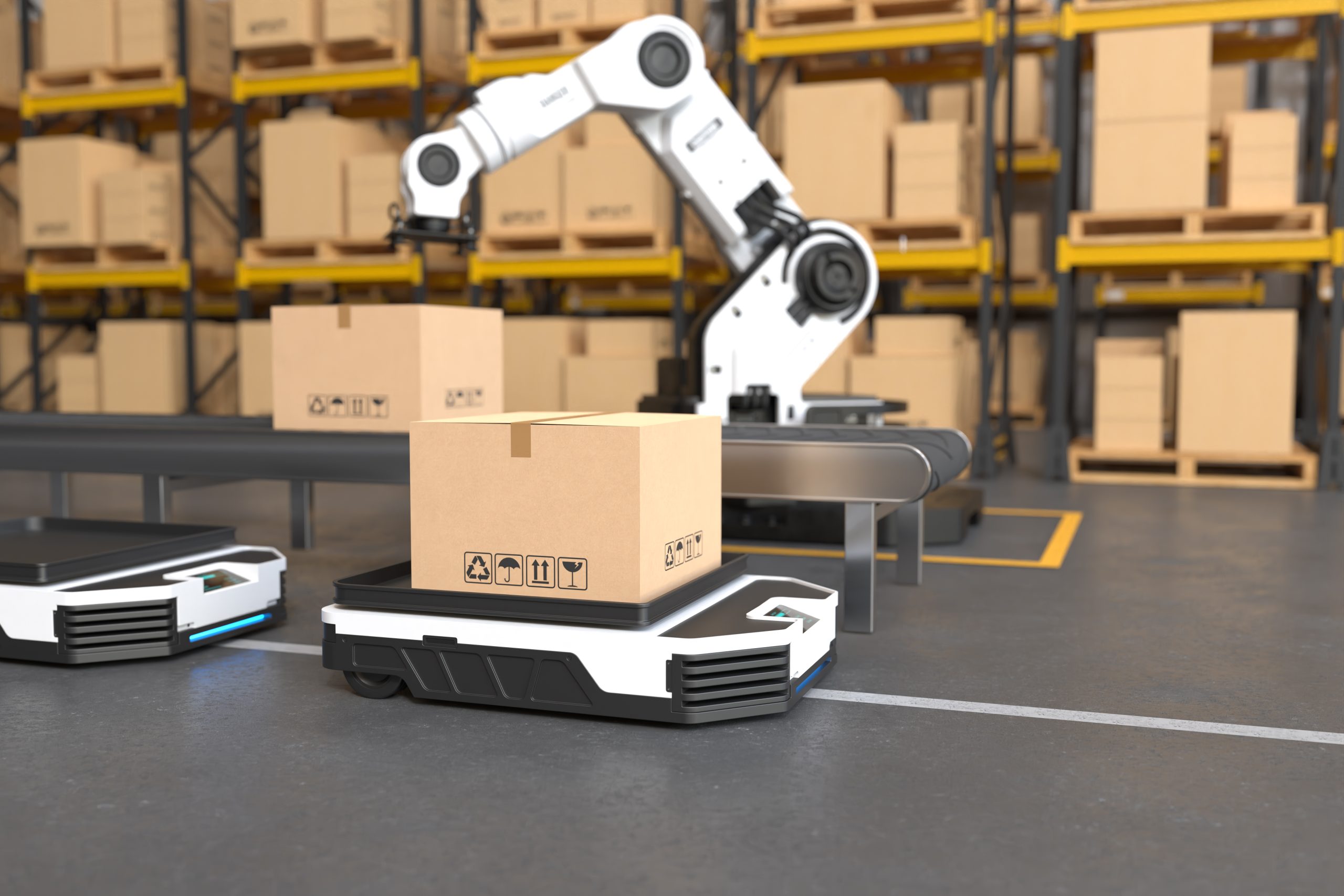
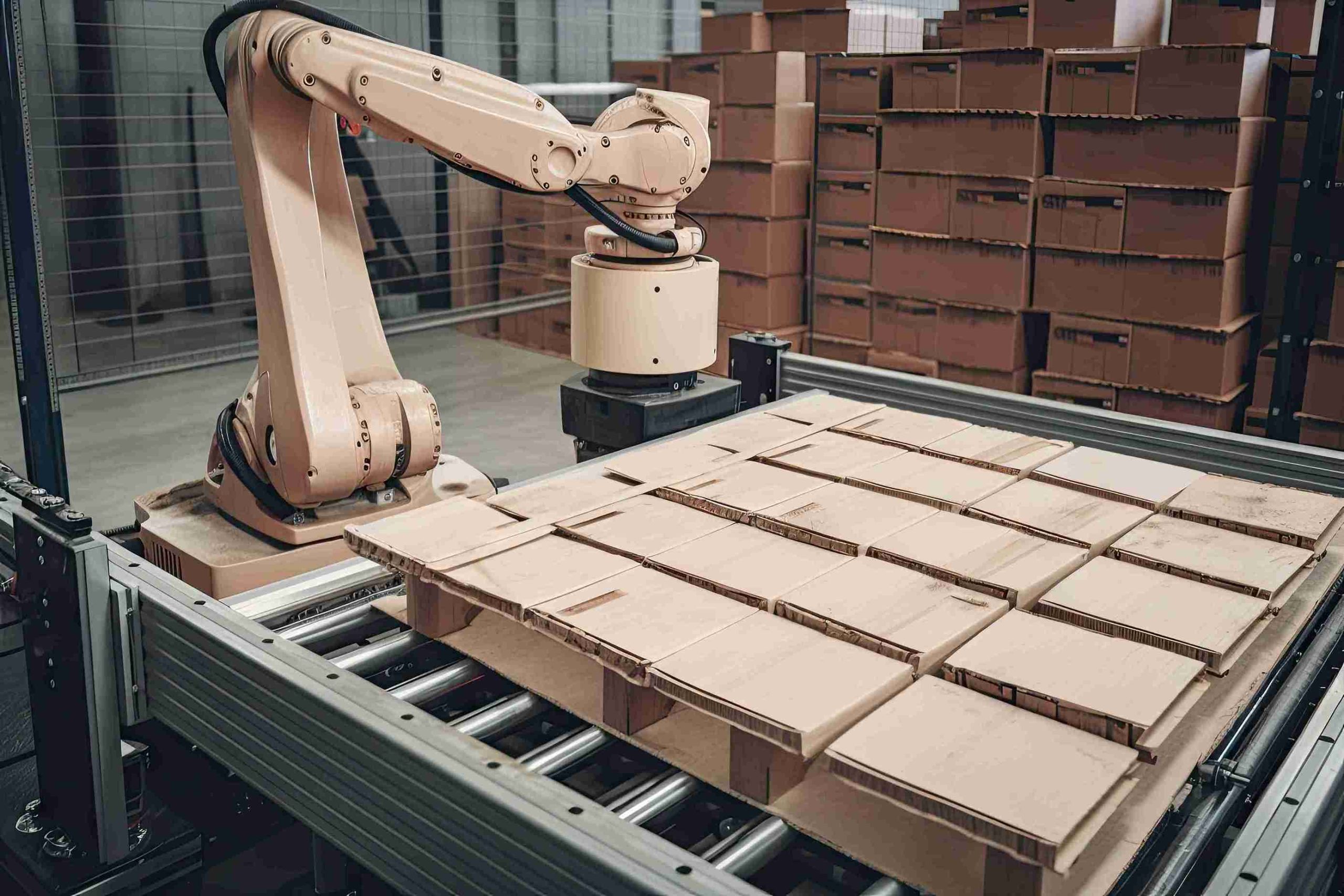
Manufacturers today face a simple but serious question. How can you produce more, spend less, and still keep quality high? Rising labor costs, worker shortages, and pressure from global competition make this question harder every year. This is why many factories are turning to industrial automation with cobots to improve ROI in a practical and realistic way.
Instead of replacing people, cobots work alongside them. They handle repetitive tasks, Fehler reduzieren, and help factories grow without major risk. But how does this actually improve ROI, and why does it matter so much today? Let us break it down step by step.
Why ROI drives decisions in industrial automation with cobots
ROI is not just a finance term. For manufacturers, ROI decides whether automation is a smart move or an expensive mistake. Every investment must pay back through savings, output, or quality improvement. If it does not, it becomes a burden instead of a benefit.
This is where industrial automation with cobots stands out. Traditional robots often require large budgets, long setup times, and major factory changes. Cobots were created to lower these barriers. But before we explore how they do that, it helps to understand where ROI problems usually start.
The hidden cost of manual production
Manual work may seem flexible, but it carries many unseen costs. Workers get tired. Mistakes happen. Output changes from shift to shift. Injuries and turnover increase training and hiring costs. Im Laufe der Zeit, these issues quietly reduce ROI.
As production demand grows, these problems grow too. This often leads manufacturers to ask a new question. Is there a way to improve consistency without increasing labor pressure?
Why traditional robots often miss ROI goals
Traditional robots can deliver high speed, but they also come with complexity. Safety fencing, long programming time, and high integration costs slow down results. For small and mid sized factories, the payback period can feel too long.
This is why many manufacturers look for a middle path. They want automation that improves ROI without turning the factory upside down. That is where cobots enter the picture.
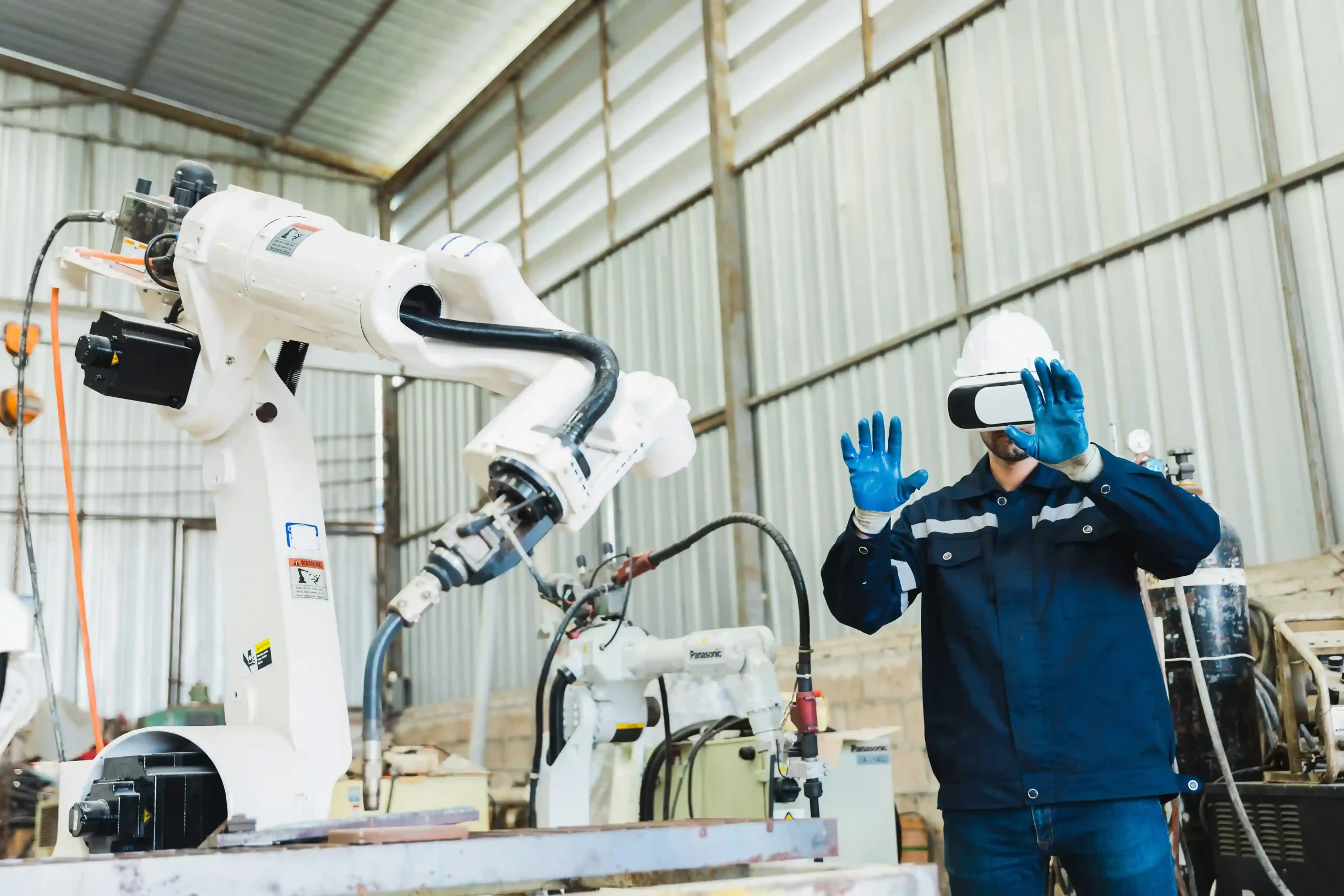
How industrial automation with cobots cuts costs without cutting corners
Once manufacturers understand the limits of manual work and traditional robots, the value of cobots becomes clearer. Industrial automation with cobots focuses on total cost, not just robot price.
Cobots are designed to be easier to install, easier to program, and easier to move. This directly reduces costs across the entire automation project.
Lower setup and integration costs
Cobots do not need large safety fences in many applications. They are built with force limits and sensors that allow safe collaboration with people. This saves space and reduces installation time.
Most cobots also use simple programming methods. Operators can learn basic setup in days instead of months. Faster setup means faster results, which directly improves ROI.
Reduced downtime and faster changeovers
Downtime is one of the biggest enemies of ROI. Cobots help reduce downtime by being easy to adjust for new tasks. When product lines change, cobots can be reprogrammed instead of replaced.
This flexibility allows manufacturers to respond quickly to customer demand. And when machines spend more time running and less time waiting, ROI improves naturally.
Better quality with less waste
Cobots repeat the same movement every time. This consistency reduces defects and scrap. Fewer rejected parts mean lower material costs and less rework.
As quality improves, customer satisfaction improves too. This creates a positive cycle where savings and reputation grow together.
Now that we see how cobots reduce costs, the next question becomes obvious. Where do they deliver the fastest results?
The fastest payback use cases for industrial automation with cobots
Not every task delivers the same ROI. Some applications show results faster than others. Manufacturers who start with the right tasks often see payback in months, not years.
This is another reason why industrial automation with cobots works so well. Cobots fit perfectly into common factory operations.
Machine tending for CNC and molding
Machine tending is one of the strongest use cases. Cobots load and unload machines without breaks. This keeps machines running longer and more consistently.
By extending machine uptime, manufacturers increase output without adding extra shifts. This alone can transform ROI.
Pick and place and packaging
Pick and place tasks are repetitive and tiring for workers. Cobots handle these tasks with steady speed and accuracy. In packaging lines, they help maintain pace during peak demand.
The result is smoother flow and fewer slowdowns. This improves both efficiency and morale on the factory floor.
Assembly and screwdriving
Assembly tasks often require precision and repeatability. Cobots apply the same force and motion every time. This reduces variation and improves product consistency.
Workers can focus on inspection and problem solving while cobots handle the routine steps.
Palletizing for end of line operations
Palletizing is physically demanding and repetitive. Cobots reduce strain on workers while keeping output stable. This lowers injury risk and improves long term workforce stability.
Once these quick win applications are in place, manufacturers often notice something else. The benefits go beyond simple cost savings.
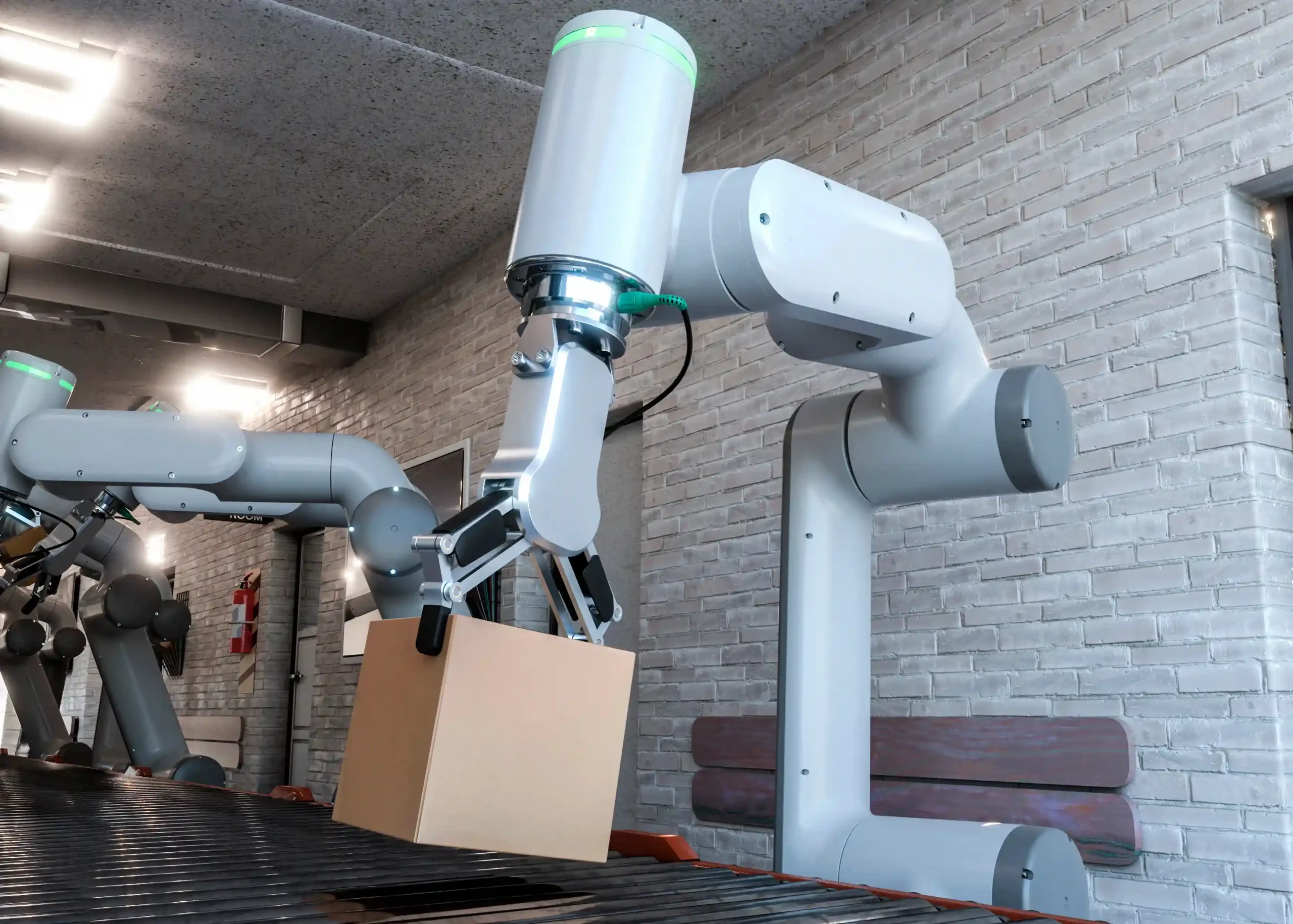
How industrial automation with cobots improves productivity and consistency
Saving money is important, but growth matters too. Industrial automation with cobots helps manufacturers do more with the same resources.
Cobots support people instead of replacing them. This creates a balanced system where humans and machines each do what they do best.
Higher output without constant hiring
Cobots work at a steady pace. They do not slow down or call in sick. This stability allows factories to increase output without constantly hiring new workers.
As demand grows, cobots help scale production smoothly. This keeps labor costs under control while revenue grows.
Consistent quality builds customer trust
Quality problems hurt ROI in many ways. Returns, rework, and lost customers all add up. Cobots help prevent these issues by delivering consistent results.
When quality improves, customer trust grows. And trust leads to repeat business, which strengthens long term ROI.
Safer work keeps skilled workers longer
Cobots handle tasks that cause strain or injury. This improves workplace safety and keeps experienced workers on the job longer.
Lower turnover means lower training costs and stronger teams. Im Laufe der Zeit, this human benefit becomes a financial benefit as well.
With these gains in mind, the next logical question is how to make sure a cobot investment succeeds from the start.
A simple checklist to maximize ROI from industrial automation with cobots
Success with cobots does not happen by accident. Manufacturers who plan carefully get better results. A simple checklist can help guide decisions.
Start with the right task
Choose tasks that are repetitive, time consuming, and stable. These tasks deliver ROI faster and build confidence in automation.
Avoid starting with complex tasks that change often. Early success creates momentum for future projects.
Plan tools and safety early
End effectors and safety settings matter. Proper planning ensures smooth integration and avoids delays.
Working with experienced partners helps avoid common mistakes that slow ROI.
Measure results clearly
Set clear metrics before installation. Track output, downtime, and quality. This makes ROI visible and supports future investment decisions.
Once manufacturers see strong results, they often ask another question. Which partner can help us scale automation the right way?
Why choose OK for industrial automation with cobots
Choosing the right partner matters as much as choosing the right technology. OK focuses on practical automation that delivers real ROI.
Solutions designed for real factories
OK cobots are built for real world production needs. They focus on reliability, ease of use, and fast deployment.
This helps manufacturers move from planning to production without unnecessary delays.
Strong value with reliable performance
By leveraging efficient manufacturing and smart design, OK delivers strong performance at a reasonable cost.
This balance helps manufacturers achieve faster payback while maintaining quality and durability.
Support that grows with your business
Automation is not a one time project. OK supports customers as they expand automation across lines and facilities.
This long term partnership approach helps manufacturers continue improving ROI over time.
Abschluss
Manufacturers today need solutions that are flexible, reliable, and cost aware. Industrial automation with cobots offers a practical way to improve ROI while supporting people and production goals.
Cobots reduce costs, improve quality, and help factories scale without excessive risk. When paired with the right strategy and partner, they become a powerful tool for long term success.
If you are exploring how cobots can improve ROI in your factory, the next step is a conversation. Reach out to OK to discuss your application, Ihre Ziele, and how collaborative automation can work for you. We are here to help you move forward with confidence.
FAQs
What is industrial automation with cobots?
Industrial automation with cobots means using collaborative robots that work safely with people to automate repetitive factory tasks and improve efficiency.
How fast can cobots deliver ROI?
Many manufacturers see ROI within six to twelve months, depending on the task, labor savings, and production volume.
Are cobots safe to use with workers?
Ja. Cobots are designed with sensors and force limits that allow safe operation near people.
Which industries benefit most from cobots?
Automotive, Elektronik, metal processing, plastics, and packaging industries see strong results.
Can cobots be moved to new tasks later?
Ja. Flexibility is one of the biggest advantages of industrial automation with cobots.