Choosing the right cartoning machine can make or break your packaging process. If you’re in the market for a packaging system, you have probably come across two main types: the horizontal cartoning machine and the vertical cartoning machine. A primera vista, they may seem similar. But how they work and what products they handle can be very different.
As factories and production lines become more automated, companies are looking for smarter ways to package their goods. Whether you’re packaging food, productos cosméticos, productos farmaceuticos, or consumer products, selecting the right cartoning system is essential for efficiency, speed, and product protection.
Entonces, how do you know which type is right for your product? Let’s break down each machine type and walk through a practical guide that helps you make the best choice.
What Is a Horizontal Cartoning Machine and How Does It Work?
A horizontal cartoning machine is a packaging machine that fills products into cartons from the side. In simple terms, it lays the carton flat on a conveyor, opens it, and pushes the product inside horizontally. After the product is placed, the carton is sealed and sent down the line.
This type of machine is often used for items that are solid, tube-shaped, or in trays. Because of the side-loading style, the product must be placed in a way that allows it to slide into the carton easily. Horizontal cartoning machines can be either semi-automatic or fully automatic, depending on your production needs.
These machines are especially helpful for manufacturers who need fast production speeds and high output.
Common Applications
Horizontal cartoning machines are widely used in different industries. Here are a few examples:
- Toothpaste tubes in the cosmetics industry
- Chocolate bars in food production
- Blister packs in pharmaceuticals
- Soap bars or shrink-wrapped items in consumer goods
If your product is firm, departamento, or comes in a fixed shape, chances are a horizontal cartoning machine is a great fit.
Key Benefits of Horizontal Cartoning Machines
Using a horizontal cartoning machine offers several advantages:
- High production speed: Ideal for fast-moving lines
- Flexible product range: Handles different product shapes with ease
- Consistent performance: Reduces manual errors
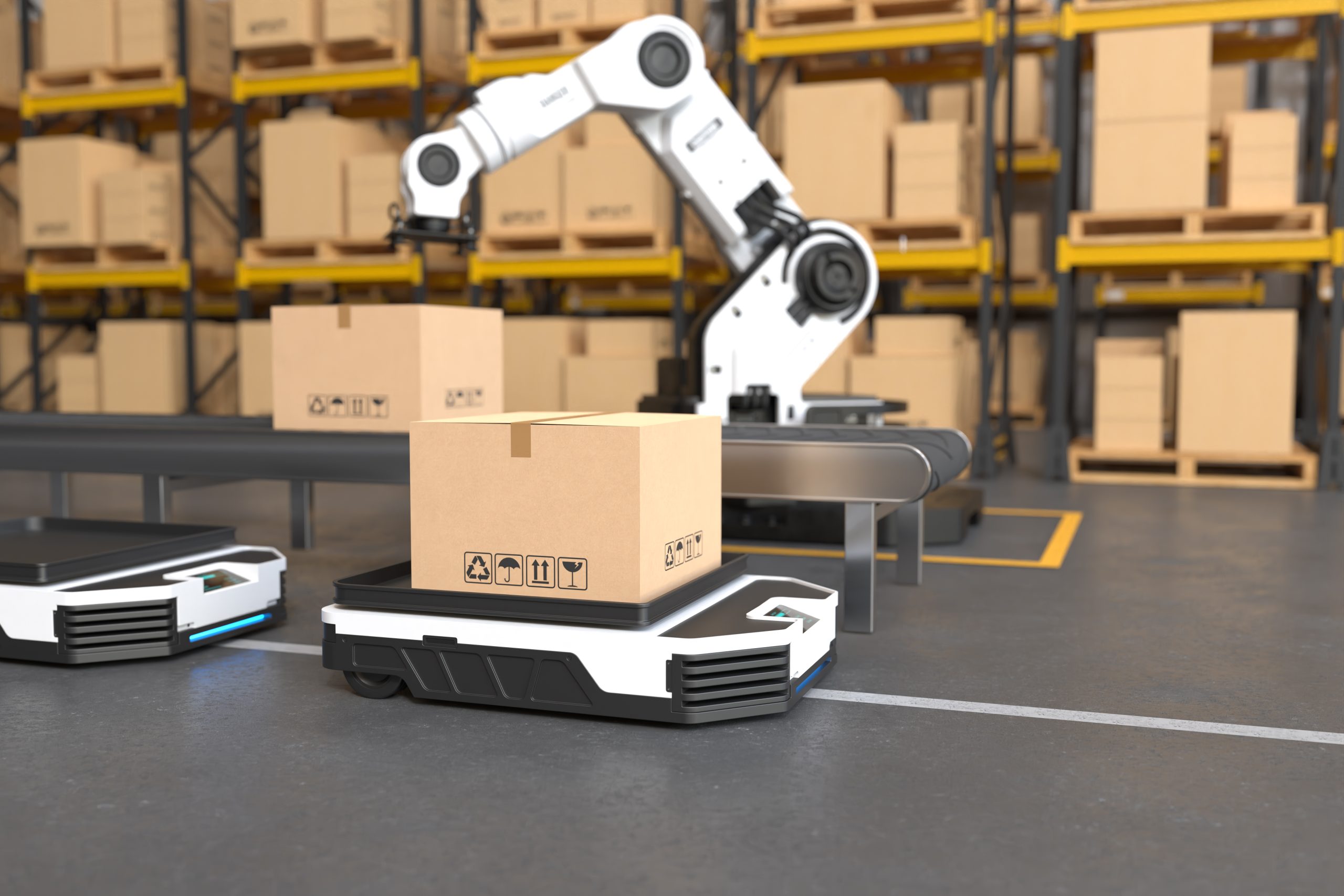
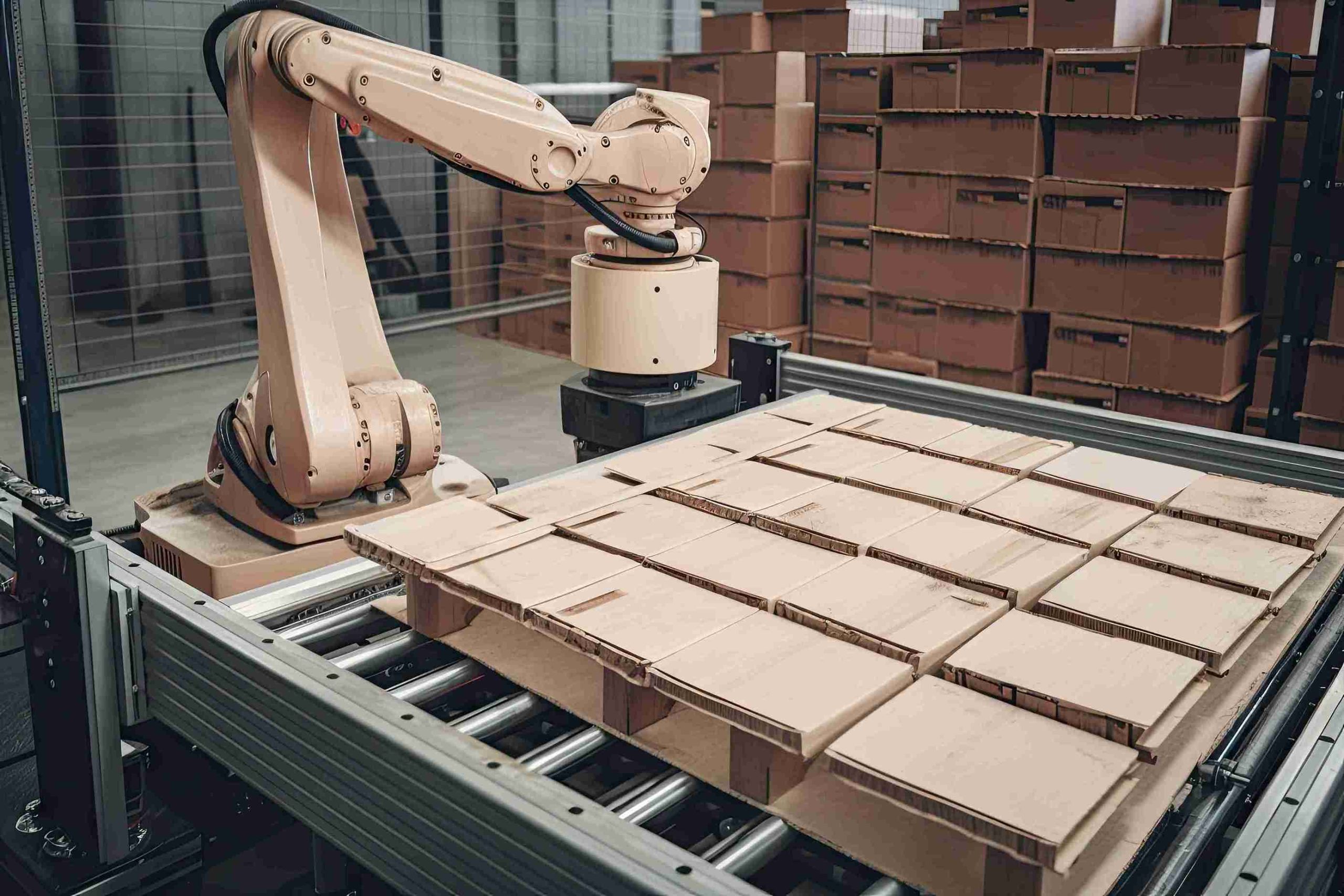
- Compatible with automation: Can be integrated with robotic arms for pick-and-place
Now that we understand horizontal machines, what about vertical ones? How are they different, and when should you use them?
What Is a Vertical Cartoning Machine and When Should You Use It?
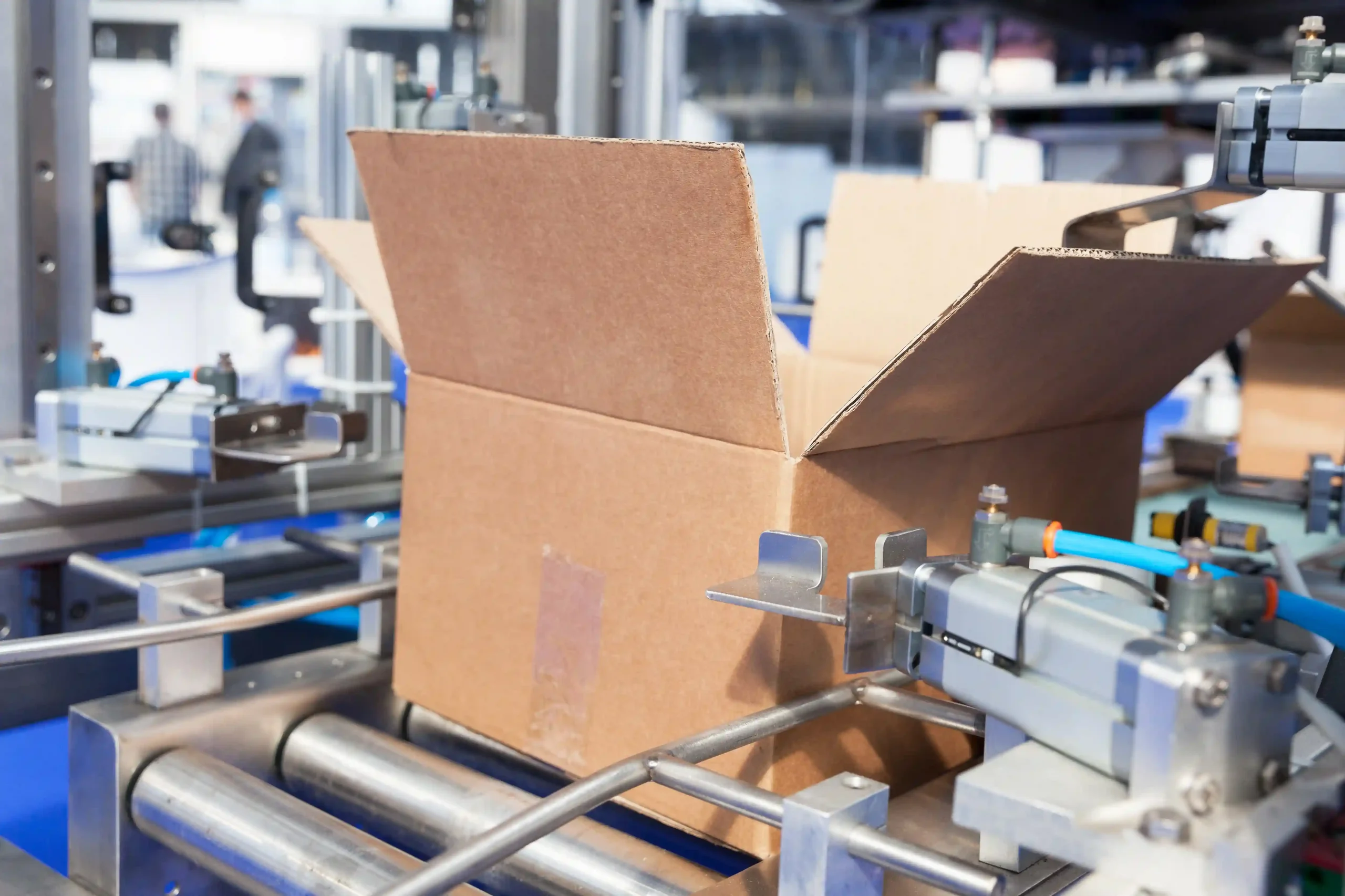
While horizontal cartoning machines load cartons from the side, vertical cartoning machines do the opposite. They open the carton and fill it from the top. This makes them ideal for products that are poured, dropped, or filled by gravity.
Vertical machines are often placed under filling systems that drop products like powder, cápsulas, vials, or sachets directly into the carton. The carton stays upright during the whole process.
Vertical cartoning machines can also be automatic or semi-automatic, depending on the setup. They are
commonly used in industries where products are small, lightweight, or free-flowing.
Best Use Cases
Some of the most common products packed using vertical cartoning machines include:
- Tea bags or coffee sachets
- Medical vials and ampoules
- Powdered supplements or spices
- Small bags or pouches of snacks
These machines work especially well when paired with vertical filling equipment.
Vertical Cartoning Machine Benefits
Here are a few reasons manufacturers choose vertical cartoning machines:
- Space-saving design: Good for limited floor space
- Simple mechanics: Fewer moving parts
- Smooth integration: Works well with upstream vertical fillers
- Efficient for bulk filling: Great for products that drop easily
With both horizontal and vertical cartoning machines offering unique advantages, how do you know which one fits your product best? Let’s compare.
Horizontal vs Vertical Cartoning Machine: Which One Fits Your Product?
Choosing between a horizontal cartoning machine and a vertical one depends on several key factors. Think about your product’s shape, how it needs to be filled, your production speed, and the available space in your factory.
Let’s make this easier by comparing the two machines side by side.
Key Factors to Consider Before You Choose
| Factor | Horizontal Cartoning Machine | Vertical Cartoning Machine |
| Product Shape | Rigid, estable, departamento | Loose, small, pourable |
| Filling Style | Pushed in from side | Dropped in from top |
| Best for | Tubes, trays, bars | Sachets, powders, vials |
| Space Needed | More floor space | Smaller footprint |
| Velocidad | Often faster | Moderate to fast |
| Automation | High compatibility | High compatibility |
In addition to speed and space, another important factor is how well the machine fits into your existing production line. If you’re already using certain filling equipment, you may want to choose a cartoning machine that integrates smoothly without major adjustments.
Por ejemplo, a vertical cartoning machine pairs well with vertical form-fill-seal machines or gravity-fed systems. On the other hand, a horizontal cartoning machine is better suited for lines that use robotic pick-and-place arms or conveyor-fed trays.
Another thing to consider is how many product changeovers you expect to do. If your facility runs many different SKUs or packaging sizes, you’ll want a machine that allows for quick and easy tool-free changeovers. Some vertical machines are simpler in this regard, but many modern horizontal machines also offer smart features for flexible packaging.
Automation levels also matter. If your team is looking to reduce manual labor, fully automatic models with carton forming, product loading, and sealing all built in will save time and increase efficiency. Semi-automatic models may still require an operator to place products or cartons manually, which is fine for lower output needs.
Still unsure? Let’s talk about how your decision impacts long-term performance and cost.
Why the Right Cartoning Machine Matters for Production Efficiency
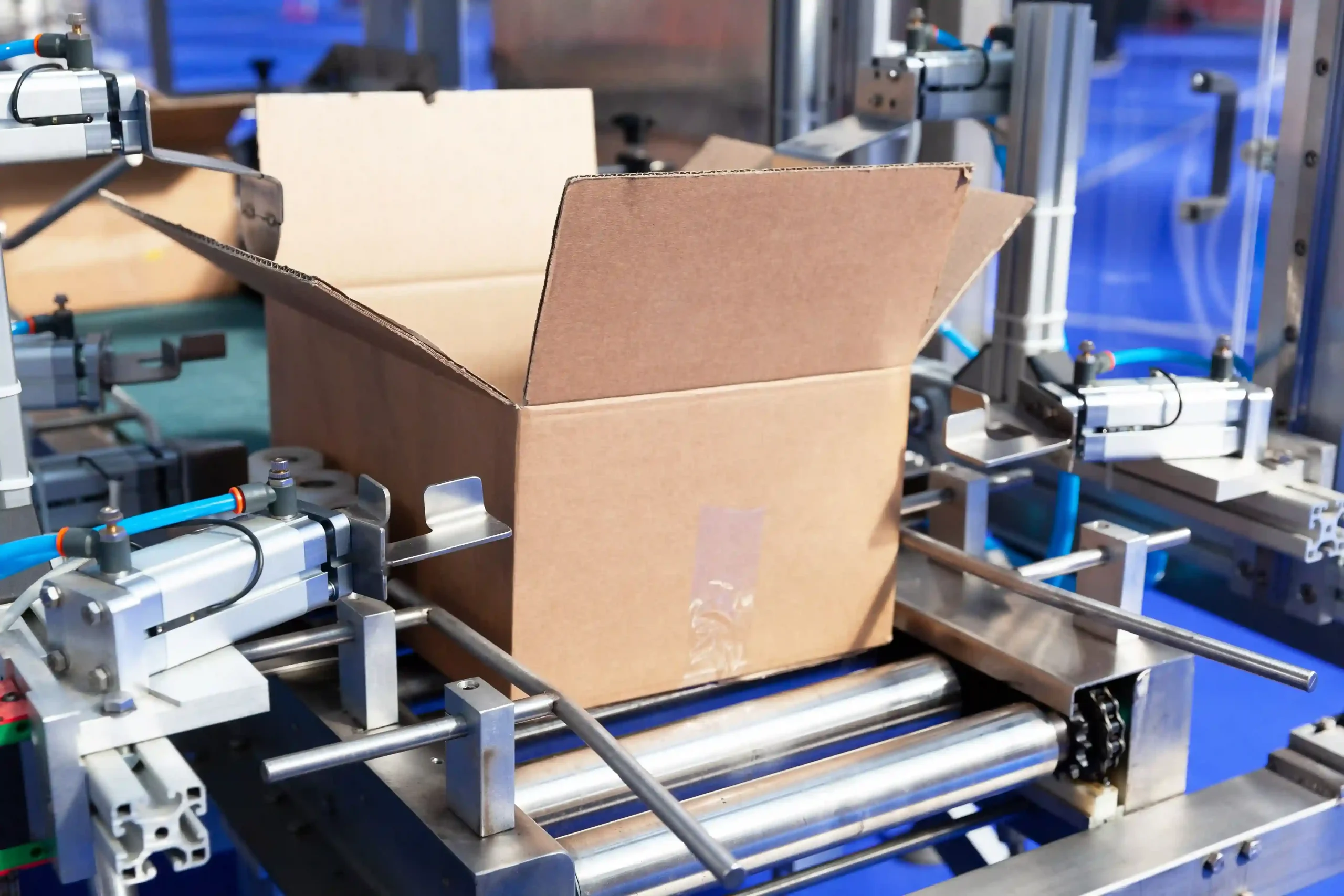
Cartoning machines do more than just put products into boxes. They affect your entire production process. Picking the wrong machine can lead to downtime, damaged goods, and lost revenue.
The right horizontal cartoning machine or vertical alternative can:
- Reduce labor costs
- Improve consistency and product safety
- Allow for quicker changeovers between products
- Deliver long-term cost savings through better efficiency
- Long-Term Value of Smart Machine Selection
By investing in the right machine now, you’re saving time and money down the road. Fewer breakdowns, less product waste, and smoother operations all add up.
But even with this knowledge, many buyers still make mistakes that cost them. Here’s how to avoid the most common ones.
Common Mistakes to Avoid When Choosing a Cartoning Machine
Selecting the wrong machine type can lead to a lot of frustration down the line. Here are some common mistakes buyers make and how to avoid them.
Mistake 1: Ignoring Product Orientation Needs
Some products need to stay upright or cannot be tilted without damage. If you choose a horizontal cartoning machine when your product requires vertical orientation, you may end up with damaged goods or unstable cartons.
Mistake 2: Underestimating Production Volume
Trying to use a semi-automatic machine for high-speed packaging can slow your line down. Make sure the cartoning machine you choose matches your expected daily or hourly output.
Mistake 3: Not Planning for Future Growth
Maybe your product range is small now, but will it expand in the future? Choose a flexible machine that can handle different sizes or be upgraded later. This saves you from having to replace equipment too soon.
Mistake 4: Overlooking Integration Requirements
Your new machine must work well with the rest of your line. Always check whether the cartoner can connect with your upstream and downstream equipment. Ask the supplier for layout drawings and compatibility checks.
Mistake 5: Choosing Based on Price Alone
It’s tempting to go for the lowest price, but quality, support, and efficiency matter just as much. A well-built horizontal cartoning machine or vertical system will save you more in the long run by avoiding breakdowns and product loss.
Why Choose OK for Your Cartoning Machinery?
y bien, we design and manufacture high-quality packaging machines, including both horizontal cartoning machines and vertical solutions. We understand that every product and production line is different.
Here’s why customers trust us:
- Custom solutions: We tailor machines to your specific product and layout
- Engineering expertise: Years of experience in automation and robotics
- Global support: Serving clients worldwide with reliable service
- Fast lead times: Our China-based factory ensures efficient production and delivery
Whether you’re looking for a high-speed horizontal cartoning machine or a compact vertical system, we’ll help you find the right fit.
Conclusión
We’ve explored the key differences between horizontal and vertical cartoning machines, looked at their best uses, and discussed how to choose the right one. From product shape to space and speed, every detail matters when it comes to packaging.
If you’re still deciding, that’s perfectly okay. Every business has unique needs. y bien, we’re here to make that decision easier. Our team is ready to answer your questions and recommend the best solution based on your product and goals.
Let’s build the packaging line your production deserves. Comuníquese con nosotros hoy we’d love to help.
Preguntas frecuentes
q: What is a horizontal cartoning machine best for?
A horizontal cartoning machine is ideal for packaging solid, rigid, or tube-shaped products like bars, blister packs, or tubes.
q: When should I use a vertical cartoning machine?
Use a vertical cartoning machine for small, pourable items such as powders, vials, or sachets that can be dropped into cartons from above.
q: Can I use both types in one facility?
Sí. Many factories use both machine types depending on the product line and packaging requirements.
q: Does OK offer custom solutions?
Sí. OK provides tailored horizontal and vertical cartoning machines to fit your exact needs.