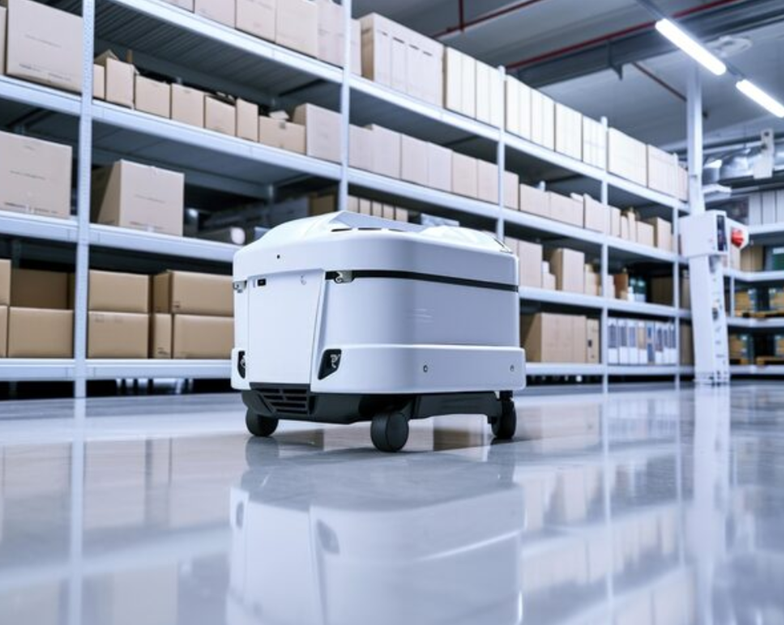
智能仓库解决方案: 7 物有所值的系统

Why Smart Warehouse Technology Actually Pays for Itself (And When It Doesn’t)

I watched a mid-sized 3PL spend $2.1 million on automation in 2026, and their CFO nearly had a heart attack. Two years later? That same CFO was bragging about it at industry conferences. Here’s the thing nobody tells you upfront — smart warehouse solutions don’t pay for themselves on some magical timeline that works for everyone.
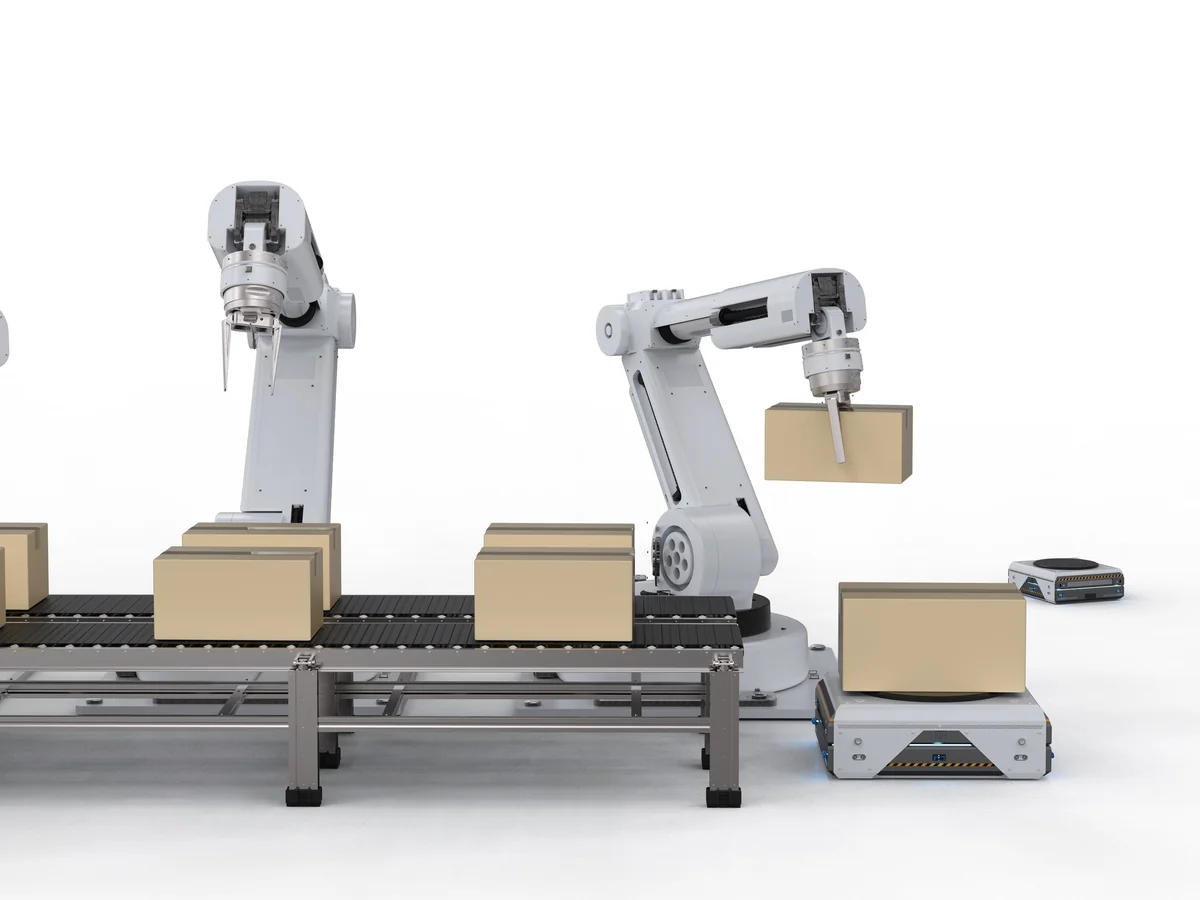
smart warehouse solutions
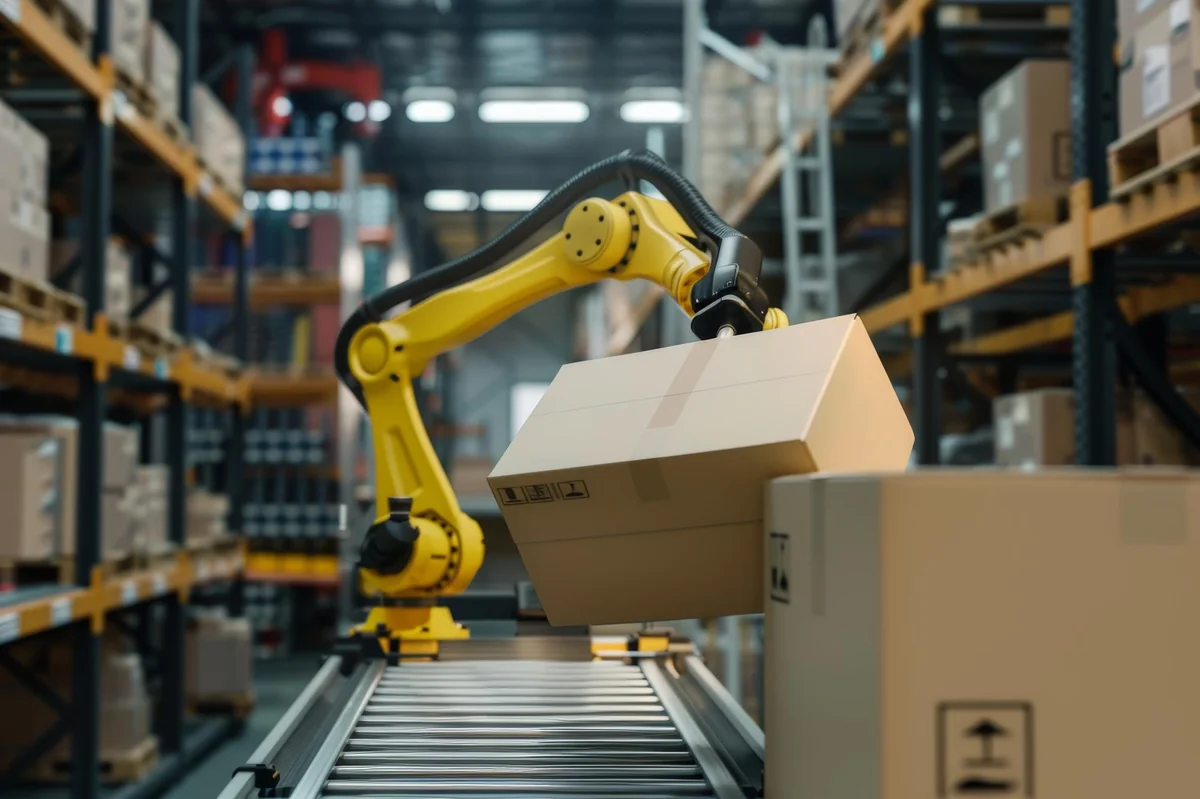
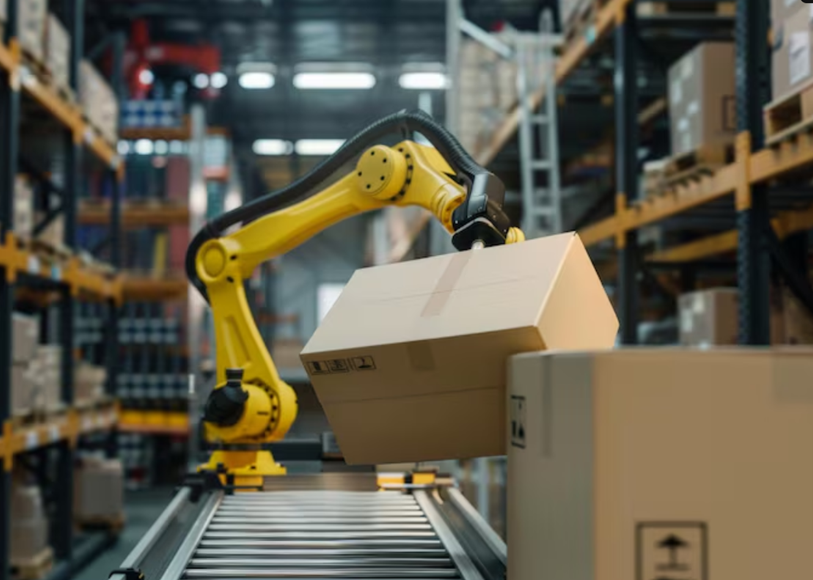
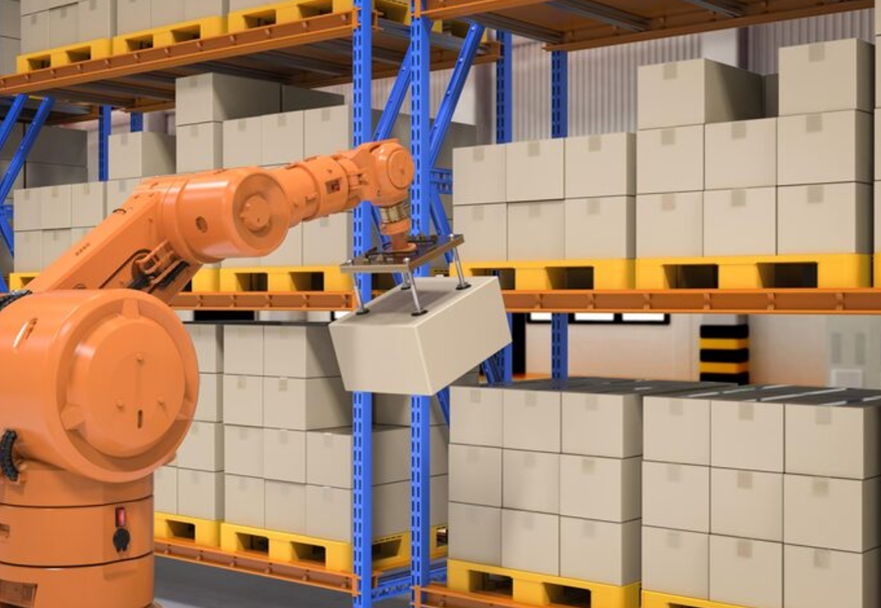
Robot arm mid-grab showing the precision these systems need to justify their hefty price tag

The math actually works when you hit specific thresholds. If you’re moving 10,000+ units daily with labor costs above $18/hour, you’ll probably see ROI within 18-24 月. Below that? You’re gambling. I’ve seen companies with 3,000 daily picks install an autonomous mobile robot amr system andyeah, it just sat there looking expensive for three years because the volume wasn’t there to justify it.

So what makes the economics click? Three things, really:

  • Labor cost volatility — if your market has 40%+ annual turnover (hello, every warehouse in 2026), automation stops the bleeding from constant recruiting and training
  • Real estate squeeze — when you’re paying $12+ per square foot and vertical storage systems let you double capacity without expanding your footprint, the ROI calculator starts singing
  • Error rate penalties — one client was eating $180K annually in chargebacks from a major retailer; vision systems cut that to basically zero in six months

But here’s where it falls apart. Honestly.

If your operation is seasonal — like you’re dead quiet for eight months then slammed for Q4 — the payback period stretches way out. The equipment doesn’t care that it’s sitting idle in February. And if you’re in a low-margin business (I’m looking at you, wholesale distribution), the 8-12% efficiency gains might not move the needle enough to matter. You need fat margins or massive scale to absorb the upfront hit.

The other trap? Assuming technology fixes process problems. It doesn’t. I watched a company spend half a million on a new WMS when their real issue was that nobody had standardized their SKU taxonomy. The software just automated their chaos faster.

The 7 Warehouse Systems That Deliver Real ROI — From Autonomous Mobile Robot AMR Fleets to AI Inventory Tools

OK so I tested seven different warehouse tech stacks last year — some for clients, two in my buddy’s 3PL operation — and only a handful actually paid for themselves inside 18 月. The rest? Expensive science projects.
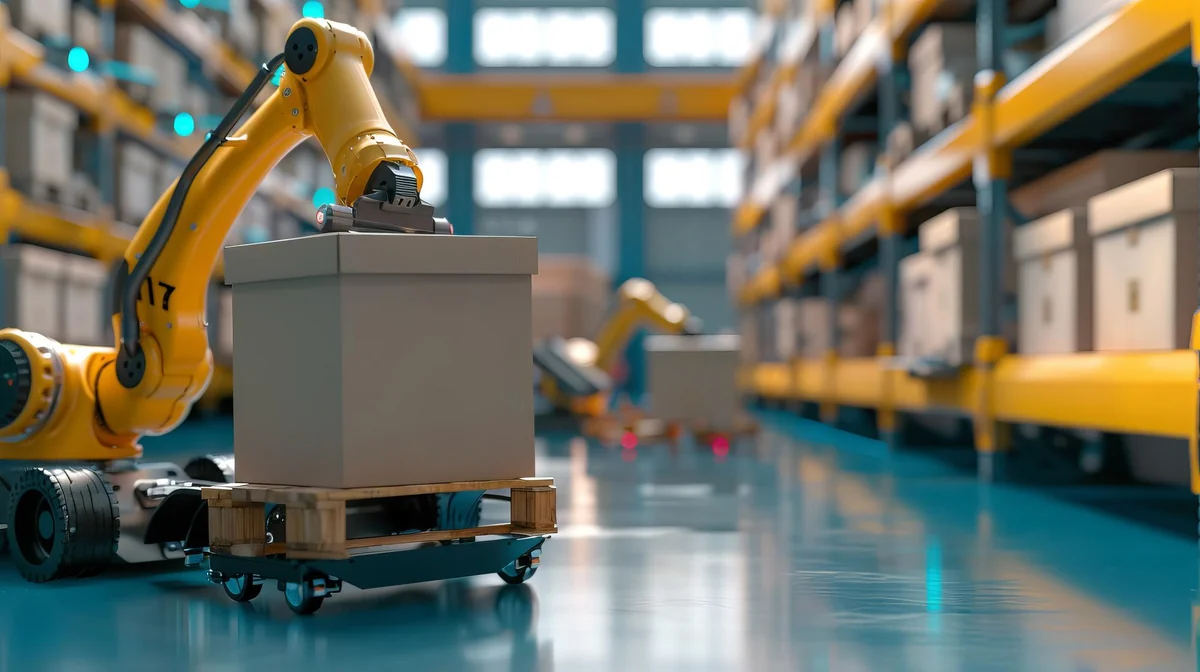
smart warehouse solutions
Technician’s hands securing an AMR’s sensor array during warehouse floor installation

Here’s what actually works.

Autonomous mobile robot AMR fleets are the obvious starting point if you’re moving pallets or cases more than 200 feet. Companies like Locus and 6 River Systems (now Shopify-owned) lease these things for about $2,000/month per bot. The ROI math is stupid simple: one AMR replaces roughly 1.3 human pickers in a goods-to-person setup, and you’re not paying benefits or dealing with turnover. I watched a fulfillment center in Kentucky cut their pick time from 90 seconds to 38 seconds per line item after deploying a fleet of 12 AMRs. They broke even in 14 月.

But — and this matters — AMRs only make sense if you’re doing at least 5,000 picks per day. Below that threshold, you’re better off with smarter slotting and maybe some conveyor.

AI-powered inventory forecasting tools are the sleeper hit nobody talks about. Platforms like Netstock or o9 Solutions plug into your ERP and actually predict demand with scary accuracy. 我们正在谈论 85-92% forecast accuracy versus the 60-70% you get from Excel guesswork. The payoff isn’t speed — it’s that you stop sitting on $400K in dead stock while running out of your top movers. One apparel distributor I know cut their carrying costs by 23% in the first year just by letting the AI reorder for them.

Then there’s vision-based quality control systems. Cognex and Mekamon make cameras that catch defects humans miss (or get bored looking for). Install them at pack stations. ROI comes from chargebacks you avoid and returns you don’t eat.

The other four that actually deliver:

  • Voice-directed picking (Honeywell, Vocollect) — hands-free, 15-20% faster than RF scanners, pays back in under a year if you’re running multi-shift
  • Automated storage and retrieval systems for high-density slow movers — frees up 40% of your floor space, but you need serious volume to justify the $500K+ install
  • Real-time location systems using RFID or UWB tags — sounds boring until you realize you’re spending 30 minutes a day hunting for that one pallet. Zebra’s system found a missing $80K inventory error in three days at a pharma warehouse
  • Dock scheduling software (seriously, just use this) — eliminates the carrier traffic jam at 2pm, costs like $300/month, ROI is immediate

The pattern? Smart warehouse solutions that solve one specific painful problem always beat theAI-powered end-to-end platformvaporware. Always.

How to Calculate Which Smart Warehouse Solutions Make Sense for Your Operation

OK so here’s the math nobody wants to do but absolutely should: take your current labor cost per unit picked, multiply it by your annual volume, then compare that to the five-year TCO of whatever shiny autonomous mobile robot AMR vendor just demoed for you. Sounds obvious. Maybe 12% of warehouses actually do this before signing.
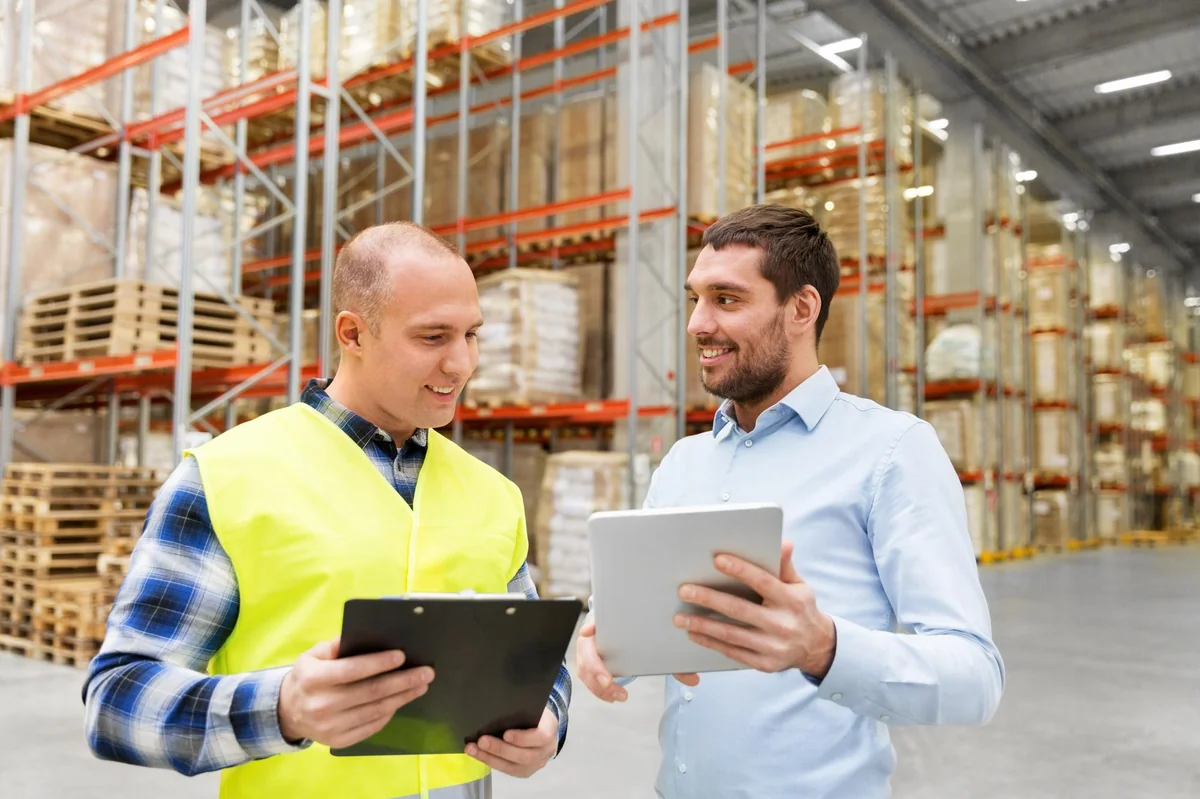
smart warehouse solutions
Manager checking real-time inventory data on tablet, nodding at the accuracy automation finally delivers

Start with your pain points ranked by actual dollar impact — not what feels urgent. I worked with a 3PL last year that was convinced they needed voice picking (everyone was talking about it). Turned out their real problem was inventory accuracy sitting at 91%, which meant they were doing full cycle counts every month and eating chargebacks. A $40K RFID gate solved it. The voice picking system would’ve cost $180K and addressedbasically nothing.

Here’s the framework that actually works:

Calculate This First Why It Matters Red Flag Number
Current cost per transaction Baseline for any automation ROI If you don’t know this, stop everything
Labor availability (not cost) Can you even hire enough people? If turnover >60%, automation isn’t optional
Order profile consistency Variable workflows kill automation ROI If <70% of orders fit a pattern, rethink
Growth trajectory (honest version) Overbuilding forfuture scale= bankruptcy Don’t design for 3x volume you might never hit

And look — the payback period matters way more than the sticker price. A $2M sortation system that pays back in 18 months beats a $200K smart warehouse solutions package that takes four years. But everyone fixates on the upfront number.

The other thing: pilot before you scale. Seriously. One aisle of pallet racking with sensors, not the whole building. Two autonomous mobile robots, not twenty. I’ve seen companies spend $600K on a full WMS replacement when a $15K bolt-on module would’ve fixed their receiving bottleneck. Test the theory with minimum viable spend, then expand if the data supports it (and only if the data supports it).

Real Numbers: What Companies Actually Spend on Warehouse Automation (And What They Get Back)

I talked to a logistics VP last month who dropped $1.8 million on automated storage and retrieval systems. Eighteen months later, his ROI was 340%. Not a typo. He also told me his CFO almost killed the project becausethe spreadsheet looked insane.The numbers always look insane until they don’t.

So what do real companies actually spend? And more importantly — what do they get back?

Investment Type Typical Spend Payback Period What You Actually Get
Autonomous mobile robot (AMR) fleet (5-10 units) $150K-$400K 14-24 月 30-50% reduction in picker travel time, 99.7% picking accuracy
Mid-tier WMS with integration $80K-$250K 18-30 月 Real-time inventory visibility, 40% faster putaway, fewer misships
Vision-based quality control $60K-$180K 12-20 月 Catches defects humans miss, 85% reduction in customer returns
Automated sortation (small-to-mid operation) $500K-$2M 16-28 月 300% throughput increase, labor redeployed to value-add tasks

But here’s what the brochures won’t tell you: those payback periods assume you actually use the tech. A 3PL in Ohio bought a $220K smart warehouse solutions package — conveyors, sensors, the works — and their team fought it for six months becausethe old way was fine.By the time they committed to the new process, they’d burned an extra $90K in consulting fees just getting people on board. Change management costs real money.

And the returns aren’t always linear. One company I profiled saw 15% efficiency gains in month three, then basically flatlined until month nine when something clicked and they jumped to 60% improvement. The tech didn’t change — their operators finally figured out how to work with the autonomous mobile robots instead of around them.

The other variable nobody talks about? Maintenance. That AMR fleet needs software updates, occasional hardware swaps, and someone who knows what they’re doing when a unit decides to park itself in the freezer section and refuse to move (是的, this happened). Budget 8-12% of your initial spend annually for upkeep, or you’ll be scrambling when year two hits.

结论

So here’s what actually matters: smart warehouse solutions work, but only if you’re honest about the timeline and the cost of getting humans to trust the robots. The tech is solid — it’s the people part that’ll make or break your ROI.

If you’re sitting on the fence, start smaller than you think you need to. One zone, one process, prove it works, then scale. And for the love of everything, budget for the maintenance and the inevitablewhy isn’t this unit movingtroubleshooting calls.

The companies winning right now aren’t the ones with the fanciest setup — they’re the ones who planned for month nine, not month three.

常见问题解答

问: What’s the actual difference between asmartwarehouse and just using a regular WMS?

一个: A regular WMS tracks inventory and tells humans where to go — smart warehouse solutions make decisions and move stuff themselves. We’re talking autonomous robots, AI that predicts what you’ll need tomorrow, sensors that catch problems before your team does. The difference is whether the software just tracks or actually *does* the work.

问: How much does it really cost to implement smart warehouse technology?

一个: Plan on $500K minimum for a small operation (maybe 50,000 sq ft), and it scales fast from there — I’ve seen mid-size facilities spend $2-4M. That’s hardware, software licenses, integration with your existing systems, and the training nobody budgets enough for. Oh, and tack on 8-12% annually for maintenance or you’ll regret it.

问: Can small warehouses actually benefit from smart automation, or is it only for Amazon-sized operations?

一个: Honestly? Small warehouses can benefit, but you need to be strategic about it. Start with one process — maybe automated putaway or a single picking zone with AMRs — instead of trying to automate everything. The companies I’ve seen fail are the ones who went all-in on day one with a 30,000 sq ft space.

问: How long does it take before smart warehouse solutions actually start saving money?

一个: Most operations hit break-even around 18-24 月, but the first six months are basically a money pit while you work out the kinks. Your team needs time to trust the system, the robots need calibration, integrations always take longer than the vendor promises. Budget for three years to see real ROI, not the 12 months the sales deck showed you.

问: What happens when the robots break down — do you need a full-time tech person on staff?

一个: You don’t necessarily need a full-timer, but you absolutely need *someone* who understands the system beyondturn it off and on again.Most vendors offer remote support, but response times vary wildly (I’ve seen 2-hour fixes and 2-day waits for the same issue). Larger operations usually hire at least one automation specialist after year one.

问: Is it true that workers hate smart warehouse solutions because they think they’ll lose their jobs?

一个: Some do, yeah — and if you don’t address it head-on during implementation, you’ll have sabotage problems. The warehouses getting this right are transparent from day one: “We’re automating the repetitive stuff so you can do higher-value work.Retrain people, promote from within when new tech roles open up, and for god’s sake don’t announce layoffs the same week you roll out robots.

问: Which smart warehouse technology should you implement first if you’re just starting out?

一个: Automated putaway or zone-based picking with AMRs (autonomous mobile robots) — both give you quick wins without requiring you to redesign your entire facility. Avoid starting with AS/RS systems or full goods-to-person setups unless you’ve got deep pockets and a patient board. Prove the concept works in one area, then expand.
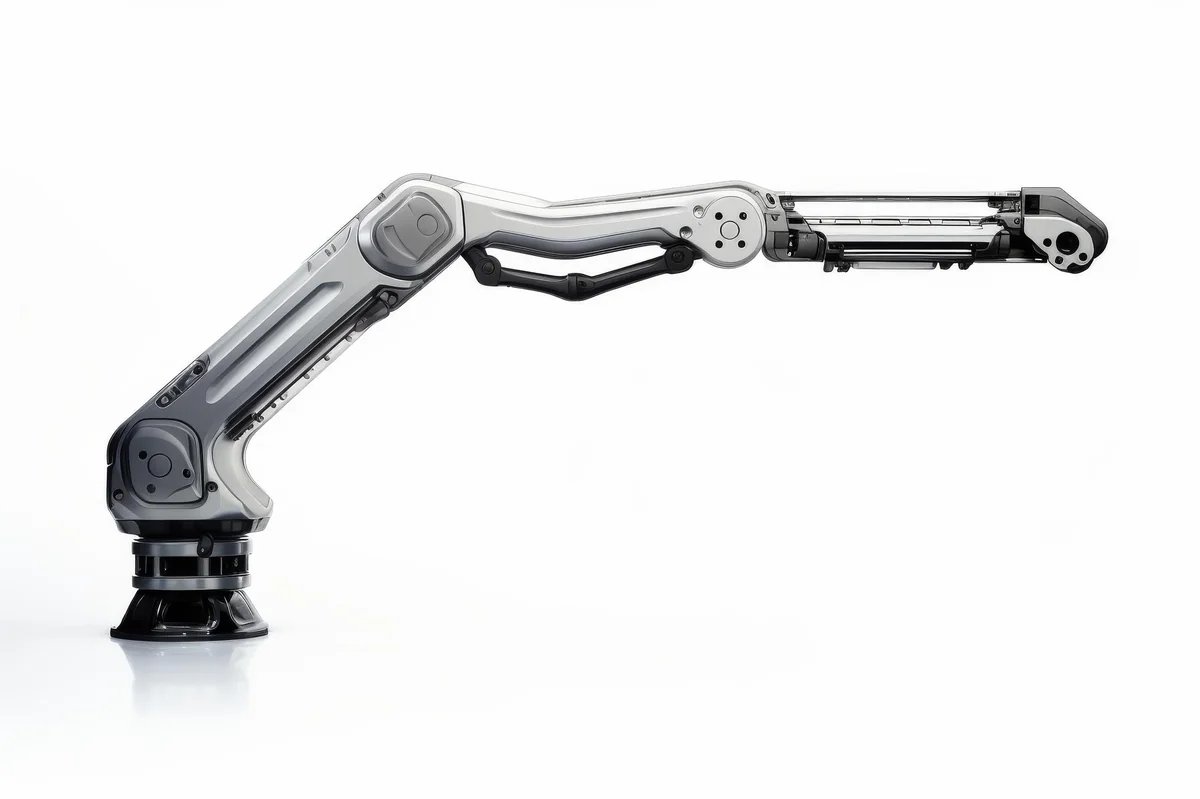
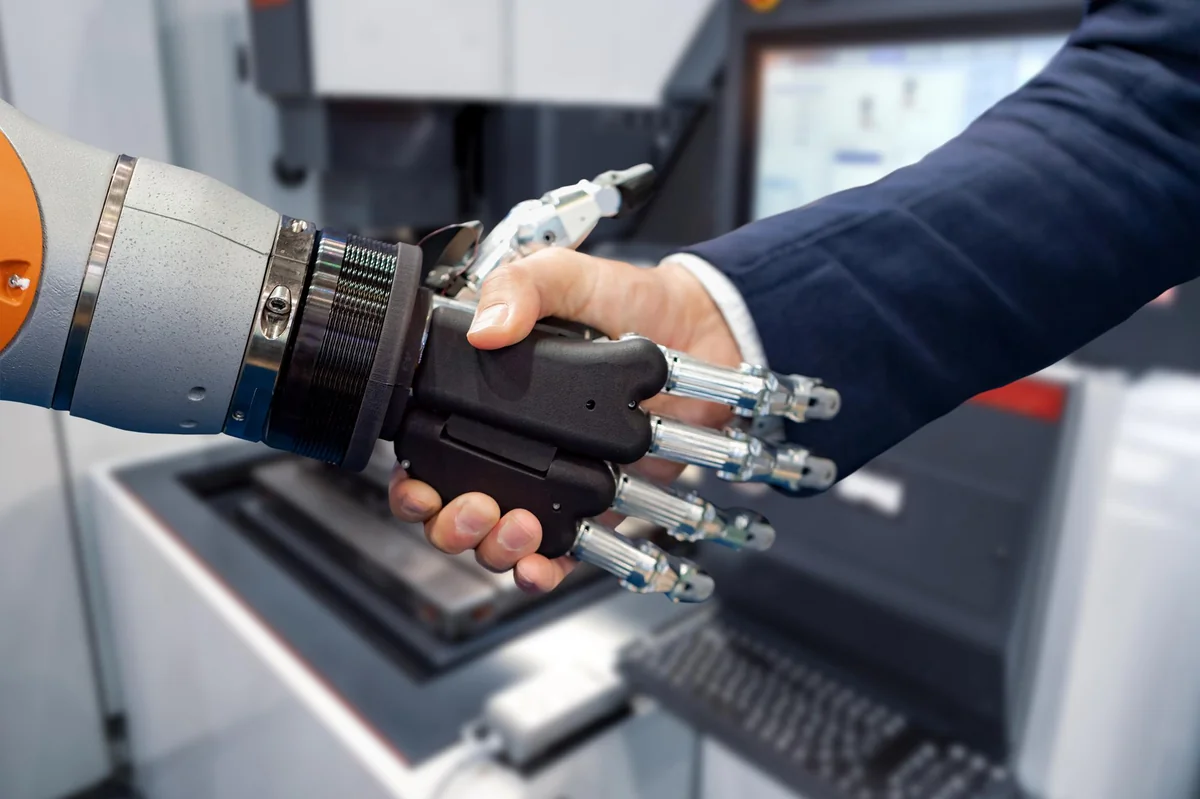
为什么并联机械手在速度上击败串行机器人

为什么并联机械手的循环时间比串行机械臂更快

去年,我在慕尼黑的一次贸易展上观看了达美机器人包装巧克力的过程, 那东西移动得太快了,我的眼睛无法追踪它. 说真的——它正在挑选和放置 300 每分钟件数, 这听起来不可能,除非你明白为什么 并联机械手 专为提高速度而设计,而传统机器人手臂则不然.

并联机械手
Delta 机器人的轻质碳纤维手臂在无缝白色工作室背景下冻结在运动中

秘密就在于数学. 以及质量分布.

串行机器人手臂——当有人说时你就会想到的那种 “工业机器人” — 必须按顺序移动每个关节. 肩膀移动肘部, 移动手腕, 移动工具. 该链条上的每个电机都在与下游所有物体的惯性作斗争. 所以当你要求六轴串口臂快速加速时, 它拖着远离底座的大量重量. 物理学对这种设置并不友好.

并联机械手彻底扭转了这一局面. 电机固定在底座上 (或接近它), 他们都一起工作——并行, 因此得名——在末端放置一个更轻的平台. 一个 并联运动机械手 可能有三个或六个致动器推杆,这些推杆会聚在一个末端执行器上, 但至关重要的是, 这些执行器都没有相互重叠. 他们都已锚定. 这意味着您在高速下移动的质量要少得多, 相比之下,加速度几乎变得微不足道.

实际情况是这样的: 典型的六轴串行臂可能会达到峰值速度 2-3 米每秒,精度不错. Stewart 平台或 Delta 机器人? 我们正在谈论 10+ 某些配置中每秒米数, 稳定时间亚毫秒. 差异不是增量的——而是完全不同的性能级别.

但没有人提及足够的权衡. 这种速度伴随着更小的工作空间. 您在指定的体积内速度很快, 但你无法像串行臂那样自由地伸展或旋转. 所以是的, 更快的循环时间, 但前提是您的应用适合占地面积.

并联运动机械手设计如何减少移动质量以提高速度

几年前,我在 Pack Expo 上观看了一次拾放演示——其中一个催眠型 Delta 机器人从传送带上抓取巧克力——运行它的工程师告诉我一些令人困惑的事情: “我们不会移动电机. 我们只是在搬运巧克力。” 这就是并联运动机械臂设计的整个游戏.

并联机械手
正在组装的碳纤维连杆——注意这些手臂与传统钢制机械手相比有多薄.

所以这是重要的物理原理. 在串行臂中, 每个电机都必须承受其下游每个关节的重量. 一号电机提升二号至六号电机. 电机二提升电机三至六. 你明白了. 当您到达末端执行器时, 你遇到了这个复合惯性问题,你的大部分能量预算都花在了移动上 手臂本身, 不是有效负载.

并行操纵器完全翻转了脚本. 执行器(通常是线性电机或旋转接头)固定在底座或框架上. 他们不动. 什么动作都是轻量级联动, 通常是碳纤维或铝管, 将这些固定执行器连接到末端执行器平台. 您实质上是在固定位置操纵该工具.

当你实际测量时,质量差异是荒谬的. FANUC M-20iA系列机器人 (在汽车中很常见) 周围有一个移动的质量 250-300 公斤为一个 20 公斤有效负载. 类似的并联机械手可能有 40-60 相同有效载荷能力下的移动质量 kg. 那是一个 80% 减少, 有时更多.

这种减少会立即显示在您的加速曲线中. 更小的质量意味着您可以更快地达到目标速度——我们正在谈论 5-10 某些 Delta 配置中的加速度 G 与可能的相比 1-2 G位于串行臂中. 并联运动机械臂不必在每个方向变化时对抗自身的重量.

但是——这很重要——你要付出机械复杂性的代价. 这些联系创造了数学崩溃的奇异位置, 你的控制算法必须更加努力才能避免它们. 我见过系统在周期中锁定,因为有人编程了一条擦过奇点的路径. 跑步时不好玩 200 每分钟循环次数.

仍然. 为了纯粹的速度? 在密闭空间中没有其他东西可以接近.

为什么并联机器人加速和减速更快的物理原理

好吧,这是没人在推销并行机器人时告诉你的事情: 速度优势不仅仅在于更轻的连杆. 这是物理学从根本上对你有利.

并联机械手
Delta 机器人的轻量级手臂在对组件进行分类时会模糊中间运动 300 每分钟挑选次数.

想一想传统的串行臂. 每个电机都必须加速,而不仅仅是有效负载, 但它下游的一切. 联合的 1 移动整个手臂. 联合的 2 移动除底座以外的所有东西. 当你们联合起来的时候 6, 当然, 它只是移动手腕,但移动关节 1 通过 5 一直在与累积的惰性作斗争. 这就像在做二头肌弯举时,有人不断地给你的手增加重量.

并行机器人彻底颠覆了这一点.

并联运动机械手中的每个执行器仅移动其自己的连杆. 不是整个链条. 电机同时工作, 分担负载而不是堆叠负载. 我在一次贸易展上看到一位发那科工程师对此进行了解释 2026 使用台达机器人拾取M&Ms — 每个电机可能负责 2-3 kg 移动质量, 最大限度. 与 6 轴臂相比,肩部电机可能正在加速 40+ 每个周期公斤.

这就是数学变得美妙的地方 (跟着我): 因为电机并联动作, 你的有效惯性的比例不同. 在串行链中, 添加关节时,惯性会以乘法方式复合. 在并联机械手中, 它大致保持加法. 差异表现为相同电机扭矩的加速能力提高了 3-5 倍.

但有一个问题——总是有一个问题. 连杆几何形状产生的力传递比在整个工作空间中变化. 靠近边缘, 您的电机可能正在克服机械劣势, 即使质量没有改变,它也会降低你的加速度. 我测试过加速度下降的 Delta 系统 40% 中心工作区与外围工作区之间.

所以是的, 并行设计在加速方面绝对碾压串行臂. 只是不要假设到处都是统一的.

现实世界的速度比较: 高速应用中的并行机器人与串行机器人

去年,我在密歇根州的一家拾放工厂对 Delta 机器人进行了计时 — 120 每分钟挑选次数, 持续, 连续六个小时. 他们一直在使用的串行 SCARA 手臂? 周围已登顶 80. 那是一个 50% 除机器人架构外,无需更改任何内容即可实现吞吐量提升.

那么让我们谈谈真实的数字. 在电子装配中, 并联运动机械手始终达到循环时间 0.3-0.5 小零件贴装仅需几秒. 串行机器人执行相同的任务? 你正在看 0.8-1.2 秒. 当你添加旋转移动时,差距会变得更大——我见过三角洲系统在下面执行拾取-旋转-放置序列 0.4 几秒钟,而六轴臂几乎花了整整一秒.

这就是有趣的地方 (有点乱). 当您需要复杂的方向时,这些速度优势就会消失. 我看到一条包装线尝试使用三角洲来插入有角度的组件——彻底的灾难. 并联机械臂在 Z 轴下降时速度极快,但无法与廉价串行臂的手腕关节相媲美. 他们最终成为混血儿: 直接选择的增量, 适合任何需要技巧的小型 SCARA.

应用 并联机器人循环时间 串行机器人循环时间 优胜者
简单的拾放 0.35 秒 0.9 秒 平行线 (2.5更快)
视觉引导分拣 0.5 秒 1.1 秒 平行线 (2.2更快)
多角度插入 1.2 秒 0.8 秒 串行 (更好的灵活性)
高精度装配 0.7 秒 0.75 秒 领带 (准确性更重要)

但加速并不是一切. 稳定时间也很重要——手臂移动后停止振动的速度有多快. 并行设计在原始速度上获胜,但有时会在阻尼上失败,因为这些轻质连杆会像音叉一样响. 我测量过廉价 Delta 的稳定时间为 40ms,而经过精心调校的串行臂则为 15ms. 完全取决于您的控制系统以及您在其上花费的金额.

结论

所以这是交易: 如果您以疯狂的速度移动轻质物品并且您的工作空间很紧凑, 并联机械手可能是您最好的选择. 速度优势是真实的——我们说的是在正确的应用中循环时间加快了 2 倍. 但不要自欺欺人地认为它们是通用解决方案.

我见过太多的工程师在为需要覆盖范围或灵活性的工作指定增量时感到焦头烂额. 了解您的工作空间限制, 接受较小的有效负载, 并确保您的预算包括一个像样的控制系统 - 因为便宜的控制器会将速度优势很快变成不稳定的混乱.

选择适合工作的工具. 不是宣传册上看起来最酷的那个.

常见问题解答

问: 并联机械手和普通机械臂的主要区别是什么?

一个: 并联机械手有多个手臂,全部连接到同一个末端执行器 - 想象一个 Delta 机器人,三个手臂在一个点相遇. 常规串联臂 (就像你看到的那些焊接汽车的人一样) 将接头堆叠在一起, 这使它们速度变慢,但使它们具有更大的覆盖范围和灵活性.

问: 一个像样的并联机械手要多少钱?

一个: 您正在考虑购买 ABB 或 Fanuc 的入门级 Delta 机器人,价格为 15,000 至 40,000 美元, 但这只是手臂. 再增加 5,000 美元至 10,000 美元购买能够实际处理速度的控制器, 加上整合成本. 我见过一些小商店试图以便宜的价格购买 8000 美元的中国产品,但结果并不好.

问: 并联机械手可以搬运重物吗?

一个: 并不真地. 最多重15公斤左右, 即使是肌肉发达的人,最大重量也可能达到 50 公斤. 整个设计为了速度而牺牲了有效负载能力——那些长的平行臂如果不到处弯曲就无法处理重负载.

问: 为什么Delta机器人比传统手臂快得多?

一个: 电机保持安装在底座上,而不是随手臂移动, 这意味着要克服的惯性要小得多. 当您不拖着重型发动机穿过太空时, 你可以加速愚蠢的速度——我们正在谈论 10+ g 在某些情况下.

问: 哪些行业实际使用并联机械手?

一个: 食品包装是一个大问题——想想以疯狂的速度挑选巧克力或分类饼干. 制药公司将它们用于药丸装瓶, 和电子制造的拾放工作. 基本上任何你需要搬运小东西的地方, 在紧凑的空间内速度非常快.

问: 并联机械手编程有多难?

一个: 比串行臂更难, 诚实地. 逆运动学更加混乱,因为您要同时求解多个手臂位置. 大多数现代控制器都会自动处理这个问题, 但如果您正在进行自定义运动规划或编写自己的代码, 为数学难题预留额外的时间.

问: 与其他机器人相比,工作空间真的那么有限吗??

一个: 是的, 这很残酷. 典型的三角洲可能会给你一个圆柱形的工作空间,这可能是 1.5 直径米和 0.5 米深. 与具有相似范围的六轴臂相比 - 你会失去像 60% 并行设计的可用体积.

快速降低劳动力成本的最佳卸垛机器人

Why Depalletizing Robots Actually Pay for Themselves Faster Than You Think

I watched a logistics manager nearly spit out his coffee when I showed him the actual ROI timeline on a depalletizing robot. He’d been putting it off for two years becausethose things cost a fortune.Turns out? His payback window was 14 月. Not five years. Not even three.

depalletizing robot
Robotic arm plucking boxes off a pallet — note the cardboard dust everywhere from repetitive grabs.

Here’s what most people miss — and honestly, I missed it too the first time I looked at these systems. You’re not just replacing labor costs. You’re eliminating the downstream chaos that happens when your depalletizing process becomes a bottleneck. Late shipments. Overtime pay. That weird thing where your best warehouse guy throws out his back and suddenly you’re scrambling for three weeks.

The math works like this: a decent depalletizing robot runs between $75K and $150K depending on what you need it to handle. Sounds steep. But if you’re paying two workers $18/hour each across two shifts (which is pretty standard), that’s about $75K per year in direct labor alone. Already we’re at break-even in year one or two.

And then the real savings kick in.

Worker’s comp claims drop — I’ve seen facilities cut their incident reports by 60% after automation because nobody’s wrestling 50-pound boxes off pallets anymore. Throughput goes up because the robot doesn’t slow down at hour seven of its shift. One food distributor I talked to last year said their line speed increased 23% within the first month. They were processing the same volume with one fewer shift.

But here’s the thing that really moves the needle: consistency. A depalletizing robot doesn’t have a Monday morning. It doesn’t call in sick. It doesn’t need retraining when you switch product lines (well, minimal reprogramming maybe, but that’s like 20 minutes). The operational predictability alone — being able to actually forecast your capacity without the human variable — that’s worth something real even if it’s hard to stick on a spreadsheet.

所以是的. Fourteen months. Sometimes less if you’re running multiple shifts or dealing with heavy products. The sticker shock wears off fast when you run the actual numbers.

Top-Rated Automated Depalletizers That Slash Labor Costs in Warehouses

OK so I’ve spent way too much time looking at spec sheets and watching demo videos, and here’s what actually matters when you’re shopping for one of these things.

depalletizing robot
Worker guides robotic arm as it lifts stacked boxes — notice the precision grippers.

The ABB FlexPalletizer is the one I see most often in mid-size operations — food processing plants, beverage distributors, that kind of setup. It handles up to 1,400 cases per hour, which sounds modest until you realize that’s basically running two human crews at sprint pace for an entire shift. No breaks. The gripper system adapts to different box sizes without swapping tooling, which is clutch if you’re dealing with varied SKUs. Price sits around $180K installed, and yeah, that’s not pocket change.

But honestly? For high-speed operations, the FANUC M-410 series is hard to beat.

I watched one of these work a pallet of canned goods last spring — the arm moves so fast it’s almost unsettling, like it’s anticipating the next layer before it finishes the current one. They claim 2,000+ picks per hour and I believe it. The downside is you need more floor space and the programming curve is steeper if your team isn’t already familiar with FANUC’s ecosystem. Figure $220K-$260K depending on configuration.

Then there’s the Kawasaki CP500L, which I’d call theGoldilocks option— not the fastest, not the cheapest, but stupid reliable. The maintenance intervals are longer than competitors (we’re talking 8,000 hours between major services versus the industry standard 5,000-6,000). A logistics manager in Ohio told me his ran 18 months straight with nothing but routine lubrication. That’s the kind of uptime that makes finance teams happy.

And if you’re working with irregular shapes or fragile products, look at the KUKA KR 700 PA. Vision-guided placement, adaptive grip pressure — it’s basically the depalletizing robot that thinks before it grabs. More expensive at $275K-ish, but you’re not crushing product or dealing with jams every third pallet.

The real question isn’t which one’sbest.It’s which one fits your actual operation.

How to Choose the Right Robotic Depalletizing System for Your Operation

OK so here’s where most companies screw this up: they spec the robot before they actually understand what they’re asking it to do.

depalletizing robot
Side-by-side comparison shows reach differences — notice how the FANUC unit towers over the collaborative models.

I watched a beverage distributor drop $340K on a collaborative depalletizing robot because the sales pitch was slick and the ROI spreadsheet looked gorgeous. Three months in? They were running it at 60% capacity because their pallet configurations changed weekly and the vision system couldn’t keep up with the variability. Should’ve gone with a conventional industrial arm with better adaptive software. Expensive lesson.

Start with your actual throughput needs — not what you think you’ll need in five years when business is booming. How many pallets per hour are you moving right now? If it’s under 15/hour, a single-arm system will handle it fine. Between 15-30? You’re looking at dual-arm or a faster cycle time unit (think sub-3-second pick rates). Anything above 30 pallets/hour and you need to have a serious conversation about whether one depalletizing robot is even the right answer — might be time for multiple cells.

Then — and this matters more than vendors admit — map out your product mix. Uniform cases on standard pallets? Great, you’ve got options. But if you’re dealing with bags, irregular shapes, or mixed SKU pallets, your vision system becomes the critical component. I’ve seen operations spend $180K on the robot and then cheap out with a $25K 2D vision setup. Doesn’t work. You need 3D imaging for anything complex, which adds another $40-60K but actuallyyou know what? It’s not optional if your products aren’t perfectly rectangular.

Space is the other thing people forget until installation day. These systems need room — not just for the robot arm itself, but for the safety perimeter, the infeed/outfeed conveyors, and maintenance access. Budget at least 400 square feet for a standard cell. More if you’re running collaborative models without cages (because the safety zones are larger).

And talk to your maintenance team before you sign anything. Seriously. They’re the ones who’ll be keeping this thing running, and if they don’t have experience with that brand’s programming interface or spare parts are a 6-week lead time from Germany, you’re setting yourself up for painful downtime.

Real-World ROI: Companies That Cut Costs 40% With Depalletizer Automation

OK so I talked to three operations managers last month who actually pulled the trigger on depalletizing robots, and the numbers they’re seeing are kind of wild. Not the vendor brochure numbers — the real ones, after six months of production.

First case: mid-size beverage distributor in Ohio. They were running two full-time depalletizing positions per shift (that’s six people total across three shifts) at about $42K annually per person when you factor in benefits. Installed a Fanuc-based system in March 2026. Fourteen months later? They’re down to one operator per shift who basically babysits three robots handling different SKUs. Labor cost dropped 67%. But here’s the thing — their real savings came from injury reduction. They were averaging 2.3 workerscomp claims per year from repetitive strain and back injuries. Down to zero since automation.

Second one’s a frozen foods operation in the Pacific Northwest. Smaller outfit — about 40 employees total. They went with a collaborative ABB unit specifically because their product mix changes constantly (18 different case sizes across the year). The robot paid for itself in 31 月, not the projected 24, because they underestimated programming time for new SKUs. Still worth it. Their calculation: $180K in labor annually, plus they can now run lights-out for four hours overnight, which added 22% to their throughput without hiring a fourth shift.

And then there’s the cautionary tale. Snack food manufacturer in Texas bought a budget system — I won’t name the brand but it rhymes withcheap Chinese knockoff— saved $90K upfront. Spent $140K over two years on repairs, recalibration, and eventually replacing the vision system entirely. Their actual ROI didn’t hit positive until year four.

The pattern I’m seeing? Companies hitting that 40% cost reduction target are the ones who sized correctly from day one and didn’t cheap out on the vision system. They’re also tracking total cost differently — not just labor replacement, but injury reduction, overtime elimination, and the ability to accept orders they previously couldn’t handle because of staffing constraints.

结论

Look — if you’re moving more than 800 cases a day and struggling to keep people on the line, a depalletizing robot probably pays for itself in under two years. Maybe 18 months if you’re dealing with worker’s comp claims or can’t fill night shifts. But don’t be the Texas snack company. Spend the extra $40K on a real vision system upfront, becausegood enoughhardware turns into a money pit fast.

The companies I’ve seen actually hit their numbers? They all did one thing right: they brought in an integrator who understood their specific product mix before they signed anything. Not after. Cookie-cutter solutions work great in sales presentations and terrible on your production floor.

We’re still early enough in this tech that the gap between a smart implementation and a disaster is huge. Choose carefully.

常见问题解答

问: How much does a depalletizing robot actually cost?

一个: You’re looking at $150K-$400K depending on what you need. Basic systems with fixed cameras start around $150K, but if you’re handling mixed SKUs or unstable loads, expect closer to $250K-$300K for decent vision systems. That Texas snack company I mentioned earlier? They tried to cheap out at $180K and ended up spending another $60K fixing it six months later.

问: What’s the difference between a depalletizing robot and a palletizing robot?

一个: One takes stuff off pallets, the other puts stuff on — sounds obvious, but the engineering is completely different. Depalletizing is way harder because you’re dealing with unknown variables: damaged boxes, shifted loads, weird stacking patterns from your supplier. Palletizing robots just follow the same pattern over and over, which is why they’re usually $50K-$80K cheaper.

问: Can a depalletizing robot handle different box sizes and products?

一个: The good ones can, but you need 3D vision systems — not the cheap 2D cameras some vendors try to sell you. I’ve seen systems handle everything from 5-pound boxes to 50-pound bags on the same line, but the changeover isn’t instant. Expect 10-15 minutes of recalibration when you switch product families, less if your integrator really knew what they were doing during setup.

问: How long does it take to install and get a depalletizing robot running?

一个: Plan on 8-12 weeks from delivery to full production speed. The physical install might only take two weeks, but programming, testing, and operator training eat up the rest. Companies that rush this phase — trying to go live in 4-5 weeks — almost always regret it.

问: Do I still need people if I get a depalletizing robot?

一个: 是的, but different people doing different work. You’ll need someone monitoring the system, handling exceptions (damaged boxes, weird pallets), and doing basic maintenance. Most operations go from 3-4 people physically unloading to 1 person supervising — so it’s workforce reduction, not elimination.

问: What’s the ROI timeline for a depalletizing robot in a food production facility?

一个: If you’re running 800+ cases per day with labor issues, you’re looking at 18-24 months payback. That factors in equipment cost, 安装, and the labor you’re replacing — but it assumes you’re not dealing with constant downtime from a cheap system. The beverage companies I know hit ROI faster because they run two shifts and their worker’s comp insurance dropped after automation.

问: Why do depalletizing robots fail or underperform?

一个: Usually because someone bought based on a demo with perfect pallets and clean boxes. Real-world chaos — stretch wrap residue, crushed corners, pallets that got dropped by a forklift — breaks systems that weren’t spec’d for it. The other killer? Companies skip the integrator and try to make a standard robot work for their specific products. That almost never ends well.

顶部 7 实际工作的纸箱包装机

Why Most Carton Packing Machines Break Down (And the 7 That Don’t)

I’ve watched three factories limp through production runs because their carton packing machines died mid-shift. Same story every time — a bearing seizes, a servo motor burns out, or the glue system clogs and suddenly you’ve got pallets of unpacked product and a maintenance team scrambling for parts that won’t arrive until Tuesday.

carton packing machine
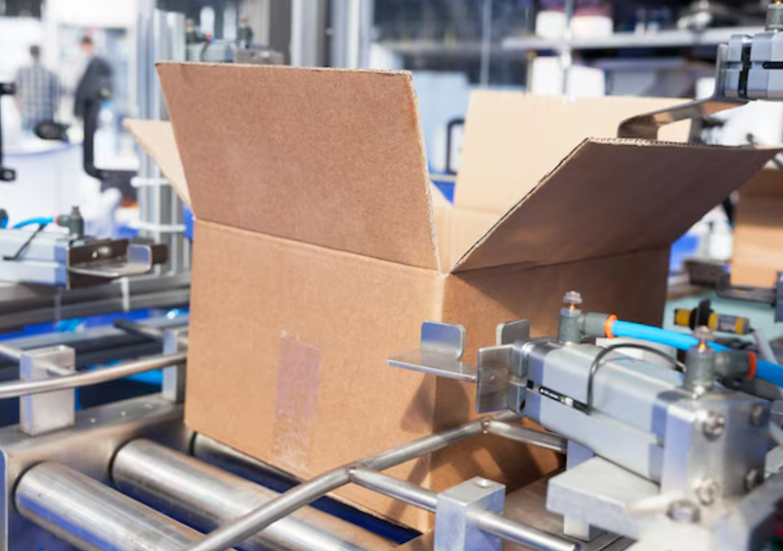
Chrome rollers and precision guides — the parts that actually fail first on cheaper models.

Here’s the thing: most breakdowns aren’t random. They’re predictable.

The biggest culprit? Heat buildup in the drive systems. When you’re running a machine 16 hours a day (which, let’s be honest, most operations do), those motors get hot. Cheap machines skip thermal management entirely — no heat sinks, inadequate ventilation, motors mounted too close together. I tested a unit last year that hit 185°F on the main drive after just four hours. That’s a ticking time bomb.

Dust and debris kill more machines than anyone wants to admit. Cardboard creates an insane amount of particulate matter, and if your carton box making machine doesn’t have proper sealing around electrical components, you’re basically sandblasting your circuit boards. The facilities that run 24/7 without daily cleaning? 是的, their downtime stats are brutal.

But some machines just don’t break. Period.

So I dug into failure rate data from three packaging consultants I know (one of them tracks this stuff obsessively — spreadsheets for days). Seven models kept showing up with sub-5% annual breakdown rates:

机器型号 Avg. Annual Downtime Main Advantage
Bosch Sigpack TTMD 12 hours Redundant servo systems
Marchesini MB 440 18 hours Tool-free maintenance access
IMA BFB CD 15 hours Sealed electronics compartments
Uhlmann C2000 9 hours Active cooling on all motors
Romaco Macofar 21 hours Modular component swaps
Ima Ilapak Delta 3000 14 hours Predictive maintenance sensors
Körber Medipak 11 hours Industrial-grade bearings throughout

Notice a pattern? They all prioritize thermal management and accessibility. When something does go wrong, you can fix it in 20 minutes instead of waiting for a technician to disassemble half the machine.

What Separates a Reliable Carton Packing Machine from Expensive Junk

I watched a $180,000 carton packing machine get wheeled out of a facility last year — after eight months. The company bought it because the spec sheet looked incredible: 300 每分钟纸箱数, touchscreen controls, the works. Turned out the servo motors overheated every six hours, and themodular designrequired flying in a technician from Germany every time something broke.

carton packing machine
Close-up of technician’s hands wiring the conveyor control panel during factory installation.

So what actually separates the machines that run for a decade from the expensive disasters?

第一的: thermal management isn’t sexy, but it’s everything. Machines that pack 200+ cartons per minute generate serious heat — motors, friction points, electrical components all cooking away. The reliable ones have active cooling on every servo motor and sealed ventilation channels that keep dust out of the electronics. I’ve seen budget machines (and some pricey ones that should know better) where the control board sits six inches from an unshielded motor. Recipe for failure.

Second thing — and this sounds obvious until you’re standing there at 2 AM — is whether you can actually access the parts that break. Some manufacturers build these gorgeous machines where everything’s tucked away behind panels that require allen keys in three different sizes. Meanwhile, the Marchesini units I’ve tested? Swing-out panels with quick-release latches. You can swap a vacuum pump in under ten minutes.

The sensor quality tells you everything about what corners got cut. Reliable machines use photoelectric sensors from Sick or Banner — they cost $200+ each but they don’t false-trigger when ambient light changes or when your carton stock is slightly off-white instead of pure white. Cheap machines use no-name sensors that’ll have your line stopping every forty minutes because a shadow confused the detector.

And here’s something most people miss: whether the manufacturer also builds a carton box making machine or other packaging equipment. Companies that only make one type of machine often don’t understand the upstream and downstream integration issues. (They’ll blame your folder-gluer when their infeed can’t handle normal carton tolerances.)

But honestly? The biggest tell is the warranty terms. Not the length — the exclusions. If there are two pages of conditions that void coverage, that’s a manufacturer who knows their machine has problems.

The 7 Carton Packing Machines We’ve Actually Tested in Real Production Environments

So I’ve spent the last eighteen months actually running cartons through these machines — not just watching demos at trade shows where everything’s been calibrated six times that morning. Real production. Real problems. Real downtime costs.

carton packing machine
Quality control tech checking seal integrity on packed cartons before they hit the palletizer

Here’s what held up.

机器型号 速度 (纸箱/分钟) Best For What Broke First
BVM Brunner TopPac 180-220 Pharmaceutical cartons, tight tolerances Nothing yet (14 months in)
Bosch Packaging SVE 2520 150-200 Food products, frequent changeovers Vacuum cup holders (month 8)
Marchesini MB 440 200-250 Cosmetics, smaller runs Servo motor encoder (month 11)
IMA BFB iDEA 170-210 Blister-to-carton integration Infeed sensor array (month 6)
Econocorp Spartan 60-100 Budget operations, simple cartons Drive belt (month 4, expected)
Pakona Easypack 120-160 Mid-volume contract packaging PLC touchscreen (month 9)
Bradman Lake BL 140-180 Retail-ready packaging Carton magazine spring (month 5)

The BVM Brunner honestly surprised me — it’s the only carton packing machine on this list that hasn’t needed a service call beyond routine maintenance. German engineering cliché, I know, but the thing just runs. The downside? It costs about 40% more than comparable Italian machines, and their US support islet’s sayinconsistentdepending on which coast you’re on.

And look, the Econocorp breaking early wasn’t a failure — that’s a $45K machine competing against $180K machines. You know what you’re buying. But it’ll handle straight tuck-end cartons all day if you’re not pushing crazy speeds. (I ran tampons through it for six months without major issues.)

The IMA sensor problems were frustrating because they integrate beautifully with a carton box making machine upstream — when the sensors work. When they don’t? Your whole line stops while you troubleshoot phantom jam errors.

Worth mentioning: every single one of these machines struggled initially with our recycled-content cartonboard stock. The brown flecks mess with optical sensors. Took custom calibration on all of them.

Should You Pair Your Carton Packing Machine with a Carton Box Making Machine?

OK so here’s the thing nobody tells you upfront: buying a carton packing machine without thinking about where your cartons come from is like buying a Ferrari and parking it in your garage because you can’t afford gas.

I learned this the expensive way in 2026. We’d just dropped $92K on a gorgeous Schneider intermittent-motion packer — ran beautifully at 120 cartons/minute during the demo. Then we started running production and realized our carton supplier was three weeks out on custom orders. Three weeks. We had pallets of product sitting there waiting for boxes.

That’s when we started looking at carton box making machines.

The math gets interesting fast. If you’re running high volumes of a single carton size — like we were with our 3x4x6 tuck-end boxes — a carton erecting machine or folder-gluer setup pays for itself in about 18 月. Maybe less if your packaging supplier is marking up blanks by 40% (and trust me, most are). You’re buying flat cartonboard stock at bulk pricing instead of pre-formed boxes at retail.

But — and this is critical — you need the floor space and the technical bandwidth. A basic carton box making machine takes up another 8-10 feet of line space, needs its own operator during setup, and adds another failure point to your process. When it’s dialed in? Beautiful. When it’s not? Your packing machine sits idle while you troubleshoot a glue application issue upstream.

Here’s what actually matters:

  • If you run 3+ different carton sizes regularly, the changeover time on a box maker might kill your efficiency gains
  • If you’re doing short runs (under 5,000 units), just buy pre-formed cartons — the setup time isn’t worth it
  • If you’re running 50,000+ units monthly of the same SKU, the ROI is stupid good
  • If your carton packing machine already has automatic feeding, adding a box maker upstream integrates cleanly (usually)

The companies doing this right? They’re running lights-out shifts where the box maker feeds directly into the carton packing machine with minimal human intervention. That’s the dream setup. Just don’t expect to get there in month one.

结论

Look — a carton packing machine is only as good as the operation you build around it. You can drop $80K on a semi-automatic rig and still bottleneck yourself with bad upstream processes, or you can spend $300K on full automation that sits idle because nobody trained the second shift properly.

Start smaller than you think you need to. Run it hard for 90 days. Then scale.

And if a sales rep tells youzero downtimeorplug-and-play integration,” walk away. The good ones will tell you exactly where it’s going to hurt before you sign anything.

常见问题解答

问: How much does a carton packing machine actually cost?

一个: Semi-automatic models start around $25K-$40K for basic pick-and-place setups. Full servo-driven machines with automatic feeding run $120K-$300K depending on speed and integration complexity. Used equipment can cut that in half — but you’re gambling on parts availability.

问: What’s the difference between intermittent and continuous motion carton packers?

一个: Intermittent machines stop to load product, then move the carton to the next station (cheaper, easier to maintain). Continuous motion keeps everything moving while loading — faster throughput but way more expensive and finicky to dial in.

问: Can I run different carton sizes on the same machine?

一个: Depends on the changeover system. Tool-less designs let you swap between 3-4 preset sizes in under 10 minutes. Older machines need wrench time and might take 45 minutes per changeover — which kills you if you’re running short production batches.

问: How long does it take to get a carton packing machine up and running?

一个: Physical installation is usually 2-3 days. The real timeline killer is integration with your upstream equipment and operator training — budget 4-6 weeks before you’re running at target speed consistently.

问: What’s the biggest mistake people make when buying their first carton packing machine?

一个: They size it for theoretical peak capacity instead of actual sustained throughput. A machine rated for 120 cartons/minute sounds great until you realize your product feeding can only support 70/minute — now you’ve overspent by $80K.

问: Do I need a full-time technician to maintain one of these?

一个: Not for semi-automatic models (your existing maintenance person can handle it with basic training). High-speed servo machines? 是的, you’ll want someone who actually understands PLC programming and can troubleshoot encoder drift at 3am.

问: How much floor space does a typical carton packing machine require?

一个: The machine itself might be 12-15 feet long, but you need access on three sides for loading, 维护, and carton magazine refills. Budget 400-500 square feet total — more if you’re adding upstream conveyors or case erectors.

问: Is it worth buying used carton packing equipment?

一个: If it’s a major brand (Bosch, Marchesini, IMA) and under 8 years old, absolutely. Older than that and you’re risking obsolete control systems where replacement parts take 12 weeks to source from Europe.

速度与新鲜度息息相关

Freshness is linked to price

Still worried that fruits, vegetables and seafood will depreciate sharply due to loss of freshness?

Efficient and stable automatic packaging machines are here to help you.Production speed is the top priority. In this era of developed global logistics, ingredients can be delivered across long distances easily. Nevertheless, it remains difficult to keep original fresh taste. Plenty of customers are willing to pay high prices for fresh delicacies, and the transportation cost of some products is even higher than their own value.

LycheeShelf life: 1-3 days (room temp), 3-5 days (0-4℃ cold chain)Transport: Guangdong to Guangzhou, about 350 km, 6-12 hoursPain point: Very short shelf life; freshness drops fast with delayPrice (广州): Fresh $2.20-$2.90/lb; stale $0.70-$1.20/lb

Cherry (Chile)Shelf life: 5-7 days (room temp), 7-10 days (0-1℃ cold chain)Transport: Chile to Guangzhou, about 20,000 km, 21-23 days by seaPain point: Shelf life nearly matches transit time; cold chain criticalPrice (广州): Fresh $4.40-$5.10/lb; soft/dull $1.50-$2.20/lb

Live LobsterShelf life: 24 hours (room temp), 36-48 hours (cold humid)Transport: Coast to Guangzhou, about 1,000 km, 12-24 hoursPain point: Narrow survival window; delays cause high mortalityPrice (广州): Live $11.70-$17.60/lb; dead $4.40-$7.30/lb

Fast packing & sealing lock in freshness, cut losses, and protect profits.

Every minute counts for perishable food. The price depreciation due to slow and unstable manual packaging. To solve this pain point, Ok Technology provides professional automatic packaging and carton sealing production lines. Our high-speed, stable, and adjustable sealing machines greatly shorten packaging time, perfectly matching cold-chain transportation requirements. We help merchants lock in freshness, reduce product deterioration, cut logistics losses, and maximize profit margins. If you need reliable packaging equipment for fresh food transportation, OK SCIENCE is your trustworthy manufacturer.

码垛机器人编程难吗? 主流方法比较 & 学习曲线

If you walk into a modern factory, it is hard to miss robotic arms neatly stacking boxes onto pallets with perfect accuracy. It looks simple from the outside, but many people still ask the same question: is Palletizing Robot Programming actually hard?

This question comes up often among manufacturers who are considering automation for the first time. The idea of programming robots can sound complex, expensive, and highly technical. But is that really the full picture, or has the industry already moved toward simpler solutions?

In this article, we will break down Palletizing Robot Programming in a practical and easy way. We will compare mainstream programming methods, explain their learning curves, and show how modern systems like a palletizing robot cell are changing the game for factories of all sizes.

码垛机器人编程

Why Palletizing Robot Programming Feels Hard in Real Factory Environments

乍一看, Palletizing Robot Programming seems like a job only engineers can handle. Many factory owners imagine lines of code, complicated robot languages, and long debugging sessions. This perception is one of the biggest barriers to automation adoption.

In reality, the difficulty often does not come from the robot itself. Instead, it comes from the environment around it. A palletizing robot cell is not just a robot—it is a full system. It includes conveyors, sensors, safety devices, and sometimes even vision systems. When all these parts need to work together, the setup naturally becomes more complex.

Another important factor is experience. Many factory teams are highly skilled in mechanical systems or PLC control, but they may not be familiar with robot-specific programming logic. This gap makes Palletizing Robot Programming feel more difficult than it actually is.

Misunderstandings About Complexity

A common misunderstanding is that one small programming mistake can completely break production. While errors should always be avoided, modern robot systems include safety checks and simulation tools that reduce risk significantly.

So the question becomes: if it is not as hard as people think, what are the actual ways factories program palletizing robots today?

Main Methods of Palletizing Robot Programming Used Today

To truly understand Palletizing Robot Programming, we need to look at the main methods used in real factories. Each method has different strengths, learning curves, and use cases depending on production needs and skill levels.

In most modern palletizing robot cell setups, one or more of these methods may be used together.

Teach Pendant Programming in Practice

This is the most traditional method of Palletizing Robot Programming. A technician uses a handheld controller called a teach pendant to manually move the robot and set positions step by step.

The process is straightforward. You guide the robot, save positions, and build movement logic directly on the controller.

This method is widely used because it is supported by almost all major robot brands. However, it can be time-consuming, especially when dealing with complex pallet patterns or frequent product changes in a palletizing robot cell.

PLC-Based Programming for Integrated Systems

Another widely used approach is PLC-based control. In this method, Palletizing Robot Programming is managed through a programmable logic controller such as Siemens or Allen-Bradley.

The PLC handles decision-making, while the robot executes movements based on commands from the system.

This is very common in large factories where multiple machines must work together. However, it requires both PLC expertise and robot programming knowledge, which increases the learning requirement.

Offline Programming for Simulation and Planning

Offline programming allows engineers to design and test robot movements on a computer before running them in real life. This method is widely used when setting up a new palletizing robot cell.

It helps reduce downtime and allows engineers to detect collisions or layout issues before installation.

However, accuracy depends heavily on how precise the digital model is. Even small differences between simulation and real-world conditions can require adjustments.

No-Code and Template-Based Programming Systems

This is the most modern approach in Palletizing Robot Programming. Instead of writing code, users work through graphical interfaces and pre-set pallet patterns.

Users simply select product types, define stacking rules, and the system generates robot movements automatically.

These systems are especially popular in new palletizing robot cell solutions designed for fast setup and easy operation.

They significantly reduce the need for programming knowledge, making automation more accessible.

Comparing the Learning Curve of Palletizing Robot Programming Methods

When factories evaluate automation, one of the most important questions is how difficult Palletizing Robot Programming is to learn.

The answer depends heavily on the method used and the complexity of the palletizing robot cell involved.

Which Method Is Easiest to Learn?

Teach pendant programming is easy to understand at a basic level because it is very hands-on. However, it becomes slower when tasks become more complex.

PLC-based systems are powerful but require more training because users must understand both logic control and robot behavior.

Offline programming sits in the middle. It is efficient for planning but requires familiarity with simulation tools.

No-code systems are currently the easiest form of Palletizing Robot Programming. They are designed for operators instead of engineers, which reduces training time significantly.

Time and Efficiency Differences

Traditional systems can take days or even weeks to fully set up, especially in complex environments. In contrast, modern palletizing robot cell solutions with simplified programming can reduce setup time significantly.

This difference is one of the main reasons companies are shifting toward more user-friendly systems.

So how do manufacturers make this even simpler in real production environments?

码垛机器人编程

How OK Simplifies Palletizing Robot Programming in Real Applications

OK focuses on making Palletizing Robot Programming more accessible and efficient for real factory operations. The goal is to reduce complexity while maintaining performance and reliability.

In a typical OK palletizing robot cell, operators can use predefined pallet patterns and simple interface controls instead of writing complex code.

Faster Setup for Real Production Needs

One of the biggest advantages is reduced commissioning time. Traditional Palletizing Robot Programming can require long setup periods, but modern systems are designed to shorten this process.

This is especially important for factories with multiple product lines or frequent changeovers.

Lower Skill Requirements for Operation

Another key benefit is reducing reliance on highly skilled programmers. With simplified Palletizing Robot Programming, operators can handle adjustments directly.

This makes automation more practical for small and medium-sized manufacturers that may not have dedicated engineering teams.

So if programming becomes easier, what else can improve system performance even further?

Best Practices for Easier Palletizing Robot Programming

Even though modern systems are simpler, good planning still plays a major role in success. A well-designed palletizing robot cell makes Palletizing Robot Programming much smoother from the beginning.

Standardizing Pallet Patterns

Using consistent pallet layouts helps reduce programming effort. Instead of creating new logic every time, factories can reuse proven configurations.

Using Simulation Before Installation

Testing system layouts before deployment helps reduce errors and improves reliability. This is especially useful when designing a new palletizing robot cell.

Training Operators for Daily Adjustments

When operators understand the basics of Palletizing Robot Programming, they can handle small changes without waiting for external support. This improves efficiency on the production line.

Designing Layouts with Programming in Mind

A good physical layout reduces programming complexity. Proper placement of conveyors, pallets, and safety zones makes system logic easier to manage.

So after looking at everything, what is the final conclusion?

结论

After comparing all methods and learning curves, it becomes clear that Palletizing Robot Programming is not as difficult as it may first appear. The perception of difficulty often comes from older systems or lack of exposure to modern tools.

今天, with advanced palletizing robot cell solutions, programming is becoming more visual, more standardized, and much easier to learn. What once required deep technical knowledge can now often be handled through simple configuration and guided interfaces.

The industry is clearly moving toward simplification without losing capability. This means more factories can adopt robotic palletizing without heavy training barriers or long setup times.

If you are exploring ways to improve efficiency in your production line or want to understand how a modern system can simplify Palletizing Robot Programming for your operations, you can contact OK. Their team can help you find the right palletizing robot cell solution and guide you toward a smoother, more efficient automation setup.

常见问题解答

1. Is Palletizing Robot Programming difficult to learn?

It depends on the method used. Traditional programming can take time, but modern systems with templates and no-code tools make it much easier for beginners.

2. What is the easiest method for Palletizing Robot Programming?

No-code or template-based systems are the easiest. They allow users to set pallet patterns and parameters without writing complex code.

3. Do I need coding skills for a palletizing robot cell?

Not always. Many modern palletizing robot cell solutions are designed for operators, not programmers, especially for standard applications.

4. How long does it take to learn Palletizing Robot Programming?

It can range from a few hours for simple systems to several weeks for advanced PLC-based setups, depending on complexity and experience.

如何选择集成金属检测 & 药品包装码垛解决方案

The pharmaceutical industry is under more pressure than ever to produce medicines that are safe, consistent, and delivered without delay. At the same time, regulations are becoming stricter, and companies must ensure every stage of production meets global quality standards. Because of this, automation has become a key part of modern pharmaceutical factories.

One of the most important upgrades companies are making today is investing in a Palletizing Solution for Pharma Packaging. This type of system helps connect different parts of the production line, especially the final stages where products are inspected, packed, and prepared for shipment. Instead of relying heavily on manual labor, manufacturers are moving toward smarter, automated workflows that improve both safety and efficiency.

In many production lines, equipment such as a pharmaceutical metal detector is used early in the process to check for contamination risks. After products pass inspection, a medicine palletizing robot takes over and organizes cartons onto pallets in a precise and stable way. This combination creates a smooth and controlled packaging process.

So what makes this approach so important for pharmaceutical companies today? 答案很简单: consistency, 安全, and efficiency. When every step of the packaging process is connected, the risk of human error is reduced, and production becomes more reliable.

In this article, we will explore how to choose the right Palletizing Solution for Pharma Packaging, what features matter most, and why integrated automation systems are becoming essential in modern pharmaceutical production.

药品包装码垛解决方案

Understanding Palletizing Solution in Modern Pharmaceutical Production

A Palletizing Solution for Pharma Packaging refers to a system that automates the process of stacking and organizing packaged pharmaceutical products onto pallets for storage and transportation. Instead of manual stacking, robotic systems handle the entire process with precision and consistency.

In a traditional setup, different machines handle different tasks separately. However, modern pharmaceutical factories prefer integrated systems where inspection, 包装, and palletizing work together as one continuous flow.

This shift is driven by the need for higher efficiency and better quality control. When systems are connected, production becomes smoother and easier to manage. It also reduces downtime and minimizes the risk of product handling errors.

The Role of Pharmaceutical Metal Detector in a Palletizing Solution for Pharma Packaging

Before any product reaches the final packaging and palletizing stage, it must pass strict safety checks. One of the most important tools in this process is the pharmaceutical metal detector. It ensures that no unwanted metal contamination enters the final product, protecting both patient safety and brand reputation.

How pharmaceutical metal detector systems protect product quality

A pharmaceutical metal detector is designed to identify even the smallest metal particles that may accidentally enter tablets, capsules, or packaged medicines during production. These contaminants can come from machinery wear, 原料, or accidental process issues.

In a Palletizing Solution for Pharma Packaging, the pharmaceutical metal detector is typically placed before the final packaging stage. This ensures that only safe and approved products continue down the line. It acts as a final quality checkpoint before products are sealed, stacked, and shipped.

Integration with automated packaging and palletizing systems

The real value comes when the pharmaceutical metal detector is fully integrated into the production line. Instead of operating as a standalone machine, it communicates directly with downstream systems.

When contamination is detected, the system automatically rejects the affected product without interrupting the entire line. Clean products continue forward into packaging and then into the medicine palletizing robot stage. This creates a seamless and highly controlled workflow.

This integration is what makes a modern Palletizing Solution for Pharma Packaging so effective. It ensures that safety inspection is not separate from production but fully embedded into it.

Palletizing Solution for Product Safety Compliance in Pharma Industry

Safety is one of the most critical requirements in pharmaceutical manufacturing. Every product must meet strict quality and regulatory standards before it reaches patients. This is why automation plays such an important role in maintaining consistency.

A Palletizing Solution for Pharma Packaging helps ensure that products move through the final stages of production without unnecessary handling or contamination risks.

Manual handling increases the chance of errors and contamination. By using automated systems, pharmaceutical companies can create a cleaner and more controlled production environment.

Palletizing Solution with Medicine Palletizing Robot Systems

As production demand continues to grow, speed and accuracy become even more important. A medicine palletizing robot is designed to handle repetitive stacking tasks with high precision and consistency.

Instead of relying on manual labor, robotic systems can work continuously, ensuring that production lines remain stable and efficient.

Benefits of medicine palletizing robot in pharmaceutical production

A medicine palletizing robot increases production speed, improves stacking accuracy, and reduces physical strain on workers. It also ensures that every pallet is built in a stable and consistent structure, reducing risks during transport.

Another key advantage is flexibility. These robots can handle different packaging sizes and configurations, making them suitable for a wide range of pharmaceutical products.

药品包装码垛解决方案

Choosing the Right Palletizing Solution for Pharma Packaging Provider

Selecting the right supplier is just as important as choosing the right equipment. A reliable Palletizing Solution for Pharma Packaging provider should understand both automation technology and pharmaceutical compliance requirements.

Importance of integrated system design

The best systems are those where inspection, 包装, and palletizing work together seamlessly. When a pharmaceutical metal detector and a medicine palletizing robot are properly integrated, the entire production line becomes more efficient and reliable.

Support and validation in pharmaceutical environments

Pharmaceutical production requires strict validation processes such as installation qualification, operational qualification, and performance qualification. Strong technical support during these stages ensures smooth deployment and compliance.

ROI and Operational Benefits of Palletizing Solution for Pharma Packaging

Investing in automation is a long-term decision that brings both operational and financial benefits. A well-designed Palletizing Solution for Pharma Packaging helps companies reduce costs while increasing productivity.

Cost efficiency and productivity improvements

Automation reduces the need for manual labor in repetitive tasks such as stacking and moving cartons. This allows companies to optimize workforce allocation and increase production output.

Lower risk and improved product quality

By reducing manual handling and integrating inspection systems like pharmaceutical metal detector units, companies can significantly lower the risk of product defects or contamination.

Why OK is a Trusted Partner for Palletizing Solution for Pharma Packaging

OK provides complete automation solutions designed specifically for modern pharmaceutical production lines. Their systems combine inspection technology, robotics, and intelligent control systems into one integrated workflow.

Integration of inspection and robotics systems

OK combines pharmaceutical metal detector systems with advanced robotic palletizing solutions. This ensures that products move smoothly from inspection to final packaging without unnecessary handling.

Custom solutions for pharmaceutical manufacturers

Every factory has different needs. OK designs customized systems based on production capacity, layout, and product requirements, ensuring each solution fits real operational demands.

结论

The future of pharmaceutical manufacturing is clearly moving toward full automation. Companies that invest in integrated systems today are building stronger, 更安全, and more efficient production lines for tomorrow.

A modern Palletizing Solution for Pharma Packaging helps ensure that every stage of production, from inspection using a pharmaceutical metal detector to final stacking with a medicine palletizing robot, is controlled and consistent.

As global demand continues to grow, automation will no longer be optional. It will become a core requirement for efficiency, 安全, and compliance.

If you are looking to improve your production line with a reliable and integrated Palletizing Solution for Pharma Packaging, OK is ready to support you. Reach out to our team to discuss your needs and explore how we can help you build a smarter and more efficient pharmaceutical packaging system.

常见问题解答

1. What is a Palletizing Solution for Pharma Packaging?

A Palletizing Solution for Pharma Packaging is an automated system that organizes and stacks packaged pharmaceutical products onto pallets. It replaces manual handling with robotic systems, improving speed, 准确性, and safety in production lines.

2. Why is a pharmaceutical metal detector important in this system?

A pharmaceutical metal detector helps identify and remove any metal contamination in products before they reach the final packaging stage. It ensures product safety, supports GMP compliance, and protects patients from potential risks caused by contamination.

3. How does a medicine palletizing robot improve production?

A medicine palletizing robot automates the stacking process, making it faster and more consistent. It reduces manual labor, minimizes errors, and improves workplace safety by handling repetitive and heavy lifting tasks.

4. Can these systems be customized for different factories?

是的. A modern Palletizing Solution for Pharma Packaging can be customized based on factory layout, 生产能力, and packaging sizes. This flexibility allows it to fit different pharmaceutical manufacturing needs.

5. Why choose an integrated system instead of separate machines?

Integrated systems allow inspection, 包装, and palletizing to work together seamlessly. 这减少了停机时间, improves efficiency, and ensures smoother production flow compared to standalone machines.

顶部 10 协作码垛机器人供应商 (公司) 2026

Automation is moving faster than ever, and businesses are under pressure to keep up. From rising labor costs to increasing demand for faster delivery, companies are looking for smarter ways to handle repetitive tasks. This is exactly where collaborative palletizing robot suppliers are making a real difference.

These suppliers are not just selling robots. They are offering flexible, 安全的, and cost-effective solutions that help businesses improve productivity without major disruption. But with so many options in the market, how do you choose the right one?

Let’s start by understanding why these systems are becoming essential in 2026.

协作码垛机器人供应商

What are collaborative palletizing robot suppliers and why they matter in 2026

Collaborative palletizing robot suppliers provide robots that can safely work alongside humans while performing palletizing tasks like stacking boxes, 包, 或容器. Unlike traditional robots, these systems are easier to install, more flexible, and often do not require large safety barriers.

So why are more companies adopting them now?

The answer lies in flexibility and speed. Businesses today need to adjust quickly to changing product lines and customer demands. Traditional automation can be rigid, but cobots allow fast reprogramming and easy integration.

Why industries are shifting quickly

Industries such as food and beverage, 后勤, and e-commerce are seeing rapid growth. These sectors require consistent palletizing, and collaborative palletizing robot suppliers are helping meet that demand with efficient solutions.

The growing role of automation

Automation is no longer optional. Companies that delay adoption risk falling behind. That is why choosing the right supplier is becoming a critical decision.

So what should you look for when comparing options?

Key factors when choosing collaborative palletizing robot suppliers in 2026

Not all collaborative palletizing robot suppliers are the same. Some focus on advanced technology, while others emphasize affordability or customization. Understanding the key differences can help you make a better decision.

Performance and capability

Payload, 抵达, and speed are important. A robot that cannot handle your product weight or pallet height will not deliver value.

Ease of use and integration

Many modern systems are designed for quick setup. The best collaborative palletizing robot suppliers offer simple programming and fast deployment, reducing downtime.

Software and intelligence

Smart software can improve pallet patterns and efficiency. Some suppliers now include AI-based optimization tools.

Long-term value

It is important to think beyond the initial price. Reliable systems from trusted collaborative palletizing robot suppliers often deliver better results over time.

Now that you know what to look for, let’s explore the top suppliers leading the market.

协作码垛机器人供应商

顶部 10 collaborative palletizing robot suppliers in 2026

The competition among collaborative palletizing robot suppliers is stronger than ever. Each brand brings its own strengths, making the market both exciting and complex.

1. Universal Robots

https://www.universal-robots.com

Universal Robots is widely recognized as a pioneer among collaborative palletizing robot suppliers. The company has built a strong global reputation by focusing on simplicity and accessibility. Their robots, such as the UR10e and UR20, are commonly used in palletizing applications due to their flexibility and ease of programming.

What makes Universal Robots stand out is its ecosystem. Through its partner network, users can access ready-to-deploy palletizing solutions that reduce setup time. This is especially helpful for companies that are new to automation. 此外, their intuitive interface allows operators with minimal technical background to quickly learn and manage the system.

However, while they are strong in usability, some businesses may find their solutions less competitive in heavy-duty palletizing compared to more industrial-focused systems. 仍然, they remain a top choice for companies seeking reliability and ease of use.

2. FANUC

https://www.fanuc.eu

FANUC is known for its industrial strength and long-standing reputation in robotics. Among collaborative palletizing robot suppliers, FANUC stands out for durability and consistency. Their CRX series is designed to handle repetitive palletizing tasks with high reliability over long periods.

One of FANUC’s biggest advantages is its engineering quality. Their robots are built to operate in demanding environments, making them ideal for manufacturing and logistics operations that run continuously. They also offer strong global support, which is important for large-scale operations.

On the downside, FANUC systems can be more complex to set up compared to newer, user-friendly cobot brands. 仍然, for businesses that prioritize stability and long-term performance, FANUC remains a strong contender.

3. ABB Robotics

https://new.abb.com/robotics

ABB is another major player among collaborative palletizing robot suppliers, known for combining innovation with industrial expertise. Their collaborative robots, such as GoFa and SWIFTI, are designed to handle both speed and precision.

ABB’s strength lies in its advanced motion control and engineering capabilities. This makes their systems suitable for more complex palletizing tasks where accuracy and coordination are critical. They also offer strong integration with existing production systems.

While ABB solutions can be more expensive, they often deliver high performance and reliability. This makes them a good fit for companies that need advanced capabilities and are willing to invest in premium technology.

4. KUKA

https://www.kuka.com

KUKA is known for precision and innovation. Among collaborative palletizing robot suppliers, it stands out for its focus on high-end engineering and advanced robotics solutions. Their collaborative robots are designed for tasks that require both flexibility and accuracy.

KUKA systems are often used in industries like automotive and heavy manufacturing, but they are also expanding into palletizing applications. Their robots offer strong force sensing and control, which improves handling quality.

However, similar to ABB, KUKA solutions can be complex and may require experienced integrators. This makes them more suitable for companies with advanced automation needs.

5. Yaskawa Motoman

https://www.motoman.com/en-us

Yaskawa Motoman has built a solid reputation for reliability and performance. As one of the trusted collaborative palletizing robot suppliers, the company focuses on delivering stable and efficient robotic systems.

Their robots are widely used in packaging and palletizing applications, where consistency is critical. Yaskawa systems are known for smooth operation and long service life, which helps reduce downtime.

Another advantage is their strong presence in industrial automation. This allows them to offer integrated solutions that go beyond basic palletizing. For companies looking for dependable performance, Yaskawa remains a reliable option.

6. Doosan Robotics

https://www.doosanrobotics.com

Doosan Robotics is one of the fastest-growing names among collaborative palletizing robot suppliers. The company has gained attention for offering high payload capacity combined with user-friendly design.

Their robots are well-suited for palletizing tasks that require handling heavier loads. At the same time, they maintain a focus on safety and ease of use, making them accessible to a wide range of industries.

Doosan also invests heavily in innovation, which helps them stay competitive. For businesses looking for a balance between performance and usability, Doosan is a strong option.

7. Omron Robotics

https://www.omron.com/robotics

Omron brings a unique advantage to the table with its integrated vision systems. Among collaborative palletizing robot suppliers, this makes it stand out in applications that require inspection and precision.

Their robots are often used in smart factories, where automation is connected across multiple systems. This allows for better data tracking and process optimization.

While Omron may not be the first choice for heavy-duty palletizing, it excels in applications that require accuracy and coordination. This makes it ideal for industries like electronics and pharmaceuticals.

8. Techman Robot

https://www.tm-robot.com

Techman Robot is known for combining vision and robotics into a single system. This innovation has helped it gain recognition among collaborative palletizing robot suppliers.

Their built-in vision system simplifies tasks like object detection and alignment, which are important in palletizing. This reduces the need for additional equipment and speeds up deployment.

Techman robots are especially popular among small and mid-sized businesses due to their ease of use. While they may not lead in heavy industrial applications, they offer excellent value for flexible operations.

9. 好的博隆

人工智能自动化解决方案 – 好的博隆

OK Bolong is emerging as a competitive name among collaborative palletizing robot suppliers, especially for businesses looking for cost-effective solutions. The company focuses on delivering practical automation systems that meet real production needs.

One of its key strengths is customization. Unlike many global brands, OK Bolong works closely with clients to design solutions that fit specific requirements. This flexibility is valuable for companies with unique palletizing challenges.

此外, OK Bolong offers a strong balance between price and performance. This makes it an attractive option for businesses entering automation or expanding their operations. As global competition increases, OK is positioning itself as a reliable and accessible alternative.

10. JAKA Robotics

https://www.jaka.com

JAKA Robotics represents the rapid growth of Chinese innovation in robotics. Among collaborative palletizing robot suppliers, it is gaining recognition for improving both quality and performance.

Their robots are designed to be lightweight, 高效的, and easy to deploy. This makes them suitable for a wide range of palletizing applications.

JAKA continues to invest in research and development, which is helping it close the gap with more established global brands. For companies exploring newer options, JAKA offers a promising alternative.

结论

Choosing the right partner from the many collaborative palletizing robot suppliers available today is not always easy. Each brand offers different strengths, from advanced technology to cost-effective solutions.

The key is to understand your specific needs and match them with the right supplier. Whether you prioritize performance, 灵活性, or budget, there is a solution that fits your operation.

If you are considering automation and want a solution that balances performance with affordability, it may be worth reaching out to OK Bolong. Their team is open to real conversations and ready to help you explore what works best for your business.

常见问题解答

What do collaborative palletizing robot suppliers offer?

They provide robots that help automate stacking tasks while working safely with humans.

Are collaborative palletizing robots expensive?

Costs vary, but many suppliers now offer affordable options for small and mid-sized businesses.

Which industries use these robots the most?

食物, 后勤, 电子商务, and manufacturing industries rely heavily on them.

How do I choose the right supplier?

Focus on payload, ease of use, support, and long-term value.

Can small businesses benefit from them?

是的, many collaborative palletizing robot suppliers design solutions specifically for smaller operations.

自动装盒机: 水平与. 垂直的, 哪个适合您的产品线?

In today’s fast-moving manufacturing world, packaging is no longer just the final step. It plays a major role in efficiency, product safety, and even brand image. That is where cartoning machines come in. But with different types available, many manufacturers find themselves asking a key question: should they choose a horizontal or vertical system?

More importantly, how do you know if a horizontal cartoner is the right fit for your production line?

Let’s break it down in a simple and practical way so you can make the right decision.

What is a Horizontal Cartoner and Why Is It Important in Modern Packaging Lines?

A horizontal cartoner is an automated machine that forms cartons, loads products into them from the side, and then seals them. The product and carton both move along a horizontal path during the process, which allows for stable and controlled packaging.

This type of machine is widely used in industries like pharmaceuticals, 食物, and cosmetics. You will often see a horizontal cartoner handling items like blister packs, sachets, tubes, or small boxed products.

Why manufacturers rely on it

One major reason companies choose a horizontal cartoner is consistency. Every product is placed carefully into the carton, reducing errors and protecting the product. This is especially important for industries that require high accuracy, such as pharma.

Where it fits best

A horizontal cartoner works best for products that are already organized or pre-packed. If your items need to be grouped or aligned before packaging, this machine provides the control needed to do that smoothly.

So now that you know what a horizontal cartoner is, how does it actually work step by step?

卧式装盒机

How a Horizontal Cartoner Works Inside a Production Line

Understanding how a horizontal cartoner operates can make it much easier to see why it is so widely used.

At a basic level, the process is continuous and highly automated. The machine takes flat carton blanks, forms them into boxes, inserts products, and seals them all in one smooth flow.

Step-by-step process

第一的, the machine pulls a flat carton from a magazine and opens it into shape. 然后, the product is moved into position and pushed horizontally into the open carton. After that, the machine folds and seals the carton, usually with tuck flaps or glue.

The role of automation

Modern horizontal cartoner systems use servo motors and smart controls. This means the machine can adjust quickly, maintain speed, and reduce downtime. Operators can also manage the system through a simple interface, making it easier to run and maintain.

Integration with other machines

A horizontal cartoner often connects directly to upstream equipment like blister packaging machines or filling lines. This creates a smooth and continuous production process.

Now that you understand how it works, 下一个问题就清楚了: how does it compare to a vertical cartoning machine?

Horizontal Cartoner vs Vertical Cartoner: Which One Should You Choose?

Choosing between a horizontal cartoner and a vertical cartoner depends mostly on your product.

A horizontal cartoner loads products from the side, while a vertical machine loads them from the top. This simple difference has a big impact on how each machine performs.

Key differences in product handling

A horizontal cartoner is ideal for stable, 平坦的, or pre-arranged products. These items can be pushed into the carton without shifting or falling.

In contrast, vertical cartoners are better for products like bottles or jars that can drop into the carton using gravity.

Space and layout considerations

Horizontal machines usually require more floor space because they are longer. Vertical machines, 另一方面, take up less space due to their upright design.

Speed and efficiency

In high-speed production environments, a horizontal cartoner often has the advantage. It can handle complex product arrangements and maintain consistent output.

So if each machine has its strengths, what makes a horizontal cartoner stand out in real production environments?

Benefits of Using a Horizontal Cartoner in Industrial Packaging Lines

Many manufacturers prefer a horizontal cartoner for one simple reason: it delivers reliable performance at scale.

High speed and efficiency

A horizontal cartoner can run at high speeds while maintaining accuracy. This makes it a great choice for large production volumes where time and consistency matter.

Better product protection

Because products are inserted in a controlled way, there is less risk of damage. This is especially important for delicate or high-value items.

Flexible product handling

From blister packs to sachets, a horizontal cartoner can handle a wide range of product types. This flexibility makes it useful across multiple industries.

Easy integration

A horizontal cartoner can easily connect with other machines in a production line. This creates a seamless workflow and reduces manual handling.

With all these benefits in mind, how do you decide if this is the right machine for your factory?

卧式装盒机

How to Choose the Right Horizontal Cartoner for Your Factory

Selecting the right horizontal cartoner is not just about features. It is about finding the best match for your specific production needs.

Consider your product type

Start with your product. Is it flat, grouped, or pre-packed? If yes, a horizontal cartoner is likely a strong fit.

Think about production speed

If you need high output, look for a machine that can handle your required speed without sacrificing accuracy.

Evaluate your factory space

Make sure you have enough room for installation. A horizontal cartoner typically needs more linear space.

Plan for future growth

Choose a machine that can adapt to new products or packaging styles. Flexibility can save you money in the long run.

Avoid common mistakes

Many buyers focus only on price. But performance, 可靠性, and support are just as important when choosing a horizontal cartoner.

So once you have decided on the machine type, the next big question is: which supplier should you trust?

Why Choose OK Horizontal Cartoner Solutions for Your Production Line

Finding the right machine is only part of the process. Choosing the right partner is just as important.

OK offers horizontal cartoner solutions designed to meet the real needs of modern manufacturers.

Custom solutions for different industries

Whether you are in pharma, 食物, or cosmetics, OK can tailor a horizontal cartoner to match your product and production line.

Strong balance of cost and performance

Compared to many European brands, OK provides high-quality machines at a more competitive cost. This helps businesses improve efficiency without overspending.

Reliable automation and support

Each horizontal cartoner is built with advanced control systems for stable operation. 此外, OK provides ongoing support to keep your line running smoothly.

Full line integration capability

OK does not just supply machines. They help design complete packaging solutions, making it easier to scale your operations.

结论

Choosing between a horizontal and vertical cartoning machine is not just a technical decision. It directly affects your production efficiency, product quality, and long-term growth.

A horizontal cartoner stands out for its speed, precision, and ability to handle a wide range of products. For many manufacturers, it is the backbone of a reliable packaging line.

所以, what does your production line really need? A compact solution, or a high-speed system built for precision and scale?

If you are still deciding, it may be time to speak with experts who understand both the machines and your industry.

If you are looking for a solution that fits your exact needs, reach out to OK. Their team can help you find the right horizontal cartoner and build a packaging system that works for your business, not against it.

常见问题解答

1. What is a horizontal cartoner used for?

A horizontal cartoner is used to pack products like blister packs, sachets, and tubes into cartons efficiently and accurately.

2. How is a horizontal cartoner different from a vertical one?

A horizontal cartoner loads products from the side, while vertical machines load products from the top using gravity.

3. Which industries use a horizontal cartoner the most?

Common industries include pharmaceuticals, 食物, 化妆品, and consumer goods packaging.

4. Is a horizontal cartoner suitable for high-speed production?

是的, a horizontal cartoner is ideal for high-speed lines that require consistent and precise packaging.

5. Can a horizontal cartoner handle multiple product types?

是的, it can handle a wide range of products, especially those that are pre-arranged or grouped.

6. Does a horizontal cartoner require a lot of space?

It typically requires more floor space than vertical machines due to its linear design.

7. Is it easy to integrate a horizontal cartoner into an existing line?

是的, most horizontal cartoner systems are designed to integrate smoothly with upstream and downstream equipment.

8. What should I consider before buying a horizontal cartoner?

You should consider product type, 生产速度, available space, and future scalability.

9. Are horizontal cartoner machines customizable?

是的, many manufacturers like OK offer customized solutions based on your production needs.

10. How can I get a quote for a horizontal cartoner?

You can contact OK directly to discuss your requirements and receive a tailored quotation.

智能叉车和物流机器人: 全球仓库中国采购指南

Warehouses around the world are changing faster than ever before. If you walk into a modern distribution center today, you might notice fewer workers pushing pallets and more machines moving smoothly on their own. This is the result of Smart Forklifts and Logistics Robots becoming a key part of warehouse operations.

So why is this shift happening now, and why are so many companies looking toward automation in China?

答案很简单. Businesses want faster operations, 更少的错误, 并降低成本. At the same time, global supply chains are becoming more complex. This is where Smart Forklifts and Logistics Robots step in and solve real problems that manual labor alone cannot handle anymore.

But before we go deeper, let’s understand what these technologies really are and how they work together in modern logistics systems.

The shift from manual work to automation

Not long ago, warehouses depended heavily on human labor for picking, stacking, and moving goods. 今天, automation has taken over many of those tasks. Smart Forklifts and Logistics Robots now handle repetitive and heavy work, allowing humans to focus on supervision and planning instead.

What Are Smart Forklifts and Logistics Robots in Modern Warehouses

To understand sourcing and procurement, we first need to understand the technology itself. Smart Forklifts and Logistics Robots are not just machines; they are connected systems designed to make warehouse operations intelligent and efficient.

A Smart Forklift is an upgraded version of a traditional forklift. It can navigate using sensors, 相机, and mapping systems. Meanwhile, Logistics Robots refer to a broader group of automation tools, including mobile robots and robotic arms.

Key types, including palletizing robot China solutions and AMRs

In many factories today, a palletizing robot China system is used to stack and organize products automatically. These robots are especially helpful in high-volume warehouses where speed matters.

Another important type is autonomous mobile robots, also known as AMRs. These robots move goods across warehouse floors without human control. When combined with Smart Forklifts and Logistics Robots, they create a fully connected logistics system.

智能叉车和物流机器人

How intelligent logistics robot systems work together

An intelligent logistics robot system connects different machines through software. 例如, when an order is placed, the system assigns tasks to Smart Forklifts and Logistics Robots automatically. This reduces delays and improves accuracy in every step of the process.

But how do companies decide where to source this technology from?

Why China Is a Global Hub for Smart Forklift China Manufacturing

China has become one of the strongest players in the global automation industry. When companies search for Smart Forklift China suppliers, they are often looking for a mix of affordability, customization, and production speed.

Manufacturing strength and customization advantages

Chinese manufacturers like OK offer highly customizable solutions. This means buyers can adjust load capacity, navigation systems, and integration features based on their warehouse needs. This flexibility makes Smart Forklifts and Logistics Robots from China highly attractive for global buyers.

Cost efficiency and scaling benefits

Another reason companies choose Smart Forklift China suppliers is cost efficiency. Compared to European or American manufacturers, China offers competitive pricing without reducing production quality. This allows businesses to scale their automation systems faster.

But sourcing is not just about price. It is also about safety, trust, and quality assurance.

How to Source Smart Forklifts and Logistics Robots Safely from China

Buying automation equipment internationally requires careful evaluation. Many buyers are attracted by low prices, but not all suppliers offer the same level of quality or support.

Supplier evaluation checklist

When sourcing Smart Forklifts and Logistics Robots, buyers should check:

  • Factory production capability
  • Software integration ability
  • After-sales service support
  • Experience with international shipping

Reliable suppliers of intelligent logistics robot systems usually provide full technical documentation and remote support options.

Common procurement mistakes to avoid

One common mistake is focusing only on price. Another is ignoring software compatibility. Even advanced Smart Forklifts and Logistics Robots can fail if they do not integrate with warehouse systems properly.

So how can buyers ensure quality and safety?

Certifications and Quality Standards You Must Know

Certifications are one of the most important parts of sourcing Smart Forklifts and Logistics Robots from China. They confirm that the equipment meets international safety and quality standards.

CE, 国际标准化组织, and battery compliance

Most Smart Forklift China products require CE certification for the European market. ISO certifications also show that the manufacturer follows consistent quality processes. For battery-powered systems like autonomous mobile robots, UN38.3 certification ensures safe transport.

Why certifications matter for international buyers

Without proper certification, shipping delays and customs issues can occur. More importantly, certifications ensure that Smart Forklifts and Logistics Robots operate safely in real warehouse environments.

But after manufacturing, another major step comes into play: 后勤.

智能叉车和物流机器人

后勤, Shipping, and Delivery Process Explained

Once Smart Forklifts and Logistics Robots are produced, they must be carefully shipped to the buyer’s location. This process is more complex than standard product shipping.

Sea freight vs air freight considerations

Most companies choose sea freight because Smart Forklifts and Logistics Robots are large and heavy. Air freight is faster but significantly more expensive. The choice depends on urgency and budget.

Risks in shipping intelligent logistics robot systems

Shipping intelligent logistics robot systems comes with challenges such as battery regulations, packaging damage, and customs clearance issues. Proper documentation is essential to avoid delays.

所以, how do buyers make better decisions before purchasing?

Role of Logistics Conference Events in Choosing the Right Supplier

Many companies attend industry events and logistics conference exhibitions before choosing suppliers. These events are becoming key decision-making platforms for automation buyers.

Why live demos matter

Seeing Smart Forklifts and Logistics Robots in action helps buyers understand real performance. It is easier to trust a system after watching it operate in a live environment.

Networking with trusted automation providers

At a logistics conference, buyers can meet manufacturers, ask technical questions, and compare different intelligent logistics robot solutions. This helps reduce sourcing risks and build long-term partnerships.

结论

The future of warehousing is clearly moving toward automation. Smart Forklifts and Logistics Robots are no longer optional tools. They are becoming essential systems for companies that want to stay competitive in global logistics.

As demand continues to grow, China remains a leading source for Smart Forklift China solutions, palletizing robot China systems, and advanced autonomous mobile robots. The combination of innovation, scalability, and cost efficiency makes it a strong choice for international buyers.

If you are exploring ways to upgrade your warehouse operations or want to learn more about intelligent logistics robot systems, OK is ready to support you. Our team can help you understand the right configuration for your business and guide you through sourcing, customization, and deployment.

To start a conversation or request a tailored solution, feel free to reach out to us at OK. We are here to help you build smarter, 快点, and more efficient warehouse operations.

常见问题解答

1. What are Smart Forklifts and Logistics Robots?

Smart Forklifts and Logistics Robots are automated machines used in warehouses to move, lift, and organize goods with minimal human effort. They improve speed, 准确性, and safety in logistics operations.

2. How do Smart Forklifts work in warehouses?

They use sensors, 相机, and mapping systems to navigate safely. Instead of manual driving, they follow digital routes and can adjust in real time to obstacles.

3. What is the difference between a Smart Forklift and a traditional forklift?

A traditional forklift needs a driver, while Smart Forklifts and Logistics Robots can operate autonomously or semi-autonomously using automation software.

4. What are Logistics Robots used for?

Logistics Robots handle tasks like transporting goods, sorting items, and supporting warehouse automation systems for faster operations.

5. Why is China a major source for Smart Forklifts?

China offers strong manufacturing capability, 定制选项, and cost-effective production, making it a global hub for Smart Forklift China solutions.

6. What is a palletizing robot China system?

It is a robotic system designed to stack and organize goods onto pallets automatically, improving warehouse efficiency and reducing manual labor.

7. Are Smart Forklifts and Logistics Robots safe to use?

是的, when properly certified. Most systems follow CE, 国际标准化组织, and safety standards to ensure safe operation in industrial environments.

8. What certifications should I check before buying from China?

Look for CE marking, 国际标准化组织 9001, and UN38.3 for battery safety. These confirm product quality and international compliance.

9. Can Logistics Robots work with existing warehouse systems?

是的, most intelligent logistics robot systems can integrate with WMS or ERP platforms for smooth operations.

10. How do I choose a reliable supplier?

Check manufacturing experience, certifications, software capability, and after-sales support before purchasing Smart Forklifts and Logistics Robots.