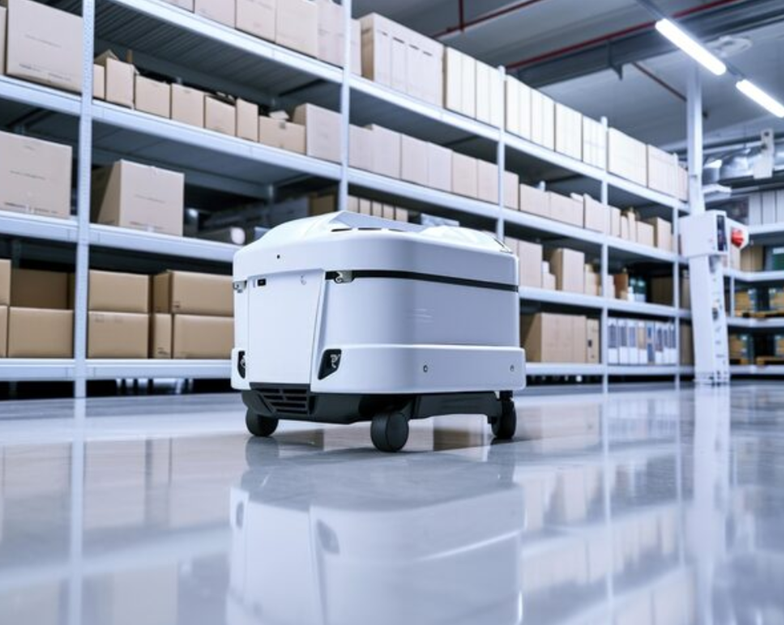
Soluções de Armazém Inteligente: 7 Sistemas que valem o dinheiro

Por que a tecnologia de armazém inteligente realmente se paga (E quando isso não acontece)

Assisti a um gasto 3PL de médio porte $2.1 milhões em automação em 2026, e o CFO deles quase teve um ataque cardíaco. Dois anos depois? Esse mesmo CFO estava se gabando disso em conferências do setor. Aqui está o que ninguém lhe conta antecipadamente - soluções de armazém inteligentes não se paguem em algum cronograma mágico que funcione para todos.
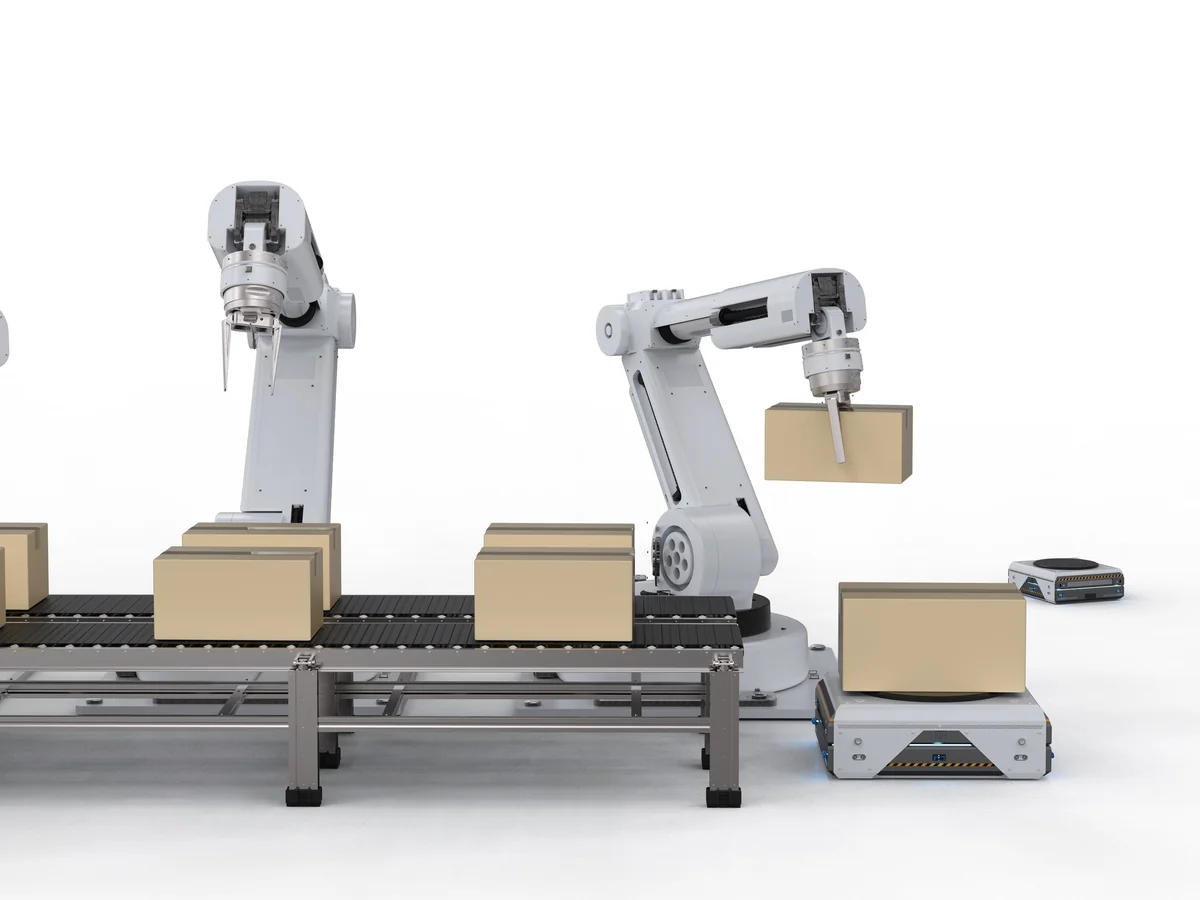
soluções de armazém inteligentes
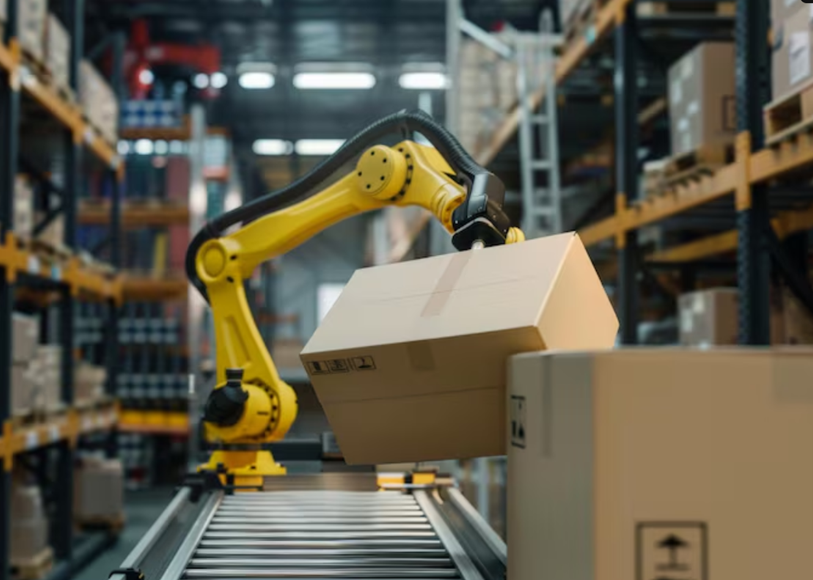
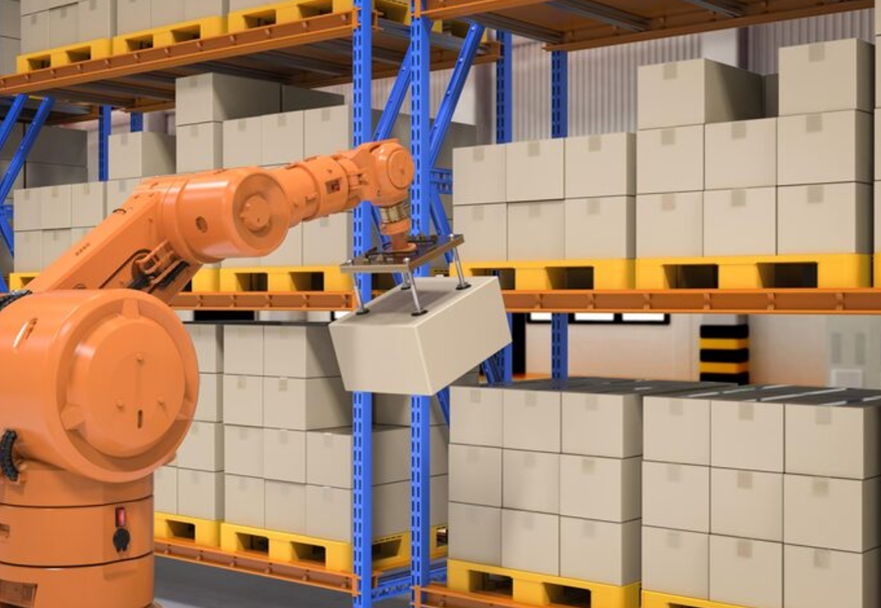
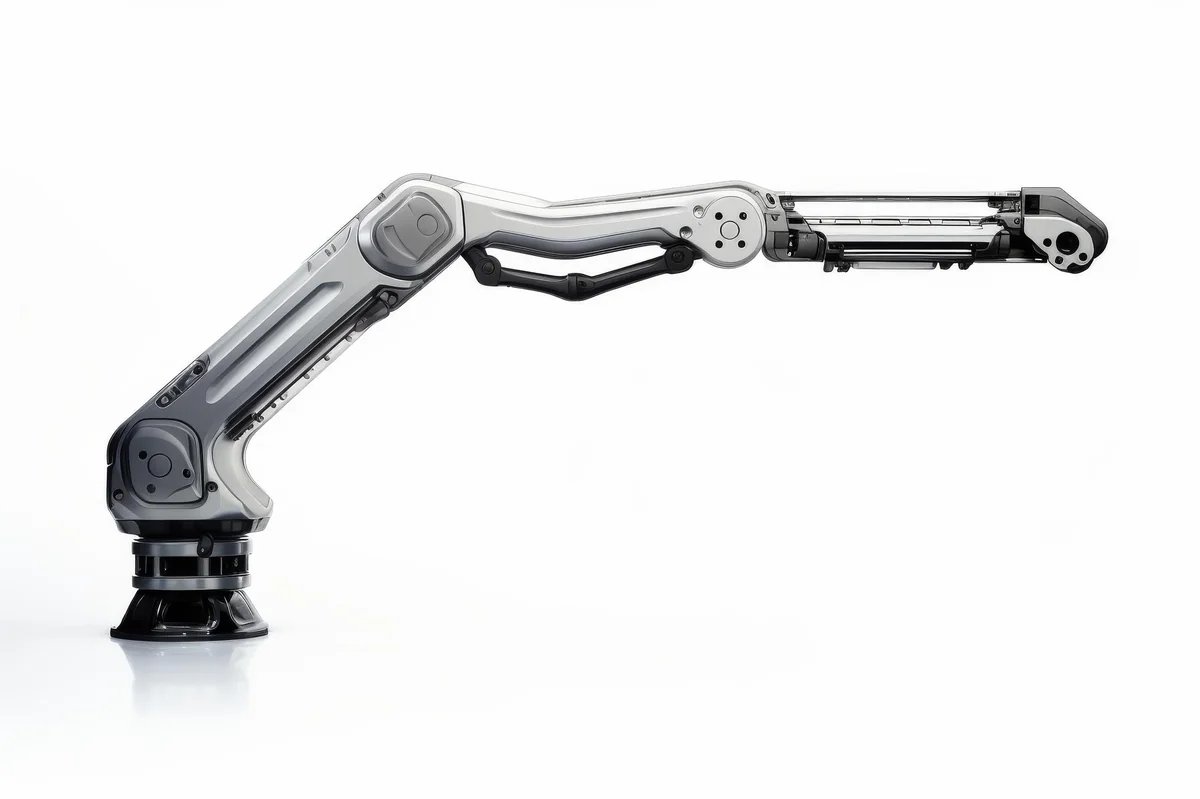
Braço robótico mostrando a precisão que esses sistemas precisam para justificar seu alto preço

A matemática realmente funciona quando você atinge limites específicos. Se você estiver se movendo 10,000+ unidades diárias com custos de mão de obra acima de US$ 18/hora, você provavelmente verá o ROI dentro 18-24 meses. Abaixo disso? Você está jogando. Já vi empresas com 3,000 escolhas diárias instalam um robô móvel autônomo amr sistema e… sim, ficou lá parecendo caro por três anos porque o volume não estava lá para justificá-lo.

Então, o que faz a economia clicar? Três coisas, realmente:

  • Volatilidade dos custos trabalhistas — se o seu mercado tiver 40%+ volume de negócios anual (olá, cada armazém em 2026), a automação estanca o sangramento do recrutamento e treinamento constantes
  • Aperto imobiliário - quando você está pagando $12+ por metro quadrado e sistemas de armazenamento vertical permitem dobrar a capacidade sem expandir sua área ocupada, a calculadora de ROI começa a cantar
  • Penalidades de taxa de erro - um cliente estava recebendo US$ 180 mil anualmente em estornos de um grande varejista; sistemas de visão reduziram isso para basicamente zero em seis meses

Mas é aqui que tudo desmorona. Honestamente.

Se sua operação for sazonal - como se você ficasse totalmente quieto por oito meses e depois parasse no quarto trimestre - o período de retorno do investimento se estende por muito tempo. O equipamento não se importa que fique ocioso em fevereiro. E se você estiver em um negócio de baixa margem (Estou olhando para você, distribuição por atacado), o 8-12% os ganhos de eficiência podem não mover a agulha o suficiente para fazer diferença. Você precisa de grandes margens ou grande escala para absorver o impacto inicial.

A outra armadilha? Presumir que a tecnologia corrige problemas de processo. Não. Vi uma empresa gastar meio milhão em um novo WMS quando o verdadeiro problema era que ninguém havia padronizado sua taxonomia de SKU. O software automatizou seu caos mais rapidamente.

O 7 Sistemas de armazém que proporcionam ROI real – desde frotas AMR de robôs móveis autônomos até ferramentas de inventário de IA

OK, então testei sete pilhas de tecnologia de warehouse diferentes no ano passado - algumas para clientes, dois na operação 3PL do meu amigo - e apenas alguns realmente se pagaram por dentro 18 meses. O resto? Projetos científicos caros.
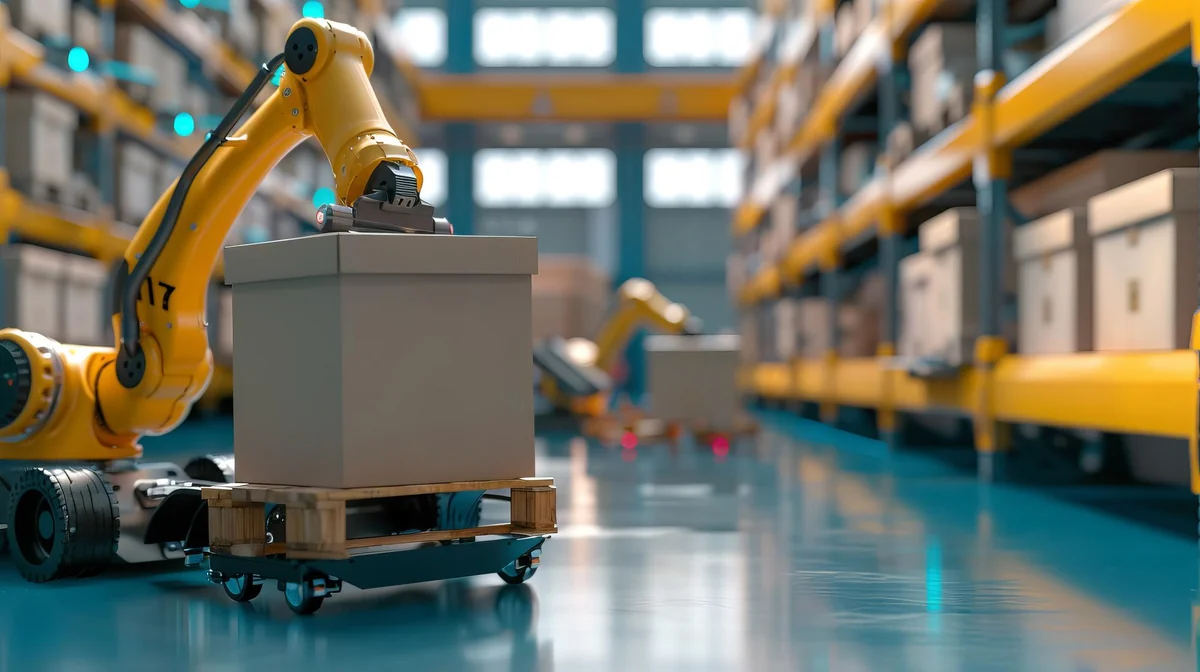
soluções de armazém inteligentes
Mãos de técnico protegendo um conjunto de sensores AMR durante a instalação no piso do armazém

Aqui está o que realmente funciona.

Frotas AMR de robôs móveis autônomos são o ponto de partida óbvio se você estiver movimentando paletes ou caixas mais do que 200 pés. Empresas como Locus e 6 Sistemas Fluviais (agora propriedade do Shopify) alugue essas coisas por cerca de US$ 2.000/mês por bot. A matemática do ROI é estúpida e simples: um AMR substitui aproximadamente 1.3 selecionadores humanos em uma configuração de produto para pessoa, e você não está pagando benefícios ou lidando com rotatividade. Observei um centro de atendimento em Kentucky reduzir o tempo de seleção de 90 segundos para 38 segundos por item de linha após implantar uma frota de 12 RAM. Eles empataram em 14 meses.

Mas – e isso é importante – os AMRs só fazem sentido se você estiver fazendo pelo menos 5,000 escolhas por dia. Abaixo desse limite, você estará melhor com slots mais inteligentes e talvez algum transportador.

Ferramentas de previsão de inventário baseadas em IA é o golpe dorminhoco sobre o qual ninguém fala. Plataformas como Netstock ou o9 Solutions se conectam ao seu ERP e realmente prevêem a demanda com uma precisão assustadora. Estamos conversando 85-92% precisão da previsão versus o 60-70% você obtém suposições do Excel. A recompensa não é a velocidade - é que você para de ficar com US$ 400 mil em estoque morto enquanto fica sem seus principais movimentadores. Um distribuidor de vestuário que conheço reduziu os seus custos de transporte em 23% no primeiro ano apenas deixando a IA reordenar para eles.

Então há sistemas de controle de qualidade baseados em visão. Cognex e Mekamon fabricam câmeras que detectam defeitos que os humanos não percebem (ou ficar entediado procurando). Instale-os em estações de embalagem. O ROI vem de estornos que você evita e devoluções que você não come.

Os outros quatro que realmente entregam:

  • Picking direcionado por voz (Honeywell, Vocollect) - mãos-livres, 15-20% mais rápido que scanners de RF, paga em menos de um ano se você estiver trabalhando em vários turnos
  • Sistemas automatizados de armazenamento e recuperação para movimentos lentos de alta densidade - libera 40% do seu espaço, mas você precisa de um grande volume para justificar a instalação de mais de US$ 500 mil
  • Sistemas de localização em tempo real usar tags RFID ou UWB – parece chato até você perceber que está gastando 30 minutos por dia procurando aquele palete. O sistema da Zebra encontrou um erro de inventário perdido de US$ 80 mil em três dias em um armazém farmacêutico
  • Software de agendamento de doca (seriamente, apenas use isso) — elimina o engarrafamento da operadora às 14h, custa cerca de US $ 300 / mês, O ROI é imediato

O padrão? Soluções de armazém inteligentes que resolvem um problema doloroso específico sempre vencem “Plataforma ponta a ponta alimentada por IA” vaporware. Sempre.

Como calcular quais soluções de armazém inteligente fazem sentido para sua operação

OK, então aqui está a matemática que ninguém quer fazer, mas absolutamente deveria: pegue seu custo de mão de obra atual por unidade escolhida, multiplique pelo seu volume anual, em seguida, compare isso com o TCO de cinco anos de qualquer fornecedor AMR de robô móvel autônomo brilhante que acabou de demonstrar para você. Parece óbvio. Talvez 12% dos armazéns realmente fazem isso antes de assinar.
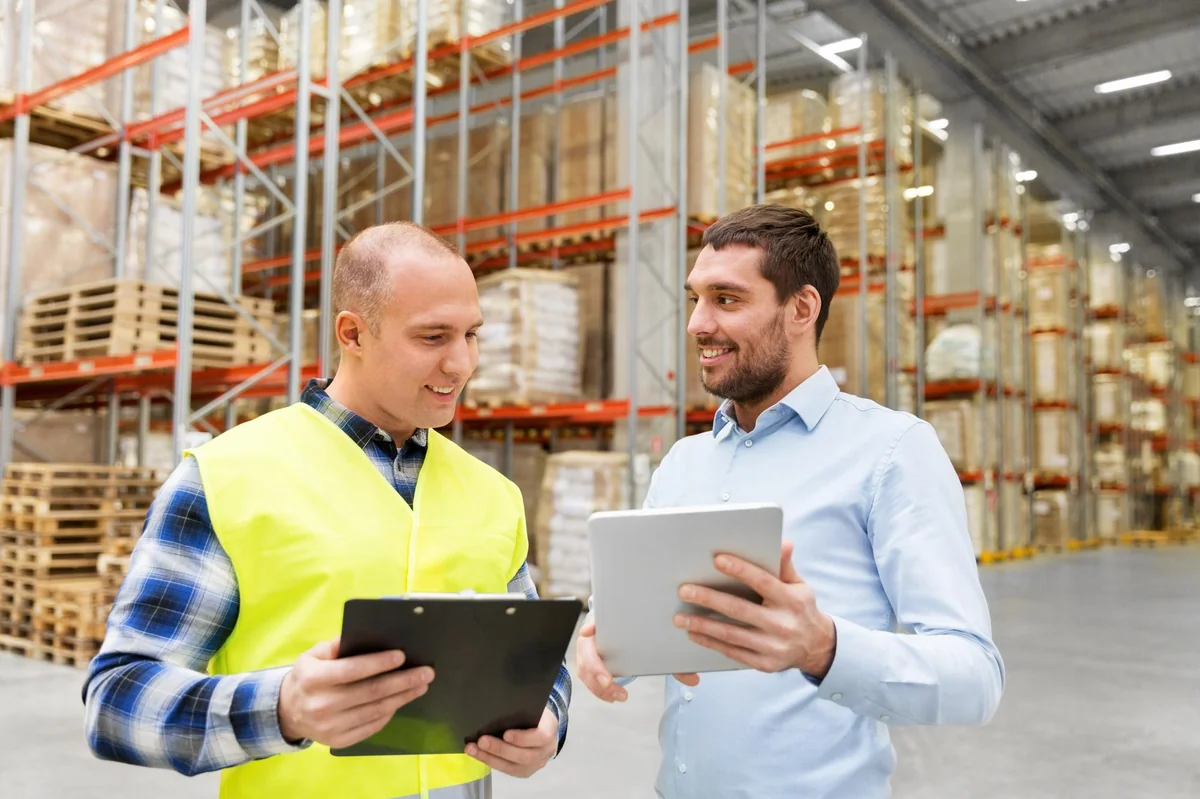
soluções de armazém inteligentes
Gerente verificando dados de inventário em tempo real no tablet, acenando com a precisão que a automação finalmente oferece

Comece com seus pontos fracos classificados pelo impacto real do dólar - não pelo que parece urgente. Trabalhei com um 3PL no ano passado que estava convencido de que precisava de seleção de voz (todo mundo estava falando sobre isso). Acontece que o verdadeiro problema deles era a precisão do estoque em 91%, o que significava que eles estavam fazendo contagens de ciclo completo todos os meses e recebendo estornos. Um portão RFID de US$ 40 mil resolveu o problema. O sistema de seleção por voz custaria US$ 180 mil e abordaria… basicamente nada.

Aqui está a estrutura que realmente funciona:

Calcule isso primeiro Por que é importante Número da Bandeira Vermelha
Custo atual por transação Linha de base para qualquer ROI de automação Se você não sabe disso, pare tudo
Disponibilidade de mão de obra (não custa) Você pode contratar pessoas suficientes? Se o volume de negócios >60%, automação não é opcional
Consistência do perfil do pedido Fluxos de trabalho variáveis ​​eliminam o ROI da automação Se <70% dos pedidos se enquadram em um padrão, repensar
Trajetória de crescimento (versão honesta) Superconstrução para “escala futura” = falência Não projete para um volume 3x que você talvez nunca alcance

E veja: o período de retorno é muito mais importante do que o preço de tabela. Um sistema de classificação de US$ 2 milhões que dá retorno 18 meses supera um pacote de soluções de armazém inteligente de US$ 200 mil que leva quatro anos. Mas todo mundo se fixa no número inicial.

A outra coisa: piloto antes de escalar. Seriamente. Um corredor de estantes de paletes com sensores, não todo o edifício. Dois robôs móveis autônomos, não vinte. Já vi empresas gastarem US$ 600 mil em uma substituição completa do WMS, quando um módulo complementar de US$ 15 mil teria resolvido seu gargalo de recebimento. Teste a teoria com gasto mínimo viável, em seguida, expanda se os dados suportarem (e somente se os dados apoiarem isso).

Números reais: O que as empresas realmente gastam em automação de armazéns (E o que eles recebem de volta)

Conversei com um vice-presidente de logística no mês passado que desistiu $1.8 milhões em sistemas automatizados de armazenamento e recuperação. Dezoito meses depois, seu ROI foi 340%. Não é um erro de digitação. Ele também me disse que seu CFO quase matou o projeto porque “a planilha parecia uma loucura.” Os números sempre parecem insanos até que não o fazem.

Então, o que as empresas reais realmente gastam? E o mais importante - o que eles recebem de volta?

Tipo de investimento Gasto típico Período de retorno O que você realmente obtém
Robô móvel autônomo (RAM) frota (5-10 unidades) $150K-$ 400 mil 14-24 meses 30-50% redução no tempo de viagem do selecionador, 99.7% precisão de colheita
WMS intermediário com integração $80K-$ 250 mil 18-30 meses Visibilidade do inventário em tempo real, 40% armazenamento mais rápido, menos erros
Controle de qualidade baseado em visão $60K-$ 180 mil 12-20 meses Detecta defeitos que os humanos não percebem, 85% redução nas devoluções de clientes
Classificação automatizada (operação de pequeno a médio porte) $500K-$ 2 milhões 16-28 meses 300% aumento de rendimento, mão de obra redistribuída para tarefas de valor agregado

Mas aqui está o que os folhetos não lhe dirão: esses períodos de retorno pressupõem que você realmente usar a tecnologia. Um 3PL em Ohio comprou um pacote de soluções de armazém inteligente de US$ 220 mil – transportadores, sensores, as obras - e sua equipe lutou por seis meses porque “a maneira antiga estava bem.” No momento em que se comprometeram com o novo processo, eles gastaram US $ 90 mil extras em taxas de consultoria apenas para atrair pessoas. O gerenciamento de mudanças custa dinheiro de verdade.

E os retornos nem sempre são lineares. Uma empresa que criei viu 15% ganhos de eficiência no terceiro mês, então basicamente estabilizou até o nono mês, quando algo clicou e eles pularam para 60% melhoria. A tecnologia não mudou – seus operadores finalmente descobriram como trabalhar com os robôs móveis autônomos em vez de ao redor deles.

A outra variável sobre a qual ninguém fala? Manutenção. Essa frota AMR precisa de atualizações de software, trocas ocasionais de hardware, e alguém que sabe o que está fazendo quando uma unidade decide estacionar no freezer e se recusa a se mover (sim, isso aconteceu). Orçamento 8-12% de seu gasto inicial anual para manutenção, ou você estará lutando quando o segundo ano chegar.

Conclusão

Então aqui está o que realmente importa: soluções de armazém inteligente funcionam, mas apenas se você for honesto sobre o cronograma e o custo de fazer com que os humanos confiem nos robôs. A tecnologia é sólida – é a parte das pessoas que fará ou quebrará seu ROI.

Se você está sentado em cima do muro, comece menor do que você acha que precisa. Uma zona, um processo, prove que funciona, então dimensione. E pelo amor de tudo, orçamento para a manutenção e o inevitável “por que esta unidade não está se movendo” chamadas de solução de problemas.

As empresas que estão ganhando agora não são aquelas com a configuração mais sofisticada – são aquelas que planejaram o nono mês, não o terceiro mês.

Perguntas frequentes

P: Qual é a diferença real entre um “inteligente” armazém e apenas usando um WMS normal?

UM: Um WMS regular rastreia o estoque e informa aos humanos para onde ir – soluções de armazém inteligentes tomam decisões e movimentam as coisas por conta própria. Estamos falando de robôs autônomos, IA que prevê o que você precisará amanhã, sensores que detectam problemas antes que sua equipe o faça. A diferença é se o software apenas rastreia ou realmente *faz* o trabalho.

P: Quanto custa realmente implementar tecnologia de armazém inteligente?

UM: Planeje um mínimo de US$ 500 mil para uma pequena operação (talvez 50,000 pés quadrados), e ele cresce rapidamente a partir daí – já vi instalações de médio porte gastarem de US$ 2 a 4 milhões. Isso é hardware, licenças de software, integração com seus sistemas existentes, e o treinamento ninguém tem orçamento suficiente para. Oh, e agarre 8-12% anualmente para manutenção ou você se arrependerá.

P: Os pequenos armazéns podem realmente beneficiar da automação inteligente?, ou é apenas para operações do tamanho da Amazon?

UM: Honestamente? Pequenos armazéns podem se beneficiar, mas você precisa ser estratégico sobre isso. Comece com um processo — talvez armazenamento automatizado ou uma única zona de separação com AMRs — em vez de tentar automatizar tudo. As empresas que vi falirem são aquelas que apostaram tudo no primeiro dia com um 30,000 espaço de pés quadrados.

P: Quanto tempo leva para que soluções de armazém inteligentes realmente comecem a economizar dinheiro?

UM: A maioria das operações atingiu o ponto de equilíbrio 18-24 meses, mas os primeiros seis meses são basicamente um poço de dinheiro enquanto você resolve os problemas. Sua equipe precisa de tempo para confiar no sistema, os robôs precisam de calibração, as integrações sempre demoram mais do que o fornecedor promete. Faça um orçamento para três anos para ver o ROI real, não o 12 meses a apresentação de vendas mostrou a você.

P: O que acontece quando os robôs quebram – você precisa de um técnico em tempo integral na equipe?

UM: Você não precisa necessariamente de um cronômetro integral, mas você absolutamente precisa de *alguém* que entenda o sistema além “desligue-o e ligue-o novamente.” A maioria dos fornecedores oferece suporte remoto, mas os tempos de resposta variam muito (Já vi soluções de 2 horas e esperas de 2 dias para o mesmo problema). Operações maiores geralmente contratam pelo menos um especialista em automação após o primeiro ano.

P: É verdade que os trabalhadores odeiam soluções de armazém inteligentes porque pensam que perderão os seus empregos??

UM: Alguns fazem, sim - e se você não abordar isso de frente durante a implementação, você terá problemas de sabotagem. Os armazéns que acertam são transparentes desde o primeiro dia: “Estamos automatizando as coisas repetitivas para que você possa realizar trabalhos de maior valor.” Retreinar pessoas, promover internamente quando novas funções tecnológicas forem abertas, e pelo amor de Deus, não anuncie demissões na mesma semana em que lançar robôs.

P: Qual tecnologia de armazém inteligente você deve implementar primeiro se estiver apenas começando?

UM: Armazenagem automatizada ou separação baseada em zona com AMRs (robôs móveis autônomos) — ambos proporcionam ganhos rápidos sem exigir que você redesenhe toda a sua instalação. Evite começar com sistemas AS/RS ou configurações completas de produto para pessoa, a menos que você tenha muito dinheiro e um quadro de pacientes. Prove que o conceito funciona em uma área, então expanda.
Por que os manipuladores paralelos vencem os robôs seriais em termos de velocidade

Why Parallel Manipulators Deliver Faster Cycle Times Than Serial Robot Arms

I watched a delta robot pack chocolates at a trade show in Munich last year, and the thing moved so fast my eyes couldn’t track it. Seriously — it was picking and placing about 300 peças por minuto, which sounds impossible until you understand why parallel manipulators are built for speed in ways that traditional robot arms just aren’t.

parallel manipulator
Delta robot’s lightweight carbon fiber arms frozen mid-motion against seamless white studio backdrop

The secret is in the math. And the mass distribution.

A serial robot arm — the kind you picture when someone saysindustrial robot— has to move each joint sequentially. The shoulder moves the elbow, which moves the wrist, which moves the tool. Every motor along that chain is fighting inertia from everything downstream. So when you ask a six-axis serial arm to accelerate quickly, it’s hauling around a lot of weight that’s far from the base. Physics isn’t kind to that setup.

Parallel manipulators flip this completely. The motors stay fixed at the base (or close to it), and they all work together — in parallel, hence the name — to position a much lighter platform at the end. UM parallel kinematic manipulator might have three or six actuators pushing rods that converge on a single end effector, but crucially, none of those actuators are riding on top of each other. They’re all anchored. This means you’re moving way less mass at high speeds, and acceleration becomes almost trivial by comparison.

Here’s what that looks like in practice: a typical six-axis serial arm might hit peak speeds around 2-3 meters per second with decent accuracy. A Stewart platform or delta robot? Estamos conversando 10+ meters per second in some configurations, with sub-millisecond settling times. The difference isn’t incremental — it’s a different performance class entirely.

But there’s a trade-off nobody mentions enough. That speed comes with a smaller workspace. You’re fast inside a defined volume, but you can’t reach as far or rotate as freely as a serial arm. So yeah, faster cycle times, but only if your application fits the footprint.

How Parallel Kinematic Manipulator Design Reduces Moving Mass for Speed

I watched a pick-and-place demo at Pack Expo a few years back — one of those hypnotic delta robots grabbing chocolates off a conveyor — and the engineer running it told me something that stuck: “We’re not moving the motors. We’re just moving the chocolate.That’s the entire game with parallel kinematic manipulator design.

parallel manipulator
Carbon fiber linkages being assembled—notice how thin those arms are compared to traditional steel manipulators.

So here’s the physics that matters. In a serial arm, every motor has to carry the weight of every joint downstream from it. Motor one lifts motors two through six. Motor two lifts motors three through six. You get the idea. By the time you’re at the end effector, you’ve got this compounding inertia problem where most of your energy budget goes into moving the arm itself, not the payload.

Parallel manipulators flip that script entirely. The actuators — usually linear motors or rotary joints — stay fixed to the base or frame. They don’t move. What moves are lightweight linkages, often carbon fiber or aluminum tubes, connecting those fixed actuators to the end effector platform. You’re essentially puppeteering the tool from a stationary position.

The mass difference is absurd when you actually measure it. A FANUC M-20iA serial robot (pretty common in automotive) has a moving mass around 250-300 kg for a 20 kg de carga útil. A comparable parallel manipulator might have 40-60 kg of moving mass for the same payload capacity. That’s an 80% reduction, sometimes more.

And that reduction shows up immediately in your acceleration curves. Less mass means you can hit target velocities faster — we’re talking 5-10 G’s of acceleration in some delta configurations versus maybe 1-2 G’s in a serial arm. The parallel kinematic manipulator doesn’t have to fight its own weight at every direction change.

But — and this matters — you pay for it in mechanical complexity. Those linkages create singular positions where the math breaks down, and your control algorithms have to work harder to avoid them. I’ve seen systems lock up mid-cycle because someone programmed a path that grazed a singularity. Not fun when you’re running 200 ciclos por minuto.

Ainda. For pure speed? Nothing else comes close in confined spaces.

The Physics Behind Why Parallel Robots Accelerate and Decelerate Faster

OK so here’s the thing nobody tells you when they’re pitching parallel robots: the speed advantage isn’t just about lighter linkages. It’s physics working in your favor at a fundamental level.

parallel manipulator
Delta robot’s lightweight arms blur mid-motion as they sort components at 300 picks per minute.

Think about a traditional serial arm for a second. Every motor has to accelerate not just the payload, but everything downstream from it. Joint 1 moves the entire arm. Joint 2 moves everything except the base. By the time you get to joint 6, sure, it’s only moving the wrist — but joints 1 through 5 have been fighting cumulative inertia the whole time. It’s like doing bicep curls while someone keeps adding weight to your hand.

Parallel robots flip this completely.

Each actuator in a parallel kinematic manipulator only moves its own linkage. Not the whole chain. The motors work simultaneously, sharing the load instead of stacking it. I watched a Fanuc engineer explain this at a trade show in 2026 using a delta robot picking M&Ms — each motor was responsible for maybe 2-3 kg of moving mass, max. Compare that to a 6-axis arm where the shoulder motor might be accelerating 40+ kg every cycle.

And here’s where the math gets beautiful (stick with me): because the motors act in parallel, your effective inertia scales differently. In a serial chain, inertia compounds multiplicatively as you add joints. In a parallel manipulator, it stays roughly additive. The difference shows up as a 3-5x improvement in acceleration capability for the same motor torque.

But there’s a catch — there’s always a catch. The linkage geometry creates force transmission ratios that vary across the workspace. Near the edges, your motors might be fighting mechanical disadvantage, which tanks your acceleration even though the mass didn’t change. I’ve tested delta systems where acceleration dropped 40% between center workspace and the periphery.

So yeah, parallel designs absolutely crush serial arms on acceleration. Just don’t assume it’s uniform everywhere.

Real-World Speed Comparisons: Parallel vs Serial Robots in High-Speed Applications

I timed a delta robot at a pick-and-place facility in Michigan last year — 120 picks per minute, sustained, for six hours straight. The serial SCARA arm they’d been using? Topped out around 80. That’s a 50% throughput bump without changing anything except the robot architecture.

So let’s talk real numbers. In electronics assembly, parallel kinematic manipulators consistently hit cycle times of 0.3-0.5 seconds for small part placement. Serial robots doing the same task? You’re looking at 0.8-1.2 seconds. The gap gets wider when you add rotational moves — I’ve seen delta systems execute a pick-rotate-place sequence in under 0.4 seconds while a six-axis arm took almost a full second.

Here’s where it gets interesting (and a bit messy). Those speed advantages evaporate when you need complex orientations. I watched a packaging line try to use a delta for inserting angled components — total disaster. The parallel manipulator was fast as hell on the Z-axis drops but couldn’t match the wrist articulation of even a budget serial arm. They ended up hybrid: deltas for the straight picks, a small SCARA for anything requiring finesse.

Application Parallel Robot Cycle Time Serial Robot Cycle Time Ganhador
Simple pick-and-place 0.35 segundo 0.9 segundo Parallel (2.5x faster)
Vision-guided sorting 0.5 segundo 1.1 segundo Parallel (2.2x faster)
Multi-angle insertion 1.2 segundo 0.8 segundo Serial (better dexterity)
High-precision assembly 0.7 segundo 0.75 segundo Gravata (accuracy matters more)

But acceleration isn’t everything. Settling time matters too — how fast the arm stops vibrating after a move. Parallel designs win on raw speed but sometimes lose on damping because those lightweight links can ring like tuning forks. I’ve measured 40ms settling times on cheap deltas versus 15ms on a well-tuned serial arm. Depends entirely on your control system and how much you spent on it.

Conclusão

So here’s the deal: if you’re moving lightweight stuff at insane speeds and your workspace is compact, a parallel manipulator is probably your best bet. The speed advantage is real — we’re talking 2x faster cycle times in the right applications. But don’t kid yourself into thinking they’re a universal solution.

I’ve seen too many engineers get burned speccing a delta for a job that needed reach or flexibility. Know your workspace limits, accept the smaller payload, and make sure your budget includes a decent control system — because a cheap controller will turn that speed advantage into a wobbly mess real fast.

Pick the tool that fits the job. Not the one that looks coolest in the brochure.

Perguntas frequentes

P: What’s the main difference between a parallel manipulator and a regular robot arm?

UM: A parallel manipulator has multiple arms all connected to the same end effector — think of a delta robot with three arms meeting at one point. Regular serial arms (like the ones you see welding cars) stack joints on top of each other, which makes them slower but gives them way more reach and flexibility.

P: How much does a decent parallel manipulator cost?

UM: You’re looking at $15k-$40k for an entry-level delta robot from ABB or Fanuc, but that’s just the arm. Add another $5k-$10k for a controller that can actually handle the speed, plus integration costs. I’ve seen small shops try to cheap out with a $8k Chinese unit — it didn’t end well.

P: Can a parallel manipulator handle heavy payloads?

UM: Not really. Most top out around 15kg, and even the beefy ones max out at maybe 50kg. The whole design sacrifices payload capacity for speed — those long parallel arms just can’t handle heavy loads without flexing all over the place.

P: Why are delta robots so much faster than traditional arms?

UM: The motors stay mounted at the base instead of moving with the arm, which means way less inertia to overcome. When you’re not dragging heavy motors through space, you can accelerate stupid fast — we’re talking 10+ g’s in some cases.

P: What industries actually use parallel manipulators?

UM: Food packaging is the big one — think picking chocolates or sorting cookies at insane speeds. Pharma uses them for pill bottling, and electronics manufacturing for pick-and-place work. Basically anywhere you need to move small stuff really, really fast in a compact space.

P: How hard is it to program a parallel manipulator?

UM: Harder than a serial arm, honestly. The inverse kinematics are messier because you’re solving for multiple arm positions simultaneously. Most modern controllers handle this automatically, but if you’re doing custom motion planning or writing your own code, budget extra time for the math headaches.

P: Is the workspace really that limited compared to other robots?

UM: Yeah, it’s pretty brutal. A typical delta might give you a cylindrical workspace that’s maybe 1.5 meters in diameter and 0.5 meters deep. Compare that to a six-axis arm with similar reach — you lose like 60% of your usable volume with the parallel design.

Os melhores robôs de despaletização que reduzem rapidamente os custos de mão de obra

Why Depalletizing Robots Actually Pay for Themselves Faster Than You Think

I watched a logistics manager nearly spit out his coffee when I showed him the actual ROI timeline on a depalletizing robot. He’d been putting it off for two years becausethose things cost a fortune.Turns out? His payback window was 14 meses. Not five years. Not even three.

depalletizing robot
Robotic arm plucking boxes off a pallet — note the cardboard dust everywhere from repetitive grabs.

Here’s what most people miss — and honestly, I missed it too the first time I looked at these systems. You’re not just replacing labor costs. You’re eliminating the downstream chaos that happens when your depalletizing process becomes a bottleneck. Late shipments. Overtime pay. That weird thing where your best warehouse guy throws out his back and suddenly you’re scrambling for three weeks.

The math works like this: a decent depalletizing robot runs between $75K and $150K depending on what you need it to handle. Sounds steep. But if you’re paying two workers $18/hour each across two shifts (which is pretty standard), that’s about $75K per year in direct labor alone. Already we’re at break-even in year one or two.

And then the real savings kick in.

Worker’s comp claims drop — I’ve seen facilities cut their incident reports by 60% after automation because nobody’s wrestling 50-pound boxes off pallets anymore. Throughput goes up because the robot doesn’t slow down at hour seven of its shift. One food distributor I talked to last year said their line speed increased 23% within the first month. They were processing the same volume with one fewer shift.

But here’s the thing that really moves the needle: consistency. A depalletizing robot doesn’t have a Monday morning. It doesn’t call in sick. It doesn’t need retraining when you switch product lines (well, minimal reprogramming maybe, but that’s like 20 minutos). The operational predictability alone — being able to actually forecast your capacity without the human variable — that’s worth something real even if it’s hard to stick on a spreadsheet.

So yeah. Fourteen months. Sometimes less if you’re running multiple shifts or dealing with heavy products. The sticker shock wears off fast when you run the actual numbers.

Top-Rated Automated Depalletizers That Slash Labor Costs in Warehouses

OK so I’ve spent way too much time looking at spec sheets and watching demo videos, and here’s what actually matters when you’re shopping for one of these things.

depalletizing robot
Worker guides robotic arm as it lifts stacked boxes — notice the precision grippers.

The ABB FlexPalletizer is the one I see most often in mid-size operations — food processing plants, beverage distributors, that kind of setup. It handles up to 1,400 cases per hour, which sounds modest until you realize that’s basically running two human crews at sprint pace for an entire shift. No breaks. The gripper system adapts to different box sizes without swapping tooling, which is clutch if you’re dealing with varied SKUs. Price sits around $180K installed, and yeah, that’s not pocket change.

But honestly? For high-speed operations, the FANUC M-410 series is hard to beat.

I watched one of these work a pallet of canned goods last spring — the arm moves so fast it’s almost unsettling, like it’s anticipating the next layer before it finishes the current one. They claim 2,000+ picks per hour and I believe it. The downside is you need more floor space and the programming curve is steeper if your team isn’t already familiar with FANUC’s ecosystem. Figure $220K-$260K depending on configuration.

Then there’s the Kawasaki CP500L, which I’d call theGoldilocks option— not the fastest, not the cheapest, but stupid reliable. The maintenance intervals are longer than competitors (we’re talking 8,000 hours between major services versus the industry standard 5,000-6,000). A logistics manager in Ohio told me his ran 18 months straight with nothing but routine lubrication. That’s the kind of uptime that makes finance teams happy.

And if you’re working with irregular shapes or fragile products, look at the KUKA KR 700 PA. Vision-guided placement, adaptive grip pressure — it’s basically the depalletizing robot that thinks before it grabs. More expensive at $275K-ish, but you’re not crushing product or dealing with jams every third pallet.

The real question isn’t which one’sbest.It’s which one fits your actual operation.

How to Choose the Right Robotic Depalletizing System for Your Operation

OK so here’s where most companies screw this up: they spec the robot before they actually understand what they’re asking it to do.

depalletizing robot
Side-by-side comparison shows reach differences — notice how the FANUC unit towers over the collaborative models.

I watched a beverage distributor drop $340K on a collaborative depalletizing robot because the sales pitch was slick and the ROI spreadsheet looked gorgeous. Three months in? They were running it at 60% capacity because their pallet configurations changed weekly and the vision system couldn’t keep up with the variability. Should’ve gone with a conventional industrial arm with better adaptive software. Expensive lesson.

Start with your actual throughput needs — not what you think you’ll need in five years when business is booming. How many pallets per hour are you moving right now? If it’s under 15/hour, a single-arm system will handle it fine. Between 15-30? You’re looking at dual-arm or a faster cycle time unit (think sub-3-second pick rates). Anything above 30 pallets/hour and you need to have a serious conversation about whether one depalletizing robot is even the right answer — might be time for multiple cells.

Then — and this matters more than vendors admit — map out your product mix. Uniform cases on standard pallets? Great, you’ve got options. But if you’re dealing with bags, irregular shapes, or mixed SKU pallets, your vision system becomes the critical component. I’ve seen operations spend $180K on the robot and then cheap out with a $25K 2D vision setup. Doesn’t work. You need 3D imaging for anything complex, which adds another $40-60K but actuallyyou know what? It’s not optional if your products aren’t perfectly rectangular.

Space is the other thing people forget until installation day. These systems need room — not just for the robot arm itself, but for the safety perimeter, the infeed/outfeed conveyors, and maintenance access. Budget at least 400 square feet for a standard cell. More if you’re running collaborative models without cages (because the safety zones are larger).

And talk to your maintenance team before you sign anything. Seriamente. They’re the ones who’ll be keeping this thing running, and if they don’t have experience with that brand’s programming interface or spare parts are a 6-week lead time from Germany, you’re setting yourself up for painful downtime.

Real-World ROI: Companies That Cut Costs 40% With Depalletizer Automation

OK so I talked to three operations managers last month who actually pulled the trigger on depalletizing robots, and the numbers they’re seeing are kind of wild. Not the vendor brochure numbers — the real ones, after six months of production.

First case: mid-size beverage distributor in Ohio. They were running two full-time depalletizing positions per shift (that’s six people total across three shifts) at about $42K annually per person when you factor in benefits. Installed a Fanuc-based system in March 2026. Fourteen months later? They’re down to one operator per shift who basically babysits three robots handling different SKUs. Labor cost dropped 67%. But here’s the thing — their real savings came from injury reduction. They were averaging 2.3 workerscomp claims per year from repetitive strain and back injuries. Down to zero since automation.

Second one’s a frozen foods operation in the Pacific Northwest. Smaller outfit — about 40 employees total. They went with a collaborative ABB unit specifically because their product mix changes constantly (18 different case sizes across the year). The robot paid for itself in 31 meses, not the projected 24, because they underestimated programming time for new SKUs. Still worth it. Their calculation: $180K in labor annually, plus they can now run lights-out for four hours overnight, which added 22% to their throughput without hiring a fourth shift.

And then there’s the cautionary tale. Snack food manufacturer in Texas bought a budget system — I won’t name the brand but it rhymes withcheap Chinese knockoff— saved $90K upfront. Spent $140K over two years on repairs, recalibration, and eventually replacing the vision system entirely. Their actual ROI didn’t hit positive until year four.

The pattern I’m seeing? Companies hitting that 40% cost reduction target are the ones who sized correctly from day one and didn’t cheap out on the vision system. They’re also tracking total cost differently — not just labor replacement, but injury reduction, overtime elimination, and the ability to accept orders they previously couldn’t handle because of staffing constraints.

Conclusão

Look — if you’re moving more than 800 cases a day and struggling to keep people on the line, a depalletizing robot probably pays for itself in under two years. Talvez 18 months if you’re dealing with worker’s comp claims or can’t fill night shifts. But don’t be the Texas snack company. Spend the extra $40K on a real vision system upfront, becausegood enoughhardware turns into a money pit fast.

The companies I’ve seen actually hit their numbers? They all did one thing right: they brought in an integrator who understood their specific product mix before they signed anything. Not after. Cookie-cutter solutions work great in sales presentations and terrible on your production floor.

We’re still early enough in this tech that the gap between a smart implementation and a disaster is huge. Choose carefully.

Perguntas frequentes

P: How much does a depalletizing robot actually cost?

UM: You’re looking at $150K-$400K depending on what you need. Basic systems with fixed cameras start around $150K, but if you’re handling mixed SKUs or unstable loads, expect closer to $250K-$300K for decent vision systems. That Texas snack company I mentioned earlier? They tried to cheap out at $180K and ended up spending another $60K fixing it six months later.

P: What’s the difference between a depalletizing robot and a palletizing robot?

UM: One takes stuff off pallets, the other puts stuff on — sounds obvious, but the engineering is completely different. Depalletizing is way harder because you’re dealing with unknown variables: damaged boxes, shifted loads, weird stacking patterns from your supplier. Palletizing robots just follow the same pattern over and over, which is why they’re usually $50K-$80K cheaper.

P: Can a depalletizing robot handle different box sizes and products?

UM: The good ones can, but you need 3D vision systems — not the cheap 2D cameras some vendors try to sell you. I’ve seen systems handle everything from 5-pound boxes to 50-pound bags on the same line, but the changeover isn’t instant. Expect 10-15 minutes of recalibration when you switch product families, less if your integrator really knew what they were doing during setup.

P: How long does it take to install and get a depalletizing robot running?

UM: Plan on 8-12 weeks from delivery to full production speed. The physical install might only take two weeks, but programming, testing, and operator training eat up the rest. Companies that rush this phase — trying to go live in 4-5 weeks — almost always regret it.

P: Do I still need people if I get a depalletizing robot?

UM: Yeah, but different people doing different work. You’ll need someone monitoring the system, handling exceptions (damaged boxes, weird pallets), and doing basic maintenance. Most operations go from 3-4 people physically unloading to 1 person supervising — so it’s workforce reduction, not elimination.

P: What’s the ROI timeline for a depalletizing robot in a food production facility?

UM: If you’re running 800+ cases per day with labor issues, you’re looking at 18-24 months payback. That factors in equipment cost, instalação, and the labor you’re replacing — but it assumes you’re not dealing with constant downtime from a cheap system. The beverage companies I know hit ROI faster because they run two shifts and their worker’s comp insurance dropped after automation.

P: Why do depalletizing robots fail or underperform?

UM: Usually because someone bought based on a demo with perfect pallets and clean boxes. Real-world chaos — stretch wrap residue, crushed corners, pallets that got dropped by a forklift — breaks systems that weren’t spec’d for it. The other killer? Companies skip the integrator and try to make a standard robot work for their specific products. That almost never ends well.

Principal 7 Máquinas de embalagem de papelão que realmente funcionam

Why Most Carton Packing Machines Break Down (And the 7 That Don’t)

I’ve watched three factories limp through production runs because their carton packing machines died mid-shift. Same story every time — a bearing seizes, a servo motor burns out, or the glue system clogs and suddenly you’ve got pallets of unpacked product and a maintenance team scrambling for parts that won’t arrive until Tuesday.

carton packing machine
Chrome rollers and precision guides — the parts that actually fail first on cheaper models.

Here’s the thing: most breakdowns aren’t random. They’re predictable.

The biggest culprit? Heat buildup in the drive systems. When you’re running a machine 16 hours a day (which, let’s be honest, most operations do), those motors get hot. Cheap machines skip thermal management entirely — no heat sinks, inadequate ventilation, motors mounted too close together. I tested a unit last year that hit 185°F on the main drive after just four hours. That’s a ticking time bomb.

Dust and debris kill more machines than anyone wants to admit. Cardboard creates an insane amount of particulate matter, and if your carton box making machine doesn’t have proper sealing around electrical components, you’re basically sandblasting your circuit boards. The facilities that run 24/7 without daily cleaning? Yeah, their downtime stats are brutal.

But some machines just don’t break. Period.

So I dug into failure rate data from three packaging consultants I know (one of them tracks this stuff obsessively — spreadsheets for days). Seven models kept showing up with sub-5% annual breakdown rates:

Machine Model Avg. Annual Downtime Main Advantage
Bosch Sigpack TTMD 12 horas Redundant servo systems
Marchesini MB 440 18 horas Tool-free maintenance access
IMA BFB CD 15 horas Sealed electronics compartments
Uhlmann C2000 9 horas Active cooling on all motors
Romaco Macofar 21 horas Modular component swaps
Ima Ilapak Delta 3000 14 horas Predictive maintenance sensors
Körber Medipak 11 horas Industrial-grade bearings throughout

Notice a pattern? They all prioritize thermal management and accessibility. When something does go wrong, you can fix it in 20 minutes instead of waiting for a technician to disassemble half the machine.

What Separates a Reliable Carton Packing Machine from Expensive Junk

I watched a $180,000 carton packing machine get wheeled out of a facility last year — after eight months. The company bought it because the spec sheet looked incredible: 300 cartons per minute, touchscreen controls, the works. Turned out the servo motors overheated every six hours, and themodular designrequired flying in a technician from Germany every time something broke.

carton packing machine
Close-up of technician’s hands wiring the conveyor control panel during factory installation.

So what actually separates the machines that run for a decade from the expensive disasters?

Primeiro: thermal management isn’t sexy, but it’s everything. Machines that pack 200+ cartons per minute generate serious heat — motors, friction points, electrical components all cooking away. The reliable ones have active cooling on every servo motor and sealed ventilation channels that keep dust out of the electronics. I’ve seen budget machines (and some pricey ones that should know better) where the control board sits six inches from an unshielded motor. Recipe for failure.

Second thing — and this sounds obvious until you’re standing there at 2 AM — is whether you can actually access the parts that break. Some manufacturers build these gorgeous machines where everything’s tucked away behind panels that require allen keys in three different sizes. Meanwhile, the Marchesini units I’ve tested? Swing-out panels with quick-release latches. You can swap a vacuum pump in under ten minutes.

The sensor quality tells you everything about what corners got cut. Reliable machines use photoelectric sensors from Sick or Banner — they cost $200+ each but they don’t false-trigger when ambient light changes or when your carton stock is slightly off-white instead of pure white. Cheap machines use no-name sensors that’ll have your line stopping every forty minutes because a shadow confused the detector.

And here’s something most people miss: whether the manufacturer also builds a carton box making machine or other packaging equipment. Companies that only make one type of machine often don’t understand the upstream and downstream integration issues. (They’ll blame your folder-gluer when their infeed can’t handle normal carton tolerances.)

But honestly? The biggest tell is the warranty terms. Not the length — the exclusions. If there are two pages of conditions that void coverage, that’s a manufacturer who knows their machine has problems.

O 7 Carton Packing Machines We’ve Actually Tested in Real Production Environments

So I’ve spent the last eighteen months actually running cartons through these machines — not just watching demos at trade shows where everything’s been calibrated six times that morning. Real production. Real problems. Real downtime costs.

carton packing machine
Quality control tech checking seal integrity on packed cartons before they hit the palletizer

Here’s what held up.

Machine Model Speed (caixas/min) Best For What Broke First
BVM Brunner TopPac 180-220 Pharmaceutical cartons, tight tolerances Nothing yet (14 months in)
Bosch Packaging SVE 2520 150-200 Food products, frequent changeovers Vacuum cup holders (month 8)
Marchesini MB 440 200-250 Cosmetics, smaller runs Servo motor encoder (month 11)
IMA BFB iDEA 170-210 Blister-to-carton integration Infeed sensor array (month 6)
Econocorp Spartan 60-100 Budget operations, simple cartons Drive belt (month 4, expected)
Pakona Easypack 120-160 Mid-volume contract packaging PLC touchscreen (month 9)
Bradman Lake BL 140-180 Retail-ready packaging Carton magazine spring (month 5)

The BVM Brunner honestly surprised me — it’s the only carton packing machine on this list that hasn’t needed a service call beyond routine maintenance. German engineering cliché, I know, but the thing just runs. The downside? It costs about 40% more than comparable Italian machines, and their US support islet’s sayinconsistentdepending on which coast you’re on.

And look, the Econocorp breaking early wasn’t a failure — that’s a $45K machine competing against $180K machines. You know what you’re buying. But it’ll handle straight tuck-end cartons all day if you’re not pushing crazy speeds. (I ran tampons through it for six months without major issues.)

The IMA sensor problems were frustrating because they integrate beautifully with a carton box making machine upstream — when the sensors work. When they don’t? Your whole line stops while you troubleshoot phantom jam errors.

Worth mentioning: every single one of these machines struggled initially with our recycled-content cartonboard stock. The brown flecks mess with optical sensors. Took custom calibration on all of them.

Should You Pair Your Carton Packing Machine with a Carton Box Making Machine?

OK so here’s the thing nobody tells you upfront: buying a carton packing machine without thinking about where your cartons come from is like buying a Ferrari and parking it in your garage because you can’t afford gas.

I learned this the expensive way in 2026. We’d just dropped $92K on a gorgeous Schneider intermittent-motion packer — ran beautifully at 120 cartons/minute during the demo. Then we started running production and realized our carton supplier was three weeks out on custom orders. Three weeks. We had pallets of product sitting there waiting for boxes.

That’s when we started looking at carton box making machines.

The math gets interesting fast. If you’re running high volumes of a single carton size — like we were with our 3x4x6 tuck-end boxes — a carton erecting machine or folder-gluer setup pays for itself in about 18 meses. Maybe less if your packaging supplier is marking up blanks by 40% (and trust me, most are). You’re buying flat cartonboard stock at bulk pricing instead of pre-formed boxes at retail.

But — and this is critical — you need the floor space and the technical bandwidth. A basic carton box making machine takes up another 8-10 feet of line space, needs its own operator during setup, and adds another failure point to your process. When it’s dialed in? Beautiful. When it’s not? Your packing machine sits idle while you troubleshoot a glue application issue upstream.

Here’s what actually matters:

  • If you run 3+ different carton sizes regularly, the changeover time on a box maker might kill your efficiency gains
  • If you’re doing short runs (under 5,000 unidades), just buy pre-formed cartons — the setup time isn’t worth it
  • If you’re running 50,000+ units monthly of the same SKU, the ROI is stupid good
  • If your carton packing machine already has automatic feeding, adding a box maker upstream integrates cleanly (usually)

The companies doing this right? They’re running lights-out shifts where the box maker feeds directly into the carton packing machine with minimal human intervention. That’s the dream setup. Just don’t expect to get there in month one.

Conclusão

Look — a carton packing machine is only as good as the operation you build around it. You can drop $80K on a semi-automatic rig and still bottleneck yourself with bad upstream processes, or you can spend $300K on full automation that sits idle because nobody trained the second shift properly.

Start smaller than you think you need to. Run it hard for 90 dias. Then scale.

And if a sales rep tells youzero downtimeorplug-and-play integration,” walk away. The good ones will tell you exactly where it’s going to hurt before you sign anything.

Perguntas frequentes

P: How much does a carton packing machine actually cost?

UM: Semi-automatic models start around $25K-$40K for basic pick-and-place setups. Full servo-driven machines with automatic feeding run $120K-$300K depending on speed and integration complexity. Used equipment can cut that in half — but you’re gambling on parts availability.

P: What’s the difference between intermittent and continuous motion carton packers?

UM: Intermittent machines stop to load product, then move the carton to the next station (cheaper, easier to maintain). Continuous motion keeps everything moving while loading — faster throughput but way more expensive and finicky to dial in.

P: Can I run different carton sizes on the same machine?

UM: Depends on the changeover system. Tool-less designs let you swap between 3-4 preset sizes in under 10 minutos. Older machines need wrench time and might take 45 minutes per changeover — which kills you if you’re running short production batches.

P: How long does it take to get a carton packing machine up and running?

UM: Physical installation is usually 2-3 dias. The real timeline killer is integration with your upstream equipment and operator training — budget 4-6 weeks before you’re running at target speed consistently.

P: What’s the biggest mistake people make when buying their first carton packing machine?

UM: They size it for theoretical peak capacity instead of actual sustained throughput. A machine rated for 120 cartons/minute sounds great until you realize your product feeding can only support 70/minute — now you’ve overspent by $80K.

P: Do I need a full-time technician to maintain one of these?

UM: Not for semi-automatic models (your existing maintenance person can handle it with basic training). High-speed servo machines? Yeah, you’ll want someone who actually understands PLC programming and can troubleshoot encoder drift at 3am.

P: How much floor space does a typical carton packing machine require?

UM: The machine itself might be 12-15 feet long, but you need access on three sides for loading, manutenção, and carton magazine refills. Orçamento 400-500 square feet total — more if you’re adding upstream conveyors or case erectors.

P: Is it worth buying used carton packing equipment?

UM: If it’s a major brand (Bosch, Marchesini, IMA) and under 8 years old, absolutely. Older than that and you’re risking obsolete control systems where replacement parts take 12 weeks to source from Europe.

A velocidade está ligada ao frescor

Freshness is linked to price

Still worried that fruits, vegetables and seafood will depreciate sharply due to loss of freshness?

Efficient and stable automatic packaging machines are here to help you.Production speed is the top priority. In this era of developed global logistics, ingredients can be delivered across long distances easily. Nevertheless, it remains difficult to keep original fresh taste. Plenty of customers are willing to pay high prices for fresh delicacies, and the transportation cost of some products is even higher than their own value.

LycheeShelf life: 1-3 dias (room temp), 3-5 dias (0-4℃ cold chain)Transport: Guangdong to Guangzhou, about 350 km, 6-12 hoursPain point: Very short shelf life; freshness drops fast with delayPrice (Cantão): Fresh $2.20-$2.90/lb; stale $0.70-$1.20/lb

Cherry (Chile)Shelf life: 5-7 dias (room temp), 7-10 dias (0-1℃ cold chain)Transport: Chile to Guangzhou, about 20,000 km, 21-23 days by seaPain point: Shelf life nearly matches transit time; cold chain criticalPrice (Cantão): Fresh $4.40-$5.10/lb; soft/dull $1.50-$2.20/lb

Live LobsterShelf life: 24 horas (room temp), 36-48 horas (cold humid)Transport: Coast to Guangzhou, about 1,000 km, 12-24 hoursPain point: Narrow survival window; delays cause high mortalityPrice (Cantão): Live $11.70-$17.60/lb; dead $4.40-$7.30/lb

Fast packing & sealing lock in freshness, cut losses, and protect profits.

Every minute counts for perishable food. The price depreciation due to slow and unstable manual packaging. To solve this pain point, Ok Technology provides professional automatic packaging and carton sealing production lines. Our high-speed, stable, and adjustable sealing machines greatly shorten packaging time, perfectly matching cold-chain transportation requirements. We help merchants lock in freshness, reduce product deterioration, cut logistics losses, and maximize profit margins. If you need reliable packaging equipment for fresh food transportation, OK SCIENCE is your trustworthy manufacturer.

Paletizar a programação do robô é difícil? Comparando métodos convencionais & Curva de Aprendizagem

If you walk into a modern factory, it is hard to miss robotic arms neatly stacking boxes onto pallets with perfect accuracy. It looks simple from the outside, but many people still ask the same question: is Palletizing Robot Programming actually hard?

This question comes up often among manufacturers who are considering automation for the first time. The idea of programming robots can sound complex, expensive, and highly technical. But is that really the full picture, or has the industry already moved toward simpler solutions?

In this article, we will break down Palletizing Robot Programming in a practical and easy way. We will compare mainstream programming methods, explain their learning curves, and show how modern systems like a palletizing robot cell are changing the game for factories of all sizes.

Palletizing Robot Programming

Why Palletizing Robot Programming Feels Hard in Real Factory Environments

À primeira vista, Palletizing Robot Programming seems like a job only engineers can handle. Many factory owners imagine lines of code, complicated robot languages, and long debugging sessions. This perception is one of the biggest barriers to automation adoption.

In reality, the difficulty often does not come from the robot itself. Em vez de, it comes from the environment around it. A palletizing robot cell is not just a robot—it is a full system. It includes conveyors, sensores, safety devices, and sometimes even vision systems. When all these parts need to work together, the setup naturally becomes more complex.

Another important factor is experience. Many factory teams are highly skilled in mechanical systems or PLC control, but they may not be familiar with robot-specific programming logic. This gap makes Palletizing Robot Programming feel more difficult than it actually is.

Misunderstandings About Complexity

A common misunderstanding is that one small programming mistake can completely break production. While errors should always be avoided, modern robot systems include safety checks and simulation tools that reduce risk significantly.

So the question becomes: if it is not as hard as people think, what are the actual ways factories program palletizing robots today?

Main Methods of Palletizing Robot Programming Used Today

To truly understand Palletizing Robot Programming, we need to look at the main methods used in real factories. Each method has different strengths, learning curves, and use cases depending on production needs and skill levels.

In most modern palletizing robot cell setups, one or more of these methods may be used together.

Teach Pendant Programming in Practice

This is the most traditional method of Palletizing Robot Programming. A technician uses a handheld controller called a teach pendant to manually move the robot and set positions step by step.

The process is straightforward. You guide the robot, save positions, and build movement logic directly on the controller.

This method is widely used because it is supported by almost all major robot brands. No entanto, it can be time-consuming, especially when dealing with complex pallet patterns or frequent product changes in a palletizing robot cell.

PLC-Based Programming for Integrated Systems

Another widely used approach is PLC-based control. In this method, Palletizing Robot Programming is managed through a programmable logic controller such as Siemens or Allen-Bradley.

The PLC handles decision-making, while the robot executes movements based on commands from the system.

This is very common in large factories where multiple machines must work together. No entanto, it requires both PLC expertise and robot programming knowledge, which increases the learning requirement.

Offline Programming for Simulation and Planning

Offline programming allows engineers to design and test robot movements on a computer before running them in real life. This method is widely used when setting up a new palletizing robot cell.

It helps reduce downtime and allows engineers to detect collisions or layout issues before installation.

No entanto, accuracy depends heavily on how precise the digital model is. Even small differences between simulation and real-world conditions can require adjustments.

No-Code and Template-Based Programming Systems

This is the most modern approach in Palletizing Robot Programming. Instead of writing code, users work through graphical interfaces and pre-set pallet patterns.

Users simply select product types, define stacking rules, and the system generates robot movements automatically.

These systems are especially popular in new palletizing robot cell solutions designed for fast setup and easy operation.

They significantly reduce the need for programming knowledge, making automation more accessible.

Comparing the Learning Curve of Palletizing Robot Programming Methods

When factories evaluate automation, one of the most important questions is how difficult Palletizing Robot Programming is to learn.

The answer depends heavily on the method used and the complexity of the palletizing robot cell involved.

Which Method Is Easiest to Learn?

Teach pendant programming is easy to understand at a basic level because it is very hands-on. No entanto, it becomes slower when tasks become more complex.

PLC-based systems are powerful but require more training because users must understand both logic control and robot behavior.

Offline programming sits in the middle. It is efficient for planning but requires familiarity with simulation tools.

No-code systems are currently the easiest form of Palletizing Robot Programming. They are designed for operators instead of engineers, which reduces training time significantly.

Time and Efficiency Differences

Traditional systems can take days or even weeks to fully set up, especially in complex environments. Em contraste, modern palletizing robot cell solutions with simplified programming can reduce setup time significantly.

This difference is one of the main reasons companies are shifting toward more user-friendly systems.

So how do manufacturers make this even simpler in real production environments?

Palletizing Robot Programming

How OK Simplifies Palletizing Robot Programming in Real Applications

OK focuses on making Palletizing Robot Programming more accessible and efficient for real factory operations. The goal is to reduce complexity while maintaining performance and reliability.

In a typical OK palletizing robot cell, operators can use predefined pallet patterns and simple interface controls instead of writing complex code.

Faster Setup for Real Production Needs

One of the biggest advantages is reduced commissioning time. Traditional Palletizing Robot Programming can require long setup periods, but modern systems are designed to shorten this process.

This is especially important for factories with multiple product lines or frequent changeovers.

Lower Skill Requirements for Operation

Another key benefit is reducing reliance on highly skilled programmers. With simplified Palletizing Robot Programming, operators can handle adjustments directly.

This makes automation more practical for small and medium-sized manufacturers that may not have dedicated engineering teams.

So if programming becomes easier, what else can improve system performance even further?

Best Practices for Easier Palletizing Robot Programming

Even though modern systems are simpler, good planning still plays a major role in success. A well-designed palletizing robot cell makes Palletizing Robot Programming much smoother from the beginning.

Standardizing Pallet Patterns

Using consistent pallet layouts helps reduce programming effort. Instead of creating new logic every time, factories can reuse proven configurations.

Using Simulation Before Installation

Testing system layouts before deployment helps reduce errors and improves reliability. This is especially useful when designing a new palletizing robot cell.

Training Operators for Daily Adjustments

When operators understand the basics of Palletizing Robot Programming, they can handle small changes without waiting for external support. This improves efficiency on the production line.

Designing Layouts with Programming in Mind

A good physical layout reduces programming complexity. Proper placement of conveyors, pallets, and safety zones makes system logic easier to manage.

So after looking at everything, what is the final conclusion?

Conclusão

After comparing all methods and learning curves, it becomes clear that Palletizing Robot Programming is not as difficult as it may first appear. The perception of difficulty often comes from older systems or lack of exposure to modern tools.

Hoje, with advanced palletizing robot cell solutions, programming is becoming more visual, more standardized, and much easier to learn. What once required deep technical knowledge can now often be handled through simple configuration and guided interfaces.

The industry is clearly moving toward simplification without losing capability. This means more factories can adopt robotic palletizing without heavy training barriers or long setup times.

If you are exploring ways to improve efficiency in your production line or want to understand how a modern system can simplify Palletizing Robot Programming for your operations, you can contact OK. Their team can help you find the right palletizing robot cell solution and guide you toward a smoother, more efficient automation setup.

Perguntas frequentes

1. Is Palletizing Robot Programming difficult to learn?

It depends on the method used. Traditional programming can take time, but modern systems with templates and no-code tools make it much easier for beginners.

2. What is the easiest method for Palletizing Robot Programming?

No-code or template-based systems are the easiest. They allow users to set pallet patterns and parameters without writing complex code.

3. Do I need coding skills for a palletizing robot cell?

Not always. Many modern palletizing robot cell solutions are designed for operators, not programmers, especially for standard applications.

4. How long does it take to learn Palletizing Robot Programming?

It can range from a few hours for simple systems to several weeks for advanced PLC-based setups, depending on complexity and experience.

Como escolher uma detecção de metais integrada & Solução de paletização para embalagens farmacêuticas

The pharmaceutical industry is under more pressure than ever to produce medicines that are safe, consistent, and delivered without delay. Ao mesmo tempo, regulations are becoming stricter, and companies must ensure every stage of production meets global quality standards. Because of this, automation has become a key part of modern pharmaceutical factories.

One of the most important upgrades companies are making today is investing in a Palletizing Solution for Pharma Packaging. This type of system helps connect different parts of the production line, especially the final stages where products are inspected, packed, and prepared for shipment. Instead of relying heavily on manual labor, manufacturers are moving toward smarter, automated workflows that improve both safety and efficiency.

In many production lines, equipment such as a pharmaceutical metal detector is used early in the process to check for contamination risks. After products pass inspection, a medicine palletizing robot takes over and organizes cartons onto pallets in a precise and stable way. This combination creates a smooth and controlled packaging process.

So what makes this approach so important for pharmaceutical companies today? A resposta é simples: consistency, segurança, and efficiency. When every step of the packaging process is connected, the risk of human error is reduced, and production becomes more reliable.

In this article, we will explore how to choose the right Palletizing Solution for Pharma Packaging, what features matter most, and why integrated automation systems are becoming essential in modern pharmaceutical production.

Solução de paletização para embalagens farmacêuticas

Understanding Palletizing Solution in Modern Pharmaceutical Production

A Palletizing Solution for Pharma Packaging refers to a system that automates the process of stacking and organizing packaged pharmaceutical products onto pallets for storage and transportation. Instead of manual stacking, robotic systems handle the entire process with precision and consistency.

In a traditional setup, different machines handle different tasks separately. No entanto, modern pharmaceutical factories prefer integrated systems where inspection, embalagem, and palletizing work together as one continuous flow.

This shift is driven by the need for higher efficiency and better quality control. When systems are connected, production becomes smoother and easier to manage. It also reduces downtime and minimizes the risk of product handling errors.

The Role of Pharmaceutical Metal Detector in a Palletizing Solution for Pharma Packaging

Before any product reaches the final packaging and palletizing stage, it must pass strict safety checks. One of the most important tools in this process is the pharmaceutical metal detector. It ensures that no unwanted metal contamination enters the final product, protecting both patient safety and brand reputation.

How pharmaceutical metal detector systems protect product quality

A pharmaceutical metal detector is designed to identify even the smallest metal particles that may accidentally enter tablets, capsules, or packaged medicines during production. These contaminants can come from machinery wear, raw materials, or accidental process issues.

In a Palletizing Solution for Pharma Packaging, the pharmaceutical metal detector is typically placed before the final packaging stage. This ensures that only safe and approved products continue down the line. It acts as a final quality checkpoint before products are sealed, stacked, and shipped.

Integration with automated packaging and palletizing systems

The real value comes when the pharmaceutical metal detector is fully integrated into the production line. Instead of operating as a standalone machine, it communicates directly with downstream systems.

When contamination is detected, the system automatically rejects the affected product without interrupting the entire line. Clean products continue forward into packaging and then into the medicine palletizing robot stage. This creates a seamless and highly controlled workflow.

This integration is what makes a modern Palletizing Solution for Pharma Packaging so effective. It ensures that safety inspection is not separate from production but fully embedded into it.

Palletizing Solution for Product Safety Compliance in Pharma Industry

Safety is one of the most critical requirements in pharmaceutical manufacturing. Every product must meet strict quality and regulatory standards before it reaches patients. This is why automation plays such an important role in maintaining consistency.

A Palletizing Solution for Pharma Packaging helps ensure that products move through the final stages of production without unnecessary handling or contamination risks.

Manual handling increases the chance of errors and contamination. By using automated systems, pharmaceutical companies can create a cleaner and more controlled production environment.

Palletizing Solution with Medicine Palletizing Robot Systems

As production demand continues to grow, speed and accuracy become even more important. A medicine palletizing robot is designed to handle repetitive stacking tasks with high precision and consistency.

Instead of relying on manual labor, robotic systems can work continuously, ensuring that production lines remain stable and efficient.

Benefits of medicine palletizing robot in pharmaceutical production

A medicine palletizing robot increases production speed, improves stacking accuracy, and reduces physical strain on workers. It also ensures that every pallet is built in a stable and consistent structure, reducing risks during transport.

Another key advantage is flexibility. These robots can handle different packaging sizes and configurations, making them suitable for a wide range of pharmaceutical products.

Solução de paletização para embalagens farmacêuticas

Choosing the Right Palletizing Solution for Pharma Packaging Provider

Selecting the right supplier is just as important as choosing the right equipment. A reliable Palletizing Solution for Pharma Packaging provider should understand both automation technology and pharmaceutical compliance requirements.

Importance of integrated system design

The best systems are those where inspection, embalagem, and palletizing work together seamlessly. When a pharmaceutical metal detector and a medicine palletizing robot are properly integrated, the entire production line becomes more efficient and reliable.

Support and validation in pharmaceutical environments

Pharmaceutical production requires strict validation processes such as installation qualification, operational qualification, and performance qualification. Strong technical support during these stages ensures smooth deployment and compliance.

ROI and Operational Benefits of Palletizing Solution for Pharma Packaging

Investing in automation is a long-term decision that brings both operational and financial benefits. A well-designed Palletizing Solution for Pharma Packaging helps companies reduce costs while increasing productivity.

Cost efficiency and productivity improvements

Automation reduces the need for manual labor in repetitive tasks such as stacking and moving cartons. This allows companies to optimize workforce allocation and increase production output.

Lower risk and improved product quality

By reducing manual handling and integrating inspection systems like pharmaceutical metal detector units, companies can significantly lower the risk of product defects or contamination.

Why OK is a Trusted Partner for Palletizing Solution for Pharma Packaging

OK provides complete automation solutions designed specifically for modern pharmaceutical production lines. Their systems combine inspection technology, robotics, and intelligent control systems into one integrated workflow.

Integration of inspection and robotics systems

OK combines pharmaceutical metal detector systems with advanced robotic palletizing solutions. This ensures that products move smoothly from inspection to final packaging without unnecessary handling.

Custom solutions for pharmaceutical manufacturers

Every factory has different needs. OK designs customized systems based on production capacity, layout, and product requirements, ensuring each solution fits real operational demands.

Conclusão

The future of pharmaceutical manufacturing is clearly moving toward full automation. Companies that invest in integrated systems today are building stronger, mais seguro, and more efficient production lines for tomorrow.

A modern Palletizing Solution for Pharma Packaging helps ensure that every stage of production, from inspection using a pharmaceutical metal detector to final stacking with a medicine palletizing robot, is controlled and consistent.

As global demand continues to grow, automation will no longer be optional. It will become a core requirement for efficiency, segurança, and compliance.

If you are looking to improve your production line with a reliable and integrated Palletizing Solution for Pharma Packaging, OK is ready to support you. Reach out to our team to discuss your needs and explore how we can help you build a smarter and more efficient pharmaceutical packaging system.

Perguntas frequentes

1. What is a Palletizing Solution for Pharma Packaging?

A Palletizing Solution for Pharma Packaging is an automated system that organizes and stacks packaged pharmaceutical products onto pallets. It replaces manual handling with robotic systems, improving speed, precisão, and safety in production lines.

2. Why is a pharmaceutical metal detector important in this system?

A pharmaceutical metal detector helps identify and remove any metal contamination in products before they reach the final packaging stage. It ensures product safety, supports GMP compliance, and protects patients from potential risks caused by contamination.

3. How does a medicine palletizing robot improve production?

A medicine palletizing robot automates the stacking process, making it faster and more consistent. It reduces manual labor, minimizes errors, and improves workplace safety by handling repetitive and heavy lifting tasks.

4. Can these systems be customized for different factories?

Sim. A modern Palletizing Solution for Pharma Packaging can be customized based on factory layout, production capacity, and packaging sizes. This flexibility allows it to fit different pharmaceutical manufacturing needs.

5. Why choose an integrated system instead of separate machines?

Integrated systems allow inspection, embalagem, and palletizing to work together seamlessly. This reduces downtime, melhora a eficiência, and ensures smoother production flow compared to standalone machines.

Principal 10 Fornecedores de Robôs Paletizadores Colaborativos em 2026

Automation is moving faster than ever, and businesses are under pressure to keep up. From rising labor costs to increasing demand for faster delivery, companies are looking for smarter ways to handle repetitive tasks. This is exactly where collaborative palletizing robot suppliers are making a real difference.

These suppliers are not just selling robots. They are offering flexible, seguro, and cost-effective solutions that help businesses improve productivity without major disruption. But with so many options in the market, how do you choose the right one?

Let’s start by understanding why these systems are becoming essential in 2026.

collaborative palletizing robot suppliers

What are collaborative palletizing robot suppliers and why they matter in 2026

Collaborative palletizing robot suppliers provide robots that can safely work alongside humans while performing palletizing tasks like stacking boxes, bolsas, or containers. Unlike traditional robots, these systems are easier to install, more flexible, and often do not require large safety barriers.

So why are more companies adopting them now?

The answer lies in flexibility and speed. Businesses today need to adjust quickly to changing product lines and customer demands. Traditional automation can be rigid, but cobots allow fast reprogramming and easy integration.

Why industries are shifting quickly

Industries such as food and beverage, logística, and e-commerce are seeing rapid growth. These sectors require consistent palletizing, and collaborative palletizing robot suppliers are helping meet that demand with efficient solutions.

The growing role of automation

Automation is no longer optional. Companies that delay adoption risk falling behind. That is why choosing the right supplier is becoming a critical decision.

So what should you look for when comparing options?

Key factors when choosing collaborative palletizing robot suppliers in 2026

Not all collaborative palletizing robot suppliers are the same. Some focus on advanced technology, while others emphasize affordability or customization. Understanding the key differences can help you make a better decision.

Performance and capability

Payload, alcançar, and speed are important. A robot that cannot handle your product weight or pallet height will not deliver value.

Ease of use and integration

Many modern systems are designed for quick setup. The best collaborative palletizing robot suppliers offer simple programming and fast deployment, reducing downtime.

Software and intelligence

Smart software can improve pallet patterns and efficiency. Some suppliers now include AI-based optimization tools.

Long-term value

It is important to think beyond the initial price. Reliable systems from trusted collaborative palletizing robot suppliers often deliver better results over time.

Now that you know what to look for, let’s explore the top suppliers leading the market.

collaborative palletizing robot suppliers

Principal 10 collaborative palletizing robot suppliers in 2026

The competition among collaborative palletizing robot suppliers is stronger than ever. Each brand brings its own strengths, making the market both exciting and complex.

1. Universal Robots

https://www.universal-robots.com

Universal Robots is widely recognized as a pioneer among collaborative palletizing robot suppliers. The company has built a strong global reputation by focusing on simplicity and accessibility. Their robots, such as the UR10e and UR20, are commonly used in palletizing applications due to their flexibility and ease of programming.

What makes Universal Robots stand out is its ecosystem. Through its partner network, users can access ready-to-deploy palletizing solutions that reduce setup time. This is especially helpful for companies that are new to automation. In addition, their intuitive interface allows operators with minimal technical background to quickly learn and manage the system.

No entanto, while they are strong in usability, some businesses may find their solutions less competitive in heavy-duty palletizing compared to more industrial-focused systems. Ainda, they remain a top choice for companies seeking reliability and ease of use.

2. FANUC

https://www.fanuc.eu

FANUC is known for its industrial strength and long-standing reputation in robotics. Among collaborative palletizing robot suppliers, FANUC stands out for durability and consistency. Their CRX series is designed to handle repetitive palletizing tasks with high reliability over long periods.

One of FANUC’s biggest advantages is its engineering quality. Their robots are built to operate in demanding environments, making them ideal for manufacturing and logistics operations that run continuously. They also offer strong global support, which is important for large-scale operations.

On the downside, FANUC systems can be more complex to set up compared to newer, user-friendly cobot brands. Ainda, for businesses that prioritize stability and long-term performance, FANUC remains a strong contender.

3. ABB Robotics

https://new.abb.com/robotics

ABB is another major player among collaborative palletizing robot suppliers, known for combining innovation with industrial expertise. Their collaborative robots, such as GoFa and SWIFTI, are designed to handle both speed and precision.

ABB’s strength lies in its advanced motion control and engineering capabilities. This makes their systems suitable for more complex palletizing tasks where accuracy and coordination are critical. They also offer strong integration with existing production systems.

While ABB solutions can be more expensive, they often deliver high performance and reliability. This makes them a good fit for companies that need advanced capabilities and are willing to invest in premium technology.

4. KUKA

https://www.kuka.com

KUKA is known for precision and innovation. Among collaborative palletizing robot suppliers, it stands out for its focus on high-end engineering and advanced robotics solutions. Their collaborative robots are designed for tasks that require both flexibility and accuracy.

KUKA systems are often used in industries like automotive and heavy manufacturing, but they are also expanding into palletizing applications. Their robots offer strong force sensing and control, which improves handling quality.

No entanto, similar to ABB, KUKA solutions can be complex and may require experienced integrators. This makes them more suitable for companies with advanced automation needs.

5. Yaskawa Motoman

https://www.motoman.com/en-us

Yaskawa Motoman has built a solid reputation for reliability and performance. As one of the trusted collaborative palletizing robot suppliers, the company focuses on delivering stable and efficient robotic systems.

Their robots are widely used in packaging and palletizing applications, where consistency is critical. Yaskawa systems are known for smooth operation and long service life, which helps reduce downtime.

Another advantage is their strong presence in industrial automation. This allows them to offer integrated solutions that go beyond basic palletizing. For companies looking for dependable performance, Yaskawa remains a reliable option.

6. Doosan Robotics

https://www.doosanrobotics.com

Doosan Robotics is one of the fastest-growing names among collaborative palletizing robot suppliers. The company has gained attention for offering high payload capacity combined with user-friendly design.

Their robots are well-suited for palletizing tasks that require handling heavier loads. Ao mesmo tempo, they maintain a focus on safety and ease of use, making them accessible to a wide range of industries.

Doosan also invests heavily in innovation, which helps them stay competitive. For businesses looking for a balance between performance and usability, Doosan is a strong option.

7. Omron Robotics

https://www.omron.com/robotics

Omron brings a unique advantage to the table with its integrated vision systems. Among collaborative palletizing robot suppliers, this makes it stand out in applications that require inspection and precision.

Their robots are often used in smart factories, where automation is connected across multiple systems. This allows for better data tracking and process optimization.

While Omron may not be the first choice for heavy-duty palletizing, it excels in applications that require accuracy and coordination. This makes it ideal for industries like electronics and pharmaceuticals.

8. Techman Robot

https://www.tm-robot.com

Techman Robot is known for combining vision and robotics into a single system. This innovation has helped it gain recognition among collaborative palletizing robot suppliers.

Their built-in vision system simplifies tasks like object detection and alignment, which are important in palletizing. This reduces the need for additional equipment and speeds up deployment.

Techman robots are especially popular among small and mid-sized businesses due to their ease of use. While they may not lead in heavy industrial applications, they offer excellent value for flexible operations.

9. OK Bolong

Soluções de automação de IA – OK Bolong

OK Bolong is emerging as a competitive name among collaborative palletizing robot suppliers, especially for businesses looking for cost-effective solutions. The company focuses on delivering practical automation systems that meet real production needs.

One of its key strengths is customization. Unlike many global brands, OK Bolong works closely with clients to design solutions that fit specific requirements. This flexibility is valuable for companies with unique palletizing challenges.

In addition, OK Bolong offers a strong balance between price and performance. This makes it an attractive option for businesses entering automation or expanding their operations. As global competition increases, OK is positioning itself as a reliable and accessible alternative.

10. JAKA Robotics

https://www.jaka.com

JAKA Robotics represents the rapid growth of Chinese innovation in robotics. Among collaborative palletizing robot suppliers, it is gaining recognition for improving both quality and performance.

Their robots are designed to be lightweight, efficient, and easy to deploy. This makes them suitable for a wide range of palletizing applications.

JAKA continues to invest in research and development, which is helping it close the gap with more established global brands. For companies exploring newer options, JAKA offers a promising alternative.

Conclusão

Choosing the right partner from the many collaborative palletizing robot suppliers available today is not always easy. Each brand offers different strengths, from advanced technology to cost-effective solutions.

The key is to understand your specific needs and match them with the right supplier. Whether you prioritize performance, flexibility, or budget, there is a solution that fits your operation.

If you are considering automation and want a solution that balances performance with affordability, it may be worth reaching out to OK Bolong. Their team is open to real conversations and ready to help you explore what works best for your business.

Perguntas frequentes

What do collaborative palletizing robot suppliers offer?

They provide robots that help automate stacking tasks while working safely with humans.

Are collaborative palletizing robots expensive?

Costs vary, but many suppliers now offer affordable options for small and mid-sized businesses.

Which industries use these robots the most?

Food, logística, comércio eletrônico, and manufacturing industries rely heavily on them.

How do I choose the right supplier?

Focus on payload, ease of use, apoiar, e valor a longo prazo.

Can small businesses benefit from them?

Sim, many collaborative palletizing robot suppliers design solutions specifically for smaller operations.

Máquinas de encadernação automáticas: Horizontal versus. Vertical, Qual se adapta à sua linha de produtos?

No atual mundo industrial em rápida evolução, packaging is no longer just the final step. It plays a major role in efficiency, product safety, and even brand image. That is where cartoning machines come in. But with different types available, many manufacturers find themselves asking a key question: should they choose a horizontal or vertical system?

Mais importante, how do you know if a horizontal cartoner is the right fit for your production line?

Let’s break it down in a simple and practical way so you can make the right decision.

What is a Horizontal Cartoner and Why Is It Important in Modern Packaging Lines?

A horizontal cartoner is an automated machine that forms cartons, loads products into them from the side, and then seals them. The product and carton both move along a horizontal path during the process, which allows for stable and controlled packaging.

This type of machine is widely used in industries like pharmaceuticals, comida, and cosmetics. You will often see a horizontal cartoner handling items like blister packs, sachets, tubes, or small boxed products.

Why manufacturers rely on it

One major reason companies choose a horizontal cartoner is consistency. Every product is placed carefully into the carton, reducing errors and protecting the product. This is especially important for industries that require high accuracy, such as pharma.

Where it fits best

A horizontal cartoner works best for products that are already organized or pre-packed. If your items need to be grouped or aligned before packaging, this machine provides the control needed to do that smoothly.

So now that you know what a horizontal cartoner is, how does it actually work step by step?

cartonadora horizontal

How a Horizontal Cartoner Works Inside a Production Line

Understanding how a horizontal cartoner operates can make it much easier to see why it is so widely used.

At a basic level, the process is continuous and highly automated. The machine takes flat carton blanks, forms them into boxes, inserts products, and seals them all in one smooth flow.

Step-by-step process

Primeiro, the machine pulls a flat carton from a magazine and opens it into shape. Then, the product is moved into position and pushed horizontally into the open carton. Depois disso, the machine folds and seals the carton, usually with tuck flaps or glue.

The role of automation

Modern horizontal cartoner systems use servo motors and smart controls. This means the machine can adjust quickly, maintain speed, and reduce downtime. Operators can also manage the system through a simple interface, making it easier to run and maintain.

Integration with other machines

A horizontal cartoner often connects directly to upstream equipment like blister packaging machines or filling lines. This creates a smooth and continuous production process.

Now that you understand how it works, the next question becomes clear: how does it compare to a vertical cartoning machine?

Horizontal Cartoner vs Vertical Cartoner: Which One Should You Choose?

Choosing between a horizontal cartoner and a vertical cartoner depends mostly on your product.

A horizontal cartoner loads products from the side, while a vertical machine loads them from the top. This simple difference has a big impact on how each machine performs.

Key differences in product handling

A horizontal cartoner is ideal for stable, flat, or pre-arranged products. These items can be pushed into the carton without shifting or falling.

Em contraste, vertical cartoners are better for products like bottles or jars that can drop into the carton using gravity.

Space and layout considerations

Horizontal machines usually require more floor space because they are longer. Vertical machines, on the other hand, take up less space due to their upright design.

Speed and efficiency

In high-speed production environments, a horizontal cartoner often has the advantage. It can handle complex product arrangements and maintain consistent output.

So if each machine has its strengths, what makes a horizontal cartoner stand out in real production environments?

Benefits of Using a Horizontal Cartoner in Industrial Packaging Lines

Many manufacturers prefer a horizontal cartoner for one simple reason: it delivers reliable performance at scale.

High speed and efficiency

A horizontal cartoner can run at high speeds while maintaining accuracy. This makes it a great choice for large production volumes where time and consistency matter.

Better product protection

Because products are inserted in a controlled way, there is less risk of damage. This is especially important for delicate or high-value items.

Flexible product handling

From blister packs to sachets, a horizontal cartoner can handle a wide range of product types. This flexibility makes it useful across multiple industries.

Easy integration

A horizontal cartoner can easily connect with other machines in a production line. This creates a seamless workflow and reduces manual handling.

With all these benefits in mind, how do you decide if this is the right machine for your factory?

cartonadora horizontal

How to Choose the Right Horizontal Cartoner for Your Factory

Selecting the right horizontal cartoner is not just about features. It is about finding the best match for your specific production needs.

Consider your product type

Start with your product. Is it flat, grouped, or pre-packed? If yes, a horizontal cartoner is likely a strong fit.

Think about production speed

If you need high output, look for a machine that can handle your required speed without sacrificing accuracy.

Evaluate your factory space

Make sure you have enough room for installation. A horizontal cartoner typically needs more linear space.

Plan for future growth

Choose a machine that can adapt to new products or packaging styles. Flexibility can save you money in the long run.

Avoid common mistakes

Many buyers focus only on price. But performance, confiabilidade, and support are just as important when choosing a horizontal cartoner.

So once you have decided on the machine type, the next big question is: which supplier should you trust?

Why Choose OK Horizontal Cartoner Solutions for Your Production Line

Finding the right machine is only part of the process. Escolher o parceiro certo é igualmente importante.

OK offers horizontal cartoner solutions designed to meet the real needs of modern manufacturers.

Custom solutions for different industries

Whether you are in pharma, comida, or cosmetics, OK can tailor a horizontal cartoner to match your product and production line.

Strong balance of cost and performance

Compared to many European brands, OK provides high-quality machines at a more competitive cost. This helps businesses improve efficiency without overspending.

Reliable automation and support

Each horizontal cartoner is built with advanced control systems for stable operation. In addition, OK provides ongoing support to keep your line running smoothly.

Full line integration capability

OK does not just supply machines. They help design complete packaging solutions, making it easier to scale your operations.

Conclusão

Choosing between a horizontal and vertical cartoning machine is not just a technical decision. It directly affects your production efficiency, qualidade do produto, and long-term growth.

A horizontal cartoner stands out for its speed, precision, and ability to handle a wide range of products. For many manufacturers, it is the backbone of a reliable packaging line.

Então, what does your production line really need? A compact solution, or a high-speed system built for precision and scale?

If you are still deciding, it may be time to speak with experts who understand both the machines and your industry.

If you are looking for a solution that fits your exact needs, reach out to OK. Their team can help you find the right horizontal cartoner and build a packaging system that works for your business, not against it.

Perguntas frequentes

1. What is a horizontal cartoner used for?

A horizontal cartoner is used to pack products like blister packs, sachets, and tubes into cartons efficiently and accurately.

2. How is a horizontal cartoner different from a vertical one?

A horizontal cartoner loads products from the side, while vertical machines load products from the top using gravity.

3. Which industries use a horizontal cartoner the most?

Common industries include pharmaceuticals, comida, cosmetics, and consumer goods packaging.

4. Is a horizontal cartoner suitable for high-speed production?

Sim, a horizontal cartoner is ideal for high-speed lines that require consistent and precise packaging.

5. Can a horizontal cartoner handle multiple product types?

Sim, it can handle a wide range of products, especially those that are pre-arranged or grouped.

6. Does a horizontal cartoner require a lot of space?

It typically requires more floor space than vertical machines due to its linear design.

7. Is it easy to integrate a horizontal cartoner into an existing line?

Sim, most horizontal cartoner systems are designed to integrate smoothly with upstream and downstream equipment.

8. What should I consider before buying a horizontal cartoner?

You should consider product type, production speed, available space, and future scalability.

9. Are horizontal cartoner machines customizable?

Sim, many manufacturers like OK offer customized solutions based on your production needs.

10. How can I get a quote for a horizontal cartoner?

You can contact OK directly to discuss your requirements and receive a tailored quotation.

Empilhadeiras inteligentes e robôs logísticos: Guia de fornecimento da China para armazéns globais

Warehouses around the world are changing faster than ever before. If you walk into a modern distribution center today, you might notice fewer workers pushing pallets and more machines moving smoothly on their own. This is the result of Smart Forklifts and Logistics Robots becoming a key part of warehouse operations.

So why is this shift happening now, and why are so many companies looking toward automation in China?

A resposta é simples. Businesses want faster operations, menos erros, and lower costs. Ao mesmo tempo, global supply chains are becoming more complex. This is where Smart Forklifts and Logistics Robots step in and solve real problems that manual labor alone cannot handle anymore.

But before we go deeper, let’s understand what these technologies really are and how they work together in modern logistics systems.

The shift from manual work to automation

Not long ago, warehouses depended heavily on human labor for picking, empilhamento, and moving goods. Hoje, automation has taken over many of those tasks. Smart Forklifts and Logistics Robots now handle repetitive and heavy work, allowing humans to focus on supervision and planning instead.

What Are Smart Forklifts and Logistics Robots in Modern Warehouses

To understand sourcing and procurement, we first need to understand the technology itself. Smart Forklifts and Logistics Robots are not just machines; they are connected systems designed to make warehouse operations intelligent and efficient.

A Smart Forklift is an upgraded version of a traditional forklift. It can navigate using sensors, câmeras, and mapping systems. Meanwhile, Logistics Robots refer to a broader group of automation tools, including mobile robots and robotic arms.

Key types, including palletizing robot China solutions and AMRs

In many factories today, a palletizing robot China system is used to stack and organize products automatically. These robots are especially helpful in high-volume warehouses where speed matters.

Another important type is autonomous mobile robots, also known as AMRs. These robots move goods across warehouse floors without human control. When combined with Smart Forklifts and Logistics Robots, they create a fully connected logistics system.

Empilhadeiras inteligentes e robôs logísticos

How intelligent logistics robot systems work together

An intelligent logistics robot system connects different machines through software. Por exemplo, when an order is placed, the system assigns tasks to Smart Forklifts and Logistics Robots automatically. This reduces delays and improves accuracy in every step of the process.

But how do companies decide where to source this technology from?

Why China Is a Global Hub for Smart Forklift China Manufacturing

China has become one of the strongest players in the global automation industry. When companies search for Smart Forklift China suppliers, they are often looking for a mix of affordability, customization, and production speed.

Manufacturing strength and customization advantages

Chinese manufacturers like OK offer highly customizable solutions. This means buyers can adjust load capacity, navigation systems, and integration features based on their warehouse needs. This flexibility makes Smart Forklifts and Logistics Robots from China highly attractive for global buyers.

Cost efficiency and scaling benefits

Another reason companies choose Smart Forklift China suppliers is cost efficiency. Compared to European or American manufacturers, China offers competitive pricing without reducing production quality. This allows businesses to scale their automation systems faster.

But sourcing is not just about price. It is also about safety, trust, and quality assurance.

How to Source Smart Forklifts and Logistics Robots Safely from China

Buying automation equipment internationally requires careful evaluation. Many buyers are attracted by low prices, but not all suppliers offer the same level of quality or support.

Supplier evaluation checklist

When sourcing Smart Forklifts and Logistics Robots, buyers should check:

  • Factory production capability
  • Software integration ability
  • After-sales service support
  • Experience with international shipping

Reliable suppliers of intelligent logistics robot systems usually provide full technical documentation and remote support options.

Common procurement mistakes to avoid

One common mistake is focusing only on price. Another is ignoring software compatibility. Even advanced Smart Forklifts and Logistics Robots can fail if they do not integrate with warehouse systems properly.

So how can buyers ensure quality and safety?

Certifications and Quality Standards You Must Know

Certifications are one of the most important parts of sourcing Smart Forklifts and Logistics Robots from China. They confirm that the equipment meets international safety and quality standards.

CE, ISO, and battery compliance

Most Smart Forklift China products require CE certification for the European market. ISO certifications also show that the manufacturer follows consistent quality processes. For battery-powered systems like autonomous mobile robots, UN38.3 certification ensures safe transport.

Why certifications matter for international buyers

Without proper certification, shipping delays and customs issues can occur. Mais importante, certifications ensure that Smart Forklifts and Logistics Robots operate safely in real warehouse environments.

But after manufacturing, another major step comes into play: logística.

Empilhadeiras inteligentes e robôs logísticos

Logística, Envio, and Delivery Process Explained

Once Smart Forklifts and Logistics Robots are produced, they must be carefully shipped to the buyer’s location. This process is more complex than standard product shipping.

Sea freight vs air freight considerations

Most companies choose sea freight because Smart Forklifts and Logistics Robots are large and heavy. Air freight is faster but significantly more expensive. The choice depends on urgency and budget.

Risks in shipping intelligent logistics robot systems

Shipping intelligent logistics robot systems comes with challenges such as battery regulations, packaging damage, and customs clearance issues. Proper documentation is essential to avoid delays.

Então, how do buyers make better decisions before purchasing?

Role of Logistics Conference Events in Choosing the Right Supplier

Many companies attend industry events and logistics conference exhibitions before choosing suppliers. These events are becoming key decision-making platforms for automation buyers.

Why live demos matter

Seeing Smart Forklifts and Logistics Robots in action helps buyers understand real performance. It is easier to trust a system after watching it operate in a live environment.

Networking with trusted automation providers

At a logistics conference, buyers can meet manufacturers, ask technical questions, and compare different intelligent logistics robot solutions. This helps reduce sourcing risks and build long-term partnerships.

Conclusão

The future of warehousing is clearly moving toward automation. Smart Forklifts and Logistics Robots are no longer optional tools. They are becoming essential systems for companies that want to stay competitive in global logistics.

As demand continues to grow, China remains a leading source for Smart Forklift China solutions, palletizing robot China systems, and advanced autonomous mobile robots. The combination of innovation, scalability, and cost efficiency makes it a strong choice for international buyers.

If you are exploring ways to upgrade your warehouse operations or want to learn more about intelligent logistics robot systems, OK is ready to support you. Our team can help you understand the right configuration for your business and guide you through sourcing, customization, and deployment.

To start a conversation or request a tailored solution, feel free to reach out to us at OK. We are here to help you build smarter, mais rápido, and more efficient warehouse operations.

Perguntas frequentes

1. What are Smart Forklifts and Logistics Robots?

Smart Forklifts and Logistics Robots are automated machines used in warehouses to move, lift, and organize goods with minimal human effort. They improve speed, precisão, and safety in logistics operations.

2. How do Smart Forklifts work in warehouses?

They use sensors, câmeras, and mapping systems to navigate safely. Instead of manual driving, they follow digital routes and can adjust in real time to obstacles.

3. What is the difference between a Smart Forklift and a traditional forklift?

A traditional forklift needs a driver, while Smart Forklifts and Logistics Robots can operate autonomously or semi-autonomously using automation software.

4. What are Logistics Robots used for?

Logistics Robots handle tasks like transporting goods, sorting items, and supporting warehouse automation systems for faster operations.

5. Why is China a major source for Smart Forklifts?

China offers strong manufacturing capability, customization options, and cost-effective production, making it a global hub for Smart Forklift China solutions.

6. What is a palletizing robot China system?

It is a robotic system designed to stack and organize goods onto pallets automatically, improving warehouse efficiency and reducing manual labor.

7. Are Smart Forklifts and Logistics Robots safe to use?

Sim, when properly certified. Most systems follow CE, ISO, and safety standards to ensure safe operation in industrial environments.

8. What certifications should I check before buying from China?

Look for CE marking, ISO 9001, and UN38.3 for battery safety. These confirm product quality and international compliance.

9. Can Logistics Robots work with existing warehouse systems?

Sim, most intelligent logistics robot systems can integrate with WMS or ERP platforms for smooth operations.

10. How do I choose a reliable supplier?

Check manufacturing experience, certifications, software capability, and after-sales support before purchasing Smart Forklifts and Logistics Robots.