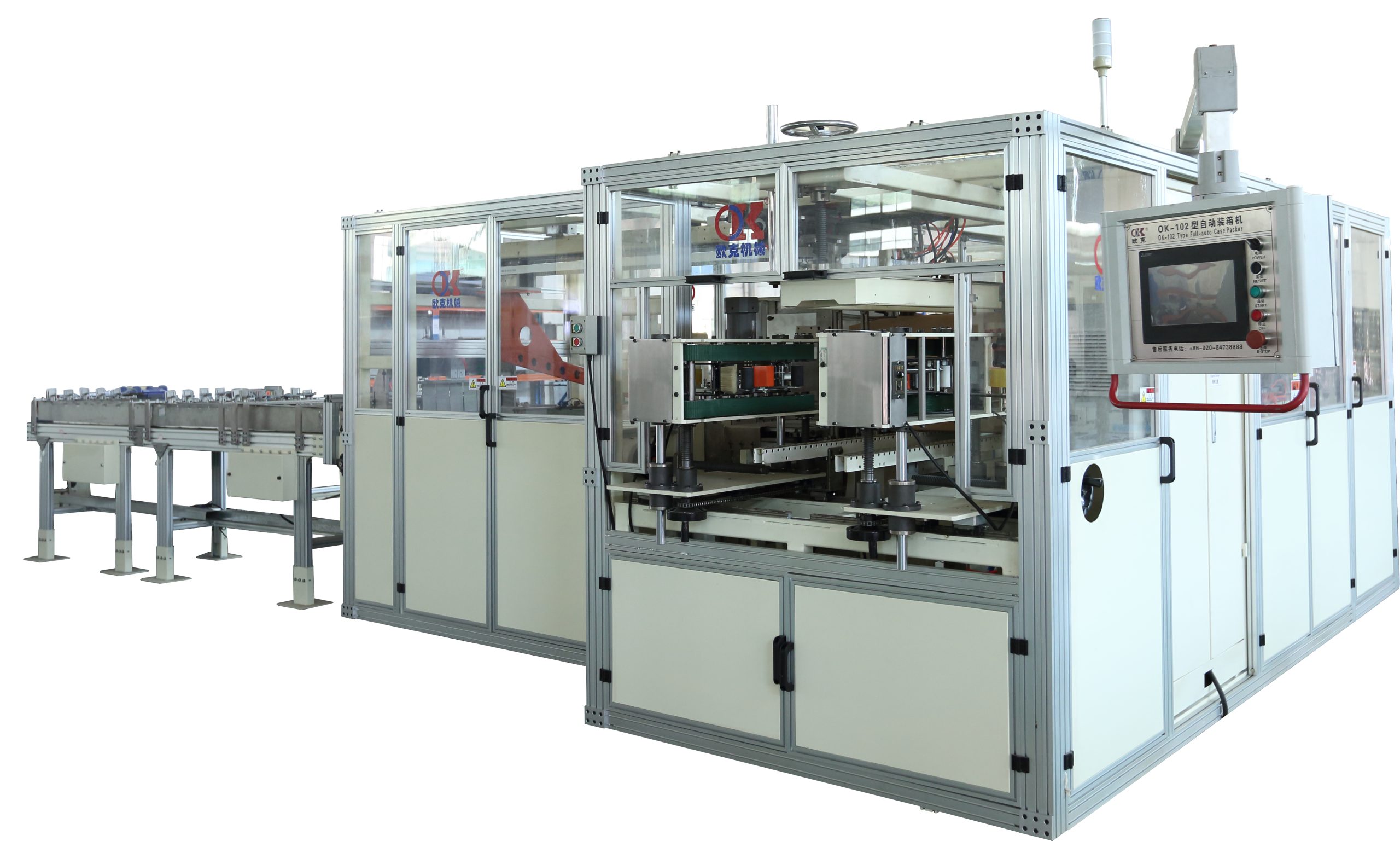
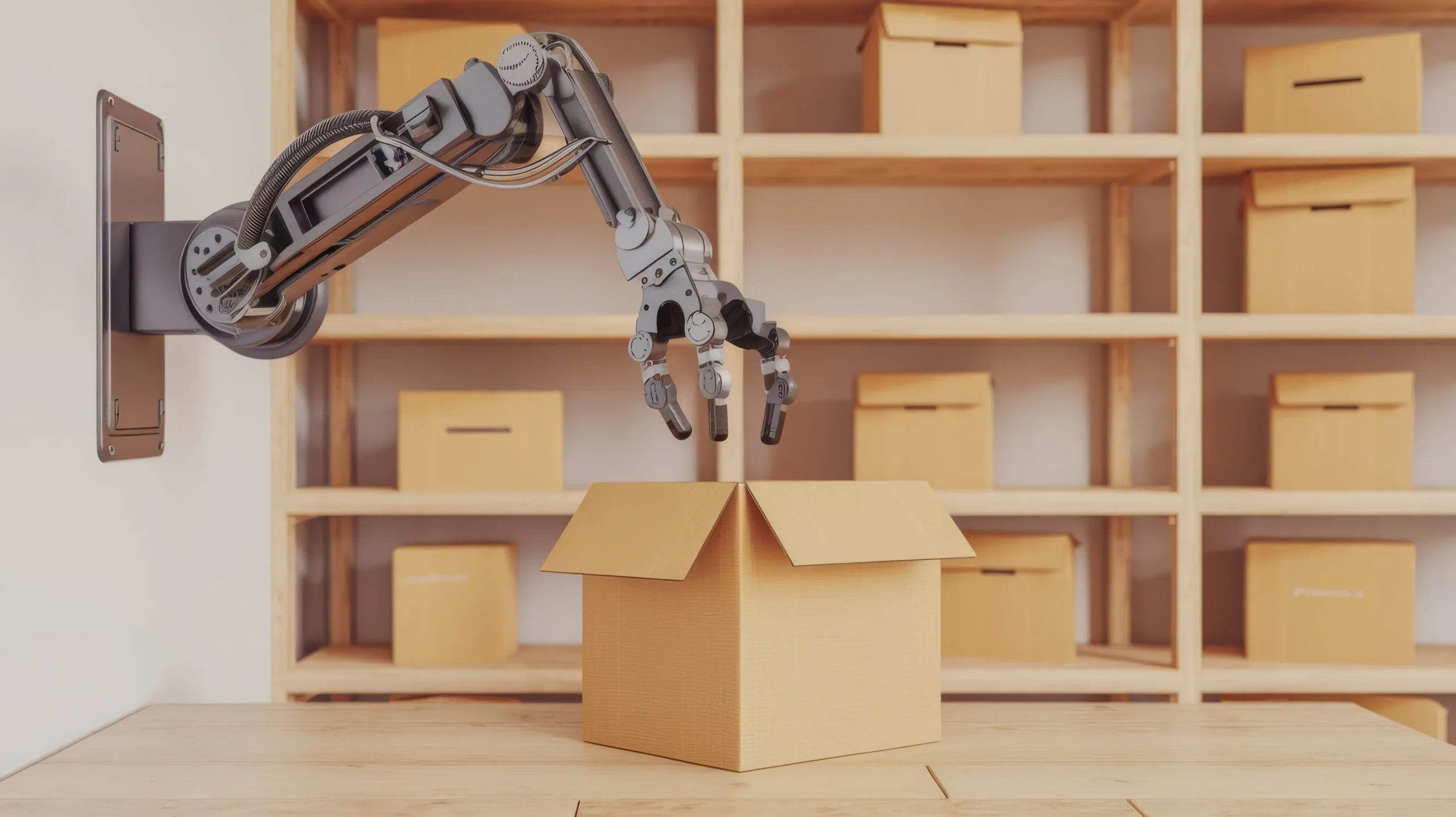
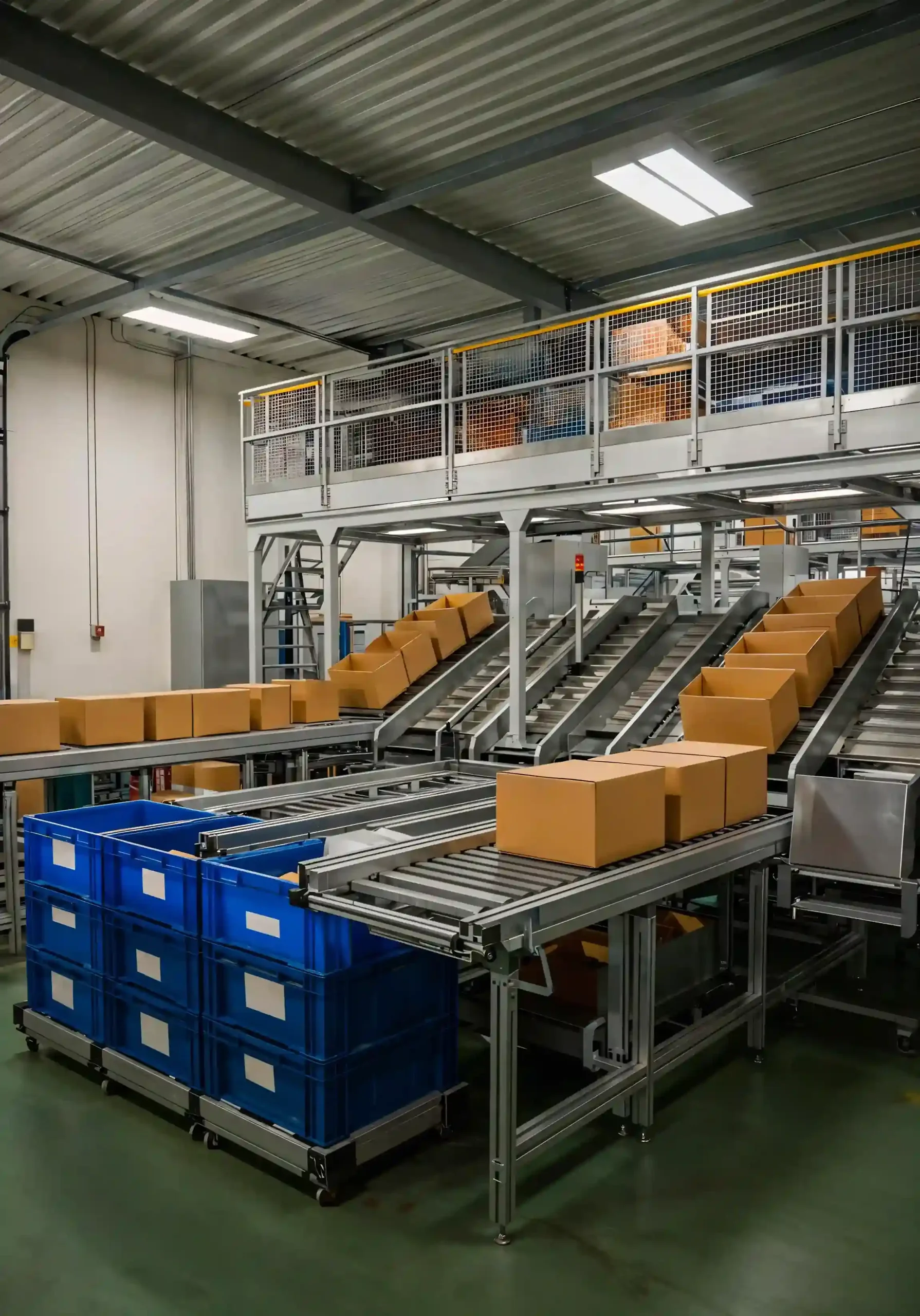
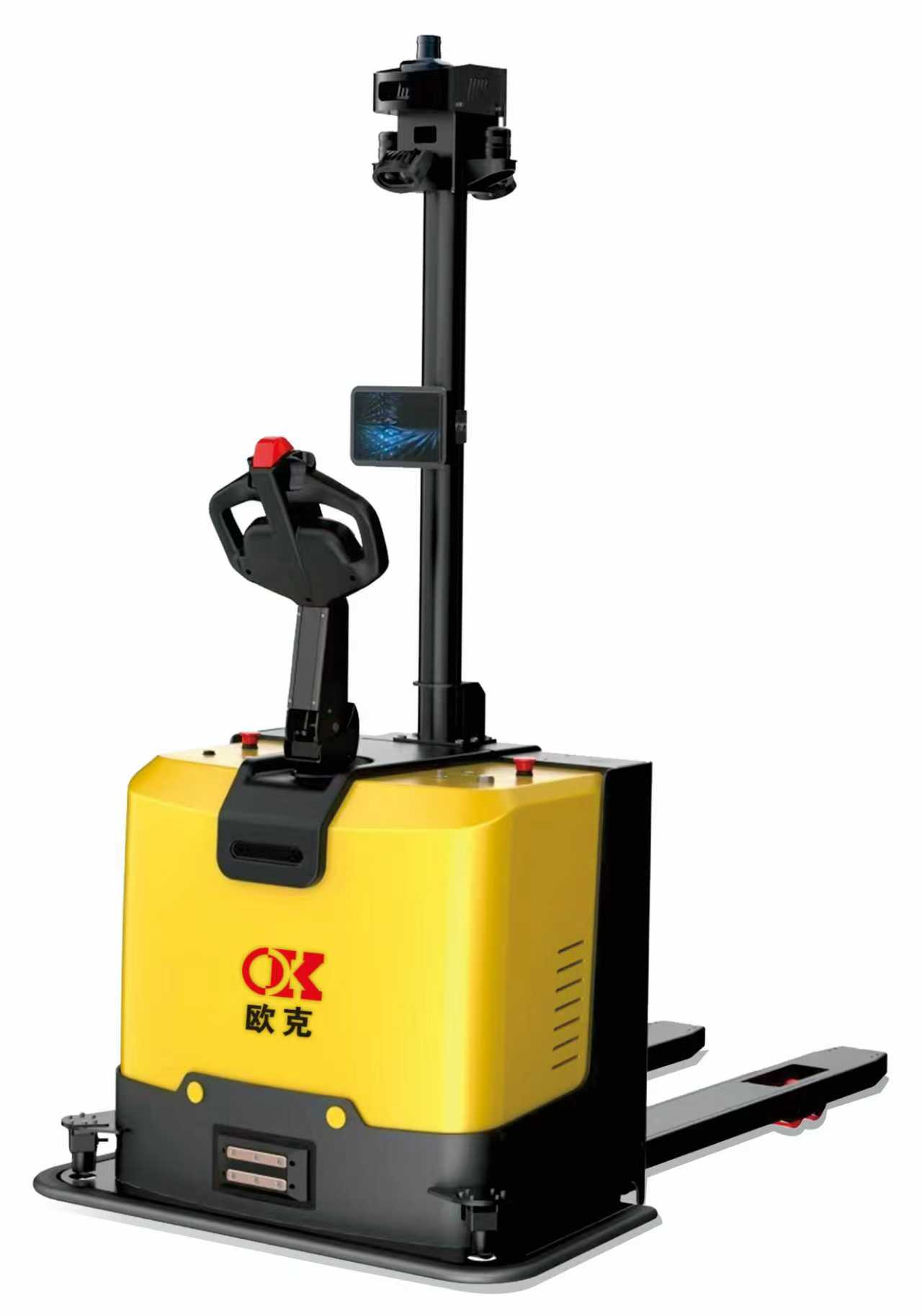
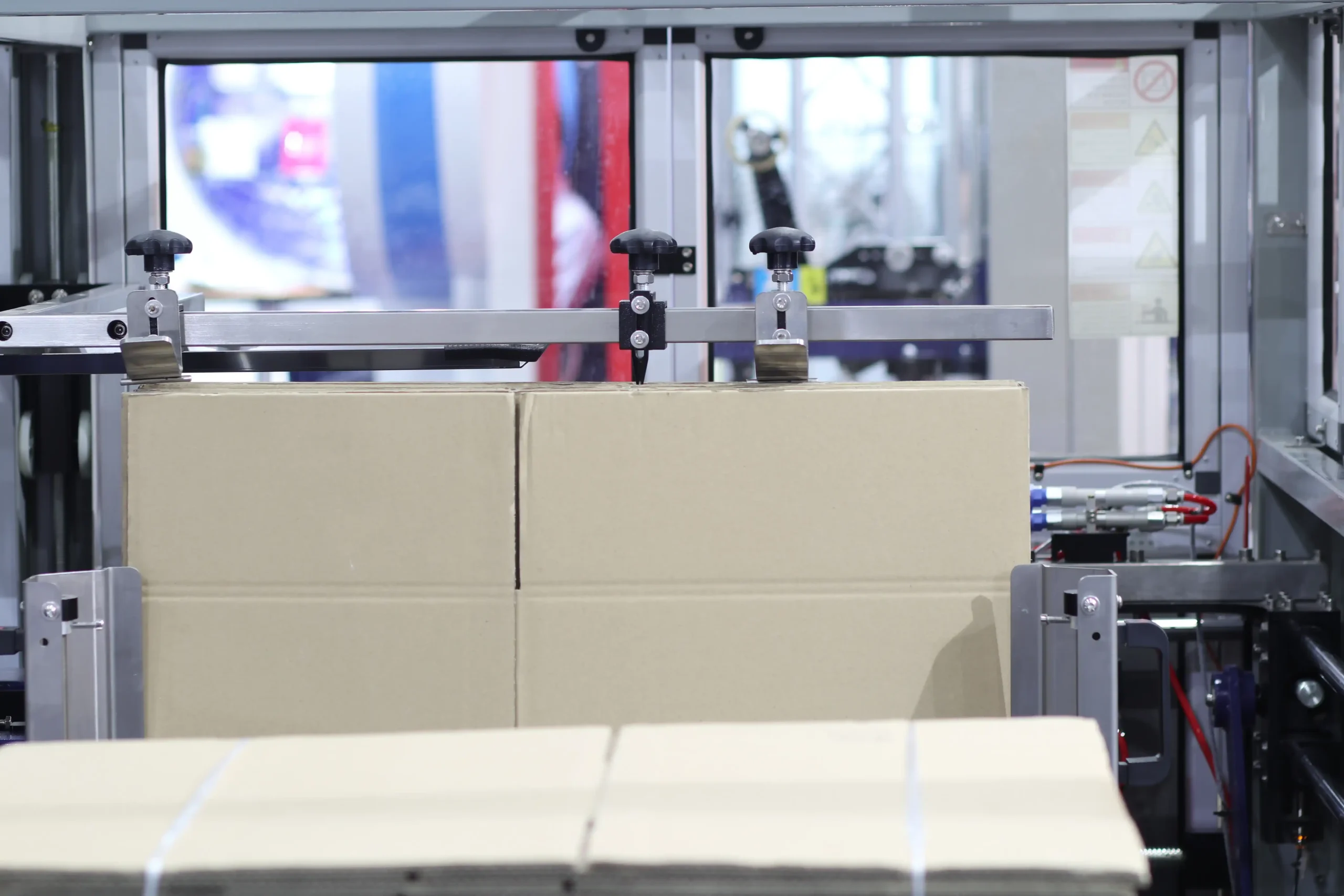
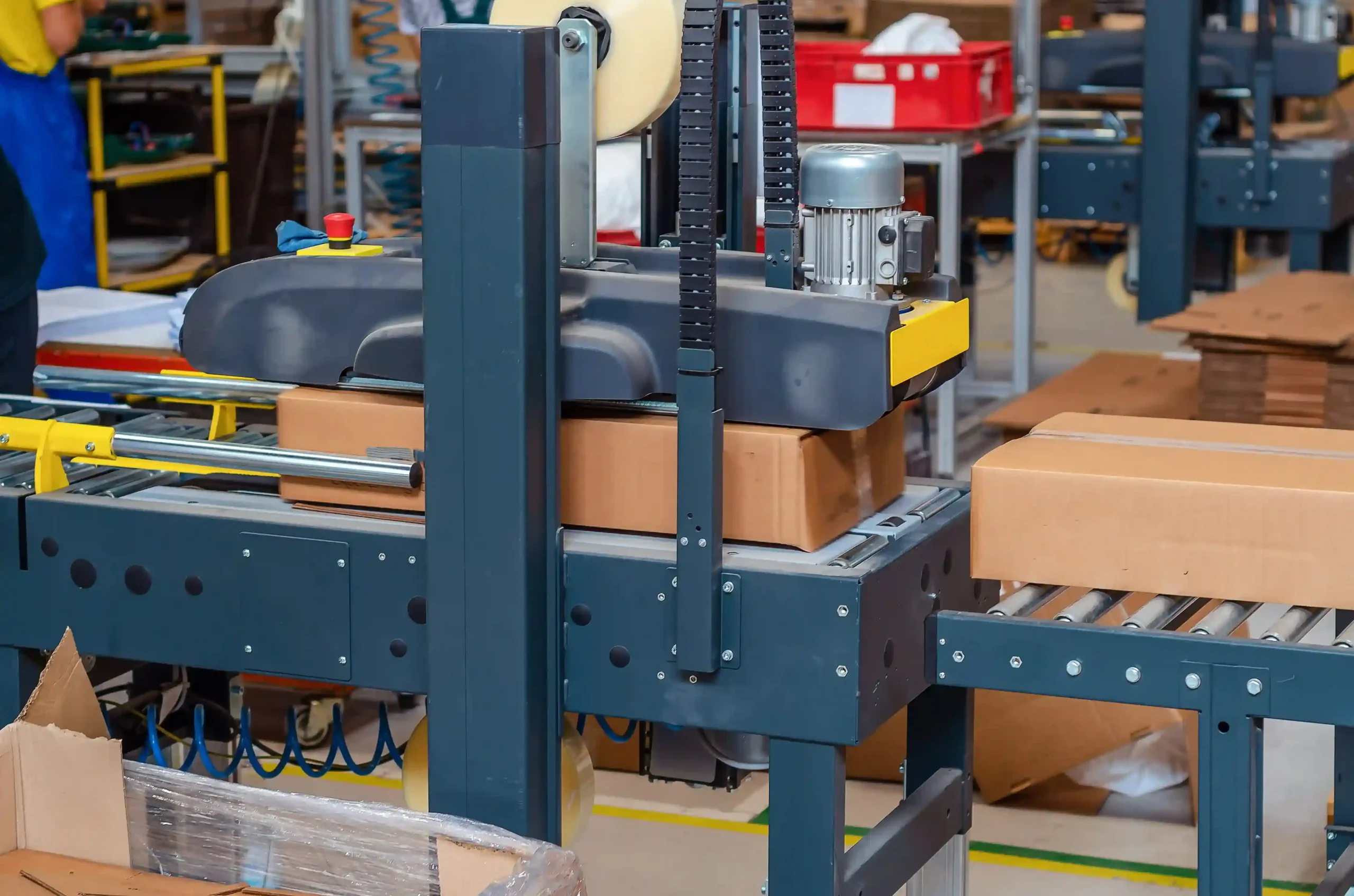
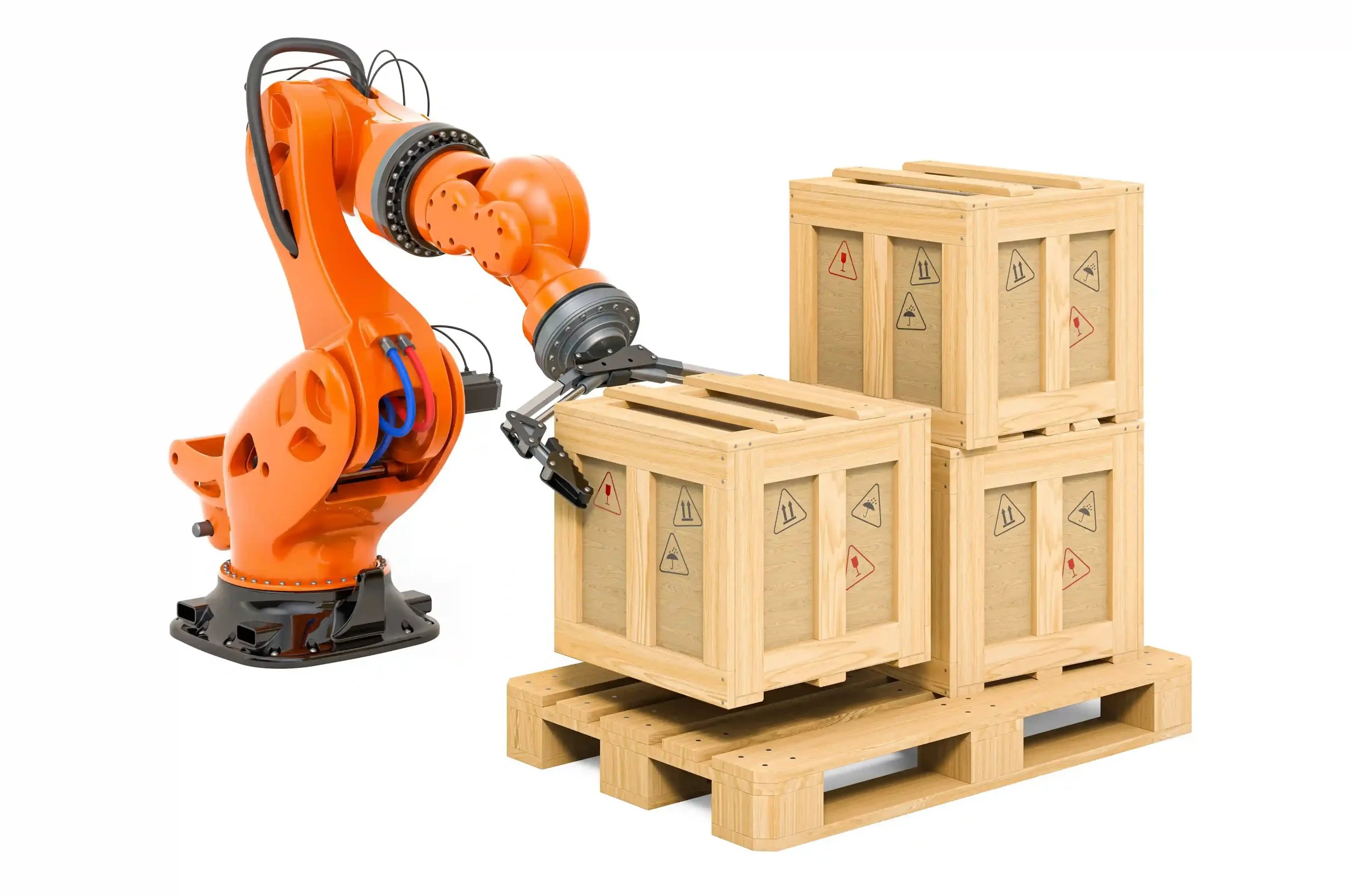
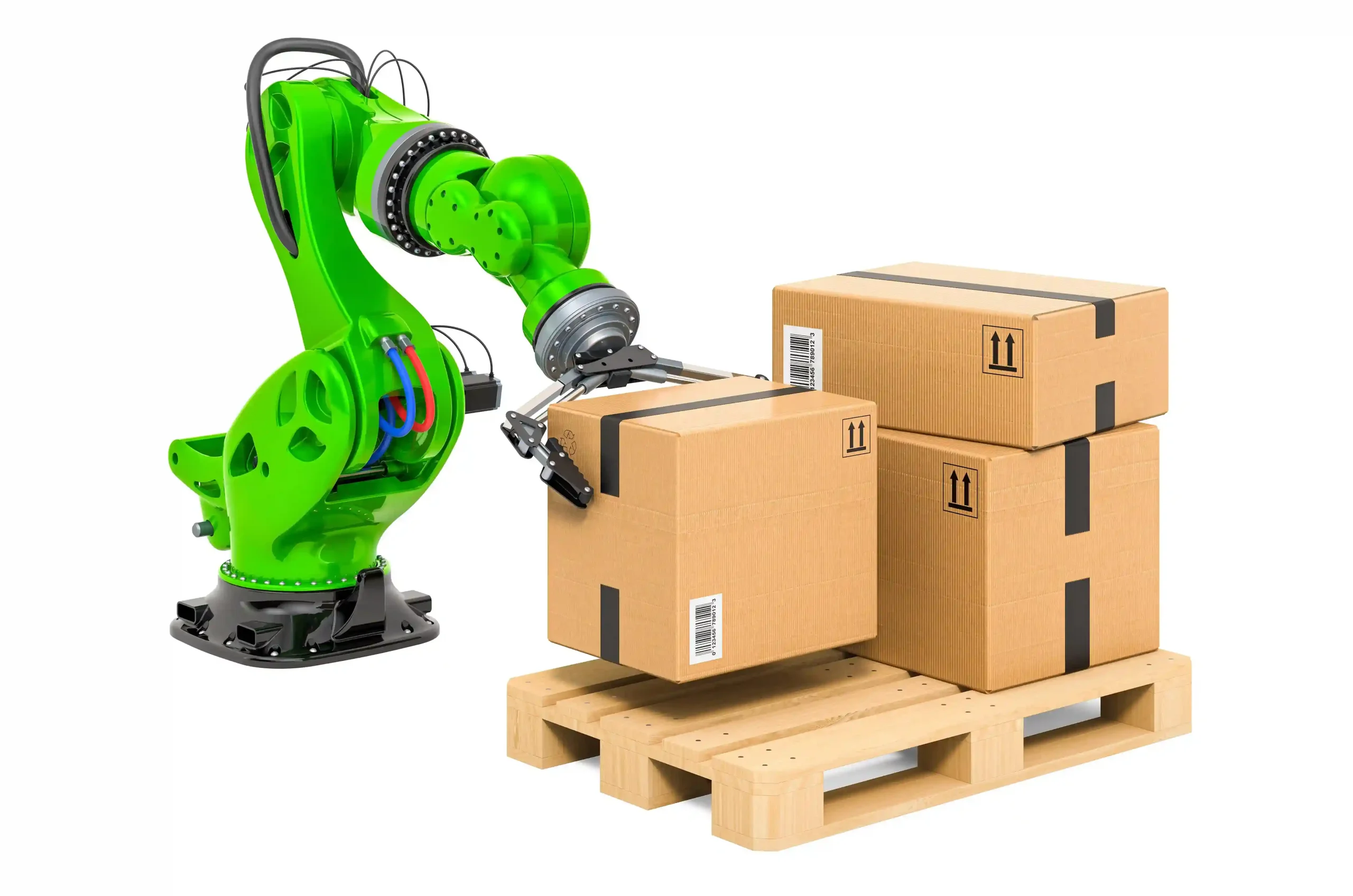
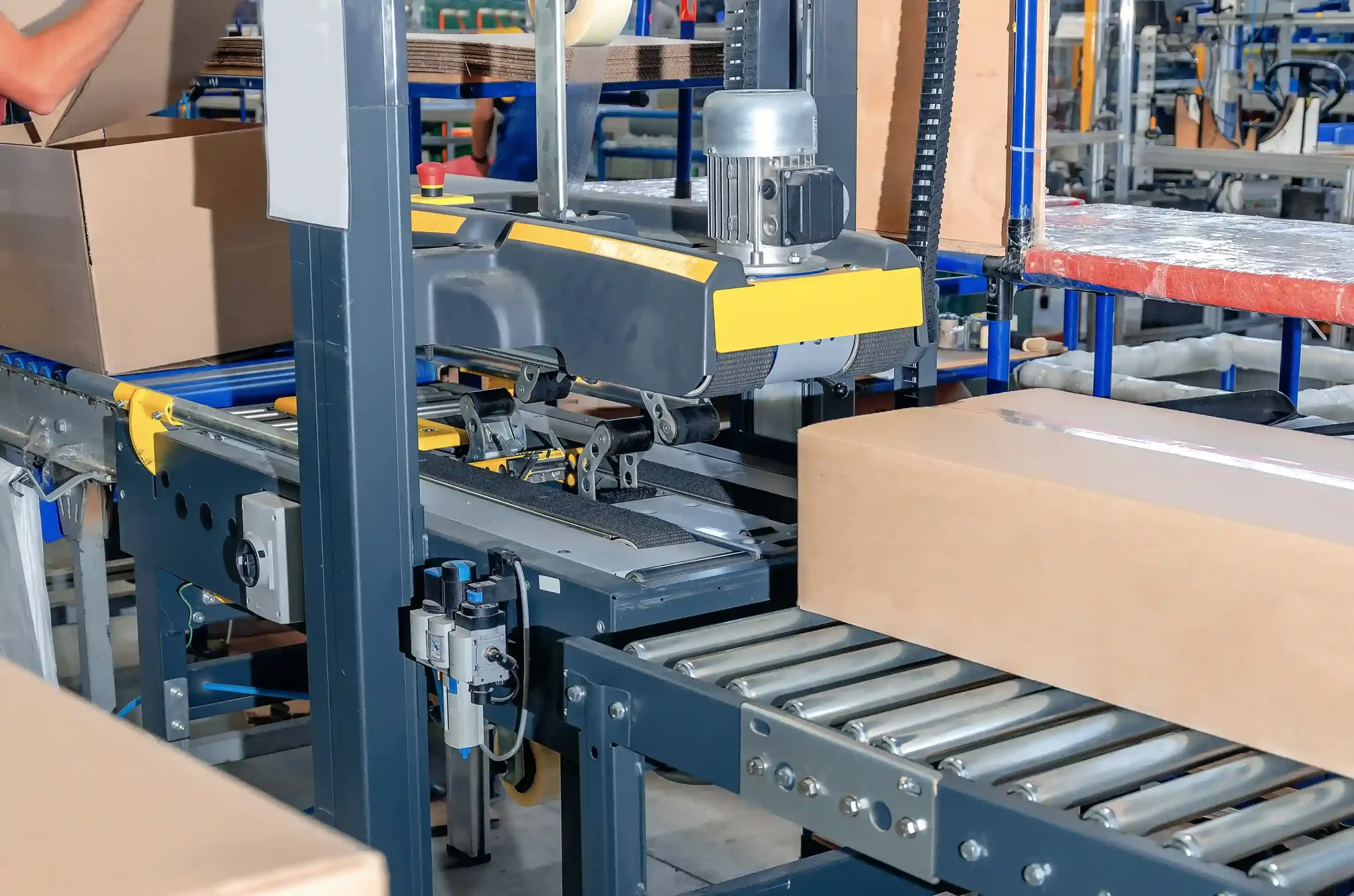
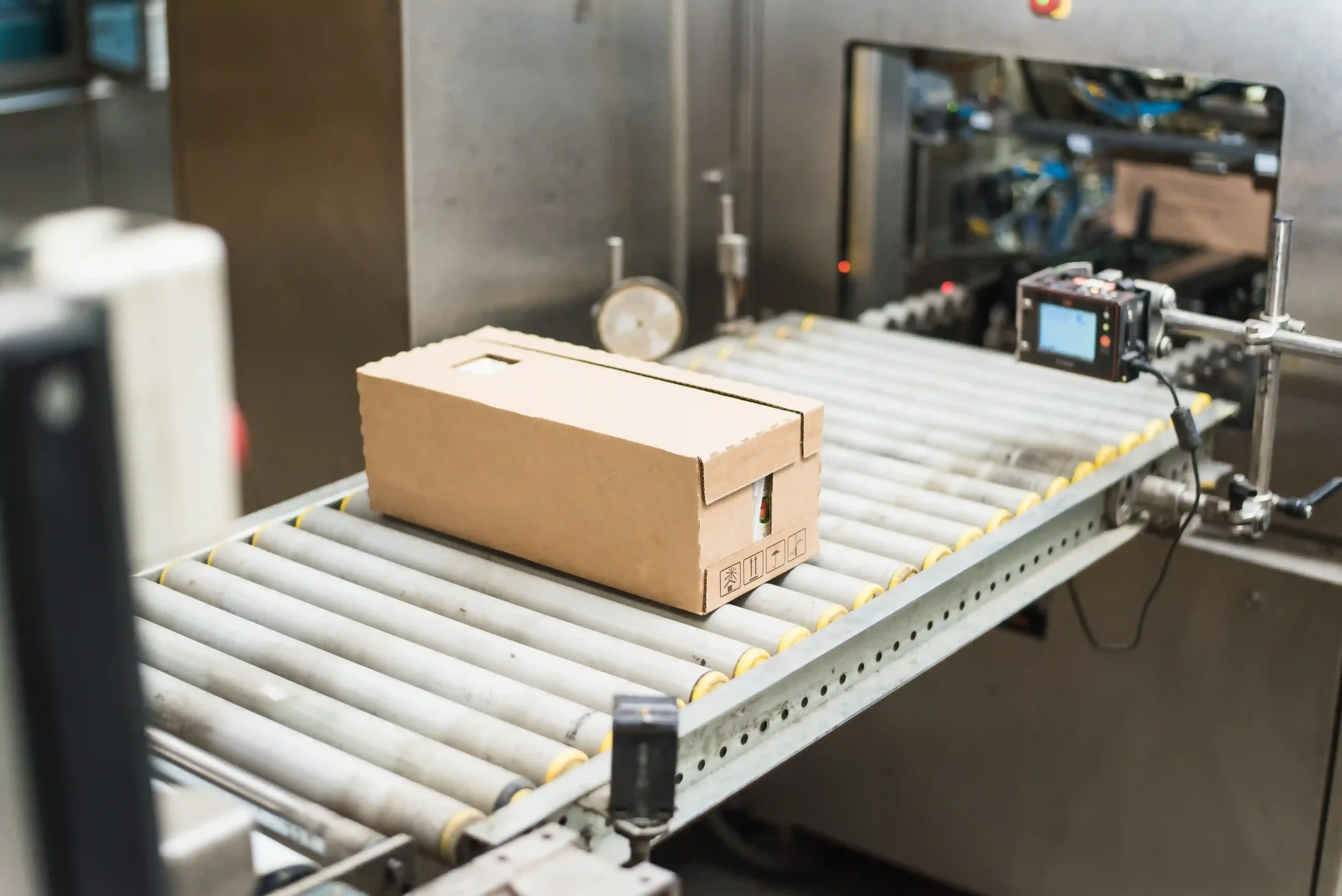
Forklifts have played a huge role in how warehouses, factories, and distribution centers move goods. For decades, traditional forklifts handled this job well with human operators behind the wheel. But today, a new kind of forklift is entering the scene: robotic forklifts. These machines are built to move, lift, and work just like regular forklifts but without needing a driver.
As businesses look for ways to improve safety, 降低成本, and boost productivity, many are asking the same question: Which is better–robotic forklifts or traditional forklifts?
In this article, we’ll take a close look at both options. We’ll explore their differences, their advantages, their challenges, and help you figure out which forklift fits your operation best.
What Makes Robotic Forklifts Different from Traditional Forklifts?
Forklifts, in general, are used to move pallets, 材料, and heavy goods in warehouses and industrial settings. But how they are operated sets robotic forklifts and traditional forklifts apart in a big way.
How Traditional Forklifts Work
Traditional forklifts are driven by people. A trained and certified operator gets behind the wheel and drives the forklift around the warehouse. They move goods, pick up pallets, and place items where needed. These forklifts come in many types and sizes, and they require careful handling and regular training to ensure safety.
These machines are flexible and can handle a wide variety of tasks. If something changes in the environment or a problem comes up, the driver can respond right away. However, human error is always a risk, and this can lead to accidents or delays.
How Robotic Forklifts Are Changing the Game
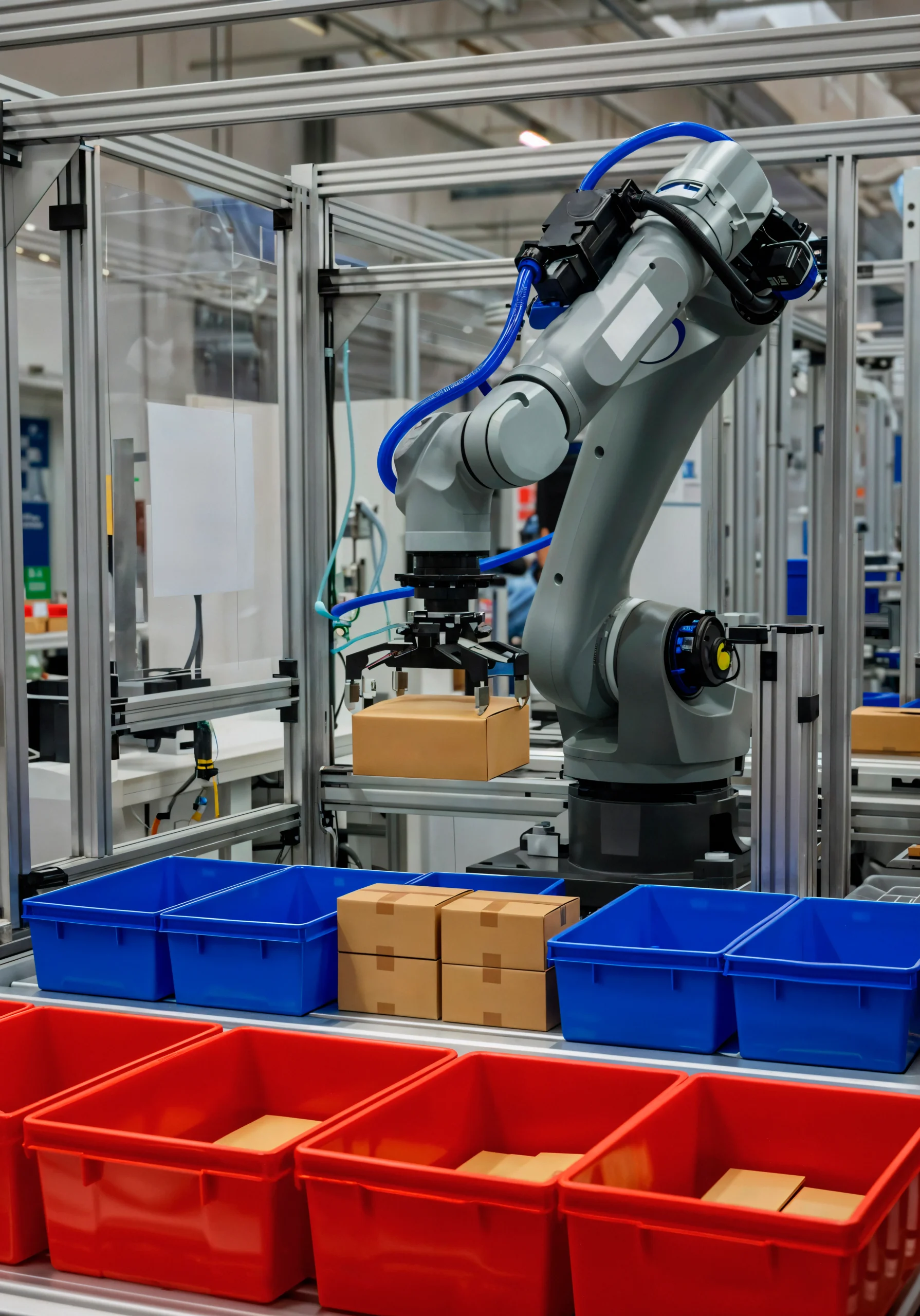
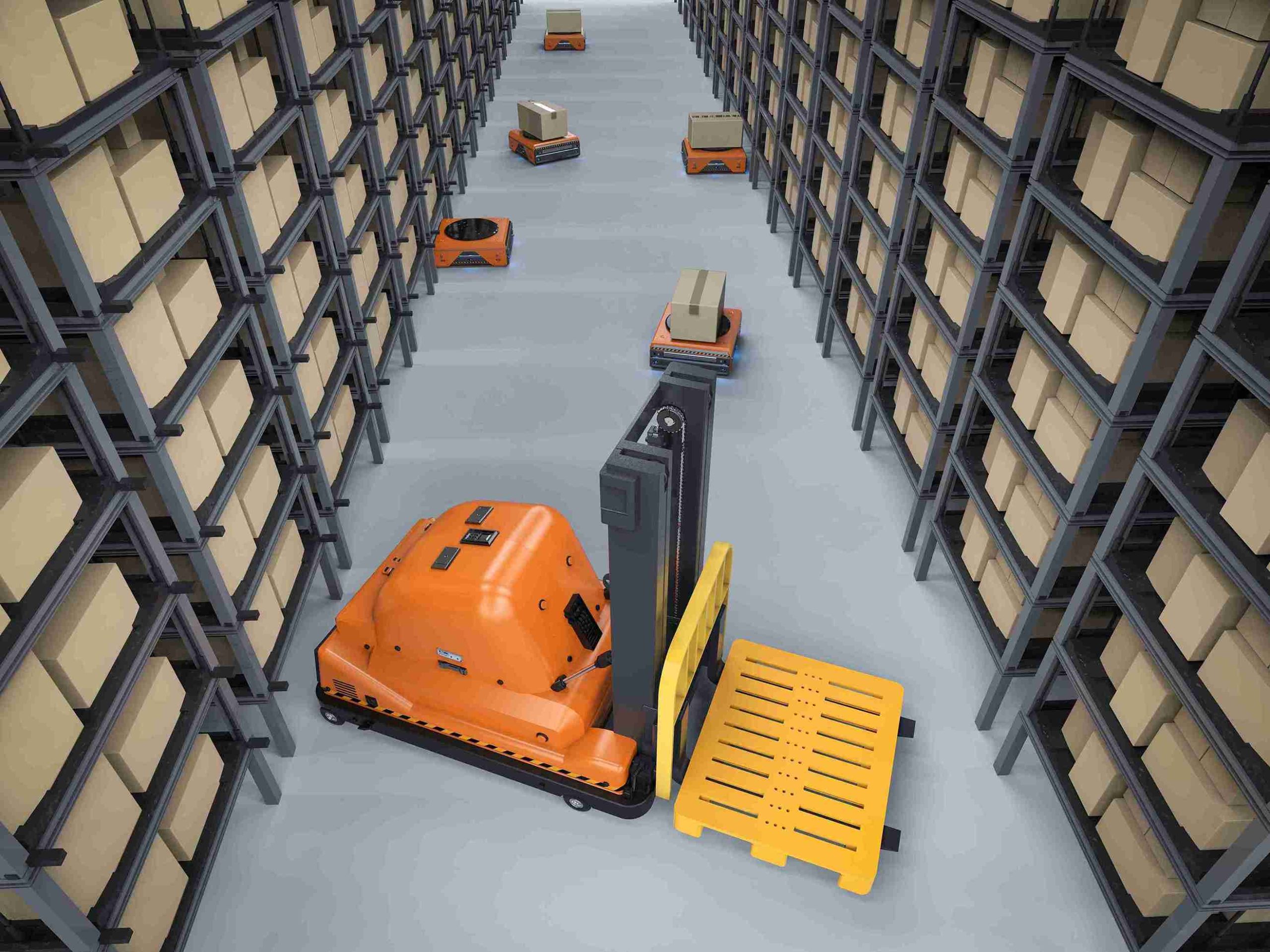
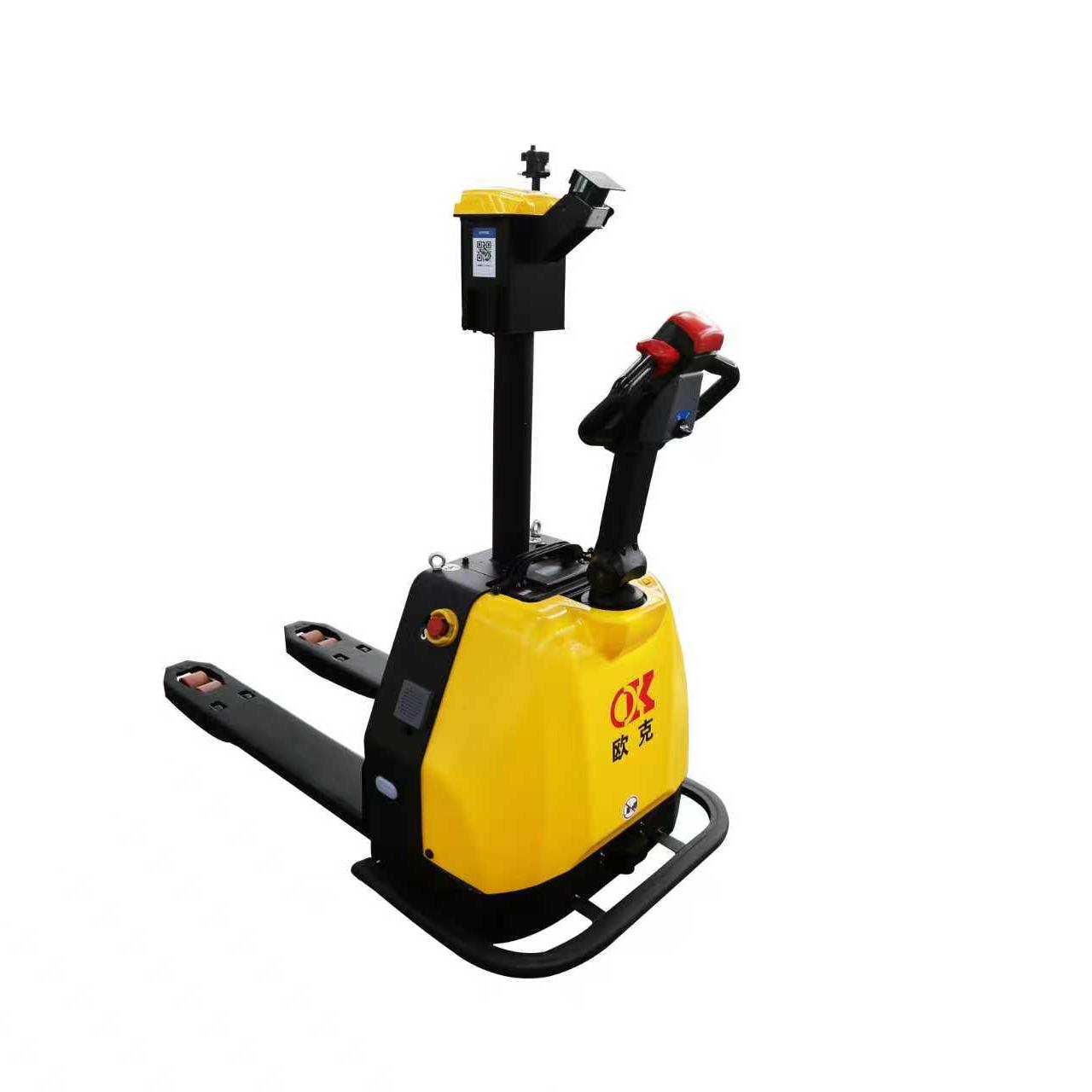
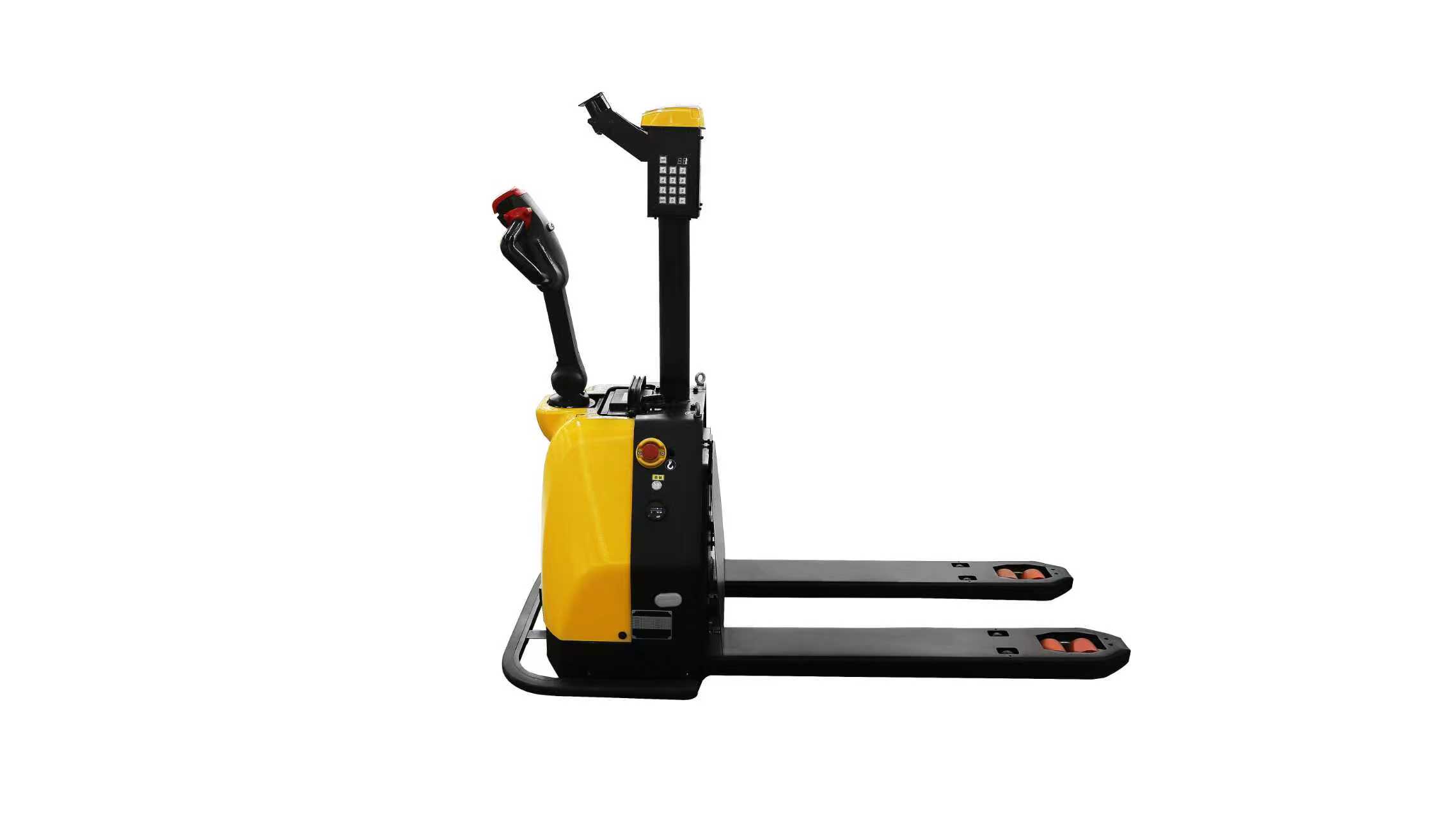
Robotic forklifts, also known as self-driving forklifts, use sensors, 相机, and mapping systems to navigate a warehouse on their own. They don’t need a person to drive them. Instead, they are programmed to follow paths, pick up loads, and deliver them safely and efficiently.
These machines are often connected to a warehouse management system (WMS), so they can receive tasks and report back their progress in real time. A robot forklift can run all day, 避开障碍物, and stick to a routine without getting tired or distracted.
所以, with this big difference in how they operate, the next question is obvious. Why would a business choose one over the other?
The Benefits of Robotic Forklifts in Today’s Warehouses
Robotic forklifts are quickly becoming popular in many modern warehouses. But why are more companies choosing them over traditional forklifts?
Increased Efficiency and 24/7 Operation
One major benefit of robotic forklifts is that they can work around the clock. Unlike humans, they do not need breaks, sleep, or sick days. If your business runs multiple shifts or needs to keep things moving at all hours, robotic forklifts are ready to work nonstop.
They are also faster in repeating tasks. Once programmed, a robot forklift can do the same job the same way every time, which improves consistency and reduces delays.
Improved Safety and Fewer Accidents
Human error is one of the leading causes of warehouse accidents. With robotic forklifts, the risk is much lower. They come with sensors and cameras that help them avoid obstacles, slow down near people, and stop if something gets in their way. This makes them much safer in busy work environments.
In warehouses where safety is a top concern, using a self-driving forklift can be a smart choice to reduce injuries and damage to goods.
Lower Long-Term Costs
是的, robotic forklifts can cost more at the start. But over time, they often save money. You don’t need to pay drivers, provide training, or deal with scheduling. Maintenance is often less expensive too, as robotic forklifts are built to monitor their own health and signal when something needs attention.
These savings can add up quickly, especially in large operations with lots of repetitive lifting and moving.
But are robotic forklifts always the best choice? Not necessarily. Let’s take a look at the other side.
Are Traditional Forklifts Still Worth It?
With all the new technology available, some people might think traditional forklifts are becoming outdated. But there are still many situations where they make perfect sense.
When Traditional Forklifts Make Sense
Traditional forklifts are flexible. A human driver can respond to new instructions, changes in the layout, or unexpected problems. In smaller warehouses, or places where items are stored in tricky spots, this can be very helpful.
Also, traditional forklifts often have a lower upfront cost. If your warehouse has fewer shifts or lower daily volume, paying for a robotic system may not be worth the investment right now.
Limitations You Should Consider
However, there are downsides. Human-driven forklifts rely on trained staff, and that can be a challenge if workers are hard to find or retain. Accidents are also more likely when people are involved. And when demand increases, adding more shifts means hiring more drivers, which isn’t always easy or affordable.
所以, what about the costs? How do the numbers really stack up?
机器人叉车 vs. 传统叉车: Which Is More Cost-Effective?
When thinking about robotic forklifts vs. traditional forklifts, the price is often a deciding factor. But looking at cost alone doesn’t tell the full story.
Upfront Costs vs. Long-Term Savings
A traditional forklift might cost anywhere from $20,000 到 $50,000. A robotic forklift can cost two or even three times more. That can be a big difference for companies with a tight budget.
But what happens after the purchase? A traditional forklift needs a trained operator, regular shifts, and more maintenance from wear and tear. A robot forklift, 另一方面, can operate longer hours with fewer breaks, and it requires less hands-on work once it’s set up.
随着时间的推移, robotic forklifts can pay for themselves. Many companies see a return on their investment within one to three years.
Labor, Maintenance, and Operational Costs
When comparing the two, labor is one of the biggest cost differences. A self-driving forklift removes the need for drivers, which can cut labor costs significantly. Robotic forklifts also help reduce product damage and work-related injuries, which can be expensive for a business.
Routine maintenance is also simpler in some robotic models. With built-in monitoring systems, they can tell you when something needs fixing before it causes a problem.
Now that we’ve looked at the money side, when is the right time to make the switch?
When Should You Upgrade to a Robotic Forklift Fleet?
Making the move from traditional forklifts to robotic forklifts is a big step. So how do you know if it’s the right time?
Signs It’s Time to Automate
Here are a few signs your warehouse is ready:
You’re struggling with labor shortages or rising labor costs
You operate multiple shifts and need 24-hour production
Your business is growing and needs more consistent operations
You want to improve safety and reduce workplace injuries
You have many repetitive lifting or transport tasks
If any of these sound familiar, upgrading to robotic forklifts may be the right move.
How to Start the Transition
Start small. Many businesses begin with one or two robot forklifts to test the waters. Look at the most repetitive or time-consuming tasks and automate those first.
You’ll also need to prepare your warehouse layout, make sure your team understands the new tech, and work with a supplier who can help you get up and running.
Speaking of that, if you’re wondering who to trust with this kind of upgrade, let’s wrap things up.
结论
As we’ve seen, the choice between robotic forklifts vs. traditional forklifts depends on your business needs, goals, and budget. Traditional forklifts still have value in certain settings. But robotic forklifts bring major advantages in speed, 安全, and long-term savings.
If your warehouse is growing or struggling with labor, or if you’re simply ready to take advantage of new technology, switching to robotic forklifts could transform the way you work.
Interested in learning how robotic forklifts could help your business? Our team at OKCobot is here to help. Whether you want more information, a personalized quote, or just some honest advice, reach out to us todayand let’s talk about your goals. We’ll help you find the right solution for your warehouse.
常见问题解答
问: What is the main difference between robotic forklifts and traditional forklifts?
一个: Robotic forklifts operate without a driver using sensors and software, while traditional forklifts need a human operator.
问: Are robotic forklifts safe to use in busy warehouses?
一个: 是的. They come with built-in safety features like sensors and obstacle detection to prevent accidents.
问: Do robotic forklifts cost more than regular ones?
一个: They do cost more upfront, but they save money over time by reducing labor and operating costs.
问: Can small businesses use robotic forklifts?
一个: 是的. Many start with one or two units to automate repetitive tasks and grow from there.
In today’s fast-paced production environments, automation plays a major role in improving efficiency and safety. One machine that stands out across many factories is the automatic cartoning machine. You’ll find it in both pharmaceutical and food manufacturing plants, helping businesses pack products quickly, accurately, and safely.
But what exactly does an automatic cartoning machine do? And why are industries like pharma and food so dependent on it? 让我们仔细看看.
What Is an Automatic Cartoning Machine and How Does It Work?
An automatic cartoning machine is a type of packaging equipment that takes products and packs them into cartons without much human involvement. It can form cartons, insert items, and seal the boxes – all in one continuous process.
These machines work in different ways, depending on the product and the industry. Some feed products, like blister packs or pouches, are directly fed from a conveyor belt. Others may work with loose items or pre-packaged goods. Sensors and mechanical arms make sure everything is placed correctly before the carton is sealed shut.
This level of automation makes it possible to handle hundreds or even thousands of packages in just one hour, while keeping errors to a minimum. But the real benefits become clear when we look at how these machines are used in real-world industries.
所以, how do automatic cartoning machines fit into the pharmaceutical world?
Role of Automatic Cartoning Machines in the Pharmaceutical Industry
The pharmaceutical industry depends on speed, precision, and hygiene. Mistakes in packaging can lead to product recalls, safety risks, or damage to a company’s reputation. That’s where automatic cartoning machines prove to be valuable.
These machines are designed to handle small medical items like blister packs, syringes, vials, or sachets. They can organize, load, and seal these items into labeled cartons that meet strict medical standards.
Key Applications
In a typical pharma plant, an automatic cartoning machine might package tablets that have already been sealed inside a blister pack. It will take the blister strips, stack them, insert them into a pre-formed carton, and close the box. Some machines even print and apply barcodes, batch numbers, or expiration dates during the same process.
Benefits of Drug Packaging
One of the biggest advantages in pharma is traceability. Many machines can be connected to tracking systems that monitor every package, from the production line to the end customer. This level of transparency supports safety and regulatory compliance.
Also, since most medicines are sensitive to moisture and contamination, the machine keeps them protected by avoiding human touch. And with fewer errors, companies save time and money on rework or returned shipments.
Now let’s move from medicine to meals. You’ll be surprised how much these machines matter in food packaging, 也.
Food Industry Use Cases for Automatic Cartoning Machines
Think about your last snack, cereal box, or frozen meal. 机会是, it was packaged with the help of an automatic cartoning machine. Just like in pharma, the food industry needs reliable packaging that is fast, 干净的, and consistent.
Efficiency in Food Packaging
Food factories often run around the clock to meet consumer demand. Manual packing is slow and inconsistent, especially when products come in different shapes or sizes. Automatic cartoning machines handle this variety with ease. Whether it’s bags of chips, chocolate bars, or ready-made meals, these machines keep everything moving smoothly down the line.
They can also adjust to product types, carton sizes, and order volumes with minimal downtime. That flexibility is important for food brands that run seasonal or promotional packaging campaigns.
Hygiene and Safety Advantages
Cleanliness is non-negotiable in the food sector. Cartoning machines are made with materials that are easy to clean and resistant to bacteria. Most systems also include quality checks like weight control or carton inspection, helping companies meet food safety regulations without slowing down production.
With those benefits in mind, let’s take a closer look at a specific kind of machine that serves both the food and pharmaceutical sectors well.
Why Are Blister Cartoning Machines Ideal for These Industries?
Not all packaging machines are created equal. Some are better suited to specific needs. One of the most common tools in both industries is the blister cartoning machine. It’s used to handle products that are first packed in a blister pack – a plastic cavity sealed with a backing.
This includes items like pills, gum, hardware, or even small electronics.
Protecting Product Integrity
Blister packs offer protection against tampering, moisture, and damage. But the job isn’t done until those blister packs are placed into strong, labeled cartons. A blister cartoning machine automates this final step, ensuring products are fully secured and labeled before reaching store shelves.
In both food and pharma, this matters. A clean, sealed, and properly labeled carton builds trust with customers and prevents contamination or mix-ups.
Customization and Speed
Blister cartoning machines come in different models, including horizontal and vertical types. Some offer single-lane production, while others run multiple lanes for high-speed output. This variety helps businesses choose the right solution based on their product type, batch size, and packaging goals.
But picking the right machine is only part of the process. You also need to pick the right partner.
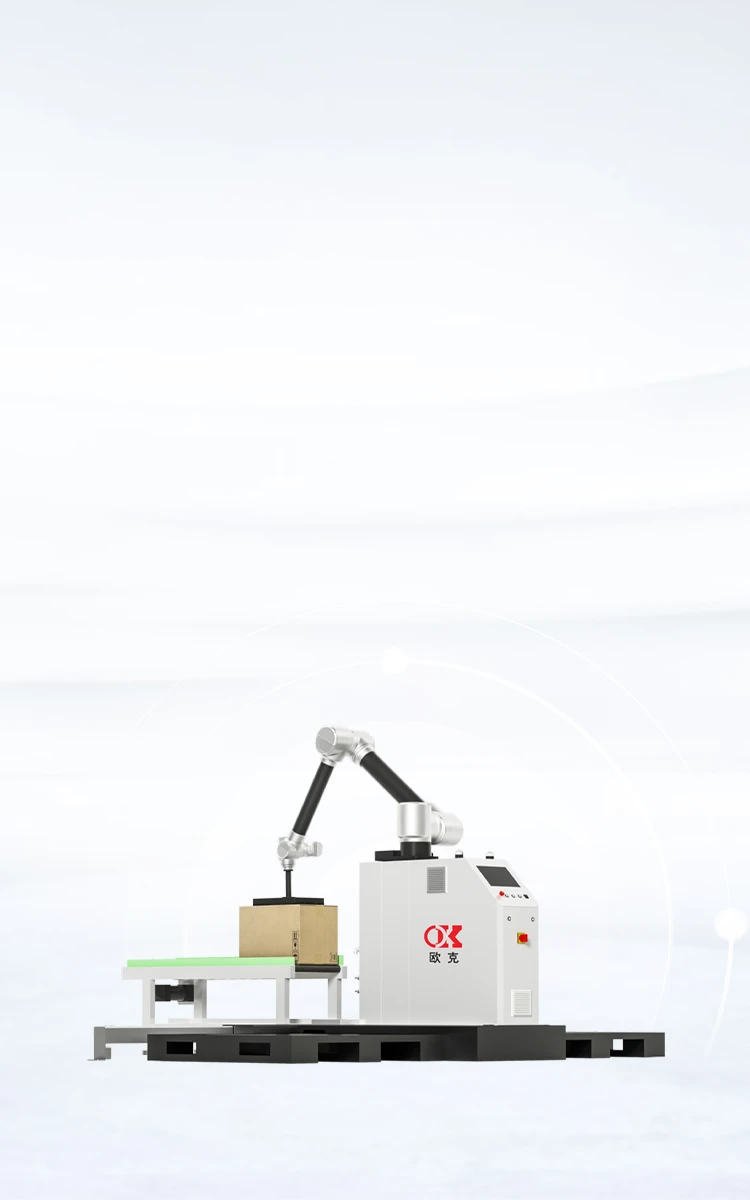
A poster of palletizing robot
What to Look for When Choosing a Cartoning Machine Manufacturer
Buying an automatic cartoning machine is a big investment. It impacts your production speed, product safety, and customer satisfaction. So how do you know which manufacturer to trust?
Reliability and Compliance
第一的, check if the manufacturer follows international standards for safety and quality. Especially in industries like pharma and food, it’s essential to work with a supplier who understands GMP (Good Manufacturing Practices) and FDA or CE requirements.
Also, look at machine uptime. How often does the equipment break down? A reliable machine should run smoothly with minimal maintenance.
After-Sales Support and Customization
Don’t forget service. A good manufacturer should offer strong after-sales support, including installation help, 训练, and spare parts. Customization is another plus. No two factories are exactly alike, so your machine should fit your space, your products, and your processes.
That brings us to OK – a company that checks all these boxes and more.
Why Choose OK for Your Packaging Automation Needs?
OK is a leading Chinese manufacturer of automatic cartoning machines and blister cartoning machines trusted by clients in more than 30 countries. With over a decade of experience, the company offers advanced packaging solutions for industries that demand precision and reliability.
Here’s why more businesses are choosing OK:
Machines designed for pharma and food production environments
High-speed and high-accuracy systems
Customization to match your specific packaging needs
Full-service support, including training and maintenance
Compliance with CE, 国际标准化组织, and GMP standards
Whether you need a horizontal cartoner for small cartons or a large-scale blister cartoning line, OK delivers performance that helps you scale.
The real value? These machines let you focus on growing your business while they handle the packaging with ease and consistency.
结论
An automatic cartoning machine is more than just a tool. It’s a partner in your production process – helping you improve efficiency, reduce waste, and maintain quality.
From medical blister packs to ready-to-eat meals, these machines play a key role in how products are delivered to customers. Choosing the right equipment, especially a reliable blister cartoning machine, makes a big difference.
If you’re planning to automate your packaging line, OK is here to help. Our team is ready to understand your needs, recommend the right solution, and provide long-term support.
Let’s talk about how we can help you automate smarter and faster. Reach out to us today – we’d love to hear from you.
常见问题解答 (常见问题解答)
1. What is an automatic cartoning machine?
An automatic cartoning machine is a device that packs products into cartons without manual labor. It forms, fills, and seals boxes efficiently.
2. What types of products can be packed with these machines?
They can handle a wide range of products, including blister packs, 瓶子, sachets, snacks, 还有更多, depending on the industry.
3. What is a blister cartoning machine?
A blister cartoning machine is designed to insert blister packs into cartons automatically. It’s often used in the pharmaceutical and consumer goods industries.
4. Which industries use automatic cartoning machines?
Mainly the pharmaceutical, 食物, 化妆品, and personal care industries, where packaging speed and hygiene are critical.
5. Are cartoning machines customizable?
是的. Many manufacturers, including OK, offer machines tailored to your product size, packaging style, and speed requirements.
6. How fast can these machines operate?
Speeds vary by model, but many can handle over 100 每分钟纸箱数, depending on the product and configuration.
7. Do they help with product safety?
绝对地. They reduce human contact, improve sealing, and can include sensors for quality control.
8. What carton sizes can be used?
Most machines support a range of carton sizes, adjustable through settings or changeover parts.
9. Are they difficult to maintain?
不. With proper training and support, maintenance is simple and routine.
10. Can OK help with machine installation?
是的. OK provides full support, including installation, 训练, and after-sales service.
In today’s fast-moving industrial world, speed and efficiency can make or break a production line. Whether you’re packing food, 饮料, 化学品, or electronics, how you stack and ship your products matters. That’s why palletizing machines are now a vital part of any modern manufacturing system. But here comes the big question: Should you choose a traditional layer palletizer or a more flexible layer palletizing robot?
In this comparative analysis of layered palletizing machines and robotic palletizing, we’ll break down both systems in simple terms. We’ll look at how they work, where they shine, what challenges they bring, and which one might be better for your production needs.
Let’s dive in and discover which type of palletizing solution is the right fit for your factory.
What Is a Layer Palletizer and How Does It Work?
A layer palletizer is a machine that stacks products by arranging them into full layers before placing them on a pallet. Imagine rows of boxes moving along a conveyor belt. The layer palletizer pushes them into position until a complete layer is formed. Once a layer is ready, it is placed onto a pallet. This process is repeated over and over until the pallet is full.
These machines are usually found in industries where the product size, shape, and weight are consistent. They are great for high-speed operations where there isn’t a lot of variety in the packaging.
所以, what makes layer palletizers a popular choice for many factories?
Benefitsof Usinga Layer Palletizer
High speed: Layer palletizers can handle over 100 units per minute. That’s perfect for fast production lines.
Consistency: Because they stack full layers at once, the stacks are neat and uniform.
Simple to operate: Once set up, they don’t need much attention during operation.
However, like all machines, they have their limits. And that leads us to a more flexible solution that’s growing in popularity.
What Is Robotic Palletizing and How Does It Compare?
Now that we’ve seen how a layer palletizer works, let’s look at robotic palletizing.
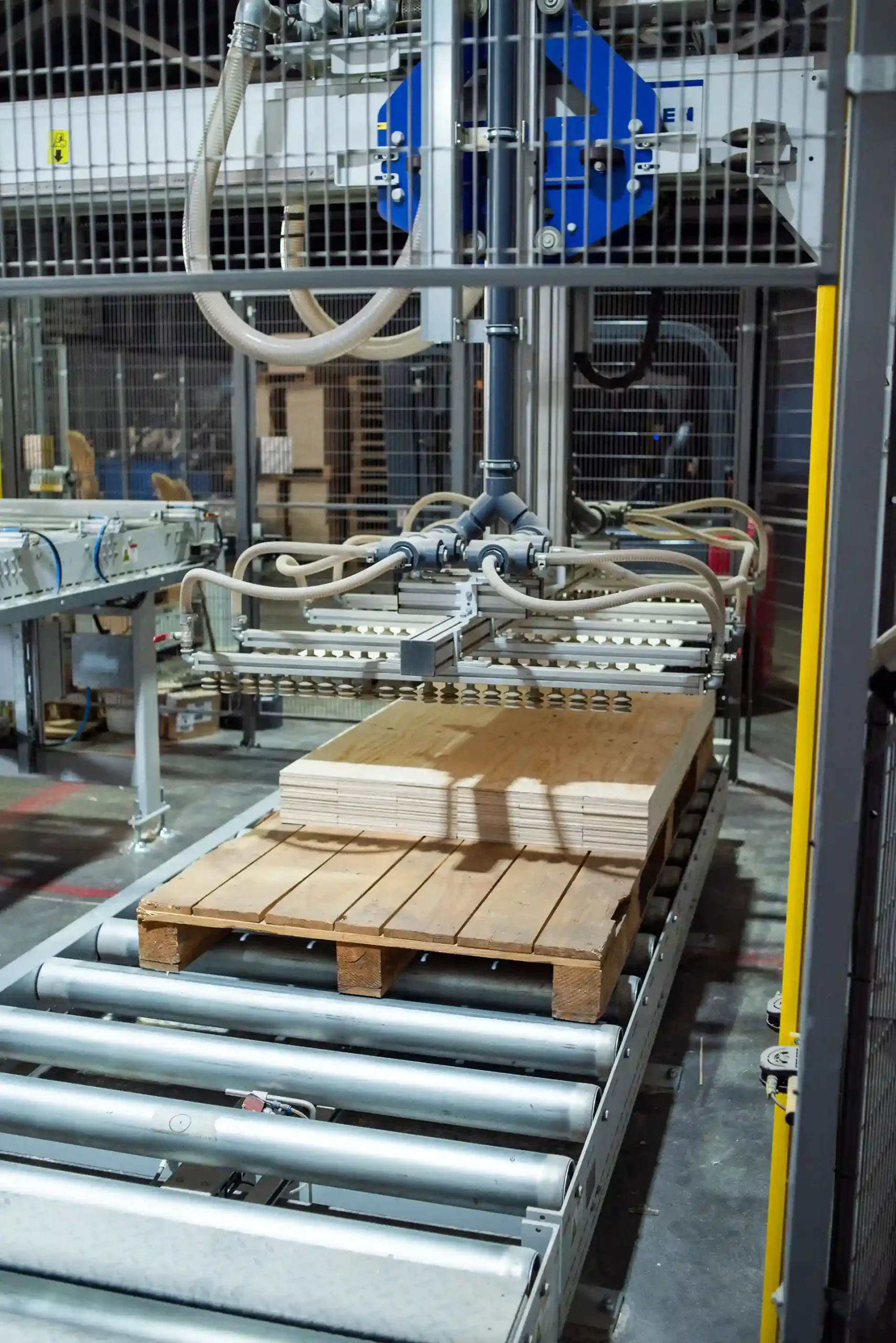
A layer palletizing robot uses a robotic arm to pick up products and place them onto pallets. These robots can use suction cups, mechanical grippers, or other tools to handle different product types. Some robots are even designed to build full layers, similar to traditional layer palletizers, but with added flexibility.
Why are more companies switching to robotic palletizing?
The answer lies in its adaptability. A robotic palletizer can handle products of different shapes and sizes. It can also be reprogrammed easily if you need to change your stacking pattern or switch to a different product line.
Advantages of a Layer Palletizing Robot
灵活性: Great for mixed product lines or frequent changeovers.
Compact size: Robotic systems often take up less space.
Advanced technology: They can work with vision systems and smart sensors for greater precision.
But with all this innovation, are robots really better than traditional machines? Let’s compare them directly.
Comparative Analysis of Layered Palletizing Machines and Robotic Palletizing
Choosing between a layer palletizer and a layer palletizing robot depends on many factors. You need to think about your product type, production volume, space, and budget.
Let’s take a closer look at how these systems compare in key areas.
速度, 灵活性, and Space Efficiency
速度: Layer palletizers are hard to beat when it comes to speed. If you need to move hundreds of boxes per minute, they get the job done fast.
灵活性: Robotic palletizers win in this area. They can handle different box sizes, 重量, and stacking patterns with ease.
Space: If your factory is tight on space, a robot could be the better choice. Robots often take up less floor space and can be set up in corners or compact areas.
所以, if speed is your top priority, go for a layer palletizer. But if you need something that can adapt quickly, a robotic palletizing system may be your best option.
Cost, Maintenance, and Long-Term Investment Considerations
You may now be wondering: how much does each system cost, and what does it take to keep them running?
Both types of machines have different cost structures. Here’s what you should consider.
Initial Cost vs. Long-Term Savings
Layer palletizer: Usually, these machines have a lower upfront cost, especially for high-speed models. But if you need to change products often, the cost of reconfiguring can add up.
Layer palletizing robot: The initial investment may be higher, but over time, the flexibility and reduced downtime can save money. Software updates are cheaper than mechanical changes.
Maintenance Needs
Layer palletizers: These machines have many moving parts. That means more mechanical wear and tear. Belts, chains, and pushers need regular attention.
Robotic palletizers: Robots are more technical. They rely on sensors, motors, and programming. While they might need specialized support, they tend to require less maintenance overall.
In short, robots offer more flexibility and lower maintenance in the long run, while layer palletizers are faster and often simpler to maintain if your product line is consistent.
Which One Is Right for Your Production Line?
After going through this comparative analysis of layered palletizing machines and robotic palletizing, the real question is: which system suits your operation best?
There’s no one-size-fits-all answer, but here are a few guidelines.
When to Choose a Layer Palletizer
Your product line stays the same most of the time
You need to move products at very high speeds
You have a lot of floor space available
You want a lower upfront investment
When to Choose a Layer Palletizing Robot
You deal with many different product sizes or weights
You expect frequent changeovers in your product line
You want to save floor space
You are building a smart factory with integrated automation
You might also want to consider hybrid systems. These combine the speed of layer palletizers with the flexibility of robotic arms. While they are more complex, they offer a best-of-both-worlds solution for certain industries.
结论
Choosing between a layer palletizer and a layer palletizing robot is a big decision, but it doesn’t have to be confusing. By understanding how each system works, what they offer, and how they fit into your operation, you’re already on the right track.
In this comparative analysis of layered palletizing machines and robotic palletizing, we looked at speed, 灵活性, space, cost, 和维护. Layer palletizers are great for fast, high-volume production with little variation. Robotic palletizers offer unmatched flexibility and are perfect for growing businesses with dynamic needs.
No matter what you choose, the goal is the same: to make your production line more efficient and reliable.
Not sure which palletizing solution is right for your production line? Our experts at OKCOBOT are here to help. 今天联系我们,and we’ll help you find the most efficient, cost-effective palletizing setup for your needs.
常见问题解答
1. What is the main difference between a layer palletizer and a robotic palletizer?
A layer palletizer builds full layers of products before stacking them on a pallet, while a robotic palletizer uses a robotic arm to pick and place items individually or in small groups.
2. Which is faster: a layer palletizer or a layer palletizing robot?
Layer palletizers are generally faster and are best for high-speed production lines. Robotic palletizers are more flexible but may operate at slightly slower speeds.
3. What does a layer palletizing robot do?
A layer palletizing robot uses advanced tools and software to stack products onto pallets. It can handle different shapes, sizes, and stacking patterns.
4. Is robotic palletizing more expensive than traditional methods?
Robotic systems usually have higher upfront costs, but they save money over time through lower maintenance and more flexible performance.
5. Can I use a robotic palletizer for multiple product types?
是的, robotic palletizers are ideal for operations with mixed SKUs or frequent changeovers. They can be reprogrammed easily to adapt to new products.
6. When should I choose a layer palletizer instead of a robot?
Choose a layer palletizer if your products are uniform, your line runs at high speed, and you don’t expect frequent changes in packaging.
7. Do robotic palletizers take up a lot of space?
不, robotic palletizing systems usually have a compact footprint and can be installed in tighter spaces than large mechanical systems.
8. How hard is it to maintain a layer palletizer?
Layer palletizers need regular mechanical maintenance, like checking belts and chains, but are straightforward if the system doesn’t change often.
9. Are there hybrid palletizing solutions?
是的, some systems combine the speed of a layer palletizer with the flexibility of a robotic arm, offering a balanced solution.
10. Where can I get help choosing the right palletizer for my factory?
You can contact the team at OKCOBOT for expert advice on choosing between a layer palletizer and a layer palletizing robot for your specific needs.
When we grab a snack from the shelf or open a can of soup, we usually don’t think about what it took to make sure that food is safe. But behind the scenes, food manufacturers are working hard to protect us from dangerous surprises. One of the most important tools they use is something we might not expect — metal detectors in the food industry.
From catching tiny pieces of metal to helping companies meet safety rules, these machines play a major role in keeping what we eat clean and trustworthy. But how exactly do they work, and why are they so important today? 让我们仔细看看.
Why Are Metal Detectors in the Food Industry So Important?
Every food product that makes its way to your kitchen passes through many machines — grinders, mixers, 输送机, and packaging equipment. Each of these has parts made of metal, and over time, those parts can wear down. Tiny bits of metal can break off and accidentally end up in the food. This is a serious risk.
Metal contamination not only puts people’s health in danger, but it can also hurt a company’s reputation. No food brand wants to make the news because a customer found a metal shard in their meal. On top of that, there are strict food safety rules around the world that require manufacturers to check for contaminants, including metal. Standards like HACCP, BRC, and FSMA make sure companies follow proper safety practices.
So how can food makers be sure their products are safe? That’s where metal detectors in the food industry come in. These machines are designed to catch even the smallest pieces of metal before the food reaches the store.
But what kinds of metals do they look for, and where do those come from?
Common Types of Metal Contamination in Food
Where Does the Metal Come From?
There are many ways metal can get into food. It can come from broken machine parts, screws, blades, or even dropped tools. The more steps involved in making the food, the more chances there are for something to go wrong.
Even something as small as a single wire from a conveyor belt can end up in a food item. That’s why every step of the process has to be carefully monitored.
Why Certain Metals Are Harder toDetect
Not all metals are the same. Ferrous metals, like iron and steel, are magnetic and easy to detect. Non-ferrous metals, such as copper or aluminum, are not magnetic but still conduct electricity, so they can also be found. The hardest to catch are stainless steels, especially the ones used in wet or salty foods.
They are not magnetic and have low electrical conductivity, making them more difficult to detect.
This means manufacturers need very accurate machines that can spot a variety of metals in different types of food. But how do these machines work in the first place?
How Do Metal Detectors in the Food Industry Actually Work?
To understand how metal detectors in the food industry help keep food safe, it helps to know a little about how they function.
Basic Working Principle of Food Metal Detectors
A typical food metal detector uses an electromagnetic field. The food passes through a tunnel, and if a metal object disrupts the field, the machine detects it and sounds an alarm. Some systems are even connected to automatic reject devices, which remove the contaminated product immediately.
This helps stop the problem before it gets out of hand and ensures that only safe products continue down the line.
What Makes a High-Sensitivity Metal Detector Special?
Not all metal detectors are created equal. A high-sensitivity metal detector can find smaller pieces of metal than a standard one. These are especially useful for products like powdered spices, dairy, or wet items like meat and cheese, where small metal particles may be hard to spot.
Some high-sensitivity models also adjust automatically for different products. 例如, salty foods or those with a lot of moisture can create false alarms. Advanced detectors can “learn” these food types and reduce false results while still spotting real contamination.
So now we know how these machines work. But where exactly are they used in the food industry?
Where Are Metal Detectors Used in Food Processing?
In meat and poultry processing, machines like grinders and slicers can wear down over time. This increases the risk of metal shavings ending up in burgers, sausages, or chicken nuggets. That’s why metal detectors are often placed after cutting or mixing, but before packaging.
These detectors help make sure the final product is free of metal and ready to ship.
In Bakery and Snack Production
For baked goods like bread, cookies, and crackers, the danger often comes from mixing equipment or conveyor belts. If a part loosens or breaks, it can fall into the dough without anyone noticing.
That’s why metal detectors in the food industry are a key part of bakery production lines. They are usually installed right before the packaging stage to catch any missed contamination.
In Dairy, Frozen, and Powder Products
Dairy products like cheese and butter are tricky because they hold moisture. Frozen items and powders are also unique. Frozen products can be rock hard, and powders like flour can move fast through chutes.
Different types of food metal detectors are used here, such as pipeline detectors for liquids or gravity-fed detectors for powders. In all cases, the goal is the same — catch any metal before it reaches the consumer.
But with so many kinds of products, how do companies choose the right equipment?
What to Look for When Buying Food Metal Detectors
When buying a metal detector for food processing, accuracy is key. A high-sensitivity metal detector can spot even the smallest fragments. But that’s not the only thing to look for.
Manufacturers also want:
Easy-to-use controls
Good data tracking for audits
Flexible settings for different food types
Strong build quality to handle tough environments
Reliable reject systems that remove only the bad product
How to Choose the Right Supplier
Beyond the machine itself, the supplier matters. A good supplier offers support, 训练, and customization. For international buyers, working with a reliable manufacturer with export experience is a must.
That brings us to a company leading the way in this space — OK.
The Role of OK in Modern Food Safety
OK is a trusted manufacturer based in China that designs and builds high-performance food metal detectors. They offer a range of machines for different parts of the food production process — from pipeline systems for liquids to tunnel detectors for packaged goods.
Each OK high-sensitivity metal detector is designed with accuracy, 速度, and safety in mind. Whether you process snacks, meat, dairy, or bulk ingredients, their machines help you stay compliant and protect your customers.
What sets OK apart is its focus on real-world solutions. Their machines are built to handle the unique needs of food producers, with smart features that adjust to different products and conditions.
Their goal? Helping food manufacturers deliver clean, 安全的, and trustworthy food — every time.
结论
Metal in food might sound like a rare problem, but for food manufacturers, it’s a serious and daily concern. That’s why metal detectors in the food industry have become essential. They catch what we can’t see and protect consumers from harm while also saving companies from expensive recalls and lost trust.
From detecting small metal flakes in powdered spices to keeping chunks of steel out of frozen meals, these machines are the silent heroes of the food production world.
If you’re in the food business and want to make sure your products are truly safe, the right metal detector can make all the difference.
Looking for a food metal detector you can count on? Get in touch with the experts at OK. Whether you’re upgrading your line or starting fresh, we’re here to help you find the perfect solution. 今天联系我们 — let’s make food safer together.
常见问题解答
1. Why are metal detectors important in food processing?
They help detect and remove metal contamination to protect consumers and ensure compliance with food safety standards.
2. What types of metal can be detected?
Ferrous, 有色金属, and stainless steel metals can all be detected using advanced food metal detectors.
3. What is a high-sensitivity metal detector?
It’s a detector that can find very small pieces of metal, even in challenging products like wet or salty foods.
4. Where are food metal detectors used?
They are used in meat, bakery, dairy, frozen, and powdered food production lines — usually before packaging.
Warehouses are changing fast. Automation is no longer just a dream for big factories. 今天, businesses of all sizes are using advanced machines to move goods more safely and efficiently. At the center of this change is a game-changer called the smart forklift.
But not all smart forklifts are created equal. Two major types of technology power these machines — AGV and AMR. If you’re looking to upgrade your warehouse or factory, it helps to know the difference.
所以, what exactly are these technologies, and which one should you trust to carry your business forward? Let’s dive in.
What Is a Smart Forklift and Why Does It Matter Today?
A smart forklift is more than just a machine that lifts and moves heavy things. It is a vehicle equipped with sensors, 相机, and software that allow it to drive, 停止, and even avoid people or objects — all on its own.
These forklifts are part of the larger trend toward automation in supply chains. As companies try to do more with less, the smart forklift helps reduce labor costs, improve safety, and make sure tasks are done on time.
Two main technologies power today’s smart forklifts. One is the AGV forklift, and the other is the autonomous forklift, also known as the AMR type. But how do they work?
Let’s start with AGVs.
How AGV Forklifts Work in the Real World
AGV stands for Automated Guided Vehicle. These forklifts follow a fixed path to move from one point to another. Think of them like a train that follows tracks. Instead of tracks, AGVs often follow lines on the floor, magnetic strips, or use laser markers to navigate.
How Are AGV Forklifts Used?
AGV forklifts are common in large factories and warehouses where the layout does not change much. They are good for repeating the same task over and over, like moving pallets between two stations.
Because AGVs need fixed paths, they do not do well in busy or changing spaces. If something gets in their way, they stop and wait for it to be cleared. This makes them better suited for simple jobs in controlled environments.
Benefits of AGV Forklifts
可靠的: They do the same job without making mistakes.
Safe: They move at slow speeds and stop when something is in the way.
Easy to set up: If your floor plan stays the same, you can install the guides once and be ready to go.
But what if your workspace changes often? What if you need something more flexible?
That’s where AMRs come in.
The Rise of AMR Forklifts and What Makes Them Smarter
AMR stands for Autonomous Mobile Robot. Unlike AGVs, AMRs do not need a set path. They use smart navigation systems like cameras, laser scanners, and mapping tools to move around on their own.
How Do Autonomous Forklifts Work?
An autonomous forklift powered by AMR technology can create a map of your workspace. It learns the layout, locates shelves, and even finds the best route based on traffic or obstacles.
This type of smart forklift can adapt to changes without needing help. If a path is blocked, it reroutes and keeps working.
Benefits of Using an Autonomous Forklift
Flexible: Great for spaces that change often.
Smarter navigation: It avoids obstacles in real time.
Faster setup: No need to install floor guides or wires.
These machines are especially popular in e-commerce, 后勤, and third-party warehouses. Their ability to think and adapt makes them a future-ready solution.
Now that we understand both technologies, let’s compare them side by side.
Smart Forklift Face-Off: Key Differences Between AGV and AMR
You might be wondering — if both types can move goods and improve safety, how do you know which is better for you?
Let’s break down the key differences in a few simple areas.
Flexibility and Navigation
AGV forklifts follow strict paths. If your warehouse changes, you need to update the path manually. In contrast, AMRs can adjust on the fly. If a shelf is moved or a new area is added, they figure it out on their own.
优胜者: AMR
Safety and Efficiency
Both types are safe, but AMRs have the edge. They not only stop for obstacles but can also move around them. This keeps things flowing during busy shifts.
优胜者: AMR
Cost and Setup
AGV forklifts usually cost less upfront. But they may need more updates and downtime when your layout changes. AMRs cost more at first, but they are easier to scale and save money over time.
优胜者: 领带 — depends on your needs
Use Case
If your process is simple and does not change often, an AGV forklift may be enough. But if you need smart, flexible movement, the autonomous forklift is the better choice.
所以, which smart forklift fits your warehouse best?
Which Smart Forklift Is Right for Your Warehouse?
Choosing between AGV and AMR depends on your space, tasks, and future goals. If your warehouse is busy and often changes layout, AMRs are likely a better investment. If your workflow is simple and does not change much, AGVs might be more cost-effective.
You may even be asking, what is an AGV forklift good for if AMRs are more flexible? The answer lies in stability. For jobs that never change, AGVs are reliable and do not require much maintenance.
But if you’re building a modern, growing warehouse that needs to change quickly, an autonomous forklift gives you the power to scale.
现在, how do you find the right provider to help you make that choice?
How OK Leads the Way in Smart Forklift Technology
好的, we design forklifts that bring the best of both worlds. Whether you need a guided AGV forklift or a fully autonomous solution, we offer smart forklifts that are easy to use, 安全的, and built to last.
We focus on flexibility, performance, and real-world results. Our forklifts come equipped with advanced sensors and user-friendly software. This makes it easier for businesses to train staff, launch automation, 并保持竞争力.
If you are not sure what you need, we are here to help. Our team will look at your space and guide you toward the forklift that fits your exact needs.
You do not need to figure it out alone.
Final Thoughts
Smart forklifts are no longer optional in today’s fast-moving world. Whether you choose an AGV forklift or an autonomous forklift, you are making a step toward a safer, more efficient, and more modern warehouse.
If your operation is simple and steady, AGVs may do the job. But if your workspace is always changing and growing, AMRs offer the flexibility you need.
In either case, a smart forklift is an investment in your future — one that pays off in better performance, fewer delays, and happier teams.
Looking for advice on which forklift is best for your business?Contact OK todayfor a friendly, no-pressure chat. We’ll help you choose the right smart forklift for your warehouse — no guesswork, just smart solutions that work.
常见问题解答
1. 什么是智能叉车?
A smart forklift is a forklift with advanced technology like sensors and software that allow it to move and work on its own without human control.
2. What is the difference between AGV and AMR forklifts?
AGV forklifts follow fixed paths, while AMR forklifts can move freely using smart navigation. AMRs are more flexible and better for dynamic spaces.
3. Which is better for a small warehouse, AGV or AMR?
It depends. If your layout is simple and stable, an AGV forklift may be enough. If things move around often, AMRs are the better choice.
4. Are smart forklifts safe to use?
是的, smart forklifts are built with safety features like obstacle detection and auto-stop. AMRs can even avoid people and objects while moving.
5. Can smart forklifts work with my existing warehouse layout?
是的. AMR-based smart forklifts can adapt to almost any layout without needing floor markers. AGVs may need some changes to your space.
6. How do I know if I need a smart forklift?
If you want to save time, reduce errors, and improve safety, a smart forklift can help. It’s especially useful for growing warehouses or factories.
7. What industries use AGV and AMR forklifts?
Industries like automotive, 电子商务, retail, and logistics use AGV forklifts and autonomous forklifts to improve workflow and efficiency.
8. Do smart forklifts replace human workers?
不. Smart forklifts work with people to handle heavy or repetitive tasks, letting workers focus on more important jobs.
9. What is the setup time for an AGV forklift?
An AGV forklift usually takes more time to set up because it needs floor guides or markers. AMRs are faster to install and scale.
10. Where can I buy a smart forklift?
You can contact OK, a leading manufacturer of smart forklift technology, to get expert advice and solutions for your warehouse.
Keeping your carton closing machines in good working condition is key to a smooth packaging process. Whether you’re sealing hundreds of boxes a day or just a few, one small machine issue can slow everything down. That’s why learning how to maintain and troubleshoot these machines is so important. A little care goes a long way in keeping your equipment running efficiently, safely, and for a long time.
在本指南中, we’ll cover why maintenance matters, common problems you may face, helpful maintenance tips, and what to do when your machine just isn’t working right. And if you’re wondering which machines are built with all of this in mind, we’ll show you why OK’s carton closing machines are worth a closer look.
Let’s begin by understanding the value of regular upkeep.
Why Maintenance Matters for Carton Closing Machines
It’s easy to forget about maintenance when your carton closing machines seem to be working fine. But without regular checkups, even the best machines can begin to break down. Small problems can turn into bigger ones if they’re ignored. And when that happens, you’re looking at unexpected downtime, lost money, and a whole lot of frustration.
所以, why should you invest time in keeping your machines in shape?
定期维护的好处
One of the main benefits is consistency. A well-maintained carton closing machine will apply tape evenly and seal boxes securely. This helps avoid product damage during shipping and creates a more professional look.
Another key benefit is longer equipment life. Taking care of your machine means fewer breakdowns and less need for expensive replacements. You also reduce the chances of accidents caused by faulty parts.
How Neglect Impacts Machine Lifespan
When dust builds up, tape heads go unchecked, or belts become worn, the machine has to work harder. 随着时间的推移, that stress wears out parts and causes performance to drop. You might see crooked tape lines, boxes getting stuck, or the machine stopping altogether.
Think of it like a car. You wouldn’t drive for years without changing the oil. The same goes for your carton closing machines. A little effort now saves you a big headache later.
所以, what kind of issues should you be watching for?
Common Problems in Carton Closing Machines
Even the most advanced carton closing machines can run into trouble from time to time. Knowing what to look out for can help you fix problems fast and avoid major delays.
Here are some of the most common problems users experience.
Tape Troubles and Misfeeds
When the tape doesn’t stick or comes off too soon, it’s often due to a dirty surface, low-quality tape, or incorrect tension settings. Misfeeds happen when boxes are not centered or when the side guides are out of alignment.
You might also notice the tape drifting to one side. This can mean the tape head needs adjusting. Ignoring it may lead to unsealed cartons or poor packaging.
Jams, Vibrations, and Alignment Errors
Machines that shake or vibrate may have loose bolts or parts that need tightening. Jams usually occur when boxes are the wrong size for the machine’s settings or when belts are worn out.
Alignment errors can be caused by side belts that are out of sync or worn-down rollers. These issues not only affect the sealing job but can also damage the machine if left alone.
Now that you know what can go wrong, let’s look at how to keep those problems from happening in the first place.
Maintenance Tips for Carton Closing Machines
Taking care of your machine doesn’t need to be complicated. With a simple routine, you can prevent most problems before they even start.
Here’s what a good maintenance schedule should include.
Daily Checklist
Every day, before starting production, take a few minutes to:
Wipe down tape heads and sensors
Check the tape roll and replace it if it is low
Make sure belts are clean and aligned
Look for any loose screws or odd noises
This small habit can help you catch issues early and avoid interruptions during the day.
Weekly and Monthly Care
Once a week, go a little deeper:
Inspect moving parts for wear
Clean dust from the inside of the machine
Test all safety switches and emergency stops
Once a month, be sure to:
Lubricate key parts using the correct grease or oil
Check that tape tension and blade sharpness are still correct
Look over the control panel for any warning lights or signs of damage
With regular care, your machine will not only work better but also save you money in the long run.
But even with good maintenance, problems can still come up. So what should you do when something goes wrong?
Troubleshooting Carton Closing Machines Like a Pro
When your machine starts acting up, it helps to follow a simple plan. Some problems can be fixed on the spot. Others might need more help.
Let’s walk through some common situations and what you can do about them.
Fast Fixes You Can Do Yourself
Problem: The Tape is not sticking
Check if the surface of the box is clean. Try using a better tape or adjusting the tension.
Problem: The Box gets stuck
Make sure the box is the right size and that the guides are set properly. Remove any debris or tape scraps from the path.
Problem: The Machine won’t turn on
Look at the power cord, plug, and emergency stop button. If all looks good, check for a tripped circuit.
Problem: Tape is uneven
Realign the tape head and check that the carton is feeding in straight.
When to Call for Help
If you’ve tried a few quick fixes and the problem keeps coming back, it might be time to contact a technician. This is especially true if:
The machine stops mid-cycle often
There’s smoke, sparks, or burning smells
You hear grinding noises or loud bangs
Always follow the safety guidelines in your user manual and never try to fix electrical components unless you’re trained to do so.
But what if your machine just keeps having issues no matter what you do?
When Should You Replace Your Carton Closing Machine?
No machine lasts forever. At some point, replacing your old one makes more sense than fixing it over and over.
Here are a few signs to watch for.
Signs It’s Time to Upgrade
Repairs are becoming more frequent
Replacement parts are hard to find
The machine can’t keep up with production demands
It lacks modern safety features or automation options
If your machine is slowing down your business or costing you too much in repairs, it may be time to look for a new solution.
Cost vs. Performance Considerations
You might think fixing a machine is always cheaper. But that’s not always true. If your old machine is causing delays or packing errors, it may be costing you more in the long run.
A new carton closing machine from a trusted manufacturer can improve speed, 准确性, 和可靠性. And if you’re wondering where to start looking, OK has some smart solutions.
Why Choose OK’s Carton Closing Machines?
好的, our machines are built with your needs in mind. We know that a good carton closer must be easy to maintain, tough enough for long shifts, and smart enough to keep things moving.
这就是我们的与众不同之处.
Built to Last
Our carton closing machines are made from high-grade materials and go through strict quality checks. They’re designed for heavy use and can handle different box sizes and speeds without breaking a sweat.
Designed for Easy Maintenance
With a modular design, you can replace or clean key parts in minutes. We also make it easy to adjust settings without special tools, saving you time and effort.
Support You Can Count On
Need help with setup, 训练, or repairs? We’ve got your back. Our customer service team is here to help you get the most out of your machine, whether you’re local or across the globe.
定制化解决方案
每条生产线都不一样. That’s why we offer customized automation solutions across our product line including case-opening robots, 码垛机, and visual inspection systems. We tailor each system to your packaging material (纸箱, 包, or barrels), 生产设置, and output goals.
硬核品质保证
Reliability is in our DNA. Each piece of equipment undergoes thousands of stress and performance tests before it leaves our factory. With a failure rate among the lowest in the industry and a 1-year+ warranty, you can count on smooth operations with minimal interruptions.
全流程服务
We provide full support from start to finish. Our service includes needs assessment, on-site surveys, 安装, equipment testing, 操作员培训, 和持续维护. You’ll never feel left on your own. We stay with you through every stage of your automation journey.
行业经验
随着超过 1,000 real-world customer projects under our belt, we understand the challenges that modern production lines face. Our experience helps us design smarter, more effective solutions that solve real problems on the floor.
卓越的投资回报率和快速回报
Automation should save time and money — and our solutions deliver both. By reducing labor costs by over 30% and boosting productivity by more than 50%, many of our customers see full return on investment within just 12 到 18 月. That means your business starts benefiting from automation faster than you might expect.
确定, you’re not just buying a machine. You’re getting a reliable partner in your packaging process.
结论
Taking care of your carton closing machines doesn’t need to be difficult. With a few simple habits, you can avoid most problems, keep your line moving, and get the best performance out of your equipment.
From daily wipe-downs to monthly tune-ups, smart maintenance pays off in the long run. And when things go wrong, knowing how to troubleshoot gives you control and confidence.
If your current machine isn’t keeping up, it may be time to consider an upgrade. OK offers reliable, 高效的, and easy-to-maintain carton closing machines that help you get the job done right.
Have questions or need help finding the right machine?
In today’s fast-moving manufacturing and packaging world, efficiency and accuracy mean everything. A minor mistake in packaging may further lead to product damage, customer complaints, or wasted money. This is one of the many important reasons why factories are switching towardsautomatic carton sealersto enhance the way they seal their boxes.
But not just any sealer will do. 今天, manufacturers are opting for models boasting precision dual-side belt drives that afford them better control, smoother operation, and more consistent results. What makes these machines the smart choice for modern production lines? Let’s explore what sets them apart.
What Are Automatic Carton Sealers and Why Do Manufacturers Use Them?
If you’ve ever had to pack a lot by hand, you know how it can get tiring and time-consuming. Automatic carton sealers are designed to tape and seal cardboard cartons quickly and cleanly. They are especially helpful for those industries that have to ship their products every day, such as food items, 电子产品, and consumer goods.
These machines seal the top and bottom with adhesive tape to ensure each box, before leaving the production line, is closed. They guide each box through the machine, powered by motors, rollers, and belts, sealing it in a matter of seconds.
Common Packaging Challenges Without Automation
There’s always room for error when workers seal boxes by hand. Tape can be uneven, boxes can be missed, and some may even fall apart in shipping. Manual sealing also slows down the whole packaging process as demand increases.
Mistakes in sealing cause customer complaints, damage to goods, and extra costs from re-packaging. It also puts pressure on the workers who have to keep up with high-speed lines.
How Automatic Carton Sealers Help Solve These Problems
Automatic carton sealers eliminate many of these issues. They apply fast, repeatable seals, independent of the tiredness of a person or how quickly they work. Once set up, they can take box after box without slowing down or making errors. This keeps the line moving and helps companies keep up with customer demand.
Now that we’ve seen how they work, let’s take a closer look at what makes dual-side belt drives such an important part of this setup.
The Power of Dual-Side Belt Drives in Automatic Carton Sealers
All automatic carton sealers use some type of belt drive to push boxes through the machine. The actual belt drive is that part of the machine that grabs onto the box to help push it through and guide it while tape is applied. The difference in machines exists in where the belts are located and how they apply the pressure.
Machines with dual-sided belt drives have belts on both sides of the carton, rather than the top and bottom. This design offers better control, especially for certain box shapes and sizes.
Better Grip, Straighter Seals
Side belts hold the box tightly from both sides to reduce any kind of shaking or movement while sealing is taking place. This means the tape goes on straight every time. When cartons are sealed neatly and evenly, they not only look better, but they are stronger and more secure during shipment.
This could make quite a difference for companies shipping long distances or handling fragile items.
Ideal for tall, heavy, or irregular boxes
Not all cartons are the same; some are tall, some are heavy, and others may be packed in a way that makes them a bit unbalanced. Top and bottom belts may not keep such kinds of packages stable. In contrast, side belts hold the boxes steady from both sides and can maintain alignment.
That is one of the reasons why this type of automatic carton sealer is preferred by manufacturers who are dealing with various sizes of products. It keeps everything running smoothly, no matter the box shape.
How does precision play a role in all of this?
Why Precision Matters in Automatic Carton Sealers
In manufacturing, small improvements can lead to big results. If your packaging machine works with high precision, it helps avoid problems, reduces waste, and improves the final product.
Faster Production, Fewer Errors
High-precision machines put the tape precisely at the same place on every box. There is no need to stop the line to correct misaligned tape or reopen a poorly sealed box, meaning the packaging line moves more quickly, and fewer products are held back or reworked.
Manufacturers can meet daily targets more easily without rushing or cutting corners.
Cleaner, More Professional Packaging
Imagine getting a package with crooked tape or a box that is barely held together. It does not leave a good impression. Neatly sealed cartons show that a company cares about quality. Precision belt drives apply tape cleanly and evenly on every carton. This looks better, but it also protects the product inside.
Now that we understand the value of precision and side-belt control, let’s look more closely at what makes OK’s solution stand out.
The Key Features That Set OK’s Automatic Carton Sealers Apart
There are so many sealing machines out on the market, and not all are created equal. OK focuses its efforts on building a machine that incorporates durability, control, 和易用性.
Here’s what makes their automatic carton sealers unique.
Taibang Motor for Reliable Performance
At the very heart of the machine is the Taibang motor, which enjoys a long service life and operates very smoothly. It provides steady power to keep the carton moving without interruption.
Whether you’re sealing 50 boxes or 5,000 in a day, you need a motor you can count on. The Taibang motor is made for exactly that.
Custom-Made Belts for Durability
The belts used on OK’s machines are not off-the-shelf. They’re custom-made for strength and long-term use. These belts keep boxes moving with just the right pressure to avoid damaging them, yet hold them in place.
Stronger belts mean less downtime and fewer replacements, lowering the costs in the long run.
Easy manual adjustments for versatility
Not every production line runs the same size box. OK automatic carton sealers allow operators to quickly adjust machine width and height to match different cartons, which keeps your operation flexible and ready to switch between products without delay.
But how can you decide if this type of machine is right for your business?
How to Choose the Right Automatic Carton Sealer for Your Business
Before investing in a sealing machine, it is important to know what your needs are. Not every machine fits every factory. Here are some key things to consider.
Box Sizes and Weights
If your cartons are tall, heavy, or in different sizes, then a dual-side belt drive is probably your best bet. Providing better stability than top and bottom belt systems, it handles a wider range of boxes with fewer problems.
Your Daily Output and Packaging Speed
Are you sealing a few dozen boxes per day, or are you sealing a few thousand? For high-volume operations, automatic carton sealers become a necessity. They work faster and more reliably than manual methods to help you hit your numbers every day.
Machine Maintenance and Support
A machine is only as good as the support behind it. We want you to have a reliable partner that guides you through and promptly delivers spare parts, should anything go wrong. 好的, you will have expert support and service you can rely on to keep your line up and running.
Let’s conclude with why this investment is more than worth it.
结论
Choosing the right packaging equipment can have a big impact on your entire production line. The automatic carton sealers will save you time and reduce labor while offering much cleaner, stronger packaging to your customers. Adding precision dual-side belt drives makes everything more stable, more accurate, and professional.
OK integrates quality parts, smart design, and user-friendly controls in its machines to give manufacturers a distinct market advantage.
Whether your factory is in a growing phase or is on the verge of slow or uneven packaging, now is the time to upgrade. Reach out to us and see how OK’s automatic carton sealers can help elevate your packaging line, boost your productivity, and keep your customers happy.
Have questions or need help choosing the right model? We are here to help. 今天伸出援手, and together, we can create a better packaging system.
常见问题解答
Q1: What is an automatic carton sealer?
An automated carton sealer is a machine used to seal boxes made of cardboard with tape quickly and evenly, minimizing manual interference to greatly enhance packing speed.
Q2: What are dual-sided belt drives?
There are belts on both sides of the carton that grip and guide the box. This provides for better control and straighter seals.
第三季度: Can OK sealers handle boxes of different sizes?
是的, OK machines allow for manual width and height adjustments to fit various sizes of cartons.
第四季度: Are these machines easy to maintain?
是的, they are built with durable components such as a Taibang motor and custom belts that make maintenance a cinch.