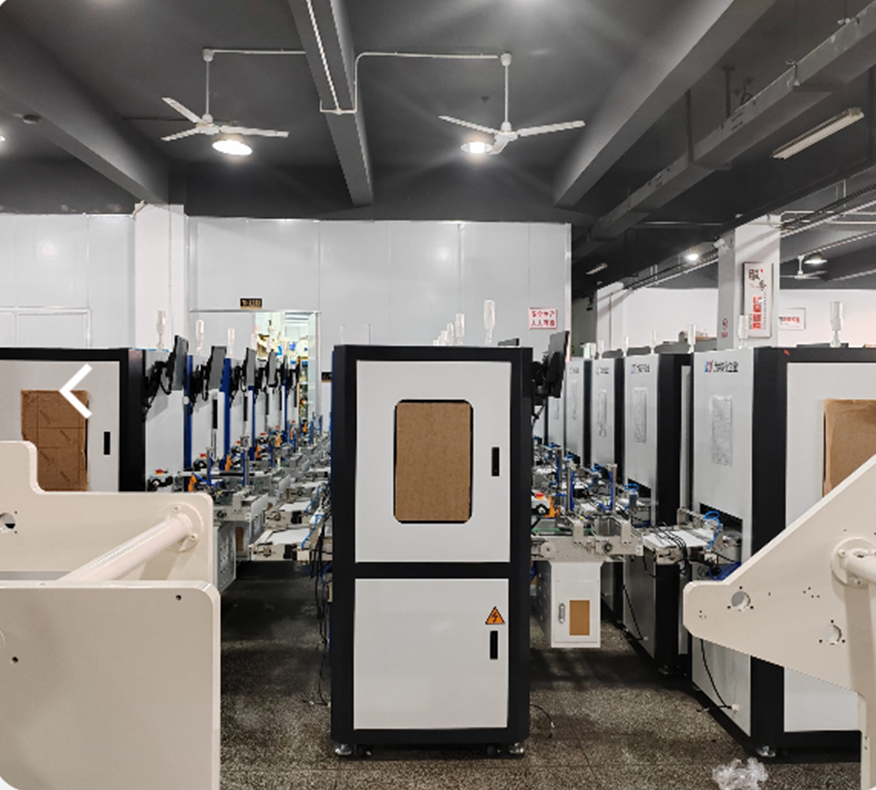
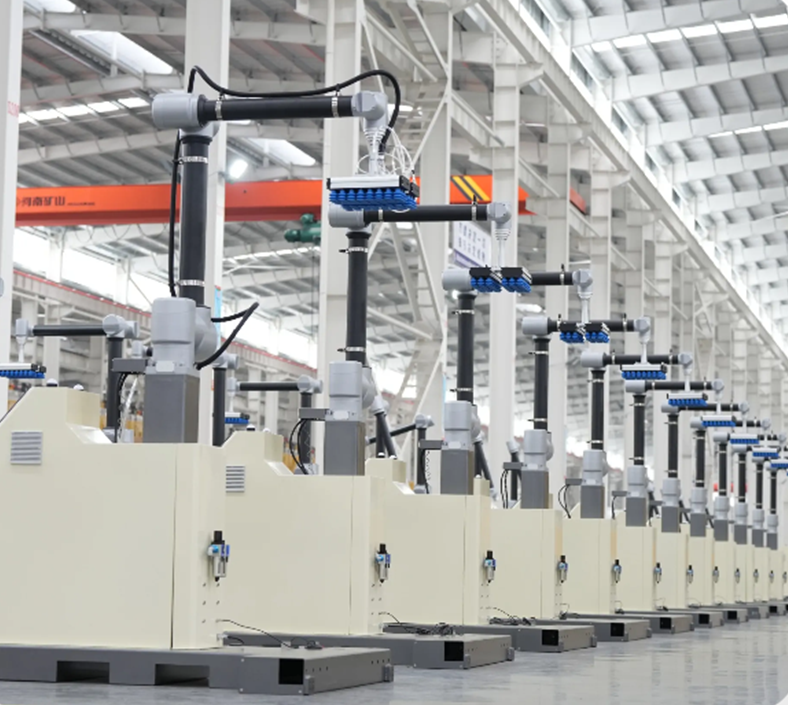
如何批发智能包装设备: 整线对比. 单机采购

In modern manufacturing, factories are changing faster than ever before. One of the biggest reasons is the rise of Smart Packaging Equipment, which helps companies automate packaging, sorting, and palletizing with much less human effort. But here is the real question many buyers face today: should you invest in a full production line or just start with a single machine?

This decision is not always easy, especially when budgets are limited and production needs keep growing. If you are working in food production, 药品, or hardware manufacturing, this choice can directly affect your long-term efficiency and cost. That is why understanding how Smart Packaging Equipment works as a system is so important before making any purchase decision.

So let’s break it down in a simple and practical way, starting from the basics and slowly moving toward real factory decisions. 到最后, you will clearly understand which approach fits your business better and how OEM and ODM factories like OK support global buyers.

What is Smart Packaging Equipment and Why It Matters in Modern Manufacturing

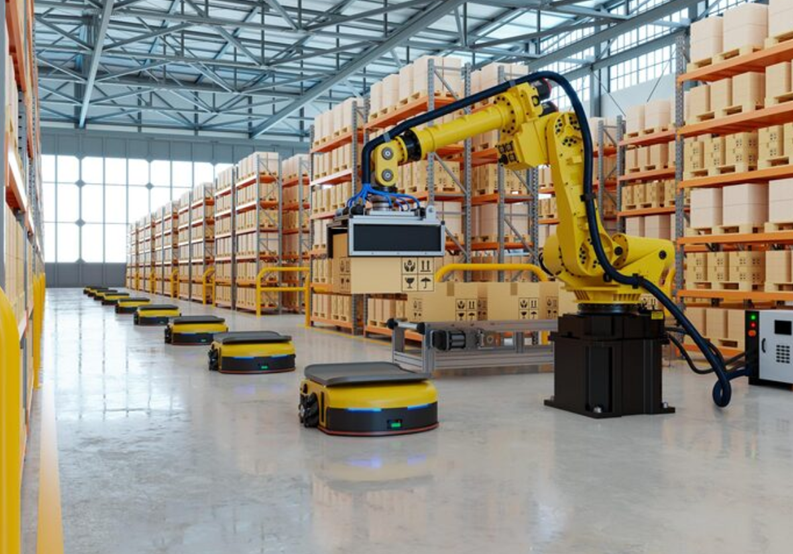
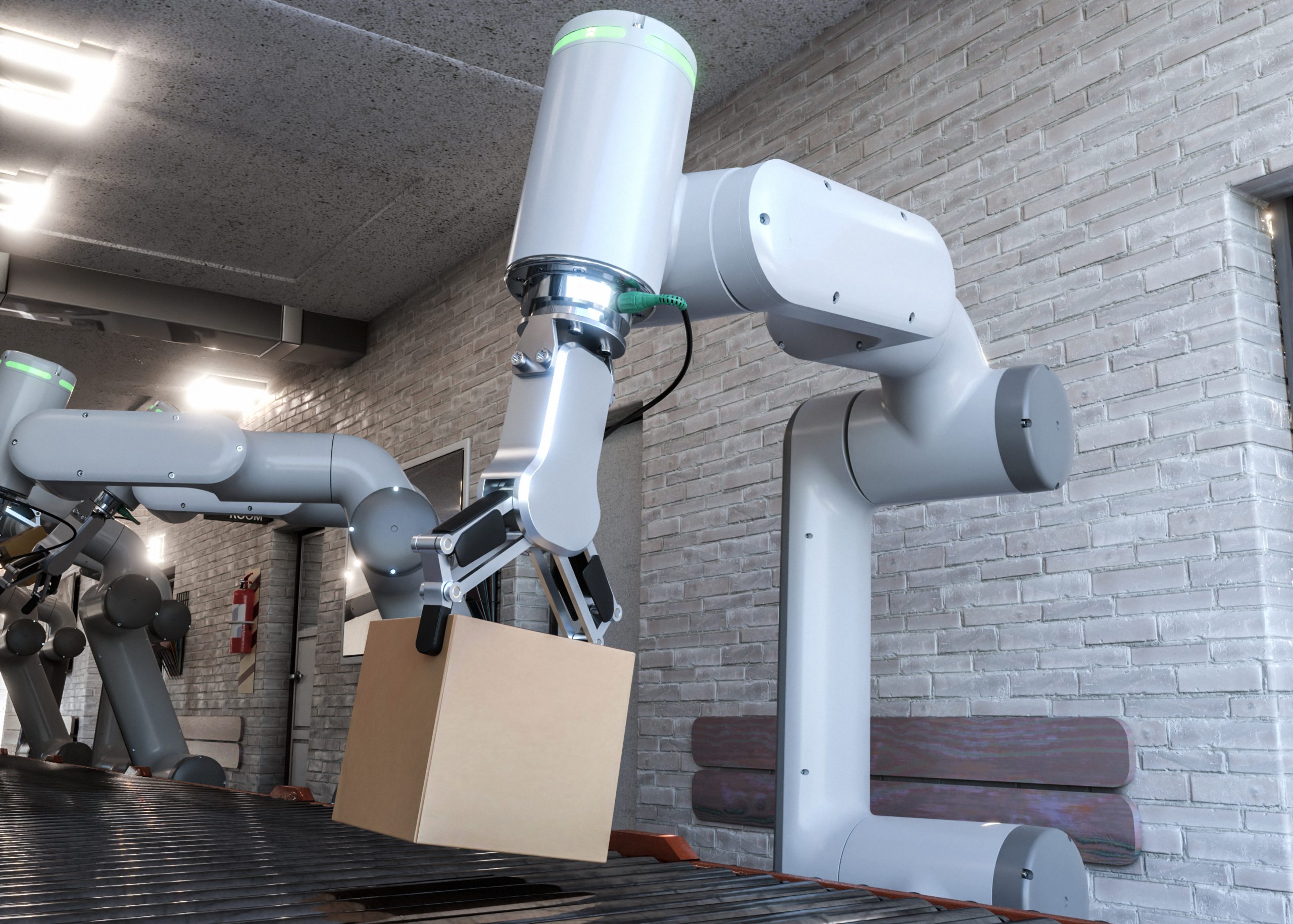
When people hear the term Smart Packaging Equipment, they often think of a single machine that packs or stacks products. In reality, it is a complete automation concept. It includes multiple machines working together, such as conveyors, palletizing robots, inspection systems, and control software.

Factories today use Smart Packaging Equipment because manual packaging is no longer efficient enough. Labor costs are rising, and customers expect faster delivery with fewer mistakes. This is especially true in industries like food production and medicine, where precision and hygiene matter a lot.

Another reason this system is becoming popular is because of global competition. Companies that adopt Smart Packaging Equipment can produce faster and reduce waste, which gives them a strong advantage in the market. But here is where things get interesting: not all systems are built the same, and not all factories need the same setup.

So how do you know what to choose? Let’s look deeper.
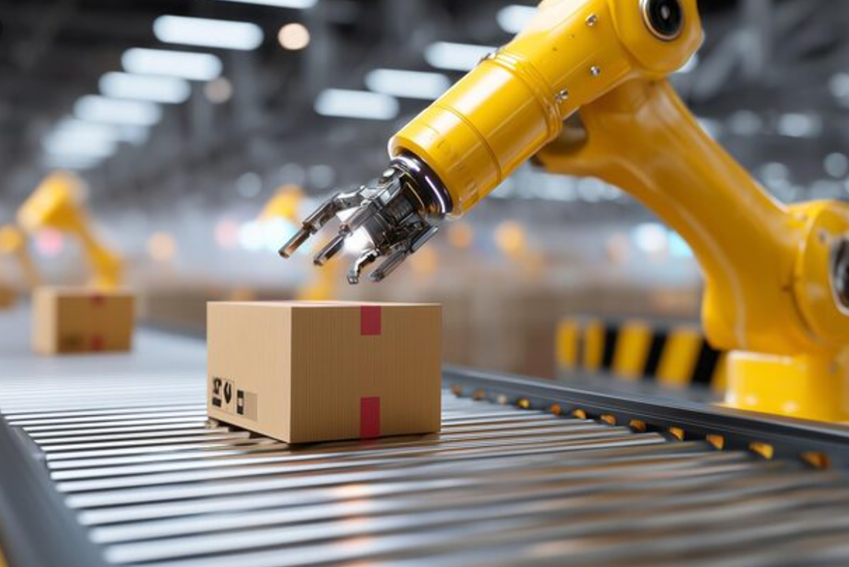
Smart Packaging Equipment

Key Components Inside Smart Packaging Equipment

A full Smart Packaging Equipment system is not just one machine. It is a combination of several key parts working together smoothly.

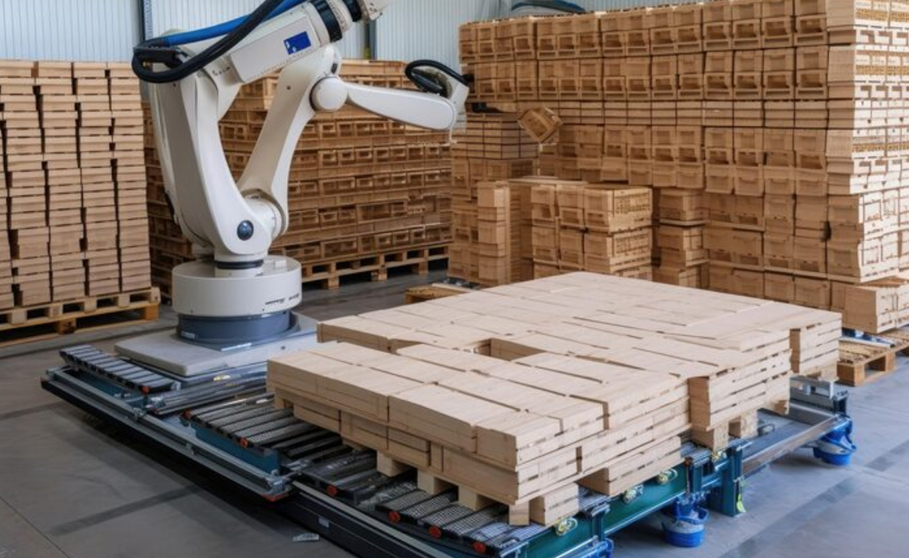
第一的, you have feeding and conveyor systems that move products between stations. Then comes the packaging machine that wraps or boxes products. After that, palletizing robots stack finished goods efficiently. 最后, inspection systems make sure everything meets quality standards before shipping.

例如, in a food production line, a food palletizing robot wholesale factory solution is often used to handle large volumes quickly and safely. In contrast, pharmaceutical companies rely more on precision systems, such as a medicine palletizing robot wholesale factory setup to avoid any contamination or errors.

Each part plays a role, and when they are connected properly, the entire Smart Packaging Equipment system becomes much more powerful than individual machines working alone.

Smart Packaging Equipment Whole Line vs Single Machine Procurement Explained

Now we come to one of the most important decisions in automation: should you buy a full production line or just a single machine?

A full Smart Packaging Equipment line means all machines are designed to work together from the start. A single machine approach means you buy equipment step by step and connect them later.

起初, single machines may look cheaper and more flexible. But when you zoom out and think long term, the story changes. Many factories realize that integrating different machines later can actually become more expensive and time-consuming.

That is why understanding Smart Packaging Equipment as a complete system is critical before making investment decisions.

Advantages of Whole Line Systems

When you choose a full system of Smart Packaging Equipment, everything is designed to work together from day one. This reduces technical problems and improves production speed.

One major advantage is efficiency. Products move smoothly from one stage to another without delays. Another benefit is lower long-term cost, because you do not need to constantly adjust or upgrade separate machines.

Factories using integrated Smart Packaging Equipment also experience fewer breakdowns because the system is optimized as a whole. This is especially important in large operations where even small delays can lead to big losses.

Limitations of Single Machine Procurement

另一方面, buying single machines gives you flexibility at the start. You can slowly build your system over time. However, this often leads to hidden problems.

The biggest issue is integration. Different machines may not communicate properly, which creates inefficiencies. 随着时间的推移, factories end up spending more money trying to fix compatibility problems between different parts of their Smart Packaging Equipment setup.

This is a common mistake many buyers make when they first enter automation.

How Palletizing Robots Fit Into Smart Packaging Equipment Systems

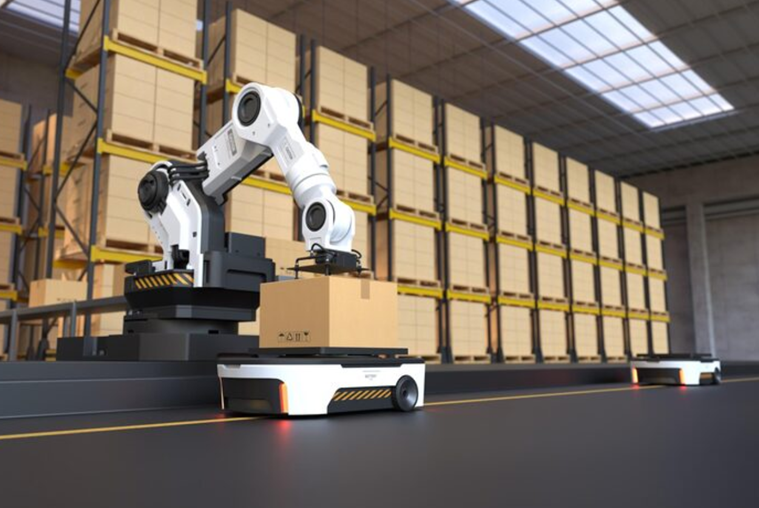
One of the most important parts of modern automation is the palletizing robot. These machines are responsible for stacking products neatly and quickly after packaging.

In a complete Smart Packaging Equipment system, palletizing robots act as the final stage before storage or shipping. Without them, factories would still rely heavily on manual labor.

Different industries use different types of robots depending on their needs. 例如, a food palletizing robot wholesale factory solution is designed for speed and hygiene. A medicine palletizing robot wholesale factory system focuses more on precision and safety standards. Meanwhile, a wholesale hardware palletizing robot is built for heavy-duty industrial loads.

When these robots are integrated into Smart Packaging Equipment, the entire production line becomes faster and more reliable.

Food Palletizing Robot Wholesale Factory Solutions

In food manufacturing, speed and cleanliness are everything. These robots ensure that packaged food is stacked quickly without human contact, reducing contamination risks.

Medicine Palletizing Robot Wholesale Factory Solutions

In pharmaceutical production, even the smallest mistake can cause serious issues. These robots focus on accuracy and controlled environments to meet strict industry standards.

Wholesale Hardware Palletizing Robot Applications

In the hardware industry, strength matters more than anything. These robots handle heavy boxes, metal parts, and industrial goods without slowing down production.
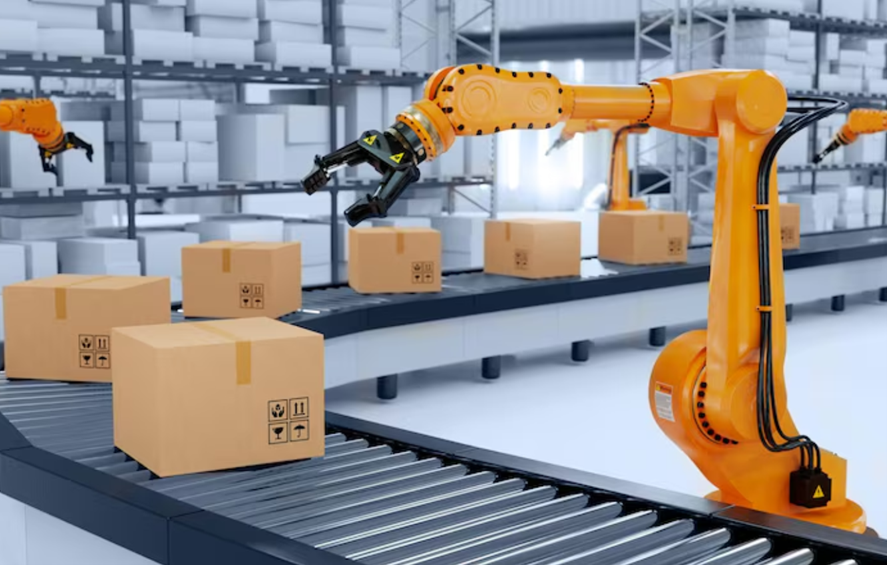
Smart Packaging Equipment

Why Automatic Metal Inspection Equipment is Essential in Smart Packaging Equipment Lines

A complete Smart Packaging Equipment system is not only about packaging and stacking. Quality control is equally important.

This is where automatic inspection systems come in. They check products for defects, missing parts, or damage before they are shipped. Without this step, factories risk sending faulty goods to customers, which can damage their reputation.

Inspection systems are especially important in industries dealing with metal products, where precision is critical. That is why automatic metal inspection equipment is becoming a standard part of modern production lines.

Inline Inspection vs Post-Production Inspection

There are two main approaches to inspection. Inline inspection checks products during production, while post-production inspection checks them at the end.

Inline systems are more efficient because they catch problems early. This makes the entire Smart

Packaging Equipment process smoother and reduces waste.

The Advantage of OEM and ODM Manufacturing in Smart Packaging Equipment from China

China has become one of the global leaders in industrial automation, especially in OEM and ODM manufacturing. Companies like OK offer customized Smart Packaging Equipment solutions for different industries around the world.

One of the biggest advantages is cost. Buying directly from a wholesale factory reduces overall investment while maintaining quality. This is why many global buyers choose Chinese suppliers for Smart Packaging Equipment systems.

Cost Benefits of Wholesale Factory Procurement

Working with a factory allows buyers to get better pricing and bulk customization options. This is especially useful for large-scale automation projects.

Customization Flexibility in Smart Packaging Equipment

Every factory is different. That is why OEM and ODM services are so important. They allow Smart Packaging Equipment systems to be adjusted based on production size, product type, and factory layout.

Common Mistakes Buyers Make When Buying Smart Packaging Equipment

Even though automation is growing fast, many buyers still make simple mistakes when investing in Smart Packaging Equipment.

One common mistake is buying machines separately without thinking about integration. Another is choosing the cheapest option instead of focusing on long-term performance. Some buyers also underestimate how important system compatibility is.

These mistakes often lead to higher costs later, especially when factories try to scale up production.

结论

Choosing between a whole production line and a single machine is not just a technical decision. It is a long-term business strategy. A complete Smart Packaging Equipment system offers better efficiency and stability, while single machines provide short-term flexibility.

However, as production demands grow, most factories eventually move toward integrated systems. That is why planning ahead is so important.

好的, we specialize in designing customized Smart Packaging Equipment solutions for global industries, 包括食物, 药品, hardware, and metal inspection systems. Whether you are looking for a full production line or a single automation upgrade, our team can help you build the right solution for your factory.

If you are ready to explore a smarter way to upgrade your production line or want a tailored quotation, feel free to reach out to us. Let’s build a system that works for your business, not against it.

常见问题解答

What is Smart Packaging Equipment?

It is an automated system that combines machines like conveyors, packaging units, palletizing robots, and inspection systems to streamline production and reduce manual labor.

Should I choose a full line or single machine?

A full line offers better efficiency and long-term savings, while single machines are suitable for smaller or gradual upgrades.

Can OK customize solutions?

是的, OK provides OEM and ODM Smart Packaging Equipment solutions tailored to food, 药品, hardware, and industrial needs.
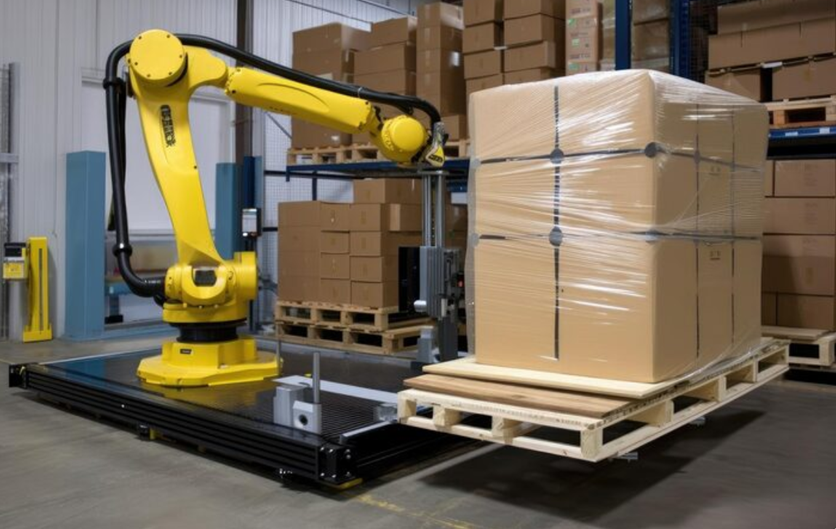
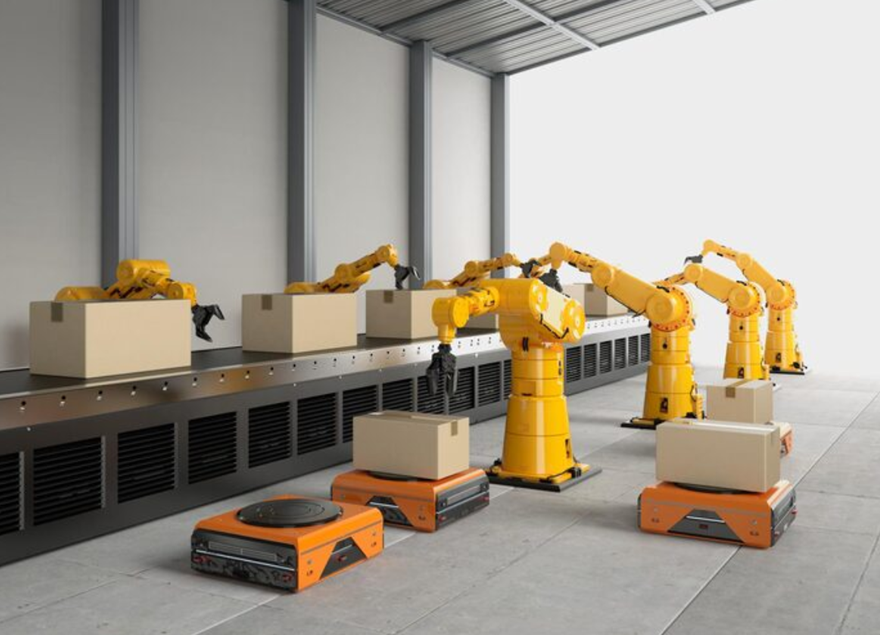
如何知道您的工厂是否需要码垛机器人

In modern manufacturing, speed and consistency are no longer optional. Factories are under constant pressure to deliver more products in less time while keeping costs under control. This is where the idea of a 码垛机器人 becomes important. Many production managers first hear about a Palletizing Robot when they start facing issues like labor shortages, slow packing lines, or inconsistent stacking quality. But the real question is not just what it is, but when it becomes necessary.

A Palletizing Robot is part of a larger shift toward automation in factories. Instead of workers manually stacking boxes, 包, or cartons onto pallets, machines now handle this repetitive and physically demanding task. This change is not just about replacing labor. It is about improving accuracy, reducing injuries, and increasing overall productivity through an automated palletizing system.

So how do you know if your factory is ready for this kind of upgrade? And what should you consider before making the investment? Let’s break it down step by step so you can clearly understand whether a Palletizing Robot is the right move for your operation.

码垛机器人

What Is a Palletizing Robot and How Does a Palletizing Robot Work?

To understand whether your factory needs a Palletizing Robot, you first need to understand what it actually is. In simple terms, a Palletizing Robot is an industrial machine designed to automatically stack products onto pallets in a structured and efficient way. It is a key part of an automated palletizing system used in modern production lines.

Instead of relying on manual labor, the robot uses programmed movement patterns to pick up products and place them in precise positions. This ensures stability, 速度, and consistency in every pallet built.

How an Automated System Operates

An automated palletizing system usually includes conveyors, robotic arms, sensors, and control software. Products move along a production line and are grouped before being picked up by the Palletizing Robot. The robot then places them according to a predefined stacking pattern.

This process may look simple, but it solves several problems at once. It reduces human error, improves speed, and ensures every pallet is built the same way. That consistency is especially important for storage and transportation.

Why It Matters for Modern Factories

When factories scale up production, manual stacking becomes a bottleneck. A Palletizing Robot removes that limitation by working continuously without fatigue. This is why many industries are shifting toward automation as a long-term strategy rather than a short-term fix.

But how do you know if your factory is actually ready for it? That is where real operational signs begin to matter.

When Does a Factory Actually Need a Palletizing Robot?

Not every factory needs a Palletizing Robot on day one. However, there are clear signs that show when manual processes are no longer efficient.

One of the first indicators is rising labor costs. When you notice that a large portion of your operating budget goes into repetitive manual stacking work, it may be time to consider automation. Another common sign is inconsistent output. If pallets are uneven or products are damaged during stacking, efficiency is already being lost.

Production Bottlenecks and Safety Concerns

A Palletizing Robot often becomes necessary when production lines start slowing down at the end stage. Even if upstream processes are fast, manual palletizing can reduce total output. This creates a bottleneck that limits overall factory performance.

Worker safety is another major factor. Repetitive lifting and stacking can lead to injuries over time. An automated solution removes this physical strain completely, allowing workers to focus on higher-value tasks.

Growth Pressure and Scaling Challenges

Factories that are expanding production often struggle to maintain speed with manual systems. If demand is increasing but your team cannot keep up, a Palletizing Robot can help bridge that gap without continuously hiring more workers.

So once these warning signs appear, the next question becomes: where exactly is this technology used most effectively?

Palletizing Robot Applications Across Different Industries

The use of a Palletizing Robot is not limited to one type of factory. 实际上, its flexibility is one of its biggest strengths. Understanding palletizing robot applications helps you see how widely this technology is already being used.

In the food and beverage industry, these robots handle boxes, bottled products, and packaged goods with precision. They ensure hygiene and reduce contamination risks. In chemical factories, they manage heavy bags, drums, and containers that are difficult and unsafe for manual handling.

Expanding Use Across Manufacturing Sectors

In building materials, a Palletizing Robot is often used for cement bags, bricks, and other heavy items. In logistics and e-commerce, it speeds up sorting and shipping processes. Even in pharmaceutical production, where accuracy is critical, automation ensures that packaging remains consistent and safe.

Why Applications Continue to Grow

The reason palletizing robot applications are expanding is simple. Every industry that relies on packaging and shipping can benefit from faster and more reliable stacking. As production demands grow, the need for an automated palletizing system becomes even more important.

But with all these benefits, many decision makers still ask the same question: how much does a Palletizing Robot actually cost?

码垛机器人

Understanding Palletizing Robot Cost and ROI Before You Invest

The topic of palletizing robot cost is often the first concern for factory managers. While prices vary depending on system complexity, understanding the cost structure helps you make a better decision.

A Palletizing Robot typically includes several cost components. These include the robotic arm, end-of-arm tooling, system integration, 安装, and training. Each part contributes to the final price.

What Affects the Cost

Several factors influence palletizing robot cost. Higher payload capacity, 更快的循环时间, and more advanced automation features will increase the investment. Custom requirements also play a role, especially when integrating into existing production lines.

ROI and Long-Term Value

While the initial investment may seem significant, the return often comes from labor savings, improved speed, and reduced product damage. Many factories see payback over time as the Palletizing Robot increases efficiency and reduces operational strain.

So while cost is important, it should always be viewed alongside long-term value rather than just upfront expense.

How to Implement an Automated Palletizing System Successfully

Once a factory decides to adopt a Palletizing Robot, the next step is implementation. A successful automated palletizing system does not happen by accident. It requires planning and proper integration.

The first step is evaluating the production line. Factories need to understand product types, 重量, and flow speed. This helps determine the right system design.

System Integration and Layout Planning

A well-designed automated palletizing system must fit into existing space without disrupting production. Conveyor alignment, robot positioning, and pallet output zones all need careful planning.

Training is also important. Even though a Palletizing Robot is automated, operators must understand how to monitor and manage the system.

Ensuring Smooth Deployment

Testing and adjustment are key steps before full operation. A properly implemented system ensures stability and prevents downtime. This is why choosing an experienced supplier matters.

That brings us to an important decision point: who should you trust for this kind of solution?

Why Choose OK for Your Palletizing Robot Solution

When investing in a Palletizing Robot, choosing the right partner is just as important as choosing the technology itself. OK focuses on delivering practical and efficient automation solutions for real factory environments.

A Palletizing Robot from OK is designed with flexibility in mind, allowing it to adapt to different product types and production requirements. This makes it suitable for a wide range of industries.

Built for Real Factory Needs

OK systems are built to handle demanding industrial conditions. Whether it is high-speed production or heavy load handling, the equipment is designed for stability and long-term performance.

Support Beyond Installation

What makes OK different is not just the machine, but the support behind it. From system design to installation and after-sales service, the goal is to ensure your automated palletizing system runs smoothly.

If you are considering upgrading your production line, this is where expert guidance can make a real difference.

Final Thoughts

Deciding whether to invest in a Palletizing Robot comes down to understanding your factory’s current limitations and future goals. If you are facing labor shortages, slow palletizing speed, or inconsistent output, automation is no longer optional.

A Palletizing Robot is not just a machine. It is a long-term improvement to how your factory operates. From palletizing robot applications across industries to understanding palletizing robot cost, the benefits become clear when viewed in the context of efficiency and growth.

If you are ready to explore how an automated palletizing system can improve your production line, OK is here to help. Reach out to our team and let’s discuss how we can build a solution that fits your factory’s needs and helps you move toward smarter, 快点, and more reliable production.

常见问题解答

What is a Palletizing Robot?

A Palletizing Robot is an automated machine that stacks products like boxes, 包, or cartons onto pallets with speed and accuracy. It is part of an automated palletizing system used in modern factories to replace manual stacking.

哪些行业使用码垛机器人?

Palletizing robots are widely used in food and beverage, 化学品, 后勤, 建筑材料, 和药品. They improve efficiency and reduce manual labor in packaging and shipping operations.

码垛机器人多少钱一台?

The palletizing robot cost depends on capacity, 速度, and system complexity. While the initial investment varies, many factories recover costs through labor savings and higher productivity.

智能包装 & 物流自动化: 5 值得关注的机器人技术趋势 2026

Global supply chains are changing faster than ever. Warehouses are under pressure to move faster, 降低成本, and handle more orders with fewer workers. This is where robotics, AI, and connected systems are stepping in to reshape how goods are stored, picked, packed, and shipped.

What used to be simple 仓库自动化 is now becoming a fully intelligent ecosystem. 在 2026, we are seeing a clear shift where machines are not just assisting humans but actively working alongside them with real-time decision-making powered by data.

So what exactly is driving this transformation, and which technologies are leading the way?

Let’s break it down through the most important trends shaping the future of logistics.

智能包装 & Logistics Automation and the Rise of Intelligent Warehouses

The modern warehouse is no longer just a storage space. It is becoming a connected digital system where every movement is tracked, analyzed, and optimized in real time. This is the foundation of Smart Packaging & Logistics Automation Tech Trends to Watch in 2026, where efficiency depends on how well machines and data work together.

Warehouse automation is now powered by IoT sensors that track inventory levels, environmental conditions, and equipment performance. At the same time, robotic process automation in logistics is reducing manual work in order processing, invoicing, and tracking updates. Together, these systems create a faster and more reliable supply chain.

Smart warehouses are also becoming more predictive. Instead of reacting to problems, companies are starting to prevent them before they happen.

Key benefits of intelligent logistics systems

The biggest advantage of this shift is visibility. Managers can now see exactly what is happening across the entire warehouse in real time. This leads to fewer errors, better planning, and lower operational costs. Another major benefit is speed. When systems communicate automatically, delays are reduced significantly, improving customer satisfaction.

So how do robots fit into this growing ecosystem?

仓库自动化

Autonomous Mobile Robots

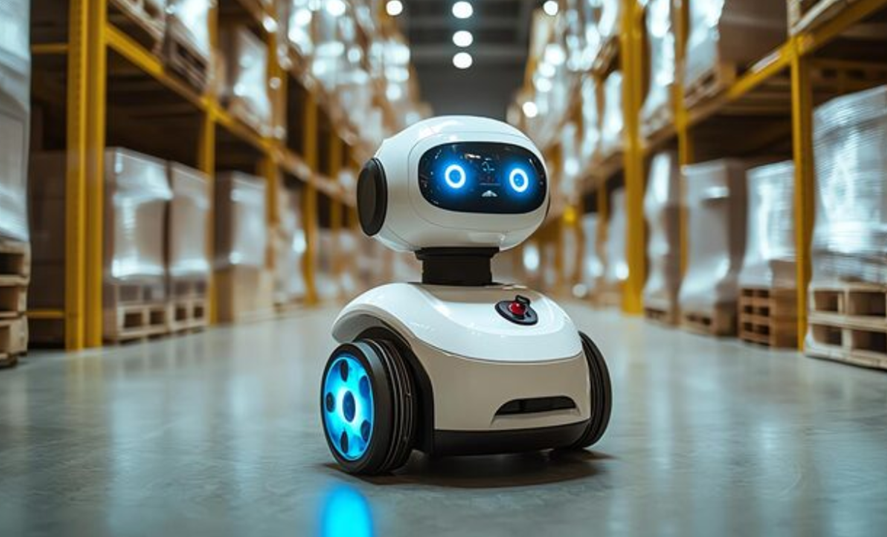
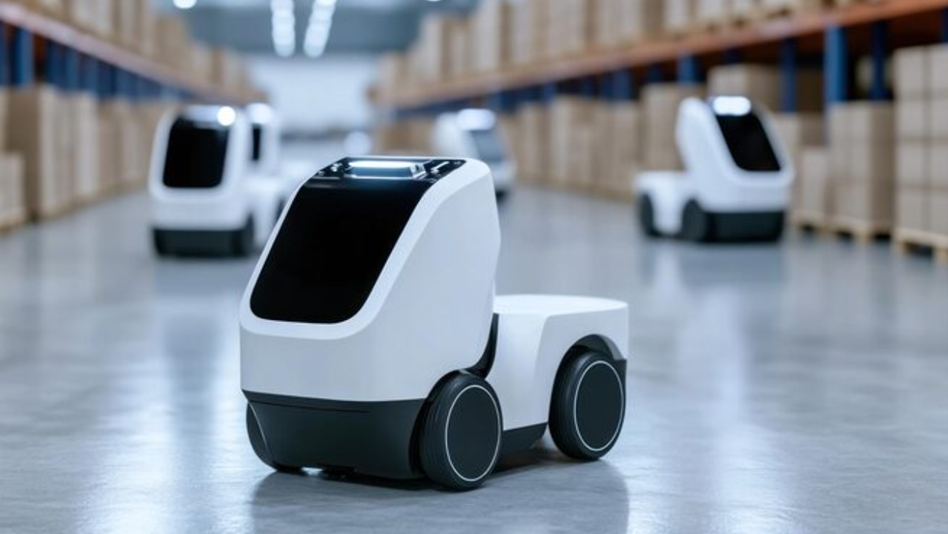
One of the most visible changes in modern logistics is the rise of autonomous mobile robots. These machines are designed to move goods across warehouses without fixed paths, unlike older automated guided vehicles. They can adapt to dynamic environments, 避开障碍物, and optimize their routes in real time.

In the context of Smart Packaging & Logistics Automation autonomous mobile robots are becoming essential for warehouse automation because they reduce the need for manual transportation and speed up order fulfillment.

例如, in a large e-commerce fulfilment centre, autonomous mobile robots can pick up storage racks, deliver them to human workers, and then move on to the next task without waiting for instructions. This creates a continuous flow of operations that significantly increases productivity.

Why autonomous mobile robots improve warehouse efficiency

The biggest improvement comes from flexibility. Unlike fixed conveyor systems, these robots can be scaled up or down depending on demand. This makes them ideal for businesses with seasonal spikes or unpredictable order volumes. They also reduce physical strain on workers, allowing humans to focus on higher-value tasks.

But what happens when hundreds of robots need to work together in the same space?

Swarm Robotics

Swarm robotics is one of the most exciting developments in modern warehouse automation. Instead of controlling each robot individually, swarm robotics allows groups of robots to coordinate their actions like a connected system.

In Smart Packaging & 物流自动化, swarm robotics represents the future of scalable warehouse systems. These robots communicate with each other and adjust their behavior based on real-time conditions inside the warehouse.

This approach is especially useful in large distribution centers where thousands of items move every hour. If one robot stops working, others can instantly adjust their routes, ensuring that operations continue without disruption.

How swarm robotics improves scalability and resilience

The key benefit is system resilience. Traditional systems often break down when one component fails. Swarm robotics solves this problem by distributing intelligence across many machines. It also makes it easier to expand operations, since adding more robots naturally increases system capacity without redesigning the entire workflow.

As robots become smarter physically, what about the invisible systems behind them?

IoT Sensors and Robotic Process

Behind every smart warehouse is a powerful layer of data. IoT sensors are responsible for collecting real-time information about inventory, temperature, movement, and machine health. This data feeds directly into warehouse automation systems, allowing managers to make informed decisions instantly.

Within Smart Packaging & 物流自动化, IoT sensors work closely with robotic process automation in logistics. While sensors handle physical data collection, RPA handles digital workflows such as order updates, shipping confirmations, and invoice generation.

For instance, when a product leaves a warehouse shelf, IoT sensors can instantly update inventory levels while RPA systems update the customer order status automatically. This reduces delays and eliminates human error.

The role of data in modern warehouse automation

Data is now the foundation of logistics efficiency. With better visibility, companies can predict demand, reduce waste, and improve delivery accuracy. IoT sensors also help detect equipment issues early, reducing downtime and maintenance costs.

So if data handles the invisible side of logistics, what about the physical quality of products and packaging?

仓库自动化

AI Vision Systems

AI vision systems are transforming how warehouses inspect, sort, and package products. These systems use cameras and machine learning to detect defects, verify labels, and ensure correct packaging before items are shipped.

In Smart Packaging & 物流自动化, AI vision adds another layer of intelligence to warehouse

automation by reducing human error and increasing processing speed.

例如, in a packaging line, AI systems can instantly detect if a box is damaged or incorrectly labeled. The system can then automatically reroute the item for correction without slowing down the entire process.

Why AI vision systems improve accuracy and speed

The main advantage is consistency. Unlike human inspection, AI systems do not get tired or distracted. They can operate 24 hours a day with the same level of accuracy. This leads to fewer returns, higher customer satisfaction, and better brand reputation.

Now that warehouses are becoming smarter and more automated, how do companies plan and optimize these complex systems before building them?

Digital Twins

Digital twins are virtual models of real-world warehouse systems. They allow companies to simulate operations before physically implementing them. This helps identify inefficiencies, test robot routes, and improve overall design.

In Smart Packaging & 物流自动化, digital twins are becoming a critical tool for warehouse automation planning. They allow businesses to experiment with different layouts and robotic configurations without any real-world risk.

例如, a company can simulate peak season demand to see how autonomous mobile robots and IoT sensors will perform under pressure. This helps reduce costly mistakes during actual operations.

How digital twins support smarter decision making

The biggest advantage is foresight. Instead of reacting to problems, companies can predict them and adjust in advance. This leads to smoother operations and better long-term efficiency.

结论

Across all these trends, one thing is clear. The future of logistics is fully connected, intelligent, and highly automated. From autonomous mobile robots to swarm robotics, from IoT sensors to robotic process automation in logistics, every technology plays a role in building faster and smarter supply chains.

Warehouse automation is no longer just about replacing manual labor. It is about creating systems that think, adapt, and improve continuously. As we move deeper into 2026, companies that adopt these technologies early will gain a strong competitive advantage in speed, cost efficiency, and customer satisfaction.

At the center of this transformation are solutions like those developed by OK, helping manufacturers and logistics providers build smarter, more flexible automation systems powered by robotics and intelligent control.

If you are exploring how to upgrade your warehouse automation strategy or integrate autonomous mobile robots into your operations, OK can help you design systems that fit your exact needs. Reach out to their team to start building a more efficient and future-ready logistics operation today.

常见问题解答

What is smart packaging and logistics automation?

It refers to using robotics, AI, IoT sensors, and software systems to make warehouse and supply chain operations faster, more accurate, and more efficient.

How do autonomous mobile robots help warehouse automation?

They move goods independently across warehouses, reducing manual labor and improving speed, 灵活性, and order accuracy.

What role do IoT sensors play in logistics?

IoT sensors collect real-time data on inventory, equipment, and conditions, helping improve tracking, 维护, and decision-making.

What is robotic process automation in logistics?

It automates digital tasks like order updates, invoicing, and shipment tracking, reducing errors and saving time.

Why is swarm robotics important?

It allows multiple robots to work together intelligently, improving scalability, efficiency, and system resilience.

物流机器人系统的设计与部署

In today’s fast-moving supply chain world, warehouses are under more pressure than ever before. Customers expect faster deliveries, 更少的错误, and real-time tracking. This is exactly where 物流机器人 are changing the game. But what makes them so important, and why are so many companies shifting toward automation instead of traditional manual work?

Let’s explore how these systems work, why they matter, and how companies like OK are helping businesses build smarter, more efficient warehouses step by step.

What Are Logistics Robots and Why Are They Becoming Essential in Modern Warehouses?

When people hear the term logistics robots, they often imagine futuristic machines moving boxes around a warehouse. That image is not wrong, but the reality is even more interesting. These robots are designed to handle tasks like moving goods, sorting packages, and supporting workers in daily warehouse operations.

So why are logistics robots becoming so important today? 答案很简单: speed and accuracy. Modern supply chains cannot rely only on human labor anymore, especially when order volumes change so quickly.

As warehouses grow larger and more complex, businesses are turning to automation to stay competitive.

This shift is not just about replacing workers. Instead, it is about improving efficiency and reducing repetitive tasks so humans can focus on more important work.

But what exactly makes up a system like this?

物流机器人

Different Types of Logistics Robots Used in Warehouses Today

There are several types of logistics robots used in modern facilities. Some of the most common include autonomous mobile robots, automated guided vehicles, and robotic arms. Each one plays a different role in warehouse operations.

Autonomous mobile robots move freely using sensors and mapping systems. Automated guided vehicles follow fixed paths. Robotic arms handle picking and packing tasks with high precision.

Together, these systems create a connected environment where goods move faster and more safely than ever before.

How Logistics Robots Improve Daily Warehouse Operations

The biggest advantage of logistics robots is consistency. Unlike manual labor, robots do not get tired or

lose focus. They follow instructions with high accuracy, which reduces mistakes in order fulfillment.

They also help reduce walking time for workers, improve storage efficiency, and speed up the entire process from picking to shipping.

Now that we understand what they are, the next question is: how are these systems actually designed for real-world use?

How logistics robots Are Designed for Efficiency, Safety, and Scalability

Designing modern logistics robots is not just about building machines. It is about creating an entire system that works smoothly in a busy warehouse environment. Every detail matters, from navigation to software integration.

One of the most important goals in design is efficiency. Robots must complete tasks quickly without wasting energy or space. At the same time, safety is critical because robots often work alongside human workers.

So how do engineers balance all of this in one system?

The Role of AI and Navigation Systems in Logistics Robots

Artificial intelligence plays a major role in modern logistics robots. AI helps robots understand their environment, 避开障碍物, and choose the best path to complete a task.

Most systems use technologies like sensors, 相机, and mapping software. These tools allow robots to move safely even in crowded warehouse spaces.

Without AI, logistics robots would not be able to adapt to real-world conditions, which change constantly.

Why Scalability Matters in Large Warehouse Networks

Scalability means the system can grow without breaking. This is very important for companies that plan to expand.

A good logistics robot system should allow new robots to be added easily without redesigning the entire operation. This flexibility helps businesses grow step by step without major disruptions.

Now that we understand how these systems are designed, let’s look at what happens when they are deployed in real warehouses.

Logistics Robots in Real-World Deployment: From Planning to Full Operation

Bringing logistics robots into a real warehouse is not something that happens overnight. It is a carefully planned process that includes several stages. Each stage ensures that the system works properly before full-scale use.

Deployment usually starts with understanding the warehouse layout and workflow. This helps engineers design a system that fits real operational needs.

But what does this process actually look like in practice?

Site Analysis and Simulation Before Deployment

Before any robots are installed, the warehouse is studied in detail. This includes measuring space, understanding product flow, and identifying high-traffic areas.

Simulation tools are then used to test how logistics robots will move inside the warehouse. This step helps predict problems before they happen in real life.

By doing this, companies can avoid costly mistakes and improve performance from day one.

System Integration with Warehouse Management Software

Once the physical setup is ready, the next step is connecting logistics robots with warehouse management systems.

This integration allows robots to receive tasks automatically, update inventory in real time, and communicate with other systems in the warehouse.

Without this step, automation would not be fully effective because robots need data to make decisions.

Now that deployment is clear, what challenges should companies expect when using these systems?

What Challenges Do Companies Face When Using Logistics Robots?

Even though logistics robots offer many benefits, they are not always easy to implement. Many companies face challenges during and after deployment.

One of the biggest issues is system integration. Older warehouses may use outdated software that does not connect easily with modern robotics systems.

Another challenge is training. Workers need to learn how to work alongside robots safely and efficiently.

So what are the most common difficulties businesses face?

Integration and Workflow Challenges

When logistics robots are introduced, warehouse workflows often need to change. This can be difficult for teams who are used to traditional methods.

If the system is not designed properly, robots and humans may interfere with each other, causing delays instead of improvements.

That is why careful planning is essential from the beginning.

Cost, Maintenance, and ROI Considerations

Another important factor is cost. Installing logistics robots requires investment, and companies need to understand the return on that investment.

Maintenance is also important. Robots need regular updates, battery care, and system checks to perform well over time.

However, when implemented correctly, the long-term savings and efficiency gains often outweigh the initial costs.

So if there are challenges, why are so many companies still adopting these systems?

物流机器人

How Logistics Robots Are Shaping the Future of Global Supply Chains

The future of logistics robots looks very promising. As technology improves, these systems are becoming smarter, 快点, and more affordable.

Warehouses are no longer just storage spaces. They are becoming intelligent centers where robots and humans work together.

This shift is changing how goods move around the world.

Smarter Warehouses with AI-Driven Robotics

Artificial intelligence is making logistics robots more independent than ever. They can now learn from data, improve routes, and reduce energy use over time.

This creates warehouses that constantly improve themselves without needing major changes.

Why Businesses Are Rapidly Adopting Automation

Companies are adopting logistics robots because customers expect faster delivery and better service. Automation helps meet these expectations while reducing errors and improving efficiency.

It is no longer just a competitive advantage. In many industries, it is becoming a necessity.

With this future in mind, how do companies choose the right partner for automation?

Why Choose OK for Advanced Logistics Robot Solutions?

Choosing the right provider for logistics robots is one of the most important decisions a company can make. A strong system is not just about machines. It is about integration, support, and long-term performance.

OK focuses on building complete logistics automation solutions that combine hardware and software into one connected system.

Instead of offering isolated products, the goal is to help warehouses build smooth, scalable, and efficient operations from start to finish.

This includes supporting different industries, warehouse sizes, and operational needs, making it easier for businesses to adopt automation without unnecessary complexity.

So what does this mean for your business? It means you can focus on growth while automation handles the heavy lifting behind the scenes.

If you are exploring ways to improve warehouse efficiency or reduce operational costs, now is the right time to take the next step. You can reach out to OK to learn how logistics robots can be customized for your specific needs and start building a smarter warehouse today.

结论

The rise of logistics robots is not just a trend. It is a major shift in how warehouses and supply chains operate. From design and deployment to real-world challenges and future innovation, these systems are reshaping the way goods move across the world.

As we have seen, successful automation depends on more than just machines. It requires thoughtful planning, smart integration, and the right long-term strategy.

So the real question is not whether logistics robots will become standard in warehouses, but how quickly businesses will adapt to them.

If you are ready to explore what automation can do for your operations, OK is here to help you take that next step.

常见问题解答

What are logistics robots used for?

Logistics robots are used in warehouses and factories to move goods, pick items, sort packages, and support storage and shipping operations with higher speed and accuracy.

Do logistics robots replace human workers?

Not completely. They handle repetitive and heavy tasks, while humans focus on supervision, decision-making, and complex work.

Are logistics robots expensive to implement?

Initial costs can be high, but they often reduce long-term labor and operational costs, improving overall efficiency and ROI.

Can logistics robots work in any warehouse?

Most modern systems can be adapted, but proper planning and integration are needed for best performance.

为什么结束 1,000 全球客户选择 OK 作为他们的 OK 自动化合作伙伴

In today’s world, factories are changing faster than ever. Companies are no longer just thinking about producing more. They are thinking about producing smarter. This is where the idea of a strong OK automation partner becomes important. Over 1,000 global clients have already made their choice, and it is worth asking: what makes OK stand out so much in the automation industry?

Let’s explore this step by step and understand why so many manufacturers trust OK as their automation partner for long-term growth and success.

OK automation partner

Why Businesses Trust OK Automation Partner for Global Manufacturing

The manufacturing world is under pressure. Labor costs are rising, production demands are increasing, and competition is global. In this situation, companies are looking for a reliable OK automation partner they can trust for long-term performance. This is not just about machines. It is about building a smarter way to produce goods.

OK automation partner solutions are designed to help factories move from manual systems to automated production lines. This shift is not easy, but it is necessary. Many businesses ask the same question: how can we stay competitive while keeping costs under control? That is where OK automation partner solutions start to make sense.

随着时间的推移, more than 1,000 clients have realized that working with a trusted OK automation partner helps them reduce stress in production planning and improve output consistency.

The global shift toward smart factories

Smart factories are no longer the future. They are the present. Companies want systems that can run with less human error and higher precision. This is why many of them turn to an OK automation partner to guide their transformation.

Rising demand for reliable automation partners

With automation becoming essential, businesses need more than just suppliers. They need a dependable OK automation partner who understands both engineering and real production needs.

What Makes OK Automation Partner a Complete Solution Provider

One of the main reasons over 1,000 clients trust OK is that it is not just a machine supplier. It is a full OK automation partner that provides complete solutions from planning to installation.

When companies choose an OK automation partner, they are choosing a system that covers design, 生产, integration, and support. This reduces confusion and helps factories run more smoothly.

An OK automation partner also focuses on flexibility. Every factory is different, so every solution must be different too. That is why customization is a key strength here.

But why does this matter so much? Because businesses do not want one-size-fits-all systems anymore. They want solutions that match their exact production goals.

Industrial robots and cobot systems

At the core of OK automation partner solutions are industrial robots and collaborative robots. These systems are designed to improve speed, 准确性, and safety in production environments.

Custom-built automation for different industries

Every industry has unique needs. A strong OK automation partner understands this and builds systems that match specific workflows rather than forcing factories to adjust their processes.

为什么结束 1,000 Clients Rely on OK Automation Partner

Trust is not built overnight. Over 1,000 global clients now rely on OK as their preferred OK automation partner because of consistent quality and performance.

One of the biggest advantages of working with an OK automation partner is cost efficiency. Many companies find that they can reduce long-term production costs without sacrificing quality. That balance is rare in the automation industry.

Another reason is control. OK manages its own manufacturing process, which means fewer delays and better quality assurance. This makes the OK automation partner relationship more stable and predictable for global buyers.

So the real question is: what makes this level of trust possible? It comes down to experience, global delivery capability, and engineering strength.

Cost-effective but high-quality engineering

An OK automation partner is able to combine affordability with industrial-grade performance. This helps businesses scale without overspending on equipment.

Proven global delivery experience

Shipping, 安装, and support across different countries require experience. OK automation partner systems are built with global deployment in mind, making international cooperation easier.

Industries That Benefit from OK Automation Partner

Different industries face different challenges, but they all share one need: efficiency. This is where an OK automation partner becomes valuable across multiple sectors.

From automotive production to electronics assembly, OK automation partner solutions help companies reduce manual labor and improve production accuracy. Many businesses across the world now depend on this transformation to stay competitive.

As industries evolve, automation is no longer optional. It is essential. And that is why so many sectors are adopting OK automation partner systems.

Automotive and precision manufacturing

In automotive production, even small errors can lead to big problems. An OK automation partner helps improve precision and reduce defects in complex assembly processes.

Warehousing and logistics automation

Speed is everything in logistics. OK automation partner systems help warehouses move products faster, 更安全, and with fewer delays.

Real Results You Get With OK Automation Partner

At the end of the day, businesses care about results. Choosing an OK automation partner is not just about installing machines. It is about improving performance in measurable ways.

Many companies report better productivity after working with an OK automation partner. Production lines run faster, errors decrease, and workers can focus on more skilled tasks instead of repetitive work.

Another major benefit is safety. Automated systems reduce human exposure to dangerous environments, which creates a safer workplace overall.

So what does this all mean for a business? It means stronger output, better quality, and long-term savings.

Faster ROI and higher output

Investing in an OK automation partner often leads to faster returns because of reduced labor costs and improved production efficiency.

Better quality control and safety

Consistency is key in manufacturing. An OK automation partner helps maintain steady quality while reducing workplace risks.

OK automation partner

How to Work With OK Automation Partner

Working with a new automation provider can feel complicated, but OK makes the process simple and structured. As an OK automation partner, the company guides clients through every step.

It usually begins with an inquiry or RFQ. After that, the team evaluates requirements and designs a tailored solution. This ensures the OK automation partner approach matches the client’s exact production needs.

From there, manufacturing begins, followed by testing, shipping, 安装, and ongoing support. This full process is what makes the OK automation partner experience reliable for global clients.

But what happens after installation? That is where long-term support becomes important.

From inquiry to delivery

Every OK automation partner project is handled step by step to ensure smooth communication and clear results from start to finish.

Long-term technical support

Even after installation, OK automation partner services continue through maintenance and technical assistance, helping clients stay productive.

结论

As global manufacturing continues to evolve, companies need partners they can depend on. Over 1,000 clients have already chosen OK as their OK automation partner because it delivers more than machines. It delivers complete, reliable automation solutions that support long-term growth.

From industrial robots to full smart factory systems, OK automation partner solutions are built to help businesses improve efficiency, 降低成本, and stay competitive in a fast-changing world.

So if your factory is looking for a smarter way to grow, it might be time to take the next step. Reach out to the OK team, share your production needs, and start a conversation about how the right automation solution can transform your operations. A better production future could be just one message away.

常见问题解答 (常见问题解答)

1. What does OK do?

OK is an automation company that provides industrial robots, cobot systems, and smart factory solutions to help manufacturers improve production efficiency and reduce labor costs.

2. OK服务于哪些行业?

OK works with industries such as automotive, 电子产品, 后勤, food processing, 包装, and general manufacturing.

3. Why do companies choose OK?

Companies choose OK because it offers cost-effective automation solutions, strong manufacturing capability, and customized systems designed for different production needs.

4. Does OK provide customized automation solutions?

是的, OK designs and builds automation systems based on each client’s factory layout, production goals, and industry requirements.

5. How many clients has OK worked with?

OK has served over 1,000 global clients across different industries and regions, helping them improve their production systems.

6. Does OK offer global shipping and installation?

是的, OK supports international delivery, installation guidance, and technical assistance for global customers.

7. What types of robots does OK provide?

OK offers industrial robots and collaborative robots (协作机器人) that are used for tasks like assembly, 处理, 包装, and welding.

8. Can OK help reduce production costs?

是的, automation systems from OK help reduce labor dependency, improve efficiency, and lower long-term operational costs.

9. How can I request a quote from OK?

You can contact OK directly through their official website to submit your requirements and receive a customized quotation (RFQ).

10. Does OK provide after-sales support?

是的, OK offers ongoing technical support, maintenance guidance, and assistance to ensure long-term system performance.

为什么从长远来看“足够好的自动化”成本更高

When factories think about saving money, good enough automation often looks like the safest choice. It promises lower upfront cost, faster setup, and “acceptable” performance. On paper, it feels like a smart decision. But is it really saving money, or is it just delaying higher costs later?

In many manufacturing environments, good enough automation is chosen because the budget is tight or because teams want a quick solution. 起初, everything may seem fine. Machines run, production starts, and costs look under control. But soon, hidden problems begin to appear. Downtime increases, maintenance becomes frequent, and efficiency drops.

So why does good enough automation keep showing up in factories around the world, even when it leads to long-term losses? 答案很简单: the real cost is not visible on day one. It shows up slowly, over months and years, when production pressure increases.

In this article, we will break down exactly why good enough automation often becomes the most expensive decision a factory can make, and how higher-quality systems like OK’s “Quality OK” approach are designed to solve these problems from the start.

The Real Cost Behind Good Enough Automation Decisions

To understand manufacturing decisions better, we need to look deeper into what good enough automation really means in practice. It usually refers to systems that meet only basic requirements, without strong testing, customization, or long-term optimization.

起初, good enough automation seems attractive because it reduces initial investment. However, factories often underestimate how quickly performance gaps appear under real production pressure. Machines that were “good enough” in testing environments often struggle in 24/7 industrial operations.

This is where hidden costs start building up quietly. Have you ever wondered why a cheaper machine ends up costing more after one year of use? The answer is not obvious at first, but it becomes clear when production stops unexpectedly.

Hidden Maintenance Pressure

One major issue with good enough automation is inconsistent durability. Without strict testing standards, components wear out faster. That means more repairs, more replacement parts, and more technician visits.

Unstable Production Flow

Another problem is inconsistency. Even small interruptions can break production rhythm. When factories rely on good enough automation, they often experience unpredictable stops that reduce overall output.

good enough automation

Reliability Gap: Why Good Enough Automation Fails Under Pressure

现在, let’s look at what happens when good enough automation is pushed into real industrial environments. Factories do not operate in calm conditions. They run 24 hours a day, often under heat, vibration, and continuous workload.

In these conditions, good enough automation often struggles to maintain stability. Systems that were not designed for long-term heavy use begin to slow down or fail unexpectedly. This creates one of the most expensive problems in manufacturing: downtime.

Downtime does not just stop machines. It stops revenue, delays orders, and increases labor costs at the same time. Even a few hours of lost production each week can outweigh the savings from choosing good enough automation in the first place.

Heat and Wear Issues in Continuous Operation

Many low-cost systems are not built for constant operation. When good enough automation runs for long hours, heat builds up in motors and control systems. 随着时间的推移, this leads to breakdowns and reduced accuracy.

The Cost of Unplanned Stops

Every unplanned stop caused by good enough automation creates a chain reaction: missed deadlines, overtime labor, and production backlog. These hidden costs are often ignored during purchasing decisions.

Quality Control Problems in Good Enough Automation Systems

Another major weakness of good enough automation appears in quality control. In manufacturing, even small errors can become expensive when they reach customers.

Manual inspection or low-precision systems often allow defective products to pass through. This is one of the biggest risks of good enough automation, especially in industries requiring high accuracy.

When defects are not detected early, factories face returns, 浪费的材料, and brand damage. These costs are far higher than most companies expect when choosing good enough automation.

Human Fatigue and Error Rates

Manual inspection depends heavily on human attention. 随着时间的推移, fatigue reduces accuracy. This is where good enough automation fails to maintain consistent quality levels.

AI Precision as a Better Alternative

In contrast, advanced systems like OK use AI-based inspection that works continuously without fatigue.

This reduces defect rates and improves overall production reliability, something good enough automation cannot consistently achieve.

Efficiency and ROI: Why Good Enough Automation Delays Profit

One of the biggest misunderstandings about good enough automation is the idea of fast savings. While upfront costs are lower, the return on investment is often much slower than expected.

Why does this happen? Because good enough automation rarely delivers strong efficiency improvements. 在很多情况下, it only slightly improves production speed or still requires human support to operate properly.

Weak Efficiency Gains

Factories often expect major productivity improvements. However, good enough automation may only deliver minimal gains, which limits overall output growth.

Extended Payback Period

Instead of paying back investment in 12 到 18 月, good enough automation systems often take much longer due to downtime, 维护, and inefficiency costs.

China Manufacturing Advantage and Custom Automation Strength

China has become a global leader in industrial automation manufacturing, and this plays an important role when comparing good enough automation with advanced solutions like OK.

The advantage lies in engineering scale, supply chain strength, and rapid customization ability. While good enough automation often relies on fixed, standard designs, Chinese manufacturers like OK can develop tailored systems based on real production needs.

This flexibility matters because no two factories are the same. When production changes, good enough automation often becomes outdated quickly, forcing companies to reinvest. In contrast, customized systems adapt more easily.

Built for Real Industrial Environments

OK solutions are designed for continuous industrial use, reducing the risks commonly seen in good enough automation systems.

Adaptability Across Industries

Whether it is packaging, 后勤, or palletizing, flexible systems outperform good enough automation because they adjust instead of resisting change.

Comparison Table: Good Enough Automation vs OK Systems

FactorGood Enough AutomationOK Systems
ReliabilityInconsistentHigh stability
DowntimeFrequentMinimal
ROI Time24–36 months12–18 months
MaintenanceHighLow
灵活性LimitedFully customizable
Inspection QualityBasic or manualAI precision
Long-term CostHighOptimized

Service and Warranty: The Hidden Safety Net

One often ignored factor in good enough automation is after-sales support. Many low-cost providers offer limited service, which creates serious risks when machines fail.

If something breaks, production may stop for days while waiting for support. This makes good enough automation even more expensive over time.

good enough automation

The Importance of Long-Term Support

OK provides full lifecycle service, including consultation, 安装, 和维护. This reduces the risks that usually come with good enough automation systems.

Warranty as a Confidence Signal

A strong warranty shows confidence in product durability. Many good enough automation systems offer minimal coverage, which shifts risk to the buyer.

结论

乍一看, good enough automation looks like a smart way to save money. But when we look at real factory performance, the story changes. Downtime, inefficiency, quality issues, and weak support all add hidden costs that grow over time.

In the end, good enough automation is not really “good enough” for long-term manufacturing success. It often becomes the most expensive option when measured by total cost of ownership.

Higher-quality systems like OK’s “Quality OK” approach are designed to solve these problems from the beginning. With stronger reliability, better efficiency, and full lifecycle support, they help factories avoid the hidden traps of good enough automation.

If you are currently evaluating your automation strategy, now is the right time to think beyond the upfront price. The real question is not what you save today, but what you lose tomorrow.

To explore a more reliable and scalable automation solution tailored to your production needs, reach out to OK and see how a better system can change your long-term costs and performance.

常见问题解答

What is good enough automation?

Good enough automation refers to low-cost automation systems that meet basic production needs but often lack strong durability, customization, and long-term performance stability.

Why does good enough automation cost more over time?

While it has a lower upfront price, it often leads to higher long-term costs due to downtime, frequent maintenance, lower efficiency, and quality issues that create waste and rework.

Is good enough automation suitable for 24/7 生产?

在很多情况下, no. Systems labeled as good enough automation may struggle with continuous operation, leading to overheating, wear, and unexpected production stops.

How is advanced automation different?

Advanced solutions, like OK systems, focus on reliability, AI-based precision, and long-term efficiency, helping reduce labor costs and improve ROI within 12 到 18 月.

What should companies consider before choosing automation?

They should evaluate total cost of ownership, not just price, including downtime risk, maintenance needs, scalability, and long-term service support.

纸箱密封与袋密封技术的比较

In today’s fast-moving manufacturing world, packaging is no longer just the final step. It is a key part of how products are protected, shipped, and delivered efficiently. One of the most common questions buyers and engineers ask is how Carton Sealing and Bag Sealing technologies compare and which one is better for their production line.

乍一看, both may seem simple. After all, they both “seal” packages. But when you look closer, you will see that they serve very different purposes, use different machines, and fit different industries. So how do you know which one your business needs? Let’s break it down step by step.

Understanding Carton Sealing and Bag Sealing in Modern Packaging Lines

To really understand Carton Sealing and Bag Sealing, we need to start with the basics. These two technologies are widely used in factories around the world, especially in industries that depend on fast and reliable packaging.

Carton sealing is used for closing boxes, usually made of corrugated cardboard. Bag sealing, 另一方面, is used for closing flexible packaging like plastic or poly bags. Both are important, but they solve different problems in the packaging process.

So what exactly makes them different in practice? 让我们仔细看看.

What is Carton Sealing?

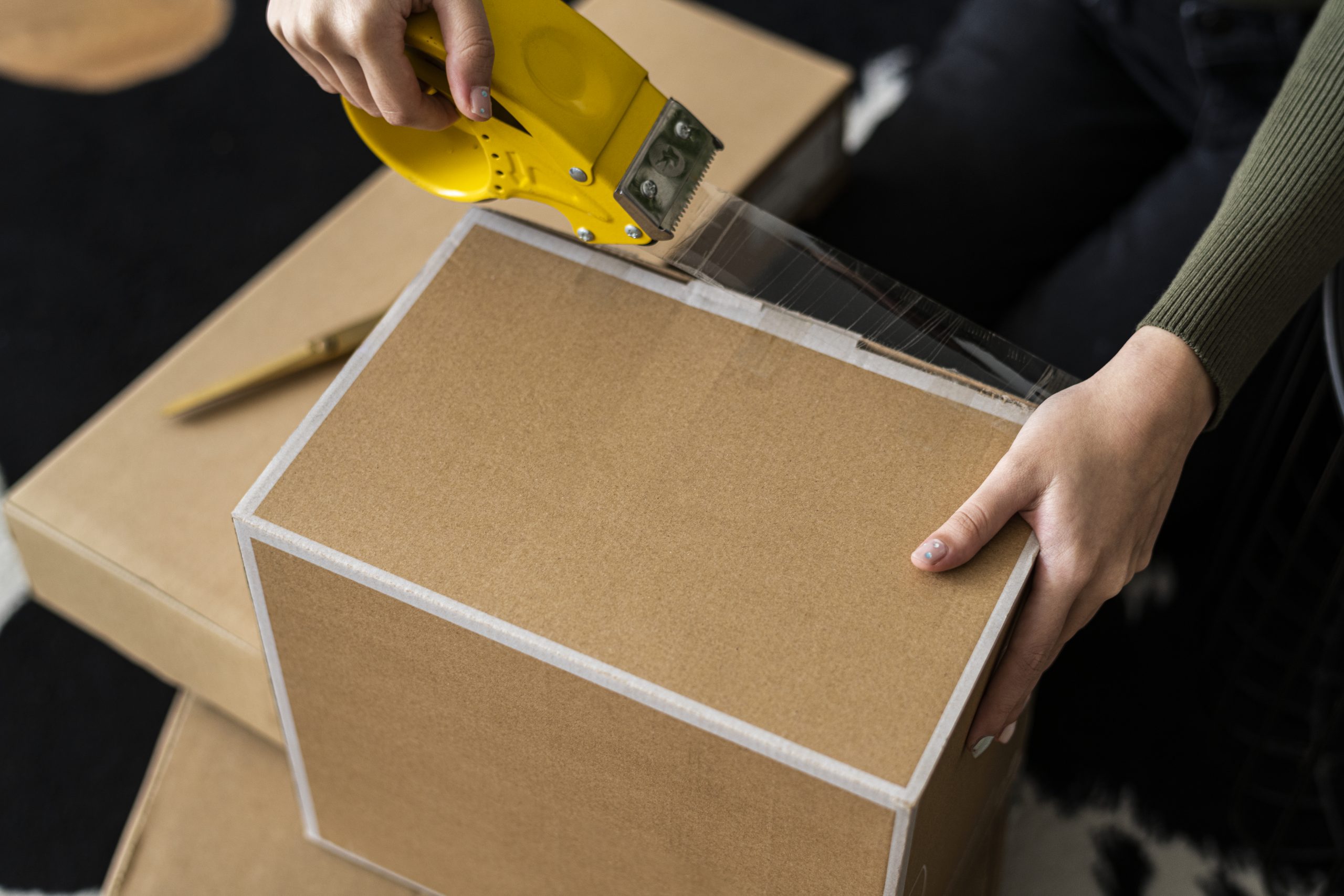
Carton sealing refers to the process of closing and securing cardboard boxes after they have been filled with products. This is usually done using a machine known as a case sealer or automatic sealing machine.

In most modern factories, this process is automated. The machine folds the top flaps of the carton and applies sealing tape on both the top and bottom. This ensures that every box is sealed tightly and consistently.

This method is widely used in logistics, 电子商务, and manufacturing because it improves speed and reduces the need for manual labor. When you think about large warehouses shipping thousands of products daily, you can imagine how important fast carton sealing becomes.

What is Bag Sealing?

Now let’s talk about bag sealing. This process is used for flexible packaging such as plastic bags, food packaging, or lightweight industrial products.

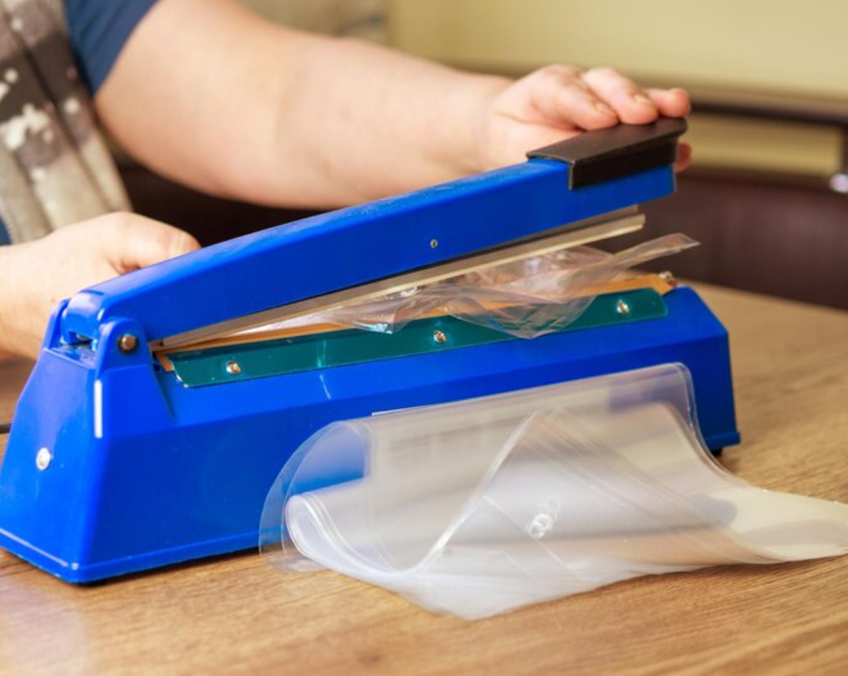
Instead of tape and cardboard, bag sealing uses heat, pressure, or ultrasonic energy to close the opening of the bag. One of the most common methods is heat sealing, where the edges of the plastic are melted together to form a strong seal.

This type of sealing is often used in food production, 药品, and agriculture. Why? It creates airtight packaging that helps protect products from moisture, air, and contamination.

Now that we understand both systems, you might be wondering: how do these machines actually work in real production lines?

How Carton Sealing and Bag Sealing Machines Work in Real Production Lines

When we look deeper into Carton Sealing and Bag Sealing, the real difference becomes even clearer. These systems are not just standalone machines. They are part of a larger automated packaging line.

Factories today rely on conveyors, sensors, and automatic systems to move products smoothly from one stage to another. So how does sealing fit into this flow?

Inside a Case Sealer System

A case sealer, also known as an automatic sealing machine, works as part of an end-of-line packaging system.

第一的, a filled carton moves along a conveyor belt into the sealing machine. The machine automatically adjusts the box if it is a random case sealer. Then it folds the top flaps down and applies sealing tape using built-in tape heads.

Everything happens in seconds. There is no need for manual folding or taping. This not only saves time but also ensures every box is sealed evenly.

If you think about a busy warehouse environment, this level of automation can make a huge difference in daily output and labor efficiency.

Inside a Bag Sealing System

Bag sealing systems work differently because they deal with flexible materials.

In a heat-sealing machine, the open end of the bag is placed between two heated bars. The heat melts the plastic slightly, and pressure seals it shut. Once cooled, the seal becomes strong and secure.

In more advanced systems like continuous band sealers or vertical form fill seal machines, the process is fully automated. Bags are filled, sealed, and sometimes even labeled in one continuous flow.

So while both systems aim to “seal,” the technology behind them is completely different. This leads us to an important question: how do they compare when we look at performance and cost?

Carton Sealing

Key Differences Between Carton Sealing and Bag Sealing You Should Know

When choosing between Carton Sealing and Bag Sealing, most buyers focus on performance, cost, and product protection. Each system has strengths, but they are not interchangeable.

So how do they really compare in real-world use?

Packaging Material Differences

The most obvious difference is the material itself.

Carton sealing works with rigid cardboard boxes. These boxes provide strong protection and are ideal for stacking and shipping heavier items. Bag sealing works with flexible plastic materials, which are lightweight and cost-effective but offer less structural protection.

This difference alone often determines which system a factory will choose.

Cost, 速度, and Efficiency Comparison

From a cost perspective, bag sealing materials are usually cheaper. However, carton sealing systems provide better protection for shipping, which can reduce product damage.

In terms of speed, modern case sealers can handle high-speed production lines, especially in large distribution centers. Bag sealing systems can also be fast, particularly in fully automated filling and sealing lines.

The real decision often comes down to balancing packaging cost with shipping reliability.

Product Protection and Industry Fit

Carton sealing is commonly used for products that need protection during transport, such as electronics, appliances, and retail goods.

Bag sealing is better suited for products that do not require rigid protection, such as food items, powders, or small components.

So which one should you choose for your business? That depends on your production goals.

Choosing Between Carton Sealing and Bag Sealing for Your Business

Selecting the right system is not just about machinery. It is about understanding your entire production process and what you want to improve.

Factors Manufacturers Should Consider

When evaluating Carton Sealing and Bag Sealing, manufacturers usually look at several key factors.

Product type is the first. Fragile or heavy items often require carton sealing. Lightweight or perishable goods may be better suited for bag sealing.

Automation level is another important factor. Some factories need fully automatic systems, while others still use semi-automatic setups.

Budget also plays a role, but long-term return on investment is often more important than initial cost.

要避免的常见错误

One common mistake is choosing a machine based only on price. A cheaper system may not handle production demands in the long run.

Another mistake is ignoring future scaling. A factory might start small but grow quickly, so choosing flexible equipment is important.

This brings us to a bigger picture question: where is packaging automation heading in the future?

Why Carton Sealing and Bag Sealing Automation Is the Future of Packaging

Packaging is becoming faster, smarter, and more automated. This is why Carton Sealing and Bag Sealing technologies are evolving quickly.

Rise of Fully Automated Packaging Lines

More factories are moving toward fully automated production lines where products move from filling to sealing to palletizing without manual handling.

This reduces labor costs and increases consistency. It also improves safety by reducing human contact with heavy or fast-moving equipment.

Why Case Sealer Machines Are in High Demand

Case sealer machines are especially important in today’s e-commerce-driven world. With more online orders than ever before, warehouses need fast and reliable sealing systems.

Labor shortages in many regions also push companies to invest in automation. An automatic sealing machine can replace repetitive manual tasks and improve overall efficiency.

所以, where does OK fit into all of this?

Bag Sealing

Why Choose OK for Carton Sealing and Bag Sealing Solutions

When it comes to industrial packaging automation, machine quality and reliability matter a lot. OK focuses on designing and manufacturing equipment that meets real production needs.

Engineering Strength and Manufacturing Capability

OK machines are built with a focus on stability, durability, and ease of integration. Whether it is a case sealer or a full packaging line, the goal is to ensure smooth operation in demanding environments.

Customization is also important. Different factories have different requirements, and flexible machine design helps meet those needs.

How OK Supports Global Buyers

For international buyers, support and communication are just as important as machinery. OK works with global clients to provide installation guidance, technical support, and after-sales service.

This helps ensure that customers can operate their systems efficiently from day one.

Final Thoughts

In the end, both Carton Sealing and Bag Sealing play important roles in modern manufacturing. One focuses on strong, protective packaging for shipping, while the other focuses on flexible and efficient product sealing.

The right choice depends on your product type, production goals, and long-term automation plans.

If you are planning to upgrade your packaging line or explore automation solutions, the right sealing system can make a major difference in efficiency and cost savings. To learn more or discuss the best solution for your production needs, feel free to reach out to OK. A simple conversation could help you find a much better way to improve your packaging line.

常见问题解答

1. What is Carton Sealing and Bag Sealing?

Carton sealing is the process of closing cardboard boxes using tape or glue, usually with a case sealer or automatic sealing machine. Bag sealing is used to close flexible packaging like plastic bags using heat or pressure methods.

2. Which industries use these technologies?

Carton sealing is common in e-commerce, 后勤, and manufacturing. Bag sealing is widely used in food, 制药, and agricultural industries.

3. Which is better for automation?

Both are highly automated today. The best choice depends on product type and packaging needs rather than one being better overall.

码垛机器人维修保养指南

如果您在仓库或工厂工作, 您可能知道码垛机器人有多重要. 这些机器有助于快速准确地将产品堆放在托盘上, 节省时间并降低人工成本. 但就像任何机器一样, 码垛机器人需要适当的保养. 没有定期维护和及时修复, 这些机器人可能会出故障, 导致生产延误和意外成本.

所以, 如何保持码垛机器人平稳运行? 本指南将引导您解决最常见的问题, 日常维护, 维修技巧, 以及延长机器人寿命的策略. 到最后, 您会更有信心像专业人士一样处理码垛机器人维修.

为什么定期维护对于码垛机器人至关重要

你可能想知道, 为什么我们不能等到机器人坏了再修理它? 答案很简单: 反应性修复既昂贵又耗时. 定期维护可以防止小问题变成大问题.

码垛机器人每天执行重复性任务, 这给他们的机械部件和电子设备带来了很大的压力. 即使关节有轻微磨损, 腰带, 或传感器会影响性能. 无需维护, 机器人可能会放错物品的位置, 减慢生产速度, 甚至完全停止工作.

定期维护的好处

  • 更少的故障 – 定期检查及早发现问题并减少停机时间.
  • 使用寿命更长 – 如果保养得当,机器的使用寿命会更长.
  • 提高安全性 – 正确维护的机器人可降低事故风险.
  • 一致的性能 – 产品每次都准确堆放.

定期维护不仅仅是建议; 这是必要的. 但码垛机器人究竟会出现什么问题? 让我们仔细看看.

码垛机器人维修

需要码垛机器人维修的常见问题

了解常见问题将帮助您确定何时需要维修. 以下是最常见的问题:

机械问题

随着时间的推移, 机器人关节, 夹具, 皮带可能会磨损. 轴未对准或螺栓松动可能导致放置不准确或移动缓慢. 想象一下,由于接头稍微偏离轨道,托盘堆放不均匀. 即使像这样的小机械问题也会扰乱整个生产线.

电气问题

接线错误, 传感器损坏, 伺服电机故障可能会导致机器人停止运行. 电气问题通常很难发现, 但忽视它们可能会升级为严重损害. 一个简单的松动连接就可能导致数小时的停机时间, 在繁忙的仓库中这可能会非常昂贵.

软件和编程错误

有时机器人会因为软件问题而表现奇怪. 程序中的错误, 与控制器的通信问题, 或过时的固件可能会导致托盘错位或意外停止. 定期更新和检查可防止小软件问题演变成全面生产停顿.

环境因素

灰尘, 湿度, 温度变化也会影响机器人. 传感器脏了, 粘性接头, 或过热会影响性能. 许多仓库忽视了环境条件, 但这些小因素加起来可能会导致以后的重大维修.

当你注意到这些问题时, 是时候计划码垛机器人维修了. 但在投入维修之前, 说说日常保养.

码垛机器人的日常和每周维护技巧

您不必成为技术人员即可执行基本维护. 有些任务很简单,但在防止失败方面却有很大作用.

日常维护

  • 清洁表面和接缝 – 灰尘和碎屑会堵塞传感器并降低准确性.
  • 检查电缆和连接器 – 查找可能导致错误的磨损电线或松动插头.
  • 监控错误代码 – 控制器通常会显示表明早期问题的错误.
  • 观察机器人行为 – 注意任何不寻常的声音或较慢的动作. 及早发现有助于避免大规模维修.

每周维护

  • 润滑运动部件 – 适当的润滑可减少磨损并保持运动平稳.
  • 检查螺栓和紧固件 – 确保一切都紧密且对齐. 螺栓松动可能导致严重的机械故障.
  • 测试安全系统 – 检查紧急停止按钮, 光幕, 和联锁装置以确保工人的安全.

持续遵循这些小步骤可以大大减少大修的需要. 但如果确实出现问题, 了解如何进行码垛机器人维修至关重要.

码垛机器人维修

码垛机器人维修分步指南

修理码垛机器人可能听起来很吓人, 但许多常见问题都有简单的解决方案. 让我们来看看最常见的问题以及如何解决它们.

机器人无法启动

检查主电源和保险丝.

检查紧急停止按钮和安全联锁装置.

查看控制器的错误代码并在必要时重置它.

托盘放置不准确

检查关节和轴的磨损情况.

根据制造商的说明重新校准机器人.

验证末端执行器是否正确对齐.

伺服电机或传感器错误

检查接线和连接.

更换有故障的传感器或伺服电机.

使用机器人控制器运行诊断以确保正常运行.

软件或通信问题

更新机器人的软件或固件.

重置控制器并重新加载程序.

检查与 PLC 或网络系统的连接以修复通信错误.

进行维修时遵循安全预防措施很重要. 关闭电源并遵循制造商的指南,以避免受伤或进一步损坏.

如何延长码垛机器人的使用寿命

修复后, 目标是让您的机器人尽可能长时间高效运行. 以下是一些实用技巧:

实施预防性维护计划

而不是等待故障, 安排定期检查, 打扫, 润滑, 和软件检查. 预防性维护比等待完全故障更便宜且压力更小.

保持环境清洁

灰尘, 湿度, 极端温度会缩短机器人寿命. 确保您的机器人在干净的环境中运行, 受控条件. 必要时使用防护罩并保持工作空间整洁.

正确培训操作员

机器人的可靠性取决于使用它的人. 适当的培训有助于操作员发现问题的早期迹象并安全地操作机器人. 鼓励您的团队报告异常噪音, 较慢的周期, 或立即出现小错误.

使用正品替换零件

廉价或不兼容的部件可能会暂时起作用, 但随着时间的推移可能会导致更大的问题. 坚持使用制造商认可的组件以确保兼容性和可靠性.

监控性能数据

现代码垛机器人可以提供错误数据, 周期, 和性能. 监控这些指标有助于在故障发生之前进行预测. 一些先进的系统甚至允许预测性维护, 在问题发生之前提醒您.

通过遵循这些提示, 您可以减少停机时间并延长机器人的使用寿命,同时保持生产顺利进行.

码垛机器人维修的现实例子

让我们把这个说得更具体一些. 想象一下一个依靠机器人堆放箱子的仓库. 一天, 机器人开始将箱子稍微偏离托盘. 起初, 看起来很小, 但几天后, 错位增加. 生产放缓, 工人必须手动固定托盘.

检查后, 维护团队发现磨损的接头和未对准的末端执行器. 他们进行码垛机器人维修, 重新校准机器人, 并更换磨损的部件. 机器人完全恢复效率, 为公司节省数百个工时并避免延误.

这个例子说明了为什么及早发现问题并及时进行修复至关重要.

连接维护和维修: 为什么两者都很重要

你可能想知道, ” 我需要保养和维修吗? 答案是肯定的. 维护保持机器人健康, 修复是解决不可避免出现的问题. 就像保养汽车一样. 您更换机油并转动轮胎, 但有时您仍然需要修理公寓或更换零件.

结合两种方法, 您确保生产顺利进行, 更安全的操作, 以及更少的意外成本.

结论

码垛机器人的维护并不复杂. 通过执行每日和每周维护, 了解常见问题, 并了解如何处理维修, 您可以让您的机器人高效运行多年.

记住, 码垛机器人维修不仅仅是一项技术任务,更是对生产力的明智投资, 安全, 并节省成本. 及时进行维护并尽早解决问题可确保您的生产线保持快速运行, 准确的, 且可靠.

如果您想了解更多信息或需要机器人方面的帮助, 请随时联系我们 OK. 我们的团队已准备好提供指导, 建议, 和支持,让您的码垛机器人每天都能发挥最佳性能.

常见问题解答

Q1: 我应该多久进行一次码垛机器人维护?

每日检查清洁度, 电缆, 以及推荐的错误代码, 每周润滑, 螺栓检查, 和安全系统测试. 日常维护可避免昂贵的维修.

Q2: 码垛机器人最常见的问题有哪些?

机械磨损, 传感器故障, 伺服电机错误, 软件问题, 灰尘或温度变化等环境因素是最常见的故障原因.

第三季度: 我可以自己维修码垛机器人吗?

清洁等简单任务, 检查连接, 或重置控制器可以在内部完成. 更复杂的维修, 例如更换电机或传感器, 应遵循制造商指南或让经过培训的技术人员参与.

第四季度: 如何延长码垛机器人的使用寿命?

实施预防性维护, 监控表现, 使用原装零件, 保持环境清洁, 并正确培训操作员.

Q5: 为什么早期修复很重要?

及早解决小问题可减少停机时间, 提高安全性, 并通过防止重大故障来节省成本.

工业机器人的下一步是什么? OK’s R 的见解&D队

制造业的世界正在快速变化. Factories are no longer just rows of machines and workers performing repetitive tasks. Industrial robotics is transforming how products are made, making factories smarter, 快点, and safer. But what does the future hold? To answer this, we look at industrial robotics insights from Jiangxi OK Bolong Intelligent Equipment Co., Ltd., better known as OK. By examining their research and development, 产品, and business strategies, we can understand how companies are shaping the next generation of factory automation.

What makes OK stand out is not just their machines, but the way they think about making automation accessible for all types of manufacturers. From small workshops to large production lines, their innovations are designed to break down traditional barriers in robotics. Let’s dive deeper into the technical, strategic, and practical insights they offer.

Technical Innovations Driving Industrial Robotics Insights

Robots have been around in factories for decades, but today’s machines are smarter and more flexible than ever. The real question is: how is OK making industrial robotics more accessible to manufacturers who are not automation experts?

Collaborative Robots and Accessibility

One of OK’s biggest breakthroughs is the development of collaborative robots, or cobots. Unlike traditional robots that are locked behind safety fences, these cobots can safely work alongside human operators. This design eliminates the need for costly safety cages and opens up valuable floor space. For small and medium-sized enterprises, this is a game-changer. Factories can now introduce automation without completely redesigning their layout or spending a fortune.

Additionally, OK’s cobots are designed for fast deployment. Setting up a robot can take less than two hours, and programming it may take as little as five minutes. This is significant because it allows employees who are not robotics experts to quickly learn how to operate the machines. By focusing on usability, OK ensures that automation is not intimidating but approachable, even for smaller manufacturers.

三角洲, SCARA, and Six-Axis Robots

Of course, not every task is suited for a cobot. That’s why OK offers a wide range of robots, including DELTA, SCARA, and six-axis articulated robots. DELTA robots are fast and lightweight, perfect for sorting, 包装, and high-speed pick-and-place tasks. SCARA robots are precise in a vertical plane, ideal for assembly, dispensing, or screw driving. Six-axis robots mimic the human arm, making them versatile for palletizing, 焊接, and material handling.

By providing this diverse range of robots, OK positions itself as a comprehensive automation partner. Manufacturers are not forced to change their production needs to fit a robot; instead, the robots fit the factory’s specific tasks. This combination of accessibility, 灵活性, and usability is at the heart of their industrial robotics insights.

Industrial robotics

AI-Powered Vision Systems: Advancing Industrial Robotics Insights

Innovation does not stop with mechanical design. But how can robots become even smarter? The answer is AI. OK has integrated artificial intelligence with high-speed cameras and sensors to create AI-powered visual inspection systems.

Real-Time Quality Control

These systems can detect defects with micron-level accuracy, far beyond what the human eye can see. From missing parts to incorrect labels, these AI systems ensure products meet high-quality standards. The 5G cloud connectivity allows the data to be analyzed in real time, improving production efficiency and reducing waste. Manufacturers benefit from higher yield rates and fewer defective products reaching customers.

Smart Factories and Predictive Maintenance

But AI does more than just detect flaws. By analyzing patterns over time, it can predict when equipment may need maintenance before a problem occurs. This reduces downtime and keeps production lines running smoothly. In a world where even small delays can be costly, predictive maintenance becomes a huge competitive advantage. OK’s focus on integrating AI into the production workflow demonstrates how automation is moving from just performing tasks to making intelligent decisions.

By combining human-friendly design with AI intelligence, OK provides not only faster and safer robots but also smarter factories. This synergy between mechanical and cognitive power is central to their industrial robotics insights.

Precision and Reliability in Industrial Robotics Insights

Even the smartest robots are only useful if they are precise and reliable. 所以, how does OK ensure its machines perform consistently in demanding industrial environments?

Repeat Accuracy and Continuous Operation

A key performance metric is repeat position accuracy, which is reported as plus or minus 0.04 millimeters. This level of precision is critical for assembling electronics, handling delicate materials, or performing high-accuracy machining. Reliability is equally important. OK designs its robots for continuous 24-hour operation with low maintenance, ensuring factories experience minimal downtime.

High Throughput and Performance Synergy

Their robots also operate at speeds of up to 12 cycles per minute and can stack products up to 2.6 米高. When different robot typeslike SCARA for assembly and six-axis for palletizingwork together, they create a seamless, high-throughput workflow. The result is consistent product quality, reduced waste, and improved productivity.

By combining precision, 可靠性, and speed, OK ensures that manufacturers get not just innovative machines, but tools they can depend on. This is a critical aspect of industrial robotics insights, especially for companies aiming to compete globally.

Democratizing Automation for SMEs

Innovation and reliability are impressive, but can smaller manufacturers actually take advantage of these robots? OK’s answer is a resounding yes. Their business model is designed to make automation affordable and approachable for small and medium-sized enterprises.

Scalable Solutions and ROI

Their robots are modular, which means manufacturers can start small and expand over time. 例如, a factory might begin with automating a single palletizing station and gradually increase robot deployment as confidence and budget allow. This incremental approach reduces the financial risk and allows businesses to see tangible returns quickly. OK emphasizes measurable benefits, such as labor cost reductions of over 30 percent and efficiency gains of 50 percent or more. The typical payback period is between 12 和 18 月, making the investment easier to justify.

Full-Process Support

OK doesn’t stop at selling robots. They provide a complete support ecosystem, guiding customers from consultation and design to installation, 训练, and long-term maintenance. Even non-technical employees can quickly learn to operate the machines thanks to intuitive programming and hands-on training. By providing this support, OK removes fear and uncertainty, turning what could be a stressful technology upgrade into a smooth business improvement process.

Through scalable solutions, strong ROI, and comprehensive support, OK truly democratizes access to automation, giving SMEs the same tools that were once only available to large corporations.

Industrial robotics

Global Ambition and Sustainable Development

所以, where is OK headed next? Their strategy goes beyond China and aims for global recognition.

International Outreach

OK operates a dual-headquarters model: their R&D and marketing office in Guangzhou and a massive manufacturing base in Jiangxi Province. This setup allows them to respond quickly to international market demands while producing high-quality, cost-effective robots. They have successfully implemented projects across industries such as food production, 后勤, 药品, 电子商务, and building materials.

Sustainability in Automation

Sustainability is also central to their operations. Their robots are designed to be energy-efficient and low-maintenance, reducing environmental impact. Precise handling and AI-powered inspection reduce waste, and automation increases production efficiency, saving both resources and labor. OK’s approach demonstrates that industrial robotics can drive productivity while supporting environmentally responsible manufacturing.

By combining global expansion with sustainable practices, OK sets an example for how modern automation companies can grow responsibly while making a real impact on industry worldwide.

结论

OK’s innovations, from collaborative robots and AI-powered inspection to precise and reliable machines, show a clear vision for the future of industrial robotics. Their focus on accessibility, SME adoption, global expansion, and sustainability makes them a unique player in the automation landscape.

By taking a user-friendly approach, providing modular solutions, and offering full-process support, they make it possible for manufacturers of all sizes to embrace automation with confidence. Their strategy is not just about building robots but about building smarter, more efficient, and more responsible factories around the world.

Curious how your factory can benefit from industrial robotics? 今天就联系 OK to explore solutions that can transform your operations, boost productivity, and prepare your business for the future.

常见问题解答

1. What are collaborative robots, and why are they important?

Collaborative robots, or cobots, are designed to work safely alongside humans without safety cages. They make automation accessible to small and medium-sized manufacturers by reducing cost, setup time, and space requirements.

2. How does OK use AI in its robots?

OK integrates AI-powered vision systems that detect defects in real time, ensure high-quality production, and help predict maintenance needs. This makes factories smarter and reduces waste.

3. What types of robots does OK offer?

The company provides a range of robots including DELTA (high-speed sorting and packaging), SCARA (precise assembly tasks), six-axis articulated (versatile palletizing, 焊接, and handling), and collaborative robots for human-machine teamwork.

4. Can small businesses afford OK robots?

是的. Their modular, scalable solutions allow SMEs to start small and expand gradually. With rapid ROI, low maintenance, and easy training, even non-technical staff can operate the systems effectively.

5. How does OK support global and sustainable manufacturing?

OK combines efficient production, energy-saving designs, and AI-powered waste reduction with international outreach. This allows manufacturers worldwide to adopt automation responsibly and efficiently.

没有自动化经验? 没问题. How OK 指导您的每一步

Why So Many Manufacturers Think: 没有自动化经验? No Problem… But Is It Really?

For many manufacturers, automation sounds like a big leap. It promises faster production and lower costs, but it also brings questions. Is it too expensive? Will it shut down operations? Do you need a team of engineers just to get started?

It is no surprise that many businesses hesitate, even when they know automation could help them grow.

Common fears around automation

Most concerns come down to a few key worries:

  • High upfront investment
  • Long installation times
  • Complex programming
  • Risk of downtime

These are real concerns, especially for small and mid-sized factories. If you have never worked with automation before, it can feel like stepping into the unknown.

Why traditional automation feels overwhelming

Traditional industrial robots often require safety cages, major layout changes, and specialized programming. That means time, money, and outside experts.

So the question becomes clear: if automation is this complex, how can beginners ever get started?

This is exactly where OK changes the story.

没有自动化经验? 没问题: How OK Starts With the Right Plan

What if you did not have to figure everything out on your own? What if the process started with someone simply understanding your needs?

That is the idea behind OK’s approach.

Free consultation and site evaluation

Instead of selling a one-size-fits-all machine, OK begins with a conversation. Their team looks at your production line, listens to your challenges, and identifies where automation can help.

Even if you are unsure what you need, that is not a problem. The process is designed for people with no background in automation.

Customized solutions that fit your factory

Every factory is different. Some handle fragile products. Others deal with heavy loads or tight spaces.

OK designs solutions that match your exact setup. From custom grippers to the right robot reach, everything is tailored so you do not have to redesign your workflow.

Clear ROI without complex calculations

Cost is often the biggest concern. That is why OK helps you understand the return on investment from the start.

Most systems deliver ROI within 12 到 18 月. You do not need advanced financial knowledge to see the value. Everything is explained in simple terms.

So once the plan is clear, 接下来会发生什么? Does installation bring more complexity?

自动化经验

没有自动化经验? 没问题: Fast Setup Without the Headache

This is where many expect delays and disruption. But what if installation could happen in hours instead of weeks?

Plug and play deployment.

OK systems are built for speed. Many setups can be deployed in under two hours. That means minimal disruption to your production schedule.

Instead of long shutdowns, you get a fast transition into automation.

No major factory changes required

Unlike traditional robots, collaborative robots do not need safety cages in most cases. They are designed to work safely alongside people.

This reduces both cost and complexity. You do not need to rebuild your factory just to get started.

Works with your existing equipment

One of the biggest advantages is compatibility. OK systems integrate with what you already have.

Your conveyors, packaging lines, and existing machines stay in place. The robot fits into your workflow, not the other way around.

在此刻, you might be wondering: even if the system is easy to install, can your team actually use it?

没有自动化经验? 没问题: Training Your Team Made Simple

Technology only works if people can use it. That is why training is a key part of the process.

No coding required

OK systems are designed with simple, user-friendly interfaces. Basic operations do not require programming knowledge.

This removes one of the biggest barriers for beginners.

Quick learning for existing staff

Training does not take weeks. 在很多情况下, programming can be done in as little as five minutes.

Your current employees can learn to operate the system quickly. There is no need to hire specialized engineers for daily tasks.

Building confidence on the floor

As your team becomes familiar with the system, confidence grows. What once seemed complex becomes part of everyday operations.

And when your team feels comfortable, adoption becomes much smoother.

But what happens after everything is up and running? Is that where support ends?

自动化经验

What Happens After Installation? Support That Stays With You

For many businesses, this is the biggest concern. Buying a machine is one thing. Keeping it running is another.

OK addresses this with full process support.

Full process support

From the first call to full production, OK stays involved. Their team ensures that everything works as expected, even after installation.

This ongoing support makes a big difference, especially for first-time users.

Maintenance and reliability

The systems are designed for low maintenance. That means fewer interruptions and less need for specialized technicians.

Warranty coverage and service plans add another layer of security.

A partner you can trust long term

OK is backed by a publicly listed parent company. This gives customers confidence that support will be there in the future.

With remote and on-site assistance available, help is always within reach.

So now that support is covered, what does this mean for your long-term growth?

没有自动化经验? 没问题: A Smarter Way to Grow Your Business

Automation is not just about solving today’s problems. It is about preparing for the future.

Start small and scale easily.

You do not need to automate everything at once. Many businesses start with a single application, such as palletizing.

From there, they expand step by step. This reduces risk and makes the transition more manageable.

Proven results across industries

随着超过 1,000 successful projects, OK has experience across industries like food, 药品, 和物流.

This track record shows that automation is not just for large corporations. It is accessible to businesses of all sizes.

And that brings us back to the original question: is automation really out of reach for beginners?

结论

The idea that automation is only for experts is quickly becoming outdated.

With the right partner, the journey becomes simple, guided, and practical. That is what “Quality OK, 价格还行, Service OK” truly represents.

From consultation to deployment, training to long-term support, OK removes the barriers that once made automation feel impossible.

没有自动化经验? No problemis not just a phrase. It is a process that helps businesses move forward with confidence.

If you have been thinking about automation but did not know where to start, this is your opportunity to take the first step.

今天就联系 OK and start a conversation about your production goals. You might be surprised at how simple the journey can be.

常见问题解答

1. What does “没有自动化经验? 没问题” really mean?

It means you do not need any prior knowledge of robotics or automation to get started. OK guides you through every step, from planning to installation and beyond, so you are never left figuring things out on your own.

2. Is automation too complicated for small or mid-sized factories?

Not anymore. With collaborative robots and simplified systems, automation is now designed for ease of use. OK focuses on making the process simple, even for teams with no technical background.

3. How long does it take to install an OK system?

Many OK systems can be deployed in under two hours. This fast setup helps reduce downtime and allows you to start seeing results quickly.

4. Do I need to hire engineers to operate the robots?

不. OK systems are designed with user-friendly interfaces. Most basic operations do not require coding, and existing staff can learn to use the system in a short time.

5. Can OK robots work with my existing equipment?

是的. OK solutions are built to integrate with your current production line. You do not need to replace your existing machines or redesign your entire setup.

6. Is automation safe for workers?

是的. OK uses collaborative robots, also known as cobots, which are designed to work safely alongside humans. 在很多情况下, they do not require safety cages.

7. What kind of return on investment can I expect?

Most customers see a return on investment within 12 到 18 月. OK helps you understand the financial benefits clearly before you make a decision.

8. What happens if something goes wrong after installation?

OK provides full-process support, including remote and on-site assistance. Their team is available to help troubleshoot issues and keep your system running smoothly.

9. Can I start small with automation and expand later?

是的. Many businesses begin with one application and scale over time. OK supports this approach, making it easier to grow at your own pace.

10. Why is OK a good choice for beginners?

OK focuses on simplicity, support, 和可靠性. With customized solutions, fast deployment, easy training, 并长期服务, they make automation accessible even for first-time users.