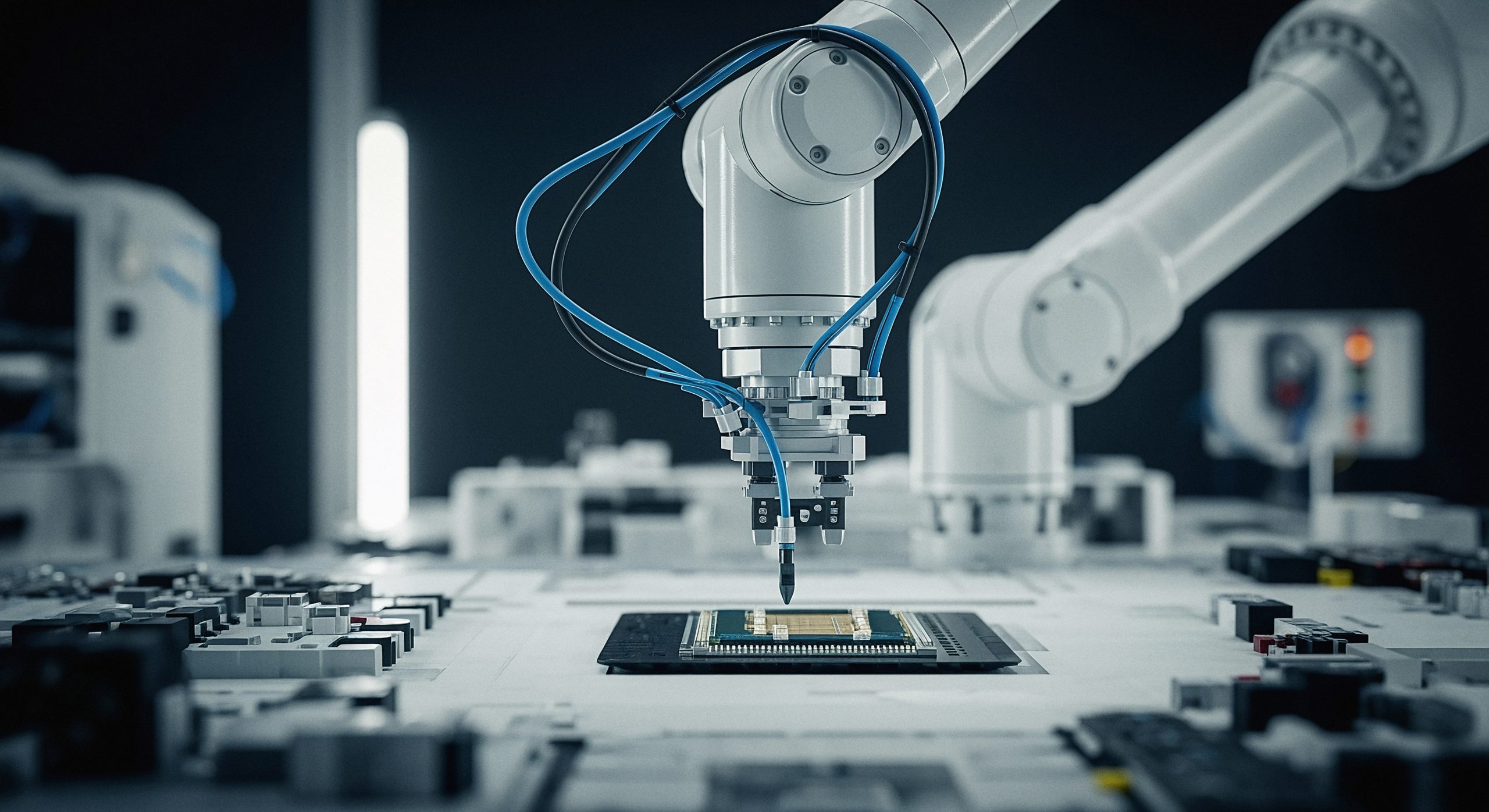
Como vender equipamentos de embalagem inteligentes no atacado: Linha inteira vs.. Aquisição de Máquina Única

In modern manufacturing, factories are changing faster than ever before. One of the biggest reasons is the rise of Smart Packaging Equipment, which helps companies automate packaging, classificação, and palletizing with much less human effort. But here is the real question many buyers face today: should you invest in a full production line or just start with a single machine?

This decision is not always easy, especially when budgets are limited and production needs keep growing. If you are working in food production, produtos farmacêuticos, or hardware manufacturing, this choice can directly affect your long-term efficiency and cost. That is why understanding how Smart Packaging Equipment works as a system is so important before making any purchase decision.

So let’s break it down in a simple and practical way, starting from the basics and slowly moving toward real factory decisions. No final, you will clearly understand which approach fits your business better and how OEM and ODM factories like OK support global buyers.

What is Smart Packaging Equipment and Why It Matters in Modern Manufacturing

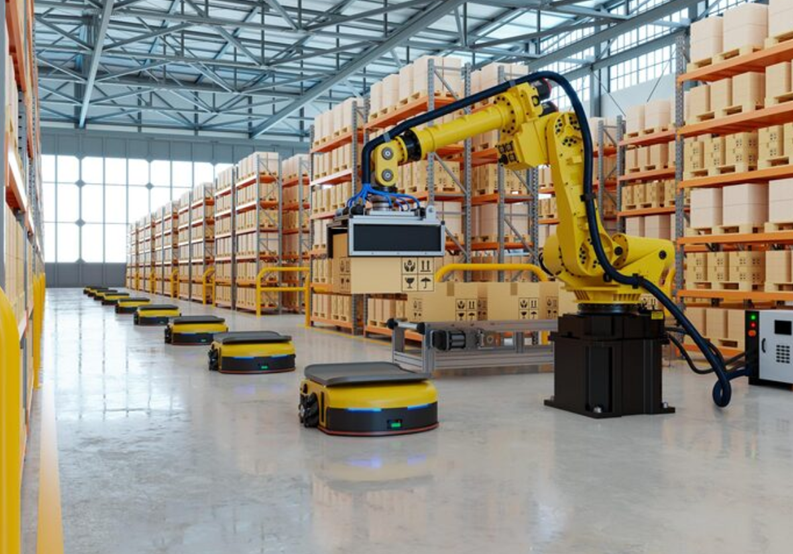
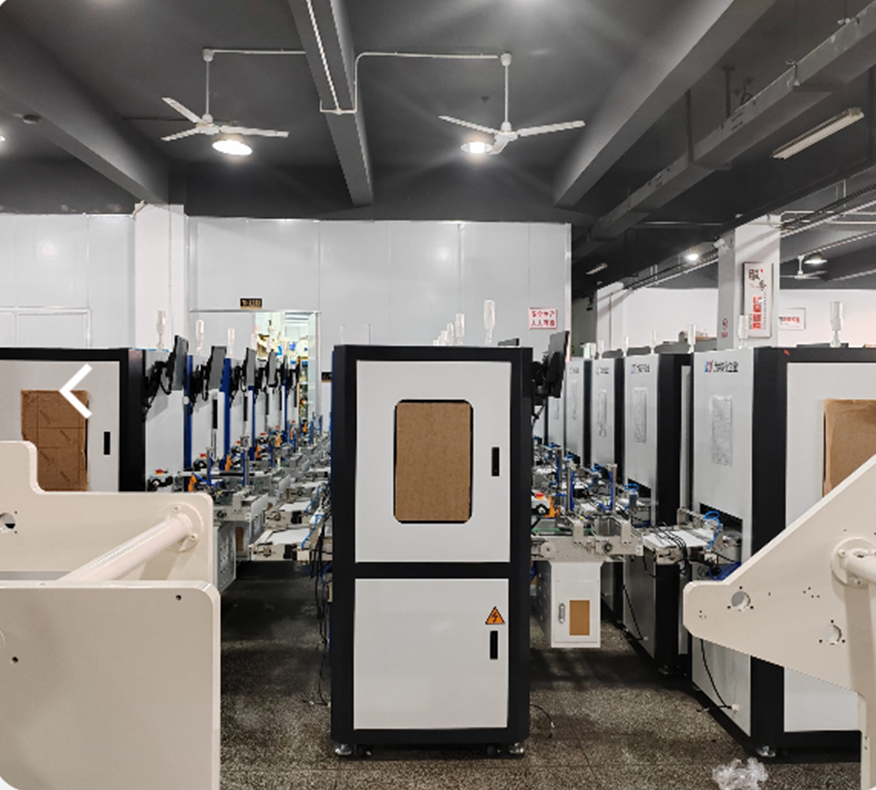
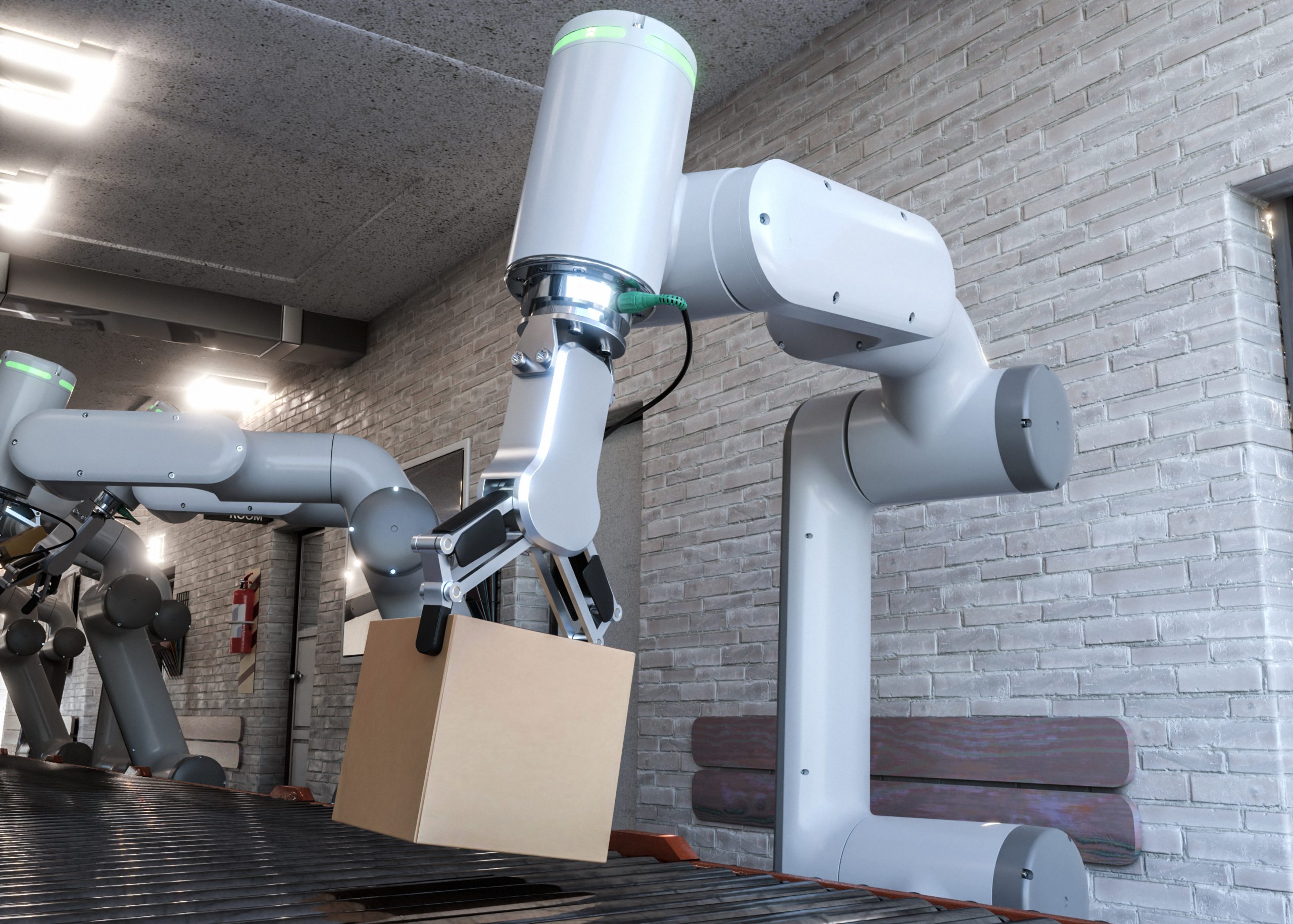
When people hear the term Smart Packaging Equipment, they often think of a single machine that packs or stacks products. In reality, it is a complete automation concept. It includes multiple machines working together, such as conveyors, palletizing robots, inspection systems, and control software.

Factories today use Smart Packaging Equipment because manual packaging is no longer efficient enough. Os custos trabalhistas estão aumentando, and customers expect faster delivery with fewer mistakes. This is especially true in industries like food production and medicine, where precision and hygiene matter a lot.

Another reason this system is becoming popular is because of global competition. Companies that adopt Smart Packaging Equipment can produce faster and reduce waste, which gives them a strong advantage in the market. But here is where things get interesting: not all systems are built the same, and not all factories need the same setup.

So how do you know what to choose? Let’s look deeper.
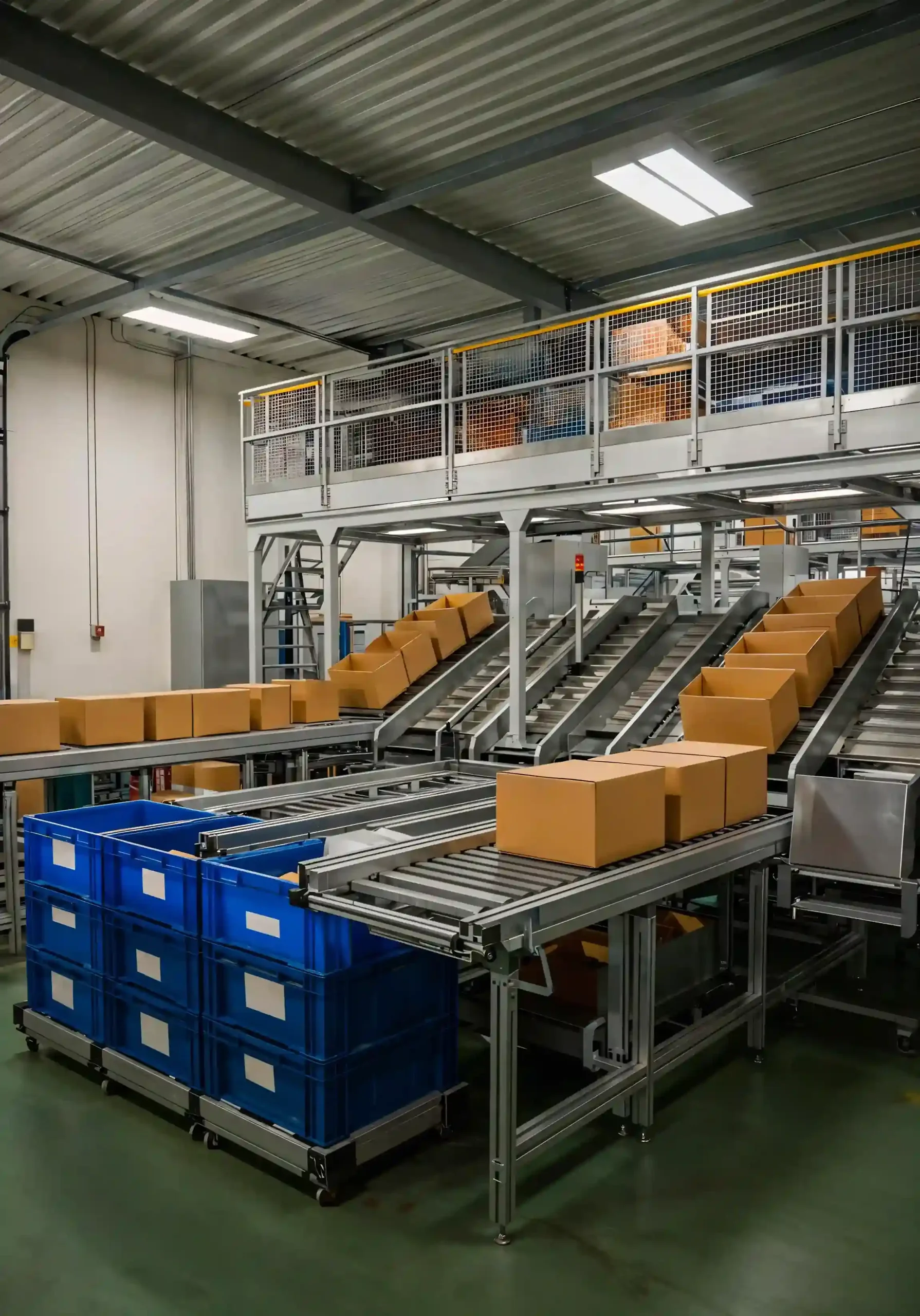
Smart Packaging Equipment

Key Components Inside Smart Packaging Equipment

A full Smart Packaging Equipment system is not just one machine. It is a combination of several key parts working together smoothly.

Primeiro, you have feeding and conveyor systems that move products between stations. Then comes the packaging machine that wraps or boxes products. Depois disso, palletizing robots stack finished goods efficiently. Finally, inspection systems make sure everything meets quality standards before shipping.

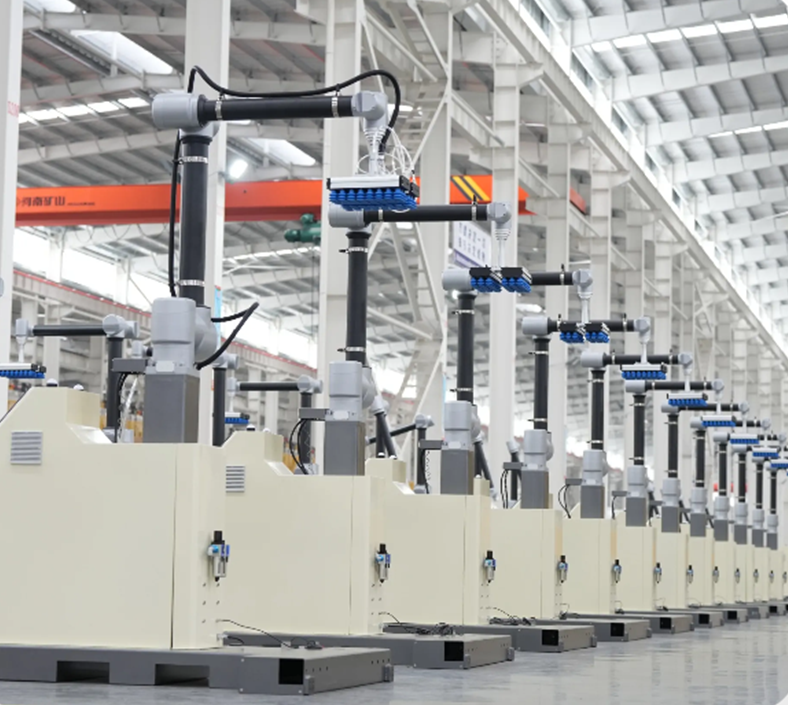
Por exemplo, in a food production line, a food palletizing robot wholesale factory solution is often used to handle large volumes quickly and safely. Em contraste, pharmaceutical companies rely more on precision systems, such as a medicine palletizing robot wholesale factory setup to avoid any contamination or errors.

Each part plays a role, and when they are connected properly, the entire Smart Packaging Equipment system becomes much more powerful than individual machines working alone.

Smart Packaging Equipment Whole Line vs Single Machine Procurement Explained

Now we come to one of the most important decisions in automation: should you buy a full production line or just a single machine?

A full Smart Packaging Equipment line means all machines are designed to work together from the start. A single machine approach means you buy equipment step by step and connect them later.

Inicialmente, single machines may look cheaper and more flexible. But when you zoom out and think long term, the story changes. Many factories realize that integrating different machines later can actually become more expensive and time-consuming.

That is why understanding Smart Packaging Equipment as a complete system is critical before making investment decisions.

Advantages of Whole Line Systems

When you choose a full system of Smart Packaging Equipment, everything is designed to work together from day one. This reduces technical problems and improves production speed.

One major advantage is efficiency. Products move smoothly from one stage to another without delays. Another benefit is lower long-term cost, because you do not need to constantly adjust or upgrade separate machines.

Factories using integrated Smart Packaging Equipment also experience fewer breakdowns because the system is optimized as a whole. This is especially important in large operations where even small delays can lead to big losses.

Limitations of Single Machine Procurement

Por outro lado, buying single machines gives you flexibility at the start. You can slowly build your system over time. No entanto, this often leads to hidden problems.

The biggest issue is integration. Different machines may not communicate properly, which creates inefficiencies. Ao longo do tempo, factories end up spending more money trying to fix compatibility problems between different parts of their Smart Packaging Equipment setup.

This is a common mistake many buyers make when they first enter automation.

How Palletizing Robots Fit Into Smart Packaging Equipment Systems

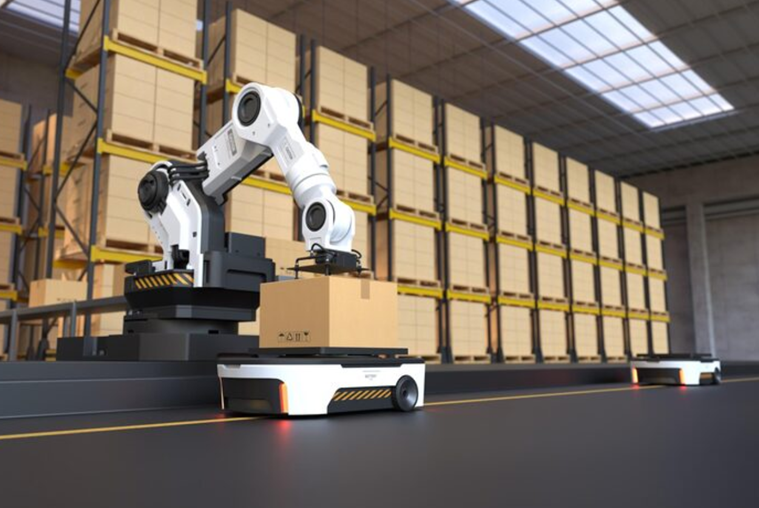
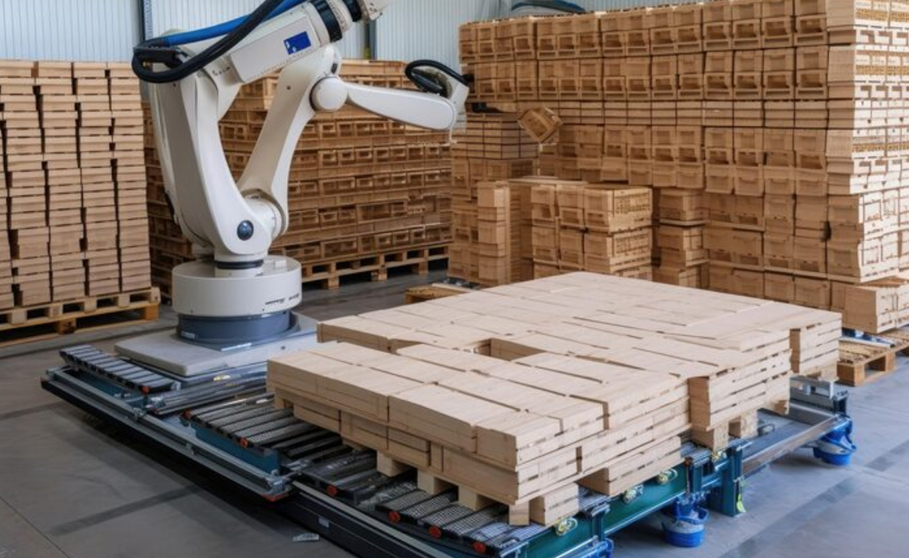
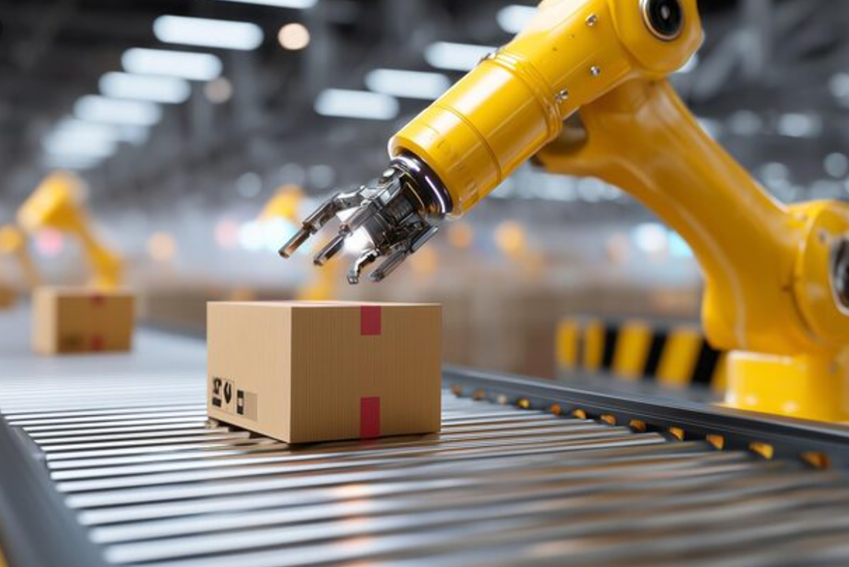
One of the most important parts of modern automation is the palletizing robot. These machines are responsible for stacking products neatly and quickly after packaging.

In a complete Smart Packaging Equipment system, palletizing robots act as the final stage before storage or shipping. Without them, factories would still rely heavily on manual labor.

Different industries use different types of robots depending on their needs. Por exemplo, a food palletizing robot wholesale factory solution is designed for speed and hygiene. A medicine palletizing robot wholesale factory system focuses more on precision and safety standards. Meanwhile, a wholesale hardware palletizing robot is built for heavy-duty industrial loads.

When these robots are integrated into Smart Packaging Equipment, the entire production line becomes faster and more reliable.

Food Palletizing Robot Wholesale Factory Solutions

In food manufacturing, speed and cleanliness are everything. These robots ensure that packaged food is stacked quickly without human contact, reducing contamination risks.

Medicine Palletizing Robot Wholesale Factory Solutions

In pharmaceutical production, even the smallest mistake can cause serious issues. These robots focus on accuracy and controlled environments to meet strict industry standards.

Wholesale Hardware Palletizing Robot Applications

In the hardware industry, strength matters more than anything. These robots handle heavy boxes, metal parts, and industrial goods without slowing down production.
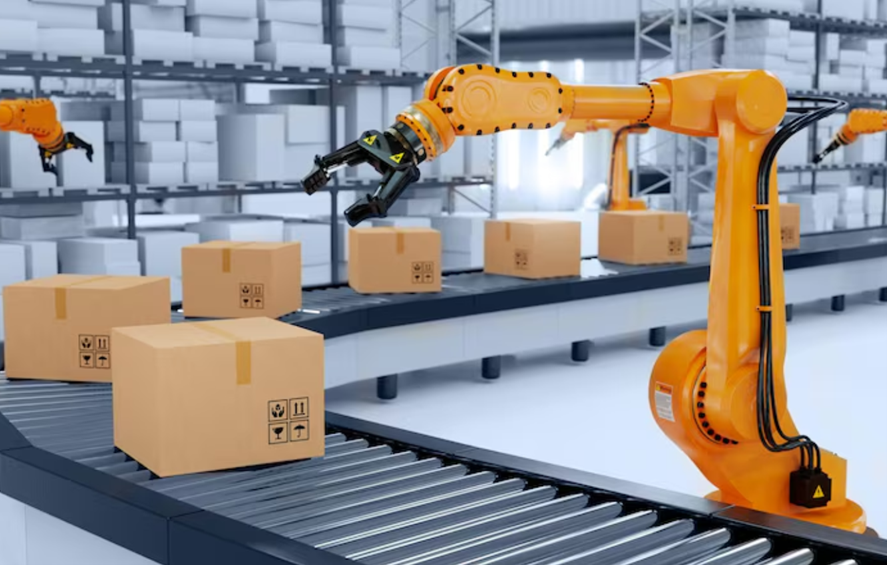
Smart Packaging Equipment

Why Automatic Metal Inspection Equipment is Essential in Smart Packaging Equipment Lines

A complete Smart Packaging Equipment system is not only about packaging and stacking. Quality control is equally important.

This is where automatic inspection systems come in. They check products for defects, missing parts, or damage before they are shipped. Sem esta etapa, factories risk sending faulty goods to customers, which can damage their reputation.

Inspection systems are especially important in industries dealing with metal products, where precision is critical. That is why automatic metal inspection equipment is becoming a standard part of modern production lines.

Inline Inspection vs Post-Production Inspection

There are two main approaches to inspection. Inline inspection checks products during production, while post-production inspection checks them at the end.

Inline systems are more efficient because they catch problems early. This makes the entire Smart

Packaging Equipment process smoother and reduces waste.

The Advantage of OEM and ODM Manufacturing in Smart Packaging Equipment from China

China has become one of the global leaders in industrial automation, especially in OEM and ODM manufacturing. Companies like OK offer customized Smart Packaging Equipment solutions for different industries around the world.

One of the biggest advantages is cost. Buying directly from a wholesale factory reduces overall investment while maintaining quality. This is why many global buyers choose Chinese suppliers for Smart Packaging Equipment systems.

Cost Benefits of Wholesale Factory Procurement

Working with a factory allows buyers to get better pricing and bulk customization options. This is especially useful for large-scale automation projects.

Customization Flexibility in Smart Packaging Equipment

Cada fábrica é diferente. That is why OEM and ODM services are so important. They allow Smart Packaging Equipment systems to be adjusted based on production size, product type, and factory layout.

Common Mistakes Buyers Make When Buying Smart Packaging Equipment

Even though automation is growing fast, many buyers still make simple mistakes when investing in Smart Packaging Equipment.

One common mistake is buying machines separately without thinking about integration. Another is choosing the cheapest option instead of focusing on long-term performance. Some buyers also underestimate how important system compatibility is.

These mistakes often lead to higher costs later, especially when factories try to scale up production.

Conclusão

Choosing between a whole production line and a single machine is not just a technical decision. It is a long-term business strategy. A complete Smart Packaging Equipment system offers better efficiency and stability, while single machines provide short-term flexibility.

No entanto, as production demands grow, most factories eventually move toward integrated systems. That is why planning ahead is so important.

E tudo bem, we specialize in designing customized Smart Packaging Equipment solutions for global industries, including food, medicamento, hardware, and metal inspection systems. Whether you are looking for a full production line or a single automation upgrade, our team can help you build the right solution for your factory.

If you are ready to explore a smarter way to upgrade your production line or want a tailored quotation, feel free to reach out to us. Let’s build a system that works for your business, not against it.

Perguntas frequentes

What is Smart Packaging Equipment?

It is an automated system that combines machines like conveyors, packaging units, palletizing robots, and inspection systems to streamline production and reduce manual labor.

Should I choose a full line or single machine?

A full line offers better efficiency and long-term savings, while single machines are suitable for smaller or gradual upgrades.

Can OK customize solutions?

Sim, OK provides OEM and ODM Smart Packaging Equipment solutions tailored to food, medicamento, hardware, and industrial needs.
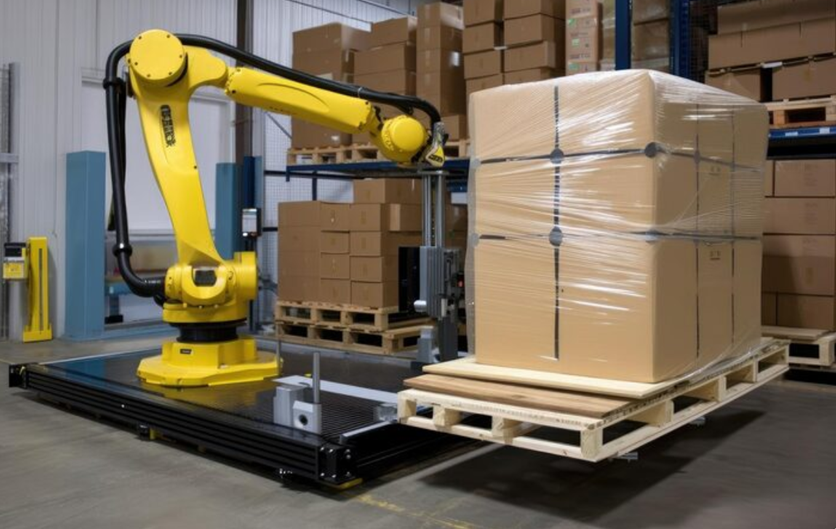
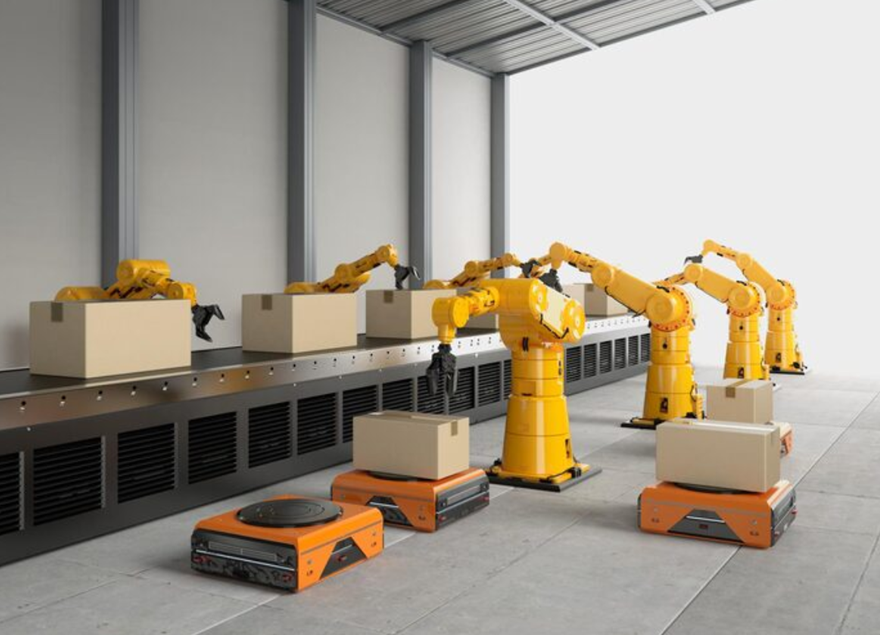
Como saber se sua fábrica precisa de um robô paletizador

In modern manufacturing, speed and consistency are no longer optional. Factories are under constant pressure to deliver more products in less time while keeping costs under control. This is where the idea of a Robô Paletizador becomes important. Many production managers first hear about a Palletizing Robot when they start facing issues like labor shortages, linhas de embalagem lentas, or inconsistent stacking quality. But the real question is not just what it is, but when it becomes necessary.

A Palletizing Robot is part of a larger shift toward automation in factories. Instead of workers manually stacking boxes, bolsas, or cartons onto pallets, machines now handle this repetitive and physically demanding task. This change is not just about replacing labor. It is about improving accuracy, reducing injuries, and increasing overall productivity through an automated palletizing system.

So how do you know if your factory is ready for this kind of upgrade? And what should you consider before making the investment? Let’s break it down step by step so you can clearly understand whether a Palletizing Robot is the right move for your operation.

Robô Paletizador

What Is a Palletizing Robot and How Does a Palletizing Robot Work?

To understand whether your factory needs a Palletizing Robot, you first need to understand what it actually is. In simple terms, a Palletizing Robot is an industrial machine designed to automatically stack products onto pallets in a structured and efficient way. It is a key part of an automated palletizing system used in modern production lines.

Instead of relying on manual labor, the robot uses programmed movement patterns to pick up products and place them in precise positions. This ensures stability, velocidade, and consistency in every pallet built.

How an Automated System Operates

An automated palletizing system usually includes conveyors, robotic arms, sensores, and control software. Products move along a production line and are grouped before being picked up by the Palletizing Robot. The robot then places them according to a predefined stacking pattern.

This process may look simple, but it solves several problems at once. It reduces human error, improves speed, and ensures every pallet is built the same way. That consistency is especially important for storage and transportation.

Why It Matters for Modern Factories

When factories scale up production, manual stacking becomes a bottleneck. A Palletizing Robot removes that limitation by working continuously without fatigue. This is why many industries are shifting toward automation as a long-term strategy rather than a short-term fix.

But how do you know if your factory is actually ready for it? That is where real operational signs begin to matter.

When Does a Factory Actually Need a Palletizing Robot?

Not every factory needs a Palletizing Robot on day one. No entanto, there are clear signs that show when manual processes are no longer efficient.

One of the first indicators is rising labor costs. When you notice that a large portion of your operating budget goes into repetitive manual stacking work, it may be time to consider automation. Another common sign is inconsistent output. If pallets are uneven or products are damaged during stacking, efficiency is already being lost.

Production Bottlenecks and Safety Concerns

A Palletizing Robot often becomes necessary when production lines start slowing down at the end stage. Even if upstream processes are fast, manual palletizing can reduce total output. This creates a bottleneck that limits overall factory performance.

Worker safety is another major factor. Repetitive lifting and stacking can lead to injuries over time. An automated solution removes this physical strain completely, allowing workers to focus on higher-value tasks.

Growth Pressure and Scaling Challenges

Factories that are expanding production often struggle to maintain speed with manual systems. If demand is increasing but your team cannot keep up, a Palletizing Robot can help bridge that gap without continuously hiring more workers.

So once these warning signs appear, the next question becomes: where exactly is this technology used most effectively?

Palletizing Robot Applications Across Different Industries

The use of a Palletizing Robot is not limited to one type of factory. Na verdade, its flexibility is one of its biggest strengths. Understanding palletizing robot applications helps you see how widely this technology is already being used.

Na indústria de alimentos e bebidas, these robots handle boxes, bottled products, and packaged goods with precision. They ensure hygiene and reduce contamination risks. In chemical factories, they manage heavy bags, bateria, and containers that are difficult and unsafe for manual handling.

Expanding Use Across Manufacturing Sectors

In building materials, a Palletizing Robot is often used for cement bags, bricks, and other heavy items. In logistics and e-commerce, it speeds up sorting and shipping processes. Even in pharmaceutical production, where accuracy is critical, automation ensures that packaging remains consistent and safe.

Why Applications Continue to Grow

The reason palletizing robot applications are expanding is simple. Every industry that relies on packaging and shipping can benefit from faster and more reliable stacking. As production demands grow, the need for an automated palletizing system becomes even more important.

But with all these benefits, many decision makers still ask the same question: how much does a Palletizing Robot actually cost?

Robô Paletizador

Understanding Palletizing Robot Cost and ROI Before You Invest

The topic of palletizing robot cost is often the first concern for factory managers. While prices vary depending on system complexity, understanding the cost structure helps you make a better decision.

A Palletizing Robot typically includes several cost components. These include the robotic arm, end-of-arm tooling, system integration, instalação, and training. Each part contributes to the final price.

What Affects the Cost

Several factors influence palletizing robot cost. Higher payload capacity, faster cycle times, and more advanced automation features will increase the investment. Custom requirements also play a role, especially when integrating into existing production lines.

ROI and Long-Term Value

While the initial investment may seem significant, the return often comes from labor savings, improved speed, and reduced product damage. Many factories see payback over time as the Palletizing Robot increases efficiency and reduces operational strain.

So while cost is important, it should always be viewed alongside long-term value rather than just upfront expense.

How to Implement an Automated Palletizing System Successfully

Once a factory decides to adopt a Palletizing Robot, the next step is implementation. A successful automated palletizing system does not happen by accident. It requires planning and proper integration.

The first step is evaluating the production line. Factories need to understand product types, peso, and flow speed. This helps determine the right system design.

System Integration and Layout Planning

A well-designed automated palletizing system must fit into existing space without disrupting production. Conveyor alignment, robot positioning, and pallet output zones all need careful planning.

Training is also important. Even though a Palletizing Robot is automated, operators must understand how to monitor and manage the system.

Ensuring Smooth Deployment

Testing and adjustment are key steps before full operation. A properly implemented system ensures stability and prevents downtime. This is why choosing an experienced supplier matters.

That brings us to an important decision point: who should you trust for this kind of solution?

Why Choose OK for Your Palletizing Robot Solution

When investing in a Palletizing Robot, choosing the right partner is just as important as choosing the technology itself. OK focuses on delivering practical and efficient automation solutions for real factory environments.

A Palletizing Robot from OK is designed with flexibility in mind, allowing it to adapt to different product types and production requirements. This makes it suitable for a wide range of industries.

Built for Real Factory Needs

OK systems are built to handle demanding industrial conditions. Whether it is high-speed production or heavy load handling, the equipment is designed for stability and long-term performance.

Support Beyond Installation

What makes OK different is not just the machine, but the support behind it. From system design to installation and after-sales service, the goal is to ensure your automated palletizing system runs smoothly.

If you are considering upgrading your production line, this is where expert guidance can make a real difference.

Considerações Finais

Deciding whether to invest in a Palletizing Robot comes down to understanding your factory’s current limitations and future goals. If you are facing labor shortages, slow palletizing speed, or inconsistent output, a automação não é mais opcional.

A Palletizing Robot is not just a machine. It is a long-term improvement to how your factory operates. From palletizing robot applications across industries to understanding palletizing robot cost, the benefits become clear when viewed in the context of efficiency and growth.

If you are ready to explore how an automated palletizing system can improve your production line, OK está aqui para ajudar. Reach out to our team and let’s discuss how we can build a solution that fits your factory’s needs and helps you move toward smarter, mais rápido, and more reliable production.

Perguntas frequentes

What is a Palletizing Robot?

A Palletizing Robot is an automated machine that stacks products like boxes, bolsas, or cartons onto pallets with speed and accuracy. It is part of an automated palletizing system used in modern factories to replace manual stacking.

What industries use palletizing robots?

Palletizing robots are widely used in food and beverage, produtos químicos, logística, materiais de construção, e farmacêuticos. They improve efficiency and reduce manual labor in packaging and shipping operations.

Quanto custa um robô paletizador?

The palletizing robot cost depends on capacity, velocidade, and system complexity. While the initial investment varies, many factories recover costs through labor savings and higher productivity.

Embalagem Inteligente & Automação Logística: 5 Tendências tecnológicas de robótica a serem observadas 2026

Global supply chains are changing faster than ever. Warehouses are under pressure to move faster, reduzir custos, and handle more orders with fewer workers. This is where robotics, AI, and connected systems are stepping in to reshape how goods are stored, picked, packed, and shipped.

What used to be simple automação de armazém is now becoming a fully intelligent ecosystem. Em 2026, we are seeing a clear shift where machines are not just assisting humans but actively working alongside them with real-time decision-making powered by data.

So what exactly is driving this transformation, and which technologies are leading the way?

Let’s break it down through the most important trends shaping the future of logistics.

Embalagem Inteligente & Logistics Automation and the Rise of Intelligent Warehouses

The modern warehouse is no longer just a storage space. It is becoming a connected digital system where every movement is tracked, analyzed, and optimized in real time. This is the foundation of Smart Packaging & Logistics Automation Tech Trends to Watch in 2026, where efficiency depends on how well machines and data work together.

Warehouse automation is now powered by IoT sensors that track inventory levels, environmental conditions, and equipment performance. Ao mesmo tempo, robotic process automation in logistics is reducing manual work in order processing, invoicing, and tracking updates. Junto, these systems create a faster and more reliable supply chain.

Smart warehouses are also becoming more predictive. Instead of reacting to problems, companies are starting to prevent them before they happen.

Key benefits of intelligent logistics systems

The biggest advantage of this shift is visibility. Managers can now see exactly what is happening across the entire warehouse in real time. This leads to fewer errors, better planning, and lower operational costs. Another major benefit is speed. When systems communicate automatically, delays are reduced significantly, improving customer satisfaction.

So how do robots fit into this growing ecosystem?

automação de armazém

Autonomous Mobile Robots

One of the most visible changes in modern logistics is the rise of robôs móveis autônomos. These machines are designed to move goods across warehouses without fixed paths, unlike older automated guided vehicles. They can adapt to dynamic environments, evite obstáculos, and optimize their routes in real time.

In the context of Smart Packaging & Logistics Automation autonomous mobile robots are becoming essential for warehouse automation because they reduce the need for manual transportation and speed up order fulfillment.

Por exemplo, in a large e-commerce fulfilment centre, autonomous mobile robots can pick up storage racks, deliver them to human workers, and then move on to the next task without waiting for instructions. This creates a continuous flow of operations that significantly increases productivity.

Why autonomous mobile robots improve warehouse efficiency

The biggest improvement comes from flexibility. Unlike fixed conveyor systems, these robots can be scaled up or down depending on demand. This makes them ideal for businesses with seasonal spikes or unpredictable order volumes. They also reduce physical strain on workers, allowing humans to focus on higher-value tasks.

But what happens when hundreds of robots need to work together in the same space?

Swarm Robotics

Swarm robotics is one of the most exciting developments in modern warehouse automation. Instead of controlling each robot individually, swarm robotics allows groups of robots to coordinate their actions like a connected system.

In Smart Packaging & Automação Logística, swarm robotics represents the future of scalable warehouse systems. These robots communicate with each other and adjust their behavior based on real-time conditions inside the warehouse.

This approach is especially useful in large distribution centers where thousands of items move every hour. If one robot stops working, others can instantly adjust their routes, ensuring that operations continue without disruption.

How swarm robotics improves scalability and resilience

The key benefit is system resilience. Traditional systems often break down when one component fails. Swarm robotics solves this problem by distributing intelligence across many machines. It also makes it easier to expand operations, since adding more robots naturally increases system capacity without redesigning the entire workflow.

As robots become smarter physically, what about the invisible systems behind them?

IoT Sensors and Robotic Process

Behind every smart warehouse is a powerful layer of data. IoT sensors are responsible for collecting real-time information about inventory, temperature, movement, and machine health. This data feeds directly into warehouse automation systems, allowing managers to make informed decisions instantly.

Within Smart Packaging & Automação Logística, IoT sensors work closely with robotic process automation in logistics. While sensors handle physical data collection, RPA handles digital workflows such as order updates, shipping confirmations, and invoice generation.

For instance, when a product leaves a warehouse shelf, IoT sensors can instantly update inventory levels while RPA systems update the customer order status automatically. This reduces delays and eliminates human error.

The role of data in modern warehouse automation

Data is now the foundation of logistics efficiency. With better visibility, companies can predict demand, reduce waste, and improve delivery accuracy. IoT sensors also help detect equipment issues early, reducing downtime and maintenance costs.

So if data handles the invisible side of logistics, what about the physical quality of products and packaging?

automação de armazém

AI Vision Systems

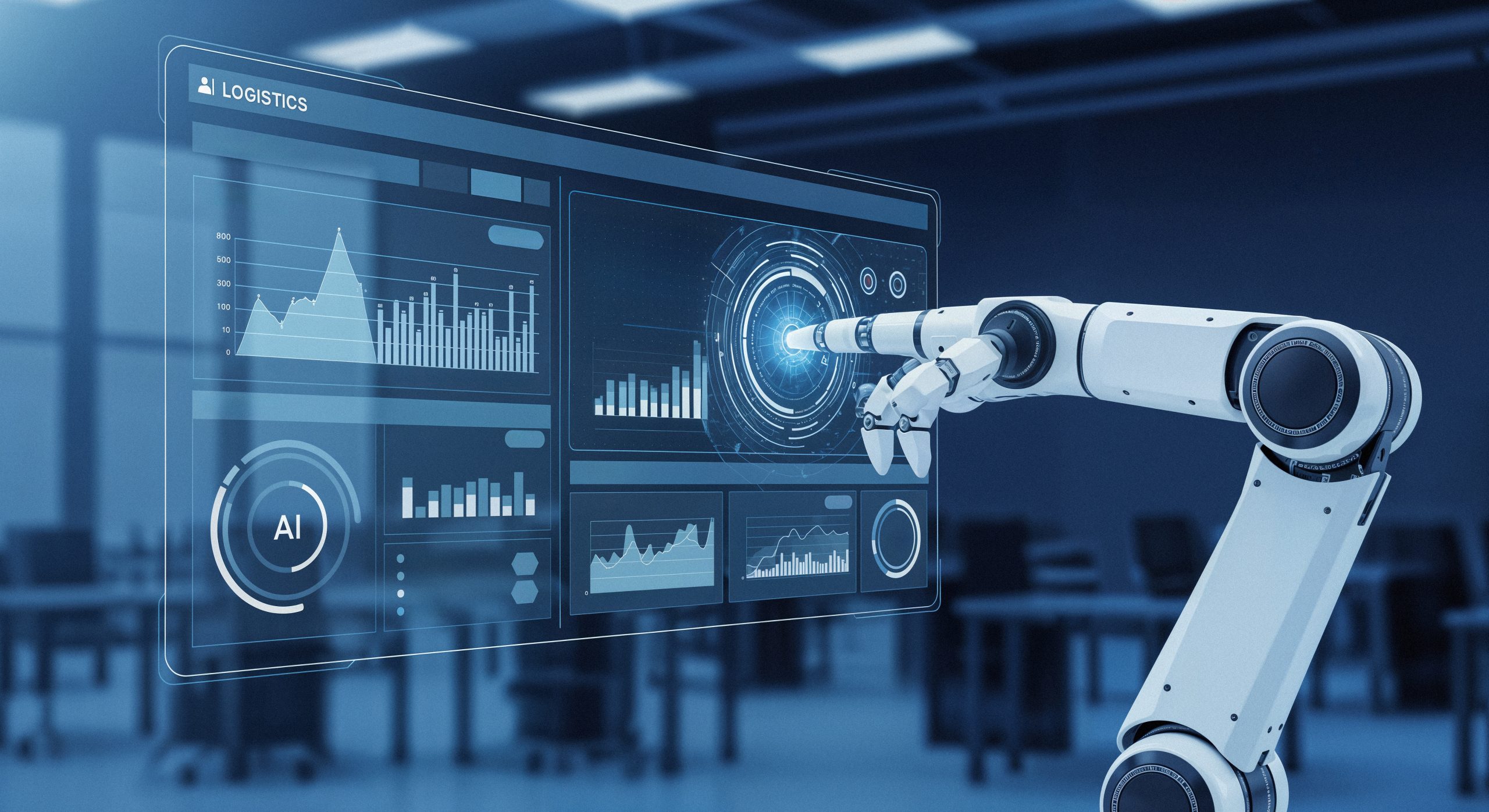
AI vision systems are transforming how warehouses inspect, sort, and package products. These systems use cameras and machine learning to detect defects, verify labels, and ensure correct packaging before items are shipped.

In Smart Packaging & Automação Logística, AI vision adds another layer of intelligence to warehouse

automation by reducing human error and increasing processing speed.

Por exemplo, in a packaging line, AI systems can instantly detect if a box is damaged or incorrectly labeled. The system can then automatically reroute the item for correction without slowing down the entire process.

Why AI vision systems improve accuracy and speed

The main advantage is consistency. Unlike human inspection, AI systems do not get tired or distracted. They can operate 24 hours a day with the same level of accuracy. This leads to fewer returns, higher customer satisfaction, and better brand reputation.

Now that warehouses are becoming smarter and more automated, how do companies plan and optimize these complex systems before building them?

Digital Twins

Digital twins are virtual models of real-world warehouse systems. They allow companies to simulate operations before physically implementing them. This helps identify inefficiencies, test robot routes, and improve overall design.

In Smart Packaging & Automação Logística, digital twins are becoming a critical tool for warehouse automation planning. They allow businesses to experiment with different layouts and robotic configurations without any real-world risk.

Por exemplo, a company can simulate peak season demand to see how autonomous mobile robots and IoT sensors will perform under pressure. This helps reduce costly mistakes during actual operations.

How digital twins support smarter decision making

The biggest advantage is foresight. Instead of reacting to problems, companies can predict them and adjust in advance. This leads to smoother operations and better long-term efficiency.

Conclusão

Across all these trends, one thing is clear. The future of logistics is fully connected, intelligent, and highly automated. From autonomous mobile robots to swarm robotics, from IoT sensors to robotic process automation in logistics, every technology plays a role in building faster and smarter supply chains.

Warehouse automation is no longer just about replacing manual labor. It is about creating systems that think, adapt, and improve continuously. As we move deeper into 2026, companies that adopt these technologies early will gain a strong competitive advantage in speed, cost efficiency, and customer satisfaction.

At the center of this transformation are solutions like those developed by OK, helping manufacturers and logistics providers build smarter, more flexible automation systems powered by robotics and intelligent control.

If you are exploring how to upgrade your warehouse automation strategy or integrate autonomous mobile robots into your operations, OK can help you design systems that fit your exact needs. Reach out to their team to start building a more efficient and future-ready logistics operation today.

Perguntas frequentes

What is smart packaging and logistics automation?

It refers to using robotics, AI, IoT sensors, and software systems to make warehouse and supply chain operations faster, more accurate, and more efficient.

How do autonomous mobile robots help warehouse automation?

They move goods independently across warehouses, reducing manual labor and improving speed, flexibility, and order accuracy.

What role do IoT sensors play in logistics?

IoT sensors collect real-time data on inventory, equipment, and conditions, helping improve tracking, manutenção, and decision-making.

What is robotic process automation in logistics?

It automates digital tasks like order updates, invoicing, and shipment tracking, reducing errors and saving time.

Why is swarm robotics important?

It allows multiple robots to work together intelligently, improving scalability, eficiência, and system resilience.

Projeto e implantação de sistemas robóticos logísticos

No mundo atual da cadeia de suprimentos em rápida evolução, os armazéns estão sob mais pressão do que nunca. Os clientes esperam entregas mais rápidas, menos erros, e rastreamento em tempo real. É exatamente aqui que robôs logísticos estão mudando o jogo. Mas o que os torna tão importantes, e por que tantas empresas estão migrando para a automação em vez do trabalho manual tradicional?

Vamos explorar como esses sistemas funcionam, por que eles são importantes, e como empresas como a OK estão ajudando empresas a construir soluções mais inteligentes, armazéns mais eficientes passo a passo.

O que são robôs logísticos e por que estão se tornando essenciais nos armazéns modernos?

Quando as pessoas ouvem o termo robôs logísticos, eles muitas vezes imaginam máquinas futurísticas movendo caixas em um armazém. Essa imagem não está errada, mas a realidade é ainda mais interessante. Esses robôs são projetados para realizar tarefas como movimentação de mercadorias, classificando pacotes, e apoiar os trabalhadores nas operações diárias do armazém.

Então, por que os robôs logísticos estão se tornando tão importantes hoje? A resposta é simples: velocidade e precisão. As cadeias de abastecimento modernas não podem mais depender apenas do trabalho humano, especialmente quando os volumes de pedidos mudam tão rapidamente.

À medida que os armazéns ficam maiores e mais complexos, as empresas estão recorrendo à automação para se manterem competitivas.

Esta mudança não se trata apenas de substituir trabalhadores. Em vez de, trata-se de melhorar a eficiência e reduzir tarefas repetitivas para que os humanos possam se concentrar em trabalhos mais importantes.

Mas o que exatamente constitui um sistema como este?

robôs logísticos

Diferentes tipos de robôs logísticos usados ​​hoje em armazéns

Existem vários tipos de robôs logísticos utilizados em instalações modernas. Alguns dos mais comuns incluem robôs móveis autônomos, veículos guiados automaticamente, e braços robóticos. Cada um desempenha um papel diferente nas operações de armazém.

Robôs móveis autônomos movem-se livremente usando sensores e sistemas de mapeamento. Veículos guiados automaticamente seguem caminhos fixos. Braços robóticos realizam tarefas de coleta e embalagem com alta precisão.

Junto, esses sistemas criam um ambiente conectado onde as mercadorias se movimentam com mais rapidez e segurança do que nunca.

Como os robôs logísticos melhoram as operações diárias do armazém

A maior vantagem dos robôs logísticos é a consistência. Ao contrário do trabalho manual, robôs não se cansam ou

perder o foco. Eles seguem as instruções com alta precisão, o que reduz erros no atendimento de pedidos.

Eles também ajudam a reduzir o tempo de caminhada dos trabalhadores, melhorar a eficiência do armazenamento, e agilize todo o processo, desde a coleta até o envio.

Agora que entendemos o que são, a próxima pergunta é: como esses sistemas são realmente projetados para uso no mundo real?

Como os robôs logísticos são projetados para serem eficientes, Segurança, e escalabilidade

Projetar robôs logísticos modernos não envolve apenas construir máquinas. Trata-se de criar um sistema completo que funcione perfeitamente em um ambiente de armazém movimentado. Cada detalhe importa, da navegação à integração de software.

Um dos objetivos mais importantes do design é a eficiência. Os robôs devem concluir tarefas rapidamente, sem desperdiçar energia ou espaço. Ao mesmo tempo, a segurança é crítica porque os robôs muitas vezes trabalham ao lado de trabalhadores humanos.

Então, como os engenheiros equilibram tudo isso em um sistema?

O papel da IA ​​e dos sistemas de navegação nos robôs logísticos

A inteligência artificial desempenha um papel importante nos robôs logísticos modernos. A IA ajuda os robôs a compreender o seu ambiente, evite obstáculos, e escolha o melhor caminho para concluir uma tarefa.

A maioria dos sistemas usa tecnologias como sensores, câmeras, e software de mapeamento. Essas ferramentas permitem que os robôs se movam com segurança, mesmo em armazéns lotados.

Sem IA, robôs logísticos não seriam capazes de se adaptar às condições do mundo real, que mudam constantemente.

Por que a escalabilidade é importante em grandes redes de armazéns

Escalabilidade significa que o sistema pode crescer sem quebrar. Isso é muito importante para empresas que planejam expandir.

Um bom sistema de robôs logísticos deve permitir a adição fácil de novos robôs sem redesenhar toda a operação.. Essa flexibilidade ajuda as empresas a crescer passo a passo, sem grandes interrupções.

Agora que entendemos como esses sistemas são projetados, vamos ver o que acontece quando eles são implantados em armazéns reais.

Robôs logísticos em implantação no mundo real: Do planejamento à operação completa

Trazer robôs logísticos para um armazém real não é algo que acontece da noite para o dia. É um processo cuidadosamente planejado que inclui várias etapas. Cada estágio garante que o sistema funcione corretamente antes do uso em larga escala.

A implantação geralmente começa com a compreensão do layout e do fluxo de trabalho do armazém. Isso ajuda os engenheiros a projetar um sistema que atenda às necessidades operacionais reais.

Mas como é esse processo na prática??

Análise e simulação do local antes da implantação

Antes de qualquer robô ser instalado, o armazém é estudado detalhadamente. Isso inclui medir o espaço, entender o fluxo do produto, e identificar áreas de alto tráfego.

Ferramentas de simulação são então usadas para testar como os robôs logísticos se moverão dentro do armazém. Esta etapa ajuda a prever problemas antes que eles aconteçam na vida real.

Ao fazer isso, as empresas podem evitar erros dispendiosos e melhorar o desempenho desde o primeiro dia.

Integração de Sistemas com Software de Gestão de Armazéns

Assim que a configuração física estiver pronta, o próximo passo é conectar robôs logísticos com sistemas de gerenciamento de armazéns.

Esta integração permite que os robôs recebam tarefas automaticamente, atualizar o inventário em tempo real, e se comunicar com outros sistemas no armazém.

Sem esta etapa, a automação não seria totalmente eficaz porque os robôs precisam de dados para tomar decisões.

Agora que a implantação está clara, quais desafios as empresas devem esperar ao usar esses sistemas?

Quais desafios as empresas enfrentam ao usar robôs logísticos?

Embora os robôs logísticos ofereçam muitos benefícios, nem sempre são fáceis de implementar. Muitas empresas enfrentam desafios durante e após a implantação.

Um dos maiores problemas é a integração do sistema. Armazéns mais antigos podem usar software desatualizado que não se conecta facilmente aos sistemas robóticos modernos.

Outro desafio é treinar. Os trabalhadores precisam aprender a trabalhar ao lado de robôs de forma segura e eficiente.

Então, quais são as dificuldades mais comuns que as empresas enfrentam?

Desafios de integração e fluxo de trabalho

Quando os robôs logísticos são introduzidos, os fluxos de trabalho do armazém muitas vezes precisam mudar. Isso pode ser difícil para equipes acostumadas com métodos tradicionais.

Se o sistema não for projetado corretamente, robôs e humanos podem interferir uns nos outros, causando atrasos em vez de melhorias.

É por isso que um planejamento cuidadoso é essencial desde o início.

Custo, Manutenção, e considerações sobre ROI

Outro fator importante é o custo. Instalar robôs logísticos requer investimento, e as empresas precisam entender o retorno desse investimento.

A manutenção também é importante. Os robôs precisam de atualizações regulares, cuidados com a bateria, e verificações do sistema para um bom desempenho ao longo do tempo.

No entanto, quando implementado corretamente, as poupanças a longo prazo e os ganhos de eficiência superam frequentemente os custos iniciais.

Então, se houver desafios, por que tantas empresas ainda adotam esses sistemas?

robôs logísticos

Como os robôs logísticos estão moldando o futuro das cadeias de abastecimento globais

O futuro dos robôs logísticos parece muito promissor. À medida que a tecnologia melhora, esses sistemas estão se tornando mais inteligentes, mais rápido, e mais acessível.

Os armazéns já não são apenas espaços de armazenamento. Eles estão se tornando centros inteligentes onde robôs e humanos trabalham juntos.

Esta mudança está mudando a forma como as mercadorias se movimentam ao redor do mundo.

Armazéns mais inteligentes com robótica baseada em IA

A inteligência artificial está tornando os robôs logísticos mais independentes do que nunca. Eles agora podem aprender com os dados, melhorar rotas, e reduzir o uso de energia ao longo do tempo.

Isso cria armazéns que se aprimoram constantemente sem precisar de grandes mudanças.

Por que as empresas estão adotando rapidamente a automação

As empresas estão adotando robôs logísticos porque os clientes esperam entregas mais rápidas e melhores serviços. A automação ajuda a atender a essas expectativas, reduzindo erros e melhorando a eficiência.

Não é mais apenas uma vantagem competitiva. Em muitas indústrias, está se tornando uma necessidade.

Com esse futuro em mente, como as empresas escolhem o parceiro certo para automação?

Por que escolher OK para soluções avançadas de robôs logísticos?

Escolher o fornecedor certo para robôs logísticos é uma das decisões mais importantes que uma empresa pode tomar. Um sistema forte não envolve apenas máquinas. Trata-se de integração, apoiar, e desempenho a longo prazo.

OK se concentra na construção de soluções completas de automação logística que combinam hardware e software em um sistema conectado.

Em vez de oferecer produtos isolados, o objetivo é ajudar os armazéns a construir, escalável, e operações eficientes do início ao fim.

Isso inclui apoiar diferentes indústrias, tamanhos de armazém, e necessidades operacionais, tornando mais fácil para as empresas adotarem a automação sem complexidade desnecessária.

Então, o que isso significa para o seu negócio? Isso significa que você pode se concentrar no crescimento enquanto a automação cuida do trabalho pesado nos bastidores.

Se você estiver explorando maneiras de melhorar a eficiência do armazém ou reduzir custos operacionais, agora é o momento certo para dar o próximo passo. Você pode entrar em contato com a OK para saber como os robôs logísticos podem ser personalizados para suas necessidades específicas e começar a construir um armazém mais inteligente hoje mesmo..

Conclusão

A ascensão dos robôs logísticos não é apenas uma tendência. É uma grande mudança na forma como os armazéns e as cadeias de abastecimento operam. Do design e implantação aos desafios do mundo real e à inovação futura, estes sistemas estão a remodelar a forma como as mercadorias se movimentam em todo o mundo.

Como vimos, a automação bem-sucedida depende de mais do que apenas máquinas. Requer um planejamento cuidadoso, integração inteligente, e a estratégia certa a longo prazo.

Portanto, a verdadeira questão não é se os robôs logísticos se tornarão padrão nos armazéns., mas com que rapidez as empresas se adaptarão a eles.

Se você está pronto para explorar o que a automação pode fazer pelas suas operações, OK está aqui para ajudar você dá o próximo passo.

Perguntas frequentes

Para que servem os robôs logísticos?

Robôs logísticos são usados ​​em armazéns e fábricas para movimentar mercadorias, escolher itens, classificar pacotes, e apoiar operações de armazenamento e remessa com maior velocidade e precisão.

Os robôs logísticos substituem os trabalhadores humanos?

Não completamente. Eles lidam com tarefas repetitivas e pesadas, enquanto os humanos se concentram na supervisão, tomando uma decisão, e trabalho complexo.

Os robôs logísticos são caros para implementar??

Os custos iniciais podem ser altos, mas muitas vezes reduzem os custos operacionais e trabalhistas de longo prazo, melhorando a eficiência geral e o ROI.

Os robôs logísticos podem trabalhar em qualquer armazém?

A maioria dos sistemas modernos pode ser adaptada, mas planejamento e integração adequados são necessários para o melhor desempenho.

Por que acabou 1,000 Clientes globais escolhem a OK como seu parceiro OK Automation

No mundo de hoje, as fábricas estão mudando mais rápido do que nunca. As empresas não pensam mais apenas em produzir mais. Eles estão pensando em produzir de forma mais inteligente. É aqui que a ideia de um parceiro forte de automação OK se torna importante. Sobre 1,000 clientes globais já fizeram sua escolha, e vale a pena perguntar: o que faz a OK se destacar tanto na indústria de automação?

Vamos explorar isso passo a passo e entender por que tantos fabricantes confiam na OK como seu parceiro de automação para crescimento e sucesso a longo prazo.

OK parceiro de automação

Por que as empresas confiam na OK Automation Partner para fabricação global

O mundo industrial está sob pressão. Os custos trabalhistas estão aumentando, as demandas de produção estão aumentando, e a concorrência é global. Nesta situação, as empresas procuram um parceiro de automação OK confiável em que possam confiar para desempenho de longo prazo. Não se trata apenas de máquinas. Trata-se de construir uma maneira mais inteligente de produzir bens.

As soluções de parceiros de automação da OK são projetadas para ajudar as fábricas a passar de sistemas manuais para linhas de produção automatizadas. Essa mudança não é fácil, mas é necessário. Muitas empresas fazem a mesma pergunta: como podemos permanecer competitivos enquanto mantemos os custos sob controle? É aí que as soluções dos parceiros de automação da OK começam a fazer sentido.

Ao longo do tempo, mais do que 1,000 os clientes perceberam que trabalhar com um parceiro confiável de automação da OK os ajuda a reduzir o estresse no planejamento da produção e a melhorar a consistência da produção.

A mudança global em direção a fábricas inteligentes

Fábricas inteligentes não são mais o futuro. Eles são o presente. As empresas querem sistemas que possam funcionar com menos erros humanos e maior precisão. É por isso que muitos deles recorrem a um parceiro de automação da OK para orientar a sua transformação.

Demanda crescente por parceiros de automação confiáveis

Com a automação se tornando essencial, as empresas precisam de mais do que apenas fornecedores. Eles precisam de um parceiro de automação OK confiável que entenda as necessidades reais de engenharia e de produção.

O que torna a OK Automation Partner um fornecedor de soluções completo

Uma das principais razões 1,000 a confiança dos clientes OK é que não é apenas um fornecedor de máquinas. É um parceiro de automação full OK que fornece soluções completas desde o planejamento até a instalação.

Quando as empresas escolhem um parceiro de automação OK, eles estão escolhendo um sistema que abrange o design, produção, integração, e suporte. Isso reduz a confusão e ajuda as fábricas a funcionarem com mais tranquilidade.

Um parceiro de automação OK também se concentra na flexibilidade. Cada fábrica é diferente, então cada solução também deve ser diferente. É por isso que a personalização é um ponto forte aqui.

Mas por que isso importa tanto? Porque as empresas não querem mais sistemas que sirvam para todos. Eles querem soluções que correspondam exatamente às suas metas de produção.

Robôs industriais e sistemas cobot

No centro das soluções dos parceiros de automação da OK estão os robôs industriais e os robôs colaborativos. Esses sistemas são projetados para melhorar a velocidade, precisão, e segurança em ambientes de produção.

Automação personalizada para diferentes setores

Cada setor tem necessidades únicas. Um forte parceiro de automação da OK entende isso e constrói sistemas que atendem a fluxos de trabalho específicos, em vez de forçar as fábricas a ajustar seus processos.

Por que acabou 1,000 Clientes confiam no parceiro OK Automation

A confiança não se constrói da noite para o dia. Sobre 1,000 clientes globais agora confiam na OK como seu parceiro preferido de automação OK devido à qualidade e desempenho consistentes.

Uma das maiores vantagens de trabalhar com um parceiro de automação OK é a eficiência de custos. Muitas empresas descobrem que podem reduzir os custos de produção a longo prazo sem sacrificar a qualidade. Esse equilíbrio é raro na indústria de automação.

Outro motivo é o controle. OK gerencia seu próprio processo de fabricação, o que significa menos atrasos e melhor garantia de qualidade. Isto torna o relacionamento com o parceiro de automação OK mais estável e previsível para compradores globais.

Então a verdadeira questão é: o que torna esse nível de confiança possível? Tudo se resume à experiência, capacidade de entrega global, e força de engenharia.

Engenharia econômica, mas de alta qualidade

Um parceiro de automação OK é capaz de combinar acessibilidade com desempenho de nível industrial. Isso ajuda as empresas a escalar sem gastar demais em equipamentos.

Experiência comprovada de entrega global

Envio, instalação, e suporte em diferentes países exigem experiência. Os sistemas de parceiros de automação OK são construídos com implantação global em mente, facilitando a cooperação internacional.

Indústrias que se beneficiam do OK Automation Partner

Diferentes indústrias enfrentam desafios diferentes, mas todos eles compartilham uma necessidade: eficiência. É aqui que um parceiro de automação OK se torna valioso em vários setores.

Da produção automotiva à montagem de eletrônicos, As soluções de parceiros de automação da OK ajudam as empresas a reduzir o trabalho manual e a melhorar a precisão da produção. Muitas empresas em todo o mundo dependem agora desta transformação para se manterem competitivas.

À medida que as indústrias evoluem, a automação não é mais opcional. É essencial. E é por isso que tantos setores estão adotando sistemas parceiros de automação OK.

Fabricação automotiva e de precisão

Na produção automotiva, mesmo pequenos erros podem levar a grandes problemas. Um parceiro de automação da OK ajuda a melhorar a precisão e reduzir defeitos em processos de montagem complexos.

Automação de armazenamento e logística

Velocidade é tudo na logística. Os sistemas parceiros de automação da OK ajudam os armazéns a movimentar os produtos com mais rapidez, mais seguro, e com menos atrasos.

Resultados reais que você obtém com o parceiro OK Automation

No final do dia, empresas se preocupam com resultados. Escolher um parceiro de automação OK não se trata apenas de instalar máquinas. Trata-se de melhorar o desempenho de maneiras mensuráveis.

Muitas empresas relatam melhor produtividade depois de trabalhar com um parceiro de automação da OK. As linhas de produção funcionam mais rápido, erros diminuem, e os trabalhadores podem concentrar-se em tarefas mais qualificadas em vez de trabalho repetitivo.

Outro grande benefício é a segurança. Sistemas automatizados reduzem a exposição humana a ambientes perigosos, que cria um local de trabalho mais seguro em geral.

Então, o que tudo isso significa para uma empresa? Isso significa produção mais forte, melhor qualidade, e poupança a longo prazo.

ROI mais rápido e maior produção

Investir em um parceiro de automação OK geralmente leva a retornos mais rápidos devido à redução dos custos de mão de obra e à melhoria da eficiência da produção.

Melhor controle de qualidade e segurança

Consistência é fundamental na fabricação. Um parceiro de automação da OK ajuda a manter uma qualidade estável e, ao mesmo tempo, reduz os riscos no local de trabalho.

OK parceiro de automação

Como trabalhar com o parceiro OK Automation

Trabalhar com um novo fornecedor de automação pode parecer complicado, mas OK torna o processo simples e estruturado. Como parceiro de automação OK, a empresa orienta os clientes em todas as etapas.

Geralmente começa com uma consulta ou RFQ. Depois disso, a equipe avalia os requisitos e projeta uma solução sob medida. Isso garante que a abordagem do parceiro de automação da OK atenda às necessidades exatas de produção do cliente.

De lá, a fabricação começa, seguido de testes, envio, instalação, e suporte contínuo. Este processo completo é o que torna a experiência do parceiro de automação OK confiável para clientes globais.

Mas o que acontece após a instalação? É aí que o apoio a longo prazo se torna importante.

Da consulta à entrega

Cada projeto de parceiro de automação da OK é tratado passo a passo para garantir uma comunicação tranquila e resultados claros do início ao fim.

Suporte técnico de longo prazo

Mesmo após a instalação, Os serviços dos parceiros de automação OK continuam através de manutenção e assistência técnica, ajudando os clientes a se manterem produtivos.

Conclusão

À medida que a produção global continua a evoluir, as empresas precisam de parceiros em quem possam confiar. Sobre 1,000 os clientes já escolheram a OK como seu parceiro de automação OK porque ela oferece mais do que máquinas. Ele entrega completo, soluções de automação confiáveis ​​que apoiam o crescimento a longo prazo.

De robôs industriais a sistemas de fábrica totalmente inteligentes, As soluções de parceiros de automação da OK são desenvolvidas para ajudar as empresas a melhorar a eficiência, reduzir custos, e permanecer competitivo em um mundo em rápida mudança.

Então, se sua fábrica está procurando uma maneira mais inteligente de crescer, talvez seja hora de dar o próximo passo. Entre em contato com a equipe OK, compartilhe suas necessidades de produção, e inicie uma conversa sobre como a solução de automação certa pode transformar suas operações. Um futuro de produção melhor pode estar a apenas uma mensagem de distância.

Perguntas frequentes (Perguntas frequentes)

1. O que OK faz?

OK é uma empresa de automação que fornece robôs industriais, sistemas cobot, e soluções de fábrica inteligentes para ajudar os fabricantes a melhorar a eficiência da produção e reduzir os custos trabalhistas.

2. Quais setores o OK atende?

OK trabalha com indústrias como automotiva, eletrônica, logística, processamento de alimentos, embalagem, e fabricação em geral.

3. Por que as empresas escolhem OK?

As empresas escolhem OK porque oferece soluções de automação econômicas, forte capacidade de fabricação, e sistemas personalizados projetados para diferentes necessidades de produção.

4. A OK fornece soluções de automação personalizadas?

Sim, OK projeta e constrói sistemas de automação com base no layout de fábrica de cada cliente, metas de produção, e requisitos da indústria.

5. Com quantos clientes OK trabalhou?

OK, serviu 1,000 clientes globais em diferentes setores e regiões, ajudando-os a melhorar seus sistemas de produção.

6. A OK oferece remessa e instalação globais?

Sim, OK suporta entrega internacional, orientação de instalação, e assistência técnica para clientes globais.

7. Que tipos de robôs a OK oferece?

OK oferece robôs industriais e robôs colaborativos (cobôs) que são usados ​​para tarefas como montagem, manuseio, embalagem, e soldagem.

8. OK pode ajudar a reduzir custos de produção?

Sim, os sistemas de automação da OK ajudam a reduzir a dependência de mão de obra, melhorar a eficiência, e reduzir custos operacionais a longo prazo.

9. Como posso solicitar um orçamento da OK?

Você pode entrar em contato diretamente com a OK através de seu site oficial para enviar suas necessidades e receber um orçamento personalizado. (Solicitação de cotação).

10. OK fornece suporte pós-venda?

Sim, OK oferece suporte técnico contínuo, orientação de manutenção, e assistência para garantir o desempenho do sistema a longo prazo.

Por que a “automação boa o suficiente” custa mais no longo prazo

When factories think about saving money, good enough automation often looks like the safest choice. It promises lower upfront cost, faster setup, and “acceptable” performance. On paper, it feels like a smart decision. But is it really saving money, or is it just delaying higher costs later?

In many manufacturing environments, good enough automation is chosen because the budget is tight or because teams want a quick solution. Inicialmente, everything may seem fine. Machines run, production starts, and costs look under control. But soon, hidden problems begin to appear. Downtime increases, maintenance becomes frequent, and efficiency drops.

So why does good enough automation keep showing up in factories around the world, even when it leads to long-term losses? A resposta é simples: the real cost is not visible on day one. It shows up slowly, over months and years, when production pressure increases.

In this article, we will break down exactly why good enough automation often becomes the most expensive decision a factory can make, and how higher-quality systems like OK’s “Quality OK” approach are designed to solve these problems from the start.

The Real Cost Behind Good Enough Automation Decisions

To understand manufacturing decisions better, we need to look deeper into what good enough automation really means in practice. It usually refers to systems that meet only basic requirements, without strong testing, customization, or long-term optimization.

Inicialmente, good enough automation seems attractive because it reduces initial investment. No entanto, factories often underestimate how quickly performance gaps appear under real production pressure. Machines that were “good enough” in testing environments often struggle in 24/7 industrial operations.

This is where hidden costs start building up quietly. Have you ever wondered why a cheaper machine ends up costing more after one year of use? The answer is not obvious at first, but it becomes clear when production stops unexpectedly.

Hidden Maintenance Pressure

One major issue with good enough automation is inconsistent durability. Without strict testing standards, components wear out faster. That means more repairs, more replacement parts, and more technician visits.

Unstable Production Flow

Another problem is inconsistency. Even small interruptions can break production rhythm. When factories rely on good enough automation, they often experience unpredictable stops that reduce overall output.

automação boa o suficiente

Reliability Gap: Why Good Enough Automation Fails Under Pressure

Agora, let’s look at what happens when good enough automation is pushed into real industrial environments. Factories do not operate in calm conditions. They run 24 hours a day, often under heat, vibration, and continuous workload.

In these conditions, good enough automation often struggles to maintain stability. Systems that were not designed for long-term heavy use begin to slow down or fail unexpectedly. This creates one of the most expensive problems in manufacturing: downtime.

Downtime does not just stop machines. It stops revenue, delays orders, and increases labor costs at the same time. Even a few hours of lost production each week can outweigh the savings from choosing good enough automation in the first place.

Heat and Wear Issues in Continuous Operation

Many low-cost systems are not built for constant operation. When good enough automation runs for long hours, heat builds up in motors and control systems. Ao longo do tempo, this leads to breakdowns and reduced accuracy.

The Cost of Unplanned Stops

Every unplanned stop caused by good enough automation creates a chain reaction: missed deadlines, overtime labor, and production backlog. These hidden costs are often ignored during purchasing decisions.

Quality Control Problems in Good Enough Automation Systems

Another major weakness of good enough automation appears in quality control. In manufacturing, even small errors can become expensive when they reach customers.

Manual inspection or low-precision systems often allow defective products to pass through. This is one of the biggest risks of good enough automation, especially in industries requiring high accuracy.

When defects are not detected early, factories face returns, materiais desperdiçados, and brand damage. These costs are far higher than most companies expect when choosing good enough automation.

Human Fatigue and Error Rates

Manual inspection depends heavily on human attention. Ao longo do tempo, fatigue reduces accuracy. This is where good enough automation fails to maintain consistent quality levels.

AI Precision as a Better Alternative

Em contraste, advanced systems like OK use AI-based inspection that works continuously without fatigue.

This reduces defect rates and improves overall production reliability, something good enough automation cannot consistently achieve.

Efficiency and ROI: Why Good Enough Automation Delays Profit

One of the biggest misunderstandings about good enough automation is the idea of fast savings. While upfront costs are lower, the return on investment is often much slower than expected.

Why does this happen? Because good enough automation rarely delivers strong efficiency improvements. Em muitos casos, it only slightly improves production speed or still requires human support to operate properly.

Weak Efficiency Gains

Factories often expect major productivity improvements. No entanto, good enough automation may only deliver minimal gains, which limits overall output growth.

Extended Payback Period

Instead of paying back investment in 12 para 18 meses, good enough automation systems often take much longer due to downtime, manutenção, and inefficiency costs.

China Manufacturing Advantage and Custom Automation Strength

China has become a global leader in industrial automation manufacturing, and this plays an important role when comparing good enough automation with advanced solutions like OK.

The advantage lies in engineering scale, supply chain strength, and rapid customization ability. While good enough automation often relies on fixed, standard designs, Chinese manufacturers like OK can develop tailored systems based on real production needs.

This flexibility matters because no two factories are the same. When production changes, good enough automation often becomes outdated quickly, forcing companies to reinvest. Em contraste, customized systems adapt more easily.

Built for Real Industrial Environments

OK solutions are designed for continuous industrial use, reducing the risks commonly seen in good enough automation systems.

Adaptability Across Industries

Whether it is packaging, logística, or palletizing, flexible systems outperform good enough automation because they adjust instead of resisting change.

Comparison Table: Good Enough Automation vs OK Systems

FactorGood Enough AutomationOK Systems
ReliabilityInconsistentHigh stability
Tempo de inatividadeFrequentMinimal
ROI Time24–36 months12–18 months
ManutençãoHighLow
FlexibilidadeLimitedFully customizable
Inspection QualityBasic or manualAI precision
Long-term CostHighOptimized

Service and Warranty: The Hidden Safety Net

One often ignored factor in good enough automation is after-sales support. Many low-cost providers offer limited service, which creates serious risks when machines fail.

If something breaks, production may stop for days while waiting for support. This makes good enough automation even more expensive over time.

automação boa o suficiente

The Importance of Long-Term Support

OK provides full lifecycle service, including consultation, instalação, e manutenção. This reduces the risks that usually come with good enough automation systems.

Warranty as a Confidence Signal

A strong warranty shows confidence in product durability. Many good enough automation systems offer minimal coverage, which shifts risk to the buyer.

Conclusão

À primeira vista, good enough automation looks like a smart way to save money. But when we look at real factory performance, the story changes. Tempo de inatividade, inefficiency, quality issues, and weak support all add hidden costs that grow over time.

No fim, good enough automation is not really “good enough” for long-term manufacturing success. It often becomes the most expensive option when measured by total cost of ownership.

Higher-quality systems like OK’s “Quality OK” approach are designed to solve these problems from the beginning. With stronger reliability, better efficiency, and full lifecycle support, they help factories avoid the hidden traps of good enough automation.

If you are currently evaluating your automation strategy, now is the right time to think beyond the upfront price. The real question is not what you save today, but what you lose tomorrow.

To explore a more reliable and scalable automation solution tailored to your production needs, reach out to OK and see how a better system can change your long-term costs and performance.

Perguntas frequentes

What is good enough automation?

Good enough automation refers to low-cost automation systems that meet basic production needs but often lack strong durability, customization, and long-term performance stability.

Why does good enough automation cost more over time?

While it has a lower upfront price, it often leads to higher long-term costs due to downtime, frequent maintenance, lower efficiency, and quality issues that create waste and rework.

Is good enough automation suitable for 24/7 produção?

Em muitos casos, no. Systems labeled as good enough automation may struggle with continuous operation, leading to overheating, wear, and unexpected production stops.

How is advanced automation different?

Advanced solutions, like OK systems, focus on reliability, AI-based precision, and long-term efficiency, helping reduce labor costs and improve ROI within 12 para 18 meses.

What should companies consider before choosing automation?

They should evaluate total cost of ownership, not just price, including downtime risk, maintenance needs, scalability, and long-term service support.

Uma comparação entre tecnologias de selagem de caixas e sacos

No atual mundo industrial em rápida evolução, packaging is no longer just the final step. It is a key part of how products are protected, shipped, and delivered efficiently. One of the most common questions buyers and engineers ask is how Carton Sealing and Bag Sealing technologies compare and which one is better for their production line.

À primeira vista, both may seem simple. After all, they both “seal” packages. But when you look closer, you will see that they serve very different purposes, use different machines, and fit different industries. So how do you know which one your business needs? Let’s break it down step by step.

Understanding Carton Sealing and Bag Sealing in Modern Packaging Lines

To really understand Carton Sealing and Bag Sealing, we need to start with the basics. These two technologies are widely used in factories around the world, especially in industries that depend on fast and reliable packaging.

Carton sealing is used for closing boxes, usually made of corrugated cardboard. Bag sealing, on the other hand, is used for closing flexible packaging like plastic or poly bags. Both are important, but they solve different problems in the packaging process.

So what exactly makes them different in practice? Vamos dar uma olhada mais de perto.

What is Carton Sealing?

Carton sealing refers to the process of closing and securing cardboard boxes after they have been filled with products. This is usually done using a machine known as a case sealer or automatic sealing machine.

In most modern factories, this process is automated. The machine folds the top flaps of the carton and applies sealing tape on both the top and bottom. This ensures that every box is sealed tightly and consistently.

This method is widely used in logistics, comércio eletrônico, and manufacturing because it improves speed and reduces the need for manual labor. When you think about large warehouses shipping thousands of products daily, you can imagine how important fast carton sealing becomes.

What is Bag Sealing?

Now let’s talk about bag sealing. This process is used for flexible packaging such as plastic bags, food packaging, or lightweight industrial products.

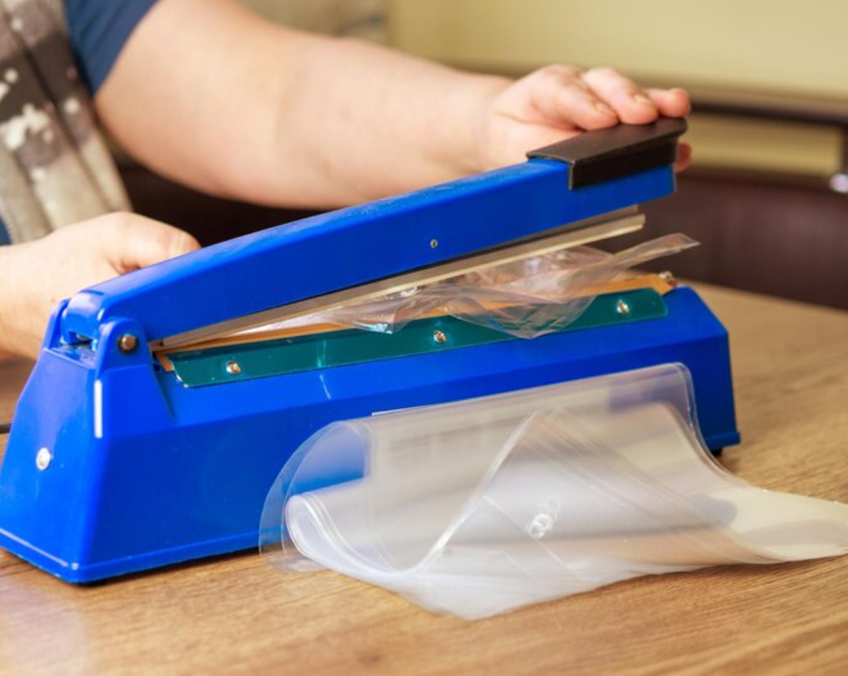
Instead of tape and cardboard, bag sealing uses heat, pressure, or ultrasonic energy to close the opening of the bag. One of the most common methods is heat sealing, where the edges of the plastic are melted together to form a strong seal.

This type of sealing is often used in food production, produtos farmacêuticos, and agriculture. Why? It creates airtight packaging that helps protect products from moisture, air, and contamination.

Now that we understand both systems, you might be wondering: how do these machines actually work in real production lines?

How Carton Sealing and Bag Sealing Machines Work in Real Production Lines

When we look deeper into Carton Sealing and Bag Sealing, the real difference becomes even clearer. These systems are not just standalone machines. They are part of a larger automated packaging line.

Factories today rely on conveyors, sensores, and automatic systems to move products smoothly from one stage to another. So how does sealing fit into this flow?

Inside a Case Sealer System

A case sealer, also known as an automatic sealing machine, works as part of an end-of-line packaging system.

Primeiro, a filled carton moves along a conveyor belt into the sealing machine. The machine automatically adjusts the box if it is a random case sealer. Then it folds the top flaps down and applies sealing tape using built-in tape heads.

Everything happens in seconds. There is no need for manual folding or taping. This not only saves time but also ensures every box is sealed evenly.

If you think about a busy warehouse environment, this level of automation can make a huge difference in daily output and labor efficiency.

Inside a Bag Sealing System

Bag sealing systems work differently because they deal with flexible materials.

In a heat-sealing machine, the open end of the bag is placed between two heated bars. The heat melts the plastic slightly, and pressure seals it shut. Once cooled, the seal becomes strong and secure.

In more advanced systems like continuous band sealers or vertical form fill seal machines, the process is fully automated. Bags are filled, sealed, and sometimes even labeled in one continuous flow.

So while both systems aim to “seal,” the technology behind them is completely different. This leads us to an important question: how do they compare when we look at performance and cost?

Carton Sealing

Key Differences Between Carton Sealing and Bag Sealing You Should Know

When choosing between Carton Sealing and Bag Sealing, most buyers focus on performance, custo, and product protection. Each system has strengths, but they are not interchangeable.

So how do they really compare in real-world use?

Packaging Material Differences

The most obvious difference is the material itself.

Carton sealing works with rigid cardboard boxes. These boxes provide strong protection and are ideal for stacking and shipping heavier items. Bag sealing works with flexible plastic materials, which are lightweight and cost-effective but offer less structural protection.

This difference alone often determines which system a factory will choose.

Custo, Speed, and Efficiency Comparison

From a cost perspective, bag sealing materials are usually cheaper. No entanto, carton sealing systems provide better protection for shipping, which can reduce product damage.

In terms of speed, modern case sealers can handle high-speed production lines, especially in large distribution centers. Bag sealing systems can also be fast, particularly in fully automated filling and sealing lines.

The real decision often comes down to balancing packaging cost with shipping reliability.

Product Protection and Industry Fit

Carton sealing is commonly used for products that need protection during transport, such as electronics, appliances, and retail goods.

Bag sealing is better suited for products that do not require rigid protection, such as food items, powders, or small components.

So which one should you choose for your business? That depends on your production goals.

Choosing Between Carton Sealing and Bag Sealing for Your Business

Selecting the right system is not just about machinery. It is about understanding your entire production process and what you want to improve.

Factors Manufacturers Should Consider

When evaluating Carton Sealing and Bag Sealing, manufacturers usually look at several key factors.

Product type is the first. Fragile or heavy items often require carton sealing. Lightweight or perishable goods may be better suited for bag sealing.

Automation level is another important factor. Some factories need fully automatic systems, while others still use semi-automatic setups.

Budget also plays a role, but long-term return on investment is often more important than initial cost.

Common Mistakes to Avoid

One common mistake is choosing a machine based only on price. A cheaper system may not handle production demands in the long run.

Another mistake is ignoring future scaling. A factory might start small but grow quickly, so choosing flexible equipment is important.

This brings us to a bigger picture question: where is packaging automation heading in the future?

Why Carton Sealing and Bag Sealing Automation Is the Future of Packaging

Packaging is becoming faster, smarter, and more automated. This is why Carton Sealing and Bag Sealing technologies are evolving quickly.

Rise of Fully Automated Packaging Lines

More factories are moving toward fully automated production lines where products move from filling to sealing to palletizing without manual handling.

This reduces labor costs and increases consistency. It also improves safety by reducing human contact with heavy or fast-moving equipment.

Why Case Sealer Machines Are in High Demand

Case sealer machines are especially important in today’s e-commerce-driven world. With more online orders than ever before, warehouses need fast and reliable sealing systems.

Labor shortages in many regions also push companies to invest in automation. An automatic sealing machine can replace repetitive manual tasks and improve overall efficiency.

Então, where does OK fit into all of this?

Bag Sealing

Why Choose OK for Carton Sealing and Bag Sealing Solutions

When it comes to industrial packaging automation, machine quality and reliability matter a lot. OK focuses on designing and manufacturing equipment that meets real production needs.

Engineering Strength and Manufacturing Capability

OK machines are built with a focus on stability, durability, and ease of integration. Whether it is a case sealer or a full packaging line, the goal is to ensure smooth operation in demanding environments.

Customization is also important. Different factories have different requirements, and flexible machine design helps meet those needs.

How OK Supports Global Buyers

For international buyers, support and communication are just as important as machinery. OK works with global clients to provide installation guidance, technical support, and after-sales service.

This helps ensure that customers can operate their systems efficiently from day one.

Considerações Finais

No fim, both Carton Sealing and Bag Sealing play important roles in modern manufacturing. One focuses on strong, protective packaging for shipping, while the other focuses on flexible and efficient product sealing.

The right choice depends on your product type, metas de produção, and long-term automation plans.

If you are planning to upgrade your packaging line or explore automation solutions, the right sealing system can make a major difference in efficiency and cost savings. To learn more or discuss the best solution for your production needs, feel free to reach out to OK. A simple conversation could help you find a much better way to improve your packaging line.

Perguntas frequentes

1. What is Carton Sealing and Bag Sealing?

Carton sealing is the process of closing cardboard boxes using tape or glue, usually with a case sealer or automatic sealing machine. Bag sealing is used to close flexible packaging like plastic bags using heat or pressure methods.

2. Which industries use these technologies?

Carton sealing is common in e-commerce, logística, and manufacturing. Bag sealing is widely used in food, farmacêutico, and agricultural industries.

3. Which is better for automation?

Both are highly automated today. The best choice depends on product type and packaging needs rather than one being better overall.

Guia para reparo e manutenção de robôs paletizadores

Se você trabalha em um armazém ou fábrica, você provavelmente sabe o quão importantes são os robôs de paletização. Essas máquinas ajudam a empilhar produtos em paletes com rapidez e precisão, economizando tempo e reduzindo custos trabalhistas. Mas como qualquer máquina, robôs de paletização precisam de cuidados adequados. Sem manutenção regular e reparo oportuno, esses robôs podem quebrar, causando atrasos na produção e custos inesperados.

Então, como você pode manter seus robôs de paletização funcionando perfeitamente? Este guia orientará você nos problemas mais comuns, manutenção de rotina, dicas de reparo, e estratégias para prolongar a vida dos seus robôs. No final, você se sentirá mais confiante ao lidar com o reparo de robôs paletizadores como um profissional.

Por que a manutenção regular é crucial para paletizar robôs

Você pode se perguntar, por que não podemos simplesmente esperar até que o robô quebre antes de consertá-lo?? A resposta é simples: reparos reativos são caros e demorados. A manutenção regular evita que pequenos problemas se transformem em grandes problemas.

Robôs de paletização realizam tarefas repetitivas todos os dias, o que coloca muito estresse em suas peças mecânicas e eletrônicas. Mesmo pequenos desgastes nas articulações, cintos, ou sensores podem afetar o desempenho. Sem manutenção, robôs podem perder itens, desacelerar a produção, ou até mesmo parar de funcionar completamente.

Benefícios da manutenção regular

  • Menos avarias – Verificações regulares detectam problemas antecipadamente e reduzem o tempo de inatividade.
  • Vida útil mais longa – As máquinas duram mais quando cuidadas adequadamente.
  • Segurança aprimorada – Robôs com manutenção adequada reduzem o risco de acidentes.
  • Desempenho consistente – Os produtos são empilhados com precisão sempre.

A manutenção regular não é apenas uma recomendação; é essencial. Mas o que exatamente pode dar errado com a paletização de robôs? Vamos dar uma olhada mais de perto.

Reparo de robô paletizador

Problemas comuns que exigem reparo de robô de paletização

Compreender os problemas comuns ajudará você a identificar quando um reparo é necessário. Aqui estão os problemas mais frequentes:

Problemas Mecânicos

Ao longo do tempo, juntas de robô, pinças, e os cintos podem desgastar. Eixos desalinhados ou parafusos soltos podem causar posicionamento impreciso ou movimento lento. Imagine um palete sendo empilhado de forma desigual porque uma junta se move ligeiramente para fora do caminho. Mesmo pequenos problemas mecânicos como este podem interromper toda uma linha de produção.

Problemas elétricos

Fiação defeituosa, sensores danificados, ou servomotores com falha podem impedir o funcionamento do robô. Problemas elétricos costumam ser difíceis de detectar, mas ignorá-los pode causar sérios danos. Uma simples conexão solta pode levar a horas de inatividade, o que pode ser muito caro em um armazém movimentado.

Erros de software e programação

Às vezes, o robô se comporta de maneira estranha devido a problemas de software. Erros no programa, problemas de comunicação com controladores, ou firmware desatualizado pode causar paletes extraviados ou paradas inesperadas. Atualizações e verificações regulares evitam que pequenos problemas de software se transformem em interrupções completas da produção.

Fatores Ambientais

Pó, umidade, e as mudanças de temperatura também afetam os robôs. Sensores sujos, juntas pegajosas, ou superaquecimento pode interferir no desempenho. Muitos armazéns ignoram as condições ambientais, mas esses pequenos fatores podem resultar em grandes reparos posteriormente.

Quando você percebe esses problemas, é hora de planejar um reparo de robô paletizador. Mas antes de mergulhar nos reparos, vamos falar sobre manutenção diária.

Dicas de manutenção diária e semanal para robôs de paletização

Você não precisa ser um técnico para realizar manutenção básica. Algumas tarefas são simples, mas fazem grande diferença na prevenção de falhas.

Manutenção Diária

  • Limpar superfícies e juntas – Poeira e detritos podem bloquear sensores e reduzir a precisão.
  • Verifique cabos e conectores – Procure fios desgastados ou plugues soltos que possam causar erros.
  • Monitore códigos de erro – Os controladores geralmente exibem erros que indicam problemas iniciais.
  • Observe o comportamento do robô – Preste atenção a quaisquer sons incomuns ou movimentos mais lentos. A detecção precoce ajuda a evitar reparos maiores.

Manutenção Semanal

  • Lubrifique as peças móveis – A lubrificação adequada reduz o desgaste e mantém o movimento suave.
  • Inspecione parafusos e fixadores – Certifique-se de que tudo esteja firme e alinhado. Parafusos soltos podem causar falhas mecânicas graves.
  • Teste sistemas de segurança – Verifique os botões de parada de emergência, cortinas de luz, e intertravamentos para garantir a segurança do trabalhador.

Seguir estes pequenos passos de forma consistente pode reduzir drasticamente a necessidade de grandes reparos. Mas se ocorrerem problemas, saber como realizar um reparo de robô paletizador é essencial.

Reparo de robô paletizador

Guia passo a passo para reparo de robô de paletização

Reparar um robô paletizador pode parecer intimidante, mas muitos problemas comuns têm soluções simples. Vejamos os problemas mais frequentes e como corrigi-los.

O robô não consegue iniciar

Verifique a fonte de alimentação principal e os fusíveis.

Inspecione o botão de parada de emergência e os intertravamentos de segurança.

Observe o controlador em busca de códigos de erro e reinicie-o, se necessário.

Colocação imprecisa de paletes

Examine as juntas e eixos quanto a desgaste.

Recalibre o robô de acordo com as instruções do fabricante.

Verifique se o efetor final está devidamente alinhado.

Erros de servo motor ou sensor

Inspecione a fiação e as conexões.

Substitua sensores ou servo motores defeituosos.

Execute diagnósticos usando o controlador do robô para garantir a operação adequada.

Problemas de software ou comunicação

Atualize o software ou firmware do robô.

Reinicie o controlador e recarregue o programa.

Verifique as conexões com PLCs ou sistemas de rede para corrigir erros de comunicação.

É importante seguir as precauções de segurança ao realizar reparos. Desligue a energia e siga as orientações do fabricante para evitar ferimentos ou maiores danos.

Como prolongar a vida útil dos seus robôs paletizadores

Após o reparo, o objetivo é manter seus robôs funcionando de forma eficiente pelo maior tempo possível. Aqui estão algumas dicas práticas:

Implementar um cronograma de manutenção preventiva

Em vez de esperar por avarias, agendar inspeções regulares, limpeza, lubrificação, e verificações de software. A manutenção preventiva é mais barata e menos estressante do que esperar por uma falha completa.

Mantenha o ambiente limpo

Pó, umidade, e temperaturas extremas encurtam a vida útil do robô. Certifique-se de que seus robôs operem de maneira limpa, condições controladas. Use capas protetoras se necessário e mantenha o espaço de trabalho arrumado.

Treine os operadores adequadamente

Um robô é tão confiável quanto as pessoas que o utilizam. O treinamento adequado ajuda os operadores a detectar sinais precoces de problemas e manusear os robôs com segurança. Incentive sua equipe a relatar ruídos incomuns, ciclos mais lentos, ou pequenos erros imediatamente.

Use peças de reposição genuínas

Peças baratas ou incompatíveis podem funcionar temporariamente, mas pode causar problemas maiores ao longo do tempo. Use componentes aprovados pelo fabricante para garantir compatibilidade e confiabilidade.

Monitore dados de desempenho

Robôs de paletização modernos podem fornecer dados sobre erros, ciclos, e desempenho. O monitoramento dessas métricas ajuda a prever falhas antes que elas aconteçam. Alguns sistemas avançados permitem até manutenção preditiva, alertando você antes que um problema ocorra.

Seguindo essas dicas, você reduz o tempo de inatividade e prolonga a vida útil dos seus robôs, mantendo a produção tranquila.

Exemplos da vida real de reparo de robôs de paletização

Vamos tornar isso mais concreto. Imagine um armazém que depende de robôs para empilhar caixas. Um dia, um robô começa a colocar as caixas ligeiramente fora do palete. Inicialmente, parece menor, mas durante alguns dias, o desalinhamento cresce. A produção diminui, e os trabalhadores têm que consertar paletes manualmente.

Após inspeção, a equipe de manutenção encontra juntas desgastadas e um efetor final desalinhado. Eles realizam reparos de robôs paletizadores, recalibrar o robô, e substitua componentes desgastados. O robô retorna à eficiência total, economizando centenas de horas de trabalho para a empresa e evitando atrasos.

Este exemplo mostra por que detectar problemas antecipadamente e realizar reparos prontamente é crucial.

Conectando Manutenção e Reparo: Por que ambos são essenciais

Você pode se perguntar, ” Preciso de manutenção e reparo? A resposta é sim. A manutenção mantém os robôs saudáveis, enquanto o reparo corrige problemas que inevitavelmente surgem. Pense nisso como cuidar de um carro. Você troca o óleo e gira os pneus, mas às vezes você ainda precisa consertar um apartamento ou substituir uma peça.

Combinando ambas as abordagens, você garante uma produção tranquila, operações mais seguras, e menos custos inesperados.

Conclusão

Cuidar de robôs de paletização não precisa ser complicado. Realizando manutenção diária e semanal, entender problemas comuns, e saber como lidar com reparos, você pode manter seus robôs funcionando com eficiência por anos.

Lembrar, O reparo de robôs de paletização não é apenas uma tarefa técnica, é um investimento inteligente em produtividade, segurança, e economia de custos. Acompanhar a manutenção e resolver os problemas antecipadamente garante que sua linha de produção permaneça rápida, preciso, e confiável.

Se você quiser saber mais ou precisar de ajuda com seus robôs, não hesite em contactar-nos em OK. Nossa equipe está pronta para orientar, conselho, e suporte para que seus robôs de paletização tenham o melhor desempenho todos os dias.

Perguntas frequentes

1º trimestre: Com que frequência devo realizar a manutenção do robô paletizador??

Verificações diárias de limpeza, cabos, e códigos de erro são recomendados, com lubrificação semanal, inspeções de parafusos, e testes do sistema de segurança. A manutenção de rotina evita reparos dispendiosos.

2º trimestre: Quais são os problemas mais comuns na paletização de robôs?

Desgaste mecânico, sensores defeituosos, erros do servo motor, problemas de software, e fatores ambientais como poeira ou mudanças de temperatura são as causas mais frequentes de mau funcionamento.

3º trimestre: Posso realizar o reparo do robô paletizador sozinho??

Tarefas simples como limpeza, verificando conexões, ou a redefinição dos controladores pode ser feita internamente. Reparos mais complexos, como substituir motores ou sensores, deve seguir as diretrizes do fabricante ou envolver técnicos treinados.

4º trimestre: Como posso prolongar a vida útil dos meus robôs de paletização?

Implementar manutenção preventiva, monitorar o desempenho, use peças genuínas, manter um ambiente limpo, e treinar os operadores adequadamente.

Q5: Por que o reparo antecipado é importante?

Resolver pequenos problemas antecipadamente reduz o tempo de inatividade, melhora a segurança, e economiza custos evitando falhas graves.

O que vem por aí para a robótica industrial? Insights do OK's R&Equipe D

The world of manufacturing is changing fast. Factories are no longer just rows of machines and workers performing repetitive tasks. Robótica industrial is transforming how products are made, making factories smarter, mais rápido, and safer. But what does the future hold? To answer this, we look at industrial robotics insights from Jiangxi OK Bolong Intelligent Equipment Co., Ltd., better known as OK. By examining their research and development, produtos, and business strategies, we can understand how companies are shaping the next generation of factory automation.

What makes OK stand out is not just their machines, but the way they think about making automation accessible for all types of manufacturers. From small workshops to large production lines, their innovations are designed to break down traditional barriers in robotics. Let’s dive deeper into the technical, strategic, and practical insights they offer.

Technical Innovations Driving Industrial Robotics Insights

Robots have been around in factories for decades, but today’s machines are smarter and more flexible than ever. The real question is: how is OK making industrial robotics more accessible to manufacturers who are not automation experts?

Collaborative Robots and Accessibility

One of OK’s biggest breakthroughs is the development of collaborative robots, ou cobôs. Unlike traditional robots that are locked behind safety fences, these cobots can safely work alongside human operators. This design eliminates the need for costly safety cages and opens up valuable floor space. For small and medium-sized enterprises, this is a game-changer. Factories can now introduce automation without completely redesigning their layout or spending a fortune.

Additionally, OK’s cobots are designed for fast deployment. Setting up a robot can take less than two hours, and programming it may take as little as five minutes. This is significant because it allows employees who are not robotics experts to quickly learn how to operate the machines. By focusing on usability, OK ensures that automation is not intimidating but approachable, even for smaller manufacturers.

DELTA, SCARA, and Six-Axis Robots

Of course, not every task is suited for a cobot. That’s why OK offers a wide range of robots, including DELTA, SCARA, and six-axis articulated robots. DELTA robots are fast and lightweight, perfect for sorting, embalagem, and high-speed pick-and-place tasks. SCARA robots are precise in a vertical plane, ideal for assembly, dispensing, or screw driving. Six-axis robots mimic the human arm, making them versatile for palletizing, soldagem, and material handling.

By providing this diverse range of robots, OK positions itself as a comprehensive automation partner. Manufacturers are not forced to change their production needs to fit a robot; instead, the robots fit the factory’s specific tasks. This combination of accessibility, flexibility, and usability is at the heart of their industrial robotics insights.

Robótica industrial

AI-Powered Vision Systems: Advancing Industrial Robotics Insights

Innovation does not stop with mechanical design. But how can robots become even smarter? The answer is AI. OK has integrated artificial intelligence with high-speed cameras and sensors to create AI-powered visual inspection systems.

Real-Time Quality Control

These systems can detect defects with micron-level accuracy, far beyond what the human eye can see. From missing parts to incorrect labels, these AI systems ensure products meet high-quality standards. The 5G cloud connectivity allows the data to be analyzed in real time, improving production efficiency and reducing waste. Manufacturers benefit from higher yield rates and fewer defective products reaching customers.

Smart Factories and Predictive Maintenance

But AI does more than just detect flaws. By analyzing patterns over time, it can predict when equipment may need maintenance before a problem occurs. This reduces downtime and keeps production lines running smoothly. In a world where even small delays can be costly, predictive maintenance becomes a huge competitive advantage. OK’s focus on integrating AI into the production workflow demonstrates how automation is moving from just performing tasks to making intelligent decisions.

By combining human-friendly design with AI intelligence, OK provides not only faster and safer robots but also smarter factories. This synergy between mechanical and cognitive power is central to their industrial robotics insights.

Precision and Reliability in Industrial Robotics Insights

Even the smartest robots are only useful if they are precise and reliable. Então, how does OK ensure its machines perform consistently in demanding industrial environments?

Repeat Accuracy and Continuous Operation

A key performance metric is repeat position accuracy, which is reported as plus or minus 0.04 millimeters. This level of precision is critical for assembling electronics, handling delicate materials, or performing high-accuracy machining. Reliability is equally important. OK designs its robots for continuous 24-hour operation with low maintenance, ensuring factories experience minimal downtime.

High Throughput and Performance Synergy

Their robots also operate at speeds of up to 12 cycles per minute and can stack products up to 2.6 metros de altura. When different robot typeslike SCARA for assembly and six-axis for palletizingwork together, they create a seamless, high-throughput workflow. The result is consistent product quality, reduced waste, and improved productivity.

By combining precision, confiabilidade, e velocidade, OK ensures that manufacturers get not just innovative machines, but tools they can depend on. This is a critical aspect of industrial robotics insights, especially for companies aiming to compete globally.

Democratizing Automation for SMEs

Innovation and reliability are impressive, but can smaller manufacturers actually take advantage of these robots? OK’s answer is a resounding yes. Their business model is designed to make automation affordable and approachable for small and medium-sized enterprises.

Scalable Solutions and ROI

Their robots are modular, which means manufacturers can start small and expand over time. Por exemplo, a factory might begin with automating a single palletizing station and gradually increase robot deployment as confidence and budget allow. This incremental approach reduces the financial risk and allows businesses to see tangible returns quickly. OK emphasizes measurable benefits, such as labor cost reductions of over 30 percent and efficiency gains of 50 percent or more. The typical payback period is between 12 e 18 meses, making the investment easier to justify.

Full-Process Support

OK doesn’t stop at selling robots. They provide a complete support ecosystem, guiding customers from consultation and design to installation, treinamento, and long-term maintenance. Even non-technical employees can quickly learn to operate the machines thanks to intuitive programming and hands-on training. By providing this support, OK removes fear and uncertainty, turning what could be a stressful technology upgrade into a smooth business improvement process.

Through scalable solutions, strong ROI, and comprehensive support, OK truly democratizes access to automation, giving SMEs the same tools that were once only available to large corporations.

Robótica industrial

Global Ambition and Sustainable Development

Então, where is OK headed next? Their strategy goes beyond China and aims for global recognition.

International Outreach

OK operates a dual-headquarters model: their R&D and marketing office in Guangzhou and a massive manufacturing base in Jiangxi Province. This setup allows them to respond quickly to international market demands while producing high-quality, cost-effective robots. They have successfully implemented projects across industries such as food production, logística, produtos farmacêuticos, comércio eletrônico, and building materials.

Sustainability in Automation

Sustainability is also central to their operations. Their robots are designed to be energy-efficient and low-maintenance, reducing environmental impact. Precise handling and AI-powered inspection reduce waste, and automation increases production efficiency, saving both resources and labor. OK’s approach demonstrates that industrial robotics can drive productivity while supporting environmentally responsible manufacturing.

By combining global expansion with sustainable practices, OK sets an example for how modern automation companies can grow responsibly while making a real impact on industry worldwide.

Conclusão

OK’s innovations, from collaborative robots and AI-powered inspection to precise and reliable machines, show a clear vision for the future of industrial robotics. Their focus on accessibility, SME adoption, global expansion, and sustainability makes them a unique player in the automation landscape.

By taking a user-friendly approach, providing modular solutions, and offering full-process support, they make it possible for manufacturers of all sizes to embrace automation with confidence. Their strategy is not just about building robots but about building smarter, mais eficiente, and more responsible factories around the world.

Curious how your factory can benefit from industrial robotics? Reach out to OK today to explore solutions that can transform your operations, boost productivity, and prepare your business for the future.

Perguntas frequentes

1. What are collaborative robots, and why are they important?

Robôs colaborativos, ou cobôs, are designed to work safely alongside humans without safety cages. They make automation accessible to small and medium-sized manufacturers by reducing cost, setup time, and space requirements.

2. How does OK use AI in its robots?

OK integrates AI-powered vision systems that detect defects in real time, ensure high-quality production, and help predict maintenance needs. This makes factories smarter and reduces waste.

3. What types of robots does OK offer?

The company provides a range of robots including DELTA (high-speed sorting and packaging), SCARA (precise assembly tasks), six-axis articulated (versatile palletizing, soldagem, and handling), and collaborative robots for human-machine teamwork.

4. Can small businesses afford OK robots?

Sim. Their modular, scalable solutions allow SMEs to start small and expand gradually. With rapid ROI, low maintenance, and easy training, even non-technical staff can operate the systems effectively.

5. How does OK support global and sustainable manufacturing?

OK combines efficient production, energy-saving designs, and AI-powered waste reduction with international outreach. This allows manufacturers worldwide to adopt automation responsibly and efficiently.

Sem experiência em automação? Sem problemas. Como OK guia você em cada passo

Why So Many Manufacturers Think: Sem experiência em automação? No Problem… But Is It Really?

For many manufacturers, automation sounds like a big leap. It promises faster production and lower costs, but it also brings questions. Is it too expensive? Will it shut down operations? Do you need a team of engineers just to get started?

It is no surprise that many businesses hesitate, even when they know automation could help them grow.

Common fears around automation

Most concerns come down to a few key worries:

  • High upfront investment
  • Long installation times
  • Complex programming
  • Risk of downtime

These are real concerns, especially for small and mid-sized factories. If you have never worked with automation before, it can feel like stepping into the unknown.

Why traditional automation feels overwhelming

Traditional industrial robots often require safety cages, major layout changes, and specialized programming. That means time, money, and outside experts.

So the question becomes clear: if automation is this complex, how can beginners ever get started?

This is exactly where OK changes the story.

Sem experiência em automação? Sem problemas: How OK Starts With the Right Plan

What if you did not have to figure everything out on your own? What if the process started with someone simply understanding your needs?

That is the idea behind OK’s approach.

Free consultation and site evaluation

Instead of selling a one-size-fits-all machine, OK begins with a conversation. Their team looks at your production line, listens to your challenges, and identifies where automation can help.

Even if you are unsure what you need, that is not a problem. The process is designed for people with no background in automation.

Customized solutions that fit your factory

Cada fábrica é diferente. Some handle fragile products. Others deal with heavy loads or tight spaces.

OK designs solutions that match your exact setup. From custom grippers to the right robot reach, everything is tailored so you do not have to redesign your workflow.

Clear ROI without complex calculations

Cost is often the biggest concern. That is why OK helps you understand the return on investment from the start.

Most systems deliver ROI within 12 para 18 meses. You do not need advanced financial knowledge to see the value. Everything is explained in simple terms.

So once the plan is clear, what happens next? Does installation bring more complexity?

Experiência de automação

Sem experiência em automação? Sem problemas: Fast Setup Without the Headache

This is where many expect delays and disruption. But what if installation could happen in hours instead of weeks?

Plug and play deployment.

OK systems are built for speed. Many setups can be deployed in under two hours. That means minimal disruption to your production schedule.

Instead of long shutdowns, you get a fast transition into automation.

No major factory changes required

Unlike traditional robots, collaborative robots do not need safety cages in most cases. They are designed to work safely alongside people.

This reduces both cost and complexity. You do not need to rebuild your factory just to get started.

Works with your existing equipment

One of the biggest advantages is compatibility. OK systems integrate with what you already have.

Your conveyors, packaging lines, and existing machines stay in place. The robot fits into your workflow, not the other way around.

At this point, you might be wondering: even if the system is easy to install, can your team actually use it?

Sem experiência em automação? Sem problemas: Training Your Team Made Simple

Technology only works if people can use it. That is why training is a key part of the process.

No coding required

OK systems are designed with simple, user-friendly interfaces. Basic operations do not require programming knowledge.

This removes one of the biggest barriers for beginners.

Quick learning for existing staff

Training does not take weeks. Em muitos casos, programming can be done in as little as five minutes.

Your current employees can learn to operate the system quickly. There is no need to hire specialized engineers for daily tasks.

Building confidence on the floor

As your team becomes familiar with the system, confidence grows. What once seemed complex becomes part of everyday operations.

And when your team feels comfortable, adoption becomes much smoother.

But what happens after everything is up and running? Is that where support ends?

Experiência de automação

What Happens After Installation? Support That Stays With You

For many businesses, this is the biggest concern. Buying a machine is one thing. Keeping it running is another.

OK addresses this with full process support.

Full process support

From the first call to full production, OK stays involved. Their team ensures that everything works as expected, even after installation.

This ongoing support makes a big difference, especially for first-time users.

Maintenance and reliability

The systems are designed for low maintenance. That means fewer interruptions and less need for specialized technicians.

Warranty coverage and service plans add another layer of security.

A partner you can trust long term

OK is backed by a publicly listed parent company. This gives customers confidence that support will be there in the future.

With remote and on-site assistance available, help is always within reach.

So now that support is covered, what does this mean for your long-term growth?

Sem experiência em automação? Sem problemas: A Smarter Way to Grow Your Business

Automation is not just about solving today’s problems. It is about preparing for the future.

Start small and scale easily.

You do not need to automate everything at once. Many businesses start with a single application, such as palletizing.

De lá, they expand step by step. This reduces risk and makes the transition more manageable.

Proven results across industries

Com mais 1,000 successful projects, OK has experience across industries like food, produtos farmacêuticos, e logística.

This track record shows that automation is not just for large corporations. It is accessible to businesses of all sizes.

And that brings us back to the original question: is automation really out of reach for beginners?

Conclusão

The idea that automation is only for experts is quickly becoming outdated.

With the right partner, the journey becomes simple, guided, and practical. That is what “Quality OK, Preço OK, Service OK” truly represents.

From consultation to deployment, training to long-term support, OK removes the barriers that once made automation feel impossible.

Sem experiência em automação? No problemis not just a phrase. It is a process that helps businesses move forward with confidence.

If you have been thinking about automation but did not know where to start, this is your opportunity to take the first step.

Reach out to OK today and start a conversation about your production goals. You might be surprised at how simple the journey can be.

Perguntas frequentes

1. What does “Sem experiência em automação? Sem problemas” really mean?

It means you do not need any prior knowledge of robotics or automation to get started. OK guides you through every step, from planning to installation and beyond, so you are never left figuring things out on your own.

2. Is automation too complicated for small or mid-sized factories?

Not anymore. With collaborative robots and simplified systems, automation is now designed for ease of use. OK focuses on making the process simple, even for teams with no technical background.

3. How long does it take to install an OK system?

Many OK systems can be deployed in under two hours. This fast setup helps reduce downtime and allows you to start seeing results quickly.

4. Do I need to hire engineers to operate the robots?

Não. OK systems are designed with user-friendly interfaces. Most basic operations do not require coding, and existing staff can learn to use the system in a short time.

5. Can OK robots work with my existing equipment?

Sim. OK solutions are built to integrate with your current production line. You do not need to replace your existing machines or redesign your entire setup.

6. Is automation safe for workers?

Sim. OK uses collaborative robots, also known as cobots, which are designed to work safely alongside humans. Em muitos casos, they do not require safety cages.

7. What kind of return on investment can I expect?

Most customers see a return on investment within 12 para 18 meses. OK helps you understand the financial benefits clearly before you make a decision.

8. What happens if something goes wrong after installation?

OK provides full-process support, including remote and on-site assistance. Their team is available to help troubleshoot issues and keep your system running smoothly.

9. Can I start small with automation and expand later?

Sim. Many businesses begin with one application and scale over time. OK supports this approach, making it easier to grow at your own pace.

10. Why is OK a good choice for beginners?

OK focuses on simplicity, apoiar, and reliability. With customized solutions, fast deployment, easy training, and long-term service, they make automation accessible even for first-time users.