Why Warehouse Automation Robots Are Finally Worth the Investment in 2026
I spent two hours last month watching a single warehouse robot pick and sort packages, and honestly? I finally get the hype. Not because it was fast — though it was — but because the ROI math actually pencils out now in a way it absolutely didn’t three years ago.
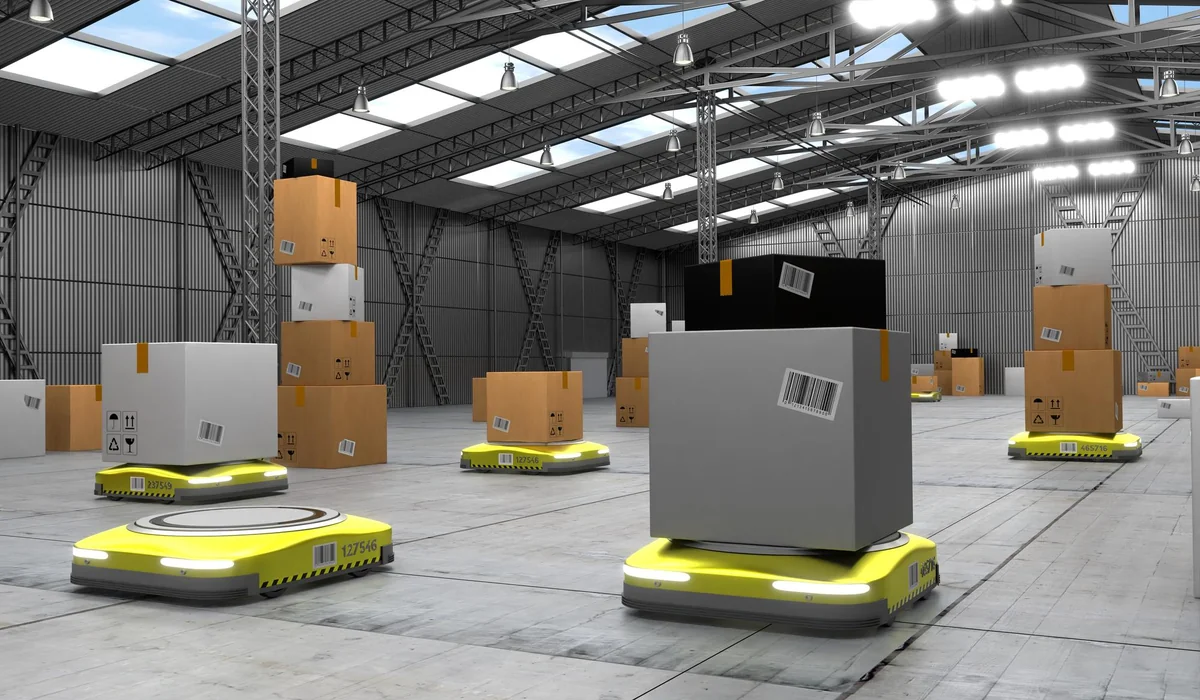
Here’s what changed. The upfront cost for a decent material handling robot dropped about 40% since 2026, while labor costs kept climbing. So the breakeven point that used to take 4-5 years? Now it’s closer to 18-24 months for most mid-size operations. And that’s assuming you’re running a single shift — if you’re doing two or three shifts, the numbers get stupid good.
But the real kicker isn’t just the price drop.
These warehouse automation robots are finally plug-and-play enough that you don’t need a team of engineers babysitting them. I talked to a logistics manager in Ohio who deployed six handling robots with his existing staff — no specialized hires, no six-month integration nightmare. They were moving inventory within three weeks. Three weeks. That would’ve been unthinkable in 2026.
The other thing nobody talks about: error rates. Human pickers are great, but they’re also tired and distracted and sometimes grab the wrong SKU when they’re on hour nine of a shift. Modern automation cuts mis-picks by something like 85-90%, which means fewer returns, fewer angry customers, and way less time spent fixing mistakes. (And if you’ve ever had to process a return for a 50-pound bag of dog food shipped to the wrong address, you know that pain adds up fast.)
So yeah — the technology finally caught up to the promise. The price came down. The complexity went away. And the labor market made the decision kind of obvious for anyone running a warehouse that ships more than a few hundred orders a day.
The 9 Best Material Handling Robots Transforming Modern Warehouses
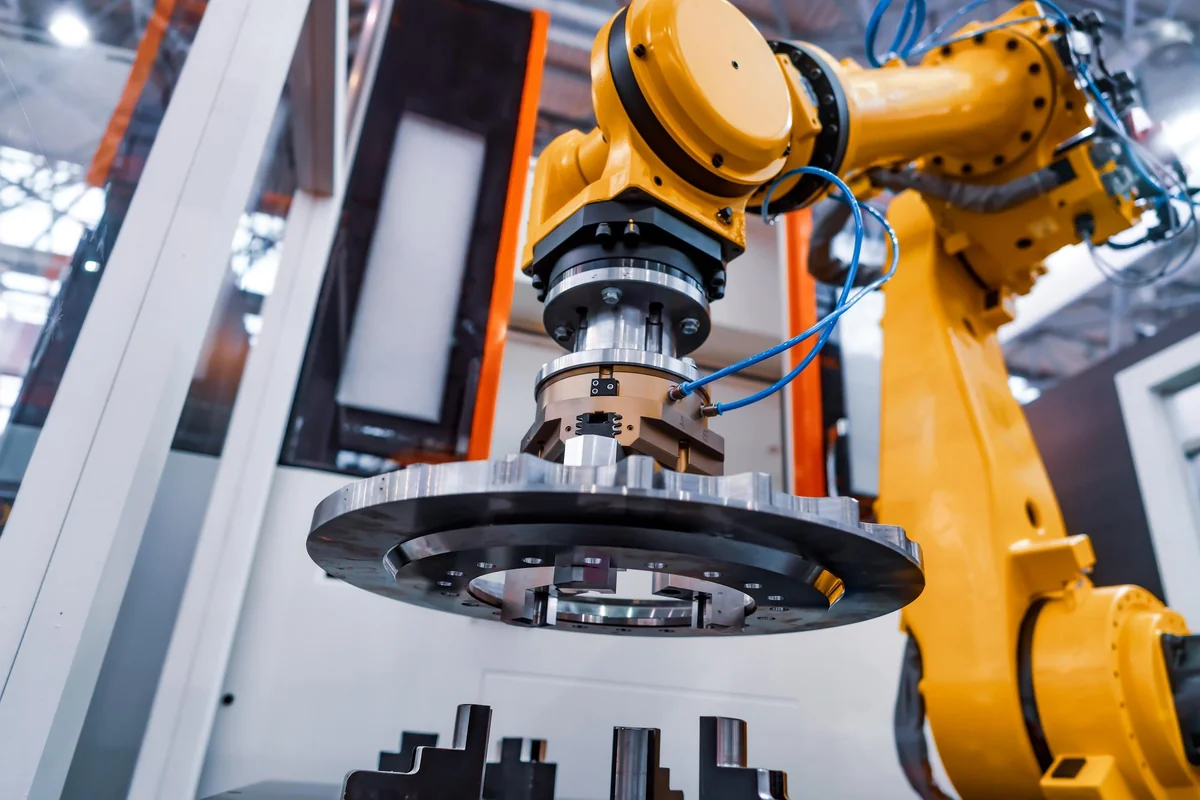
So I just wrapped up a month of pestering warehouse managers, binge-watching demo videos, and — not gonna lie — getting weirdly obsessed with robots that shuffle boxes around all day. Here’s what you actually need to know if you’re shopping for material handling robots this year.
| Robot | Best For | Payload Capacity | What Makes It Different |
|---|---|---|---|
| Amazon Proteus | Mixed human/robot zones | Up to 800 lbs | Works alongside people without safety cages — uses advanced sensors to navigate around humans in real-time |
| Locus Origin | E-commerce picking | 3,000 lbs (shelf weight) | Brings entire shelving units to pickers; cuts walking time by 75% in most facilities |
| 6 River ChuckBot | Collaborative picking | 500 lbs | Follows workers around like a shopping cart — great for operations that aren’t ready to go fully autonomous |
| GreyOrange Ranger | High-density storage | 330 lbs | Slides under racks and lifts them; doubles storage density compared to traditional shelving |
| Fetch Freight1500 | Pallet transport | 3,300 lbs | Autonomously moves full pallets across the warehouse — replaces forklifts for horizontal transport |
| Geek+ P800 | Budget-conscious operations | 1,760 lbs | О 40% cheaper than competitors; solid performance if you don’t need the latest bells and whistles |
| HAI Robotics ACR | Vertical storage retrieval | 220 lbs per tote | Climbs up to 30-foot-high racks — maximizes cubic footage in expensive real estate markets |
| inVia PickerWall | Ultra-fast fulfillment | Varies by module | Modular system that scales from 10 to 1000+ роботы; some clients hit 600+ picks per hour per person |
| Zebra Fetch AMR | Existing Zebra ecosystems | 1,200 lbs | Integrates seamlessly with Zebra scanners and WMS — minimal IT headache if you’re already in their ecosystem |
Here’s what caught me off guard during my research. Payload capacity? Way less important than the spec sheets make it seem. Most material handling robot setups aren’t hauling massive pallets around — they’re moving totes and bins that clock in somewhere between 30 и 150 pounds. So don’t obsess over those 3,000-pound capacity numbers if you’re picking makeup or phone cases.
The other thing: the robots themselves are pretty much a commodity at this point. What really matters is the software running the show — how they route around each other, how they decide which task to tackle next, how they deal with the inevitable mess when someone parks a pallet where it absolutely should not be. (And trust me, that happens constantly.)
How to Choose the Right Handling Robot System for Your Operation
OK so I talked to a warehouse manager in Tennessee last month who told me his biggest regret was buying the robots first and asking questions later. Don’t do that.
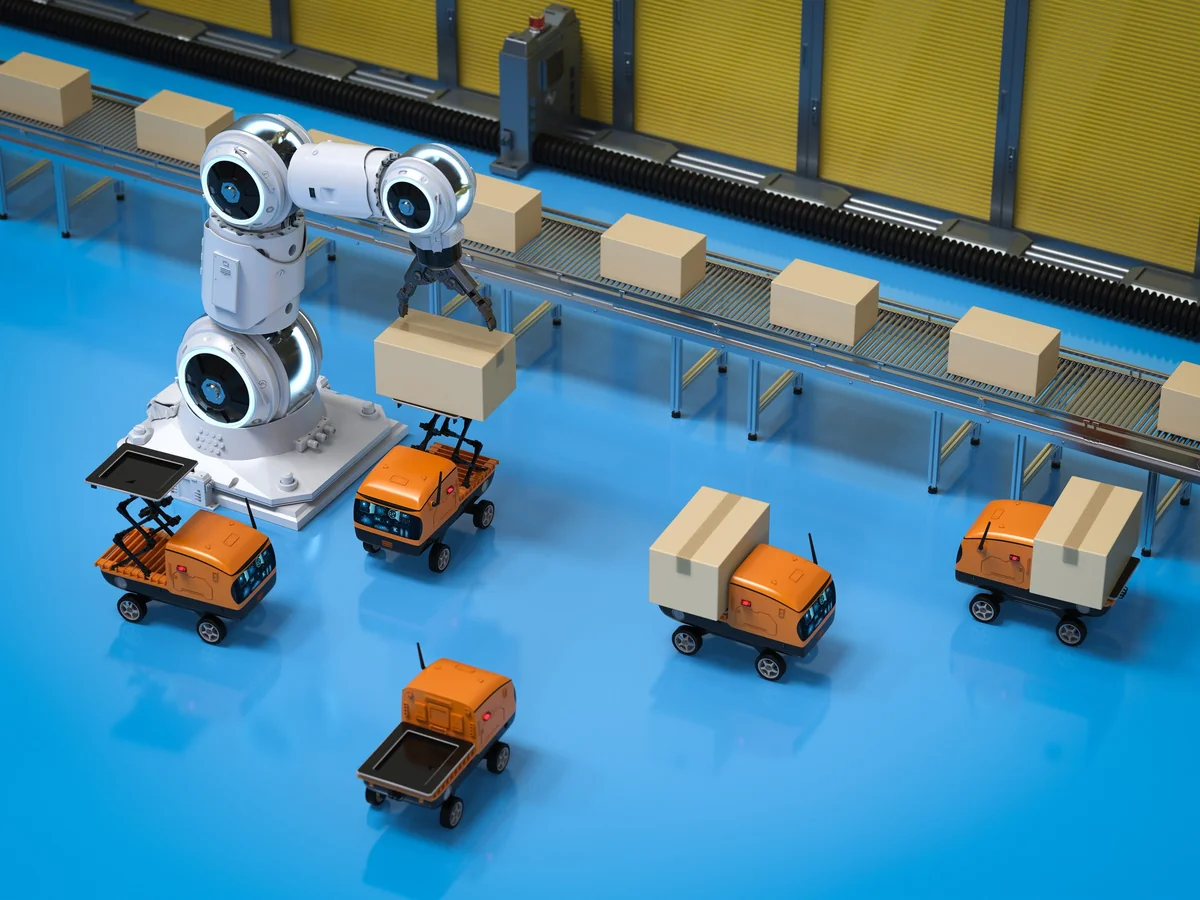
Start with your actual workflow — not what you think it should be, but what it actually is right now. Walk the floor with a notebook (yeah, old school) and track where stuff slows down. Are you drowning in returns processing? Is your pick-and-pack crew constantly sprinting between aisles? Is receiving a nightmare because you can’t stage inbound pallets fast enough? The handling robot you need depends entirely on which fire is burning hottest.
Here’s your practical checklist:
- Floor space and layout — AMRs need surprisingly little room, but AGVs with magnetic tape? They’re picky about straight runs and turning radius. If you’ve got narrow aisles or weird column spacing, measure twice before you commit.
- Integration requirements — Does the system talk to your WMS without a six-month custom dev project? I’ve seen companies burn $80K on middleware just to get robots and software on speaking terms.
- Scalability — Can you start with five material handling robots and add twenty more next year without ripping everything out? Some vendors lock you into fleet minimums or charge insane fees for expansion modules.
- Support and training — Who fixes it when (not if) something breaks at 2 AM during peak season? Local techs? Remote support? A prayer and a YouTube video?
- ROI timeline — Be honest about payback. Most warehouse automation robots hit break-even somewhere between 18 и 30 months if you’re running two shifts. Longer if you’re seasonal.
And look — don’t get hypnotized by the demo. Every vendor’s going to show you a pristine facility where robots glide around like a synchronized swimming team. Ask to visit an actual customer site. Preferably one that’s been running for at least a year. You’ll learn way more from their “yeah, this part kinda sucks” stories than from any PowerPoint deck.
The other thing nobody tells you: training your crew matters more than the robots themselves. If your team doesn’t trust the system or doesn’t understand how to work alongside it, you’ve just bought very expensive paperweights.
Real ROI Numbers: What These Warehouse Automation Systems Actually Cost vs. Save
OK so I’m just going to say it: most vendors will straight-up lie to you about ROI timelines. Not maliciously — they’re just using best-case scenarios that assume you’re running a 24/7 operation with zero downtime and a workforce that costs twice the national average.
Here’s what the actual math looks like when you’re not living in fantasyland.
A mid-sized operation — let’s say 150,000 square feet, moving 10,000 units daily — is looking at somewhere between $800K and $2.5M for a decent fleet of warehouse automation robots. That’s purchase price, installation, the whole setup. Your material handling robots (the ones moving pallets and heavy loads) eat up most of that budget, while smaller handling robot units for picking might run $25K-$60K each depending on payload capacity.
The savings side? That’s where it gets interesting.
Labor’s the obvious one. If you’re replacing 8-12 full-time workers at $18/hour (with benefits that push the real cost to $26-28/hour), you’re saving roughly $450K-$600K annually. But. And this is a big but. You’re not eliminating those positions entirely — you’re shifting maybe 60% of them to robot supervision, maintenance, and system management roles.
| Cost Category | Year 1 | Year 2-3 | Notes |
|---|---|---|---|
| Initial Investment | $800K-$2.5M | — | Includes installation, integration, обучение |
| Annual Maintenance | $40K-$80K | $60K-$120K | Service contracts, parts, software updates |
| Labor Savings | $270K-$360K | $450K-$600K | Ramps up as you optimize workflows |
| Efficiency Gains | $80K-$150K | $120K-$200K | Fewer errors, faster throughput, reduced damage |
So realistically? You’re looking at 22-36 months to break even if everything goes smoothly. Emphasis on if. I’ve seen operations hit payback in 18 months because they nailed the implementation. I’ve also seen companies still trying to justify the spend three years in because they underestimated integration complexity.
The hidden value nobody puts in the spreadsheet: you stop hemorrhaging money during peak season when you can’t find temp workers for any price. That alone saved one client I know about $200K during Q4 last year when the labor market was absolutely cooked.
Заключение
Look — warehouse automation robots aren’t magic, but they’re not snake oil either. If you’ve got the volume to justify the upfront hit and you’re honest about integration timelines, the math works. Just don’t expect it to be plug-and-play, and budget like a pessimist.
The companies I’ve seen succeed? They started small, proved the ROI on one process, then scaled. The ones still fighting with their systems two years later tried to automate everything at once because some consultant sold them a vision.
Start with your biggest pain point. Prove it works there. Then expand.
Frequently Asked Questions
Q: What’s the actual ROI timeline for warehouse automation robots?
A: Most operations see payback in 18-36 months if you’re running two shifts minimum. Single-shift warehouses? You’re looking closer to 4-5 years, which is why a lot of consultants won’t touch those projects. The math only works when utilization is high enough to justify that six-figure upfront hit.
Q: Can warehouse automation robots work alongside human workers safely?
A: Yeah — collaborative robots (cobots) are specifically designed for this. They’ve got proximity sensors and will slow down or stop when someone gets close. That said, you still need proper training and clearly marked zones, because even a “безопасный” robot moving a 50-pound pallet can cause damage if someone does something stupid.
Q: How much does it cost to implement warehouse automation robots for a mid-sized operation?
A: Figure $500K-$2M for a serious deployment in a 100K-200K sq ft facility. That includes the robots themselves, infrastructure changes (charging stations, WiFi upgrades, floor markers), software integration, and training. Anyone quoting you under $300K is either selling you a pilot program or leaving out half the actual costs.
Q: What types of warehouse automation robots are most common?
A: AMRs (autonomous mobile robots) for moving stuff around, robotic arms for palletizing or picking, and AGVs (automated guided vehicles) for repetitive transport routes. AMRs are the most flexible — they navigate on their own instead of following magnetic tape like old-school AGVs. Most warehouses I’ve visited are running some mix of all three.
Q: Do I need to completely redesign my warehouse layout for automation?
A: Not necessarily, but you’ll probably need some modifications. Modern AMRs can navigate existing layouts pretty well, but you might need to widen certain aisles, add charging stations, or reorganize pick zones for optimal flow. The companies that struggle are the ones with weird legacy layouts full of columns and tight corners — robots hate that stuff.
Q: How long does it take to train warehouse staff on automation systems?
A: Basic operation? Maybe a week for most workers. Becoming the person who can troubleshoot and manage the fleet takes 4-6 weeks of real training, not just watching videos. Honestly, the learning curve isn’t the hard part — it’s getting veteran workers to trust the robots and change their 20-year-old habits.
Q: Will warehouse automation robots replace all my workers?
A: No, and anyone telling you that is lying. What happens is you shift people from walking 15 miles a day picking orders to managing robot fleets, handling exceptions, and doing quality control. You might reduce headcount by 20-30% over time through attrition, but you’re not firing everyone — you’re just not hiring five temp workers every peak season.
Q: What happens when warehouse automation robots break down during peak season?
A: This is why you negotiate a solid maintenance contract upfront. Most vendors offer 4-hour response times, but that doesn’t mean fixed in 4 hours — it means someone shows up. Smart operators keep 10-15% extra capacity so if two robots go down, operations don’t collapse. Also, train your team on basic troubleshooting because half the “breakdowns” are just sensors that need cleaning.