Smart Forklift Showdown: AGV vs AMR Technologies Explained

Warehouses are changing fast. Automation is no longer just a dream for big factories. Today, businesses of all sizes are using advanced machines to move goods more safely and efficiently. At the center of this change is a game-changer called the smart forklift.

But not all smart forklifts are created equal. Two major types of technology power these machines — AGV and AMR. If you’re looking to upgrade your warehouse or factory, it helps to know the difference.

So, what exactly are these technologies, and which one should you trust to carry your business forward? Let’s dive in.

What Is a Smart Forklift and Why Does It Matter Today?

A smart forklift is more than just a machine that lifts and moves heavy things. It is a vehicle equipped with sensors, cameras, and software that allow it to drive, stop, and even avoid people or objects — all on its own.

These forklifts are part of the larger trend toward automation in supply chains. As companies try to do more with less, the smart forklift helps reduce labor costs, improve safety, and make sure tasks are done on time.

Two main technologies power today’s smart forklifts. One is the AGV forklift, and the other is the autonomous forklift, also known as the AMR type. But how do they work?

Let’s start with AGVs.

How AGV Forklifts Work in the Real World

AGV stands for Automated Guided Vehicle. These forklifts follow a fixed path to move from one point to another. Think of them like a train that follows tracks. Instead of tracks, AGVs often follow lines on the floor, magnetic strips, or use laser markers to navigate.

How Are AGV Forklifts Used?

AGV forklifts are common in large factories and warehouses where the layout does not change much. They are good for repeating the same task over and over, like moving pallets between two stations.

Because AGVs need fixed paths, they do not do well in busy or changing spaces. If something gets in their way, they stop and wait for it to be cleared. This makes them better suited for simple jobs in controlled environments.

Benefits of AGV Forklifts

  • Reliable: They do the same job without making mistakes.
  • Safe: They move at slow speeds and stop when something is in the way.
  • Easy to set up: If your floor plan stays the same, you can install the guides once and be ready to go.

But what if your workspace changes often? What if you need something more flexible?

That’s where AMRs come in.
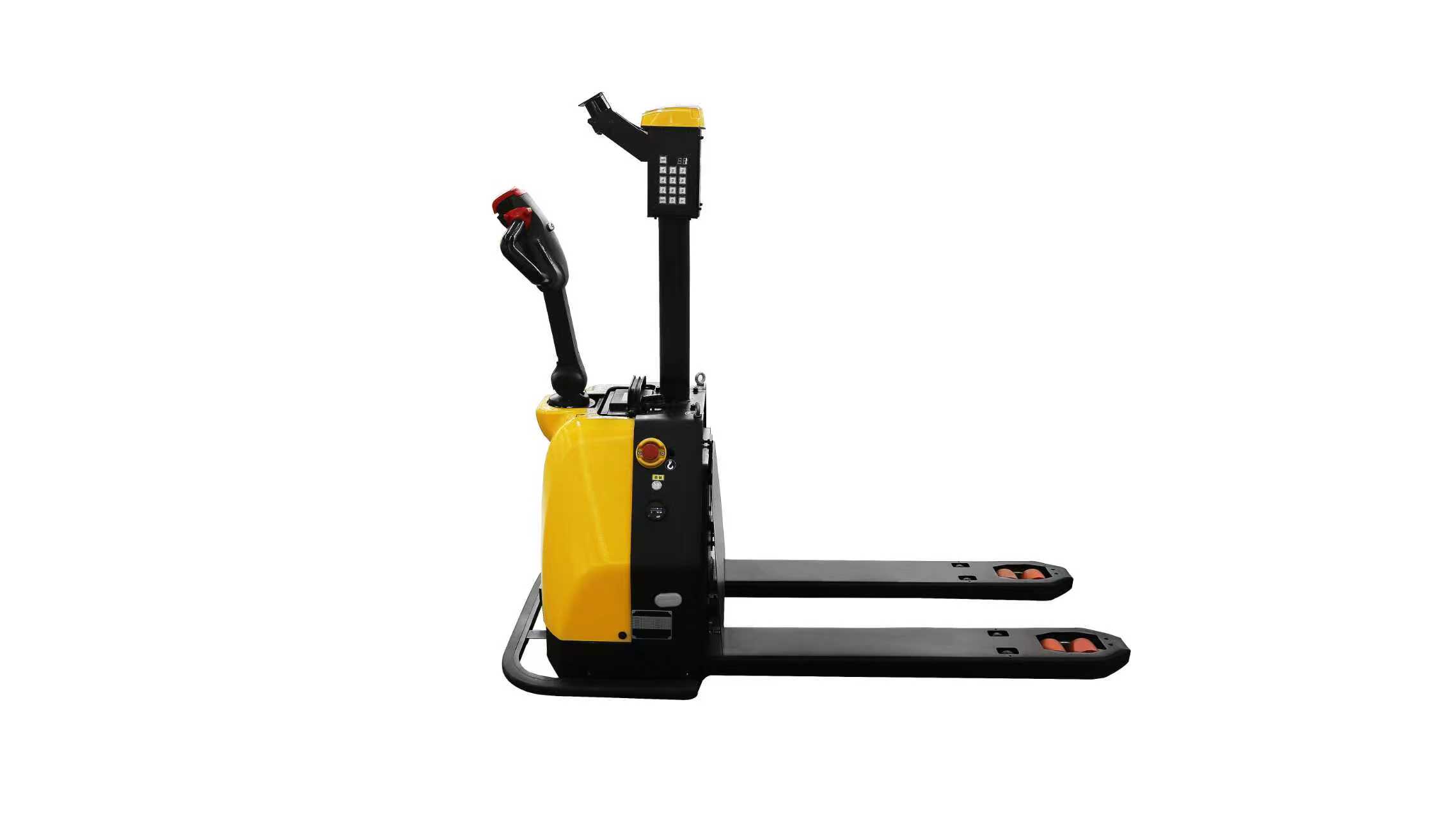
Smart Forklift

The Rise of AMR Forklifts and What Makes Them Smarter

AMR stands for Autonomous Mobile Robot. Unlike AGVs, AMRs do not need a set path. They use smart navigation systems like cameras, laser scanners, and mapping tools to move around on their own.

How Do Autonomous Forklifts Work?

An autonomous forklift powered by AMR technology can create a map of your workspace. It learns the layout, locates shelves, and even finds the best route based on traffic or obstacles.

This type of smart forklift can adapt to changes without needing help. If a path is blocked, it reroutes and keeps working.

Benefits of Using an Autonomous Forklift

  • Flexible: Great for spaces that change often.
  • Smarter navigation: It avoids obstacles in real time.
  • Faster setup: No need to install floor guides or wires.

These machines are especially popular in e-commerce, logistics, and third-party warehouses. Their ability to think and adapt makes them a future-ready solution.

Now that we understand both technologies, let’s compare them side by side.

Smart Forklift Face-Off: Key Differences Between AGV and AMR

You might be wondering — if both types can move goods and improve safety, how do you know which is better for you?

Let’s break down the key differences in a few simple areas.

Flexibility and Navigation

AGV forklifts follow strict paths. If your warehouse changes, you need to update the path manually. In contrast, AMRs can adjust on the fly. If a shelf is moved or a new area is added, they figure it out on their own.

Winner: AMR

Safety and Efficiency

Both types are safe, but AMRs have the edge. They not only stop for obstacles but can also move around them. This keeps things flowing during busy shifts.

Winner: AMR

Cost and Setup

AGV forklifts usually cost less upfront. But they may need more updates and downtime when your layout changes. AMRs cost more at first, but they are easier to scale and save money over time.

Winner: Tie — depends on your needs

Use Case

If your process is simple and does not change often, an AGV forklift may be enough. But if you need smart, flexible movement, the autonomous forklift is the better choice.

So, which smart forklift fits your warehouse best?
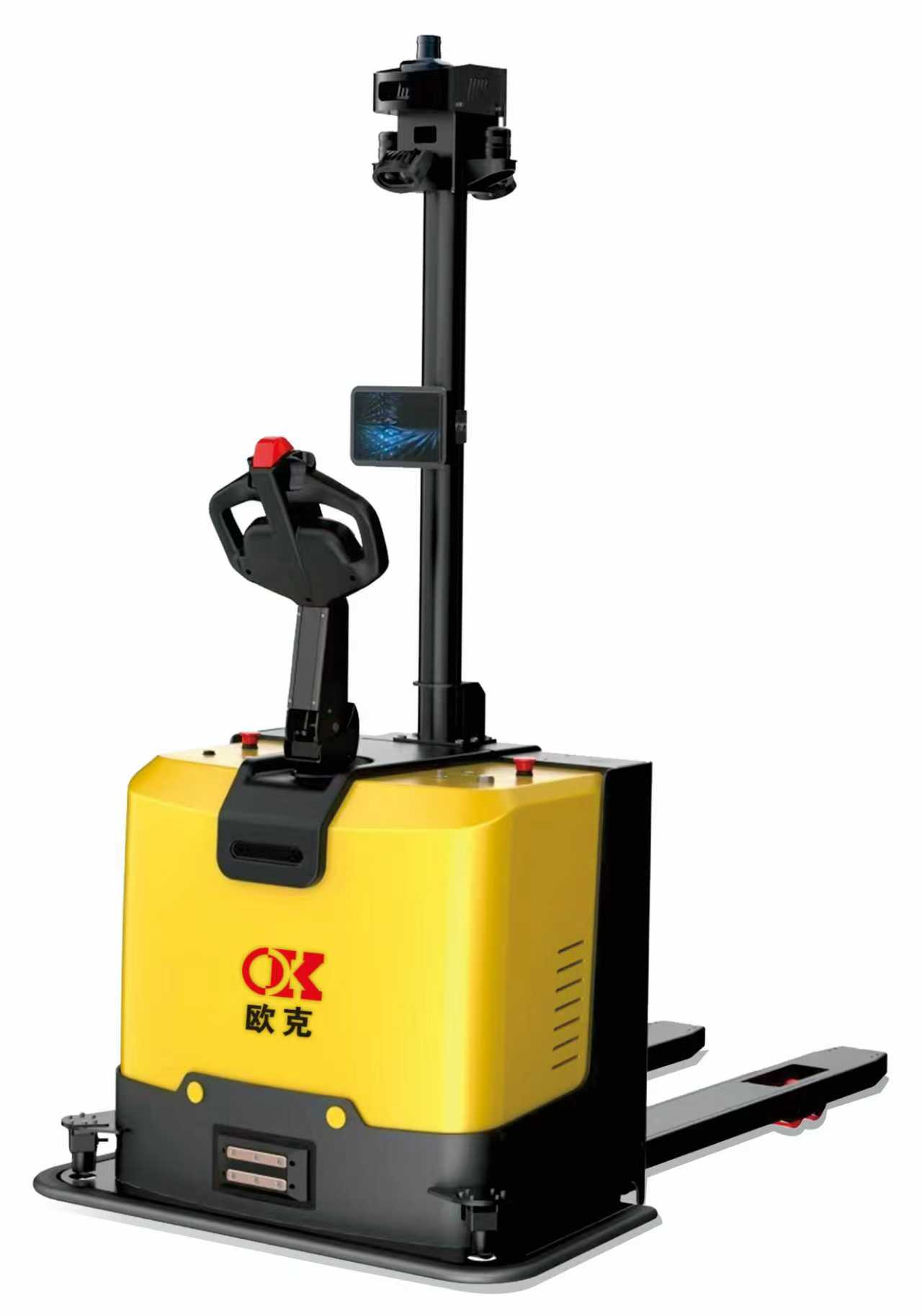
Smart Forklift

Which Smart Forklift Is Right for Your Warehouse?

Choosing between AGV and AMR depends on your space, tasks, and future goals. If your warehouse is busy and often changes layout, AMRs are likely a better investment. If your workflow is simple and does not change much, AGVs might be more cost-effective.

You may even be asking, what is an AGV forklift good for if AMRs are more flexible? The answer lies in stability. For jobs that never change, AGVs are reliable and do not require much maintenance.

But if you’re building a modern, growing warehouse that needs to change quickly, an autonomous forklift gives you the power to scale.

Now, how do you find the right provider to help you make that choice?

How OK Leads the Way in Smart Forklift Technology

At OK, we design forklifts that bring the best of both worlds. Whether you need a guided AGV forklift or a fully autonomous solution, we offer smart forklifts that are easy to use, safe, and built to last.

We focus on flexibility, performance, and real-world results. Our forklifts come equipped with advanced sensors and user-friendly software. This makes it easier for businesses to train staff, launch automation, and stay competitive.

If you are not sure what you need, we are here to help. Our team will look at your space and guide you toward the forklift that fits your exact needs.

You do not need to figure it out alone.

Final Thoughts

Smart forklifts are no longer optional in today’s fast-moving world. Whether you choose an AGV forklift or an autonomous forklift, you are making a step toward a safer, more efficient, and more modern warehouse.

If your operation is simple and steady, AGVs may do the job. But if your workspace is always changing and growing, AMRs offer the flexibility you need.

In either case, a smart forklift is an investment in your future — one that pays off in better performance, fewer delays, and happier teams.

Looking for advice on which forklift is best for your business? Contact OK today for a friendly, no-pressure chat. We’ll help you choose the right smart forklift for your warehouse — no guesswork, just smart solutions that work.

Frequently Asked Questions

1. What is a smart forklift?

A smart forklift is a forklift with advanced technology like sensors and software that allow it to move and work on its own without human control.

2. What is the difference between AGV and AMR forklifts?

AGV forklifts follow fixed paths, while AMR forklifts can move freely using smart navigation. AMRs are more flexible and better for dynamic spaces.

3. Which is better for a small warehouse, AGV or AMR?

It depends. If your layout is simple and stable, an AGV forklift may be enough. If things move around often, AMRs are the better choice.

4. Are smart forklifts safe to use?

Yes, smart forklifts are built with safety features like obstacle detection and auto-stop. AMRs can even avoid people and objects while moving.

5. Can smart forklifts work with my existing warehouse layout?

Yes. AMR-based smart forklifts can adapt to almost any layout without needing floor markers. AGVs may need some changes to your space.

6. How do I know if I need a smart forklift?

If you want to save time, reduce errors, and improve safety, a smart forklift can help. It’s especially useful for growing warehouses or factories.

7. What industries use AGV and AMR forklifts?

Industries like automotive, e-commerce, retail, and logistics use AGV forklifts and autonomous forklifts to improve workflow and efficiency.

8. Do smart forklifts replace human workers?

No. Smart forklifts work with people to handle heavy or repetitive tasks, letting workers focus on more important jobs.

9. What is the setup time for an AGV forklift?

An AGV forklift usually takes more time to set up because it needs floor guides or markers. AMRs are faster to install and scale.

10. Where can I buy a smart forklift?

You can contact OK, a leading manufacturer of smart forklift technology, to get expert advice and solutions for your warehouse.
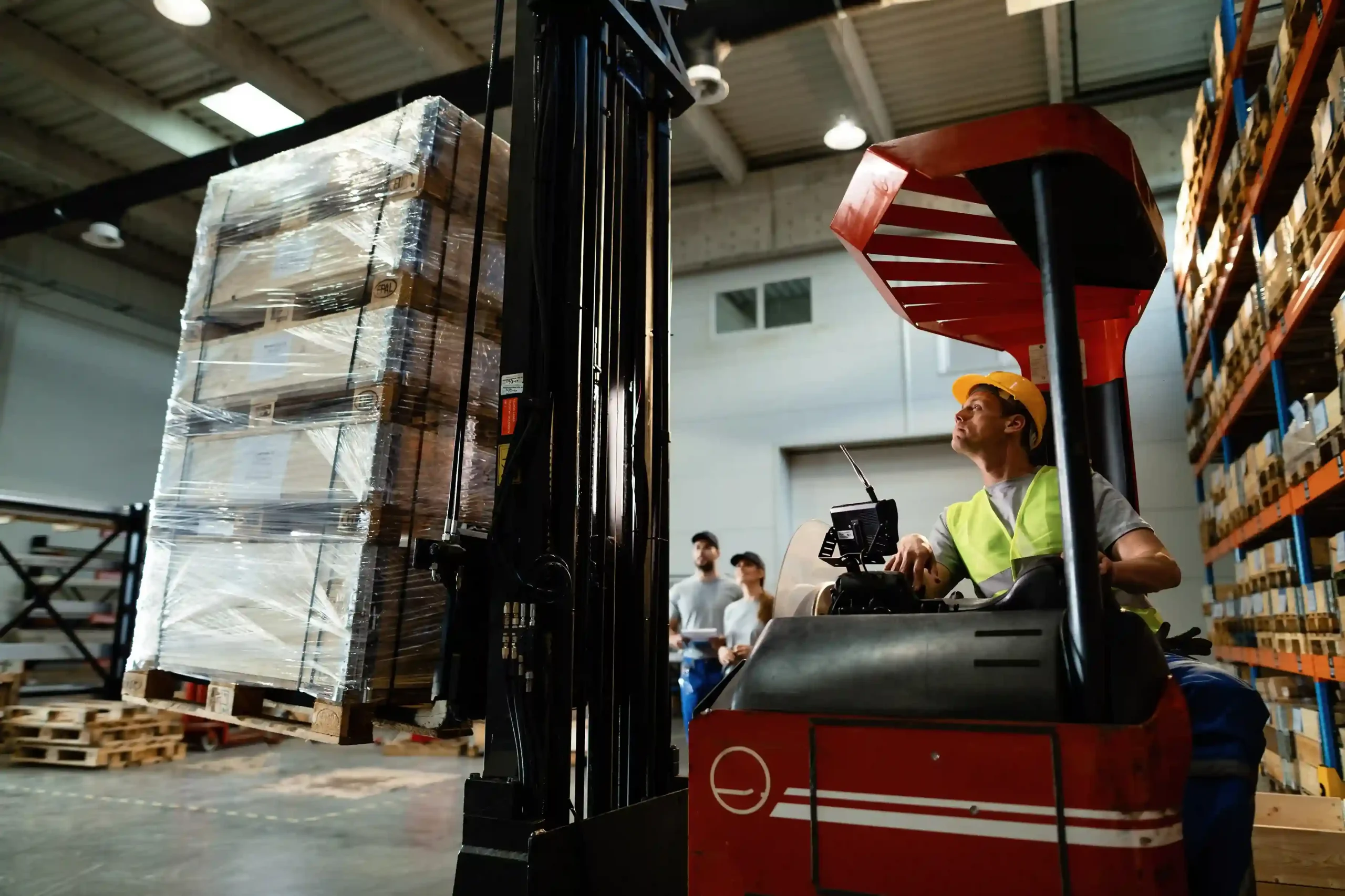
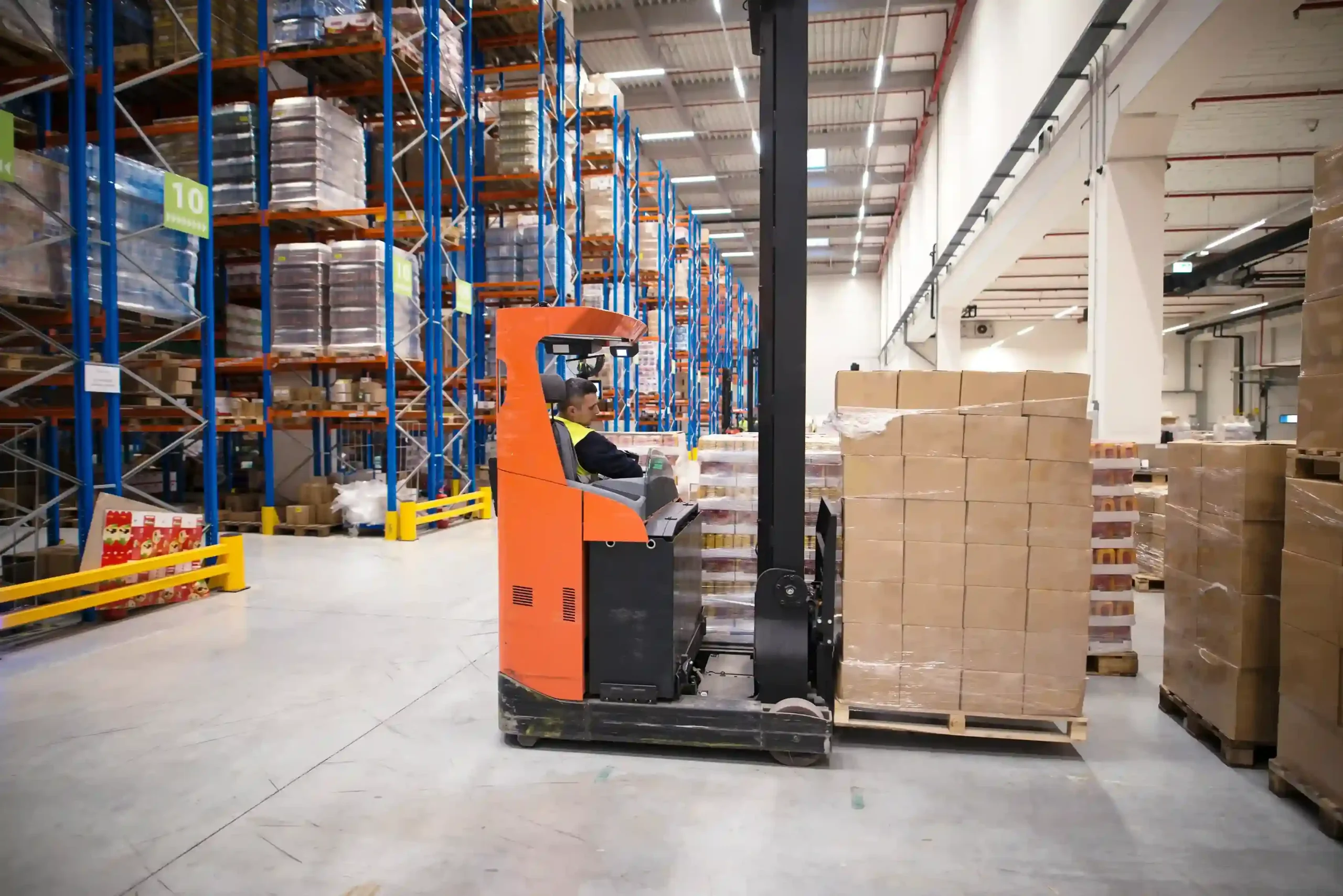
Why Manufacturers Like You Should Invest in a Smart Forklift Today

If you are running a factory, then you already know how important it is to keep things going. You’re juggling timelines and managing teams, while trying to squeeze every little bit of productivity out of your floor.

What if one upgrade could help with all of that?

That’s just what a smart forklift is built for. It is not just another piece of machinery; it is an intelligent investment in how your factory functions, and more manufacturers are making the switch every day.

So, what makes a smart forklift so smart? And is it really worth replacing the ones you already have? Let’s talk about it.

What Is a Smart Forklift and How Is It Different From What You’re Using Now?

Chances are, your factory already has forklifts. They’re workhorses: moving pallets, handling heavy loads, and generally keeping things moving. But traditional forklifts have one big downside: they need people to operate them every step of the way.

A smart forklift is built differently. It uses sensors, cameras, and onboard software to do much of the thinking on its own. Some models are fully autonomous, which means they can move through your factory without a driver. Others support operators by avoiding collisions, adjusting routes, or sending data in real time.

It’s the difference between a flip phone and a smartphone. They can make calls, but one does a whole lot more than that.

Now, you might be wondering—is this just cool tech, or does it actually make a difference?

smart forklift

Top Benefits of Using a Smart Forklift in Your Factory

Let’s look at the real-world benefits manufacturers are seeing when they make the switch.

Boosts Productivity Without Adding Headcount

Smart forklifts don’t take lunch breaks, they don’t make wrong turns, and they can run all day if you need them to. That means more goods are moved in less time, without hiring more workers.

Whether it’s parts handling, packaging, or raw materials you are dealing with, this level of reliability will speed up your entire process.

Improves Safety, Which Means Fewer Accidents

Forklift accidents occur far more than they should, and they are normally caused by human error. Smart forklifts now help solve this. They are able to detect people, other vehicles, or unexpected obstacles and then slow down or stop before things go wrong.

That keeps your workers safer and helps avoid damaged goods or downtimes.

Reduces Labor Costs Over Time

Hiring and training forklift operators is expensive, and the turnover rate is high. Smart forklifts can take on repetitive tasks, freeing your team up for work that really needs a human touch. This saves money on wages and recruitment over time.

Gives You Useful Data You Can Actually Use

This is where the “smart” part really pays off: smart forklifts track how they’re used, where they go, how much they carry, and even when they’ll need maintenance. You get a clear picture of what’s happening on your floor—without having to guess.

So, you’re not just moving goods; you’re building a smarter, more efficient system.

But how does this all fit into the daily life of a busy factory?

How Smart Forklifts Help You Run a Smoother, Faster Operation

Every manufacturer wants fewer delays and fewer problems; this is where smart forklifts really shine.

They don’t just follow orders, they learn your space: where things go and the fastest way to get there. When something blocks the path, they adjust. No shouting across the floor. No missed deliveries. No wasted steps.

Smart forklifts also talk to your systems. Need to update inventory or check what’s been delivered? It’s all tracked automatically. That means fewer errors, fewer lost items, and more control over your workflow.

For factories running at full speed, that is a big deal.

So who’s already using smart forklifts—and who should be?

smart forklift

Who Can Benefit the Most From Smart Forklifts?

You don’t need to be running a mega-factory for it to be worth adding smart forklifts to your lineup. In fact, they’re a great fit for just about any manufacturer who wants to make their operations leaner and smarter.

Here’s where they’re especially useful:

  • Automotive: Heavy parts, tight schedules, and no room for delays.
  • Electronics: Delicate materials, high-precision handling.
  • Food and Beverage: Fast-paced operations and strict safety rules.
  • Logistics/Warehousing: Continuous movement; night-time work is also necessary.
  • CHEMICAL AND PHARMACEUTICAL: High safety needs and strict standards.

If your team spends a lot of time moving things around, or you’ve got tight margins and no room for error, a smart forklift could make a noticeable difference.

Now you might be thinking, “This sounds good, but why now?

Why Now Is the Right Time to Upgrade

The truth is, smart forklifts are no longer a nice-to-have; they have become a must-have.

Labor costs are up, skilled operators are harder to find, and customers expect fast, accurate deliveries every time. The longer you wait to modernize, the harder it’ll be to keep up.

Technology like this used to be expensive. Now it’s more affordable and more reliable than ever. And it doesn’t take months to install or learn. Most systems can be up and running quickly, with support to make the switch smooth.

Upgrade now, and you will be ahead of the curve-and start to see the benefits before the competition does.

But not all smart forklift providers are created equally, so why choose OK?

Why Choose OK for Your Smart Forklift?

At OK, we know manufacturing. We’ve worked with factories of all sizes, helping them move faster, run safer, and stay competitive.

Here’s what sets us apart:

  • Technology you can trust: Our smart forklifts are tested in real-world factories and built to last.
  • Systems tailored to your workflow: We don’t sell one-size-fits-all. We learn how you work, then match the right solution to your needs.
  • Ongoing support: We don’t disappear after the sale. Our team is here to help you train, adjust, and grow.
  • Global reach with local care: Whether you’re in China or across the world, we’ve got your back.

When you invest in an OK smart forklift, you’re not investing in a machine but a partner who understands the pressure you’re under and knows how to help.

The bottom line

Your factory has a lot going on. You’re moving fast, solving problems, and trying to stay one step ahead. A smart forklift might not solve every challenge, but it could be just the tool to make everything else a little easier.

From smoother workflows to lower costs, from better safety to smarter decisions, this one upgrade can have a big impact. And it’s easier to get started than you might think.

Wondering what a smart forklift could do for your operation? Or are you just ready to stop doing things the hard way? Contact us at OK so we can hear about your factory and find the right solution for you.

Let’s create something smarter–together.

Frequently Asked Questions

What is a smart forklift?

A smart forklift is a forklift with built-in sensors, software, and automation that enable it to drive itself, avoid obstacles, and collect useful data.

Compared to a regular forklift, how is a smart forklift different?

Unlike traditional forklifts, smart forklifts can move on their own, track performance, and communicate with your factory systems to enhance efficiency.

Do smart forklifts need a human driver?

Basic operations can be done without a driver in many smart forklifts, while some still offer manual control when needed.

Is a smart forklift safe to use around people?

Yes, they are designed with safety in mind. They can slow down, stop, or reroute once they detect people or obstacles in their vicinity.

How do smart forklifts help with factory productivity?

Faster, fewer errors, and less downtime mean they keep your line up and running with ease.

Can I use a smart forklift in any type of factory?

Yes, they work in many industries: automotive, electronics, food, and warehousing, among others.

How difficult is it to transition from regular forklifts to smart ones?

Not at all. Most systems are easy to set up, and providers like OK offer full support to get you started.

Will a smart forklift lower my operating costs?

Over time, yes. It helps reduce labor costs, avoid accidents, and improve workflow efficiency.

Can smart forklifts track inventory too?

Yes. Some models include scanners or RFID tech that help you monitor stock levels automatically.

Why should I choose OK for smart forklifts?

OK combines reliable technology with real factory experience and global support, making it easy to upgrade with confidence.