If you work in a warehouse or factory, you probably know how important palletizing robots are. These machines help stack products on pallets quickly and accurately, saving time and reducing labor costs. But like any machine, palletizing robots need proper care. Without regular maintenance and timely repair, these robots can break down, causing production delays and unexpected costs.
Donc, how can you keep your palletizing robots running smoothly? This guide will walk you through the most common issues, routine maintenance, repair tips, and strategies to prolong the life of your robots. By the end, you’ll feel more confident in handling palletizing robot repair like a pro.
Why Regular Maintenance Is Crucial for Palletizing Robots
You might wonder, why can’t we just wait until the robot breaks before fixing it? The answer is simple: reactive repairs are expensive and time-consuming. Regular maintenance prevents small issues from turning into major problems.
Palletizing robots perform repetitive tasks every day, which puts a lot of stress on their mechanical parts and electronics. Even minor wear on joints, belts, or sensors can affect performance. Without maintenance, robots can misplace items, slow down production, or even stop working completely.
Benefits of Regular Maintenance
- Fewer breakdowns – Regular checks catch problems early and reduce downtime.
- Longer lifespan – Machines last longer when cared for properly.
- Improved safety – Properly maintained robots reduce the risk of accidents.
- Consistent performance – Products are stacked accurately every time.
Regular maintenance isn’t just a recommendation; it’s essential. But what exactly can go wrong with palletizing robots? Let’s take a closer look.
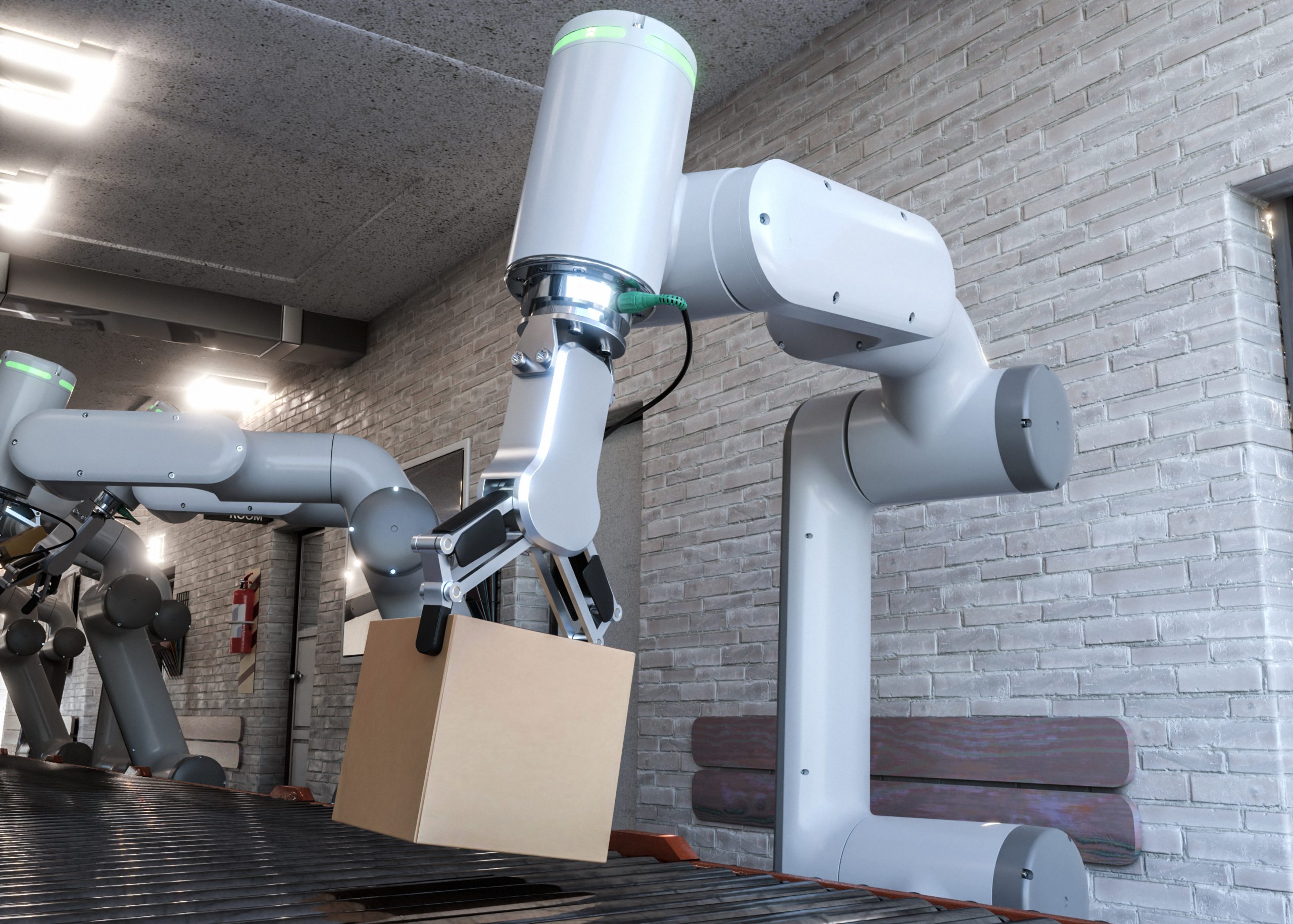
Common Issues That Require Palletizing Robot Repair
Understanding the common problems will help you identify when a repair is needed. Here are the most frequent issues:
Mechanical Problems
Over time, robot joints, grippers, and belts can wear out. Misaligned axes or loose bolts can cause inaccurate placement or slow movement. Imagine a pallet being stacked unevenly because a joint moves slightly off track. Even small mechanical problems like this can disrupt an entire production line.
Electrical Problems
Faulty wiring, damaged sensors, or failing servo motors can stop the robot from functioning. Electrical issues are often tricky to spot, but ignoring them can escalate into serious damage. A simple loose connection can lead to hours of downtime, which can be very costly in a busy warehouse.
Software and Programming Errors
Sometimes the robot behaves strangely because of software problems. Errors in the program, communication issues with controllers, or outdated firmware can cause misplaced pallets or unexpected stops. Regular updates and checks prevent minor software issues from turning into full production halts.
Environmental Factors
Dust, humidity, and temperature changes affect robots as well. Dirty sensors, sticky joints, or overheating can interfere with performance. Many warehouses overlook environmental conditions, but these small factors can add up to major repairs later.
When you notice these issues, it is time to plan a palletizing robot repair. But before diving into repairs, let’s talk about everyday maintenance.
Daily and Weekly Maintenance Tips for Palletizing Robots
You don’t have to be a technician to perform basic maintenance. Some tasks are simple but make a big difference in preventing failures.
Daily Maintenance
- Clean surfaces and joints – Dust and debris can block sensors and reduce accuracy.
- Check cables and connectors – Look for frayed wires or loose plugs that could cause errors.
- Monitor error codes – Controllers usually display errors that indicate early problems.
- Observe robot behavior – Pay attention to any unusual sounds or slower movements. Early detection helps avoid larger repairs.
Weekly Maintenance
- Lubricate moving parts – Proper lubrication reduces wear and keeps movement smooth.
- Inspect bolts and fasteners – Make sure everything is tight and aligned. Loose bolts can cause serious mechanical failures.
- Test safety systems – Check emergency stop buttons, light curtains, and interlocks to ensure worker safety.
Following these small steps consistently can dramatically reduce the need for major repairs. But if problems do occur, knowing how to perform a palletizing robot repair is essential.
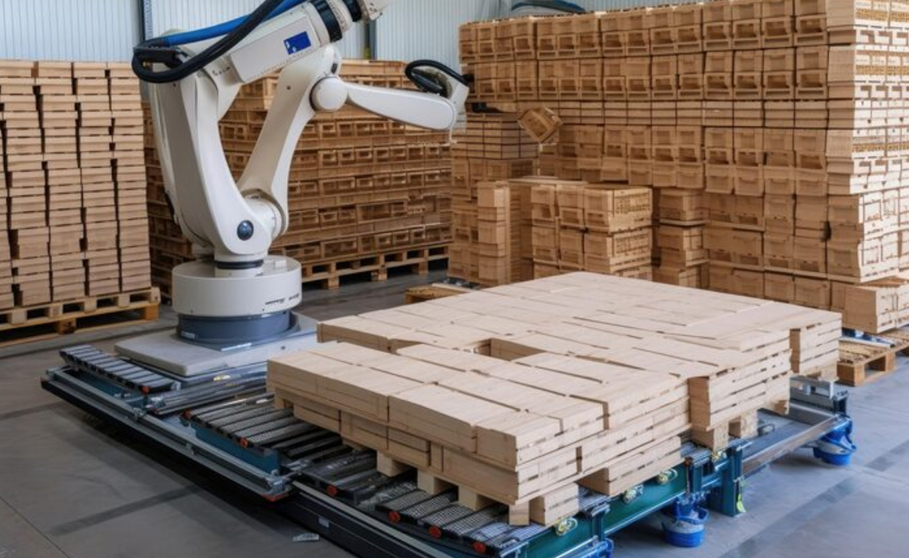
Step-by-Step Guide to Palletizing Robot Repair
Repairing a palletizing robot might sound intimidating, but many common problems have straightforward solutions. Let’s go through the most frequent issues and how to fix them.
Robot Fails to Start
Check the main power supply and fuses.
Inspect the emergency stop button and safety interlocks.
Look at the controller for error codes and reset it if necessary.
Inaccurate Pallet Placement
Examine joints and axes for wear.
Recalibrate the robot according to the manufacturer’s instructions.
Verify that the end-effector is properly aligned.
Servo Motor or Sensor Errors
Inspect wiring and connections.
Replace faulty sensors or servo motors.
Run diagnostics using the robot controller to ensure proper operation.
Software or Communication Problems
Update the robot’s software or firmware.
Reset the controller and reload the program.
Check connections with PLCs or network systems to fix communication errors.
It’s important to follow safety precautions while performing repairs. Turn off the power and follow the manufacturer’s guidelines to avoid injury or further damage.
How to Prolong the Life of Your Palletizing Robots
After repair, the goal is to keep your robots running efficiently for as long as possible. Here are some practical tips:
Implement a Preventive Maintenance Schedule
Rather than waiting for breakdowns, schedule regular inspections, cleaning, lubrication, and software checks. Preventive maintenance is cheaper and less stressful than waiting for a complete failure.
Keep the Environment Clean
Dust, humidity, and extreme temperatures shorten robot life. Make sure your robots operate in clean, controlled conditions. Use protective covers if necessary and keep the workspace tidy.
Train Operators Properly
A robot is only as reliable as the people using it. Proper training helps operators spot early signs of problems and handle robots safely. Encourage your team to report unusual noises, slower cycles, or small errors immediately.
Use Genuine Replacement Parts
Cheap or incompatible parts may work temporarily, but can cause bigger problems over time. Stick with manufacturer-approved components to ensure compatibility and reliability.
Monitor Performance Data
Modern palletizing robots can provide data on errors, cycles, and performance. Monitoring these metrics helps predict failures before they happen. Some advanced systems even allow predictive maintenance, alerting you before a problem occurs.
By following these tips, you reduce downtime and extend the lifespan of your robots while keeping production smooth.
Real-Life Examples of Palletizing Robot Repair
Let’s make this more concrete. Imagine a warehouse that relies on robots for stacking boxes. One day, a robot starts placing boxes slightly off the pallet. At first, it seems minor, but over a few days, the misalignment grows. Production slows, and workers have to manually fix pallets.
After inspection, the maintenance team finds worn joints and a misaligned end-effector. They perform palletizing robot repair, recalibrate the robot, and replace worn components. The robot returns to full efficiency, saving the company hundreds of labor hours and avoiding delays.
This example shows why catching problems early and performing repairs promptly is crucial.
Connecting Maintenance and Repair: Why Both Are Essential
You might wonder, ” Do I need both maintenance and repair? The answer is yes. Maintenance keeps robots healthy, while repair fixes problems that inevitably arise. Think of it like caring for a car. You change the oil and rotate the tires, but sometimes you still need to fix a flat or replace a part.
By combining both approaches, you ensure smooth production, safer operations, and fewer unexpected costs.
Conclusion
Caring for palletizing robots doesn’t have to be complicated. By performing daily and weekly maintenance, understanding common issues, and knowing how to handle repairs, you can keep your robots running efficiently for years.
Remember, palletizing robot repair isn’t just a technical task it’s a smart investment in productivity, sécurité, and cost savings. Keeping up with maintenance and addressing problems early ensures your production line stays fast, accurate, and reliable.
If you want to learn more or need help with your robots, don’t hesitate to contact us at OK. Our team is ready to provide guidance, advice, and support so your palletizing robots perform at their very best every day.
Frequently Asked Questions
Q1: How often should I perform palletizing robot maintenance?
Daily checks for cleanliness, cables, and error codes are recommended, with weekly lubrication, bolt inspections, and safety system tests. Routine maintenance prevents costly repairs.
Q2: What are the most common problems in palletizing robots?
Mechanical wear, faulty sensors, servo motor errors, software issues, and environmental factors like dust or temperature changes are the most frequent causes of malfunction.
Q3: Can I perform palletizing robot repair myself?
Simple tasks like cleaning, checking connections, or resetting controllers can be done in-house. More complex repairs, like replacing motors or sensors, should follow manufacturer guidelines or involve trained technicians.
Q4: How can I prolong the life of my palletizing robots?
Implement preventive maintenance, monitor performance, use genuine parts, maintain a clean environment, and train operators properly.
Q5: Why is early repair important?
Addressing small issues early reduces downtime, improves safety, and saves costs by preventing major failures.