When we grab a snack from the shelf or open a can of soup, we usually don’t think about what it took to make sure that food is safe. But behind the scenes, food manufacturers are working hard to protect us from dangerous surprises. One of the most important tools they use is something we might not expect — metal detectors in the food industry.
From catching tiny pieces of metal to helping companies meet safety rules, these machines play a major role in keeping what we eat clean and trustworthy. But how exactly do they work, and why are they so important today? Let’s take a closer look.
Why Are Metal Detectors in the Food Industry So Important?
Every food product that makes its way to your kitchen passes through many machines — grinders, mixers, conveyors, and packaging equipment. Each of these has parts made of metal, and over time, those parts can wear down. Tiny bits of metal can break off and accidentally end up in the food. This is a serious risk.
Metal contamination not only puts people’s health in danger, but it can also hurt a company’s reputation. No food brand wants to make the news because a customer found a metal shard in their meal. On top of that, there are strict food safety rules around the world that require manufacturers to check for contaminants, including metal. Standards like HACCP, BRC, and FSMA make sure companies follow proper safety practices.
So how can food makers be sure their products are safe? That’s where metal detectors in the food industry come in. These machines are designed to catch even the smallest pieces of metal before the food reaches the store.
But what kinds of metals do they look for, and where do those come from?
Common Types of Metal Contamination in Food
Where Does the Metal Come From?
There are many ways metal can get into food. It can come from broken machine parts, screws, blades, or even dropped tools. The more steps involved in making the food, the more chances there are for something to go wrong.
Even something as small as a single wire from a conveyor belt can end up in a food item. That’s why every step of the process has to be carefully monitored.
Why Certain Metals Are Harder to Detect
Not all metals are the same. Metalli ferrosi, like iron and steel, are magnetic and easy to detect. Non-ferrous metals, such as copper or aluminum, are not magnetic but still conduct electricity, so they can also be found. The hardest to catch are stainless steels, especially the ones used in wet or salty foods.
They are not magnetic and have low electrical conductivity, making them more difficult to detect.
This means manufacturers need very accurate machines that can spot a variety of metals in different types of food. But how do these machines work in the first place?
How Do Metal Detectors in the Food Industry Actually Work?
To understand how metal detectors in the food industry help keep food safe, it helps to know a little about how they function.
Basic Working Principle of Food Metal Detectors
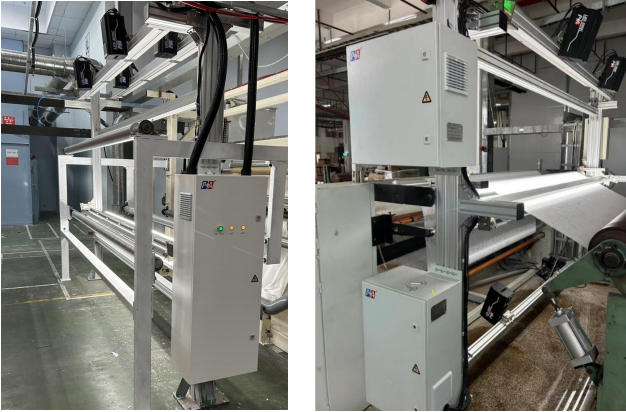
A typical food metal detector uses an electromagnetic field. The food passes through a tunnel, and if a metal object disrupts the field, the machine detects it and sounds an alarm. Some systems are even connected to automatic reject devices, which remove the contaminated product immediately.
This helps stop the problem before it gets out of hand and ensures that only safe products continue down the line.
What Makes a High-Sensitivity Metal Detector Special?
Not all metal detectors are created equal. A high-sensitivity metal detector can find smaller pieces of metal than a standard one. These are especially useful for products like powdered spices, dairy, or wet items like meat and cheese, where small metal particles may be hard to spot.
Some high-sensitivity models also adjust automatically for different products. For example, salty foods or those with a lot of moisture can create false alarms. Advanced detectors can “learn” these food types and reduce false results while still spotting real contamination.
So now we know how these machines work. But where exactly are they used in the food industry?
Where Are Metal Detectors Used in Food Processing?
In meat and poultry processing, machines like grinders and slicers can wear down over time. This increases the risk of metal shavings ending up in burgers, sausages, or chicken nuggets. That’s why metal detectors are often placed after cutting or mixing, but before packaging.
These detectors help make sure the final product is free of metal and ready to ship.
In Bakery and Snack Production
For baked goods like bread, cookies, and crackers, the danger often comes from mixing equipment or conveyor belts. If a part loosens or breaks, it can fall into the dough without anyone noticing.
That’s why metal detectors in the food industry are a key part of bakery production lines. They are usually installed right before the packaging stage to catch any missed contamination.
In Dairy, Frozen, and Powder Products
Dairy products like cheese and butter are tricky because they hold moisture. Frozen items and powders are also unique. Frozen products can be rock hard, and powders like flour can move fast through chutes.
Different types of food metal detectors are used here, such as pipeline detectors for liquids or gravity-fed detectors for powders. In all cases, the goal is the same — catch any metal before it reaches the consumer.
But with so many kinds of products, how do companies choose the right equipment?
What to Look for When Buying Food Metal Detectors
When buying a metal detector for food processing, accuracy is key. A high-sensitivity metal detector can spot even the smallest fragments. But that’s not the only thing to look for.
Manufacturers also want:
- Easy-to-use controls
- Good data tracking for audits
- Flexible settings for different food types
- Strong build quality to handle tough environments
- Reliable reject systems that remove only the bad product
How to Choose the Right Supplier
Beyond the machine itself, the supplier matters. A good supplier offers support, training, and customization. For international buyers, working with a reliable manufacturer with export experience is a must.
That brings us to a company leading the way in this space — OK.
The Role of OK in Modern Food Safety
OK is a trusted manufacturer based in China that designs and builds high-performance food metal detectors. They offer a range of machines for different parts of the food production process — from pipeline systems for liquids to tunnel detectors for packaged goods.
Each OK high-sensitivity metal detector is designed with accuracy, speed, and safety in mind. Whether you process snacks, meat, dairy, or bulk ingredients, their machines help you stay compliant and protect your customers.
What sets OK apart is its focus on real-world solutions. Their machines are built to handle the unique needs of food producers, with smart features that adjust to different products and conditions.
Their goal? Helping food manufacturers deliver clean, safe, and trustworthy food — every time.
Conclusione
Metal in food might sound like a rare problem, but for food manufacturers, it’s a serious and daily concern. That’s why metal detectors in the food industry have become essential. They catch what we can’t see and protect consumers from harm while also saving companies from expensive recalls and lost trust.
From detecting small metal flakes in powdered spices to keeping chunks of steel out of frozen meals, these machines are the silent heroes of the food production world.
If you’re in the food business and want to make sure your products are truly safe, the right metal detector can make all the difference.
Looking for a food metal detector you can count on? Get in touch with the experts at OK. Whether you’re upgrading your line or starting fresh, we’re here to help you find the perfect solution. Contact us today — let’s make food safer together.
FAQs
1. Why are metal detectors important in food processing?
They help detect and remove metal contamination to protect consumers and ensure compliance with food safety standards.
2. What types of metal can be detected?
Ferrous, non ferroso, and stainless steel metals can all be detected using advanced food metal detectors.
3. What is a high-sensitivity metal detector?
It’s a detector that can find very small pieces of metal, even in challenging products like wet or salty foods.
4. Where are food metal detectors used?
They are used in meat, bakery, dairy, frozen, and powdered food production lines — usually before packaging.