In today’s fast-moving industrial world, speed and efficiency can make or break a production line. Whether you’re packing food, beverages, chemicals, or electronics, how you stack and ship your products matters. That’s why palletizing machines are now a vital part of any modern manufacturing system. But here comes the big question: Should you choose a traditional layer palletizer or a more flexible layer palletizing robot?
In this comparative analysis of layered palletizing machines and robotic palletizing, we’ll break down both systems in simple terms. We’ll look at how they work, where they shine, what challenges they bring, and which one might be better for your production needs.
Let’s dive in and discover which type of palletizing solution is the right fit for your factory.
What Is a Layer Palletizer and How Does It Work?
A layer palletizer is a machine that stacks products by arranging them into full layers before placing them on a pallet. Imagine rows of boxes moving along a conveyor belt. The layer palletizer pushes them into position until a complete layer is formed. Once a layer is ready, it is placed onto a pallet. This process is repeated over and over until the pallet is full.
These machines are usually found in industries where the product size, shape, and weight are consistent. They are great for high-speed operations where there isn’t a lot of variety in the packaging.
So, what makes layer palletizers a popular choice for many factories?
Benefits of Using a Layer Palletizer
- High speed: Layer palletizers can handle over 100 units per minute. That’s perfect for fast production lines.
- Consistency: Because they stack full layers at once, the stacks are neat and uniform.
- Simple to operate: Once set up, they don’t need much attention during operation.
However, like all machines, they have their limits. And that leads us to a more flexible solution that’s growing in popularity.
What Is Robotic Palletizing and How Does It Compare?
Now that we’ve seen how a layer palletizer works, let’s look at robotic palletizing.
A layer palletizing robot uses a robotic arm to pick up products and place them onto pallets. These robots can use suction cups, mechanical grippers, or other tools to handle different product types. Some robots are even designed to build full layers, similar to traditional layer palletizers, but with added flexibility.
Why are more companies switching to robotic palletizing?
The answer lies in its adaptability. A robotic palletizer can handle products of different shapes and sizes. It can also be reprogrammed easily if you need to change your stacking pattern or switch to a different product line.
Advantages of a Layer Palletizing Robot
- Flexibility: Great for mixed product lines or frequent changeovers.
- Compact size: Robotic systems often take up less space.
- Advanced technology: They can work with vision systems and smart sensors for greater precision.
But with all this innovation, are robots really better than traditional machines? Let’s compare them directly.
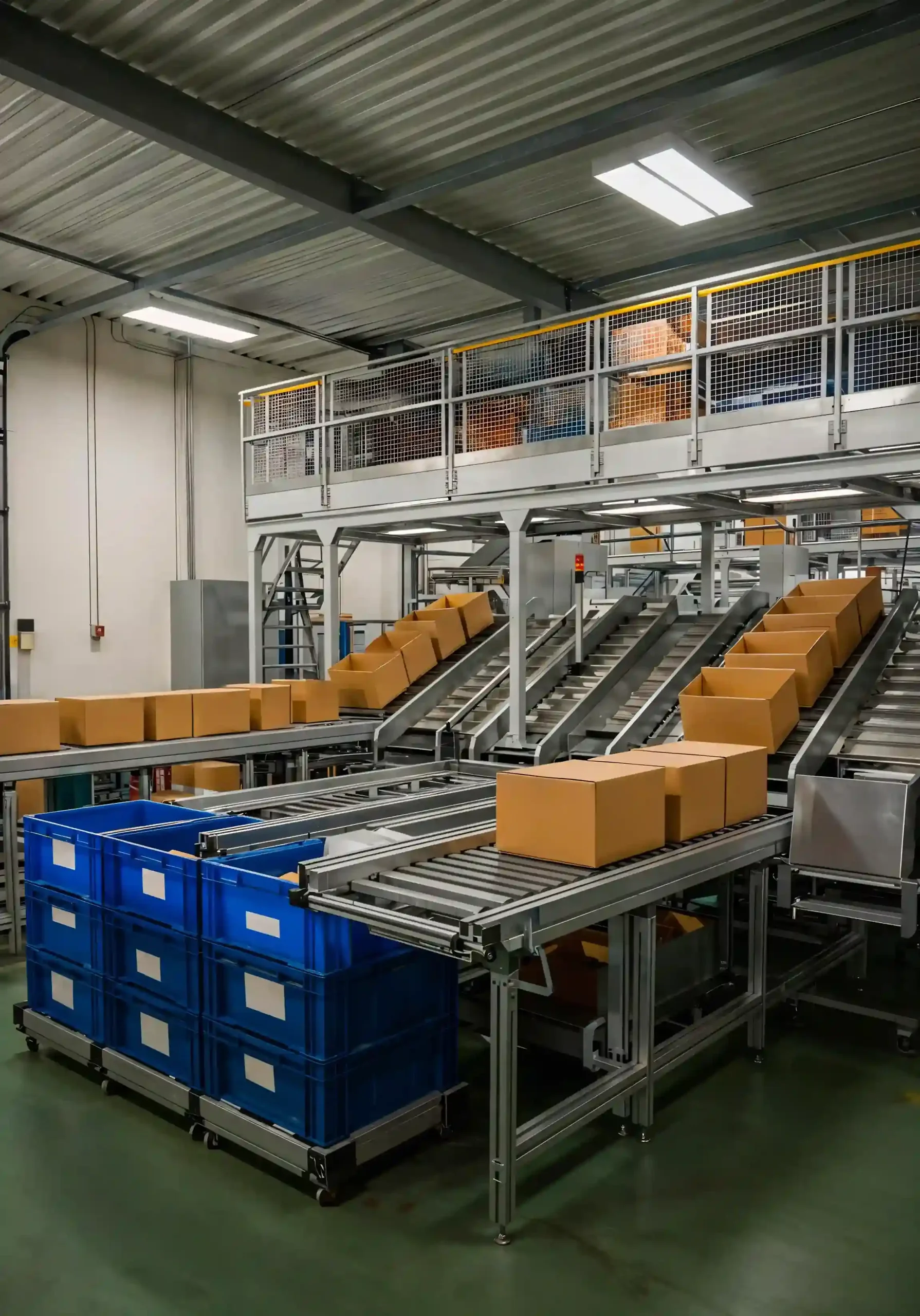
Comparative Analysis of Layered Palletizing Machines and Robotic Palletizing
Choosing between a layer palletizer and a layer palletizing robot depends on many factors. You need to think about your product type, production volume, space, and budget.
Let’s take a closer look at how these systems compare in key areas.
Speed, Flexibility, and Space Efficiency
- Speed: Layer palletizers are hard to beat when it comes to speed. If you need to move hundreds of boxes per minute, they get the job done fast.
- Flexibility: Robotic palletizers win in this area. They can handle different box sizes, weights, and stacking patterns with ease.
- Space: If your factory is tight on space, a robot could be the better choice. Robots often take up less floor space and can be set up in corners or compact areas.
So, if speed is your top priority, go for a layer palletizer. But if you need something that can adapt quickly, a robotic palletizing system may be your best option.
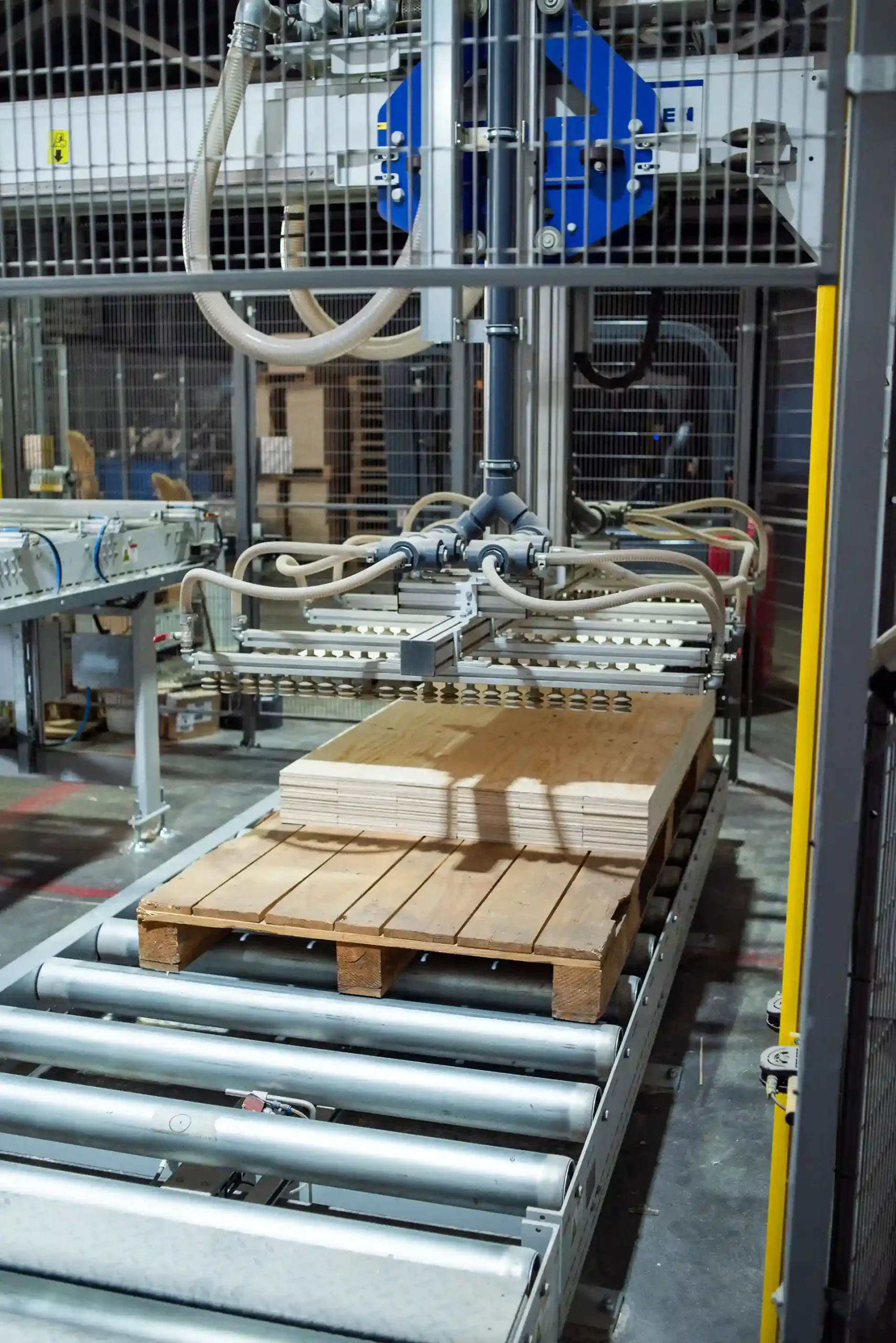
Cost, Maintenance, and Long-Term Investment Considerations
You may now be wondering: how much does each system cost, and what does it take to keep them running?
Both types of machines have different cost structures. Here’s what you should consider.
Initial Cost vs. Long-Term Savings
Layer palletizer: Usually, these machines have a lower upfront cost, especially for high-speed models. But if you need to change products often, the cost of reconfiguring can add up.
- Layer palletizing robot: The initial investment may be higher, but over time, the flexibility and reduced downtime can save money. Software updates are cheaper than mechanical changes.
- Maintenance Needs
- Layer palletizers: These machines have many moving parts. That means more mechanical wear and tear. Belts, chains, and pushers need regular attention.
- Robotic palletizers: Robots are more technical. They rely on sensors, motors, and programming. While they might need specialized support, they tend to require less maintenance overall.
In short, robots offer more flexibility and lower maintenance in the long run, while layer palletizers are faster and often simpler to maintain if your product line is consistent.
Which One Is Right for Your Production Line?
After going through this comparative analysis of layered palletizing machines and robotic palletizing, the real question is: which system suits your operation best?
There’s no one-size-fits-all answer, but here are a few guidelines.
When to Choose a Layer Palletizer
- Your product line stays the same most of the time
- You need to move products at very high speeds
- You have a lot of floor space available
- You want a lower upfront investment
When to Choose a Layer Palletizing Robot
- You deal with many different product sizes or weights
- You expect frequent changeovers in your product line
- You want to save floor space
- You are building a smart factory with integrated automation
You might also want to consider hybrid systems. These combine the speed of layer palletizers with the flexibility of robotic arms. While they are more complex, they offer a best-of-both-worlds solution for certain industries.
Conclusion
Choosing between a layer palletizer and a layer palletizing robot is a big decision, but it doesn’t have to be confusing. By understanding how each system works, what they offer, and how they fit into your operation, you’re already on the right track.
In this comparative analysis of layered palletizing machines and robotic palletizing, we looked at speed, flexibility, space, cost, and maintenance. Layer palletizers are great for fast, high-volume production with little variation. Robotic palletizers offer unmatched flexibility and are perfect for growing businesses with dynamic needs.
No matter what you choose, the goal is the same: to make your production line more efficient and reliable.
Not sure which palletizing solution is right for your production line? Our experts at OKCOBOT are here to help. Contact us today, and we’ll help you find the most efficient, cost-effective palletizing setup for your needs.
FAQs
1. What is the main difference between a layer palletizer and a robotic palletizer?
A layer palletizer builds full layers of products before stacking them on a pallet, while a robotic palletizer uses a robotic arm to pick and place items individually or in small groups.
2. Which is faster: a layer palletizer or a layer palletizing robot?
Layer palletizers are generally faster and are best for high-speed production lines. Robotic palletizers are more flexible but may operate at slightly slower speeds.
3. What does a layer palletizing robot do?
A layer palletizing robot uses advanced tools and software to stack products onto pallets. It can handle different shapes, sizes, and stacking patterns.
4. Is robotic palletizing more expensive than traditional methods?
Robotic systems usually have higher upfront costs, but they save money over time through lower maintenance and more flexible performance.
5. Can I use a robotic palletizer for multiple product types?
Yes, robotic palletizers are ideal for operations with mixed SKUs or frequent changeovers. They can be reprogrammed easily to adapt to new products.
6. When should I choose a layer palletizer instead of a robot?
Choose a layer palletizer if your products are uniform, your line runs at high speed, and you don’t expect frequent changes in packaging.
7. Do robotic palletizers take up a lot of space?
No, robotic palletizing systems usually have a compact footprint and can be installed in tighter spaces than large mechanical systems.
8. How hard is it to maintain a layer palletizer?
Layer palletizers need regular mechanical maintenance, like checking belts and chains, but are straightforward if the system doesn’t change often.
9. Are there hybrid palletizing solutions?
Yes, some systems combine the speed of a layer palletizer with the flexibility of a robotic arm, offering a balanced solution.
10. Where can I get help choosing the right palletizer for my factory?
You can contact the team at OKCOBOT for expert advice on choosing between a layer palletizer and a layer palletizing robot for your specific needs.