When factories think about saving money, good enough automation often looks like the safest choice. It promises lower upfront cost, faster setup, and “acceptable” performance. On paper, it feels like a smart decision. But is it really saving money, or is it just delaying higher costs later?
In many manufacturing environments, good enough automation is chosen because the budget is tight or because teams want a quick solution. At first, everything may seem fine. Machines run, production starts, and costs look under control. But soon, hidden problems begin to appear. Downtime increases, maintenance becomes frequent, and efficiency drops.
So why does good enough automation keep showing up in factories around the world, even when it leads to long-term losses? The answer is simple: the real cost is not visible on day one. It shows up slowly, over months and years, when production pressure increases.
In this article, we will break down exactly why good enough automation often becomes the most expensive decision a factory can make, and how higher-quality systems like OK’s “Quality OK” approach are designed to solve these problems from the start.
The Real Cost Behind Good Enough Automation Decisions
To understand manufacturing decisions better, we need to look deeper into what good enough automation really means in practice. It usually refers to systems that meet only basic requirements, without strong testing, customization, or long-term optimization.
At first, good enough automation seems attractive because it reduces initial investment. However, factories often underestimate how quickly performance gaps appear under real production pressure. Machines that were “good enough” in testing environments often struggle in 24/7 industrial operations.
This is where hidden costs start building up quietly. Have you ever wondered why a cheaper machine ends up costing more after one year of use? The answer is not obvious at first, but it becomes clear when production stops unexpectedly.
Hidden Maintenance Pressure
One major issue with good enough automation is inconsistent durability. Without strict testing standards, components wear out faster. That means more repairs, more replacement parts, and more technician visits.
Unstable Production Flow
Another problem is inconsistency. Even small interruptions can break production rhythm. When factories rely on good enough automation, they often experience unpredictable stops that reduce overall output.
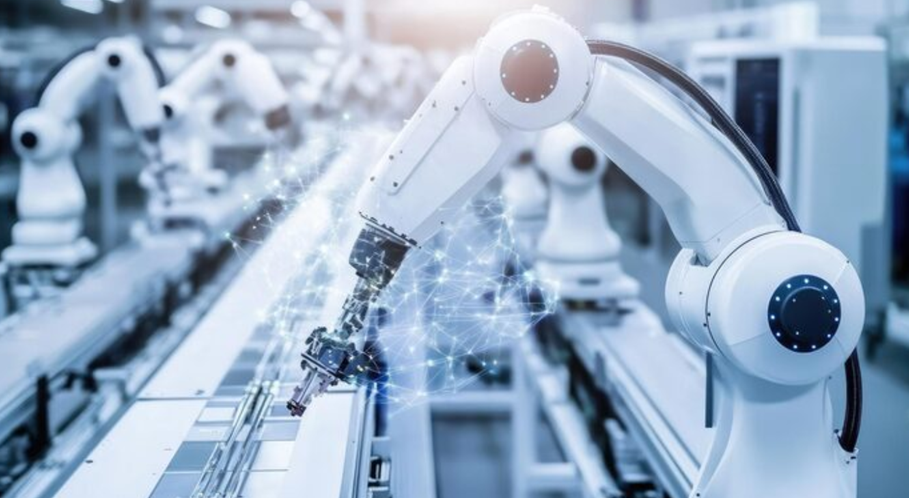
Reliability Gap: Why Good Enough Automation Fails Under Pressure
Now, let’s look at what happens when good enough automation is pushed into real industrial environments. Factories do not operate in calm conditions. They run 24 hours a day, often under heat, vibration, and continuous workload.
In these conditions, good enough automation often struggles to maintain stability. Systems that were not designed for long-term heavy use begin to slow down or fail unexpectedly. This creates one of the most expensive problems in manufacturing: время простоя.
Downtime does not just stop machines. It stops revenue, delays orders, and increases labor costs at the same time. Even a few hours of lost production each week can outweigh the savings from choosing good enough automation in the first place.
Heat and Wear Issues in Continuous Operation
Many low-cost systems are not built for constant operation. When good enough automation runs for long hours, heat builds up in motors and control systems. Через некоторое время, this leads to breakdowns and reduced accuracy.
The Cost of Unplanned Stops
Every unplanned stop caused by good enough automation creates a chain reaction: missed deadlines, overtime labor, and production backlog. These hidden costs are often ignored during purchasing decisions.
Quality Control Problems in Good Enough Automation Systems
Another major weakness of good enough automation appears in quality control. In manufacturing, even small errors can become expensive when they reach customers.
Manual inspection or low-precision systems often allow defective products to pass through. This is one of the biggest risks of good enough automation, especially in industries requiring high accuracy.
When defects are not detected early, factories face returns, wasted materials, and brand damage. These costs are far higher than most companies expect when choosing good enough automation.
Human Fatigue and Error Rates
Manual inspection depends heavily on human attention. Через некоторое время, fatigue reduces accuracy. This is where good enough automation fails to maintain consistent quality levels.
AI Precision as a Better Alternative
In contrast, advanced systems like OK use AI-based inspection that works continuously without fatigue.
This reduces defect rates and improves overall production reliability, something good enough automation cannot consistently achieve.
Efficiency and ROI: Why Good Enough Automation Delays Profit
One of the biggest misunderstandings about good enough automation is the idea of fast savings. While upfront costs are lower, the return on investment is often much slower than expected.
Why does this happen? Because good enough automation rarely delivers strong efficiency improvements. Во многих случаях, it only slightly improves production speed or still requires human support to operate properly.
Weak Efficiency Gains
Factories often expect major productivity improvements. However, good enough automation may only deliver minimal gains, which limits overall output growth.
Extended Payback Period
Instead of paying back investment in 12 to 18 месяцы, good enough automation systems often take much longer due to downtime, maintenance, and inefficiency costs.
China Manufacturing Advantage and Custom Automation Strength
China has become a global leader in industrial automation manufacturing, and this plays an important role when comparing good enough automation with advanced solutions like OK.
The advantage lies in engineering scale, supply chain strength, and rapid customization ability. While good enough automation often relies on fixed, standard designs, Chinese manufacturers like OK can develop tailored systems based on real production needs.
This flexibility matters because no two factories are the same. When production changes, good enough automation often becomes outdated quickly, forcing companies to reinvest. In contrast, customized systems adapt more easily.
Built for Real Industrial Environments
OK solutions are designed for continuous industrial use, reducing the risks commonly seen in good enough automation systems.
Adaptability Across Industries
Whether it is packaging, логистика, or palletizing, flexible systems outperform good enough automation because they adjust instead of resisting change.
Comparison Table: Good Enough Automation vs OK Systems
| Factor | Good Enough Automation | OK Systems |
| Reliability | Inconsistent | High stability |
| Downtime | Frequent | Minimal |
| ROI Time | 24–36 months | 12–18 months |
| Maintenance | High | Low |
| Flexibility | Limited | Fully customizable |
| Inspection Quality | Basic or manual | AI precision |
| Long-term Cost | High | Optimized |
Service and Warranty: The Hidden Safety Net
One often ignored factor in good enough automation is after-sales support. Many low-cost providers offer limited service, which creates serious risks when machines fail.
If something breaks, production may stop for days while waiting for support. This makes good enough automation even more expensive over time.
The Importance of Long-Term Support
OK provides full lifecycle service, including consultation, installation, and maintenance. This reduces the risks that usually come with good enough automation systems.
Warranty as a Confidence Signal
A strong warranty shows confidence in product durability. Many good enough automation systems offer minimal coverage, which shifts risk to the buyer.
Заключение
На первый взгляд, good enough automation looks like a smart way to save money. But when we look at real factory performance, the story changes. Downtime, inefficiency, quality issues, and weak support all add hidden costs that grow over time.
In the end, good enough automation is not really “good enough” for long-term manufacturing success. It often becomes the most expensive option when measured by total cost of ownership.
Higher-quality systems like OK’s “Quality OK” approach are designed to solve these problems from the beginning. With stronger reliability, better efficiency, and full lifecycle support, they help factories avoid the hidden traps of good enough automation.
If you are currently evaluating your automation strategy, now is the right time to think beyond the upfront price. The real question is not what you save today, but what you lose tomorrow.
To explore a more reliable and scalable automation solution tailored to your production needs, reach out to OK and see how a better system can change your long-term costs and performance.
Часто задаваемые вопросы
What is good enough automation?
Good enough automation refers to low-cost automation systems that meet basic production needs but often lack strong durability, customization, and long-term performance stability.
Why does good enough automation cost more over time?
While it has a lower upfront price, it often leads to higher long-term costs due to downtime, frequent maintenance, lower efficiency, and quality issues that create waste and rework.
Is good enough automation suitable for 24/7 производство?
Во многих случаях, no. Systems labeled as good enough automation may struggle with continuous operation, leading to overheating, wear, and unexpected production stops.
How is advanced automation different?
Advanced solutions, like OK systems, focus on reliability, AI-based precision, and long-term efficiency, helping reduce labor costs and improve ROI within 12 to 18 месяцы.
What should companies consider before choosing automation?
They should evaluate total cost of ownership, not just price, including downtime risk, maintenance needs, scalability, and long-term service support.