In today’s fast-moving manufacturing world, packaging is no longer just the final step. It is a key part of how products are protected, shipped, and delivered efficiently. One of the most common questions buyers and engineers ask is how Carton Sealing and Bag Sealing technologies compare and which one is better for their production line.
At first glance, both may seem simple. After all, they both “seal” packages. But when you look closer, you will see that they serve very different purposes, use different machines, and fit different industries. So how do you know which one your business needs? Let’s break it down step by step.
Understanding Carton Sealing and Bag Sealing in Modern Packaging Lines
To really understand Carton Sealing and Bag Sealing, we need to start with the basics. These two technologies are widely used in factories around the world, especially in industries that depend on fast and reliable packaging.
Carton sealing is used for closing boxes, usually made of corrugated cardboard. Bag sealing, on the other hand, is used for closing flexible packaging like plastic or poly bags. Both are important, but they solve different problems in the packaging process.
So what exactly makes them different in practice? Let’s take a closer look.
What is Carton Sealing?
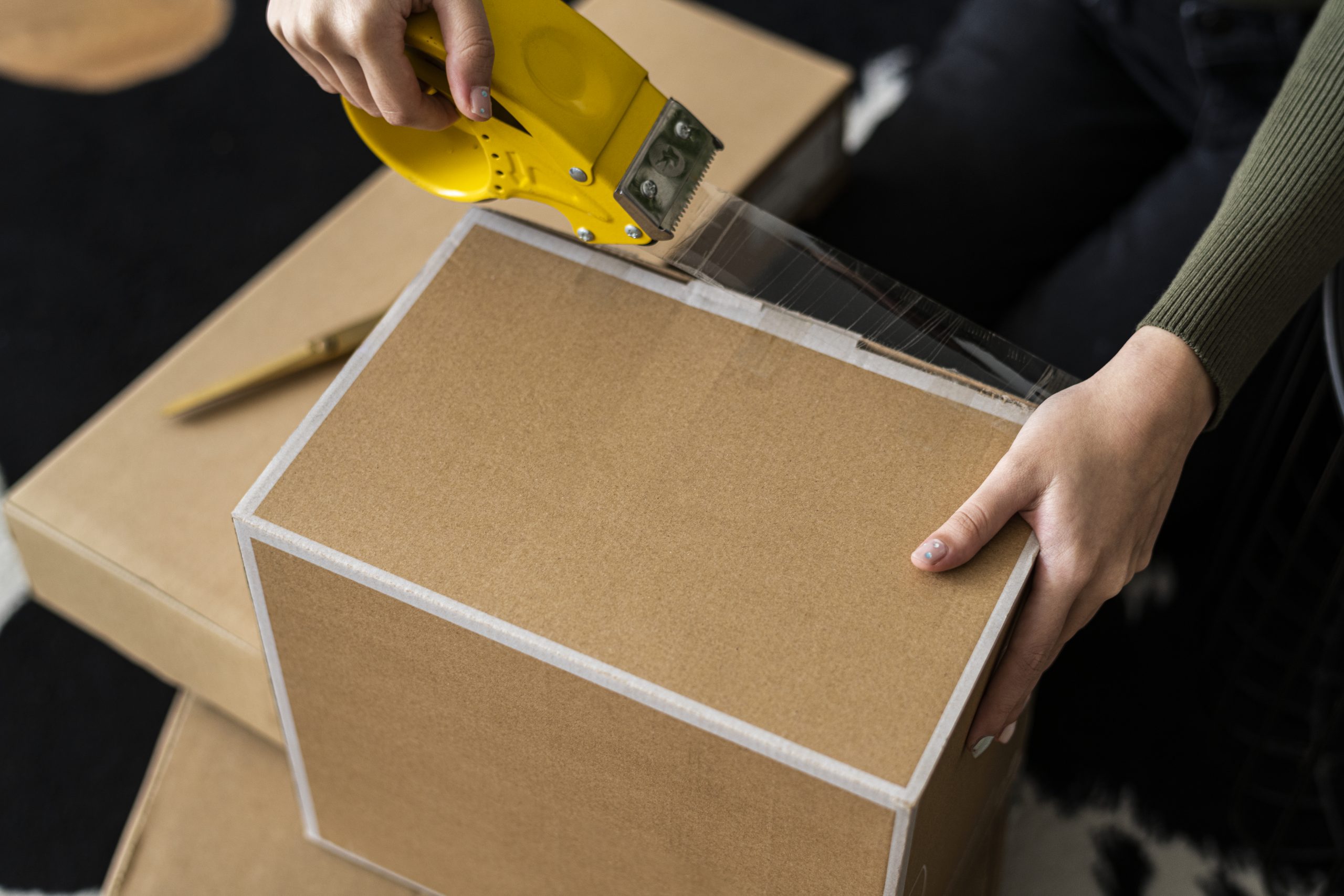
Carton sealing refers to the process of closing and securing cardboard boxes after they have been filled with products. This is usually done using a machine known as a case sealer or automatic sealing machine.
In most modern factories, this process is automated. The machine folds the top flaps of the carton and applies sealing tape on both the top and bottom. This ensures that every box is sealed tightly and consistently.
This method is widely used in logistics, e-commerce, and manufacturing because it improves speed and reduces the need for manual labor. When you think about large warehouses shipping thousands of products daily, you can imagine how important fast carton sealing becomes.
What is Bag Sealing?
Now let’s talk about bag sealing. This process is used for flexible packaging such as plastic bags, food packaging, or lightweight industrial products.
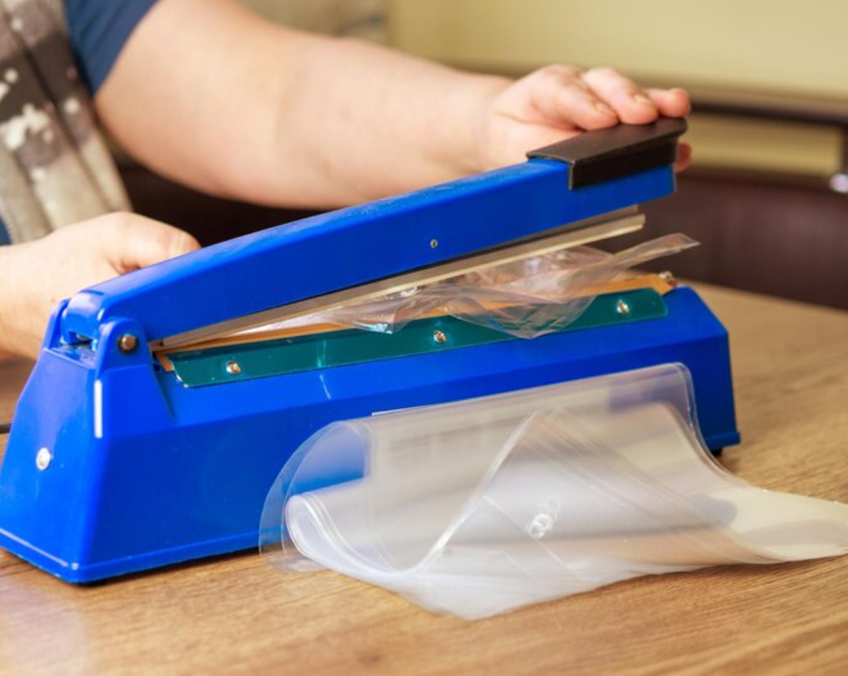
Instead of tape and cardboard, bag sealing uses heat, pressure, or ultrasonic energy to close the opening of the bag. One of the most common methods is heat sealing, where the edges of the plastic are melted together to form a strong seal.
This type of sealing is often used in food production, pharmaceuticals, and agriculture. Why? It creates airtight packaging that helps protect products from moisture, air, and contamination.
Now that we understand both systems, you might be wondering: how do these machines actually work in real production lines?
How Carton Sealing and Bag Sealing Machines Work in Real Production Lines
When we look deeper into Carton Sealing and Bag Sealing, the real difference becomes even clearer. These systems are not just standalone machines. They are part of a larger automated packaging line.
Factories today rely on conveyors, sensors, and automatic systems to move products smoothly from one stage to another. So how does sealing fit into this flow?
Inside a Case Sealer System
A case sealer, also known as an automatic sealing machine, works as part of an end-of-line packaging system.
First, a filled carton moves along a conveyor belt into the sealing machine. The machine automatically adjusts the box if it is a random case sealer. Then it folds the top flaps down and applies sealing tape using built-in tape heads.
Everything happens in seconds. There is no need for manual folding or taping. This not only saves time but also ensures every box is sealed evenly.
If you think about a busy warehouse environment, this level of automation can make a huge difference in daily output and labor efficiency.
Inside a Bag Sealing System
Bag sealing systems work differently because they deal with flexible materials.
In a heat-sealing machine, the open end of the bag is placed between two heated bars. The heat melts the plastic slightly, and pressure seals it shut. Once cooled, the seal becomes strong and secure.
In more advanced systems like continuous band sealers or vertical form fill seal machines, the process is fully automated. Bags are filled, sealed, and sometimes even labeled in one continuous flow.
So while both systems aim to “seal,” the technology behind them is completely different. This leads us to an important question: how do they compare when we look at performance and cost?
Key Differences Between Carton Sealing and Bag Sealing You Should Know
When choosing between Carton Sealing and Bag Sealing, most buyers focus on performance, cost, and product protection. Each system has strengths, but they are not interchangeable.
So how do they really compare in real-world use?
Packaging Material Differences
The most obvious difference is the material itself.
Carton sealing works with rigid cardboard boxes. These boxes provide strong protection and are ideal for stacking and shipping heavier items. Bag sealing works with flexible plastic materials, which are lightweight and cost-effective but offer less structural protection.
This difference alone often determines which system a factory will choose.
Cost, Speed, and Efficiency Comparison
From a cost perspective, bag sealing materials are usually cheaper. However, carton sealing systems provide better protection for shipping, which can reduce product damage.
In terms of speed, modern case sealers can handle high-speed production lines, especially in large distribution centers. Bag sealing systems can also be fast, particularly in fully automated filling and sealing lines.
The real decision often comes down to balancing packaging cost with shipping reliability.
Product Protection and Industry Fit
Carton sealing is commonly used for products that need protection during transport, such as electronics, appliances, and retail goods.
Bag sealing is better suited for products that do not require rigid protection, such as food items, powders, or small components.
So which one should you choose for your business? That depends on your production goals.
Choosing Between Carton Sealing and Bag Sealing for Your Business
Selecting the right system is not just about machinery. It is about understanding your entire production process and what you want to improve.
Factors Manufacturers Should Consider
When evaluating Carton Sealing and Bag Sealing, manufacturers usually look at several key factors.
Product type is the first. Fragile or heavy items often require carton sealing. Lightweight or perishable goods may be better suited for bag sealing.
Automation level is another important factor. Some factories need fully automatic systems, while others still use semi-automatic setups.
Budget also plays a role, but long-term return on investment is often more important than initial cost.
Common Mistakes to Avoid
One common mistake is choosing a machine based only on price. A cheaper system may not handle production demands in the long run.
Another mistake is ignoring future scaling. A factory might start small but grow quickly, so choosing flexible equipment is important.
This brings us to a bigger picture question: where is packaging automation heading in the future?
Why Carton Sealing and Bag Sealing Automation Is the Future of Packaging
Packaging is becoming faster, smarter, and more automated. This is why Carton Sealing and Bag Sealing technologies are evolving quickly.
Rise of Fully Automated Packaging Lines
More factories are moving toward fully automated production lines where products move from filling to sealing to palletizing without manual handling.
This reduces labor costs and increases consistency. It also improves safety by reducing human contact with heavy or fast-moving equipment.
Why Case Sealer Machines Are in High Demand
Case sealer machines are especially important in today’s e-commerce-driven world. With more online orders than ever before, warehouses need fast and reliable sealing systems.
Labor shortages in many regions also push companies to invest in automation. An automatic sealing machine can replace repetitive manual tasks and improve overall efficiency.
So, where does OK fit into all of this?
Why Choose OK for Carton Sealing and Bag Sealing Solutions
When it comes to industrial packaging automation, machine quality and reliability matter a lot. OK focuses on designing and manufacturing equipment that meets real production needs.
Engineering Strength and Manufacturing Capability
OK machines are built with a focus on stability, durability, and ease of integration. Whether it is a case sealer or a full packaging line, the goal is to ensure smooth operation in demanding environments.
Customization is also important. Different factories have different requirements, and flexible machine design helps meet those needs.
How OK Supports Global Buyers
For international buyers, support and communication are just as important as machinery. OK works with global clients to provide installation guidance, technical support, and after-sales service.
This helps ensure that customers can operate their systems efficiently from day one.
Final Thoughts
In the end, both Carton Sealing and Bag Sealing play important roles in modern manufacturing. One focuses on strong, protective packaging for shipping, while the other focuses on flexible and efficient product sealing.
The right choice depends on your product type, production goals, and long-term automation plans.
If you are planning to upgrade your packaging line or explore automation solutions, the right sealing system can make a major difference in efficiency and cost savings. To learn more or discuss the best solution for your production needs, feel free to reach out to OK. A simple conversation could help you find a much better way to improve your packaging line.
FAQs
1. What is Carton Sealing and Bag Sealing?
Carton sealing is the process of closing cardboard boxes using tape or glue, usually with a case sealer or automatic sealing machine. Bag sealing is used to close flexible packaging like plastic bags using heat or pressure methods.
2. Which industries use these technologies?
Carton sealing is common in e-commerce, logistics, and manufacturing. Bag sealing is widely used in food, pharmaceutical, and agricultural industries.
3. Which is better for automation?
Both are highly automated today. The best choice depends on product type and packaging needs rather than one being better overall.