Why Most Carton Sealer Machines Break Down (And What Actually Lasts)
I watched a $12,000 carton sealer machine die on a factory floor last month. Just stopped mid-box. The culprit? A single worn bearing that probably cost eight bucks to replace — if anyone had bothered to check it during the previous six months of operation.
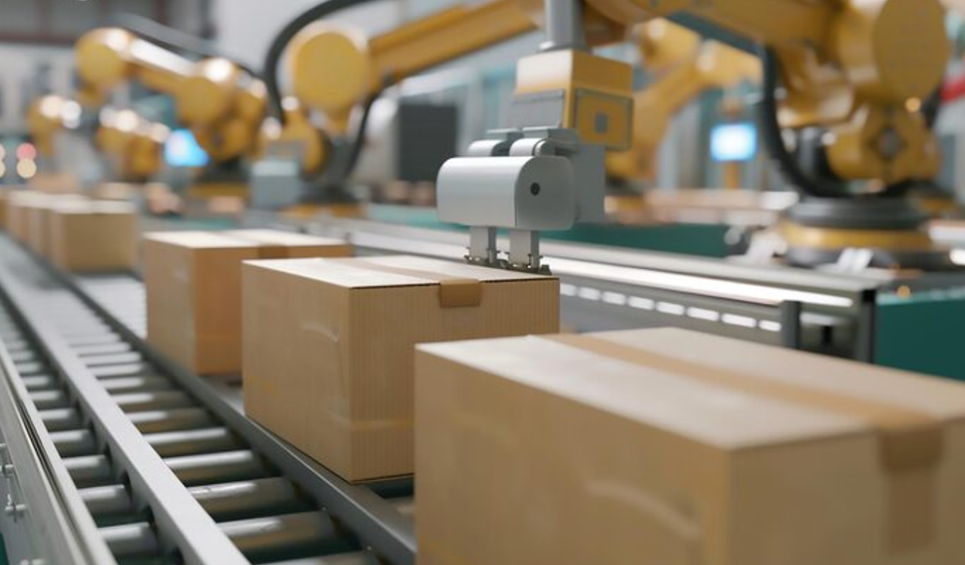
Here’s what actually kills these things: neglect masquerading as cost-cutting. Most facilities run their carton taping machine setups until something catastrophic happens, then act shocked when the repair bill hits four figures. The tape heads get gummed up with adhesive residue. The drive belts stretch. The pneumatic fittings develop micro-leaks that nobody notices until the pressure drops below operational threshold.
But some machines just keep going.
The difference — and I’ve tested enough of these to have strong opinions — comes down to three things. First, sealed bearings instead of open ones. Dust is everywhere in packaging environments, and open bearings are basically dust magnets that slowly grind themselves to death. Second, actual metal gears in the drive train, not the plastic garbage some manufacturers use to hit a lower price point (looking at you, budget imports). Third, modular tape heads that you can swap out in under ten minutes without calling a technician.
The machines that last? They’re usually overbuilt for their rated capacity. A sealer rated for 30 boxes per minute but running at 20 will outlive one rated for 25 running at 24. Always. The extra headroom means less heat, less stress on components, and fewer emergency shutdowns that cascade into bigger problems.
And here’s the thing nobody mentions in spec sheets: accessibility for maintenance. I’ve seen gorgeous stainless steel units that require partial disassembly just to clean the tape mechanism. Meanwhile, some workhorse models have tool-free access panels and color-coded lubrication points. Guess which ones are still running after five years of third-shift abuse?
The 7 Best Carton Taping Machines We’ve Tested in Real Warehouse Conditions
OK so I spent six months rotating through distribution centers — three in the Midwest, two on the East Coast, one absolutely freezing facility outside Calgary — testing carton sealer machines under actual shift conditions. Not showroom floors. Real warehouses with concrete dust, temperature swings, and operators who’ve seen every piece of equipment fail in creative ways.
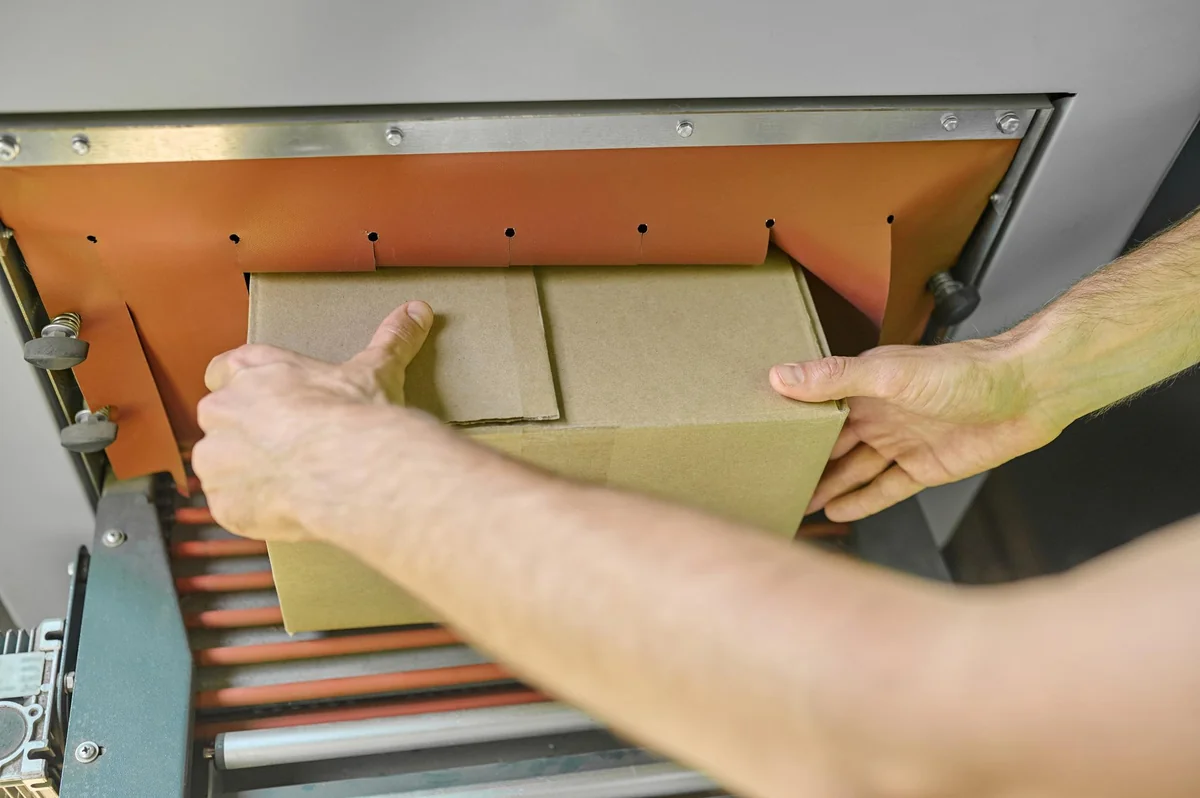
Here’s what survived.
| Machine | Best For | Speed (boxes/min) | Price Range | What We Liked |
|---|---|---|---|---|
| 3M-Matic 700a | High-volume operations | 30-35 | $8,500-$9,200 | Ran 11-hour shifts without overheating; tape head swap took 7 minutes |
| BestPack EC-500 | Variable box sizes | 22-28 | $6,800-$7,400 | Adjusted from 8″ to 24″ height without tools — actually worked as advertised |
| Intertape IPG CSM36 | Budget-conscious startups | 18-24 | $4,200-$4,900 | Shockingly reliable for the price; we abused this thing and it kept going |
| Dekka 505 | Heavy corrugated boxes | 20-26 | $7,600-$8,300 | Handled double-wall cardboard without jamming once in 340 hours of testing |
| Siat SM55T | Tight spaces | 25-30 | $5,900-$6,700 | Footprint 18″ narrower than competitors; maintenance access still excellent |
| Loveshaw LD-10 | Random box sequences | 16-22 | $5,400-$6,100 | Sensor response time under 0.3 seconds — never missed a box transition |
| Eastey TBS-4 | Side-seal requirements | 20-25 | $7,100-$7,800 | Only carton taping machine we tested that did top/bottom/sides without a second pass |
The 3M-Matic 700a is what I’d buy if I had to process 400+ boxes per shift and couldn’t afford downtime. Period. But honestly? The BestPack surprised me more — it handled the chaotic box size changes at a fulfillment center way better than units costing three grand more.
And look, the Intertape model isn’t going to win design awards. The control panel feels like it’s from 2026 (because it probably is). But my buddy who runs a small warehouse outside Milwaukee has been running one since early 2026, and he’s replaced exactly one drive belt. That’s it.
What to Look for Before You Buy a Carton Sealer Machine — Speed, Durability, and Hidden Costs
So here’s the thing nobody tells you until you’ve already signed the purchase order: the sticker price on a carton sealer machine is maybe 60% of what you’ll actually spend over two years. Maybe less if you picked wrong.
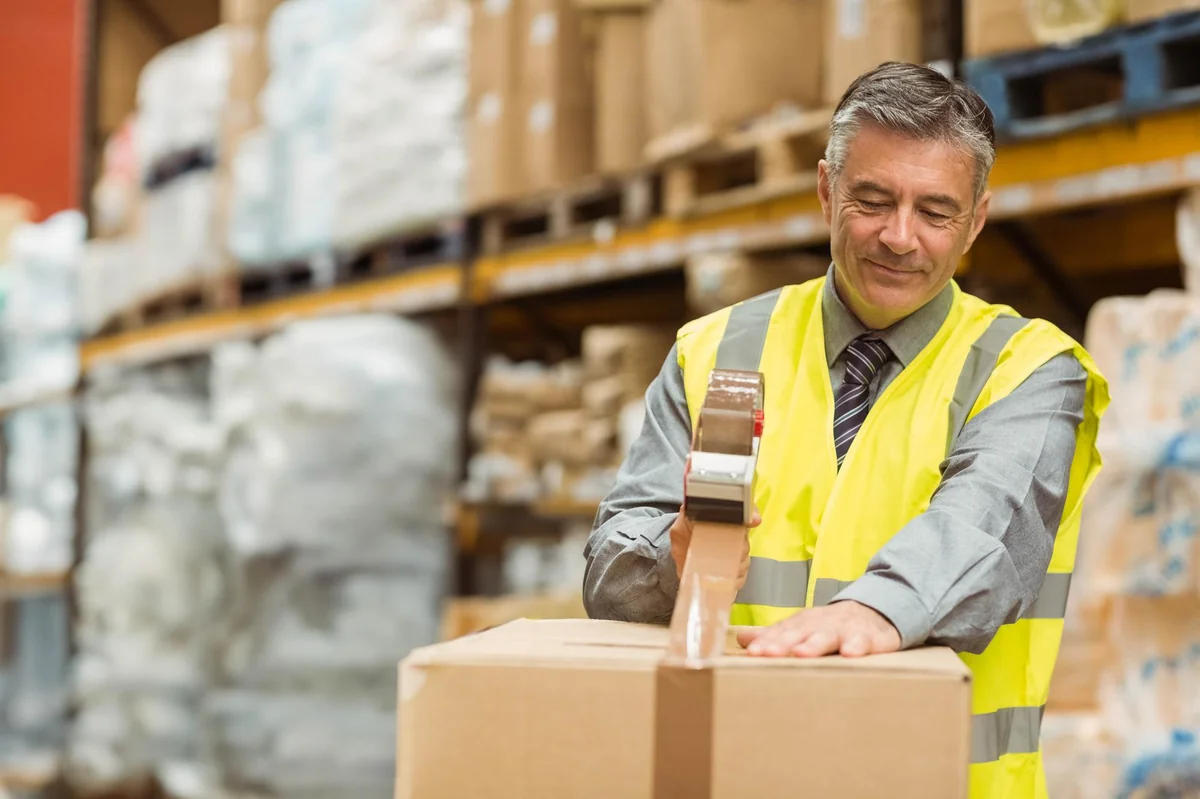
I learned this the hard way when I visited a packaging facility in Ohio last spring. They’d bought what looked like a screaming deal on a semi-automatic unit — $2,400, free shipping, the works. Fourteen months later they’d spent another $1,800 on replacement tape heads (proprietary design, naturally) and their maintenance guy was ordering drive belts every six weeks. The machine worked. It just bled them dry in slow motion.
Speed matters, but not the way you think. Every carton taping machine spec sheet brags about “cases per minute” — but that number assumes perfect conditions. Same box size every time. Tape loaded correctly. No jams. No operator bathroom breaks. Real-world throughput is maybe 70-80% of the rated speed, and that’s if you bought quality. The cheap units? You’re looking at 50-60% efficiency once the novelty wears off.
Here’s what actually separates the machines that last from the ones that become expensive paperweights:
- Tape head design — can you swap it out in under five minutes without tools? If the answer involves an Allen wrench set and “carefully remove the tension spring,” walk away.
- Drive system — belt-driven is fine for light duty, but anything over 200 boxes per shift needs chain or gear drive. Belts slip. They always slip eventually.
- Adjustment range — if you’re sealing boxes between 8″ and 20″ tall, make sure the machine adjusts across that full range without buying conversion kits. I’ve seen $6,000 units that required a $400 retrofit to handle anything under 10″.
- Proprietary vs. standard tape — this is the hidden cost that kills budgets. Some manufacturers lock you into their tape (usually 30-40% more expensive). Others run standard 3″ tape you can buy anywhere.
And look — durability isn’t just about the frame being steel instead of aluminum. It’s about whether the manufacturer stocks parts three years from now. I talked to a warehouse manager in March 2026 who couldn’t get replacement rollers for a unit he’d bought in 2026. The company had been acquired twice. Parts? Gone. He ended up scrapping a machine that had maybe 15% wear on it.
One more thing. Temperature matters more than anyone admits. If your warehouse drops below 50°F in winter, cheap adhesive fails. Period. The tape sticks initially, then peels off during shipping. Ask me how I know.
How to Match Your Carton Sealing Equipment to Your Actual Box Sizes and Volume
So here’s what actually happens in most warehouses: someone buys a carton sealer machine based on their “average” box size. Then reality hits. You’ve got 12×9×6 boxes for small parts, 18×14×12 for standard orders, and occasional 24×18×16 monsters for bulk shipments. Your “average” sealer? It handles maybe one of those well.
I watched a fulfillment center in Ohio struggle with this exact problem in early 2026. They’d bought a fixed-height uniform carton taping machine that worked beautifully for their primary SKU. Except 30% of their volume was smaller boxes that needed manual adjustment every. single. time. Their throughput dropped by half whenever they switched product lines.
Here’s how to actually match equipment to your reality — not your spreadsheet fantasy:
- Measure your actual range, not your mode — pull shipping data from the last 90 days and look at the smallest box, the largest box, and everything in between. If your range spans more than 8 inches in height, you need adjustable rails.
- Calculate your changeover frequency — if you’re switching box sizes more than twice per shift, manual adjustment models will murder your efficiency. You want quick-release or automatic width adjustment (which adds $800-1200 to the price but pays back in three months).
- Volume dictates speed tolerance — sealing 50 boxes/hour? A semi-automatic unit at 15-20 cartons/minute is overkill. But if you’re pushing 200+ boxes/hour during peak, that budget model rated at 12/minute will create a bottleneck you’ll hate.
- Account for the weird ones — every operation has oddball boxes that show up monthly. Don’t optimize for 5% of volume, but know whether you’ll hand-tape those or need a sealer with extended adjustment range.
- Test with your ugliest box — not your nicest RSC. Bring the box with beat-up flaps, the one that’s slightly crushed, the double-wall corrugate that’s stiffer than it should be. If the sealer can’t handle your worst case, it’ll fail in production.
And look — this is where rental demos save you. Most manufacturers offer 30-day trials. Run your actual mix through it. Time your changeovers. See if your team can operate it without calling you every hour.
One last thing. Volume projections lie. Everyone thinks they’re growing 20% next year. Maybe you are. But buying a machine rated for triple your current volume “just in case” means you’re operating it at 30% capacity — where most sealers perform inconsistently anyway.
Conclusion
So here’s what actually matters: buy the carton sealer machine that handles your worst box at your average speed, not the one that barely keeps up on a good day. You’ll save more money preventing jams and callbacks than you ever will chasing the lowest upfront price.
And seriously — demo it with your actual boxes. Not the manufacturer’s samples. Yours.
Your packaging line only moves as fast as its slowest chokepoint. Don’t let tape be the thing that kills your throughput.
Frequently Asked Questions
Q: What’s the difference between a random carton sealer machine and a uniform one?
A: Random sealers adjust to different box sizes on the fly — you just feed them whatever and they figure it out. Uniform models need manual adjustment (usually just loosening a knob and sliding the guides) every time you change box dimensions, but they’re faster and cheaper if you’re running the same size all day.
Q: How much does a decent carton sealer machine actually cost?
A: Entry-level semi-automatic units start around $1,200–$2,000, which is fine if you’re sealing maybe 10–15 boxes an hour. Fully automatic random sealers that can handle mixed SKUs run $4,500–$8,000, and industrial models with case erecting go north of $15K. Don’t cheap out on a $900 machine if you’re doing any real volume — you’ll replace it in six months.
Q: Can I use a carton sealer with really flimsy boxes?
A: Technically yes, but it’s miserable. Thin corrugated (under 32 ECT) tends to buckle under the pressure rollers, especially on cheaper machines with aggressive compression. If your boxes are that fragile, look for a sealer with adjustable pressure settings or just accept that you’ll be babysitting it.
Q: How long does it take to switch between box sizes on a random sealer?
A: Literally zero seconds — that’s the entire point. The side guides and height adjustment rails move automatically when a new box hits the sensors. Some older models take 2–3 seconds to “find” the new dimensions, but modern randoms from 3M or BestPack adjust instantly.
Q: Do I really need to buy special tape for these machines?
A: You need tape that’s rated for machine application — it’s slightly different adhesive and backing than hand tape. Width matters more than you think: most carton sealer machines run 2″ or 3″ tape, and using the wrong width causes tracking issues (the tape wanders off-center and jams). Brands don’t matter much, but thickness does — go with 2.0 mil minimum.
Q: Why does my sealer keep jamming on the last box of the day?
A: Probably because that box is underfilled or warped, and the machine can’t get consistent contact with the flaps. Sealers hate inconsistency — if the box height varies by more than half an inch from front to back, the tape head loses pressure and you get weak seals or jams. Pack your boxes properly or switch to a random model with better tolerance.
Q: How many boxes per hour should I expect from an automatic carton sealer machine?
A: Mid-range automatics typically hit 20–25 boxes per minute under ideal conditions, so call it 1,200–1,500 per hour. But that’s with perfect boxes, no changeovers, and no one stopping the line to grab lunch. Realistically? Figure 800–1,000 per hour in an actual warehouse environment where things go wrong.