In modern packaging environments, speed and precision are everything. As demand for faster delivery and higher production rates grows, companies are turning to automation to stay competitive. One machine that plays a crucial role in this transformation is the automatic carton sealing machine.
This blog post will explore how these machines work, what performance really means in high-speed packaging, and why choosing the right solution can transform your production line. Whether you’re a plant manager, packaging engineer, or someone researching for their company, this guide will break things down in simple terms and help you understand what to look for in a high-performance automatic carton sealing machine.
Let’s start by understanding the basics.
What Is an Automatic Carton Sealing Machine and Why Is It Important?
If you’ve ever watched a busy packaging line, you know how fast things move. Boxes fly down the conveyor, get filled, and then sealed shut. The part that seals the box might seem simple, but it can make or break the entire process.
An automatic carton sealing machine does exactly what it sounds like. It automatically seals boxes using tape or glue, usually both on the top and bottom, without needing someone to guide or adjust it every time.
Understanding the Basics
Carton sealing machines come in different types. Some are manual and require workers to position the box and tape. Others are semi-automatic, needing someone to feed the box in. But in high-speed packaging lines, automatic models are essential.
These machines detect the size of the box, adjust their sealing arms, and seal the box — all by themselves. This kind of automation saves time, reduces mistakes, and boosts overall output.
The Role in High-Speed Packaging Environments
High-speed packaging lines are built to process thousands of cartons every day. Every second counts. When sealing is slow or inconsistent, it affects the entire line. An automatic carton sealing machine keeps the flow going by handling each box smoothly and quickly.
So, how do we know if a sealing machine is doing a good job? That’s where performance metrics come in.
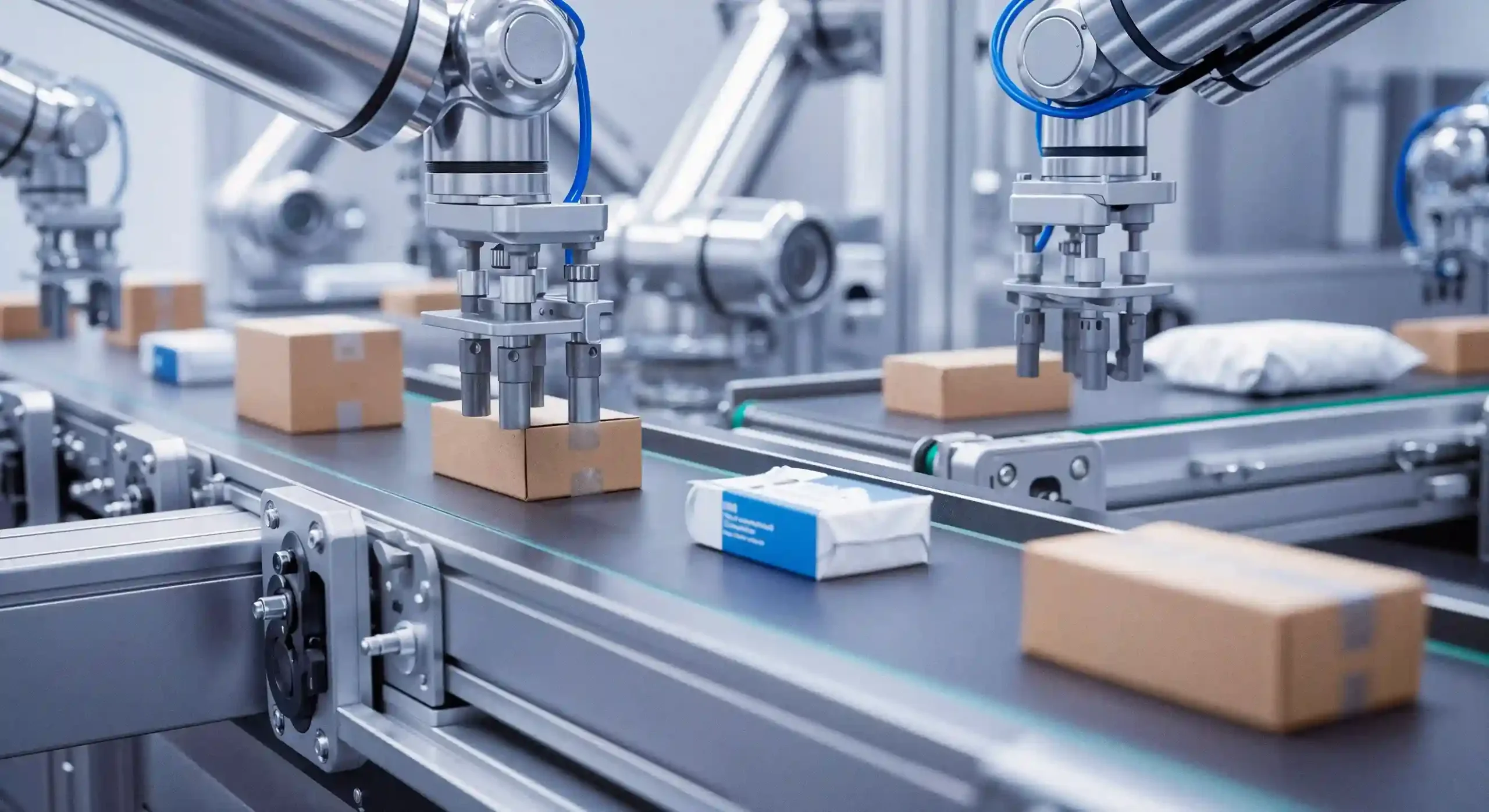
Key Performance Metrics of an Automatic Carton Sealing Machine
Not all machines are made the same. When evaluating an automatic carton sealing machine, it’s important to look at more than just the speed. A fast machine that jams all the time or needs constant fixing won’t help in the long run.
Speed and Throughput
Speed is often the first number people ask about. How many boxes can the machine seal per minute? A good machine in a high-speed setting can seal anywhere from 30 to 80 cartons per minute, depending on box size and material.
But speed alone is not everything. If the machine needs to stop often or if the tape runs off track, those extra seconds lost will add up. Throughput — which is the number of boxes successfully sealed without problems — matters just as much.
Sealing Accuracy and Consistency
Imagine getting a box in the mail that’s not fully sealed. Not good, right? In the same way, packaging lines need seals that are consistent and strong. A top-quality automatic carton sealing machine should apply the tape in the right spot every time, with the right tension and no wrinkles.
Consistent sealing helps prevent product damage during shipping and keeps your customers happy. Plus, accurate sealing means less tape waste and cleaner packages.
Downtime, Maintenance, and Efficiency
Even the best machines need maintenance. But great machines are built to make it easy. Some automatic carton sealing machines include smart features like maintenance alerts or quick-release parts for faster repairs.
The less time your team spends fixing or cleaning the machine, the more time it spends sealing boxes. And that means better overall efficiency.
Now that we understand how to measure performance, let’s see how automatic machines compare to manual and semi-automatic options.
Comparing Manual, Semi-Automatic, and Automatic Carton Sealing Machines
Not every business starts with automation. Some begin with manual or semi-automatic machines to save on costs. But as production demands grow, switching to a fully automatic carton sealing machine becomes not just helpful — it becomes necessary.
Speed and Labor Needs
Manual machines rely completely on workers. This means slower speeds and higher labor costs. A trained operator might seal 10 to 15 boxes per minute. Semi-automatic machines can do more, but still require someone to load and guide each box.
In contrast, an automatic carton sealing machine can run continuously, sealing dozens of boxes per minute without needing help. This reduces labor needs and improves safety on the line.
Integration with Packaging Lines
High-speed lines are full of machines working together — case erectors, fillers, checkweighers, labelers. A manual sealer can’t keep up. Semi-automatic machines might slow things down or cause backups.
Automatic machines, however, are designed for full integration. They work smoothly with upstream and downstream equipment, helping maintain a steady flow with no delays.
Cost vs. Long-Term Value
While manual machines have a lower price tag, they cost more in the long run through labor, slower output, and higher error rates. Fully automatic machines require more upfront investment, but they often pay for themselves within a year through saved time, reduced errors, and higher output.
So, if your packaging line is facing delays or slowdowns, the problem might not be your people — it could be the equipment.
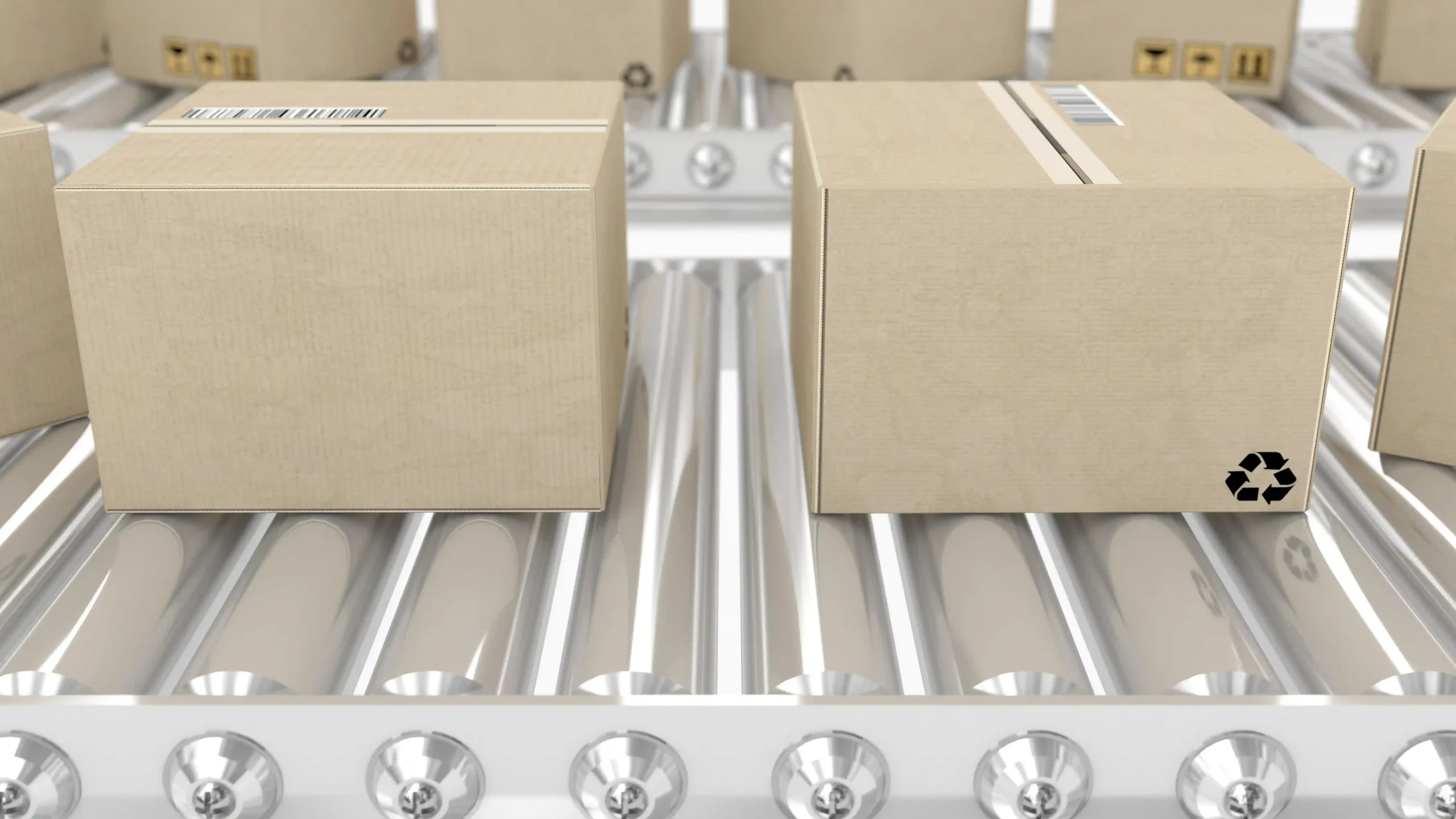
Overcoming Bottlenecks in High-Speed Packaging with Automation
Every packaging line faces challenges. Machines jam. Boxes pile up. Tape runs out. Operators get tired. These issues slow down production and cost money.
How can we fix them? Let’s look at where problems happen and how automation helps.
Common Issues and Downtime Risks
Some of the most common problems in sealing lines include:
* Tape misalignment or breakage
* Boxes are getting stuck in the machine.
* Time wasted changing settings between different box sizes.
* Human errors during sealing
* Frequent machine stops for cleaning or adjusting.
All of these hurt performance. Even small stops in a high-speed line can cause big delays.
How Automation Solves These Problems
An advanced automatic carton sealing machine includes features like:
* Auto-adjustment for different box sizes
* Consistent tape application with controlled pressure
* Sensors that detect jams before they happen
* Quick-change parts for faster maintenance
* Smart systems that notify operators before issues occur
By solving problems before they slow down the line, these machines keep production running smoothly and help companies meet their deadlines.
But not all machines offer the same features. That’s where OK comes in.
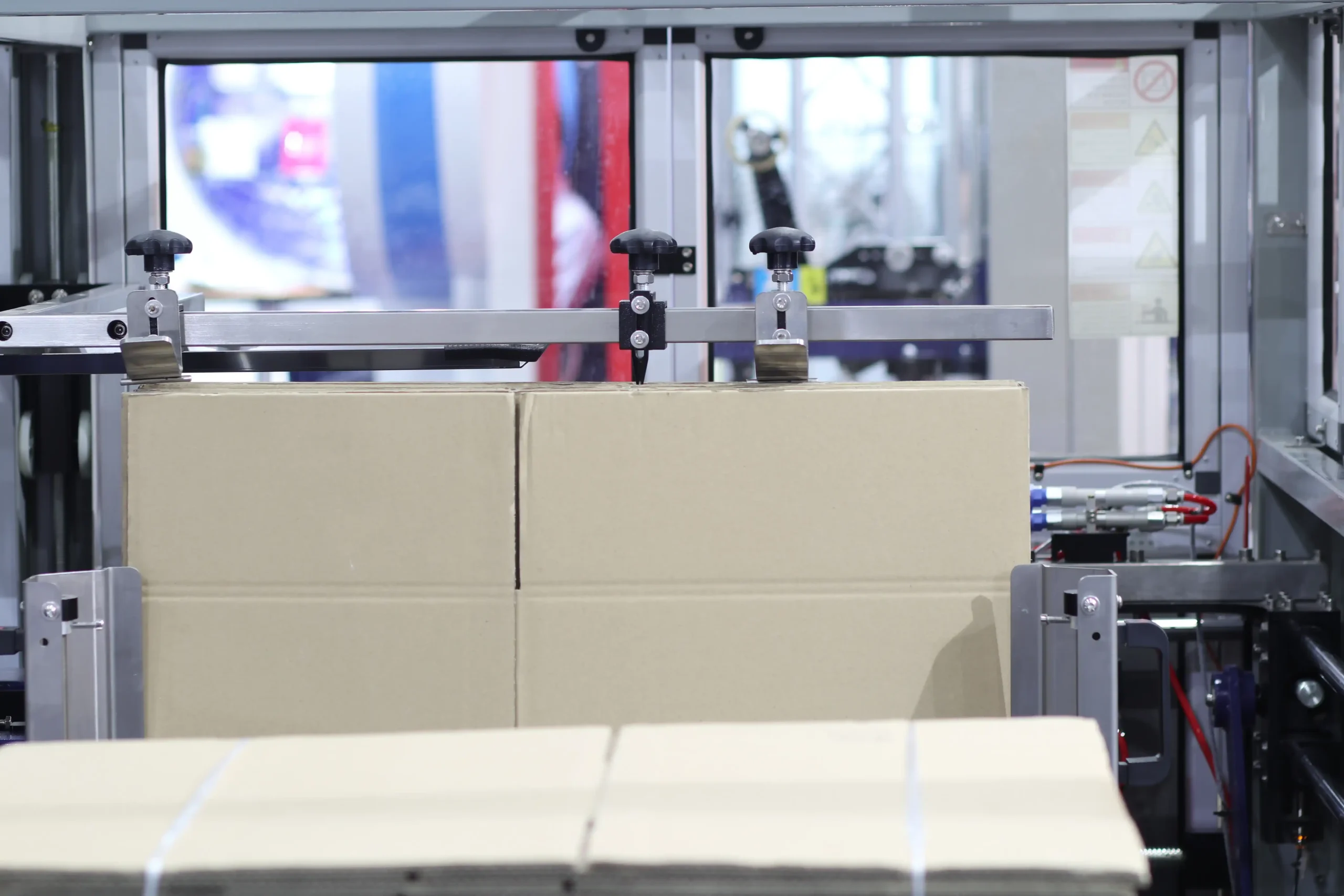
Why Choose OK’s Automatic Carton Sealing Machine?
When you’re investing in automation, you want a solution that’s built to last, easy to use, and designed for real-world challenges. OK’s automatic carton sealing machine delivers on all fronts.
Smart Features for Smarter Packaging
OK’s machines are packed with smart tech. From auto-size detection to real-time error alerts, they’re built to think ahead. You don’t need to stop the line every time a new box comes down the conveyor. The machine adjusts itself, keeping production moving without missing a beat.
Built for Speed, Efficiency, and Flexibility
These machines are designed with high-speed packaging lines in mind. Whether you’re sealing 500 or 5,000 cartons a day, OK’s equipment can handle the load. Their sturdy frame, advanced tape systems, and minimal maintenance needs mean fewer delays and more uptime.
And if your production needs change? The modular design makes it easy to scale or upgrade.
Proven Success in Global Packaging Operations
OK machines are trusted by businesses worldwide. With a strong reputation for durability and support, they’re not just machines — they’re part of a smarter way to work. Clients in logistics, e-commerce, food and beverage, and more have seen real improvements in output, cost savings, and customer satisfaction.
Still wondering if automation is worth it? Let’s wrap things up.
Conclusion
If your packaging line is slowing down or your team is constantly fighting machine issues, it might be time to level up. An automatic carton sealing machine can help you save time, reduce labor costs, and increase output — all while keeping your packaging consistent and secure.
But not all machines are built the same. Performance matters, and choosing the right machine makes all the difference. Whether you’re scaling up or just starting to explore automation, OK has the technology and expertise to guide you.
Have questions or want to see how an automatic carton sealing machine could improve your line?
Reach out to our team at OK today — we’d love to help you build a faster, smarter packaging process that works for your business.
Frequently Asked Questions
Q: What is an automatic carton sealing machine?
A: It’s a machine that seals boxes automatically using tape or glue, often used in fast-paced packaging lines.
Q: How fast can these machines operate?
A: High-end models can seal 30 to 80 cartons per minute, depending on the box size.
Q: Can it handle different box sizes?
A: Yes, many models automatically adjust to various carton dimensions.
Q: Is it worth upgrading from manual sealing?
A: Absolutely. It boosts speed, reduces labor, and ensures consistent sealing.