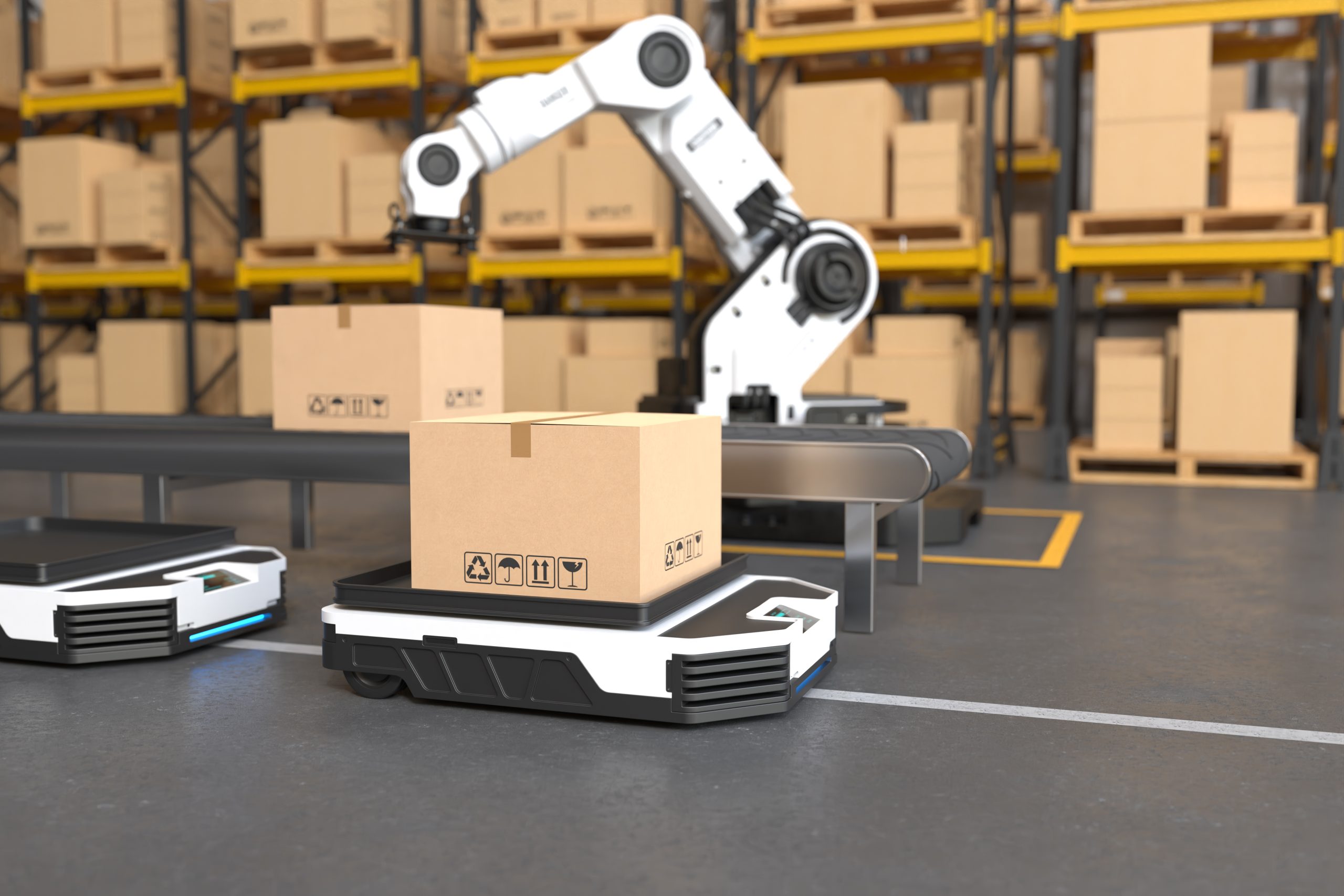
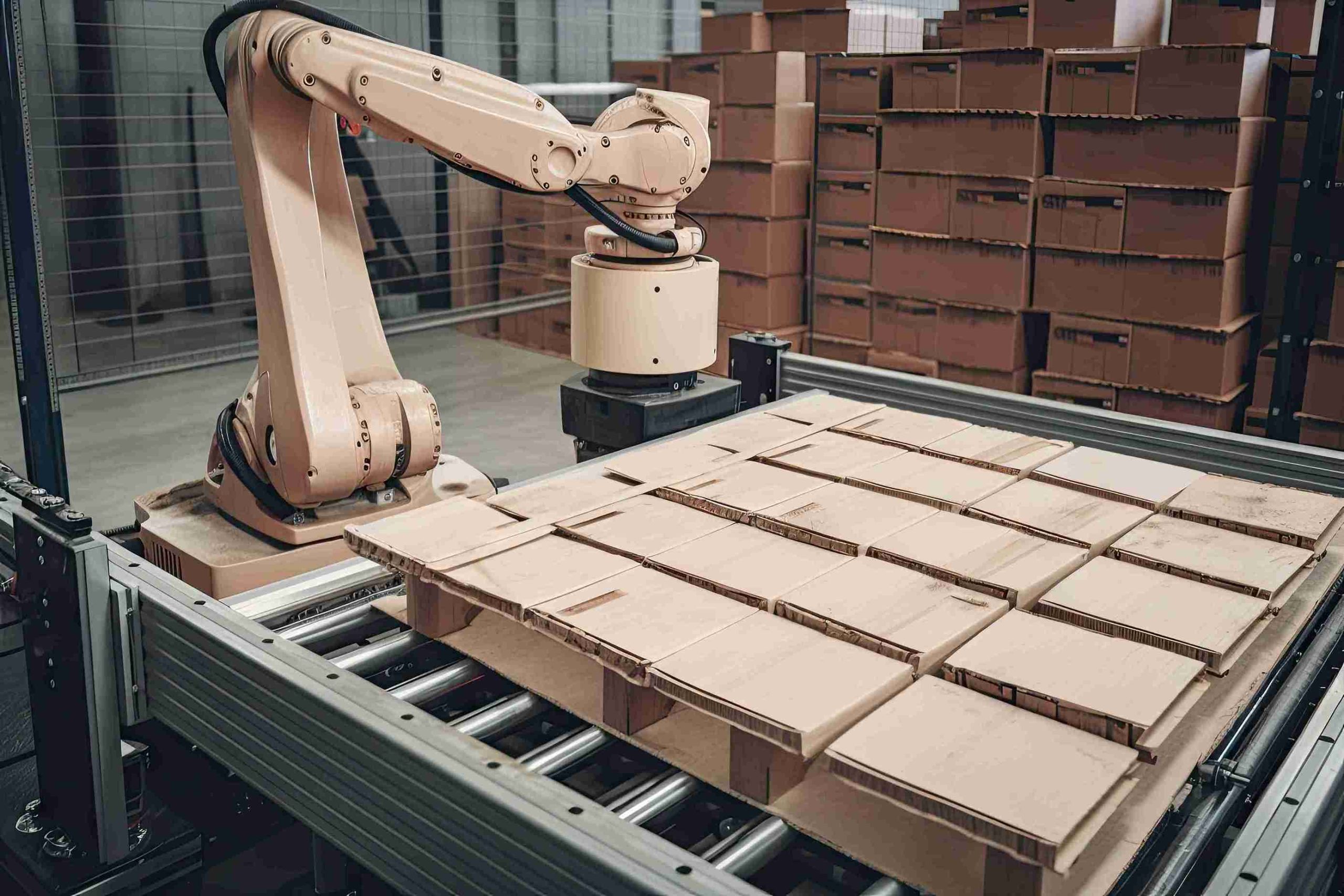
If you walk into a modern factory, it is hard to miss robotic arms neatly stacking boxes onto pallets with perfect accuracy. It looks simple from the outside, but many people still ask the same question: is Palletizing Robot Programming actually hard?
This question comes up often among manufacturers who are considering automation for the first time. The idea of programming robots can sound complex, expensive, and highly technical. But is that really the full picture, or has the industry already moved toward simpler solutions?
In this article, we will break down Palletizing Robot Programming in a practical and easy way. We will compare mainstream programming methods, explain their learning curves, and show how modern systems like a palletizing robot cell are changing the game for factories of all sizes.
Why Palletizing Robot Programming Feels Hard in Real Factory Environments
At first glance, Palletizing Robot Programming seems like a job only engineers can handle. Many factory owners imagine lines of code, complicated robot languages, and long debugging sessions. This perception is one of the biggest barriers to automation adoption.
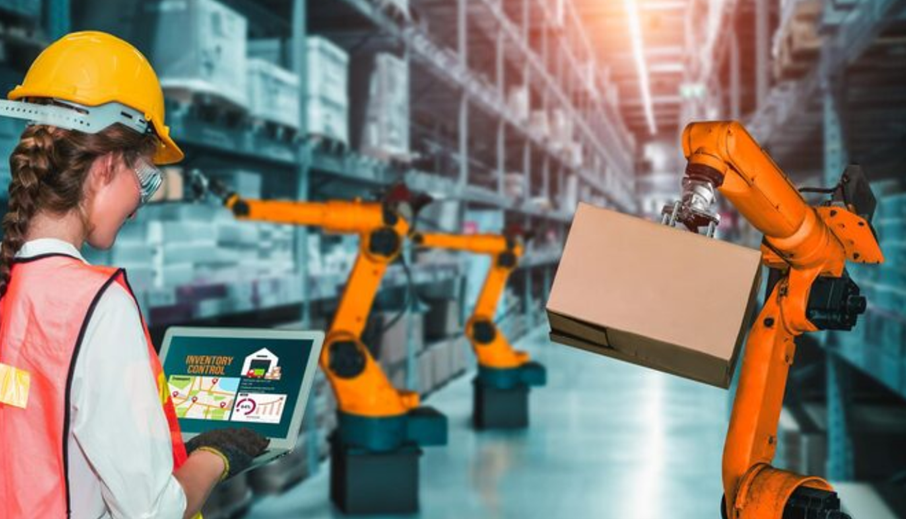
In reality, the difficulty often does not come from the robot itself. Instead, it comes from the environment around it. A palletizing robot cell is not just a robot—it is a full system. It includes conveyors, sensors, safety devices, and sometimes even vision systems. When all these parts need to work together, the setup naturally becomes more complex.
Another important factor is experience. Many factory teams are highly skilled in mechanical systems or PLC control, but they may not be familiar with robot-specific programming logic. This gap makes Palletizing Robot Programming feel more difficult than it actually is.
Misunderstandings About Complexity
A common misunderstanding is that one small programming mistake can completely break production. While errors should always be avoided, modern robot systems include safety checks and simulation tools that reduce risk significantly.
So the question becomes: if it is not as hard as people think, what are the actual ways factories program palletizing robots today?
Main Methods of Palletizing Robot Programming Used Today
To truly understand Palletizing Robot Programming, we need to look at the main methods used in real factories. Each method has different strengths, learning curves, and use cases depending on production needs and skill levels.
In most modern palletizing robot cell setups, one or more of these methods may be used together.
Teach Pendant Programming in Practice
This is the most traditional method of Palletizing Robot Programming. A technician uses a handheld controller called a teach pendant to manually move the robot and set positions step by step.
The process is straightforward. You guide the robot, save positions, and build movement logic directly on the controller.
This method is widely used because it is supported by almost all major robot brands. However, it can be time-consuming, especially when dealing with complex pallet patterns or frequent product changes in a palletizing robot cell.
PLC-Based Programming for Integrated Systems
Another widely used approach is PLC-based control. In this method, Palletizing Robot Programming is managed through a programmable logic controller such as Siemens or Allen-Bradley.
The PLC handles decision-making, while the robot executes movements based on commands from the system.
This is very common in large factories where multiple machines must work together. However, it requires both PLC expertise and robot programming knowledge, which increases the learning requirement.
Offline Programming for Simulation and Planning
Offline programming allows engineers to design and test robot movements on a computer before running them in real life. This method is widely used when setting up a new palletizing robot cell.
It helps reduce downtime and allows engineers to detect collisions or layout issues before installation.
However, accuracy depends heavily on how precise the digital model is. Even small differences between simulation and real-world conditions can require adjustments.
No-Code and Template-Based Programming Systems
This is the most modern approach in Palletizing Robot Programming. Instead of writing code, users work through graphical interfaces and pre-set pallet patterns.
Users simply select product types, define stacking rules, and the system generates robot movements automatically.
These systems are especially popular in new palletizing robot cell solutions designed for fast setup and easy operation.
They significantly reduce the need for programming knowledge, making automation more accessible.
Comparing the Learning Curve of Palletizing Robot Programming Methods
When factories evaluate automation, one of the most important questions is how difficult Palletizing Robot Programming is to learn.
The answer depends heavily on the method used and the complexity of the palletizing robot cell involved.
Which Method Is Easiest to Learn?
Teach pendant programming is easy to understand at a basic level because it is very hands-on. However, it becomes slower when tasks become more complex.
PLC-based systems are powerful but require more training because users must understand both logic control and robot behavior.
Offline programming sits in the middle. It is efficient for planning but requires familiarity with simulation tools.
No-code systems are currently the easiest form of Palletizing Robot Programming. They are designed for operators instead of engineers, which reduces training time significantly.
Time and Efficiency Differences
Traditional systems can take days or even weeks to fully set up, especially in complex environments. In contrast, modern palletizing robot cell solutions with simplified programming can reduce setup time significantly.
This difference is one of the main reasons companies are shifting toward more user-friendly systems.
So how do manufacturers make this even simpler in real production environments?
How OK Simplifies Palletizing Robot Programming in Real Applications
OK focuses on making Palletizing Robot Programming more accessible and efficient for real factory operations. The goal is to reduce complexity while maintaining performance and reliability.
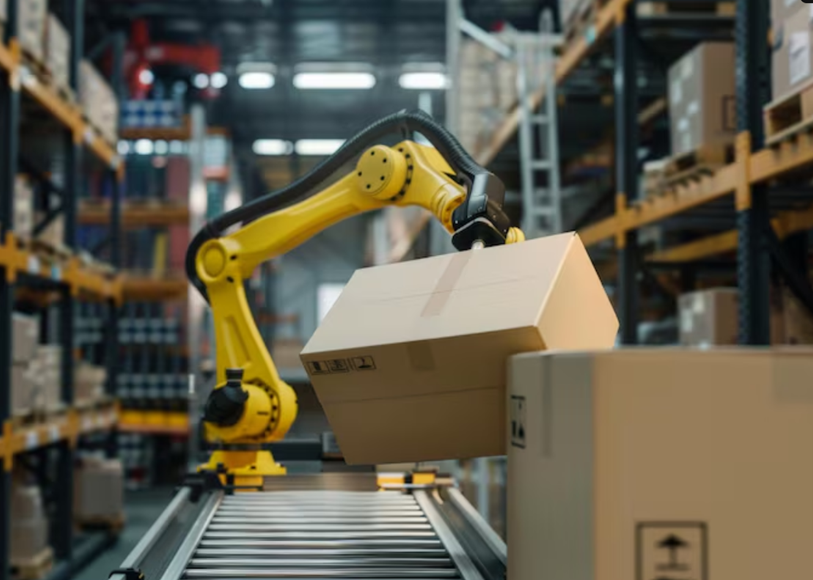
In a typical OK palletizing robot cell, operators can use predefined pallet patterns and simple interface controls instead of writing complex code.
Faster Setup for Real Production Needs
One of the biggest advantages is reduced commissioning time. Traditional Palletizing Robot Programming can require long setup periods, but modern systems are designed to shorten this process.
This is especially important for factories with multiple product lines or frequent changeovers.
Lower Skill Requirements for Operation
Another key benefit is reducing reliance on highly skilled programmers. With simplified Palletizing Robot Programming, operators can handle adjustments directly.
This makes automation more practical for small and medium-sized manufacturers that may not have dedicated engineering teams.
So if programming becomes easier, what else can improve system performance even further?
Best Practices for Easier Palletizing Robot Programming
Even though modern systems are simpler, good planning still plays a major role in success. A well-designed palletizing robot cell makes Palletizing Robot Programming much smoother from the beginning.
Standardizing Pallet Patterns
Using consistent pallet layouts helps reduce programming effort. Instead of creating new logic every time, factories can reuse proven configurations.
Using Simulation Before Installation
Testing system layouts before deployment helps reduce errors and improves reliability. This is especially useful when designing a new palletizing robot cell.
Training Operators for Daily Adjustments
When operators understand the basics of Palletizing Robot Programming, they can handle small changes without waiting for external support. This improves efficiency on the production line.
Designing Layouts with Programming in Mind
A good physical layout reduces programming complexity. Proper placement of conveyors, pallets, and safety zones makes system logic easier to manage.
So after looking at everything, what is the final conclusion?
Conclusion
After comparing all methods and learning curves, it becomes clear that Palletizing Robot Programming is not as difficult as it may first appear. The perception of difficulty often comes from older systems or lack of exposure to modern tools.
Today, with advanced palletizing robot cell solutions, programming is becoming more visual, more standardized, and much easier to learn. What once required deep technical knowledge can now often be handled through simple configuration and guided interfaces.
The industry is clearly moving toward simplification without losing capability. This means more factories can adopt robotic palletizing without heavy training barriers or long setup times.
If you are exploring ways to improve efficiency in your production line or want to understand how a modern system can simplify Palletizing Robot Programming for your operations, you can contact OK. Their team can help you find the right palletizing robot cell solution and guide you toward a smoother, more efficient automation setup.
FAQs
1. Is Palletizing Robot Programming difficult to learn?
It depends on the method used. Traditional programming can take time, but modern systems with templates and no-code tools make it much easier for beginners.
2. What is the easiest method for Palletizing Robot Programming?
No-code or template-based systems are the easiest. They allow users to set pallet patterns and parameters without writing complex code.
3. Do I need coding skills for a palletizing robot cell?
Not always. Many modern palletizing robot cell solutions are designed for operators, not programmers, especially for standard applications.
4. How long does it take to learn Palletizing Robot Programming?
It can range from a few hours for simple systems to several weeks for advanced PLC-based setups, depending on complexity and experience.