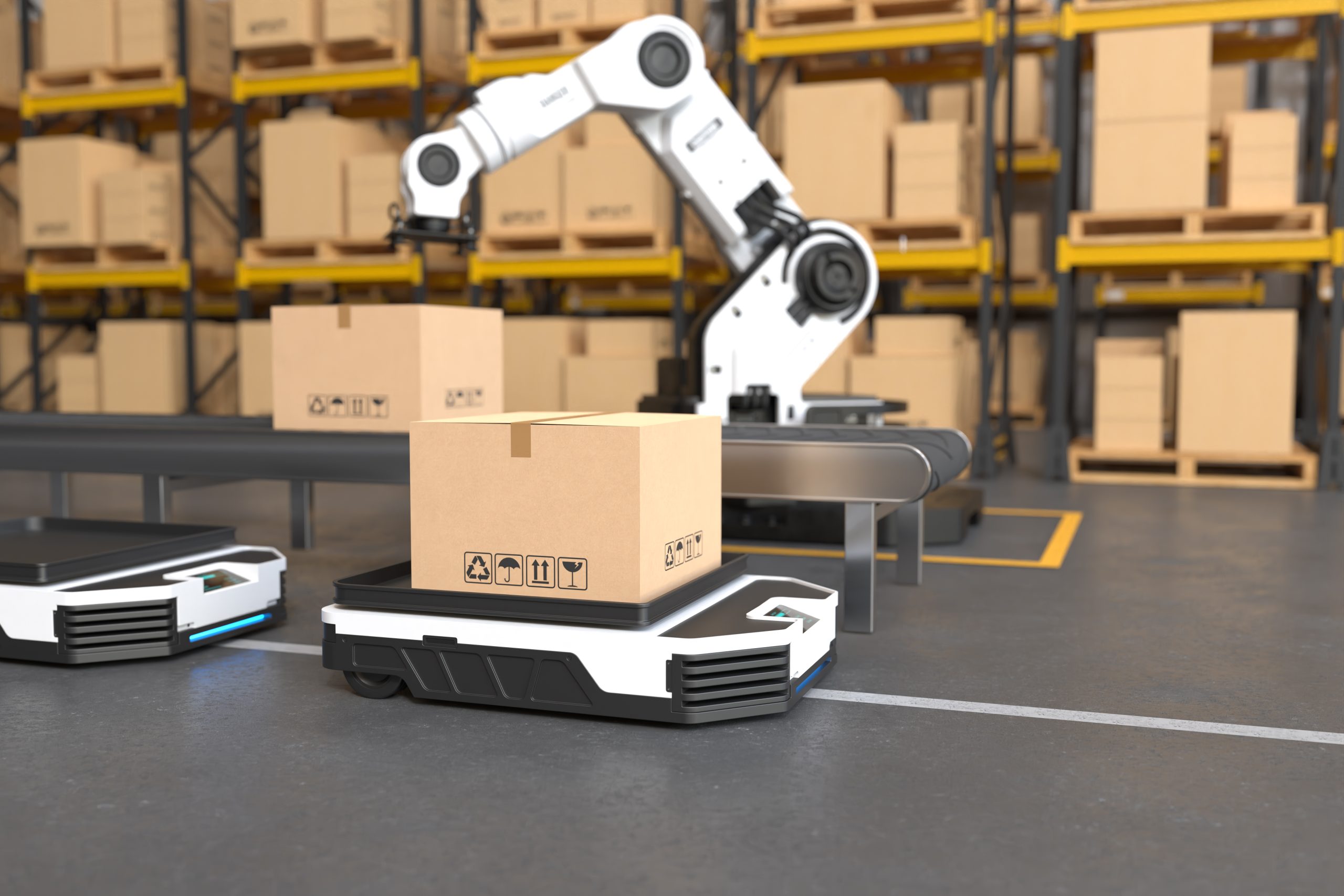
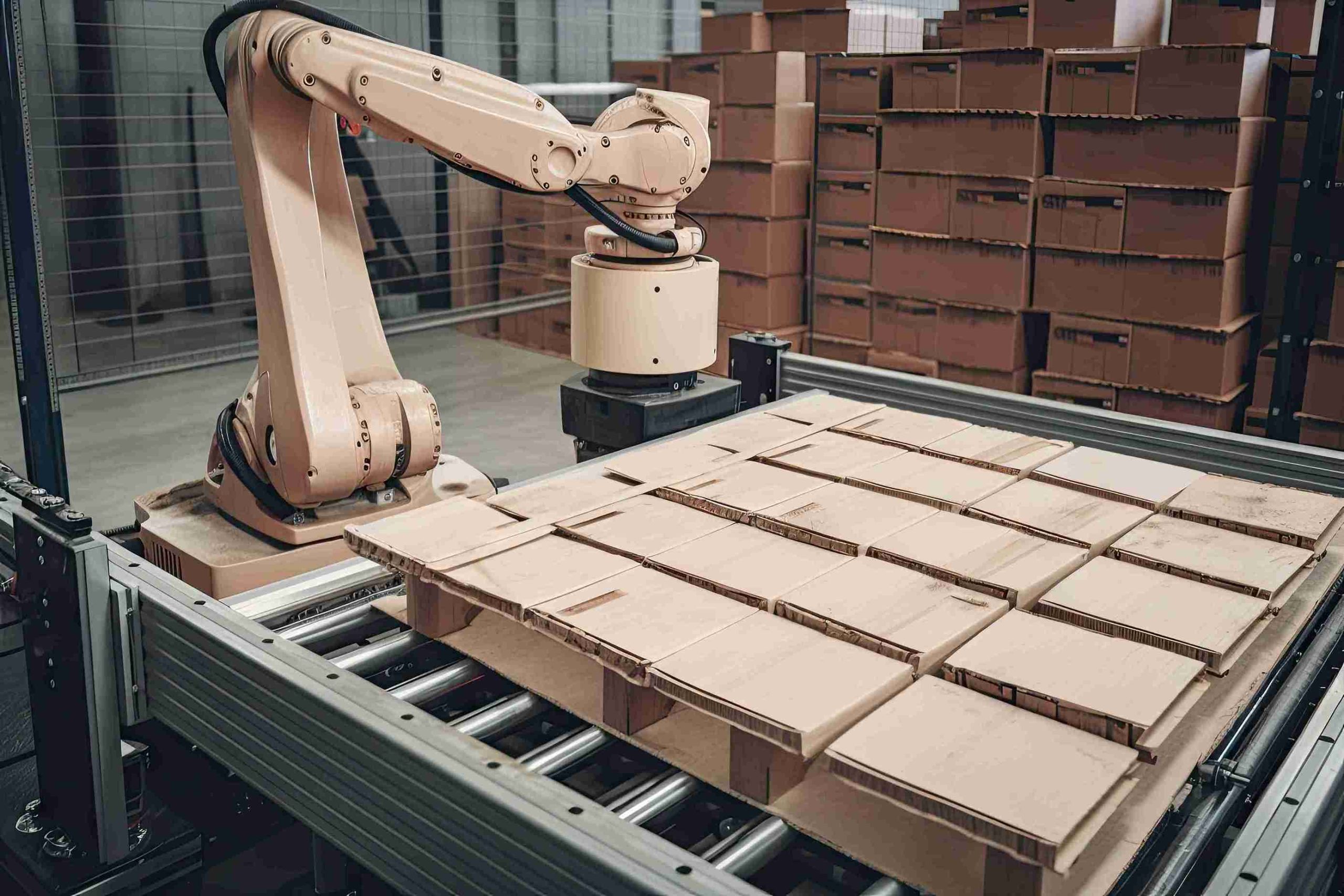
In today’s fast-moving supply chain world, warehouses are under more pressure than ever before. Customers expect faster deliveries, fewer errors, and real-time tracking. This is exactly where logistics robots are changing the game. But what makes them so important, and why are so many companies shifting toward automation instead of traditional manual work?
Let’s explore how these systems work, why they matter, and how companies like OK are helping businesses build smarter, more efficient warehouses step by step.
What Are Logistics Robots and Why Are They Becoming Essential in Modern Warehouses?
When people hear the term logistics robots, they often imagine futuristic machines moving boxes around a warehouse. That image is not wrong, but the reality is even more interesting. These robots are designed to handle tasks like moving goods, sorting packages, and supporting workers in daily warehouse operations.
So why are logistics robots becoming so important today? The answer is simple: speed and accuracy. Modern supply chains cannot rely only on human labor anymore, especially when order volumes change so quickly.
As warehouses grow larger and more complex, businesses are turning to automation to stay competitive.
This shift is not just about replacing workers. Instead, it is about improving efficiency and reducing repetitive tasks so humans can focus on more important work.
But what exactly makes up a system like this?
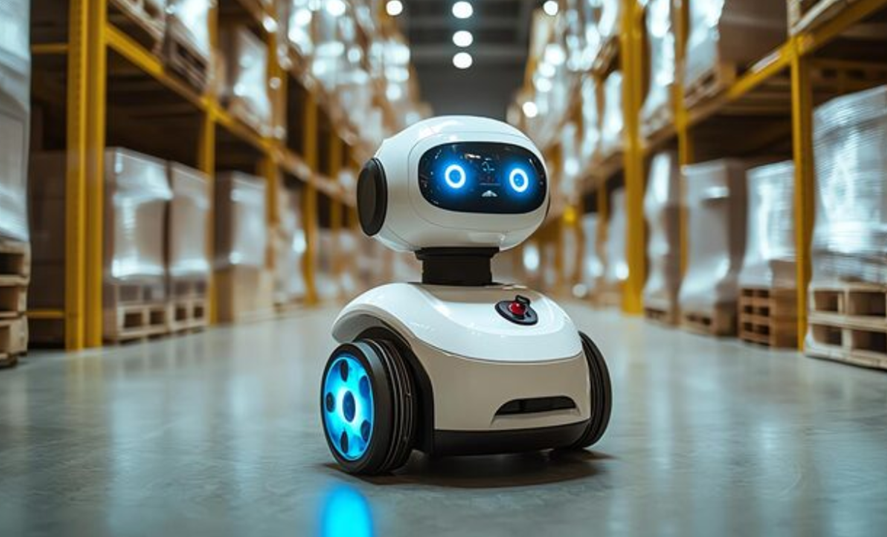
Different Types of Logistics Robots Used in Warehouses Today
There are several types of logistics robots used in modern facilities. Some of the most common include autonomous mobile robots, automated guided vehicles, and robotic arms. Each one plays a different role in warehouse operations.
Autonomous mobile robots move freely using sensors and mapping systems. Automated guided vehicles follow fixed paths. Robotic arms handle picking and packing tasks with high precision.
Together, these systems create a connected environment where goods move faster and more safely than ever before.
How Logistics Robots Improve Daily Warehouse Operations
The biggest advantage of logistics robots is consistency. Unlike manual labor, robots do not get tired or
lose focus. They follow instructions with high accuracy, which reduces mistakes in order fulfillment.
They also help reduce walking time for workers, improve storage efficiency, and speed up the entire process from picking to shipping.
Now that we understand what they are, the next question is: how are these systems actually designed for real-world use?
How logistics robots Are Designed for Efficiency, Safety, and Scalability
Designing modern logistics robots is not just about building machines. It is about creating an entire system that works smoothly in a busy warehouse environment. Every detail matters, from navigation to software integration.
One of the most important goals in design is efficiency. Robots must complete tasks quickly without wasting energy or space. At the same time, safety is critical because robots often work alongside human workers.
So how do engineers balance all of this in one system?
The Role of AI and Navigation Systems in Logistics Robots
Artificial intelligence plays a major role in modern logistics robots. AI helps robots understand their environment, avoid obstacles, and choose the best path to complete a task.
Most systems use technologies like sensors, cameras, and mapping software. These tools allow robots to move safely even in crowded warehouse spaces.
Without AI, logistics robots would not be able to adapt to real-world conditions, which change constantly.
Why Scalability Matters in Large Warehouse Networks
Scalability means the system can grow without breaking. This is very important for companies that plan to expand.
A good logistics robot system should allow new robots to be added easily without redesigning the entire operation. This flexibility helps businesses grow step by step without major disruptions.
Now that we understand how these systems are designed, let’s look at what happens when they are deployed in real warehouses.
Logistics Robots in Real-World Deployment: From Planning to Full Operation
Bringing logistics robots into a real warehouse is not something that happens overnight. It is a carefully planned process that includes several stages. Each stage ensures that the system works properly before full-scale use.
Deployment usually starts with understanding the warehouse layout and workflow. This helps engineers design a system that fits real operational needs.
But what does this process actually look like in practice?
Site Analysis and Simulation Before Deployment
Before any robots are installed, the warehouse is studied in detail. This includes measuring space, understanding product flow, and identifying high-traffic areas.
Simulation tools are then used to test how logistics robots will move inside the warehouse. This step helps predict problems before they happen in real life.
By doing this, companies can avoid costly mistakes and improve performance from day one.
System Integration with Warehouse Management Software
Once the physical setup is ready, the next step is connecting logistics robots with warehouse management systems.
This integration allows robots to receive tasks automatically, update inventory in real time, and communicate with other systems in the warehouse.
Without this step, automation would not be fully effective because robots need data to make decisions.
Now that deployment is clear, what challenges should companies expect when using these systems?
What Challenges Do Companies Face When Using Logistics Robots?
Even though logistics robots offer many benefits, they are not always easy to implement. Many companies face challenges during and after deployment.
One of the biggest issues is system integration. Older warehouses may use outdated software that does not connect easily with modern robotics systems.
Another challenge is training. Workers need to learn how to work alongside robots safely and efficiently.
So what are the most common difficulties businesses face?
Integration and Workflow Challenges
When logistics robots are introduced, warehouse workflows often need to change. This can be difficult for teams who are used to traditional methods.
If the system is not designed properly, robots and humans may interfere with each other, causing delays instead of improvements.
That is why careful planning is essential from the beginning.
Cost, Maintenance, and ROI Considerations
Another important factor is cost. Installing logistics robots requires investment, and companies need to understand the return on that investment.
Maintenance is also important. Robots need regular updates, battery care, and system checks to perform well over time.
However, when implemented correctly, the long-term savings and efficiency gains often outweigh the initial costs.
So if there are challenges, why are so many companies still adopting these systems?
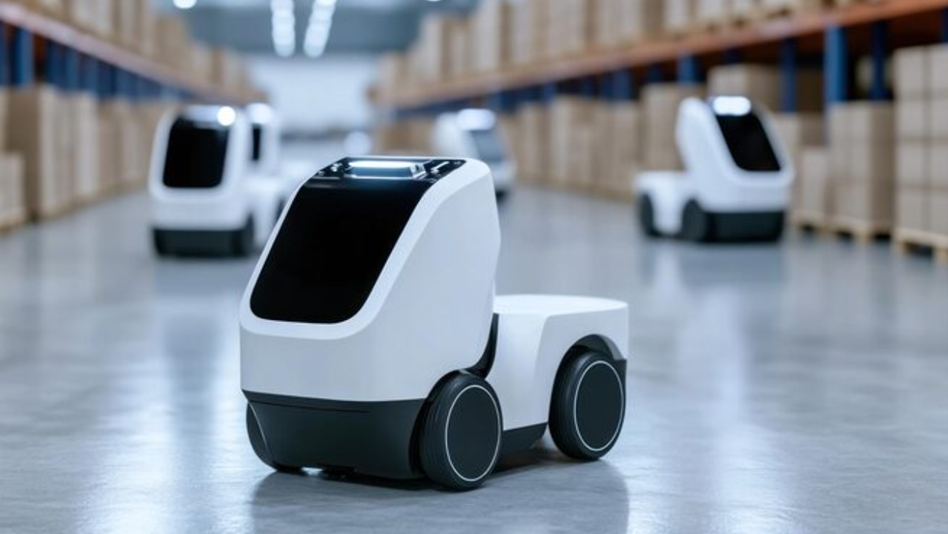
How Logistics Robots Are Shaping the Future of Global Supply Chains
The future of logistics robots looks very promising. As technology improves, these systems are becoming smarter, Быстрее, and more affordable.
Warehouses are no longer just storage spaces. They are becoming intelligent centers where robots and humans work together.
This shift is changing how goods move around the world.
Smarter Warehouses with AI-Driven Robotics
Artificial intelligence is making logistics robots more independent than ever. They can now learn from data, improve routes, and reduce energy use over time.
This creates warehouses that constantly improve themselves without needing major changes.
Why Businesses Are Rapidly Adopting Automation
Companies are adopting logistics robots because customers expect faster delivery and better service. Automation helps meet these expectations while reducing errors and improving efficiency.
It is no longer just a competitive advantage. In many industries, it is becoming a necessity.
With this future in mind, how do companies choose the right partner for automation?
Why Choose OK for Advanced Logistics Robot Solutions?
Choosing the right provider for logistics robots is one of the most important decisions a company can make. A strong system is not just about machines. It is about integration, support, and long-term performance.
OK focuses on building complete logistics automation solutions that combine hardware and software into one connected system.
Instead of offering isolated products, the goal is to help warehouses build smooth, scalable, and efficient operations from start to finish.
This includes supporting different industries, warehouse sizes, and operational needs, making it easier for businesses to adopt automation without unnecessary complexity.
So what does this mean for your business? It means you can focus on growth while automation handles the heavy lifting behind the scenes.
If you are exploring ways to improve warehouse efficiency or reduce operational costs, now is the right time to take the next step. You can reach out to OK to learn how logistics robots can be customized for your specific needs and start building a smarter warehouse today.
Заключение
The rise of logistics robots is not just a trend. It is a major shift in how warehouses and supply chains operate. From design and deployment to real-world challenges and future innovation, these systems are reshaping the way goods move across the world.
As we have seen, successful automation depends on more than just machines. It requires thoughtful planning, smart integration, and the right long-term strategy.
So the real question is not whether logistics robots will become standard in warehouses, but how quickly businesses will adapt to them.
If you are ready to explore what automation can do for your operations, OK is here to help you take that next step.
Часто задаваемые вопросы
What are logistics robots used for?
Logistics robots are used in warehouses and factories to move goods, pick items, sort packages, and support storage and shipping operations with higher speed and accuracy.
Do logistics robots replace human workers?
Not completely. They handle repetitive and heavy tasks, while humans focus on supervision, decision-making, and complex work.
Are logistics robots expensive to implement?
Initial costs can be high, but they often reduce long-term labor and operational costs, improving overall efficiency and ROI.
Can logistics robots work in any warehouse?
Most modern systems can be adapted, but proper planning and integration are needed for best performance.