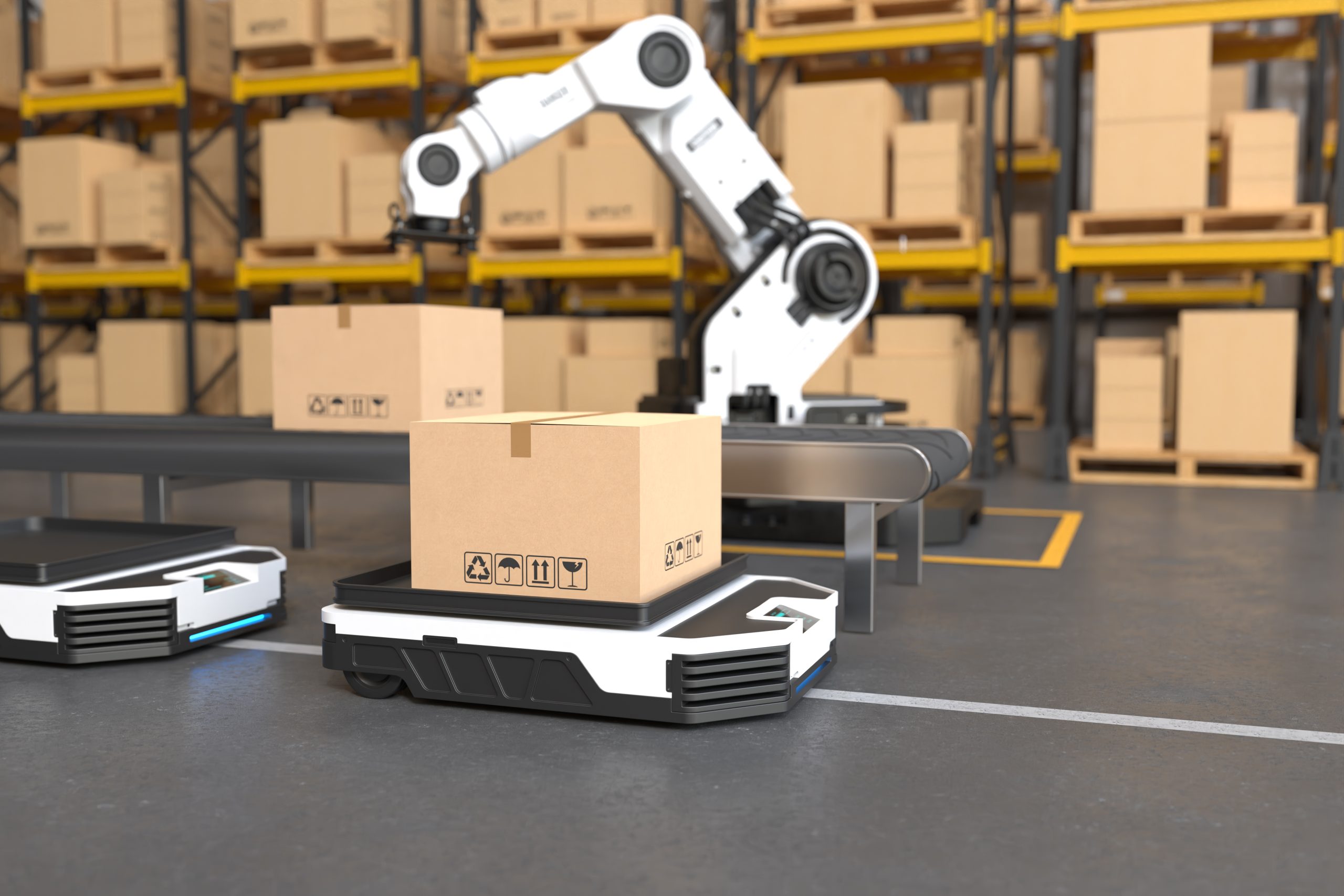
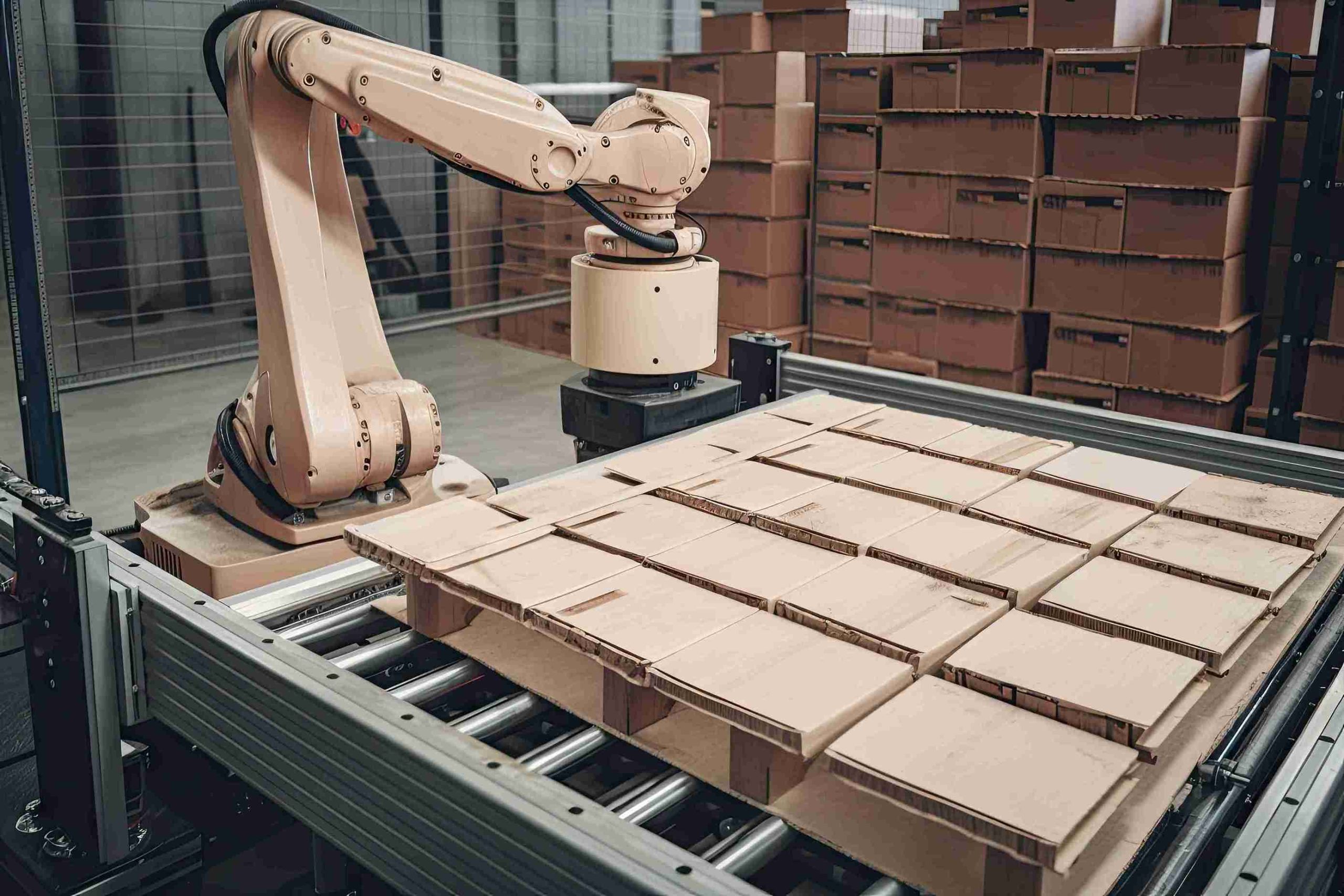
In today’s fast-moving world of manufacturing, many factory owners are searching for smart ways to get more done with less. One of the smartest tools in modern production lines is the palletizing robot. These machines are built to take over the hard work of stacking boxes, bags, and items onto pallets — a task that used to take teams of workers hours to finish.
But with so many different robots out there, how do you know which one is right for your factory? It all comes down to understanding the design, purpose, and features of each palletizing robot, and knowing how to match that with your production needs.
Let’s break it down and help you find the best solution.
What Is a Palletizing Robot and Why Do You Need One?
A palletizing robot is a machine designed to lift and stack products onto a pallet. These robots help factories speed up packaging, reduce labor costs, and improve workplace safety. They are especially useful in places where heavy lifting or repetitive stacking is part of the daily routine.
In the past, people had to handle all this work by hand. It was slow, tiring, and risky. Today, thanks to new robot technology, factories can use machines to do the same job faster, safer, and more accurately.
Palletizing robots are now a common part of industries like food and drink, logistics, electronics, and chemicals. Whether your factory is large or small, using one of these robots can make your workflow smoother and more reliable.
So now that we know what a palletizing robot is, let’s look at the types available and how they work.
Types of Palletizing Robots: Which One Fits Your Workflow?
Not all palletizing robots are the same. In fact, there are several different types, and each one is built for a specific kind of task. Picking the right type is the first big step in choosing the best palletizing robot for your factory.
Here are the main types to consider:
Articulated Robots
These robots have arms with multiple joints. They are flexible and can reach in many directions, making them great for tasks that involve a lot of movement. Articulated robots are often used in large factories with high production rates.
SCARA Robots
SCARA stands for Selective Compliance Articulated Robot Arm. These are fast and accurate but work best when the movement is mostly in one direction. They are good for placing small, light items quickly.
Cartesian Robots
Also called gantry robots, these move in straight lines across X, Y, and Z axes. They are simple but strong. They work well in systems where space is not limited.
Collaborative Robots (Cobots)
Cobots are designed to work safely alongside humans. They are smaller, slower, and easier to use. These are perfect for smaller factories or places where space and safety are top concerns.
Now that you know the types, how do you actually choose the right one? That’s where key parameters come into play.
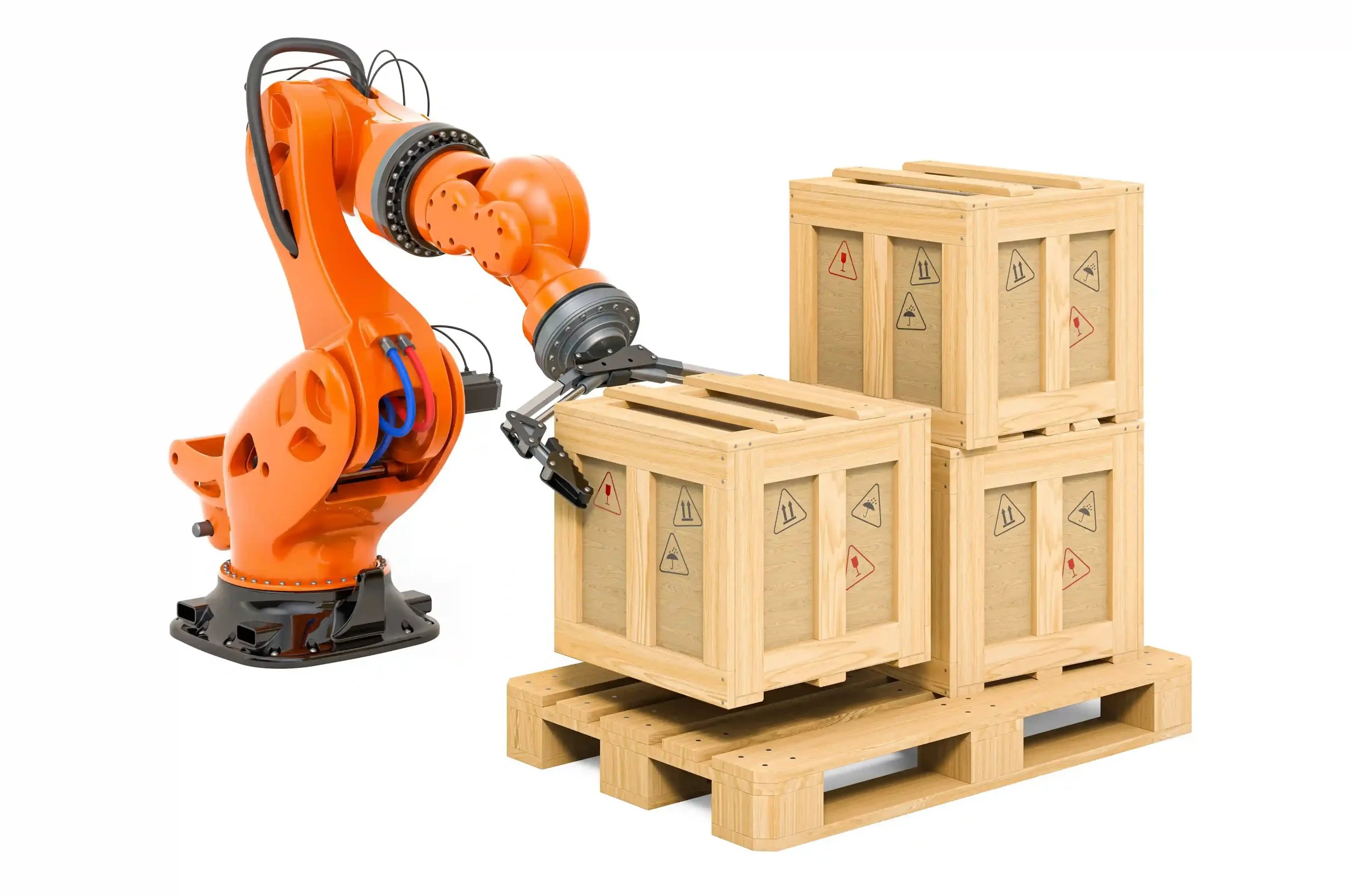
Key Parameters to Consider When Choosing a Palletizing Robot
Buying a palletizing robot is a big investment. You want to make sure it fits your production needs. To do that, you need to look at a few important features.
Let’s walk through them.
Payload and Reach
The payload is how much weight the robot can lift. The reach is how far the robot arm can extend. You need to pick a robot that can lift your products and reach the pallet from where it picks up the item.
A robot that can’t reach all corners of a pallet or struggles to lift your heaviest box won’t be helpful on your line.
Speed and Cycle Time
Speed refers to how fast the robot moves, while cycle time means how long it takes to complete one full task, like picking up a box and placing it on the pallet.
If your production line is fast, your robot needs to keep up. Make sure the robot’s speed matches your output goals.
End-of-Arm Tooling (Grippers)
The robot arm needs a tool to grab and hold items. This is called end-of-arm tooling or a gripper.
Grippers come in different styles: vacuum, clamp, magnetic, and more. Your product type will decide which one works best. Soft items need gentle grips, while solid boxes can use stronger tools.
Footprint and Space Requirements
Every factory has different space limitations. Some palletizing robots are compact and can fit into tight spaces. Others need more room to move.
Before choosing, measure your space and think about how the robot will fit into your existing workflow.
Ease of Integration and Programming
A good palletizing robot should be easy to set up and control. Many modern robots come with simple touch screens and visual programming tools.
Make sure your team can handle the robot without needing expert coders or engineers.
Safety Features and Compliance
Safety matters, especially if humans will work near the robot. Look for features like collision detection, force control, and automatic stop functions.
Collaborative robots often meet higher safety standards, making them a smart choice for mixed environments.
Total Cost and Return on Investment
It’s not just about the price tag. Think about the total cost, including setup, maintenance, and energy use. Then compare that to how much time and money the robot will save you.
A good palletizing robot pays for itself over time by improving efficiency and reducing labor costs.
Now that we’ve covered the features, let’s explore the real-world benefits you can expect.
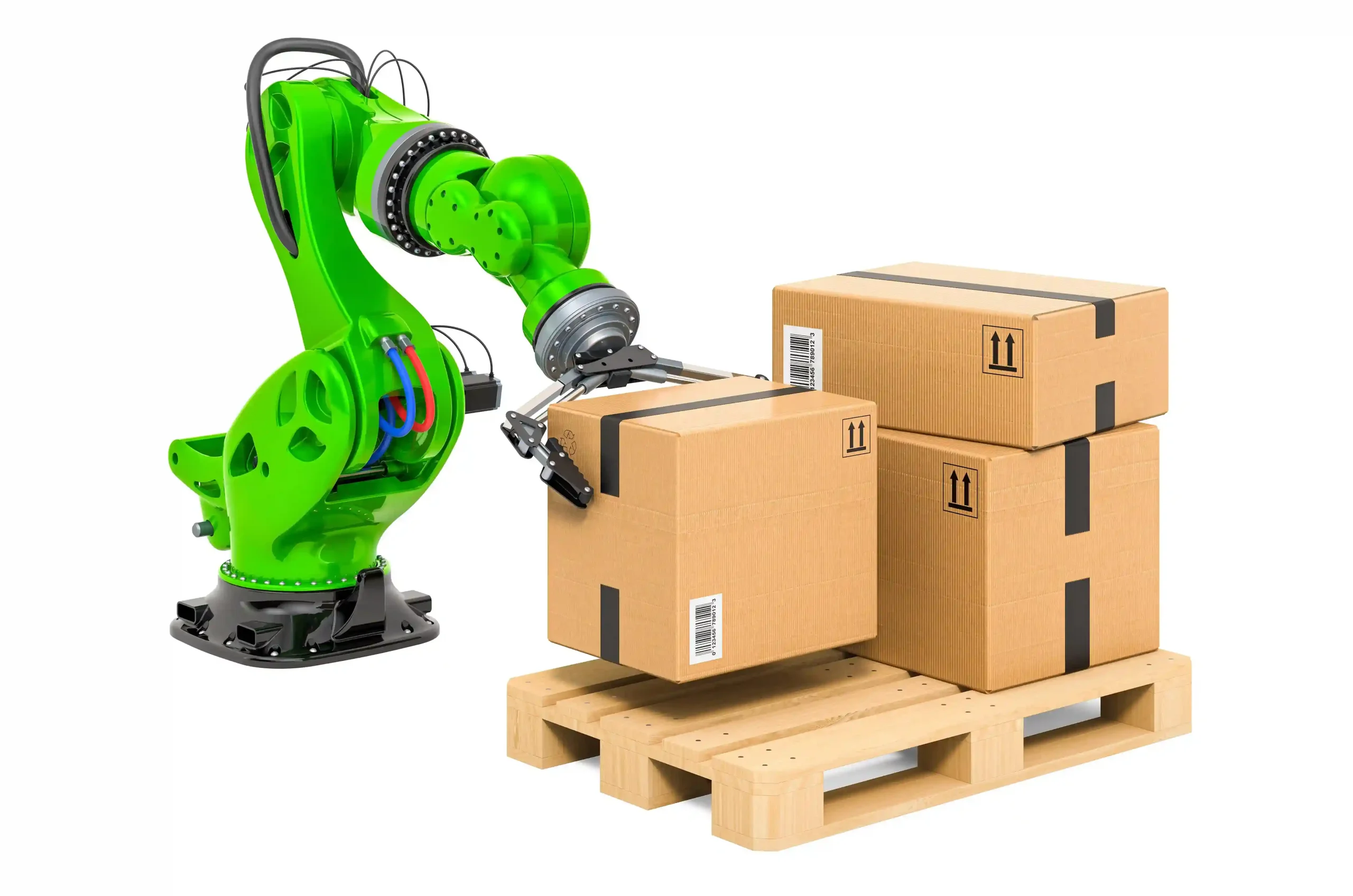
How a Palletizing Robot Arm Boosts Efficiency and Safety
Using a palletizing robot arm does more than just replace manual labor. It helps your entire operation run better.
Boosts Speed and Output
Robots don’t get tired or take breaks. They can keep working all day and night, making your output more consistent and reliable.
Improves Safety
Heavy lifting and repetitive tasks often lead to injuries. By handing these jobs over to a robot, you create a safer workspace for your team.
Enhances Product Quality
Robots stack products with precision. This reduces damage during packaging and shipping. A neat and stable pallet also means easier transport and storage.
Reduces Human Error
No more uneven stacks or missed pallets. A robot follows the same pattern every time, reducing mistakes.
With so many benefits, it’s easy to see why more factories are turning to palletizing robots. But how do you decide which one is truly the best for your needs?
What’s the Best Palletizing Robot for Your Factory?
The best robot is the one that matches your products, your floor space, and your budget. Start by looking at what your factory produces, how fast it moves, and what kind of stacking you need.
If you run a smaller factory or are just starting to automate, a collaborative palletizing robot might be the ideal choice. They’re easier to install, take up less space, and are safer around people.
On the other hand, if you run a high-volume plant and need fast stacking of heavy items, an industrial robot with high speed and payload might be the better fit.
At OK, we specialize in palletizing robots that are smart, safe, and simple to use. Whether you need a compact cobot for tight spaces or a heavy-duty robot for demanding lines, we’ve got a solution that fits.
Why Choose OKCOBOT for Your Palletizing Robot Needs?
Our factory, located at the headquarters base of Ouke Technology in Xiushui, Jiangxi Province, covers 260 acres. With 98,000 square meters of modern, clean workshops, we have the capacity to produce 1,000 sets of high-end paper post-processing lines annually.
Our 5G+AI-powered visual quality inspection system is cloud-connected, delivering a 99.7% yield rate and reducing delivery cycles by 25%. With more than 500 million yuan invested in full-process equipment — including cutting, welding, milling, and heat treatment systems we bring serious manufacturing strength to every project.
Here’s how we help you get the most from your palletizing robot investment:
Customized Solutions
We tailor palletizing robots, case-opening robots, and inspection systems to your material type (cartons, bags, barrels) and production needs — ensuring exact alignment with your factory setup.
Hardcore Quality Assurance
Our equipment is tested thousands of times to ensure stability and a low failure rate. A one-year (or longer) warranty gives you peace of mind post-installation.
Full-Process Service
We support you from start to finish — from early consultations and site visits to setup, training, and ongoing maintenance. Your success is our priority.
Proven Industry Experience
With over 1,000 client relationships, we understand the production challenges you face and know how to solve them with real-world automation strategies.
Exceptional ROI and Fast Payback
Our customers often reduce labor costs by more than 30% and improve efficiency by over 50%. Most recover their full investment within 12 to 18 months.
So, if you’re wondering who to trust for your next palletizing robot, OKCOBOT brings the performance, reliability, and support your factory deserves.
Conclusion
Finding the perfect palletizing robot is all about knowing your needs and matching them to the right features. From robot type to payload, from safety to space, every detail matters.
Now that you’ve seen what’s out there and how it works, you’re ready to make a confident decision.
Still not sure where to begin? Don’t worry. That’s what we’re here for.
Contact us today at OK to get expert help in finding the right palletizing robot for your factory. We’re real people, ready to help you choose a solution that makes your work faster, safer, and easier.
Frequently Asked Questions
Q1: What is a palletizing robot?
A palletizing robot is a machine that stacks boxes or products onto pallets. It helps factories work faster, safer, and more efficiently.
Q2: How do I choose the right palletizing robot?
Look at factors like payload, speed, reach, footprint, and ease of use. Your factory’s size and product type also matter.
Q3: Are palletizing robots hard to program?
No, many modern palletizing robots are user-friendly and come with simple software. Some can be programmed without any coding.
Q4: Can palletizing robots work with people?
Yes, collaborative palletizing robots (cobots) are designed to safely work near humans without extra safety cages.
Q5: How much does a palletizing robot cost?
Prices vary, but you should also consider savings in labor, time, and fewer workplace injuries when thinking about cost.