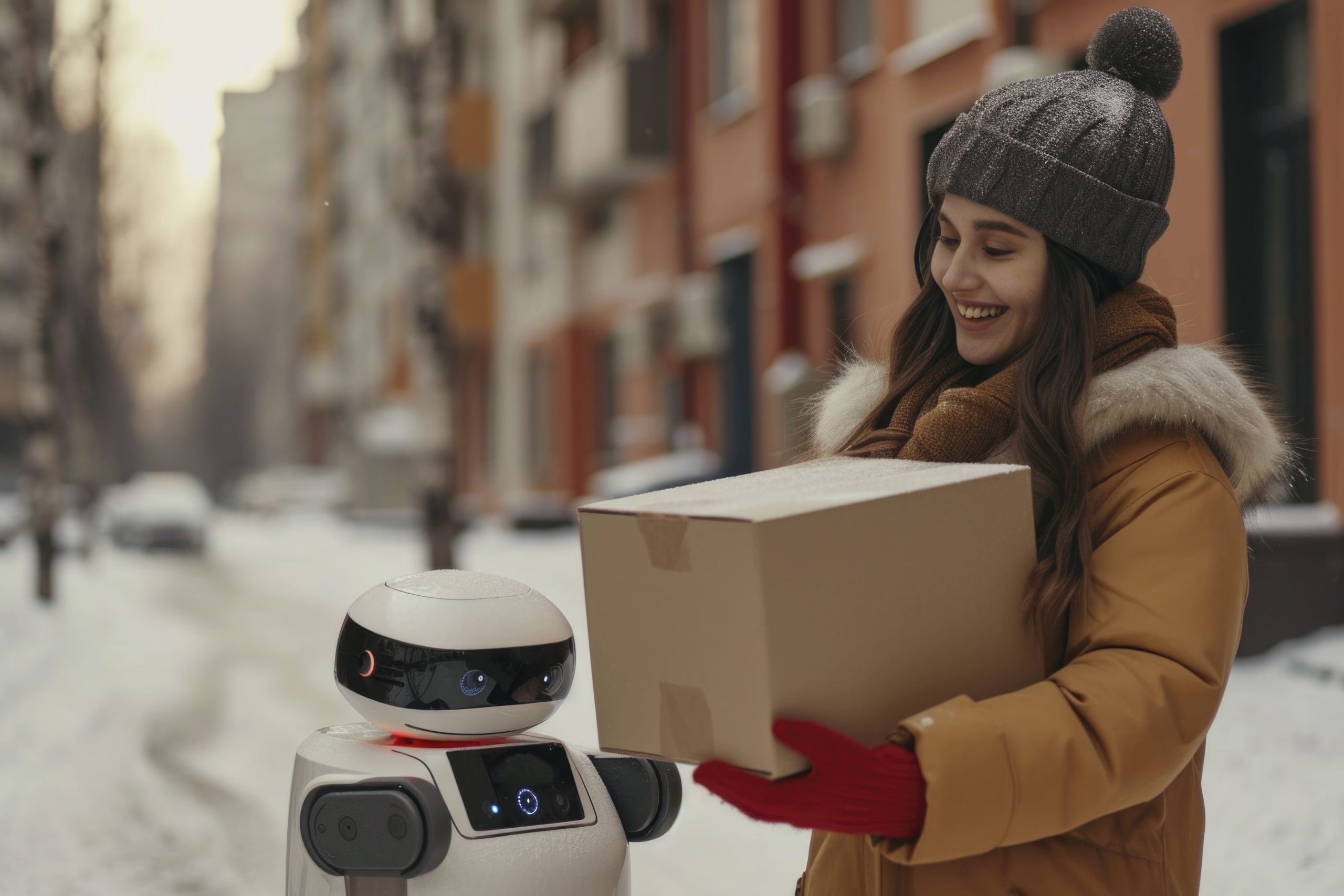
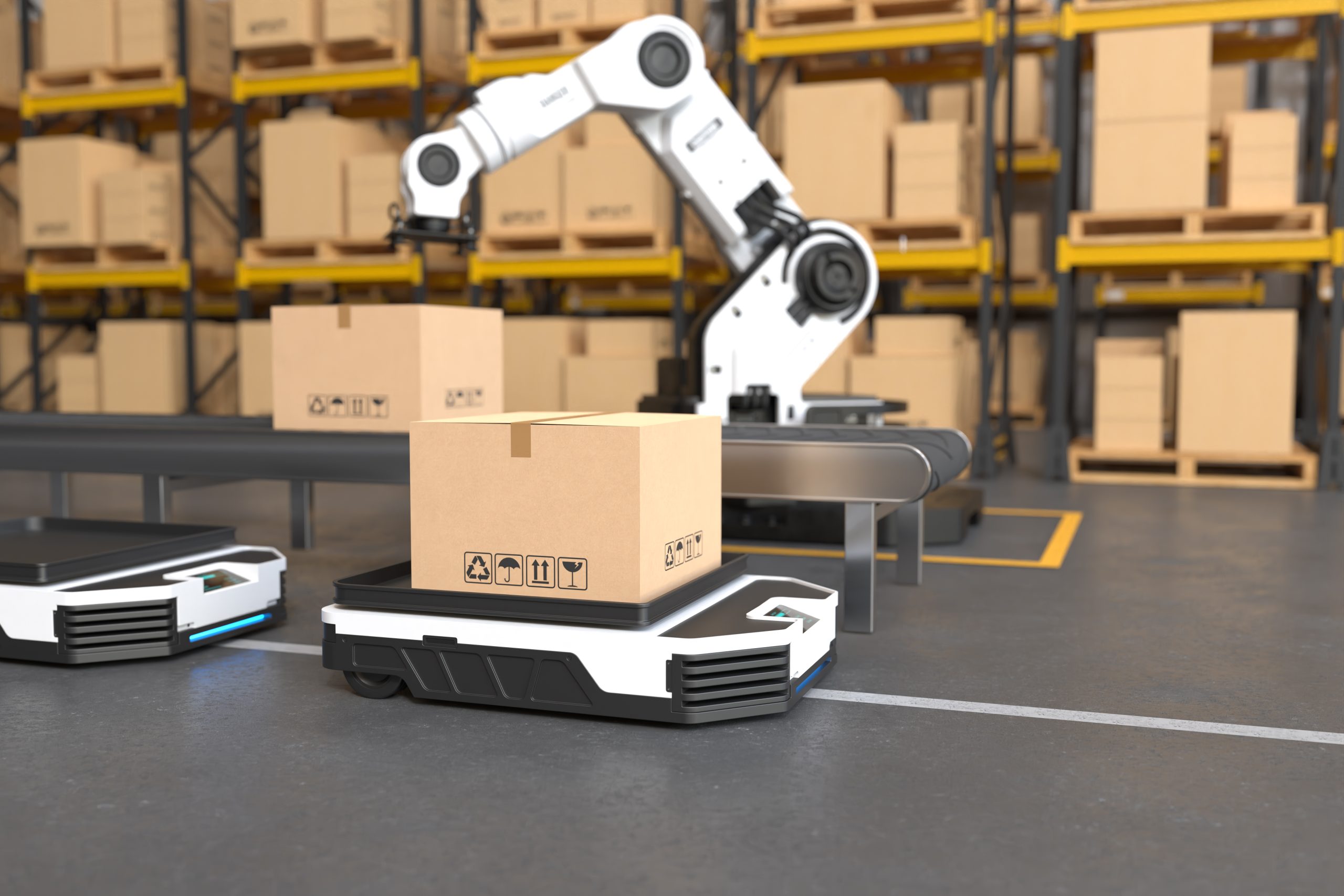
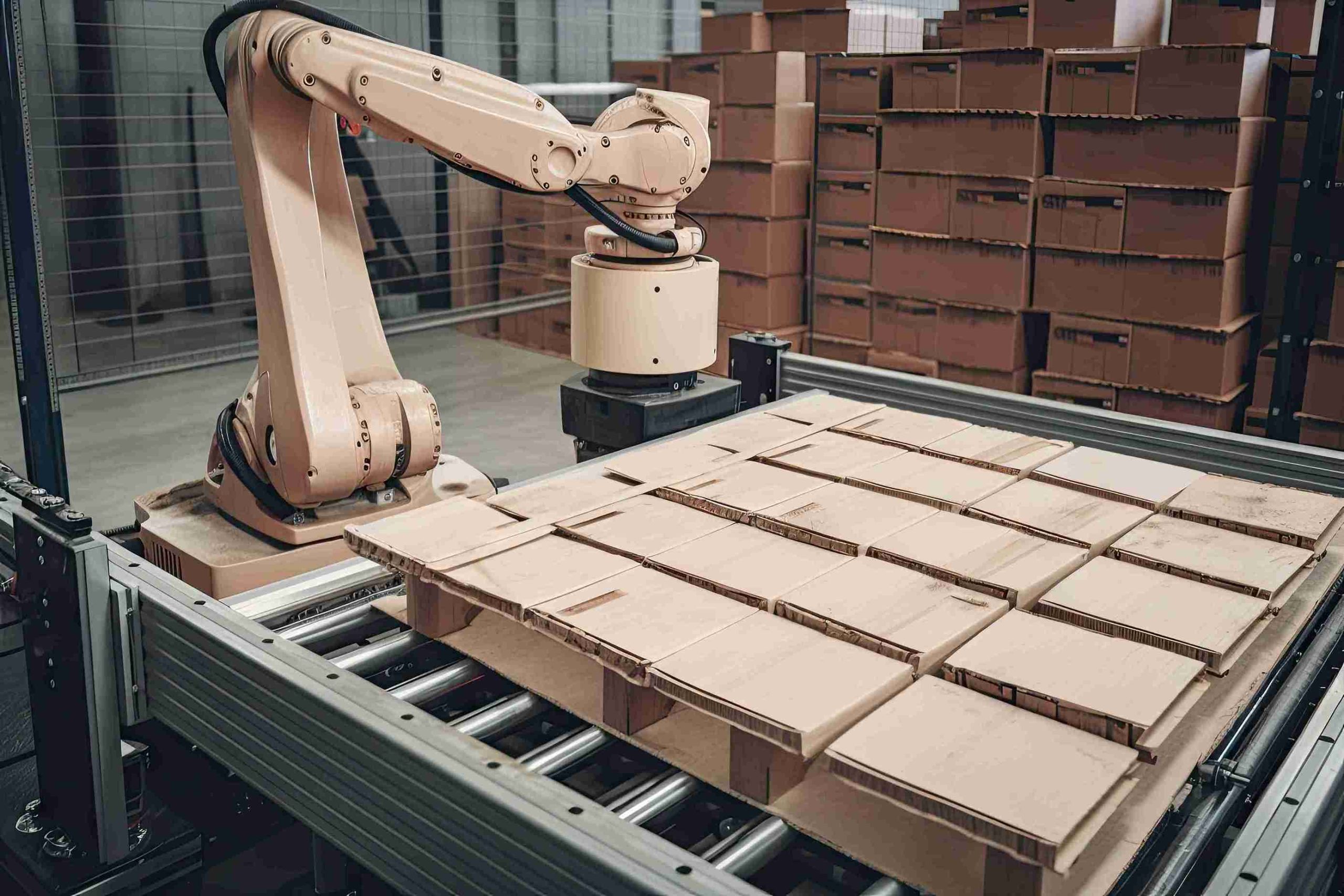
In today’s fast-moving world, warehouses are under more pressure than ever. With the rise of e-commerce and higher customer expectations, companies need to move products quickly, accurately, and without mistakes. That’s where sorting robots come into play.
These advanced machines are changing the way warehouses work. By helping businesses sort items faster and with fewer errors, sorting robots are becoming a must-have for modern supply chains. But how exactly do they work? What makes them so efficient? And why are more companies choosing them over traditional methods?
Let’s take a closer look.
What Are Sorting Robots and How Do They Work?
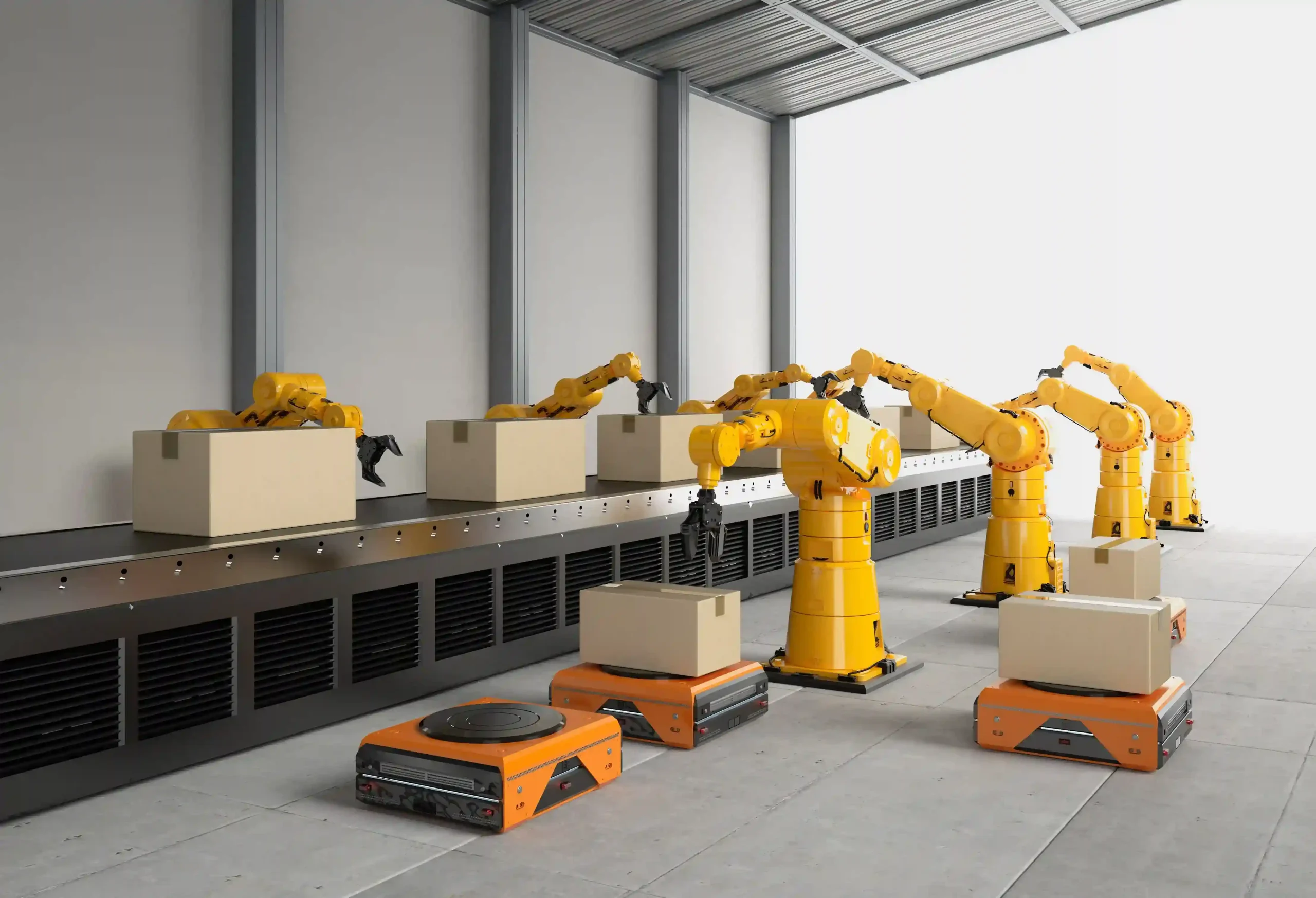
Sorting robots are smart machines used in warehouses and distribution centers to sort items into the right places. Instead of using human workers to pick up, read, and place products, these robots do it automatically.
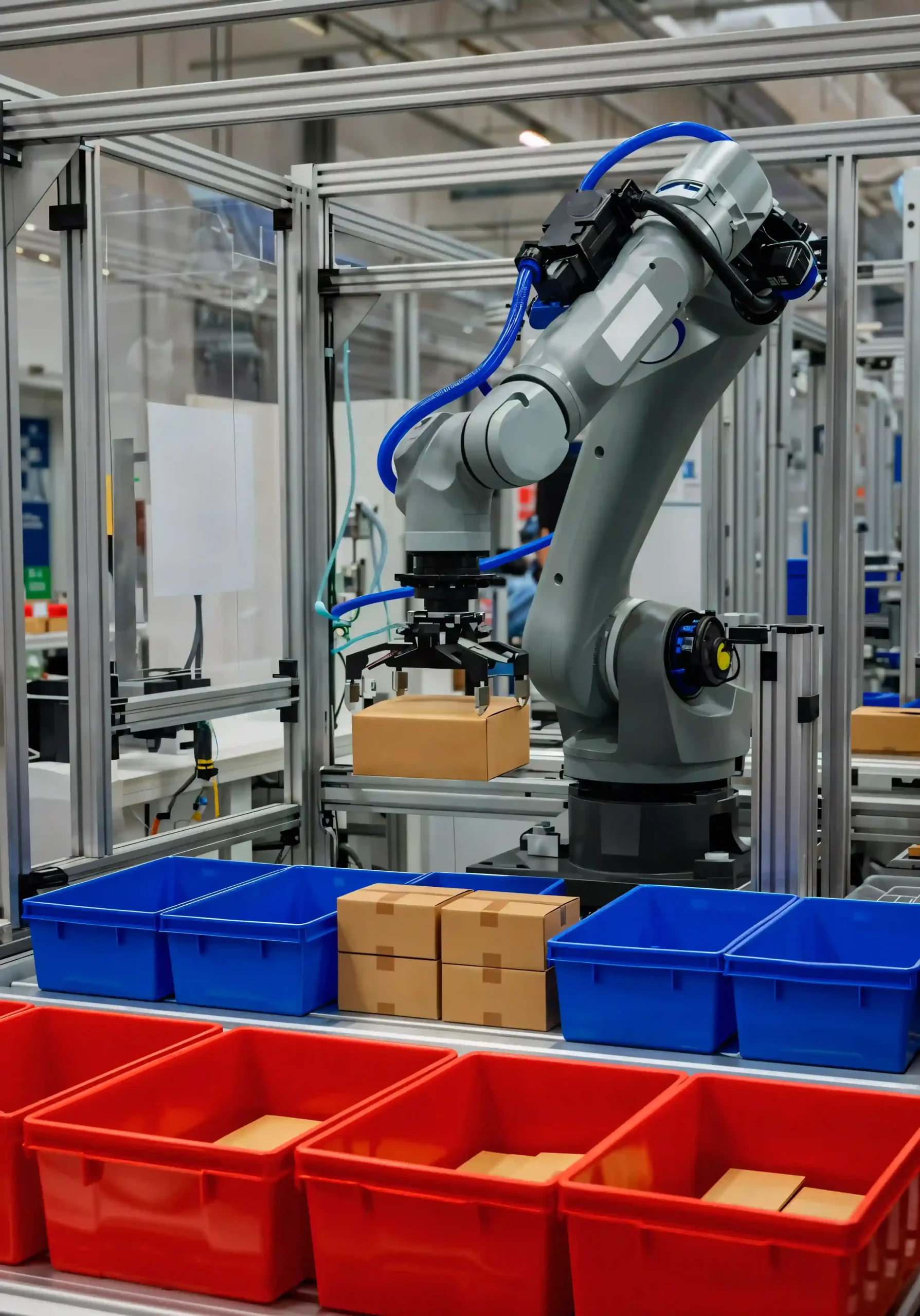
Most sorting robots come with a combination of cameras, sensors, and software. They use vision systems to scan barcodes or product features and then decide where each item should go. The robot might carry the item itself or work with a conveyor belt to move it. In either case, the robot sorts the item into the correct bin, box, or delivery area.
The Technology Behind the Robots
Many sorting robots use artificial intelligence (AI) to make decisions. AI helps them learn the best routes to take, avoid bumping into obstacles, and keep track of what has already been sorted. Some also use machine learning to improve over time, becoming faster and more accurate the more they work.
As the technology continues to grow, sorting robots are becoming even more flexible. They can now handle different item sizes, shapes, and packaging materials, making them useful in many industries.
But sorting is just part of the story. The real magic happens when these robots are used in a larger warehouse system — like the “goods-to-person” model.
How the “Goods-to-Person” Model Boosts Sorting Robot Efficiency
Have you ever wondered why warehouse workers walk so much? In traditional systems, people move around the warehouse to find and pick items. This takes time and energy. The “goods-to-person” model flips that idea around.
In a goods-to-person system, sorting robots bring items directly to the worker, instead of the worker going to the items. This model is all about saving time and reducing effort. It makes sorting and picking much more efficient.
How Sorting Robots Fit Into This Model
Sorting robots play a key role in this system. They move around the warehouse, collecting items and delivering them to packing stations or sorting areas. Workers stay in one place, which cuts down on walking time and helps them focus on packing or checking orders.
This setup is not only faster, but it also helps reduce mistakes. When robots bring the correct items, workers are less likely to pick the wrong ones. This leads to fewer returns and happier customers.
Now that we understand how sorting robots work in modern systems, let’s talk about what makes them such a smart investment for businesses.
Why Sorting Robots Improve Warehouse Operations
Every warehouse wants to be faster, more accurate, and more cost-effective. Sorting robots can help with all of these goals. But what specific benefits do they bring to the table?
Faster Sorting Speeds
One of the biggest advantages of using sorting robots is speed. These machines can sort thousands of items per hour without getting tired. This means more orders can be processed in less time, especially during busy seasons like holidays or major sales.
Reduced Errors and Better Accuracy
Human workers can make mistakes, especially when they are tired or rushed. Sorting robots, on the other hand, follow instructions exactly. They scan barcodes and match products with their correct destinations. As a result, sorting errors are greatly reduced, which leads to better customer satisfaction.
Smarter Use of Labor
Sorting robots don’t replace workers — they support them. By taking over boring and repetitive tasks, robots free up employees to handle more important jobs. This makes the whole operation run smoother. Plus, it reduces the need for extra workers during peak times.
Nonstop Operation
Another key benefit is that robots can work around the clock. They don’t need breaks, sleep, or meals. This makes them ideal for warehouses that operate 24 hours a day. The more you use them, the more value they deliver.
With so many benefits, it’s no wonder companies around the world are turning to robotic solutions. But what’s next for sorting robot technology?
Latest Innovations in Sorting Robot Technology
Technology never stands still. Sorting robots are becoming smarter, more flexible, and easier to use. New features are helping warehouses get even more out of their robotic systems.
Smarter Vision and Sensing
Modern sorting robots now come with 3D cameras and better sensors. This allows them to “see” different shapes and sizes more clearly. Even if a package is crumpled or missing a label, the robot can figure out what it is and where it belongs.
Artificial Intelligence and Machine Learning
AI is making a big difference in how robots operate. Robots now learn from their experiences and make better decisions over time. If a warehouse layout changes, the robot adapts. If an item is misplaced, the robot can figure it out without needing help.
Modular and Scalable Systems
Today’s sorting robot systems are built to grow with your business. You can start with just a few robots and add more as your needs increase. This makes robotic systems a smart long-term investment.
Real-Time Data and Monitoring
Robots are also becoming better at reporting their own performance. Managers can now see real-time data on sorting speeds, errors, and inventory levels. This helps improve planning and reduce delays.
All of these innovations are exciting — but how do they connect with OK?
What Makes OK’s Sorting Robots Stand Out?
OK is a leader in the world of sorting robots. Their machines are designed to work in many industries, from electronics and clothing to medicine and food. But what really sets them apart?
Flexible Design for Every Warehouse
OK’s sorting robots are built to be modular. This means they can be set up in different ways to match the size and shape of a warehouse. Whether you’re a small business or a large distribution center, these robots can be tailored to your needs.
Smart Software for Smarter Sorting
OK also offers powerful software that manages a whole fleet of robots. This software helps coordinate movements, avoid traffic jams, and keep everything running smoothly. It even tracks data and gives reports so you can improve over time.
Seamless Integration with Goods-to-Person Systems
If you are planning to use or already use a goods-to-person model, OK’s sorting robots fit right in. They are designed to work alongside human operators and increase overall productivity.
By choosing OK, businesses get high-quality robots, smart software, and expert support. This makes automation easier, more affordable, and more effective.
Conclusion
As warehouses face more pressure to move quickly and stay competitive, sorting robots offer a powerful solution. They speed up operations, reduce mistakes, and make better use of both time and labor. When combined with systems like goods-to-person workflows, they take warehouse efficiency to the next level.
The latest technology trends, like AI and modular design, are making sorting robots even more valuable. And companies like OK are leading the way with flexible, smart, and easy-to-use solutions.
If you’re ready to explore how sorting robots can transform your operations, we’d love to hear from you. Whether you have questions or want to see how our solutions fit your needs, our team at OK is here to help.
Reach out today and let’s build a smarter, faster warehouse together.
Frequently Asked Questions About Sorting Robots
1. What is a sorting robot?
A sorting robot is a smart machine used in warehouses to automatically identify, pick, and place items in the right locations. It helps speed up sorting tasks and reduce errors.
2. How do sorting robots improve warehouse efficiency?
Sorting robots work faster than manual labor, reduce mistakes, and operate around the clock. This helps warehouses handle more orders in less time while cutting costs.
3. What is the goods-to-person system?
The goods-to-person model uses robots to bring items directly to workers, instead of workers walking to pick them. This saves time and boosts productivity.
4. Are sorting robots hard to install?
No, many sorting robot systems like those from OK are modular and easy to set up. They can be customized for different warehouse sizes and layouts.
5. Can small warehouses use sorting robots?
Yes. Sorting robots are scalable, meaning businesses can start small and expand as needed. They’re a smart choice for companies of any size.