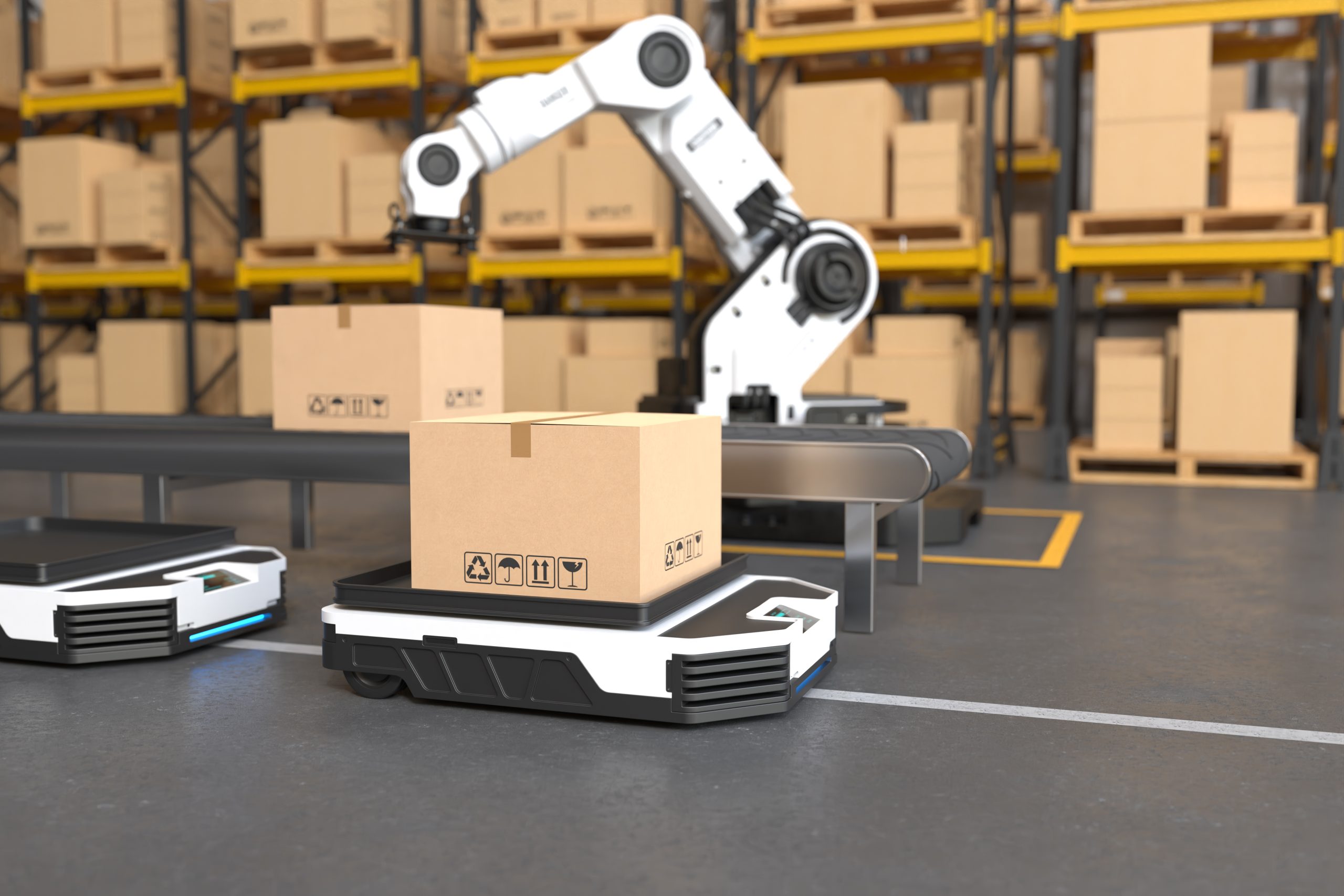
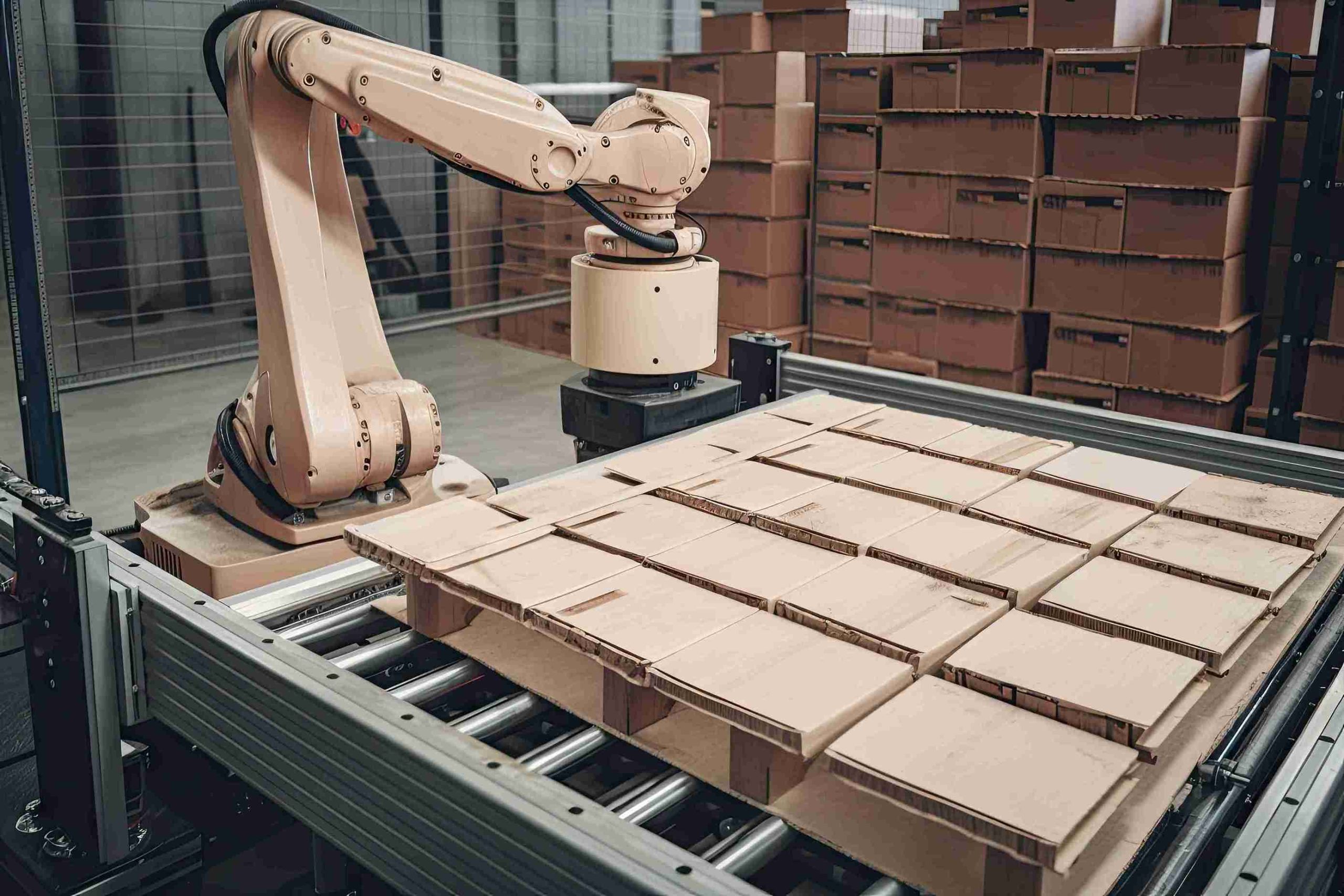
Factories today face a tough question. How do you move heavier products faster when shapes, sizes, and packaging keep changing? This is where palletizing robots step in. They are no longer simple machines that stack boxes in neat rows. Modern palletizing robots are smart, stable, and flexible enough to deal with real world production challenges.
So how do palletizing robots handle heavy loads, odd shapes, and mixed products without slowing down or making mistakes? Let us walk through it step by step.
Why Palletizing Robots Face Challenges With Heavy, Irregular, and Mixed Loads
Before we explain the solutions, it helps to understand the problem. Heavy, irregular, and mixed loads push palletizing robots to their limits. Each type of load creates a different challenge, and many production lines deal with all three at the same time.
Heavy products put stress on the robot arm and joints. Irregular products make gripping and stacking harder. Mixed loads force the robot to think and adjust instead of repeating one simple motion. So how do palletizing robots handle all of this without losing speed or accuracy?
The answer starts with smart mechanical design and continues with control systems, tooling, and software working together.
How Palletizing Robots Stay Stable When Handling Heavy Loads
Heavy products change everything. A robot that can lift fast but not smoothly will shake the load and risk dropping it. That is why palletizing robots built for heavy loads focus on control, not just strength.
These robots use strong arms, rigid frames, and powerful motors. But strength alone is not enough. What really matters is how the robot moves.
The motion of palletizing robots is planned to stay smooth at every step. Acceleration and slowing down happen gently. This keeps the product stable and protects the robot from wear over time.
Why payload ratings matter more than you think
Payload numbers look impressive on paper, but smart buyers know that palletizing robots work best below their maximum rating. Running with a safety margin improves accuracy and extends service life. It also builds trust with buyers who expect long term performance.
How smooth motion protects heavy loads
Heavy items create momentum. If the robot stops too fast, the load shifts. Palletizing robots use controlled paths and soft stops to reduce shock. This keeps stacks straight and pallets safe for transport.
Once heavy loads are under control, the next question becomes even more interesting. What happens when products are not shaped like neat boxes?
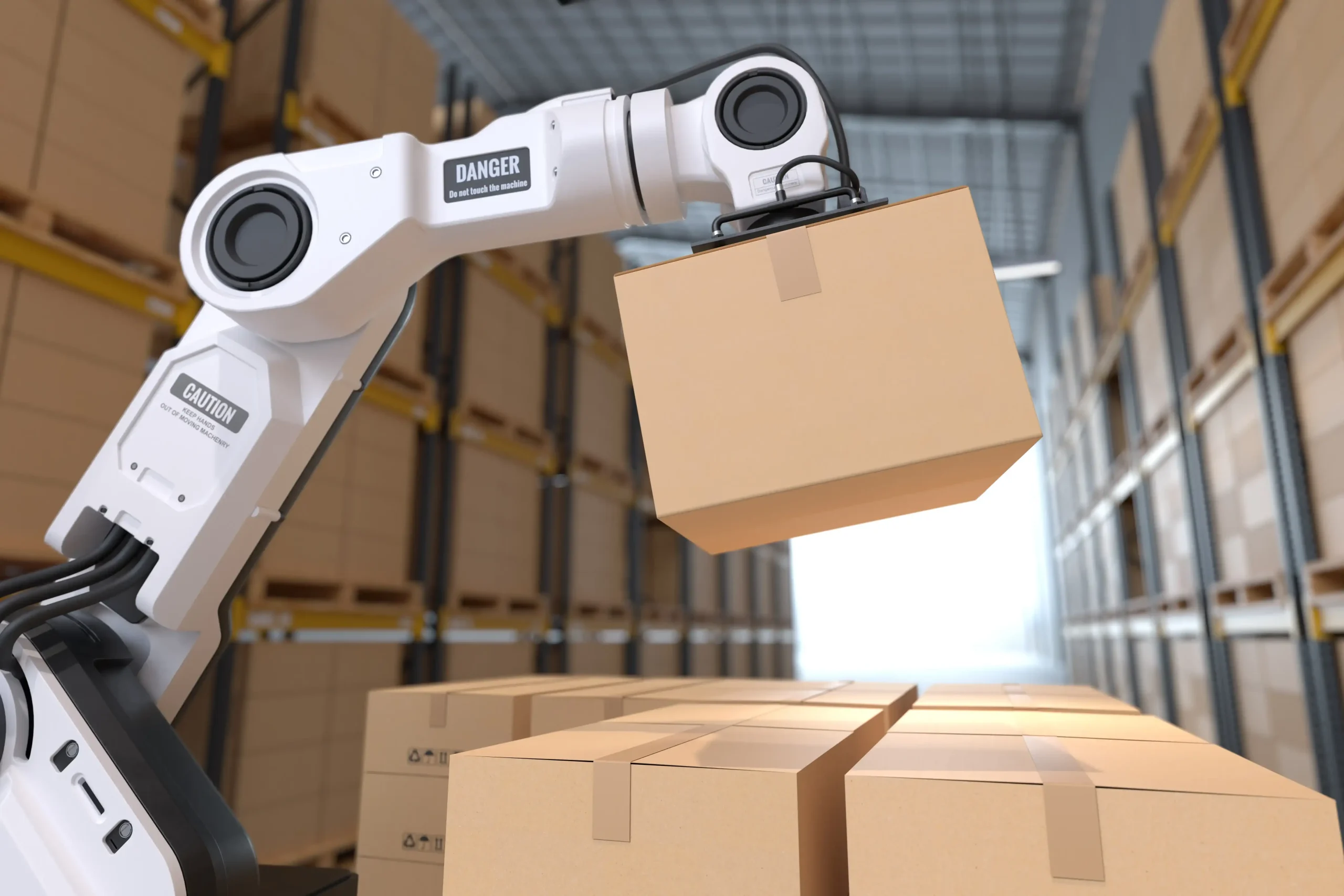
How Palletizing Robots Grip Irregular Shapes Without Errors
Irregular products are common in real factories. Bags, wrapped bundles, uneven cartons, and flexible packaging all behave differently. Palletizing robots must adapt or fail.
The key here is the tool at the end of the robot arm. This is where gripping happens.
Before we go deeper, it is important to note that palletizing robots do not rely on one single gripping method. The choice depends on the product.
The role of end of arm tooling in palletizing robots
End of arm tools are designed around the product, not the other way around. Some products need vacuum. Others need clamps. Some need a mix of both. Palletizing robots can switch tools or use custom designs to handle difficult shapes.
Handling bags and flexible packaging
Bags change shape when lifted. Palletizing robots adjust gripping force to avoid squeezing too hard. This keeps bags intact and stacks even. Smart force control helps prevent leaks and product waste.
Keeping stacks stable with uneven products
Irregular shapes can create gaps. Palletizing robots compensate by adjusting placement based on the layer below. This keeps the pallet balanced from bottom to top.
Now that we can grip almost anything, another challenge appears. What if every pallet needs to look different?
How Palletizing Robots Manage Mixed Loads on One Pallet
Mixed loads are becoming more common. One pallet may carry different sizes, weights, or products for a single customer. Manual stacking struggles here, but palletizing robots handle this with logic and planning.
These robots do not just stack. They calculate.
Palletizing robots use recipes that define how each product should be placed. When a new product arrives, the robot switches recipes instead of stopping the line.
Smart stacking rules for mixed products
Heavy items go first. Lighter items go on top. Fragile products get protected layers. Palletizing robots follow these rules consistently, even during long production runs.
Fast changeovers without long downtime
In mixed production lines, speed matters. Palletizing robots can switch patterns through a simple interface. This reduces downtime and keeps output steady.
Why mixed loads demand better software
Without smart software, palletizing robots would be limited. Modern systems manage order, balance, and pattern changes smoothly. This makes them ideal for factories serving many customers.
Mixed loads bring us to another question. How do palletizing robots know exactly where each product is?
The Sensors and Vision Systems Inside Palletizing Robots
No matter how strong a robot is, it still needs eyes. Sensors and vision systems help palletizing robots deal with real world variation.
Products do not always arrive in perfect positions. Vision helps the robot adjust instead of stopping.
How two-dimensional vision helps positioning
Two-dimensional vision systems detect where a product is and how it is rotated. Palletizing robots use this data to pick accurately even when products shift on the conveyor.
How three dimensional vision handles height and shape changes
Three dimensional vision adds depth. It helps palletizing robots see height differences and uneven surfaces. This is especially useful for irregular and flexible products.
Preventing errors before they happen
Sensors also confirm successful picks. If a product slips or is missing, the robot knows right away. This prevents bad stacks and damaged pallets.
With all this technology in place, buyers still ask an important question. Can they trust palletizing robots from China?
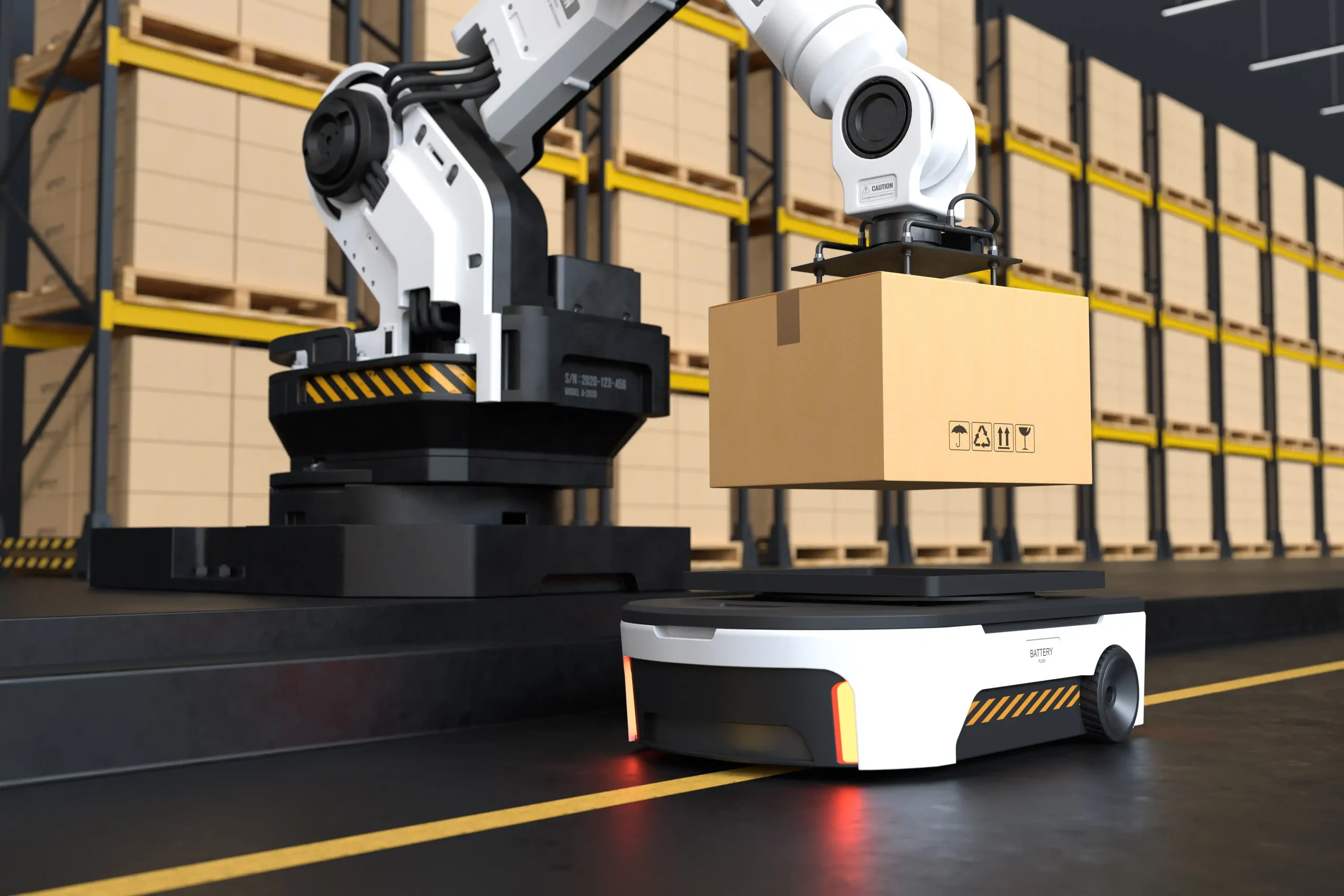
What International Buyers Should Look For in Palletizing Robots From China
Trust is earned through transparency and performance. Buyers want to know how palletizing robots are built, tested, and supported.
A reliable supplier explains their design choices clearly. They show how components are selected and why testing matters.
Component quality and consistency
Good palletizing robots use proven motors, drives, and controllers. Consistent parts mean easier maintenance and longer service life.
Testing with real products and real loads
Factory testing is critical. Palletizing robots should be tested using actual customer products. Long run tests show stability and reliability.
Support that does not disappear after delivery
Clear manuals, remote support, and spare parts access all matter. International buyers need confidence that help is available when needed.
Understanding these factors leads to one final step. How do you choose the right palletizing robot for your own line?
A Practical Checklist for Choosing Palletizing Robots
Choosing palletizing robots is not just about speed. It is about matching the robot to your product and future plans.
Start with product details. Weight, size, and packaging type define the foundation.
Measuring products correctly
Accurate data helps avoid oversizing or undersizing. Palletizing robots perform best when selected with real measurements.
Planning for growth and change
Production rarely stays the same. Smart buyers choose palletizing robots that can handle future products without major changes.
Thinking beyond the robot itself
Pallets, slip sheets, and line layout all affect performance. A complete solution works better than isolated equipment.
So where does all this leave us?
Conclusion
Heavy, irregular, and mixed loads are no longer barriers to automation. Palletizing robots are designed to handle real factory conditions with strength, control, and intelligence. They lift heavy products smoothly, grip odd shapes carefully, and manage mixed pallets with confidence.
For manufacturers and distributors around the world, the right palletizing robots can improve safety, increase output, and reduce long term costs. When engineered properly, they become a reliable partner on the production floor.
If you are exploring palletizing robots for your application and want practical guidance based on real industrial experience, reach out to OK. Our team is ready to help you find a solution that fits your products, your line, and your future plans.
FAQs
What types of products can palletizing robots handle?
Palletizing robots can handle boxes, bags, cartons, shrink-wrapped bundles, and mixed products. With the right gripper and setup, they work well with both rigid and flexible packaging.
Can palletizing robots lift very heavy loads?
Yes. Many palletizing robots are designed for heavy industrial loads. Smooth motion control and strong mechanical design help them lift safely and consistently.
How do palletizing robots deal with irregular shapes?
They use custom end-of-arm tools and sensors to grip products securely. Vision systems help adjust for uneven shapes and positions.
Are palletizing robots suitable for mixed-load pallets?
Absolutely. Palletizing robots use software recipes to stack different products on one pallet while keeping it stable.
Are palletizing robots from China reliable?
When built with quality components, proper testing, and good support, palletizing robots from China can be reliable and cost-effective for global buyers.