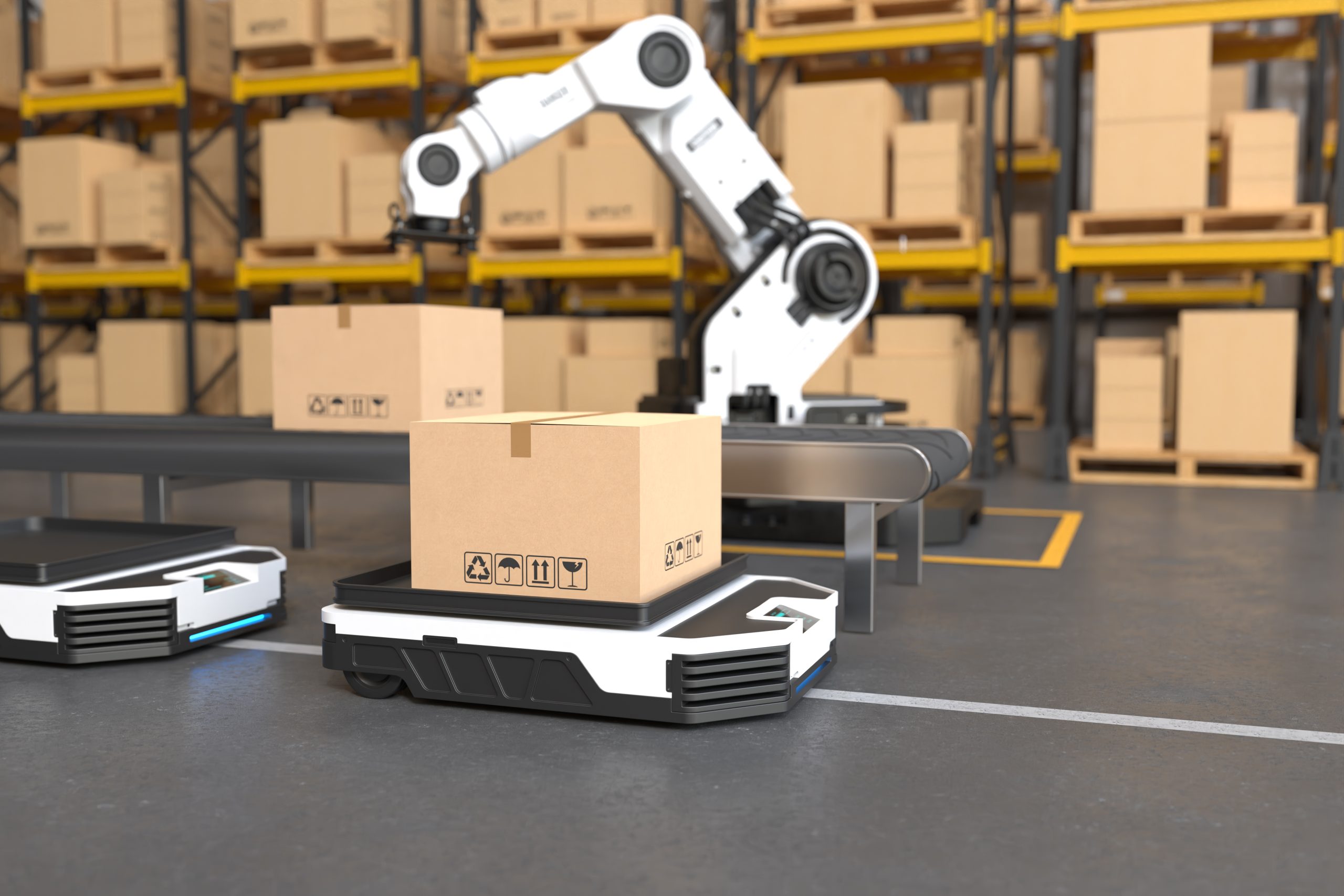
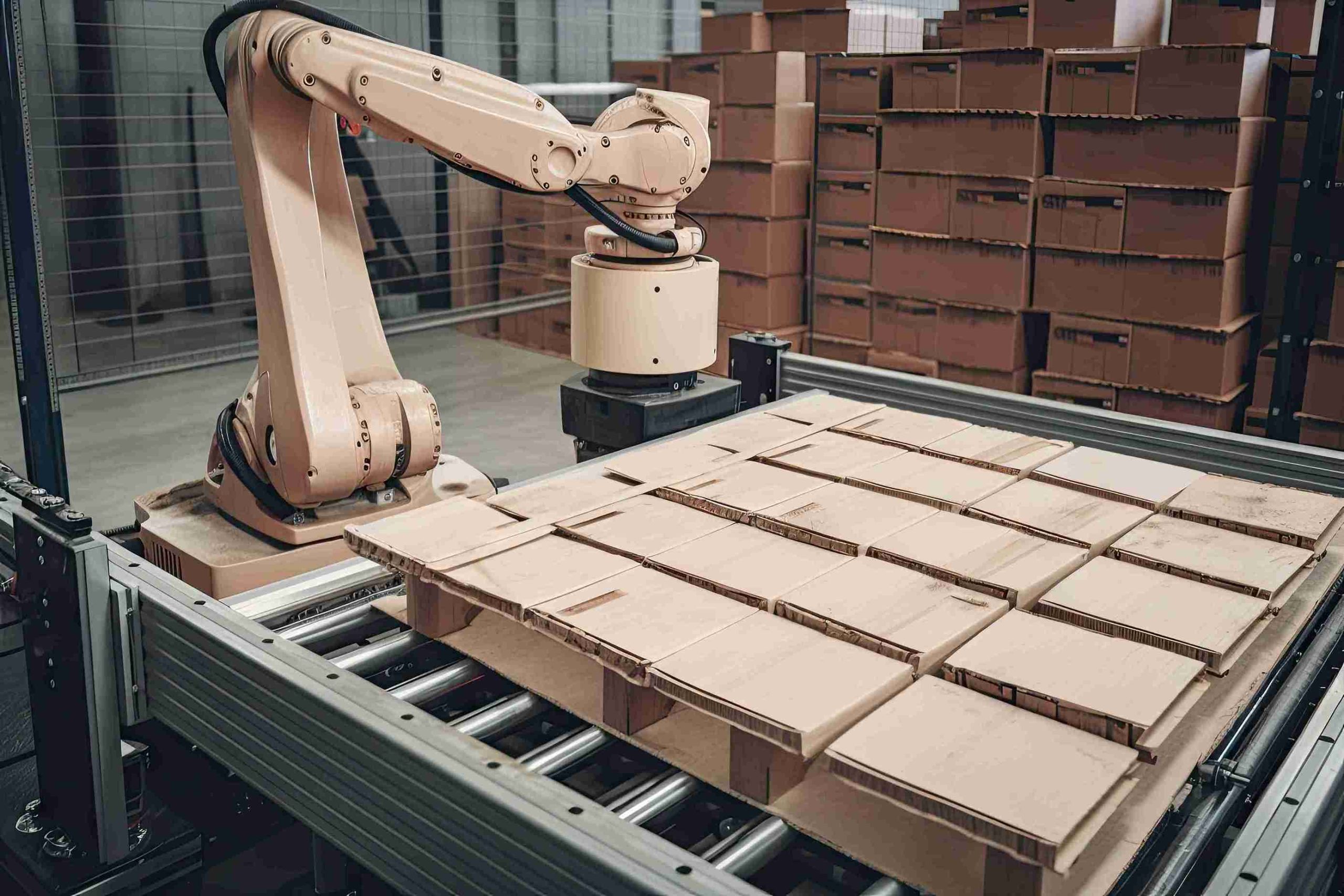
Manufacturing is changing faster than ever. Around the world, factories are under pressure to produce more goods, reduce errors, and stay competitive in a global market. At the same time, many companies struggle with labor shortages, rising costs, and growing expectations for product quality. Because of these challenges, many manufacturers are turning to robotics and smart systems to upgrade their production lines.
This shift has created huge momentum for industrial automation in China, where technology companies are building advanced robotics solutions for global factories. One of these companies is OK, a robotics manufacturer that is showing how innovation from Jiangxi Province can compete on the international stage.
From its modern production facilities to its intelligent robot systems, OK is helping manufacturers automate operations, increase efficiency, and improve production reliability. But how did a company from Jiangxi become part of the growing story of industrial automation in China? To understand that, we need to look at the bigger shift happening in manufacturing today.
The Rise of Industrial Automation in China in Global Manufacturing
Factories around the world are going through a major transformation. In the past, many production lines relied heavily on manual labor. Workers handled tasks like stacking boxes, sorting products, and moving materials from one station to another. While this approach worked for decades, modern manufacturing demands faster and more consistent performance.
Because of these pressures, more companies are exploring industrial automation China solutions that combine robotics, smart systems, and intelligent software. Automation allows factories to maintain stable production speeds while reducing repetitive physical work for employees.
Robots can work continuously, perform precise movements, and maintain consistent quality during long production runs. This reliability makes them valuable in industries such as food production, logistics, packaging, and e-commerce.
As more businesses recognize the advantages of robotics, the demand for trusted automation partners continues to grow. That raises an important question. Which companies are helping drive the growth of industrial automation in China?
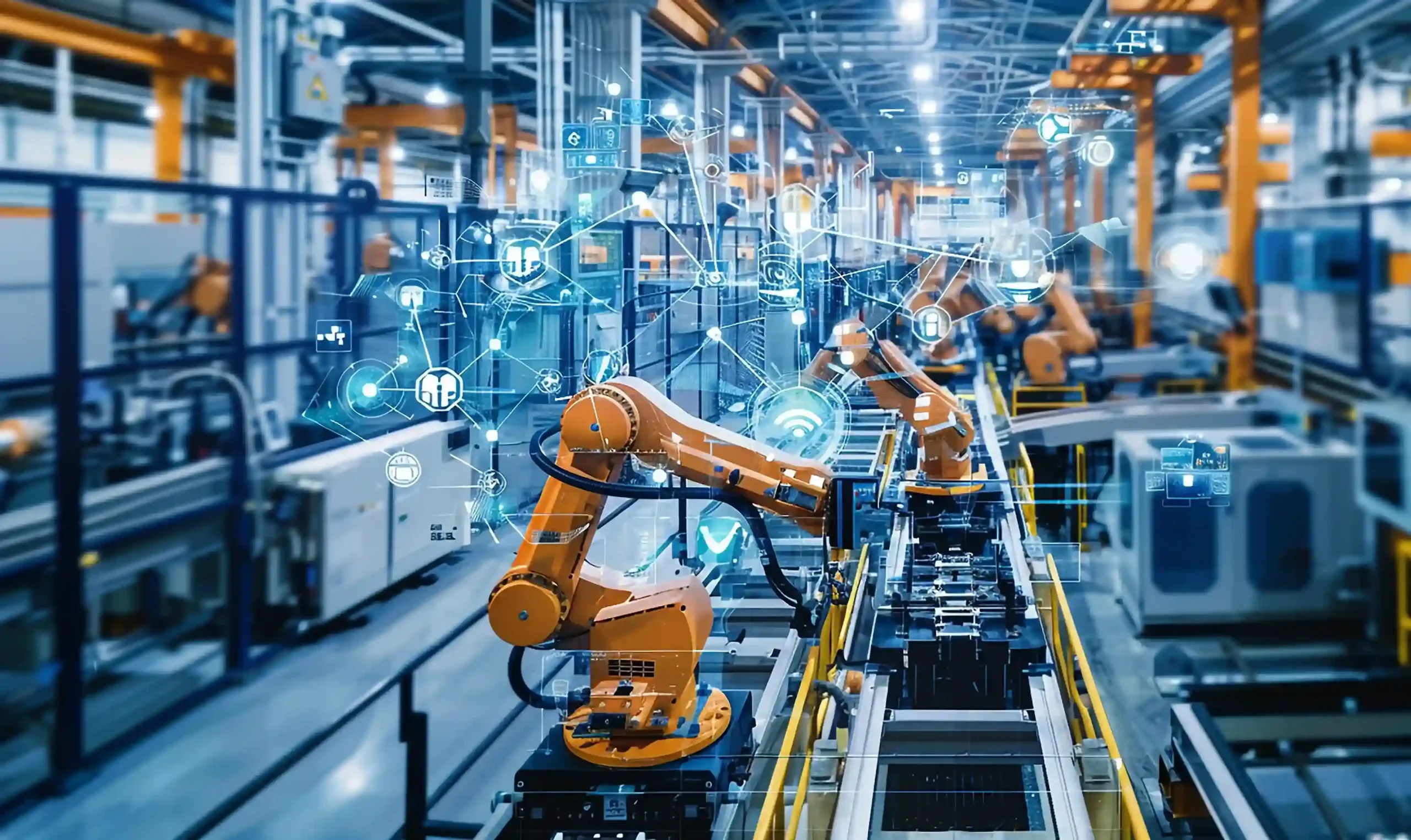
How OK Is Advancing Industrial Automation in China
OK is one of the companies contributing to the growth of industrial automation China. Officially known as Jiangxi OK Bolong Intelligent Equipment Co., Ltd., the company focuses on the research and development of industrial robots and intelligent automation systems.
The company operates as a subsidiary of OK Technology, a publicly listed enterprise on the Shenzhen Stock Exchange with the stock code 001223. This connection provides strong financial backing and supports long-term research in robotics and automation.
OK develops a wide range of robotic solutions designed to help factories modernize their production lines. Rather than offering one single product, the company builds flexible automation systems that can be integrated into many types of manufacturing environments.
As interest in industrial automation China continues to grow globally, companies like OK are proving that Chinese robotics manufacturers can deliver both advanced technology and reliable service. However, behind every successful robotics company is a strong manufacturing foundation. So where are these automation systems actually built?
Inside Jiangxi: The Manufacturing Strength Behind Industrial Automation China
The production heart of OK is located in the OK Science and Technology Industrial Park in Xiushui County, Jiujiang City, Jiangxi Province. This facility represents the growing manufacturing strength behind industrial automation China.
The industrial park covers about 260 acres and includes approximately 98,000 square meters of modern production workshops. These facilities support large-scale manufacturing of intelligent equipment and high-end automation systems.
Each year, the factory has the capacity to produce around 1,000 sets of advanced post processing lines. Hardware investment in the facility exceeds 500 million yuan, reflecting the company’s commitment to high quality production and long term innovation.
Smart Factory Technology
The Jiangxi facility also demonstrates how industrial automation China is evolving through smart factory technology. The production line uses advanced systems such as 5G connected equipment and AI visual
inspection technology.
These digital systems help monitor product quality in real time. As a result, the factory maintains a yield rate of around 99.7 percent while also reducing order delivery cycles by roughly 25 percent.
Full Process Manufacturing Capability
Another important strength of the facility is its complete production capability. The factory includes equipment for cutting, bending, welding, heat treatment, forming, milling, and drilling.
By handling the entire manufacturing process internally, the company can maintain strict quality control while ensuring reliable production timelines. This strong manufacturing base helps support the global growth of industrial automation China.
However, advanced factories alone do not solve production challenges. The real value comes from the robotics systems that help manufacturers improve efficiency.
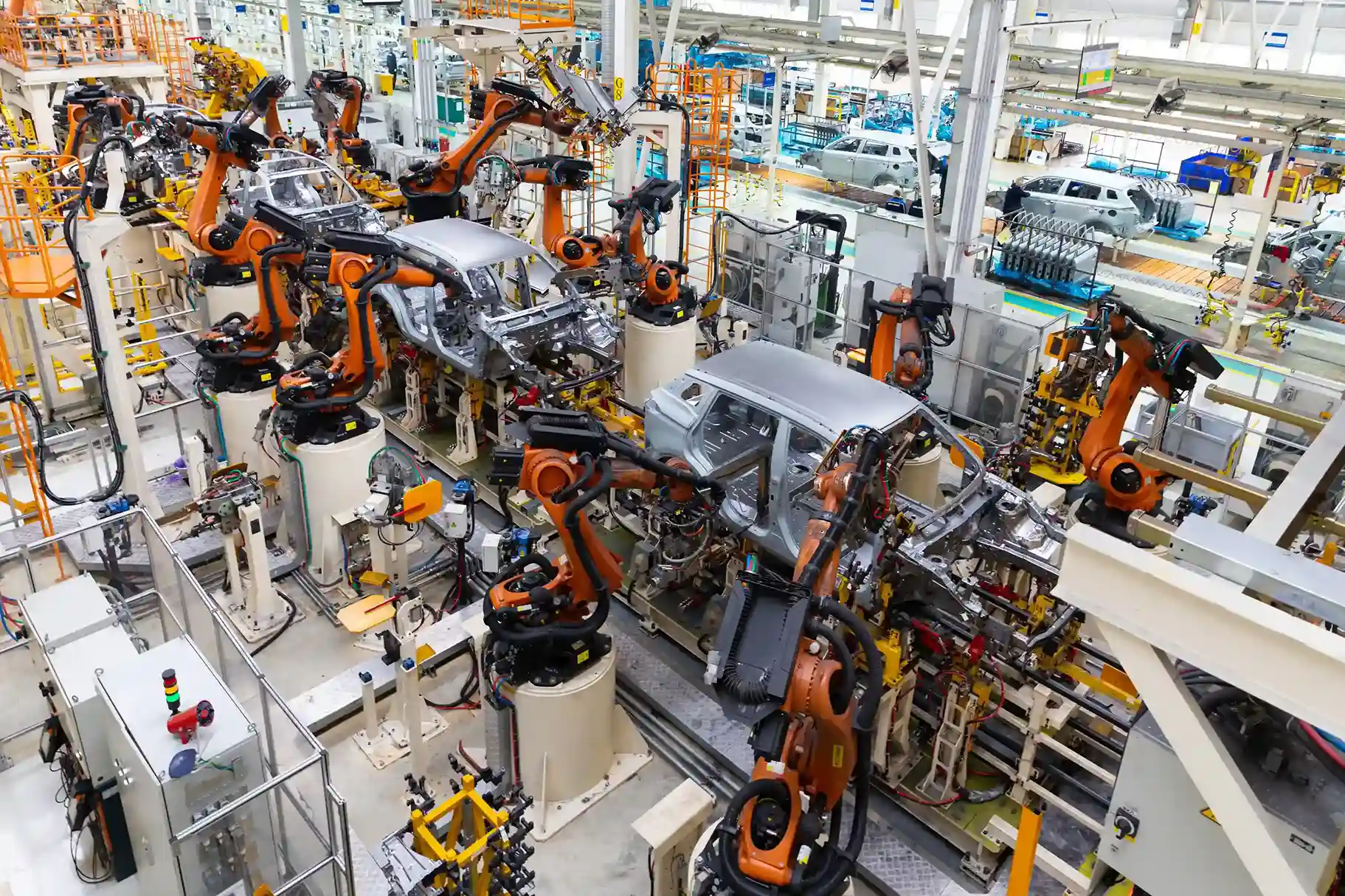
Smart Robots Powering Industrial Automation in China
Robotics technology is the driving force behind many modern factories, and OK has developed several types of robots that support the growth of industrial automation in China.
These robots are designed to work efficiently in real manufacturing environments while remaining flexible enough to integrate with existing production equipment.
Collaborative Palletizing Robots
Collaborative robots, often called cobots, are designed to work safely near human operators. Unlike traditional industrial robots that require large safety cages, collaborative robots allow people and machines to share the same workspace.
OK’s palletizing robots can handle cartons, bags, and barrels, helping automate stacking tasks that are often physically demanding for workers.
Delta Robots for High Speed Tasks
Delta robots are designed for applications that require extremely fast pick and place movements. Their lightweight structure allows them to perform rapid motions while maintaining accuracy.
These robots are commonly used in industries like food packaging and electronics assembly where speed is critical.
SCARA Robots for Precision Assembly
SCARA robots are known for their precision and repeatability. They are widely used in assembly operations where components must be placed accurately and consistently.
Their compact design also allows manufacturers to introduce automation without major changes to the layout of existing production lines.
Six Axis Robots for Flexible Automation
Six axis articulated robots provide a high level of flexibility. Their multi directional movement allows them to handle complex manufacturing tasks, including packaging and material handling.
Some of these robots can reach speeds of up to twelve cycles per minute and stack products as high as 2.6 meters. With repeat positioning accuracy of plus or minus 0.04 millimeters, they represent the precision that defines modern industrial automation China.
But impressive technology alone is not enough to convince manufacturers to invest. Businesses want to know one thing above all else. Will automation actually improve profitability?
Why Industrial Automation China Delivers Real ROI
For many companies, the decision to adopt robotics comes down to return on investment. Fortunately, many factories implementing industrial automation China solutions see clear financial benefits.
One of the most immediate advantages is labor cost reduction. In many cases, manufacturers have reduced labor expenses by more than thirty percent after introducing automation.
Higher Production Efficiency
Robotic systems can run continuously without fatigue, allowing production lines to maintain stable speeds throughout the day.
For example, a food packaging company that replaced manual stacking with robotic palletizers reduced packing time by about forty percent. Improvements like this show why industrial automation China solutions are becoming more attractive to manufacturers.
Reduced Errors and Higher Consistency
Automation also improves consistency. Robots follow programmed movements with high precision, which helps reduce mistakes during repetitive tasks.
In logistics operations, companies using robotic sorting and visual inspection systems have reduced handling errors by as much as seventy percent.
Faster Payback Period
Because of the combined savings in labor and efficiency, many automation projects achieve a full return on investment within twelve to eighteen months.
This relatively fast payback makes robotics accessible not only to large factories but also to small and medium-sized manufacturers exploring industrial automation China.
As more businesses experience these benefits, interest in automation continues to spread worldwide.
A New Chapter for Industrial Automation China
Although its production base remains in Jiangxi, OK has expanded its operations to reach customers around the world. The company operates an office headquarters and research center in Guangzhou, a major international trade hub.
From this location, the company connects with global customers and partners who are looking for reliable industrial automation China solutions.
OK supports international clients with full process service, working directly with manufacturers to design automation systems that match their production needs.
Its robotic solutions are used in many industries, including food production, logistics, packaging, pharmaceuticals, e-commerce, and building materials.
As more factories adopt robotics to improve efficiency, companies that combine strong manufacturing capabilities with advanced technology are gaining global recognition.
Bottom Line
The rise of industrial automation in China reflects a larger shift in how factories operate around the world. Manufacturers are looking for smarter ways to improve productivity, reduce errors, and stay competitive in a rapidly changing market.
OK’s journey from Jiangxi to the global stage shows how Chinese technology companies are contributing to this transformation. With modern manufacturing facilities, advanced robotics systems, and practical automation solutions, the company is helping manufacturers upgrade their operations and prepare for the future.
If your company is exploring automation or searching for a reliable robotics partner, the OK team is ready to help. Visit the OK website to learn more about their robotics solutions or contact the team to discuss how automation can support your next stage of manufacturing growth.
FAQs
What is industrial automation in China?
Industrial automation in China refers to robotics, smart machines, and automated systems developed by Chinese manufacturers to improve factory efficiency, speed, and accuracy.
Why are manufacturers adopting industrial automation China solutions?
Many factories adopt these solutions to reduce labor costs, improve production speed, and maintain consistent product quality.
What industries benefit most from industrial automation in China?
Industries such as food production, logistics, packaging, pharmaceuticals, e-commerce, and building materials commonly use automation.
How quickly can automation deliver ROI?
Many companies recover their investment within twelve to eighteen months through improved efficiency and reduced operational costs.