In today’s fast-moving manufacturing world, packaging is no longer just the final step. It plays a major role in efficiency, product safety, and even brand image. That is where cartoning machines come in. But with different types available, many manufacturers find themselves asking a key question: should they choose a horizontal or vertical system?
More importantly, how do you know if a horizontal cartoner is the right fit for your production line?
Let’s break it down in a simple and practical way so you can make the right decision.
What is a Horizontal Cartoner and Why Is It Important in Modern Packaging Lines?
A horizontal cartoner is an automated machine that forms cartons, loads products into them from the side, and then seals them. The product and carton both move along a horizontal path during the process, which allows for stable and controlled packaging.
This type of machine is widely used in industries like pharmaceuticals, food, and cosmetics. You will often see a horizontal cartoner handling items like blister packs, sachets, tubes, or small boxed products.
Why manufacturers rely on it
One major reason companies choose a horizontal cartoner is consistency. Every product is placed carefully into the carton, reducing errors and protecting the product. This is especially important for industries that require high accuracy, such as pharma.
Where it fits best
A horizontal cartoner works best for products that are already organized or pre-packed. If your items need to be grouped or aligned before packaging, this machine provides the control needed to do that smoothly.
So now that you know what a horizontal cartoner is, how does it actually work step by step?
How a Horizontal Cartoner Works Inside a Production Line
Understanding how a horizontal cartoner operates can make it much easier to see why it is so widely used.
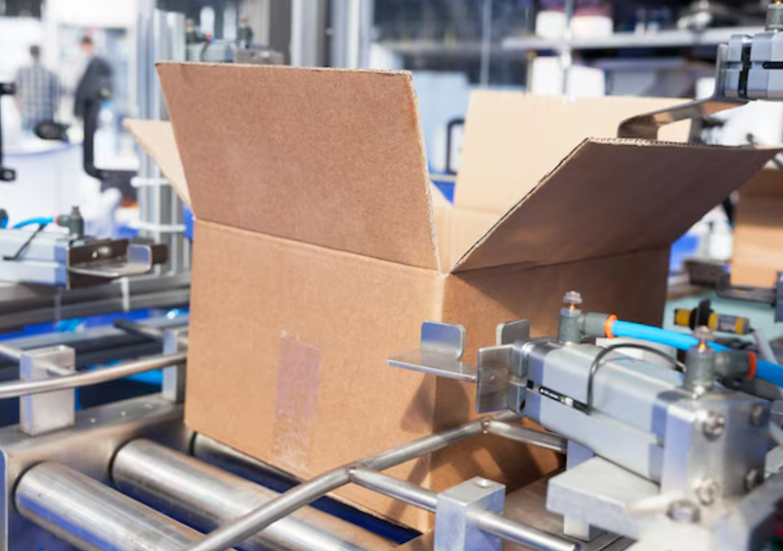
At a basic level, the process is continuous and highly automated. The machine takes flat carton blanks, forms them into boxes, inserts products, and seals them all in one smooth flow.
Step-by-step process
First, the machine pulls a flat carton from a magazine and opens it into shape. Then, the product is moved into position and pushed horizontally into the open carton. After that, the machine folds and seals the carton, usually with tuck flaps or glue.
The role of automation
Modern horizontal cartoner systems use servo motors and smart controls. This means the machine can adjust quickly, maintain speed, and reduce downtime. Operators can also manage the system through a simple interface, making it easier to run and maintain.
Integration with other machines
A horizontal cartoner often connects directly to upstream equipment like blister packaging machines or filling lines. This creates a smooth and continuous production process.
Now that you understand how it works, the next question becomes clear: how does it compare to a vertical cartoning machine?
Horizontal Cartoner vs Vertical Cartoner: Which One Should You Choose?
Choosing between a horizontal cartoner and a vertical cartoner depends mostly on your product.
A horizontal cartoner loads products from the side, while a vertical machine loads them from the top. This simple difference has a big impact on how each machine performs.
Key differences in product handling
A horizontal cartoner is ideal for stable, flat, or pre-arranged products. These items can be pushed into the carton without shifting or falling.
In contrast, vertical cartoners are better for products like bottles or jars that can drop into the carton using gravity.
Space and layout considerations
Horizontal machines usually require more floor space because they are longer. Vertical machines, on the other hand, take up less space due to their upright design.
Speed and efficiency
In high-speed production environments, a horizontal cartoner often has the advantage. It can handle complex product arrangements and maintain consistent output.
So if each machine has its strengths, what makes a horizontal cartoner stand out in real production environments?
Benefits of Using a Horizontal Cartoner in Industrial Packaging Lines
Many manufacturers prefer a horizontal cartoner for one simple reason: it delivers reliable performance at scale.
High speed and efficiency
A horizontal cartoner can run at high speeds while maintaining accuracy. This makes it a great choice for large production volumes where time and consistency matter.
Better product protection
Because products are inserted in a controlled way, there is less risk of damage. This is especially important for delicate or high-value items.
Flexible product handling
From blister packs to sachets, a horizontal cartoner can handle a wide range of product types. This flexibility makes it useful across multiple industries.
Easy integration
A horizontal cartoner can easily connect with other machines in a production line. This creates a seamless workflow and reduces manual handling.
With all these benefits in mind, how do you decide if this is the right machine for your factory?
How to Choose the Right Horizontal Cartoner for Your Factory
Selecting the right horizontal cartoner is not just about features. It is about finding the best match for your specific production needs.
Consider your product type
Start with your product. Is it flat, grouped, or pre-packed? If yes, a horizontal cartoner is likely a strong fit.
Think about production speed
If you need high output, look for a machine that can handle your required speed without sacrificing accuracy.
Evaluate your factory space
Make sure you have enough room for installation. A horizontal cartoner typically needs more linear space.
Plan for future growth
Choose a machine that can adapt to new products or packaging styles. Flexibility can save you money in the long run.
Avoid common mistakes
Many buyers focus only on price. But performance, reliability, and support are just as important when choosing a horizontal cartoner.
So once you have decided on the machine type, the next big question is: which supplier should you trust?
Why Choose OK Horizontal Cartoner Solutions for Your Production Line
Finding the right machine is only part of the process. Choosing the right partner is just as important.
OK offers horizontal cartoner solutions designed to meet the real needs of modern manufacturers.
Custom solutions for different industries
Whether you are in pharma, food, or cosmetics, OK can tailor a horizontal cartoner to match your product and production line.
Strong balance of cost and performance
Compared to many European brands, OK provides high-quality machines at a more competitive cost. This helps businesses improve efficiency without overspending.
Reliable automation and support
Each horizontal cartoner is built with advanced control systems for stable operation. In addition, OK provides ongoing support to keep your line running smoothly.
Full line integration capability
OK does not just supply machines. They help design complete packaging solutions, making it easier to scale your operations.
Conclusion
Choosing between a horizontal and vertical cartoning machine is not just a technical decision. It directly affects your production efficiency, product quality, and long-term growth.
A horizontal cartoner stands out for its speed, precision, and ability to handle a wide range of products. For many manufacturers, it is the backbone of a reliable packaging line.
So, what does your production line really need? A compact solution, or a high-speed system built for precision and scale?
If you are still deciding, it may be time to speak with experts who understand both the machines and your industry.
If you are looking for a solution that fits your exact needs, reach out to OK. Their team can help you find the right horizontal cartoner and build a packaging system that works for your business, not against it.
FAQs
1. What is a horizontal cartoner used for?
A horizontal cartoner is used to pack products like blister packs, sachets, and tubes into cartons efficiently and accurately.
2. How is a horizontal cartoner different from a vertical one?
A horizontal cartoner loads products from the side, while vertical machines load products from the top using gravity.
3. Which industries use a horizontal cartoner the most?
Common industries include pharmaceuticals, food, cosmetics, and consumer goods packaging.
4. Is a horizontal cartoner suitable for high-speed production?
Yes, a horizontal cartoner is ideal for high-speed lines that require consistent and precise packaging.
5. Can a horizontal cartoner handle multiple product types?
Yes, it can handle a wide range of products, especially those that are pre-arranged or grouped.
6. Does a horizontal cartoner require a lot of space?
It typically requires more floor space than vertical machines due to its linear design.
7. Is it easy to integrate a horizontal cartoner into an existing line?
Yes, most horizontal cartoner systems are designed to integrate smoothly with upstream and downstream equipment.
8. What should I consider before buying a horizontal cartoner?
You should consider product type, production speed, available space, and future scalability.
9. Are horizontal cartoner machines customizable?
Yes, many manufacturers like OK offer customized solutions based on your production needs.
10. How can I get a quote for a horizontal cartoner?
You can contact OK directly to discuss your requirements and receive a tailored quotation.