Factories today have made huge strides in automation: machines can weld and assemble products, and even inspect them, with amazing precision. Yet, something is still slowing everything down. That “something” is often the way materials move around inside the factory.
When it takes too long for parts, tools, or finished goods to get from point A to point B, the whole process slows down. It leads to delays, wasted labor, and even lower product quality. It is here that robotics in logistics comes into play.
Many factories rely on people to push carts, drive forklifts, or carry supplies between workstations. But now, new kinds of robots are taking over those tasks-and doing them better. They are faster, more reliable, and never need a break. Could this be the upgrade your factory needs?
Let’s dive deeper to understand how robotics in logistics is changing the game for factory efficiency.
How Factory Logistics Became the Bottleneck Nobody Talks About
Most people think of automation as something that happens on the production line, where the action is. But behind the scenes, it’s logistics that often play a big role in how well everything flows.
The fact is, even the most high-tech piece of machinery is useless if it doesn’t get the materials it requires at the right time. Wherever a worker is made to wait for parts’ arrivals, production stops. If the finished products have to stay in one place for a long time, then the storage fills up. These minor delays add up in no time.
Manual logistics also has its own problems. Human workers get tired. They make mistakes. It’s hard to maintain the same speed and accuracy throughout a long shift. Not to mention the safety risks involved when moving heavy or awkward materials.
So, how can factories fix these problems without hiring more people or fully redesigning their workflow?
That’s where robotics in logistics makes all the difference.
What Is Robotics in Logistics and Why It Matters Now
You might wonder: what exactly do we mean by “robotics in logistics”?
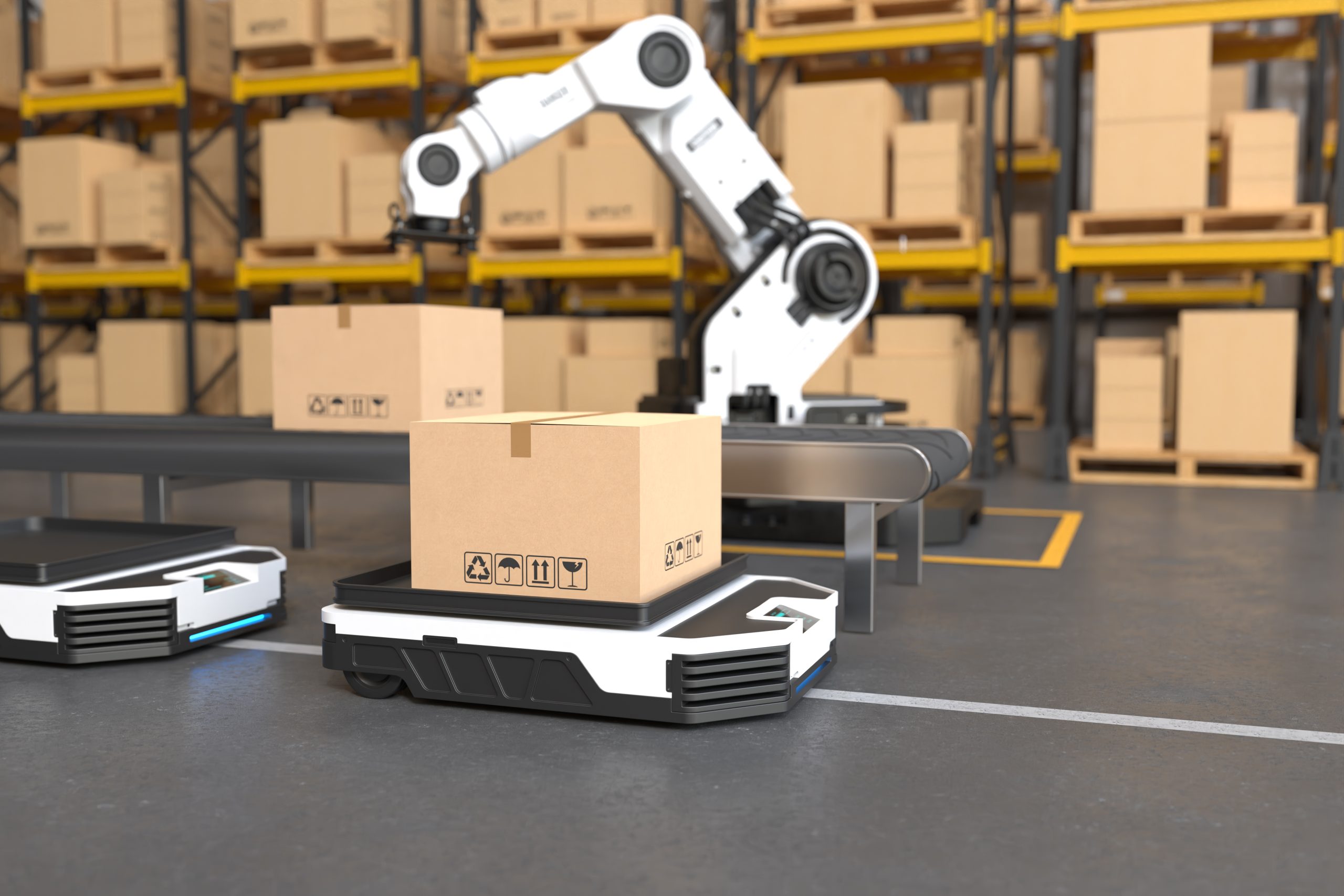
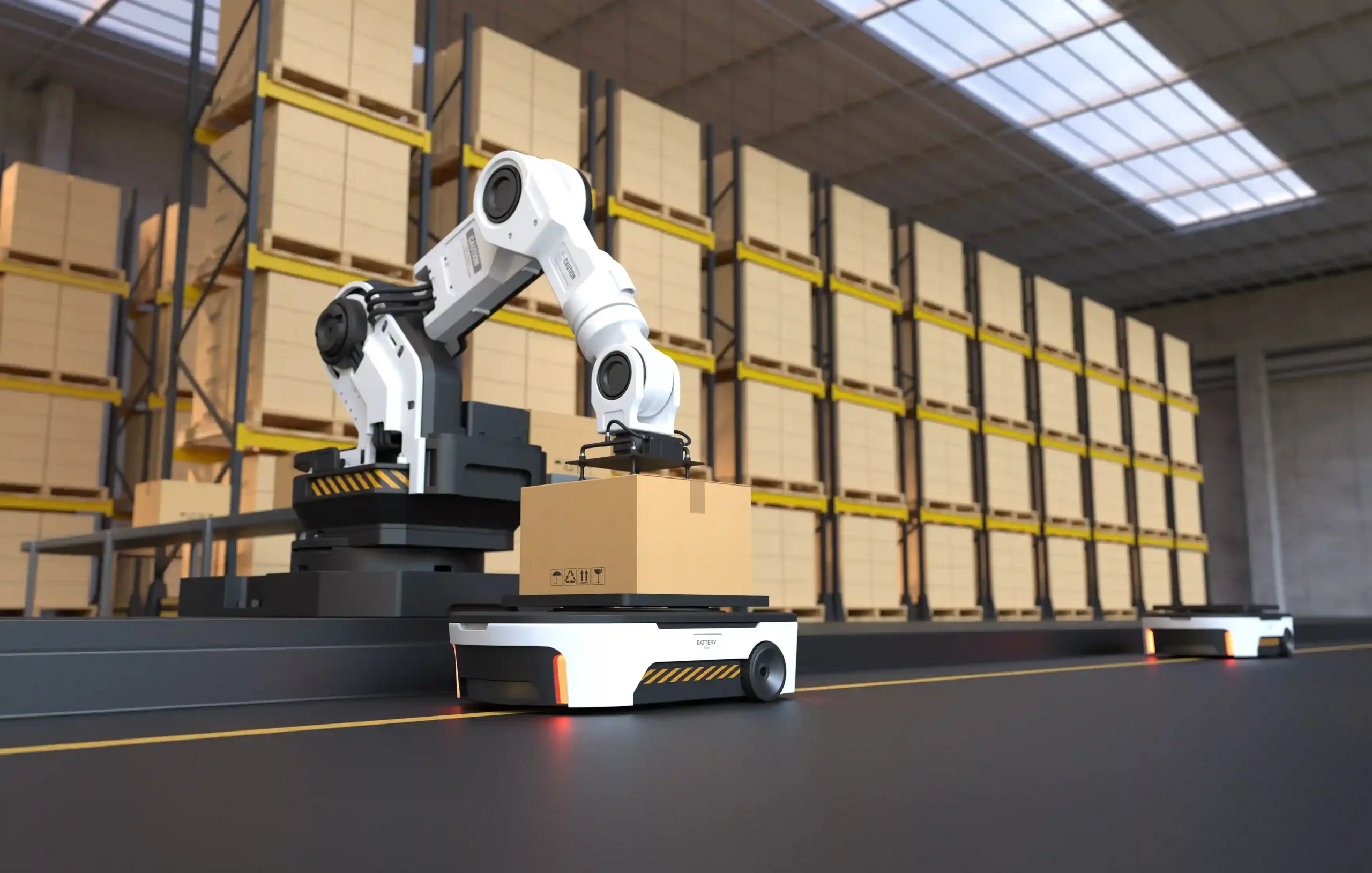
In simple terms, it is the use of robots to move materials around a factory or warehouse. These can come in different forms. Some are AGVs, or Automated Guided Vehicles, which follow set paths. Others are AMRs, or Autonomous Mobile Robots, which use sensors and maps to move freely. Then there are collaborative robots-or cobots-that can work safely alongside human workers.
The reason robotics in logistics is gaining such popularity right now is that the technology has gotten better. The robots are cheaper, smarter, and easier to install. Factories no longer have to spend millions to benefit from automation. Even small and mid-sized manufacturers can get started with a few well-placed robots.
With rising labor costs and frequent shortages of workers, many companies are having trouble finding reliable staff. Robots offer a solution that doesn’t call in sick, take breaks, or leave for another job.
So, what can these robots do, exactly?
How Robotics in Logistics Solves Factory Flow Problems
Robotization in logistics, when implemented properly, helps fix many of the common issues that slow a factory down: delays, errors, and safety risks. Let’s take a closer look at how it works.
Picture a robot that picks up raw materials from storage and brings them to the production line — all on its own. Nobody has to push a cart. Nobody waits for somebody to finish a delivery; the robot just goes, and the production keeps flowing.
Or consider a cobot that works alongside a human, sorting and placing items into bins or onto shelves. Humans focus on tasks that require thinking or decision-making, while robot handles the heavy lifting or repetitive work.
The results speak for themselves. Materials arrive on time. Workers stay focused. Production stays on schedule.
Benefits at a Glance
- Speed: Robots can work much faster compared to human workers, especially for repetitive tasks. They keep the factory running.
- Accuracy: Instructions followed to the letter, robots do not get distracted or forget things, hence fewer errors.
- Safety: With robots performing hazardous or heavy work, the incidence of workplace injuries can be tremendously reduced.
- Labor Savings: Low-skilled or repetitive work requires fewer workers. In this case, human workers might be freed to do higher-value tasks.
- Flexibility: Most modern robots can be reprogrammed or moved to new areas, which means your system can grow or change as needed.
Now that we understand how robotics helps, the next question is: what kind of impact does it have on the entire factory?
The Real Impact: Boosting Factory Efficiency with Robotics in Logistics
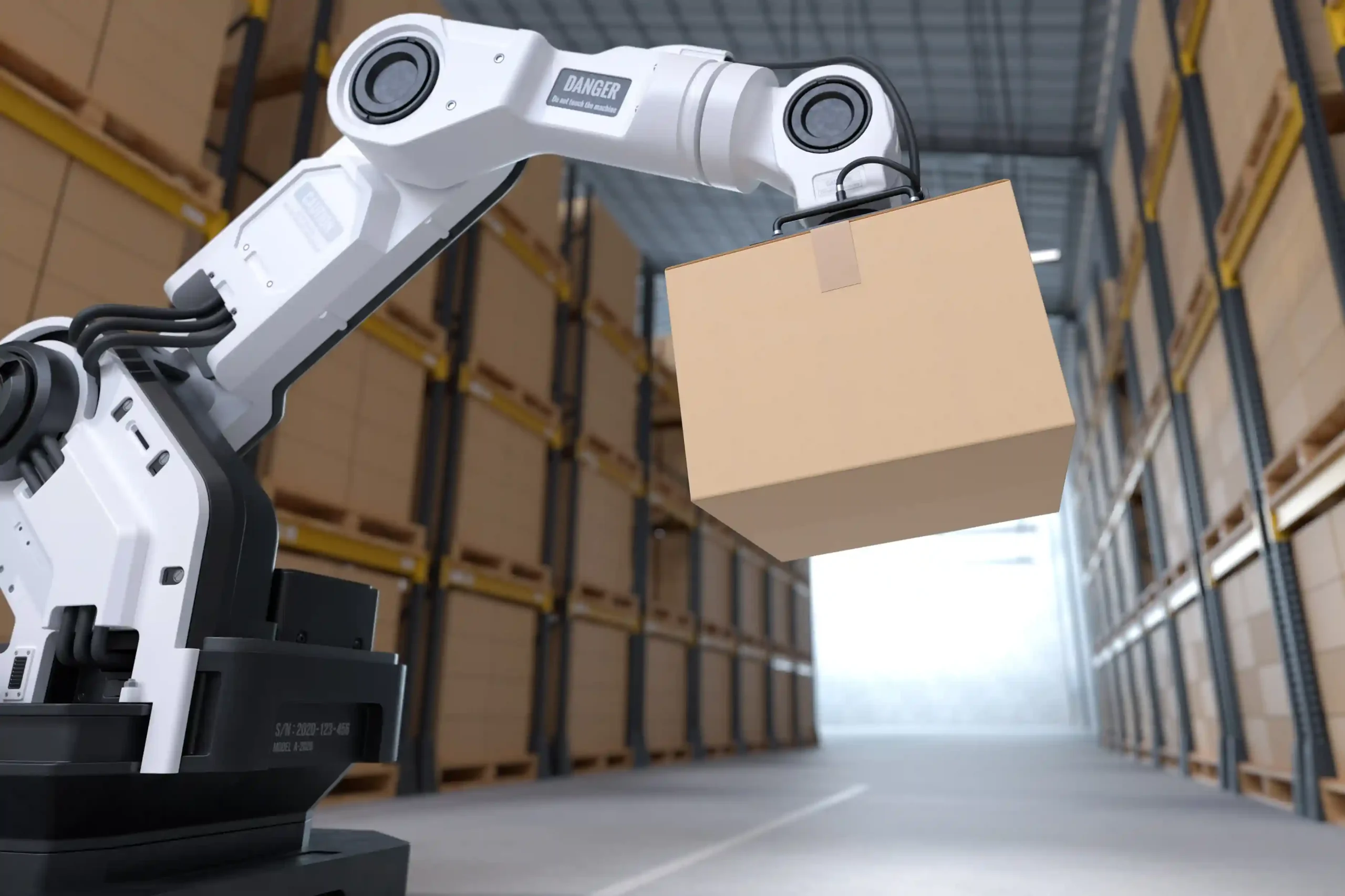
You might think that adding robots only changes one small part of your process, but the truth is, robotics in logistics has a ripple effect and benefits the whole factory.
As materials move faster, machines can run longer without stopping. When errors go down, quality goes up. As employees aren’t stuck doing simple transport tasks, they’re able to do other, more meaningful work at the same time.
Where a logistics factory employs robots in its operations, studies show that its output is increased by 20 to 50 percent. This represents a vast jump, more so in industries that operate with thin margins.
Factories also report a reduction in missed deadlines, quicker turnarounds, and lower storage costs. Companies save even more money with fewer mistakes in inventory or shipping.
And perhaps most importantly, automation helps factories stay competitive. In today’s global market, being fast and flexible is the key to survival.
Why Now Is the Best Time to Invest in Robotics in Logistics
If you’re wondering whether it’s too early to adopt this technology, the answer is: no, it’s just the right time.
There are a few reasons for this: the cost of robotics has gone down. What used to be only for large, global factories is now available to small and medium businesses.
Second, there is a growing need for automation. After the pandemic, many factories were suffering from a lack of labor. Even now, it is difficult to find sufficient labor for physically tiring and repetitive jobs. Robotics provides a stable solution.
Thirdly, customers are increasingly expecting quicker service and delivery. And if your factory cannot meet this challenge, they will find another one that can. Robotics in logistics helps factories stay quick, lean, and efficient.
Still wondering if it’s the right fit for you? Let’s discuss why OK is worth considering.
Why Choose OK for Your Factory Logistics Automation
There are many robotics providers out there, but OK stands out in a few important ways.
OK focuses on collaborative automation: this means their robots are designed to operate safely alongside people. You don’t need to rebuild your factory or remove your workforce; you just add automation where that makes the most sense.
Second, they offer flexible, cost-effective solutions. Whether you require one robot or an entire fleet, OK can tailor a system to fit your needs. Their team understands how factories work, especially in fast-paced and cost-sensitive markets like Asia.
Third, OK is more than just a robot maker: full support covers everything from planning and installation to maintenance and upgrades. That kind of support gets you real results-not just shiny equipment.
If you’re looking for a partner to help bring robotics into logistics to your factory, OK is ready to help.
Conclusion
Automation in factories no longer means just robotic arms on the production line. Nowadays, it’s all about making every part of the process smarter, especially logistics.
With the use of robotics in logistics, factories can move faster, cut costs, and create a safer, more reliable working environment. Whether you’re trying to boost output or solve labor shortages, this technology gives you the edge you need.
If you’ve been considering how to make your factory more efficient, maybe it’s time to look at what’s going on between your machines — not just inside them.
Have questions or want to explore how robotics can work for you? Contact us at OK. We aren’t here to sell you a robot. We’re here to build together a smarter, smoother, and more efficient factory.
FAQs
1. What is robotics in logistics?
Robotics in logistics refers to employing robots for handling tasks that involve moving materials, loading products, and managing inventory in either factories or warehouses.
2. How Robots Improve Efficiency in Factories?
Robots reduce delays, minimize mistakes, and keep materials flowing without breaks. This contributes to quicker production and less disturbance.
3. Are robotics solutions expensive?
Not anymore. Many of the modern robotics systems, such as those from OK, are now affordable and scalable for all sizes of factories.
4. Can robots work along with humans?
Yes, cobots are designed to safely work with people, increasing both productivity and safety.
5. Is robotics in logistics only for large factories?
No, small and medium-sized factories are currently adopting robotics to remain competitive and to solve labor challenges.